
A Complete Guide to Speed Bumps for Safer Traffic Environments
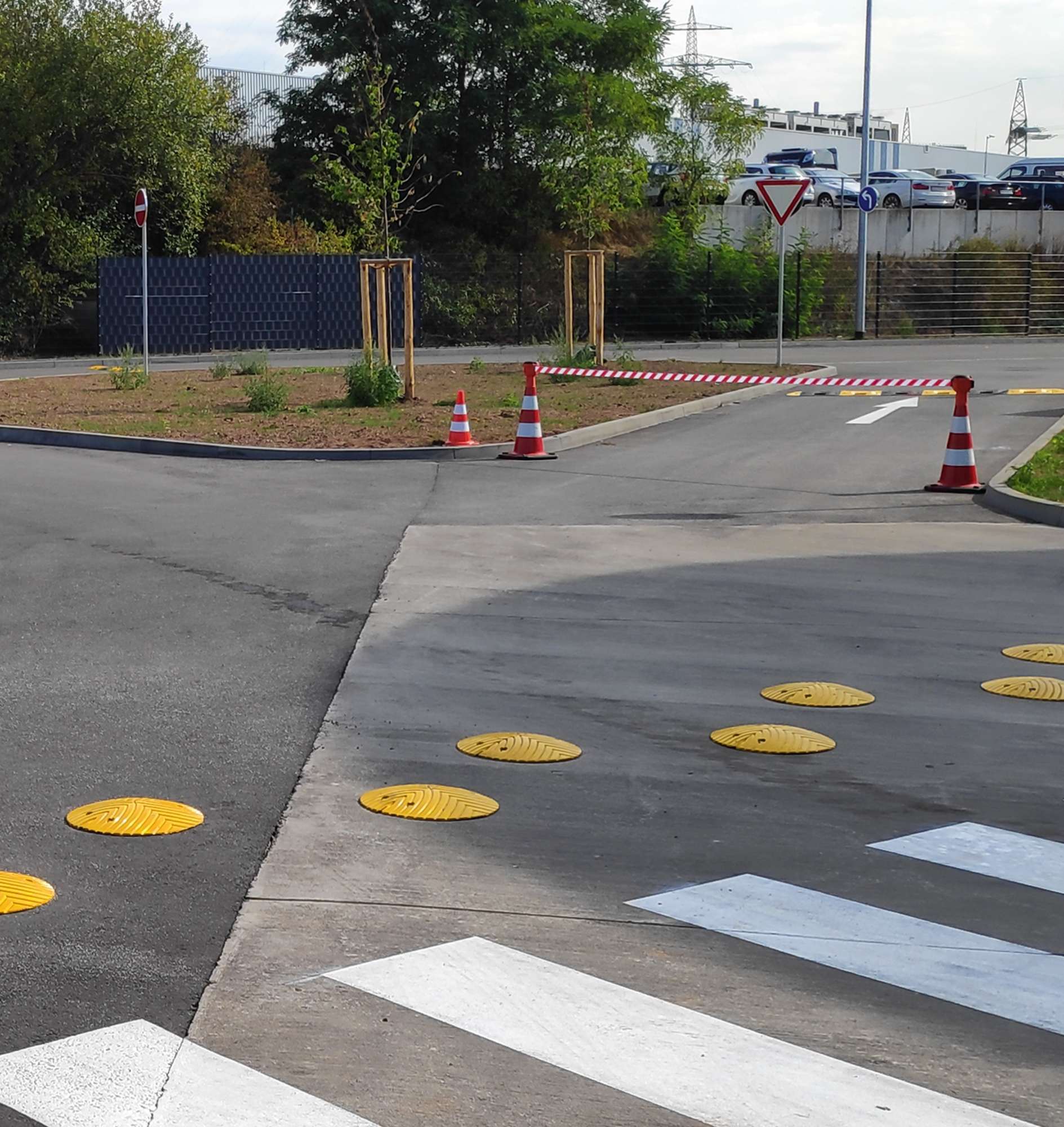
A speed bump, sometimes also called a road hump, is exactly what it sounds like: a raised section of the road surface. But its purpose goes far beyond that. It is one of the most direct and effective ways to force speeds down on a given stretch of road. For those of us working in traffic safety, it is an indispensable tool for creating safer environments, especially for vulnerable road users such as pedestrians and cyclists.
Our range of speed bumps is designed to meet specific needs, from quiet residential areas to heavily trafficked industrial sites.
What a speed bump actually does for safety
A speed bump is far more than just a bump in the road. Think of it as a proactive safety measure that directly influences how drivers behave. For a housing cooperative, a municipal planner or a groundwork contractor, understanding this function is essential to creating environments where people both feel safe and enjoy spending time.
The principle is simple but incredibly effective: driving too fast should be uncomfortable. When a vehicle drives over a properly designed speed bump at too high a speed, the vertical movement becomes noticeable and uncomfortable. This motivates the driver to slow down to an appropriate level, which in turn dramatically reduces the risk of accidents.
Key functions for greater safety
A well-placed speed bump does more than just reduce speed. It acts as a clear signal to the driver: “you are now entering an area where you need to pay extra attention”. This is especially important where cars, cyclists and pedestrians share the same space.
- Protects vulnerable road users: By reducing speeds at crosswalks, schools and in residential areas, the risk of serious injuries drops significantly.
- Reduces noise and through traffic: Lower speeds mean less traffic noise. Speed bumps can also make it less attractive to use local streets as shortcuts, calming an entire neighborhood.
- Creates clear zones: A series of speed bumps can clearly mark the transition from a major road to a quieter residential area and prompt drivers to adjust their driving.
There are several different kinds of speed bumps, each with its own strengths for different situations. To give you a quick overview, we have put together a comparison table showing the most common options from our range.
Comparison of different types of speed bumps
Here is an overview comparing common speed bumps, their primary applications and typical effects.
| Type of speed bump | Primary purpose | Optimal placement | Advantages |
|---|---|---|---|
| Round-top hump | Localized speed reduction | Residential streets, parking lots | Cost-effective, clear effect |
| Speed table | Reduce speed and improve accessibility | Crosswalks, intersections | Doubles as a pedestrian crossing, more comfortable |
| Speed cushion | Reduce speed for passenger cars | Streets with public transit | Lets buses pass unimpeded |
| Modular rubber | Flexible and fast installation | Temporary zones, private roads | Easy to install/remove |
Choosing the right speed bump is key to getting the effect you want without creating unnecessary problems. Need help analyzing which solution best fits your needs? Contact us at Nordguard and we will support your project with expertise and guidance.
Choosing the right type of speed bump for your needs
Choosing the right speed bump is absolutely critical to achieving the traffic safety you want without creating new problems at the same time. The market is flooded with different solutions, and each type has its own unique features suited to very different situations. Understanding these differences is the first step toward a successful, long-term investment in a safer environment.
At its core, it is about striking a balance between reducing speed and maintaining good accessibility, comfort and a reasonable cost. A solution that works perfectly outside a school may be completely wrong for an industrial property with heavy traffic. That is why a thorough needs analysis is essential.
Tailored solutions for specific scenarios
To make the choice a little easier, you can start from the specific problem that needs to be solved. After all, each speed bump is designed to handle different kinds of traffic and environments.
- Round-top humps (classic speed bump): This is the most common type we see, usually made of asphalt or rubber. It is highly effective at creating a clear, localized speed reduction on straight stretches in residential areas or in parking lots where you want to bring speeds down to around 30 km/h.
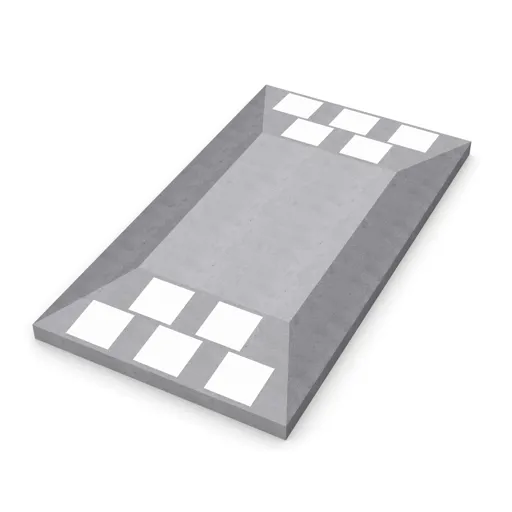
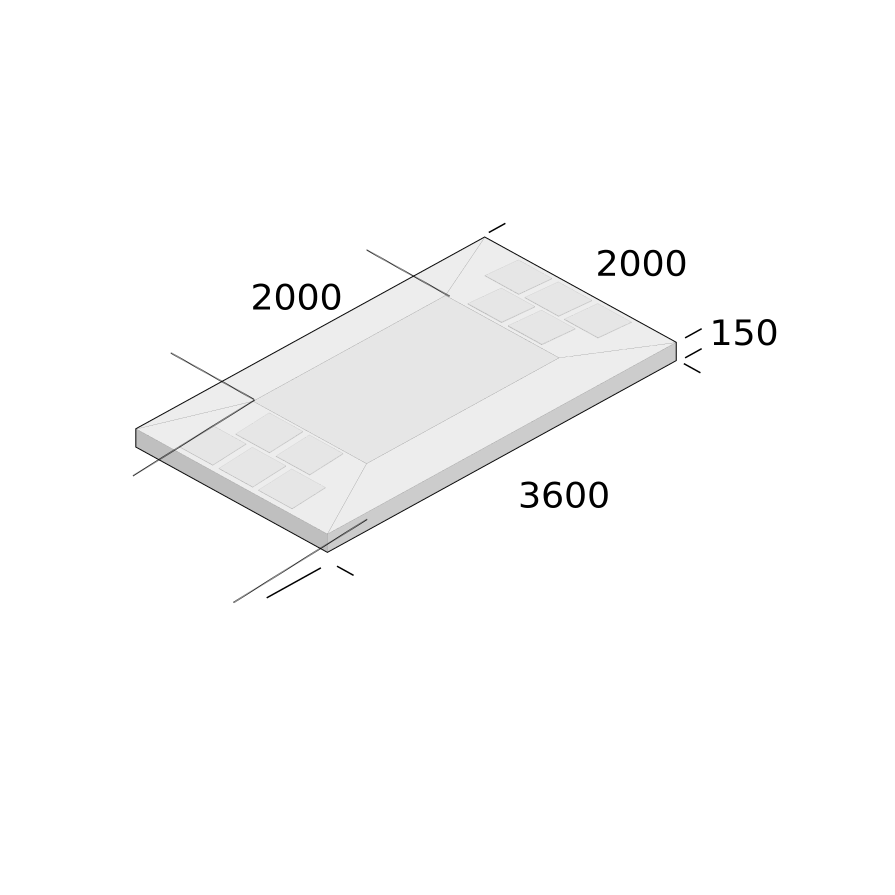
- Speed tables: This variant is wider and has a flat top, providing a much smoother ride over it. A speed table is a perfect solution at crosswalks, since it both reduces speed and acts as a raised walkway. It improves both accessibility and visibility for pedestrians.
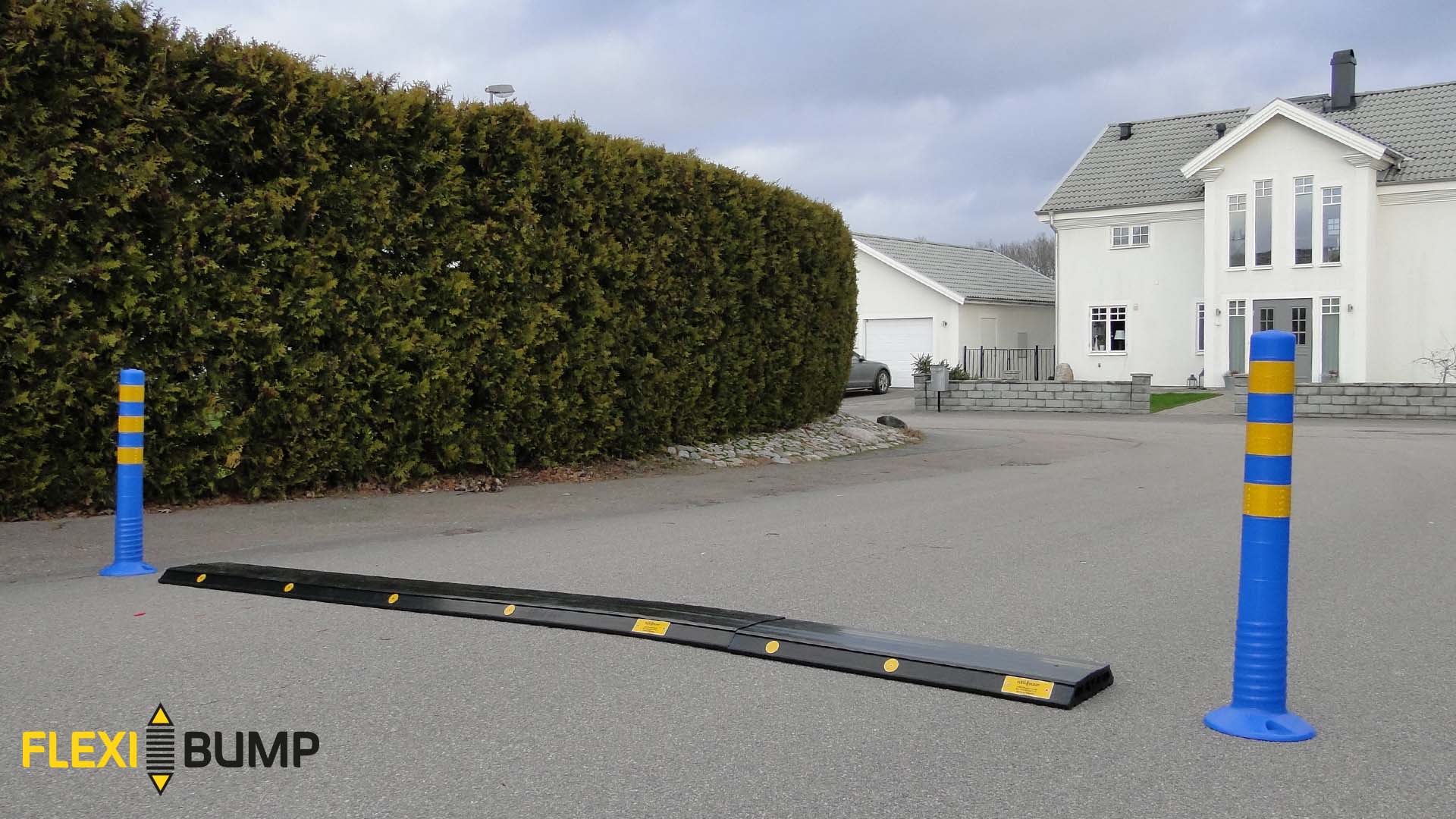
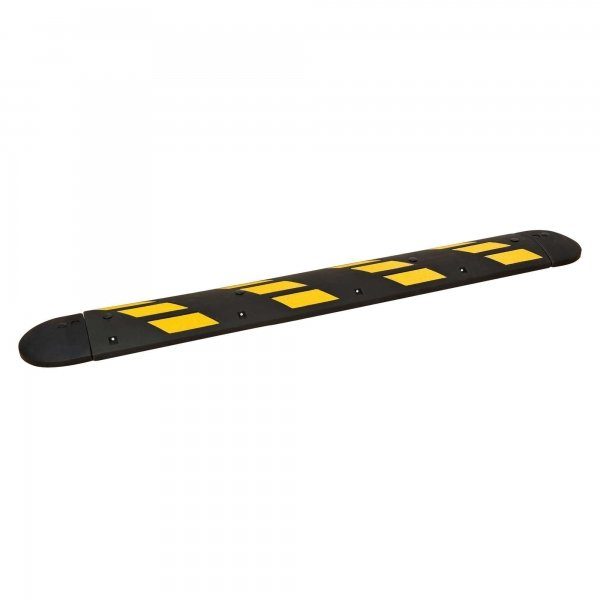
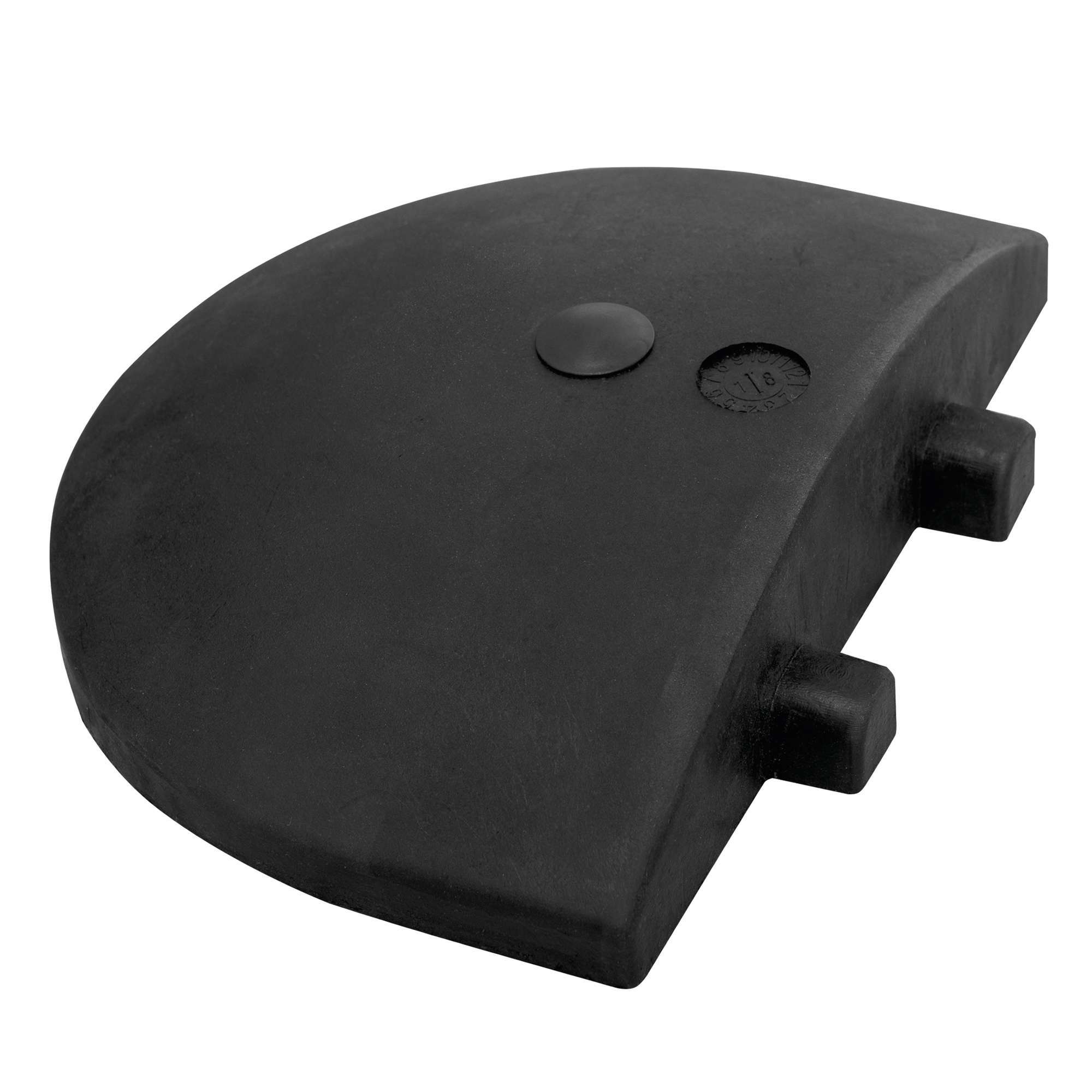
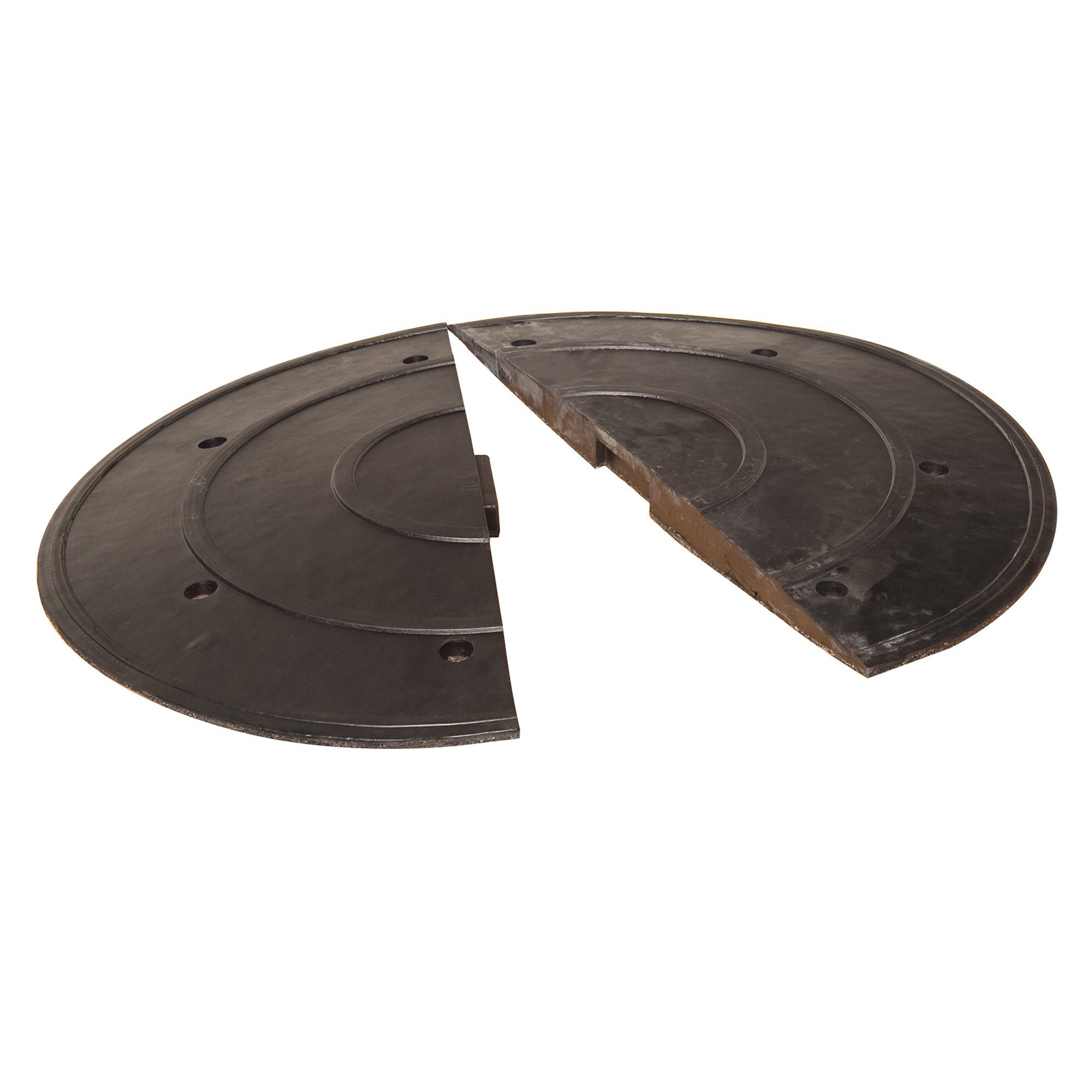
- Modular rubber speed bumps: Flexibility is the big advantage here. The modules can easily be installed, moved or removed when needs change. They are ideal for private road associations, temporary worksites or events where you quickly need to create a safe zone. This type is also often the most cost-effective to install.
A common mistake is choosing a far too aggressive speed bump for a road that already has a low speed limit. The result is often unnecessary noise and irritated road users instead of a smooth, accepted speed reduction. The goal, after all, is to make speeding uncomfortable, not to punish those who are already driving at the right speed.
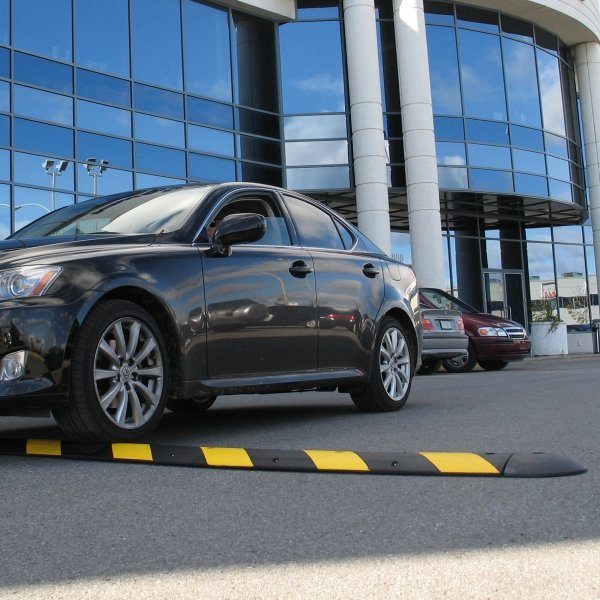
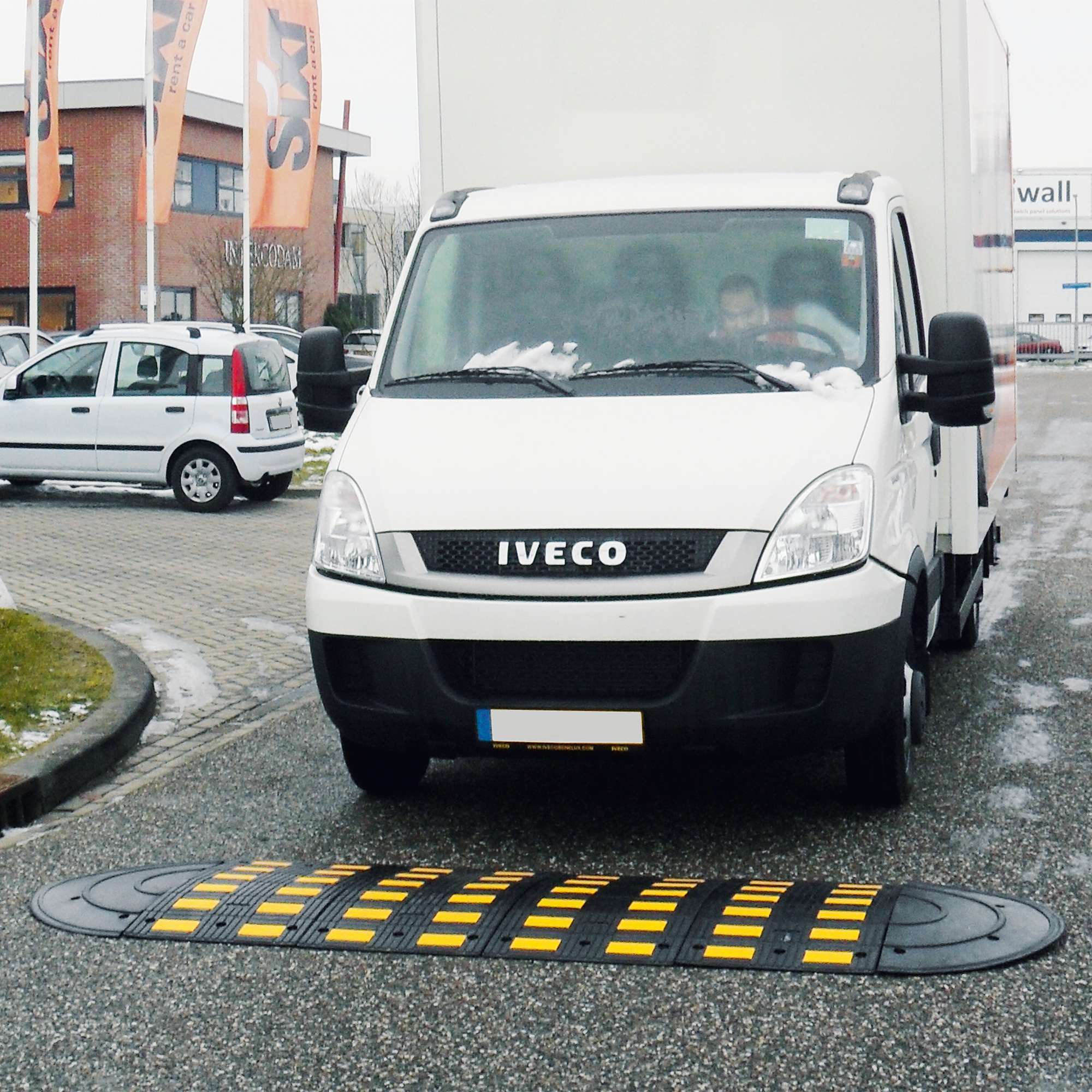
As the image shows: when speeds climb above a safe level, a speed bump becomes a straightforward and effective tool for restoring safety.
Things to consider before you choose
Before you commit, ask yourself a few basic questions. The answers will guide you toward the product that best suits your particular conditions.
The nature of the traffic is decisive:
- What type of vehicles use the road? Is it mostly passenger cars, or is there heavy traffic such as buses, trucks and garbage trucks? Some models, such as speed cushions, are cleverly designed to let wider vehicles like buses pass with minimal impact.
- What is the desired speed? Should speeds come down to 30 km/h or perhaps all the way to 15 km/h? It is the height and length of the speed bump that determine how strong the speed reduction will be.
- Is it a permanent or temporary solution? An asphalt speed bump is a permanent installation, while modular rubber systems offer flexibility suited to seasonal needs or in case traffic patterns change.
By thinking through these factors, you can be confident that you are choosing a speed bump that is not only effective but also durable and accepted by those who drive on the road. Exploring different speed bumps is a good next step to see which specific models meet your requirements.
Nordguard’s range covers everything from robust, permanent installations to flexible and temporary speed bumps. This ensures we can offer a solution that fits your unique needs.
Not sure which model is best for your project? Contact us at Nordguard for expertise and personal advice. We help you analyze your needs and recommend a speed bump that creates a safer environment for everyone.
Rules and permits you need to know
Installing a speed bump is not as simple as just placing an obstacle on the road. The entire process is governed by a detailed set of regulations designed to ensure safety, accessibility and your legal protection. As a decision-maker in a municipality or housing cooperative, or as a contractor, it is absolutely essential to know the rules. That is how you avoid costly mistakes and make sure the installation is both approved and functional.
At its core, it is a balancing act. On the one hand, we want to reduce speeds, but on the other, we must not create new problems. A poorly placed or incorrectly designed speed bump can cause everything from noise and vibrations in nearby homes to actually obstructing emergency vehicles and snow removal. That is why authorities such as the Swedish Transport Administration and the municipalities act as gatekeepers – they ensure that every new speed bump meets strict requirements.
When is a permit required?
The first thing you need to determine is who owns the road. The responsibility and the permit process look completely different depending on whether the road is public or private.
- On public roads: Here, it is always the municipality or the Swedish Transport Administration that decides. As a private individual or association, you can certainly submit a citizen proposal, but it is the road authority that investigates the need, makes the decision and handles the installation.
- On private roads (within a housing cooperative, joint property association or industrial area): Here, you as the owner have considerably more freedom and can make the decision yourselves. But that does not mean anything goes. You are still obligated to ensure that the speed bump is safe, correctly designed and clearly signposted. Otherwise, you risk being held legally liable if an accident occurs.
Even though a formal permit is rarely needed for private roads, we strongly recommend always following the guidelines that apply to public roads. This creates a safe and predictable traffic environment for everyone moving through the area.
Standard dimensions and technical requirements
Designing a speed bump is no guessing game. The dimensions are carefully developed to deliver exactly the right effect – a clear speed reduction without damaging vehicles or causing unnecessary discomfort for occupants.
| Speed Limit | Type of speed bump | Recommended height | Recommended length |
|---|---|---|---|
| 30 km/h | Round-top hump | 8-10 cm | approx. 4 meters |
| 30 km/h | Speed table | 8-10 cm | 6-8 meters |
| < 15 km/h | Aggressive hump | 5-7 cm | Very short |
Choosing the right height and length is essential. A hump that is too high or too short on a 30 km/h road can feel like a hard jolt and lead to complaints, while a hump that is too flat has no effect at all. The goal is a gentle but firm reminder to slow down.
Why are these rules so important today? Because traffic has exploded. In the 1950s, there were only 250,000 passenger cars in Sweden. Just nine years later, in 1959, the number had quadrupled to over 1 million vehicles on the road. This development has placed entirely new demands on our roads and traffic safety solutions. You can read more about the development of the car in Sweden at SCB.se to understand the historical context.
Signage is your legal protection
Proper signage is not just a recommendation – it is a legal requirement. Think of the signs as your most important legal protection. If an accident occurs and there is no clear advance warning of the speed bump, you as the road owner may be held liable for damage to vehicles.
Mandatory signage includes:
- Warning sign A9 (Speed Bump): This sign must be placed well in advance of the obstacle. Drivers must be given a fair chance to react and slow down.
- Speed sign: Directly next to the speed bump, there should be a sign indicating the recommended speed over the bump, for example 30 km/h.
Navigating the regulations can feel complicated, but it is an absolutely necessary part of the process of creating a safe, legal and functional traffic solution.
Unsure which rules apply to your particular project, or how to design a speed bump to current standards? Contact us at Nordguard for expert advice. We help you ensure your project complies with all laws and requirements, from the first drawing to the finished installation.
Step by step: How to choose the right material for your speed bump
Choosing the material for a speed bump is one of those critical decisions that echoes throughout the entire life of the project. It is about more than just the price tag here and now – it affects everything from durability and maintenance to how the bump is actually experienced by road users and nearby residents.
A smart choice here lays the foundation for a traffic safety solution that works for many years to come. To make the process a little easier, we have boiled it down to four practical steps. Think of it as a checklist, whether you are a property owner, a contractor or on the board of a housing cooperative.
Step 1: Take a real look at the traffic
Everything starts with an honest look at which vehicles will actually be rolling over the speed bump. This is the very foundation of your material choice, since wear differs enormously between a passenger car and a fully loaded garbage truck.
Ask yourself these two questions:
- Which vehicles dominate? Is it mostly ordinary passenger cars, or do you have regular heavy traffic such as buses, garbage trucks or delivery vehicles? Heavy vehicles place completely different demands on both the strength of the material and how it is anchored to the ground.
- How much traffic are we talking about? A street with hundreds of passes every day needs a much tougher material than a quiet entrance to a small residential neighborhood.
A material that is perfect for passenger cars alone can wear down surprisingly quickly if it is regularly exposed to heavy axle loads.
Step 2: Set a crystal-clear speed target
What do you really want to achieve? The answer guides both design and material. The goal is rarely to bring traffic to a dead stop, but rather to calm it down to a safe and reasonable level for the location.
A common and sensible goal is to reduce speeds to 30 km/h on streets used by pedestrians and cyclists. In especially sensitive environments, such as outside a preschool or in a cramped parking lot, the target may be as low as 15 km/h.
A higher, more aggressively shaped bump produces harder braking, while a longer, gentler version creates a smoother speed reduction. Material and design must align with the target you set.
Step 3: Compare material properties
Once you know what traffic needs to be handled and what speed you are aiming for, it is time to look at the options. The most common contenders are asphalt, rubber and plastic. Each material has its own strengths and weaknesses when it comes to service life, budget and maintenance.
To give you a quick overview, we have put together a simple comparison table.
Material guide for speed bumps
Here we compare the most common materials to help you as a buyer quickly see which option best fits your needs and your budget.
| Material | Expected service life | Installation cost | Maintenance needs | Best suited for |
|---|---|---|---|---|
| Asphalt | Very long (10+ years) | High | Low, but expensive to repair | Permanent solutions on public roads with heavy traffic. |
| Rubber | Long (5-10 years) | Medium | Minimal, damaged modules can easily be replaced. | Flexible and fast installations, perfect for housing cooperatives and businesses. |
| Plastic | Medium (3-7 years) | Low | Low, but more sensitive to wear and heavy traffic. | Temporary solutions or locations with very low traffic. |
As you can see, modular solutions are often a smart and flexible choice. If you want to know more about why so many choose this route, you can read more about the benefits of rubber speed bumps and see if they suit your project.
Step 4: Don’t forget the side effects
Last but not least, consider how the speed bump will affect its surroundings. This can make a big difference in how the installation is received by those who live or work nearby.
Two things are especially important to consider:
- Noise: Hard materials like asphalt can create more noise and vibrations when cars drive over them, which can be disturbing for nearby residents. Rubber is generally a quieter material that dampens sound better.
- Winter maintenance: In our Nordic climate, this is critical. The speed bump must withstand snow removal. Choose a model with sloped edges so the snowplow can glide over without damaging either the bump or the plow blade.
By working through these four steps, you make sure you choose not just a solution that fits the budget, but one that is also durable and perfectly suited to your unique situation.
Need to bounce around ideas or get help analyzing your needs? Contact us at Nordguard for free expert help. We will make sure you find exactly the right speed bump for your project.
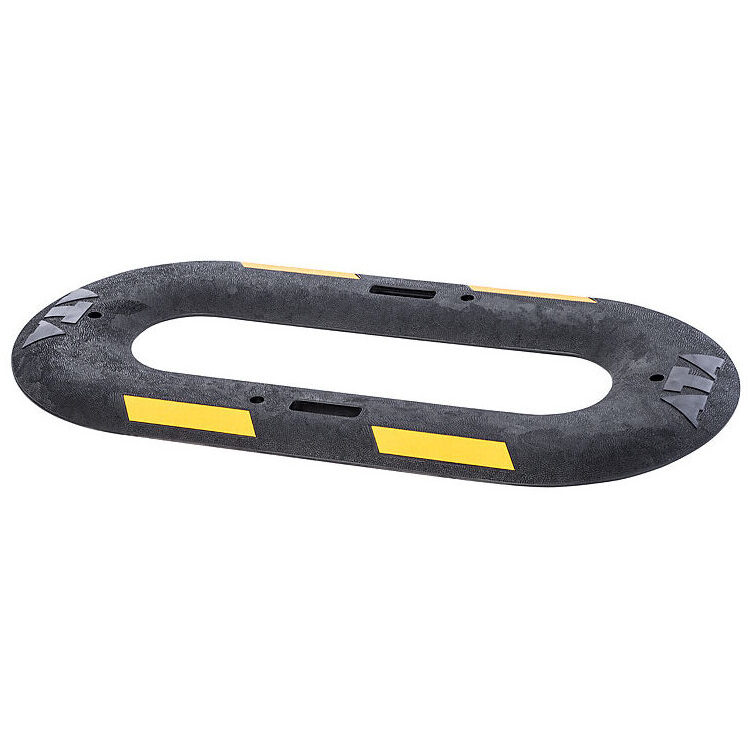
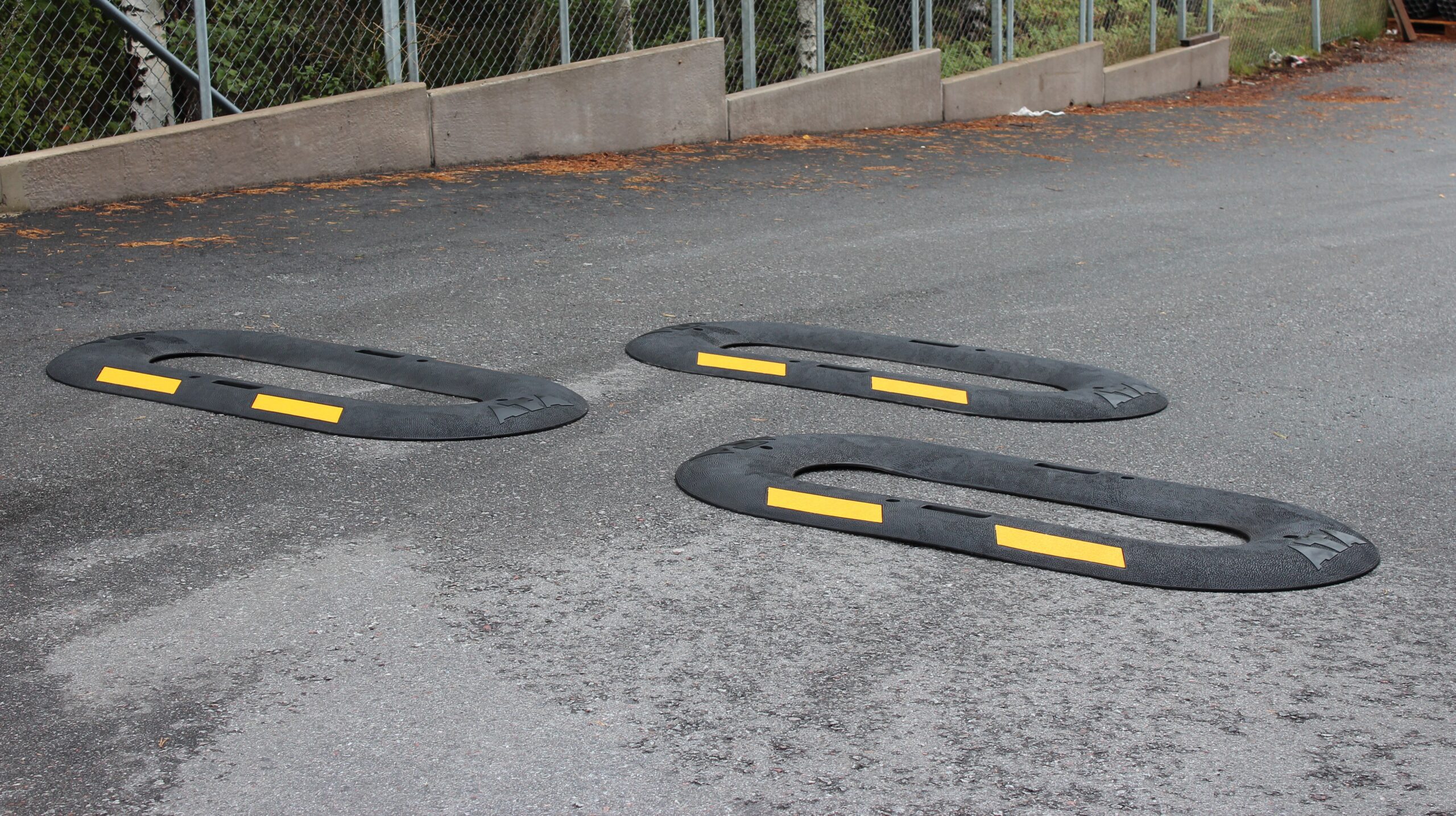
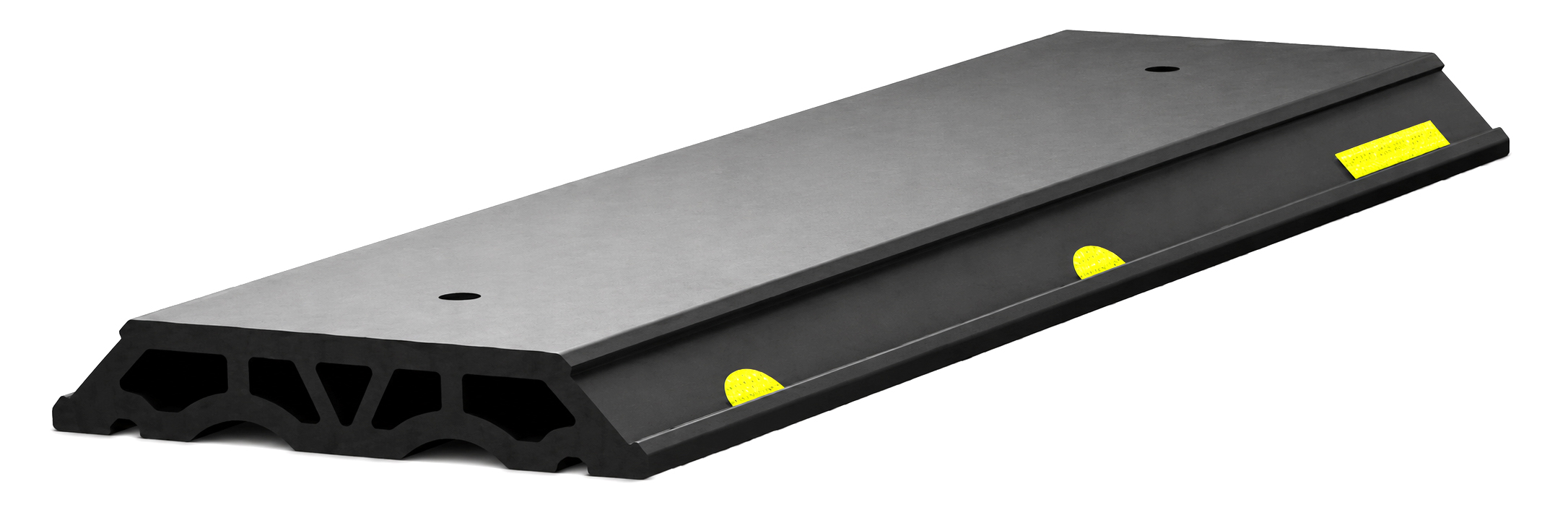
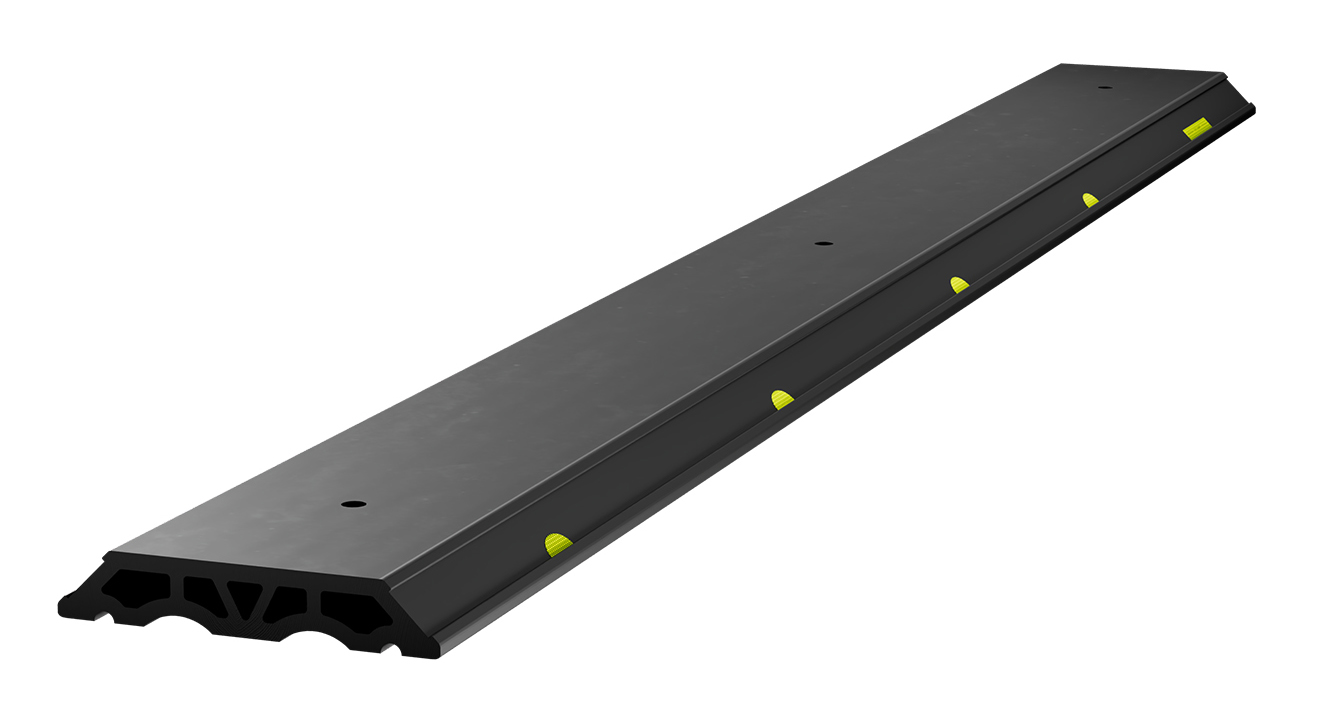
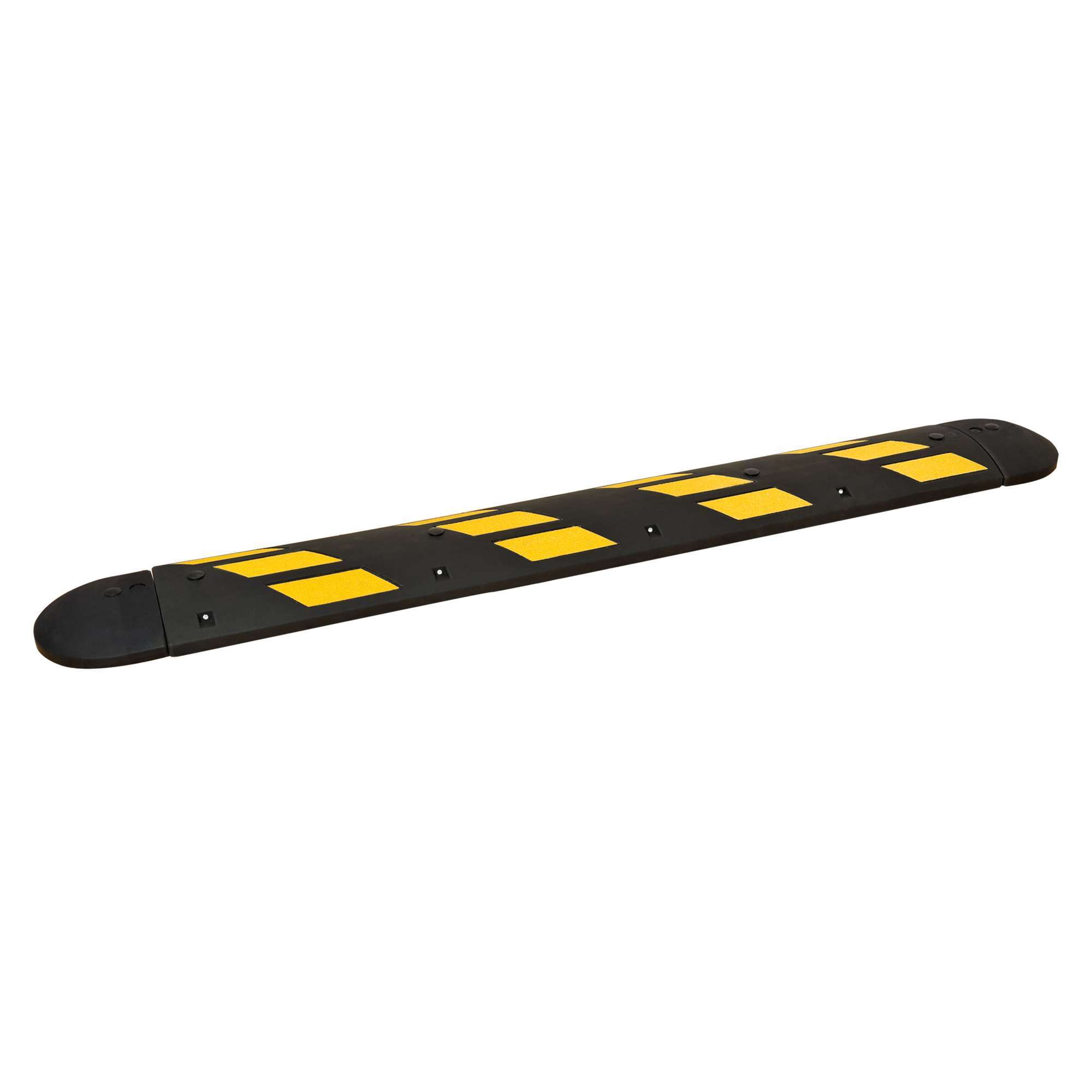
 Black/Yellow
 Black
Black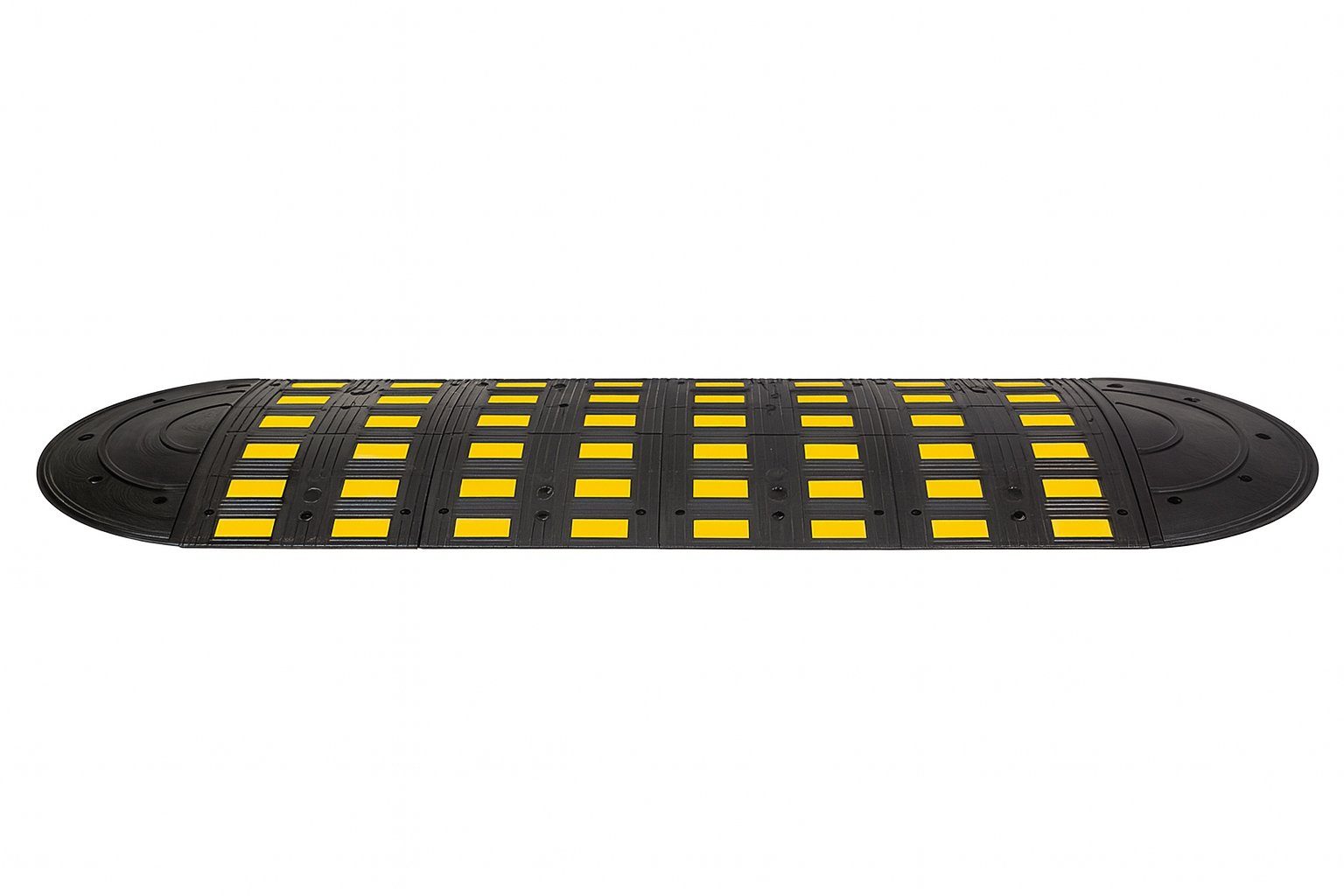
 Black/Yellow
 Black
BlackHow to get the installation right
A speed bump can be perfectly designed, but if the installation is sloppy, the entire investment is wasted. Poor installation can lead to everything from a shortened service life and damage to vehicles to the bump simply coming loose from the road. This section is a practical guide for groundwork contractors and property managers, focusing on how to ensure a professional and durable result.
A successful installation starts long before the first bolt is tightened. It is all about careful preparation, the right tools and an understanding of how the materials behave in our Nordic climate. The process ensures not only that your speed bump stays where it should, but also that it performs its function safely and effectively for many years to come.
Prepare the surface – the foundation of everything
The foundation of a stable installation is always the surface. Whether you are installing on asphalt or concrete, the surface must be clean, dry and free of damage. This is by far the most important step, and cutting corners here is the most common cause of problems down the line.
- Cleaning is essential: Start by sweeping away all loose gravel, dust and dirt. A wire brush is perfect for removing ground-in dirt and oil stains. For best results, a pressure washer may be necessary, but make sure the surface dries completely before you continue.
- Repair cracks and unevenness: A speed bump installed on an uneven surface will be exposed to completely unnecessary stress. Small cracks can allow water to seep in under the bump, freeze in winter and gradually push it loose. Repair all damage to the asphalt or concrete before you even think about installing.
By making sure the surface is in top condition, you give the anchoring the best possible conditions to hold.
Choose the right anchoring method
The choice of anchoring depends entirely on the surface and the type of speed bump you are installing. The two most common methods are mechanical anchoring with bolts and chemical anchoring with adhesive. For maximum strength, a combination of both is often used.
Comparison of anchoring methods
| Method | Advantages | Disadvantages | Best for |
|---|---|---|---|
| Mechanical (Bolts) | Strong and immediate fixing. Easy to inspect. | Requires drilling. Risk of damage to the surface if done incorrectly. | Asphalt and concrete. |
| Chemical (Adhesive) | Distributes the load evenly. Seals against moisture. | Requires curing time. Sensitive to temperature during application. | Even surfaces, as a complement to bolting. |
For a permanent and extra durable solution, we almost always recommend a combination. A powerful 2-component adhesive for permanent anchoring creates a completely watertight barrier while providing tremendous adhesion. This is then supplemented with mechanical bolting to lock the bump in place for good.
Pitfalls you must avoid
Even the most experienced installer can make mistakes. Knowing the most common pitfalls is the best way to avoid them.
A critical mistake is incorrect placement. A speed bump placed in a dip will inevitably cause water to pool. This not only leads to dangerous ice formation in winter but also accelerates the deterioration of both the bump and the asphalt.
Checklist to avoid problems:
- Check the drainage: Make sure the placement allows water to drain freely off the road.
- Tighten the bolts with care: Overtightened bolts can damage both the bump and the surface, while bolts that are too loose will soon cause it to come loose. Use a torque wrench for the correct force.
- Don’t forget the signs! An unmarked speed bump is a traffic hazard and a legal liability. Warning signs and speed signs must be in place from day one.
Getting the installation right is about precision and not taking any shortcuts. At Nordguard, we offer not only products of the highest quality but also technical support and all the complementary products you need, such as road markings and signs.
Need guidance or a complete project plan for your installation? Contact our experts at Nordguard today, and we will help you ensure a perfect result.
Maintenance that maximizes service life
A speed bump is a long-term investment in traffic safety. But like any investment, it needs a little care to pay off fully over time. By thinking about maintenance from the start, you can extend its service life considerably while keeping the total cost down. Ignoring it is a bit like inviting unnecessary wear and expensive repairs down the line.
The key is to work proactively – to inspect the speed bump regularly and fix small issues before they grow into big ones. That is how you make sure your speed bump remains both functional and safe, year after year. It doesn’t matter whether you represent a municipality, a road association or a business; the principle is the same.
Comparison of maintenance needs
How much work you need to put into maintenance depends entirely on the material you choose. The difference is actually quite significant.
- Asphalt speed bumps: These require regular inspections, especially after a harsh winter. Watch out for cracks and settling, which easily occur when the frost leaves the ground. Small cracks must be sealed quickly, otherwise water seeps in and causes much greater damage.
- Modular rubber speed bumps: Here, maintenance is much simpler. Inspection is mostly a matter of checking that all modules are secure and that no bolts have worked loose. Should a single section be damaged, it is easy and cost-effective to replace – you don’t need to redo the entire speed bump.
This difference in maintenance means that a modular rubber speed bump often ends up cheaper in the long run, even if the purchase price itself may be slightly higher.
Challenges in our Nordic climate
Our Swedish climate is not exactly kind to things lying on the ground. Snow, ice, salt and not least snowplows place enormous demands on the design and material of the speed bump.
The biggest threat to a speed bump’s service life is often not regular traffic, but winter maintenance. A snowplow coming at high speed with its blade lowered can cause enormous damage to an incorrectly designed or installed bump.
To protect your investment, it is therefore absolutely essential to choose a speed bump designed for Nordic conditions. Models with gently beveled edges let the plow blade glide over instead of catching and tearing the speed bump apart. Materials like rubber also withstand road salt without any problems, preventing the kind of deterioration that other materials can suffer from.
By choosing products from Nordguard, which are developed for exactly this – minimal maintenance and maximum durability – you get a solution that works for many years. It is a safe investment for everyone, from the small road association to the large municipality.
Need advice on maintenance, or want to invest in a speed bump built to last? Contact us at Nordguard and we will help you find a solution that maximizes both safety and service life.
Frequently asked questions about speed bumps
Here we have gathered some of the most common questions we encounter when customers are planning new speed bumps. The answers are straightforward and simple, intended to help you navigate your project and make the right decision for your particular situation.
Who decides whether a speed bump should be built?
It depends entirely on who owns the road. For public roads, it is always the municipality or the Swedish Transport Administration that makes the decision, usually after analyzing the need.
But on private land – such as within a housing cooperative, a joint property association or on a business site – it is the property owner who decides. We at Nordguard can help you sort out which rules and recommendations apply where you are.
How much does a speed bump cost?
The price can vary quite a bit. It depends on factors such as material, size and how much installation work is required. A modular rubber speed bump often has a lower upfront cost and can be put in place quickly. A traditional asphalt speed bump, on the other hand, may involve other long-term considerations.
Because we deliver directly, we can offer competitive prices and give you a clear quote tailored exactly to your needs.
Can a speed bump damage my car?
No, a properly designed and installed speed bump does not damage vehicles traveling at the recommended speed. All our products are manufactured to comply with current standards. They are designed to be effective without causing unnecessary wear on cars.
The key is to match the bump to the applicable speed limit. A bump for 30 km/h is designed to provide a gentle but clear reminder, not a hard jolt.
Do speed bumps work in winter with snow removal?
Absolutely. This is a crucial question in our Nordic climate. Our modern speed bumps have beveled edges specifically designed to handle snowplowing without any problems.
By choosing the right model and placing it wisely, you minimize winter maintenance issues. This allows the speed bump to do its job and keep traffic safe, all year round.
Have more questions, or need help planning your project? Our experts at Nordguard have the answers and will support you all the way from idea to finished solution. Contact us today for personal advice and a free quote.
Ready to take the next step?
We help you develop solutions tailored to your needs. At Nordguard, we strive to make the ordering process as smooth as possible. By offering support and guidance throughout the entire purchasing experience, we make sure you feel confident and satisfied with your choice of protection products.+46 10 153 90 50
[email protected]