
Rubber Speed Bumps: A Complete Guide to Traffic Safety
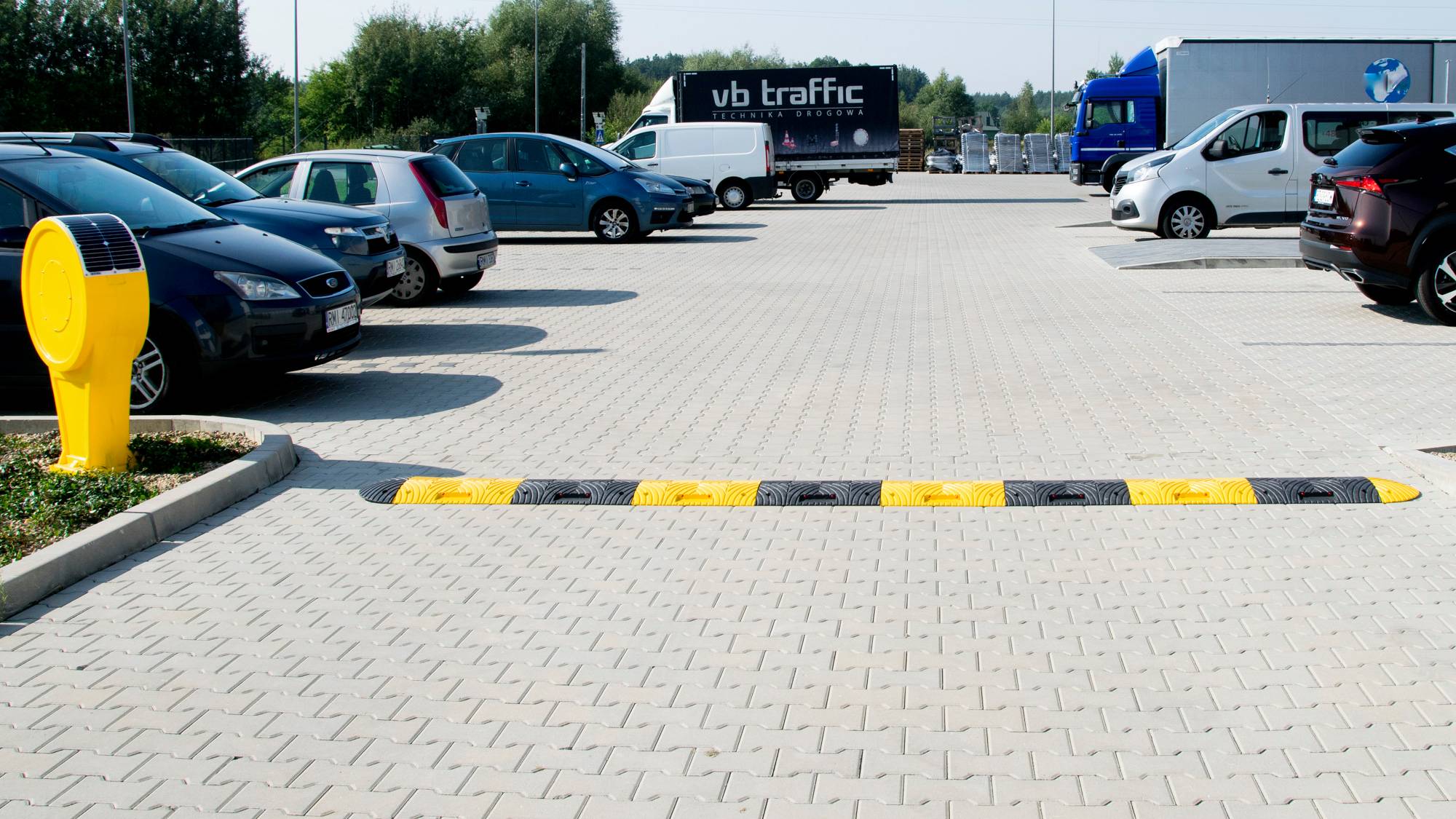
Speeding in residential areas, parking lots and industrial sites is a growing problem that creates both insecurity and immediate danger. One of the most effective, flexible and cost-efficient solutions is rubber speed bumps. They don’t just physically force drivers to slow down; they also help create a calmer, safer traffic environment for everyone – employees, residents and visitors alike.
Their unique advantages, such as easy installation, gentle impact on vehicles and low maintenance, make them the obvious choice for property owners, homeowners associations and businesses that want to take control of safety.
Why rubber speed bumps are such an effective solution
Creating a safe environment is essential for every property owner, housing cooperative and municipality. Excessive speeds on private roads and in parking lots don’t just make people feel unsafe – they increase the risk of serious collisions involving both people and property. This is where a rubber speed bump comes in as a proven, reliable solution to a very real problem.
The problem is widespread. Studies show that between 33 and 80 percent of all drivers in Sweden speed, especially in built-up areas. This creates life-threatening situations for vulnerable road users such as children, pedestrians and cyclists. Research confirms that speed bumps reduce actual average speeds by 5–20 km/h, which can be the difference between an incident and a tragedy.
The flexible solution to an urgent problem
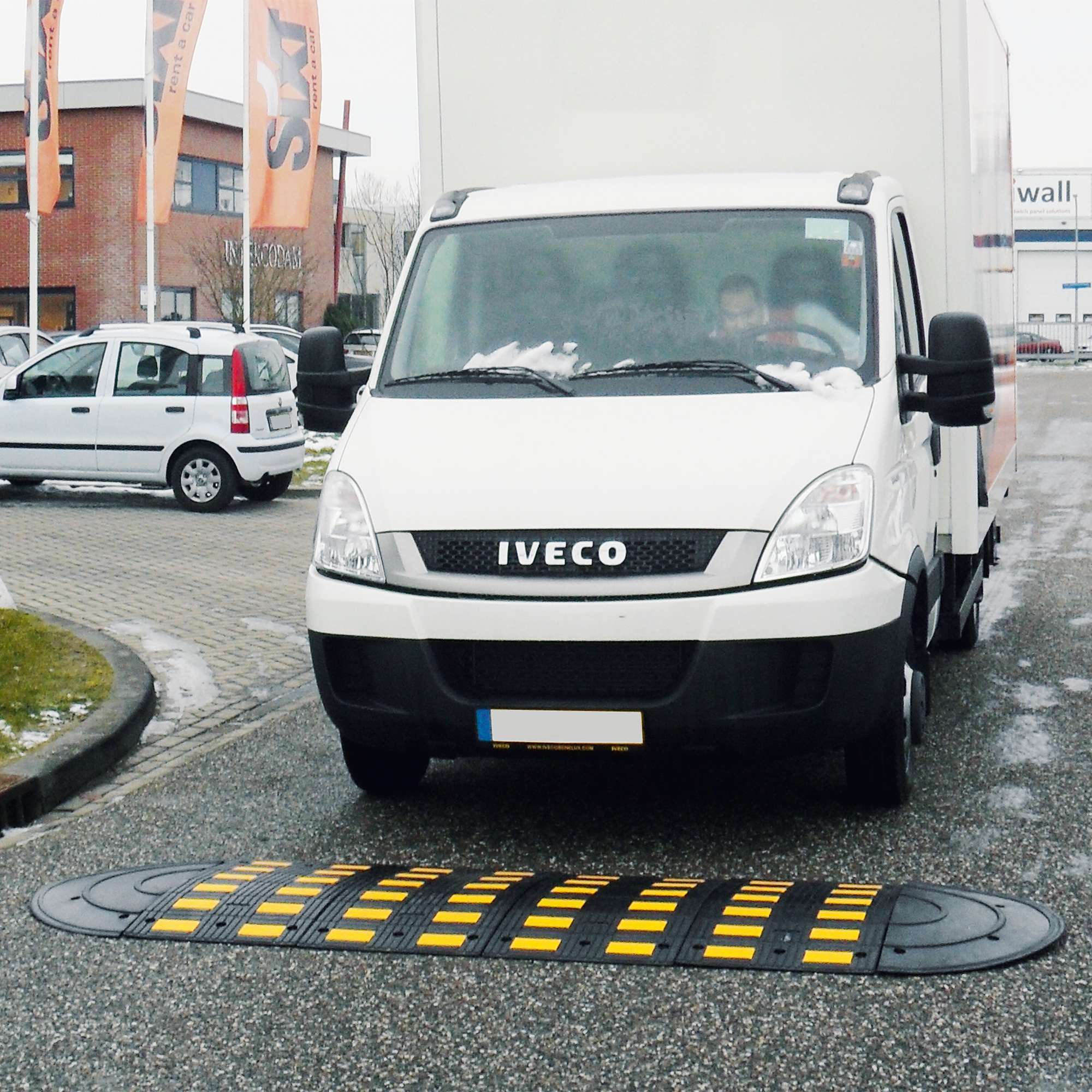
Unlike permanent obstacles cast in asphalt or concrete, rubber offers an unbeatable combination of effectiveness and flexibility. Rubber speed bumps are designed to be gentle on vehicles traveling at the recommended speed, which minimizes complaints from drivers and unnecessary wear. At the same time, they are robust enough to force drivers who ignore speed limits to slow down.
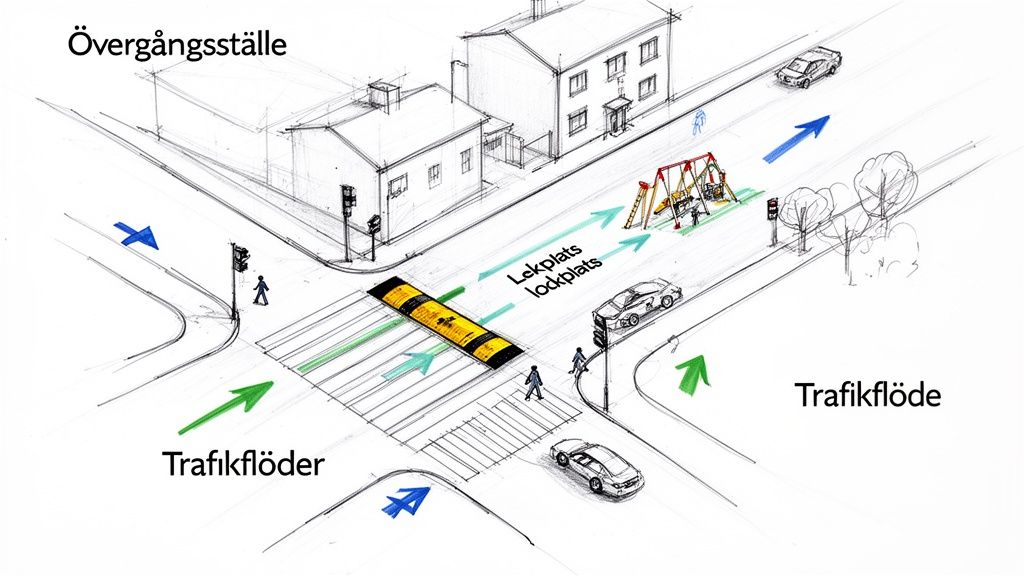
This flowchart shows how simple the decision-making process can be once you have identified a speeding problem.
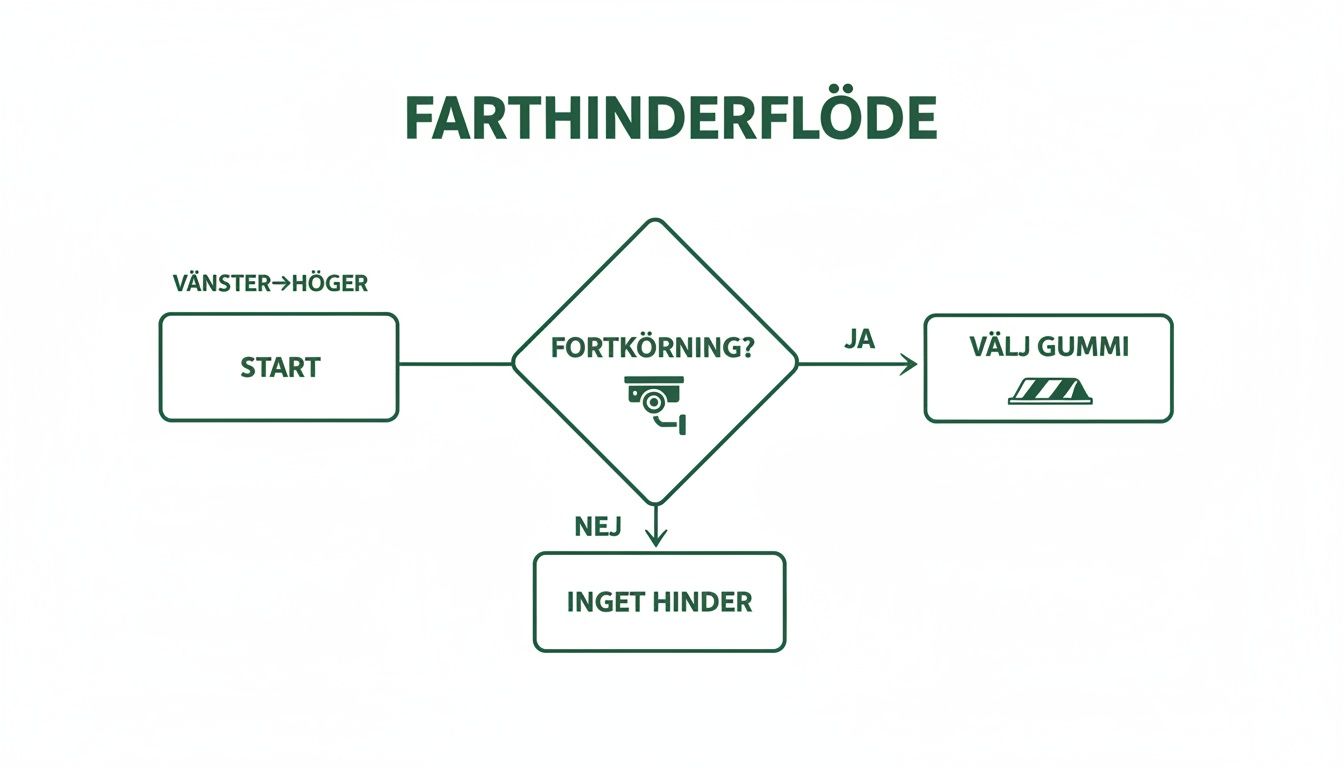
As the image shows, a rubber speed bump is a direct and effective countermeasure once speeding has been confirmed. If you are experiencing speeding problems in your area, contact us and we’ll help you find a solution.
Comparison of speed bump materials
To give you a quick overview, we have summarized the key differences between rubber, asphalt and concrete speed bumps.
| Feature | Rubber Speed Bump | Asphalt Bump | Concrete Bump |
|---|---|---|---|
| Installation | Quick and easy, can be done year-round. Often removable. | Requires specialized equipment and favorable weather. | Complicated, requires a long curing time. |
| Flexibility | Very high. Modular and easy to adapt or relocate. | Low. Permanent installation that is difficult to change. | Very low. Completely permanent, difficult to remove. |
| Impact on vehicles | Gentle at the correct speed thanks to its elasticity. | Rigid and hard, can cause wear on vehicles. | Very rigid. High risk of vehicle damage. |
| Sustainability | Good, often made from recycled material. | Dependent on oil prices, less eco-friendly. | Resource-intensive production (cement). |
| Maintenance | Low. Individual modules can easily be replaced if damaged. | Can crack and erode, requires patching. | Can crack, difficult to repair. |
| Cost | Lower initial and installation costs. | Higher installation cost, requires machinery. | High initial cost for materials and labor. |
The choice of material naturally depends on the situation, but the table clearly shows why rubber is often the most practical and cost-effective solution to speeding.
More than just slowing traffic
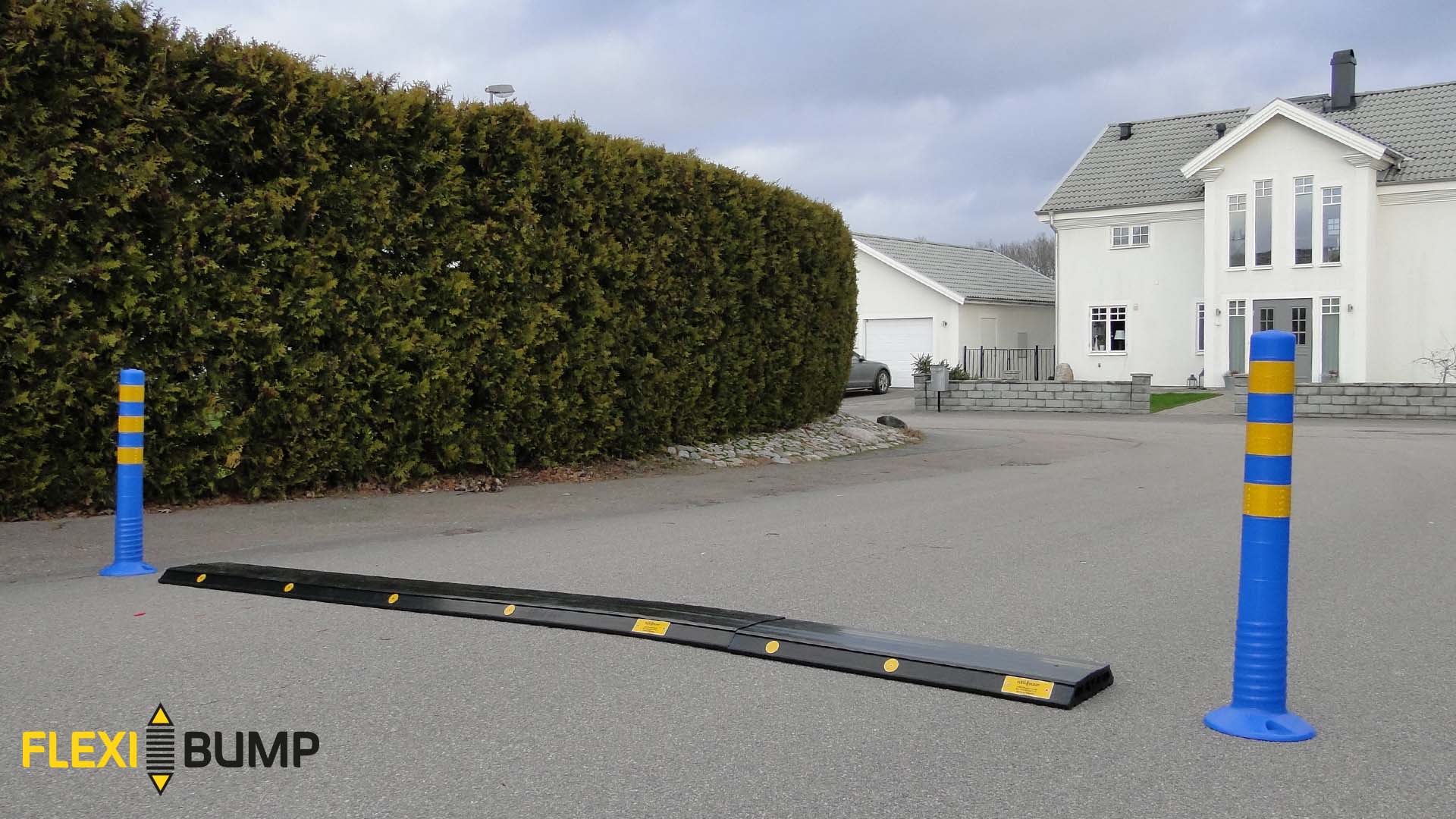
The benefits extend far beyond the primary function. Many rubber speed bumps are made from recycled material, which makes them a smart choice for the environment as well. The modular design, found in products like our popular Flexibump ECO speed bump, makes installation significantly easier and makes it a breeze to adjust the length to the width of the road.
A well-placed speed bump doesn’t just protect lives – it also changes behavior. By physically reminding drivers to slow down, it helps build a culture of greater consideration on the road.
This adaptability makes rubber speed bumps a perfect fit for a wide range of environments – from a small community’s private road to large logistics areas where both cars and heavy vehicles operate. This guide will walk you through everything you need to know to make a smart, long-term investment in safety.
Why is rubber such a smart material for speed bumps?
What actually makes a rubber speed bump such an effective and popular choice? The answer lies in the material’s unique properties, which seem tailor-made to solve the problems created by modern traffic. Simply put, rubber is more than just a material – it’s a smart feature.
One of its biggest advantages is rubber’s ability to absorb shocks. Unlike rigid materials such as asphalt or concrete, rubber has a natural elasticity. This means a vehicle passing at the recommended speed encounters a softer force. The experience is less jarring for the driver, and wear on the car’s suspension and tires is reduced. This solves the problem of complaints from residents and drivers.
This shock-absorbing ability leads directly to another major benefit, especially in residential areas. Rubber reduces the noise and vibrations that would otherwise travel through the ground. For a housing cooperative, this can be the difference between a welcome safety measure and a constant source of irritation for residents.
Flexibility that makes a difference
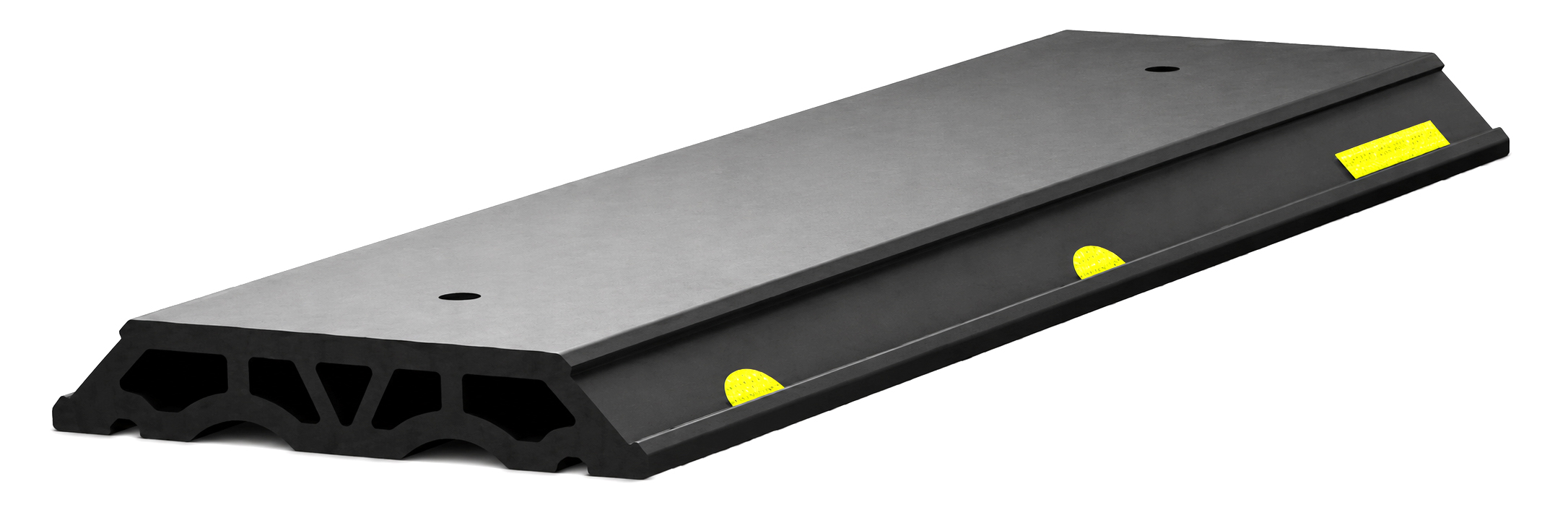
A key advantage of rubber speed bumps is their modular design. Instead of casting one large, permanent obstacle, these solutions consist of sections that are easily assembled. This provides unbeatable flexibility for solving specific problems on site.
- Customizable width: You can tailor the length to fit the width of the road exactly, whether it’s a narrow garage driveway or a wider industrial road.
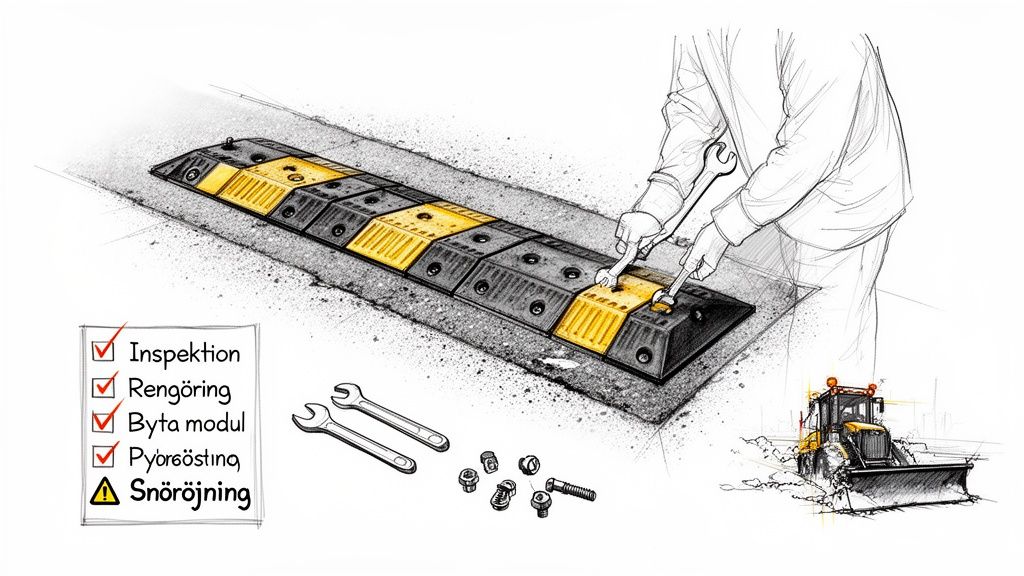
- Easy maintenance: If a section is damaged by a snowplow, you don’t need to replace the entire speed bump. You simply replace the damaged module, which saves both money and time.
- Relocatable: Since they are bolted down, they can be removed and reused elsewhere if traffic patterns or needs change.
This flexibility makes rubber an excellent choice compared with other materials. For a deeper understanding of how material choice affects safety products, read our guide on choosing materials for impact protection.
Visibility and durability – around the clock
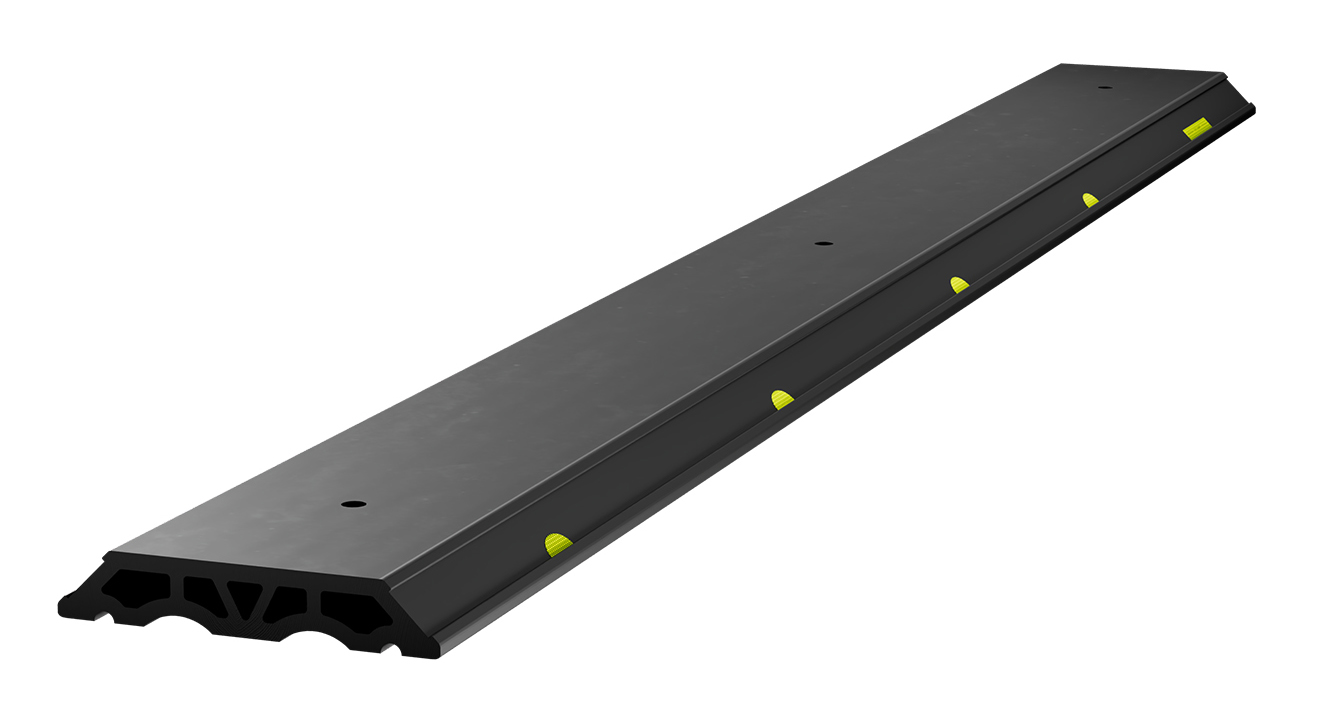
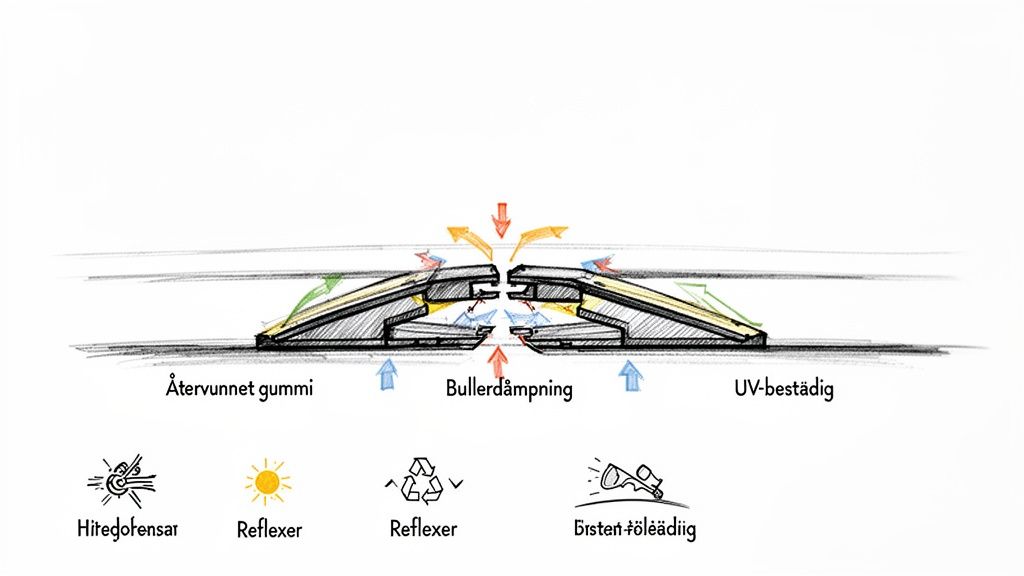
Safety is all about being seen in time. Modern rubber speed bumps are often made with integrated, highly reflective materials or built-in “cat’s eyes.” This ensures the speed bump is clearly visible to drivers in darkness, rain and fog, reducing the risk of surprises and sudden braking. In addition, they are often made of solid-cast, UV-resistant rubber that withstands the sun’s degrading rays and remains functional year after year.
Industry pioneers have been supplying portable rubber speed bumps since 1963, with the simple goal of lowering speeds and increasing safety. Today’s models are often designed for speeds of up to 30 km/h and equipped with top-grade reflectors for maximum visibility.
An honest look at the drawbacks
Despite the many advantages, there are of course limitations. With extremely heavy and frequent traffic, such as trucks at a logistics terminal, rubber can wear faster than concrete. The initial investment may also be somewhat higher than a simple asphalt bump, but the total life-cycle cost is often lower thanks to minimal maintenance and easy installation.
Weighing the advantages – such as noise reduction, gentleness on vehicles and flexibility – against the drawbacks is the key to making a well-informed decision that suits your specific situation and budget.
Not sure which material best meets your requirements? Our team is ready to help you analyze your traffic environment and recommend the most effective solution. Contact us for expert help and let’s create a safer environment together.
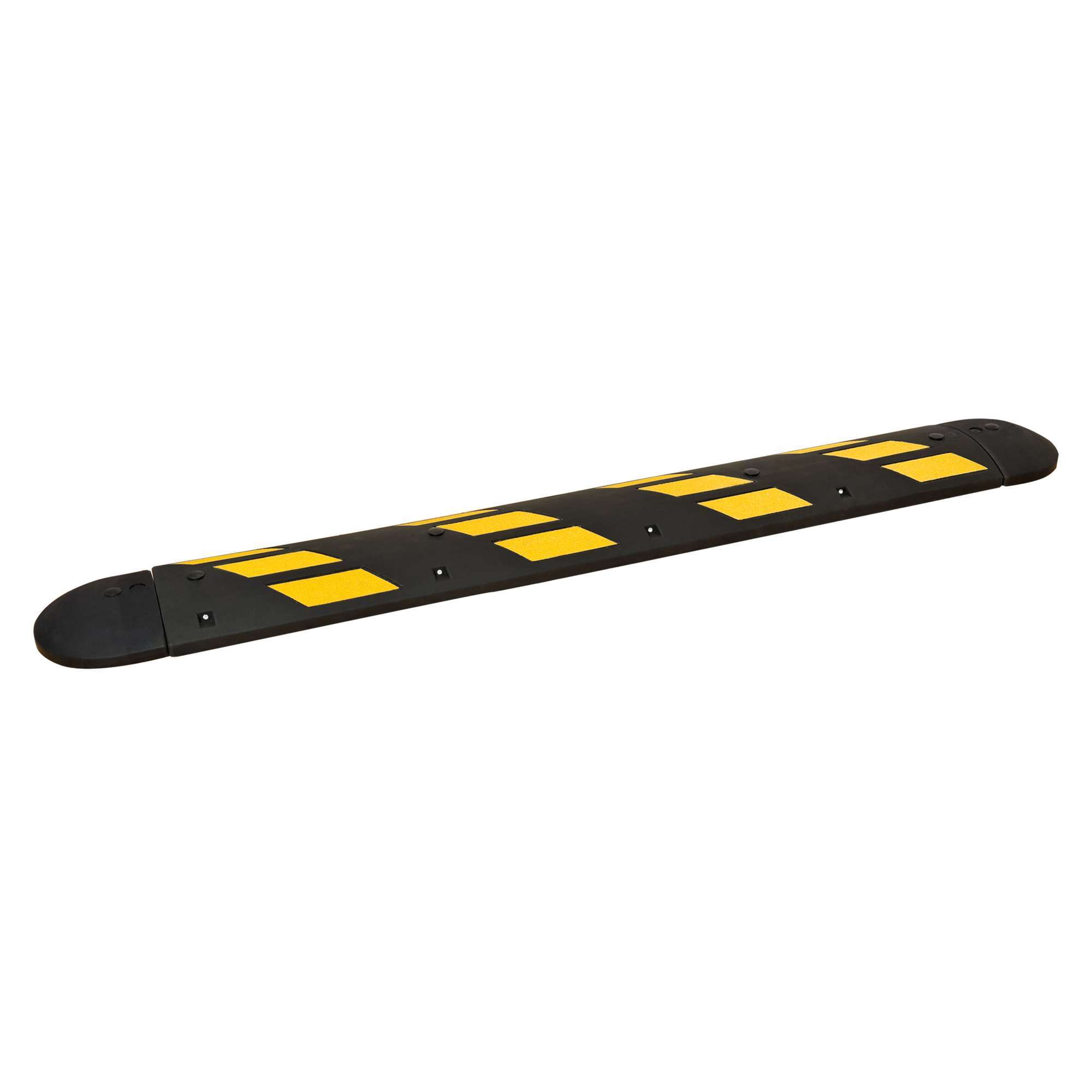
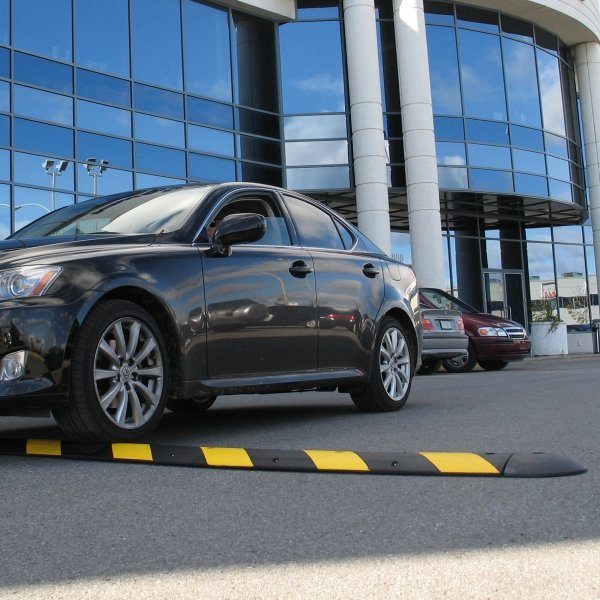
 Black/Yellow
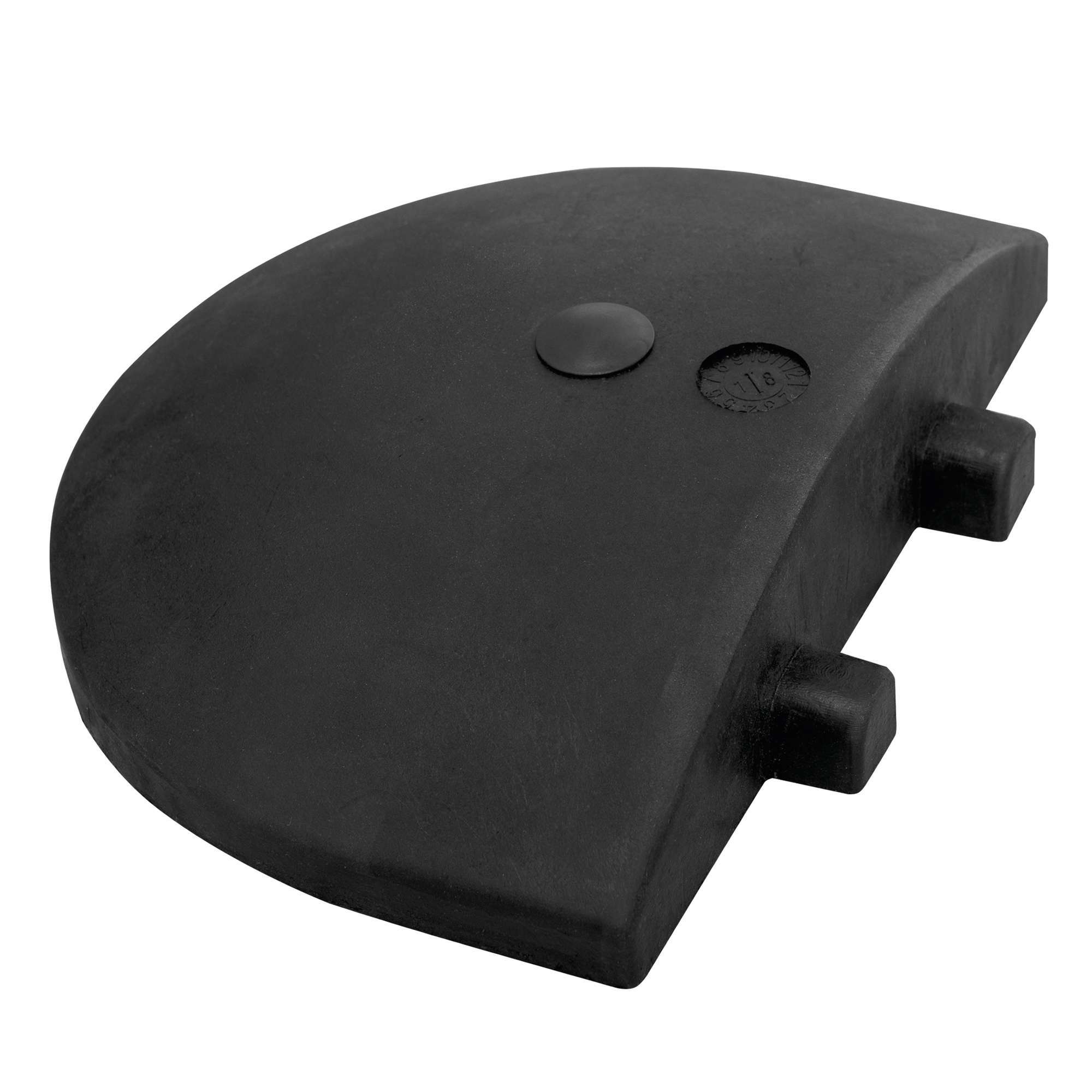 Black
Black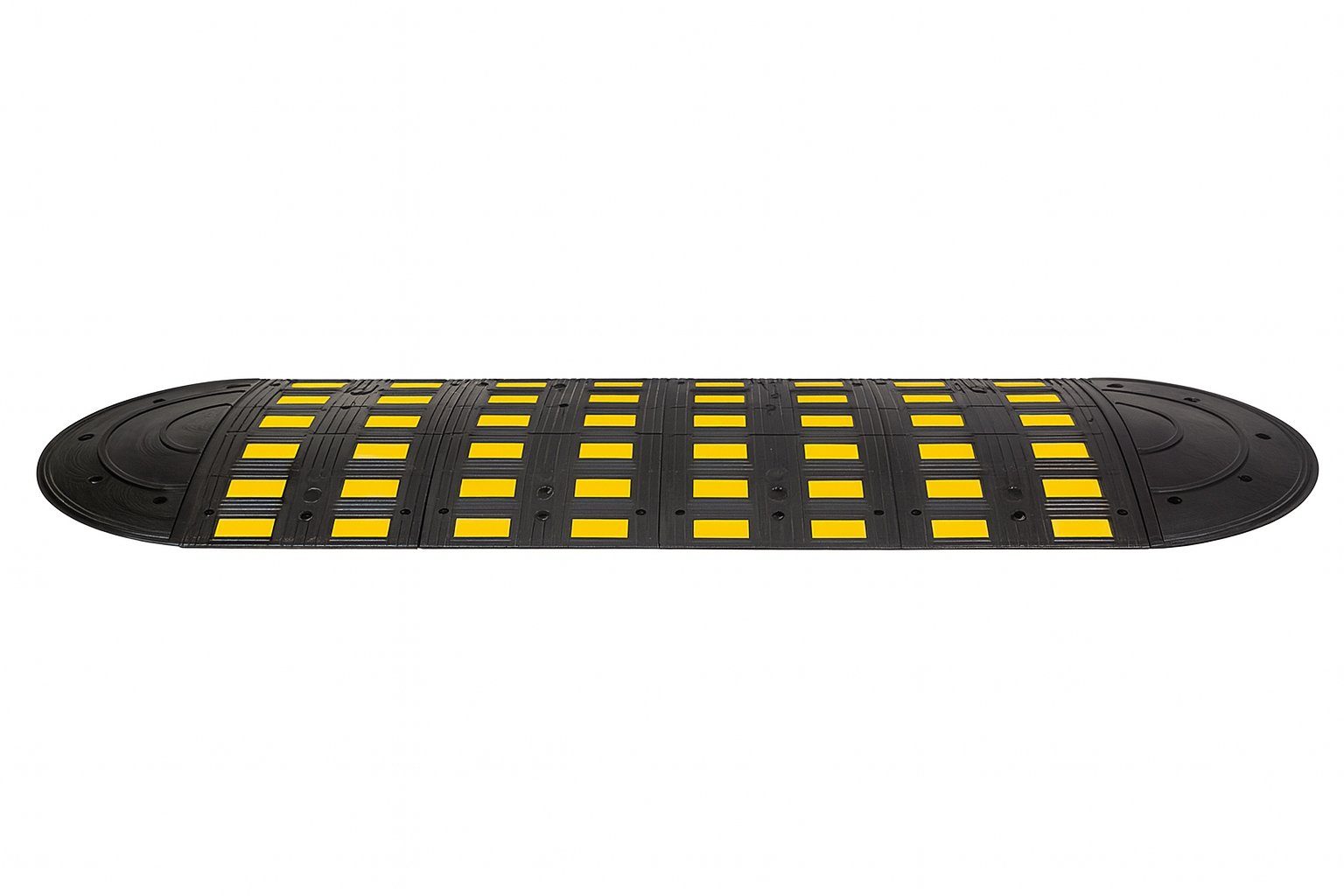
 Black/Yellow
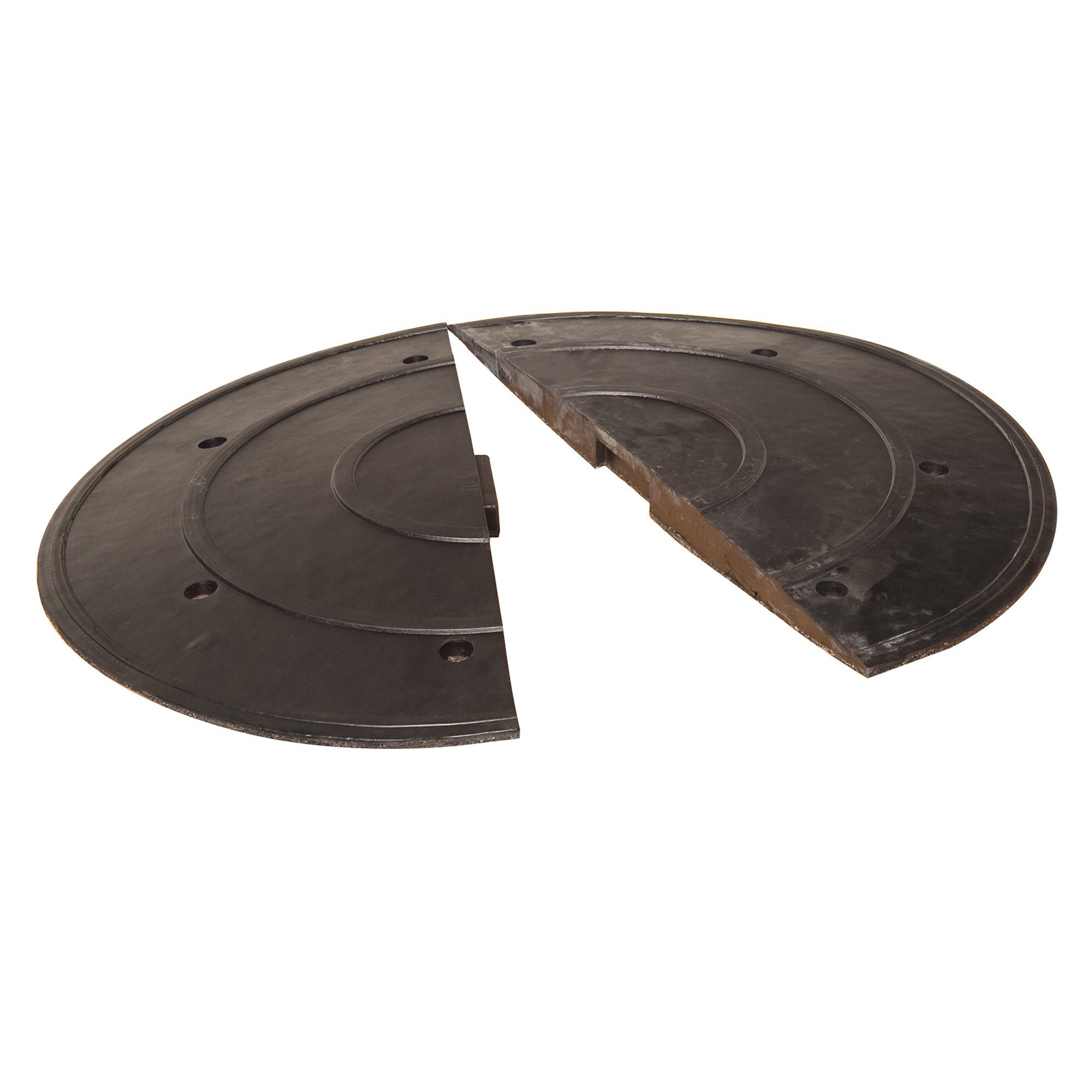 Black
BlackPlan the placement for maximum safety
Installing a rubber speed bump is a powerful tool, but its real effect depends entirely on placement. A poorly placed speed bump is ineffective at best. At worst, it creates new risks by surprising drivers, causing unnecessary noise or damaging vehicles. The key to success is analyzing the problem and placing the solution where it will do the most good.
The process must always start with a thorough site analysis. It’s not about randomly placing an obstacle where cars drive too fast, but about understanding why they do so and where lower speeds are absolutely critical.
Identify critical risk zones
The first step is to pinpoint the locations where high speeds pose a direct danger. By mapping these zones, you ensure that the speed bump actually solves a real problem.
Typical risk zones to address:
- Entrances to residential areas: Here you need to signal immediately that a lower speed applies in order to protect residents.
- Near playgrounds and schools: Where children are present, there is no room for compromise. A speed bump forces drivers to pay closer attention.
- Before crosswalks and intersections: Reducing speed before a critical point gives both drivers and pedestrians valuable extra reaction time.
- Long straight stretches: These “invite” higher speeds and often need to be broken up with something that forces drivers to slow down.
- Parking lots and logistics areas: Here cars, trucks and pedestrians mix in an unorganized pattern – an environment that requires low speeds to prevent accidents.
Think of the speed bump as a proactive safety measure. The purpose is not to punish drivers, but to guide them toward safer behavior in exactly the right place.
Analyze traffic flow and vehicle types
Once you know where the speed bump is needed, the next step is to consider what type of traffic passes through. Is it mostly ordinary passenger cars, or are there also garbage trucks, buses or heavy trucks? The answer to that question determines which type of speed bump will solve the problem best.
A traditional round speed hump works perfectly for passenger cars. But on roads frequently used by buses or emergency vehicles, so-called speed cushions may be a smarter alternative. They are designed so that vehicles with a wider wheelbase can pass with minimal impact, while passenger cars are still forced to slow down. Complementary products such as corner impact protection may also be relevant for protecting buildings in tight passages.
The wrong obstacle can create new problems. An overly aggressive speed bump on a bus route causes discomfort for passengers and increases wear on vehicles. Understanding the traffic mix is essential.
Checklist for evaluating placement
Use this checklist to systematically review potential locations and make sure you cover all the important points.
| Question | Considerations | Recommendation |
|---|---|---|
| Is visibility good? | The speed bump must be visible from a distance. Avoid placing it right after a sharp curve. | Place on a straight stretch with at least 25–30 meters of clear sight distance ahead. |
| Are there connecting roads? | Don’t place it too close to an intersection, where drivers have other things to focus on. | A distance of at least 15–20 meters from an intersection is a good rule of thumb. |
| How is the drainage? | Avoid dips where water collects and can freeze into ice in winter. | Choose a location with good natural drainage to avoid problems. |
| Is the surface stable? | Must be mounted on a level, solid surface such as asphalt or concrete. | Avoid mounting on gravel, paving stones or cracked asphalt. |
| Are warning signs needed? | Yes, almost always. Proper signage (warning sign A9) is crucial. | Plan for signage when you order the speed bump. |
Spending a little extra time on planning is the best investment you can make. If you feel unsure or have a complex traffic situation, don’t hesitate to contact our experts for advice. Our specialists can help you analyze your environment and find the optimal solution.
Installation and maintenance – how it works in practice
One of the main reasons so many people choose rubber speed bumps is the quick, hassle-free installation. Compared with casting a bump in asphalt or concrete, which can close a road for days, this is a far simpler process. That makes rubber a perfect choice for everything from housing cooperatives to industrial areas where every minute of downtime costs money.
The secret lies in the modular design. The speed bump comes in ready-made sections that are fitted together to the desired length. The modules are then laid in place and anchored directly to the surface with heavy-duty bolts.
Good groundwork is essential
For the speed bump to stay securely in place and last for many years, the preparation is absolutely crucial. If corners are cut, the speed bump may start to shift, the bolts may loosen, or water may seep underneath and cause damage when frost sets in.
Here are a few points that are non-negotiable:
- Level, solid surface: The surface must be completely flat. If there are holes or cracks, the speed bump won’t sit flush, which creates unnecessary stress.
- Clean and dry: Before mounting, sweep and clean the surface thoroughly. Gravel, dust and oil reduce friction and the grip of the fasteners.
- Measure twice, drill once: Mark exactly where the speed bump will go and where the bolt holes will be drilled. Precision here saves a lot of time.
An extra hour of surface preparation can add several years to the speed bump’s service life. It’s a small effort that pays off in less maintenance and greater safety.
Worry-free ownership
Once the speed bump is in place, the real strength of rubber becomes clear: it requires almost no maintenance. The material is built to withstand our Nordic climate with rain, snow, road salt and sun.
A quick annual inspection in the spring is recommended. Check that all bolts are tight and that no modules have been damaged, for example by a snowplow. Should damage occur, it’s incredibly easy to replace just the damaged section – a major financial advantage compared with asphalt.
An evaluation of speed bumps in Malmö from Lund University concluded that rubber speed cushions were the most environmentally friendly option on 30 km/h roads.
Snow removal – how to avoid problems
The biggest risk to a rubber speed bump is snow removal. A plow blade driving straight into the speed bump can cause damage. But with a little planning, this is easy to avoid.
- Talk to your contractor: Make sure whoever does the plowing knows exactly where the speed bumps are.
- The right equipment: Modern plows often have spring-loaded or folding blades designed to pass over obstacles.
- Mark clearly: Put up snow stakes by the speed bump so it is clearly visible, even in deep snow.
With the right preparation, a rubber speed bump has a very low total cost over its lifetime. If you have questions about installation or want help finding the right solution, don’t hesitate to contact us for expert help.
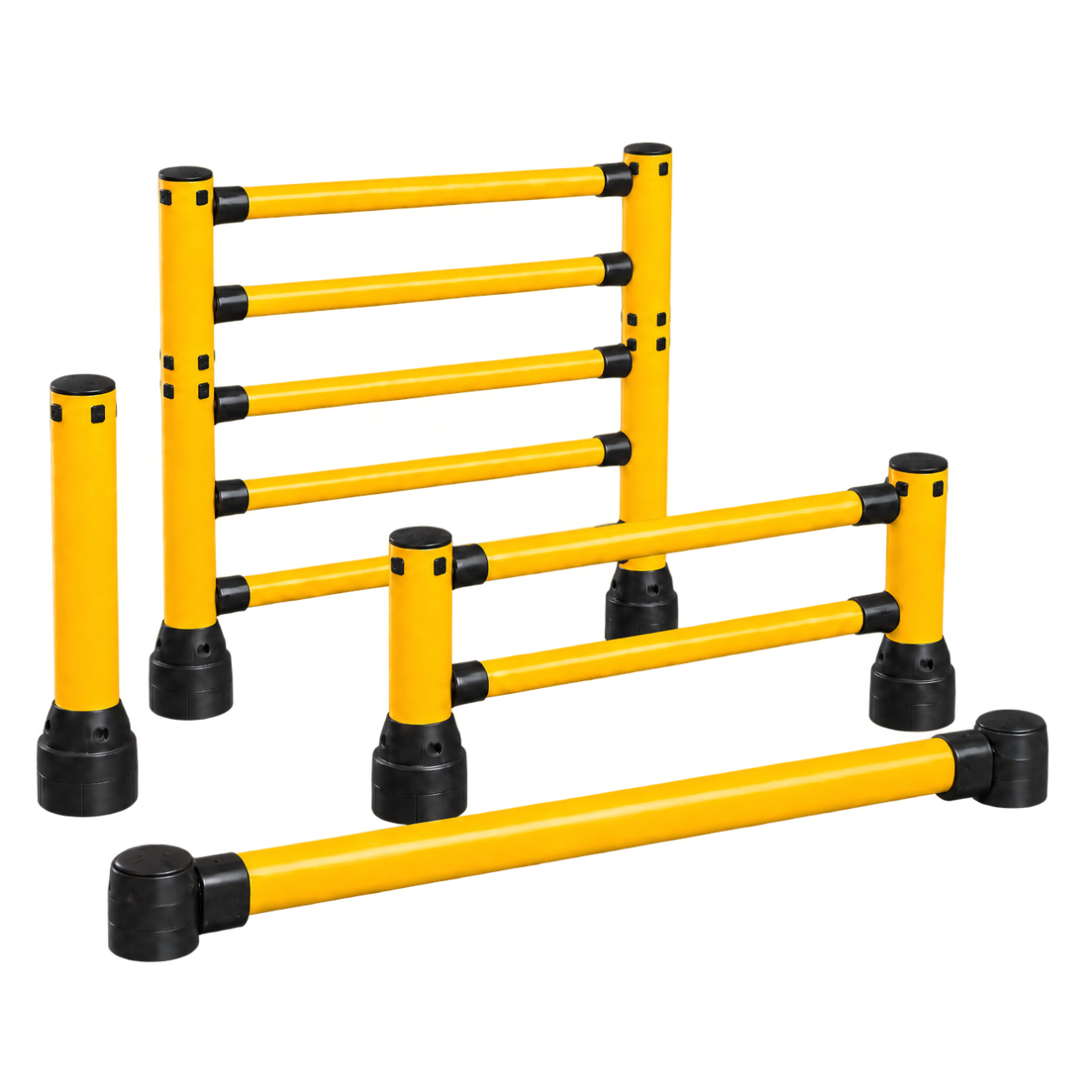
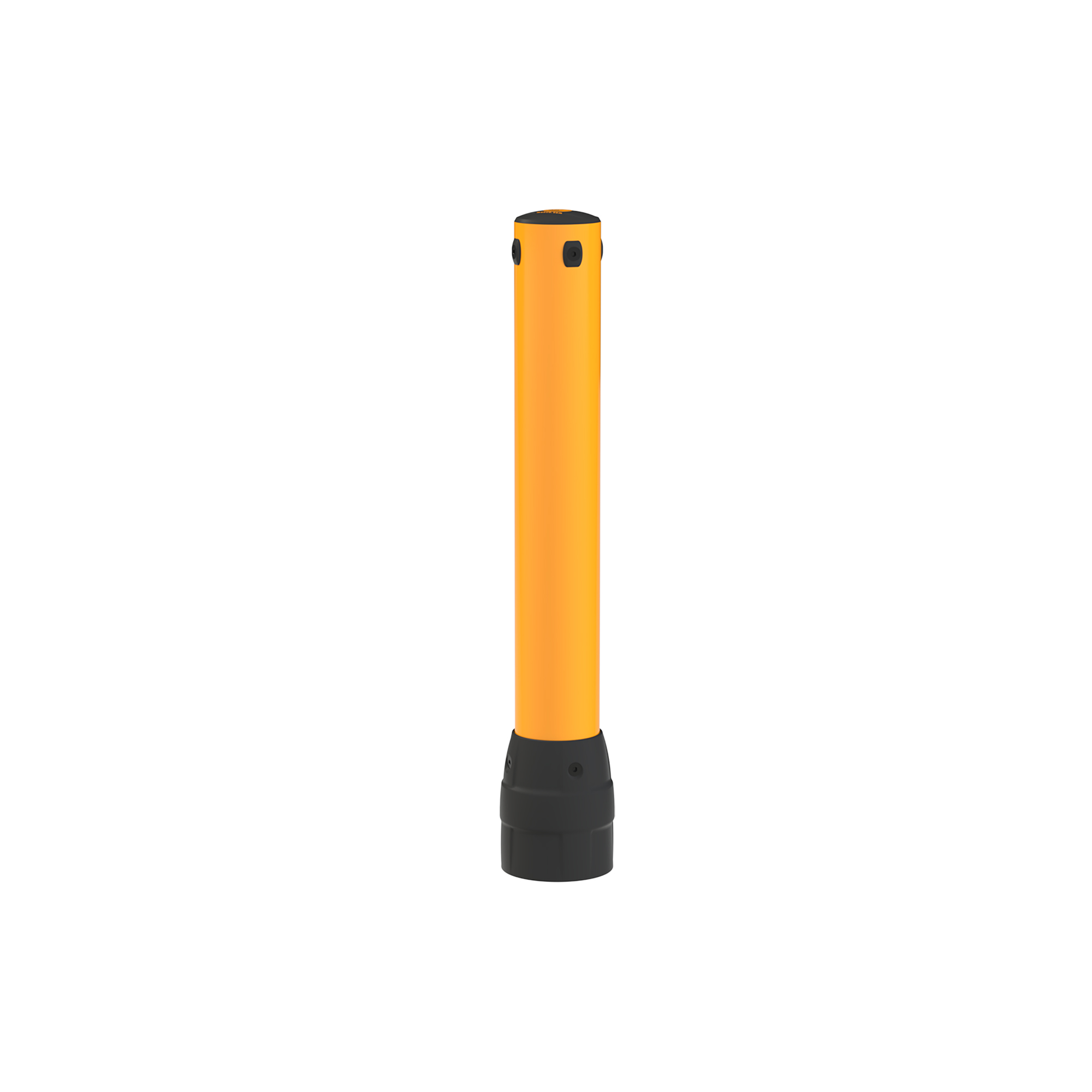
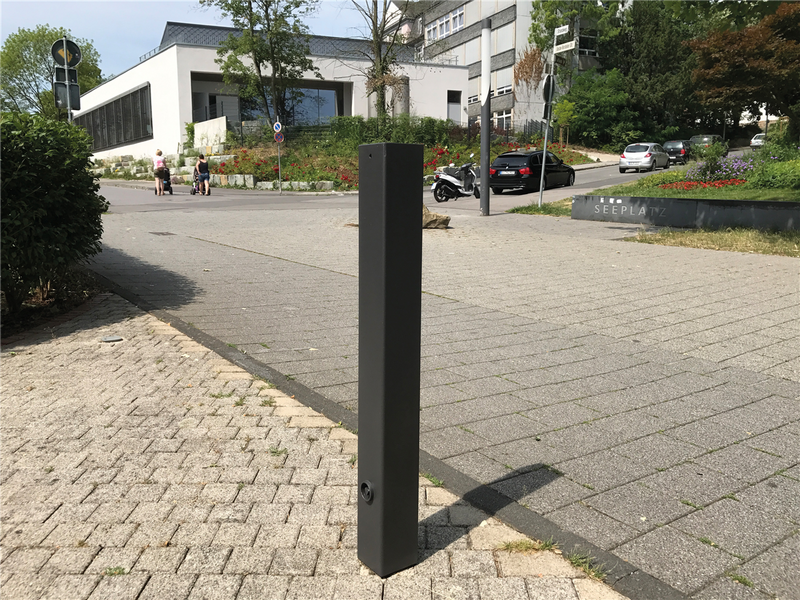
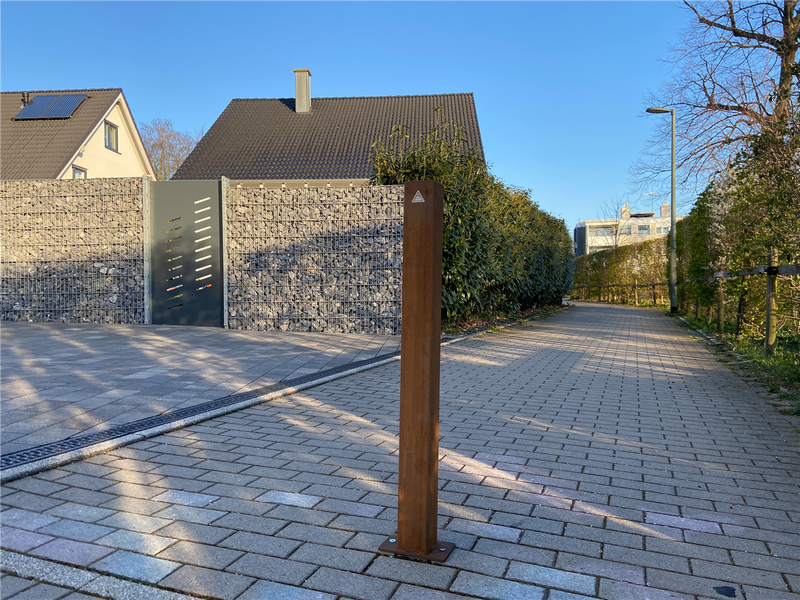
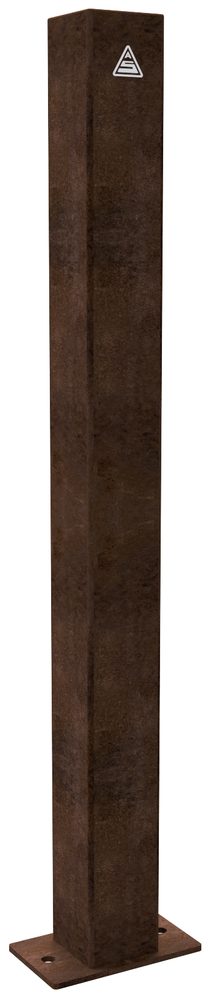
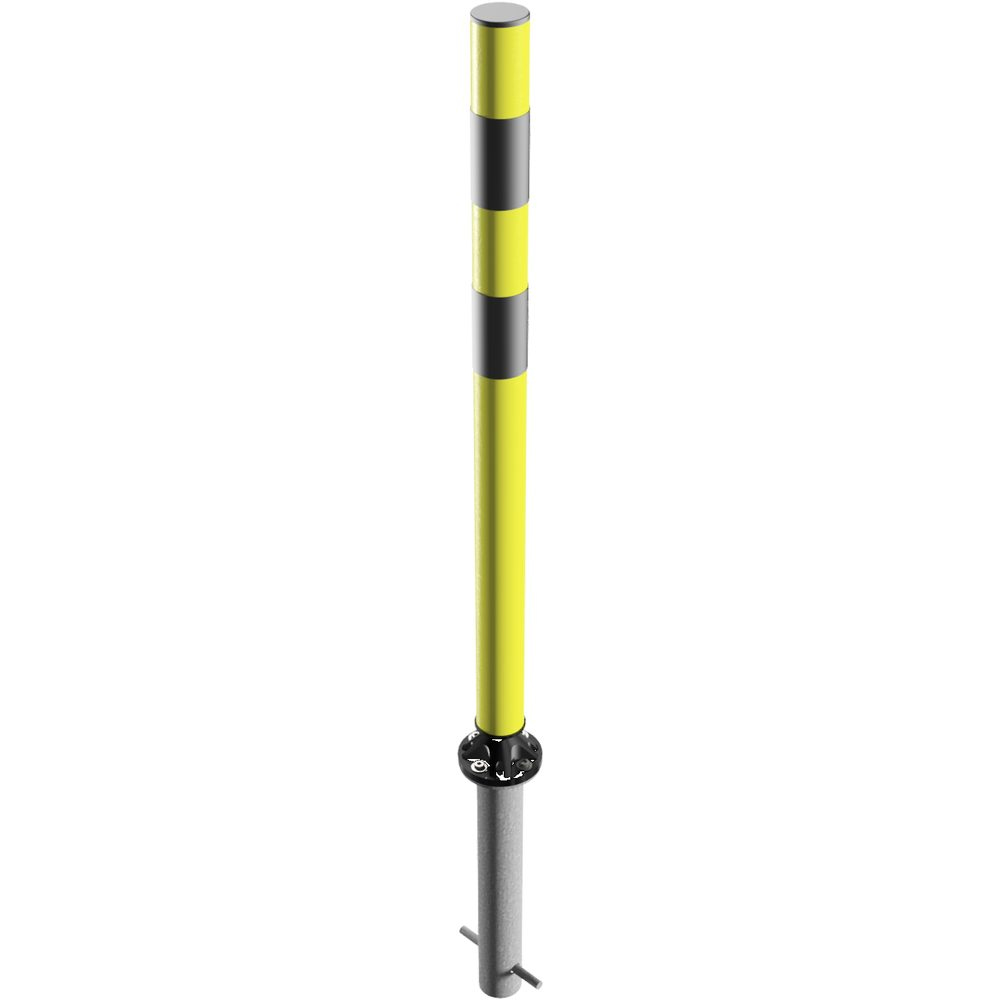
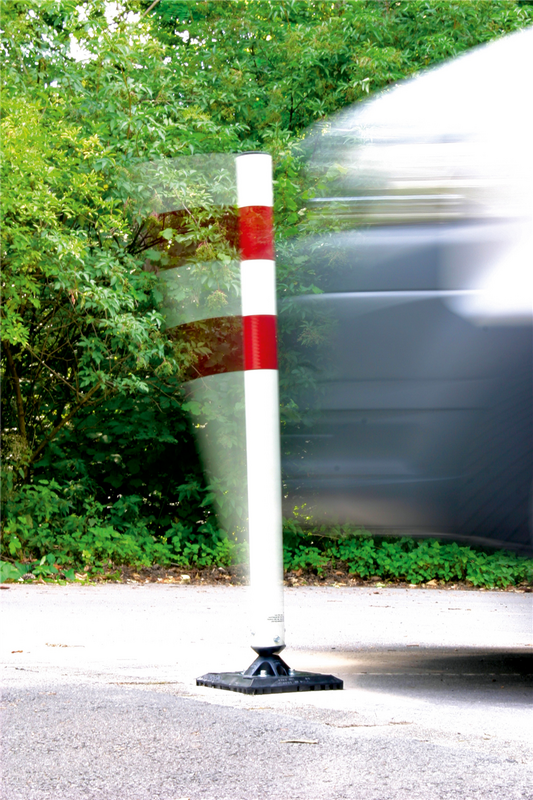
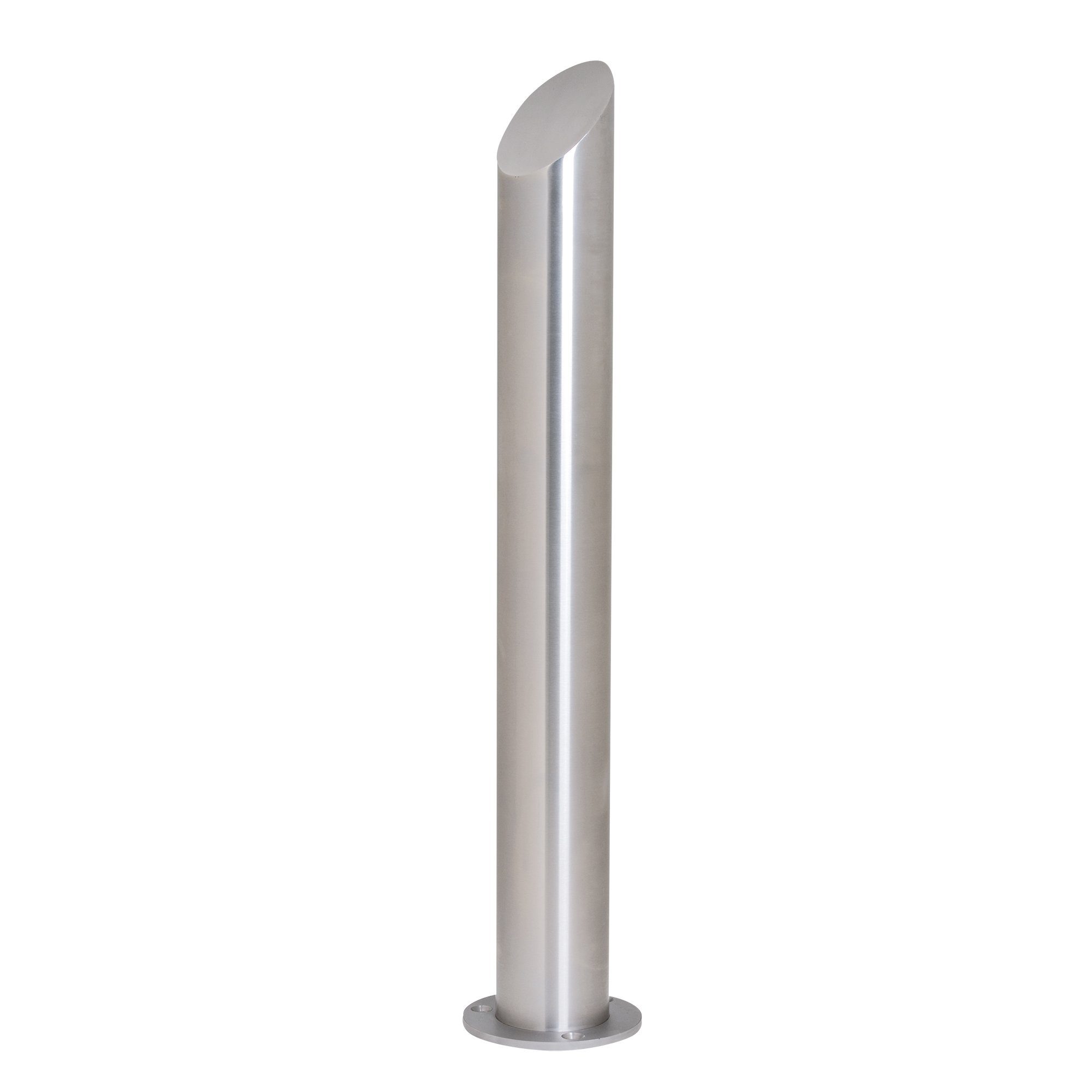
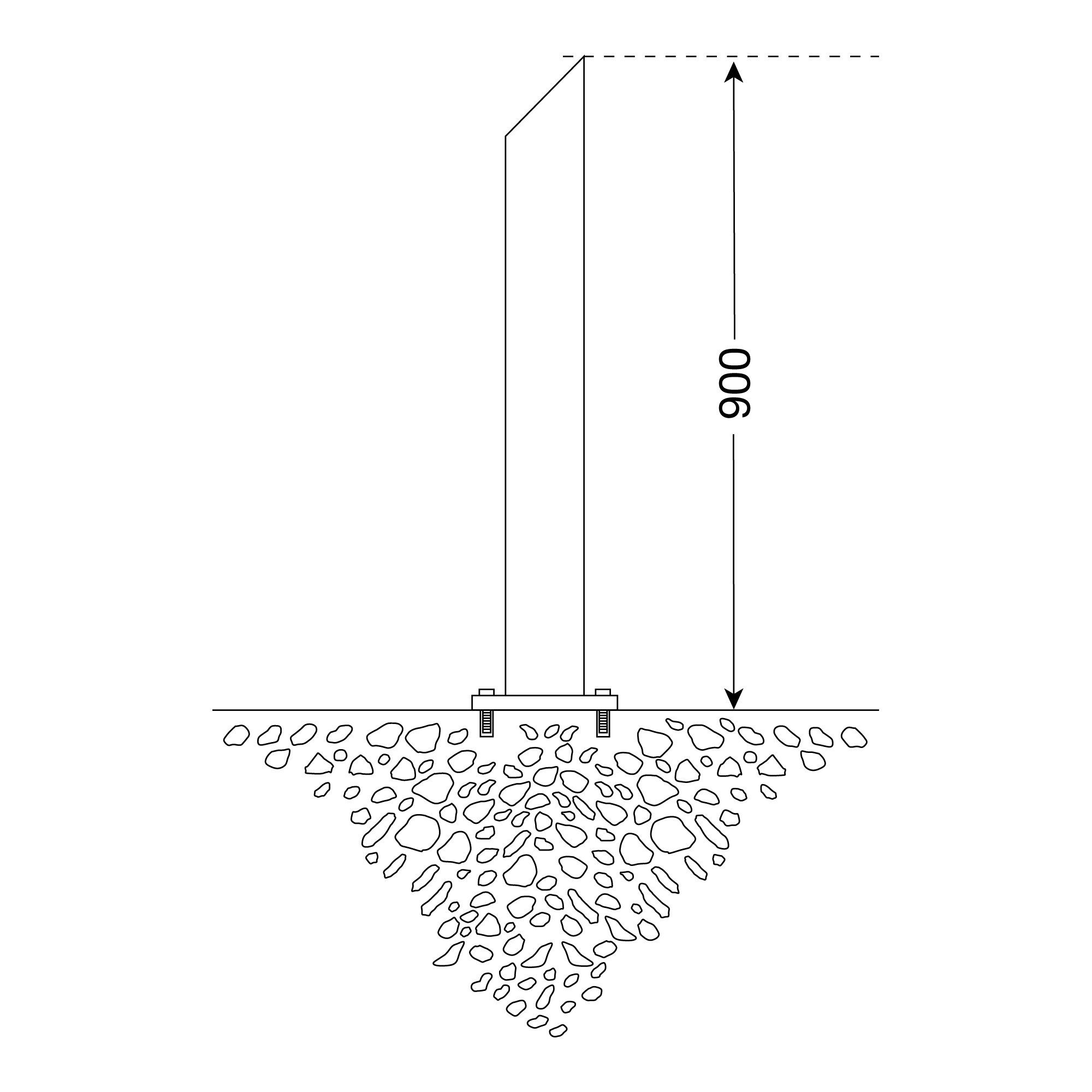
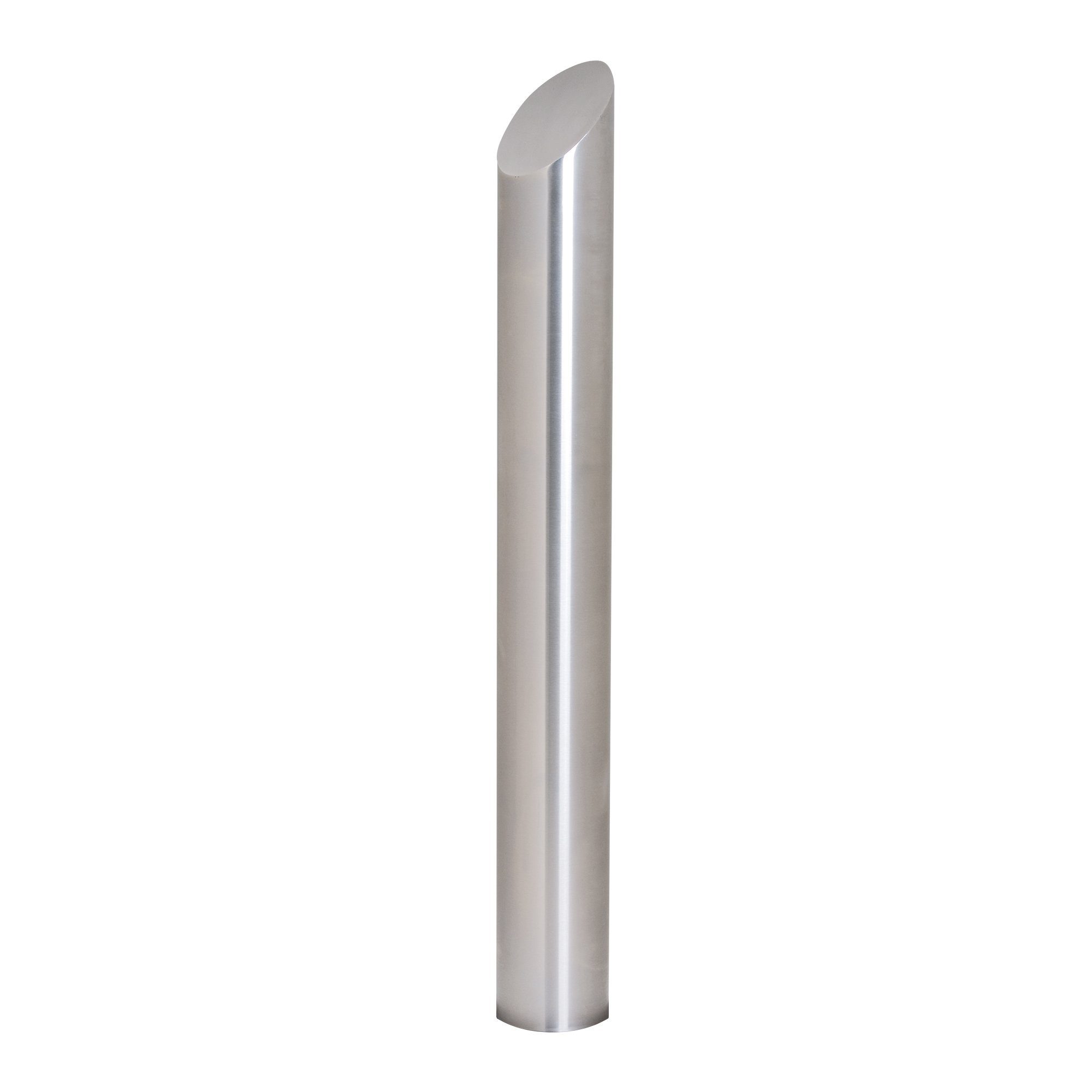
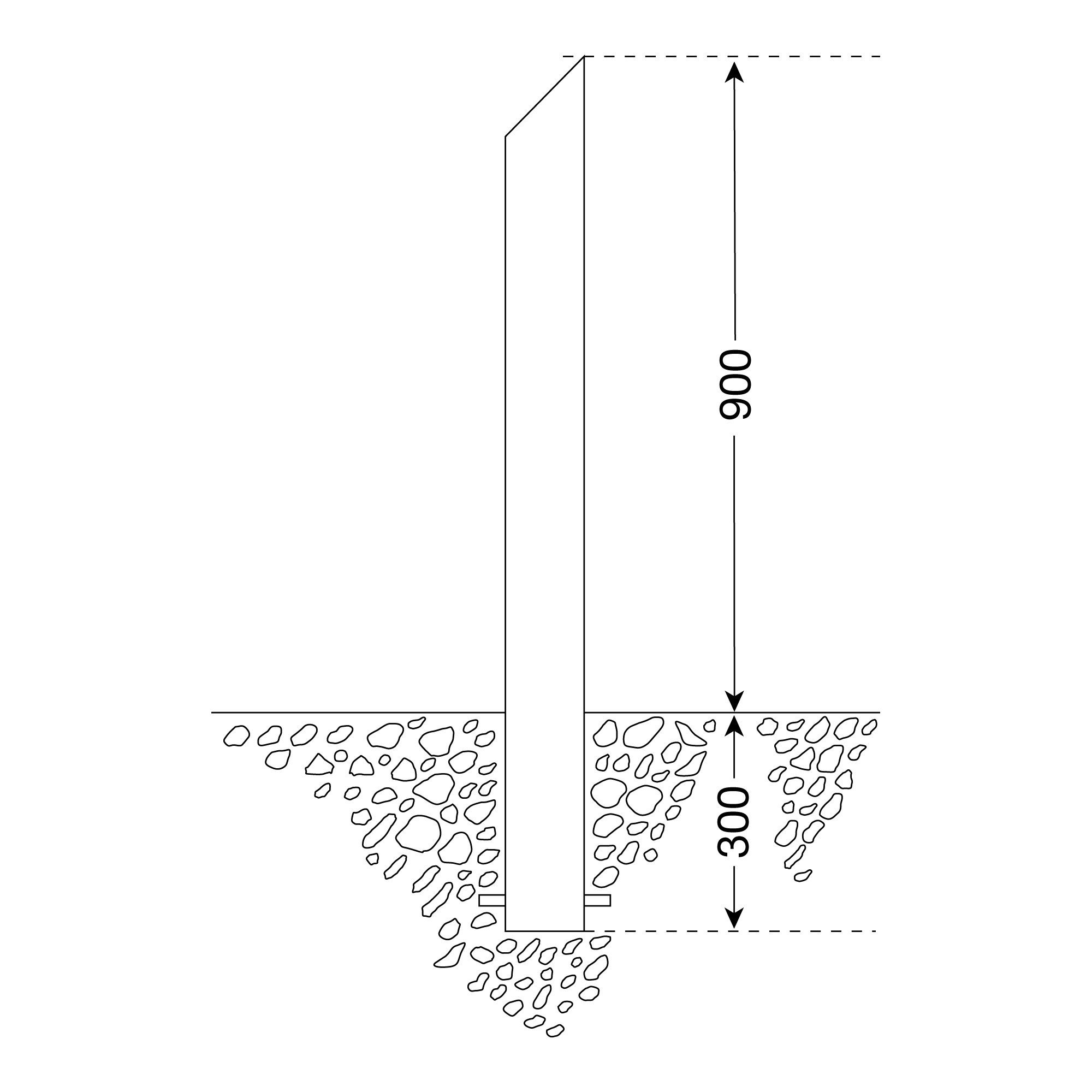
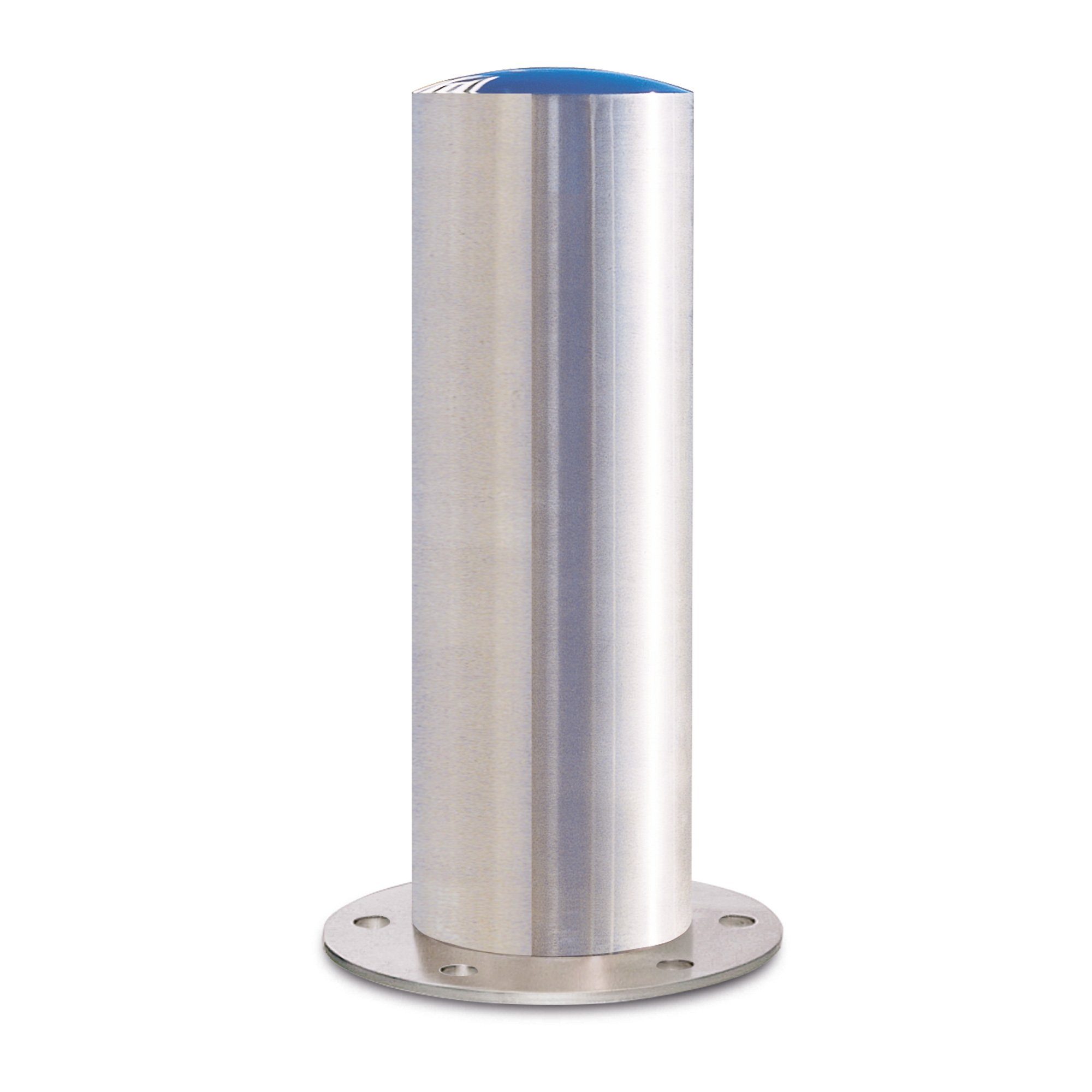
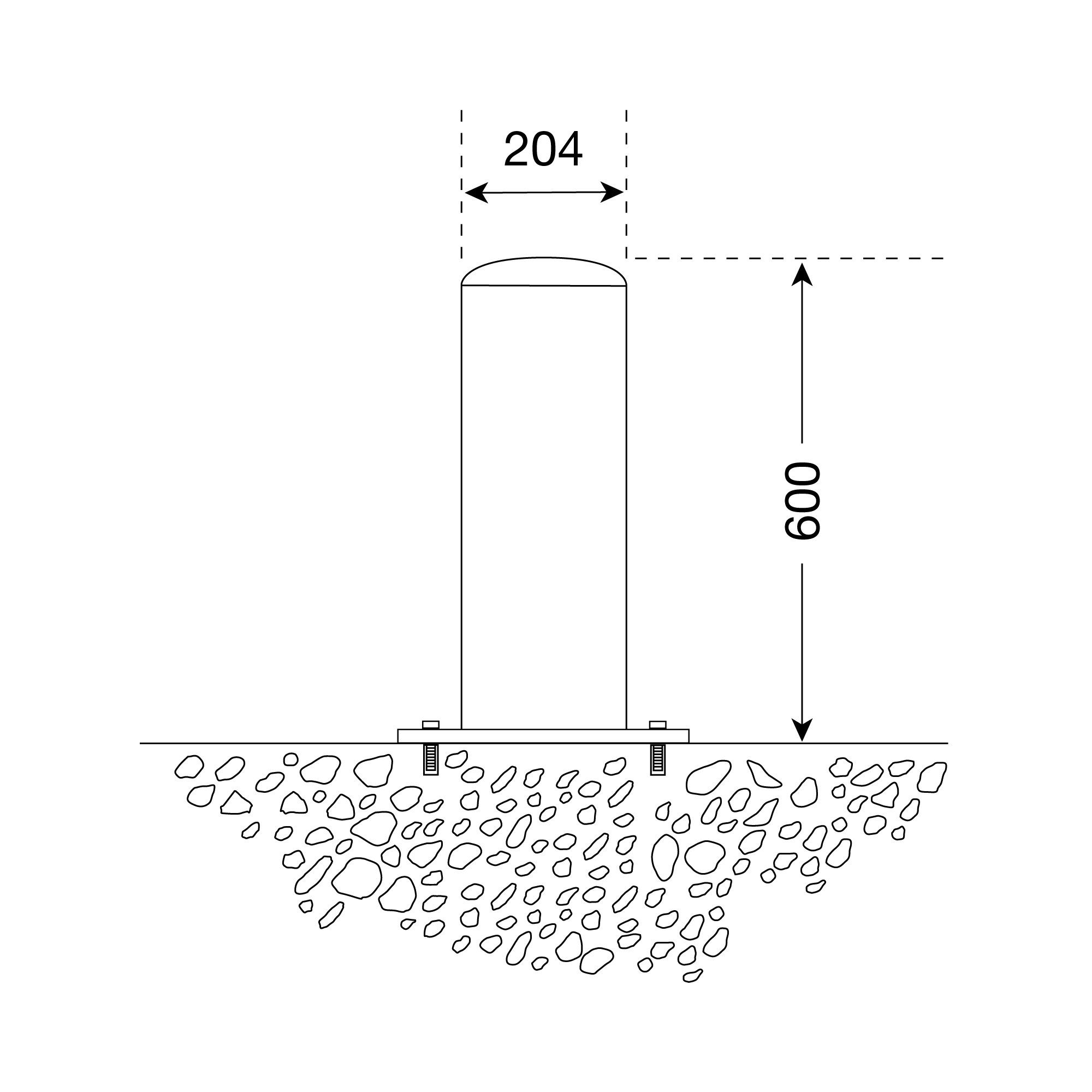
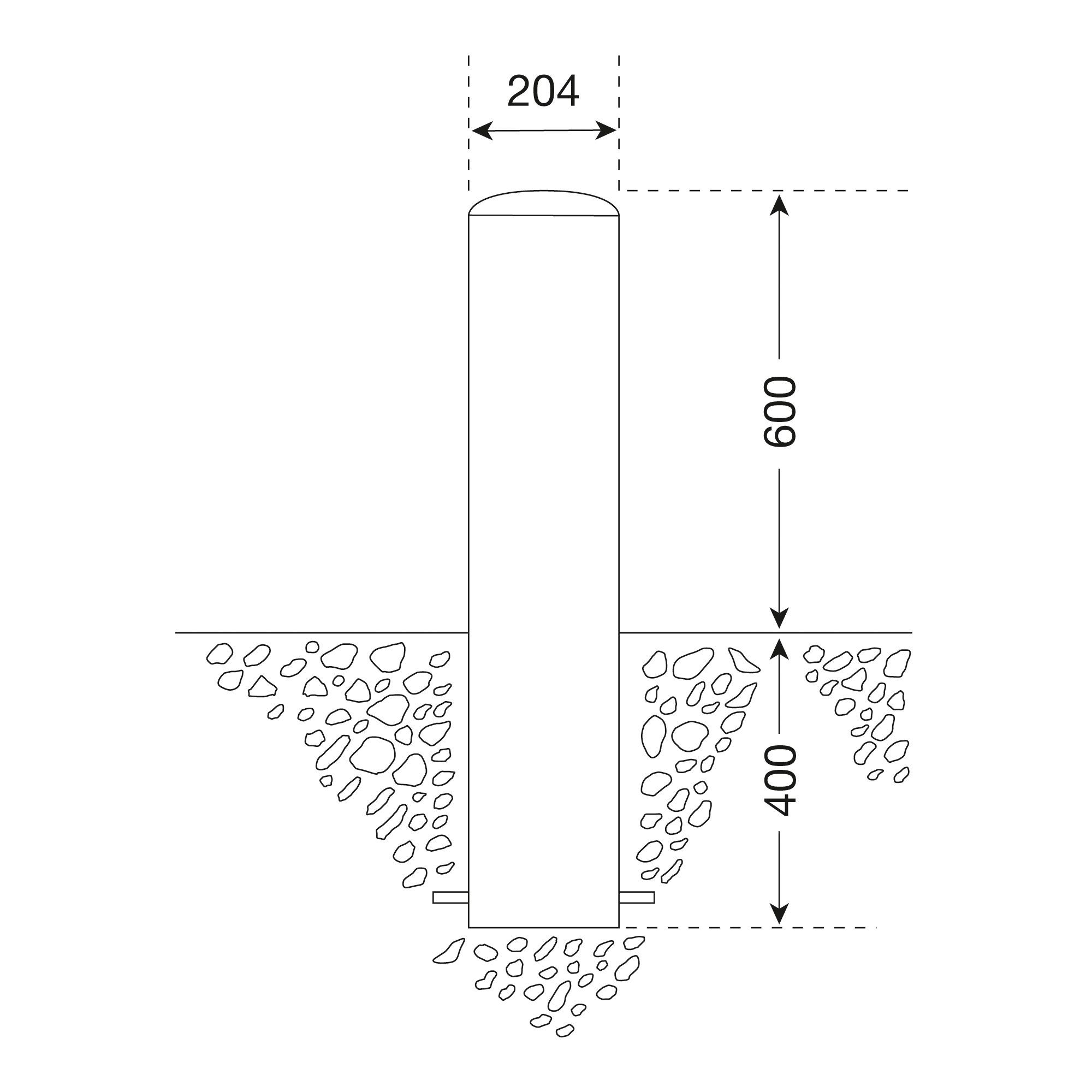
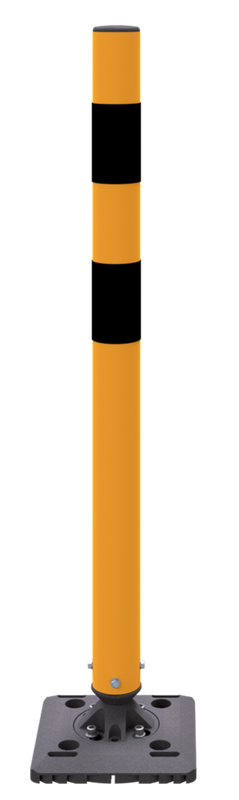
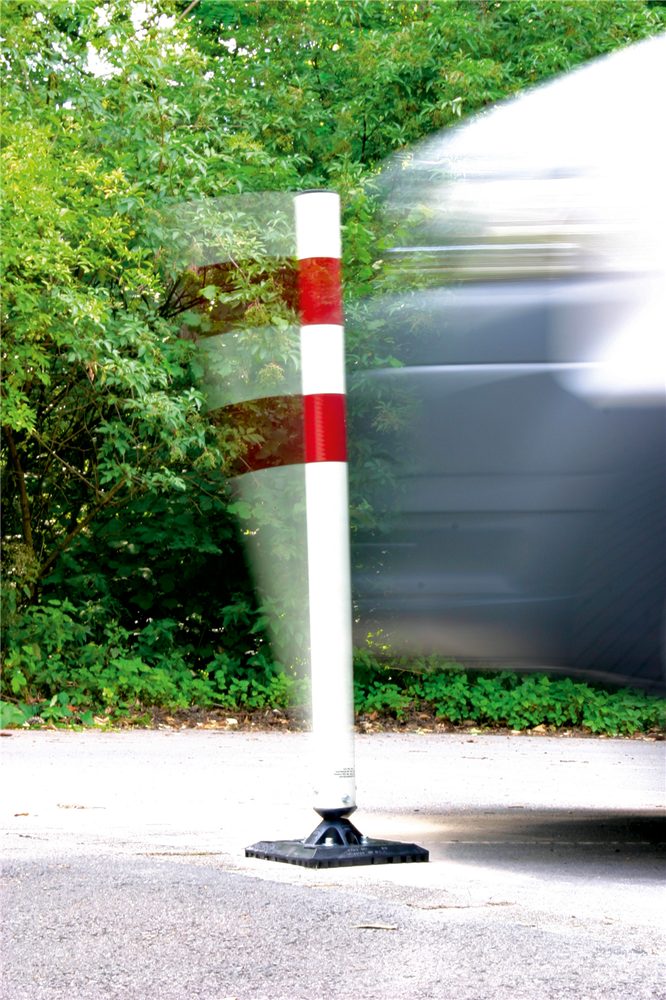
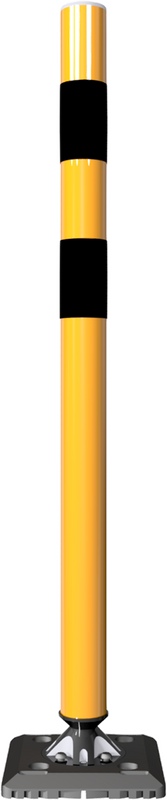
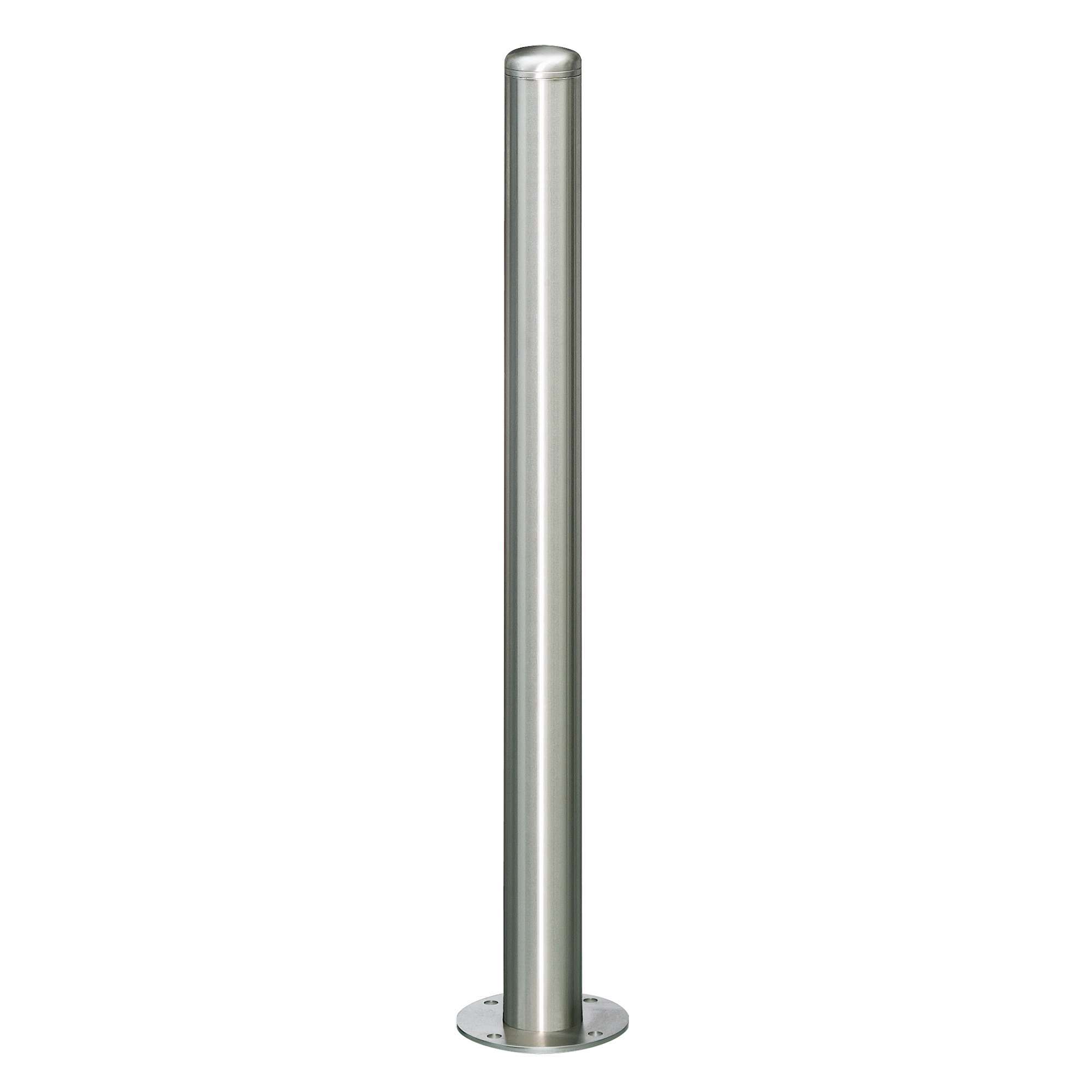
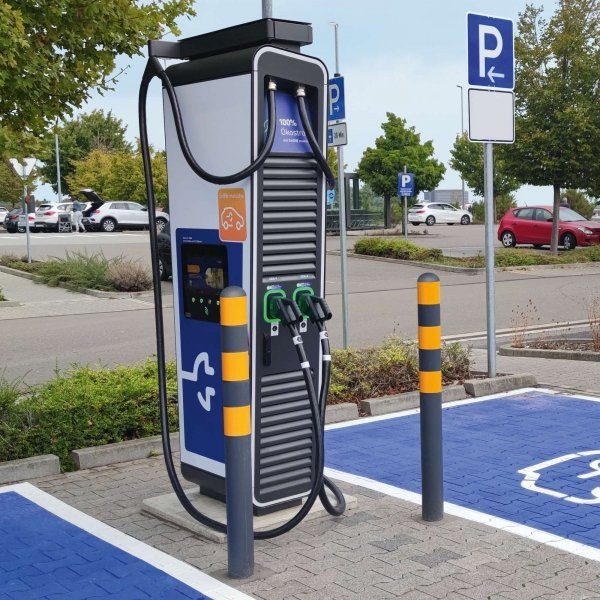
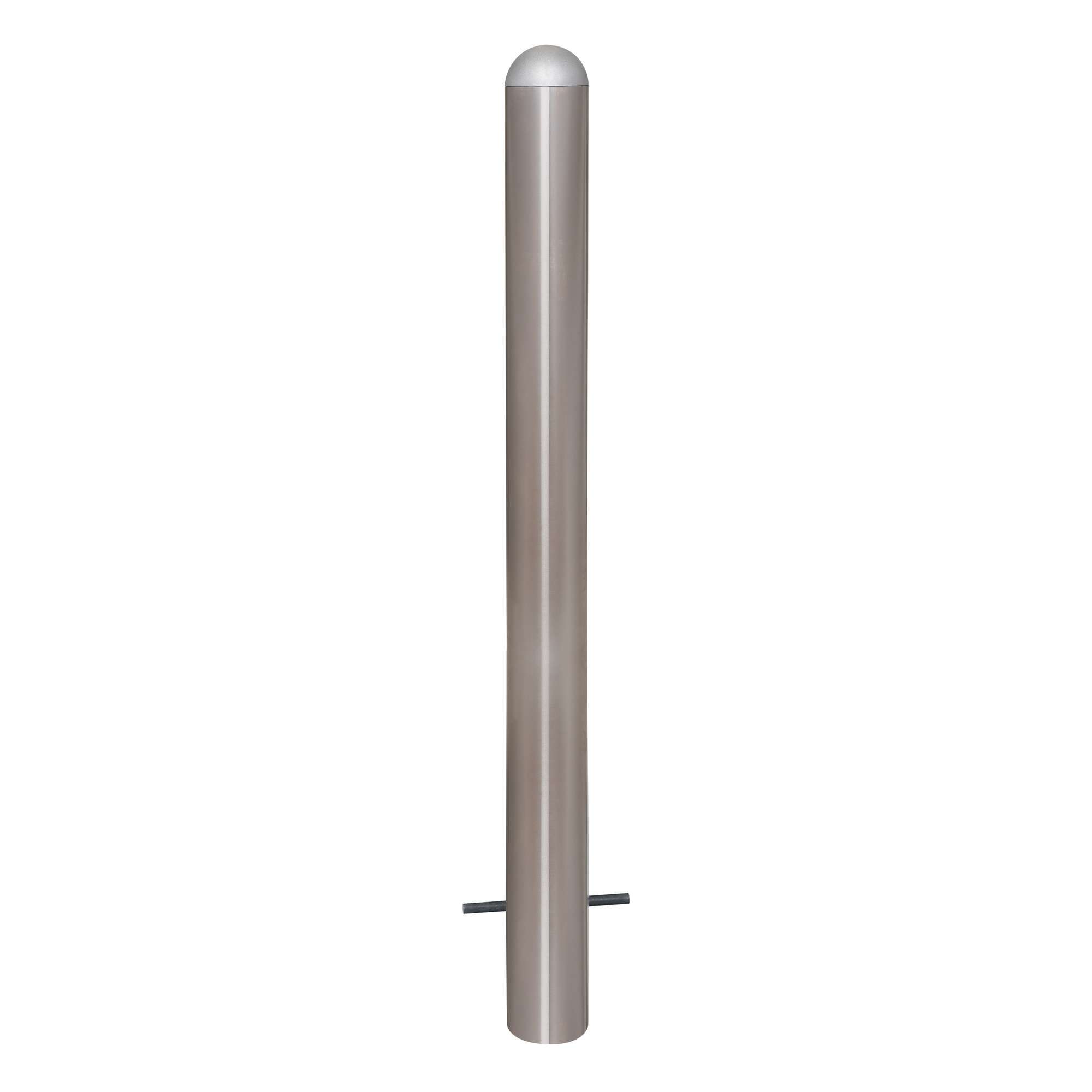
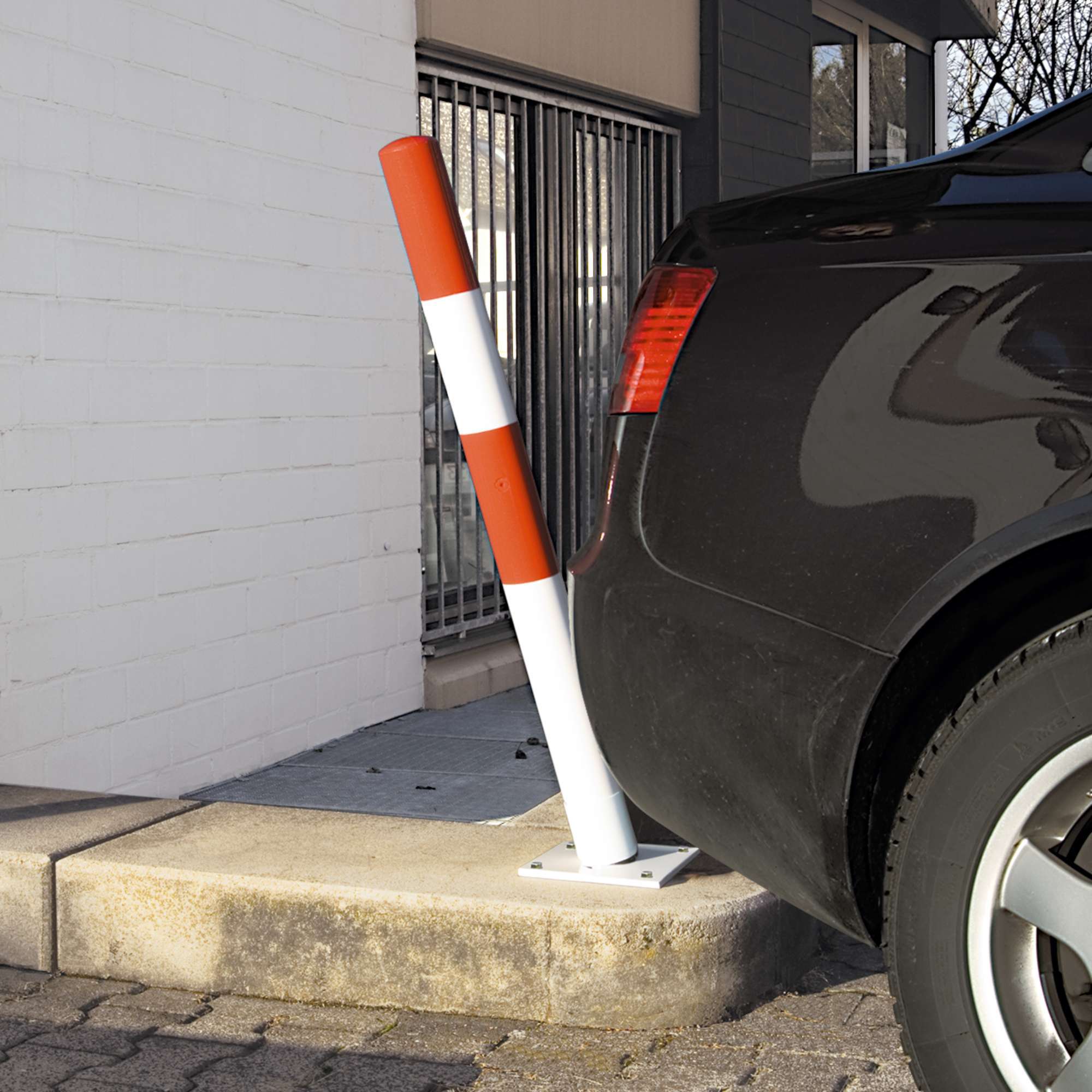
To further increase safety in the area, you can add products such as bollards. Here is a selection from our range.


 Black/Yellow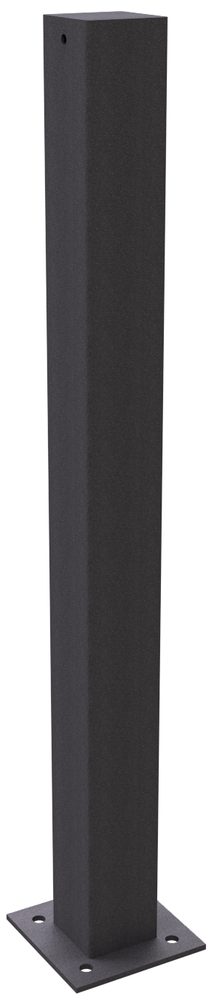


 Black/Yellow
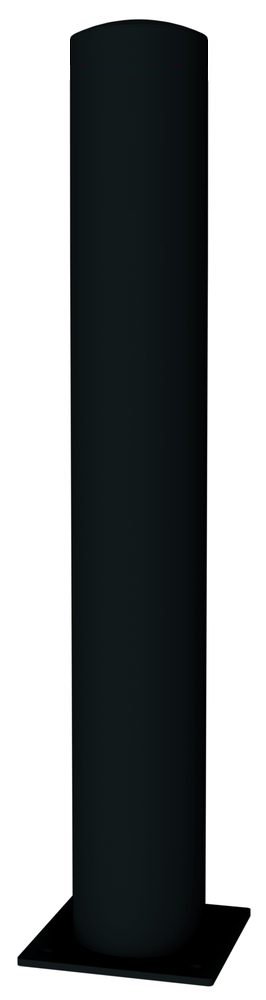
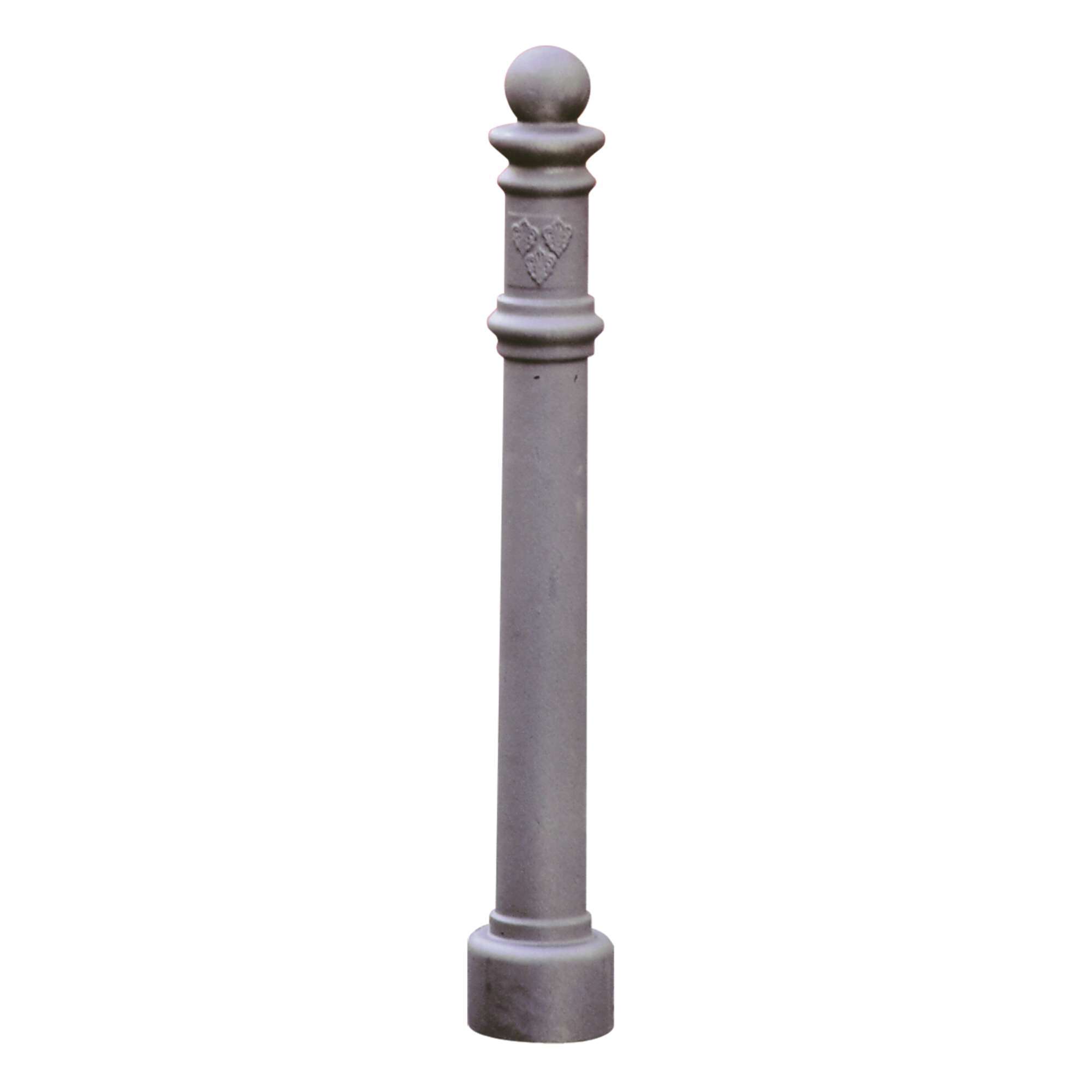
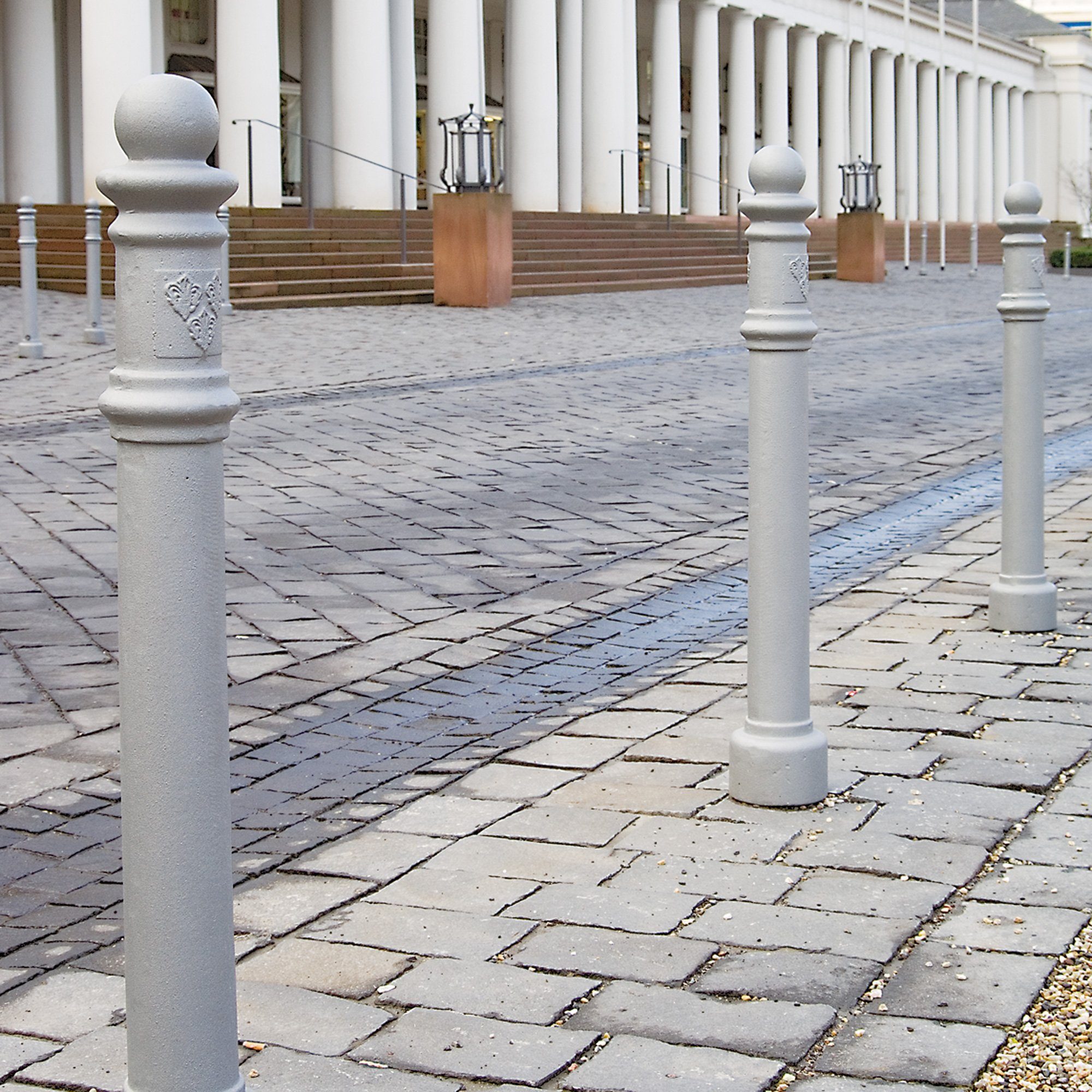
 Anthracite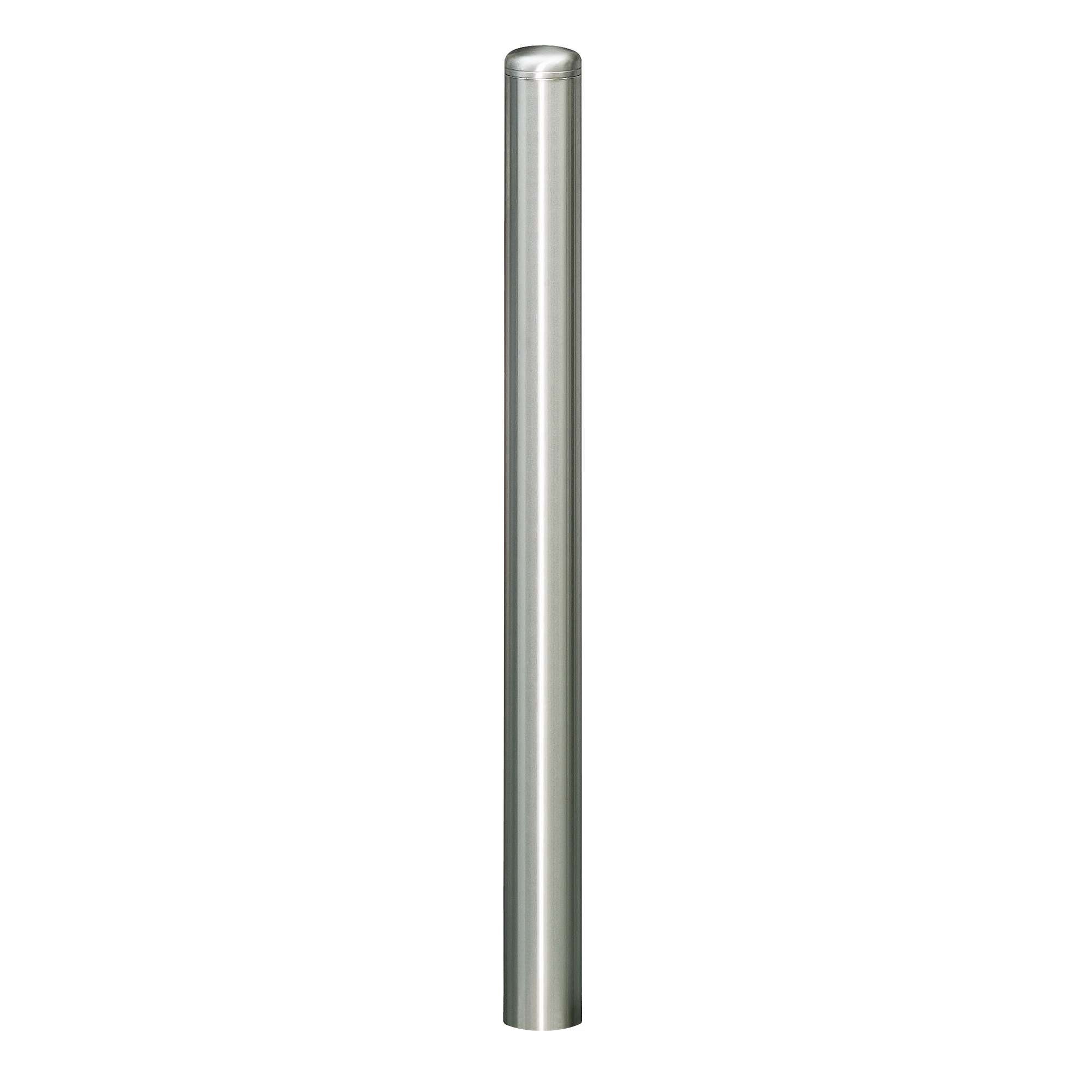
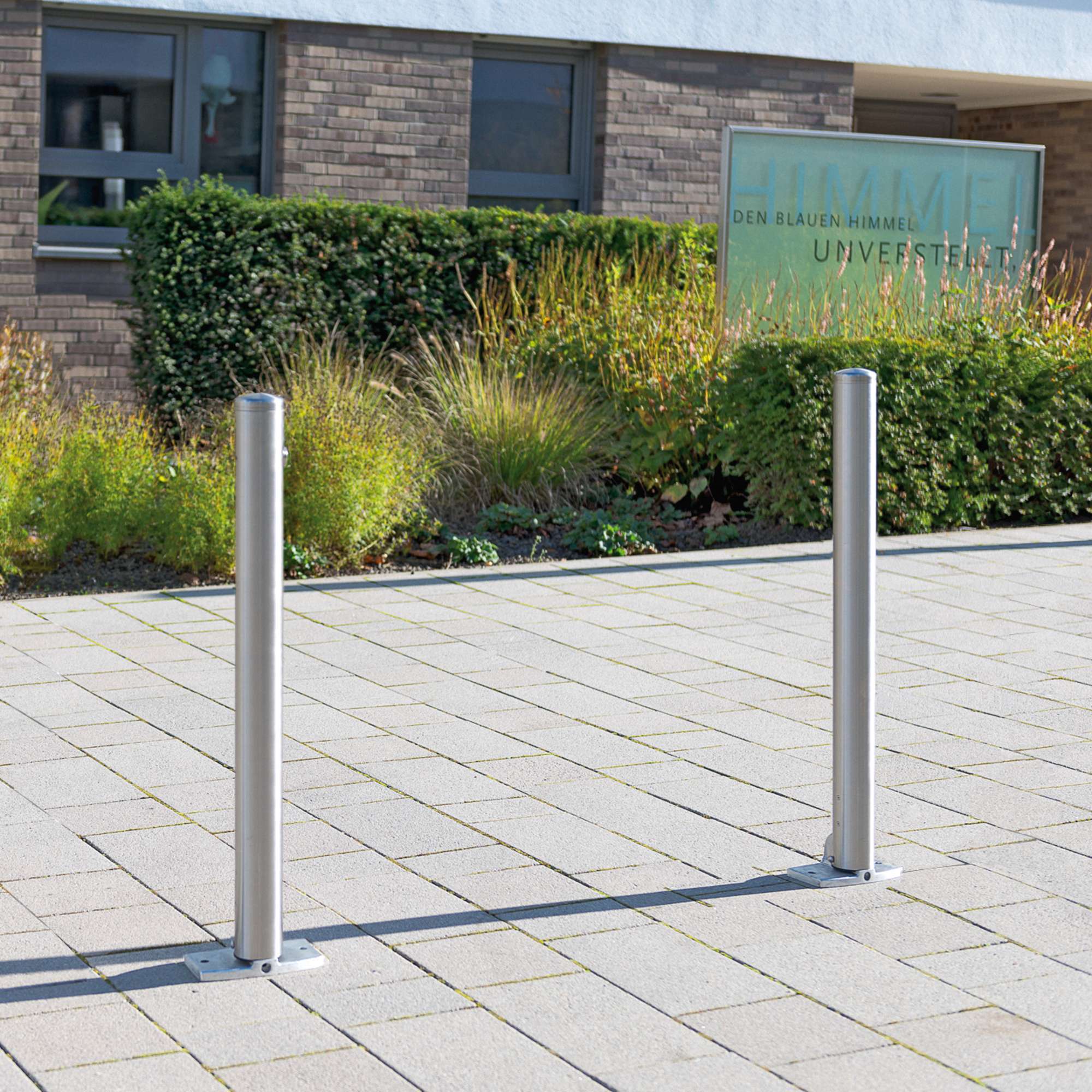
 Stainless steel
 Stainless steel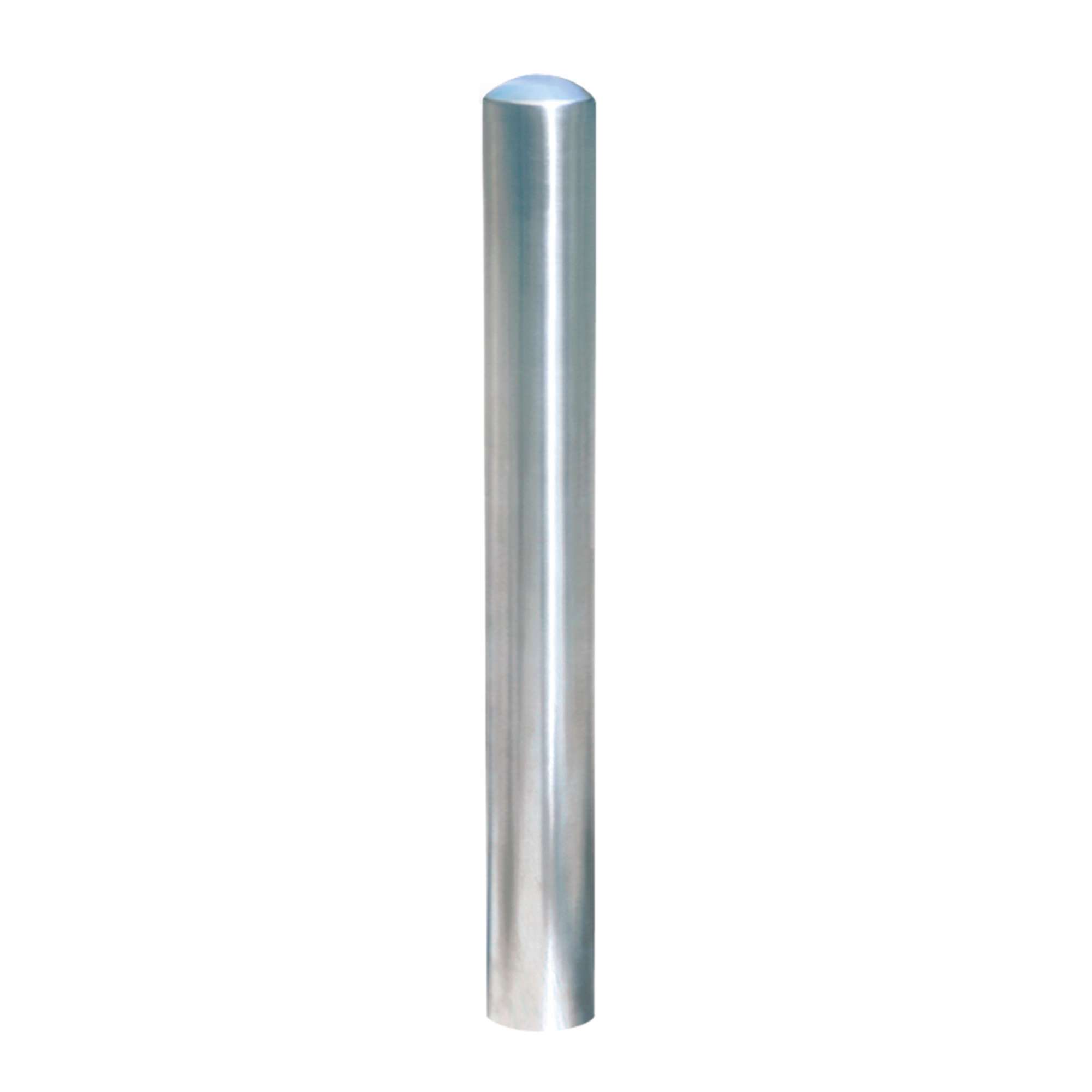
 Stainless steel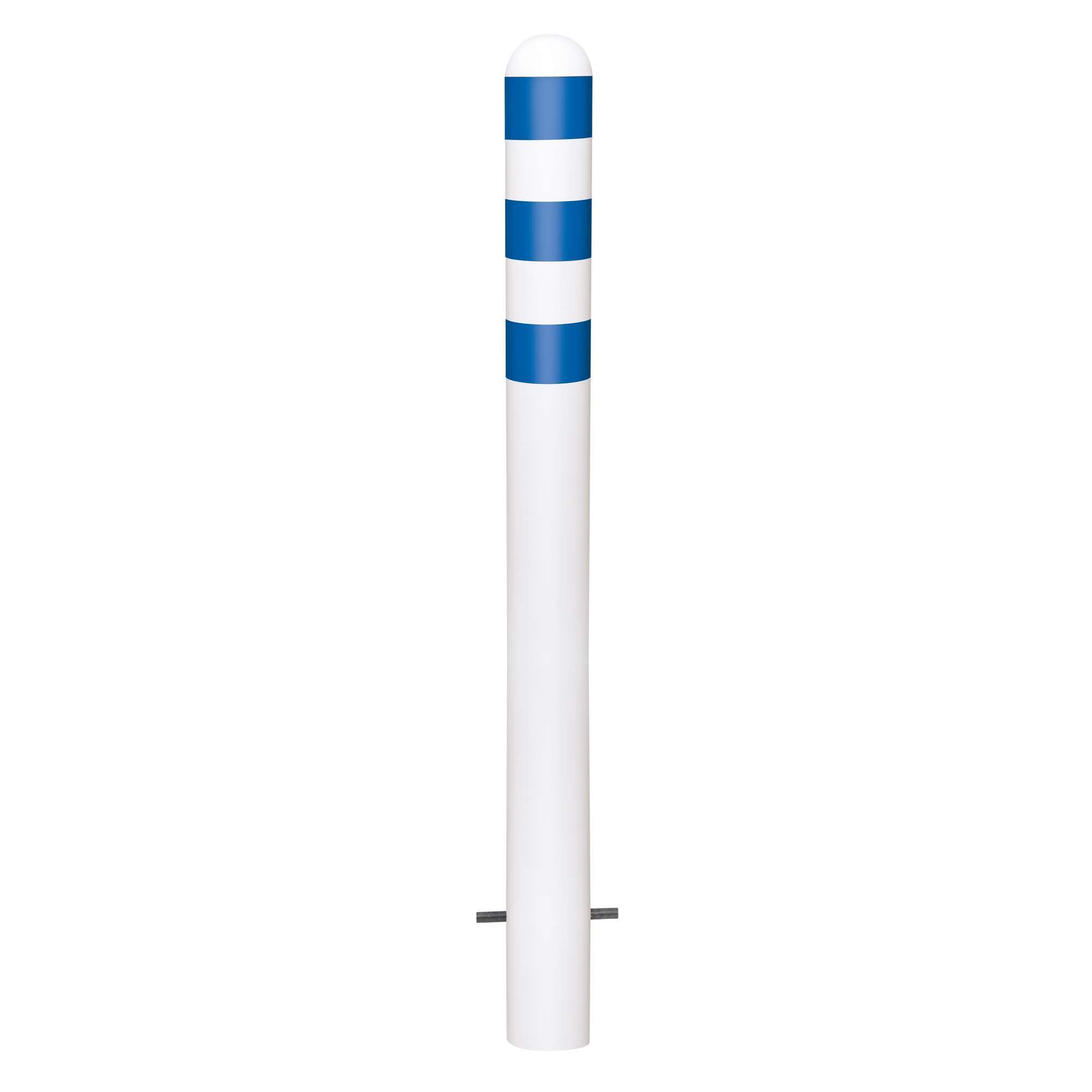
 Stainless steel
 Silver gray
 White
White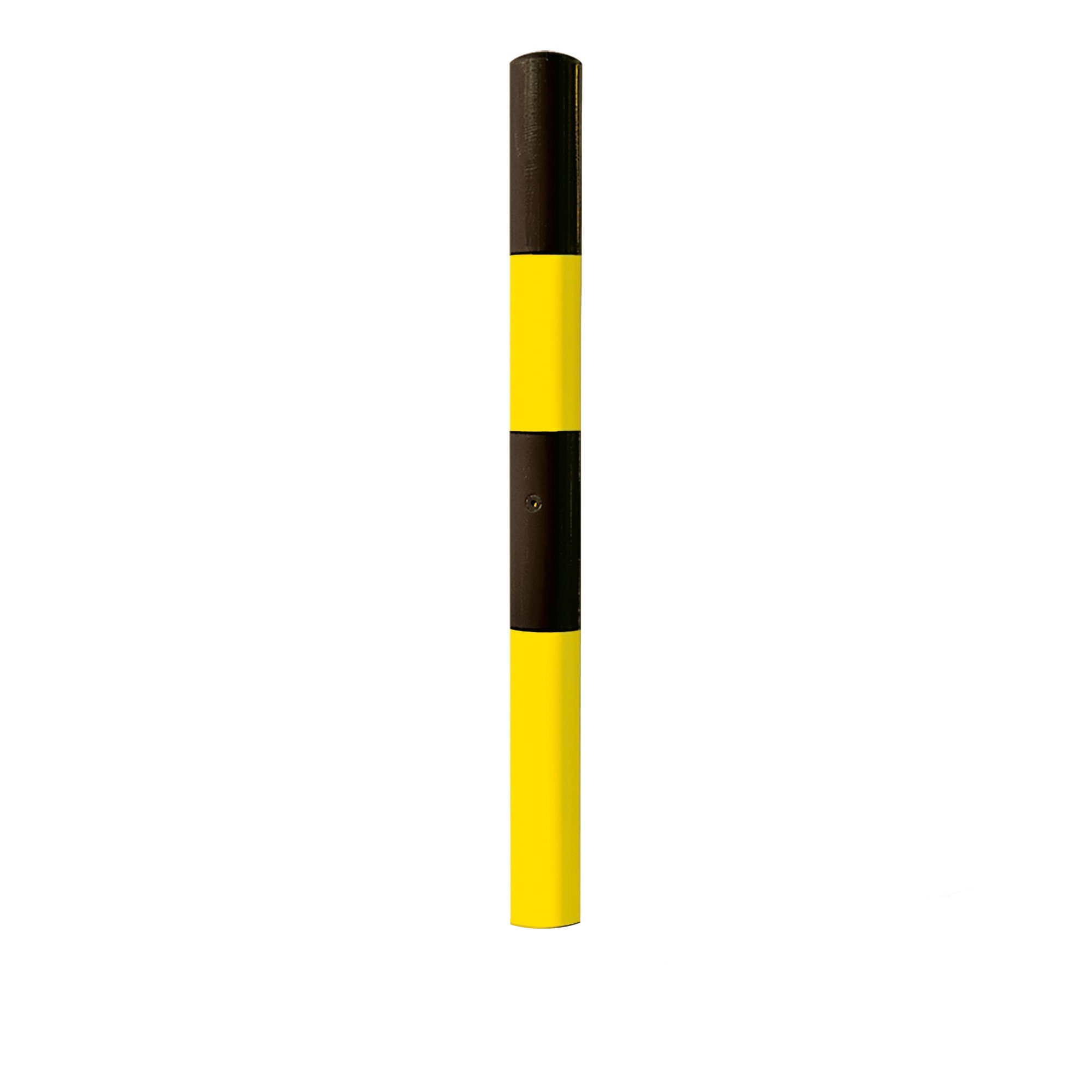
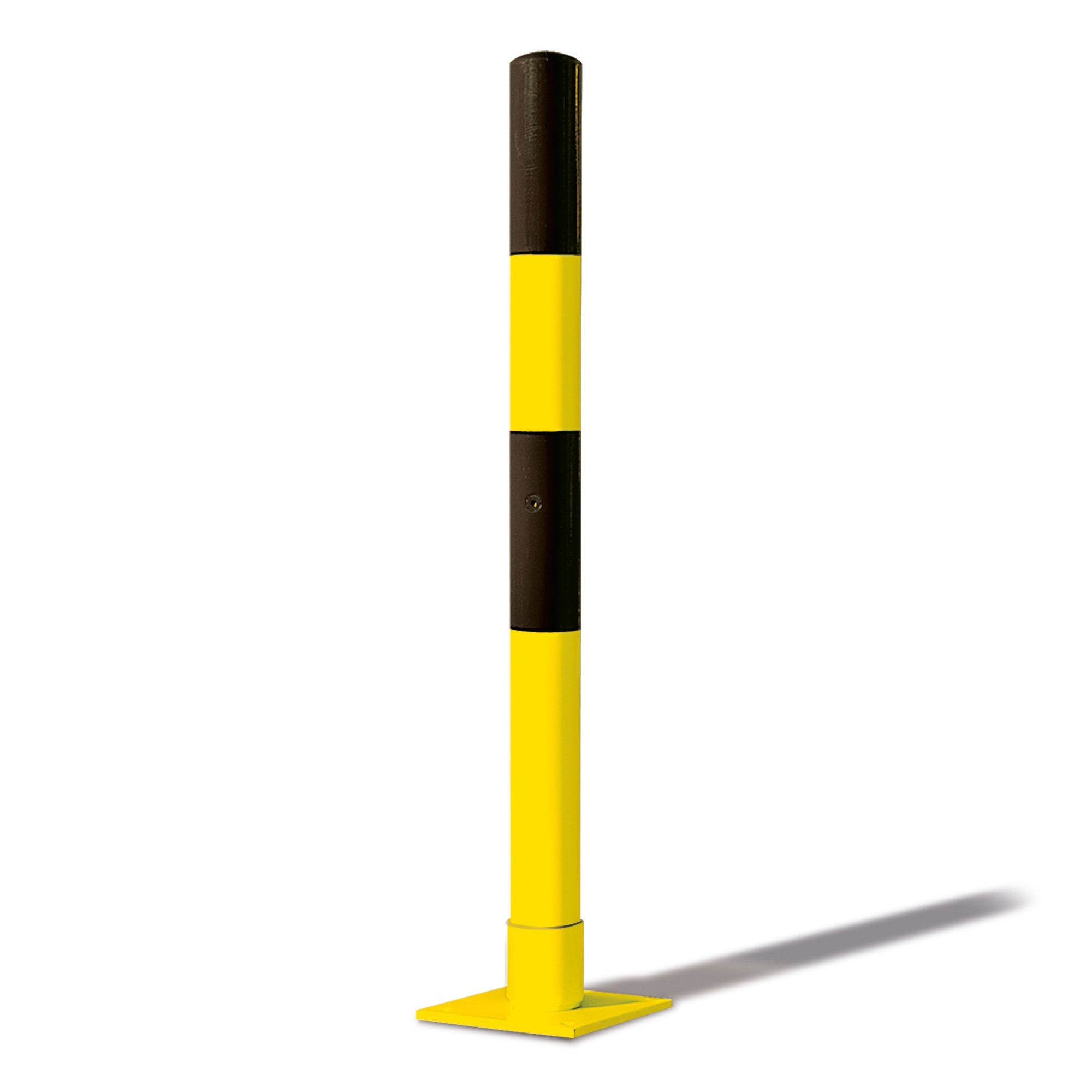 Black/Yellow
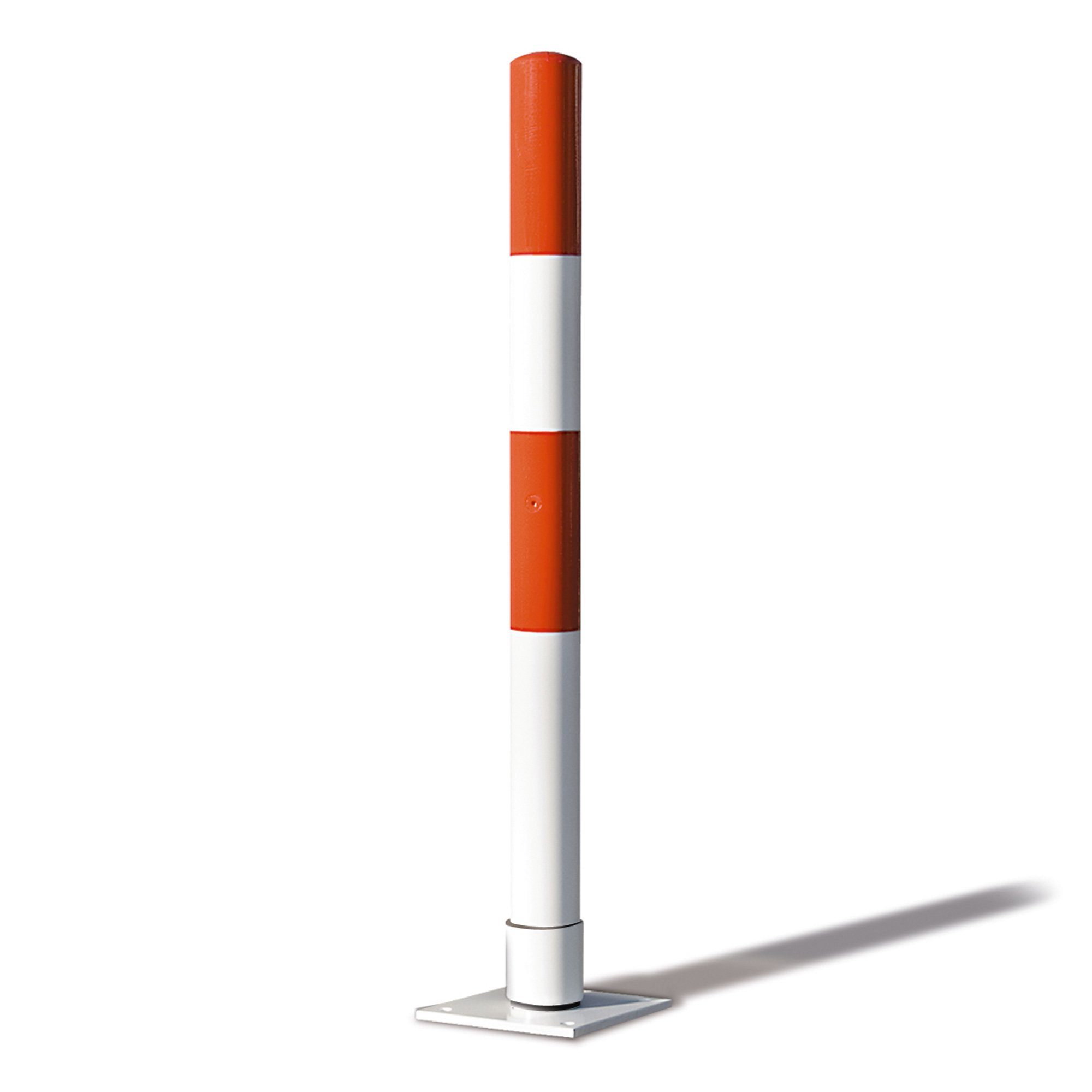 Red/White
Laws, regulations and liability you need to know
Installing a rubber speed bump isn’t just a practical measure – it’s also a legal commitment. Whether you represent a housing cooperative, a company or a municipality, you are responsible for making sure everything is done correctly. Ignoring the rules can lead to both accidents and unpleasant liability issues.
The whole point is to create a safe and predictable traffic environment. A speed bump that appears suddenly without warning can cause hard braking, damage cars or, in the worst case, make a driver lose control. That’s why signage is absolutely crucial.
The importance of proper signage
One of the most important rules is to always warn road users in advance. Under the Swedish Road Traffic Ordinance, a speed bump should normally be marked with warning sign A9, Speed bump warning sign.
The sign sends a clear signal that the driver is approaching an obstacle and gives them the chance to slow down calmly and in a controlled manner. Cutting corners here isn’t just a safety risk – it can also make you liable for damages if an accident occurs.
Installing a speed bump without proper signage is like creating one problem to solve another. The sign is a fundamental part of a responsible safety solution.
Accessibility for all vehicle types
A speed bump affects different vehicles in different ways, and you need to take this into account. The goal is to reduce the speed of passenger cars, but the speed bump must not cause problems for others.
- Emergency vehicles: Ambulances, police and fire services must be able to get through quickly. An overly aggressive speed bump can delay an emergency response.
- Public transit: If buses use the route, special solutions such as speed cushions are often required to keep the ride comfortable and avoid unnecessary wear.
- Cyclists and moped riders: The speed bump should be designed so that there is a safe way past for two-wheelers.
- Snow removal and street cleaning: The speed bump must withstand the stresses from service vehicles.
Many of the principles of liability carry over from other safety products. You can read more in our article on legal requirements and liability for impact protection.
Always choose CE-marked products
To be sure your speed bump meets European safety requirements, always choose CE-marked products. The CE marking is the manufacturer’s assurance that the product meets essential requirements for health, safety and environmental protection.
Buying a non-certified product may seem cheaper, but it’s a risky gamble. A substandard product can fail prematurely or be so poorly designed that it creates more hazards than it solves. Think of the CE marking as a non-negotiable seal of quality.
Not sure which rules apply to your particular road? Contact us at Nordguard, and we’ll help you navigate the regulations and find a solution that is safe, effective and fully compliant with the law.
Frequently asked questions about rubber speed bumps
When choosing speed bumps, questions often come up. Here we have gathered the most common ones and provide straightforward, clear answers.
How much does a rubber speed bump actually reduce speed?
It depends on the height and design of the speed bump, but in general you can expect speeds to drop by 5 to 20 km/h. The goal is not to stop traffic, but to bring the average speed down to a safe level – usually between 15 and 30 km/h.
Do rubber speed bumps damage cars or emergency vehicles?
No, a properly designed and placed speed bump is gentle on vehicles. Unlike rigid asphalt, rubber has a natural flexibility that absorbs impact much better. To make things easier for buses and emergency services, there are also smart solutions such as speed cushions, which let heavy vehicles with a wider wheelbase pass smoothly.
How long does a rubber speed bump last?
They last for many years. The material, usually UV-resistant and durable recycled rubber, is built to withstand rough treatment. Service life is affected by traffic volume and the quality of the installation. The big advantage is that a damaged section can easily be replaced, unlike an entire asphalt bump.
Can I install a speed bump myself?
For a handy person with the right tools, it’s entirely possible. The process is much simpler than building a speed bump in asphalt. That said, we always recommend hiring a professional to ensure secure anchoring and optimal performance throughout the speed bump’s service life.
Have more questions, or would you like help finding a solution to your specific speeding problem? At Nordguard, we help everyone from housing cooperatives to large logistics companies create safer environments with smart, durable products.
Browse our range of traffic safety solutions at https://nordguard.eu and get in touch. Our experts are ready to help you find the perfect speed bump for your needs.
Ready to take the next step?
We help you develop solutions tailored to your needs. At Nordguard, we strive to make the ordering process as smooth as possible. By offering support and guidance throughout the entire purchasing experience, we make sure you feel confident and satisfied with your choice of protection products.+46 10 153 90 50
[email protected]