
How to Choose the Right Post Impact Protection – A Simple Guide
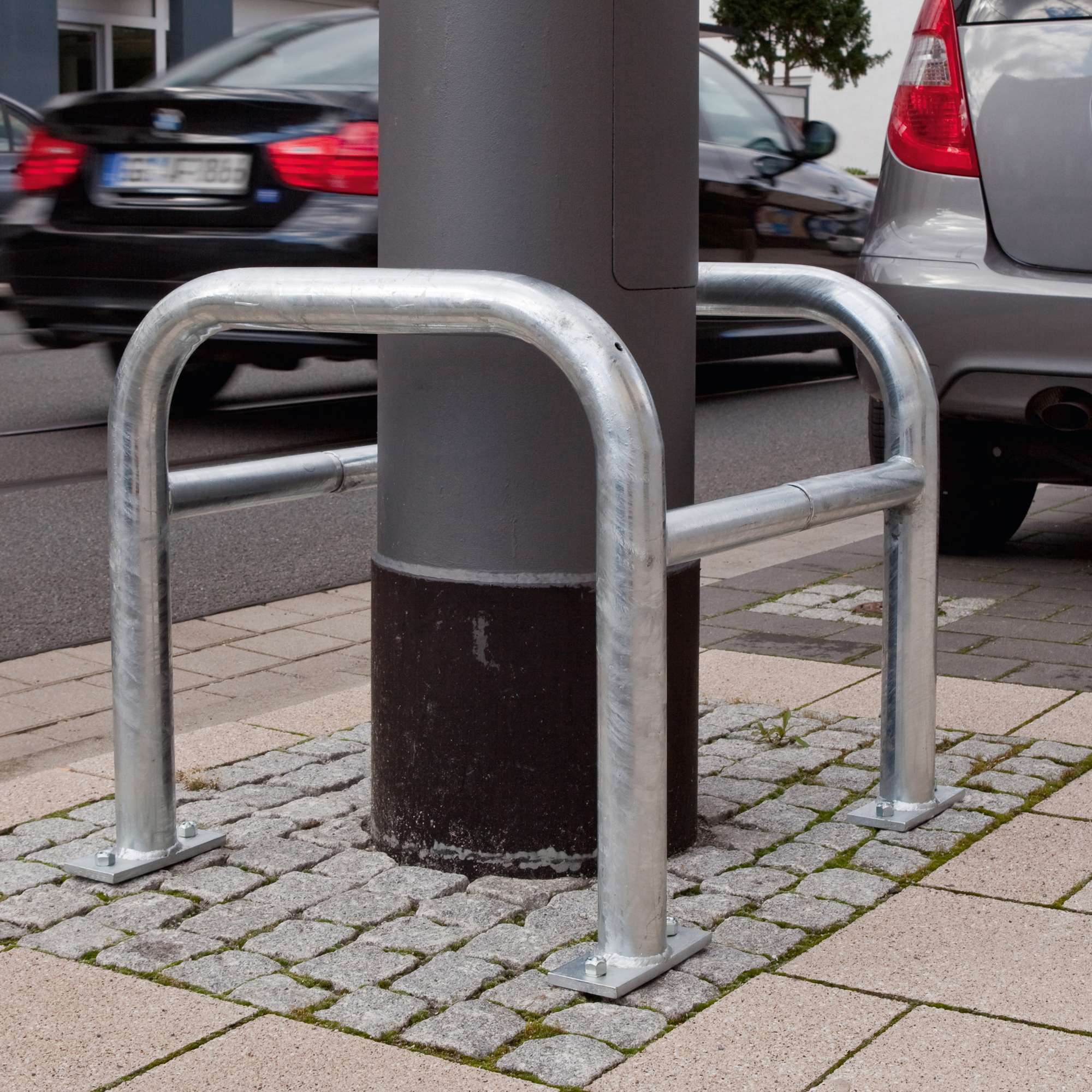
Skipping impact protection for a post is a bit like leaving the door unlocked and hoping nothing happens. It’s a dangerous gamble. This isn’t about avoiding a small dent. It’s a smart investment that protects against everything from costly downtime and damaged buildings to, in the worst case, serious injuries. In an environment with forklifts and heavy traffic, the question is rarely if an accident will happen, but when.
What actually happens when an unprotected post gets hit
An unprotected post in a warehouse, an industrial facility or a parking lot is a ticking time bomb. A seemingly minor bump from a forklift or car can quickly snowball into a domino effect of problems that affects the entire operation. The immediate damage is often just the tip of the iceberg.
Picture a scenario in a fast-paced warehouse. A rushed forklift operator accidentally backs into a load-bearing concrete column. Without impact protection to absorb and dampen the force, the column cracks. The consequences are immediate:
- Sudden downtime: The entire area has to be cordoned off, instantly stopping the flow of goods.
- Structural uncertainty: A structural engineer has to be called in to assess the damage, which can take several days.
- Sky-high repair costs: Repairing a load-bearing column is both complicated and extremely expensive.
In public spaces, such as at an entrance or in a parking garage, a damaged light pole can cause power outages and falling debris that pose a direct hazard to people and vehicles. The responsibility of property owners and municipalities is crystal clear.
The risks are about more than just money
The greatest risk is always the human one. Forklift accidents are one of the most common causes of serious injuries at Swedish workplaces. According to the Swedish Work Environment Authority, nearly 800 people every year are injured so badly that they have to take sick leave. By installing the right type of impact protection, such as our bollards and post protectors, the risk of serious injury can be reduced by up to 70–80 percent in exposed zones.
The table below gives a quick overview of the risks in different environments.
Risk overview without impact protection
A summary of the most common risks and their direct consequences for different operations.
| Risk area | Type of post | Potential consequence | Affected group |
|---|---|---|---|
| Warehousing & Logistics | Load-bearing columns, racking | Collapse risk, downtime, damaged goods | Employees, management |
| Parking garages | Concrete columns, sign posts | Structural damage, vehicle damage | The public, property owners |
| Industrial facilities | Machine frames, pipelines | Production stoppages, leaks | Operators, maintenance teams |
| Outdoor environments | Light poles, electrical cabinets | Power outages, electrical accidents | The public, service personnel |
As you can see, the consequences reach far beyond the immediate damage and affect everything from the individual employee to the profitability of the entire company.
A proactive investment, not a reactive cost
Seeing impact protection for a post as a pure cost is short-term thinking. In reality, it’s one of the most profitable investments you can make to secure your operation. It’s the difference between paying a small amount now or a vastly larger one – in money, time and reputation – once an accident has happened. For a deeper understanding, read our article on impact protection as a crucial investment in safety.
Protecting your assets and your people is the foundation of a sustainable business. Impact protection isn’t an expense; it’s insurance against unforeseen events that could paralyze your entire organization.
At Nordguard, we are experts at turning risk into peace of mind. We help you analyze your unique needs, identify critical points and choose the right solution to protect your operation around the clock. Contact us today for free expert advice and let’s secure your facility together.
Comparing different types of impact protection
Choosing the right post impact protection isn’t about finding the strongest product, but the smartest solution for your particular environment. The market is full of options, and each type has its own strengths that suit different situations. Understanding these differences is essential to making an investment that actually protects.
Let’s break down the most common options: rock-solid steel, energy-absorbing polymer and flexible combination protectors. Instead of a dry technical review, we’ll use real-world scenarios to show where each type really shines.
The uncompromising protection of steel
Think of steel impact protection as a rock wall. It’s built to be completely immovable and to stop a vehicle at full force. Steel is the traditional and most robust material, perfect for environments where the consequences of a collision are truly serious.
When is steel the obvious choice?
- High-traffic loading docks: Heavy trucks back up here with limited visibility. A steel protector sacrifices itself to save the building structure from an impact that could otherwise be catastrophic.
- Protecting critical installations: Around fuel stations, transformers or load-bearing columns, where a collision simply must be stopped at all costs.
- Public spaces: Steel bollards are used to protect store entrances, squares and pedestrian streets from vehicles, whether it’s an accident or a deliberate act.
But steel’s greatest strength is also its weakness. A heavy collision permanently deforms the protector and sends a powerful shock wave through both the vehicle and the anchoring in the ground, which can lead to costly floor damage.
The smart flexibility of polymer
Polymer impact protection works more like a punching bag. Instead of just resisting the force, it absorbs the energy of an impact, distributes it and then springs back to its original shape. This property makes polymer an incredibly smart choice in environments where minor but frequent impacts are part of everyday life.
Polymer-based protectors are designed to minimize damage to both the vehicle and the protector itself. By flexing on impact, they dramatically reduce repair costs and downtime, since both the forklift and the protector often come through without lasting damage.
When does polymer excel?
- Narrow forklift aisles in warehouses: Minor bumps are inevitable here. A polymer protector forgives mistakes, protects the pallet racking or wall and reduces wear on the forklifts.
- Parking garages: Perfect for protecting columns and walls from cars that park a little too close. The brightly colored plastic also provides better visibility.
- Food and pharmaceutical industries: Polymer doesn’t rust and is incredibly easy to keep clean, making it both a hygienic and maintenance-free option.
To really dig into how the material affects performance, read our guide on choosing material for impact protection – plastic, steel or a combination.
A quick comparison of the materials
| Property | Steel impact protection | Polymer impact protection |
|---|---|---|
| Primary function | Stop and block | Absorb and spring back |
| Damage on collision | Permanently deforms, damages vehicles | Flexes and returns to shape |
| Maintenance | Requires repainting when scratched | Virtually maintenance-free, does not rust |
| Best suited for | High-risk areas, heavy vehicles | Environments with frequent, light impacts |
The choice simply comes down to analyzing the risks in your particular environment. Do you need an impenetrable wall or an intelligent shock absorber? Often the best solution is a mix of both, with strategically placed steel protectors guarding the most critical points while polymer protectors handle the more dynamic, high-traffic zones.
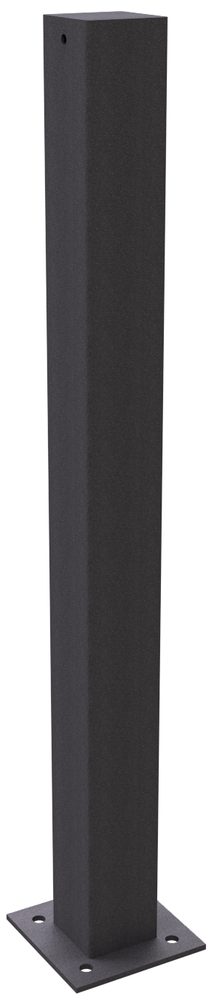
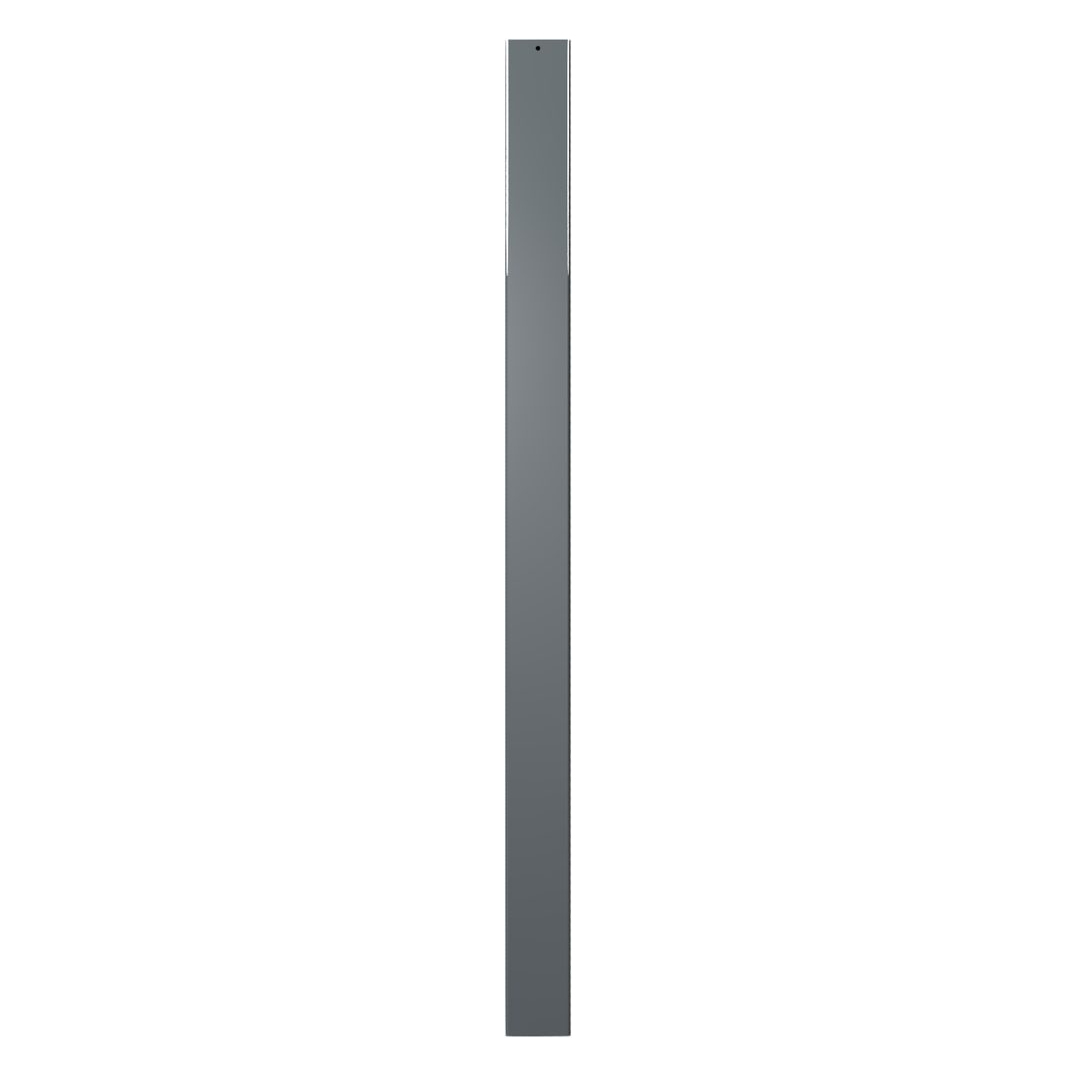
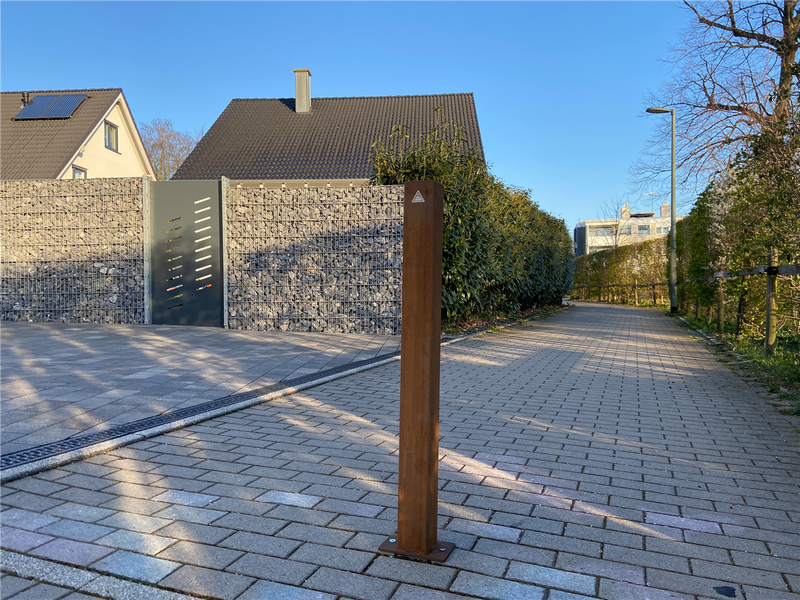
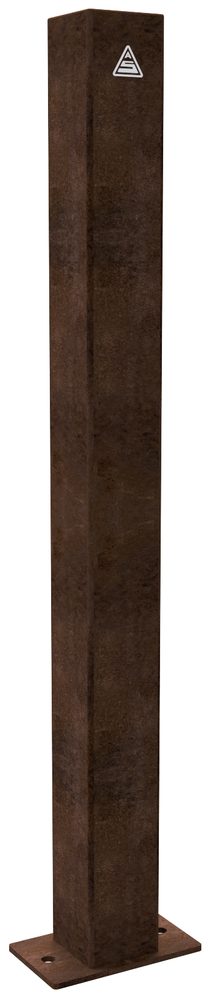
Here are some examples of products that illustrate these differences in practice.


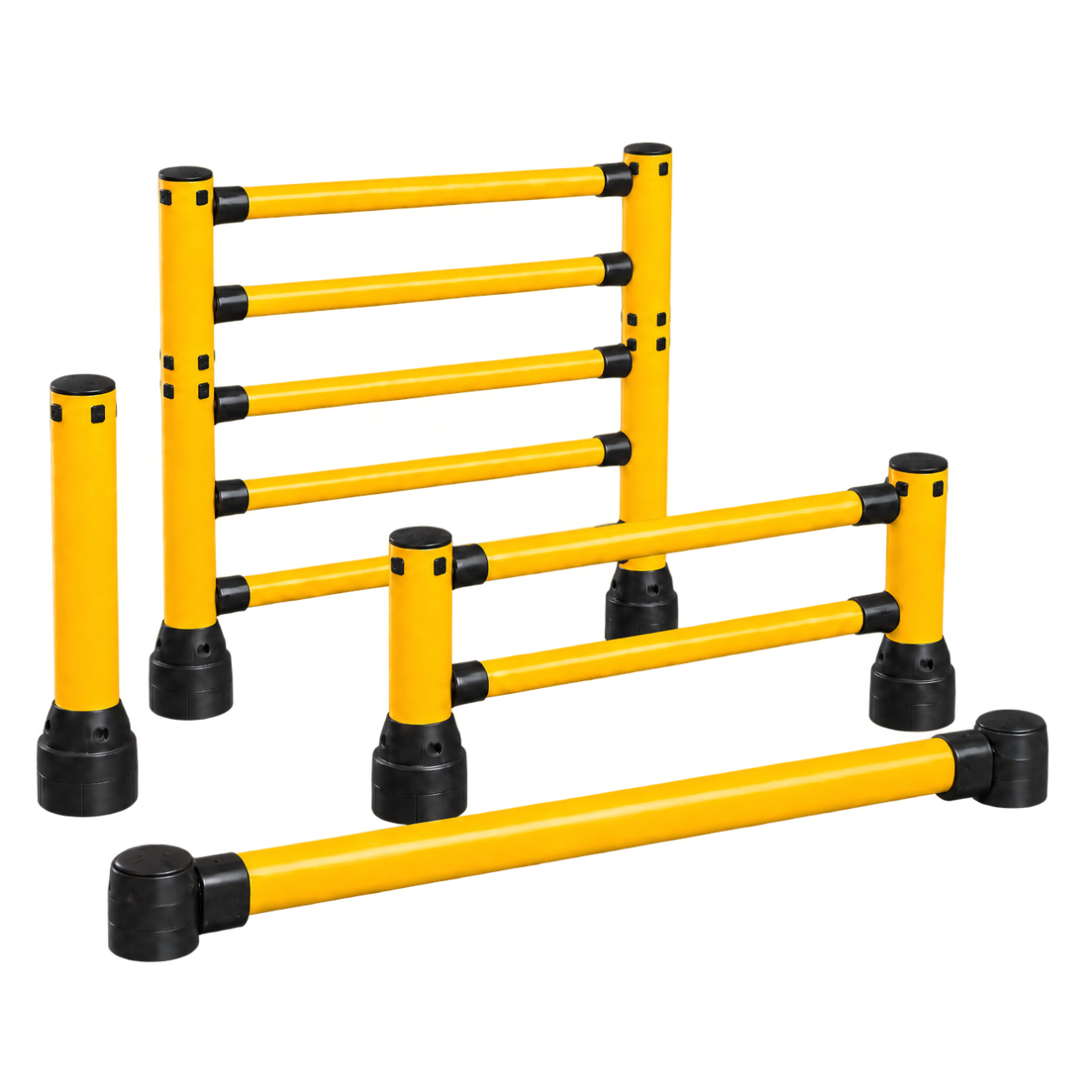
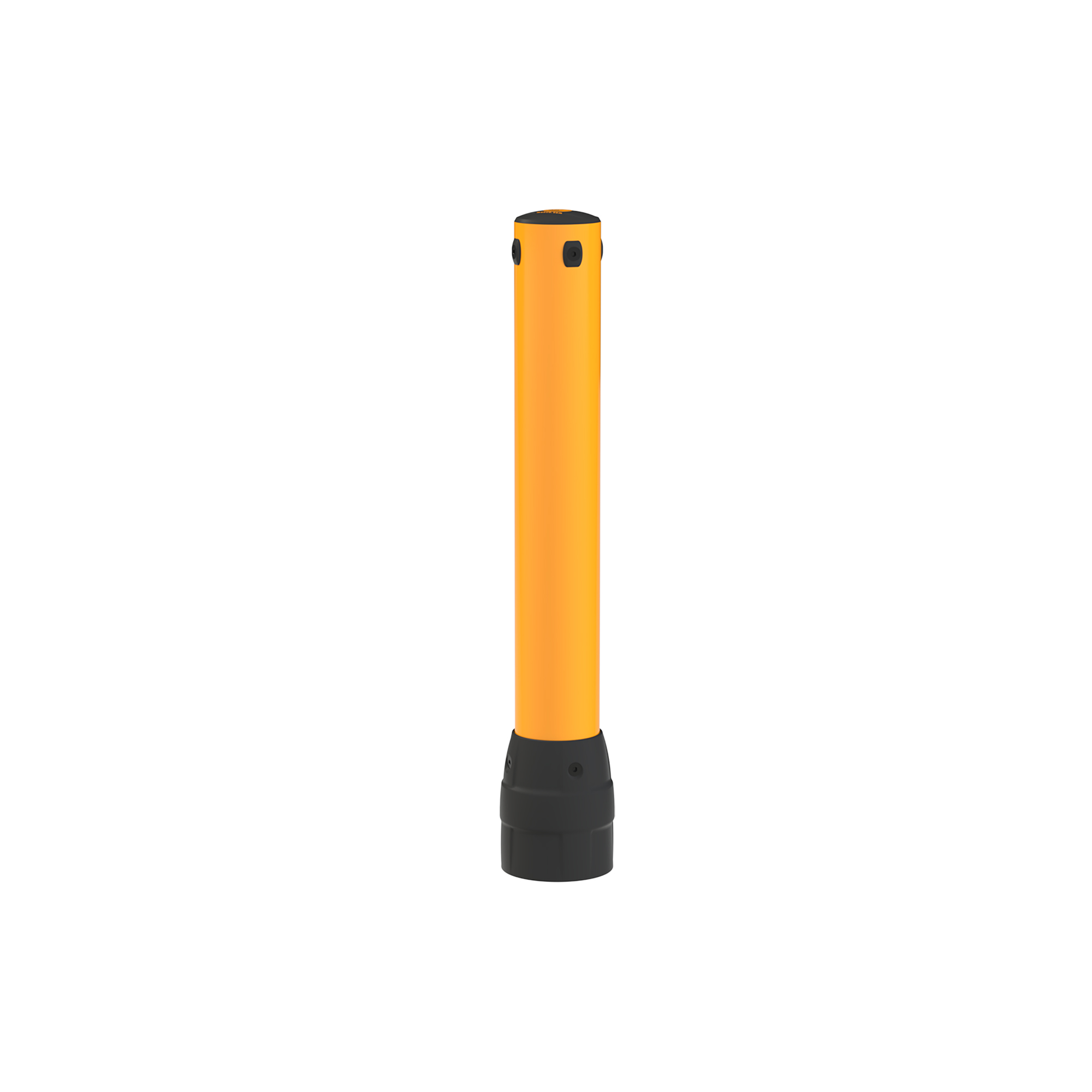 Black/Yellow
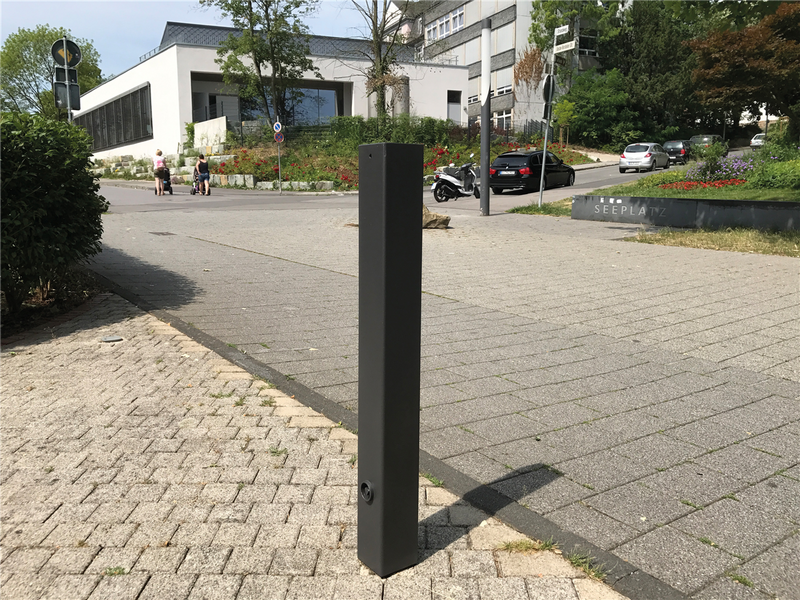


Understanding these basic differences is the first step toward a safer and more efficient workplace. Not sure which type of post impact protection best suits your needs? Contact us at Nordguard for a free needs assessment. Our experts will help you navigate the options and find the optimal solution to protect both your people and your facility in the best possible way.
How to choose the right protection for your facility
Choosing the right post impact protection is absolutely crucial. The wrong choice can create a false sense of security and lead to unnecessary costs – both in damage and in maintenance. But the process doesn’t have to be complicated.
By systematically working through four key points, you can be confident that you’re making a well-informed decision that protects your facility, your people and your assets in the best possible way. We break down each step to make it easy to see what matters most in your particular environment.
Choice of material – steel or polymer
The first and perhaps most important decision is the material. As mentioned earlier, steel and polymer have completely different superpowers. Steel is extremely strong and stops heavy vehicles in high-risk zones. The downside? A hard impact almost always leads to permanent damage to the protector, the vehicle and the floor.
Polymer, on the other hand, is flexible. It absorbs the energy and often returns to its original shape after a collision. This minimizes both maintenance and repair costs, which means the total cost of ownership is often significantly lower, especially in environments with many minor impacts.
Comparison of materials for impact protection
A guide to choosing the right material based on environment, budget and protection needs.
| Property | Steel | Polymer/Plastic | Recommended environment |
|---|---|---|---|
| Strength | Very high, effectively stops heavy vehicles. | Flexible, absorbs impacts and returns to its shape. | Steel: High-risk zones, loading docks, areas with heavy, infrequent traffic. |
| Maintenance | Often requires repair/replacement after a collision. | Low, withstands repeated impacts without permanent damage. | Polymer/Plastic: Warehouse aisles, production areas, areas with frequent forklift traffic. |
| Damage on impact | Can cause major damage to vehicles and floors. | Minimizes damage to vehicles and surfaces. | Steel: When protecting the object matters more than anything else. |
| Total cost (TCO) | Lower purchase price, but potentially high repair costs. | Higher purchase price, but lower total cost of ownership over time. | Polymer/Plastic: When uptime and low maintenance costs are a priority. |
In summary, the choice is about balancing immediate stopping power against long-term cost and durability.
Dimensions and height
The effectiveness of impact protection depends entirely on it being the right size to meet the threat. Dimensions and height must always be matched to the vehicles that actually operate in the area.
- Height: The protector should make contact where it does the most good. For forklift traffic, a height of at least 400 mm is often a legal requirement to protect against both forks and chassis. For trucks or passenger cars, taller protection that meets the bumper may be needed.
- Diameter/Width: A wider protector provides a larger protective surface. This is especially important when you protect wide columns or machinery where vehicles can approach from different angles.
A quick review of your vehicle fleet and the most common traffic flows is all it takes to specify the right dimensions.
As you can see, it often comes down to determining whether the risk is occasional heavy collisions or frequent, lighter impacts.
Energy absorption and anchoring
How a protector handles the energy in a collision is absolutely crucial. A steel protector is rigid and transfers almost all the force straight down into the floor and the anchoring. If the concrete is weak, the bolts can be torn out and the entire protector becomes useless. That’s why robust anchoring is essential for steel protectors.
Polymer protectors, by contrast, absorb a large share of the energy in the material itself. This dramatically reduces the load on both the anchoring and the floor.
The mounting method depends entirely on the surface:
- Bolting: The most common and fastest method on concrete floors. It also makes it easy to replace the protector if needed.
- Cast-in: Provides maximum strength and is most often used for permanent outdoor installations or where extreme durability is required.
In warehouses, protection for pallet racking is especially important, since a single forklift impact can have catastrophic consequences. The regulations (AFS 2006:4) require post and rack end protectors wherever there is a risk of impact. Read more about impact protection for pallet racking and its specific requirements.
Choosing the right impact protection is about balancing immediate strength against long-term durability and total cost. A professional needs assessment is the best tool for finding the optimal balance for your operation.
Still feeling unsure? That’s completely normal. That’s why we at Nordguard offer our expertise to help you analyze your facility’s unique needs. Contact us today for a free consultation, and we’ll make sure you get a reliable solution that truly protects your investment.
Understand the rules and standards that apply to you
Navigating the maze of rules and standards can feel like an uphill battle. But when it comes to safety at your workplace, it’s absolutely crucial. Impact protection for a post isn’t just a piece of steel in the way of a forklift; it’s a safety system that has to meet strict requirements to actually work when an accident happens.
The point of the rules isn’t for you to recite regulations by heart. It’s about understanding why they exist: to protect people and expensive equipment. Without common guidelines, every protector becomes pure guesswork, and safety a lottery.
What CE marking actually means
You’ve seen the CE logo a thousand times, on everything from toys to kitchen appliances. But what does it mean for impact protection? Think of CE marking as a seal of quality. It’s your assurance that the product has been properly tested and meets the EU’s essential requirements for health, environment and safety.
For impact protection, this is especially important. The marking proves that the protector can actually handle the forces and energy generated in a collision. A CE-marked product isn’t just a piece of metal – it’s a verified protection system you can trust.
When you choose a CE-marked product from us at Nordguard, you get:
- Verified performance: You know the protector can withstand the impact it’s designed for.
- Full traceability: The manufacturer stands behind the product’s quality and function.
- Confidence during inspections: You can rest assured that your facility will pass an inspection by, for example, the Swedish Work Environment Authority.
Opting out of CE-marked products is taking a gamble. It’s a bit like buying a car without knowing whether the brakes work.
Laws and regulations you need to know
In Sweden, it’s primarily the Swedish Work Environment Authority’s regulations (AFS) that set the rules for workplace safety. For warehouses and industrial facilities, AFS 2020:1 (Workplace Design) is the most important one to know. It states plainly that workplaces must be designed so that the risk of vehicle impact is as low as possible.
According to the Swedish Work Environment Authority, permanent workplaces must have impact protection for columns, racking and other critical equipment wherever there is a risk of collision with vehicles. The employer is always responsible for identifying these risks and taking the necessary measures.
In addition, there are European standards that provide more technical detail. SS-EN 15512, for example, specifies exactly how pallet racking and its protection should be designed and tested. Even though a standard isn’t a law in itself, the law often refers to standards as a way of meeting the requirements. If you follow the standard, you know you’re doing it right.
Choosing a supplier who knows this inside and out is essential. At Nordguard, we only sell CE-marked and tested products designed to meet – and often exceed – current requirements. That gives you one less thing to worry about.
Not sure which rules apply to your particular operation, or how to make sure your choice of post impact protection is correct? Contact our experts today for free advice. We’ll help you interpret the requirements and find a solution that makes your facility both safe and compliant.
Proper installation and maintenance – how to make your protection last
Impact protection is only as good as its installation. A carelessly mounted or damaged post impact protector creates a false sense of security and, in the worst case, can do more harm than good in an accident. Buying a good protector is half the job – making sure it’s securely fastened and maintained is crucial for it to actually work when it’s needed.
The process isn’t difficult, but it requires precision. Every step, from preparing the floor to tightening the last bolt, plays a role in the end result. A stable protector is literally built from the ground up.
Step by step: how to mount the protector
Even though instructions may differ slightly between models, the basic principle is the same for most floor-bolted protectors. Correct anchoring is essential for the post to handle the enormous energy released in a collision.
Here’s a quick guide to installation on concrete floors:
- Mark and prepare. Clean the area where the protector will stand. Place the protector in position and mark exactly where to drill, straight through the holes in the base plate.
- Drill. Use a drill bit of the correct size for the bolts. Drill as deep as the manufacturer recommends to get maximum grip in the concrete.
- Clean the drill holes. This step is incredibly important but often skipped. Blow all drilling dust out of the holes with compressed air. Any remaining dust drastically reduces holding strength.
- Install the anchors. Carefully drive the bolts or anchors into the clean holes. If you want to be sure you’re using the highest-quality materials, we’ve developed special anchors for impact protection designed for exactly this purpose.
- Tighten. Place the protector over the bolts and tighten the nuts with a torque wrench. Make sure to use the correct tightening torque. Too loose and the protector may wobble; too tight and you risk damaging either the concrete or the bolt.
By following these steps, you can be confident that your post impact protector stands firm and is ready to do its job.
The importance of regular inspections and maintenance
Installation is just the beginning. Impact protection works in a tough environment and must be inspected regularly so you can trust that it still provides full protection. Neglecting maintenance is a bit like never checking the tires on your car – sooner or later, things go wrong.
A damaged protector can be more dangerous than no protector at all. A crack, a loose bolt or a rust spot can cause the protector to give way at the next impact.
A simple maintenance routine is the best insurance you can give your investment. By scheduling quick visual inspections, you catch problems in time and avoid costly repairs – or, in the worst case, a serious accident.
Create a simple checklist for your inspections. Do a check at least every quarter, or more often in areas with heavy forklift traffic:
- Check the anchoring: Make sure all bolts and nuts are securely tightened.
- Look for damage: Inspect the protector for dents, cracks or other deformations.
- Inspect the surface: Watch for rust or flaking paint, especially on steel protectors. Repair damage immediately to stop corrosion.
- Keep the surrounding area clean: Make sure the area is free from oil spills or anything else that could weaken the concrete under the base plate.
If you find damage, it’s important to act quickly. At Nordguard, we don’t just offer expert advice – we also carry a complete range of spare parts so you can quickly restore safety.
Correct mounting and regular maintenance are the key to getting the most out of your impact protection over time. Contact us at Nordguard for expert help with everything from needs assessments to service and spare parts. We’re your partner throughout the entire life of the protection.
Frequently asked questions about impact protection for posts
When it’s time to invest in impact protection for posts, a few practical questions often come up. That’s completely natural. Here we’ve gathered the most common questions we get from our customers, so you can feel confident in your decision.
How tall should impact protection be?
There’s no single answer for which height is “right” – it all depends on the vehicles operating in your environment. A good rule of thumb is that the protector should be level with the most likely point of impact – usually a car’s bumper or a forklift’s forks.
For environments with heavy forklift traffic, a minimum height of 400 mm is often recommended. It’s a level the Swedish Work Environment Authority frequently refers to, since it effectively protects against both the forks and the forklift’s chassis. If you’re dealing with heavier vehicles such as trucks or construction machinery, however, significantly taller and sturdier protection is required.
Finding it hard to assess? At Nordguard, we can help you analyze traffic flows and find the optimal height for the best protection.
Can impact protection be mounted on asphalt?
Absolutely, it can be mounted on asphalt without any problem. It does, however, require a bit more thought and the right type of anchoring compared with concrete. Asphalt is a softer and more flexible material, which places higher demands on the anchoring for the protector to truly hold up on impact.
Depending on the thickness and condition of the asphalt, you may need:
- Longer expansion bolts that reach down to a more stable layer beneath the asphalt.
- Chemical anchors that bond the anchoring in place and create an extremely strong hold.
- A cast concrete foundation under the protector to create a completely solid anchor point where the asphalt is too weak.
The choice of method is absolutely crucial for the protector to work as intended and last over time.
How does the service life of steel and polymer protectors differ?
Both steel and polymer are long-lasting materials, but they behave differently. Steel impact protection is extremely robust and can essentially last for decades, as long as it avoids a collision that bends it permanently. Steel’s Achilles’ heel is, of course, rust – if the paint is damaged, it must be touched up to prevent corrosion.
Polymer protectors, by contrast, are flexible. They can take repeated impacts without deforming, since the material simply springs back to its original shape. They’re also completely immune to rust, making them virtually maintenance-free. Their weakness can be extreme UV light and large temperature swings, which over many years can make the material more brittle.
Regardless of material, a well-maintained protector will do its job reliably for many, many years.
Have more questions or need help finding the perfect solution for your specific needs? Our experts at Nordguard are ready to help with everything from a quick needs assessment to choosing the right product and mounting method. Get in touch today for free advice – together, we’ll create a safer work environment.
Learn more and contact us at: https://nordguard.eu
Ready to take the next step?
We help you develop solutions tailored to your needs. At Nordguard, we strive to make the ordering process as smooth as possible. By offering support and guidance throughout the entire purchasing experience, we make sure you feel confident and satisfied with your choice of protection products.+46 10 153 90 50
[email protected]