
How to Choose the Right Anti-Slip Paint for Safe, Durable Floors
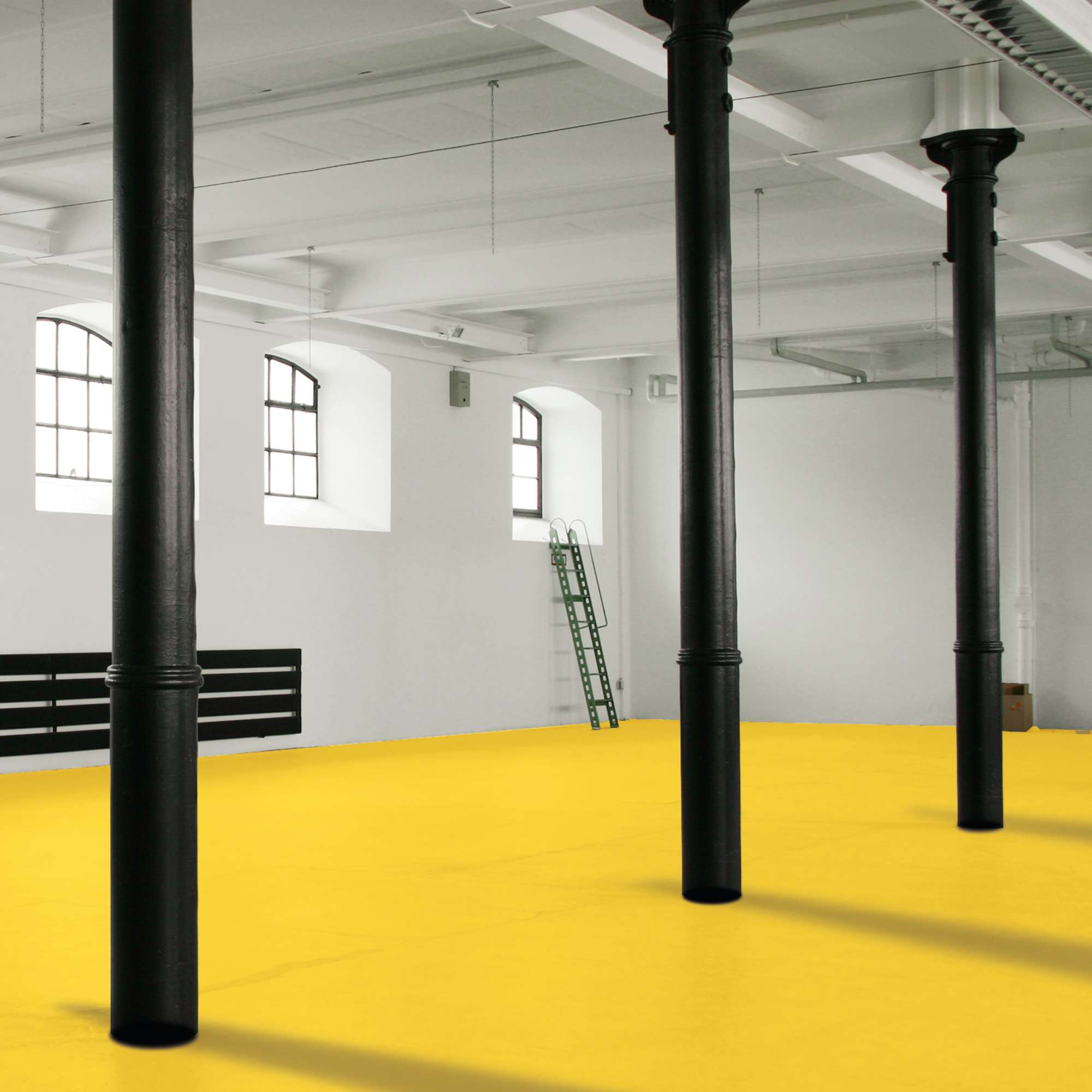
Simply put, anti-slip paint is a specialty paint mixed with a friction aggregate, designed to create a rough and extremely hard-wearing surface. Its main purpose is crystal clear: to dramatically reduce the risk of slip-and-fall accidents on walking surfaces, especially where water, oil, ice or other spills are likely.
How anti-slip paint makes your surfaces safer
Picture a tire with a really deep, grippy tread. Both are engineered to deliver maximum grip and control when it matters most, whether on a wet road or a damp industrial floor. Anti-slip paint works on exactly the same principle – it changes the fundamental properties of the surface.
This is much more than just a protective coat of paint. A hard-wearing material, usually quartz sand or aluminum oxide, is built right into the paint. Once the paint is applied and cures, these tiny particles form an uneven microtexture across the entire surface.
This deliberately rough surface significantly increases the friction between a shoe sole and the substrate, making it much harder to lose your footing.
From theory to practical safety
To really understand the effect, let’s look at a few typical scenarios where anti-slip paint is an absolutely essential safety measure:
- The rainy loading dock: An ordinary Monday morning with steady rain can quickly turn a smooth concrete dock into a real danger zone. A surface treated with the right anti-slip paint lets staff move safely with heavy loads without risking a slip.
- The oil-stained workshop floor: In a workshop, spills of oil and other fluids are more or less unavoidable. Here, the paint’s rough texture acts like thousands of tiny grip points that break through the slippery fluid film and provide secure footing.
- The icy entrance ramp: In winter, a steep ramp at a building entrance can become a dangerously icy slope. Anti-slip paint creates a coarse surface that makes it harder for ice to form an even, slick layer, improving safety for residents and visitors alike.
Investing in the right surface protection is about more than just following regulations. It is a proactive strategy that reduces the risk of accidents, lowers potential costs for sick leave and damages, and above all creates a safer environment for employees and visitors alike.
Choosing the right anti-slip paint is therefore not just a technical question but a central part of a systematic approach to safety. It is a long-term solution that protects what matters most: the people who move through the space.
At Nordguard, this is at the heart of our mission. We help you choose the right products to create durable, safe surfaces.
Not sure which solution best fits your needs? Contact us for expert advice. We’ll help you assess your surfaces and recommend the most effective anti-slip paint for your project.
Choosing the right type of anti-slip paint for your project
Not all anti-slip paints are created equal, and choosing the right one can be crucial for both safety and how long the result lasts. The choice usually comes down to epoxy, polyurethane and water-based options. Each has its own strengths, suited to very different environments and loads.
Understanding these differences is the first step toward a floor that is both safe and stands the test of time.
By taking a closer look at your specific needs – what kind of traffic the floor is exposed to, whether there is a risk of chemical spills and whether the surface is indoor or outdoor – you can make a smarter decision. That way, you invest in a solution that not only protects against slips today but also lasts over time.
Epoxy paint: the hard-wearing workhorse
Epoxy-based anti-slip paint is known above all for one thing: its incredible abrasion resistance and chemical resistance. It is a two-component paint that cures into an extremely hard, dense surface – almost like armor for your floor.
That makes it the obvious choice in environments with heavy industrial loads. Think warehouse floors with forklifts running around the clock, workshops where oil and solvents are spilled, or process industries where the floor has to withstand aggressive chemicals. Epoxy’s robust nature keeps the anti-slip protection working, even under the toughest conditions.
Polyurethane paint: the flexible, weather-resistant choice
Polyurethane paint, on the other hand, plays in a different league. It is considerably more flexible than epoxy and offers superior resistance to UV radiation, making it perfect for outdoor use.
Where an epoxy paint can become brittle and chalk in sunlight, polyurethane keeps its color and elasticity year after year. That makes it ideal for surfaces such as parking decks, loading ramps, balconies and footbridges. Its flexibility also helps it handle minor movement in the substrate without cracking.
Water-based paint: the user-friendly option
For surfaces with lighter traffic where environmental and health considerations carry a lot of weight, water-based anti-slip paint is an excellent choice. These paints contain much lower levels of volatile organic compounds (VOCs), resulting in a better working environment and less odor during application.
They are easier to work with and clean up, making them perfect for basement corridors, storage rooms and public indoor areas where you want to keep disruption to a minimum. They are not as hard-wearing as epoxy, but they provide solid, effective protection in the right environment.
Comparison of anti-slip paints
To make the choice a little easier, we’ve put together a table showing the key differences between the most common paint types.
| Paint type | Primary feature | Best for | UV resistance | Chemical resistance |
|---|---|---|---|---|
| Epoxy | Extreme abrasion resistance | Heavy industry, warehouses, workshops | Low | Very high |
| Polyurethane | Flexibility & UV resistance | Outdoor surfaces, parking decks, ramps | Very high | Good |
| Water-based | User-friendly & low odor | Light traffic, indoor, basements | Medium | Low |
The choice of paint type is fundamental, but don’t forget the aggregate. The anti-slip material mixed in, such as quartz sand, can vary in grain size from fine to coarse, which directly affects the surface texture and level of slip resistance. A coarser texture provides better grip but can be harder to clean.
Navigating all the options can feel overwhelming. To be sure you choose the right solution, it’s always best to consult an expert. At Nordguard, we offer a wide selection of anti-slip floor paint and are happy to help you find the product that suits your specific conditions.
Practical applications for improved safety
From public footbridges that thousands of people cross every day to industrial sites where a single misstep can have devastating consequences – anti-slip paint is often the unsung hero that solves real everyday problems. It is more than just a product; it is a fundamental safety measure adapted to meet specific challenges in different environments.
To understand its true value, you need to see where and how it makes the biggest difference. At its core, it’s about preventing accidents, protecting people and ultimately creating safer, more functional surfaces for everyone.
Safety in public and municipal environments
Municipalities and public property managers bear an enormous responsibility for public safety. Surfaces such as footbridges, bus stops, stairs and entrance ramps are constantly exposed to the elements, creating recurring slip hazards.
A rainy fall day or an icy winter morning quickly turns these surfaces into real hazards. This is where anti-slip paint becomes a proactive and lasting solution, unlike temporary measures such as sanding. It ensures that everyone, regardless of age or mobility, can move around safely.
Indispensable in industry and logistics
In industry, the pace is fast and the risks are many. At production facilities, warehouses and loading zones, spills of oil, chemicals or water are part of everyday life. These conditions create extremely slippery surfaces where the risk of accidents is imminent.
Here, an epoxy-based anti-slip paint with coarse aggregate can turn a dangerous floor into a safe workplace. It creates a surface that withstands both heavy forklift traffic and chemical spills, while giving staff the grip they need to work efficiently and safely.
Interest in these solutions has grown significantly in Sweden. Industry statistics show that sales of protective paints, including anti-slip paint, increased by 15 percent over a ten-year period. The figure reflects how important it has become to prevent slip-and-fall accidents, which can account for up to 40 percent of all work-related injuries in warehouses and public areas. Read more about industry trends at Sveriges Färg och Lim Företagare (SVEFF).
Peace of mind for property owners and housing cooperatives
For property owners and housing cooperatives, it’s all about creating a safe living environment. Common problem areas include basement corridors, laundry rooms, parking garages and outdoor stairs, where moisture and poor lighting often increase the risk of slipping.
Treating these surfaces is not only an investment in residents’ safety. It can also help lower insurance costs by proactively reducing the number of claims related to slip-and-fall accidents.
A hard-wearing anti-slip paint for concrete in a parking garage protects not only against slips but also against wear from studded tires and road salt. For outdoor stairs, it is an absolute necessity – something you can read more about in our guide to anti-slip protection for outdoor stairs.
Here are some typical problems and how the right product solves them:
- Problem: Icy, dangerous entrance ramps in winter.
- Solution: A polyurethane-based anti-slip paint that withstands sub-zero temperatures and UV light provides secure grip all year round.
- Problem: Wet, slippery floors in shared laundry rooms.
- Solution: A water-based anti-slip paint is easy to apply, has less odor and provides excellent slip protection.
- Problem: Oil stains and spills in garages and workshops.
- Solution: A chemical-resistant epoxy paint creates a tough, safe surface that is easy to keep clean.
Whether you are responsible for a municipal park, an industrial warehouse or a housing cooperative, there is an anti-slip solution to suit your needs. Below is a selection of products from our range that will help you create safer surfaces.
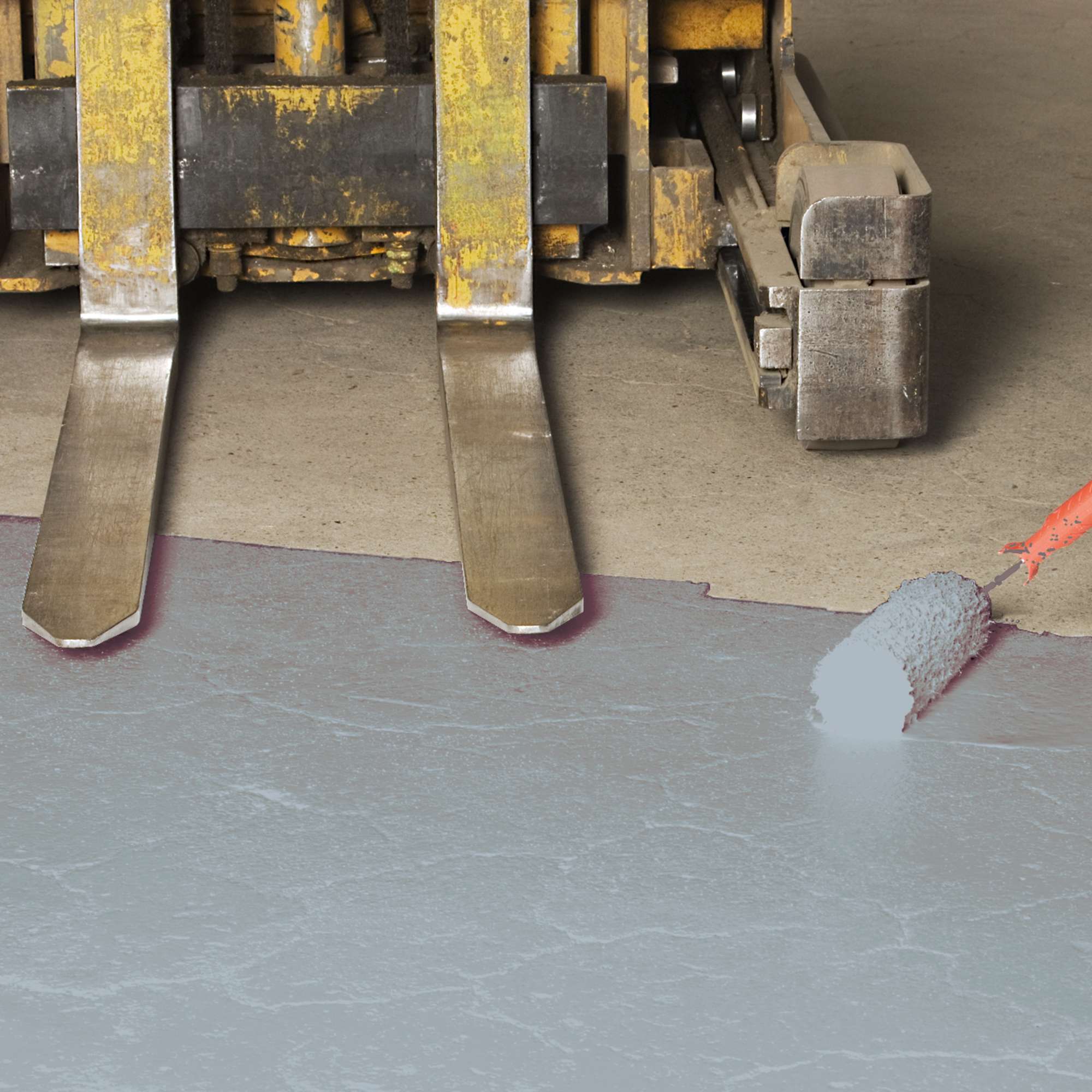
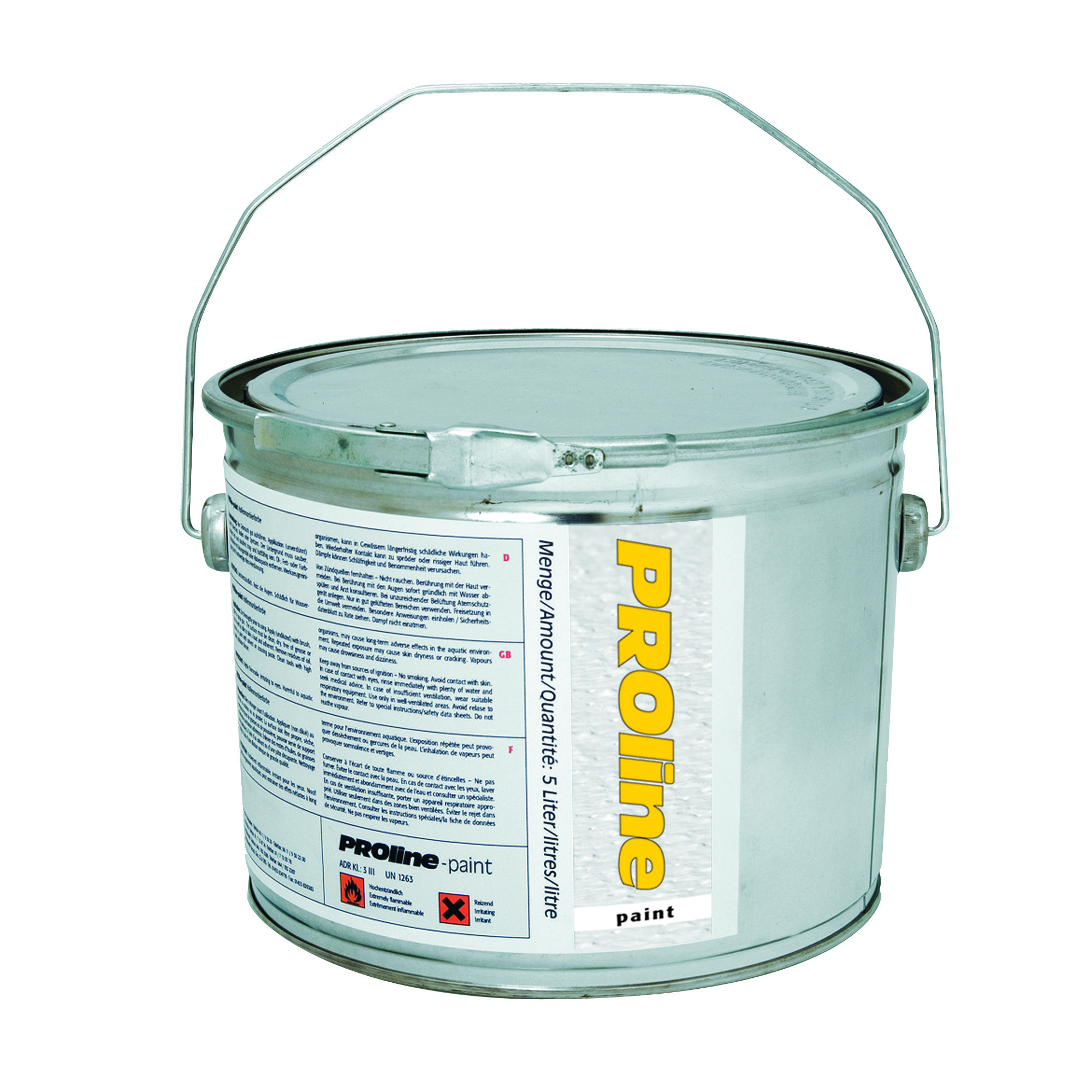
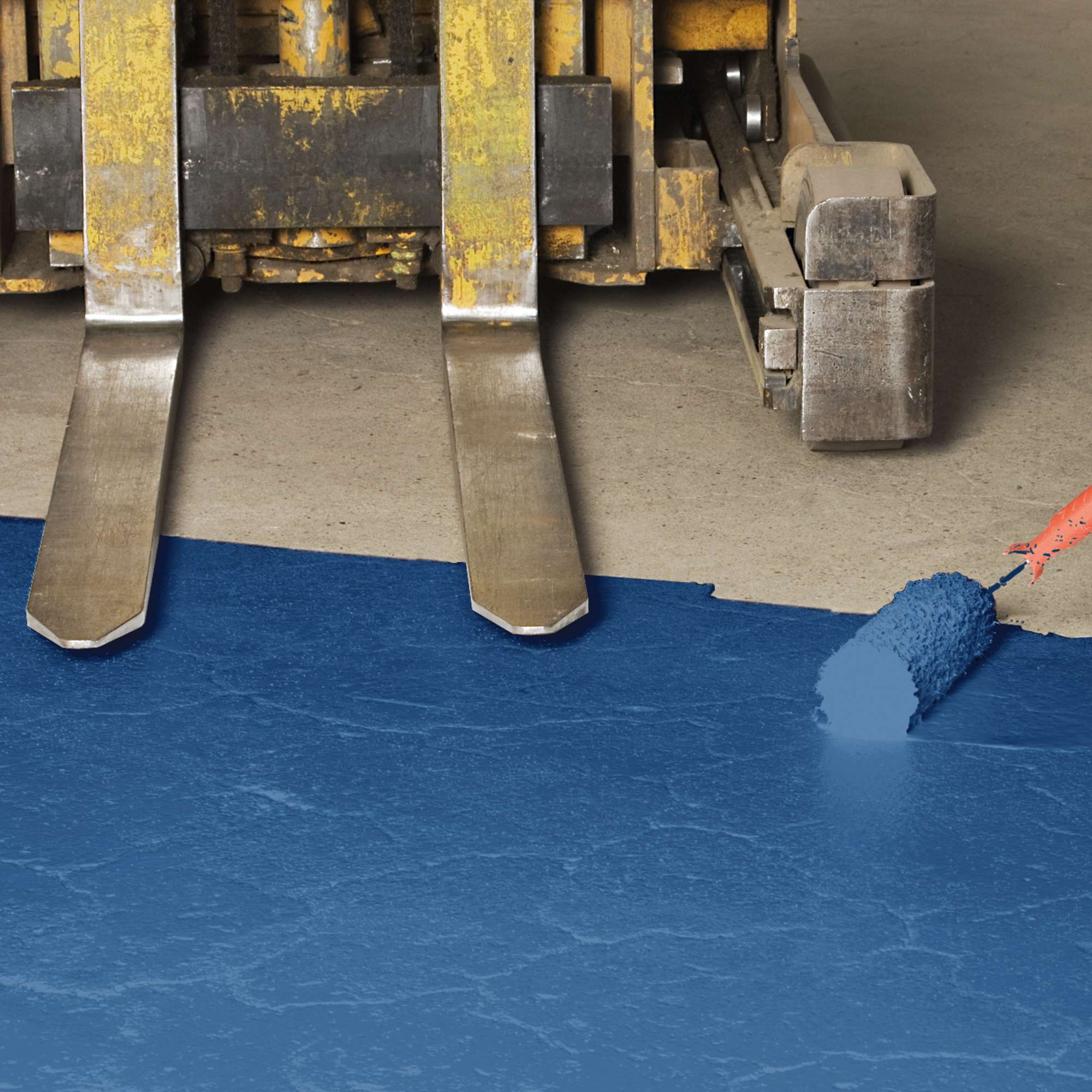
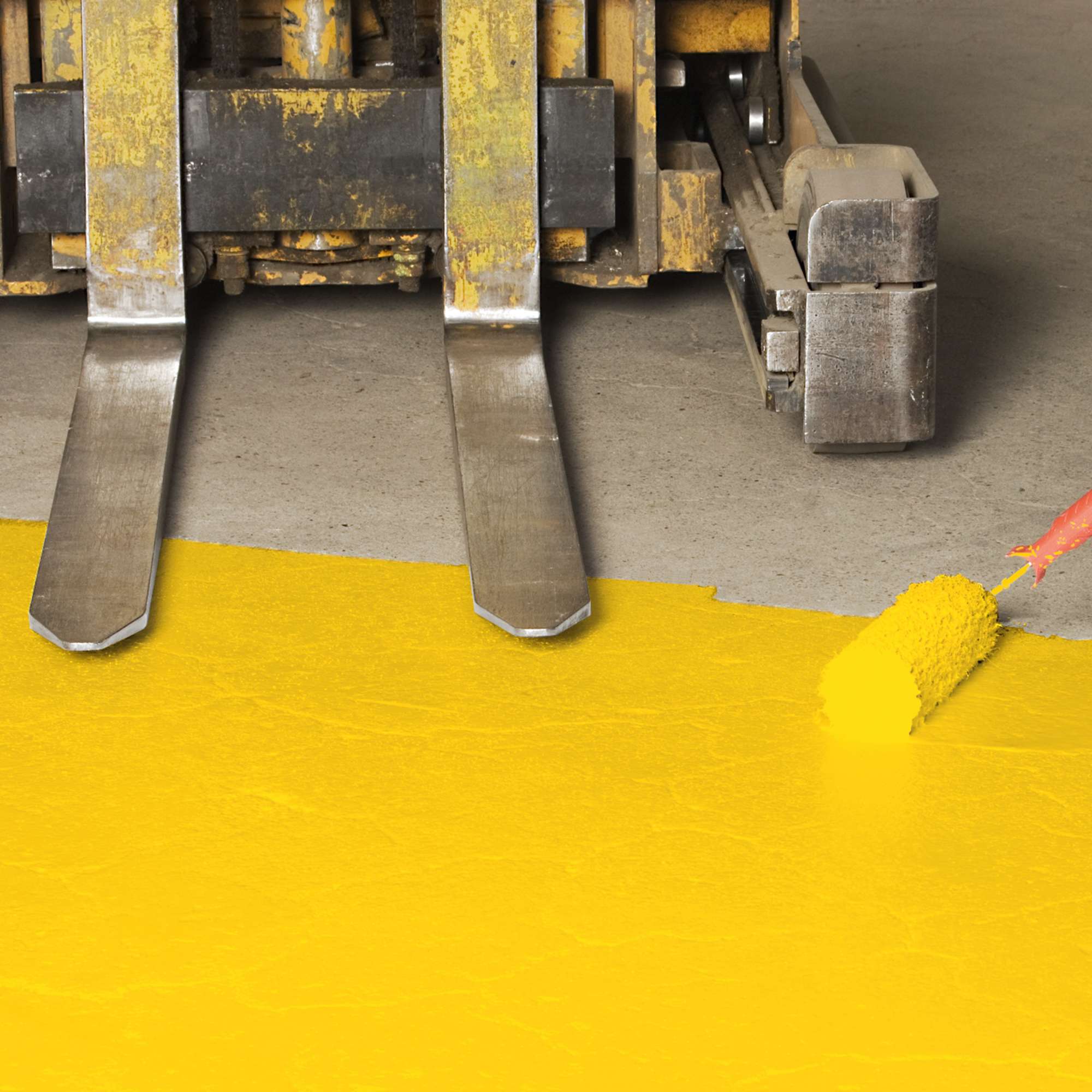
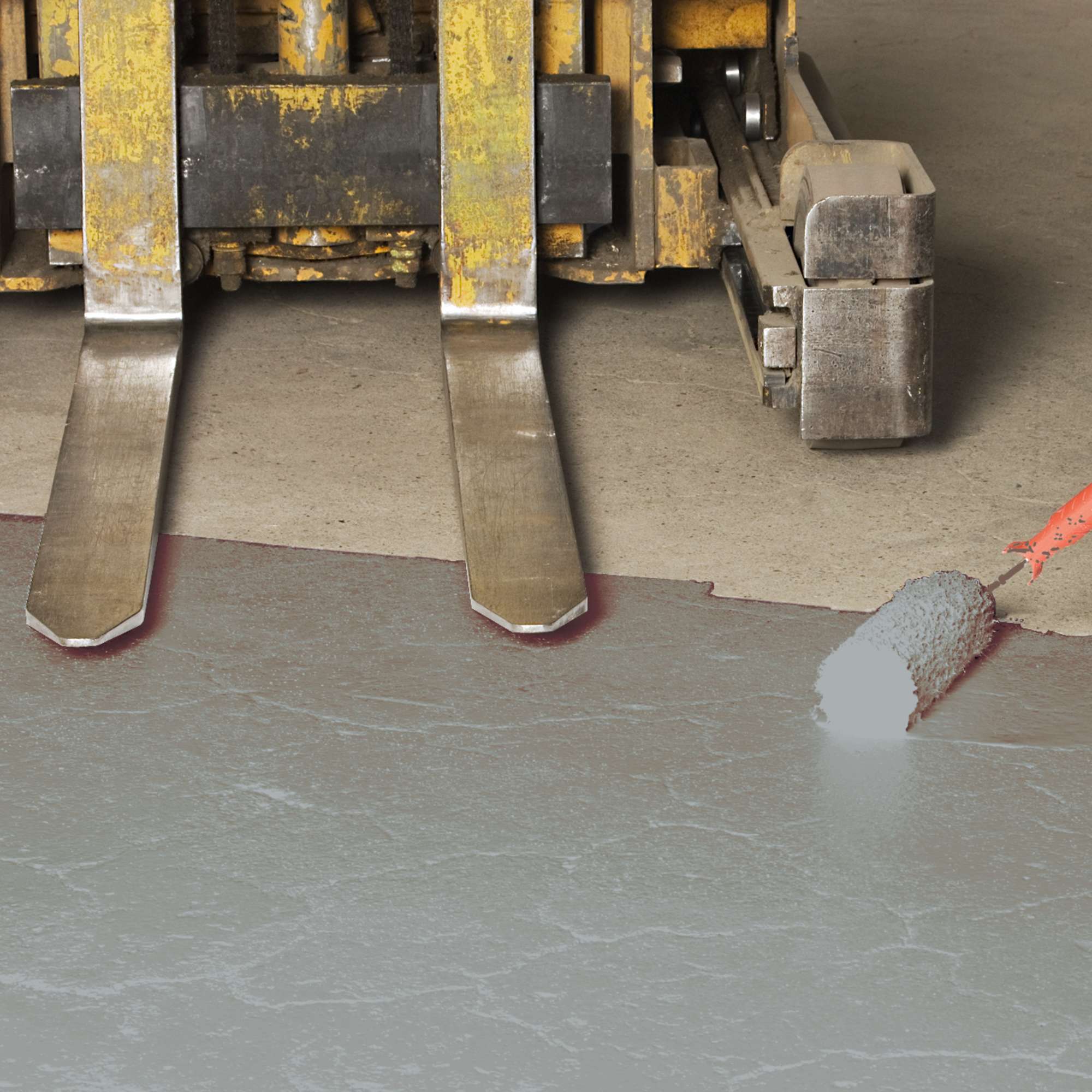
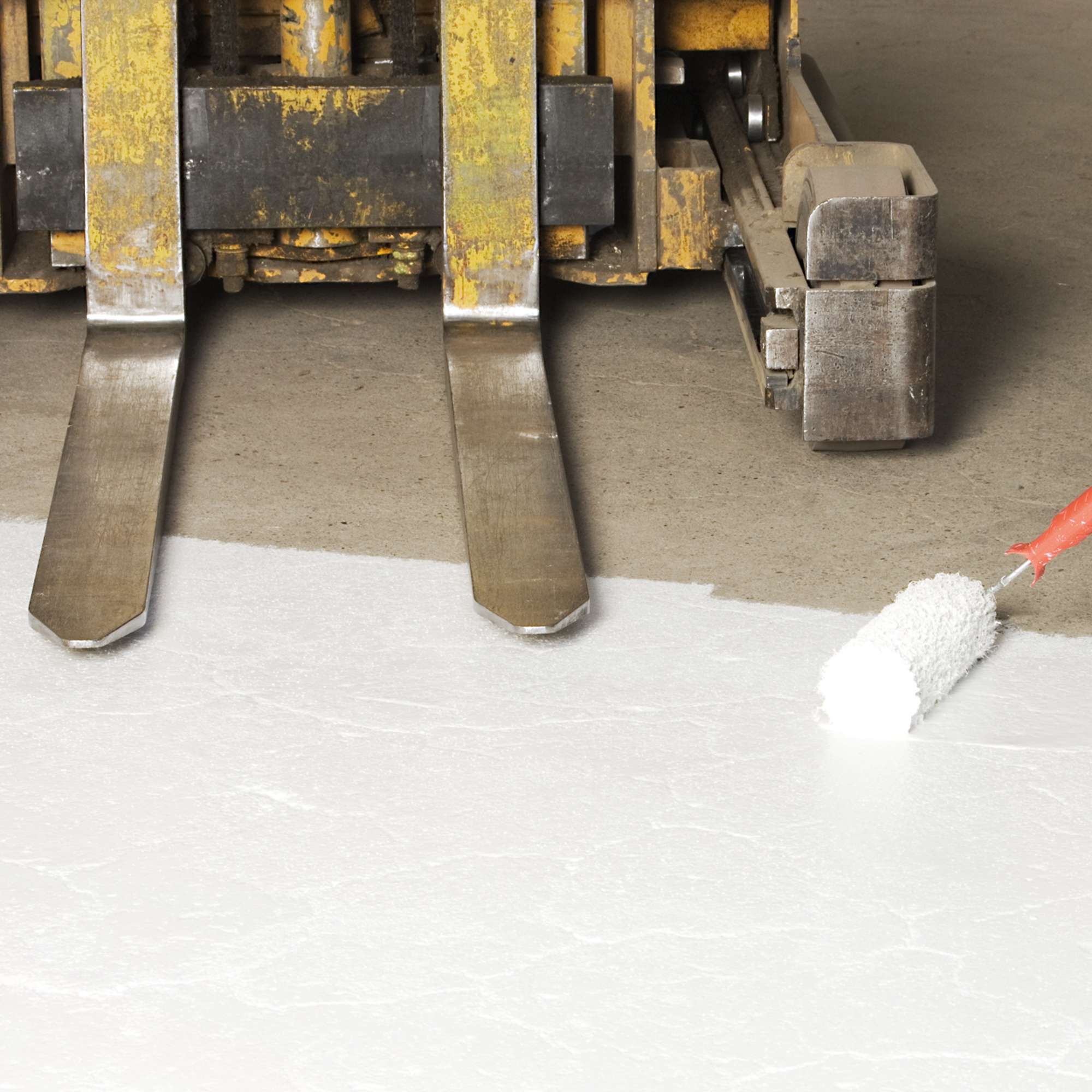
Identifying risk areas and choosing the right type of anti-slip paint is a critical step toward a safer environment. Not sure which solution best fits your specific problem? Contact us at Nordguard today. Our experts will help you assess your needs and recommend the most effective, long-term solution.
How to apply anti-slip paint for a professional result
A truly great result with anti-slip paint starts long before you even open the can. It all comes down to surface preparation. Cutting corners here is by far the most common mistake and the reason paint peels, cracks or wears out prematurely.
This guide walks you through the entire process, step by step. Follow it, and you’ll make sure your investment in safety really pays off.
Step 1 Cleaning and preparing the substrate
There are no shortcuts – the surface must be spotlessly clean. Dirt, dust, oil, grease and old paint residue all have to go. A heavy-duty degreaser and a pressure washer are your best friends here for removing anything that could prevent the paint from bonding.
Once the surface is clean, it’s time for an honest inspection. Look for cracks, small holes or other defects. All damage must be repaired with a suitable filler or repair compound. A smooth, even surface not only looks better, it also prevents moisture from seeping in under the paint and causing problems.
Step 2 Priming with the right primer
Once the surface is clean and repaired, the most important step follows: priming. Using a primer is like giving the paint a perfect foundation to stand on. The primer penetrates the substrate, seals porous surfaces and creates a strong chemical bond so the anti-slip paint achieves maximum adhesion.
The choice of primer depends entirely on what you are painting:
- Concrete: A concrete primer is essential. It saturates the surface so the paint isn’t absorbed unevenly and doesn’t look blotchy.
- Metal: Here, the primer must have anti-corrosion properties. Otherwise, you risk rust eating away at the metal from underneath.
- Wood: A wood primer keeps the wood from soaking up all the paint, giving you an even, attractive finish.
Skipping the primer is asking for trouble. A properly primed surface can double the service life of your anti-slip paint. It’s a small effort with a huge payoff.
For most jobs on concrete or metal, we recommend a high-quality primer. You can read more about our primer for concrete and metal, which is made to handle tough conditions.
Step 3 Application under optimal conditions
Once the primer has dried completely, it’s finally time to start painting. The right tools make a big difference. A short-nap roller is perfect for large, smooth surfaces, while a brush is needed for edges and other hard-to-reach spots. For really large areas, a paint sprayer can be the most efficient option.
Check the weather forecast! Most paints perform best when the surface temperature is between 10–25°C and the relative humidity is below 85%. Never paint in direct sunlight or when rain is possible – it can ruin the curing process and all your work.
The process is the same no matter where the paint will be used, from public spaces to industry.
Whether it’s a bus shelter, a factory floor or an entrance, it’s the care taken at every step that determines a good result.
Step 4 Drying time and curing
Once the final coat is on, all that’s left is patience. The surface must be left to dry and cure undisturbed. Always follow the manufacturer’s instructions for drying times – they’re there for a reason. The surface may feel tack-free after a few hours, but that doesn’t mean it’s ready to walk on.
Full curing, especially for two-component paints such as epoxy, can take up to a week. During this time, the surface must be protected from moisture, dirt and all types of traffic. Putting load on the floor too early can cause irreparable damage.
Does the process feel overwhelming, or do you lack the time to do the job properly? Contact us at Nordguard. Our experts can give you tailored advice or take care of the entire installation. That way, you can be sure it’s done right the first time.
How to maintain the paint for maximum service life and performance
A surface painted with anti-slip paint is an investment in safety. But like anything else exposed to wear, it needs a little care to keep performing over time. With proper maintenance, you can significantly extend the life of the paint and make sure it protects against slip-and-fall accidents year after year.
Neglecting maintenance means letting your investment go to waste. Small damage quickly grows larger, and ground-in dirt can clog the all-important texture that gives the surface its grip. By being proactive, you protect not only the floor but, above all, the people who walk and work on it.
Clean correctly – without wearing down the texture
The most important part of maintenance is regular cleaning, but it has to be done the right way. The goal is to remove dirt, oil and anything else that reduces friction, without wearing down the textured surface in the process.
For daily or weekly cleaning, gentle methods are the way to go.
- Sweep or vacuum: Remove loose grit and dirt. Otherwise, it gets ground into the surface and acts like sandpaper, wearing down the anti-slip finish prematurely.
- Mop or scrub: Use a soft brush or a floor scrubber with a mild, pH-neutral cleaner. It dissolves dirt without damaging the paint’s binder.
- Avoid harsh chemicals: Aggressive, acidic or alkaline agents can break down the paint and shorten its life. Solvents such as thinner should never be used for cleaning.
An industrial floor with forklift traffic and an office entrance level place completely different demands on the surface. Adapting cleaning routines to the load is the most cost-effective way to maximize the floor’s durability.
Inspect and repair in time
It is always easier and cheaper to fix minor damage than to repaint an entire surface. That’s why regular inspections are a smart habit. Walk the surface once a quarter and actively look for signs of wear.
Focus on the most exposed areas, such as forklift aisles, loading zones and doorway passages. Watch out for:
- Peeling: Clear signs that the paint has lost adhesion to the substrate.
- Worn texture: The surface has become smoother and grip has deteriorated.
- Cracks or holes: Damage that can let moisture and chemicals seep into the concrete.
If you find damage, act immediately. Clean the area thoroughly, lightly roughen the edges and touch up with the same anti-slip paint that was used originally. This stops the damage from spreading and restores protection right away. Keep some paint and the right tools on hand so you can fix problems before they become serious.
Caring for a painted surface isn’t complicated, but it pays off big. By following these simple tips, you’ll make sure your investment in anti-slip paint delivers maximum safety and durability for many years.
To make maintenance even easier, Nordguard offers both service agreements and the materials you need. Contact us today, and we’ll help you create a maintenance plan that protects your investment and keeps your surfaces safe.
Choosing safe products with a focus on health and the environment
Modern safety is about more than just a rough floor. It’s just as much about the impact the products have on our health and the environment. When you choose an anti-slip paint, it is therefore at least as important to consider what it contains as how hard-wearing it is.
For more and more companies and public organizations, a responsible supply chain and conscious material choices have become a given. Choosing the right paint is about creating a safe environment in two senses – free from both slip hazards and unnecessary chemicals.
Understanding VOCs and why they matter
One of the most important things to keep track of is VOC (Volatile Organic Compounds). These are chemicals that simply evaporate from the paint as it dries. They can affect indoor air quality and have a negative impact on the environment.
Paints can be roughly divided as follows:
- Solvent-based paints (high VOC): Often give off a strong odor and require good ventilation during painting. They are known for being extremely durable but are less suitable for sensitive indoor environments.
- Water-based paints (low VOC): A much better choice for both health and the environment. They have minimal odor, are easier to work with and result in better air quality. That makes them the obvious choice for environments such as schools, hospitals and offices.
Choosing a product with low VOC levels is no compromise on quality. On the contrary, it reflects a modern, responsible approach to safety that takes both people and the environment into account.
How to read a safety data sheet (SDS)
To really know what a product contains, the safety data sheet (SDS) is your most important tool. It may look technical at first glance, but you only need to focus on a few key points to get a quick overview:
- Section 2 (Hazard identification): Here you’ll immediately see symbols and warning statements. They clearly show whether the product is flammable, toxic or irritating.
- Section 8 (Exposure controls): This section states which personal protective equipment is required when handling the product – for example gloves, safety glasses or respiratory protection.
- Section 13 (Disposal considerations): Provides clear instructions on how empty cans and any leftover paint should be handled in an environmentally sound way.
By skimming an SDS, you can quickly make sure you handle the product safely and meet all legal requirements.
At Nordguard, sustainability and safety are at the core of everything we do. We offer a carefully selected range of anti-slip paint that meets strict requirements for both performance and environmental responsibility. We help you navigate the products to arrive at the best and most responsible solution for your specific project.
Not sure which product best balances safety, environmental impact and performance? Contact our experts today, and we’ll help you make a safe, sustainable choice.
Frequently asked questions about anti-slip paint
Here we’ve gathered answers to the most common questions we get about anti-slip paint. Think of this as a quick guide to help you feel confident in your decisions.
Getting the facts straight from the start is key to a result that lasts.
How long does anti-slip paint last?
Simply put, it depends on three things: which paint you choose, how thorough you are with the prep work and how heavy the wear is. A high-quality two-component epoxy paint on an industrial floor with heavy forklifts rolling over it every day can last 5–10 years. Meanwhile, a simpler water-based paint in a basement with normal foot traffic can last much longer than that.
Regardless of paint type, the key is the same: thorough preparation and proper maintenance make all the difference.
Can anti-slip paint be applied to any substrate?
No, absolutely not. This is one of the most common pitfalls. Concrete, metal, asphalt and wood are completely different materials that require completely different treatment for the paint to bond properly.
Concrete, for example, almost always needs a primer to seal the surface so the paint isn’t simply absorbed and left blotchy. Metal must be spotlessly clean and primed with a rust-inhibiting primer to keep problems from creeping in from underneath. Always read the data sheet or, better yet, ask an expert to make sure you have the right combination of primer and paint.
Gambling with the wrong product on the wrong substrate is the fastest route to a failed result. The little extra time and money you spend on proper preparation always comes back to you in the form of a floor that lasts and performs year after year.
What is the difference between anti-slip paint and anti-slip tape?
Both are designed to improve safety, but they are tools for different jobs and situations.
- Anti-slip paint is the solution for large, continuous surfaces where you want permanent, hard-wearing, full-coverage protection. Think industrial floors, ramps or loading docks – high-traffic areas where you don’t want any seams or edges that could come loose.
- Anti-slip tape is your quick, flexible fix for smaller risk areas. Perfect for individual stair treads, footrests on a machine or slippery edges where repainting the whole surface would be overkill.
Do I need to hire a professional to paint?
It depends entirely on the project. For a smaller job at home, such as a basement floor, a reasonably handy person can certainly achieve a good result by following the instructions to the letter.
But when it comes to larger or more critical surfaces – such as a workshop floor, a parking deck or a public entrance – our advice is always to bring in an expert. A professional installer has the right equipment and experience to guarantee perfect preparation, correct application and a final result that both meets safety requirements and delivers maximum service life.
Are you facing a project and have more questions, or do you need help choosing the right anti-slip paint? Contact us at Nordguard for personalized advice. Our experts will help you assess your needs and find the best solution for creating a safe, durable surface. Visit https://nordguard.eu to see our full range.
Ready to take the next step?
We help you develop solutions tailored to your needs. At Nordguard, we strive to make the ordering process as smooth as possible. By offering support and guidance throughout the entire purchasing experience, we make sure you feel confident and satisfied with your choice of protection products.+46 10 153 90 50
[email protected]