
How to Choose the Right Bollards for a Safer, More Attractive Urban Environment
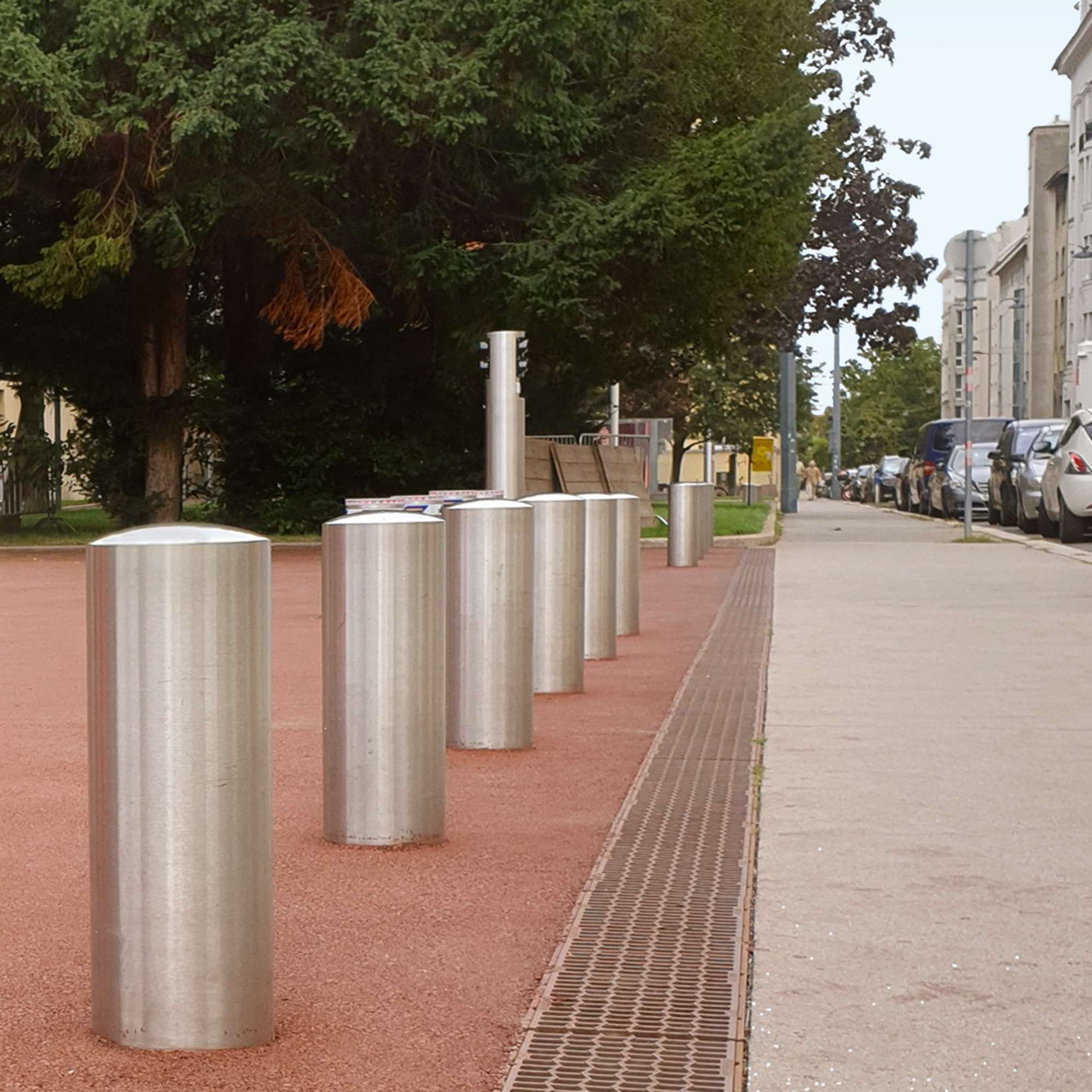
Choosing the right bollards is one of those critical decisions that shape our urban environments and determine whether they become safe, accessible and inviting. Are you facing the challenge of protecting a schoolyard, preventing illegal parking in front of an entrance or perhaps managing traffic flow in a public square? The problem is often the same: how do you create a safe barrier that is both functional and visually appealing, without creating new problems for emergency services or deliveries?
This guide is written for you if you work for a municipality, own property or are a contractor and need to choose the right solution from hundreds of options. We will show how the right choice, from a simple fixed bollard to an advanced automatic system, can solve specific problems and turn an unsafe area into a secure and functional space.
How Bollards Shape Modern, Safe Urban Environments
A bollard is much more than just a post in the ground; it is an active tool for shaping and protecting our shared spaces. By understanding the strengths of the different options, you can avoid costly mistakes and make an investment that lasts. A well-chosen bollard can stop cars from parking illegally, secure a schoolyard or create flexible spaces for temporary events.
From Historic Marker to Modern Protection
Bollards have a long history in Sweden. As early as the 1960s, Stockholm began installing bollards on a large scale to establish and protect its first pedestrian streets. Today there are more than 5,000 bollards in the city center alone, an increase of 35% since the 2000s. This development reflects an ever stronger focus on safety and accessibility in our cities.
The effect is measurable. Figures from the Swedish Transport Administration (Trafikverket) show that installing bollards in pedestrian areas can reduce accidents involving vehicles by up to 72%. That says a lot about why a well-thought-out area protection strategy is so important.
More Than Just Function
In today’s urban planning, appearance has become just as important as function. A modern bollard should not only protect – it should also complement and enhance the architecture and identity of the site. The choice of material, color and shape can either create a harmonious whole or become a visual distraction. Exploring different modern bollards for urban environments is a great way to get inspiration on how to combine safety with attractive design.
Choosing bollards is about investing in the long-term safety, functionality and aesthetics of a site. The wrong choice can lead to unnecessary costs, while the right choice strengthens the character of the site and its safety for everyone.
Not sure where to start? Don’t worry – that’s exactly why we’re here. If you need expert help with your project, don’t hesitate to contact us at Nordguard for a free consultation. We’ll help you analyze your needs and find the optimal solution.


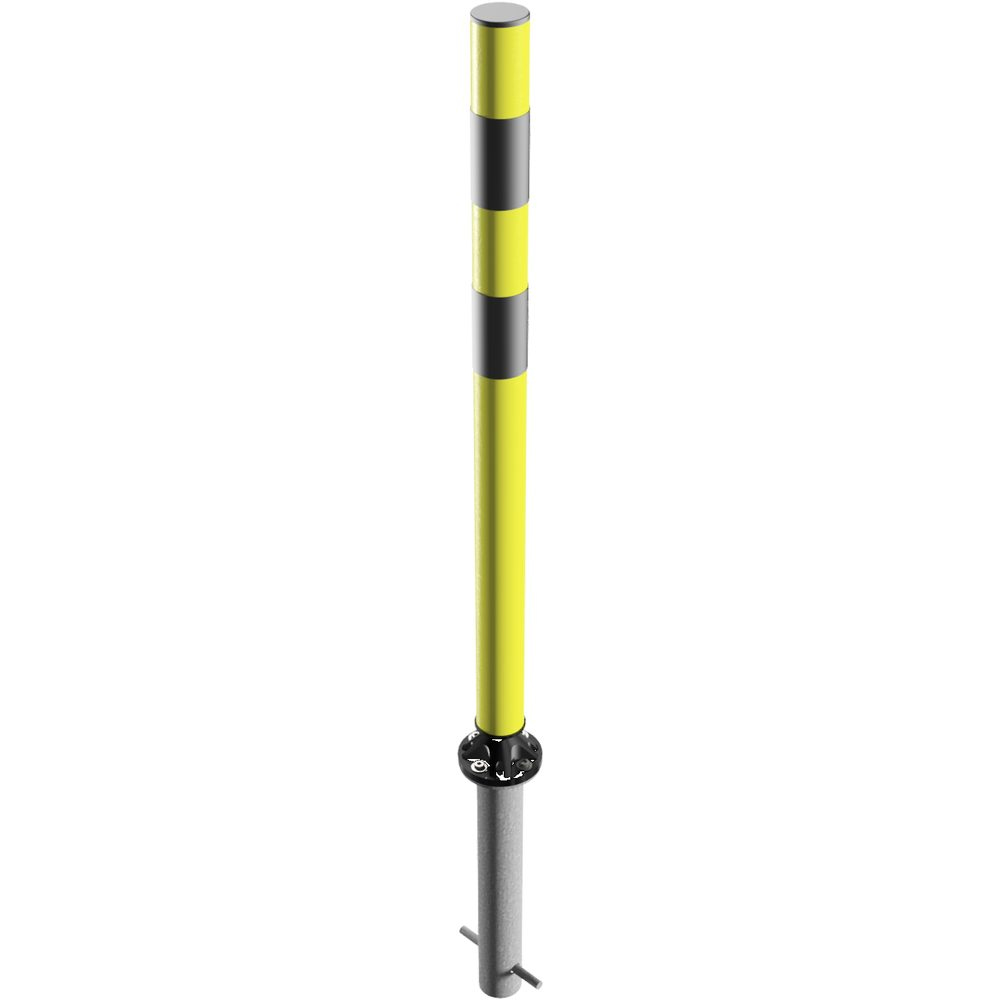
 Black/Yellow
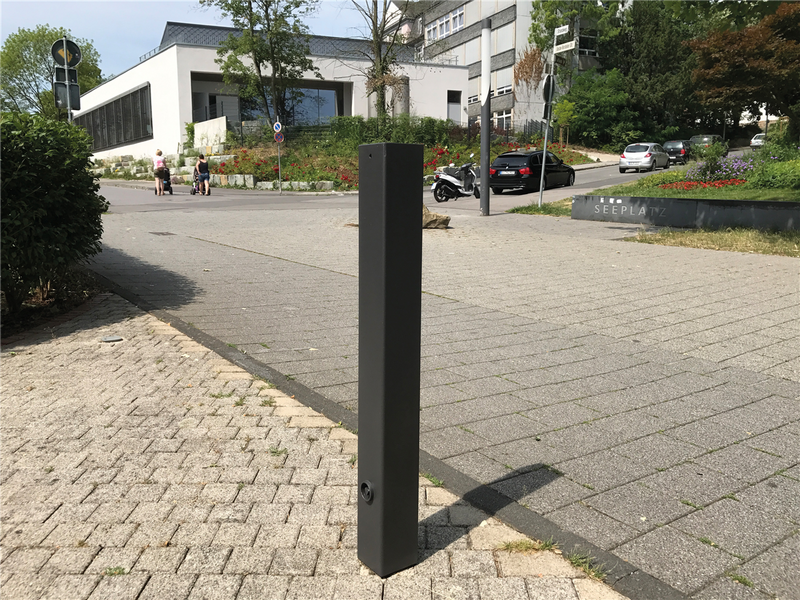

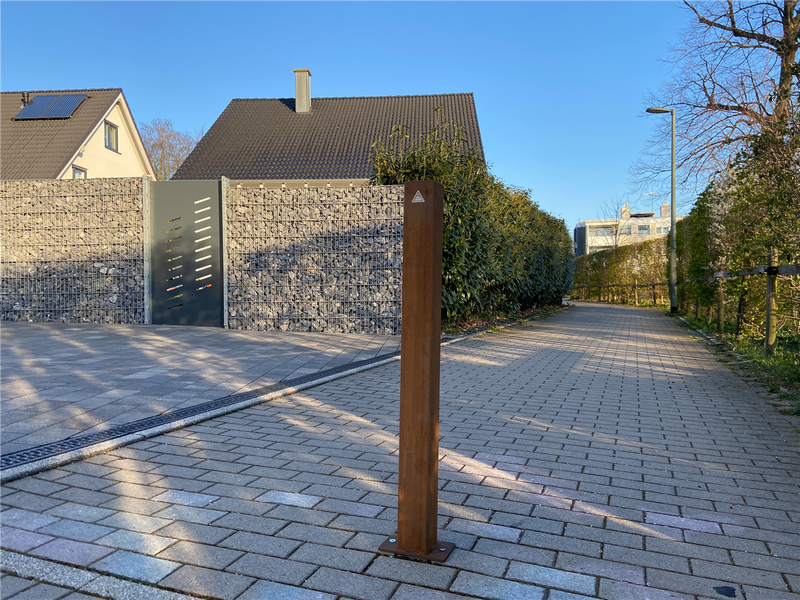
Choosing the Right Bollard for Every Unique Purpose
Every site has its own conditions, and choosing the right bollard is about matching function to need. Understanding the basic differences between the various types is the key to a successful and cost-effective project. A bollard is rarely just a divider; it is a tool for creating safety, flexibility and control. You can simplify the choice by looking at the bollard’s three primary roles: to protect, to guide or to contribute to the site’s appearance. Often it serves several of these purposes at once.
This concept map shows how a bollard can relate to everything from traffic management and protection to pure aesthetics, depending on how it is designed and where it is placed.
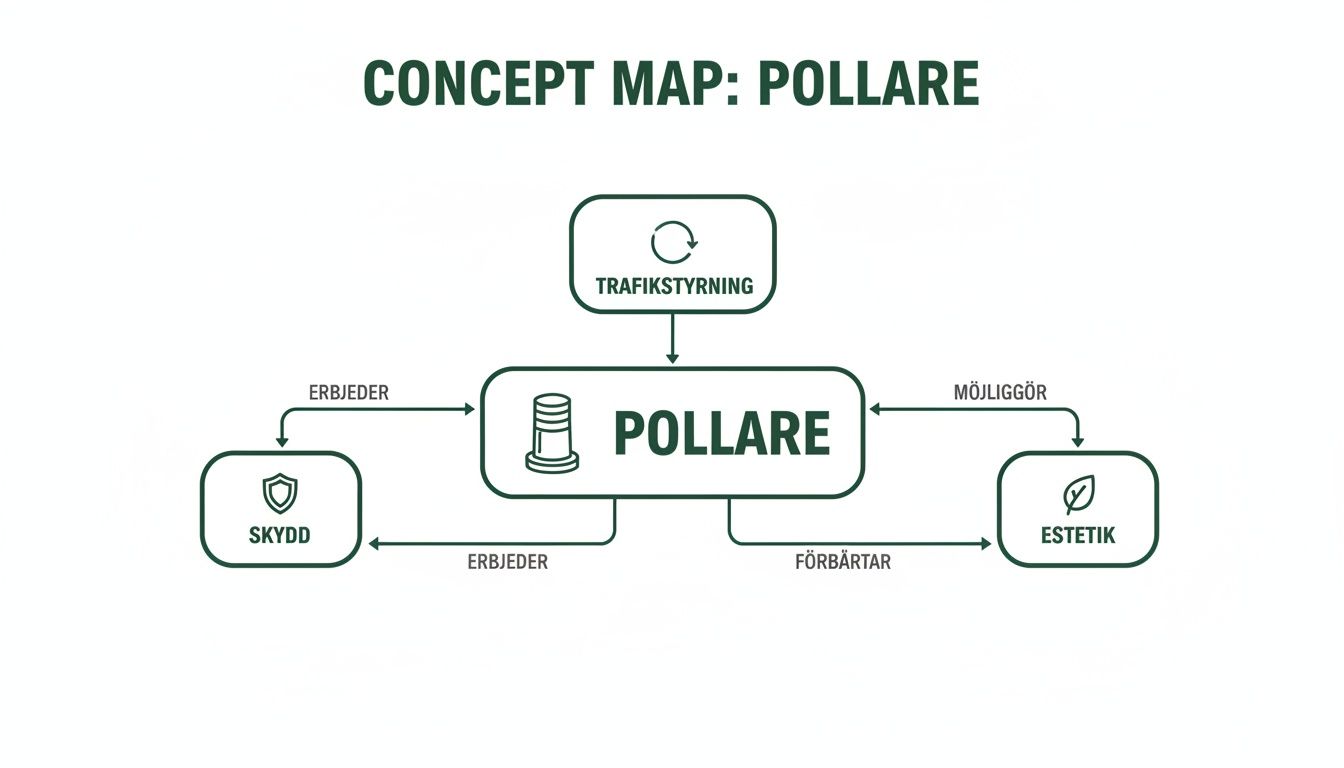
The image clearly shows that a bollard is not an isolated product, but an important piece of the puzzle in a larger plan for a safe and functional environment.
Fixed Bollards – When Protection Needs to Be Permanent
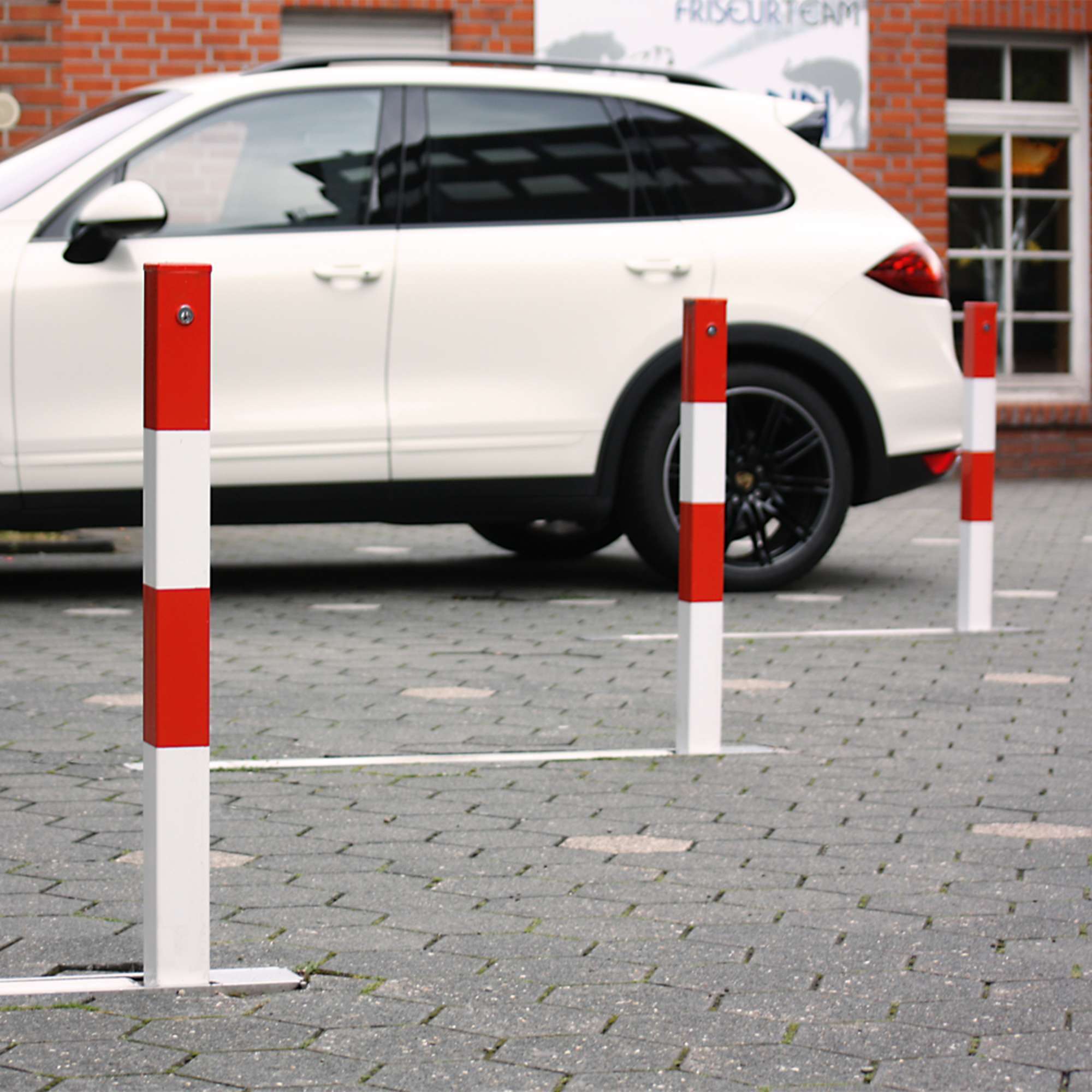
Fixed bollards are the backbone of many security installations. They are the most direct solution when the goal is to create a permanent, clear boundary. Think of a schoolyard where children’s safety is the top priority – here, fixed bollards create a reliable barrier that keeps cars from accidentally driving onto the playground. Their strength lies in simplicity and durability. A properly installed fixed bollard, such as our [produktnamn för fast pollare], requires minimal maintenance and provides constant protection, year after year. They are ideal for:
- Permanently protecting facades, entrances and sensitive equipment.
- Clearly defining pedestrian and bike paths.
- Preventing unwanted parking in specific zones.
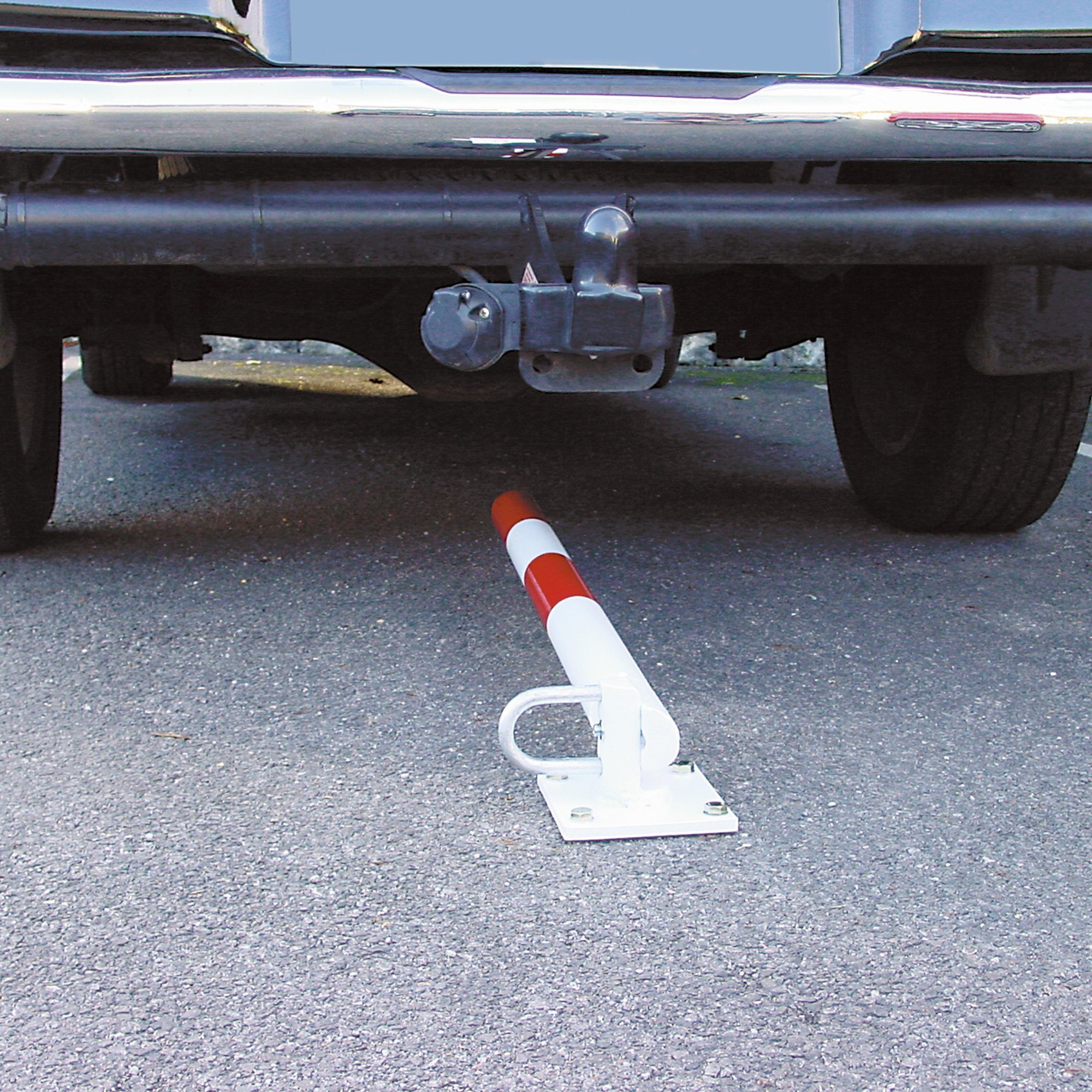
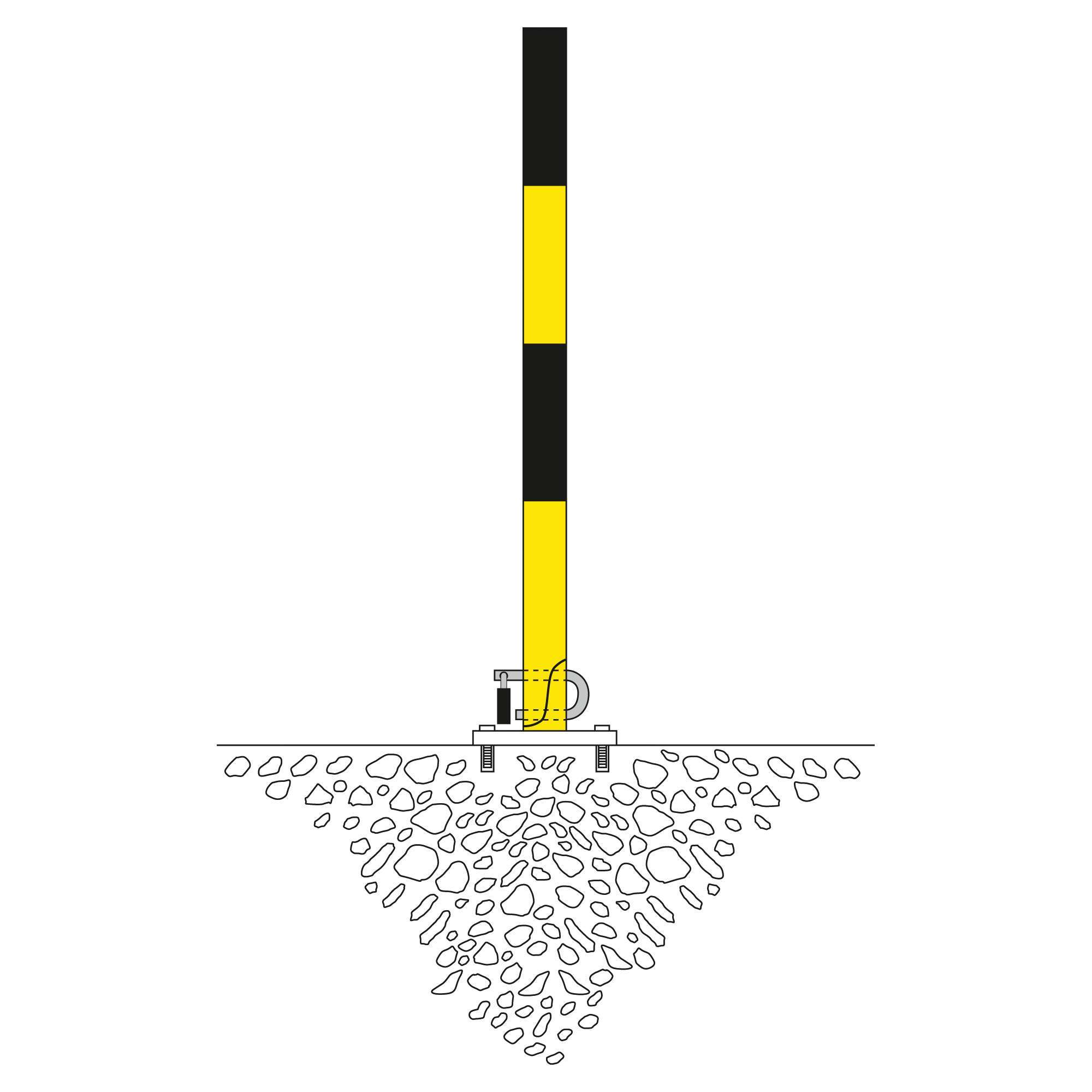
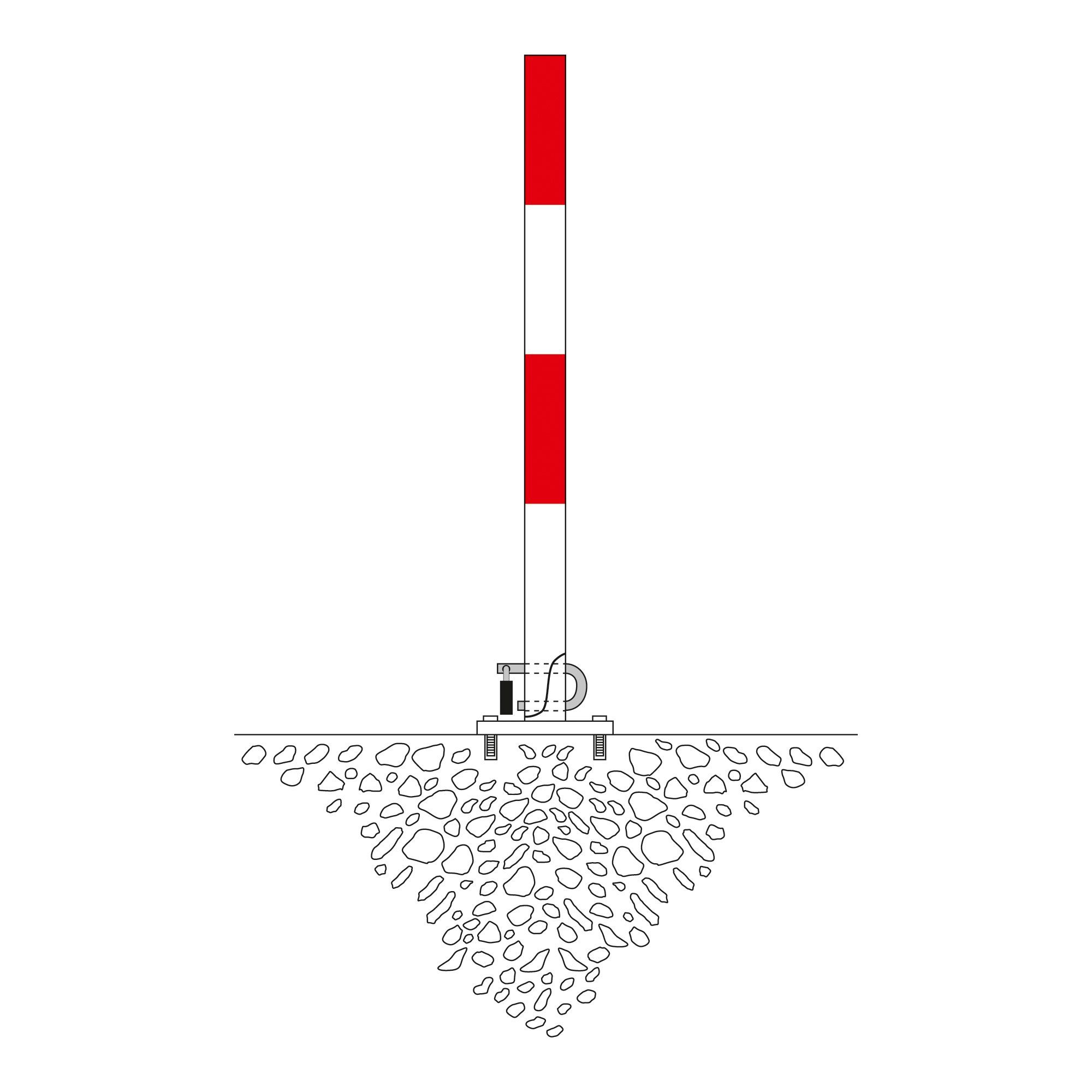
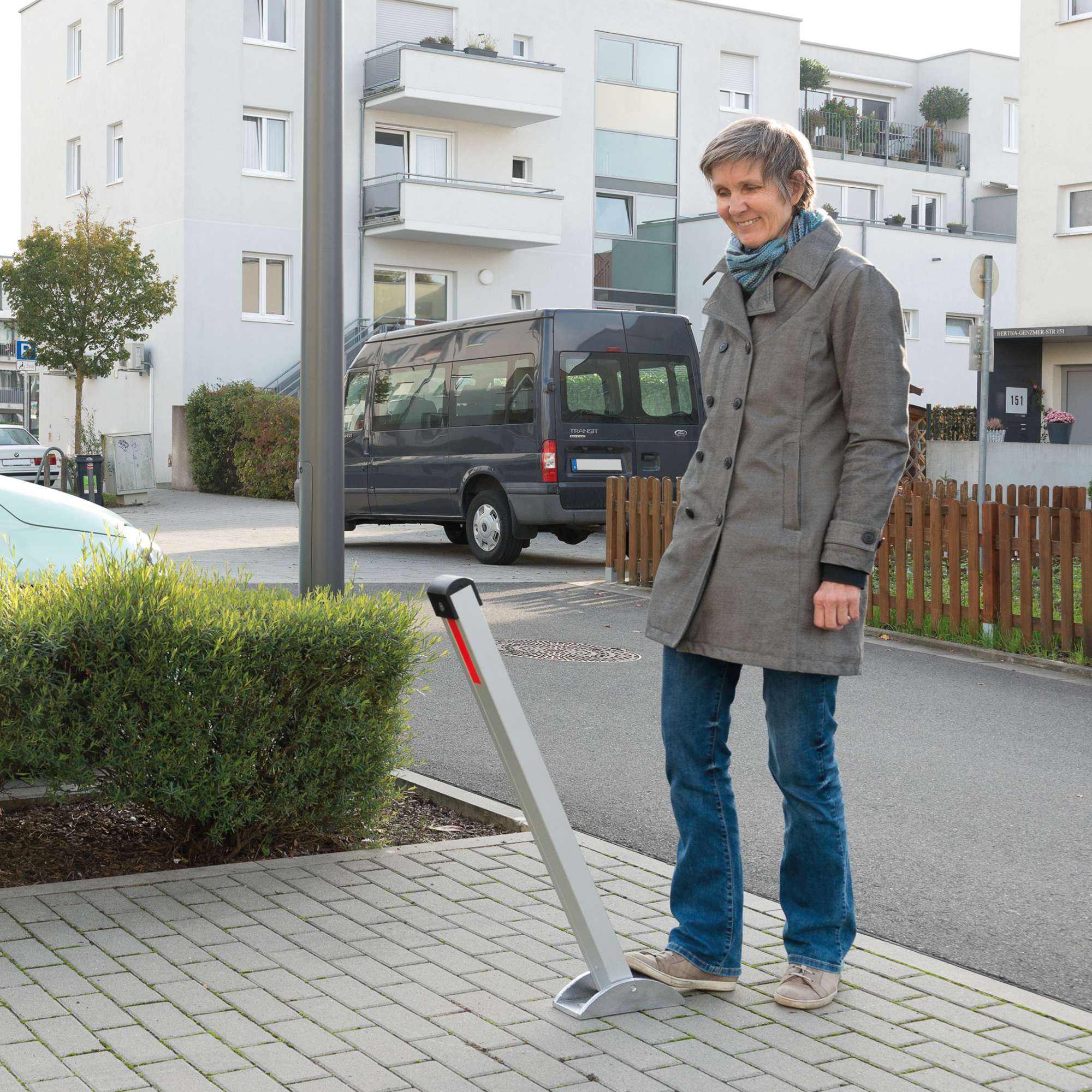
Removable and Fold-Down Bollards – for Flexible Spaces
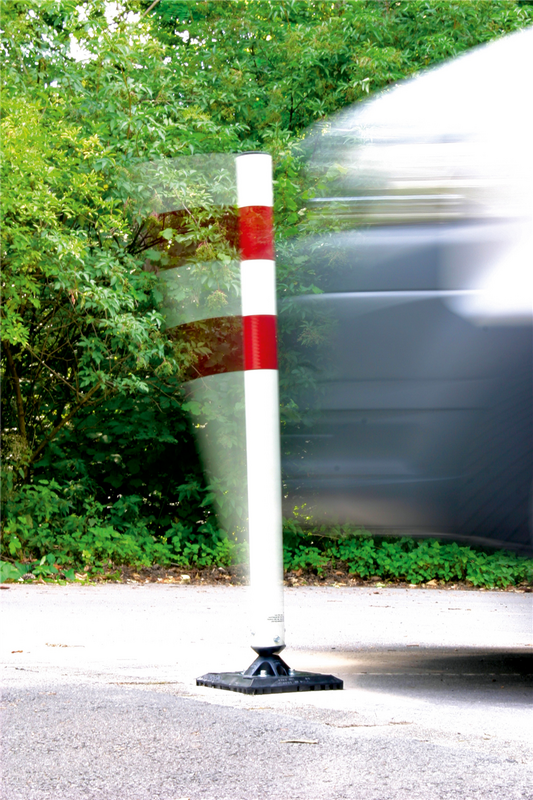
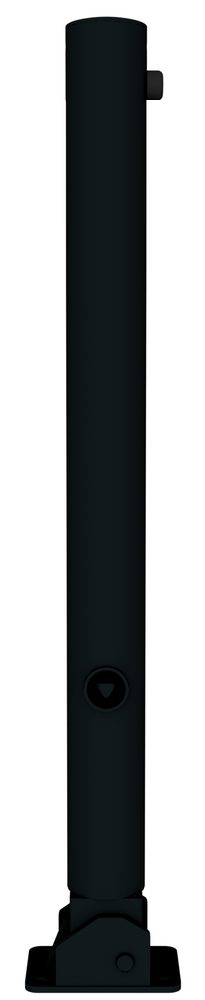
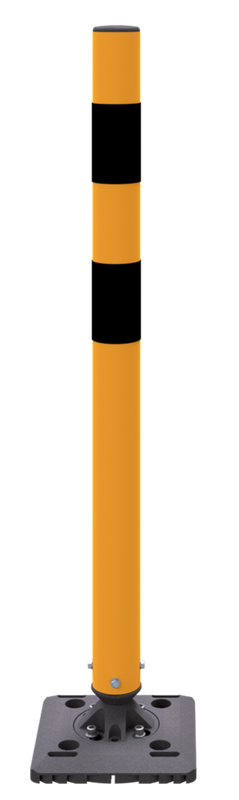
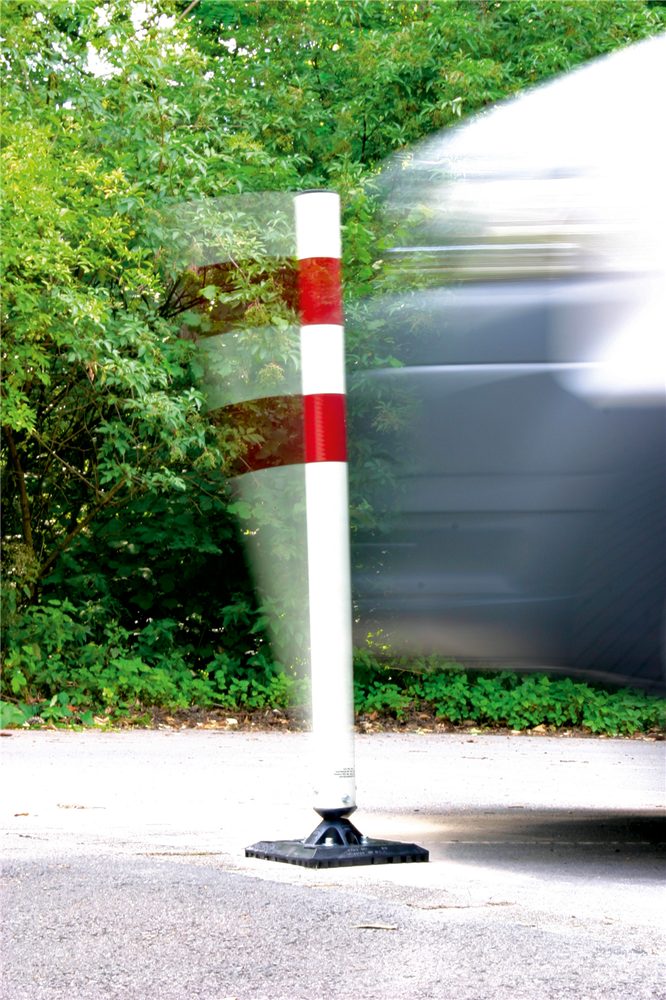
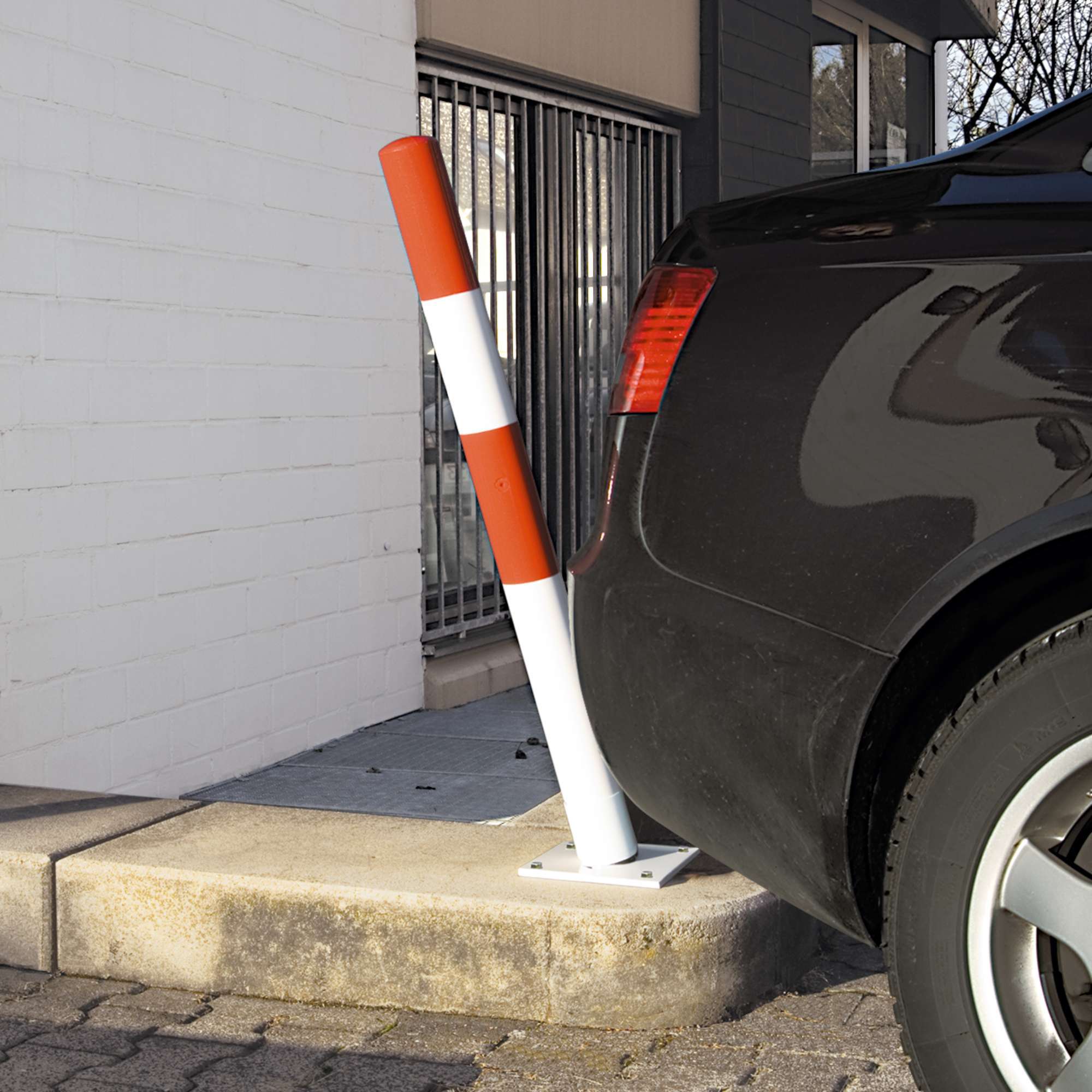
In many environments, a permanent closure simply isn’t an option. This is where removable and fold-down bollards come in, offering invaluable flexibility. Imagine a square that is a quiet meeting place during the week but turns into a lively market on weekends. With removable bollards, the area can quickly be opened up for deliveries and just as quickly returned to a car-free zone. These types are perfect when temporary access is needed for:
- Service and emergency vehicles.
- Events, markets and temporary activities.
- Loading zones used only at certain times of day.
Choosing a flexible solution is about avoiding unnecessary obstacles. The right bollard solves one problem without creating a new one for those who actually need to get through.
Automatic Bollards – for Advanced Control
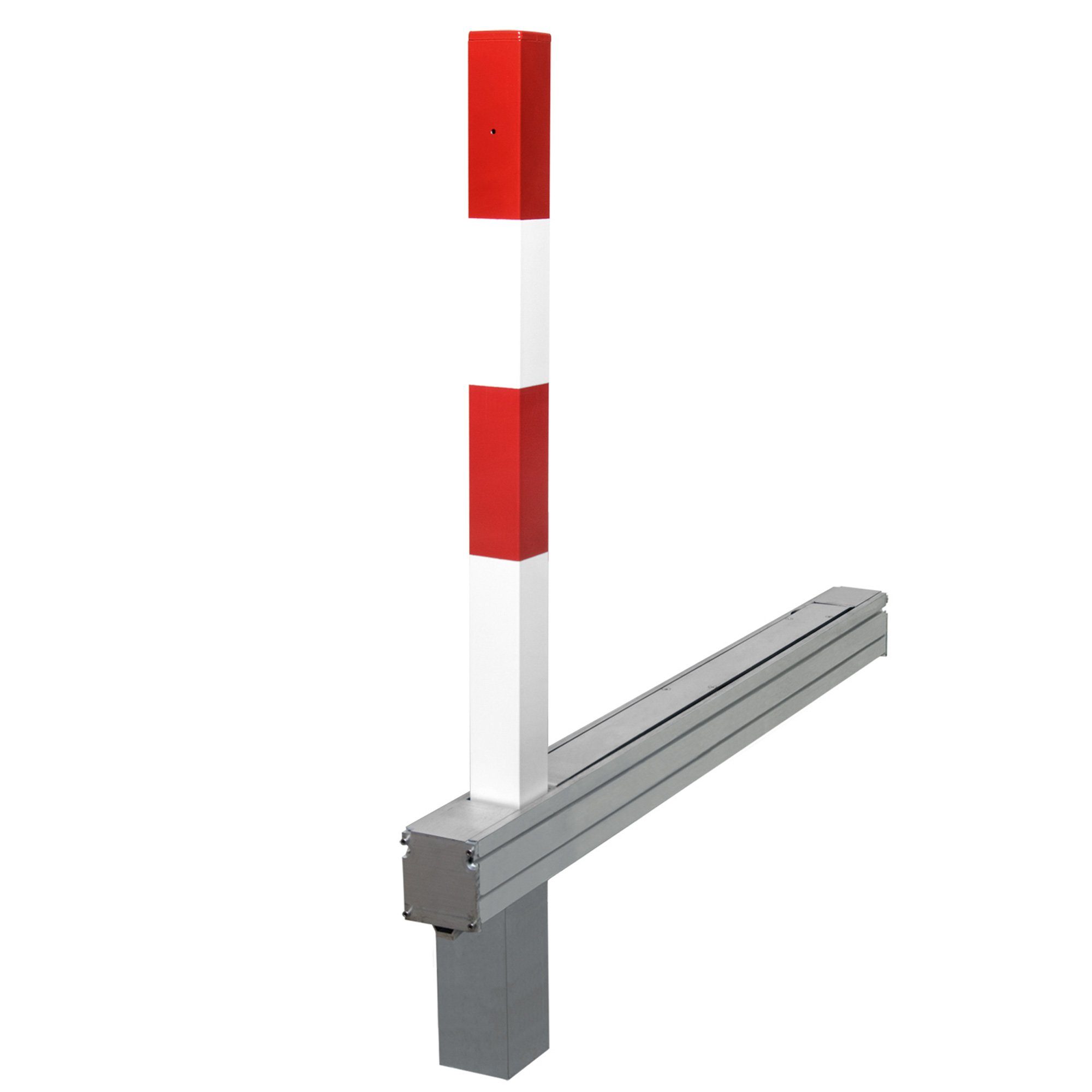
For sites with high security requirements or frequent passage, automatic and retractable bollards are the most advanced solution. These systems provide dynamic control over who enters and exits. A good example is a housing cooperative that wants to give residents smooth and secure access while effectively stopping unauthorized traffic. An automatic bollard lowers quickly for an authorized vehicle and rises again immediately afterward, offering an unbeatable combination of security and convenience. They are ideal for entrances to embassies, corporate parking lots and private roads.

 Red/White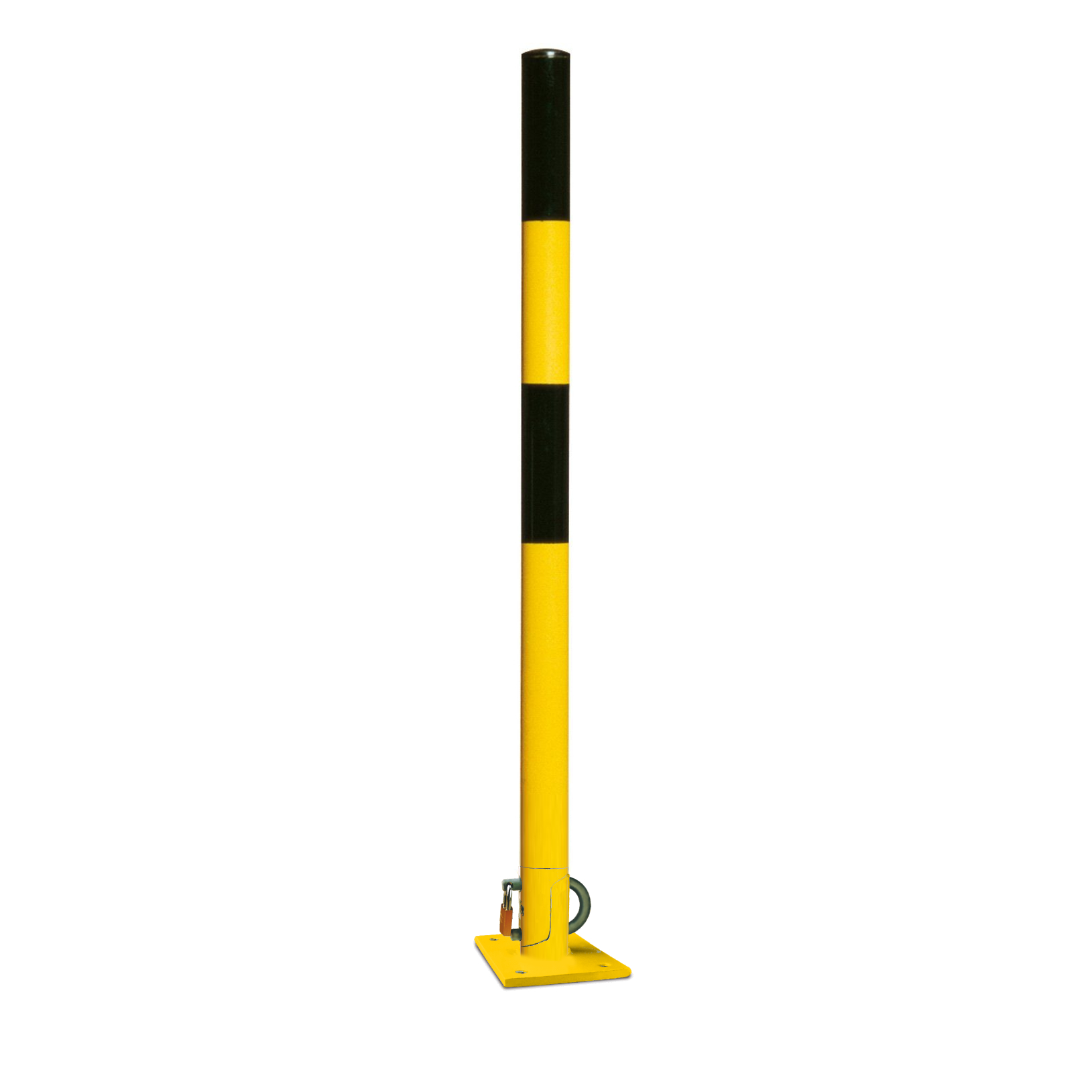
 Black/Yellow
 Red/White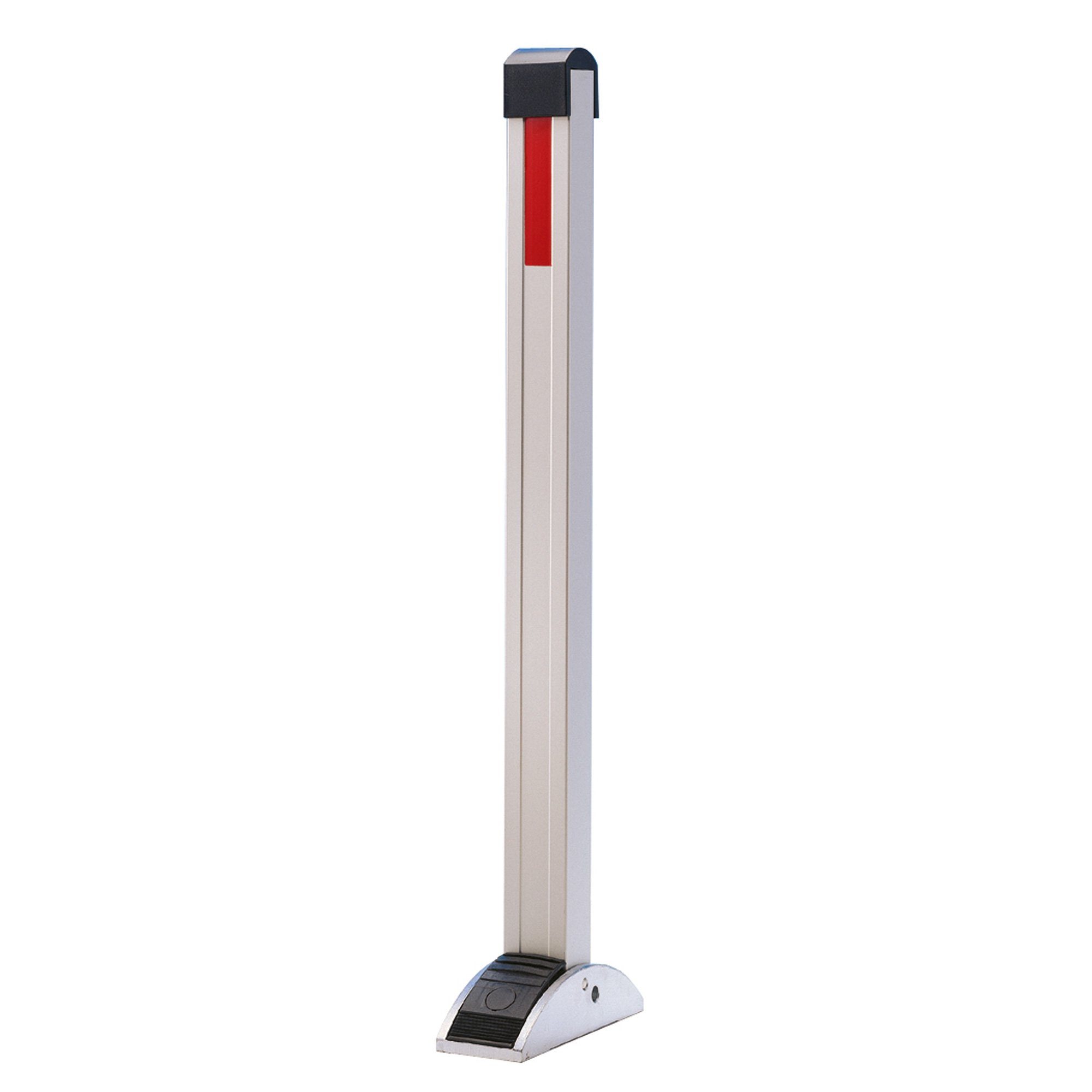
 White
WhiteComparison of Bollard Types
An overview of the most common bollard types, their primary applications, advantages and disadvantages.
| Bollard Type | Applications | Advantages | Disadvantages |
|---|---|---|---|
| Fixed | Permanent protection, defining walkways, protecting facades. | Robust, maintenance-free, cost-effective to purchase. | No flexibility, permanently blocks all traffic. |
| Removable | Squares, marketplaces, temporary access for service vehicles. | Flexible, relatively simple, provide a full opening when removed. | Require manual handling, risk of the bollard getting lost. |
| Fold-Down | Private parking lots, loading zones, service entrances. | Always in place, quick handling, no storage needed. | Can be an obstacle even when folded down, the mechanism can wear out. |
| Automatic | High-security areas, residential areas, business parks. | Maximum security and convenience, can be integrated into systems. | Higher installation and maintenance costs, require electrical/hydraulic power. |
The table clearly shows that there is no "best" bollard, only one that is best suited to a specific purpose. Not sure which function best solves your challenges? Contact us at Nordguard and our experts will help you analyze your specific needs and find the right solution.
Materials and Design That Withstand the Nordic Climate
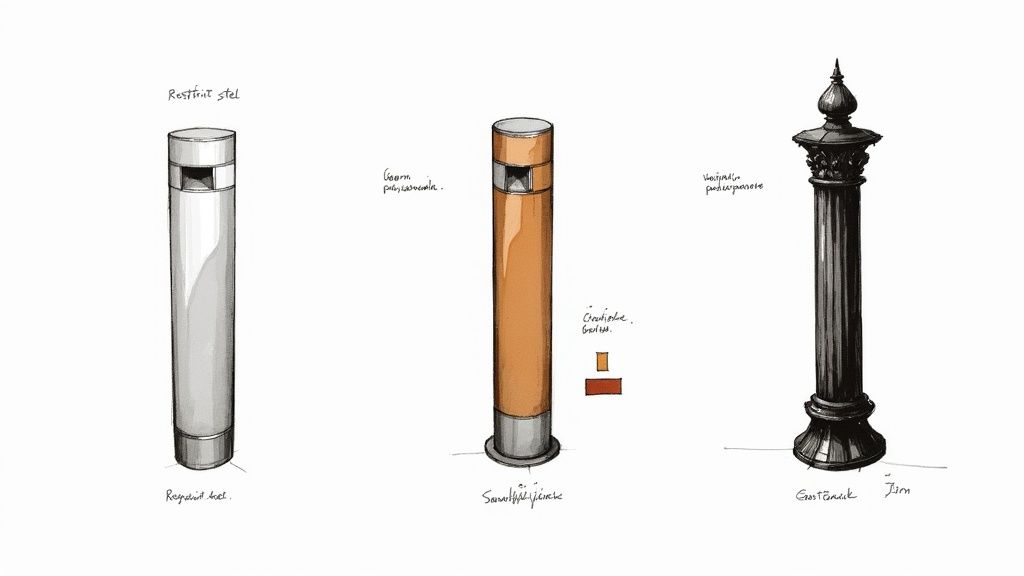
The choice of material determines how well a bollard withstands our demanding Nordic climate. A bollard is constantly exposed to weather, wind, road salt and mechanical wear. Investing in the right material from the start is crucial to avoid unnecessary maintenance and ensure that your investment looks good year after year. Design is not just an aesthetic detail either; it becomes an extension of the site’s identity. A well-chosen bollard should blend in and harmonize with the surrounding architecture, whether it’s a modern city center or a historic district.
Stainless Steel for Modern Environments
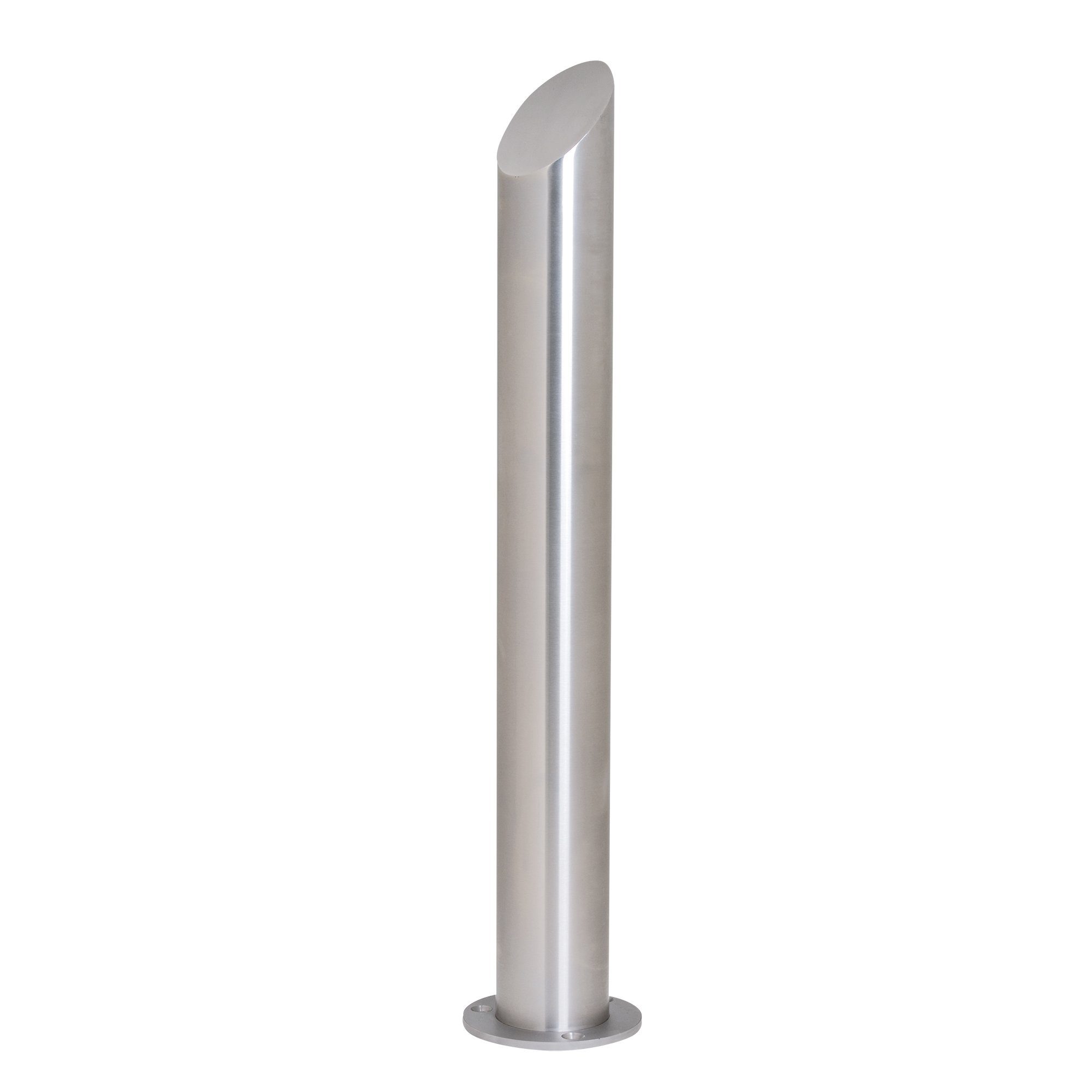
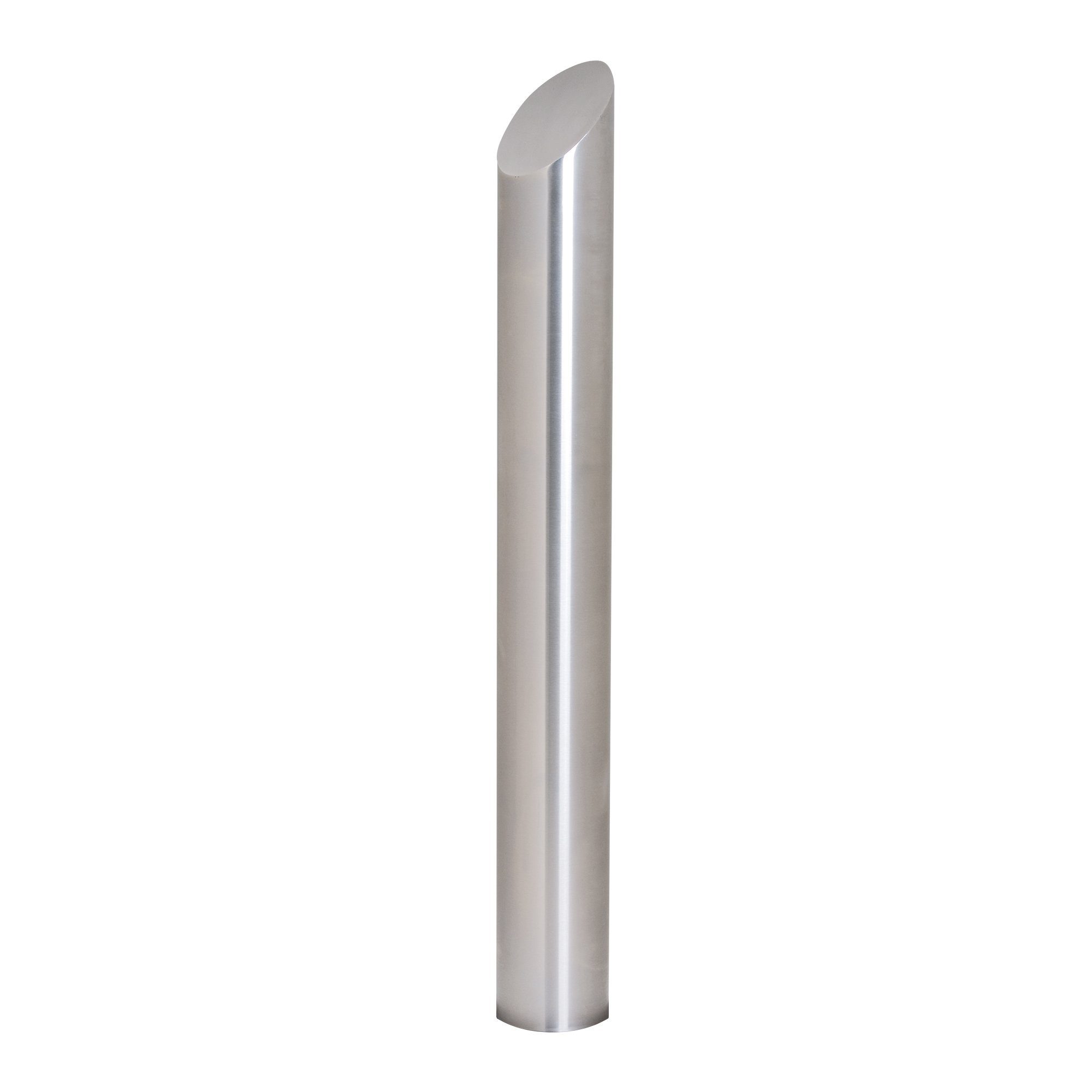
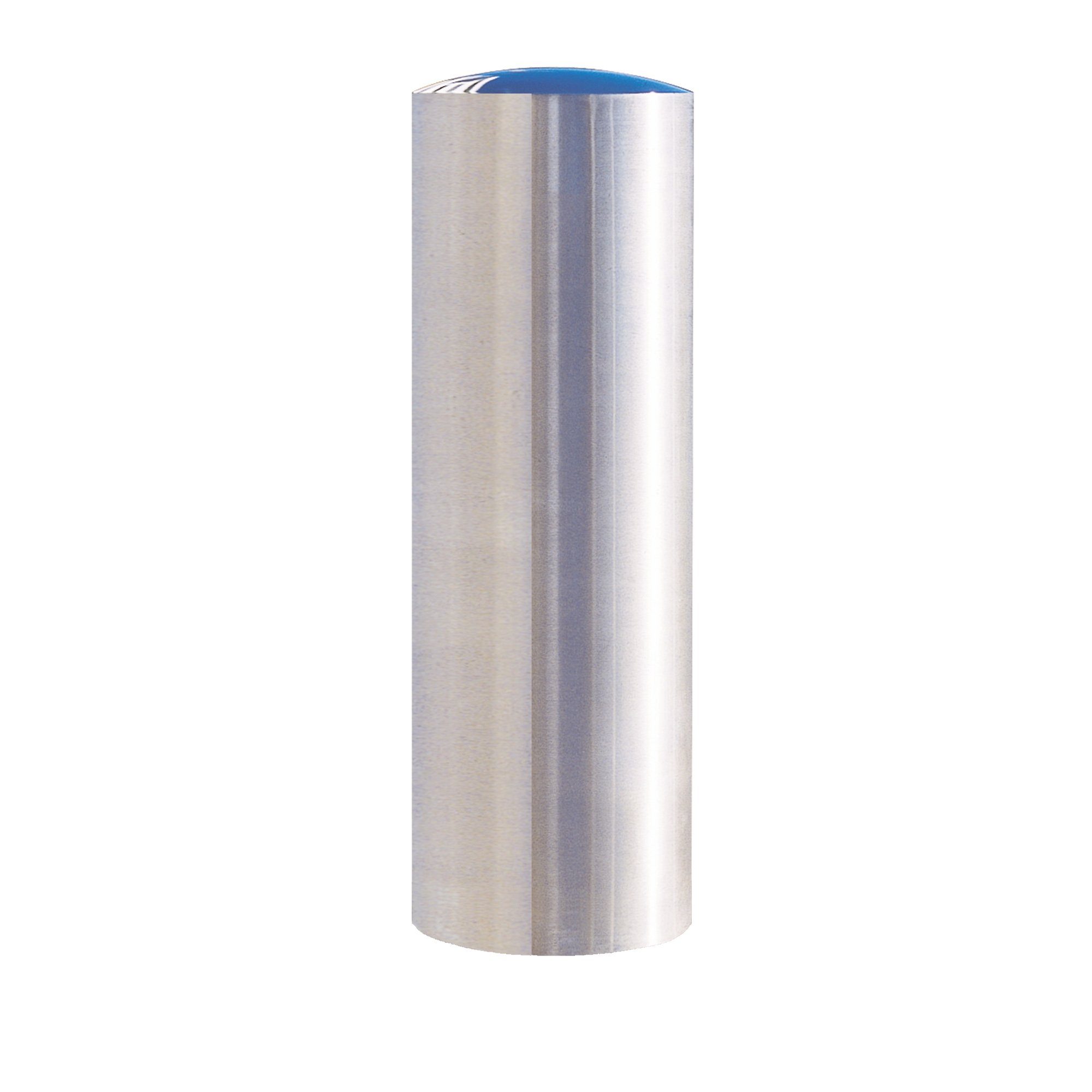
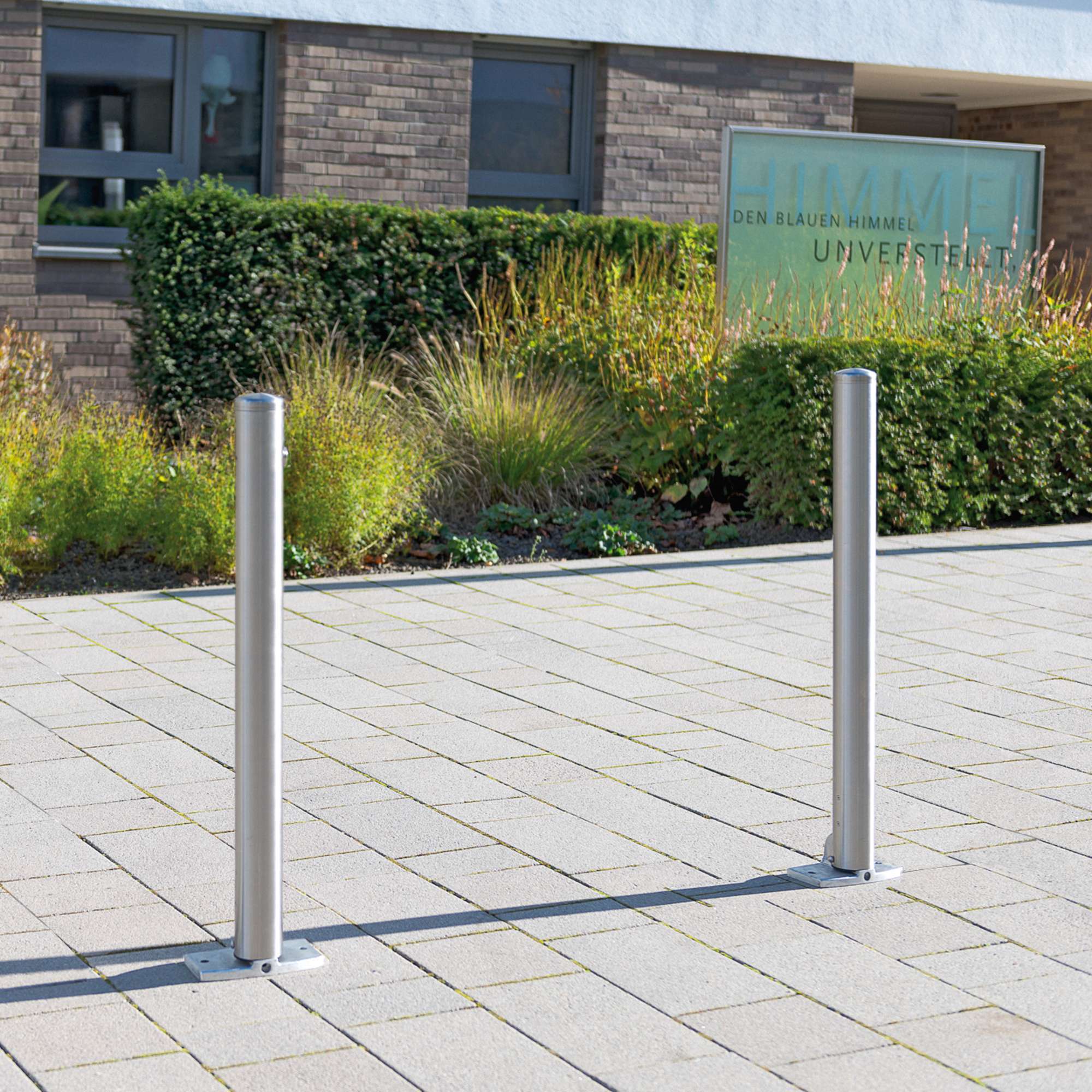
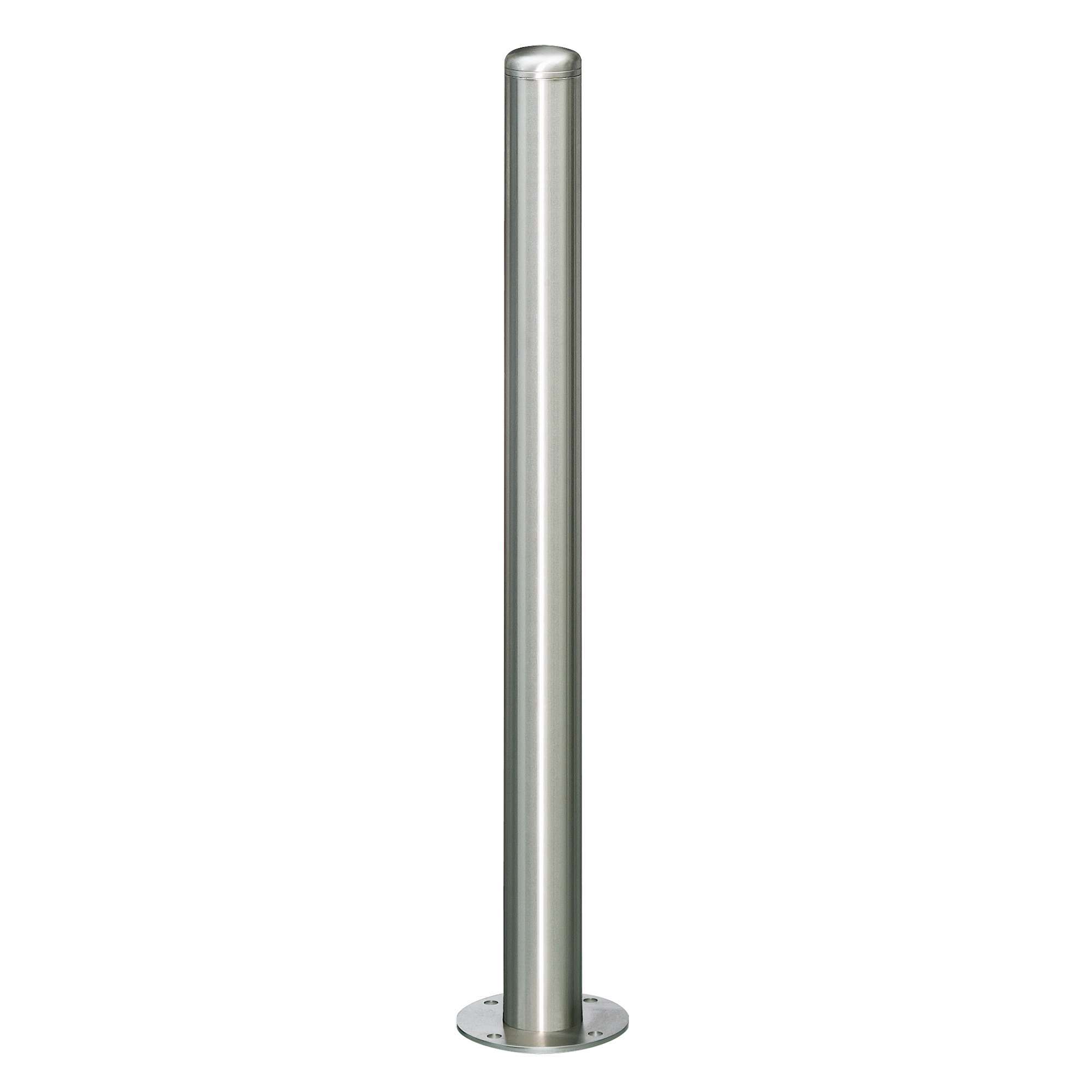
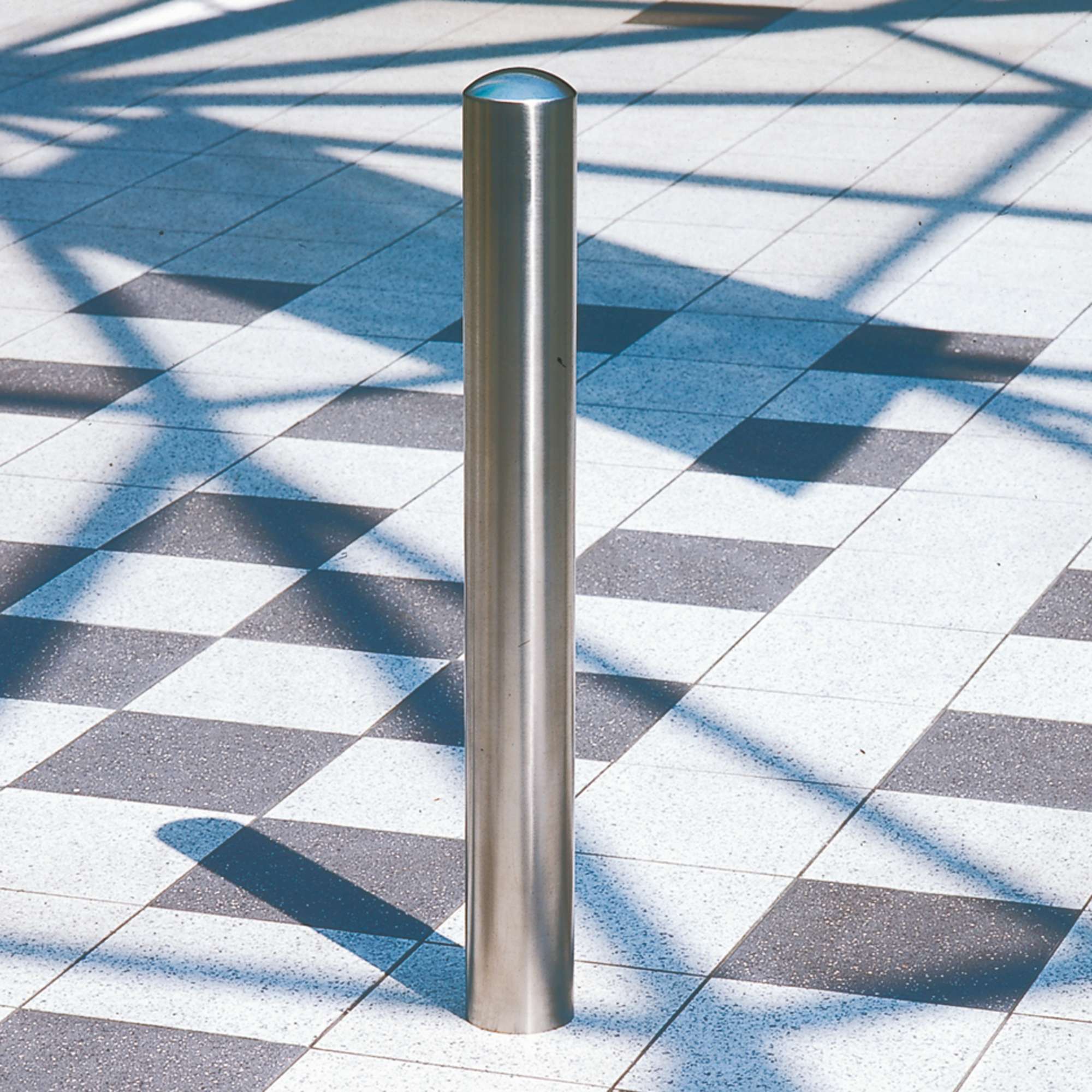
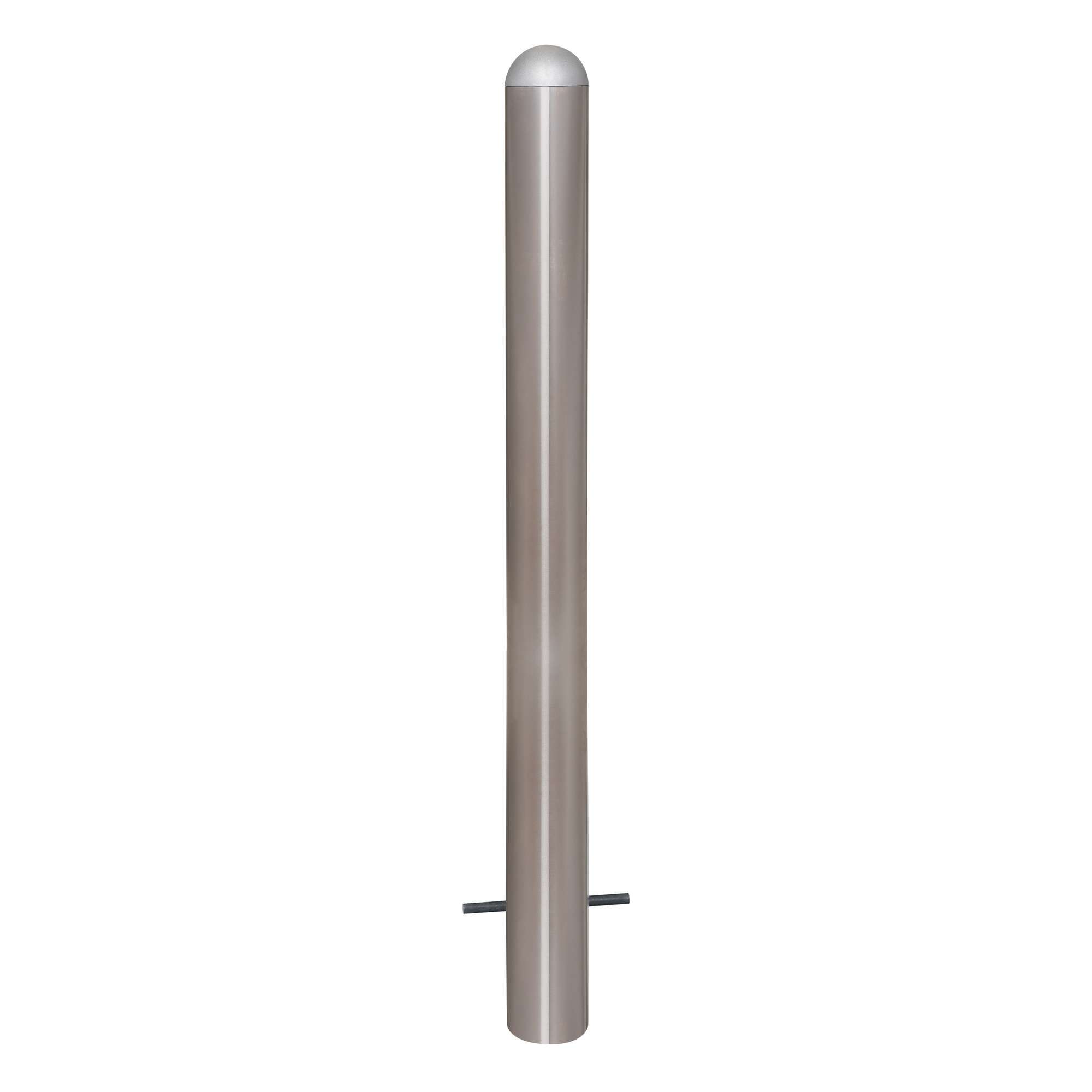
Stainless steel is the obvious choice for a modern, sleek and virtually maintenance-free option. Its exceptional corrosion resistance makes it perfect for exposed locations such as coastal areas. A bollard in brushed or polished stainless steel creates an upscale impression at entrances to office buildings, hotels and shopping centers. Our [pollare i rostfritt stål] combine minimalist design with extreme durability.
Steel and Cast Iron – Classic Strength and Flexibility
Hot-dip galvanized and powder-coated steel is a real workhorse. Hot-dip galvanizing provides robust base protection against rust, while powder coating adds extra protection and aesthetic flexibility. This type of bollard can be customized in any RAL color to either blend in or serve as a clear visual marker. It is a cost-effective and durable option for everything from parking lots to residential areas. If you want to learn more about how different materials hold up, read our comparison of material choices for impact protection.
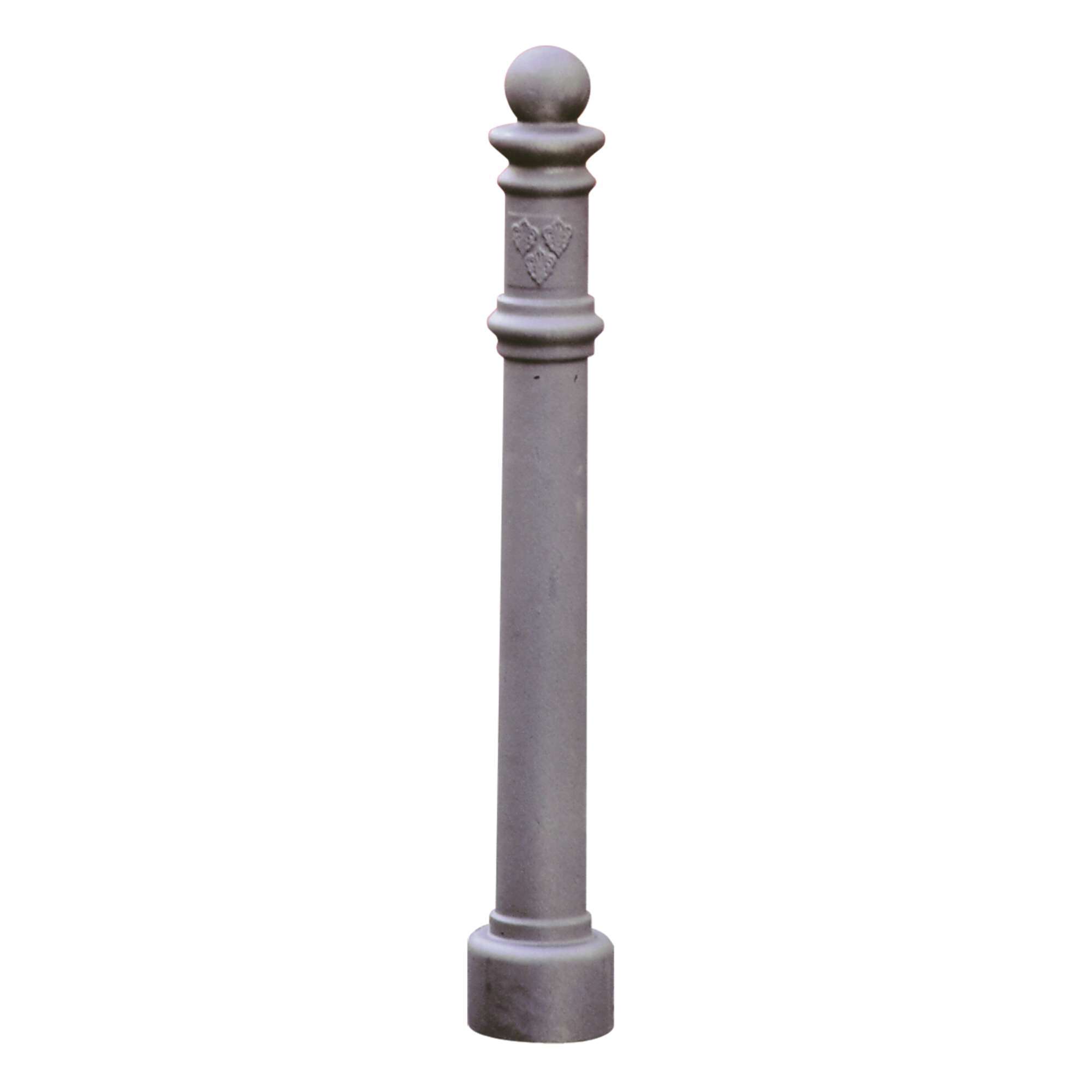
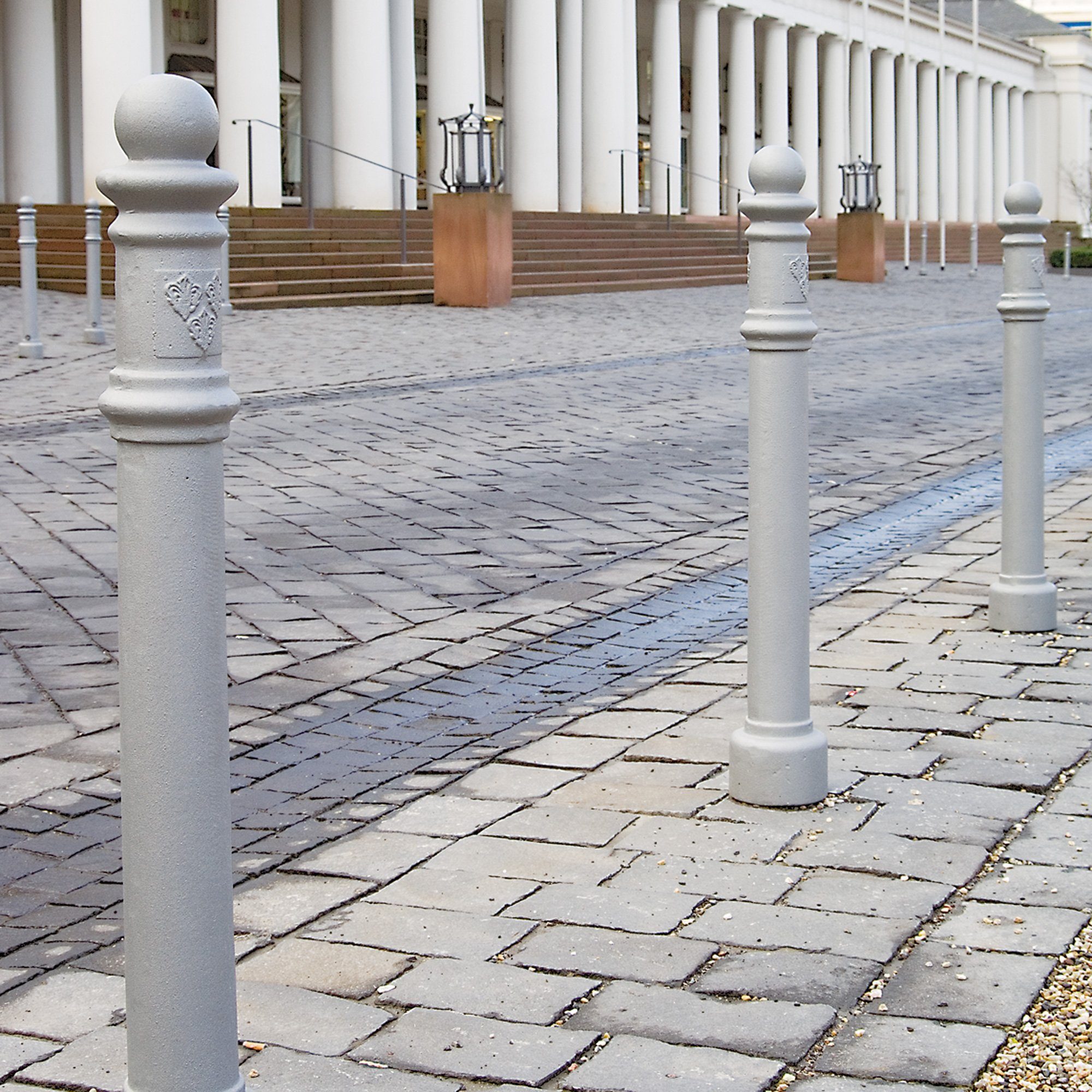
Cast iron, on the other hand, offers a timeless, classic charm that is hard to beat in historic settings. With their substantial weight and often ornamental design, cast iron bollards can enhance the character of older buildings and cobblestone streets.
A Long-Term Perspective on Materials and Design
Bollards have played a key role in shaping Swedish urban environments since the 1960s. The focus on sustainable public spaces means the number of bollards in Sweden is expected to increase by as much as 50% by 2025. Materials such as steel and concrete dominate the market and have an expected service life of up to 30 years when properly specified and installed.
Choosing materials is a life-cycle investment. A higher initial cost for a more durable material such as stainless steel can quickly pay for itself through reduced maintenance and a longer service life, especially in exposed environments.
Need advice on choosing a bollard that can handle your specific conditions while enhancing the site’s aesthetics? Contact us at Nordguard and we’ll help you make a sustainable, smart choice for your project.
Security Ratings and Crash-Tested Bollards – When Looks Aren’t Enough
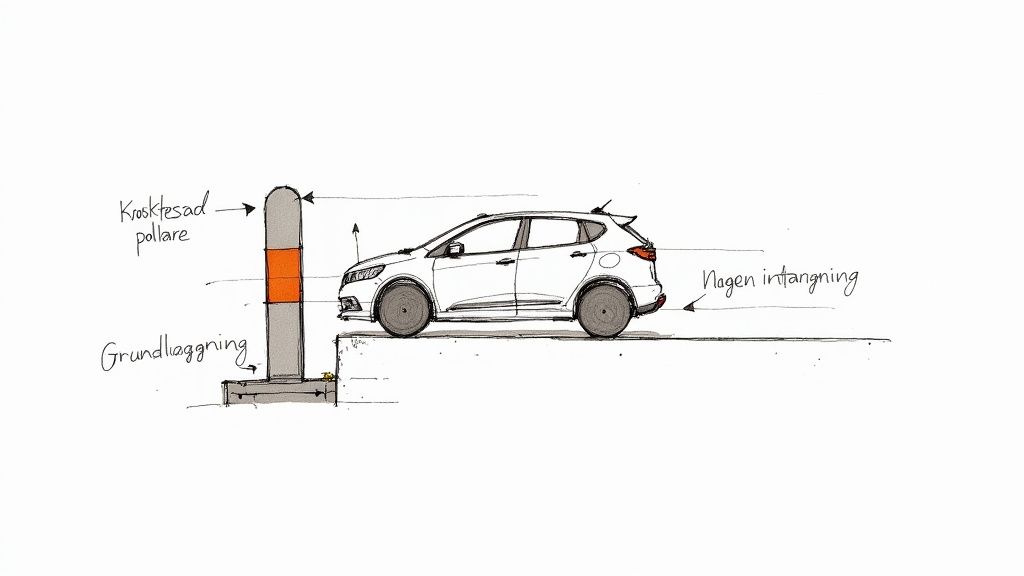
When a bollard isn’t just meant to guide traffic or stop illegal parking, but to actually protect people and property against a deliberate vehicle attack, you’re playing in a completely different league. That calls for a certified, crash-tested security bollard. This is an entirely different category of products, where performance is a proven fact, not a guess. A thick steel bollard may look secure, but without a certificate from a real crash test, you have no guarantee of how it will behave in a collision.
What Do PAS 68 and IWA 14-1 Actually Mean?
When talking about crash-tested bollards, codes such as PAS 68 and IWA 14-1 come up. These are international standards that define exactly what a bollard has been tested to withstand. Being able to interpret these codes is essential for choosing the right level of protection.
A typical rating might look like this: IWA 14-1:2013 V/7200[N3C]/80/90:0.0. Let’s break down what it means:
- V/7200[N3C]/80/90: The bollard has been tested to stop a 7.2-ton truck traveling at 80 km/h at a 90-degree angle.
- 0.0: This is the most important result – the penetration. 0.0 meters means that no part of the vehicle got past the rear edge of the bollard. The bollard achieved a complete stop.
Taking a chance on an untested product at sites that require a high level of protection – think embassies, government buildings, public squares or event areas – is a huge risk. Our range of [krocktestade pollare] gives you verified security you can rely on.
Installation Is Just as Important as the Bollard Itself
A crash-tested bollard only performs as promised if it is installed exactly according to the manufacturer’s instructions. The certification applies to the entire system, including a deep, heavily reinforced concrete foundation. A sloppy installation renders the entire investment worthless.
Choosing a certified solution is a guarantee of proven security. It means the bollard has passed a real, physical test that simulates a worst-case scenario.
For a deeper understanding of the certifications, we recommend reading more about regulations and standards for impact protection. If your project requires the very highest level of protection, contact us at Nordguard and we’ll help you assess the threat, choose the right security rating and ensure a correct installation.
Practical Tips for Successful Installation and Maintenance
A bollard’s function and service life depend almost entirely on the installation. An incorrectly installed product will never provide the protection or durability you expect. Equally important is ongoing maintenance – a little regular care can easily double a bollard’s service life.
Choosing the Right Installation Method
The method depends on the bollard type, ground conditions and the kind of impacts it needs to withstand.
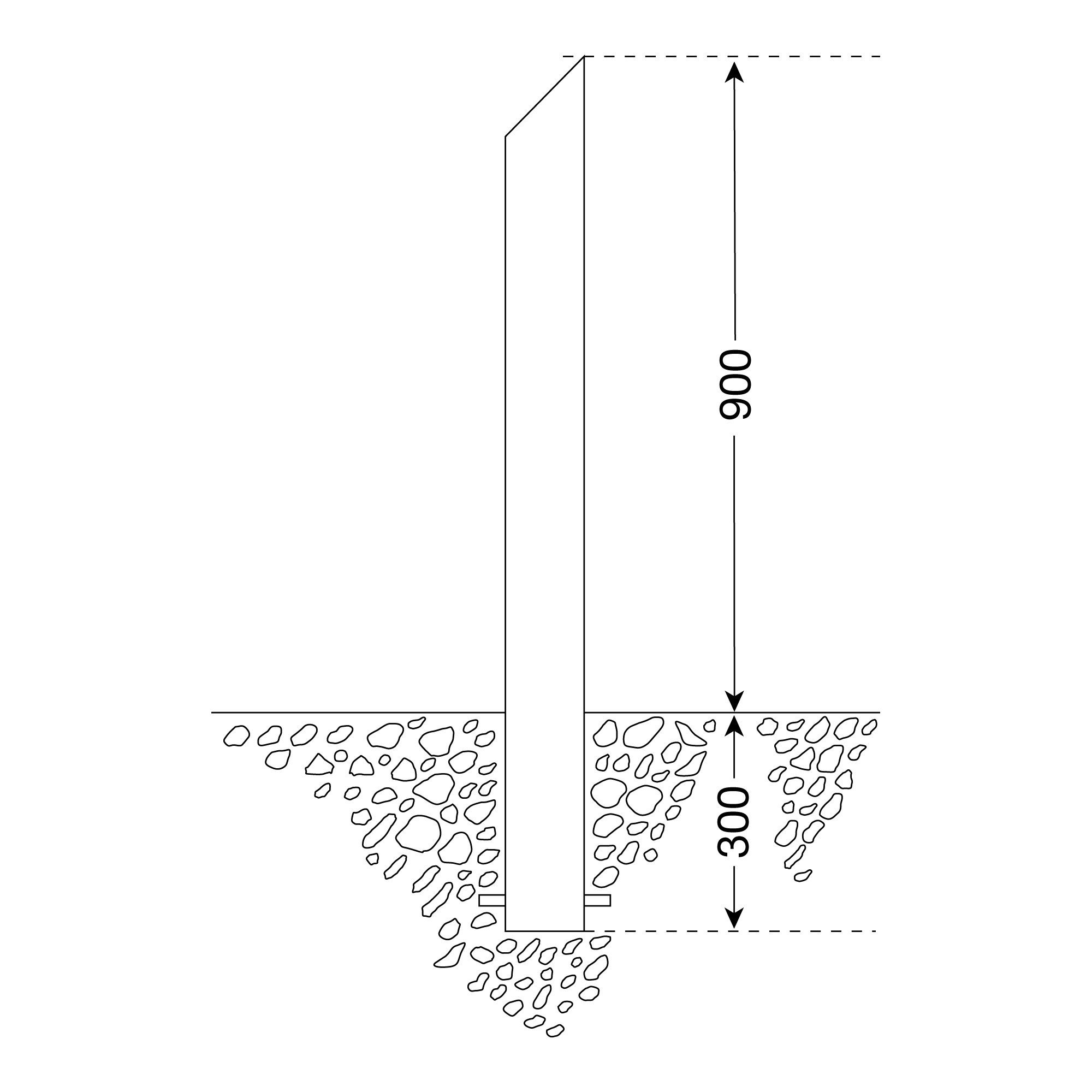
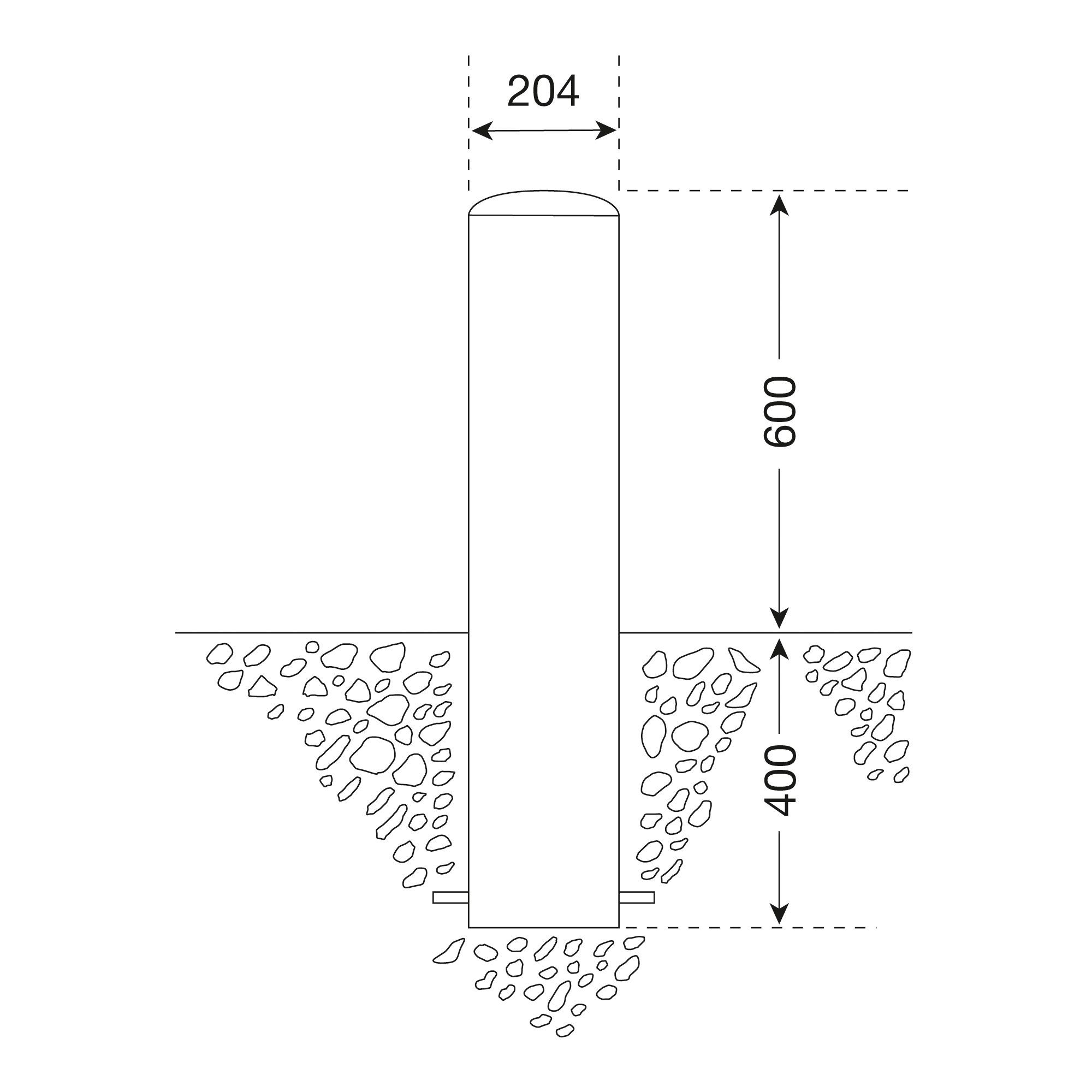
- Cast-in-place: The strongest and most permanent method. You dig a hole, set the bollard in place and embed it in concrete. It is a must for crash-tested bollards and recommended for all fixed bollards intended to provide real impact protection.
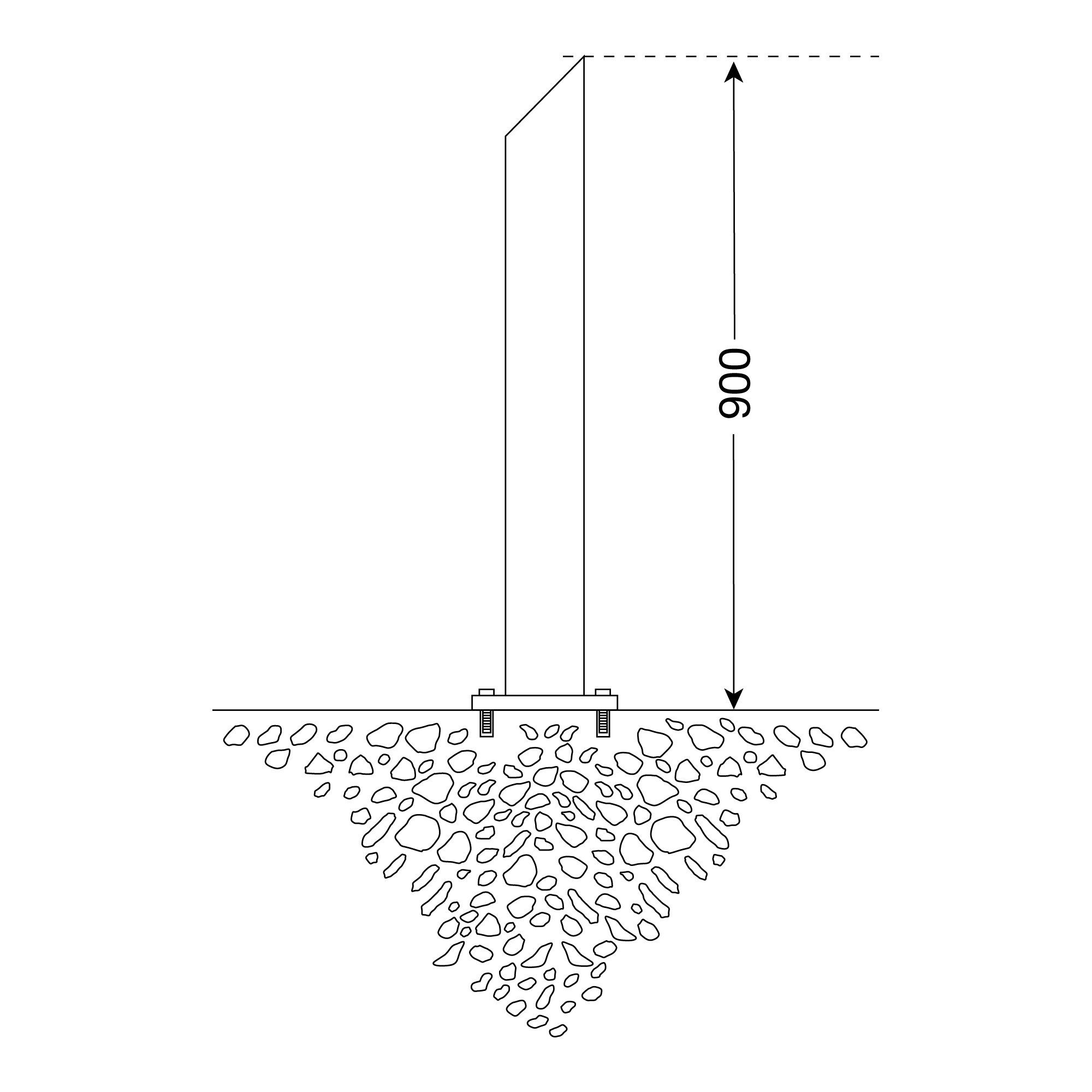
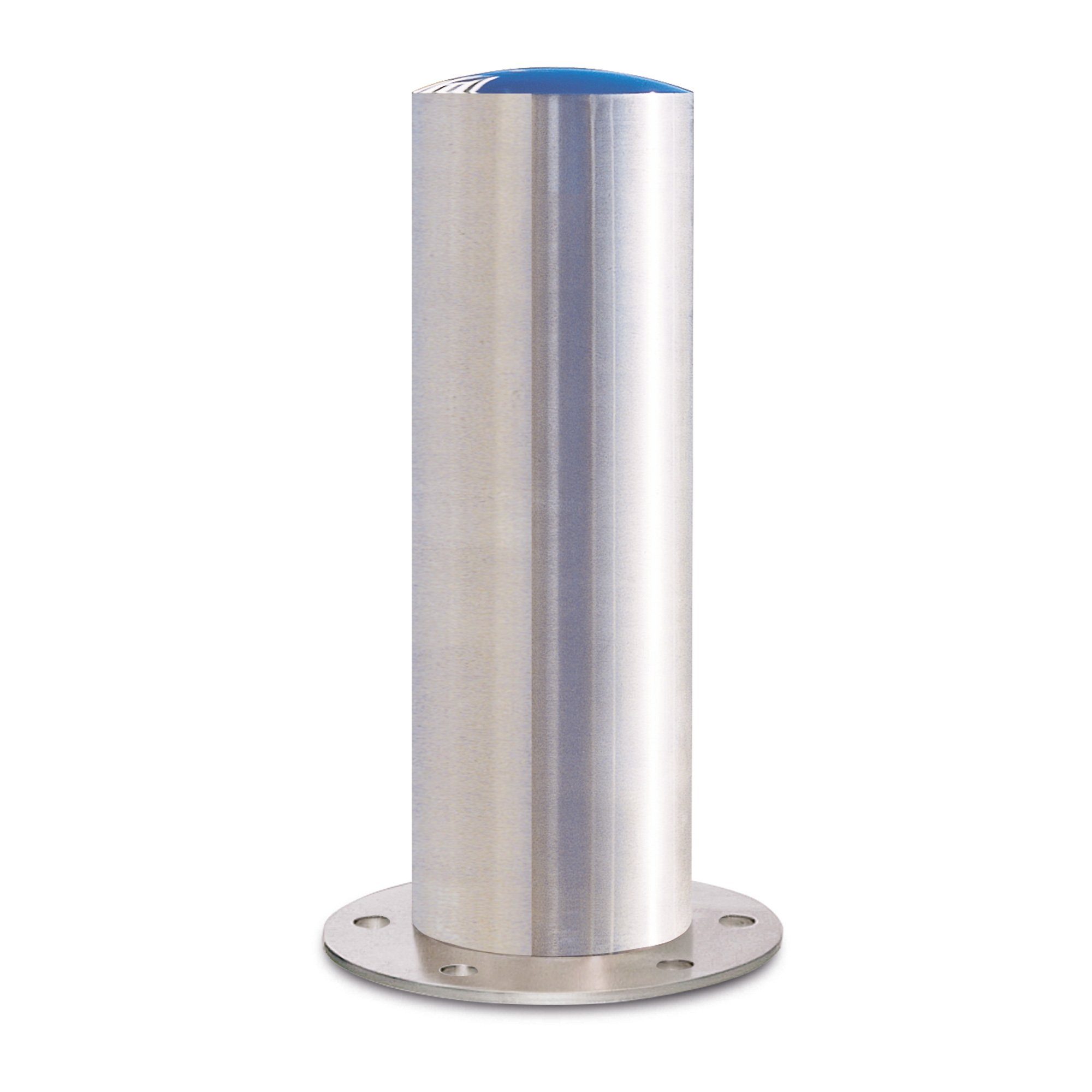
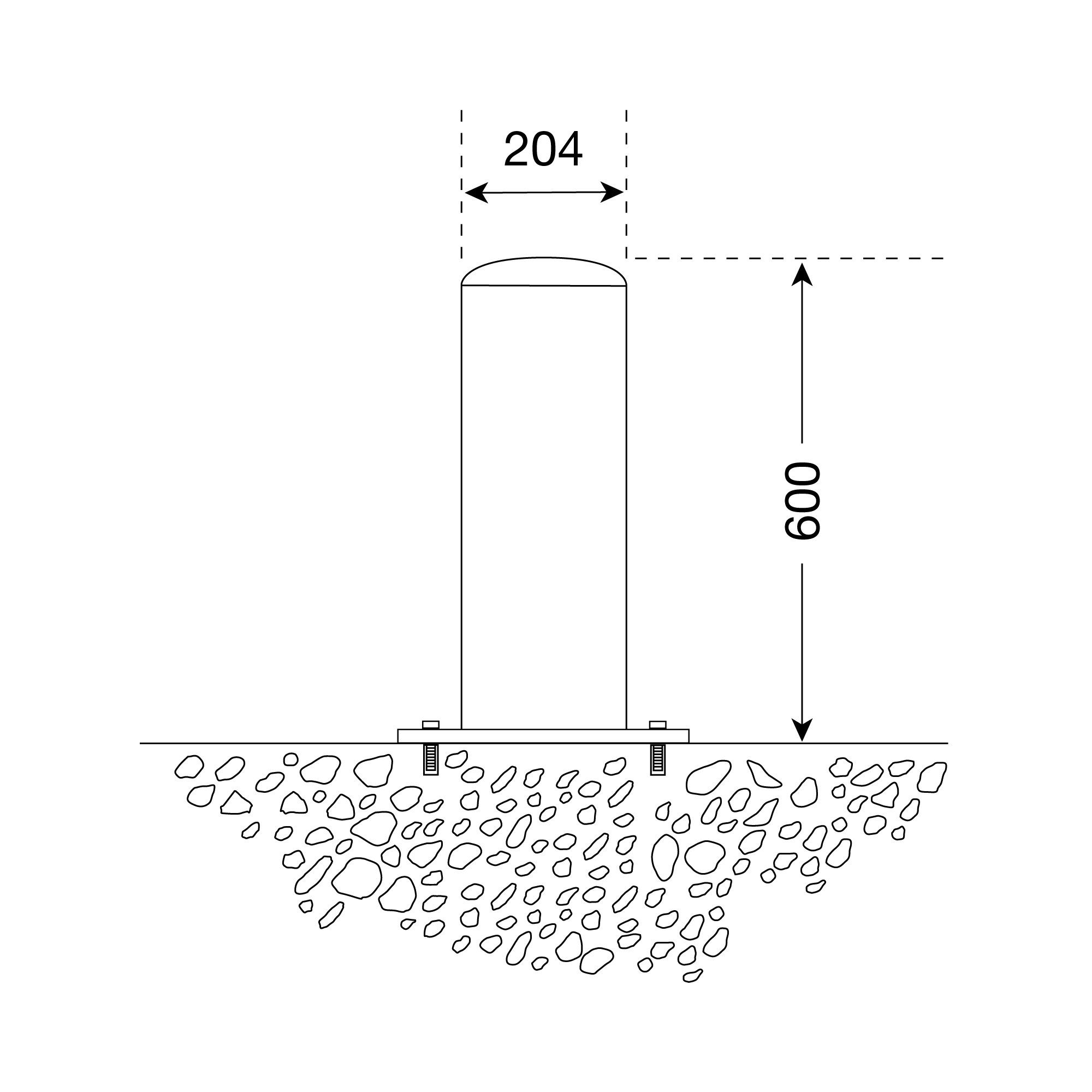
- Base plate bolting: A faster method for simpler installation on hard surfaces such as concrete or asphalt. Perfect for delineator bollards in environments with a low risk of impact, such as indoors in a parking garage.
In our Swedish climate, frost heave is a critical factor. A foundation that is too shallow will shift during the winter. As a result, the bollard will gradually start to lean. The right depth and good drainage are essential for an installation that lasts.
Plan for Long-Term Maintenance From the Start
A simple maintenance plan is one of the most cost-effective measures you can take. It’s about preventing problems before they become big and expensive to fix.
Planning for maintenance from day one isn’t a cost, it’s an investment. It ensures that the bollards continue to do their job and look presentable, year after year.
A basic maintenance checklist:
- Regular inspections: Walk around and check all bollards at least once a year. Look for visible damage and rust, and check the anchoring.
- Cleaning: Keep the bollards free of dirt and road salt using methods suited to the material.
- Servicing moving parts: For automatic, fold-down or removable bollards, this is especially important. Locking mechanisms and hinges need to be lubricated and checked. For automatic systems, a professional service agreement is a must for operational reliability.
- Repairing damage: Act immediately when damage occurs. A small scratch in the paint can quickly lead to rust if it isn’t touched up.
If you want to be sure of a professional installation and trouble-free operation, contact us at Nordguard. We’ll guide you through the entire process and can tailor service agreements that protect your investment.
Black/Yellow
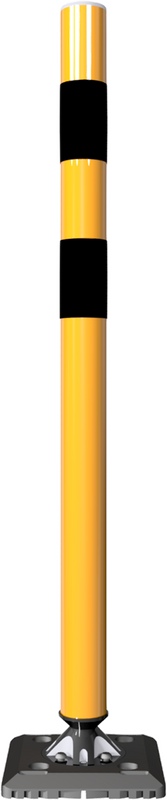 Black/Yellow
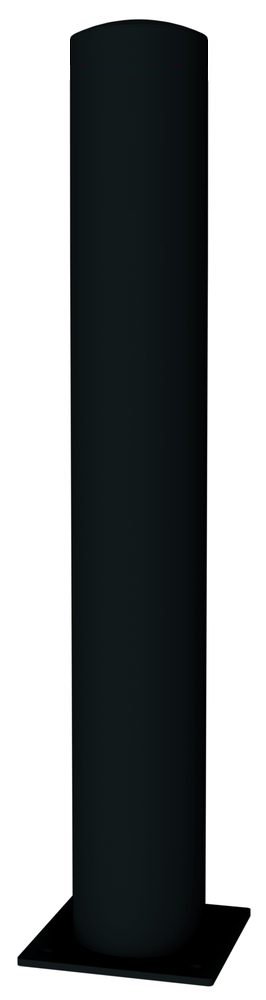
 Anthracite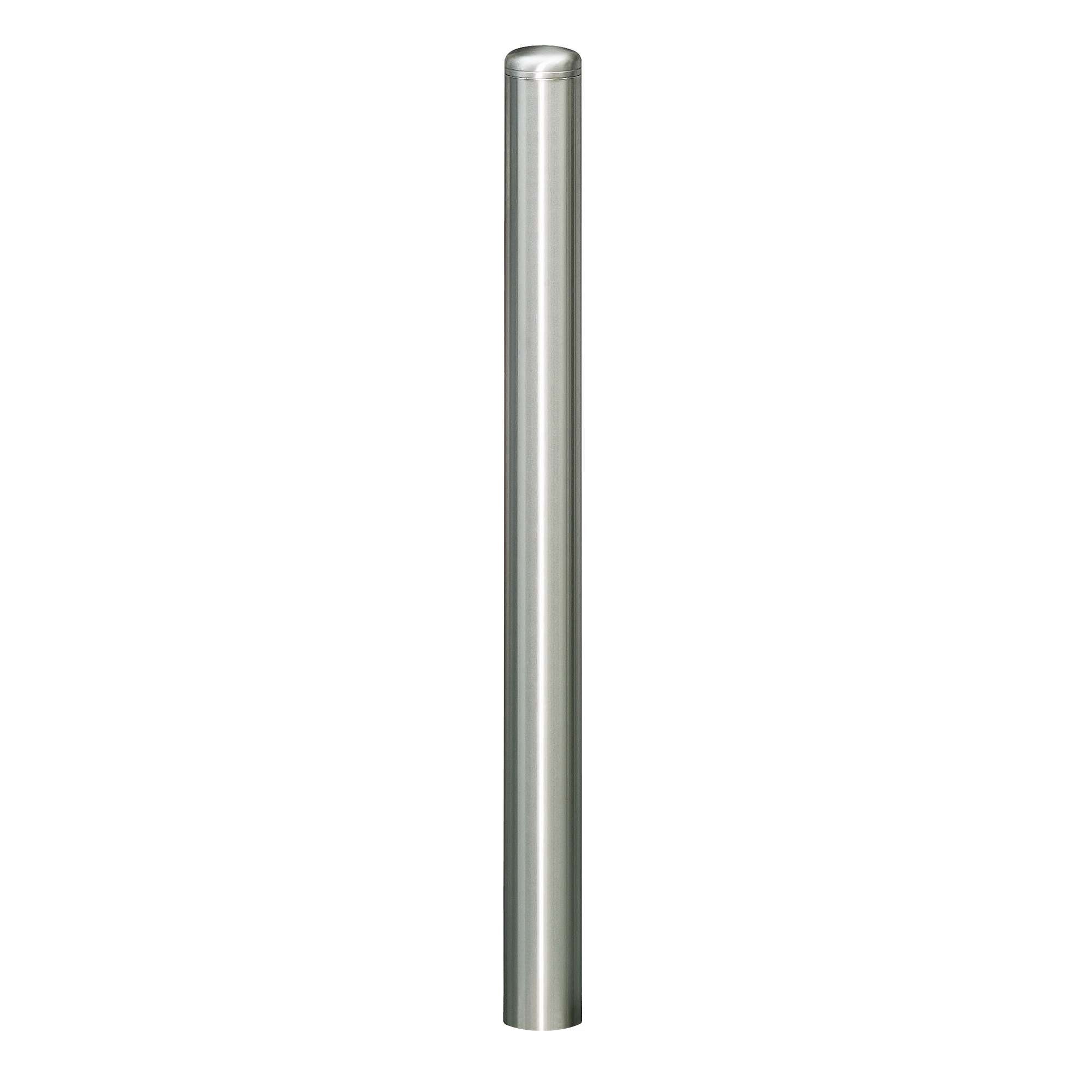
 Stainless steel
 Stainless steel
 Stainless steel
 Stainless steel
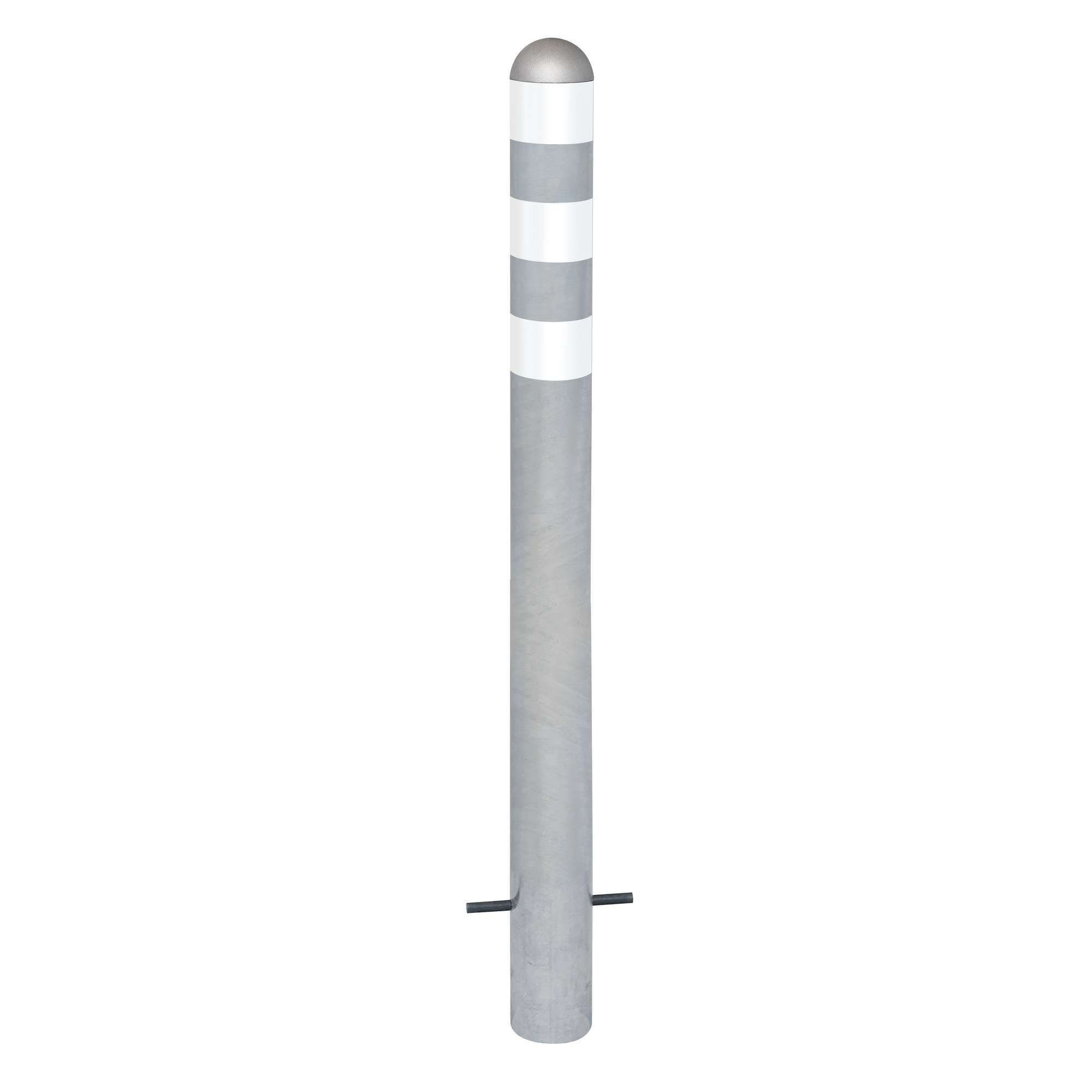 Silver grayWhite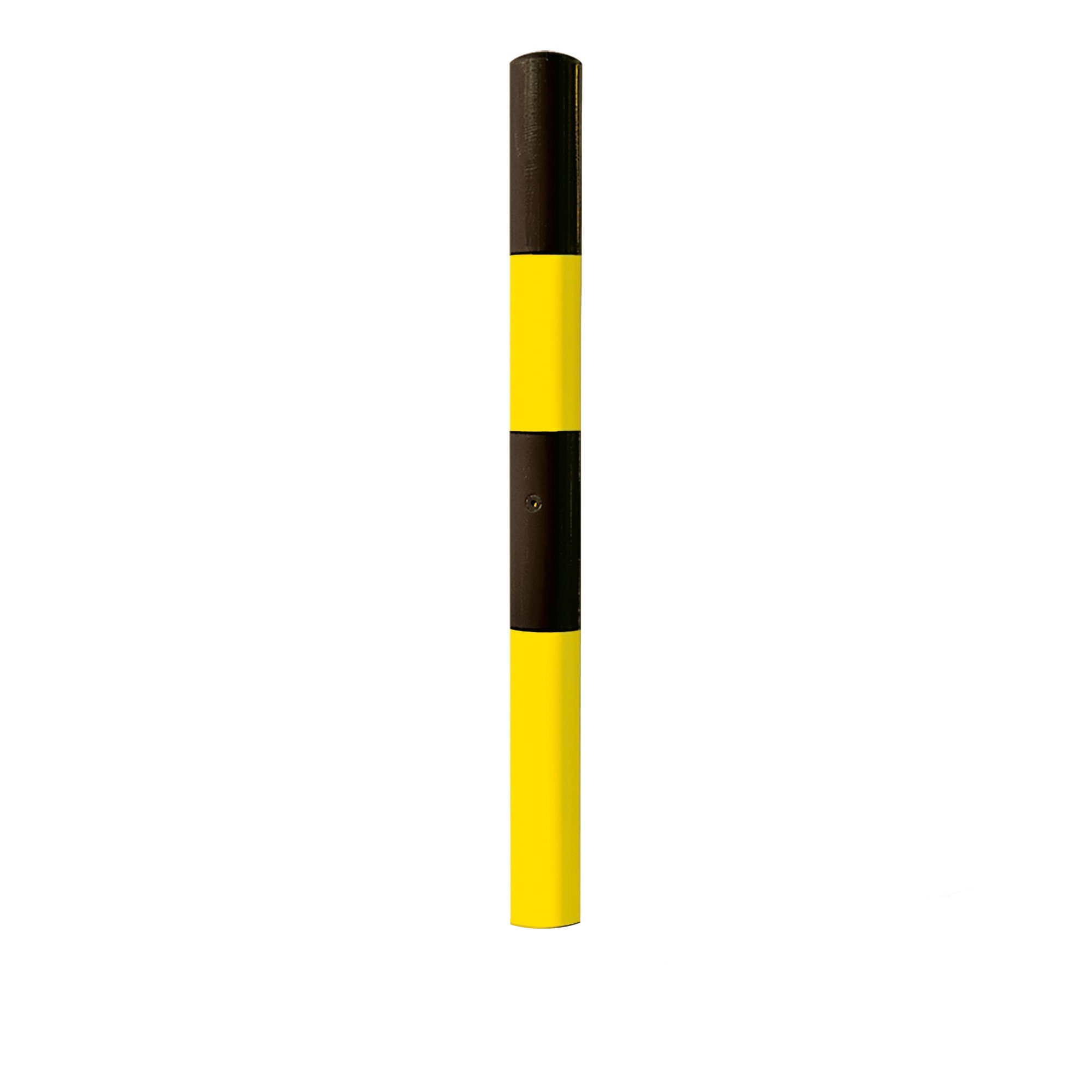
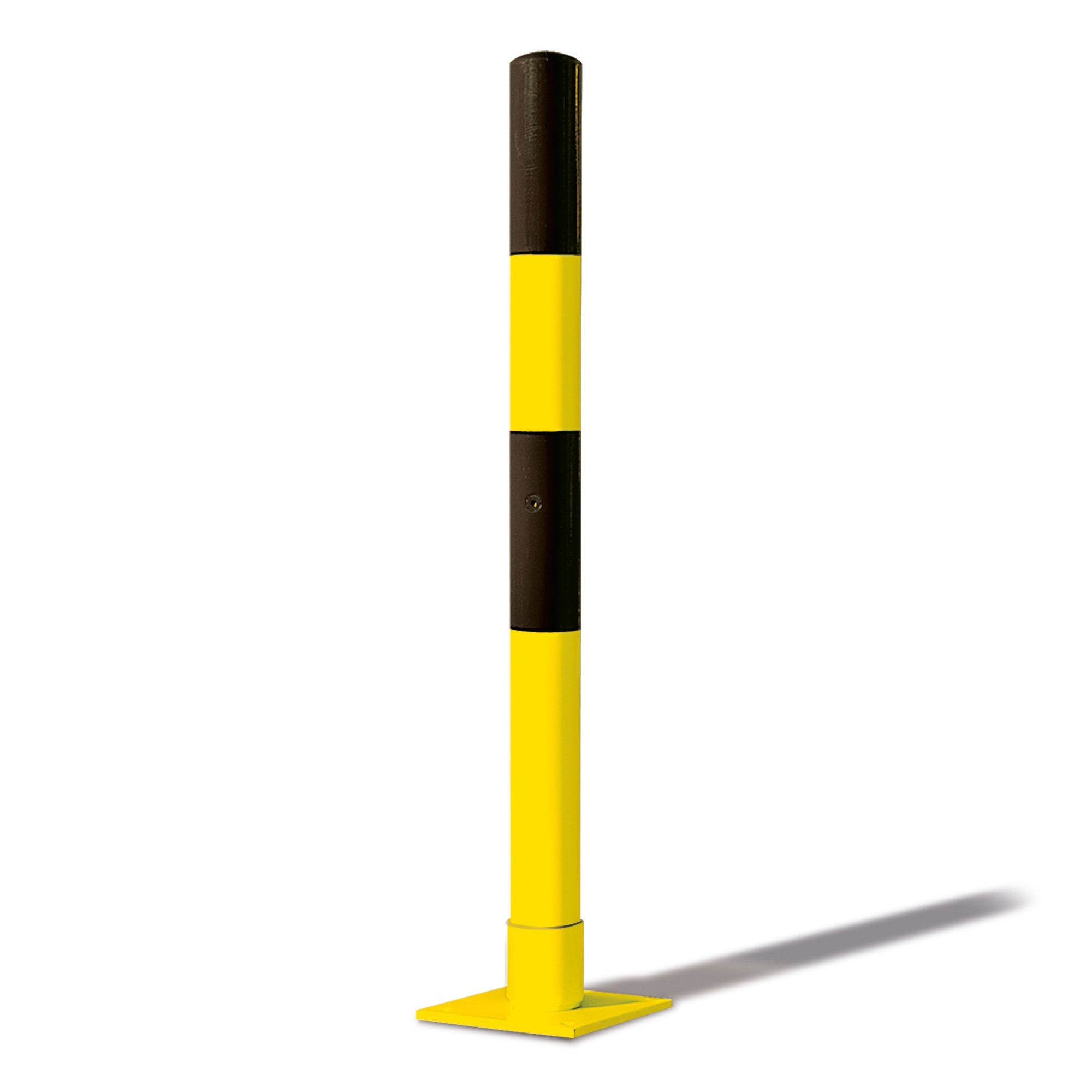 Black/Yellow
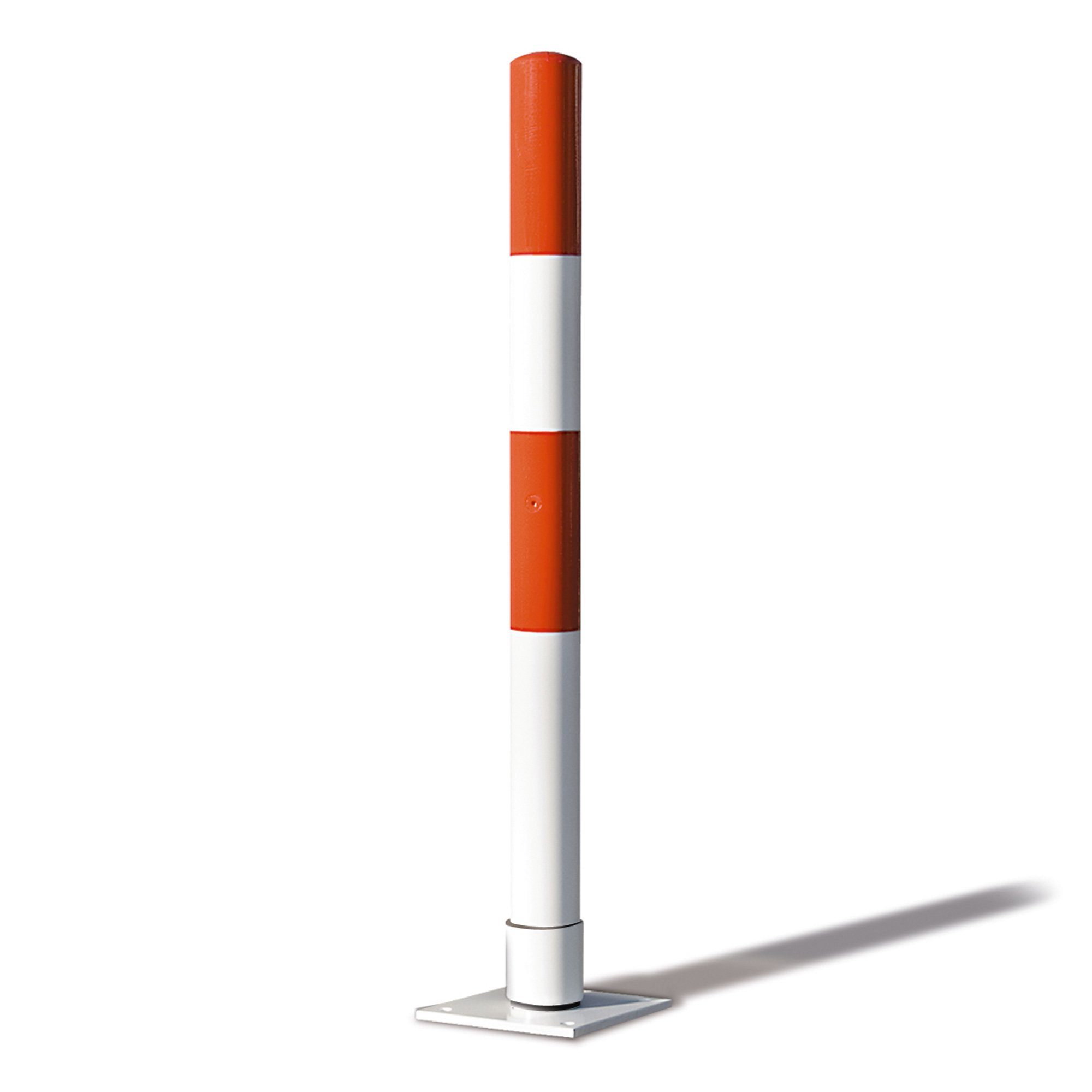 Red/White
How to Plan Your Bollard Project for the Best Results
A successful bollard project stands or falls with a well-thought-out plan. Simply pointing at a product in a catalog is a strategy that rarely works. Without a clear plan, it’s easy to either overinvest in unnecessarily heavy-duty bollards or, even worse, install protection that doesn’t do the job when it’s actually needed.
Step 1: What Is the Real Purpose?
It all starts with the question: what are the bollards actually supposed to do?
- Is the goal to physically stop vehicles? Then you need to consider what type of vehicle and at what speed. A fixed vehicle barrier bollard is built for this, but the requirements vary depending on the threat.
- Should traffic just be guided visually? If the purpose is mainly to direct traffic flow, a simpler delineator bollard is often enough.
- Is appearance the most important factor? In some settings, such as in front of an impressive entrance, design and material can be absolutely decisive.
Step 2: Analyze the Site – and the People Who Use It
Once you know why, it’s time to look at where. A thorough site analysis is key. One detail that is often overlooked is what lies beneath the ground. Are there cables or water pipes where you plan to pour concrete? Also, don’t forget to talk to everyone affected – emergency services, waste collection and delivery services may need temporary access. Perhaps automatic bollards are the only sensible solution to meet their needs?
Step 3: Think Beyond the Purchase Price
A classic mistake is to focus solely on the price tag. The real cost over time – the life-cycle cost (LCC) – is a much more important measure. A cheaper bollard with a simpler finish can look terrible after just a few winters and require expensive maintenance or complete replacement much sooner than expected.
A more expensive, higher-grade bollard is often the cheapest solution in the long run. Lower costs for maintenance, repairs and replacement make the initial investment pay off over time.
Choosing a knowledgeable supplier is essential here. Contact us at Nordguard and we’ll help you navigate technical requirements, safety standards and aesthetic preferences to find the most cost-effective and functional solution for your unique project.
Frequently Asked Questions About Bollards
Here we’ve gathered the most common questions along with our best answers to give you some clarity on your project.
What Is the Right Spacing Between Bollards?
A good rule of thumb is to keep a spacing of 1.2 to 1.5 meters between each bollard. That’s close enough to effectively stop passenger cars from squeezing through, yet wide enough for wheelchairs, strollers and bikes to pass freely. This may need to be adjusted depending on the specific requirements of the site.
Do You Need a Permit to Install Bollards?
It depends entirely on where they will be placed. On public land, such as streets or squares, a permit from the municipality is almost always required, usually in the form of a site development permit. On private property, the rules are usually less strict, but to be on the safe side, contact your local building department before you start digging.
What Is the Real Difference Between a Standard and a Crash-Tested Bollard?
It’s like comparing an ordinary fence to a reinforced concrete wall. A standard delineator bollard is primarily a visual marker that offers some resistance but will give way in a serious impact. A crash-tested bollard, on the other hand, is built, rigorously tested and certified to physically stop a vehicle of a specific weight and speed. It’s the product you choose for impact protection and counter-terrorism protection.
What Is the Best Way to Maintain an Automatic Bollard?
An automatic bollard is an advanced product that requires regular attention to operate safely and without downtime.
A service agreement is really the best insurance you can have for an automatic bollard. Regular servicing prevents costly breakdowns and ensures that the access point always works as it should.
Maintenance covers everything from cleaning the shaft to lubricating moving parts and checking the electronics. We strongly recommend signing a service agreement with servicing 1-2 times per year.
Do you have more questions, or are you planning a project where you need expertise? At Nordguard, we have extensive experience helping municipalities, contractors and property owners find the right solutions. Get in touch with us at Nordguard and we’ll help you create a safe and functional environment.
Ready to take the next step?
We help you develop solutions tailored to your needs. At Nordguard, we strive to make the ordering process as smooth as possible. By offering support and guidance throughout the entire purchasing experience, we make sure you feel confident and satisfied with your choice of protection products.+46 10 153 90 50
[email protected]