
-
×
 Hook - Galvanized Steel with Plastic Coating - Red / 10 pcs
28 €
Hook - Galvanized Steel with Plastic Coating - Red / 10 pcs
28 € -
×
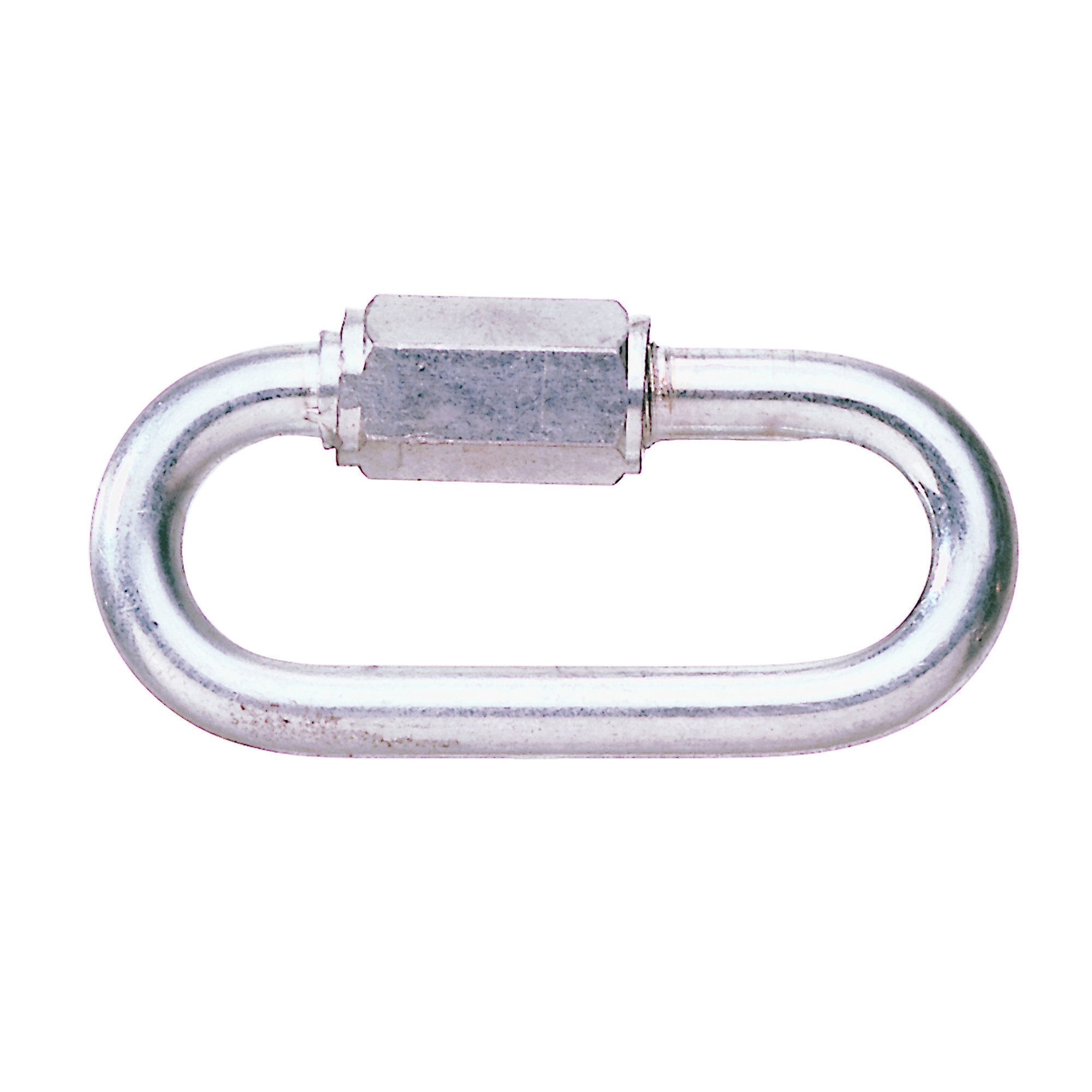 Chain Connecting Link - 8mm Stainless Steel Link with Screw Closure / 1 pc
20 €
Chain Connecting Link - 8mm Stainless Steel Link with Screw Closure / 1 pc
20 € -
×
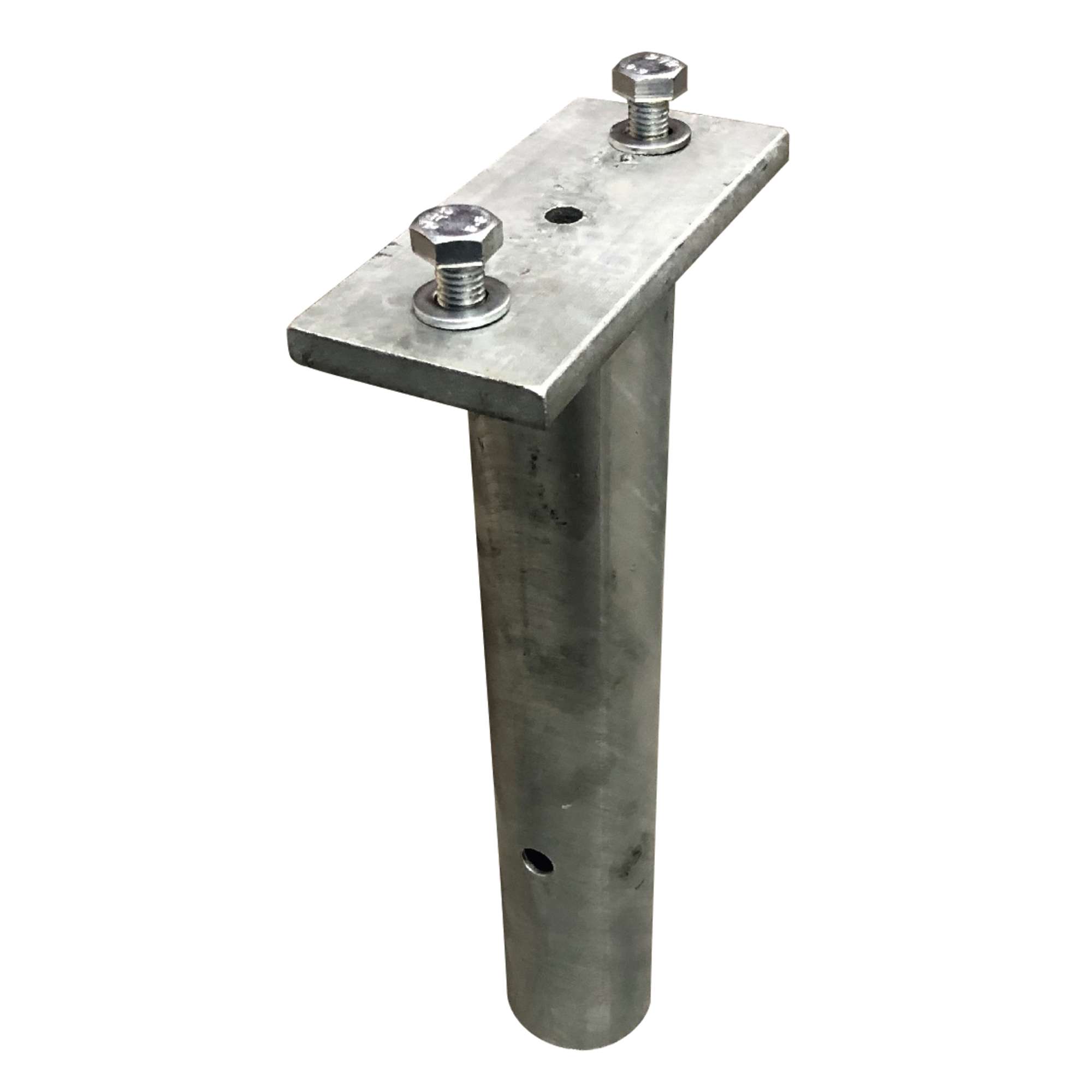 Adapter - Underground Column Protector 160x70x10mm Length 300mm
54 €
Adapter - Underground Column Protector 160x70x10mm Length 300mm
54 € -
×
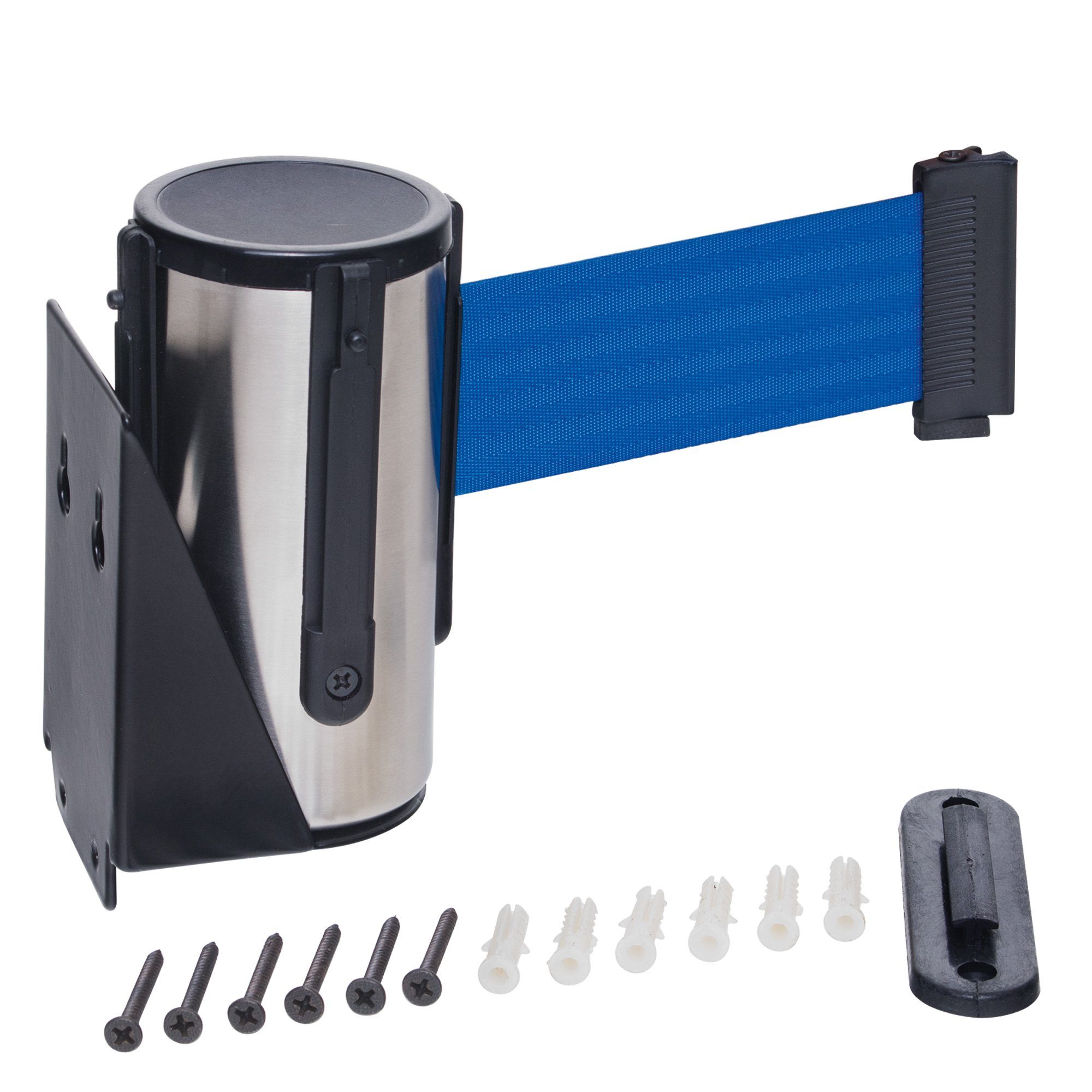 Barrier Tape - Wall-Mounted in Stainless Steel - 2.5m Blue Tape
80 €
Barrier Tape - Wall-Mounted in Stainless Steel - 2.5m Blue Tape
80 € -
×
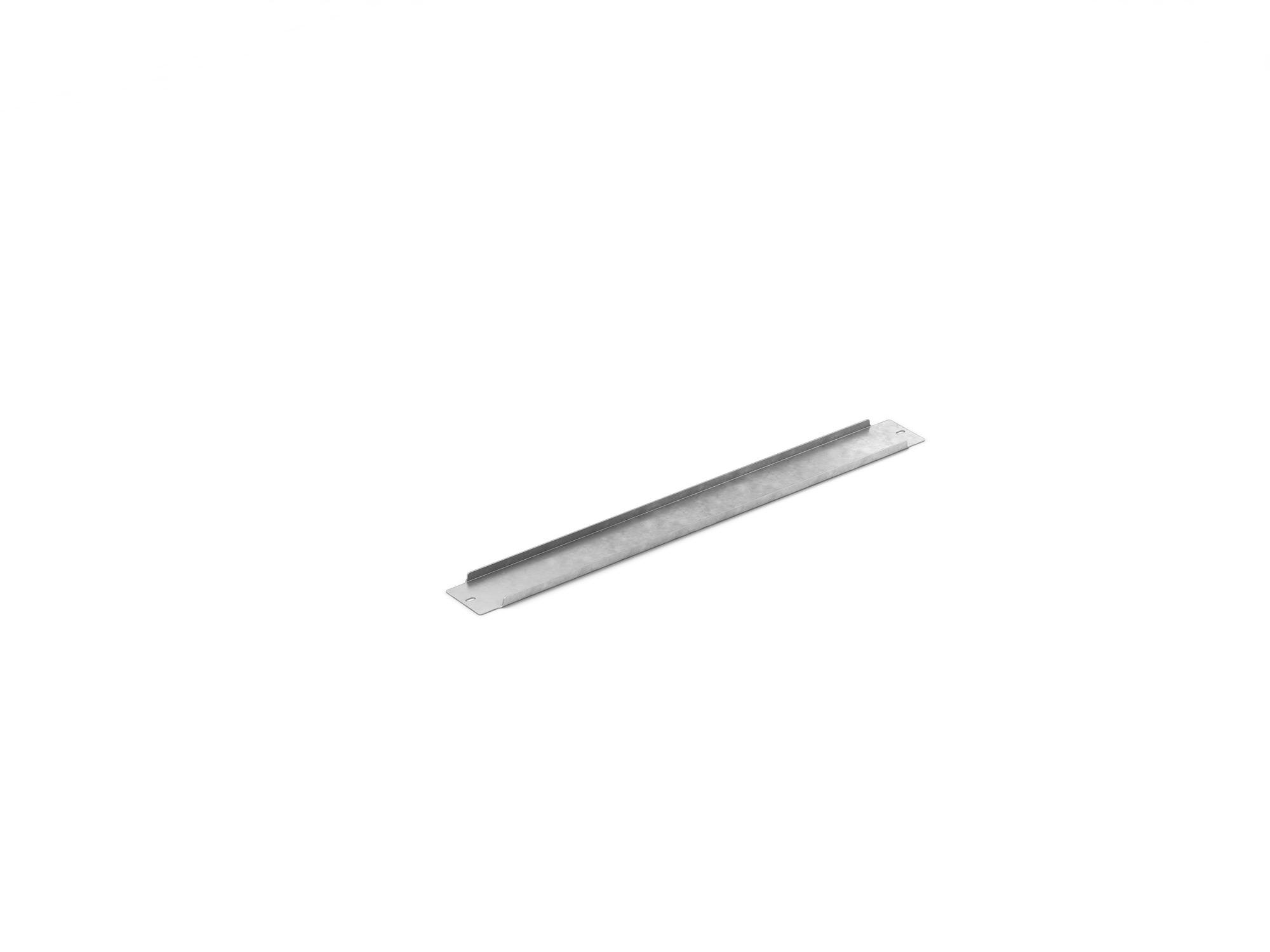 Railing Kick Plate 1000x100mm zm
35 €
Railing Kick Plate 1000x100mm zm
35 €
Concrete Barrier Blocks: A Complete Guide to Traffic Barriers and Safety
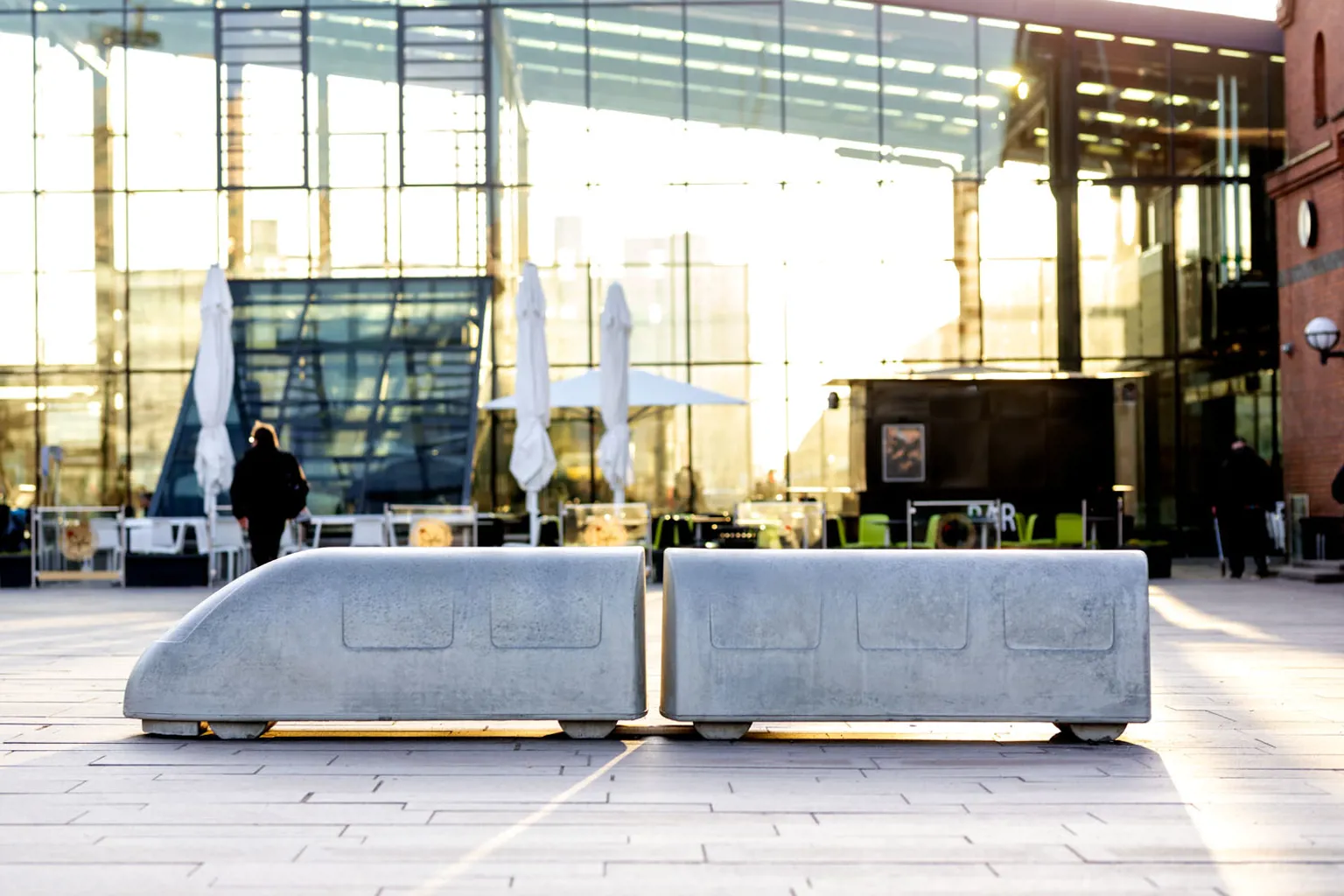
A concrete barrier block is exactly what it sounds like: a heavy, freestanding barrier made of concrete. But its function is far more sophisticated than its appearance suggests. It is used to control traffic, protect areas and create safe zones. Simply put, it is a robust, movable obstacle that effectively stops or redirects vehicles.
The role of concrete barrier blocks in a safe, functional urban environment
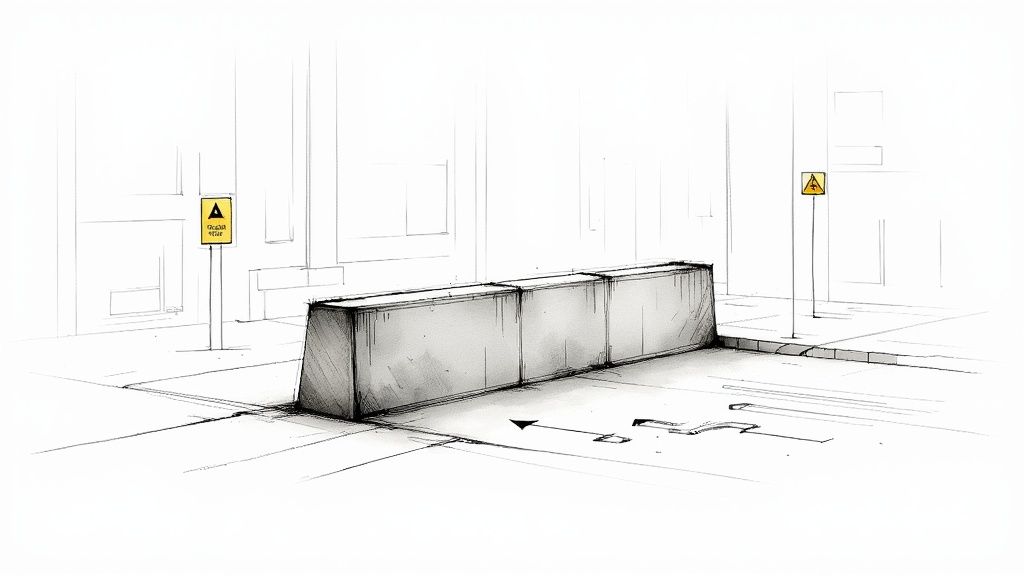
A concrete barrier block is so much more than just a lump of concrete. Think of it as a silent guardian that maintains order and safety in our increasingly complex cities. Thanks to its simple yet extremely effective design, it has become a natural part of Swedish infrastructure. It has two primary tasks: protecting sensitive areas from unwanted traffic and guiding traffic flows safely.
This combination of raw strength and flexibility makes it an indispensable tool for many stakeholders in society. For civil contractors and construction companies, for example, it is a vital component for creating safe work zones in the middle of a busy city.
Indispensable for safety and perimeter control
In practice, concrete barrier blocks solve several common and critical problems in urban environments. Picture a hectic construction site in the middle of downtown. Without a clear, robust perimeter, passing traffic poses a constant danger to workers. Here, the concrete barrier block acts as a physical shield that creates a safe working environment.
The same principle applies at public events such as markets or concerts, where large crowds need to be protected from vehicles. By strategically placing concrete barrier blocks, you can quickly and effectively create car-free zones.
Some of the most common applications are:
- Construction site perimeters: Protect personnel and equipment from outside traffic.
- Preventing illegal parking: Effectively block areas where parking is prohibited or dangerous.
- Temporary traffic diversions: Guide vehicles safely past roadwork or accidents.
- Protecting public spaces: Secure plazas, pedestrian streets and event areas against vehicle intrusion.
A well-placed concrete barrier block does more than just stop a car. It communicates a clear boundary, creates predictability in traffic and contributes to a general sense of safety for drivers and pedestrians alike.
An obvious choice for many projects
For municipalities, property managers and contractors, the robust, straightforward design is a huge advantage. Unlike more permanent installations such as fixed bollards, a concrete barrier block can be placed quickly and moved just as quickly when needs change. That makes it a cost-effective and flexible solution for both temporary and long-term barrier needs.
Looking for a reliable solution to control traffic or protect an area? A concrete barrier block is often the most direct and effective answer. If you are facing a project and are unsure which type of barrier best meets your requirements, our expertise can help. Contact us to discuss your needs, and we will guide you to the right solution for a safer, more organized environment.
3 Variations
 Gray
Gray
From: 480 €
1 200 € excl. VAT
From: 480 €
1 200 € incl. VAT
1 320 €
1 320 € excl. VAT
1 320 €
1 320 € incl. VAT
4 Variations
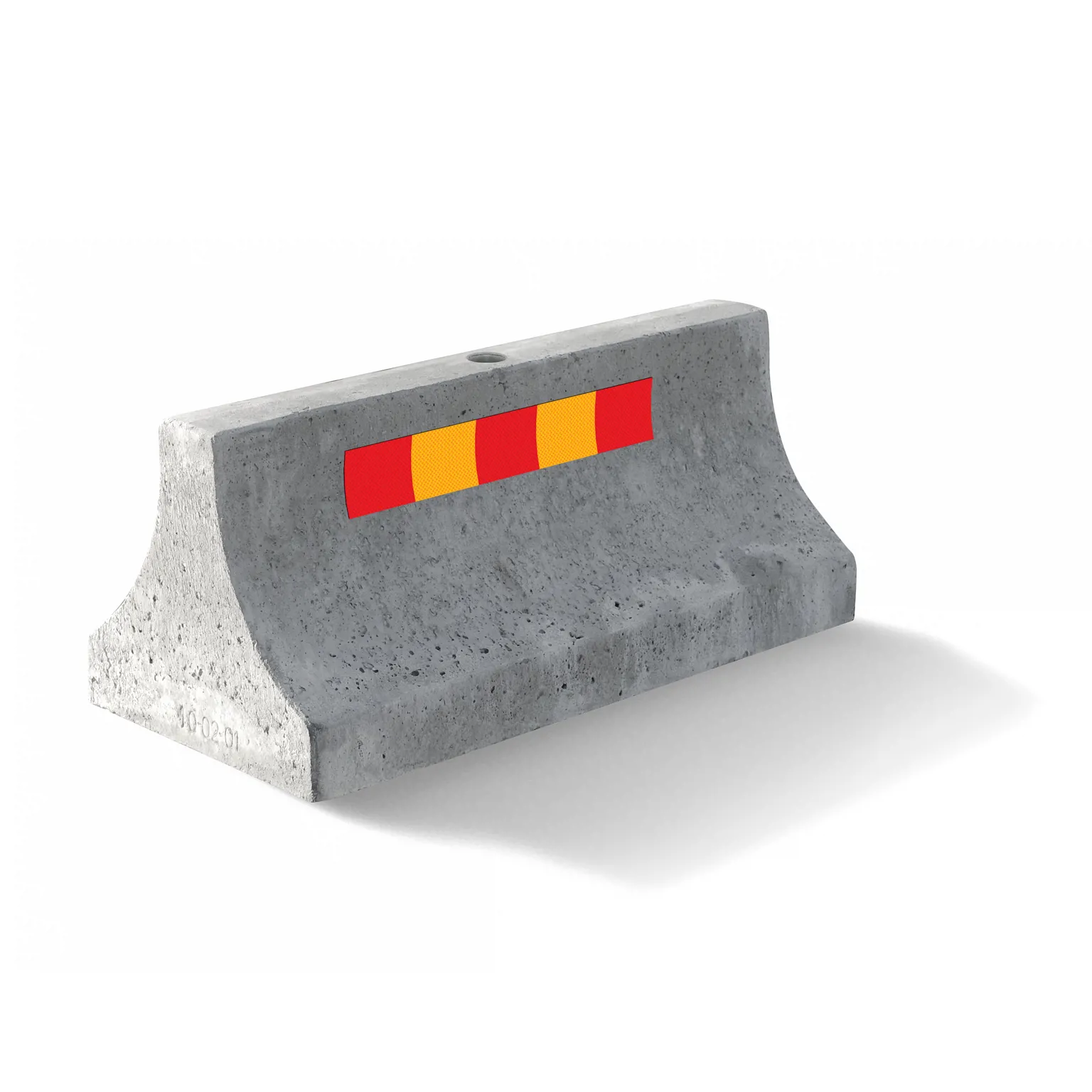
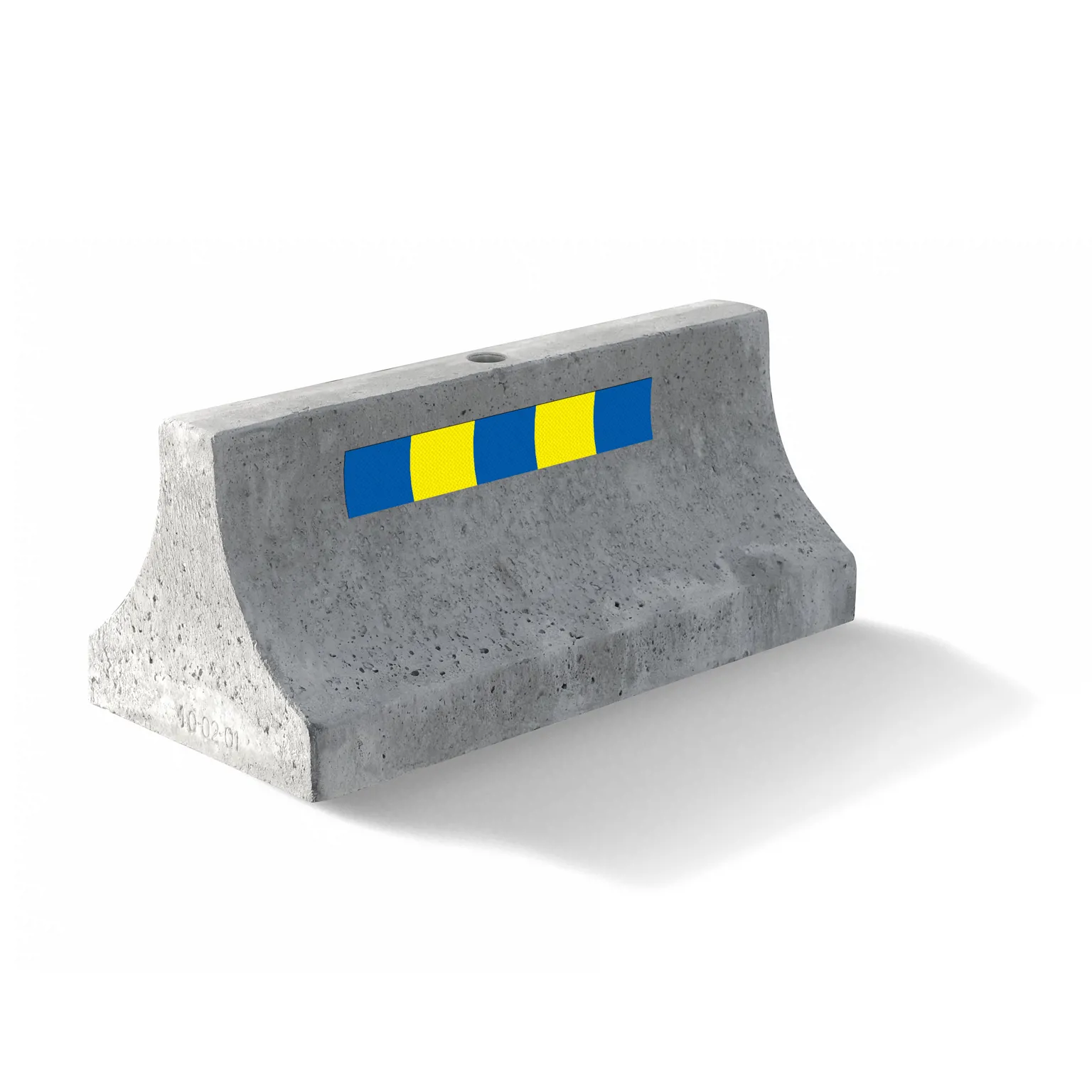
 Blue/Yellow
 Red/Yellow
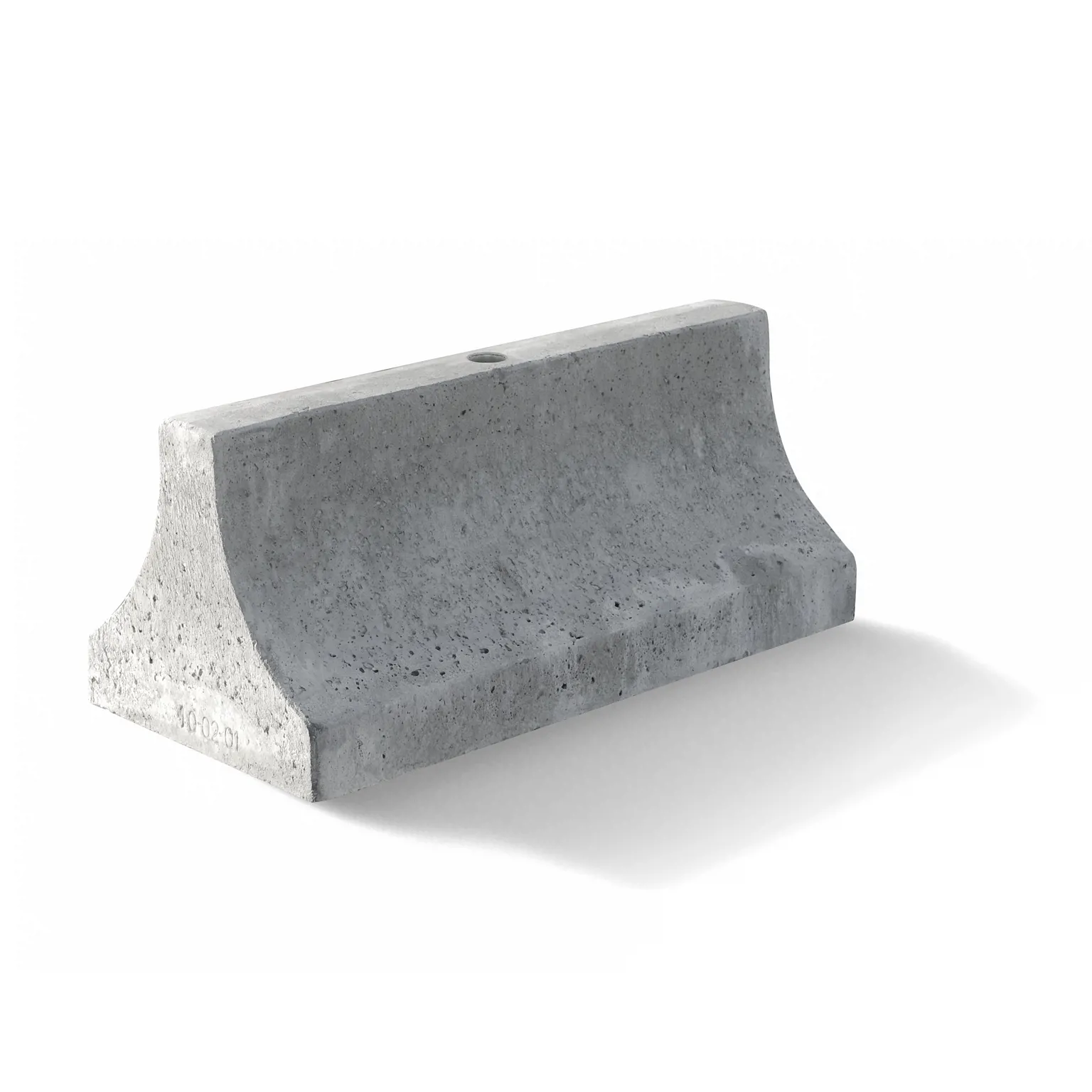 Gray
Gray
From: 130 €
130 € excl. VAT
From: 130 €
130 € incl. VAT
2 Variations
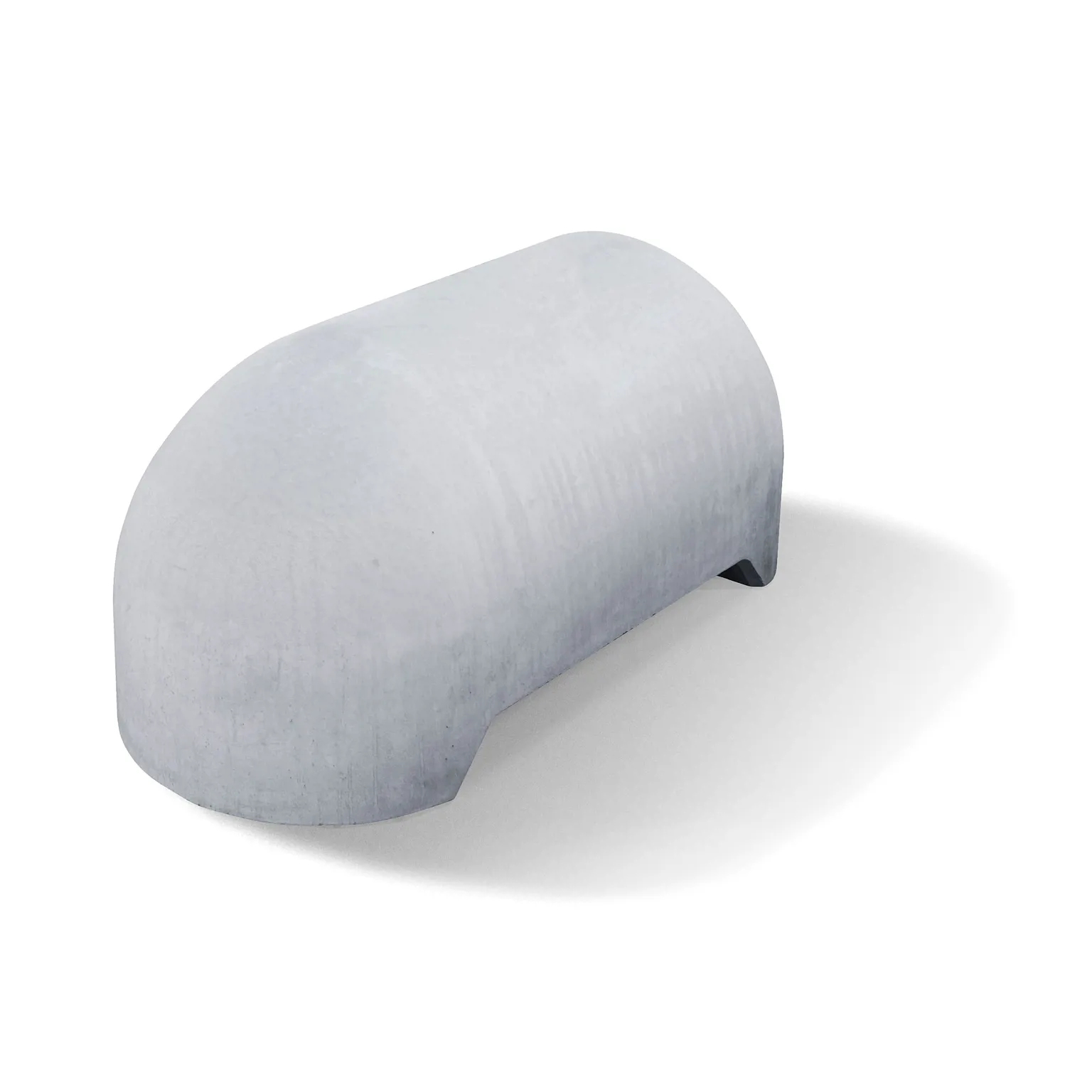
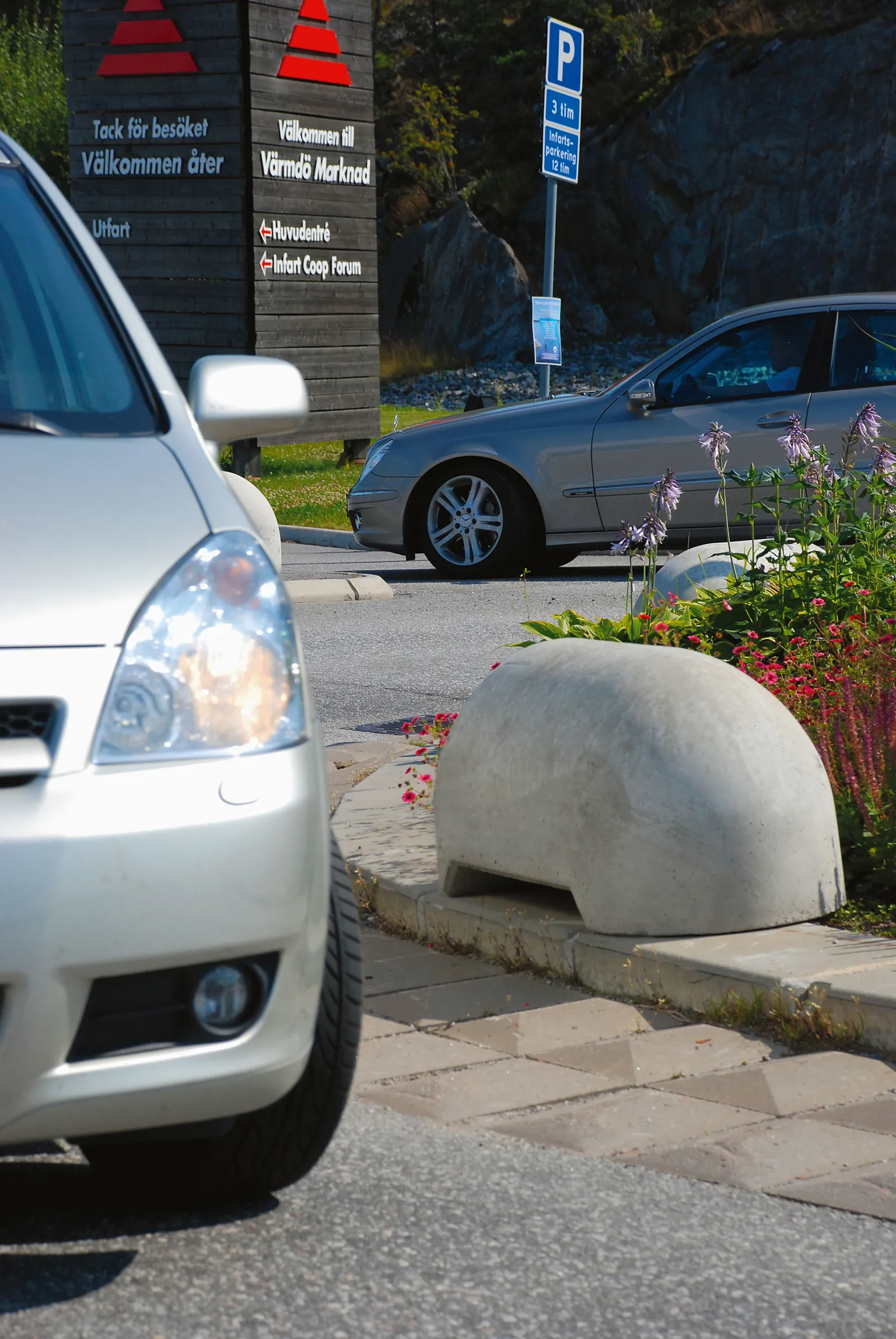
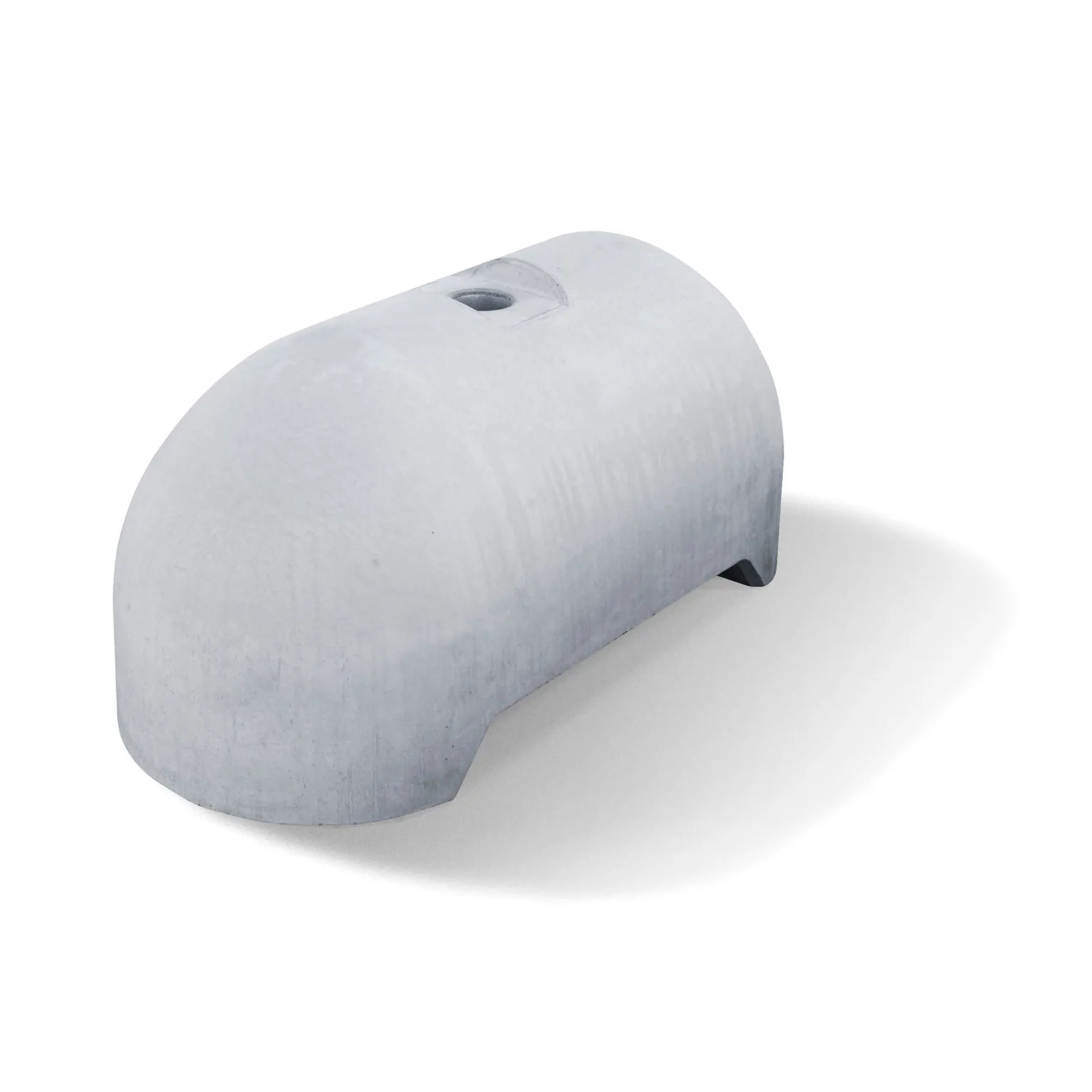 Gray
Gray
420 €
420 € excl. VAT
420 €
420 € incl. VAT
How a concrete barrier block is built to last
The raw strength of a concrete barrier block is no accident. On the contrary, it is the result of a smart combination of materials and a design refined over decades. It all comes down to reinforced concrete – two materials that are strong on their own but together create something almost unbeatable.
The base mix is concrete, made of cement, aggregate (sand, gravel and stone) and water. This mix provides incredible compressive strength, meaning it can withstand enormous loads without giving way. But handling the tensile and bending forces that occur in a collision requires something more.
Steel – the invisible backbone
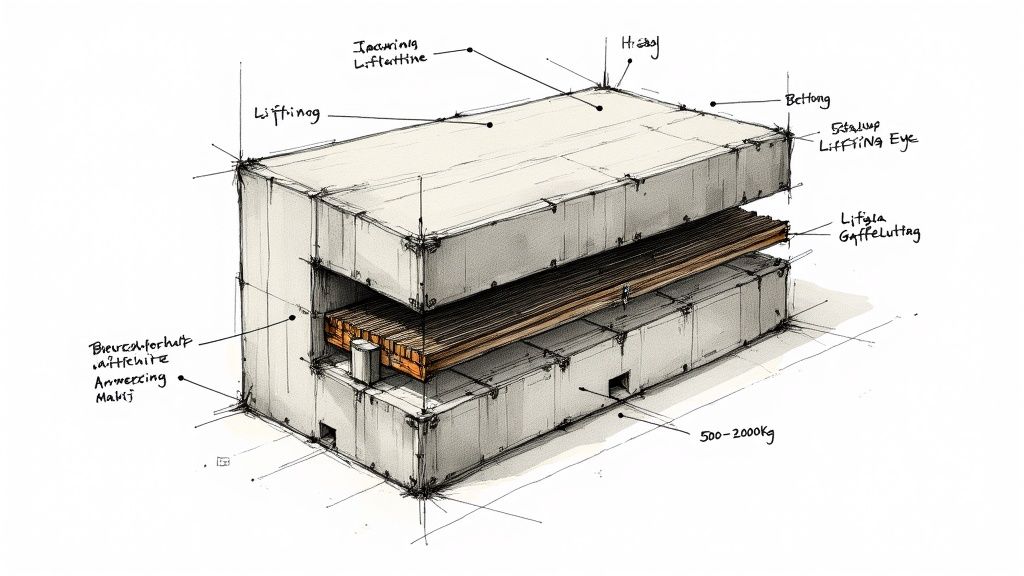
This is where the reinforcement comes into play. Inside every concrete barrier block is a network of welded steel bars that acts as a skeleton. Steel has outstanding tensile strength and perfectly complements the compressive strength of concrete. When a force hits the block, it is distributed through the concrete and absorbed by the steel, which keeps the block from cracking and falling apart.
This symbiosis between concrete and steel has been a cornerstone of Swedish infrastructure. The technology laid the foundation for the modern concrete barrier block and has made stronger, more durable structures possible than ever before.
Designed for real-world demands
A concrete barrier block is not just strong – it is also built to be practical. Dimensions and weight are carefully balanced to meet specific safety requirements while remaining manageable on a job site.
- Weight classes: They range from smaller models of around 500 kg to hefty units weighing over 2500 kg. It is mainly the weight that determines how effectively it can stop a vehicle.
- Shape: The classic, slightly sloped shape is no accident. It is designed to absorb and deflect the energy of a collision rather than bring the vehicle to an abrupt stop.
- Handling: To make relocation easier, most concrete barrier blocks have smart features such as cast-in lifting loops for cranes or fork pockets for wheel loaders.
These details are crucial for safe and efficient installation and relocation, whether on a construction site or at a roadwork zone.
Choosing the right concrete grade is essential, especially in our Nordic climate. A higher grade with air-entraining admixtures provides much better protection against frost damage and deterioration from road salt. It delivers a significantly longer service life and is a smart investment in the long run.
Getting the dimensions and weight right is a critical part of planning. A concrete barrier block that is too light may not be able to stop a heavy vehicle, while an unnecessarily heavy model makes logistics complicated and expensive. Concrete offers unbeatable mass and strength, but in some situations other materials may be a better fit. To learn more, read our guide to choosing materials for impact protection.
Not sure which weight class or model suits your project? Choosing right from the start is key to both safety and a cost-effective solution. Contact us and our experts will help you analyze your needs and find a solution that ensures maximum performance and durability.
How concrete barrier blocks are used in practice
The real value of a concrete barrier block lies in its incredible versatility. It is a sturdy, reliable tool that solves very concrete problems in a wide range of environments. From messy construction sites to bustling city centers – its function is easily adapted to whatever is needed at that time and place.
Perhaps the most obvious place to find them is in the construction and civil engineering sector. There they are an absolute necessity for creating safe, controlled work zones.
Construction sites and industrial areas
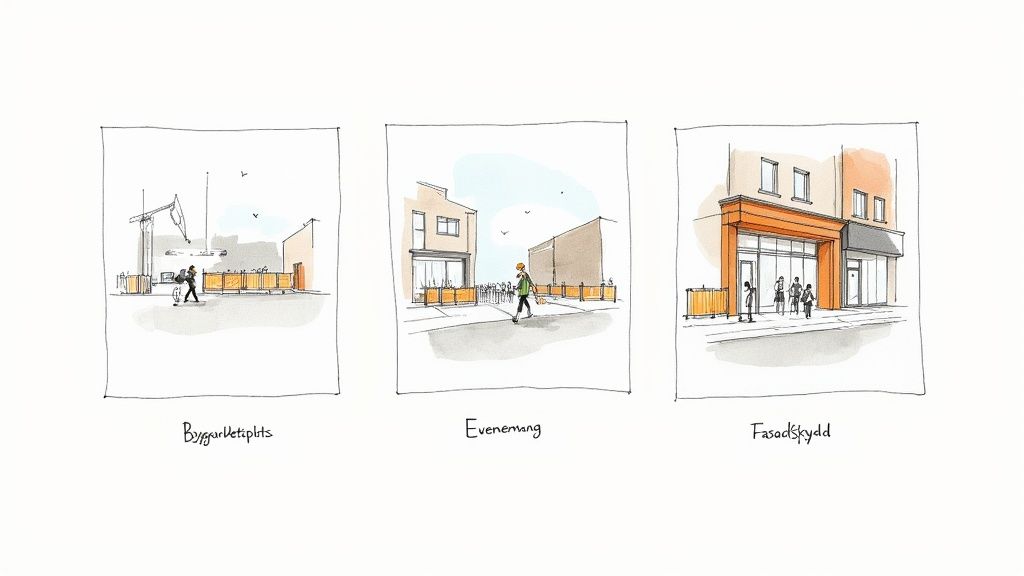
For a civil contractor, worker safety always comes first. A concrete barrier block acts as a rock-solid physical barrier that protects road workers from passing traffic, dramatically reducing the risk of serious accidents. It is just as effective for closing off an entire work area and keeping unauthorized vehicles from driving in and damaging equipment or freshly laid surfaces.
At industrial sites and logistics terminals, the concrete barrier block serves a similarly critical function. There it is used, among other things, to:
- Protect sensitive infrastructure: A row of concrete barrier blocks in front of a switchgear station, a gas line or an important building can be the difference between a small dent and a disaster.
- Control heavy traffic: Clearly separate truck lanes from employee parking and walkways.
- Create temporary barriers: Quickly and easily cordon off areas for maintenance or cargo transfer.
In fact, heavy concrete blocks used as traffic obstacles have a long history in Sweden, closely tied to the country’s major building booms. Their use really took off during the Million Program between 1965 and 1974, when more than one million homes were built and the need to secure huge construction sites was urgent. This drove an explosive increase in cement production. Read more about the historical importance of cement for Sweden at cement.heidelbergmaterials.se.
Protection and order in public spaces
For municipalities and property owners, the concrete barrier block is a flexible tool for creating safety and order in the urban environment. In no time, it can turn an open plaza into a secure event area or protect a pedestrian street from unauthorized car traffic.
A concrete barrier block is an excellent solution for "tactical urbanism," where you want to test a new traffic solution or a car-free area temporarily before investing in a permanent redesign with, for example, fixed bollards.
This flexibility is invaluable. At city festivals, markets or sporting events, concrete barrier blocks can be placed to create safe zones for visitors. When the event is over, they are easily removed. This temporary yet robust solution effectively prevents both accidental and deliberate vehicle intrusion.
Specialized solutions for greater safety
Beyond major traffic flows, there are plenty of specific situations where a concrete barrier block provides crucial protection. Many store and property owners use them as powerful impact protection in front of facades and entrances. This not only protects the building from damage but also prevents so-called "smash and grab" thefts, where vehicles are used as battering rams.
Other smart applications include:
- Protecting warehouse doors: Prevents trucks or forklifts from accidentally backing into and damaging the doors.
- Defining parking areas: Creates clear boundaries between parking spaces or between parking and sidewalk.
- Securing recycling stations: Prevents dumping outside the containers and keeps the area tidy.
Are you dealing with unwanted traffic or unsafe working conditions, or do you need to protect your property? The solution is often simpler than you think. A strategically placed concrete barrier block can make all the difference. Contact us today and we will help you analyze your situation and find the most effective and safe solution for your specific needs.
Strategic placement for maximum safety and function
Setting out a concrete barrier block is not as simple as lowering a heavy block onto the ground. For it to be truly useful, it takes planning and some strategic thinking. Misplaced blocks may at best be ineffective, but at worst create entirely new, unexpected hazards. It is a constant balancing act between protecting and directing traffic without disrupting it.
The key is to truly understand the unique conditions of the site. What does the traffic flow look like? Are we talking about high speeds? What types of vehicles move through here? The answers to these questions determine everything from which concrete barrier block model you need to how closely they should be spaced.
Well-thought-out placement not only protects what it is meant to protect, it also contributes to a logical, predictable traffic pattern. It is simply about creating safety through clarity.
Analyze traffic flows and sight lines
Before a single concrete barrier block is lifted into place, you need to carry out a thorough analysis of the area. Start by identifying the primary risks. Is it high speed that needs to come down, or is there a specific area that must be fully protected from vehicle traffic?
One of the most common and dangerous mistakes is blocking important sight lines, especially at intersections or exits. A concrete barrier block that obstructs the view of a driver or cyclist can cause exactly the type of accident it was meant to prevent. Take the time to walk around the site and see it from different perspectives – from the driver’s seat of a car, from a bicycle saddle and as a pedestrian.
Think of a concrete barrier block as part of a larger system. It should work together with existing road markings, signs and traffic rules – not against them. The goal is to strengthen safety, not to build a confusing obstacle course.
Don’t forget vulnerable road users, either. A barrier must never force pedestrians or cyclists out into the roadway. Make sure there is always a safe and sufficiently wide passage for them.
Checklist for safe placement of concrete barrier blocks
Use this checklist to make sure you have covered all important aspects before placing concrete barrier blocks.
| Checkpoint | Purpose | To verify |
|---|---|---|
| Sight lines | Avoid new risks | Is visibility clear for all road users at intersections and exits? |
| Traffic flow | Understand the need | Which vehicles move through here, and at what speeds? |
| Passage | Protect vulnerable road users | Is there a safe and sufficiently wide path for pedestrians and cyclists? |
| Emergency access | Ensure accessibility | Can ambulances, police and fire and rescue services get through unobstructed? |
| Purpose | Achieve the desired effect | Is the spacing between the blocks suited to stopping traffic or just directing it? |
| TMP | Comply with the law | Is there an approved traffic management plan from the responsible road authority? |
By checking off these points, you reduce the risk of mistakes and make sure your barrier is both safe and functional.
Create a continuous barrier
For a barrier to really work, it must be consistent and clear. Leaving gaps that are too large between the blocks practically invites dangerous attempts to squeeze through. The spacing between each concrete barrier block must therefore be carefully adapted to its purpose:
- Full closure: To physically stop a regular passenger car from passing, the spacing should be no more than 1.2 meters. There is then simply no room to drive between them.
- Traffic guidance: If the goal is instead to divert traffic, the spacing can be greater, but the barrier must still be perceived as a solid, continuous line.
- Passage for emergency vehicles: Always plan for police, ambulances and fire and rescue services to be able to get through. This can be solved with a dedicated opening that is easy to move when needed.
Building an effective barrier is a task that requires knowledge, not least when it comes to regulations. If you are unsure what applies, we recommend reading more about regulations and standards for impact protection to be sure your solution is both effective and compliant.
Laws and permits you need to know about
You can’t just place a concrete barrier block in a public space however you like. All types of work that affect traffic, whether on municipal or state roads, require an approved traffic management plan (TMP). This is a legally binding document that describes in detail what the barrier should look like, what signage is required and how the safety of both workers and the public will be ensured.
Ignoring the TMP requirement is not only illegal – it involves enormous risks and can lead to hefty fines if an accident occurs. Always contact the party responsible for the road, meaning the municipality or the Swedish Transport Administration (Trafikverket), well before the project is set to begin.
Facing a complex project and feeling unsure about the planning? We have extensive experience designing safe, effective barriers that meet all regulatory requirements. Get in touch and we will help you navigate the regulations and develop a solution that ensures maximum safety.
Alternatives to concrete barrier blocks and when to choose them
The concrete barrier block is a fantastic solution for robust, reliable barriers, but it is not always the best tool for the job. Sometimes the situation or environment calls for a different type of impact protection. Understanding the alternatives and their strengths is key to making a smart, cost-effective choice.
The choice often comes down to weighing function against aesthetics and permanence against flexibility. In a historic city center or at a modern office entrance, the look of raw concrete can clash with the architecture. In such cases, the visual impression becomes absolutely decisive.
Elegance and permanence with bollards
When the goal is permanent protection that blends into a designed environment, bollards are often a superior alternative. Unlike the industrial character of the concrete barrier block, bollards offer a far more refined aesthetic.
- Steel or cast iron bollards: Provide elegant, discreet protection that can be customized in color and shape to match streetlights, park benches and other street furniture. They are perfect for protecting pedestrian streets, plazas and facades without compromising on appearance.
- Security rating: Many bollards are tested and certified to withstand specific impact scenarios, providing verifiable protection that a standard concrete barrier block cannot always guarantee.
A bollard simply signals a more long-term, well-thought-out solution for a specific location. Explore our wide range of bollards to see different design and security options that may suit your project.
3 Variations


From: 320 €
320 € excl. VAT
From: 320 €
320 € incl. VAT
Popular
19 Variations
 Black/Yellow
From: 400 €
1 000 € excl. VAT
From: 400 €
1 000 € incl. VAT
220 €
220 € excl. VAT
220 €
220 € incl. VAT
200 €
200 € excl. VAT
200 €
200 € incl. VAT

270 €
270 € excl. VAT
270 €
270 € incl. VAT
300 €
300 € excl. VAT
300 €
300 € incl. VAT
250 €
250 € excl. VAT
250 €
250 € incl. VAT
Out of stock
450 €
450 € excl. VAT
450 €
450 € incl. VAT
This decision tree can help you visualize some of the first steps in planning.
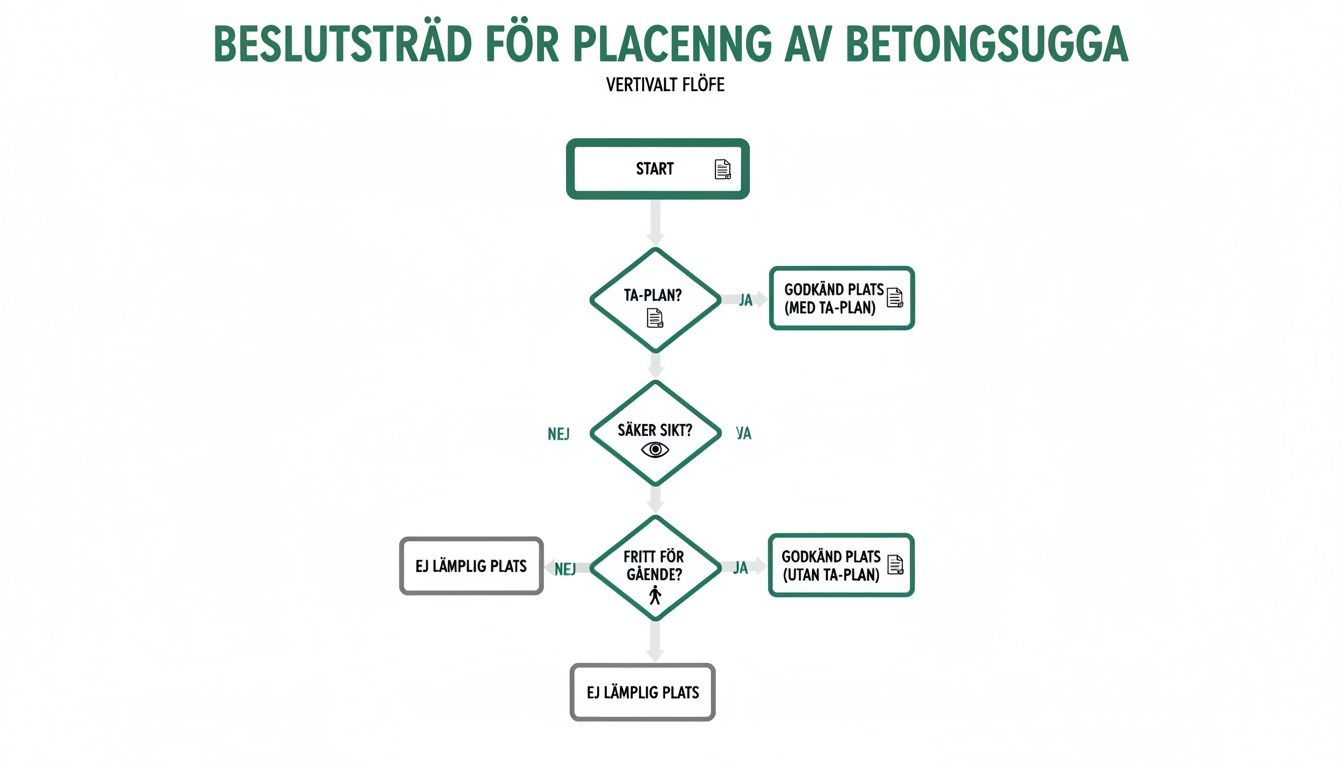
As the infographic shows, basic questions regarding the TMP, clear visibility and safety must always be resolved before the actual installation begins.
Flexibility for temporary needs
For very short-term and rapidly changing barriers, even a concrete barrier block can feel too heavy and cumbersome. Picture a one-day event such as a bike race or a market, where barriers need to go up and come down within a few hours.
In these cases, lighter, water-filled plastic barriers are often a more practical alternative. They are easy to transport and can be handled by a couple of people without heavy machinery. Once in place, they are filled with water to provide the necessary weight and stability. However, they do not offer the same impact protection as a concrete barrier block and are mainly intended for channeling crowds and lighter traffic.
Choosing the right product comes down to understanding your project’s unique conditions. Is aesthetics, mobility or raw strength most important? Every solution has its place.
Whether the best solution for you is a classic concrete barrier block, an elegant bollard or a flexible plastic barrier, we can help. Contact us for expert advice and we will make sure you get the right protection for the right purpose.
Installation, maintenance and expected service life
A concrete barrier block is a true long-term performer when it comes to safety. With proper handling, it can hold up for decades. Understanding the whole journey – from the first lift to the day it has served its purpose – is essential for getting maximum value and performance over time. The process is actually quite simple, but you must respect the weight and the material.
It all starts with a safe, correct installation. This is not something you handle on your own; the substantial weight requires heavy machinery.
Proper installation lays the foundation
Installing a concrete barrier block must be planned. The first step is to make sure the ground is stable and level enough to bear the weight. Placing a heavy concrete block on soft ground, such as clay or freshly excavated soil, is asking for trouble. It will inevitably cause the block to settle, start to lean and lose its function – and in the worst case, become a safety hazard.
The lift itself requires a crane truck or a wheel loader with sufficient lifting capacity. Safety during the lift is absolutely critical:
- Check the lifting equipment: Make sure slings and chains are in good condition and rated for the weight.
- Secure the area: No personnel should ever be under a suspended block. Period.
- Use the correct lifting points: Always lift by the cast-in lifting loops or fork pockets. This prevents damage and ensures a stable, safe lift.
Careless installation can not only damage the product but also endanger worker safety. Taking the time to prepare the ground properly and following safety procedures during lifting is the best insurance for a long, trouble-free service life.
Maintenance adapted to our climate
Concrete is extremely durable, but not completely maintenance-free – especially not in our Nordic climate. Road salt, frost and dirt wear on the surface over time. An annual inspection is an easy way to extend service life considerably.
Keep an eye out for cracks, especially after a harsh winter. Small, superficial cracks are usually just cosmetic. But larger cracks where water can penetrate should be repaired to avoid frost damage that can destroy the block from the inside.
Cleaning also makes a difference. Dirt and algae are easily washed off with a pressure washer. If the worst happens and someone has sprayed graffiti, there are special products that are effective without damaging the concrete.
Minor edge damage can often be repaired with repair mortar, but if the reinforcement is exposed or large pieces have broken off, it is usually time for a replacement.
Expected service life – and when it’s time to replace
A well-maintained concrete barrier block has an expected service life of 20–30 years, sometimes even longer depending on environment and wear. Signs that it has reached the end of its life are through-cracks, crumbling concrete where the aggregate comes loose, and visible, rusty reinforcement.
When this damage appears, the block has lost its structural strength. It can then no longer guarantee the protection it is intended to provide.
Replacing a worn-out concrete barrier block is a responsible step toward maintaining safety. If you have older barrier equipment and are unsure of its condition, or need help planning a new installation, you are welcome to get in touch. Our experts can help you assess your existing protection and recommend the best solutions for a safe future.
Frequently asked questions about concrete barrier blocks
Here we have gathered the most common questions about concrete barrier blocks. The answers are straightforward and simple, whether you are an experienced project manager or just curious about how these robust units work in practice.
What permits are needed to place a concrete barrier block?
On public land – such as streets, plazas or roads – you almost always need a permit from the road owner, usually the municipality or the Swedish Transport Administration (Trafikverket). The process generally involves preparing a traffic management plan (TMP) that must be approved. This plan is critical, as it describes in detail what the barrier should look like to ensure everyone’s safety.
On fully private land, however, where the public does not drive, a permit is rarely needed. But a good piece of advice is to always double-check with your municipality to be one hundred percent sure what applies in your particular case.
How much does a concrete barrier block weigh and how do you move it?
The weight varies enormously depending on the model. The smallest can be around 500 kg, while the largest barriers easily exceed 2.5 tonnes. It is precisely this massive weight that is the whole point – it provides effective impact protection.
Because of the weight, heavy machinery is a must. A crane truck or a wheel loader with pallet forks is the standard equipment for moving them. Most models are smartly designed with cast-in lifting loops or fork slots to make handling as safe and smooth as possible. Trying to move them without the right equipment is not only inefficient, it is downright dangerous.
Can you paint them or customize their appearance?
Absolutely! It is a smart way to either make them blend into their surroundings or, on the contrary, make them extra visible. They can be painted with reflective paint for better visibility in the dark or fitted with a company logo to strengthen your brand on a construction site.
For the paint to last, the surface needs to be prepared. Clean it thoroughly and apply a concrete primer before painting. The paint will then adhere properly and withstand wind and weather for a long time to come.
Need help choosing the right concrete barrier block or planning a safe barrier? Nordguard has both the know-how and the products to guide you, from initial idea to final delivery. Take a look at our range at https://nordguard.eu and contact us for personalized advice.
Ready to take the next step?
We help you develop solutions tailored to your needs. At Nordguard, we strive to make the ordering process as smooth as possible. By offering support and guidance throughout the entire purchasing experience, we make sure you feel confident and satisfied with your choice of protection products.+46 10 153 90 50
[email protected]