
Regulations and Standards for Impact Protection
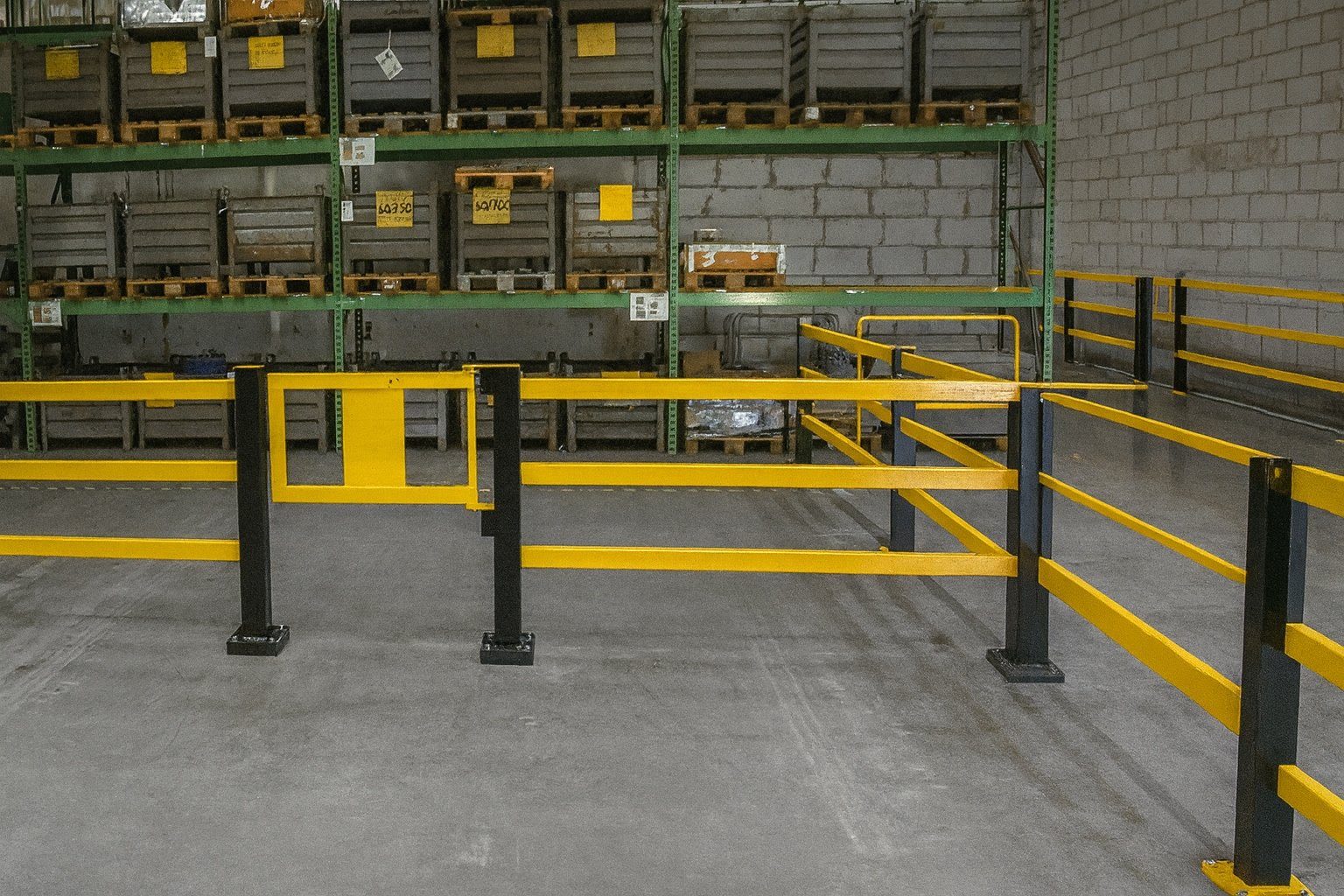
Impact protection plays a crucial role in creating safe work environments, especially in industrial facilities, logistics centers, parking garages and other places where vehicles and people interact. But which regulations actually govern how this protection should be designed and used? In this article, we go through the most important directives, standards and regulatory requirements you should be aware of.
CE Marking and the Machinery Directive
Impact protection can sometimes be classified as machine safety and is therefore covered by the EU Machinery Directive (2006/42/EC). This means that products affecting safety around machinery must be CE marked and meet the applicable requirements. However, impact protection is rarely CE marked as standard, since it is not always considered part of a machine but rather a passive safeguard.
EN Standards That Affect Design
There are several relevant EN standards that can serve as guidance when planning impact protection. Some examples are:
- EN ISO 14120: Safety of machinery – General requirements for the design and construction of fixed and movable guards
- EN ISO 13857: Safety distances to prevent hazard zones being reached by body parts
- EN 15512: Storage racking and design requirements, indirectly affects the choice of protection
Requirements from the Swedish Work Environment Authority
In Sweden, the Swedish Work Environment Authority (Arbetsmiljöverket) refers to AFS regulations governing workplace safety, including requirements to prevent accident risks from, for example, forklift traffic. Employers are required to carry out risk assessments of the work environment and, when necessary, install impact protection to minimize damage and injuries.
Guidelines from Property Owners and Insurance Companies
Insurance companies and property owners may have their own guidelines for how protection should be designed in warehouses, parking areas and industrial zones. Clear documentation of the products’ strength, material and maintenance requirements is often requested.
Summary
There is no single law that specifies exactly what impact protection should look like, but by following applicable standards and carrying out thorough risk assessments, you create a safe environment that holds up against legal requirements and insurance terms.
Frequently Asked Questions
No, most are not, but they can still meet relevant safety standards.
The Swedish Work Environment Authority’s risk assessment requirements apply, often supplemented by standards such as EN 15512 and internal policies.
Ready to take the next step?
We help you develop solutions tailored to your needs. At Nordguard, we strive to make the ordering process as smooth as possible. By offering support and guidance throughout the entire purchasing experience, we make sure you feel confident and satisfied with your choice of protection products.+46 10 153 90 50
[email protected]