
Barrier Tape: Your Guide to Safety and Making the Right Choice
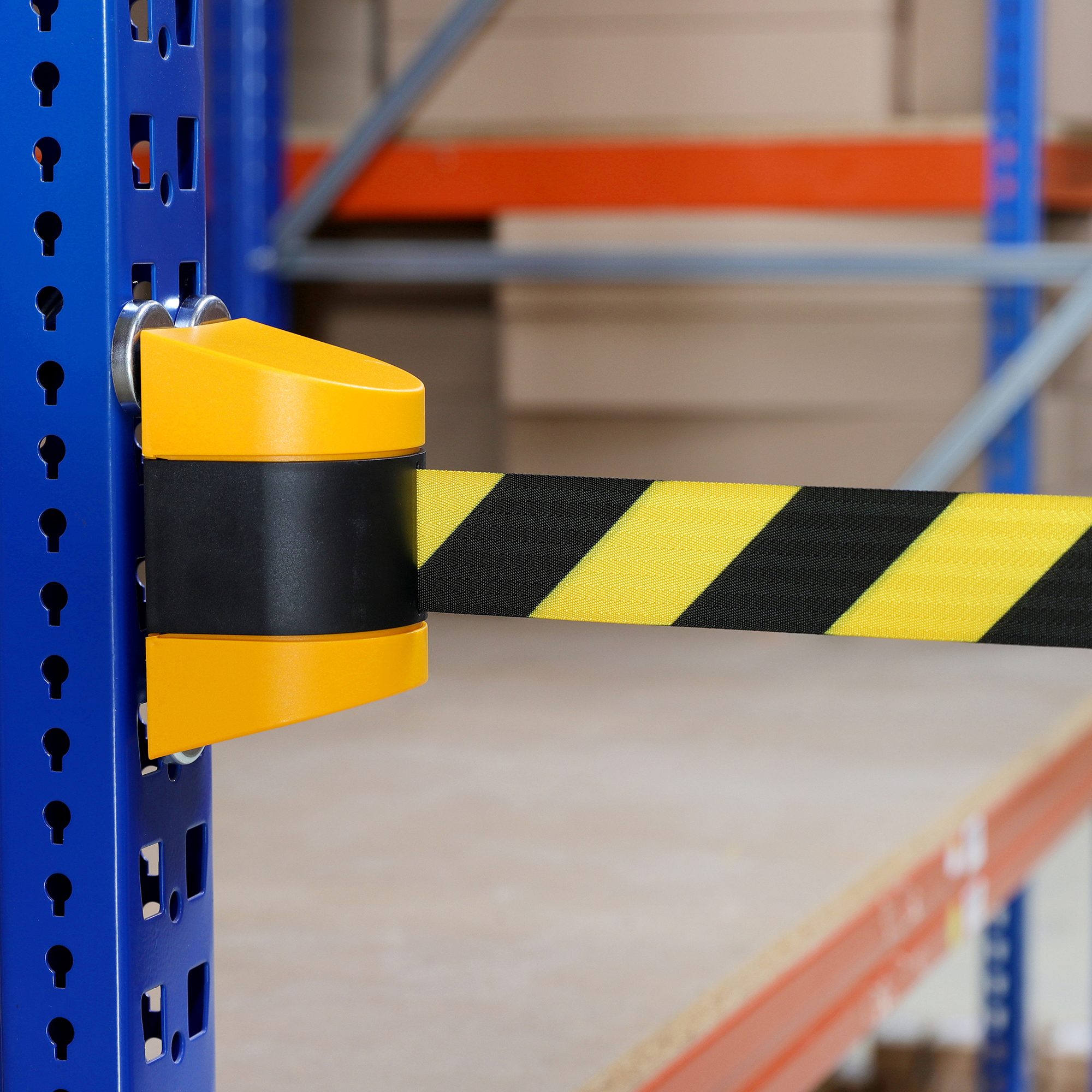
Barrier tape is much more than just a brightly colored strip of plastic. It is one of the most basic and cost-effective tools we have for creating order and safety. At its core, it is a visual barrier that quickly and clearly communicates boundaries, warns of hazards and guides people in the right direction in all kinds of environments.
More Than Just Plastic – an Indispensable Safety Tool
Think of barrier tape as a silent guard. A simple yet incredibly powerful solution that protects both people and property by communicating without a single word. Whether the task is warning of a freshly dug pit on a construction site or smoothly guiding thousands of concertgoers, using it correctly is essential to preventing accidents and chaos.
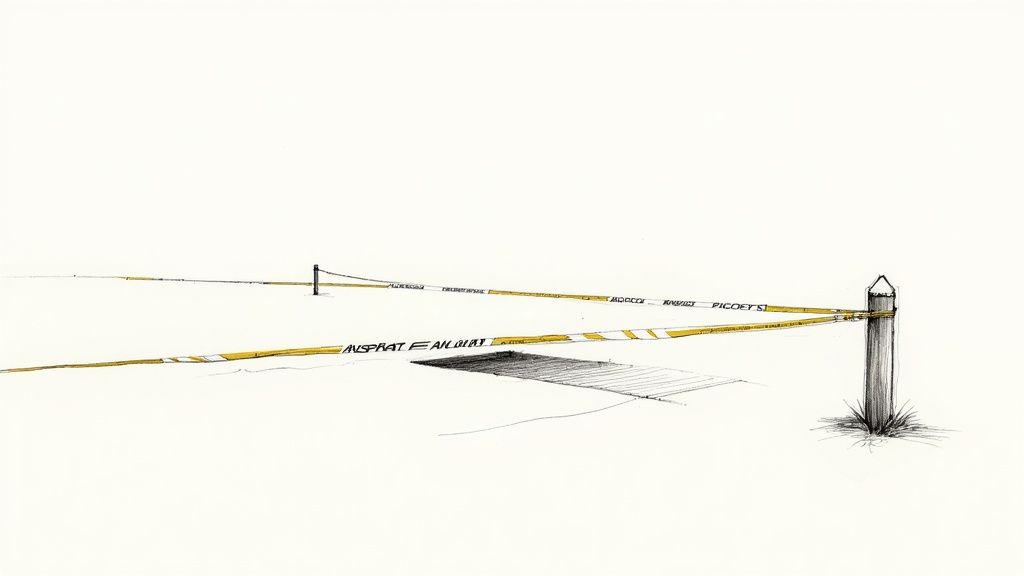
In fact, properly installed tape is one of the most cost-effective safety measures you can take. It acts as an immediate visual signal that the brain interprets in a fraction of a second. We see the tape and instinctively understand that we should stay away or follow a certain path.
Why Barriers Are So Critical
The need for clear boundaries exists almost everywhere in society. Some of the most common situations where barrier tape is absolutely indispensable are:
- Construction sites: To mark hazardous zones, protect the public from ongoing work and keep unauthorized people out.
- Road work: To redirect traffic, protect road workers and warn drivers of obstacles.
- Public events: To organize lines, separate different sections and manage large crowds safely and securely.
- Accident scenes: To secure an area so that emergency services and police can work undisturbed and protect any evidence.
The idea of physically cordoning off areas is nothing new. During World War II, starting in September 1939, Sweden carried out an extensive mobilization to protect the country through cordons and armed neutrality. This basic principle lives on today, with authorities using modern barrier tape according to strict rules. The police use blue and white tape bearing the text 'POLIS AVSPÄRRAT' under the Swedish Code of Judicial Procedure 27:15, while the Rescue Services use red and yellow under the Civil Protection Act (LSO) 6:2 §. Crossing these barriers can result in fines. You can read more about the historical and legal background here.
For a barrier to truly work, it must be visible, stable and respected. Slack or poorly placed tape quickly loses its authority and risks being ignored. That is why a robust installation with the right accessories is absolutely essential.
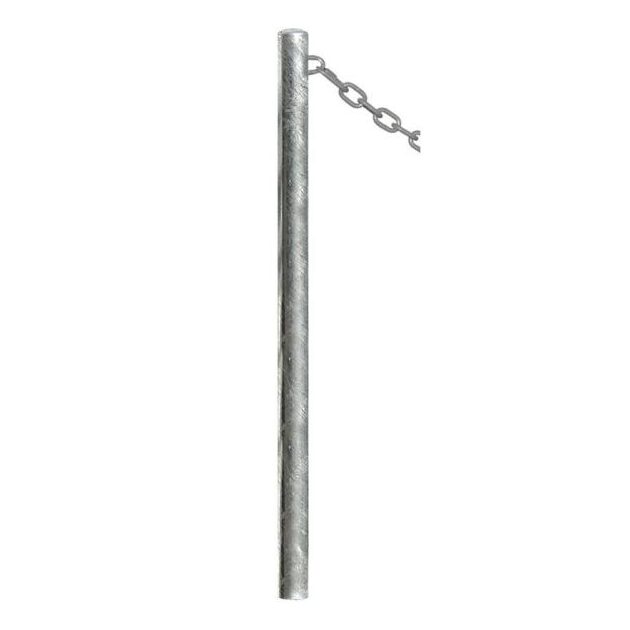
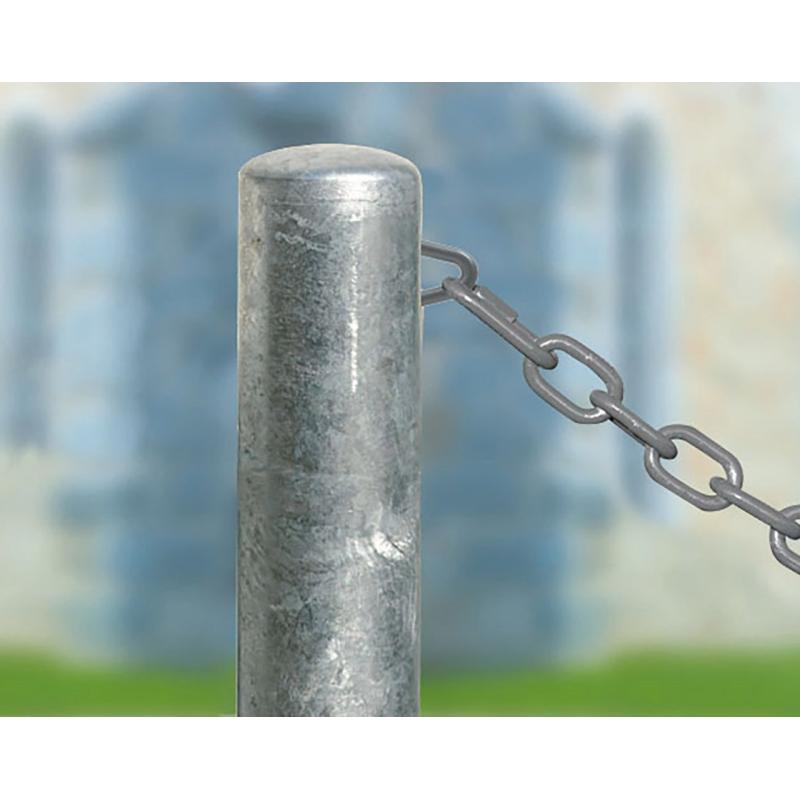
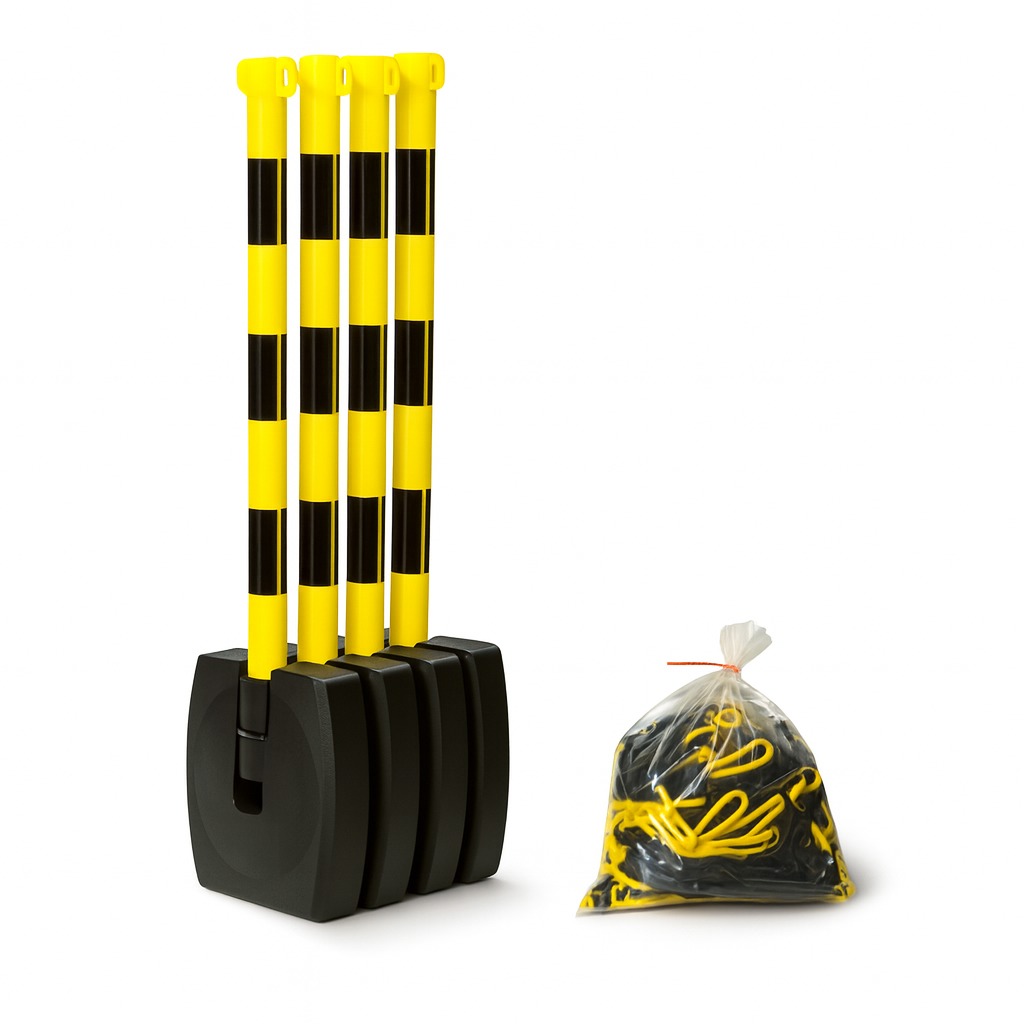
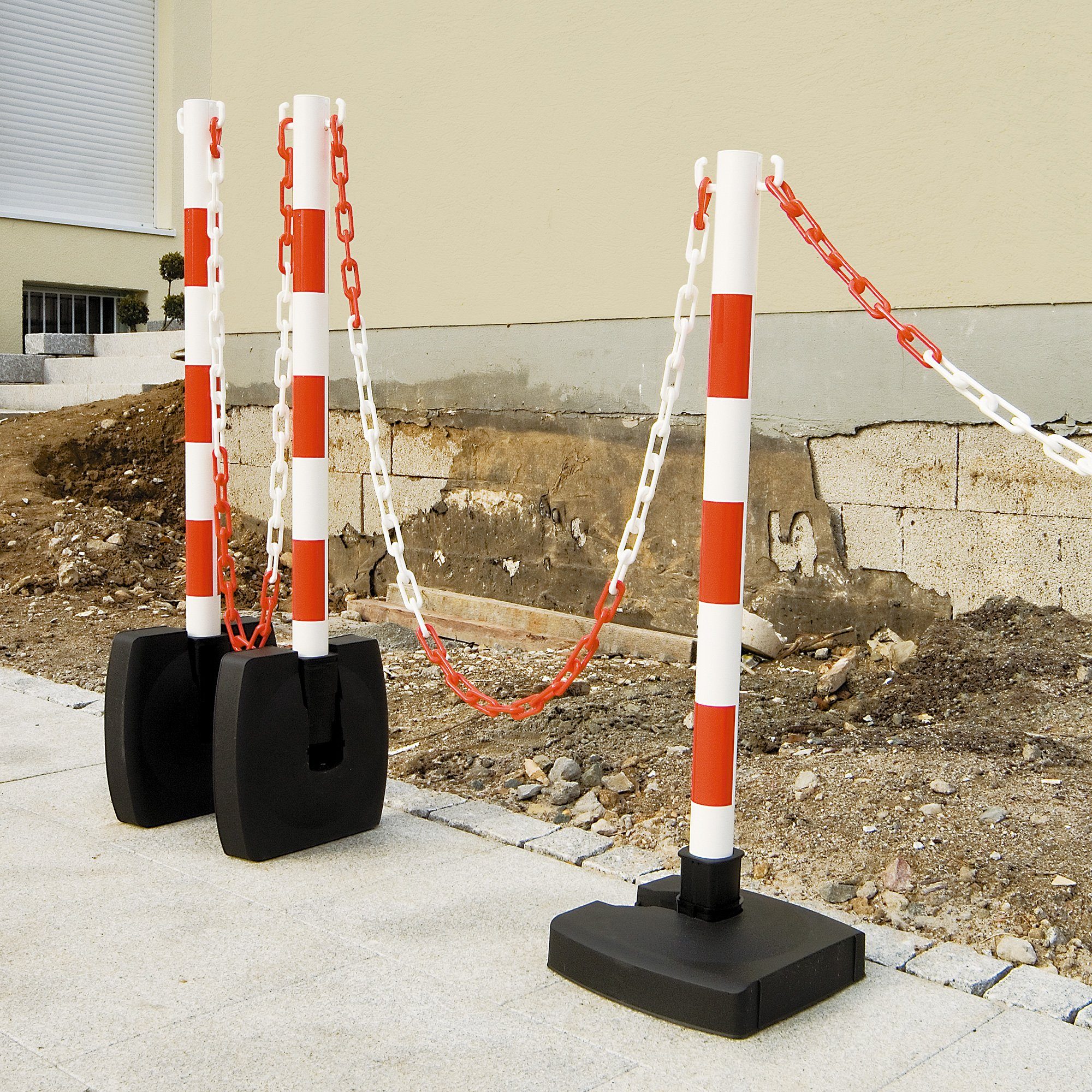
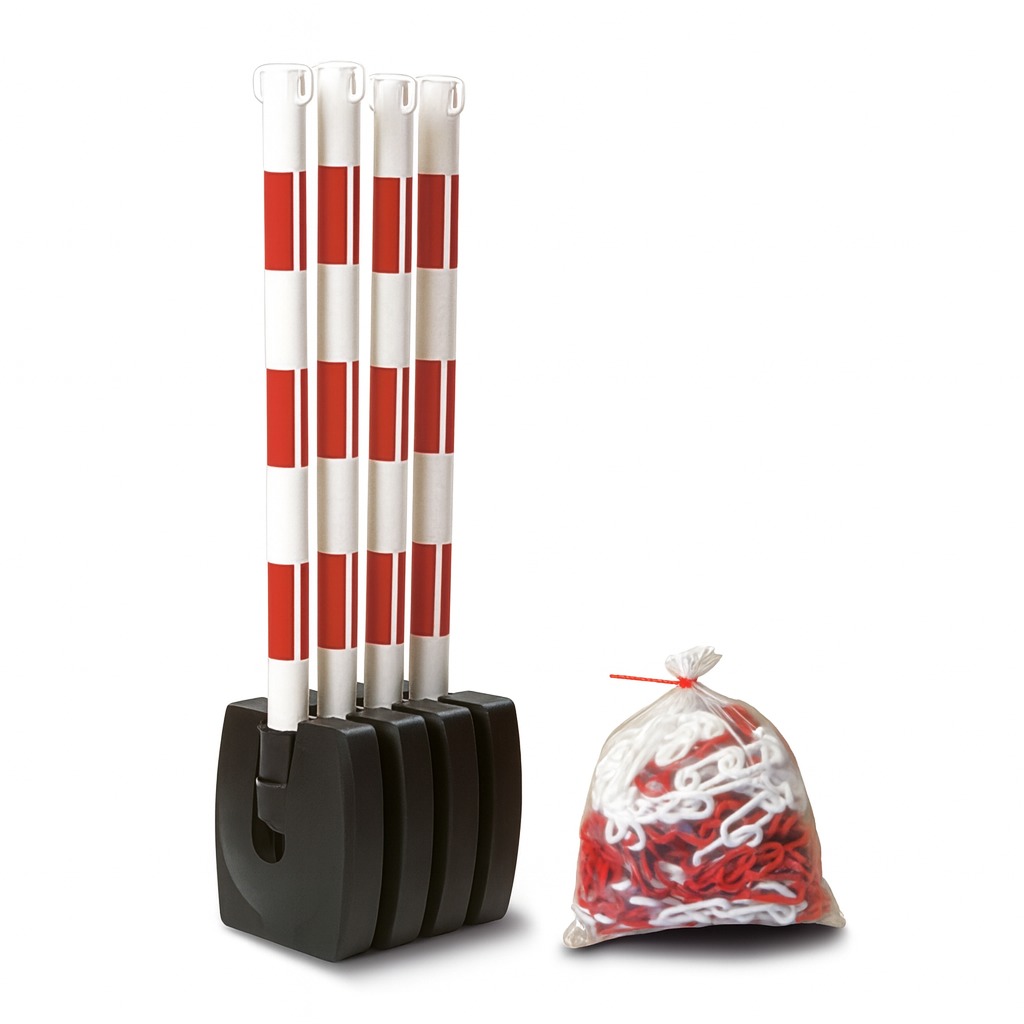
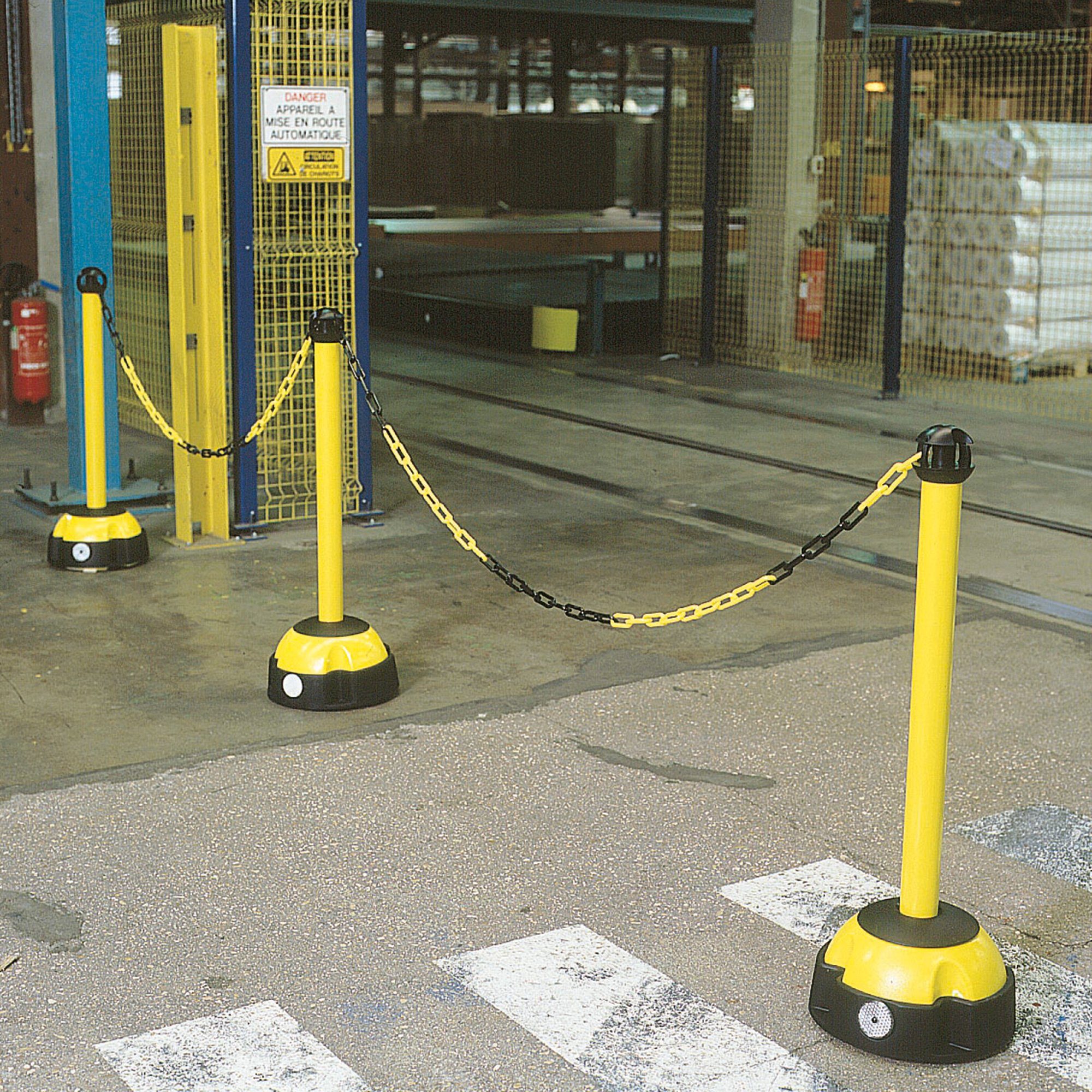
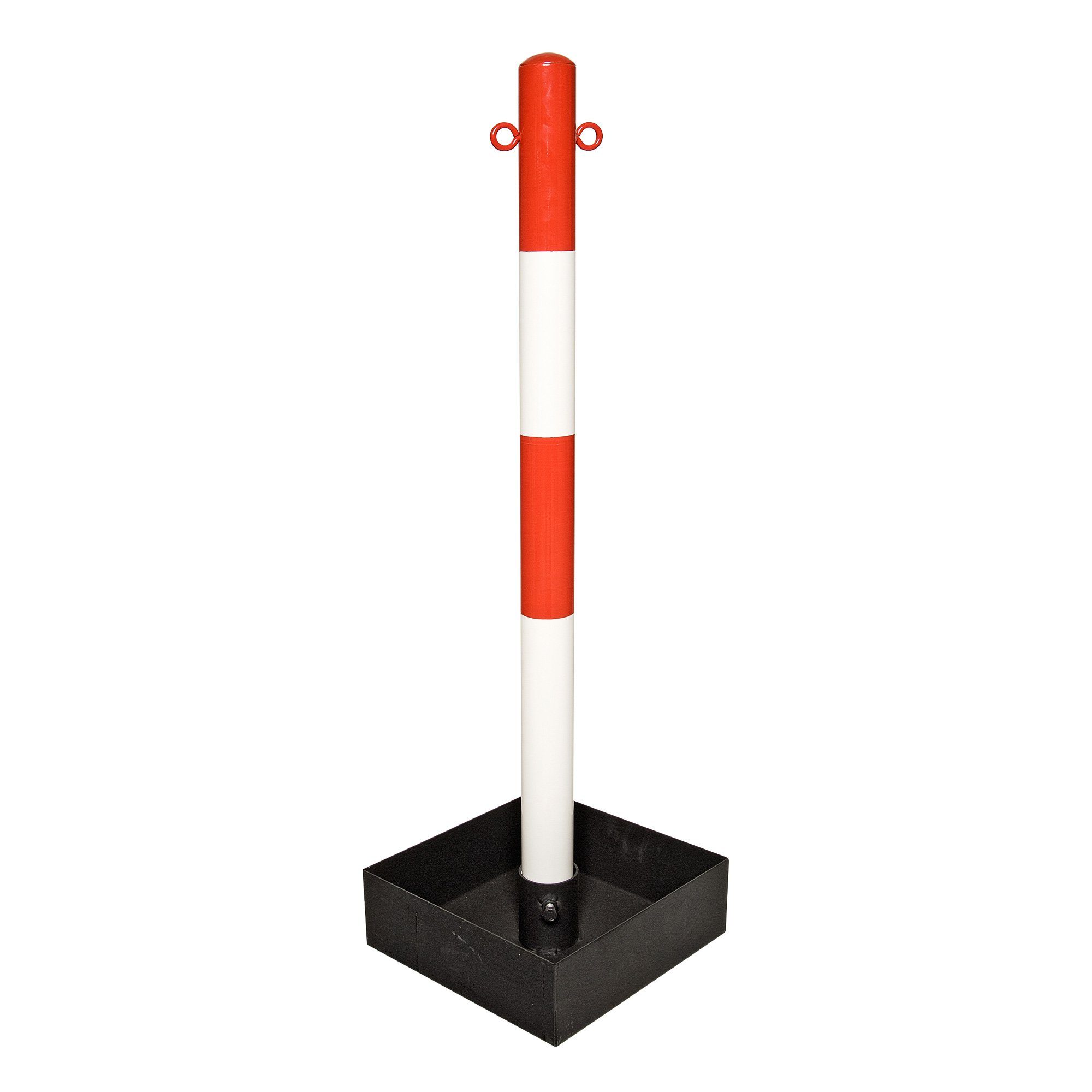
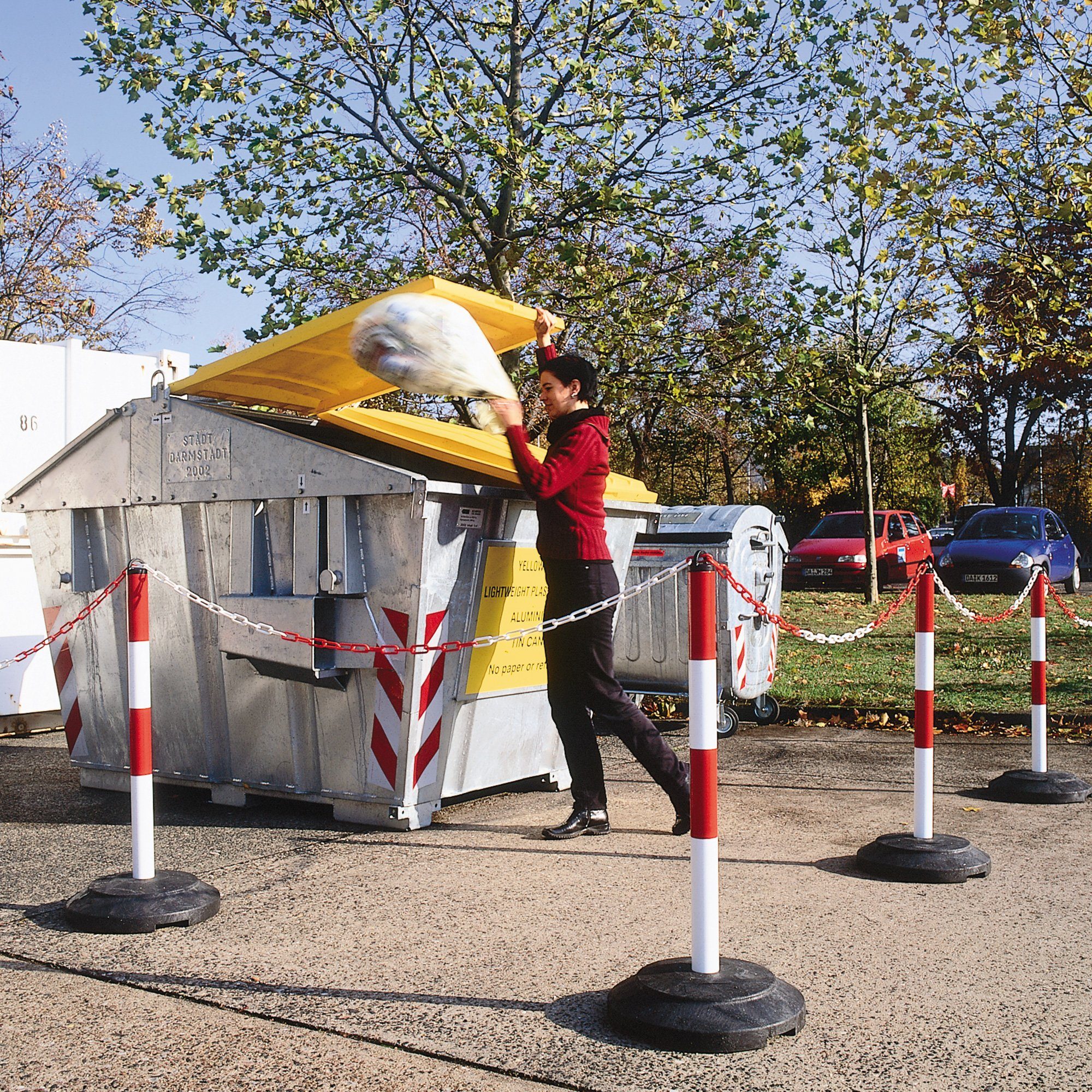
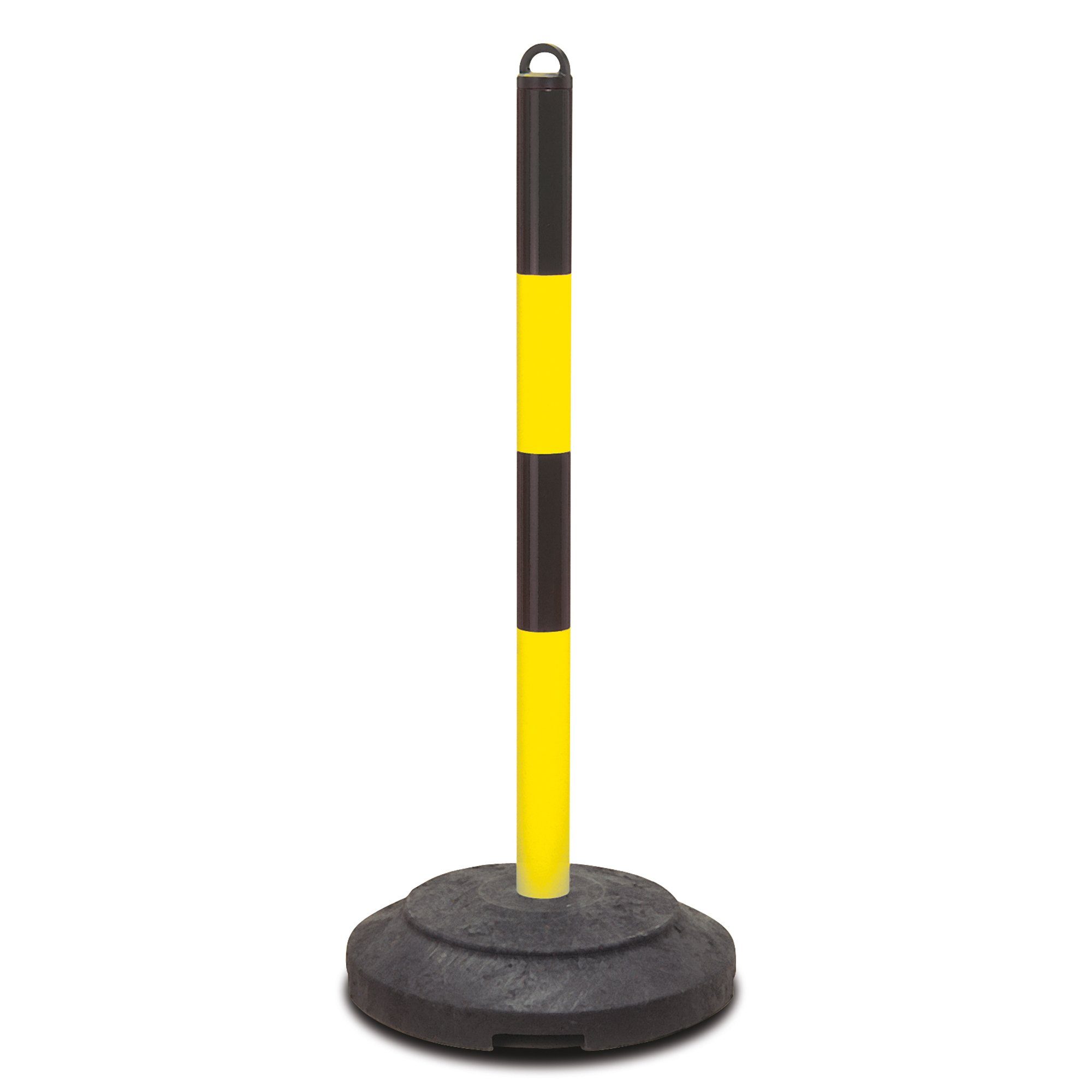
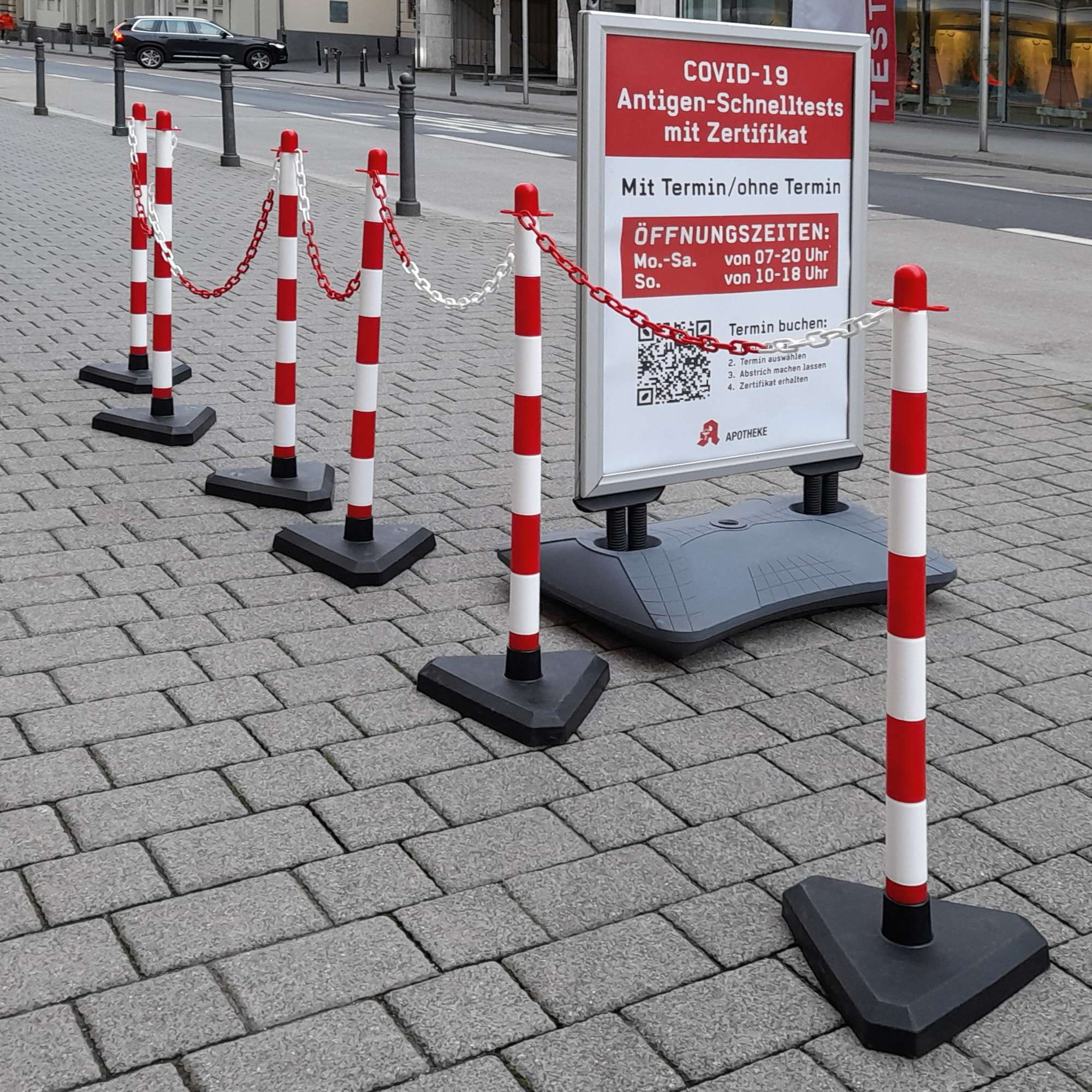
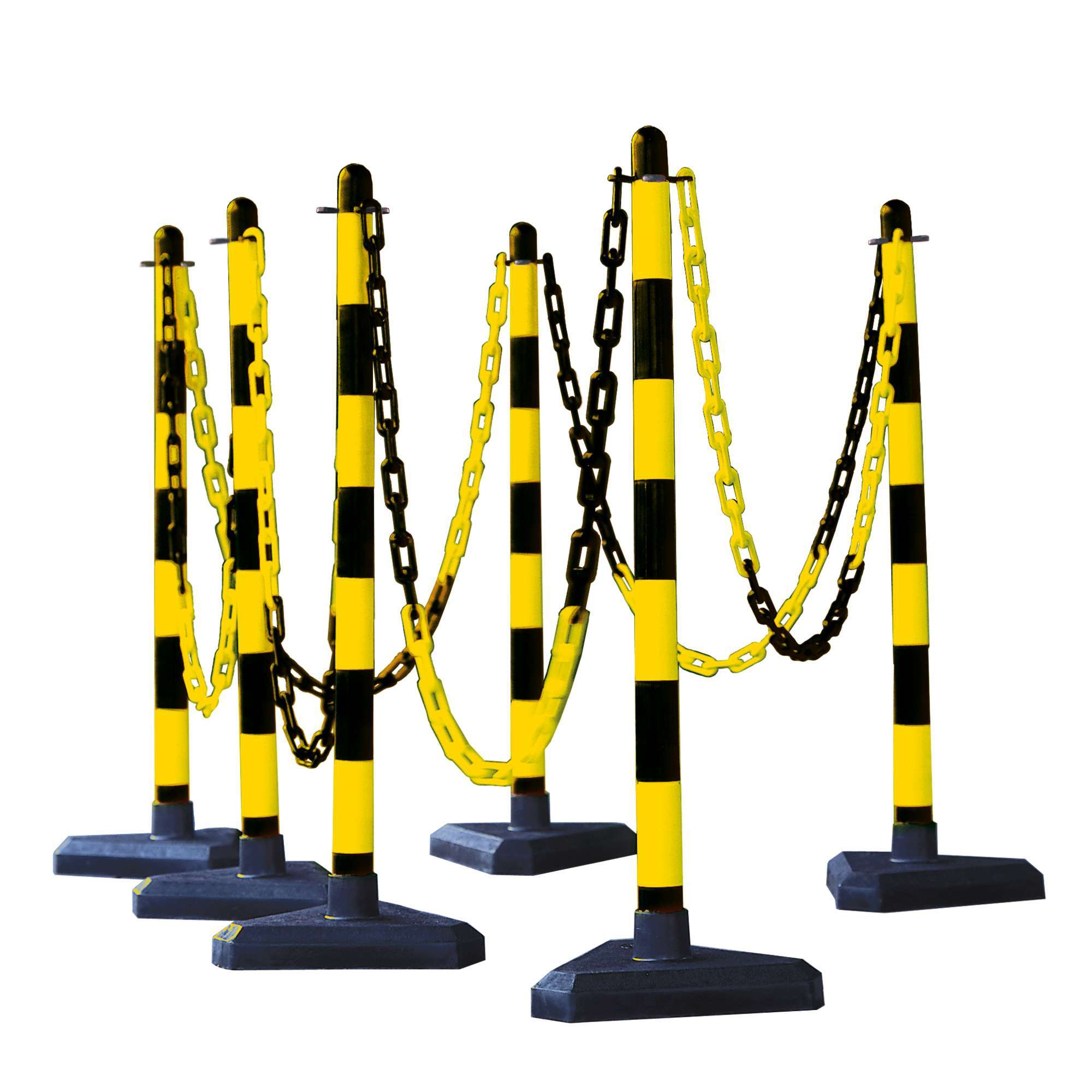
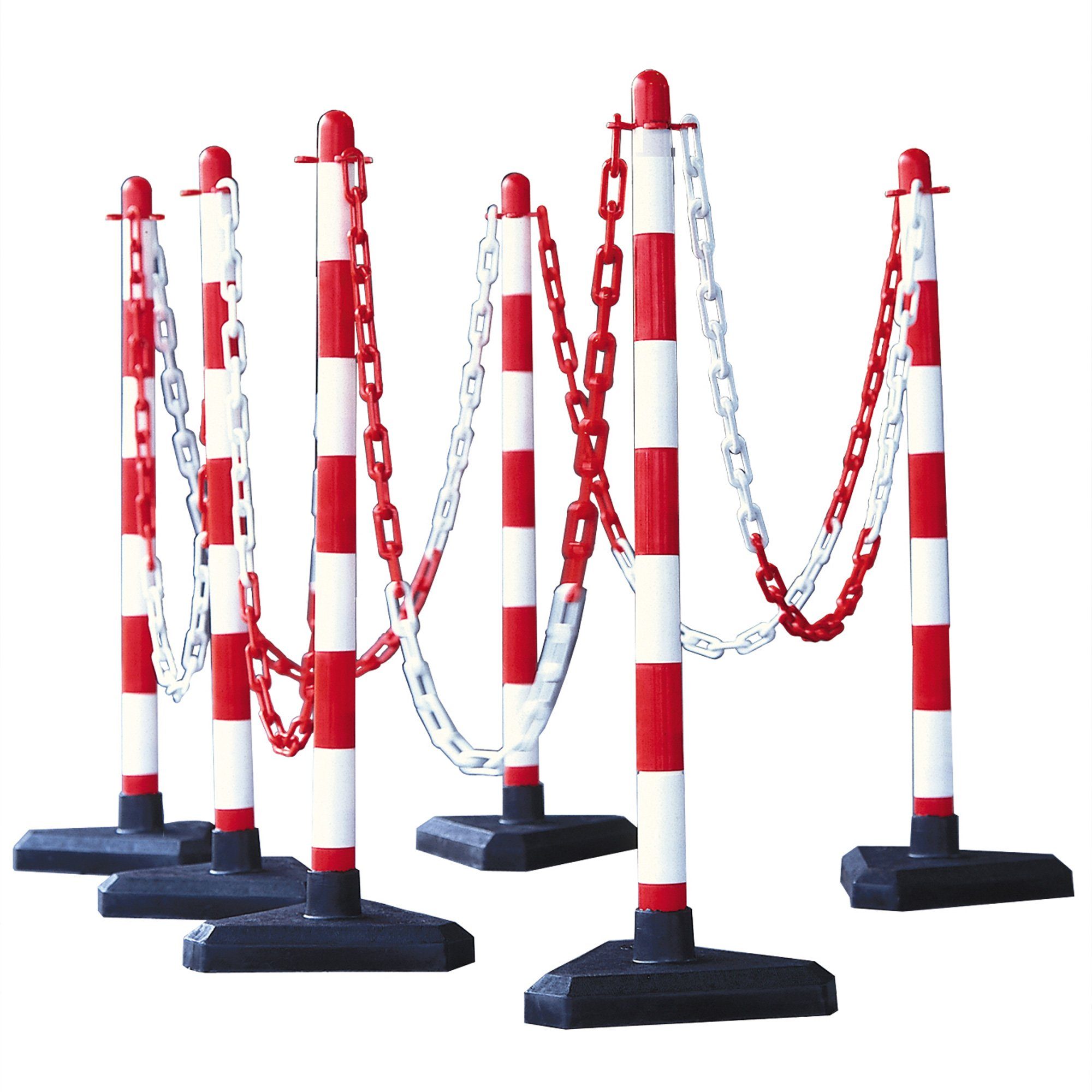
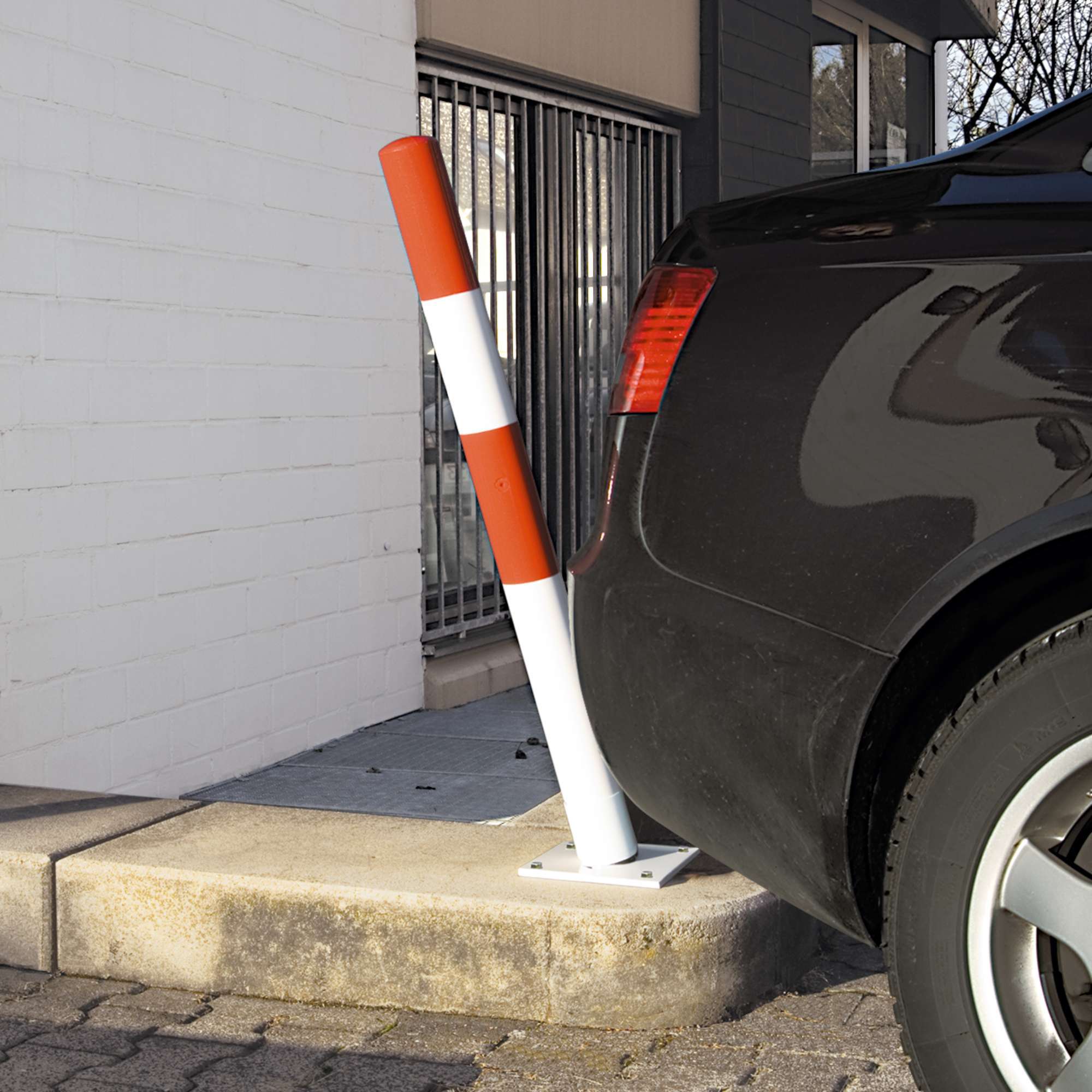
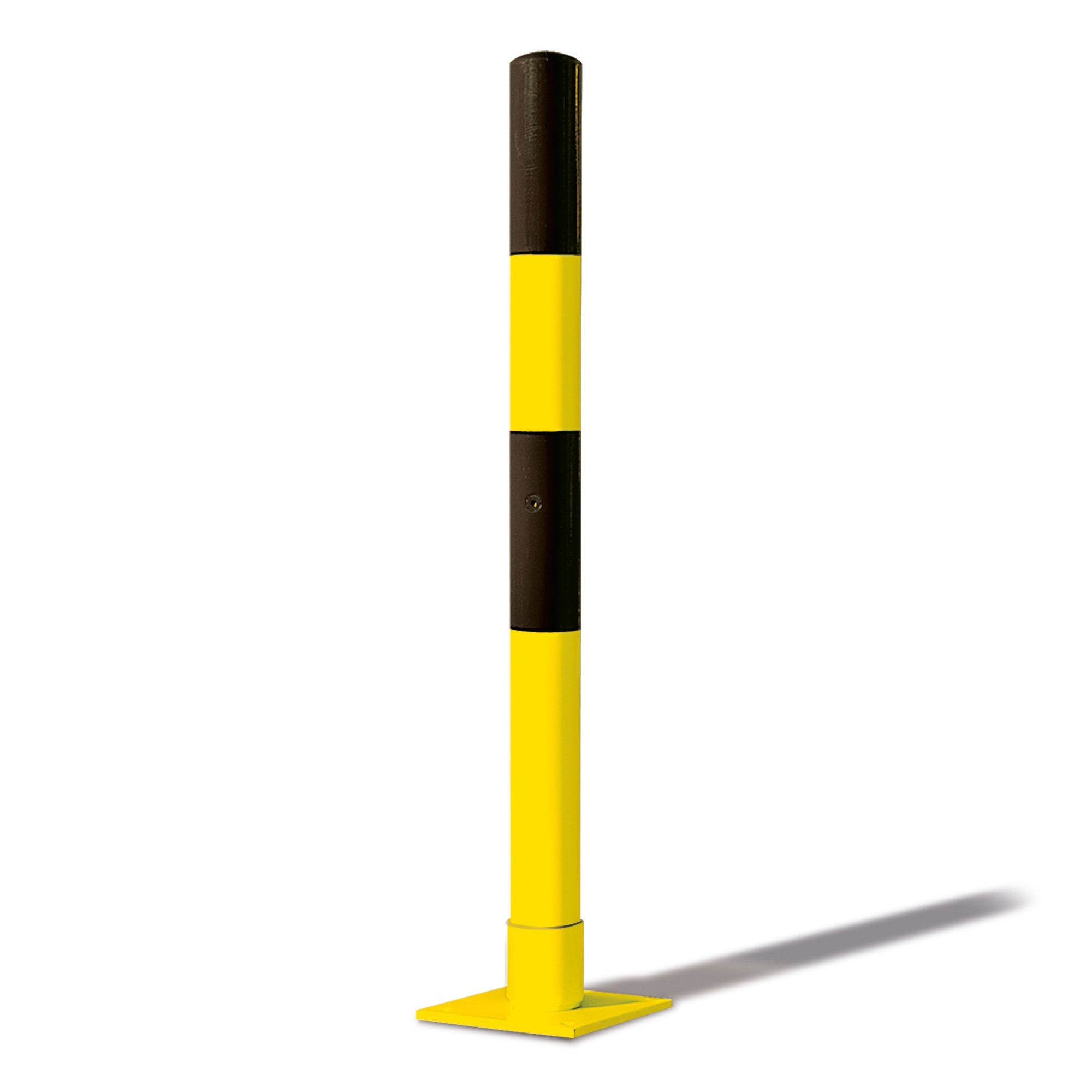
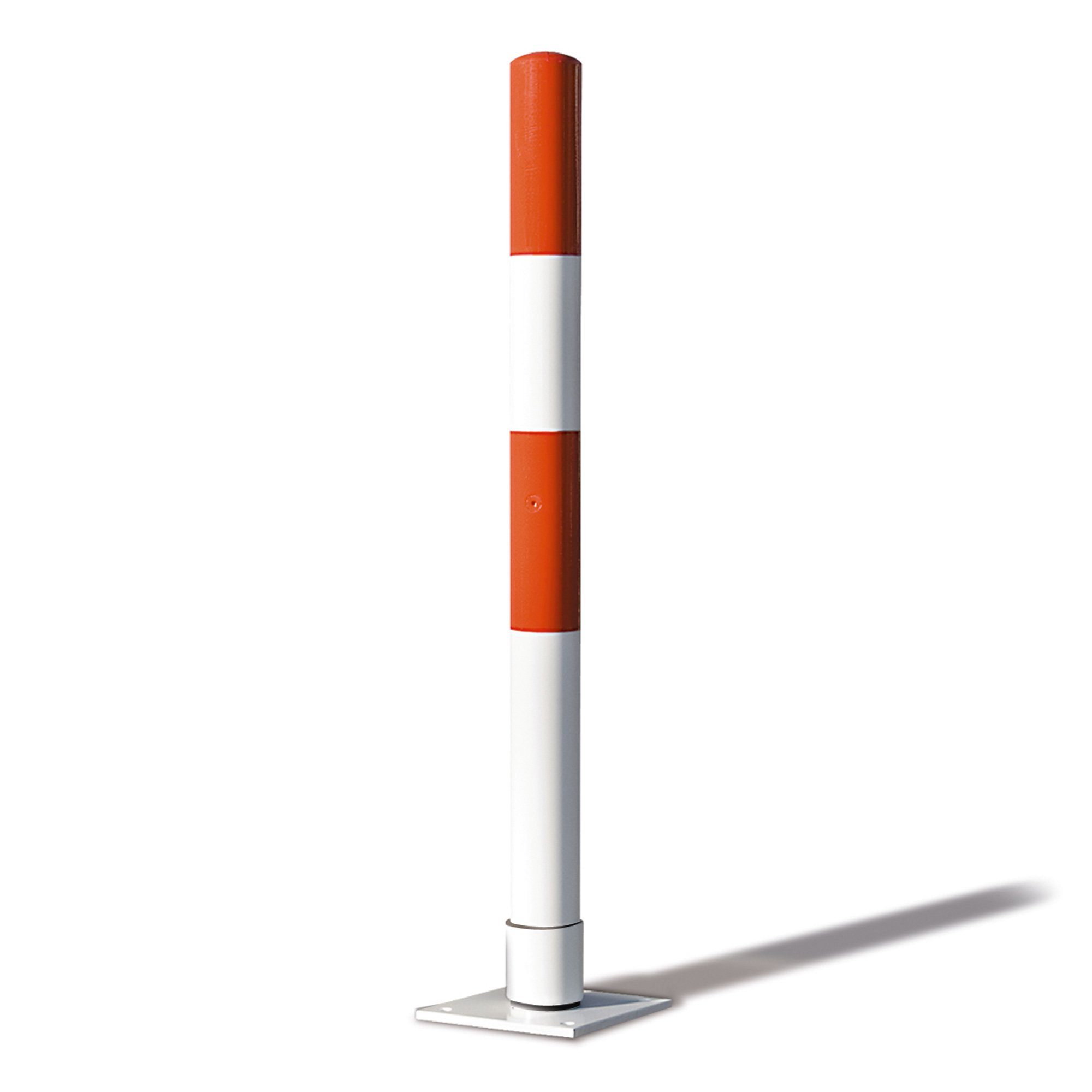
For a more permanent and professional installation, it is always a good idea to complement the barrier tape with sturdy barrier posts. They keep the tape taut at a consistent and visible height, creating a much clearer and more durable barrier that stands up to wind and weather.
Facing a challenge that calls for a custom solution? Don’t hesitate to contact us for expert help, and we’ll find the right products for your specific needs.
 Black/Yellow
 Red/White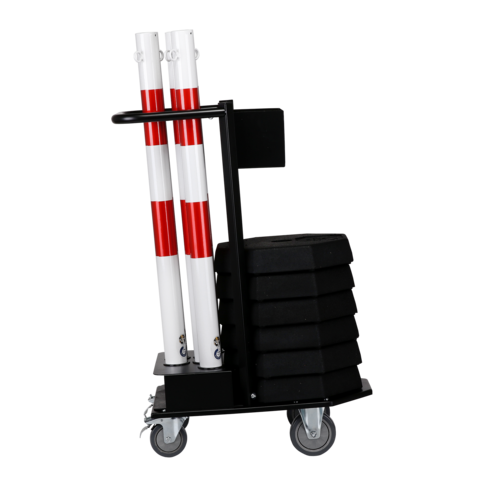
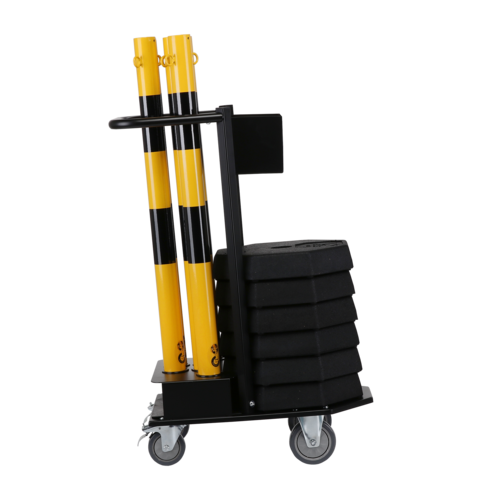
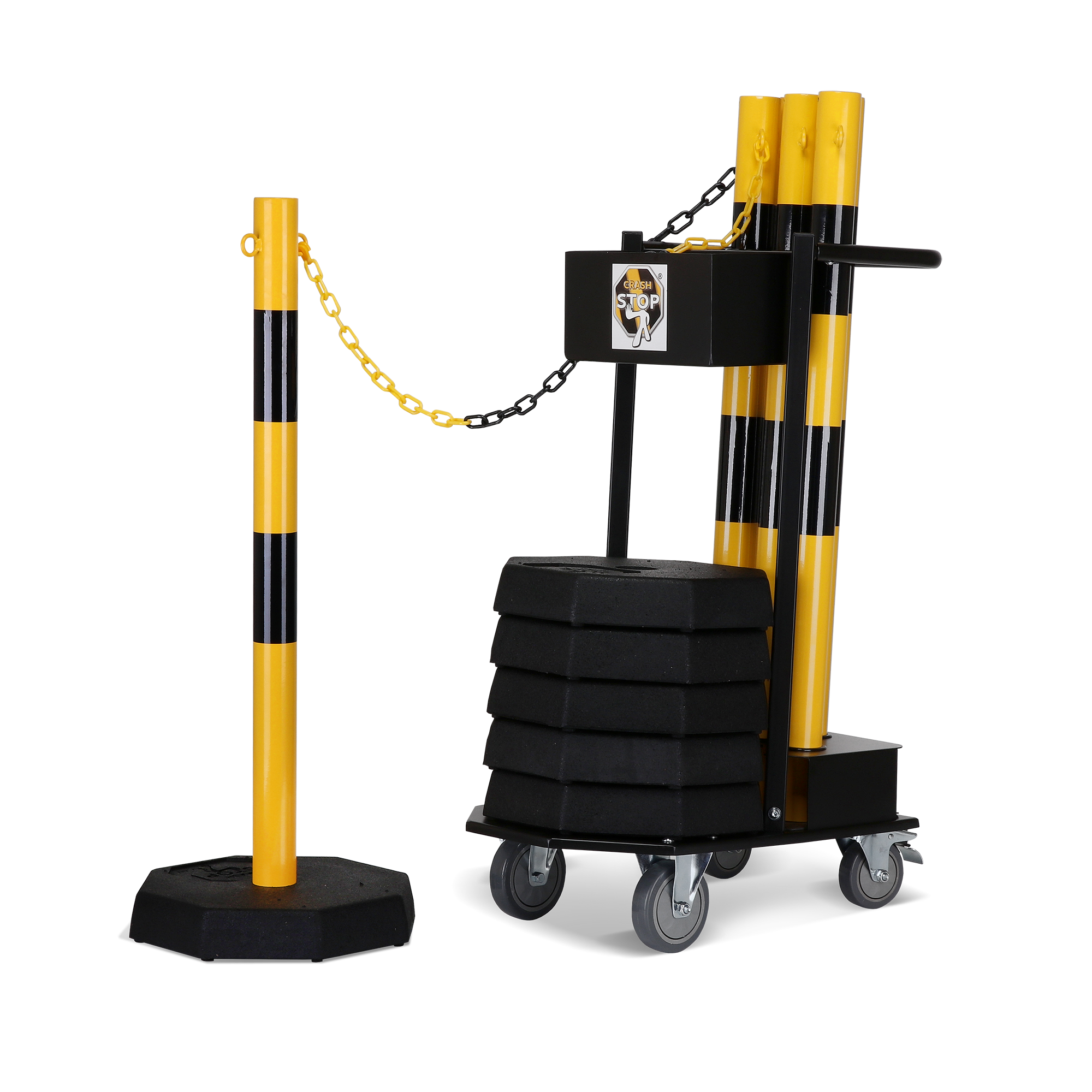 Black/Yellow
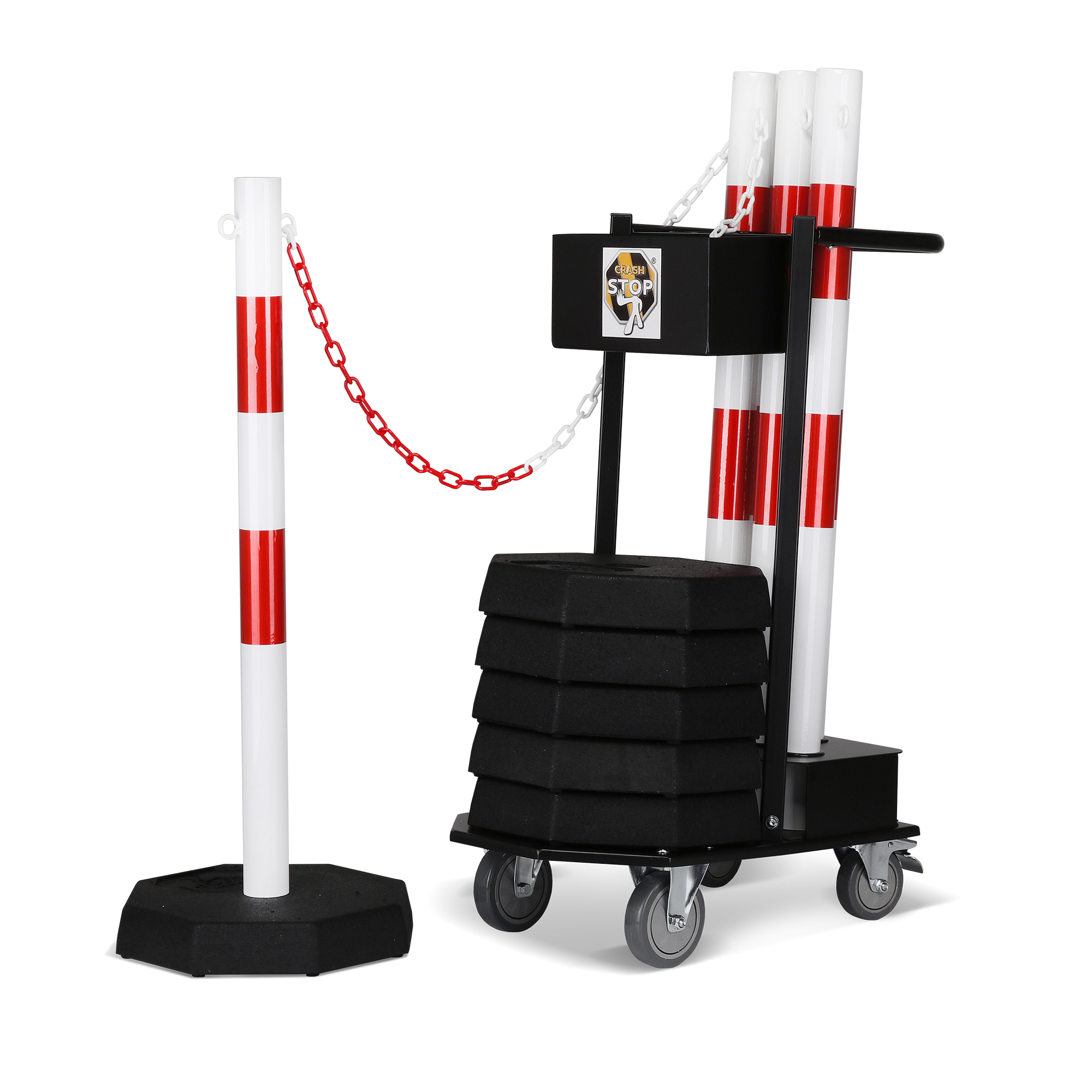 Red/White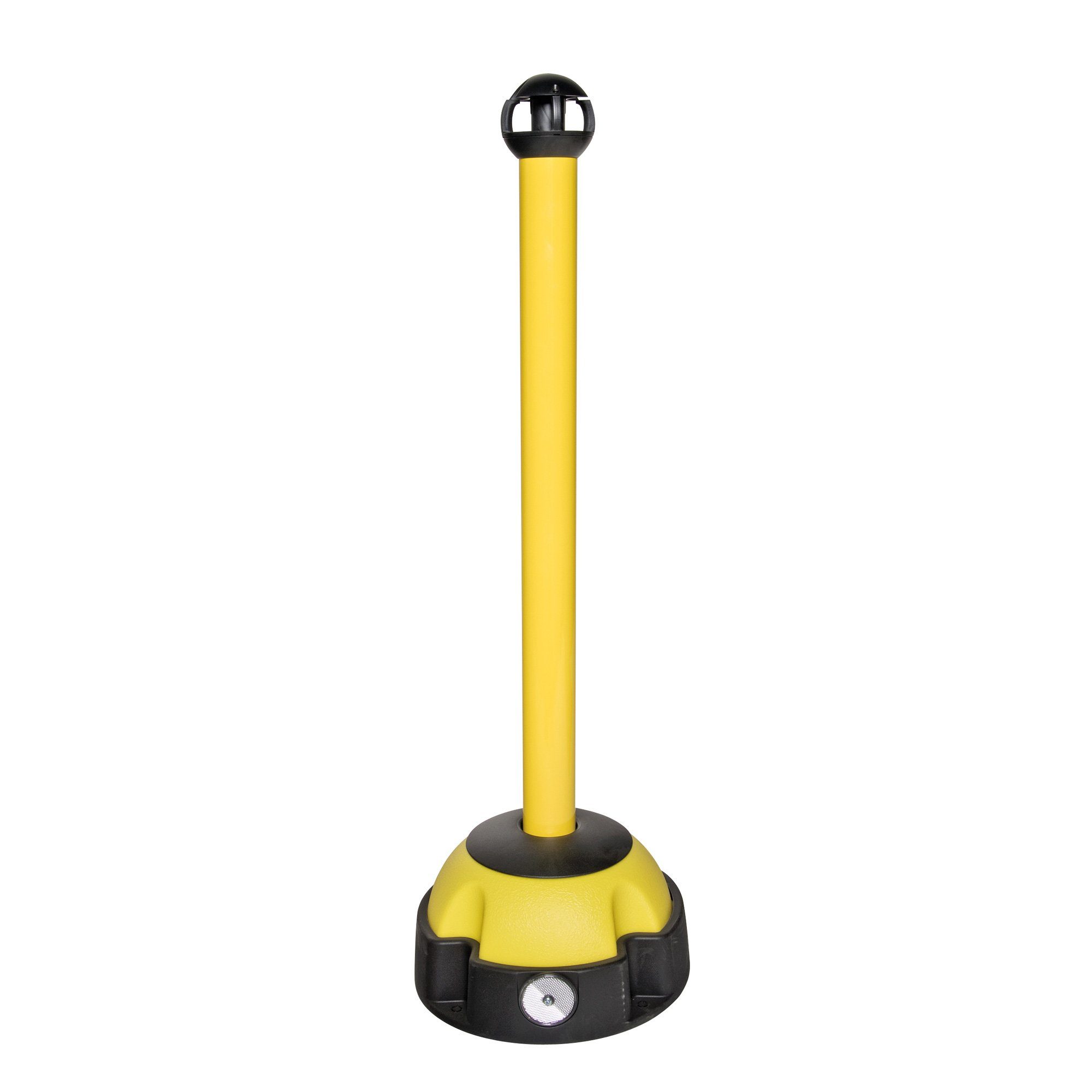
 Black/Yellow
 Red/White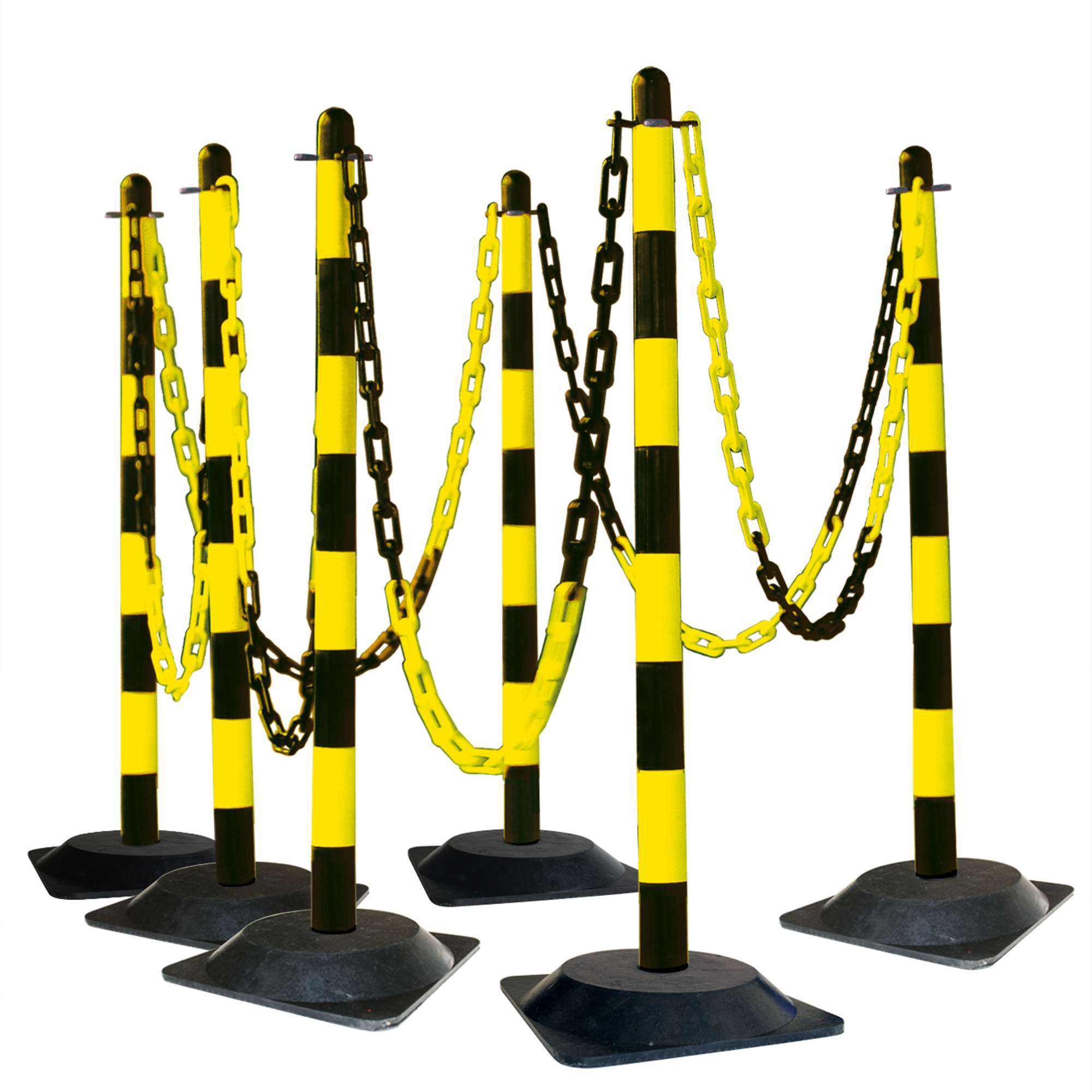
 Black/Yellow
 Red/White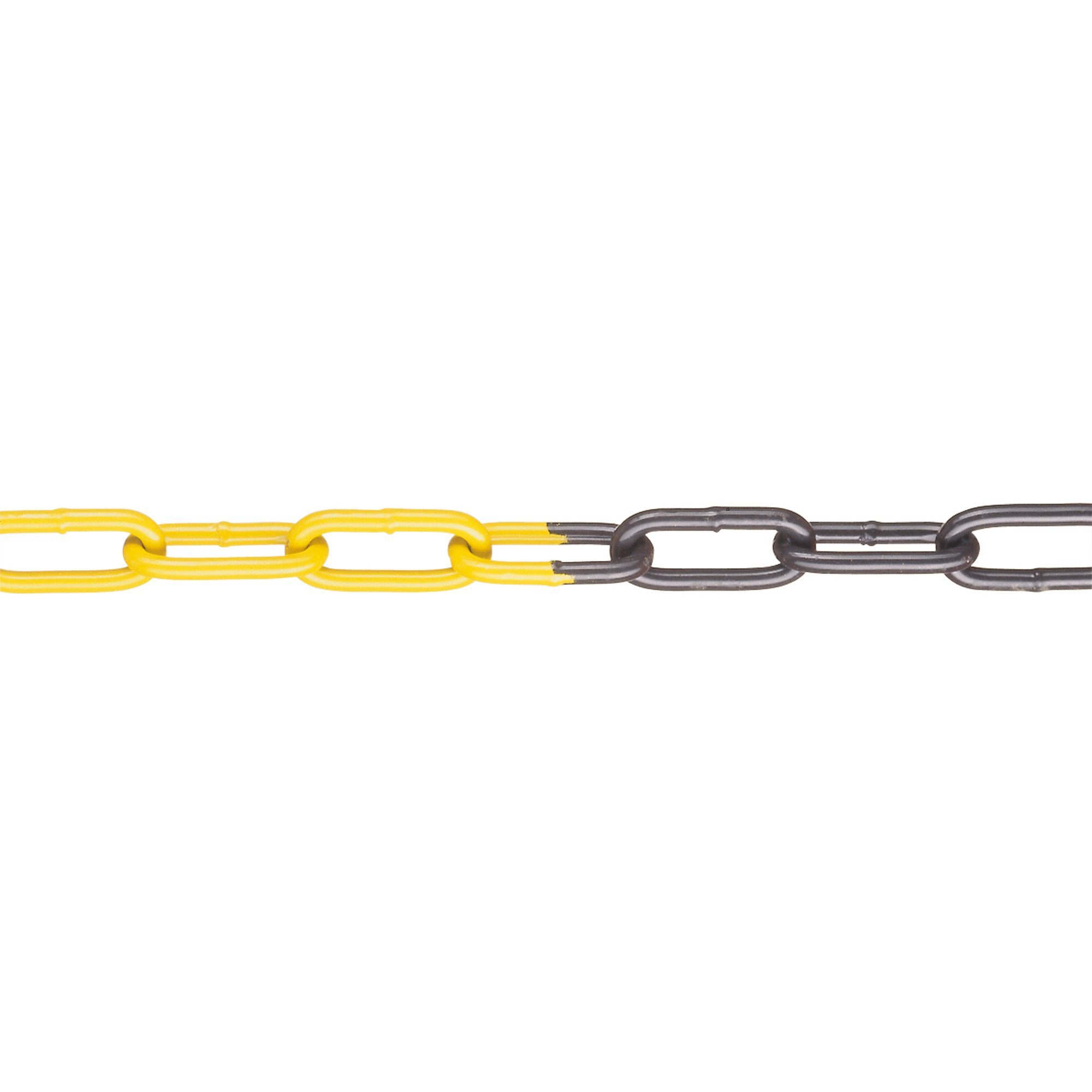
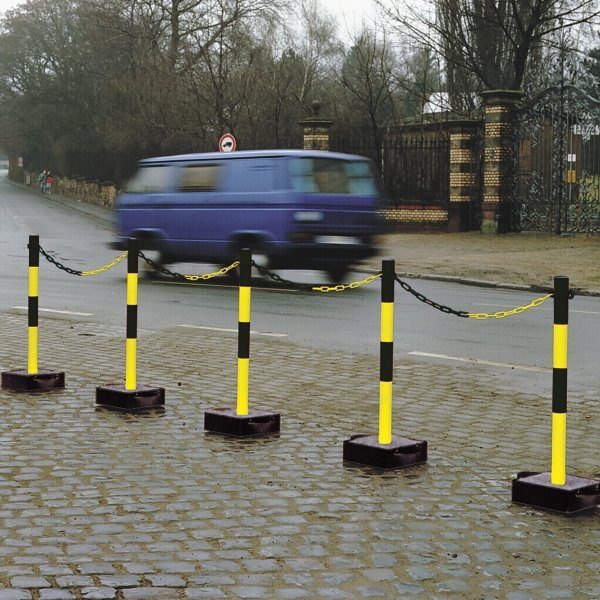 Black/Yellow
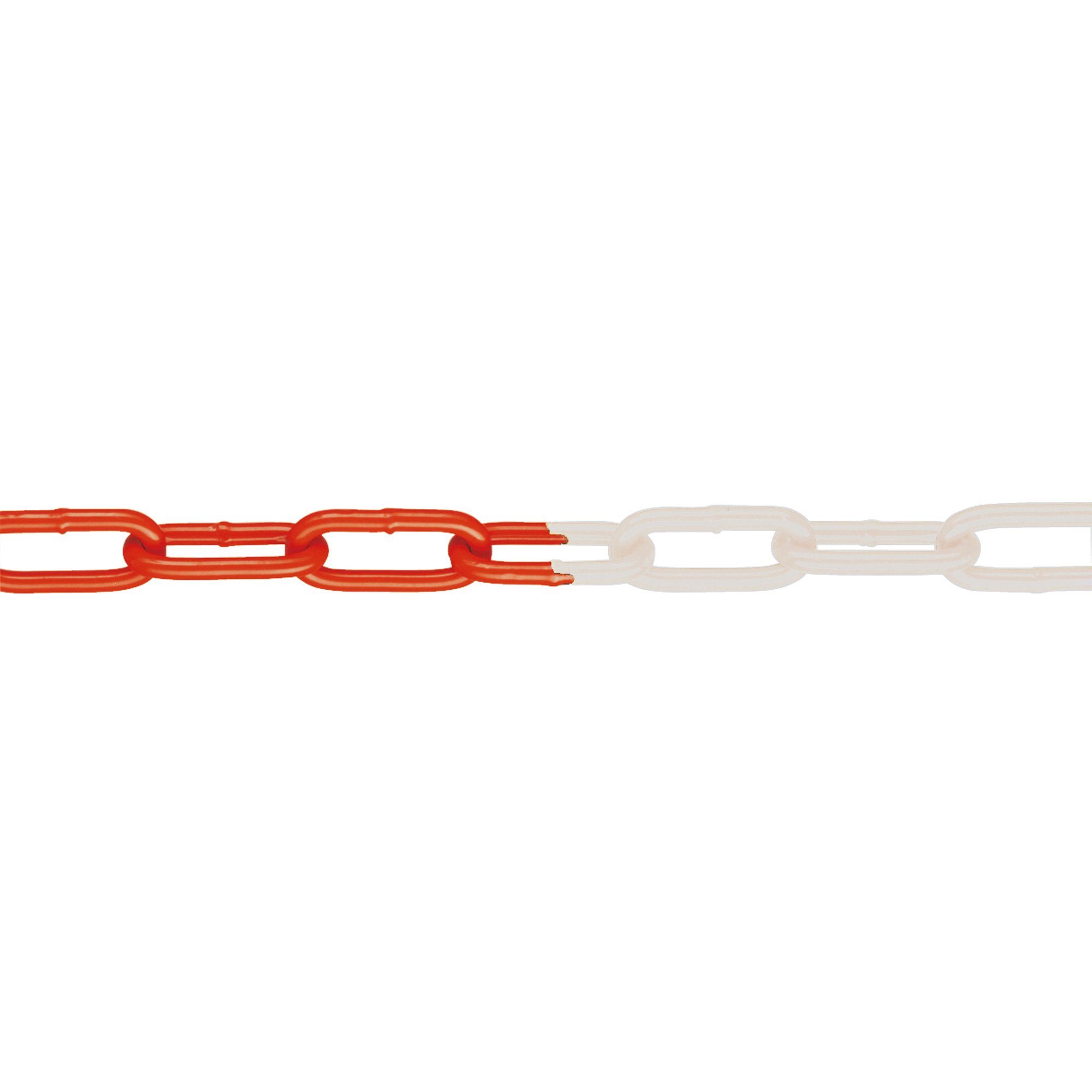 Red/White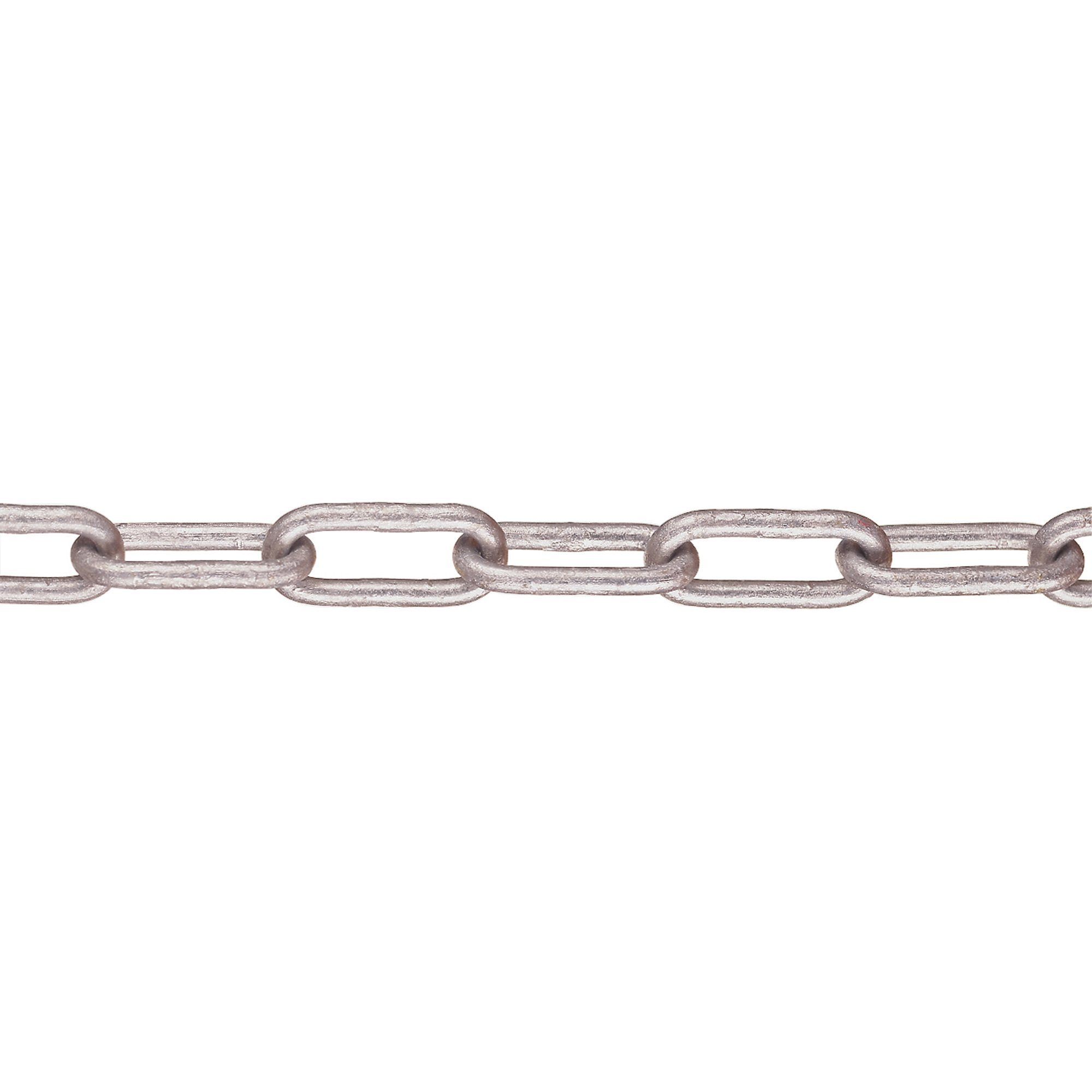
 Silver gray
Choosing the Right Barrier Tape for Your Project
Choosing barrier tape is about more than just picking a roll in a nice color. It is a decision that directly affects safety and efficiency at your workplace. Think of it as a tool – just as a carpenter doesn’t use a hammer to saw, you wouldn’t choose a thin plastic tape for a barrier that needs to withstand wind and weather for months.
The wrong choice can cause the barrier to tear prematurely, lead people to misunderstand the message or, in the worst case, be ignored entirely. To avoid these pitfalls, you need to know what options are available and when each works best.
Material Choice Is the Foundation of Durability
It all starts with the material. It determines how long your tape will last and how well it stands up to rain, wind and sunlight.
- Standard tape (polyethylene/PE): This is the most common and affordable workhorse. Perfect for shorter jobs such as a one-day event, temporary road work or quickly securing an accident scene. It is easy to handle but has a limited service life, especially outdoors.
- Woven/reinforced tape: When you need a barrier that will stay up for weeks or months, woven tape is the obvious choice. It is far more durable, withstands harsher weather and is hard to tear. Ideal for long-term construction projects where you want to set up the barrier once and then be able to rely on it.
- Biodegradable tape: For environmentally conscious projects, such as temporary barriers in nature reserves or during forestry work, biodegradable options are available. The tape breaks down over time without leaving lasting traces in nature, making it a responsible choice.
The choice of material is therefore directly linked to how long and in what environment the barrier will be used. The right product from the start saves both time and money, since you won’t have to keep replacing torn tape.
The Language of Colors – More Than Just Decoration
The colors on barrier tape are a universal signaling system. They send a message in an instant, long before anyone has time to read any text. Understanding and respecting this color code is absolutely essential to avoid creating confusion or danger.
Using the wrong color can be downright misleading. For example, using blue and white tape, which is reserved for the police, can cause total confusion and undermine both your own authority and that of the police.
To make it easier, we have created an overview comparing different materials and their typical applications, advantages and disadvantages.
Comparison of Different Types of Barrier Tape
| Material type | Most common use | Advantages | Disadvantages |
|---|---|---|---|
| Standard (PE) | Temporary barriers, events, short-term road work. | Low cost, easy to handle and tear off. | Low durability, doesn’t last long outdoors. |
| Woven/reinforced | Long-term construction projects, very windy areas. | Highly durable, weather-resistant, hard to tear. | Higher cost, requires tools to cut. |
| Biodegradable | Forestry, nature reserves, temporary trails in sensitive environments. | Eco-friendly, leaves no traces in nature. | Lower durability, breaks down over time. |
| Custom printed | Events, construction sites, areas with specific hazards. | Clear communication, professional impression, brand building. | Higher upfront cost, longer lead time. |
Keeping the color combinations apart is just as important:
- Yellow-Black: The classic warning color. Used to signal general hazards, obstacles or areas requiring caution. Perfect for construction sites and industrial areas.
- Red-White: Often indicates a higher level of danger or an outright prohibition. Used to mark fall hazards, deep trenches or areas where access is strictly prohibited.
- Blue-White: Only for the Police. Used to cordon off crime scenes or areas under police investigation. Must never be used by anyone else.
- Red-Yellow: Reserved for the Rescue Services. Used at fires, accidents and other emergency operations where the area needs to be secured for rescue personnel.
Want a deeper understanding of how to choose between the most common colors? Read more in our guide to red-white vs. yellow-black barrier tape.
Custom Printing for Maximum Clarity and Professionalism
Sometimes colors aren’t enough. When you need to communicate a specific message, or simply want to look professional, custom-printed tape is unbeatable. It turns a generic warning into a powerful message carrier.
Imagine the difference. An anonymous yellow-black tape compared with one that clearly says “High Voltage – Danger of Death” or “Asbestos Removal in Progress – No Entry”. Specific instructions remove all doubt and significantly increase safety.
It is also an easy way to strengthen your brand. Printing your logo on the tape at an event or construction project signals control and professionalism. It clearly shows who is responsible for the area.
Ultimately, choosing the right barrier tape comes down to analyzing your needs and matching them with the right product. Do you have a complex project or feel unsure about which solution is best? Contact us, and we’ll help you find a safe and effective solution.
Barrier Tape: When Is It Required and What Does the Law Say?
Putting up barrier tape is often more than just a good idea – in many situations, it is a legal requirement. Ignoring the rules isn’t just about risking fines; it’s about taking responsibility for other people’s safety. An incorrect or missing barrier can lead to terrible accidents, and as an employer or organizer, it is your responsibility to know the rules.
The regulations can seem complicated, but at their core, they are all about responsibility and prevention. Once you understand the framework, you not only make sure your company complies with the law but also build a stronger, more credible safety culture from the ground up.
The Employer’s Responsibility – Clear Requirements from the Swedish Work Environment Authority
The foundation of all safety at Swedish workplaces is the Swedish Work Environment Authority’s regulations (AFS). Their message is crystal clear: as an employer, you bear the primary responsibility for creating a safe working environment. This includes identifying, marking and cordoning off all areas where hazards exist.
Simple yellow-black barrier tape can be what separates an ordinary workday from a serious accident. It’s about proactively protecting both your employees and the public from hazards such as:
- Fall hazards: At deep trenches, pits or when working at height.
- Heavy traffic: In areas where trucks, forklifts and other vehicles operate.
- Falling objects: Under scaffolding or during crane lifts.
- Hazardous substances: During remediation, chemical handling or dusty work.
Being careless with a barrier isn’t just sloppy – it is a direct violation of the Swedish Work Environment Authority’s regulations. If deficiencies are found during an inspection, or even worse, after an accident, it can lead to substantial penalty fees and, in the worst case, prosecution.
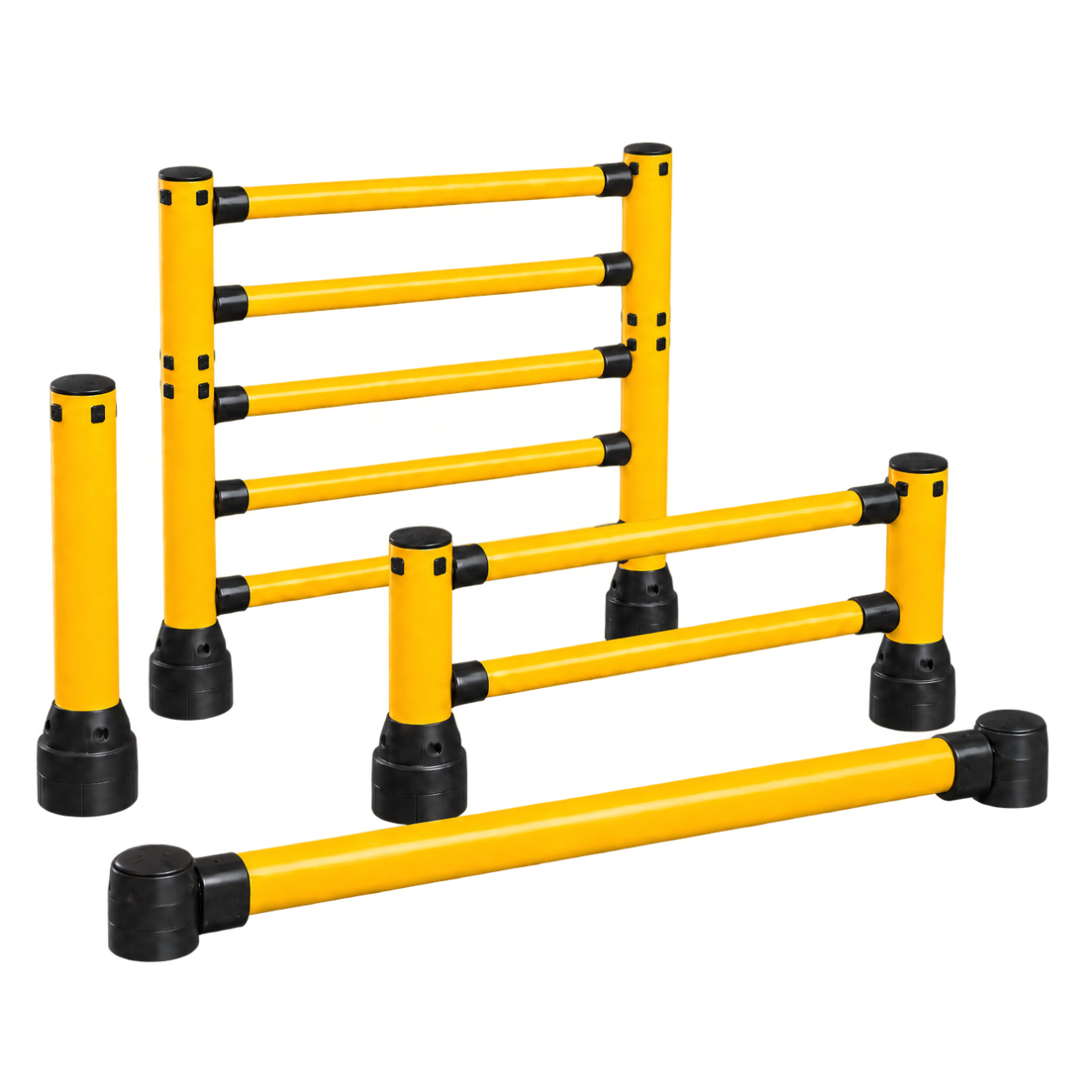
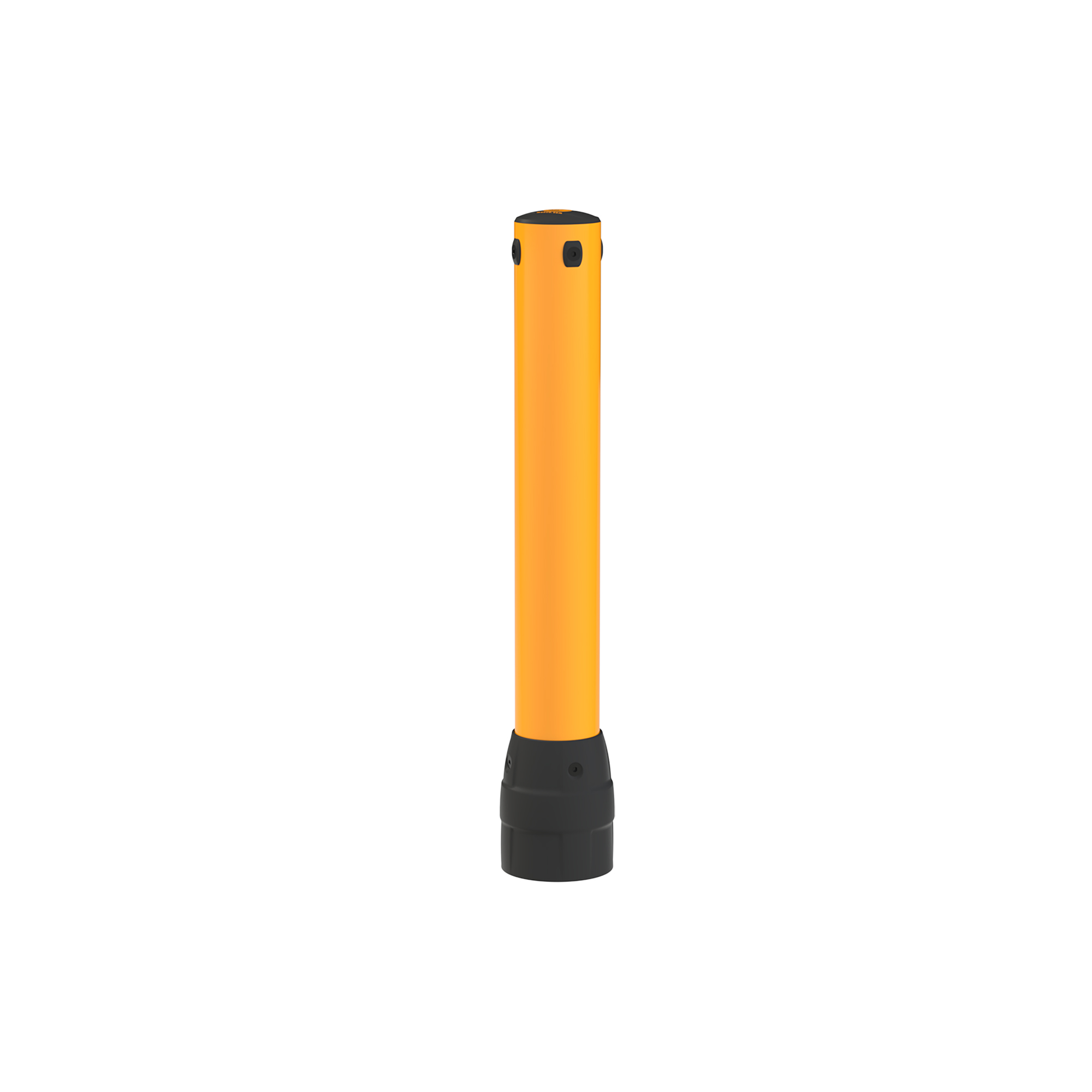
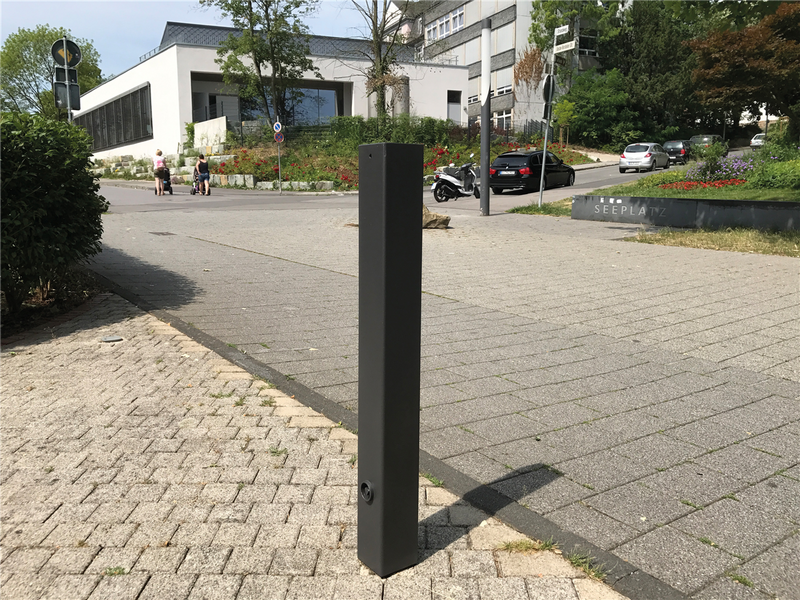
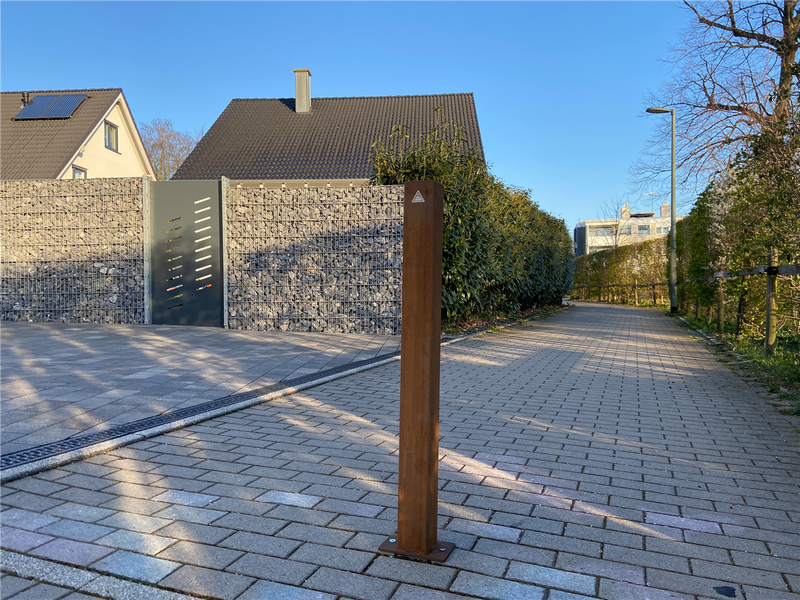
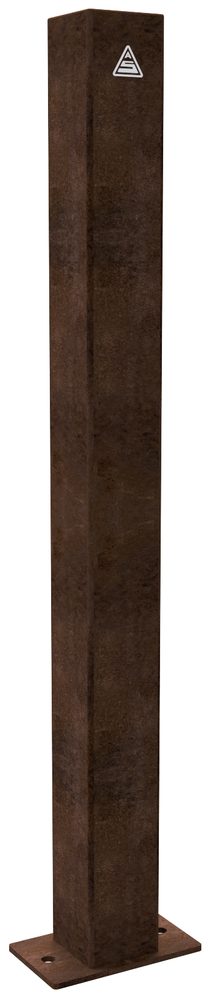
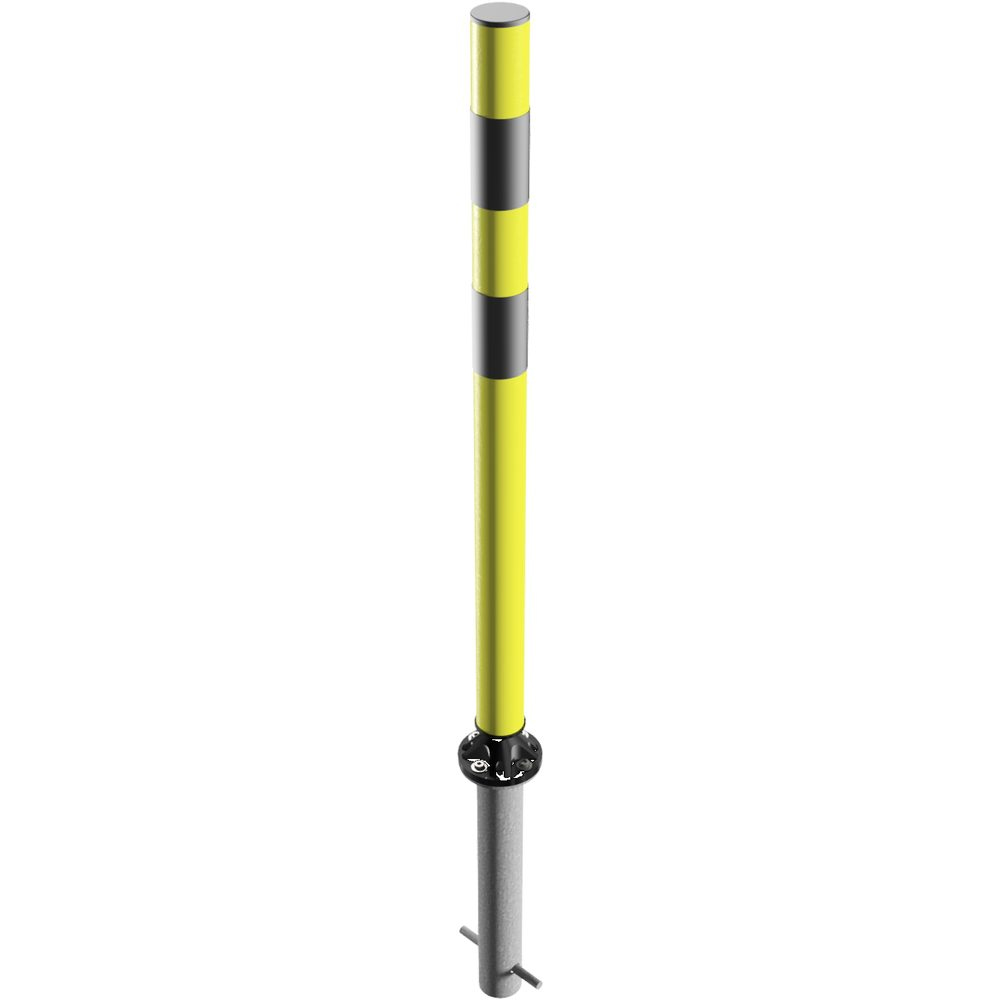
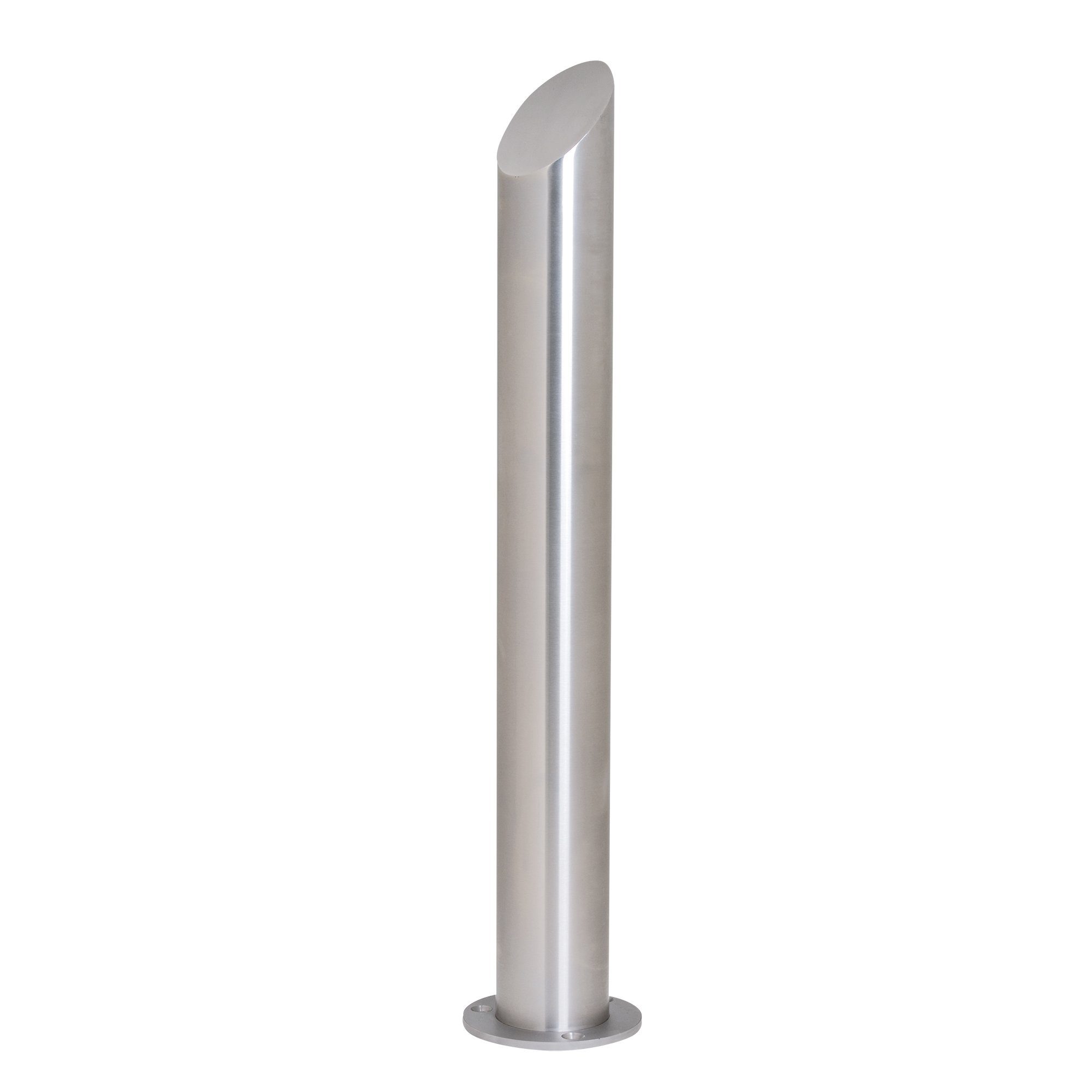
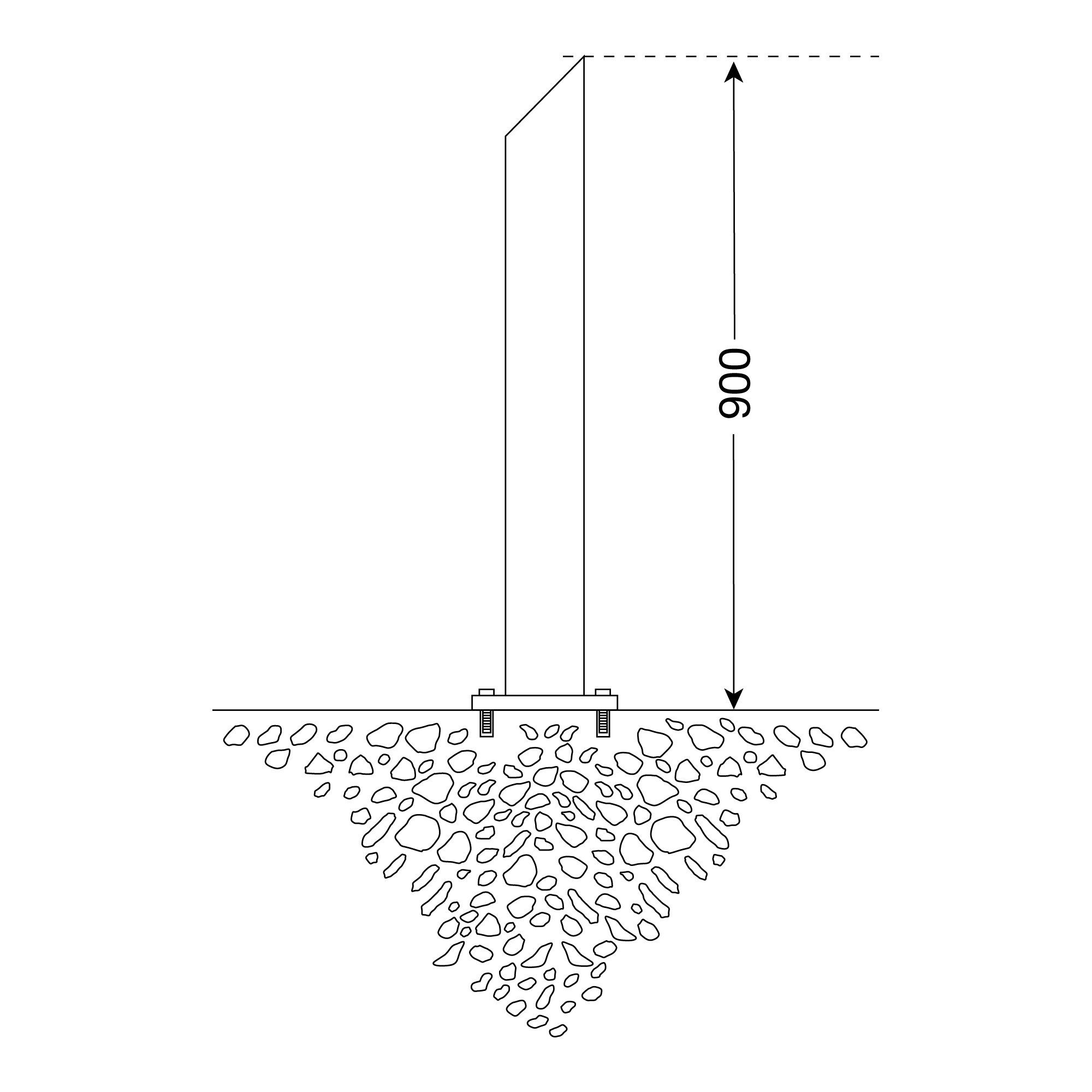
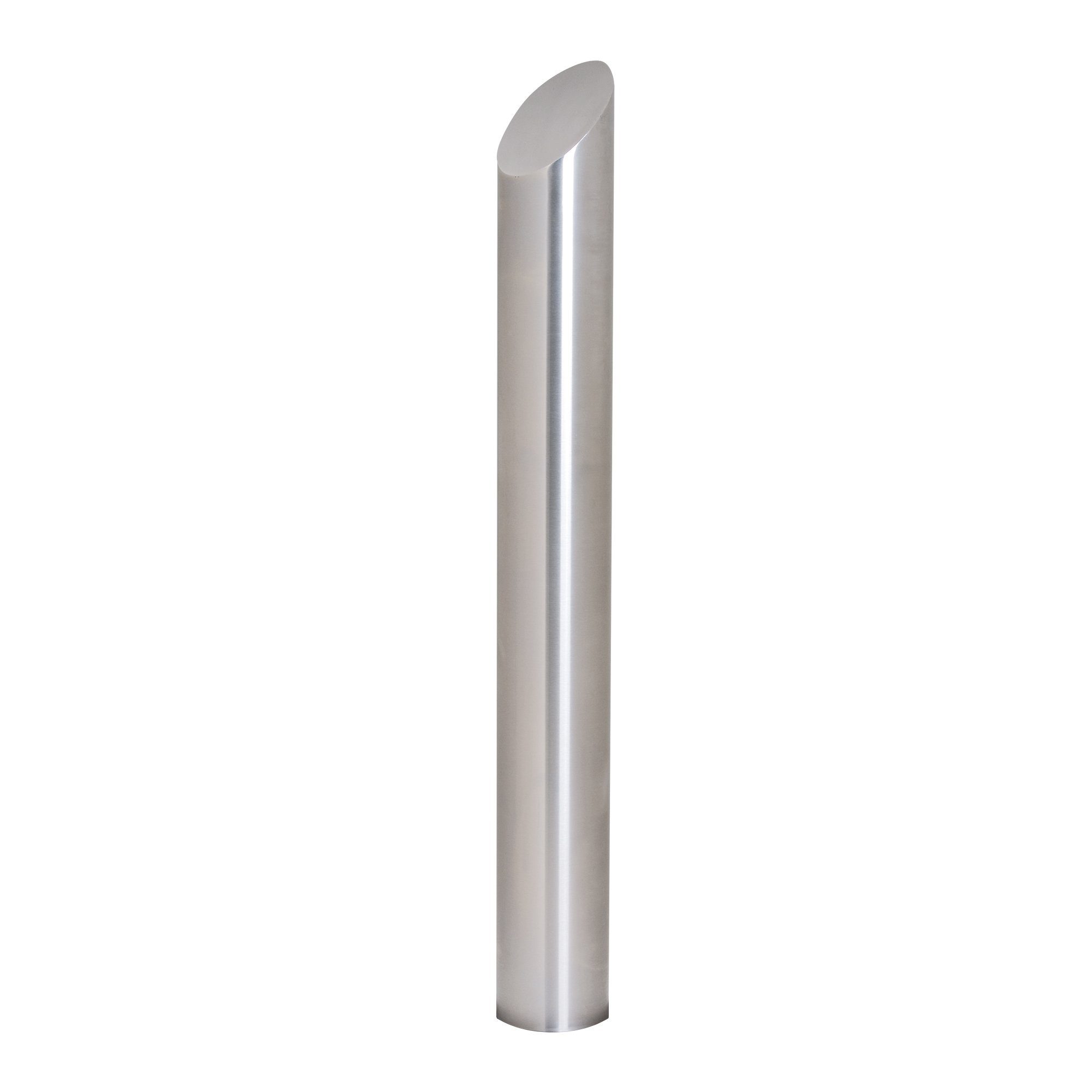
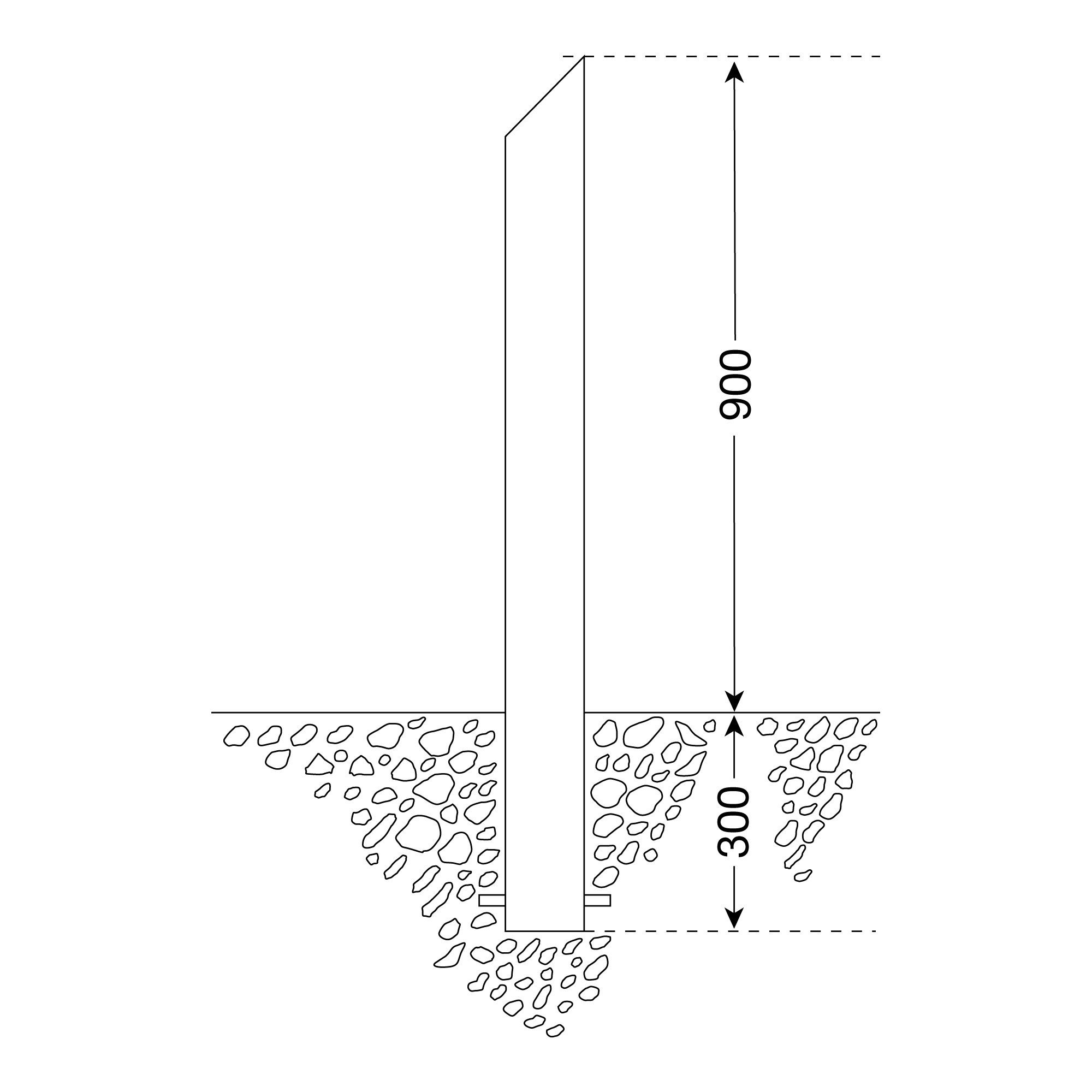
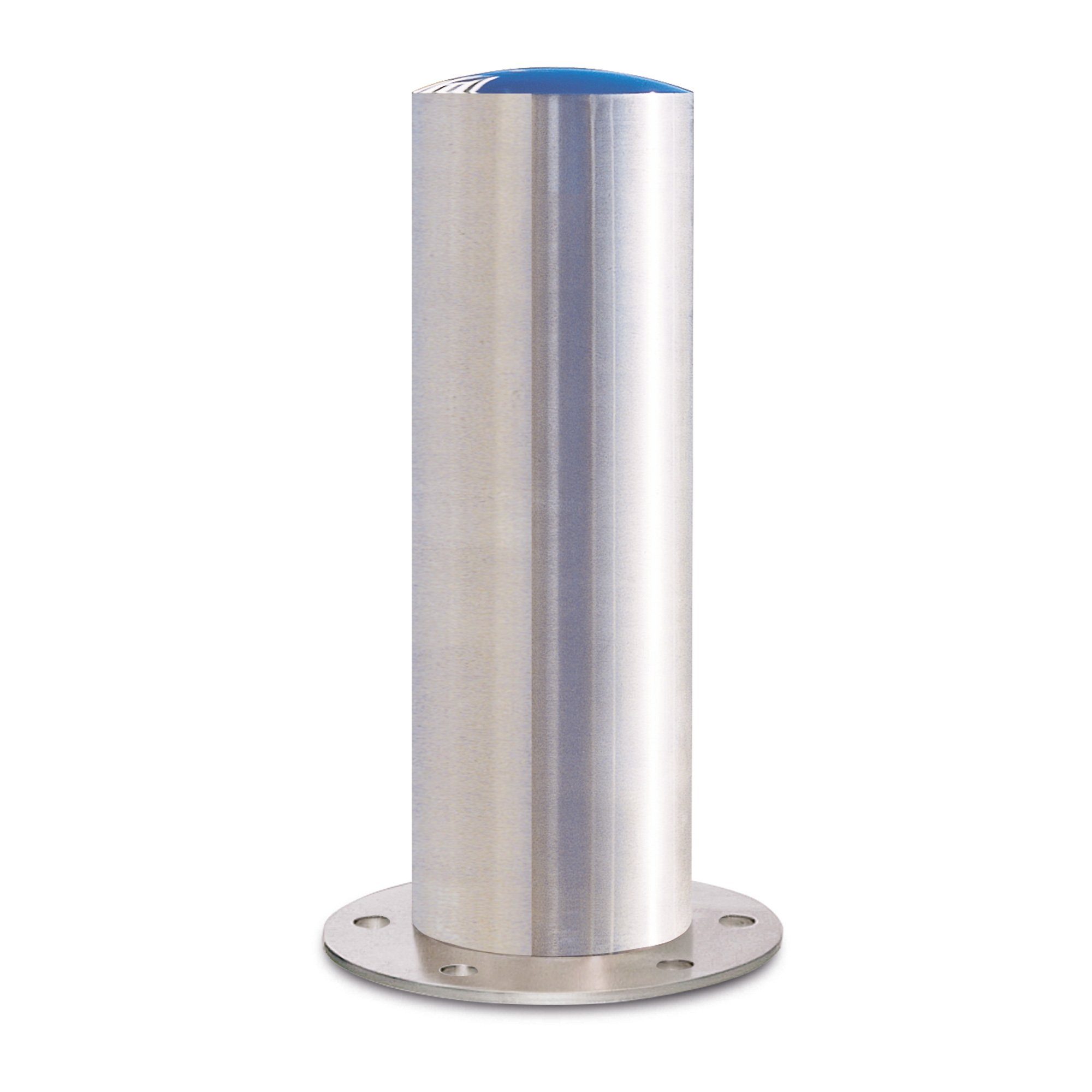
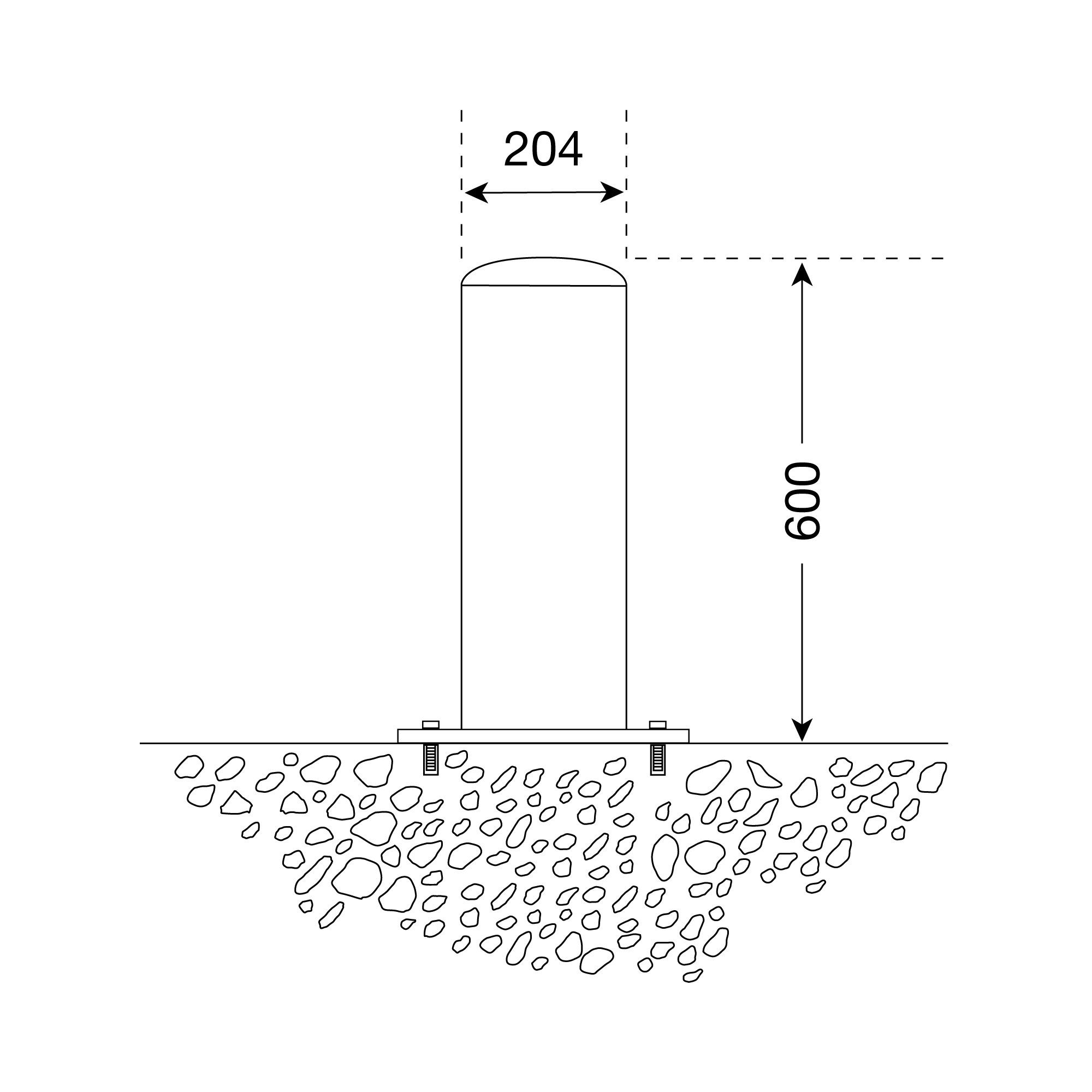
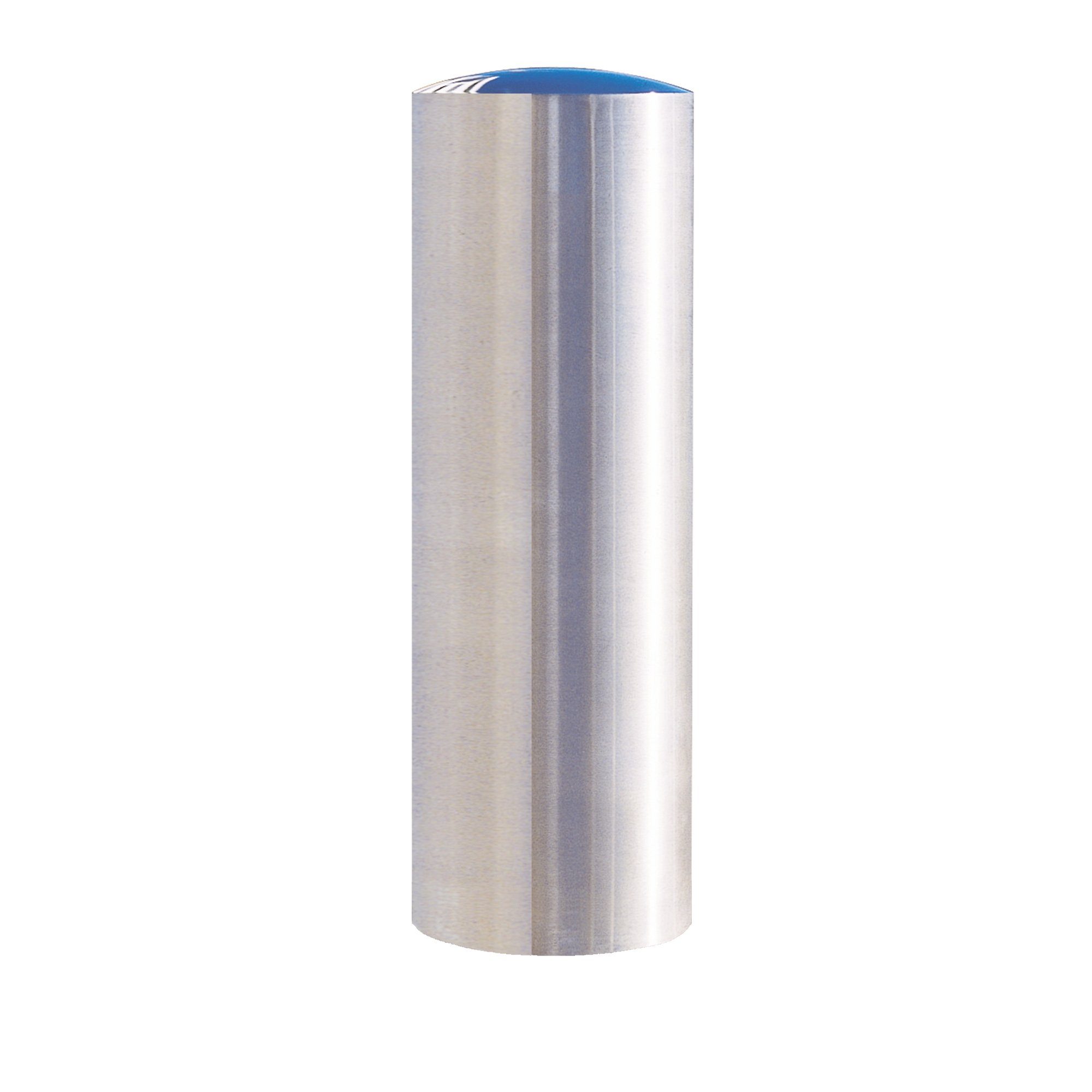
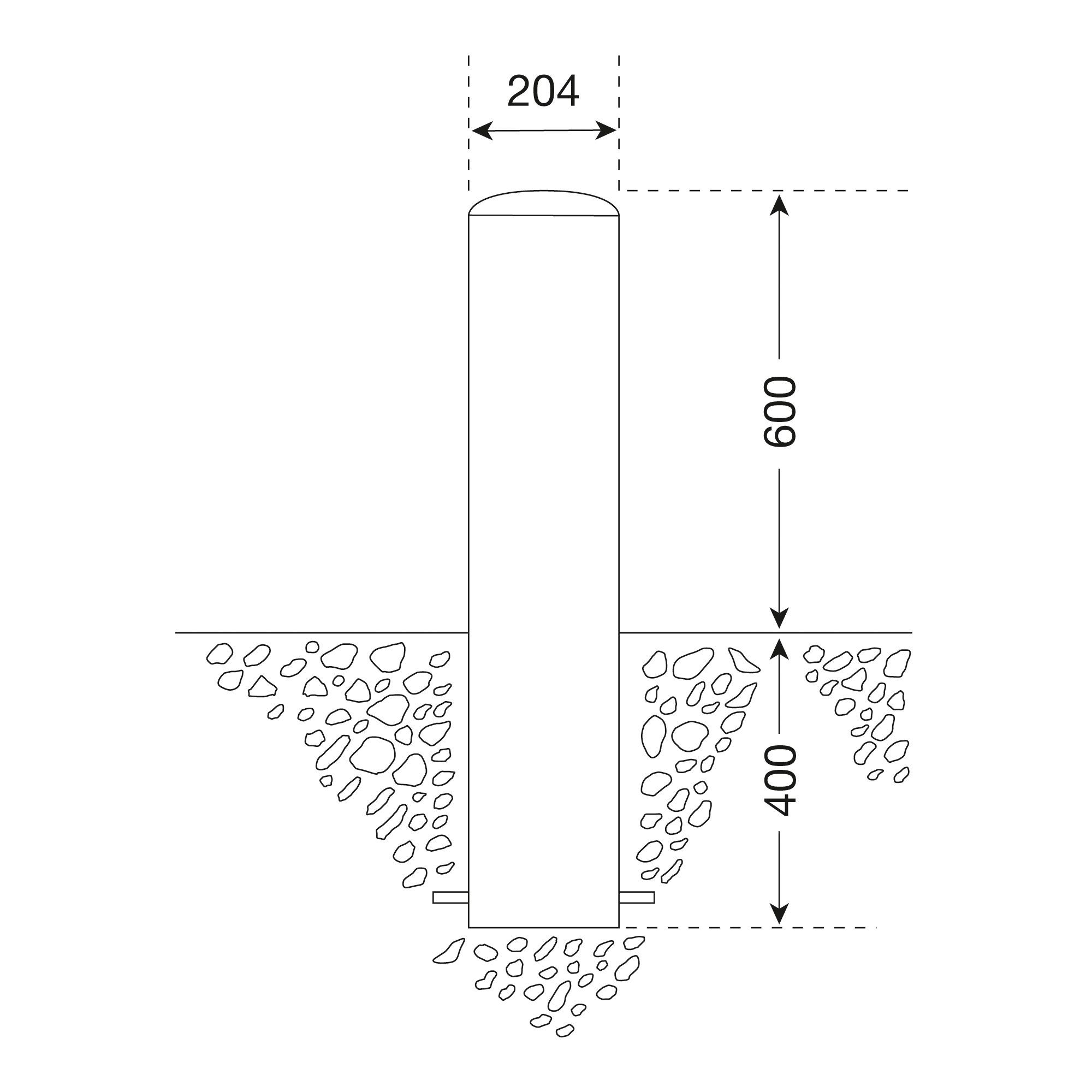
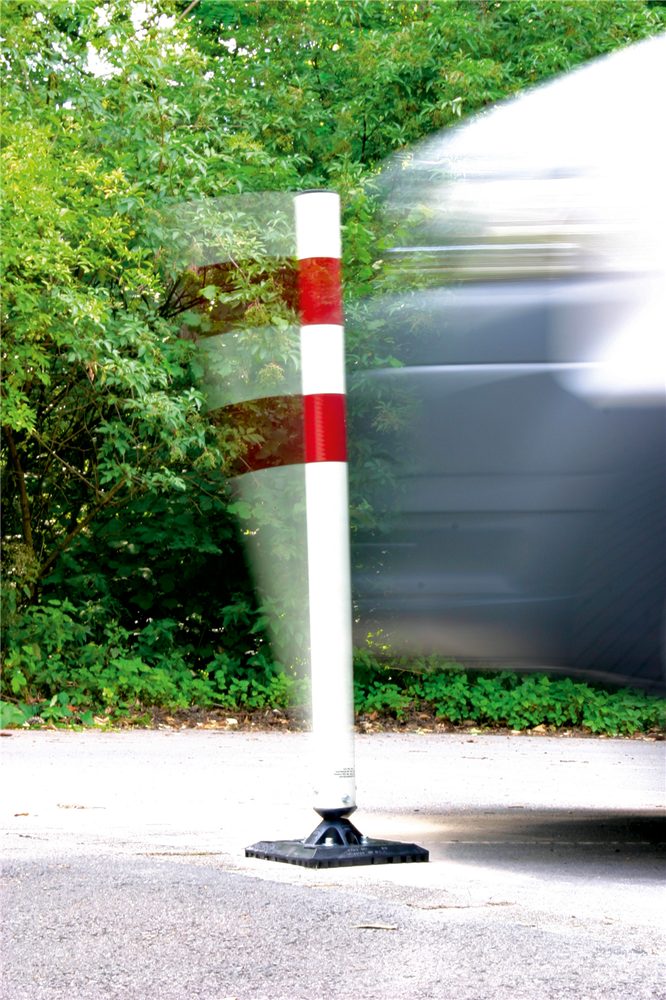
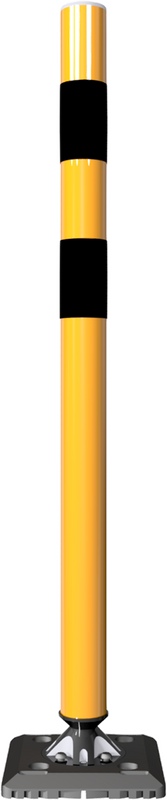
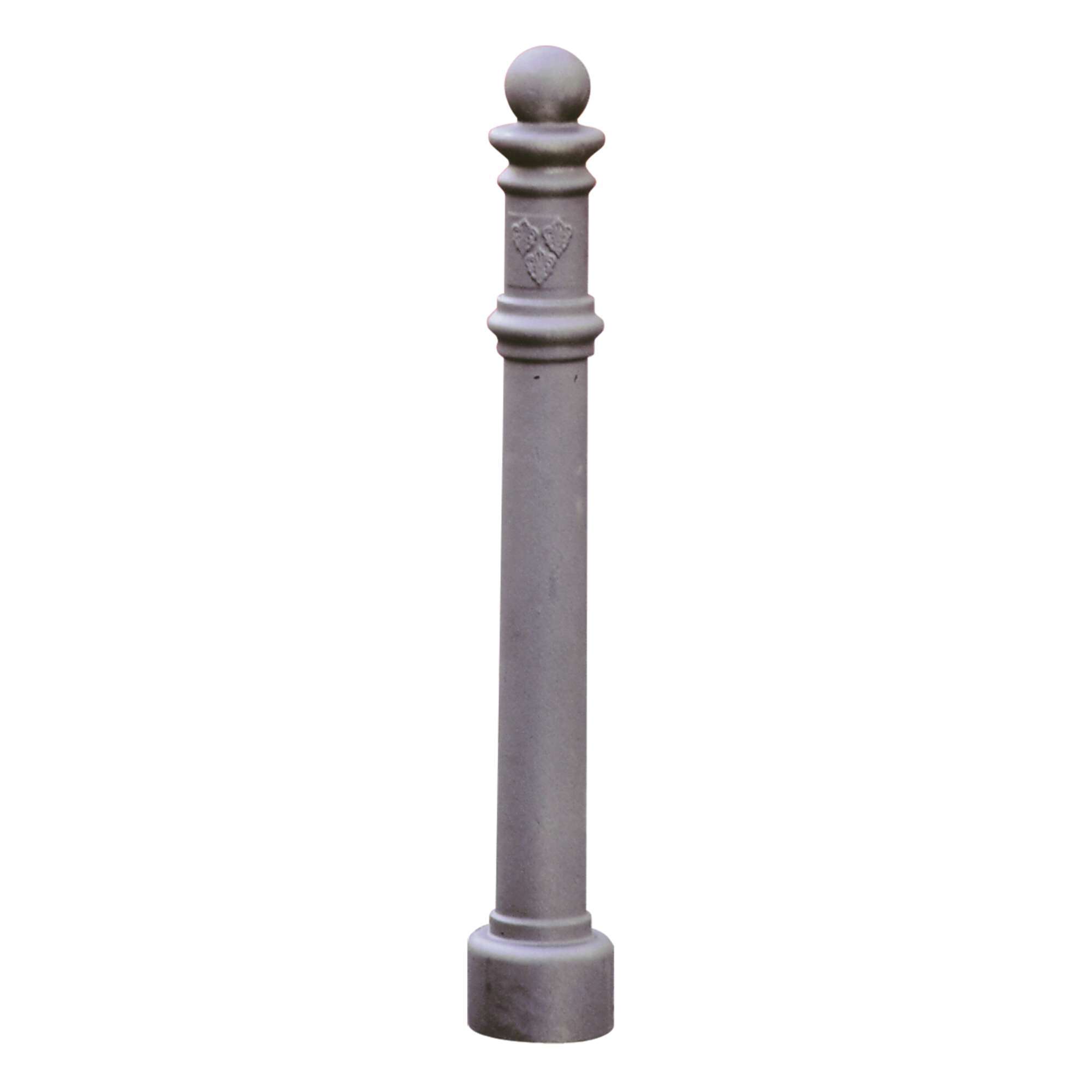
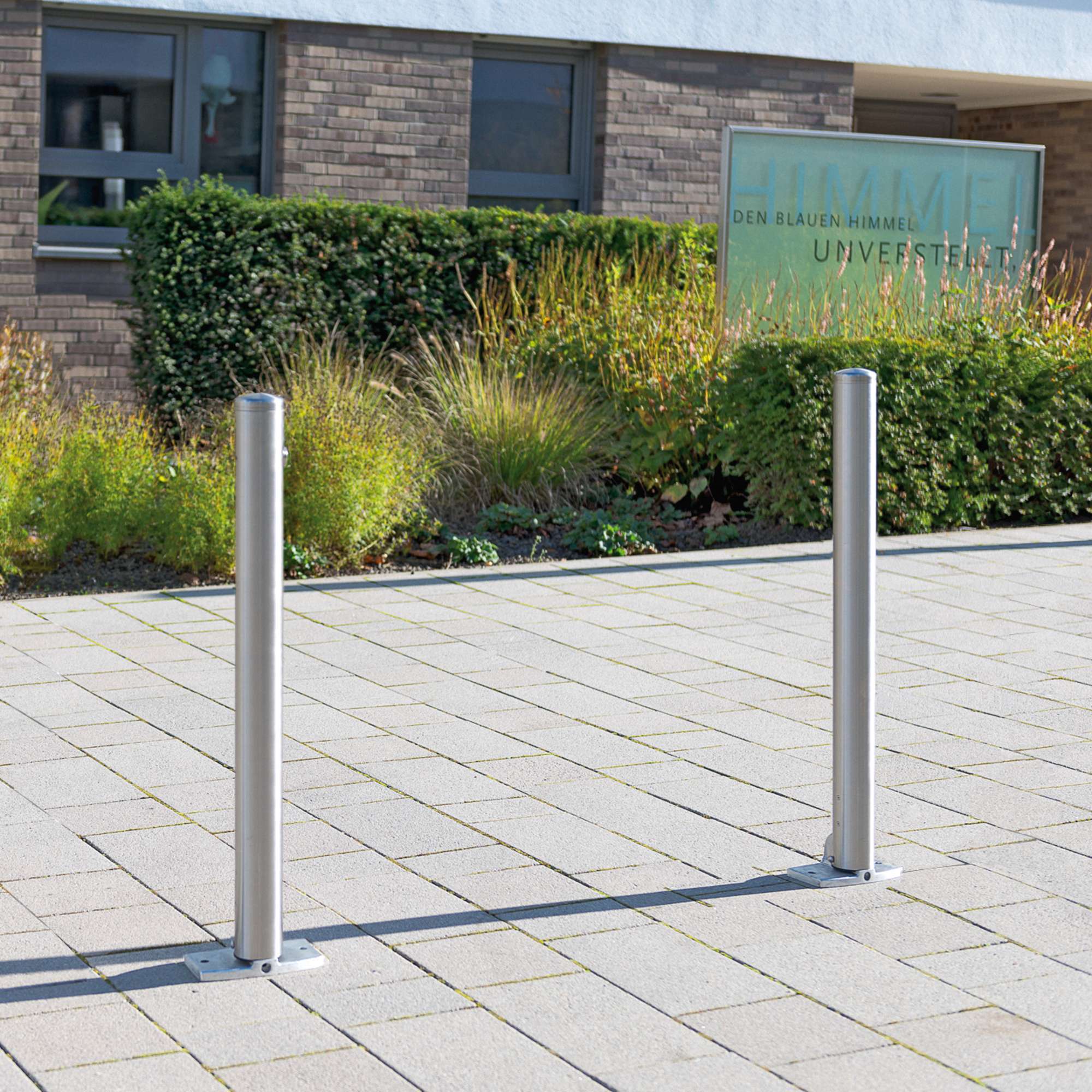
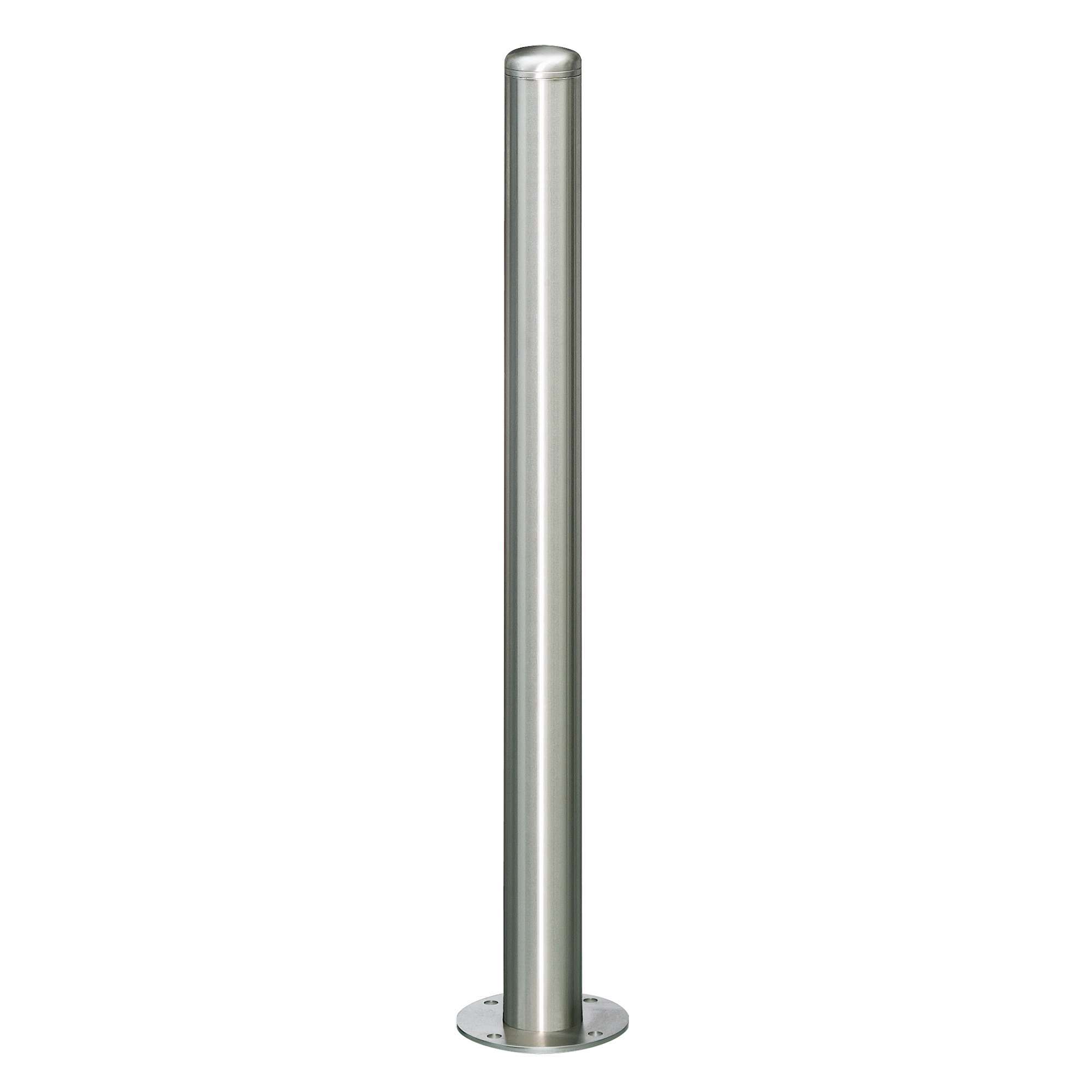
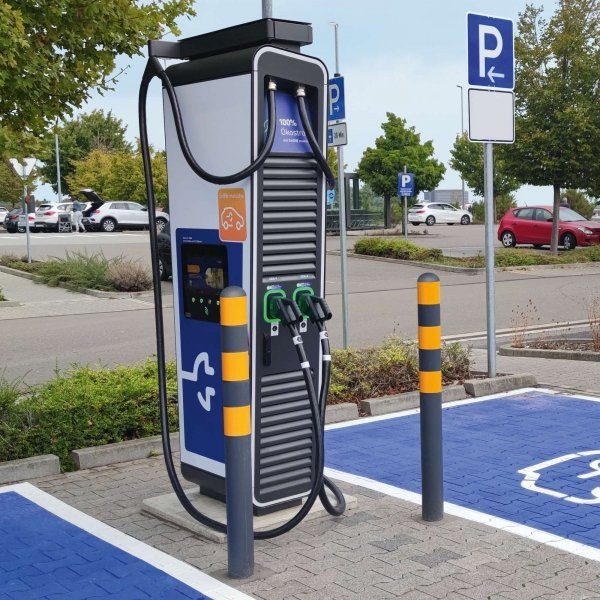
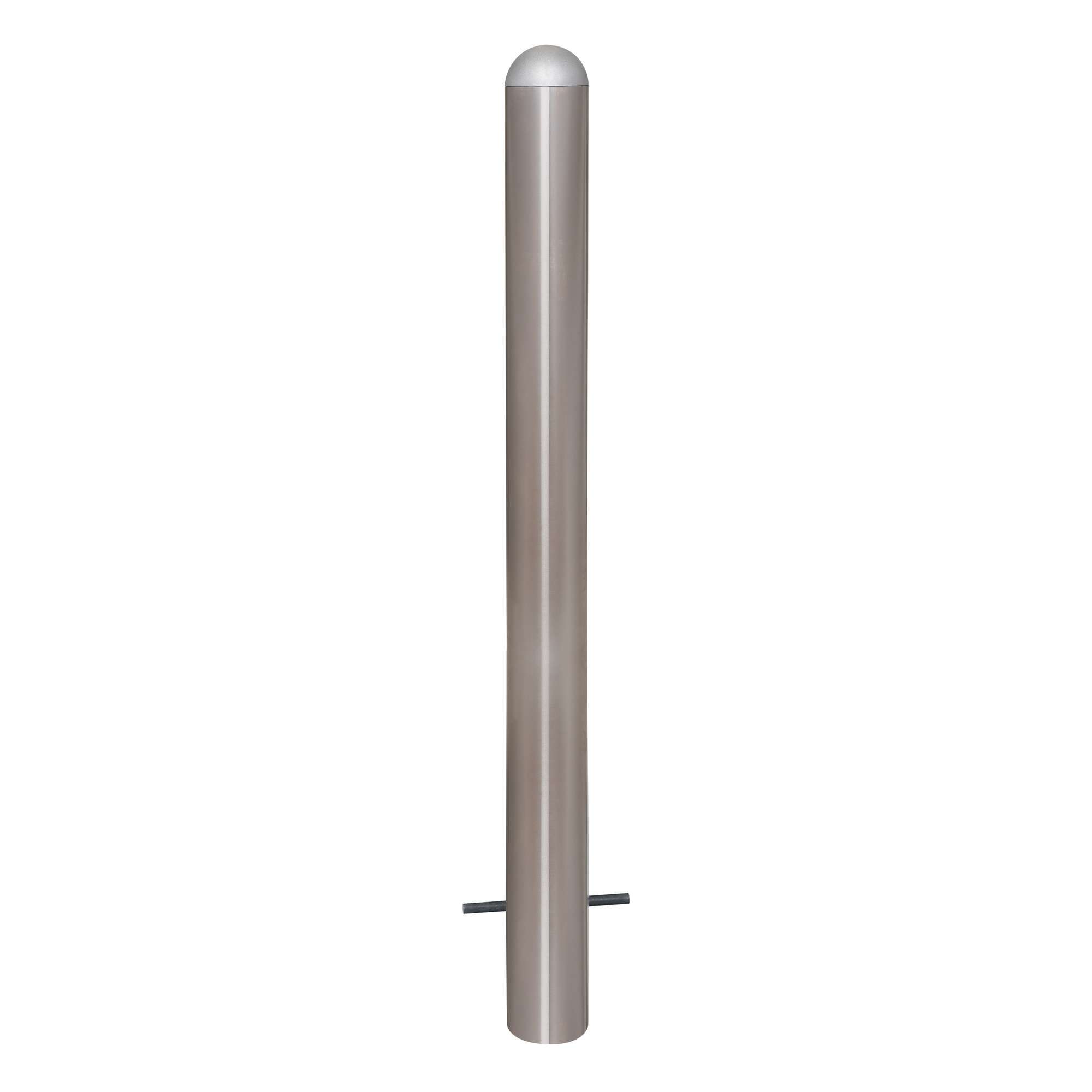
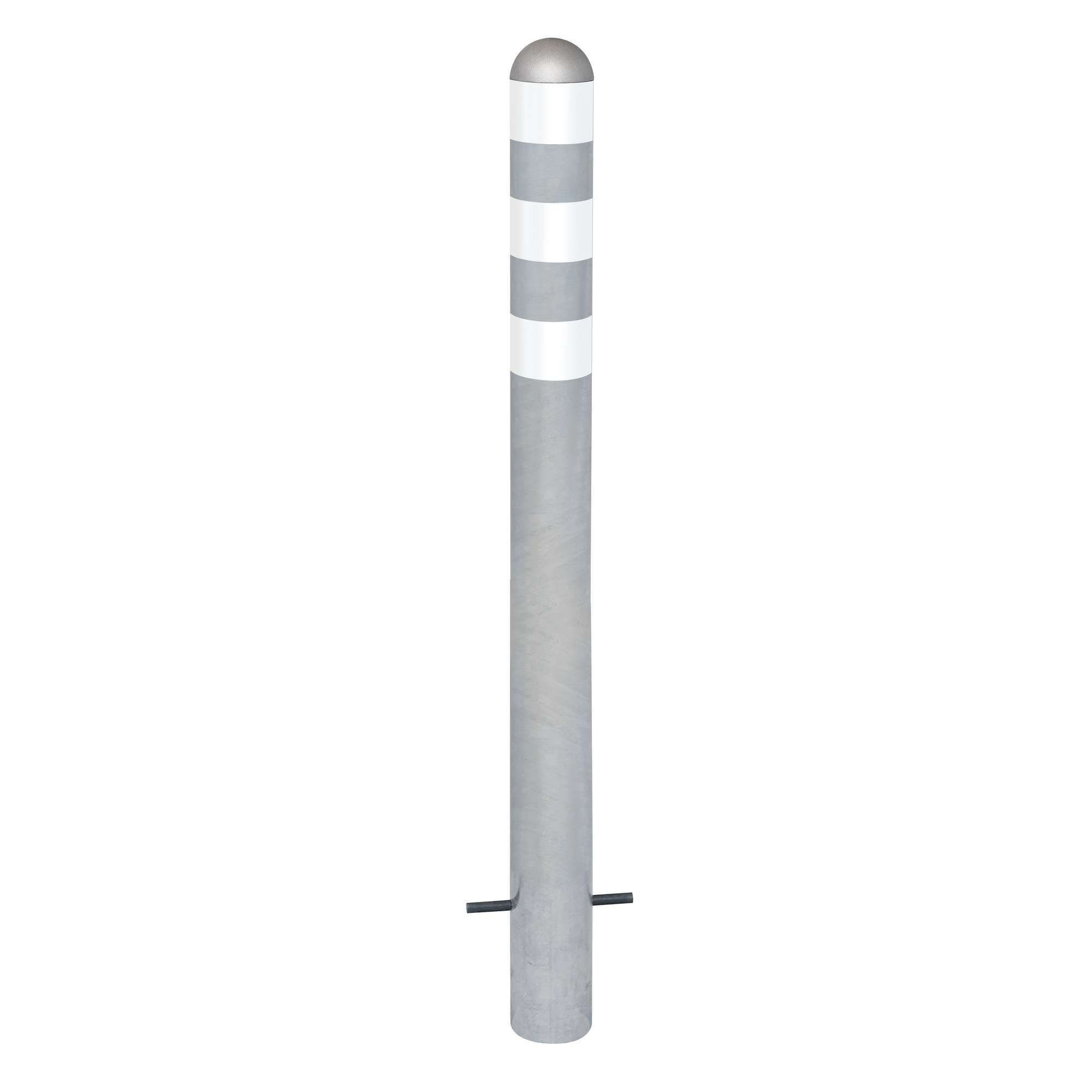
For a barrier to be both legal and functional, a flapping tape is rarely enough. You need stable, clear anchor points. In environments where barriers are used frequently, fixed bollards can be the perfect solution. They create permanent, professional anchor points that last year after year.


 Black/Yellow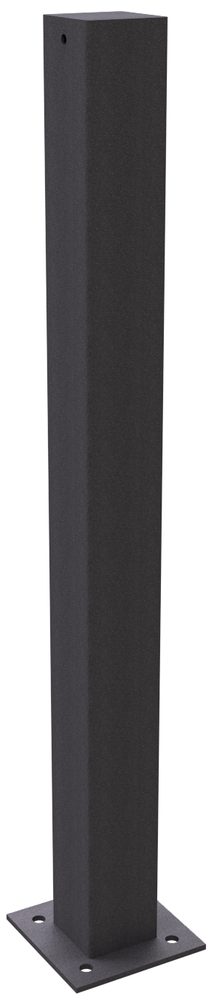



 Black/Yellow

 Anthracite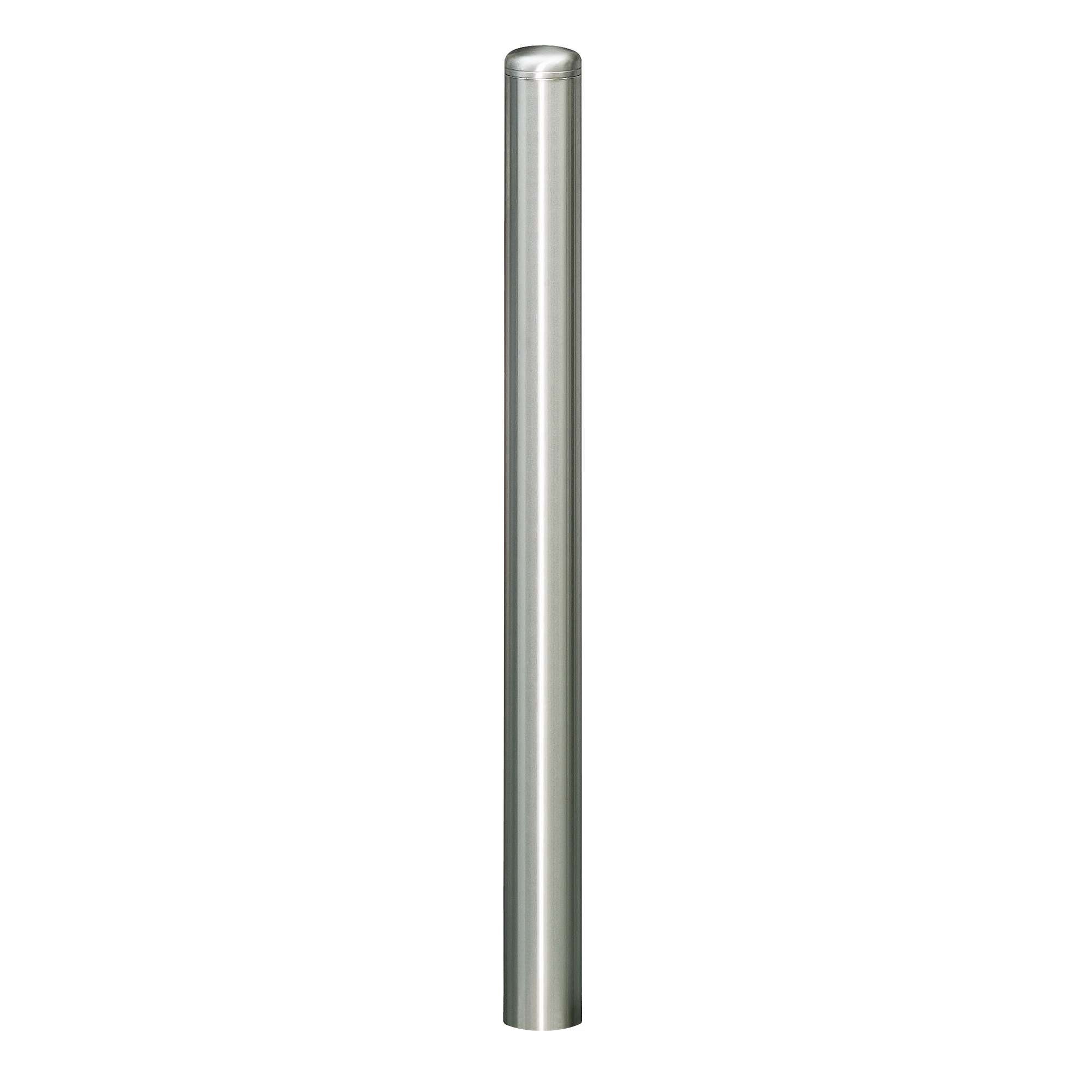
 Stainless steel
 Stainless steel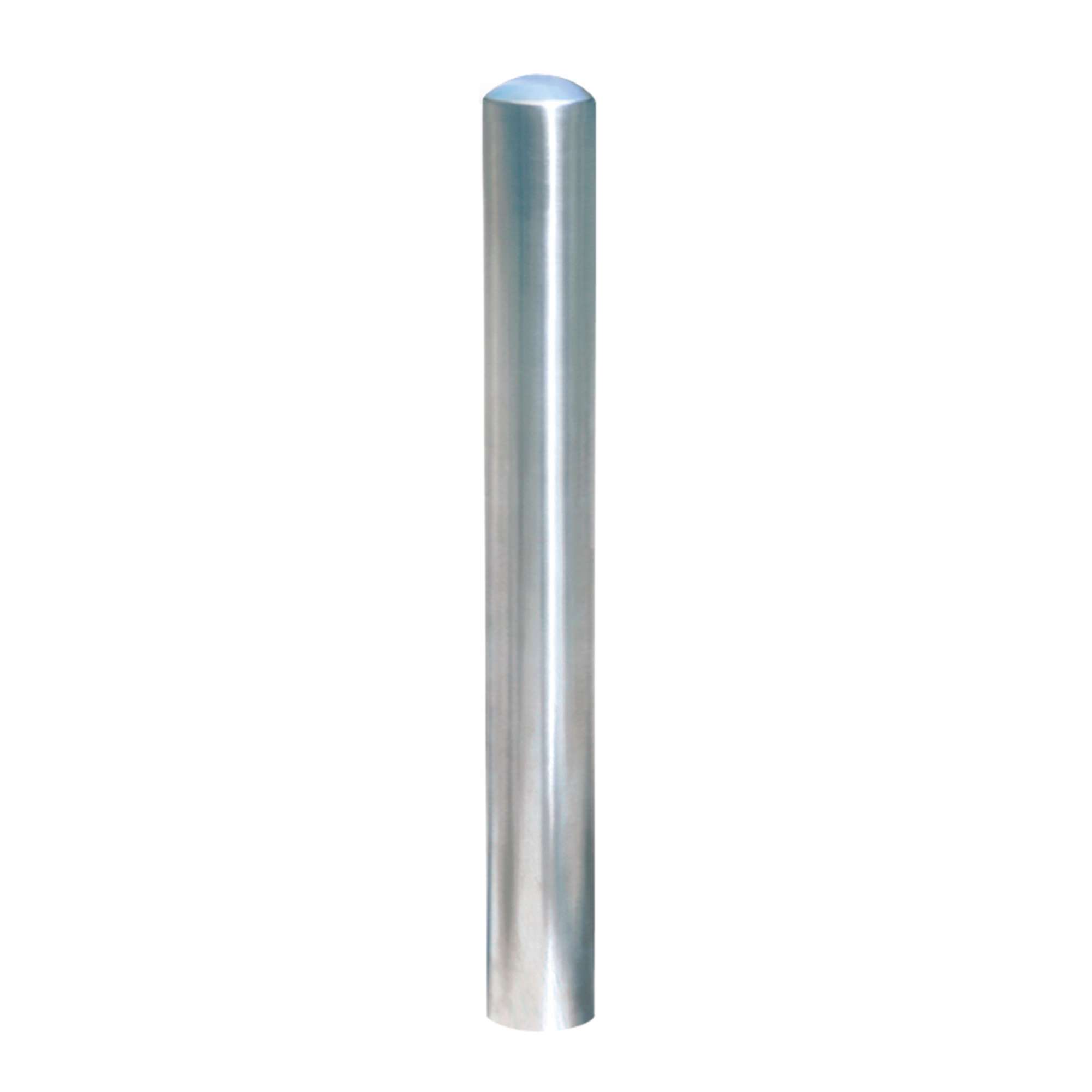
 Stainless steel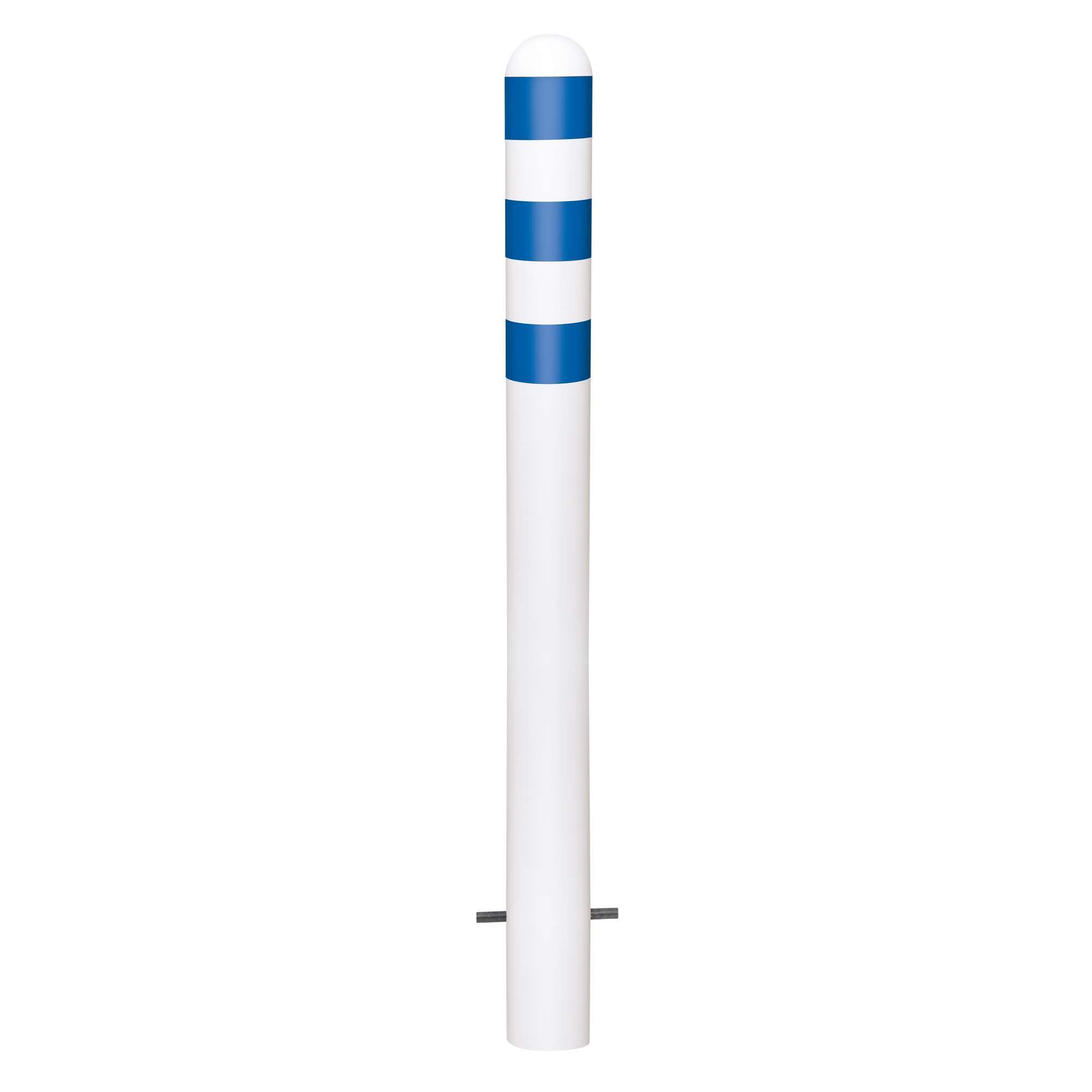
 Stainless steel
 Silver grayWhite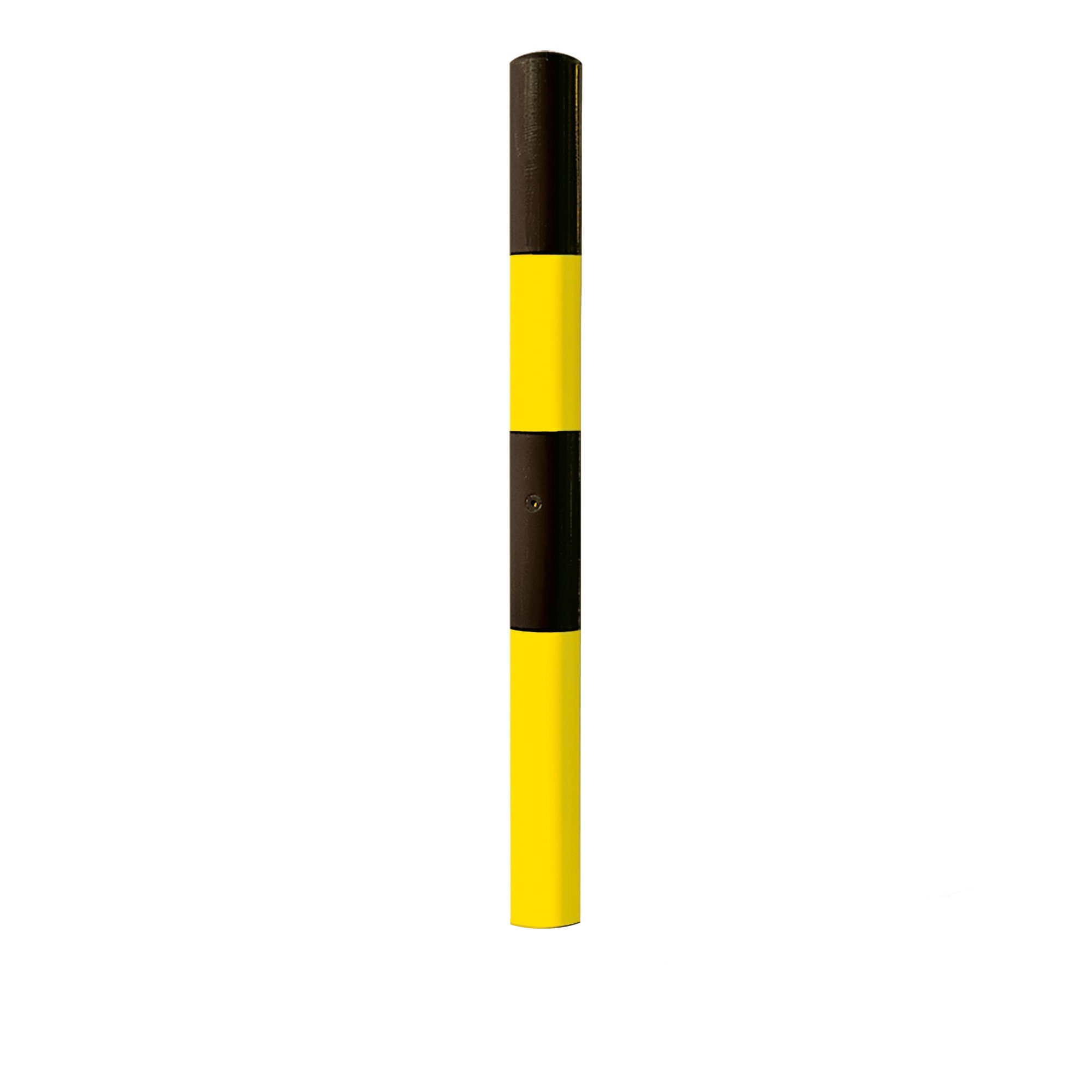
 Black/Yellow
 Red/White
When the Authorities Cordon Off an Area – It’s Serious
When the police or rescue services put up barrier tape, it carries a completely different legal weight. Their right to cordon off an area is regulated by law, and crossing their tape is an offense with clear penalties.
-
The Police: Their blue and white tape is used to secure a crime scene or protect an area during an ongoing operation. The legal basis includes the Police Act and the Code of Judicial Procedure. The cordon protects vital evidence and lets the police work undisturbed. Violating it can result in fines or imprisonment.
-
The Rescue Services: The red and yellow tape signals immediate danger, such as at a fire, a traffic accident or a chemical spill. Under the Civil Protection Act (LSO), they cordon off areas to protect lives and property. Ignoring their barrier is illegal and can result in fines.
Historically, cordons in Sweden have been critical during crises. Today their use is systematized: blue/white for police crime scenes (RB 27:15, Police Act §24) and red/yellow for rescue service operations (LSO 6:2). As mentioned, violations can result in fines (LSO 10:3). Even the Swedish Armed Forces have seen an increase in incidents at their training areas, which led to tougher penalties in 2019, with imprisonment of up to two years for anyone entering a cordoned-off military area. If you want to learn more, there is interesting reading about the historical development and current practice.
Understanding and respecting these rules is fundamental to everyone’s safety. It creates predictability, where everyone knows what a barrier means and why it must be respected.
Unsure exactly which rules apply to your business, or how best to set up a barrier that meets all requirements? Contact us and our experts will help you navigate the regulations and develop a solution that is both safe and compliant.
Install Barrier Tape Like a Pro
Slack, sagging barrier tape loses all its authority instantly. Instead of clearly signaling "Stop! Danger!", it rather whispers "someone here didn’t quite bother to finish the job". A professional installation is therefore absolutely essential for the barrier to serve its purpose and actually be respected.
Putting up tape the right way is an art that requires both the right technique and the right equipment. It’s about much more than just tying a knot – it’s about creating a clear, stable and durable barrier that stands up to wind, weather and curious onlookers.
The Basics of a Stable Barrier
It all starts with good anchor points. Whether you use posts, fences or trees, the goal is the same: create a taut, highly visible line.
- Attach to existing objects: Use trees, lampposts or fences as natural anchors. Just make sure to tie it securely with a non-slip knot, such as two half hitches. Don’t just wrap the tape around, because then it will definitely come loose.
- Optimal height: Aim to put the tape up at roughly waist height, about 90–110 cm above the ground. That height is easily visible to everyone, whether they are walking or driving, without being so low that people are tempted to step over it.
A classic mistake is leaving too much distance between anchor points. The tape then inevitably starts to sag, which both looks sloppy and dramatically reduces visibility. A good rule of thumb is to keep no more than 5–7 meters between anchor points, depending somewhat on how heavy and wind-sensitive the tape is.
Use the Right Equipment for the Job
When there are no natural anchor points, or when you need to set up a more structured barrier that may need to be moved, proper equipment is invaluable. Investing in the right accessories not only looks more professional, it also makes the job both faster and safer.
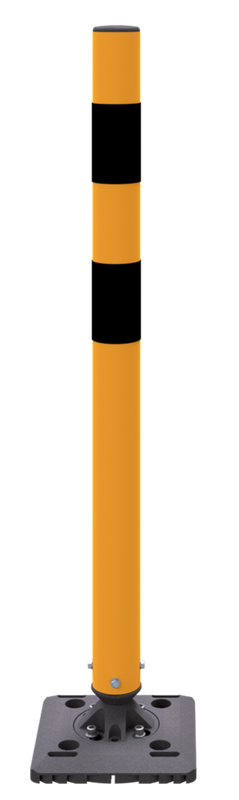
- Stanchions: These are the backbone of any flexible barrier. Easy to position and they provide sturdy anchor points exactly where you want them. Many models have heavy bases that make them extra stable.
- Traffic cones: Perfect for quick, temporary barriers. Most cones also have dedicated brackets or holes in the top that make it super easy to thread through or hook on a tape.
- Mobile gates and poles: Need an opening in the barrier? A mobile gate is an excellent solution. It creates a clear, robust passage that can easily be opened and closed.
By combining these products smartly, you can build a barrier tailored to almost any situation – from a small repair area to directing thousands of visitors at a major event.
This graphic shows the legal process and chain of responsibility when an authority establishes a lawful cordon, such as at a crime scene.
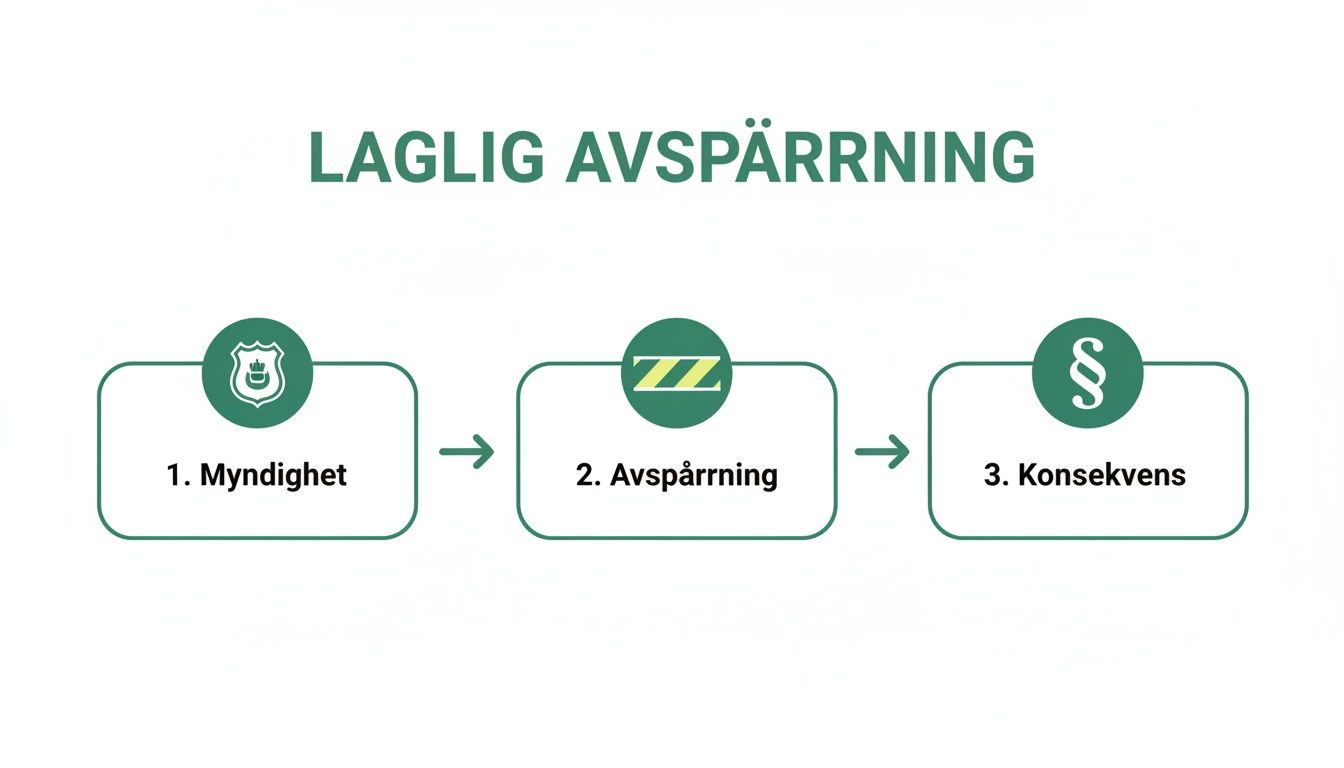
As you can see, it begins with an official decision, followed by the physical cordon, and ends with a legal consequence for anyone who violates it.
Tips for Permanent Installations
In environments such as warehouses, workshops or parking garages, the need for barriers can be recurring or even permanent. Here, temporary solutions quickly become inefficient and look unprofessional over time.
For a permanent, neat and incredibly convenient solution, wall-mounted systems are far superior. They keep the tape protected in a cassette when not in use and can be pulled out in a flash to cordon off an area when needed.
These systems mean you don’t have to hunt for tape rolls, and they also reduce unnecessary waste. A perfect solution for quickly closing off a loading dock or a machine during maintenance is a wall-mounted stainless steel barrier tape holder. It provides a durable, professional installation that lasts for years – and looks much better, too.
Whether you choose a simple knot around a tree or an advanced wall-mounted system, the basic principle is the same. A taut, correctly placed and clearly visible barrier communicates authority and creates a safer environment for everyone.
Where Barrier Tape Makes a Real Difference
The true strength of barrier tape lies in its incredible versatility. The basic function is always the same – creating a visual boundary – but its use is adapted to solve unique and often critical problems across a wide range of industries. By understanding these specific situations, you can more easily see how the same principles can improve safety in your own operations.
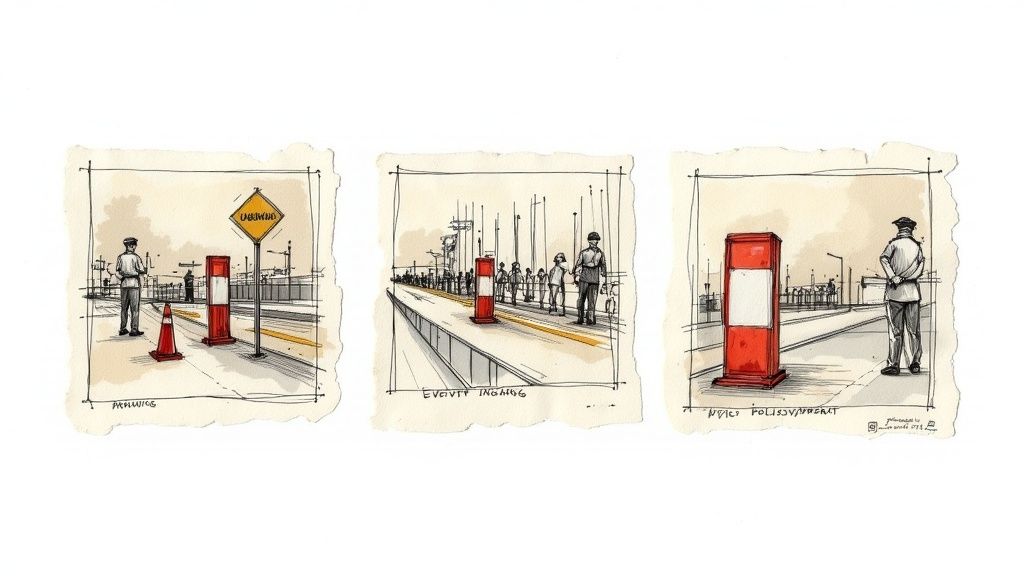
From a hectic construction site to the quiet gravity of a crime scene, the tape becomes a tool for control, safety and communication. It is precisely this adaptability that makes it an indispensable part of modern safety equipment.
Construction and Industry
In construction and industry, barrier tape is a true lifeline. Here it is used daily to prevent accidents in environments where risks are constantly changing.
- Marking trenches and pits: Red-white tape around a freshly dug pit is a crystal-clear signal of a fall hazard. No misunderstandings.
- Securing lifting zones: When a crane is operating, the area below is cordoned off to protect personnel and equipment from falling material.
- Warning of hazardous substances: Tape reading "Asbestos – No Entry" is a simple but vital measure to prevent exposure.
- Protecting electrical installations: When working with high voltage, a clear barrier is one of the most important safeguards against fatal electrical accidents.
The challenge in these environments is that barriers must be both durable and easy to move. For more permanent hazard areas, such as around machinery or warehouse aisles, the tape can advantageously be complemented with robust cast iron or steel bollards to create an even clearer and more durable boundary.
Events and Public Spaces
For an event organizer, barrier tape is a logistical tool for directing large crowds safely and smoothly. Without clear boundaries, chaos would quickly ensue.
At a large event, the tape isn’t just a safety measure – it is part of the visitor experience. Smartly planned queue management with clear tape reduces frustration and creates a natural flow.
Here the tape is used to:
- Organize lines: Guide visitors to entrances, ticket booths or bars.
- Separate zones: Create VIP areas, artist areas or technical zones that the public should not have access to.
- Direct crowd flows: Steer thousands of people during entry and exit to avoid congestion and crush hazards.
Tape bearing the organizer’s logo is also an effective way to strengthen the brand and make a professional impression right on arrival.
Police, Rescue Services and Defense
When emergency services use barrier tape, the situation is always serious. It is about protecting lives, securing evidence or creating a safe working environment. The police’s blue and white tape isolates a crime scene from contamination, which is critical to the investigation. The rescue services’ red and yellow tape creates a safe zone at accidents, free from curious onlookers who might disrupt the work or put themselves in danger.
For the Swedish Armed Forces, barriers at training areas have become an increasingly pressing issue. The number of life-threatening incidents has risen as members of the public ignore warnings and enter hazardous areas. This forces interruptions in important exercises and, in the worst case, puts lives at risk. As a consequence, penalties under the Protection Act were tightened in 2019, with the maximum sentence for violations doubled from one to two years in prison.
Whatever the industry, the principle is the same: correctly placed barrier tape communicates a boundary that must be respected. Do you have a specific challenge and need advice on the best solution for your operations? Contact us and our experts will help you create a safer environment.
When You Need More Than Just Tape
Sometimes simple barrier tape is just the beginning. For larger projects, more complex safety needs or when you simply want the barrier to signal professionalism, you need more than a standard roll. You need a well-thought-out solution, not just a product.
It’s about thinking one step further. Understanding how the right choice of tape and accessories can affect everything from material consumption and durability to the impression you make on your customers, visitors or the public.
Plan Your Purchase Smartly
One detail that is often overlooked is roll length. Buying a standard 100-meter roll when you need to cordon off long stretches quickly becomes inefficient. It leads to an unnecessary number of joins – which are both a weak point in the barrier and look rather sloppy.
For large-scale projects, you should instead consider larger rolls of 250 or even 500 meters. You minimize waste, get fewer and stronger joins, and ultimately save both time and money. Smart purchasing is about matching the product to the project’s actual needs.
From Idea to Finished Branded Tape
Ordering custom-printed barrier tape is as much an investment in marketing as in safety. You turn an anonymous strip of plastic into a clear communication channel that strengthens your brand.
The process is simple:
- Idea and design: It all starts with your message. Is it your logo that should be visible? A specific warning text such as “High Voltage – Danger of Death”? Or perhaps a combination of both?
- Proof and approval: We create a digital proof. That way, you see exactly what the finished tape will look like before we hit the start button.
- Production and delivery: Once you approve, we start production. Soon you’ll have custom tape that communicates with crystal-clear precision and shows you have full control over your area.
Custom tape signals professionalism and builds trust.
Facing a challenge that requires more than just a roll of tape? Think of us as your expert partner. Our job is to help you find the most effective and safe solution for your specific needs.
Perhaps you need to plan a complete system for a larger area? A solution that combines tape with robust barrier posts and clear signage to create a comprehensive, authoritative safety barrier. Choosing the right components for your barrier is absolutely essential to getting a solution that lasts over time.
We have the expertise to guide you through the entire process, from the initial needs assessment to the finished installation. Let us help you take your site safety to the next level.
Barrier Tape FAQ
Once you’re standing there with the roll in hand, practical questions often come up. So you can get started right away, we’ve gathered answers to the most common questions.
Which Tape Color Should I Choose?
Color isn’t just a color – it’s a message. The choice depends entirely on what you want to communicate:
- Yellow-black: This is the universal warning signal. It is used to alert people to general hazards, obstacles or areas where they simply need to be a little more careful. If you’re unsure, this is almost always a safe bet.
- Red-white: This combination signals a more acute and immediate danger. Think deep trenches, risk of falling objects or a clear prohibition against passing. It is a sharper warning that demands immediate attention.
And remember, certain colors are reserved. Blue-white is strictly for the Police and red-yellow for the Rescue Services. These must never be used by anyone else. For internal purposes, however, such as guiding visitors at an event, you are free to use other colors to create different zones.
How Long Does Barrier Tape Last Outdoors?
Durability depends entirely on the material and the elements. A standard PE (polyethylene) plastic tape usually lasts from a few weeks up to a couple of months. But the sun’s UV rays and whipping wind slowly but surely break it down.
If you need to cordon off an area for an extended period, or in a location with strong winds, we recommend a reinforced woven tape. It is built to withstand tough conditions considerably longer, which often makes it the most cost-effective solution in the long run.
Can We Get Our Company Logo on the Tape?
Absolutely. We offer custom printing, which is an excellent way to combine safety with professional branding. It makes a completely different impression at a construction site or an event.
Custom-printed tape can also carry a specific message, such as "Authorized Personnel Only" or "Risk of Electric Shock". It removes all doubt and takes safety up an extra notch. Get in touch with us and we’ll guide you from idea to finished roll.
What Is the Most Common Mistake When Putting Up Tape?
By far the most common mistake, and the one that is immediately noticeable, is leaving too much distance between anchor points. The result is slack, sagging tape that not only looks unprofessional but also loses all its authority.
Sagging tape also acts like a sail in the wind and tears more easily. The solution is simple: pull the tape taut and use enough barrier posts to keep it straight and at a clear height, ideally around 90–110 cm.
Need help finding the right safety solution for your project, whether it’s simple barrier tape or a complete system with bollards and signage? Contact the experts at Nordguard. We’ll help you create a safe and professional environment. Visit us at https://nordguard.eu.
Ready to take the next step?
We help you develop solutions tailored to your needs. At Nordguard, we strive to make the ordering process as smooth as possible. By offering support and guidance throughout the entire purchasing experience, we make sure you feel confident and satisfied with your choice of protection products.+46 10 153 90 50
[email protected]