
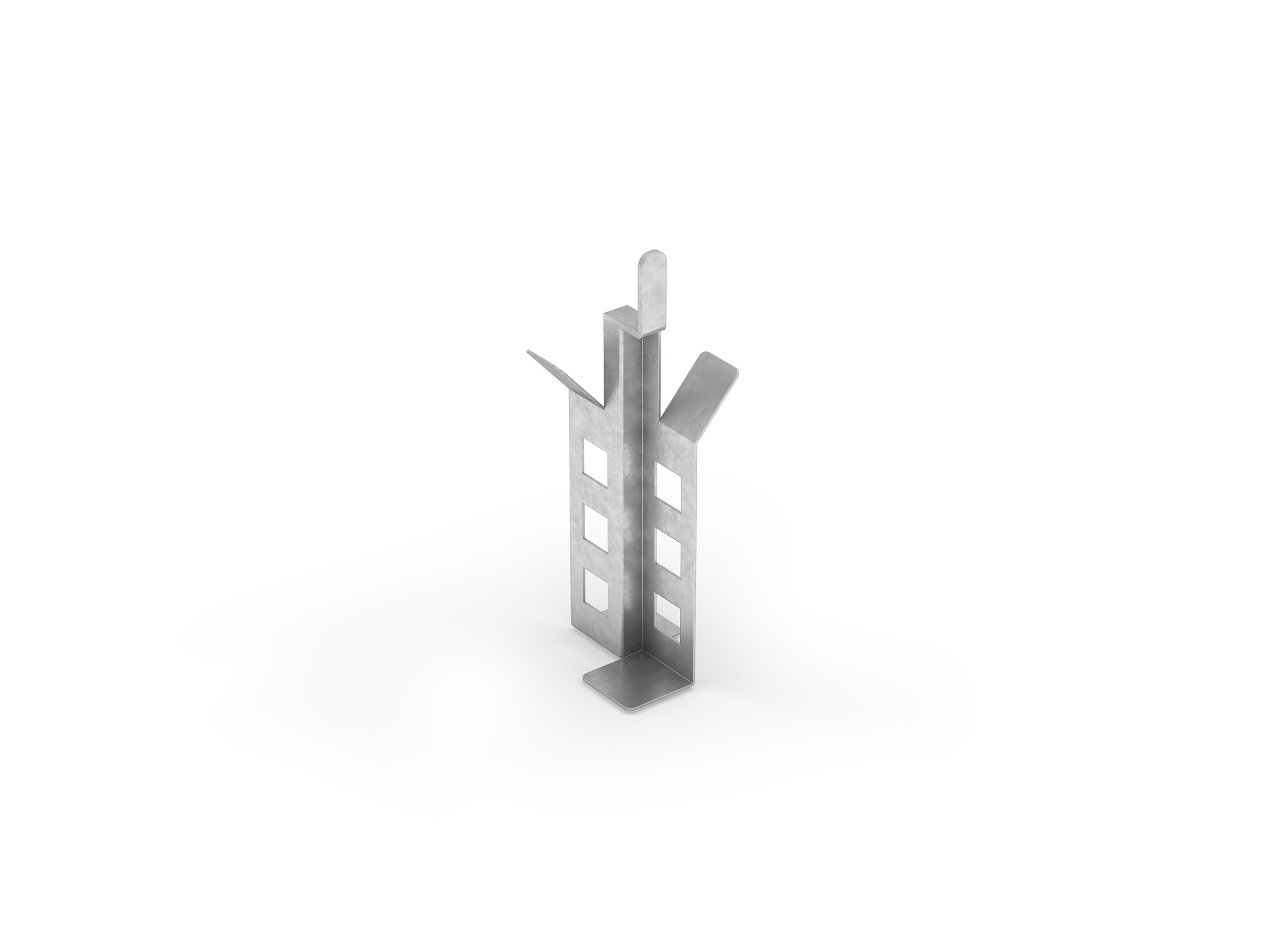
 Floor Bracket for Universal Guard Rail - Single 42mm HDG
 Concrete Barrier Blocks: A Complete Guide to Sweden’s Toughest Traffic Barrier
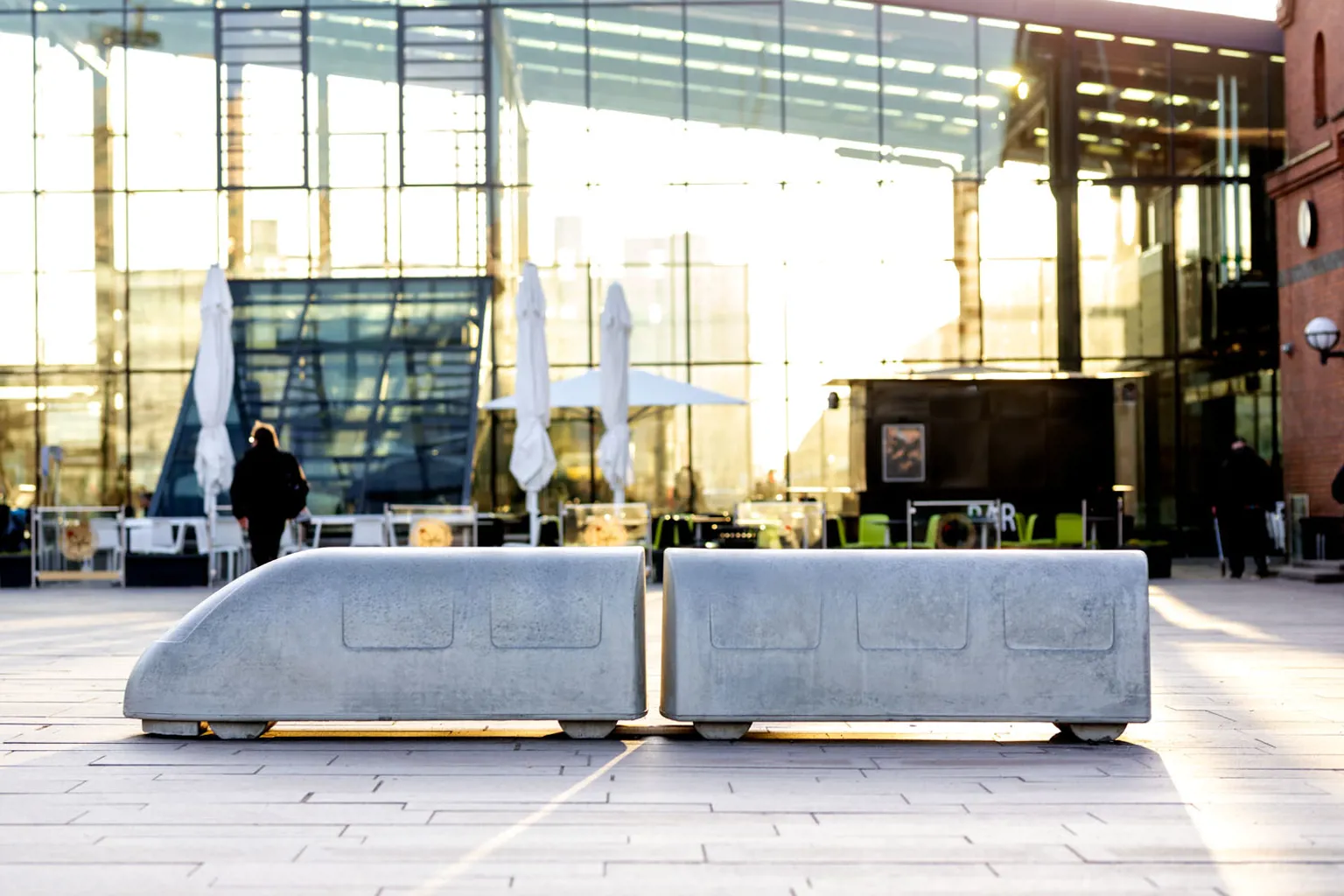
A concrete barrier block is so much more than just a heavy lump of concrete. It is one of the most common and reliable solutions in Sweden for delineating and protecting areas. Think of it as a silent guardian of the urban environment, whose main job is to use its sheer mass to create an immediate and effective barrier against vehicles.
Understanding the role of concrete barrier blocks in urban environments
A concrete barrier block, also often called a concrete sow, is a surprisingly simple yet powerful tool for creating order and safety. Its basic function is as simple as it is effective: to physically stop or direct vehicle traffic. That makes it a standard solution in a wide range of settings, from construction sites to residential areas.
This type of barrier has a long history in Sweden. The story of concrete is fascinating – from almost all cement being imported in the mid-1800s to becoming the obvious material of choice during 20th-century industrialization. During the Million Programme of 1965–1974, concrete became the backbone of modern Swedish construction, laying the foundation for robust, functional products such as the concrete barrier block. If you want to dig deeper into the history of the material, you can read more on Heidelberg Materials’ website.
Practical everyday applications
You see them everywhere, often without thinking about the function they serve. But the fact is that they solve very concrete, everyday problems.
- Stop unwanted parking: Outside a housing cooperative, on a private driveway or at a turnaround area. A concrete barrier block is an effective way to keep unauthorized drivers from blocking roads or taking up parking spaces.
- Protect sensitive areas: At industrial sites and warehouses, they are indispensable for protecting facades, loading docks or expensive equipment from being hit by heavy vehicles.
- Create temporary safety zones: During events, markets or roadwork, concrete barrier blocks can be quickly put in place to divert traffic and create safe zones for pedestrians.
- Clear traffic control: They act as clear visual markers that guide drivers and create a distinct separation between, for example, traffic lanes and sidewalks.
Below is a quick overview of the most common functions and the problems a concrete barrier block solves in practice.
The most common functions of a concrete barrier block
A quick overview of the primary purposes of a concrete barrier block and the problems it effectively solves.
| Function | Typical application | Problem solved |
|---|---|---|
| Impact protection | Industrial sites, warehouses, facades | Prevents damage from trucks and forklifts |
| Barrier | Construction sites, events | Effectively blocks vehicle access |
| Traffic control | Roadwork, parking lots | Diverts and separates traffic flows |
| Parking barrier | Residential areas, private roads | Stops unauthorized parking and through traffic |
The table clearly shows that the concrete barrier block is a versatile workhorse, but its strength – its raw, heavy-duty function – is also its limitation in certain environments.
A concrete barrier block is the simplest form of impact protection. Its weight is its strength, but also its weakness in environments where aesthetics and flexibility are key.
Even though the concrete barrier block is a reliable classic, it isn’t always the best solution. In modern urban environments or at a prestigious corporate entrance, its raw appearance can create a rather unwelcoming and dull impression. Do you have a problem with unwanted traffic but feel that a gray lump of concrete doesn’t quite fit in? Then there are smarter and more attractive alternatives, such as our fixed bollards.
Not sure which solution will best protect your site without compromising on appearance? Contact us at Nordguard, and we’ll help you analyze your needs and find a solution that is both functional and attractive.
Different types of concrete barrier blocks and impact protection
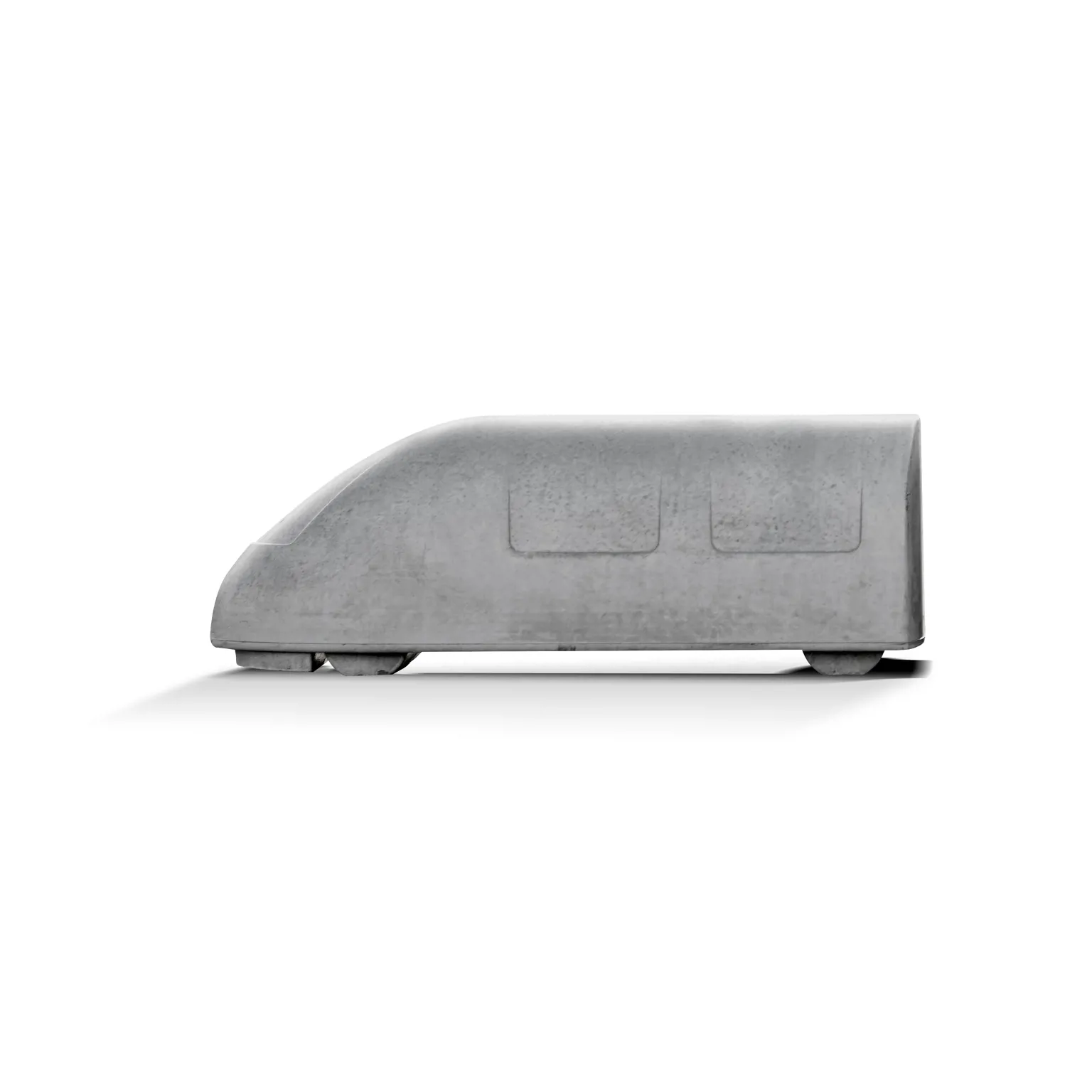
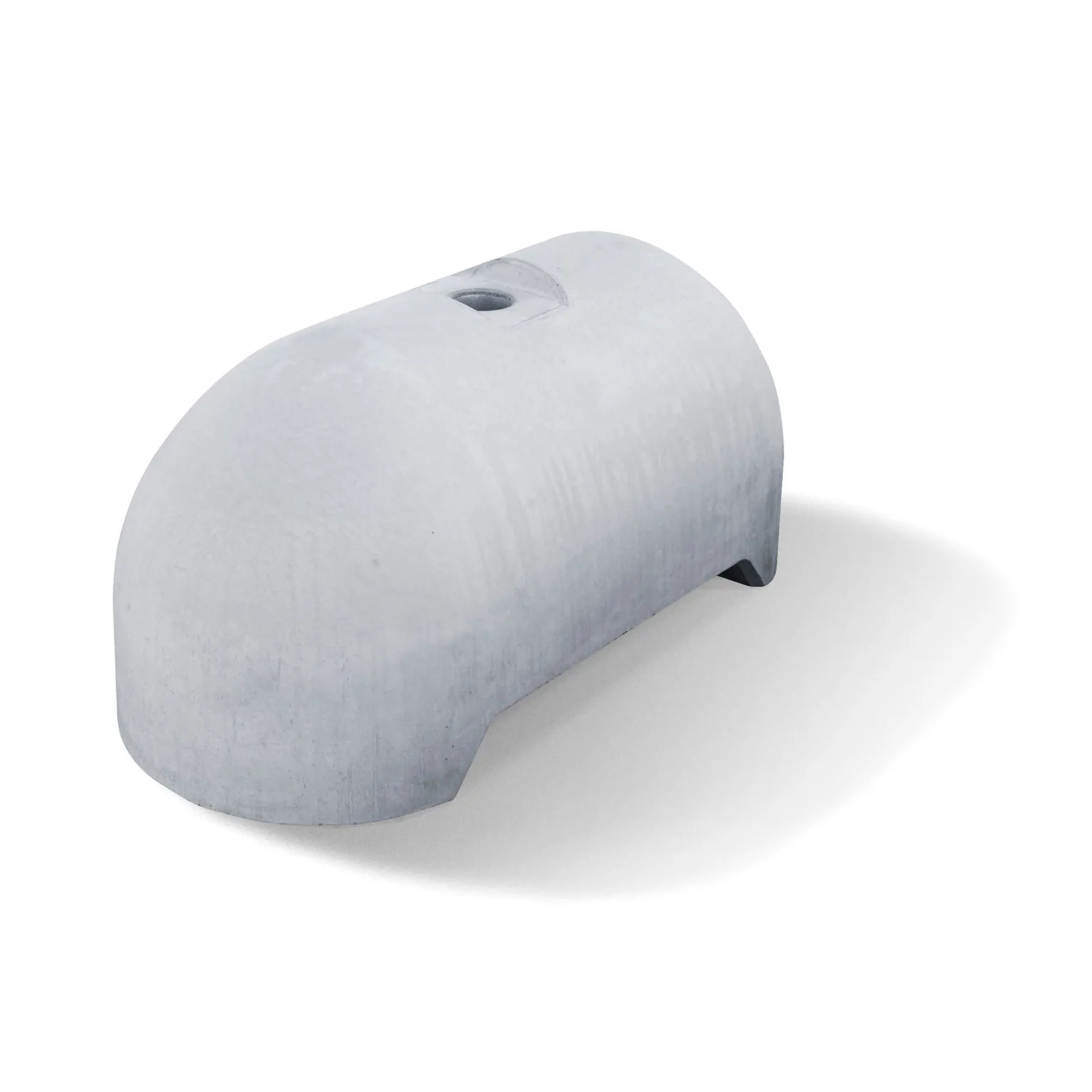
A concrete barrier block isn’t just a gray lump of concrete; there is a whole family of variants designed for different situations. The term covers everything from the classic, low “sow” often seen in parking lots to heavy-duty rectangular blocks and L-shaped retaining walls used to cordon off larger areas.
Which type is right for you depends entirely on what you need to protect and what the surroundings look like. There is a crucial difference between marking a parking space and protecting an entire facade.
Choosing the right material and shape
The quality of the concrete and the reinforcement is essential to how long the product will last, especially in our harsh Nordic climate. A high-quality concrete barrier block with low porosity (meaning fewer small voids in the material) resists frost damage much better and won’t crumble over time. It’s a critical detail that separates a smart investment from one that only causes problems.
There’s a reason concrete is one of the most widely used materials in Sweden. In 2019 alone, a full 6,221,000 cubic meters of concrete was produced in the country. Thanks to modern standards, you can now set specific requirements for the concrete mix to guarantee a product that withstands our weather conditions year after year.
When you’re choosing a concrete barrier block, there are a few practical things to keep in mind:
- Weight and dimensions: To mark a parking space, a smaller block weighing a couple of hundred kilos may be perfectly adequate. But do you need to stop a heavy vehicle from crashing into a facade? Then we’re talking about a massive block weighing several tons.
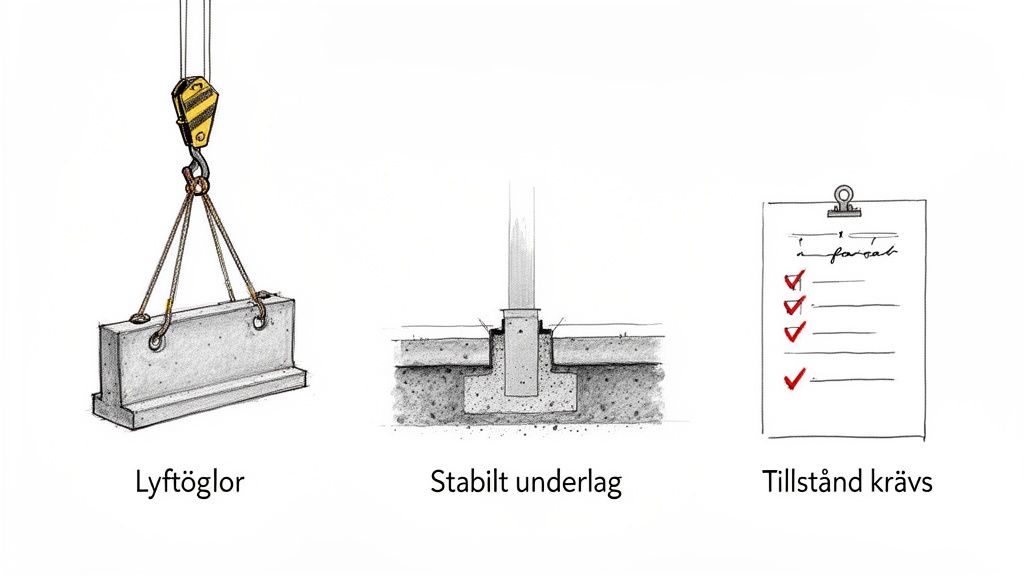
- Lifting features: Make sure the product has cast-in lifting eyes or forklift pockets. Without them, installing and moving it with a crane truck or loader becomes both unsafe and unnecessarily complicated.
- Finish: To be clearly visible, especially in the dark or in high-traffic areas, the concrete barrier block can be painted in a contrasting color or fitted with reflectors.
Knowing these technical differences helps you set the right requirements for your supplier. That way, you get a product that not only works today but lasts for many years to come.
To make the decision process a little easier, we’ve created a flowchart that can guide you along the way.
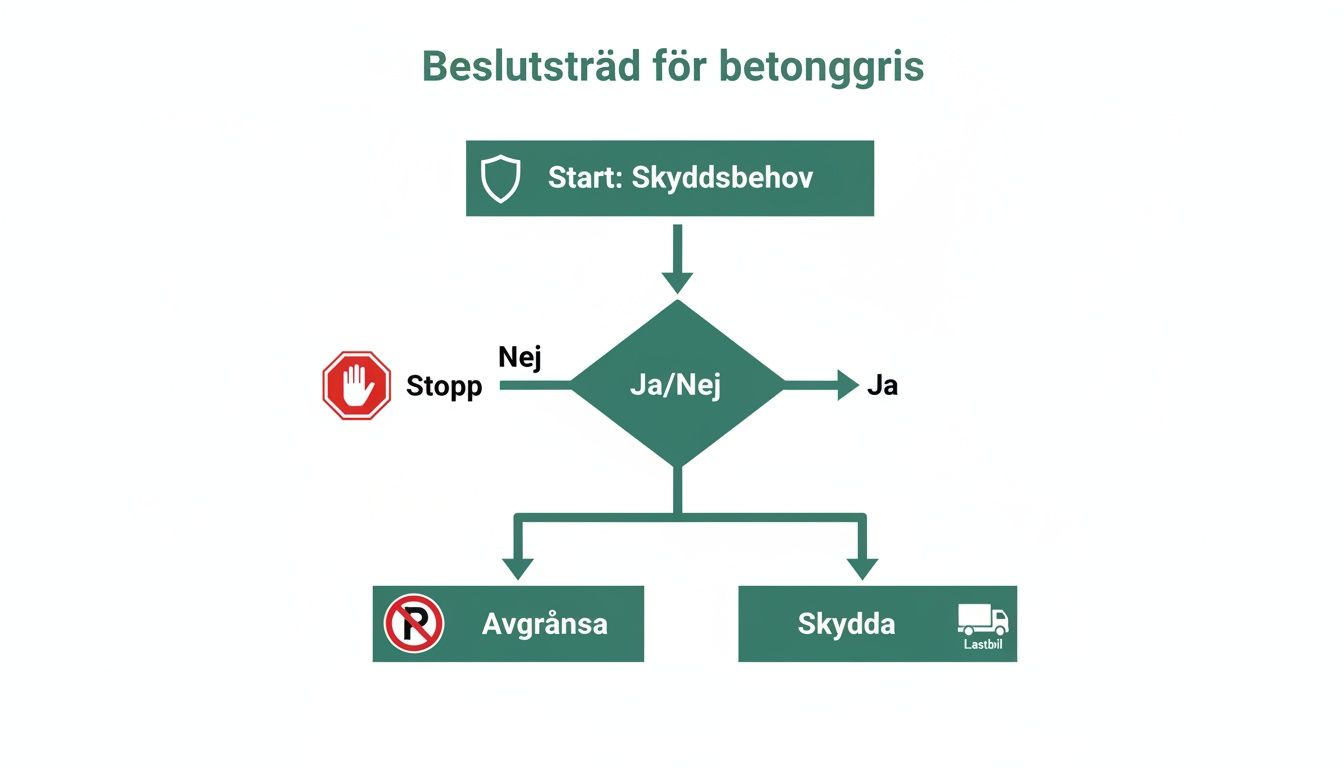
As you can see, the first step is always to define the need – is it about stopping, delineating or protecting?
Comparison with other crowd control products
The concrete barrier block is a fantastic tool, but it’s far from the only option. In some situations, other products are simply a better choice. If the goal is to reduce vehicle speeds, for example, it’s smarter to look at proper speed bumps designed for exactly that purpose.
To give you a clearer picture of the alternatives, we’ve put together a comparison between the classic concrete barrier block and two other common solutions: fixed bollards and steel impact protection.
Comparison of different crowd control products
A comparison between the traditional concrete barrier block and modern alternatives such as bollards, focusing on function, appearance and installation.
| Feature | Concrete barrier block | Fixed bollard | Steel impact protection |
|---|---|---|---|
| Primary function | Movable impact protection | Permanent impact protection | Heavy-duty industrial protection |
| Aesthetics | Raw and functional | Elegant and discreet | Industrial and robust |
| Placement | Placed directly on the ground | Cast in place or bolted down | Bolted to the surface |
| Flexibility | High (easy to move) | Low (permanent installation) | Low (permanent installation) |
| Best suited for | Temporary barriers | Entrances, urban environments | Warehouses, loading docks, industry |
As the table shows, the concrete barrier block is unbeatable when it comes to flexibility and quick solutions. But if appearance matters or the protection needs to be permanent, a bollard or custom impact protection can be a much better choice. It’s simply about finding the right tool for the job.
Pros and cons of the concrete barrier block
A concrete barrier block is a classic for a reason – it works. Period. But like any solution, it isn’t perfect for every situation. To know whether it’s the right choice for your specific needs, you have to weigh its strengths against its weaknesses.
Its popularity rests on a few, but very strong, advantages. It’s robust, simple and does exactly what it’s supposed to without any hassle at all.
The obvious strengths
By far the biggest advantage is its massive weight and robustness. A concrete barrier block effectively stops most passenger cars and is a solid barrier even for heavier vehicles. That makes it an extremely reliable form of impact protection.
Other major advantages include:
- Cost-effectiveness: Compared with more advanced solutions, the concrete barrier block is often a cheaper option, both to purchase and to install.
- Minimal maintenance: Once in place, it requires virtually nothing. It doesn’t rust, doesn’t rot and handles our Nordic climate without the slightest problem.
- Flexibility: Despite its weight, it’s relatively easy to position and move with the right equipment. Perfect for temporary barriers at events or construction projects.
- Immediate effect: No complicated installation is needed. As soon as it’s on the ground, it does its job.
The greatest strength of a concrete barrier block is its simplicity. It is a pure physical barrier whose function is directly tied to its weight and material – a reliable solution that rarely fails.
Things to consider
Despite its strengths, the concrete barrier block has several drawbacks that become especially clear in certain environments. Its raw, functional nature simply doesn’t fit everywhere.
The most obvious weakness is aesthetics. A gray lump of concrete rarely contributes to a welcoming or well-designed environment. Outside a modern property, in a park or on a public square, it can create a harsh, unwelcoming impression that drags down the whole atmosphere.
Other drawbacks to keep in mind:
- Takes up a lot of space: It’s bulky and can be impractical in tight areas where every centimeter counts.
- Tripping hazard: If placed carelessly in areas with lots of foot traffic, it can become a serious tripping hazard, especially for children or people with visual impairments.
- Limited design: There aren’t many ways to change its appearance other than painting it, which rarely looks particularly elegant.
- Environmental impact: Cement production is energy-intensive. This can be an important factor for companies and organizations with ambitious sustainability goals.
When is it time to rethink?
If you need to protect an area but feel that a concrete barrier block simply doesn’t fit in, it’s time to explore other options. Especially if you want to protect an entrance while maintaining an inviting atmosphere. In that case, more elegant products can be a much better investment.
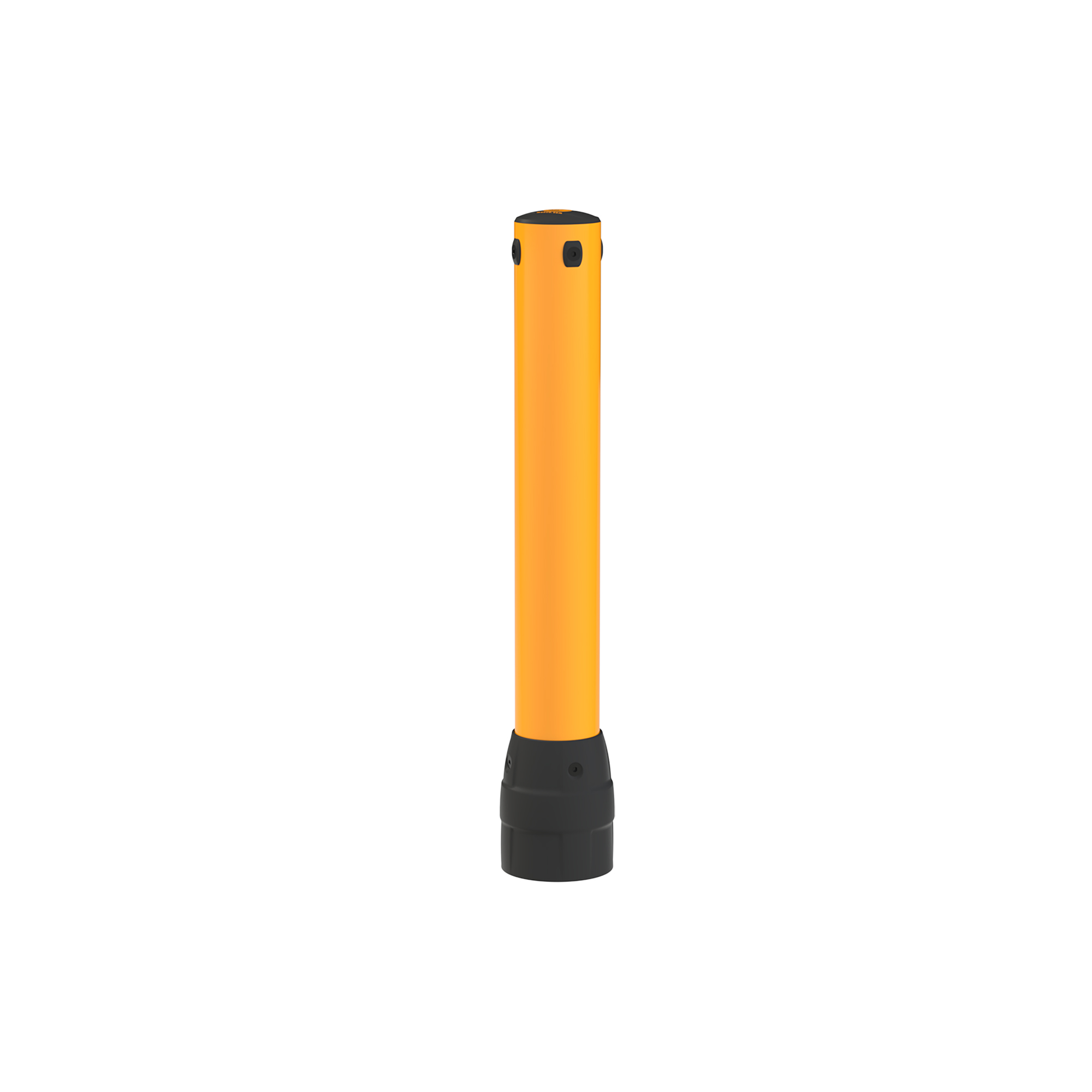
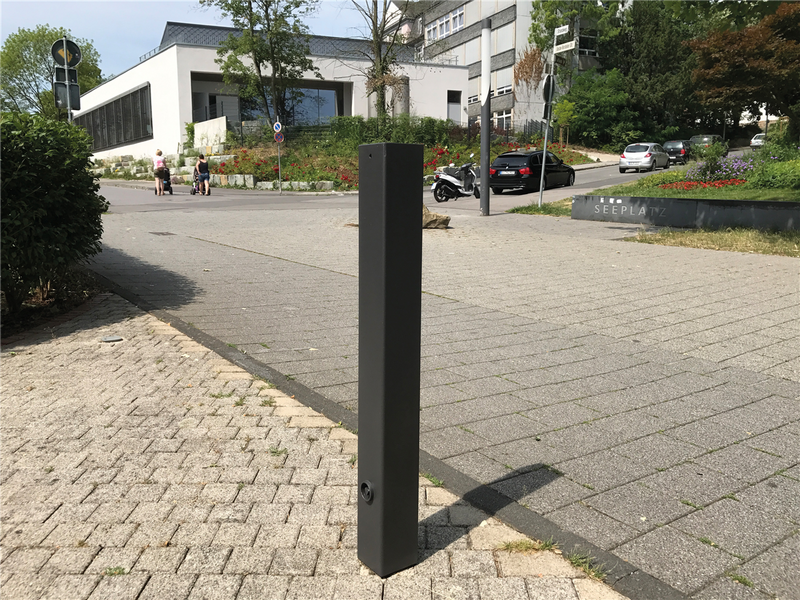
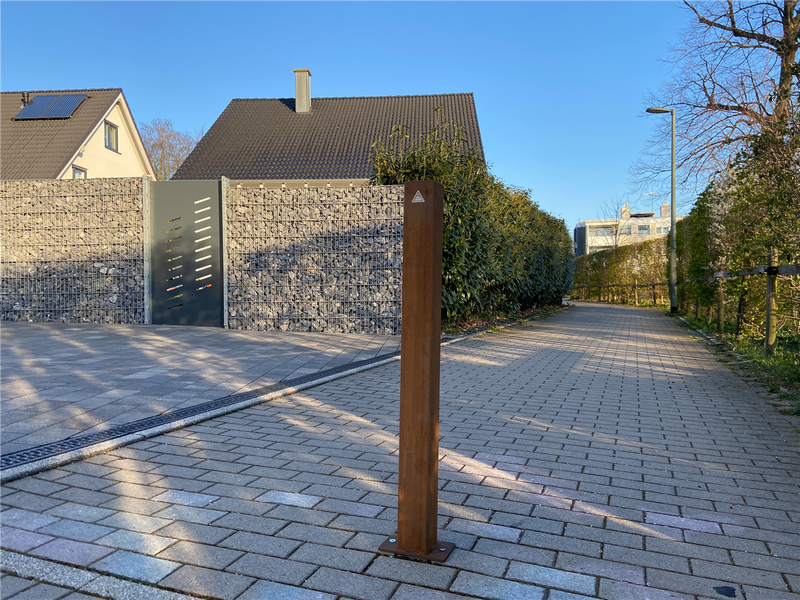
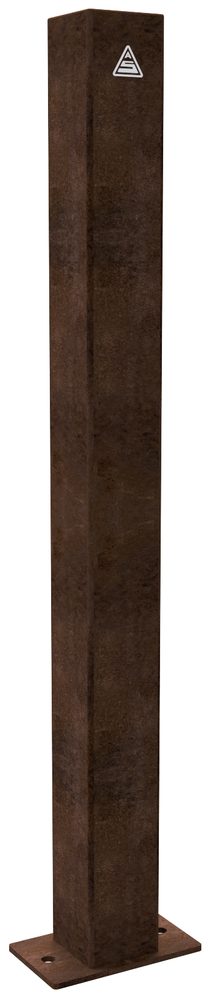
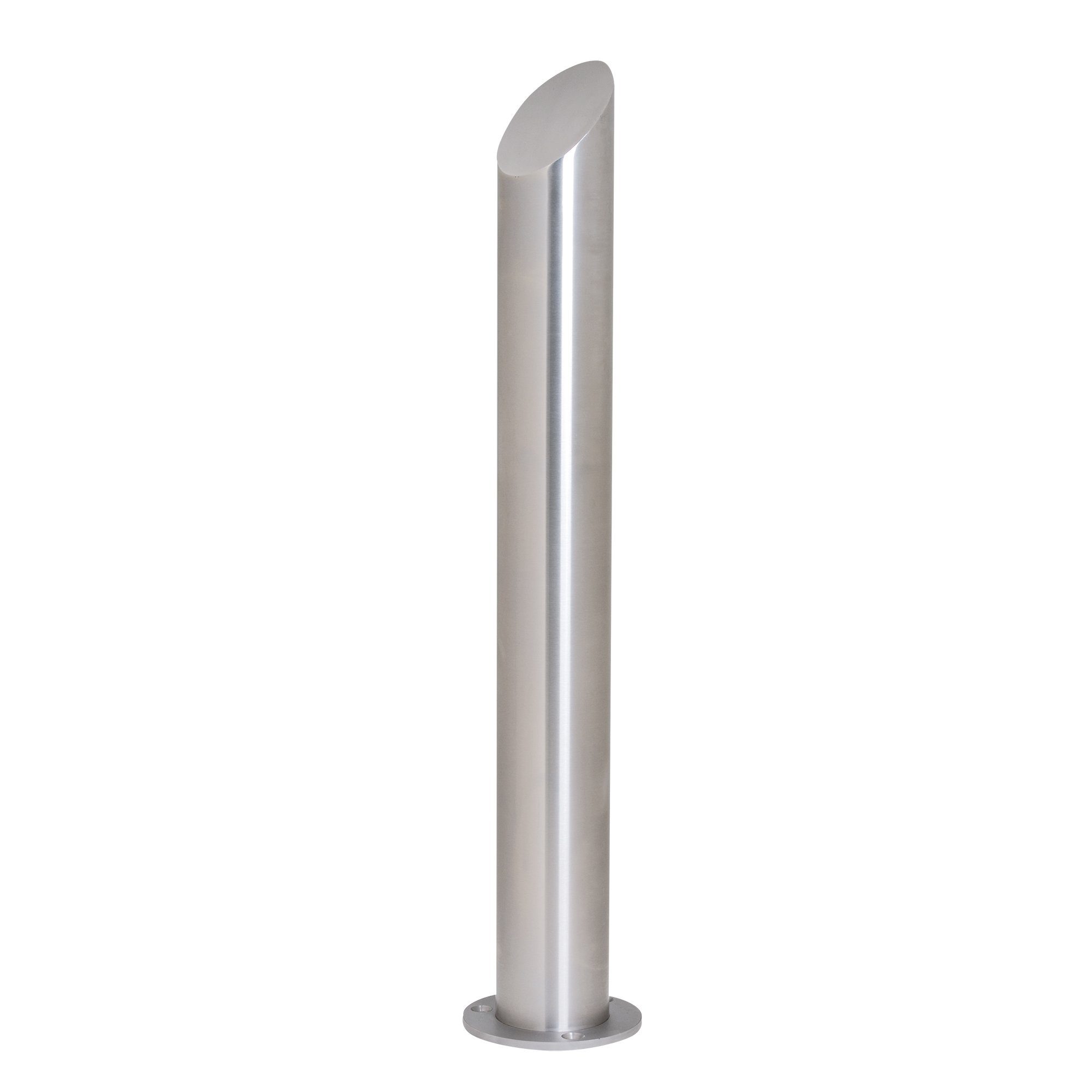
Products such as fixed bollards solve exactly the same problem – stopping vehicles – but in a much more attractive and integrated way. They take up less space and are available in materials and colors that blend in with the surrounding architecture.


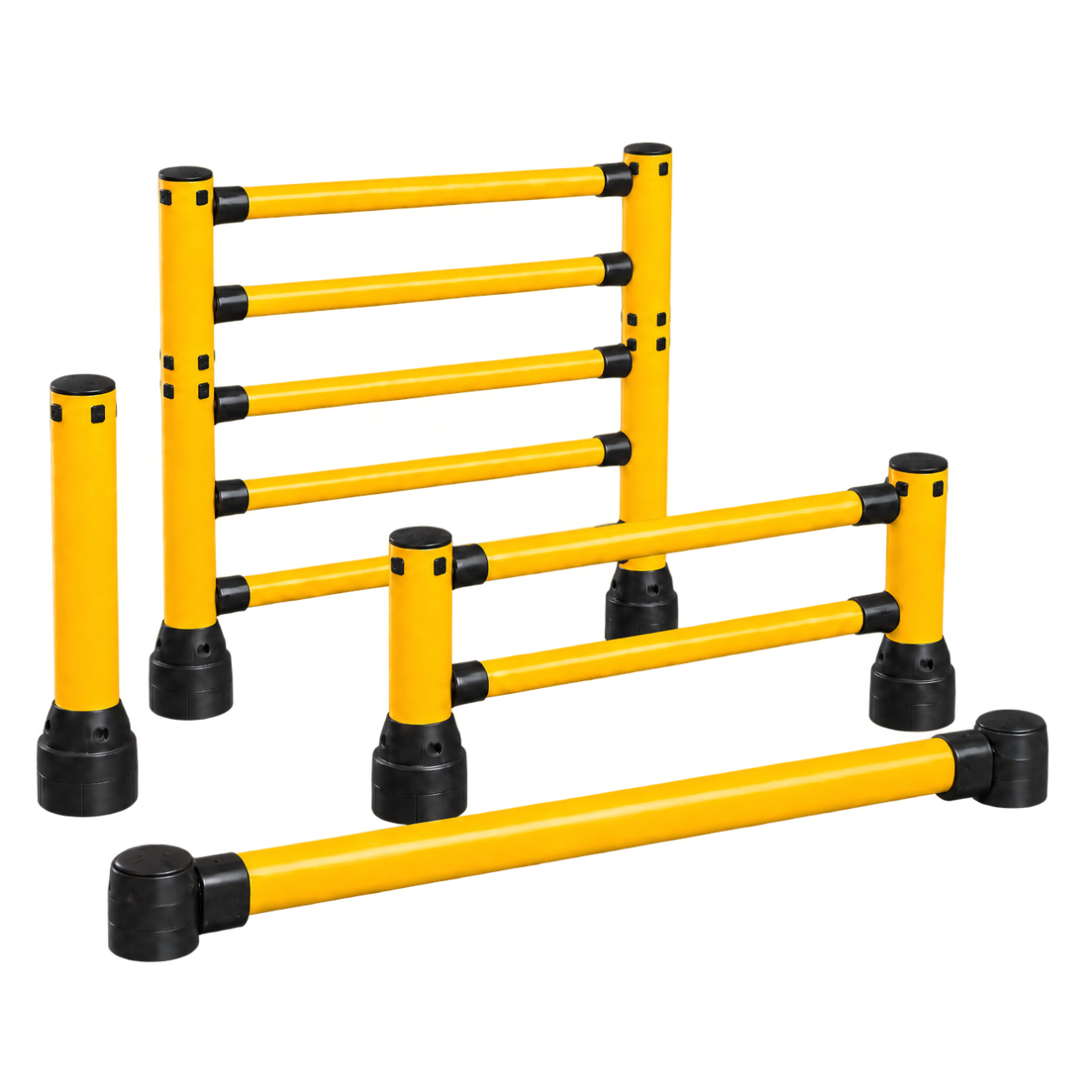
 Black/Yellow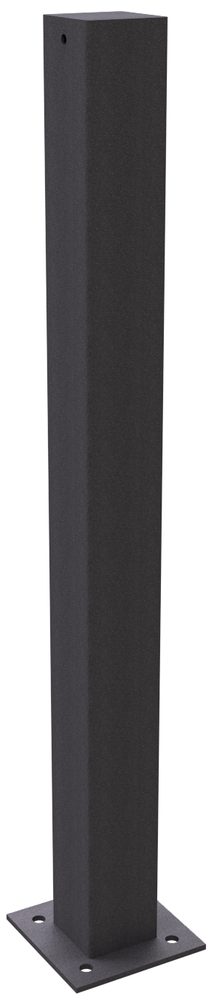

Not sure whether a concrete barrier block is right for you, or would you like to discuss smarter alternatives that combine safety with design? Contact us at Nordguard, and we’ll help you analyze your needs and find the best solution.
Modern alternatives that combine safety and design
When a concrete barrier block feels too raw and industrial for a particular setting, there’s a whole world of elegant and effective alternatives to explore. The goal is the same – protecting property and directing traffic – but the design can enhance the character of an entire area instead of weighing it down.
It’s simply about moving from a pure barrier to a well-thought-out boundary. Instead of just stopping a vehicle, you can create a solution that blends into the architecture, improves the visual impression and creates a more welcoming atmosphere for visitors and employees alike.
Bollards create an elegant and safe entrance
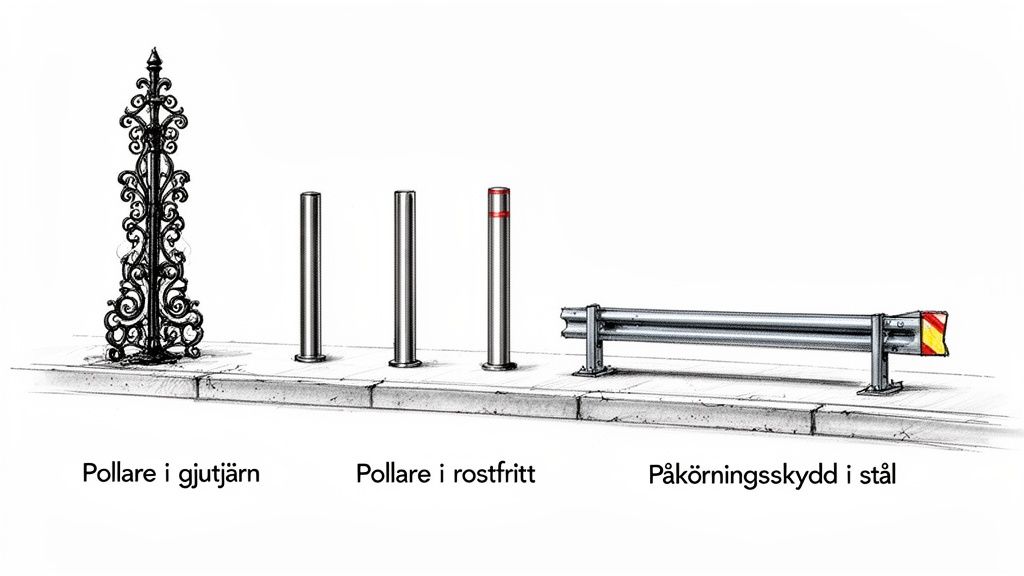
For entrances, public squares, shopping centers or modern properties where design plays a central role, fixed bollards are a superior alternative. A concrete barrier block can signal “keep out,” while a row of sleek cast iron or stainless steel bollards creates a clear yet inviting boundary.
Bollards offer several advantages that a concrete barrier block can’t match:
- Design flexibility: They come in countless shapes, materials and colors. That lets you choose a model that complements the building’s architecture, from classically ornate to minimalist modern.
- Space efficiency: A bollard has a very small footprint compared with a bulky concrete barrier block. This frees up valuable space and reduces the risk of creating cramped areas, especially for pedestrians.
- Sense of openness: By creating a visual boundary without blocking the view, bollards preserve a feeling of space. The area feels safe without feeling closed in.
A well-placed bollard can protect a glass facade or an outdoor seating area from accidental vehicle impact without compromising the overall look. They’re an excellent example of how form and function can go hand in hand.
Heavy-duty protection for industry and logistics
In tougher environments such as warehouses, loading docks and industrial sites, steel impact protection is often a more suitable choice than a concrete barrier block. Although concrete is robust, steel can offer a more specialized and visible solution designed to absorb and distribute the force of a collision.
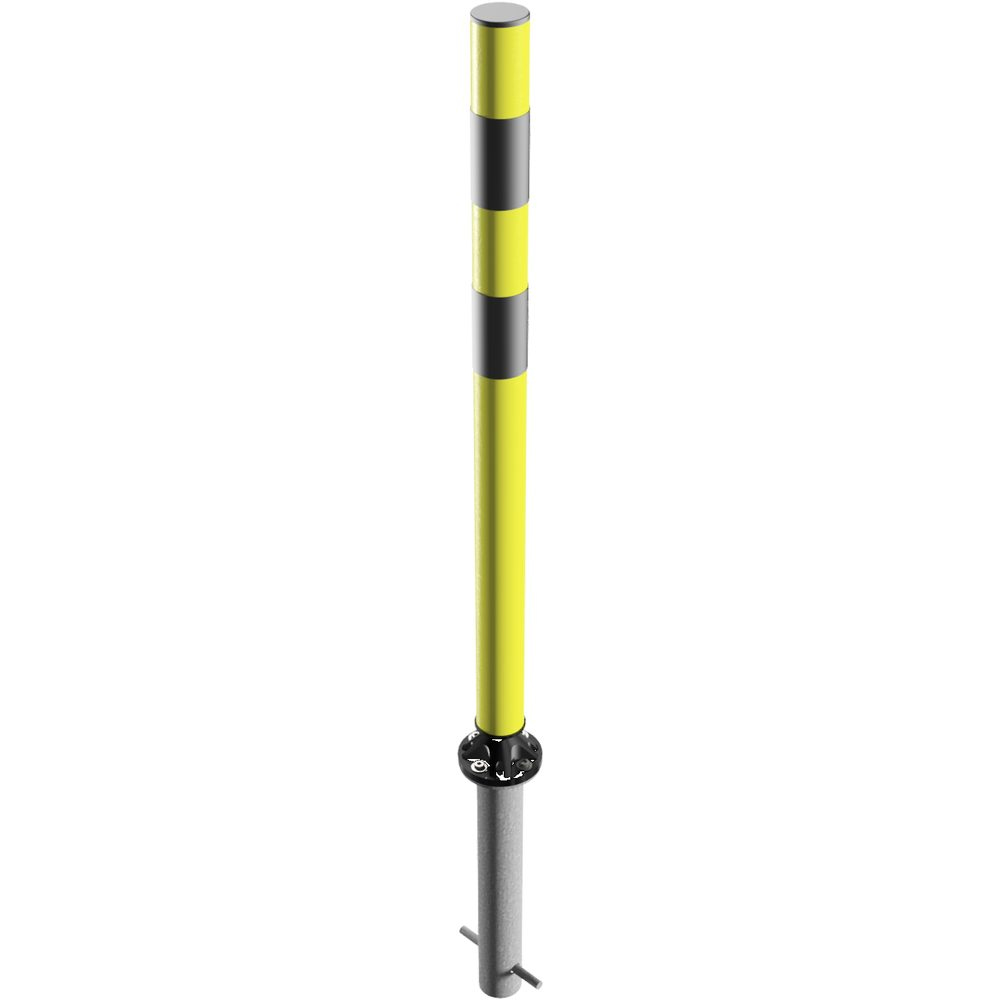
Unlike a concrete barrier block, which mostly just stands in the way with its mass, steel impact protection can be designed for specific purposes. It is often painted in bright safety colors such as yellow and black to maximize visibility and proactively prevent accidents. It’s also built to withstand repeated impacts from forklifts and trucks, making it a long-term investment in workplace safety.
Choosing the right impact protection is about matching the level of protection to the requirements of the environment. In a public setting, design is key, while in an industrial setting, raw strength and visibility take priority.
Comparison of modern alternatives
To make the choice easier, we’ve put together a table highlighting the key differences between a concrete barrier block and its modern alternatives.
| Feature | Concrete barrier block | Fixed Bollards | Steel impact protection |
|---|---|---|---|
| Best for | Temporary and quick solutions | Permanent, aesthetic boundaries | Demanding industrial environments |
| Primary material | Concrete | Cast iron, steel, stainless steel | Painted or galvanized steel |
| Visual impression | Raw and functional | Elegant and integrated | Robust and visible |
| Installation | Placed on the ground | Cast in place or bolted | Bolted to the surface |
| Maintenance | Minimal | Low, depending on the finish | Low, may need repainting |
The choice isn’t always obvious, and a combination of different products is often the best solution. You might need a concrete barrier block to temporarily block a driveway during construction, while permanent bollards are installed at the main entrance.
Finding the right balance between safety, function and design can be a challenge. If you need help choosing a solution that protects your property while enhancing its appearance, don’t hesitate to contact us. Our experts can guide you through the entire process, from needs assessment to completed installation.
 Gray
Gray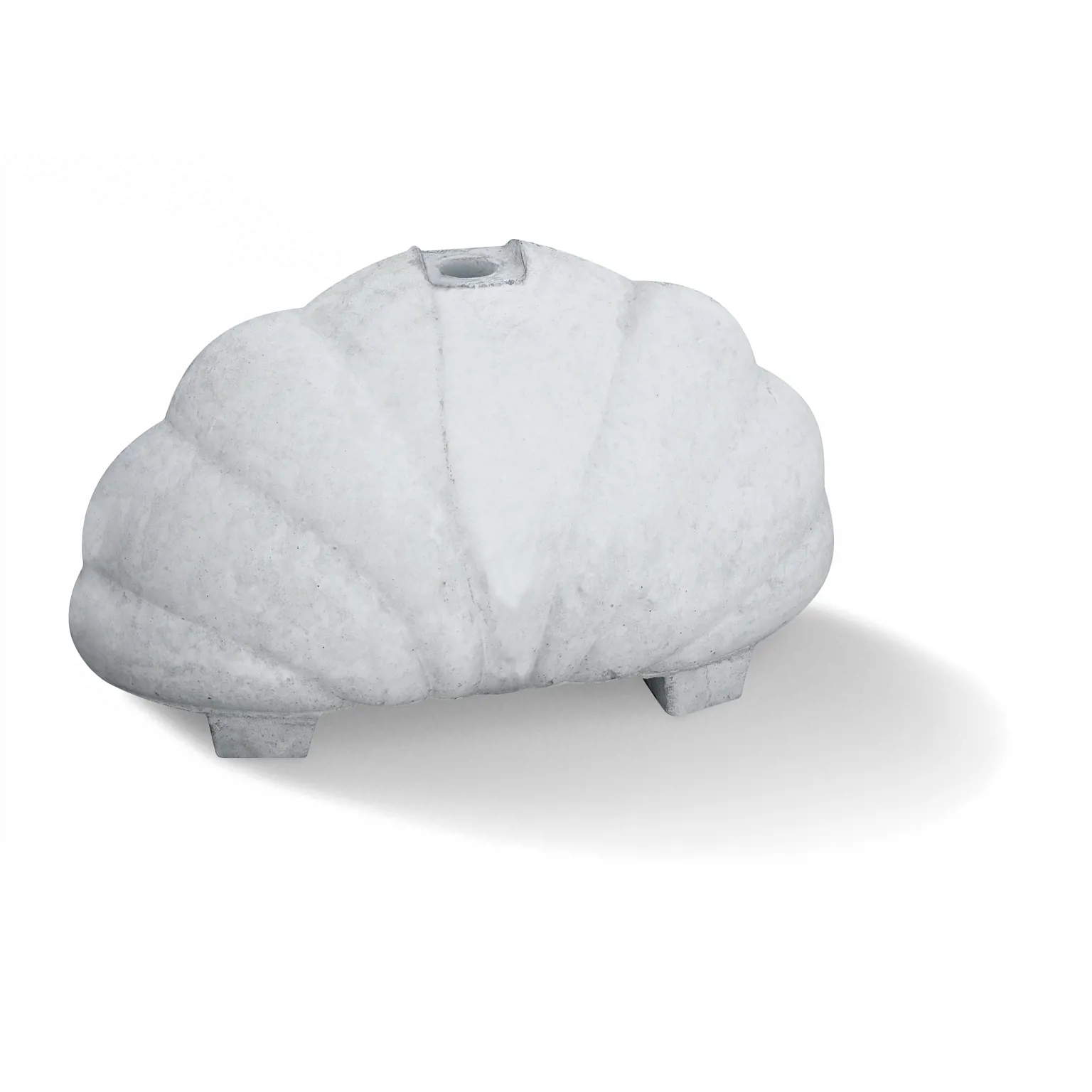
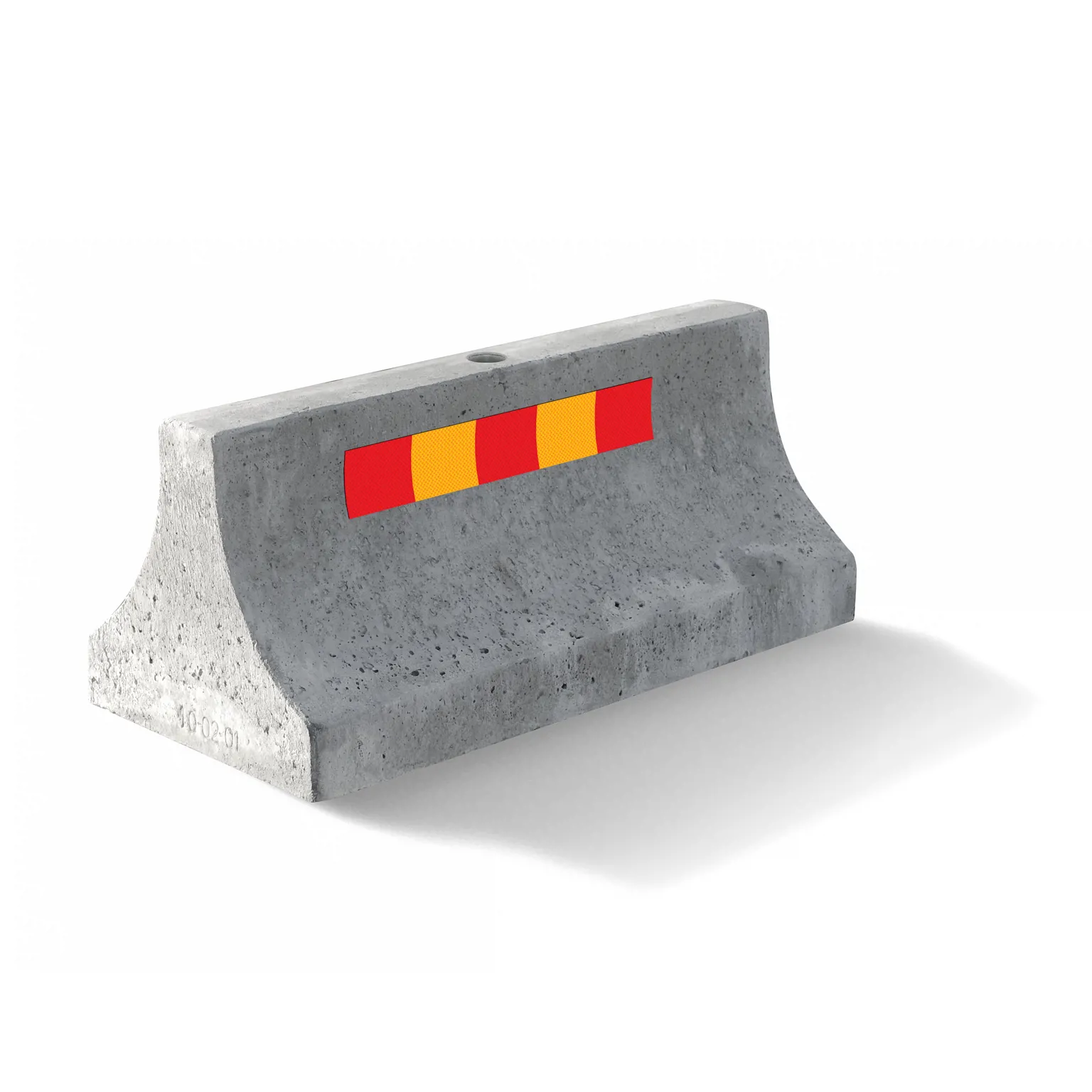
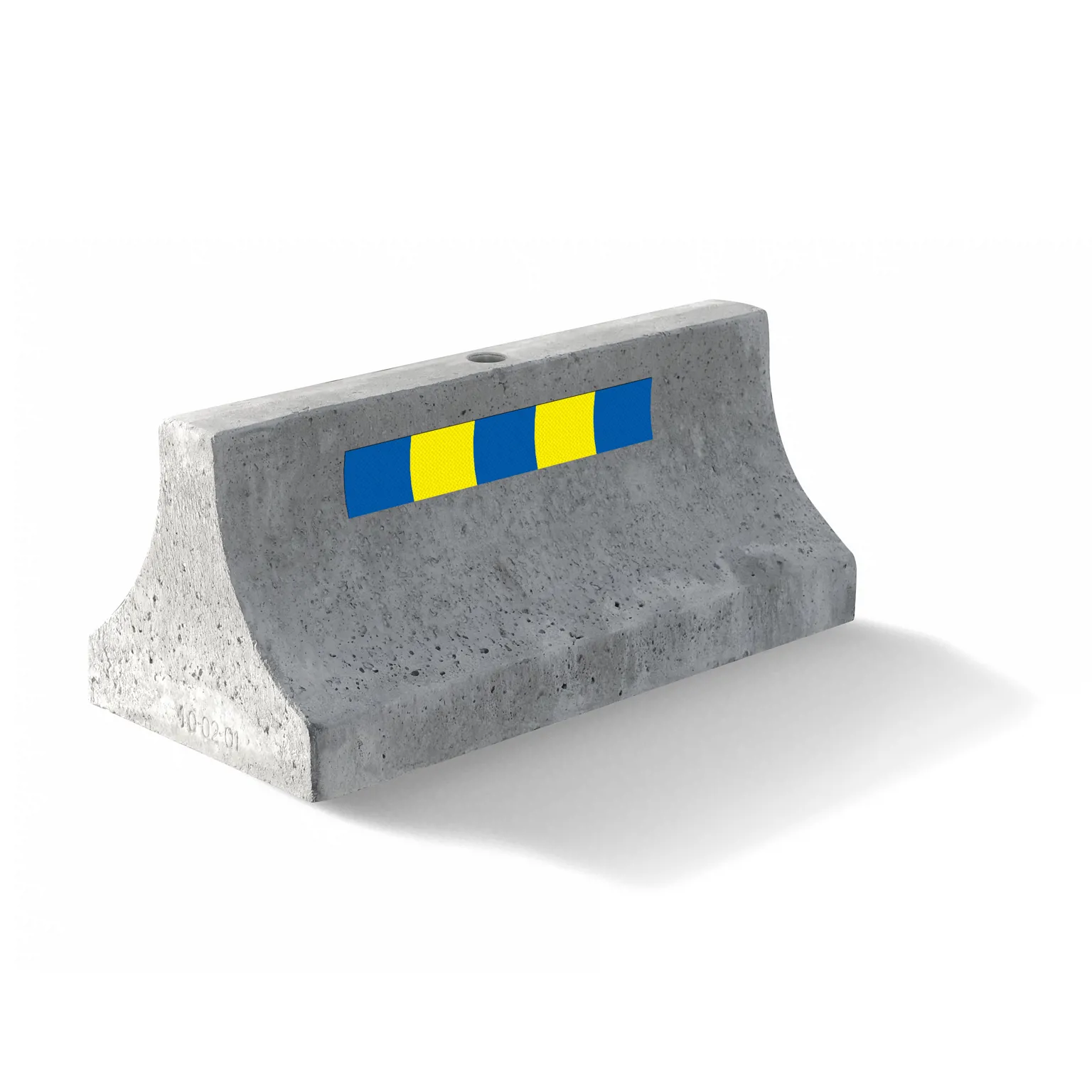
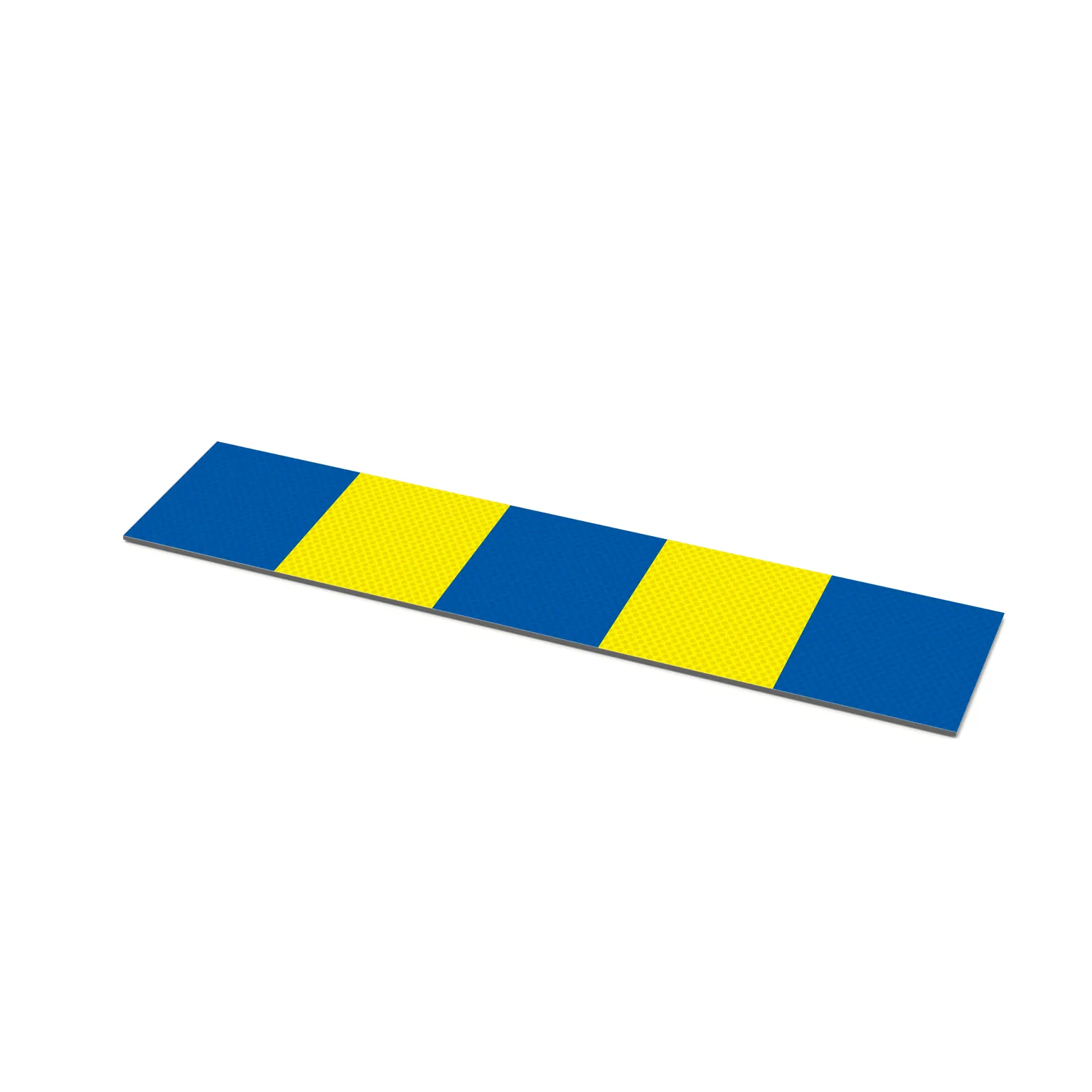 Blue/Yellow
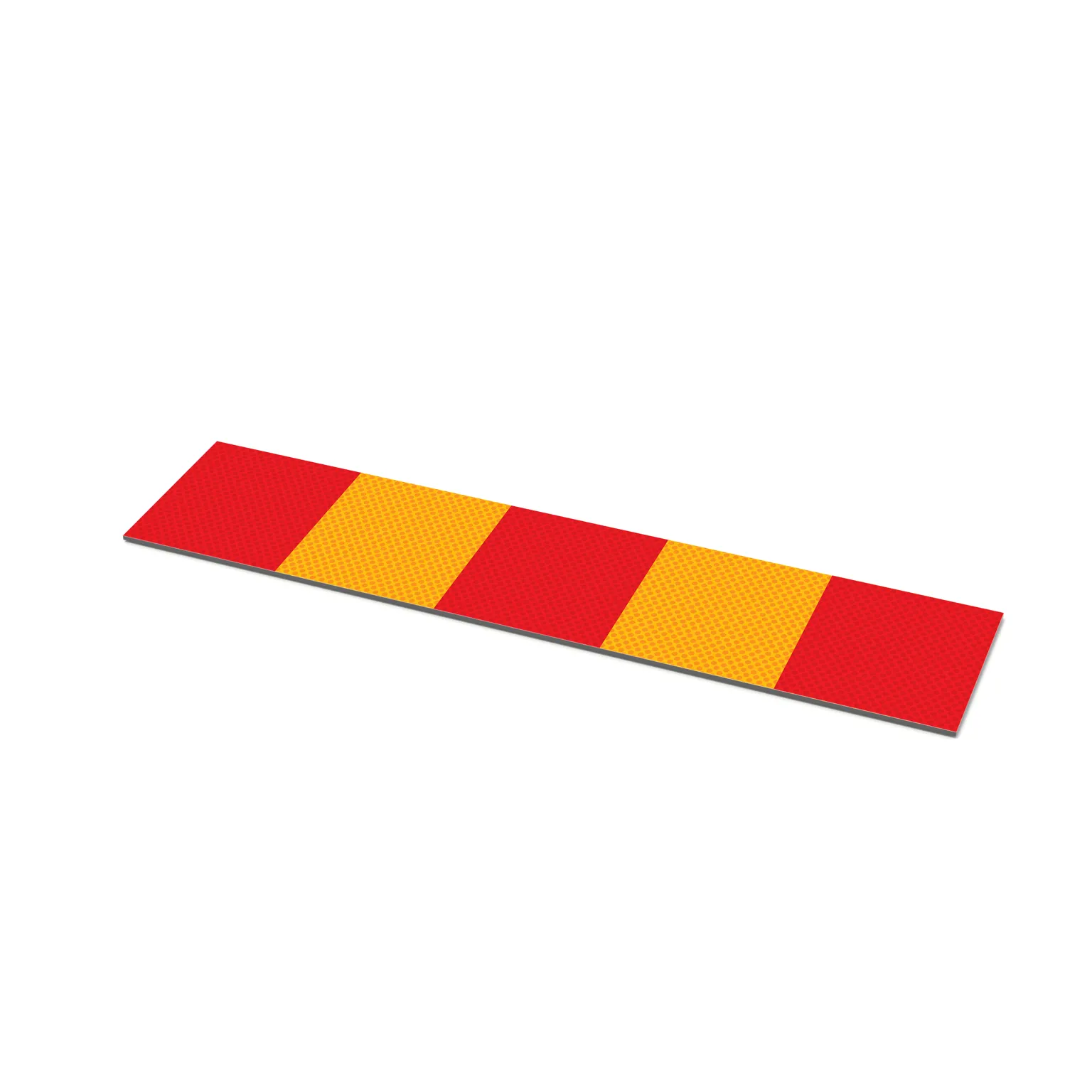 Red/Yellow
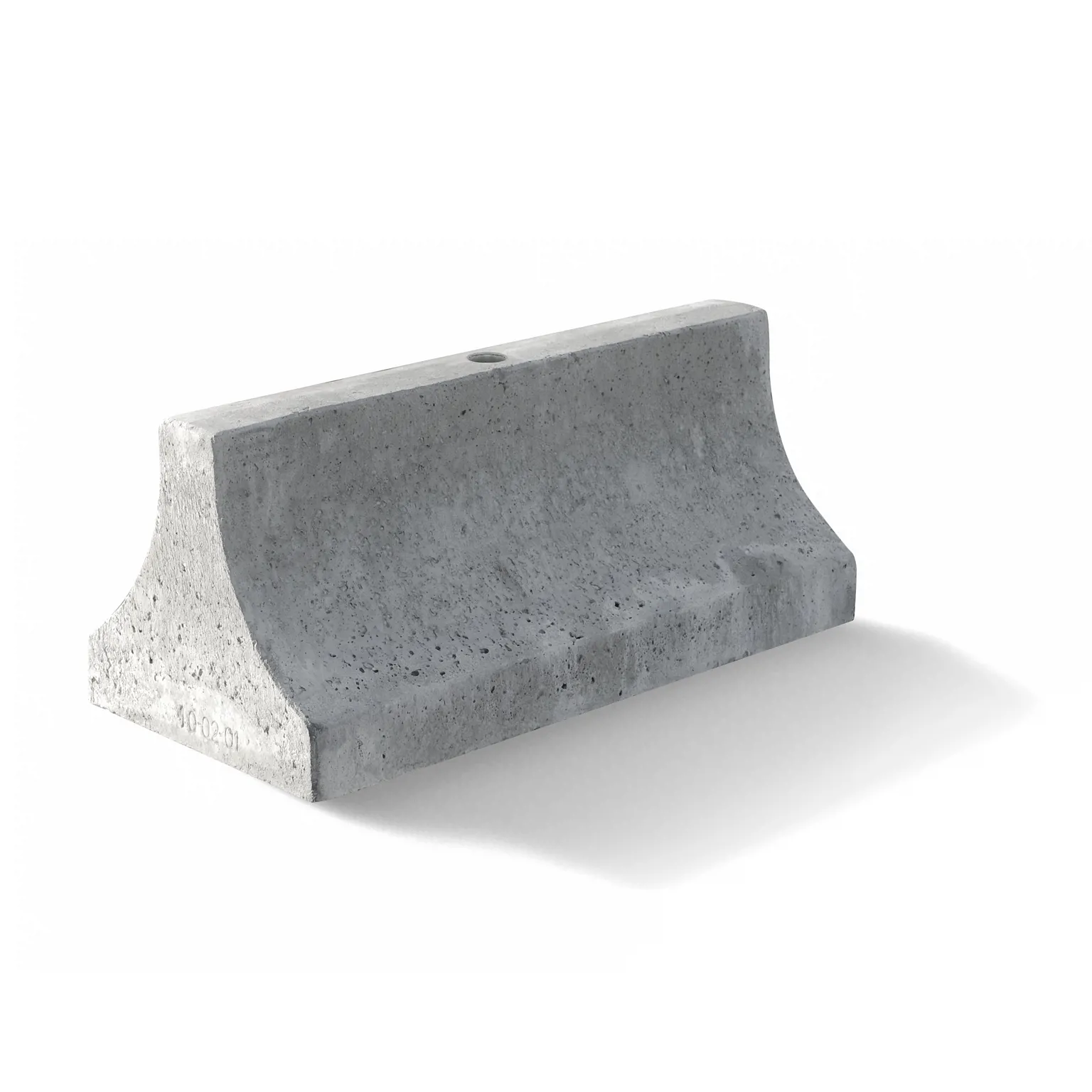 Gray
Gray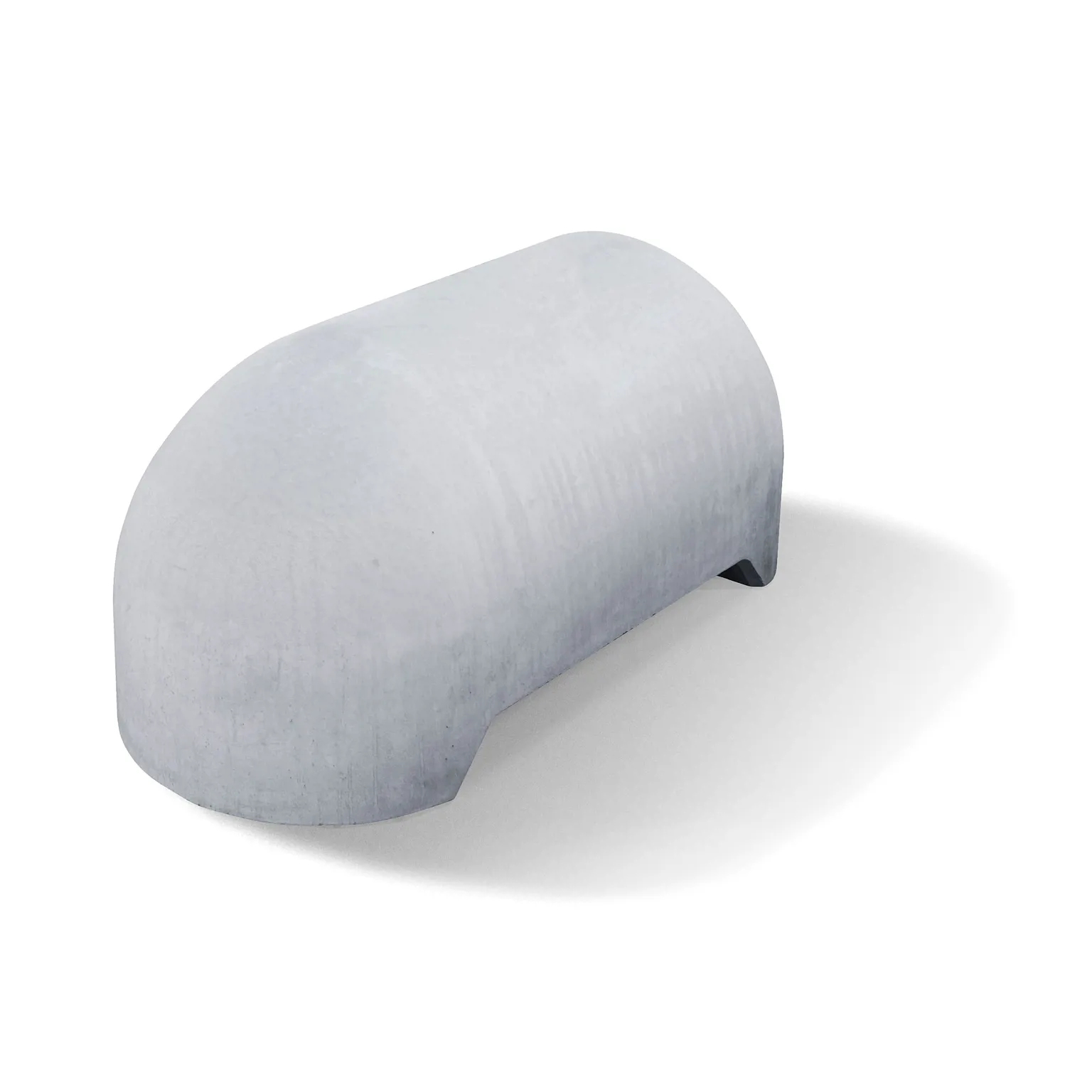
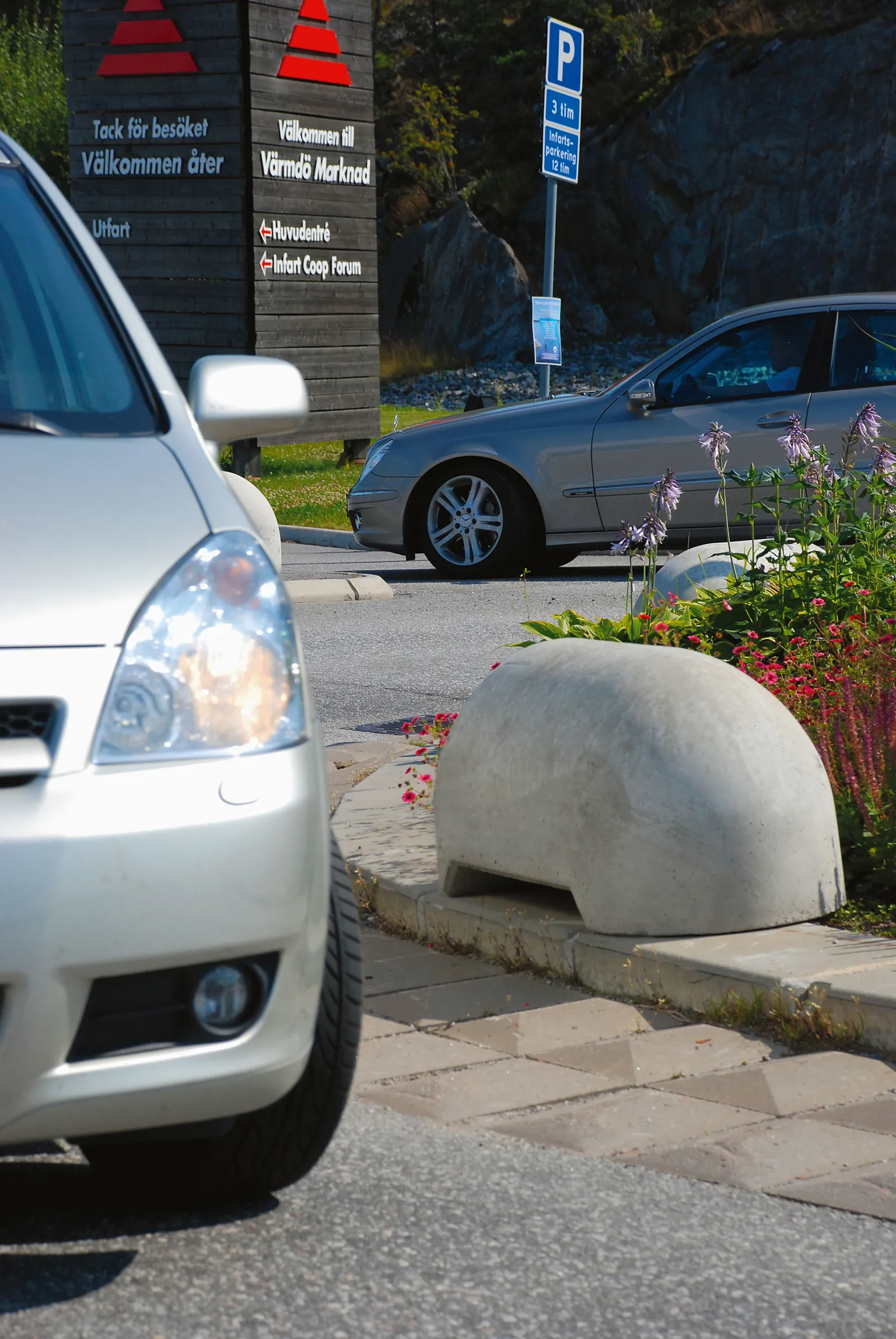
 Gray
GrayInstallation, permits and practical tips
Setting out a concrete barrier block involves more than just lifting it off the truck. For it to do its job and stand securely, it takes a bit of planning and know-how – everything from ground preparation to keeping track of any permits required.
Do you need a permit for a concrete barrier block?
Even though a movable concrete barrier block rarely requires a building permit, you can’t just place it anywhere you like. If it’s going on public property, such as a sidewalk or street, or if it affects traffic in any way, you will almost always need a permit.
This is a critical point that’s easily overlooked. Depending on the location, you’ll need to contact either the municipality or the Swedish Transport Administration (Trafikverket). Ignoring this can result in fines and a demand to remove the obstacle immediately.
Prepare the ground for safe placement
One of the most important details of all is the ground surface. A concrete barrier block is, as the name suggests, extremely heavy. If the ground beneath it is soft or uneven, there’s a real risk that it will start to sink over time. It will then tilt, which both looks bad and can reduce its protective effect.
So make sure the surface is hard, level and stable. Asphalt, concrete or well-compacted gravel are ideal. Feeling even slightly unsure? Bring in a groundwork contractor to avoid problems down the road.
Installing permanent alternatives
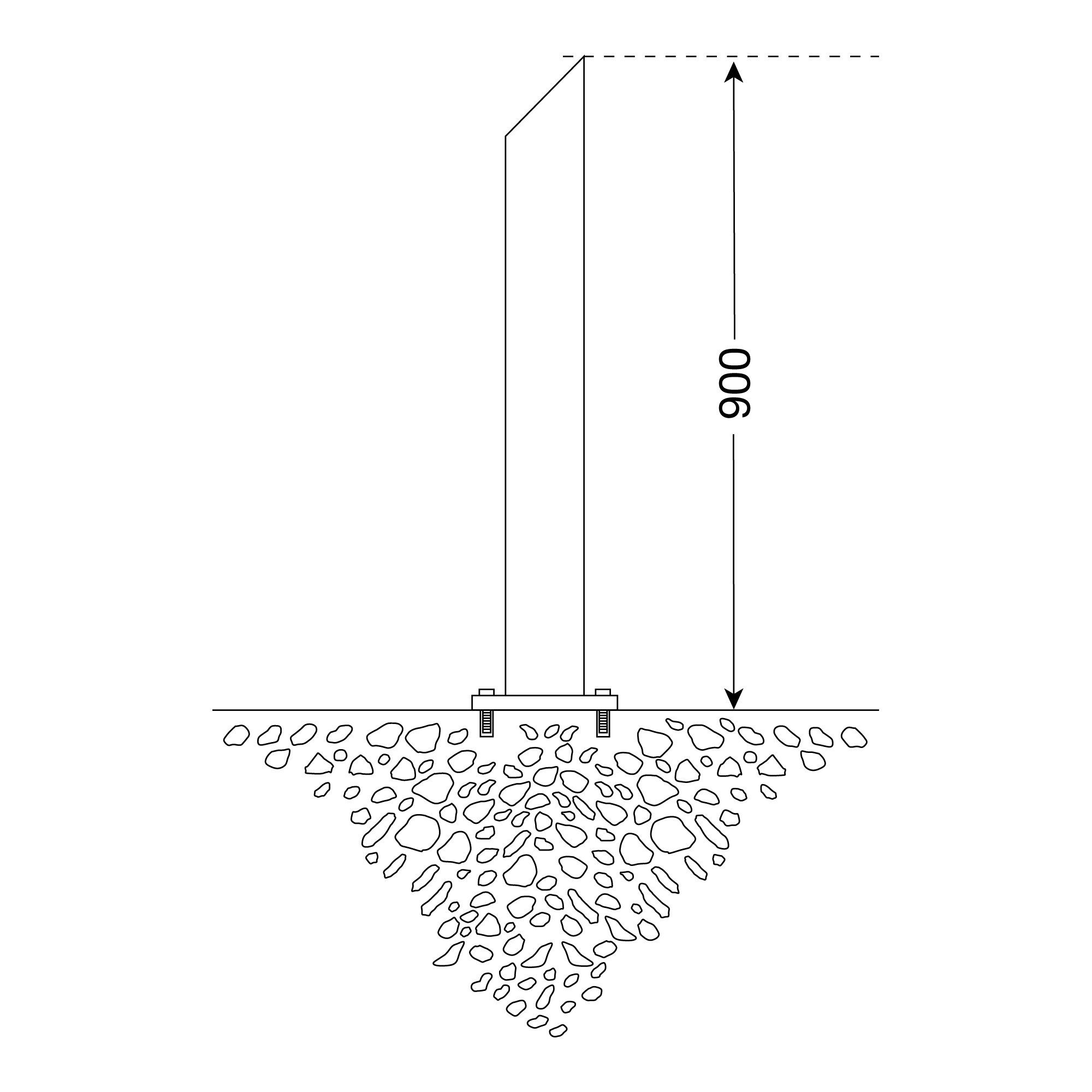
If you’re aiming for a fixed solution instead, such as a concrete-in bollard, installation is naturally more involved. But the result is also much more stable and durable protection. The process involves digging, positioning the bollard and setting it in concrete.
This ensures that the bollard is rock-solid and can withstand a truly powerful impact. A proper foundation is absolutely essential to getting the maximum strength out of the product. If you’d like to learn more about the regulations, read our guide on legal requirements and responsibilities for impact protection.
Proper installation isn’t a cost – it’s an investment in safety. Whether it’s a heavy concrete barrier block or an elegant bollard, the groundwork determines how well the protection performs on the day it’s really needed.
Maintenance for a long service life
Concrete is an incredibly durable material, but that doesn’t mean it’s completely maintenance-free. For your impact protection to keep working and looking good year after year, regular inspection is essential.
Here’s a simple checklist to follow:
- Look for cracks: Keep an eye on the concrete, especially after winter, when frost can cause damage.
- Check for settling: Has the obstacle started to sink or tilt? That’s a sign the ground beneath has given way.
- Keep it clean: Dirt and moss can quickly make even the most robust protection look neglected.
- Ensure visibility: If the obstacle has reflectors or is painted, check that they are still intact and doing their job.
By keeping track of these simple points, you’ll make sure your investment lasts for many years to come. If you’re unsure about installation or need help choosing the right product, contact us and we’ll guide you to a solution that fits your specific needs.
Frequently asked questions about concrete barrier blocks
Here we’ve gathered answers to some of the most common questions we get about concrete barrier blocks. Can’t find what you’re looking for? Don’t hesitate to get in touch – we’re happy to provide personal advice.
How much does a concrete barrier block cost?
The price of the concrete barrier block itself naturally depends on the model and size, but it’s generally one of the most cost-effective ways to create a heavy, movable obstacle.
What’s easy to forget is that shipping costs often make up a significant part of the total price. Concrete is extremely heavy, so special transport with a crane truck is required to get it in place. It’s a detail that always needs to be factored in.
Do I need a permit to set out a concrete barrier block?
The short answer is: it depends on where it will be placed. The rules are fairly clear.
- On your own private property: Here, a permit is practically never needed. You have every right to protect your property.
- On public property: If you plan to place it on a street, sidewalk or other municipal area, a permit from the municipality is almost always required, especially if it affects traffic or accessibility.
To be completely sure, always give your municipality a call or contact the responsible authority before placing an obstacle where the public moves about.
How do you move a concrete barrier block safely?
This is a job for machines, not people. Never, ever try to move a concrete barrier block by hand – the risk of injury is enormous.
To handle it safely, you need a crane truck, a wheel loader or a heavy-duty forklift with sufficient lifting capacity. Most concrete barrier blocks are smartly designed with either cast-in lifting eyes on top or fork pockets in the base, precisely to make moving them controlled and safe.
The best alternative to a concrete barrier block is the solution that best meets your unique needs, both functionally and aesthetically. A raw lump of concrete solves one problem but sometimes creates another.
What is the best alternative to a concrete barrier block?
There’s no one-size-fits-all answer, since it all depends on the purpose and the environment. If you want permanent, more discreet protection at a corporate entrance or in a park, bollards are often a much better choice. They provide effective protection without looking forbidding.
For a tough industrial environment with a high risk of collisions, on the other hand, heavy-duty steel impact protection may be more suitable. It’s built to take hard hits and is often painted in safety colors so it’s clearly visible.
Need help finding the perfect solution for your environment? Contact Nordguard today. We’ll help you analyze your needs and find the right product, whether it’s a classic concrete barrier block or a more modern alternative. Read more at https://nordguard.eu.
Ready to take the next step?
We help you develop solutions tailored to your needs. At Nordguard, we strive to make the ordering process as smooth as possible. By offering support and guidance throughout the entire purchasing experience, we make sure you feel confident and satisfied with your choice of protection products.+46 10 153 90 50
[email protected]