Bike Shelter Roofs for Smarter, Safer Bike Parking
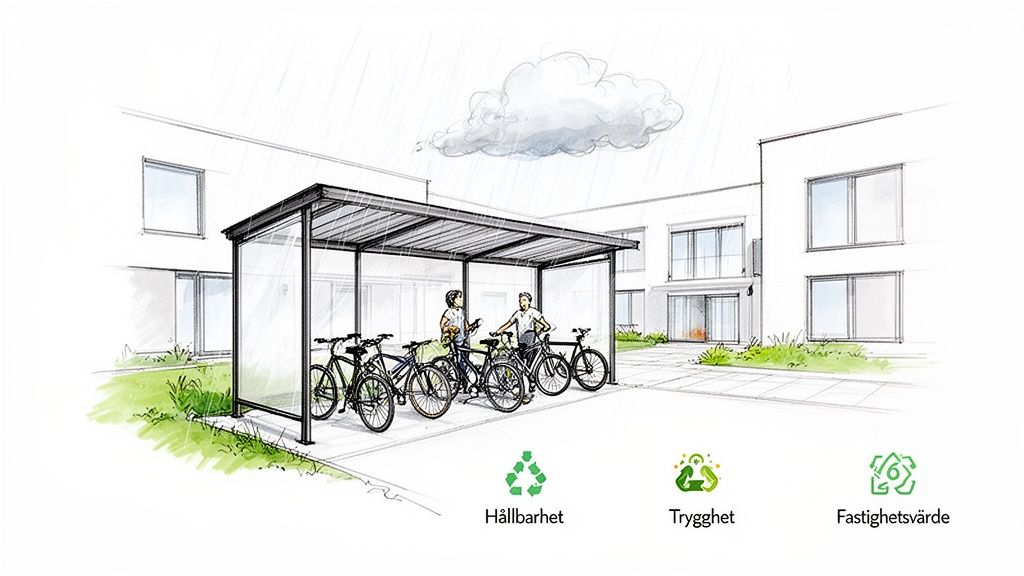
A bike shelter roof is so much more than a roof over a bike. Think of it instead as a smart investment in sustainability, security and property value. Truly good bike parking shows forward thinking and encourages an active lifestyle, which makes it essential for municipalities, housing cooperatives and businesses that want to stay ahead.
From rain cover to strategic investment
Seeing a bike shelter roof as just a cost misses the whole point. At a time when more and more people choose the bike over the car, secure and functional bike parking has become a crucial part of our infrastructure. A problem many people face is the lack of safe places to leave their bikes, especially more expensive e-bikes. The solution is no longer just about keeping the saddle dry; it is about creating tangible, long-term value.
For property owners and housing cooperatives, a well-designed solution is a direct investment that makes the property more attractive. Today, prospective buyers and tenants expect secure bike storage as a given. A sturdy roof not only protects against wind and weather, which extends the life of the bike, but also significantly reduces the risk of theft and vandalism. It solves the problem of bikes that would otherwise be dumped in stairwells or left unprotected in the courtyard.
An investment in sustainability and health
Every person who chooses to cycle contributes to lower emissions and better public health. By offering a safe and inviting place to park, you become an active part of this positive trend. It is a clear way to show that you are working toward a greener, more sustainable urban environment.
The trend is clear. After the car took over in the 1950s and cycling declined, the pendulum has swung back with full force. Today, roughly one billion bike trips are made every year in Sweden, and as many as 93 percent of Swedes have access to a bike. Meeting this demand with the right infrastructure is absolutely essential.
More than just a roof
A complete solution requires looking at the big picture. It is about analyzing how people move, understanding what users need and making sure the bike parking fits into its surroundings. The best solution is both functional and visually appealing.
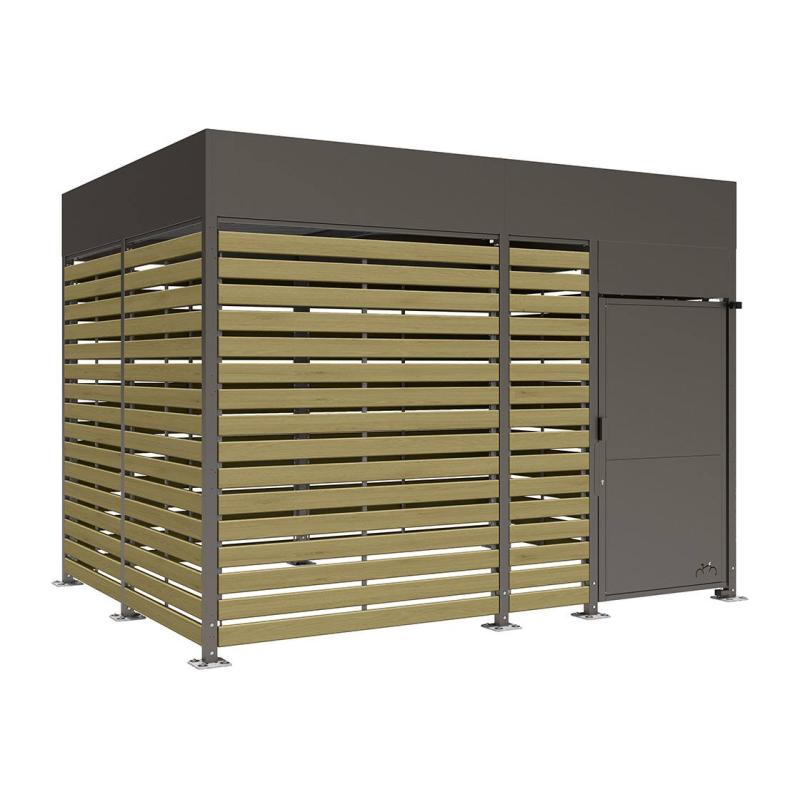
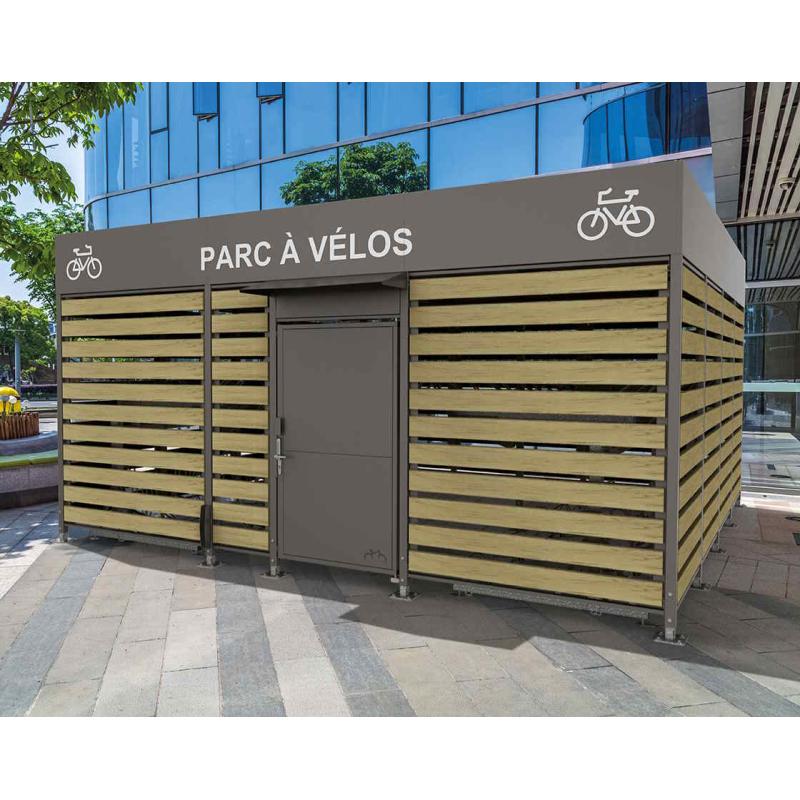
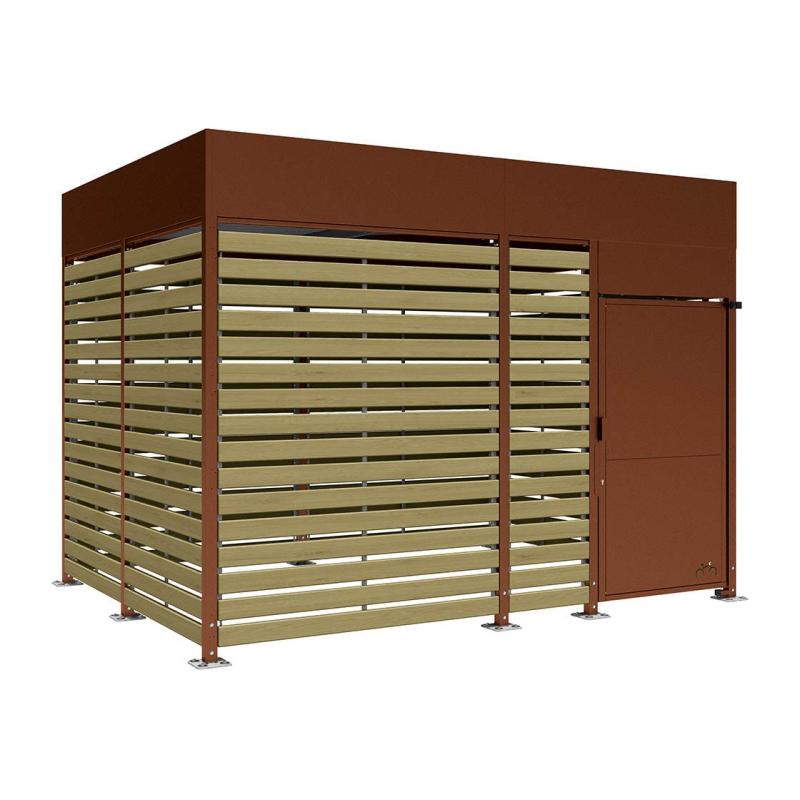
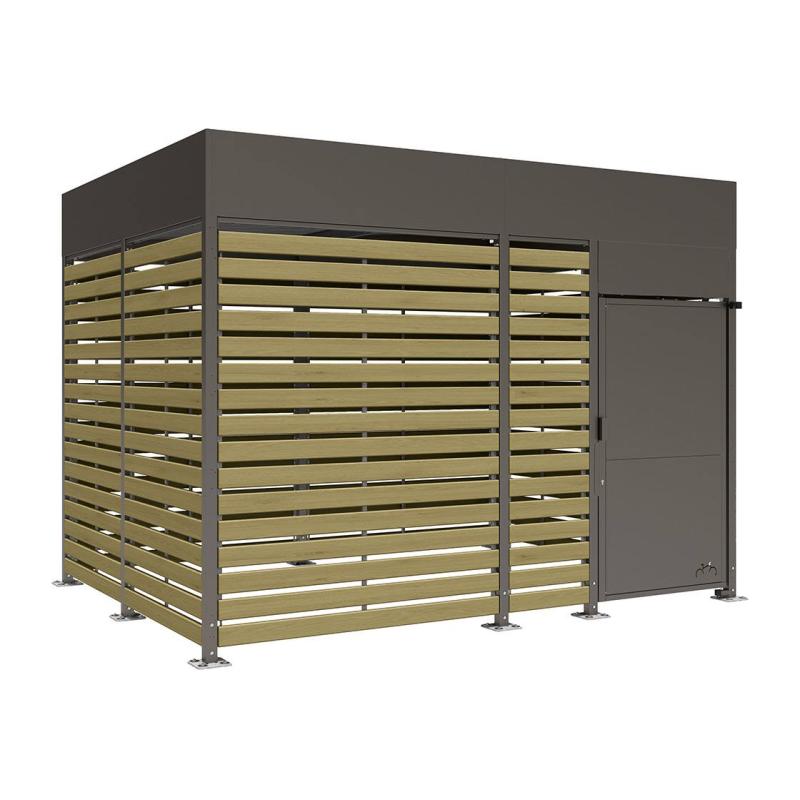
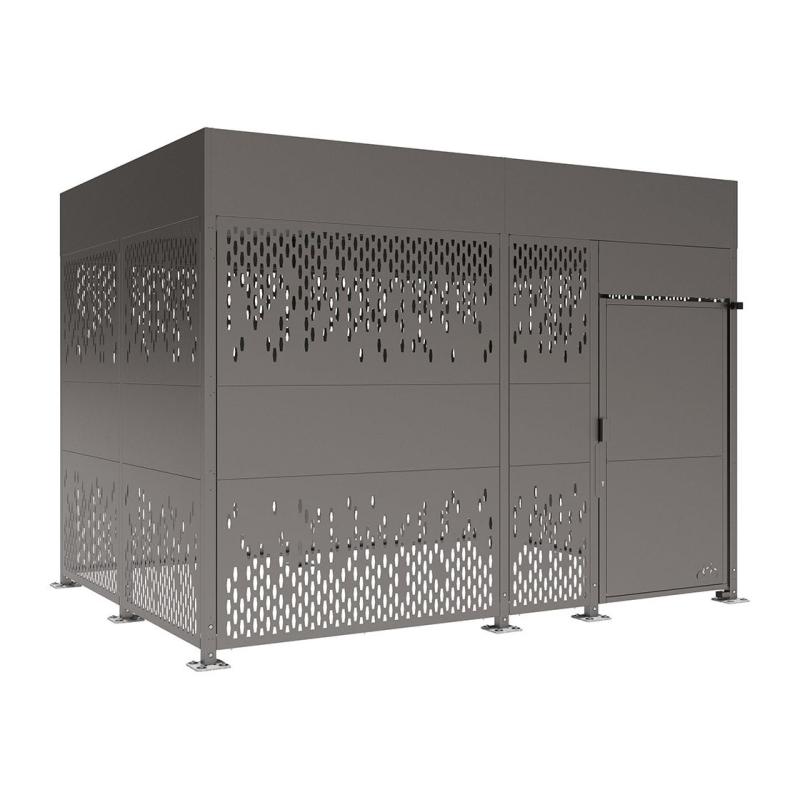
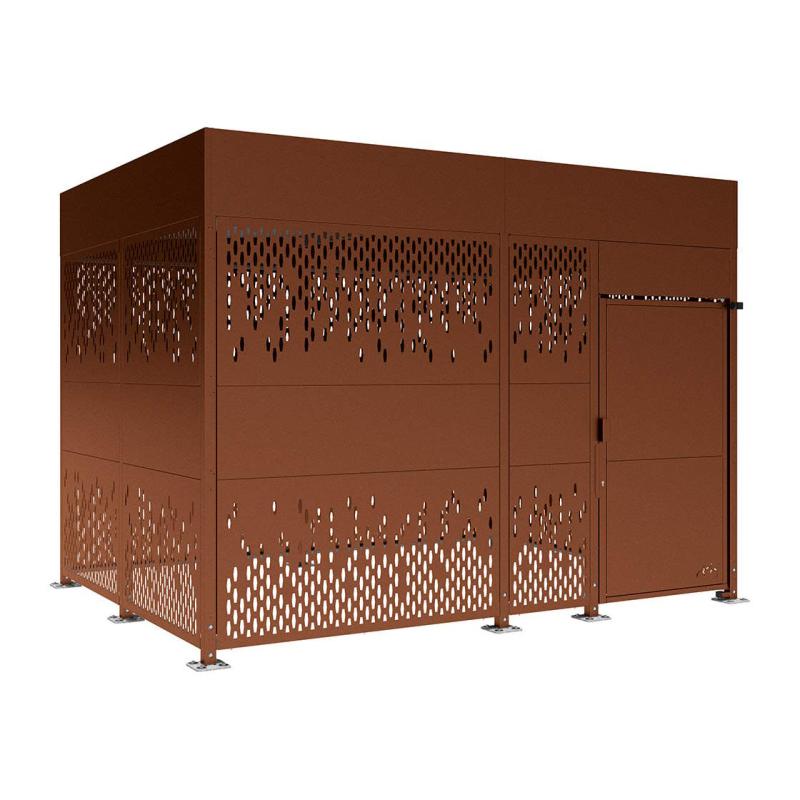
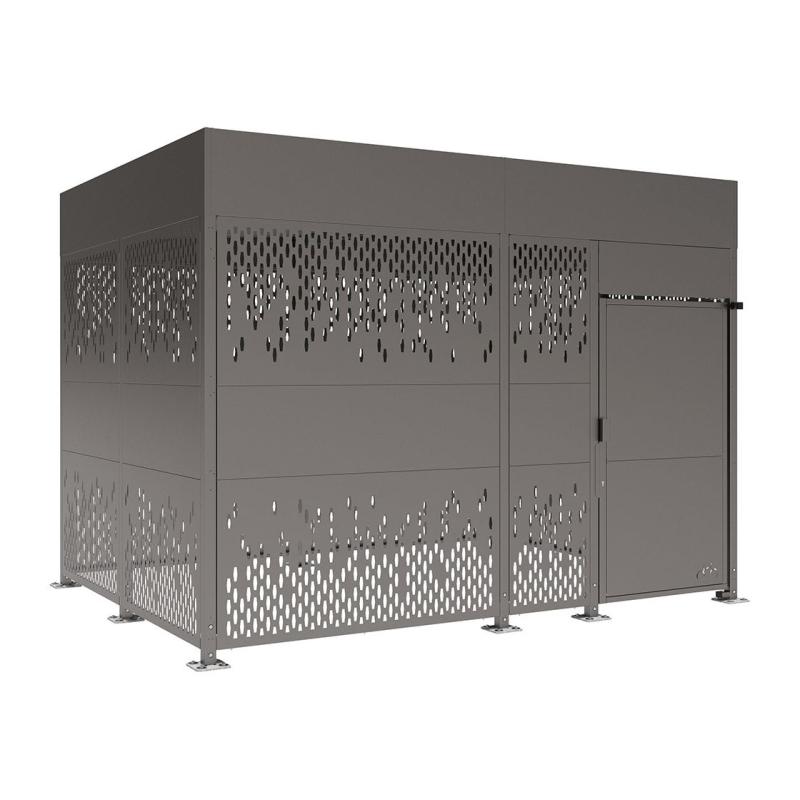
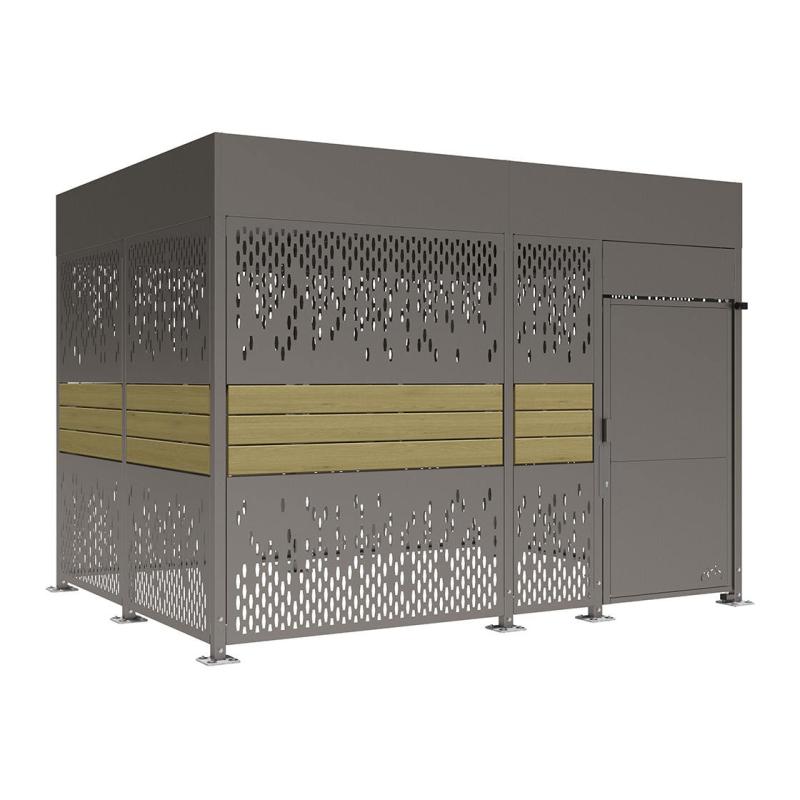
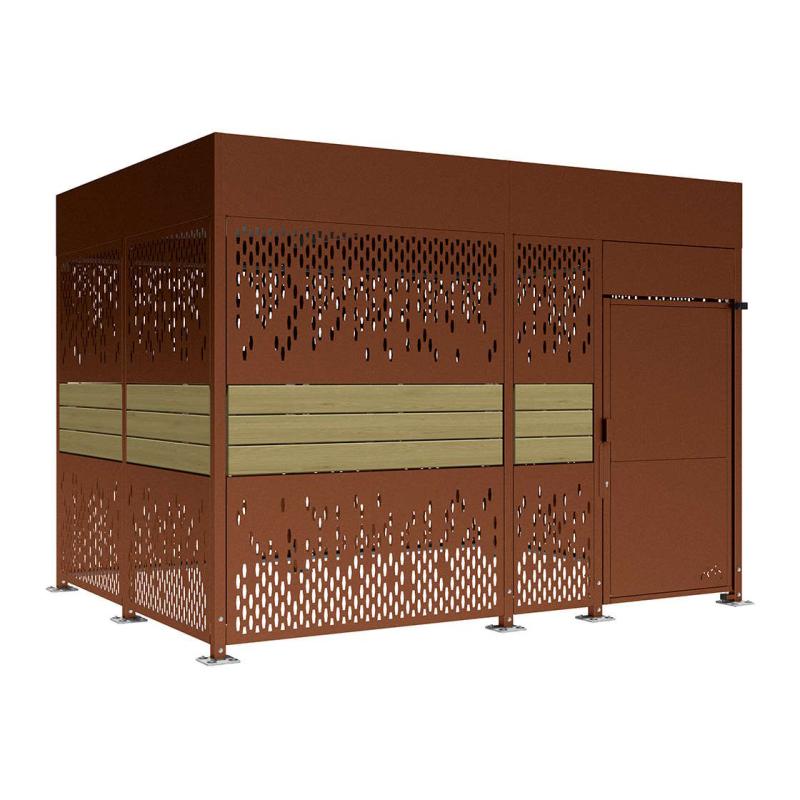
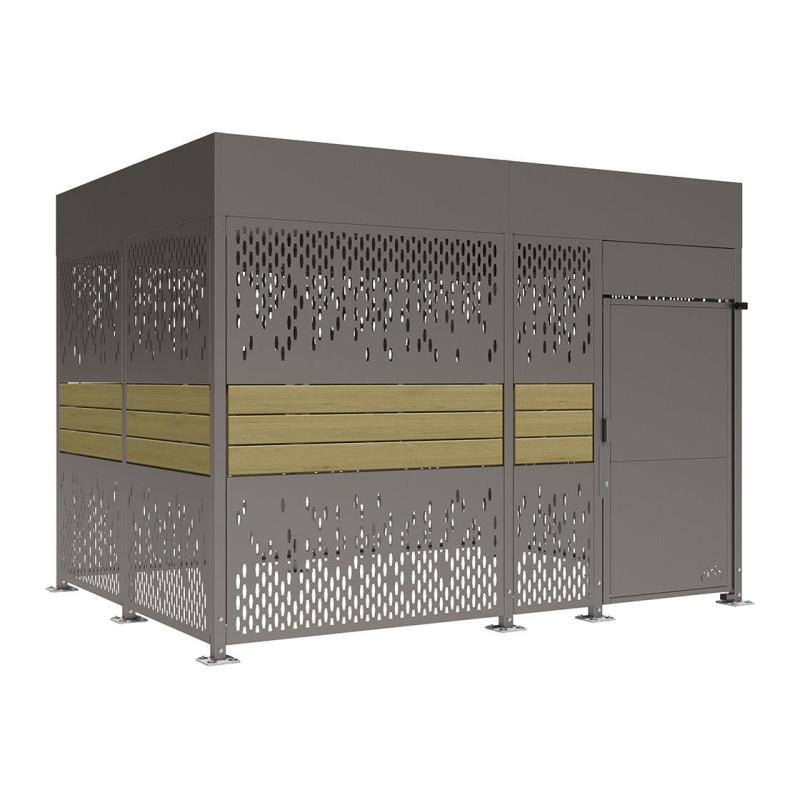
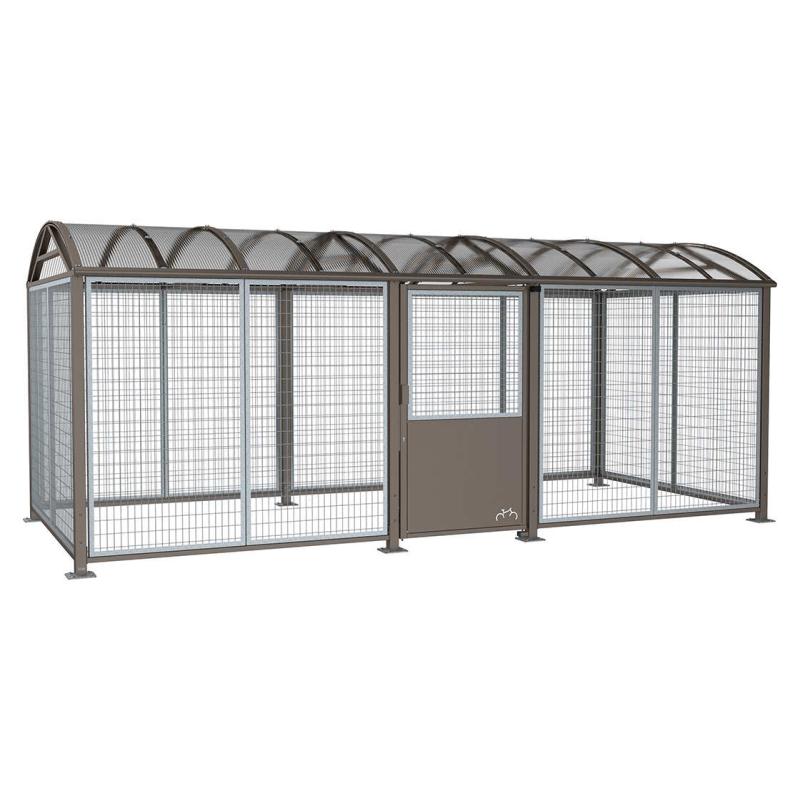
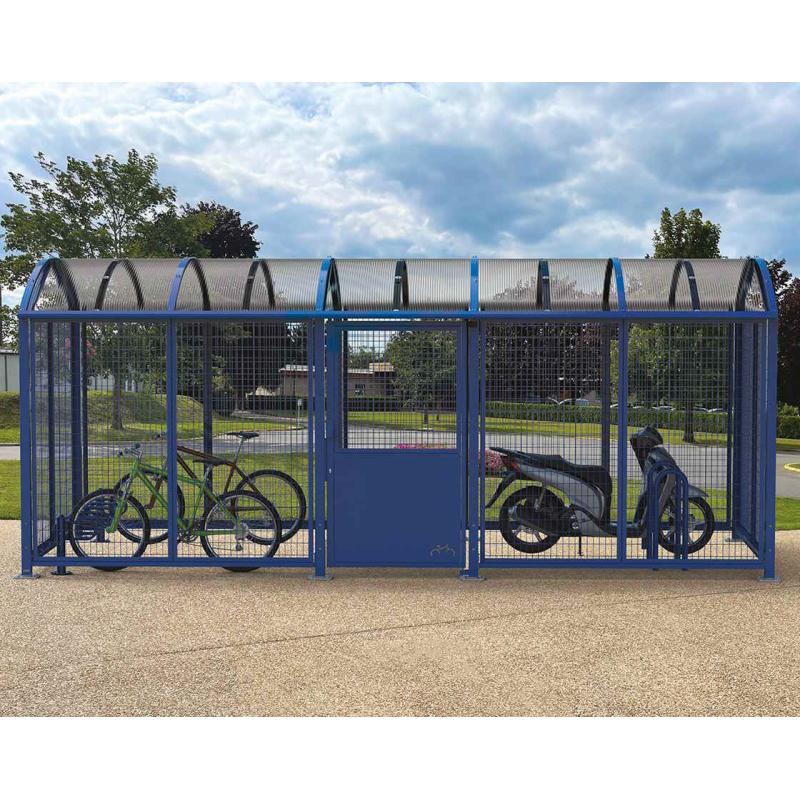
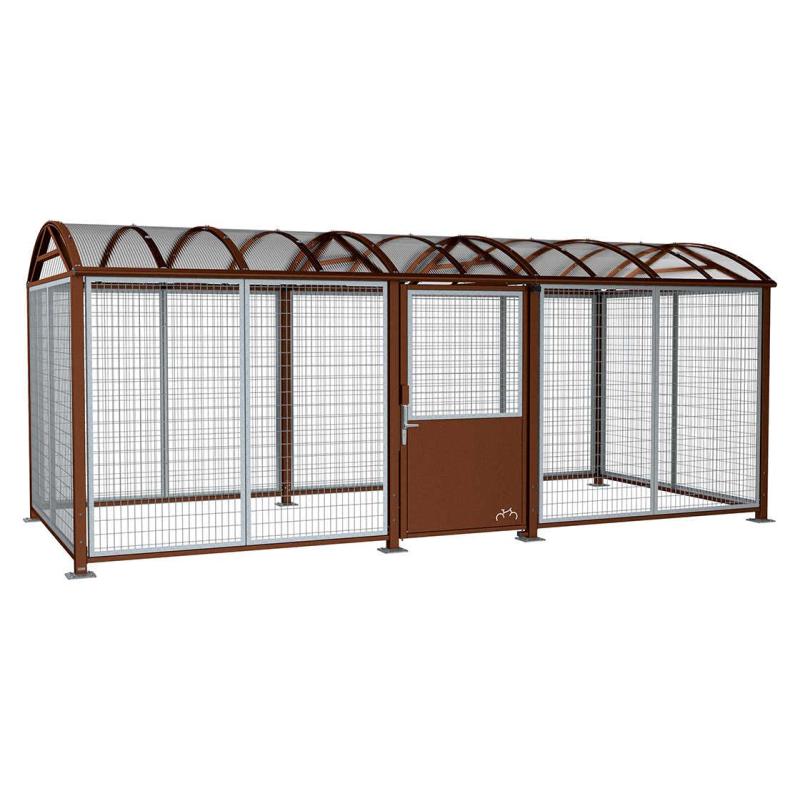
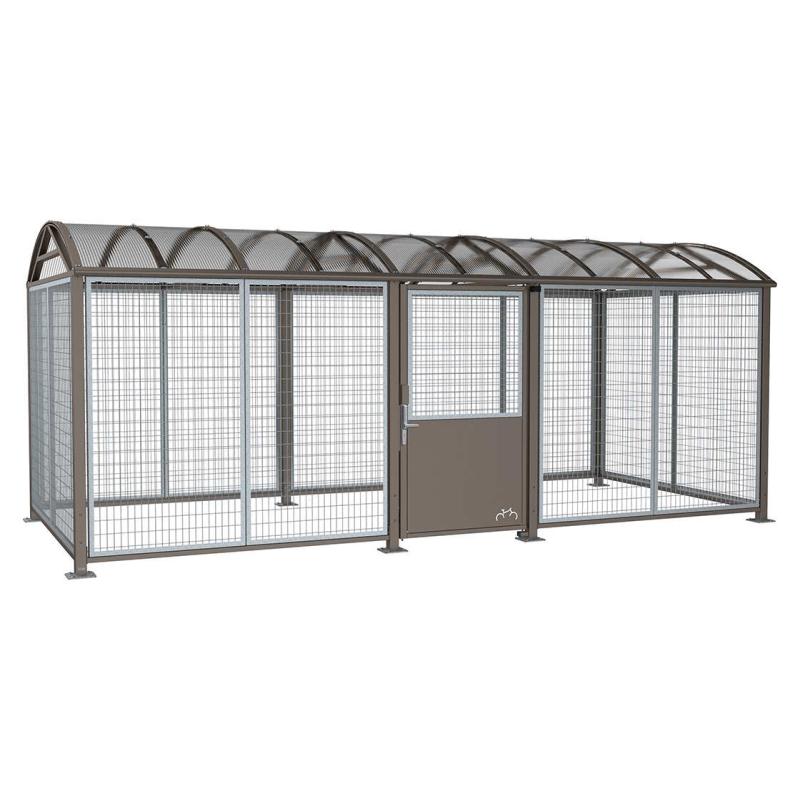
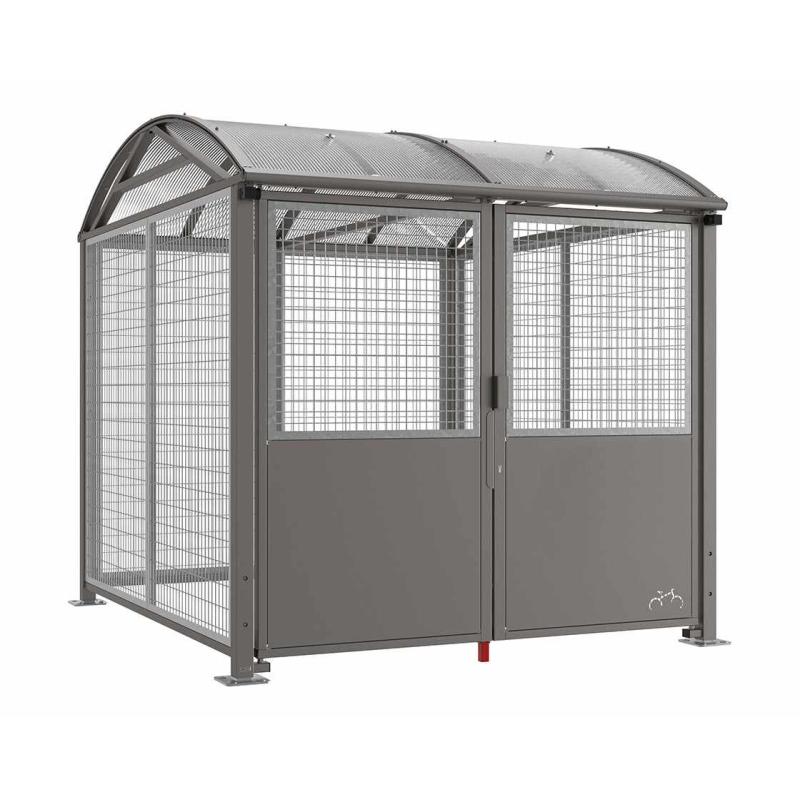
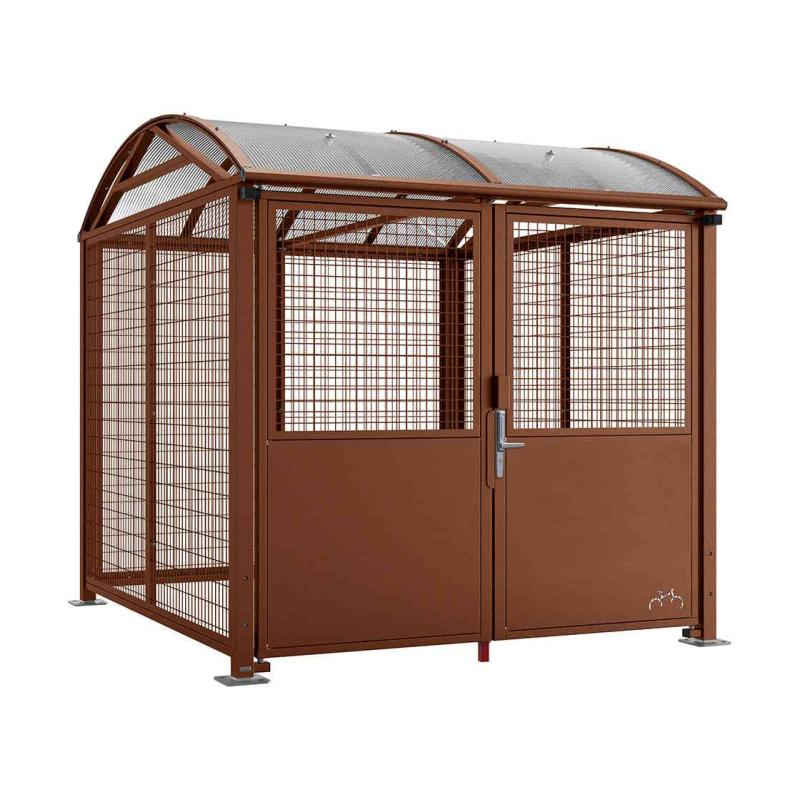
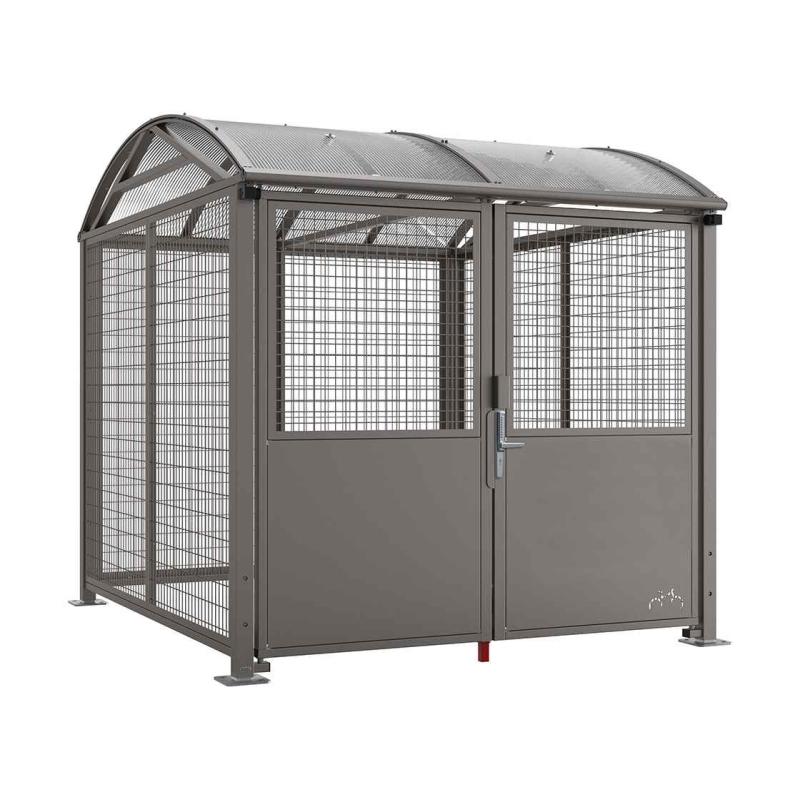
If you need an even more protected and secure option, a complete bike shelter may be the best solution. It gives you a fully enclosed space with a locking system, providing maximum security for the bikes.
Investing in a well-designed bike shelter roof is not just a service to cyclists – it is an investment in the future value of the property and a clear signal that you prioritize modern, sustainable transportation solutions.
At Nordguard, we help you see the whole picture, from the initial needs assessment to a turnkey solution. Do you feel that your current bike parking is inadequate or unsafe? Contact us and we will discuss how we can create a solution that becomes a real asset for your property.
Find the right bike shelter roof for your needs
Choosing the right bike shelter roof is about striking a balance between function, security and aesthetics. The problem is often knowing where to start. A small housing cooperative has completely different needs than a large workplace where hundreds of employees commute by bike. The goal is always to find a shelter that not only stands up to wind and weather but also solves your specific security and capacity challenges.
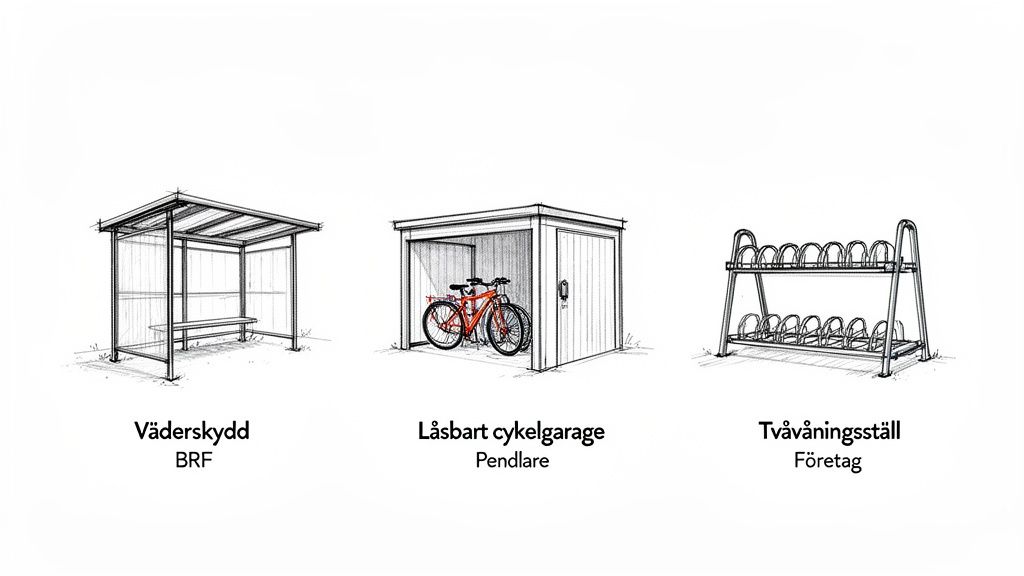
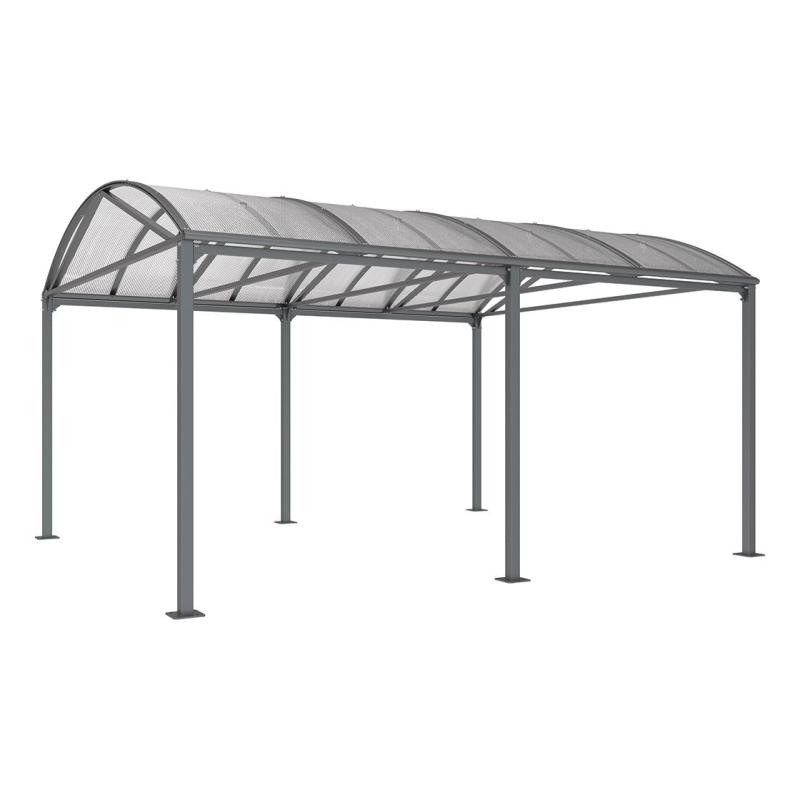
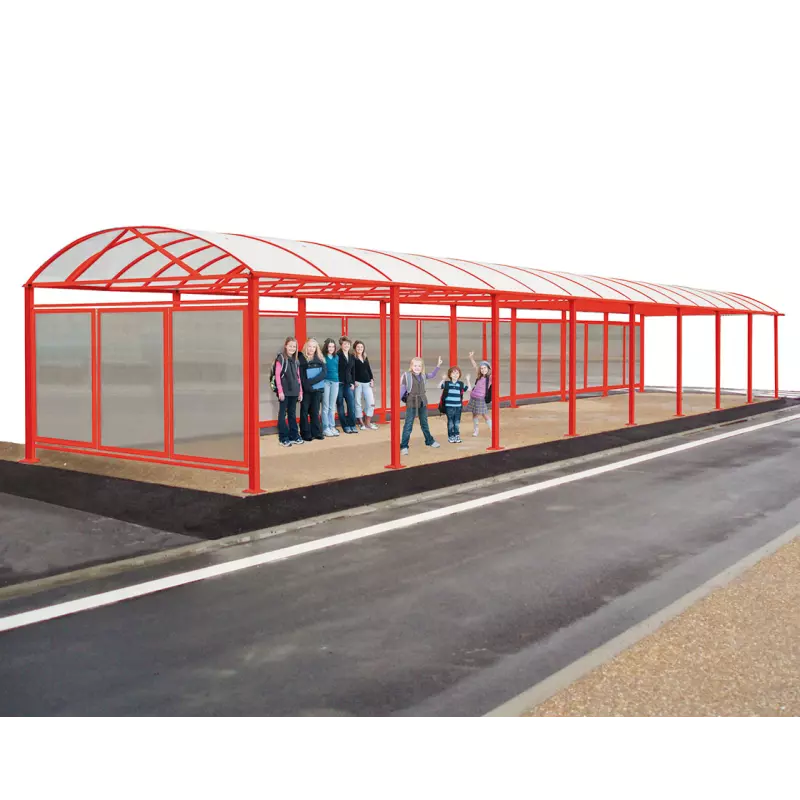
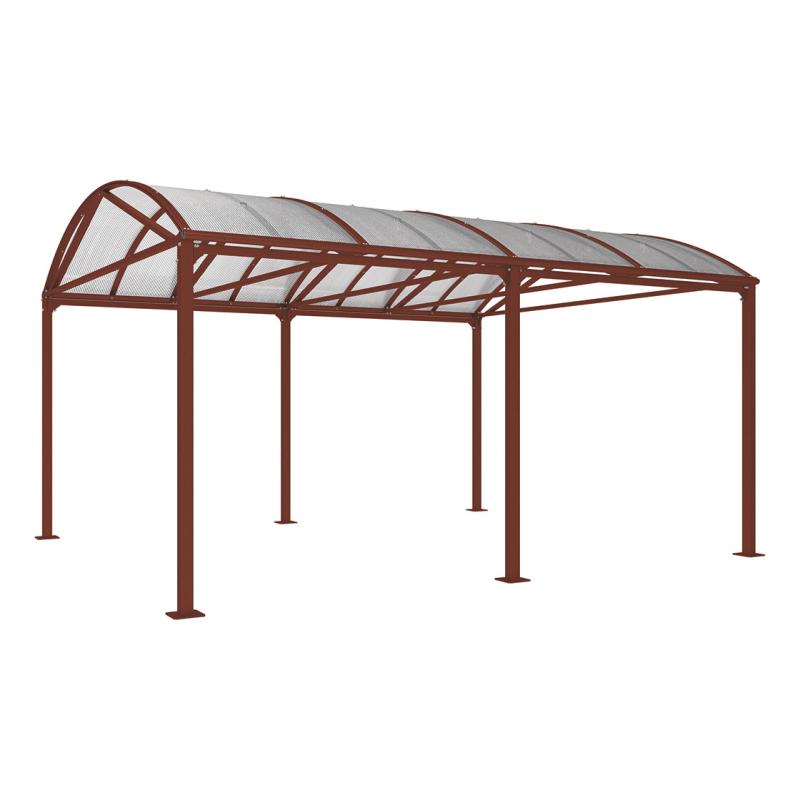
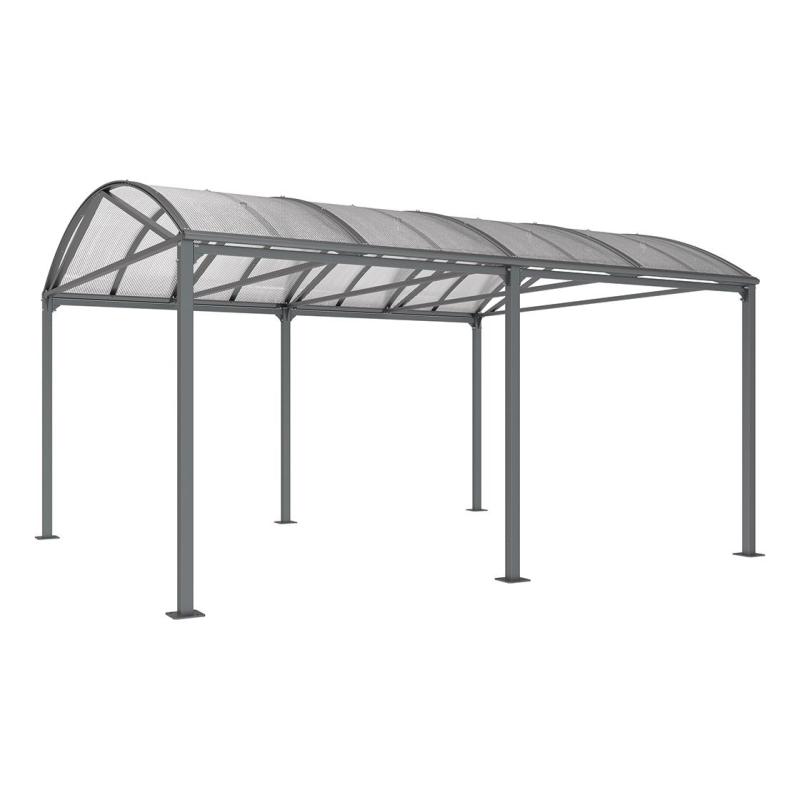
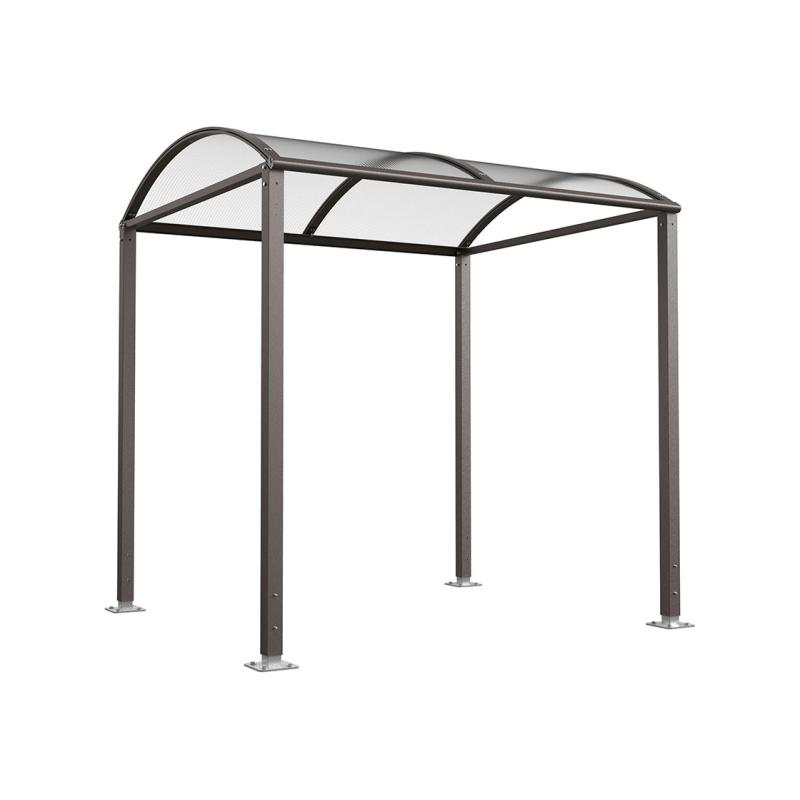
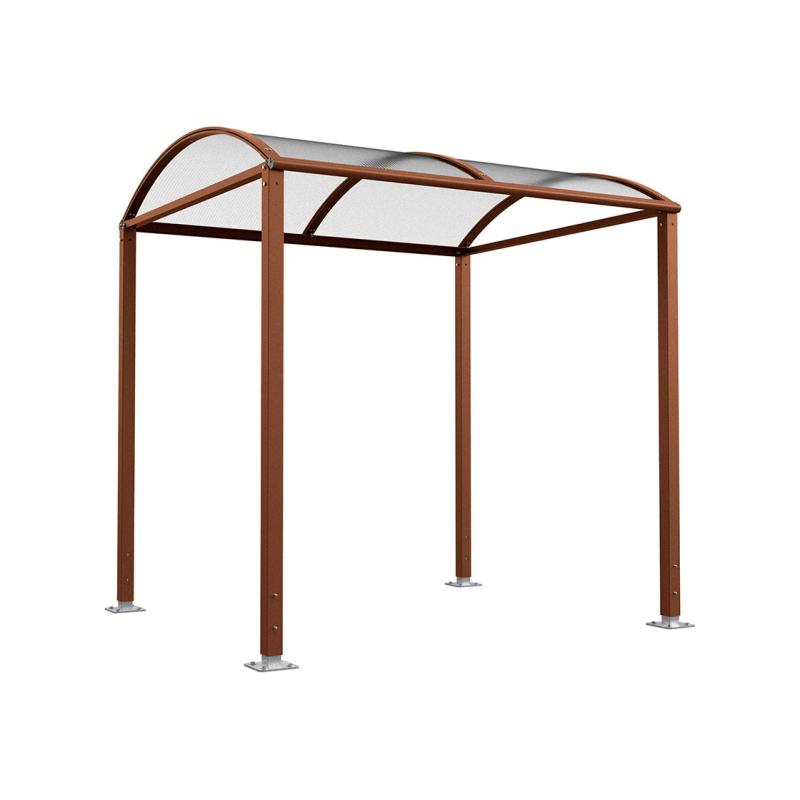
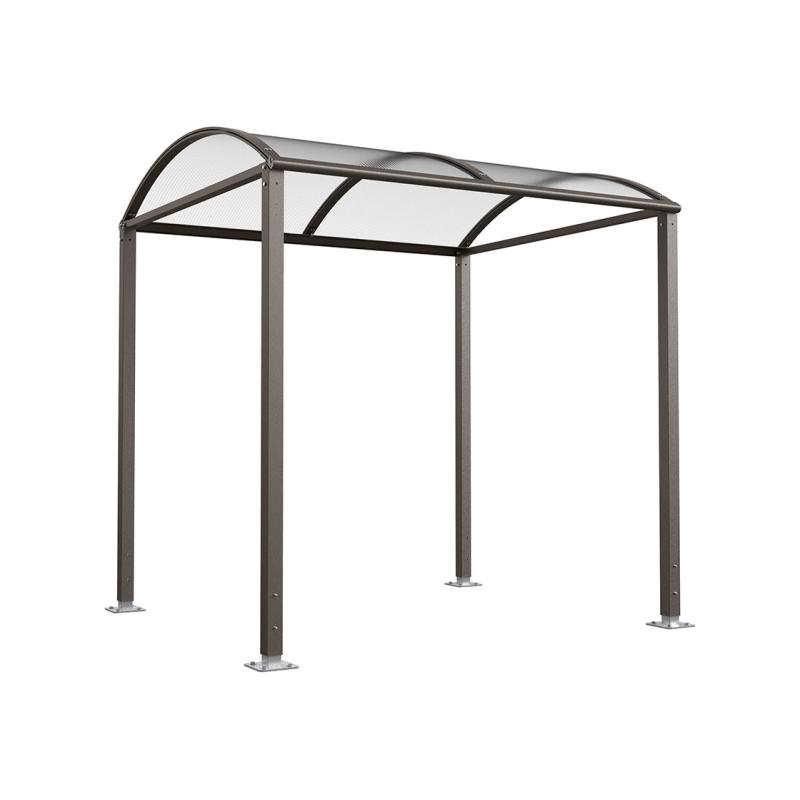
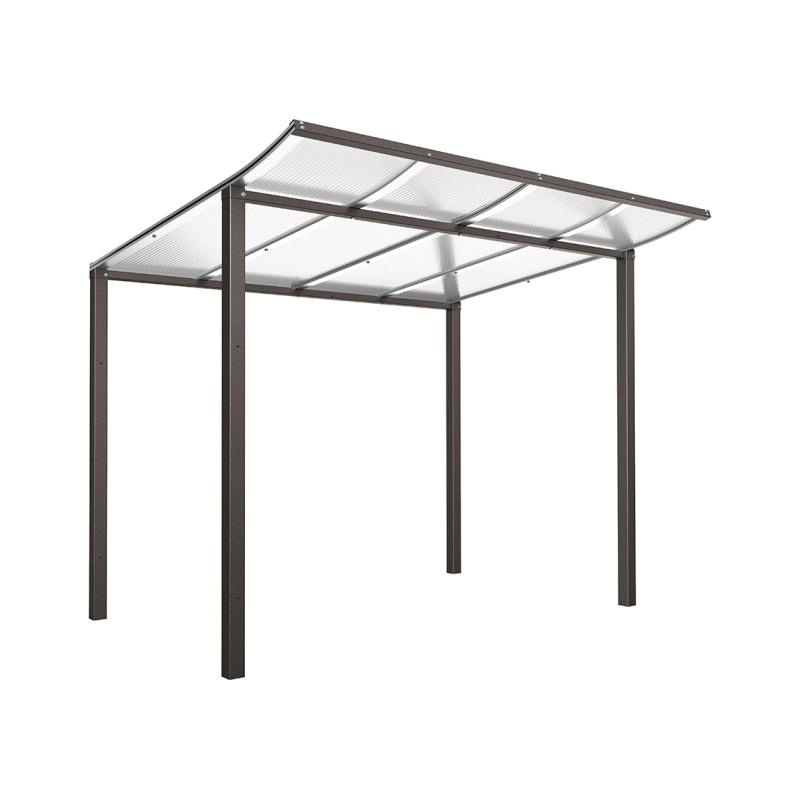
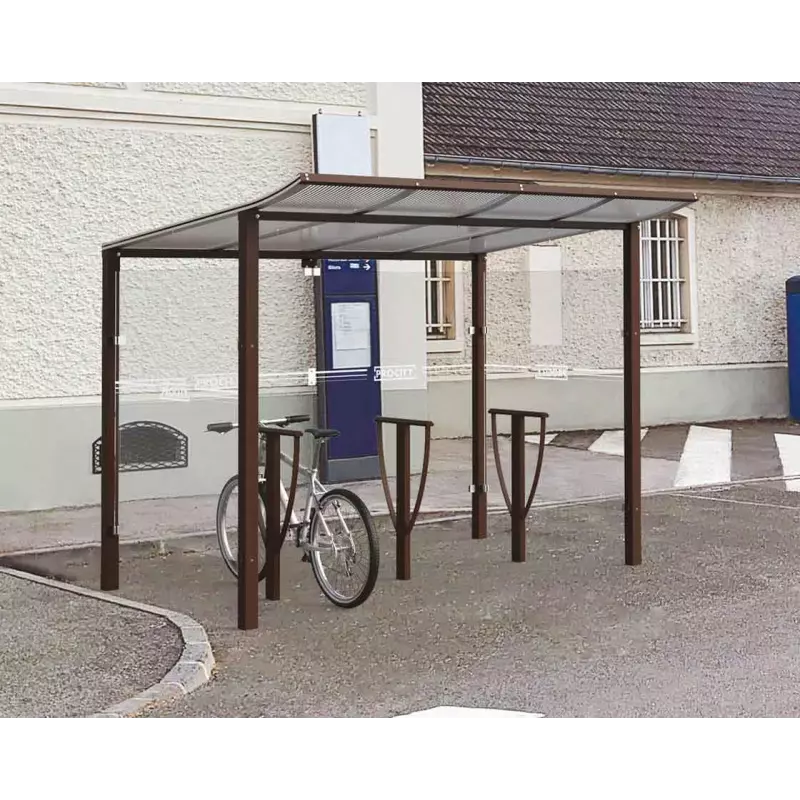
For a housing cooperative with limited space, a simple, stylish weather shelter may be exactly right. It provides basic protection against rain and snow, which extends the life of the bikes and makes cycling more pleasant for residents. This type of roof is often cost-effective and can be customized to blend in nicely with the existing architecture. Check out our range of weather shelters to see different design options.
This product has multiple variants. The options may be chosen on the product page
Open weather shelter or lockable bike garage?
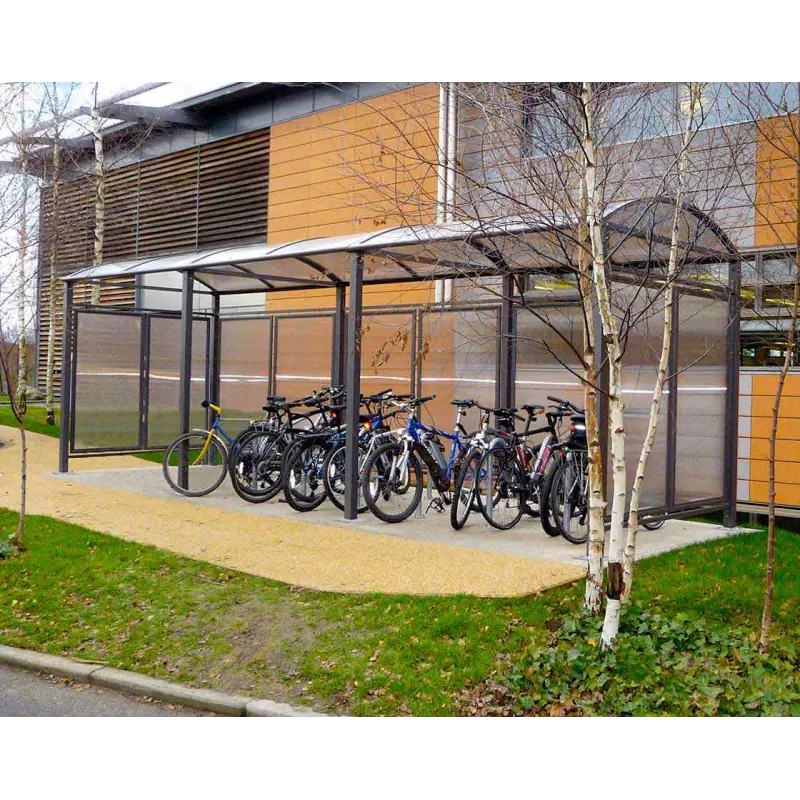
The choice between an open and a lockable bike shelter roof almost always comes down to one thing: the level of security required. In a quieter area, an open roof combined with sturdy bike racks that let you lock the frame may be perfectly adequate. It creates easily accessible and inviting parking.
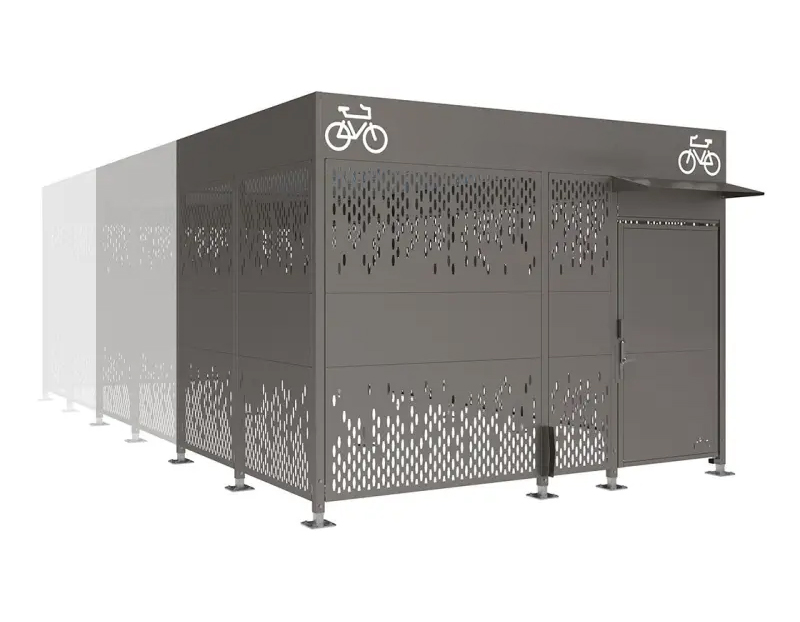
But for a company that actively wants to encourage employees to leave the car at home – perhaps with expensive e-bikes – security is everything. Here, a fully lockable bike garage, often called a bike cage, is a necessary investment. It not only protects against the weather but is also a powerful theft deterrent, sometimes with an access control system or a combination lock. They can also easily be equipped with charging for e-bikes. You can read more about the benefits of a complete solution in our guide to covered bike racks.
Understanding the end user’s needs is key. A student with a used bike has different requirements than a commuter with an e-bike worth tens of thousands of kronor. The right solution meets these needs effectively.
Comparison of bike shelter roofs
To make the choice easier, we have put together an overview comparing the most common types of bike shelter roofs. Use it as a starting point to see which solution best matches your situation.
Type of bike shelter roof
Security level
Capacity
Best suited for
Material
Simple weather shelter
Low
Low–Medium
Housing cooperatives, schools, small offices
Steel, polycarbonate
Modular system roof
Medium
Medium–High
Larger housing cooperatives, businesses
Hot-dip galvanized steel, glass
Lockable bike garage
High
Medium–High
Commuter stations, businesses
Steel, sheet metal, perforated sheet metal
Two-tier solution
Varies
Very high
Train stations, campuses
Steel, aluminum
As the table shows, there is a solution for every unique need. A modular system roof, for example, can be expanded in phases as the demand for bike spaces grows, making it a flexible and future-proof choice.
Choosing the right bike shelter roof is an important piece of the puzzle in creating a safe and functional outdoor environment. Unsure which way to go? Don’t hesitate to get in touch – we are happy to help you assess your situation and develop a solution that strikes the best balance between function, security and budget.
Choosing materials and design for a Nordic climate
A bike shelter roof in Sweden leads a tough life. The problem is that a poor choice of materials leads to rust and costly maintenance within just a few years. It has to withstand heavy snow loads, driving rain, blazing sun and spray from salted winter roads. That is why the choice of materials is critical to the roof’s service life. The solution is to invest in quality from the start.
Choosing the right materials is like giving the bike shelter roof the right tools to do its job for decades, not just a couple of winters. A well-thought-out design is the foundation of a sustainable, cost-effective long-term investment.
The frame – the backbone of your bike shelter roof
The frame is the skeleton itself and must be extremely resistant to rust. Here, hot-dip galvanized steel is by far the best choice for our climate.
The process involves dipping the entire steel structure into a bath of molten zinc. This creates a thick, durable coating that protects the steel both inside and out. The result is virtually maintenance-free corrosion protection that lasts for decades.
To add an extra layer of protection while also opening up aesthetic options, the frame can be powder coated. Powder coating provides a hard, colored finish that protects the zinc layer and makes it easy to match the look of the bike shelter roof to the surrounding architecture. The combination of these two methods is unbeatable for handling Nordic conditions.
Hot-dip galvanizing doesn’t just protect the surface. If the paint gets scratched, the zinc layer “self-heals” through a chemical process and stops rust from spreading. It is active protection that works around the clock.
Roofing material – natural light or total protection?
The roofing material affects both function and feel. Here are the most common options, with their respective strengths and weaknesses.
Material
Advantages
Disadvantages
Multiwall plastic (polycarbonate)
Impact-resistant, lightweight, lets light through
Can be scratched by careless cleaning
Tempered glass
Elegant, scratch-resistant, maximum natural light
Heavier, higher upfront cost
Sheet metal
Very robust, complete UV protection, long service life
No natural light, may require lighting
The choice comes down to your priorities. Multiwall plastic is an excellent all-around option that gives a bright, secure impression. Tempered glass is perfect for settings with high aesthetic demands, while sheet metal is an extremely durable and practical choice for more exposed locations.
A design that works in practice
Smart design is about more than looks. Effective water drainage is essential to prevent water and dirt from collecting on the roof or running off where people walk. Integrated gutters and downspouts that channel water away in a controlled way are a must.
Good ventilation is also important, especially for more enclosed bike garages. It prevents moisture and condensation from being trapped inside, which reduces the risk of rust on both the bikes and the structure itself.
The need for durable solutions is nothing new. In the 1930s and ’40s, cycling exploded in Sweden and the number of bikes grew to three million, putting enormous wear on the infrastructure. That history clearly shows the importance of building for durability from the ground up, then as now. Read more about the history of the bicycle on the Cykelfrämjandet website.
Specifying the right materials and design for your particular local conditions can be complex. Feeling unsure? Get in touch, and we will help you set the right requirements for the structure so you get a bike shelter roof that truly stands up to the Nordic climate.
How to create secure bike parking that deters thieves
A bike shelter roof is certainly excellent protection against rain, but the problem is that it won’t stop a determined thief. To create real security, the roof must be seen as one piece of a larger security solution. Bike theft is a huge problem in Sweden, and parking that feels unsafe simply won’t be used – especially not by people who have invested in a more expensive e-bike.
The most common mistake is using simple wheel holders that only let you lock the front wheel. That gives a false sense of security. It takes a thief just seconds to remove the wheel and walk off with the rest of the bike.
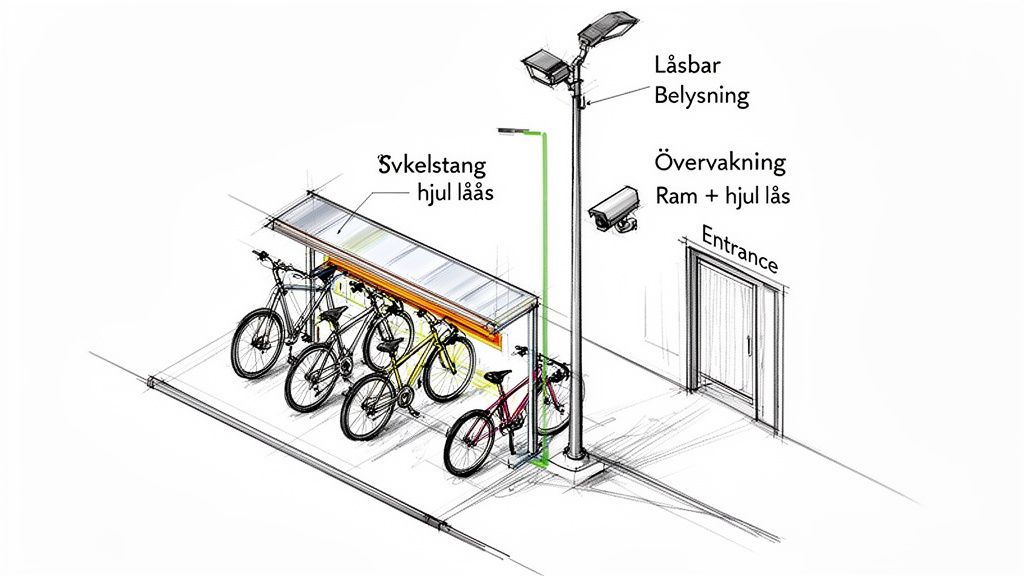
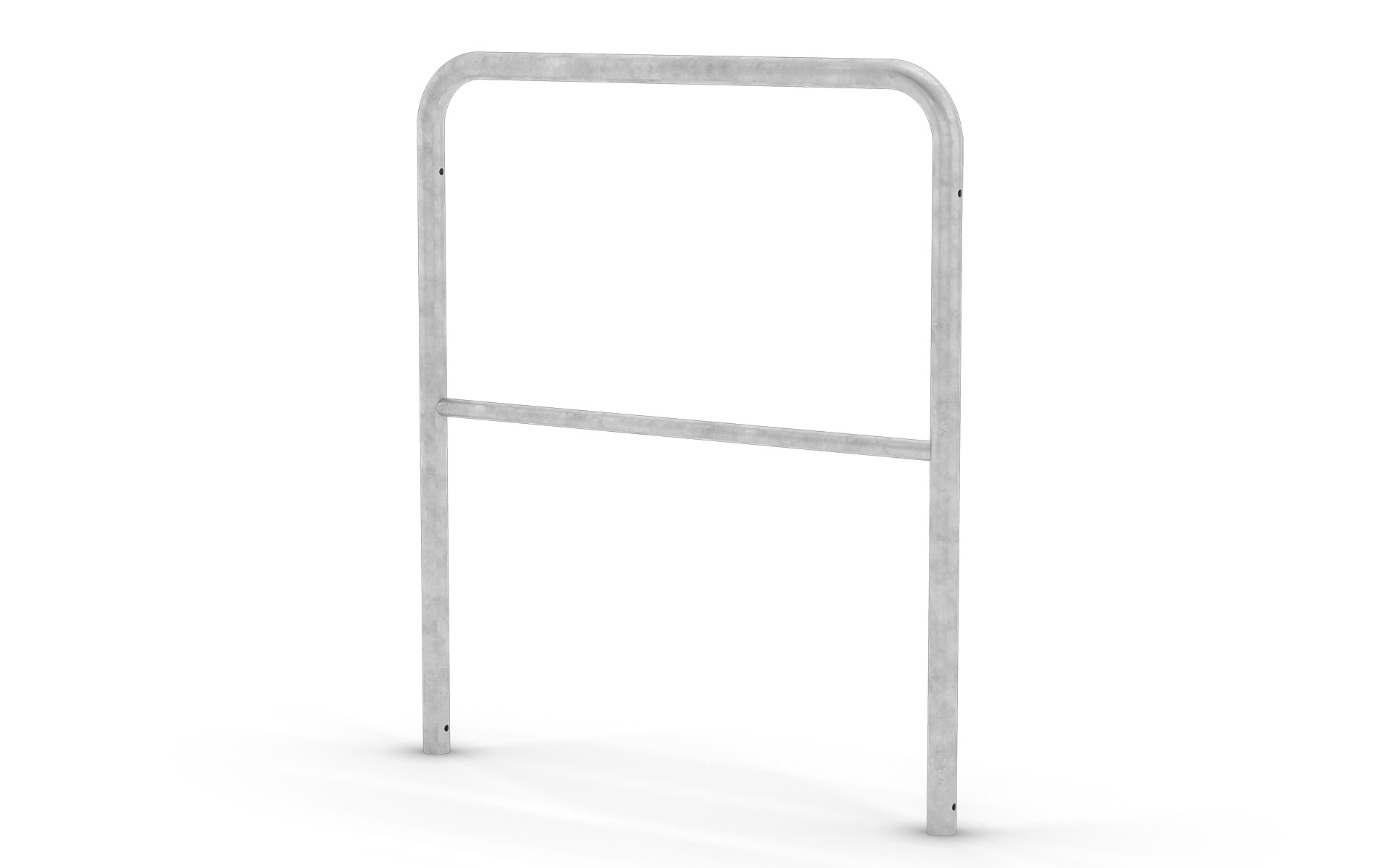
The solution is to choose bike racks where both the frame and at least one wheel can easily be locked with a U-lock. That makes the thief’s job much harder, which is usually enough to send them looking for an easier target.
Build security in multiple layers
A successful security strategy is about building several layers that work together. The goal is to make the entire environment as unwelcoming as possible to unauthorized persons.
Location and lighting: Always place bike parking where there is natural surveillance, such as near a main entrance. Add bright lighting, ideally motion-activated, that eliminates all dark corners.
Surveillance: Visible surveillance cameras have a strong deterrent effect. Just knowing they are being filmed can make a thief think twice.
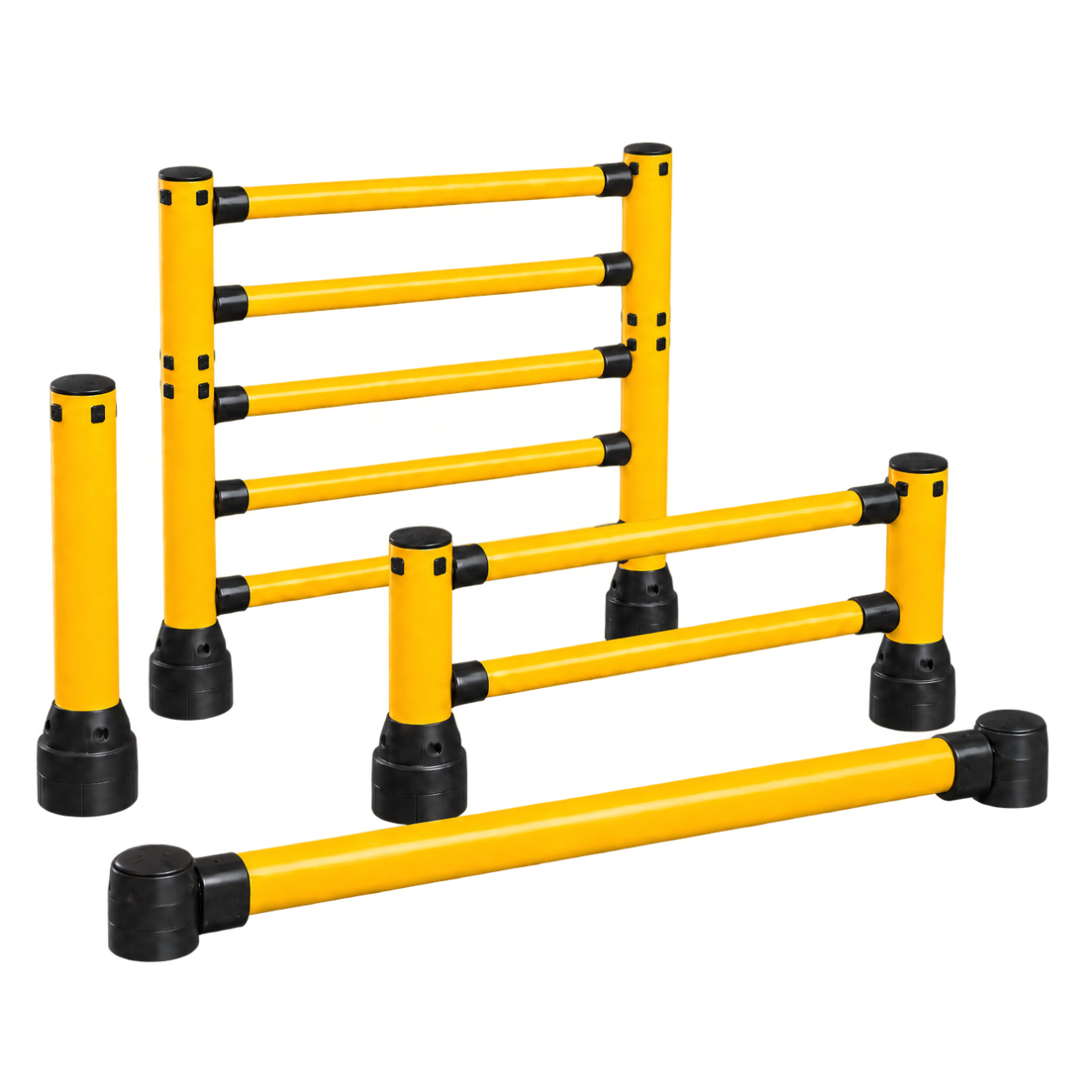
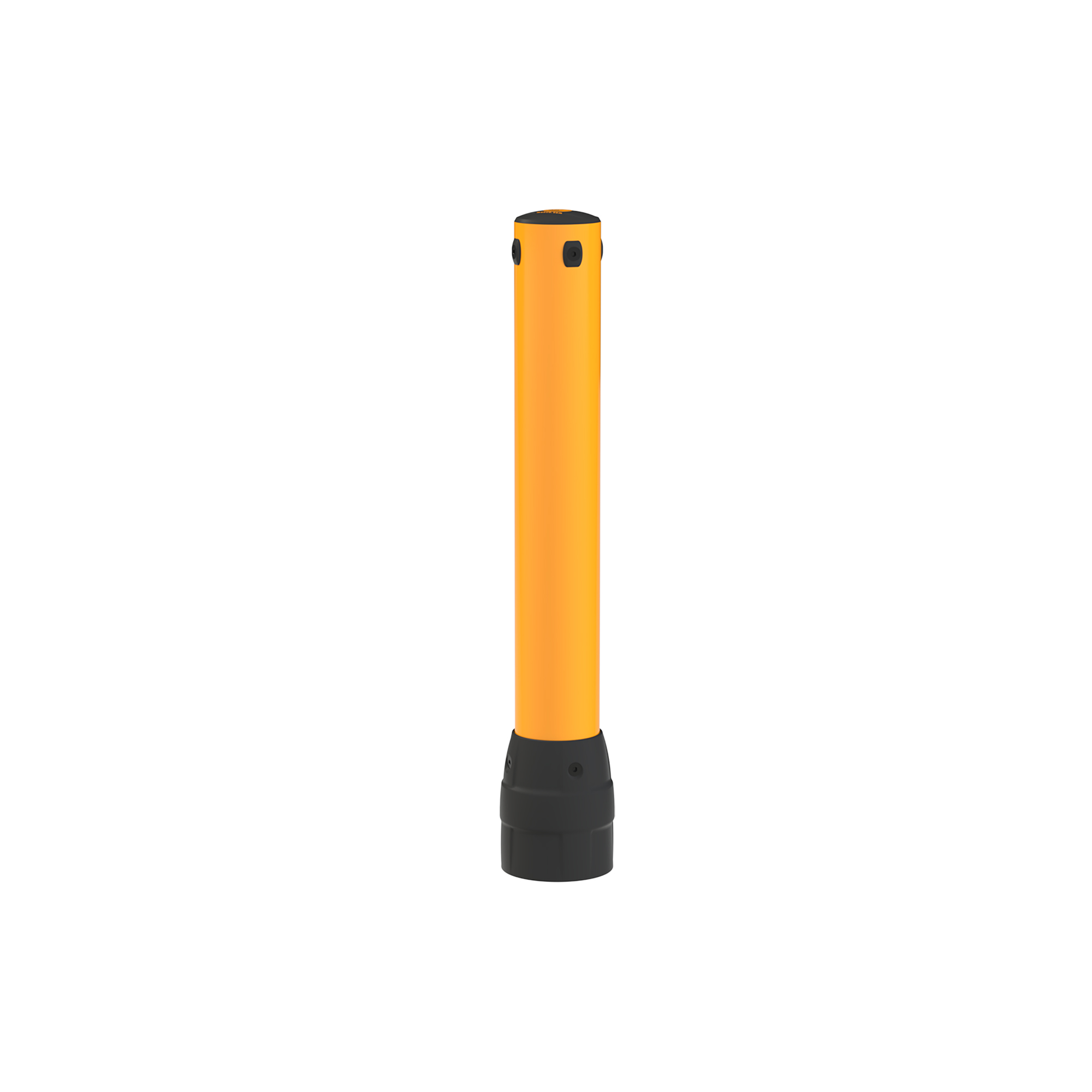
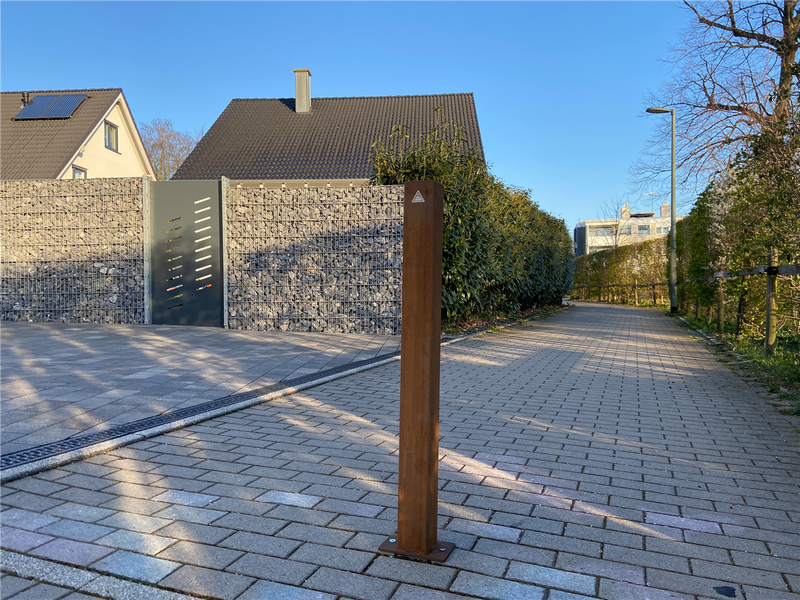
Physical barriers: By using bollards or fencing, you can clearly define the area and prevent someone from, for example, backing in a van to quickly load stolen bikes.
Think of security as an onion. Every layer – from a good lock and a sturdy bike rack to lighting and surveillance – makes it harder for the thief to reach their goal. The more layers, the higher the security.
When maximum security is required
In environments where the risk of theft is especially high, such as commuter stations or vulnerable residential areas, an open roof is sometimes not enough. In those cases, a fully enclosed bike cage or bike garage is by far the best solution.
These structures are often built with walls of perforated sheet metal or heavy-duty mesh, which provides good visibility while being extremely difficult to break into. The door is fitted with an access control system, using a key fob, a combination lock or modern app control. This creates exclusive and highly secure storage for authorized users. With today’s technology, access is easy to manage, and you can read more about the benefits of a smart app-controlled lock for bike shelters to see how technology can take security to the next level.
Do you need expert help designing truly secure bike parking? Contact us at Nordguard, and we will help you combine the right roof with the right security measures to create an environment where cyclists feel confident parking their valuable bikes.
Plan the installation from start to finish
A successful project with a new bike shelter roof is decided long before the first screw is tightened. A well-thought-out plan is essential to avoid costly mistakes and ensure that the end result is both functional and durable. Whether you are a property manager, a groundwork contractor or on a housing cooperative board, we guide you here through the most important steps from idea to finished installation.
This systematic approach is nothing new. Sweden’s bicycle industry, with brands like Crescent and Monark, built its success on standardized processes as early as the late 1800s. In the same way, today’s infrastructure projects require careful planning from the ground up to guarantee quality and efficiency. Explore more about Swedish cycling history at Cykelmagasinet.
Site selection and ground preparation
The first and perhaps most important step is choosing the right location. Poorly placed bike parking won’t be used optimally, no matter how well built it is.
Consider these factors:
User flows: Where do cyclists naturally travel? Place the roof near entrances or bike paths to make parking as easy as possible.
Ground conditions: What is the surface like? An existing, level asphalt surface can be a good start, but it must be thick and stable enough.
Security and visibility: Choose an open, well-lit location. Avoid hidden corners to minimize the risk of theft and vandalism.
Once the site is selected, the ground must be prepared. This often involves more than just leveling the surface. Depending on the size and weight of the roof, excavation and a gravel base course may be required to ensure stability and proper drainage.
Foundation and anchoring
A bike shelter roof must stand firm in all weather, which makes the foundation absolutely critical. The anchoring method you choose depends entirely on the surface and the roof’s design. There is no one-size-fits-all solution; the choice must be adapted to the specific conditions on site.
Here is an overview of common methods:
Foundation type
Description
Suitable surface
Cast-in-place footings
Concrete footings are poured directly on site. Extremely strong and permanent.
Grass, gravel, new surface
Cast-in anchors
Brackets are cast into a new concrete slab. Perfect for new construction.
New concrete slab
Expansion bolt
Mechanical bolt that expands in a drilled hole. Quick method.
Existing concrete (min 150 mm)
Chemical anchoring
Resin is injected into a drilled hole. Strong in more porous materials.
Asphalt, aerated concrete, brick
Cutting corners on the foundation is one of the most common causes of problems. A correctly dimensioned foundation not only ensures that the roof withstands storms and snow loads but also significantly extends the service life of the entire structure.
Details that make a difference
In addition to location and foundation, several details affect the user experience. Accessibility is a critical point. Make sure there is enough space around the bike racks to maneuver a bike easily.
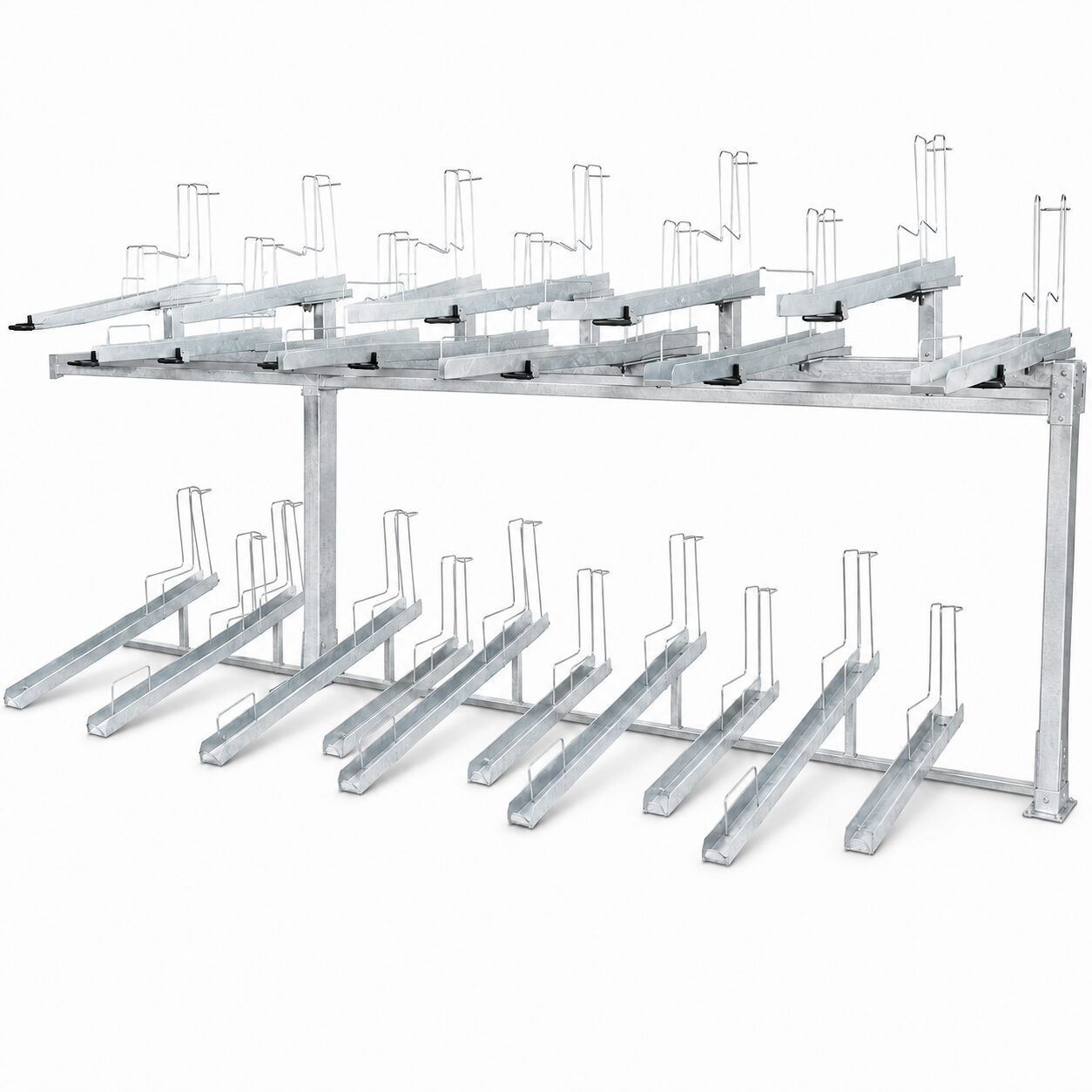
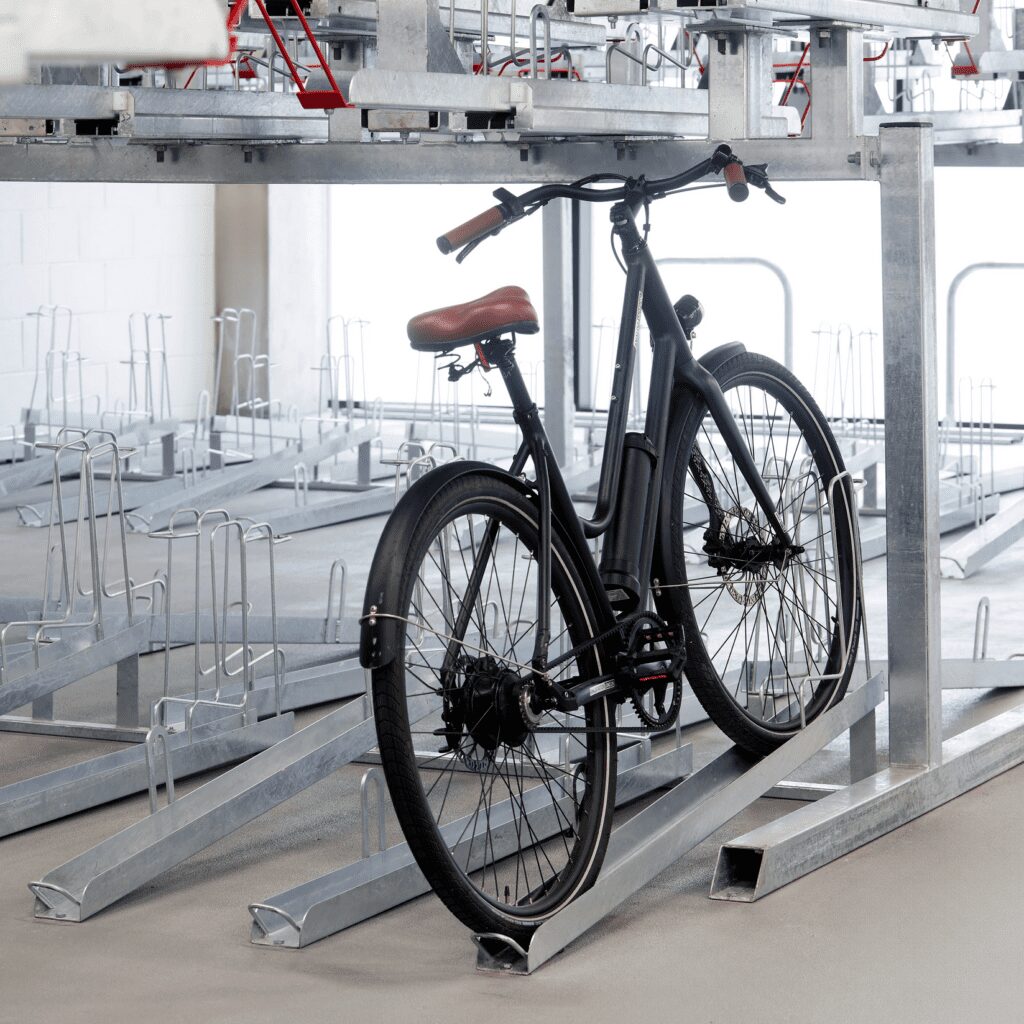
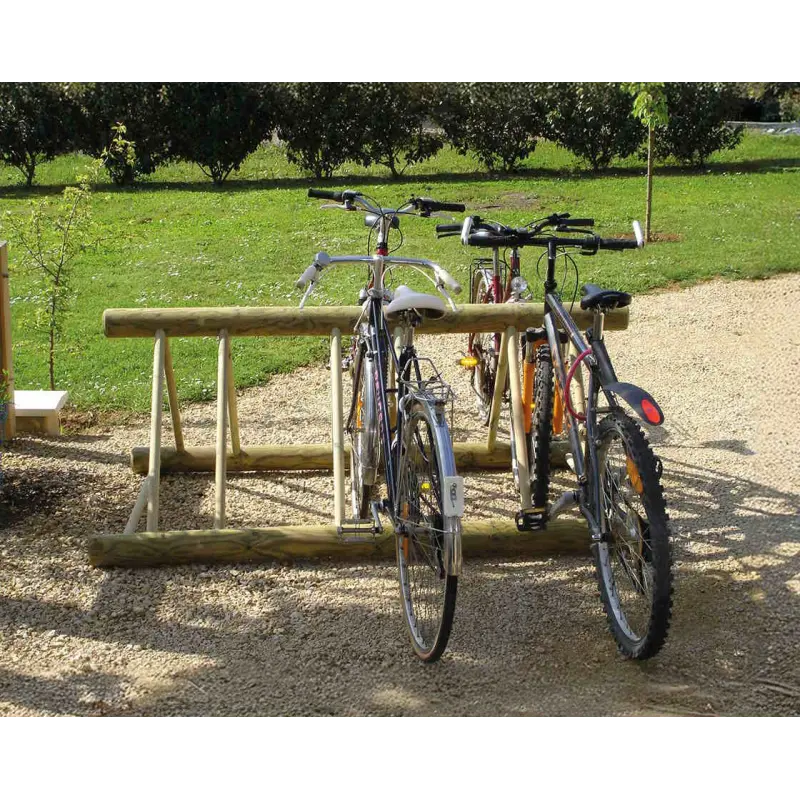
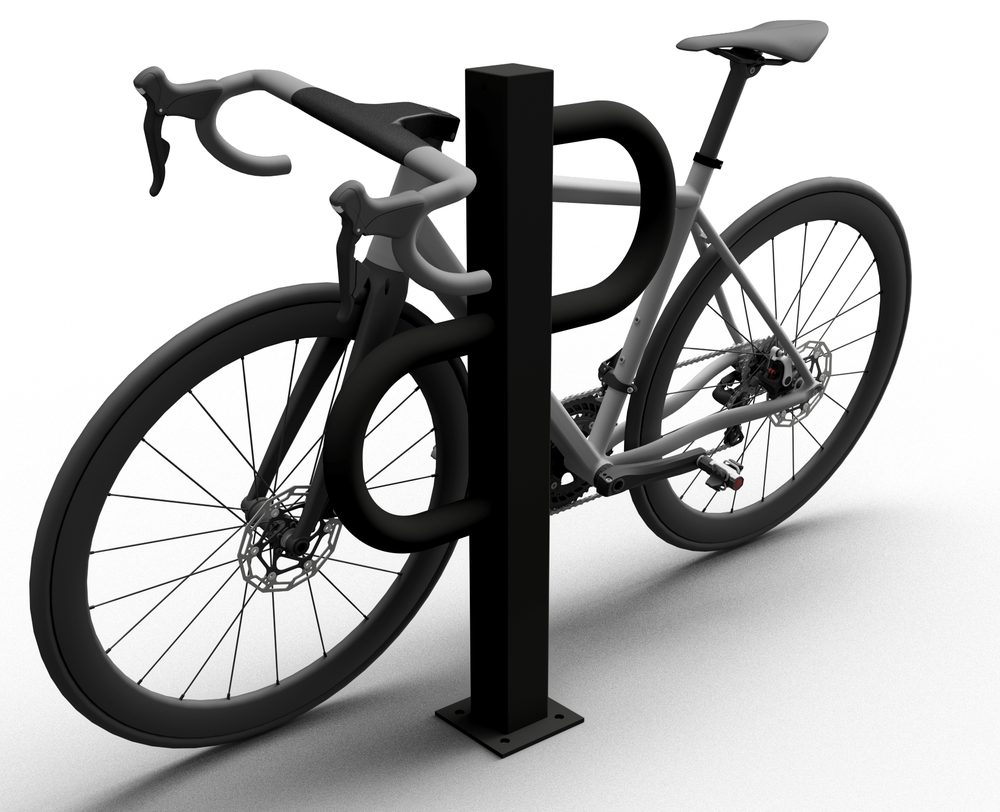
Another common mistake is placing the bike racks too close together. A recommended center-to-center spacing (c/c) is at least 650 mm to keep handlebars and pedals from getting tangled. If space is limited, bike racks with high/low positioning can be a smart solution. To define and protect the area, you can use impact protection or bollards, creating a safer zone.
By carefully planning each step of the process, you can ensure a smooth installation and an end result that everyone is happy with. If you feel unsure about the technical details, contact us at Nordguard. We offer expertise throughout the entire process to guarantee a perfect result.
Maintenance and life cycle cost – the key to a smart investment
The initial cost of a bike shelter roof is only the beginning of the story. To know whether an investment is truly a good one, you need to look at the total life cycle cost. What will the roof cost in maintenance and repairs over time? It often turns out that a slightly higher purchase price leads to significantly lower expenses in the long run.
Thinking long term is about making the right choice from the start – a design and materials that require as little maintenance as possible. This is where hot-dip galvanized steel, for example, quickly pays for itself. Unlike simpler, painted steel structures, it doesn’t need regular touch-ups or rustproofing. That saves both labor and money over the roof’s entire service life.
Practical maintenance tips for different materials
Regular maintenance is essential to maximize the service life of the bike shelter roof. But different materials need to be cared for in different ways.
Polycarbonate roofs: Keep the roof clear of leaves and dirt. Use a soft brush, lukewarm water and a mild detergent. Avoid pressure washers, which can damage the surface.
Steel structures: Inspect the structure at regular intervals, especially welds and fastenings. Look for signs of damage. A powder-coated surface is easy to clean with soap and water.
Tempered glass: Glass is easy to care for because it is very scratch-resistant. Ordinary glass cleaner works great. Check fastenings and rubber seals to make sure everything is intact and watertight.
A simple but important ground rule: never put off maintenance. Small problems, such as a loose bolt or a clogged gutter, can quickly escalate and cause costly damage if ignored.
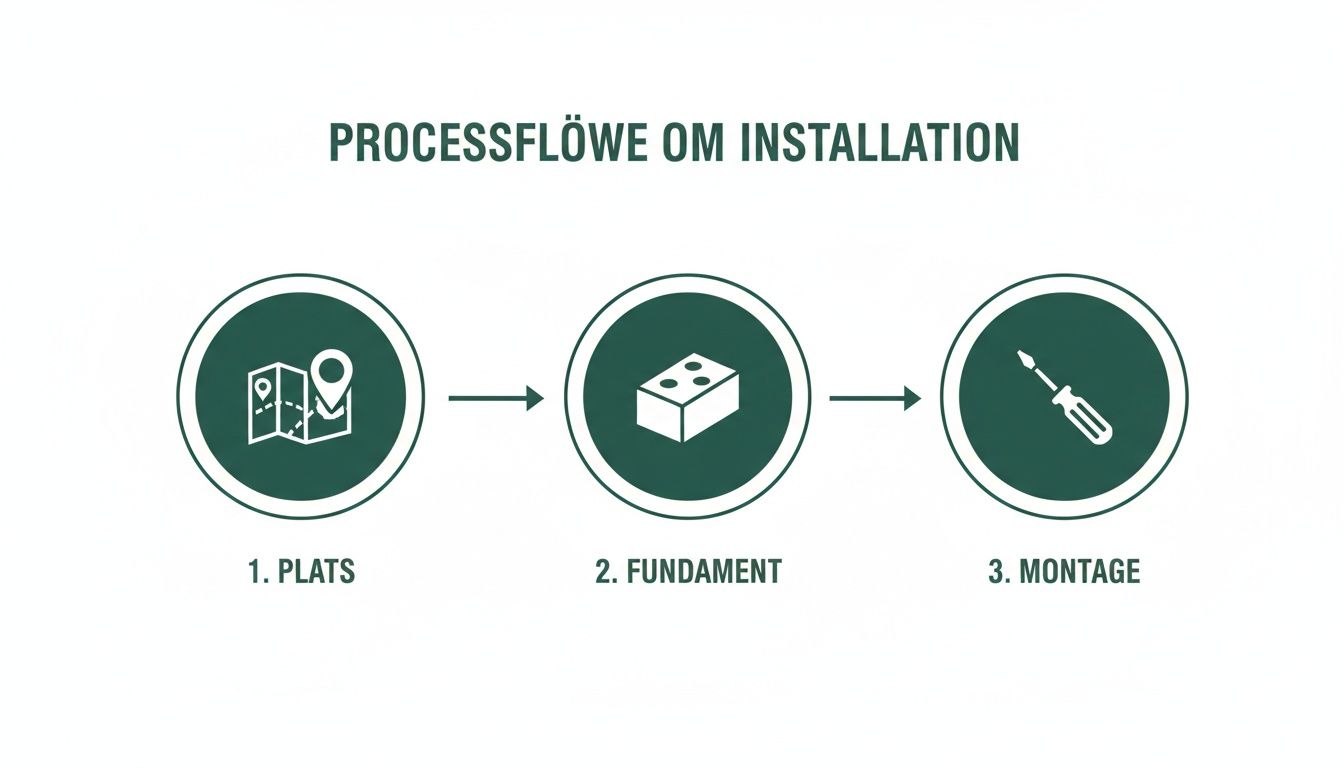
A well-planned installation is the very foundation of trouble-free ownership, all the way from site selection to finished installation.
This process clearly shows how each step – from finding the right location to securing a stable foundation – is directly decisive for the durability of the bike shelter roof and its future maintenance needs.
Protect your investment with the right partner
Another crucial piece of the puzzle for a low life cycle cost is your choice of supplier. The problem with unreliable suppliers is that you are left without help when something breaks. Knowing that you can get spare parts, such as a new roof panel if an accident happens, is enormously reassuring.
It could be anything from a damaged wall section to a worn fastening. Without access to original parts, minor damage can lead to an expensive custom fix or, in the worst case, force a complete replacement of the entire roof.
A long-term relationship with a supplier like Nordguard that offers service and support is therefore just as important as the product itself. If you have questions about maintenance or want to discuss a sustainable long-term solution for your bike parking, contact us and we will help you think through every part of the investment.
Frequently asked questions about bike shelter roofs
When you are about to invest in a bike shelter roof, a number of questions often come up. Here we have gathered the most common ones – with straight, clear answers to help you move forward with your project.
Do you need a building permit to put up a bike shelter roof?
The short answer is: it depends. The size, location and your municipality’s specific rules determine everything. A smaller roof can sometimes fall under the same rules as a small garden shed and therefore be exempt from a building permit.
But as soon as larger installations are involved, or if the roof will stand close to a property line, a building permit is almost always required. Our strongest recommendation is therefore simple: always contact the building department in your municipality for an advance ruling. It is the only sure way to avoid problems down the road.
Which material is best for a bike shelter roof in the Swedish climate?
For the frame, there is a clear winner: hot-dip galvanized steel. It provides superior protection against rust and handles our harsh Nordic climate year after year. If you also powder coat the steel, you get an extra layer of protection and can choose freely among different colors to match the surroundings.
When it comes to the roof itself, polycarbonate is an extremely popular and smart choice. It is impact-resistant, virtually unbreakable and lets through a pleasant, filtered light. In the end, the choice of material depends on your budget, the look you are after and how little maintenance you want.
How many bikes actually fit under a bike shelter roof?
The number of spaces depends on two things: the size of the roof and the type of bike rack you choose. A standard roof of about five meters can accommodate anywhere from 5–6 bikes with traditional ground-mounted racks to more than ten bikes if you use space-saving two-tier racks.
To really make the most of the space and ensure every bike spot is easy to access, it is best to plan around a specific roof model and use dimensioned drawings.
That way, you avoid the classic problems of cramped, hard-to-use solutions. The right roof combined with the right bike racks creates functional, appreciated bike parking that actually gets used.
This product has multiple variants. The options may be chosen on the product page
Do you have more questions, or do you need help planning the perfect solution for your specific needs? Nordguard has both the expertise and the products to create safe, functional and sustainable bike parking. Contact us today for personal advice and a free quote.
Ready to take the next step?
We help you develop solutions tailored to your needs.
At Nordguard, we strive to make the ordering process as smooth as possible. By offering support and guidance throughout the entire purchasing experience, we make sure you feel confident and satisfied with your choice of protection products.

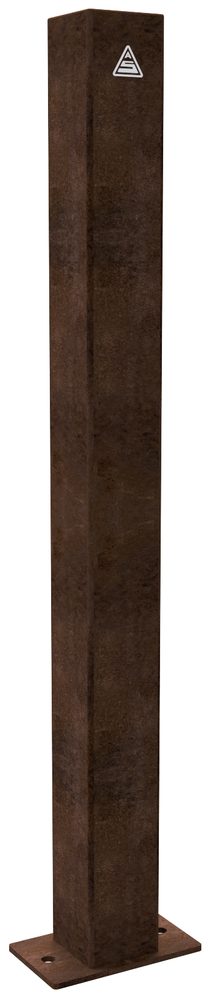 Corten Steel Bollard - Bolt-Down
600 €
Corten Steel Bollard - Bolt-Down
600 €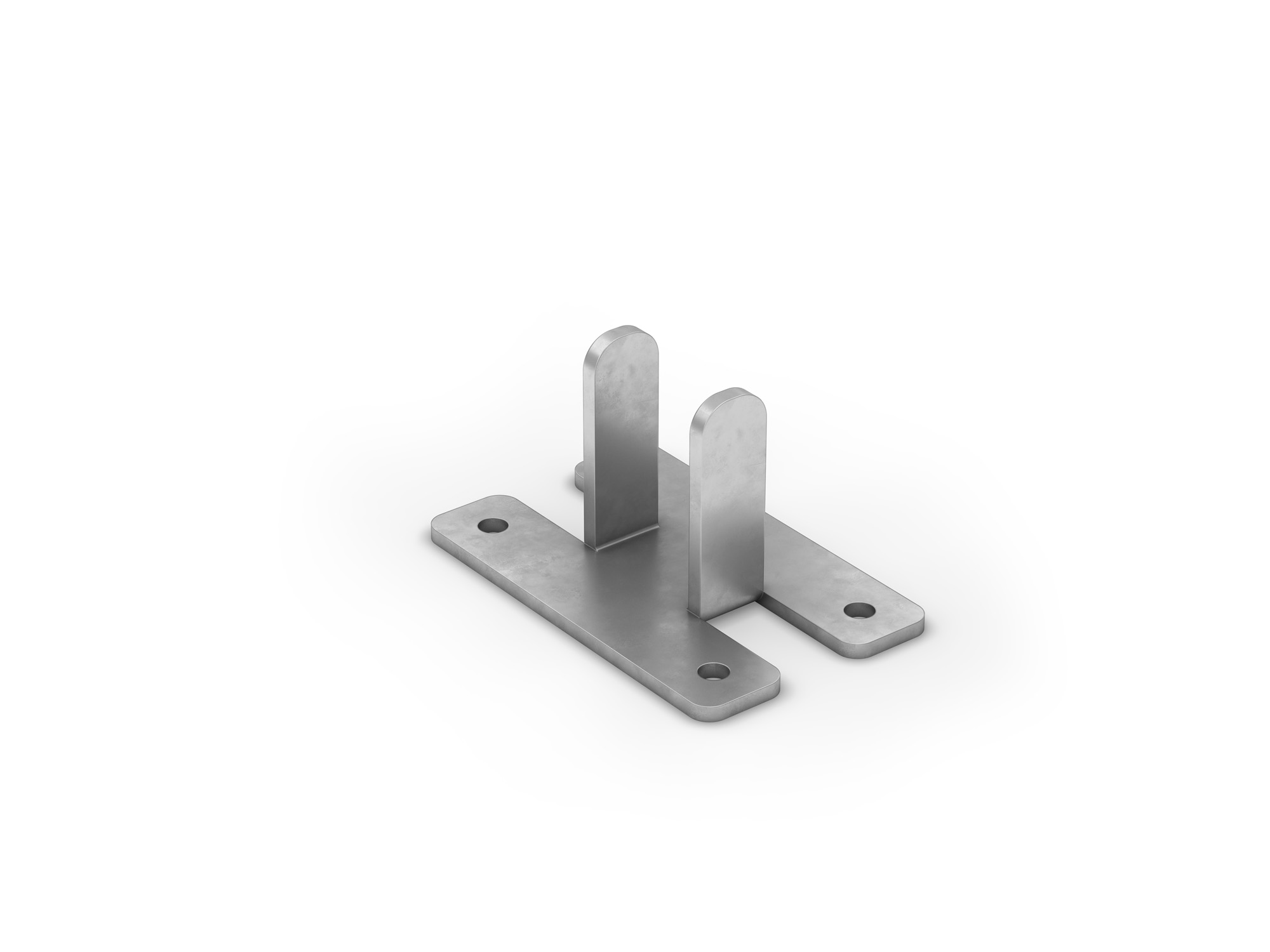 Floor Bracket for Universal Guard Rail - Double 42mm HDG
32 €
Floor Bracket for Universal Guard Rail - Double 42mm HDG
32 €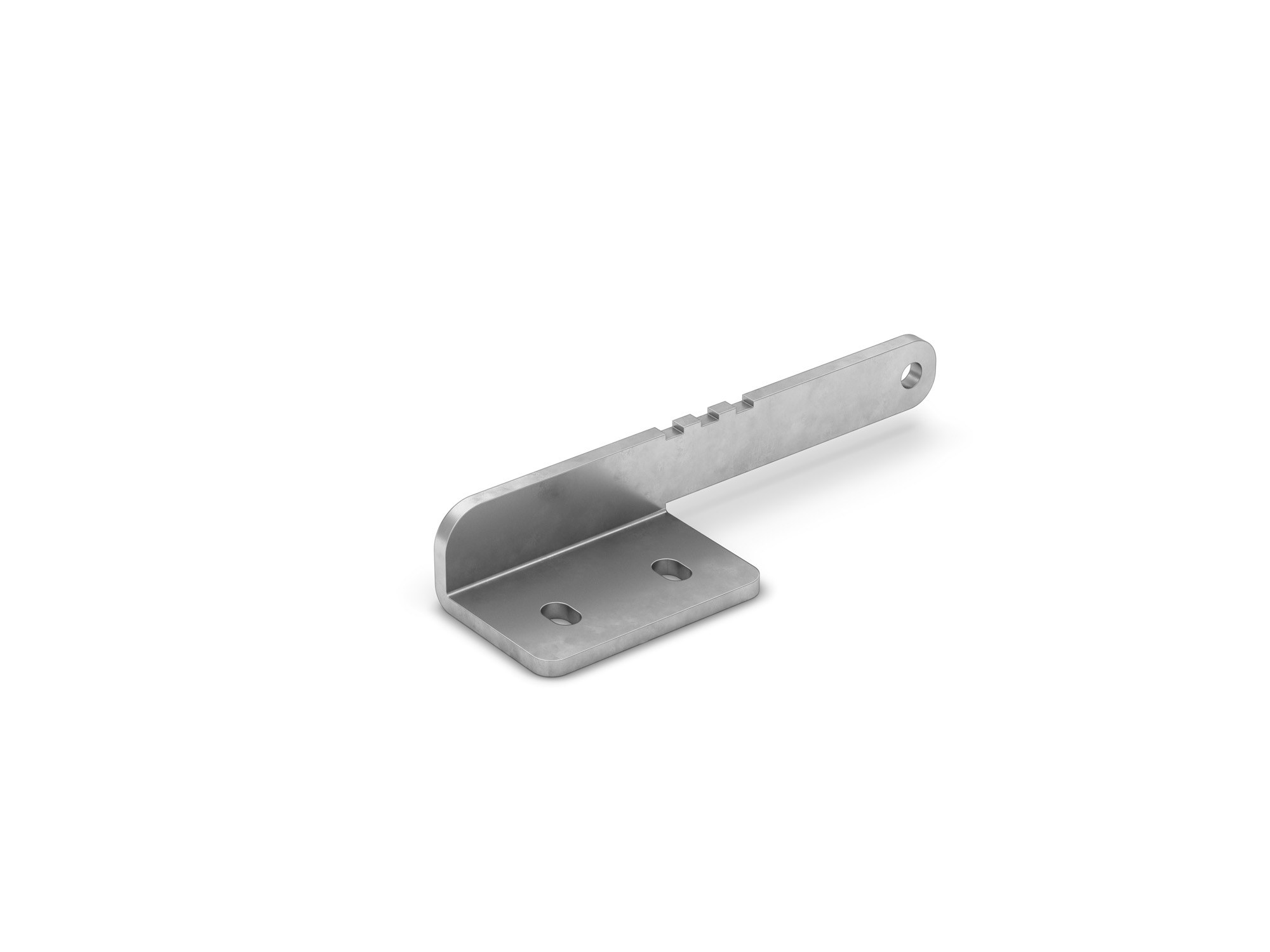 Side Bracket for Universal Guard Rail - Single 42mm Left HDG
20 €
Side Bracket for Universal Guard Rail - Single 42mm Left HDG
20 €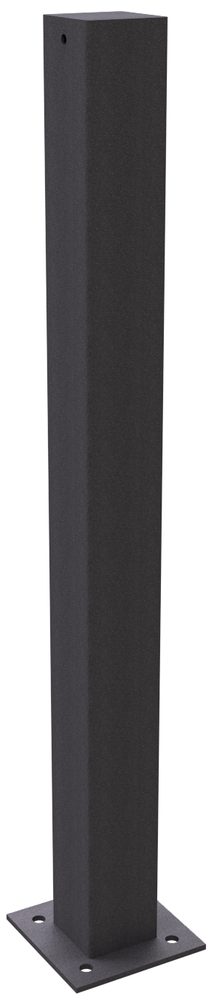 Bollard - 80 x 80 mm - Bolt-Down
220 €
Bollard - 80 x 80 mm - Bolt-Down
220 €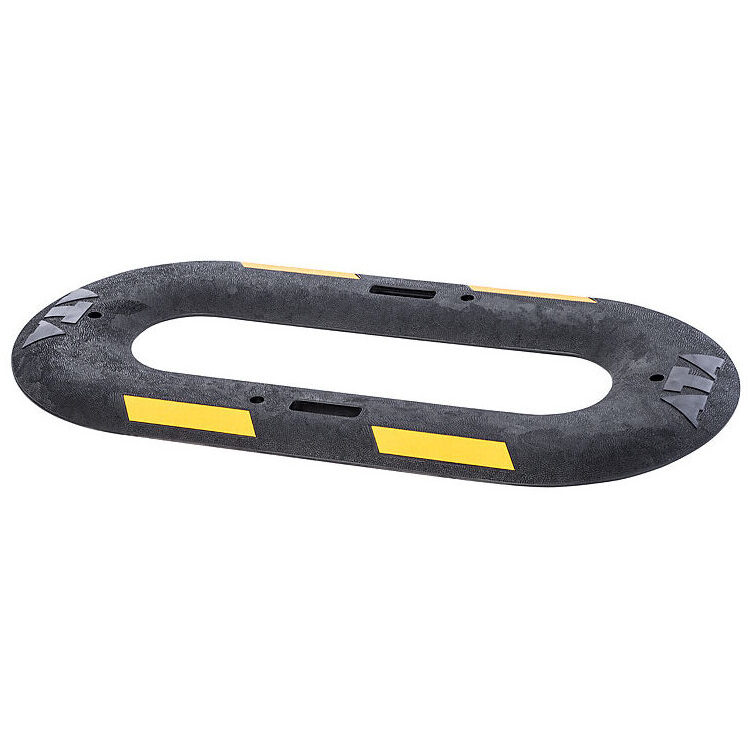 Minigupp - Oval Natural Rubber Speed Bump - 1500x750x38 mm
180 €
Minigupp - Oval Natural Rubber Speed Bump - 1500x750x38 mm
180 €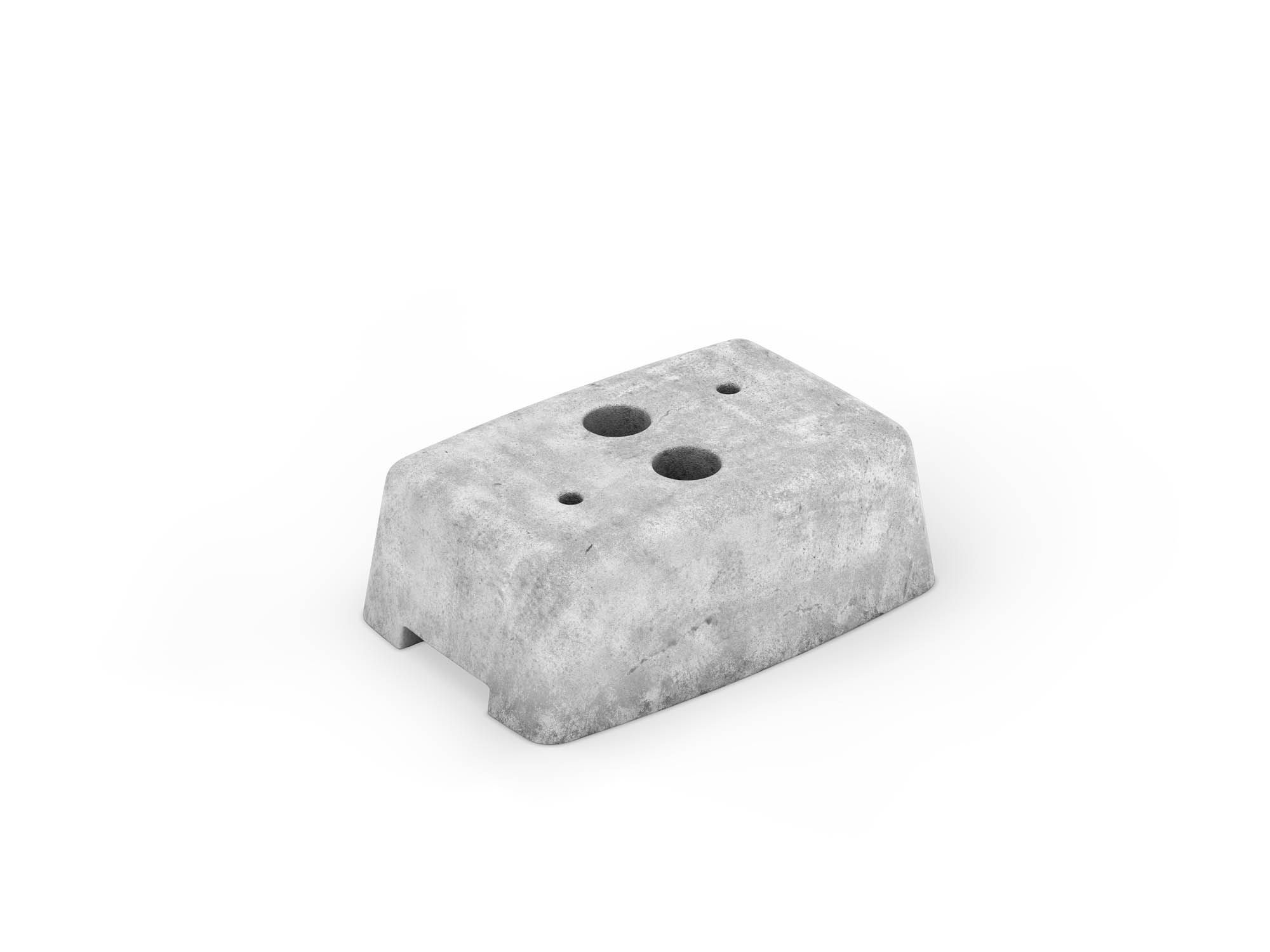 Concrete Foundation for Freestanding Railings - 350 x 240 mm
87 €
Concrete Foundation for Freestanding Railings - 350 x 240 mm
87 €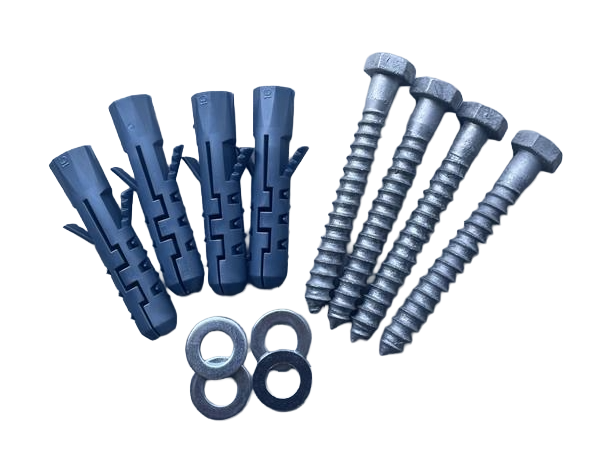 Screw Kit for Minigupp - 4 Screws, Washers and Anchors
10 € 10 € excl. VAT10 € 10 € incl. VAT
Screw Kit for Minigupp - 4 Screws, Washers and Anchors
10 € 10 € excl. VAT10 € 10 € incl. VAT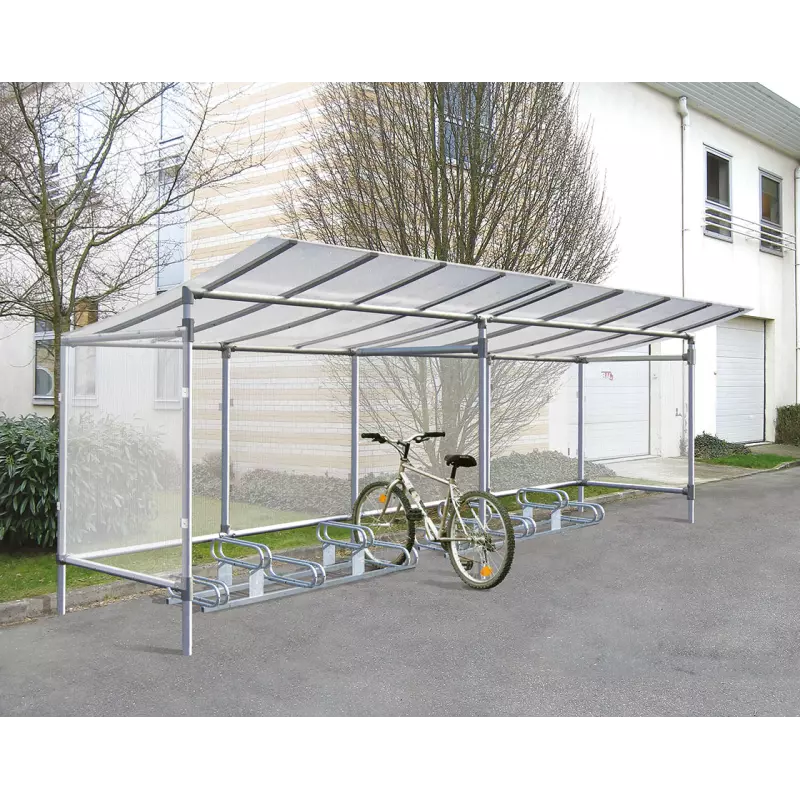






Ready to take the next step?
We help you develop solutions tailored to your needs. At Nordguard, we strive to make the ordering process as smooth as possible. By offering support and guidance throughout the entire purchasing experience, we make sure you feel confident and satisfied with your choice of protection products.+46 10 153 90 50
[email protected]