
Ramps and Curb Ramps
Ramps and curb ramps create smooth passage over curbs, trenches and changes in level for vehicles, pedestrians and wheelchairs. At Nordguard you will find curb ramps, sidewalk ramps, footbridges and trench bridges in hard-wearing rubber and aluminum for both permanent and temporary use.
Categories
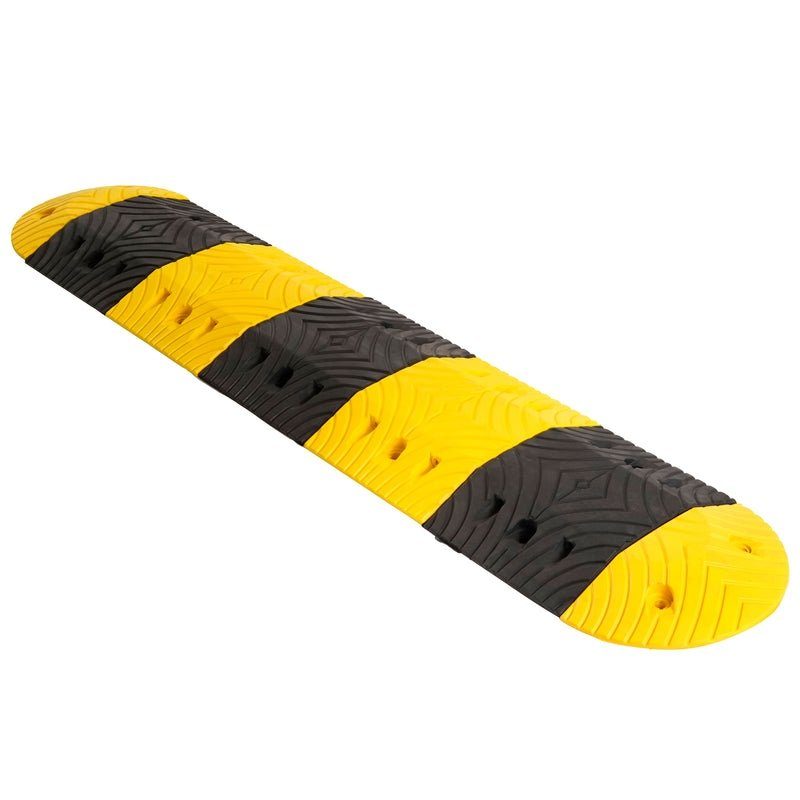 Speed Bumps
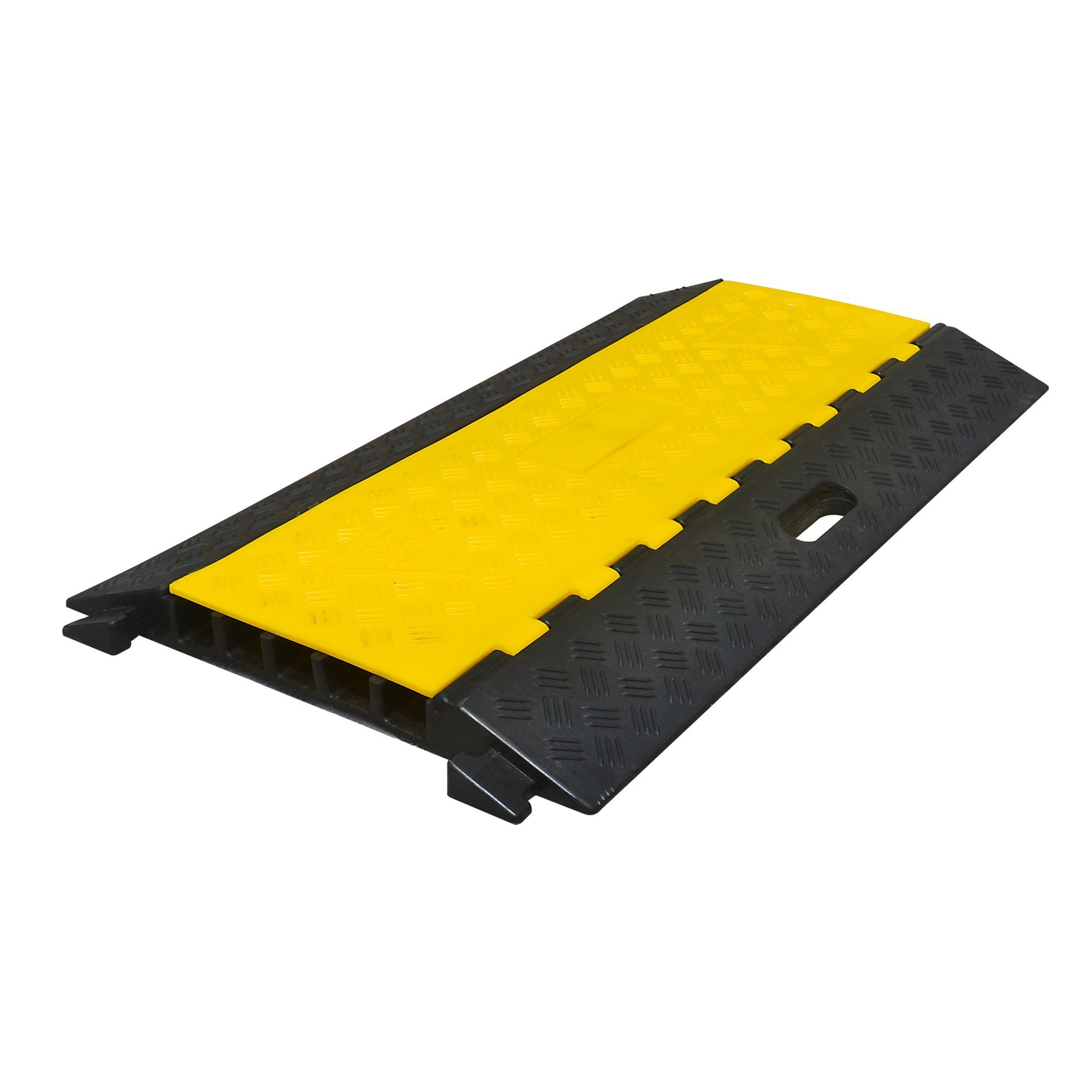 Cable Protectors
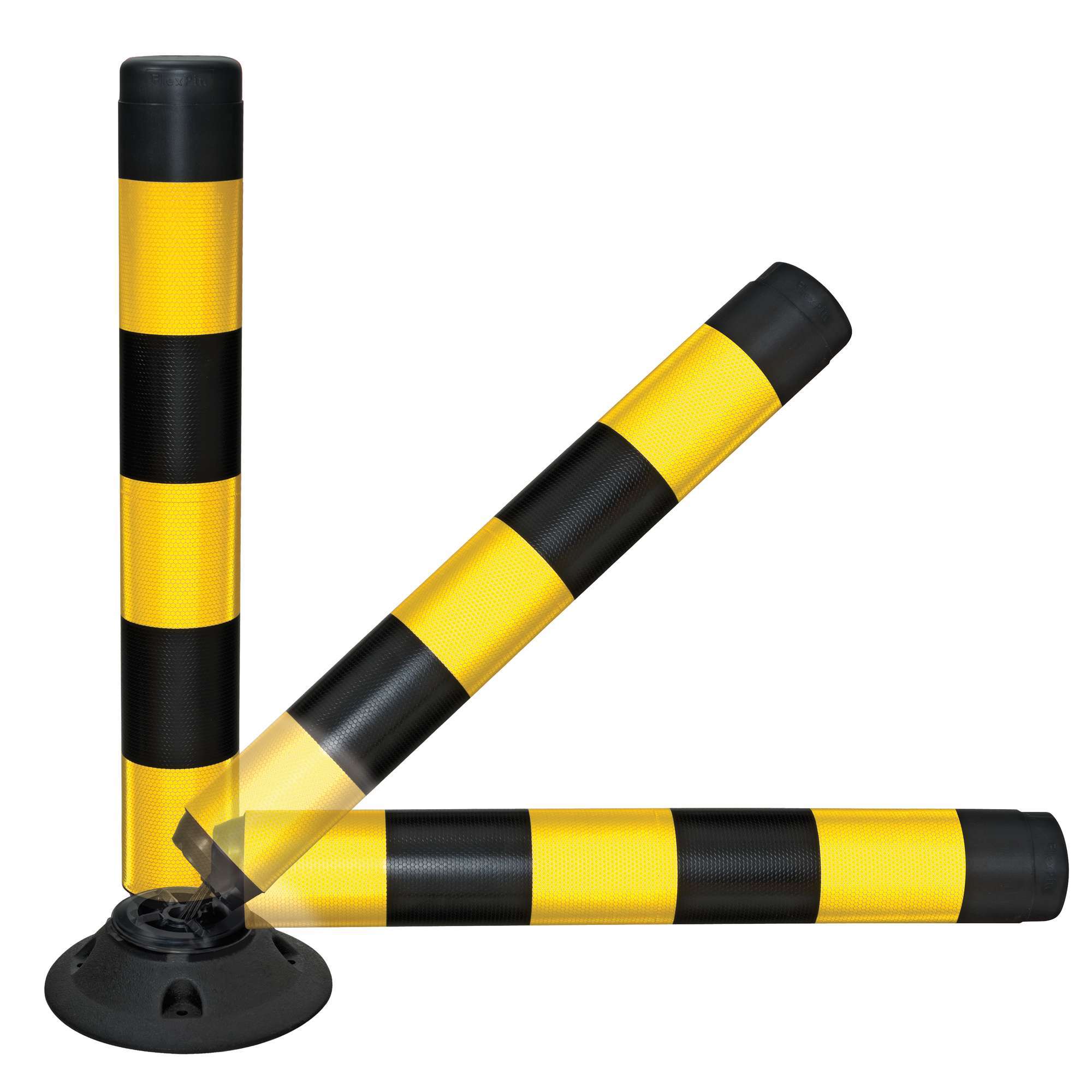 Traffic Posts and Delineator Posts
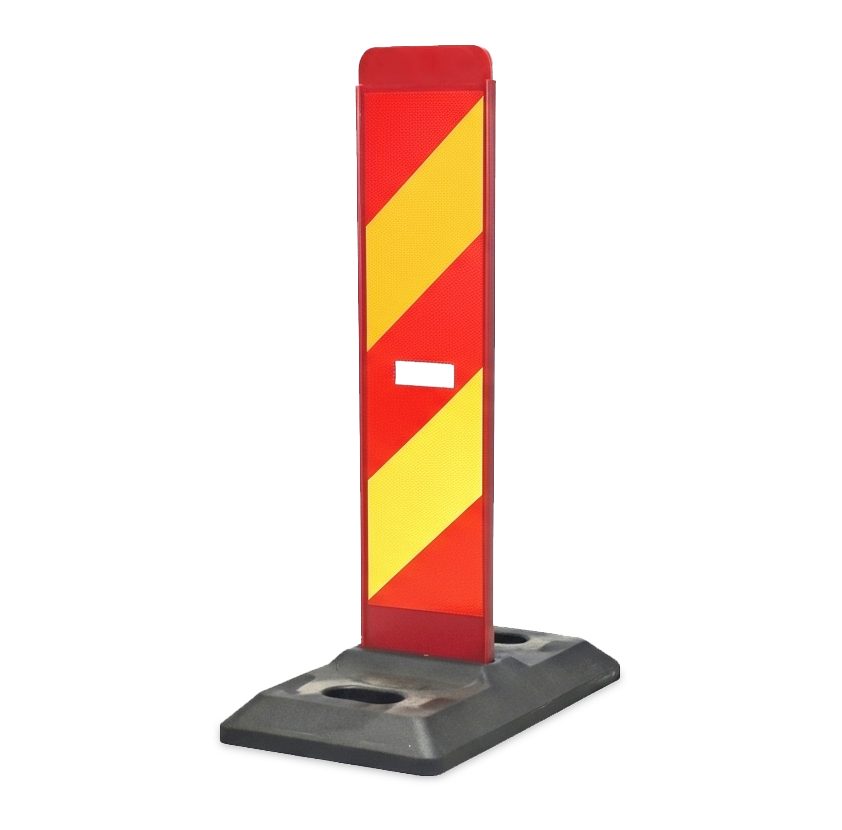 Road Signs, Traffic Signs and Regulatory Signs
 Radar Speed Signs and Traffic Counters
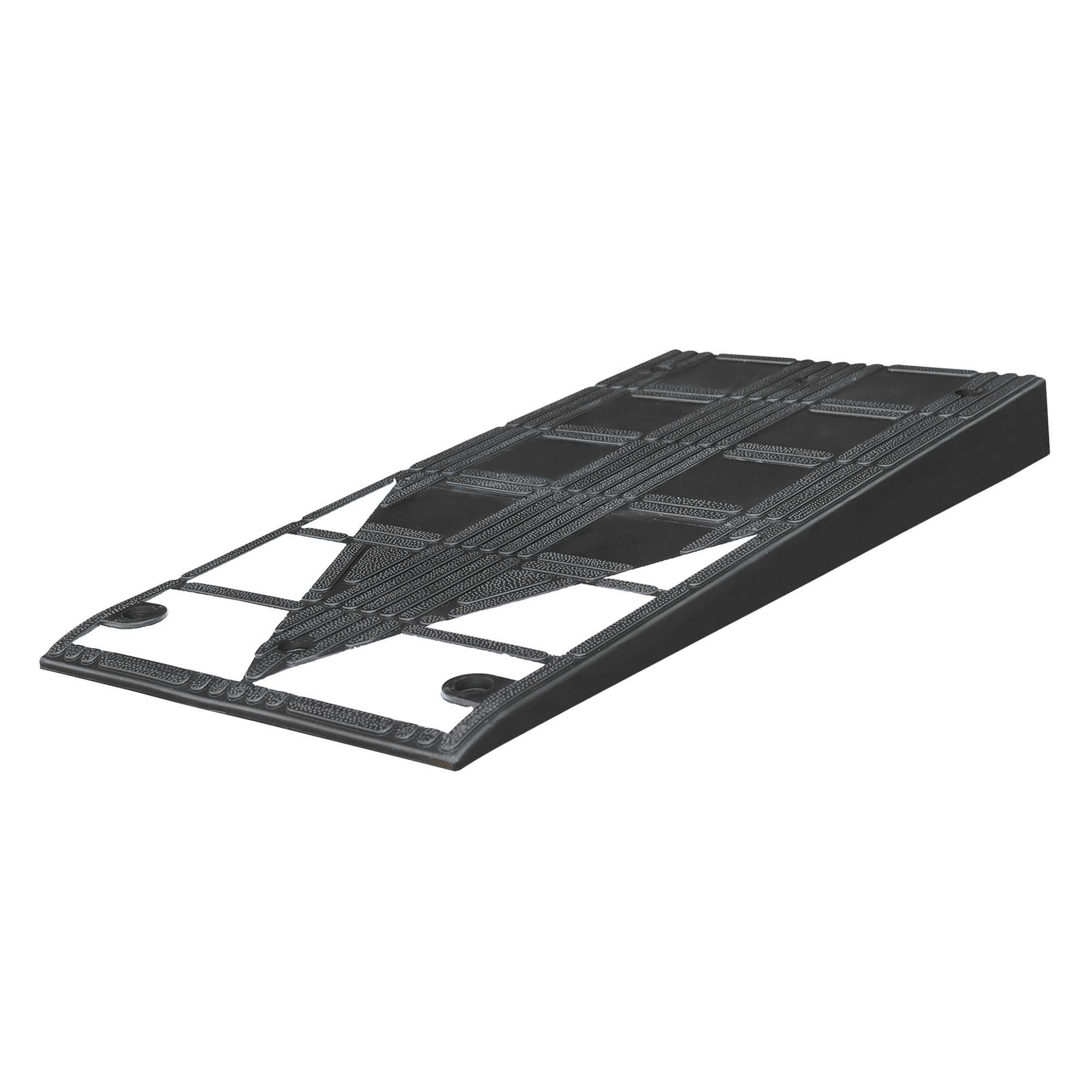 Ramps and Curb Ramps
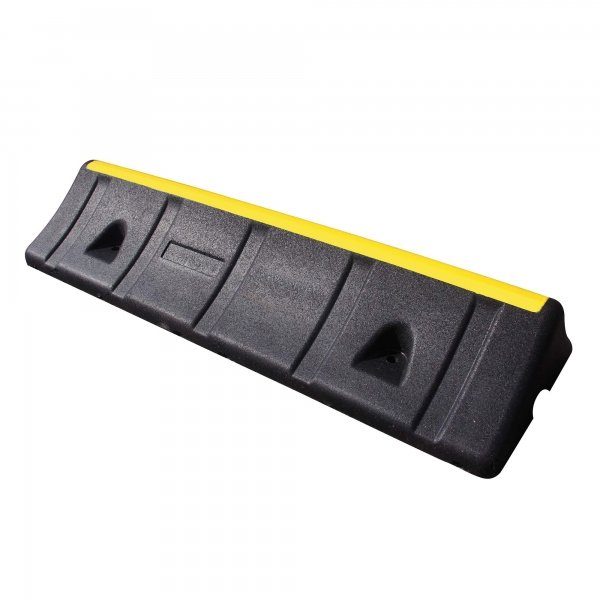 Wheel Stops and Parking Stops
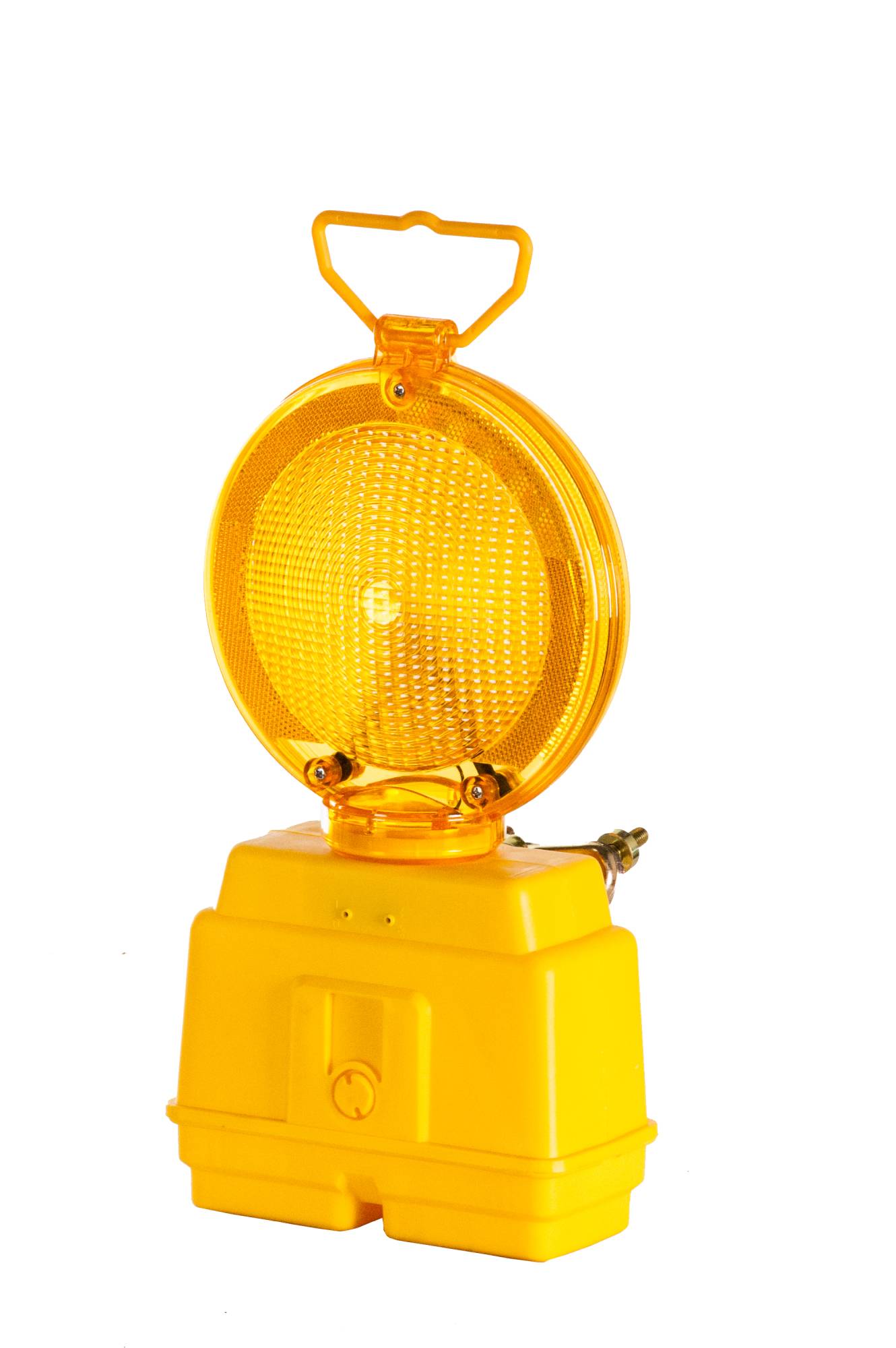 Warning Lights and Strobe Lights
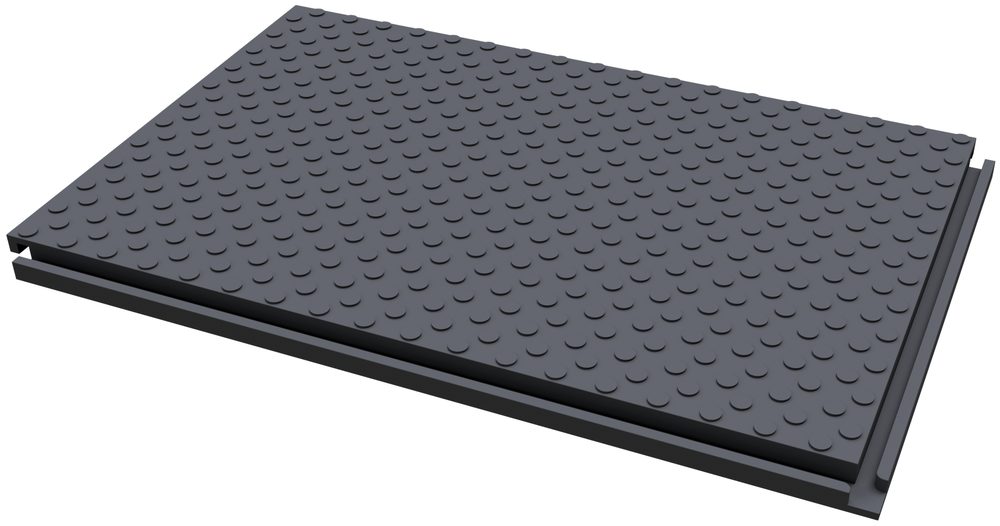 Ground Protection Mats / Trackway Mats

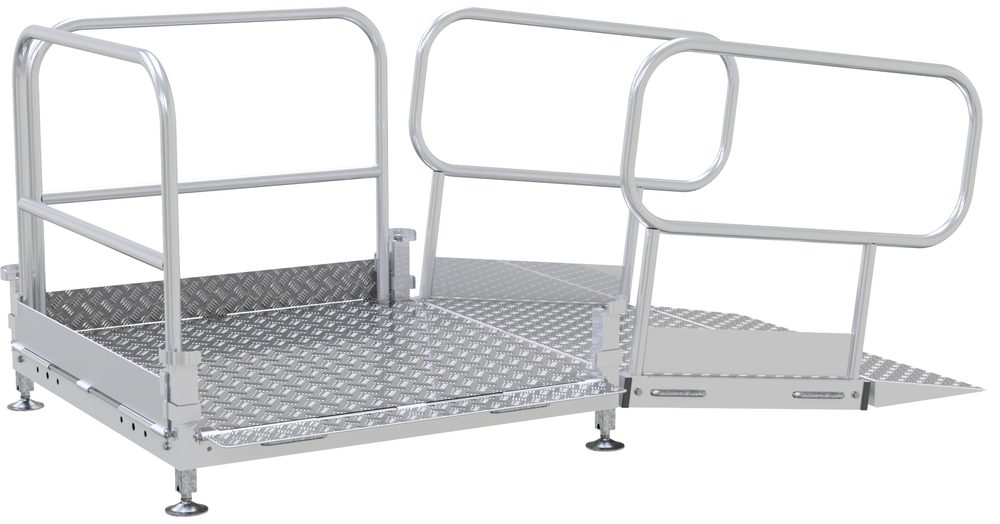
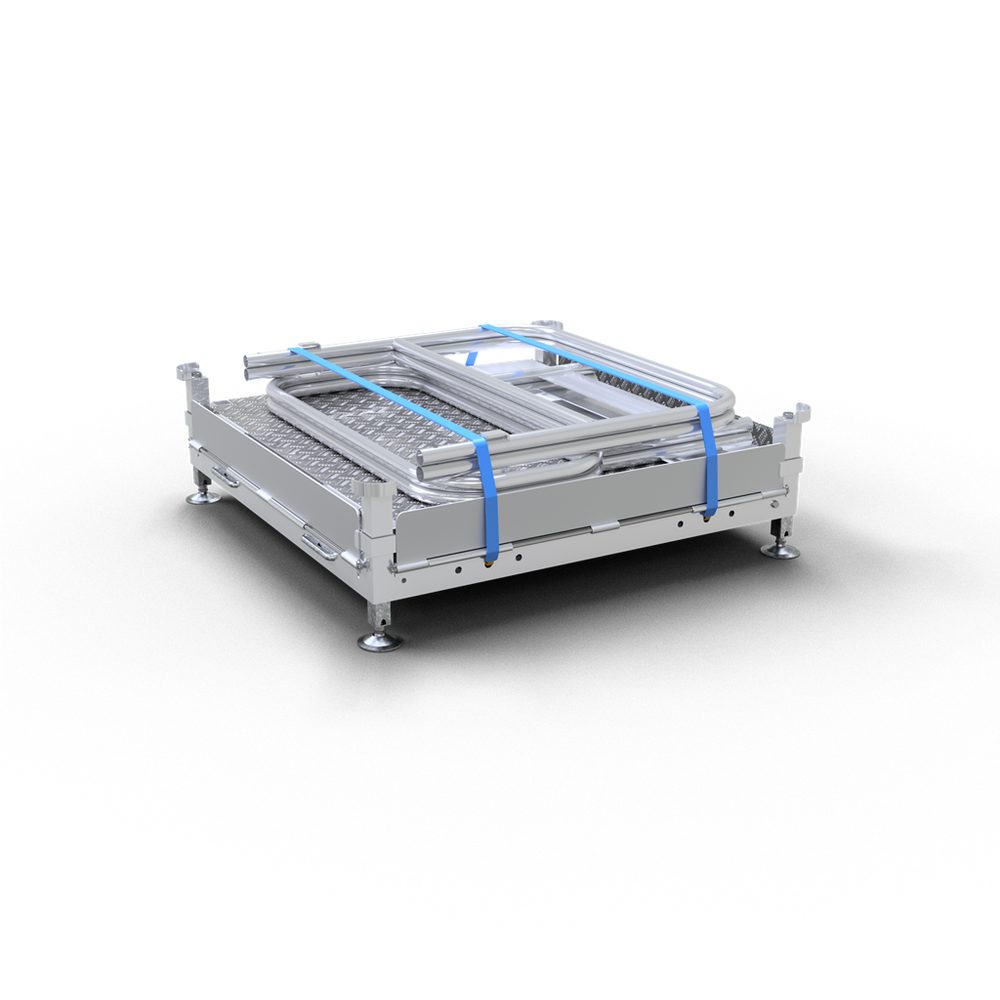
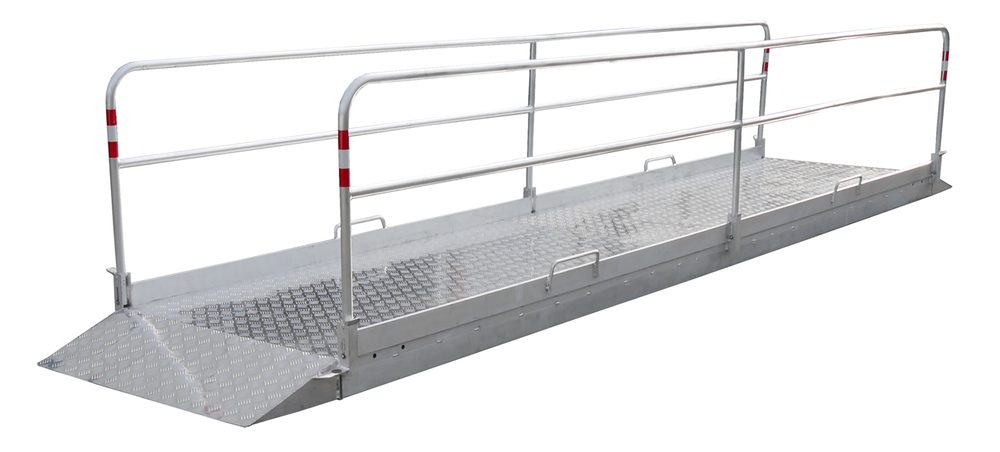
Footbridge / Trench Bridge with Side Rails and Carrying Handles – 2.3 – 6.7 Meters

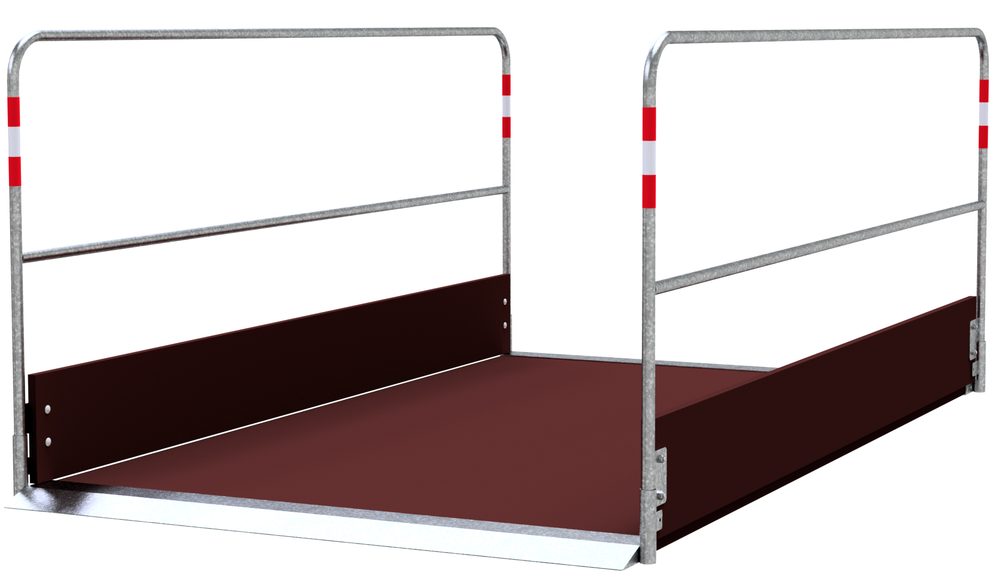
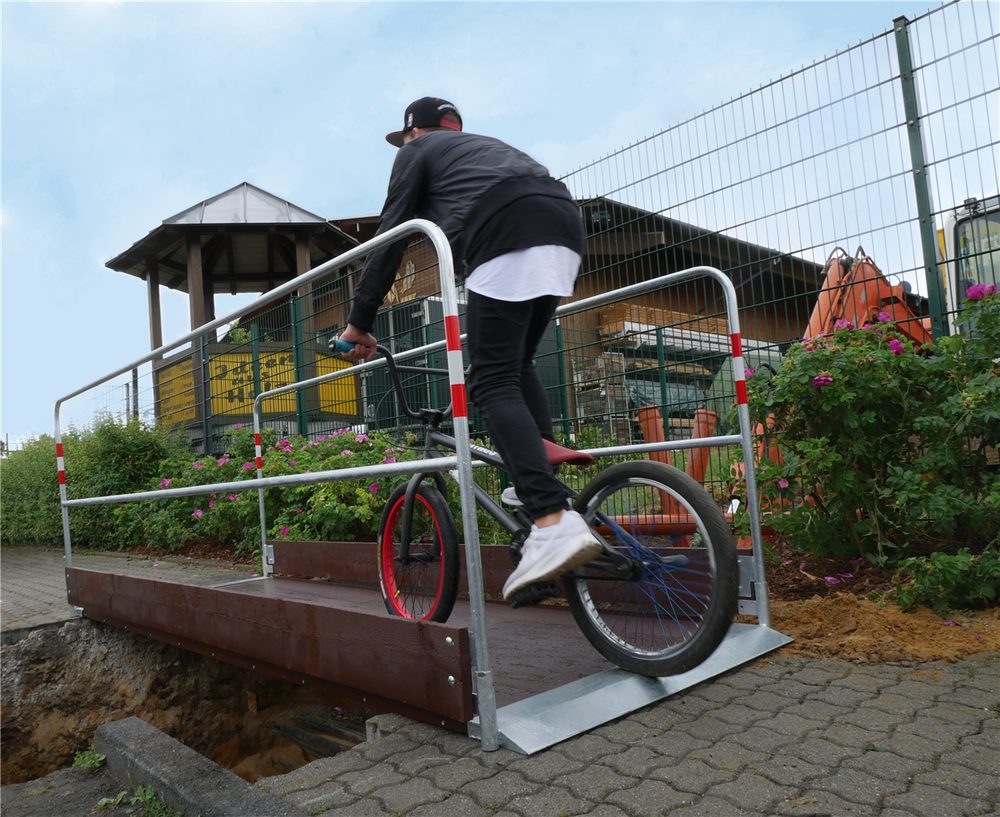
Footbridge / Trench Bridge – Wooden Walking Surface
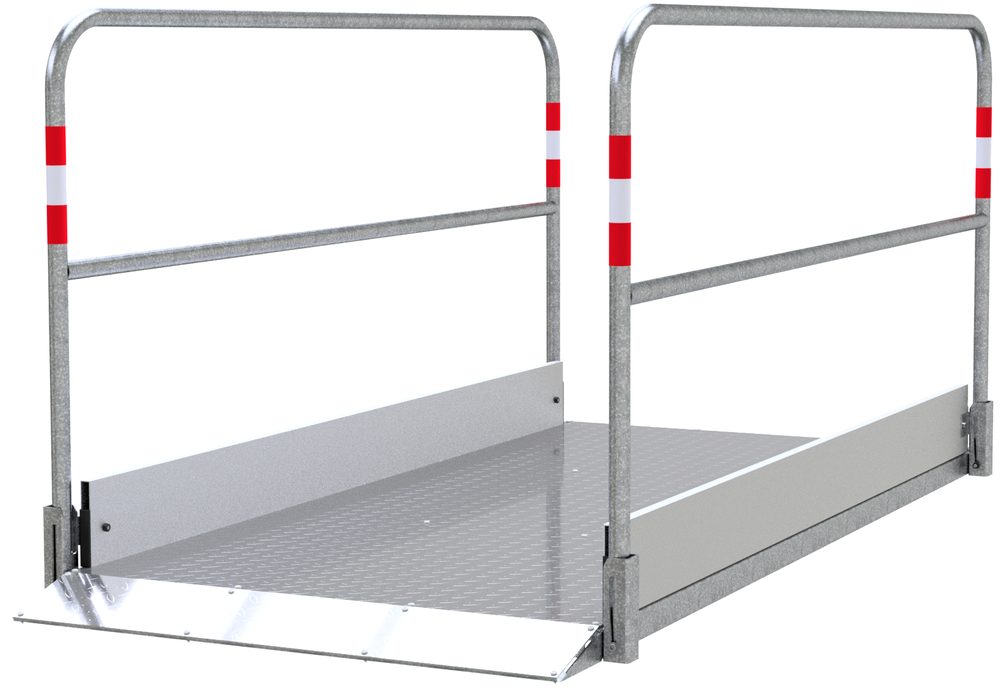
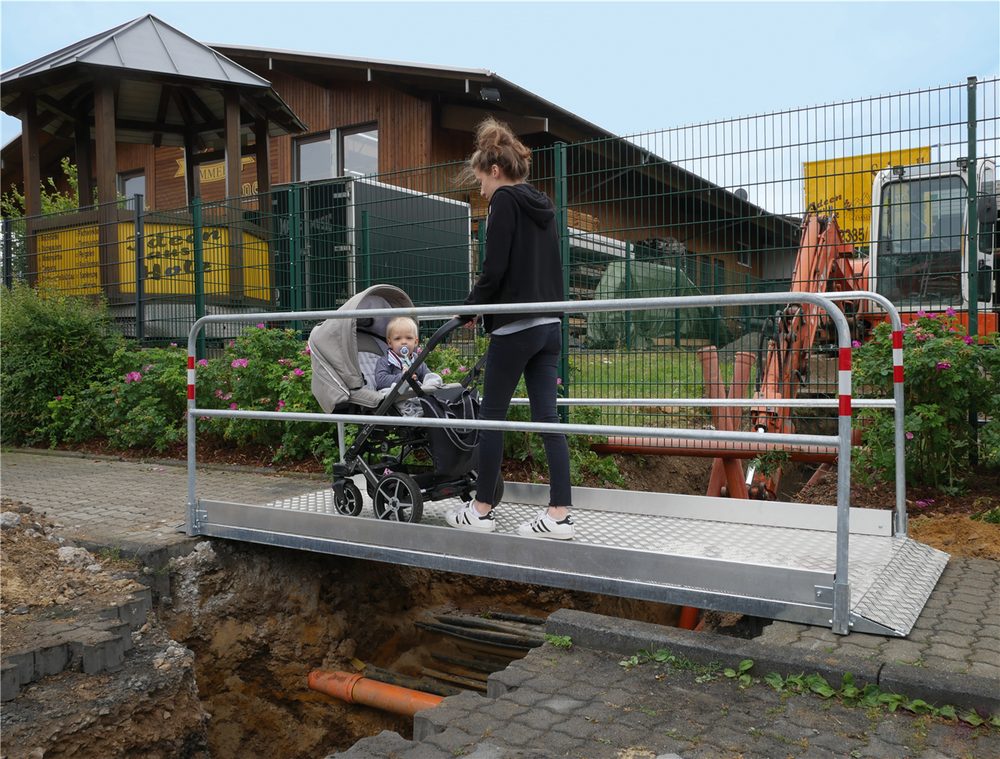

Footbridge / Trench Bridge – Aluminum Walking Surface
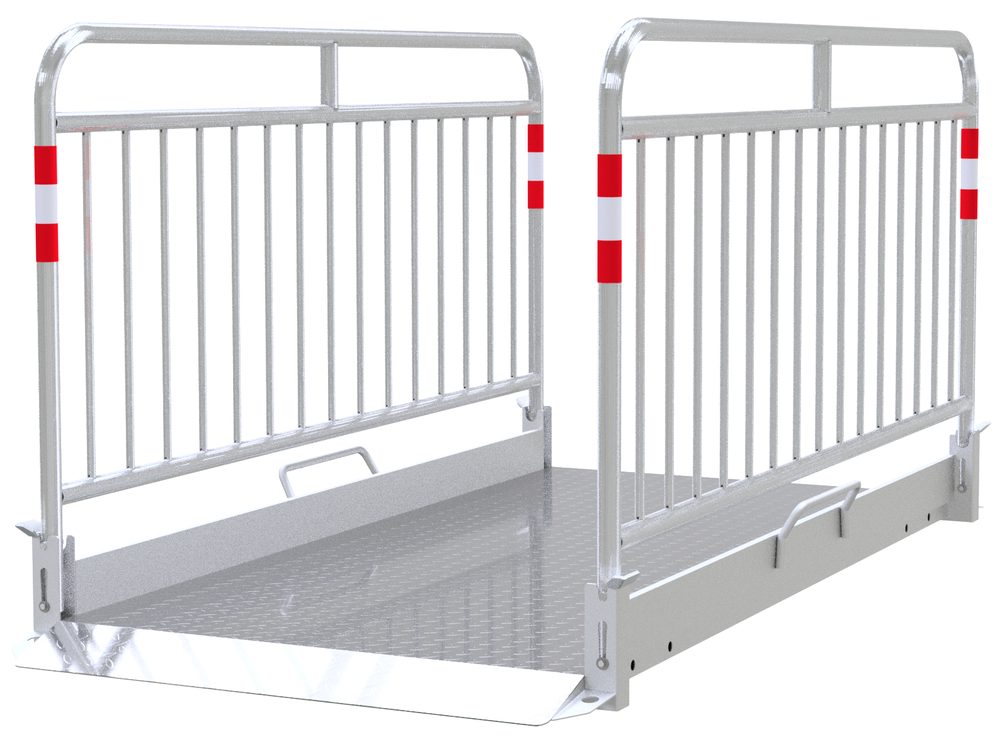
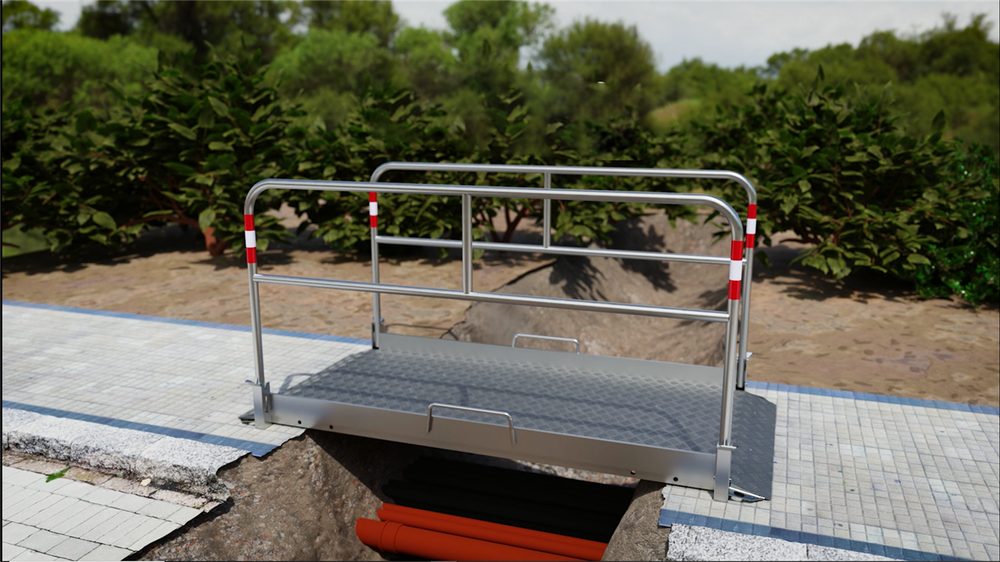
Aluminum Trench Bridge Set with Carrying Handles
Find the Right Ramp or Crossing
The ramp you need depends on what has to get over the obstacle and how heavy the load is. A curb that cars drive over has different requirements than a trench people walk across or a change in level that needs to be wheelchair accessible. Below we go through the main types so you can find the right product.
Curb Ramps and Sidewalk Ramps
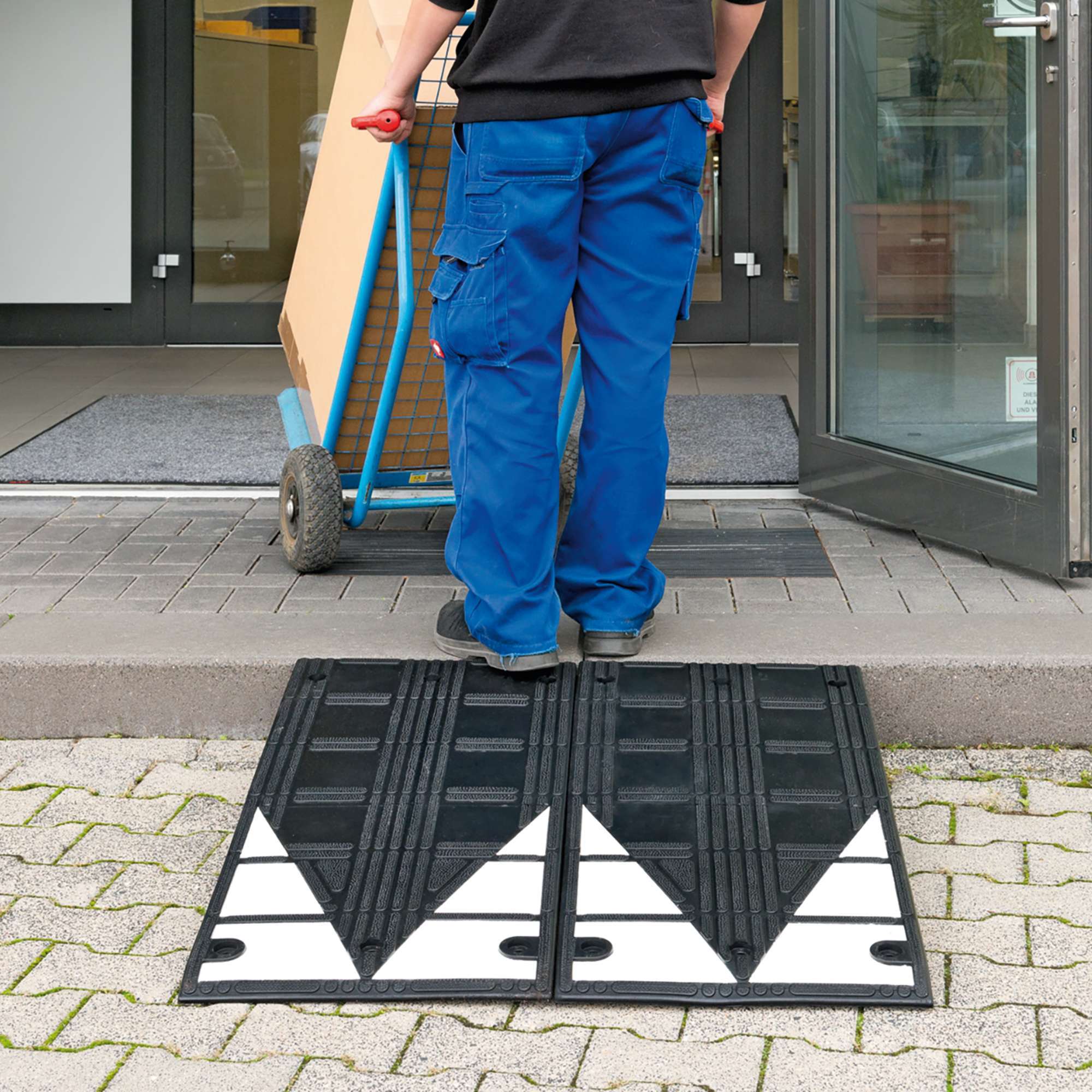
Curb ramps, sometimes called asphalt wedges, are placed against a curb so that vehicles can drive up without damaging tires or rims. They come in heavy-duty designs that handle heavy loads and are often fitted with reflectors for visibility. Rubber sidewalk ramps are used at lower curbs and provide a smooth transition for both vehicles and pedestrians.
Footbridges and Trench Bridges
Footbridges and trench bridges are used to cross trenches, excavations and uneven ground. They are available with aluminum or wood walking surfaces, with or without side rails and carrying handles, and in both permanent and temporary designs. They are common on construction sites and in outdoor areas where a safe passage over an obstacle is needed.
Accessibility Ramps
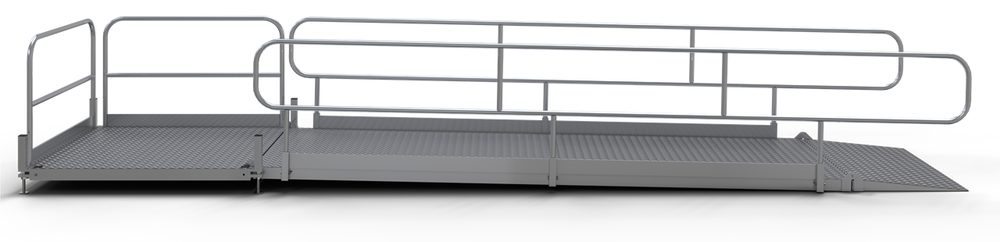
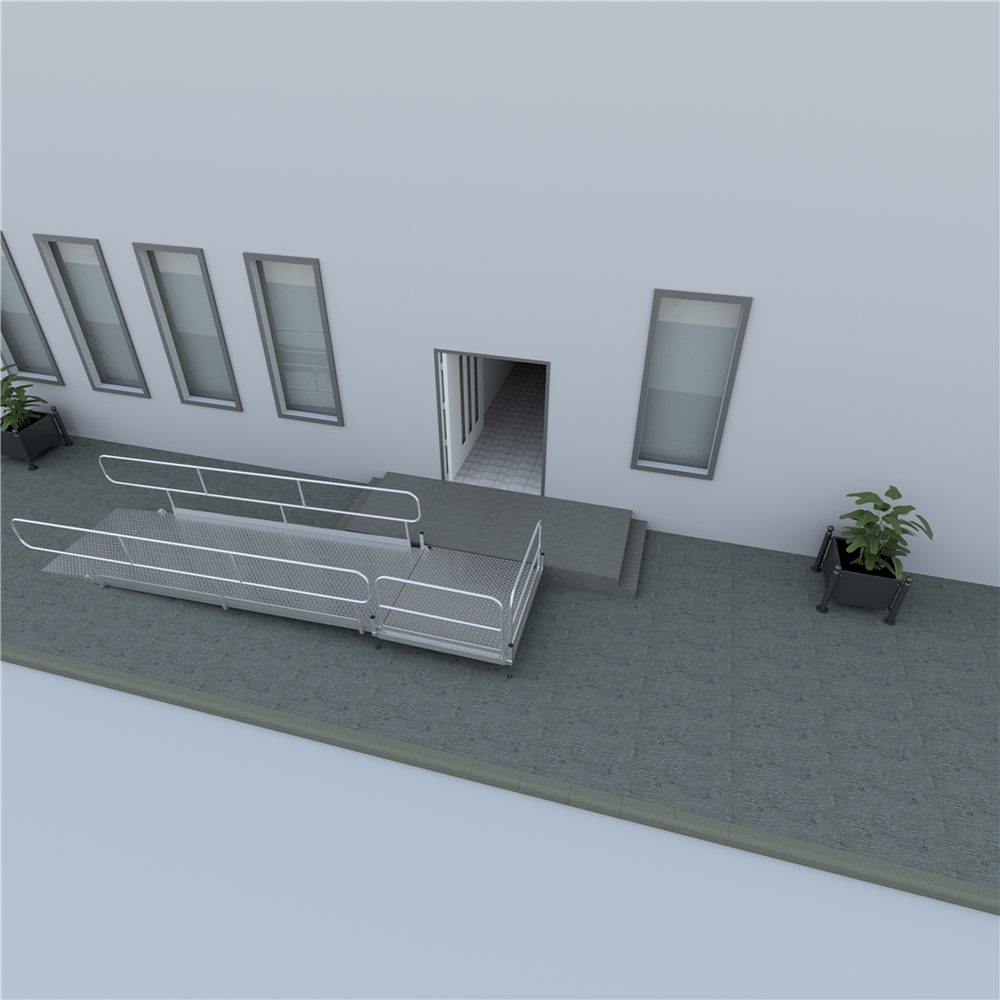
To make entrances and level changes accessible for wheelchairs and strollers, aluminum accessibility ramps are used, both fixed and portable. If you need a solution designed for people with disabilities, you'll find more options in the accessibility ramps category.
Material and Load
The material determines both weight and load capacity. Rubber ramps are heavy, lie stable and absorb impact, which suits curbs and speed-bump-like transitions. Aluminum is easy to move and carry, making it ideal for footbridges and portable ramps. Always check the ramp's specified weight capacity against what will pass over it, especially for heavy vehicles.
Where Are Ramps and Crossings Used?
Curb ramps are used at driveways, loading zones and parking lots where vehicles need to get over a curb. Footbridges and trench bridges are common on construction sites and in outdoor areas. Accessibility ramps make entrances and public spaces accessible to everyone. If you need to protect cables crossing a driveway, cable protectors are the right product.
Frequently Asked Questions About Ramps and Crossings
To drive over a curb, use a curb ramp or a rubber sidewalk ramp. Choose a model whose specified weight capacity matches the vehicles that will drive over it, with reflectors if the ramp is located in a trafficked area.
A curb ramp bridges a curb or small change in level and is usually driven over by vehicles. A footbridge or trench bridge spans a trench or excavation and is used to walk or drive across a gap in the ground. Your needs determine which type to choose.
It varies greatly between models. Heavy-duty curb ramps can handle heavy vehicles, while lighter rubber ramps are intended for passenger cars and pedestrians. Always check the specified weight capacity before choosing, so the ramp can handle what will pass over it.
Yes. Rubber and aluminum ramps are made to withstand weather and moisture year-round. Aluminum doesn't rust, and rubber keeps its shape even in the cold, making both materials suitable outdoors.
For wheelchairs and strollers, accessibility ramps with a gentle slope and even surface are used, usually in aluminum. For occasional low curbs, a rubber sidewalk ramp may be sufficient. See our accessibility ramps category for tailored solutions.
Yes. Several footbridges and trench bridges are available as temporary solutions that are easy to move, which suits construction sites and temporary passages. Portable accessibility ramps can also be moved as needed.