
Accessibility Ramps, Wheelchair Ramps and ADA Ramps
Accessibility ramps provide convenient, safe solutions for businesses and public spaces that need to ensure access for everyone. Choose from rugged models designed for professional use and meet current accessibility and workplace safety requirements.
Categories
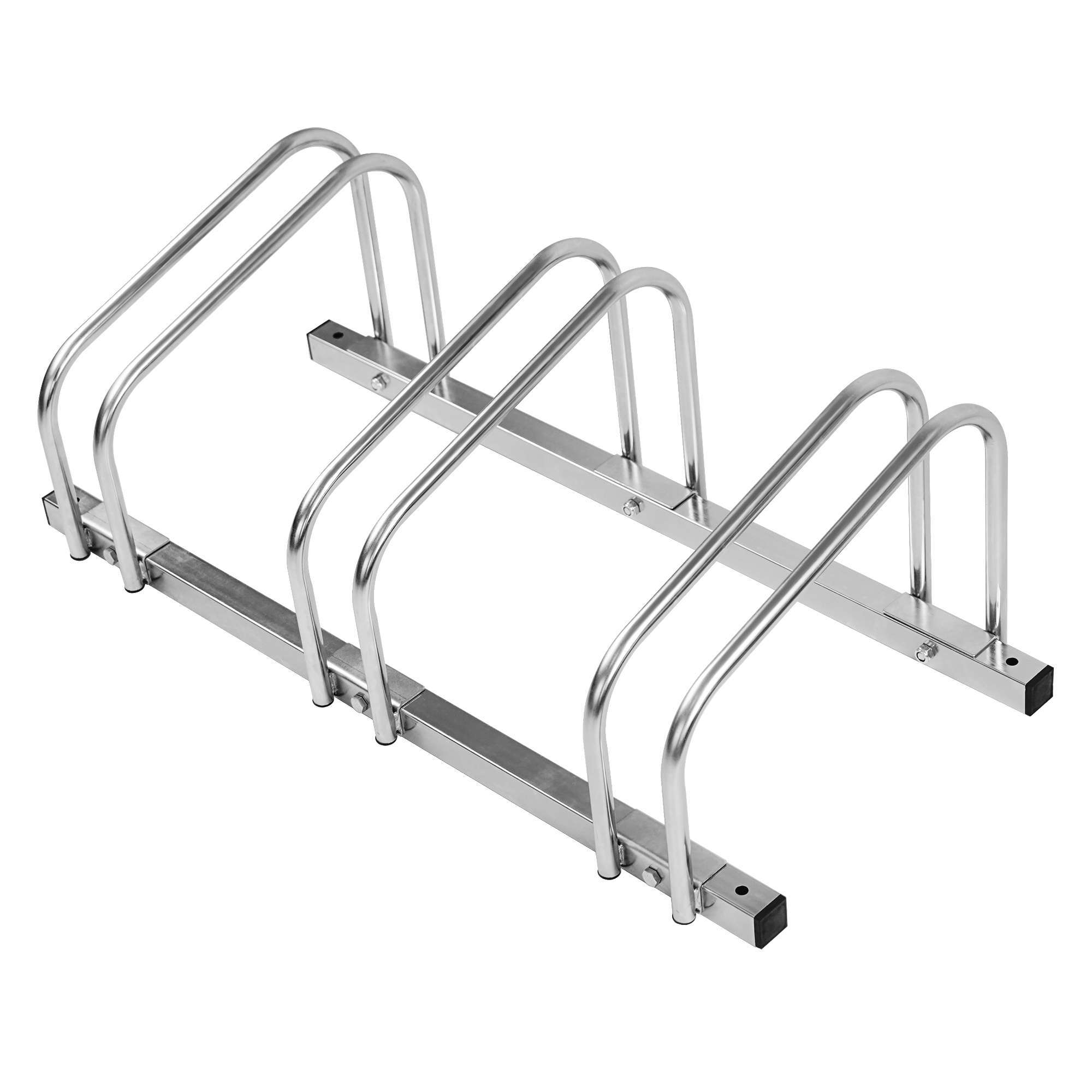 Bike Racks
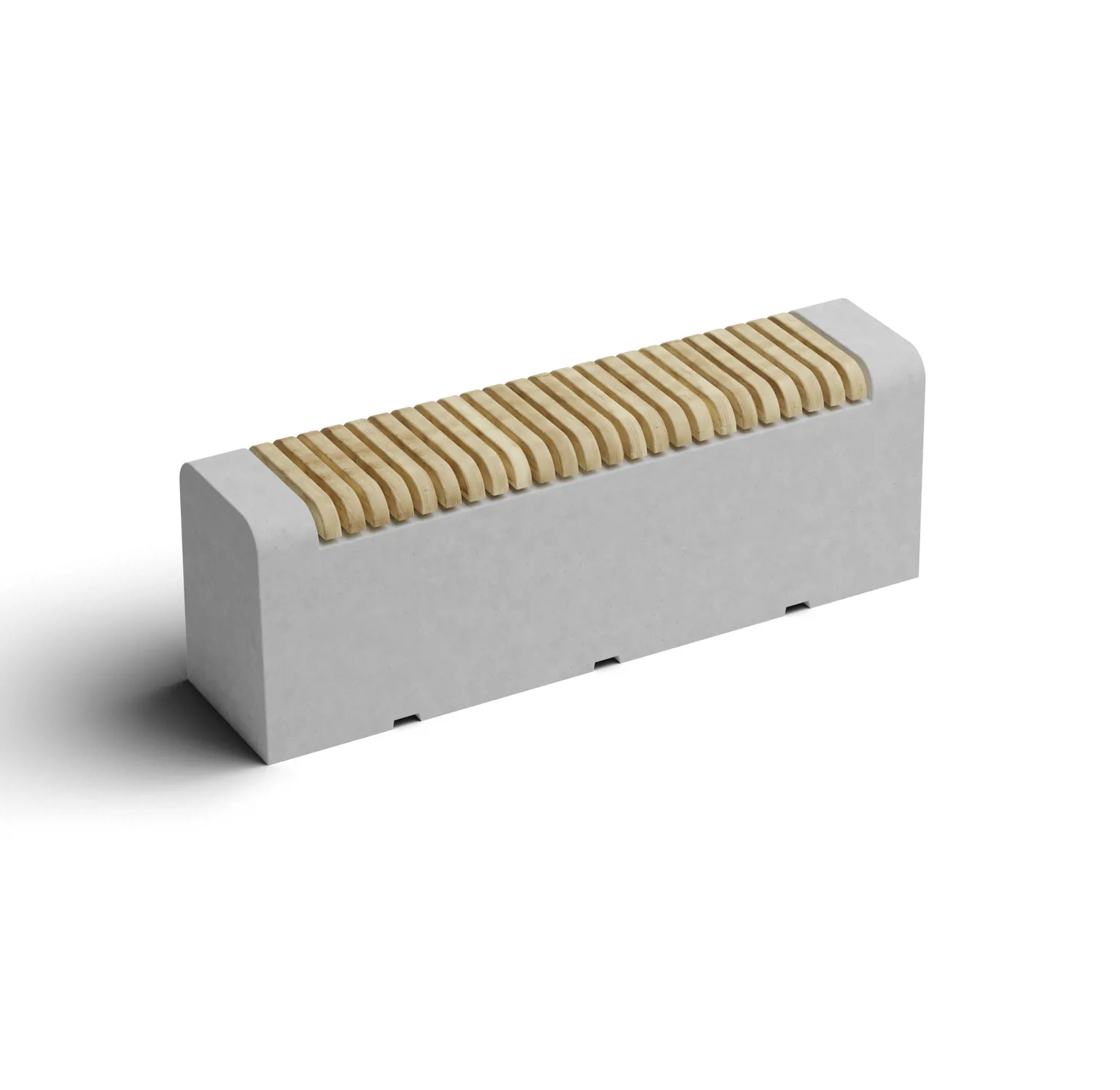 Street Furniture
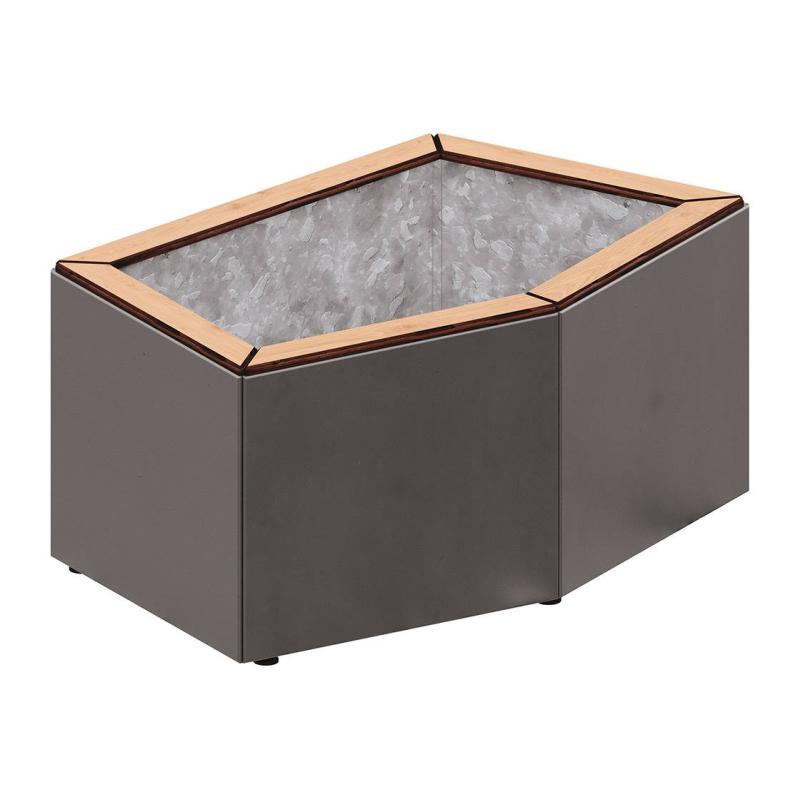 Planters and Planter Boxes for Public Spaces
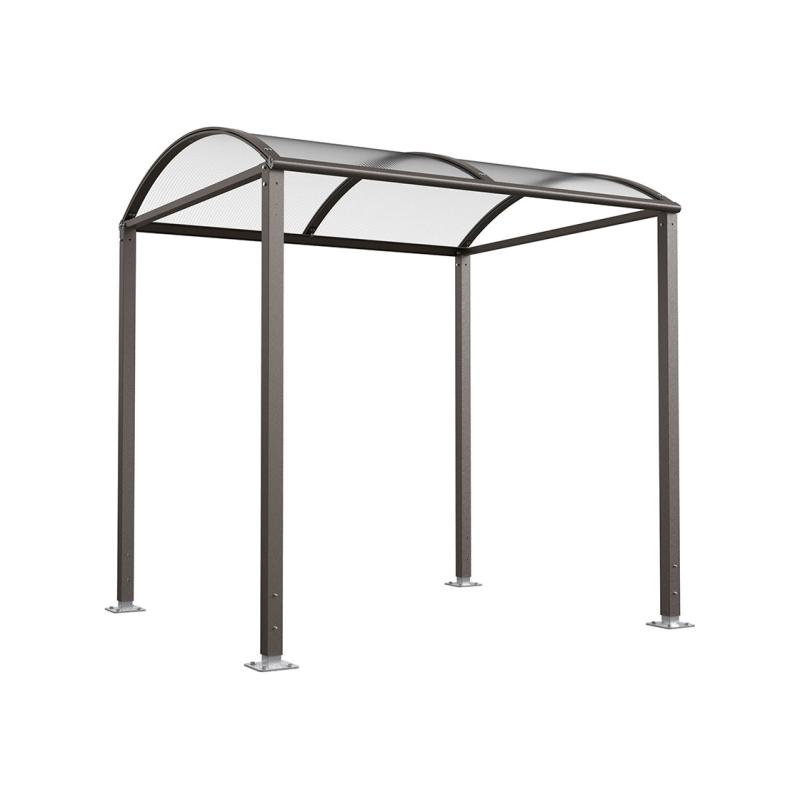 Waiting Shelters
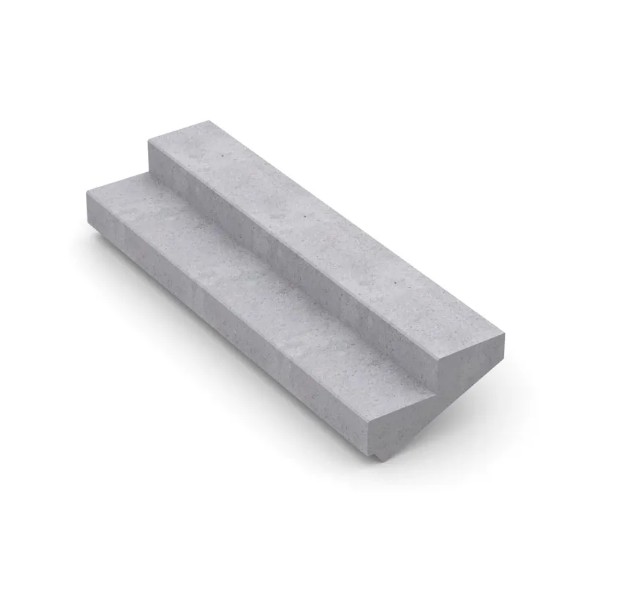 Stairs
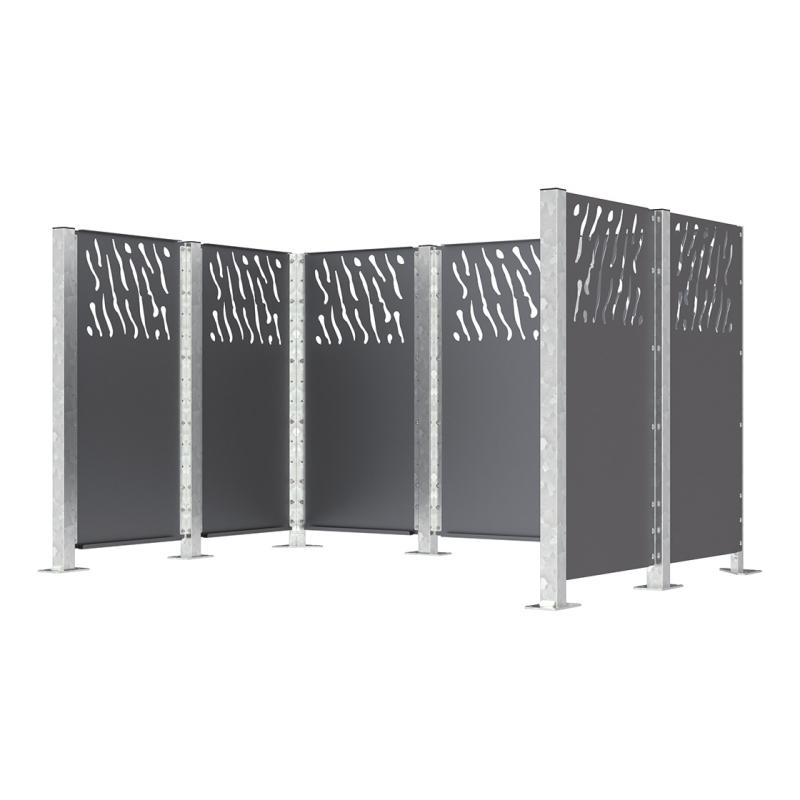 Waste Bin Enclosures
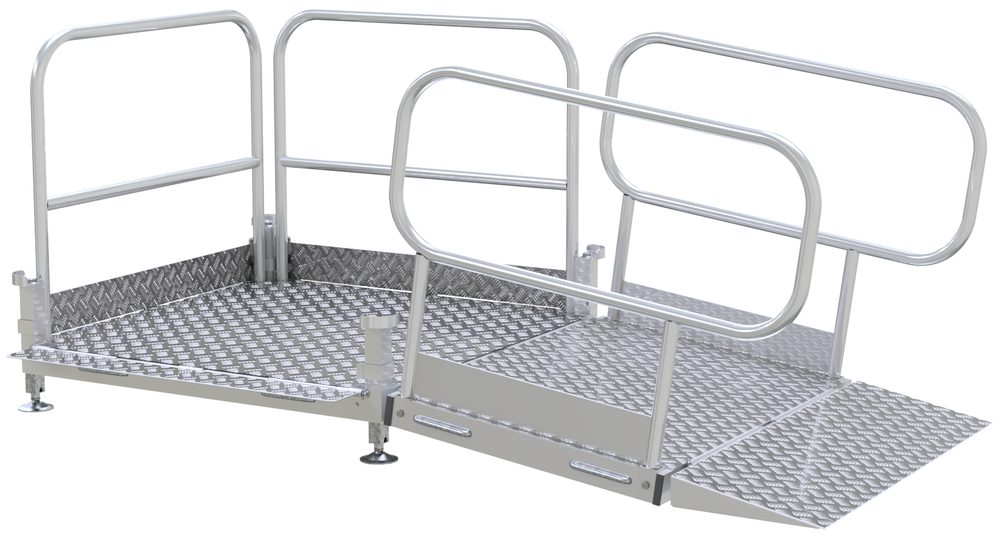 Accessibility Ramps, Wheelchair Ramps and ADA Ramps
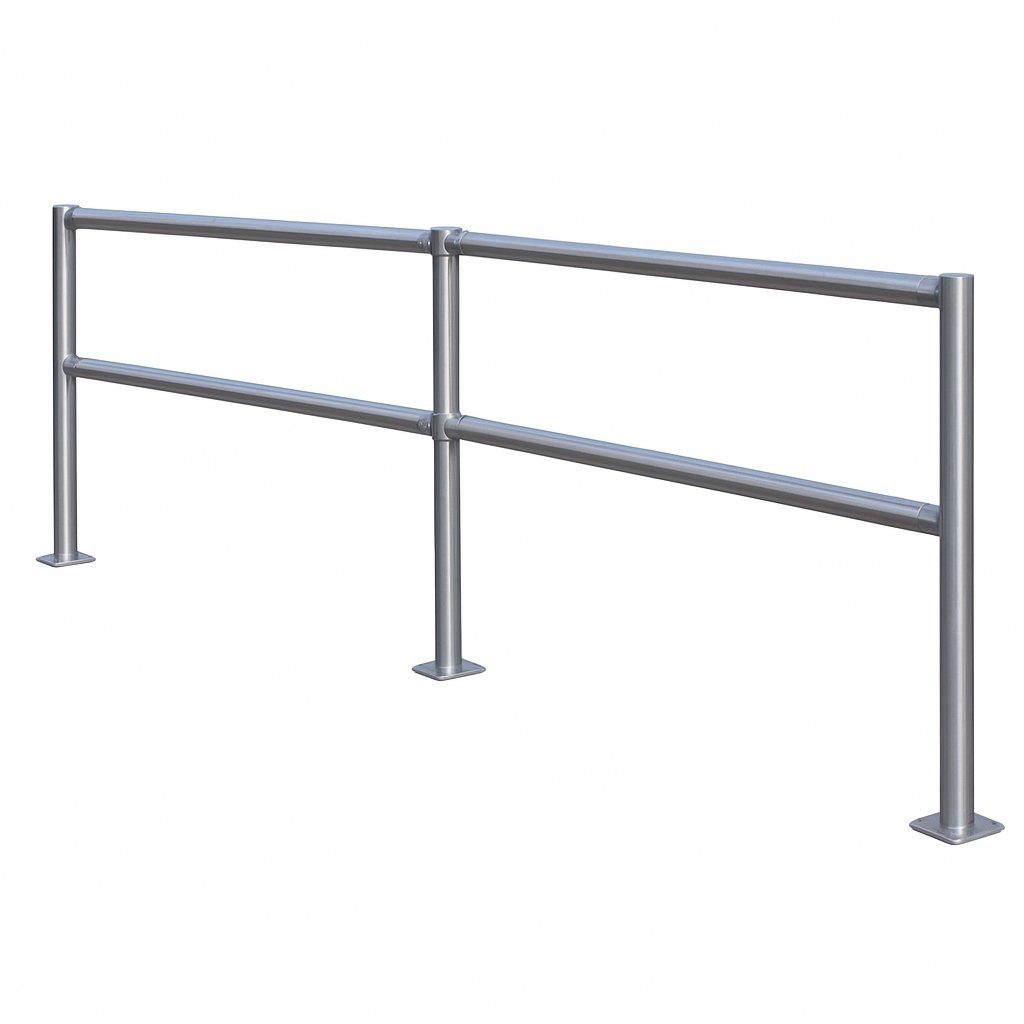 Guardrails
 Other Public Space Products
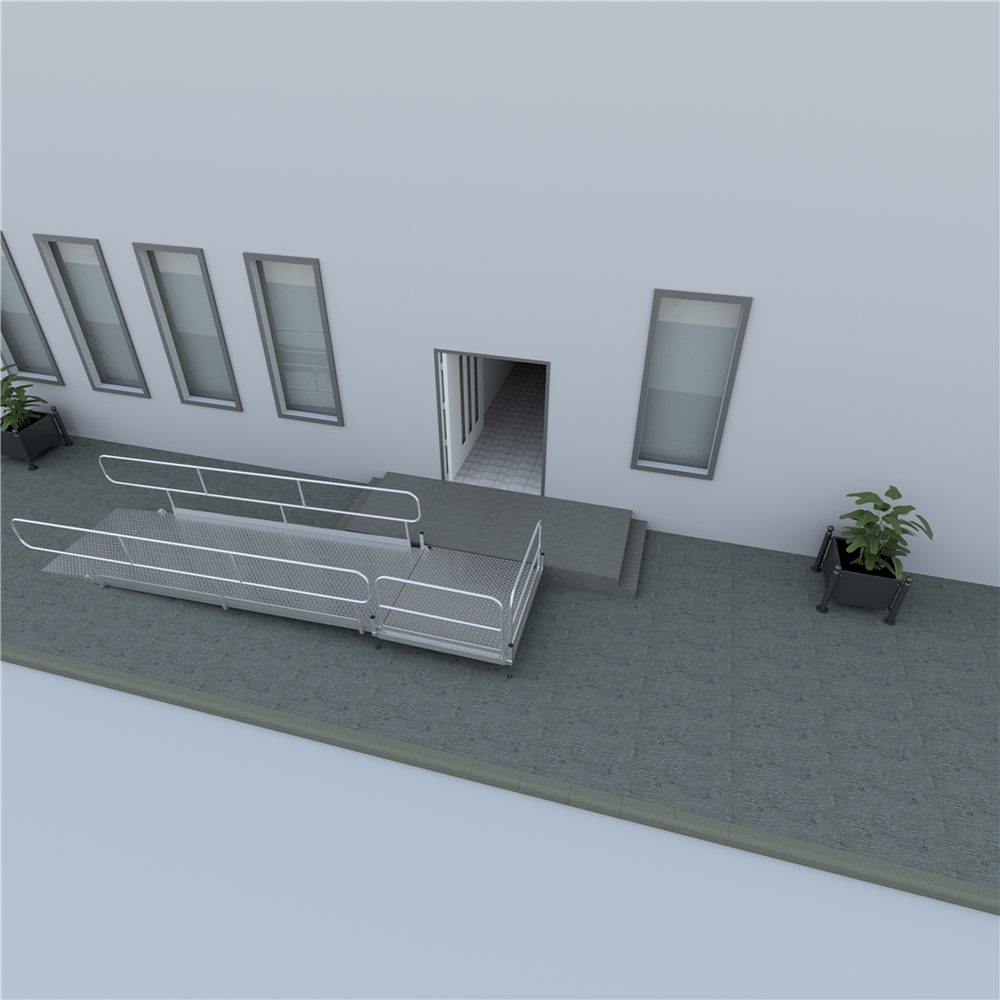

Aluminum Wheelchair Ramps and Accessibility Ramps
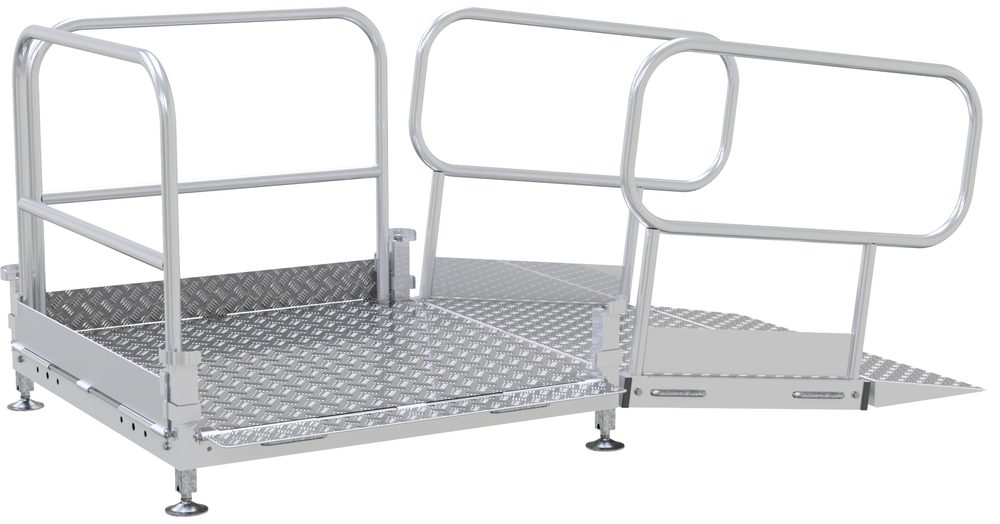
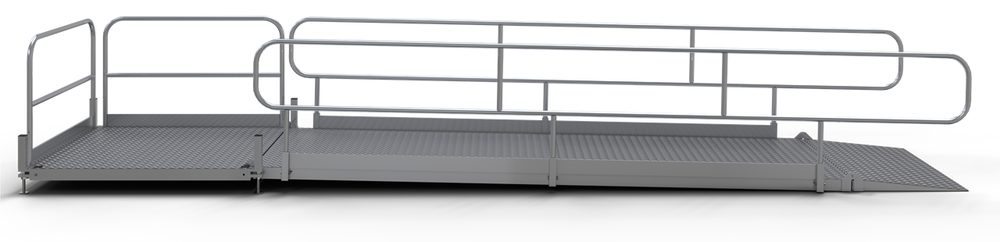
An accessibility ramp – often called a wheelchair ramp or handicap ramp – makes entrances, level changes and public spaces accessible to everyone, whether they use a wheelchair, walker or stroller. At Nordguard, you'll find robust aluminum ramps for professional use: lightweight, rustproof and designed to meet accessibility requirements in businesses, stores, properties and public facilities.
Fixed or Portable Ramps
- Fixed accessibility ramps – permanent aluminum solutions for entrances and level changes, with a non-slip surface and railings for safe passage. Available in longer sections for greater height differences.
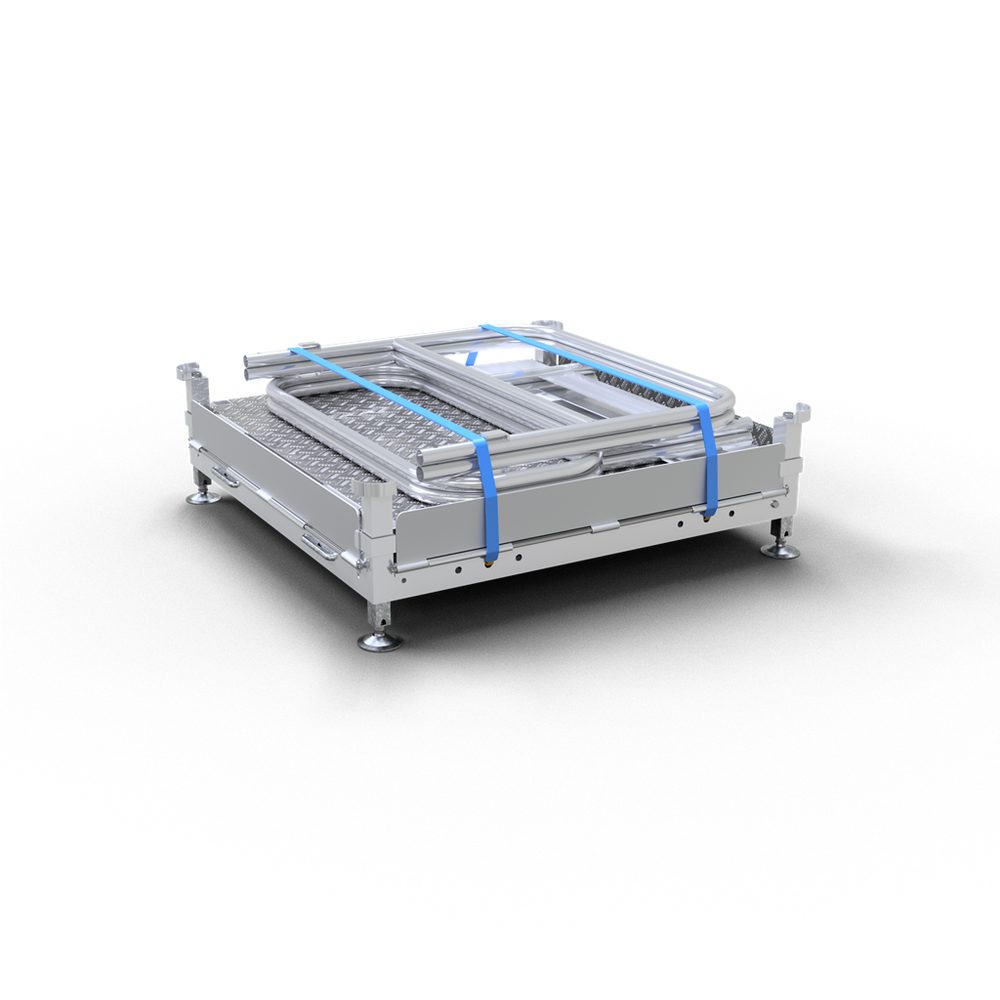
- Portable wheelchair ramps – movable ramps that quickly create an accessible passage where the need is temporary, such as at events or during renovations.
Slope and Accessibility Requirements
For a ramp to be safe and usable, the slope must be gentle enough. The Swedish National Board of Housing, Building and Planning (Boverket) recommends a maximum slope of 1:12, preferably 1:20, as well as landings on longer ramps. Aluminum is a popular material choice because it's easy to handle, maintenance-free and doesn't rust – a ramp that lasts for many years without upkeep. By installing an accessibility ramp, you meet accessibility requirements and help create an environment where everyone can get around on equal terms.
Add Extras for Safe Passage
For extra safety, ramps and stairs can be supplemented with anti-slip tape and stair nosings. If the entrance also needs stairs or other products for public spaces, you'll find them here.
Looking for vehicle ramps and crossings instead? See the ramps and curb ramps category.
Need Help Choosing the Right Ramp?
The height difference, available space and desired slope determine which ramp is right. Request a quote and we'll help you calculate the right length and model – we normally get back to you within one business day.
Frequently Asked Questions About Wheelchair Ramps and Accessibility Ramps
They're the same thing. "Accessibility ramp" and "wheelchair ramp" are the most commonly used terms today, while "handicap ramp" is an older name for the same product. All refer to a ramp that bridges a change in level so that people using a wheelchair, walker or stroller can get through.
Boverket recommends a maximum slope of 1:12, preferably 1:20. A gentler ramp is easier and safer to use. Longer ramps should also have landings so users can stop and rest along the way.
The length depends on the height difference and the chosen slope. With a 1:12 slope, you need about 12 times the height in length – a level change of 50 cm therefore requires about 6 meters of ramp. If you want a gentler, more comfortable ramp (1:20), more length is needed.
Aluminum is easy to handle and install, completely maintenance-free and doesn't rust – while still supporting heavy loads. That makes aluminum ramps a durable, long-lasting choice for both indoor and outdoor use.
A fixed ramp suits permanent entrances and level changes, while a portable ramp is right when the need is temporary or the ramp must be moved. If you're unsure, we'll help you determine which solution best suits your location.