
Wheel Stops and Parking Stops
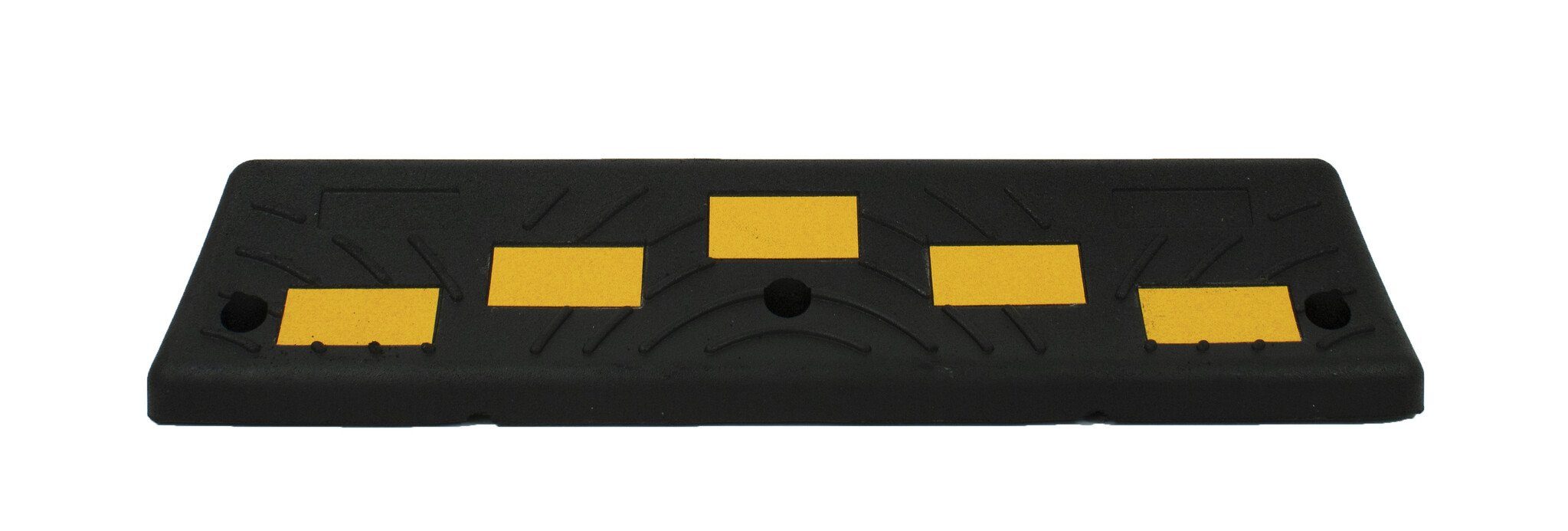
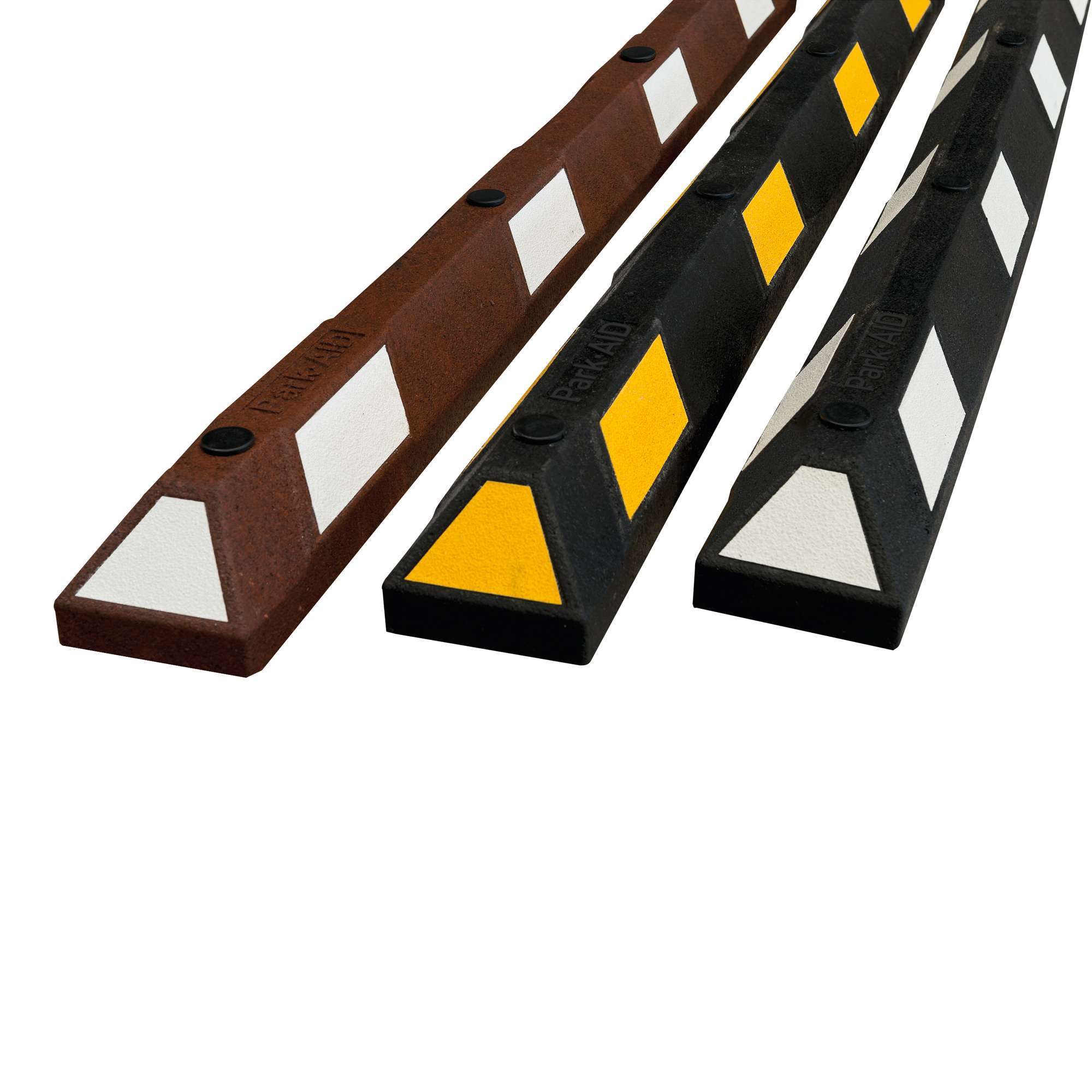
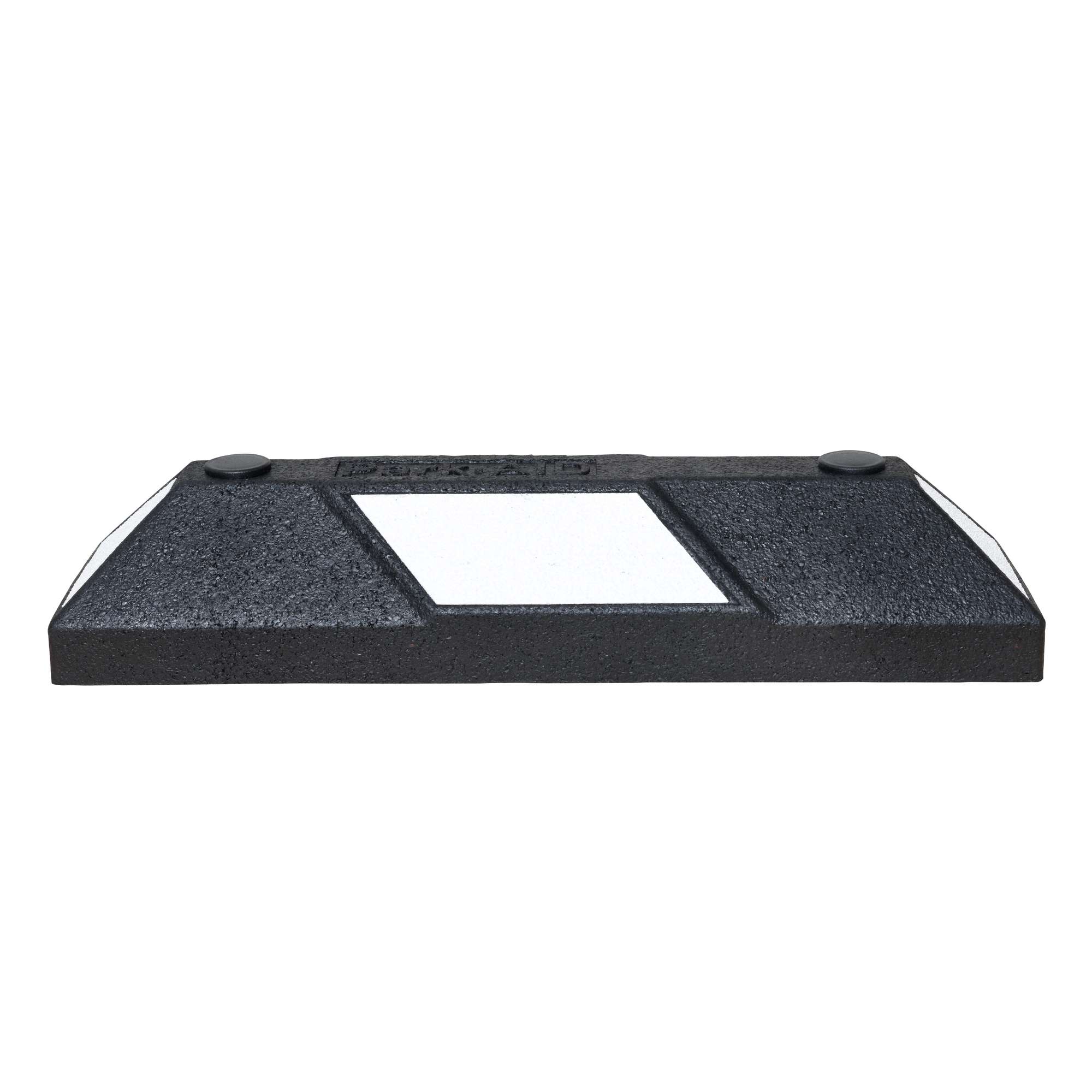
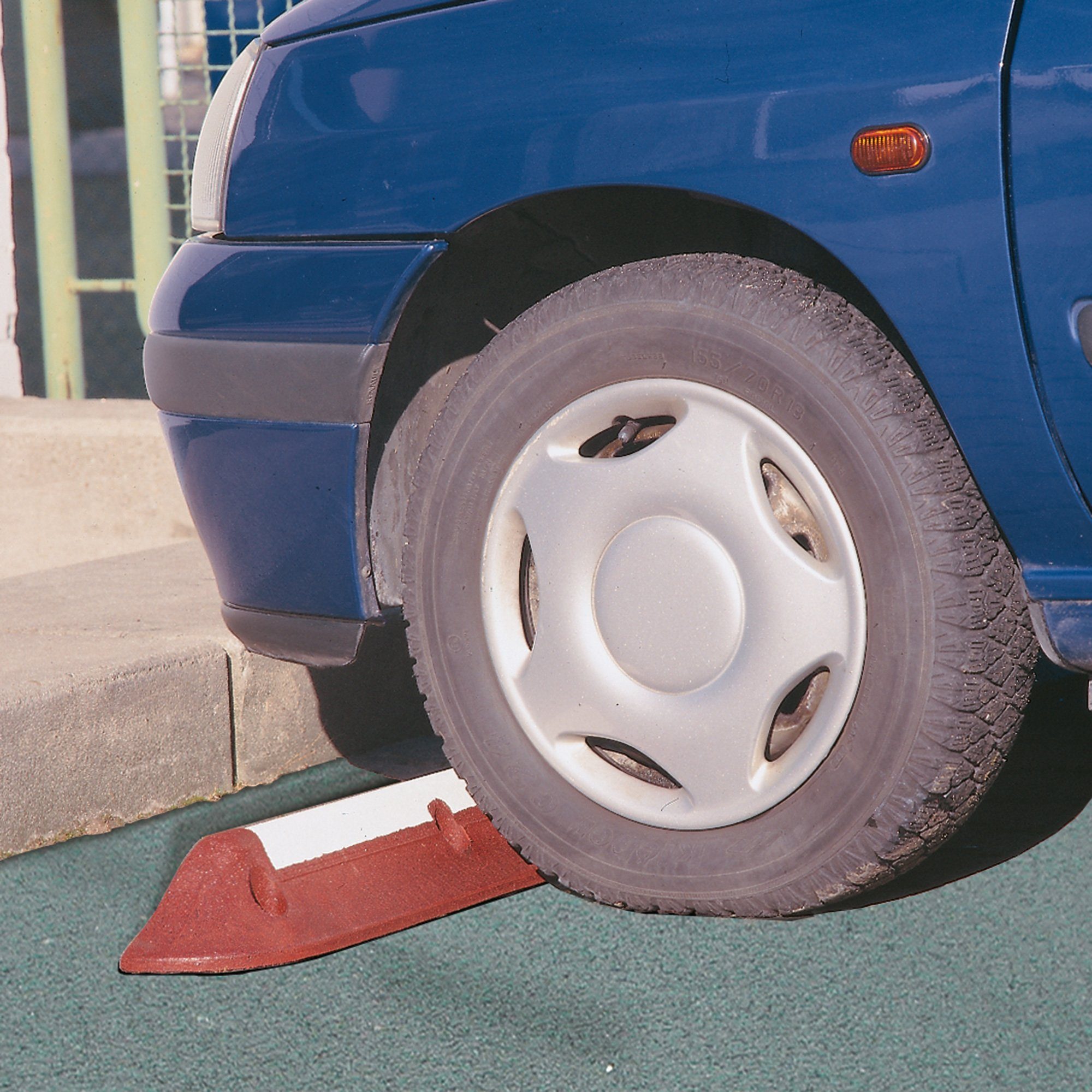
Wheel stops – also known as parking stops or parking blocks – mark where the vehicle should stop and prevent it from rolling too far. Here you’ll find models for both passenger cars and heavy vehicles, in rubber, steel and plastic.
Categories
 Black
Black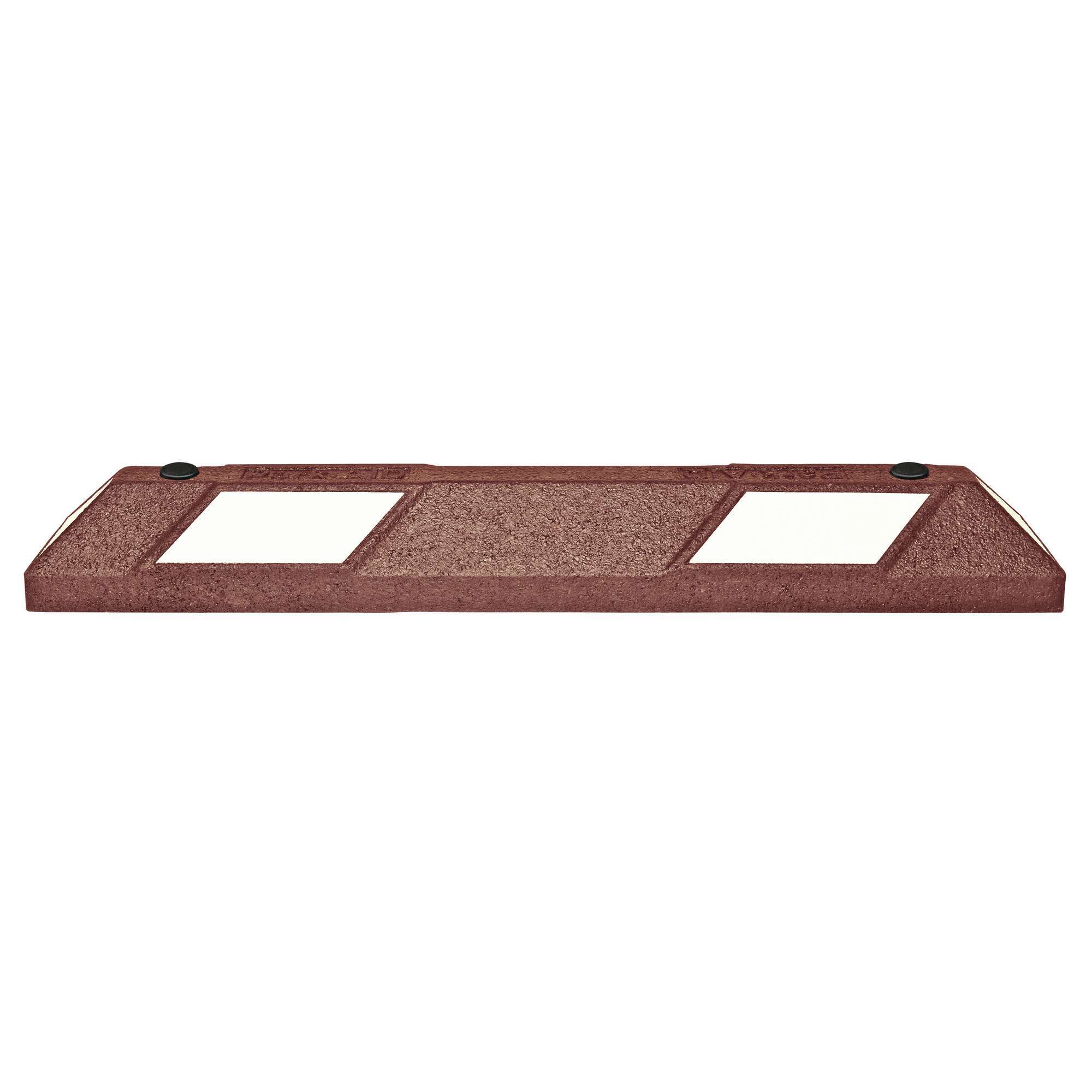 Red
Red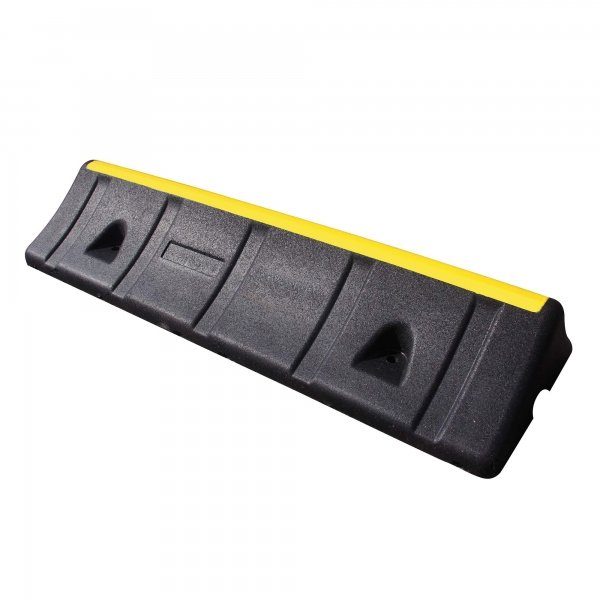
 Black
Black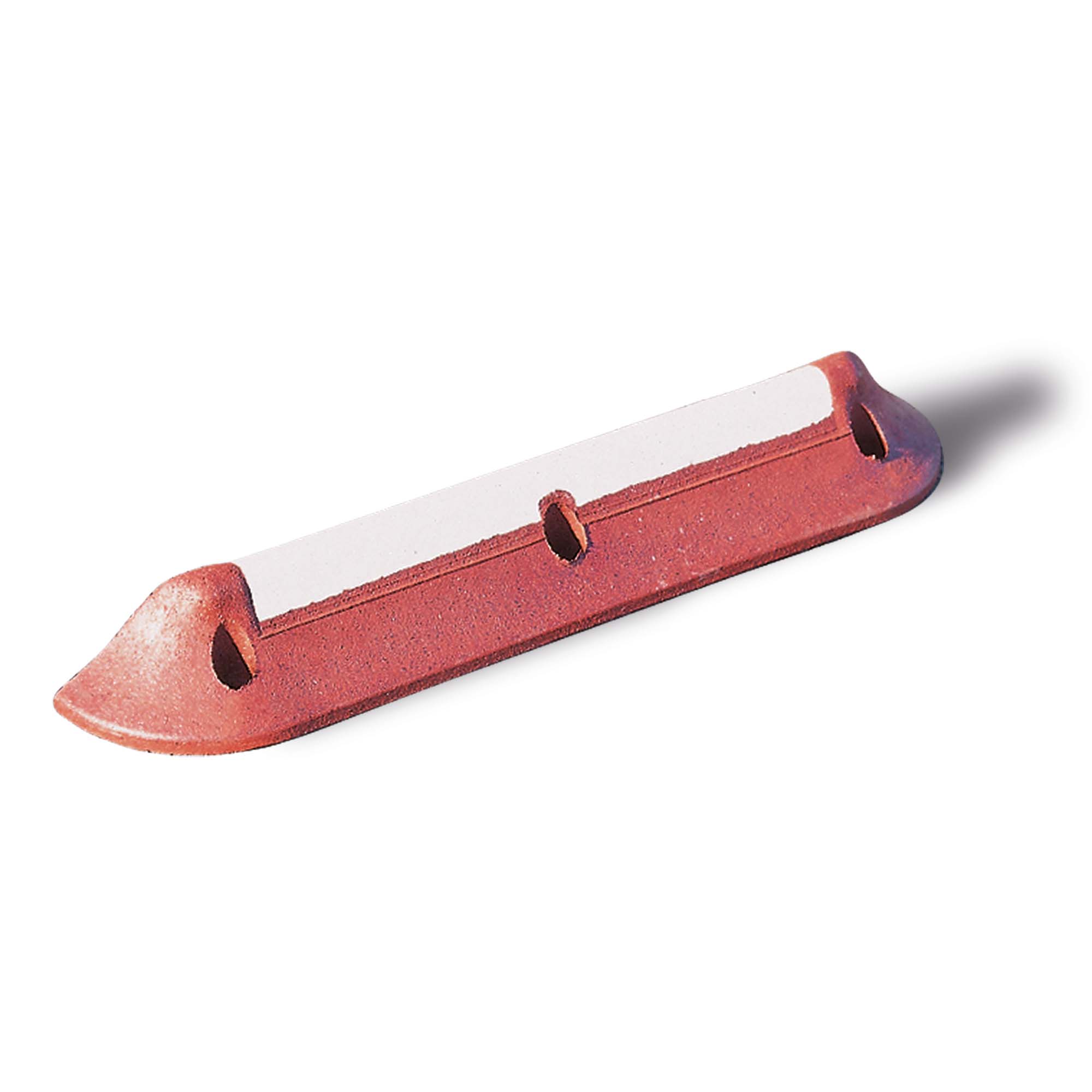 Red
Red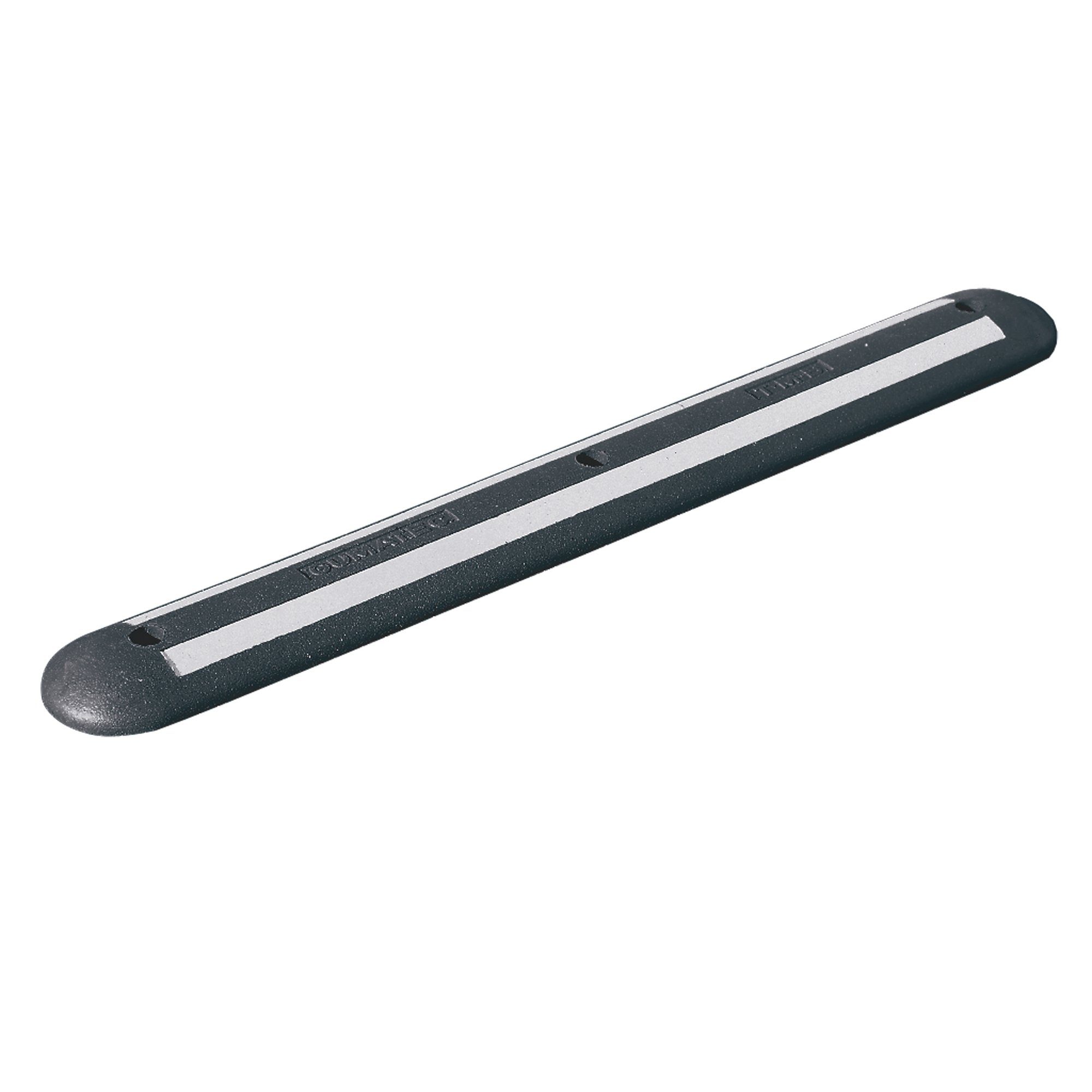
 Black
Black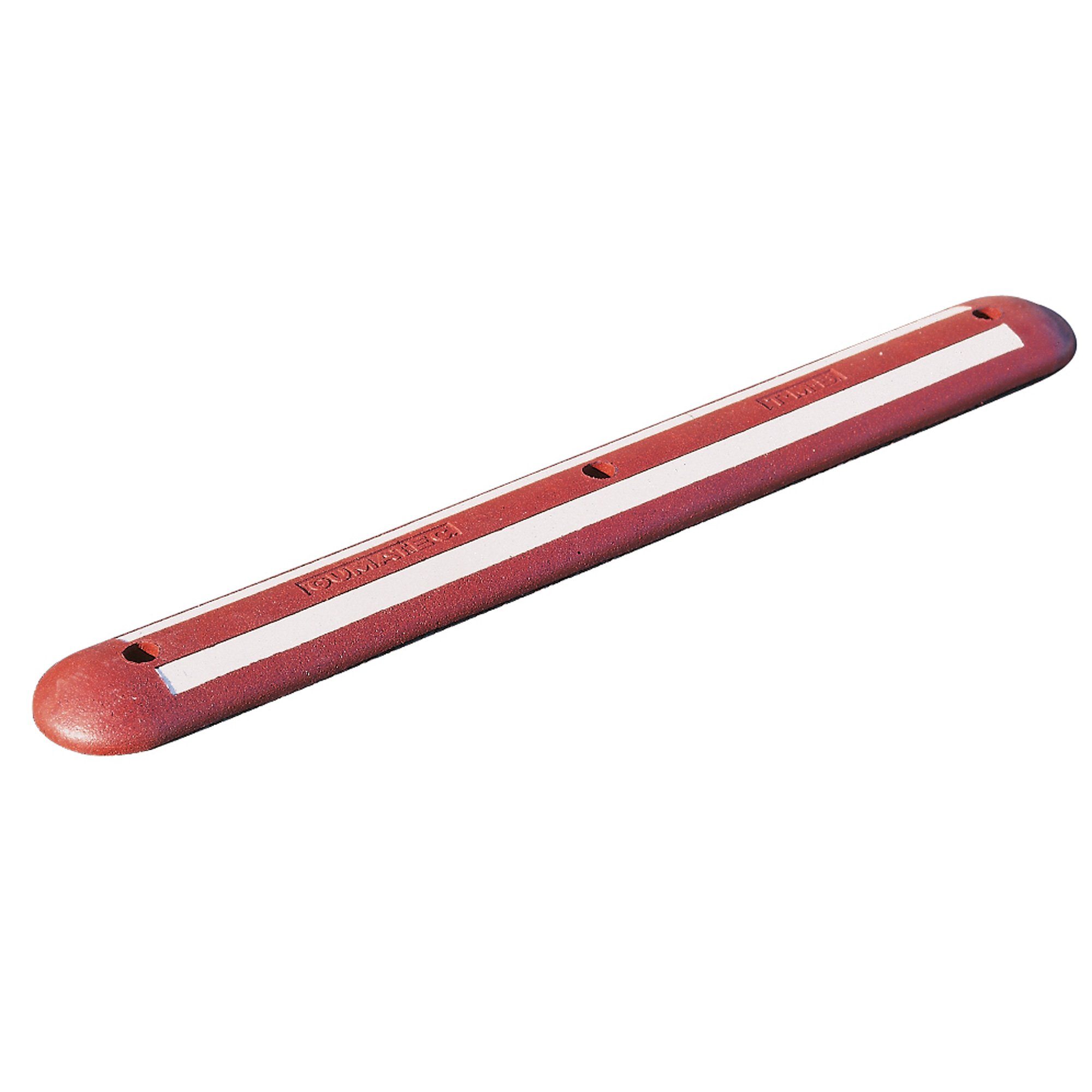 Red
RedWheel stops and parking stops for parking areas, warehouses and loading docks
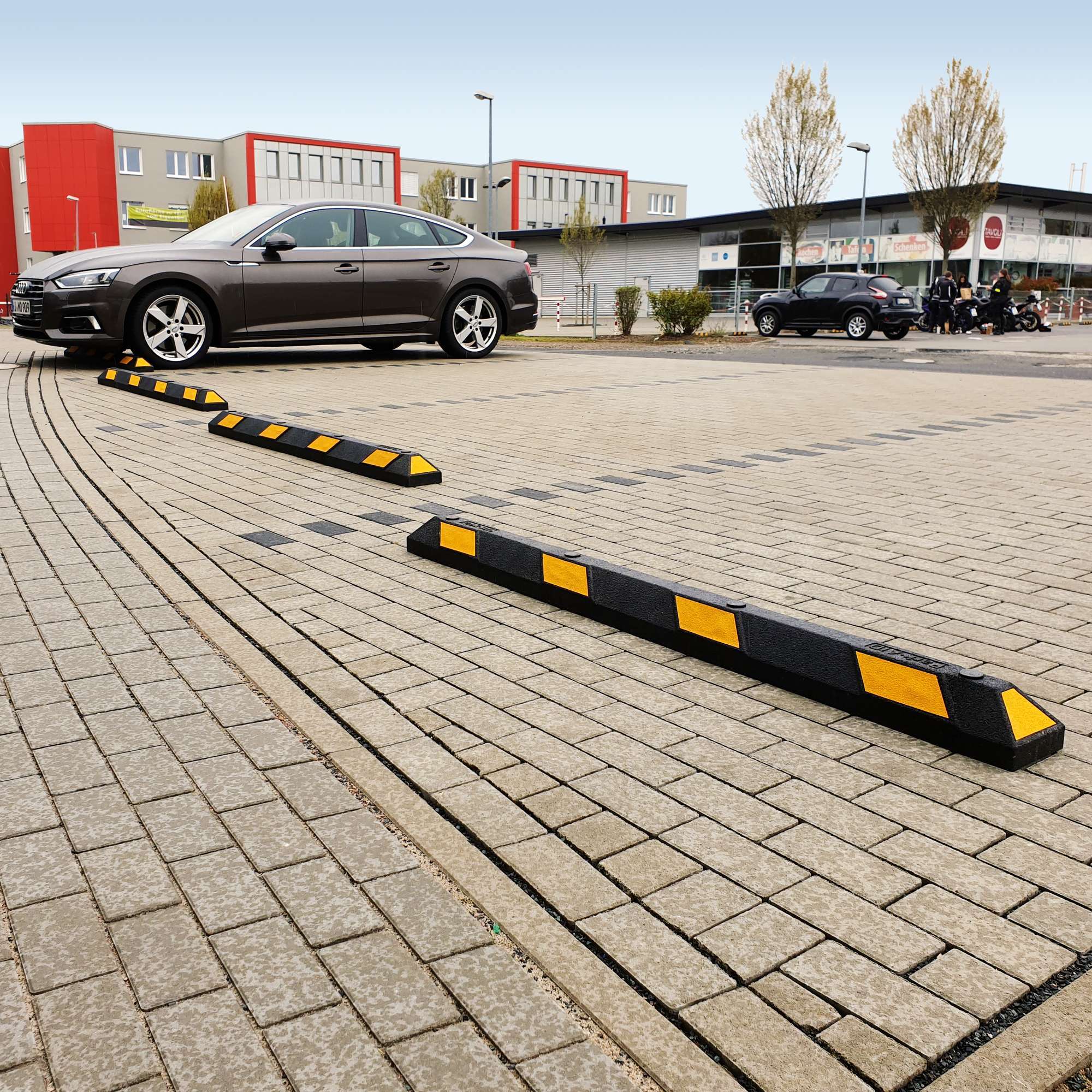
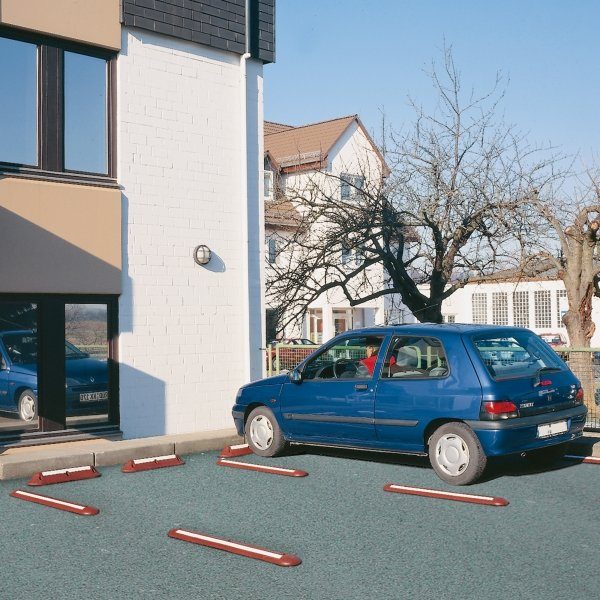
A wheel stop – also known as a parking stop or parking block – is a simple, reliable marker that stops the vehicle in exactly the right position and prevents it from rolling too far. At Nordguard you'll find wheel stops for everything from parking spaces and garages to loading docks and warehouse environments, designed for both passenger cars and heavy vehicles. Most install quickly and last for many years, indoors and outdoors alike.
For passenger cars or heavy vehicles?
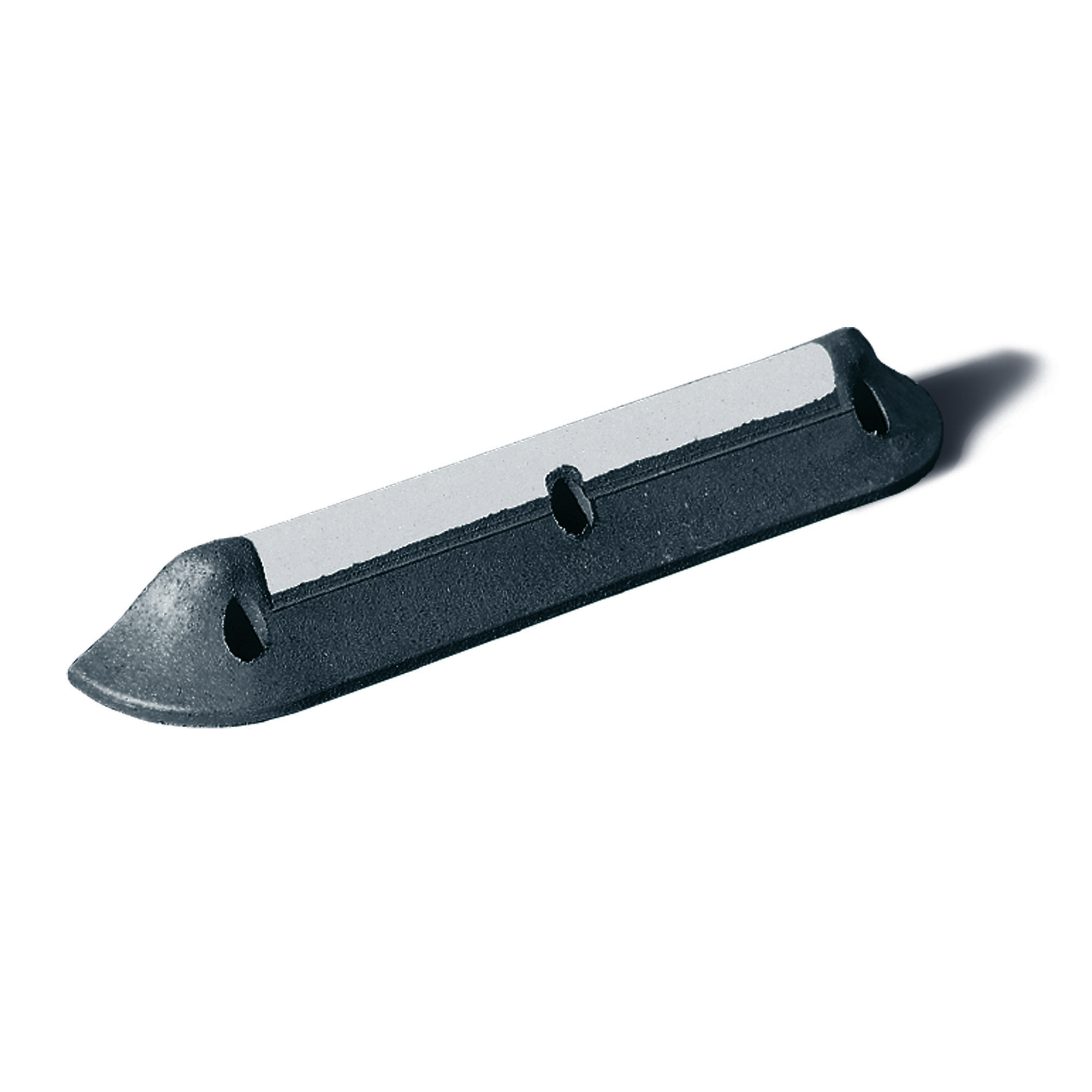
- Wheel stops for passenger cars – sized just right for parking spaces, garages and EV charging spots, where they mark the correct stopping position without getting in the way.
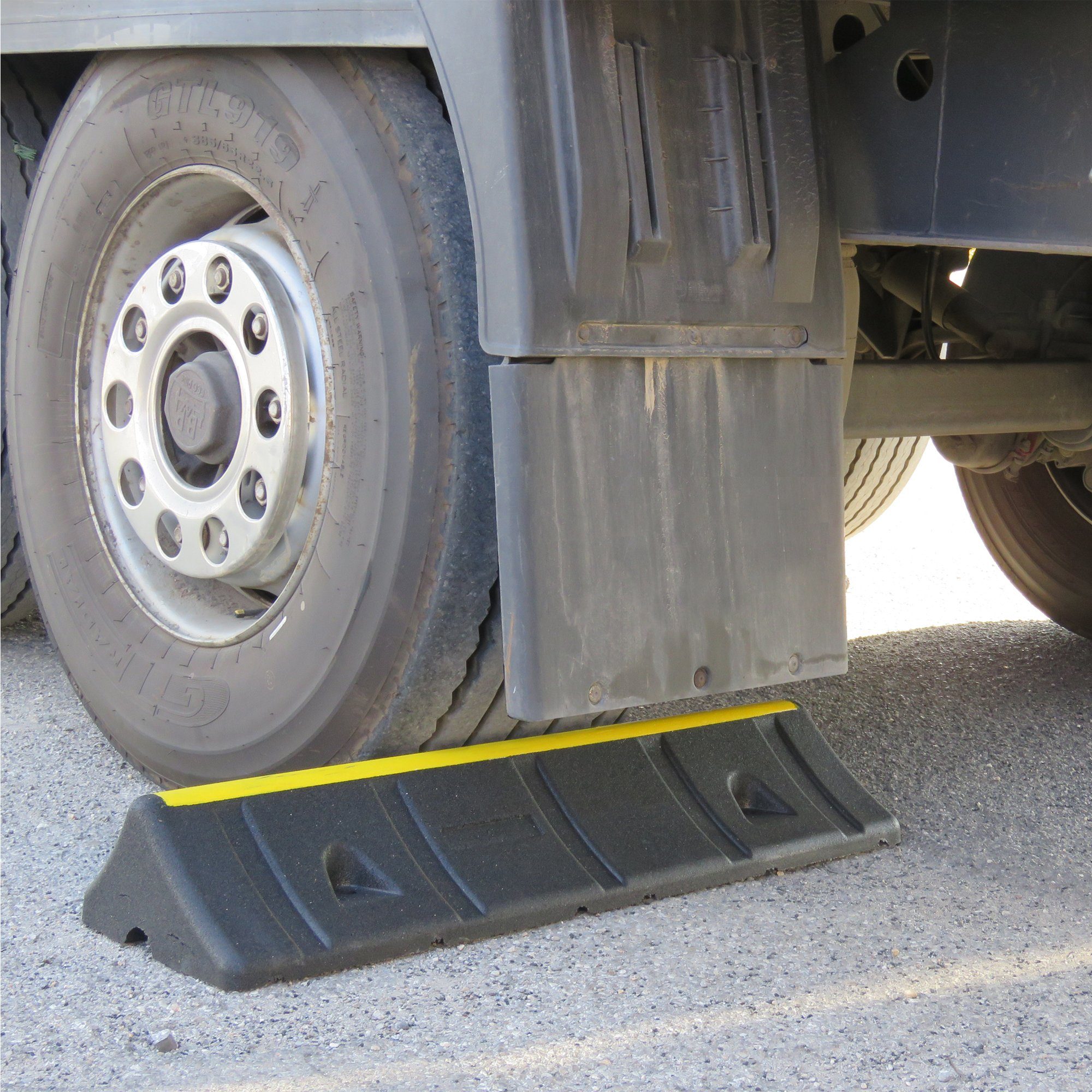
- Wheel stops for heavy vehicles – heavier, taller parking blocks that handle trucks and forklifts, commonly used at loading docks and in logistics environments.
Materials and installation
We stock wheel stops in several materials so you can match your environment:
- Rubber – durable and weather-resistant, often with reflective markings for better visibility. A good all-around choice outdoors and indoors.
- Steel and plastic – for specific requirements for strength or low weight, respectively.
Most wheel stops are bolted to asphalt or concrete and come with fasteners. The weight and length determine how heavy a vehicle they are intended for – the heavier the vehicle to be stopped, the heavier-duty the model you should choose.
Common applications
- Parking lots and garages – mark the end of the parking space and protect walls, posts and charging stations.
- Loading docks and warehouses – position heavy vehicles correctly and prevent collisions with doors and equipment.
- EV charging spots – protect charging units and cables from being hit.
To keep vehicles off an area entirely, wheel stops are often combined with parking barriers or physical protection.
Need help choosing?
Want to dig deeper? Read our complete guide to wheel stops. Equipping an entire parking lot or warehouse floor? Request a quote and we'll help you choose the right model and quantity – we normally get back to you within one business day.
Frequently asked questions about wheel stops and parking stops
They essentially refer to the same product – a low block that stops the vehicle in the right position. "Parking stop" is mostly used for models intended for parking spaces, while "parking block" often refers to heavier-duty versions for trucks and forklifts. The function is the same: to prevent the vehicle from rolling too far.
Rubber is a durable all-around choice that suits most indoor and outdoor environments and often has reflectors for visibility. Steel is chosen where extra strength is required, and plastic where low weight is an advantage. Consider where the wheel stop will be installed and how heavy the vehicles it needs to handle are.
Most wheel stops are bolted to asphalt or concrete and come with the necessary fasteners. Mark the position, drill and fasten – installation is quick and requires no special tools beyond a drill.
Trucks and forklifts need a heavier, taller parking block that can handle the weight, often around 1000 mm long. For passenger cars, a lighter model is sufficient. If you're unsure, we'll help you choose the right size for your vehicle type.
Common locations are at the end of parking spaces, at loading docks and in front of walls, doors and charging stations that need protection. Place the wheel stop so that the vehicle stops with a good margin from whatever needs to be protected.