
Cable Protectors
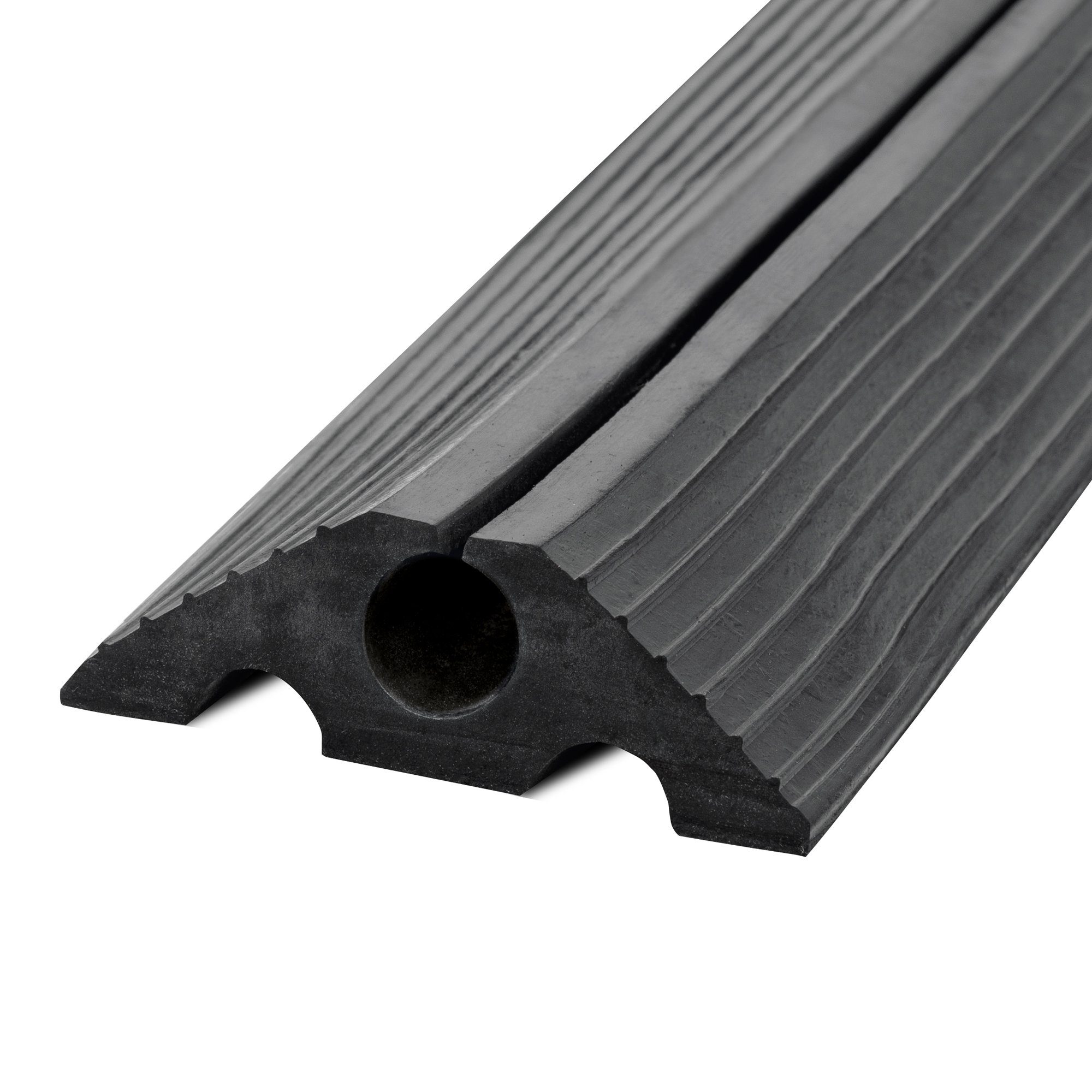
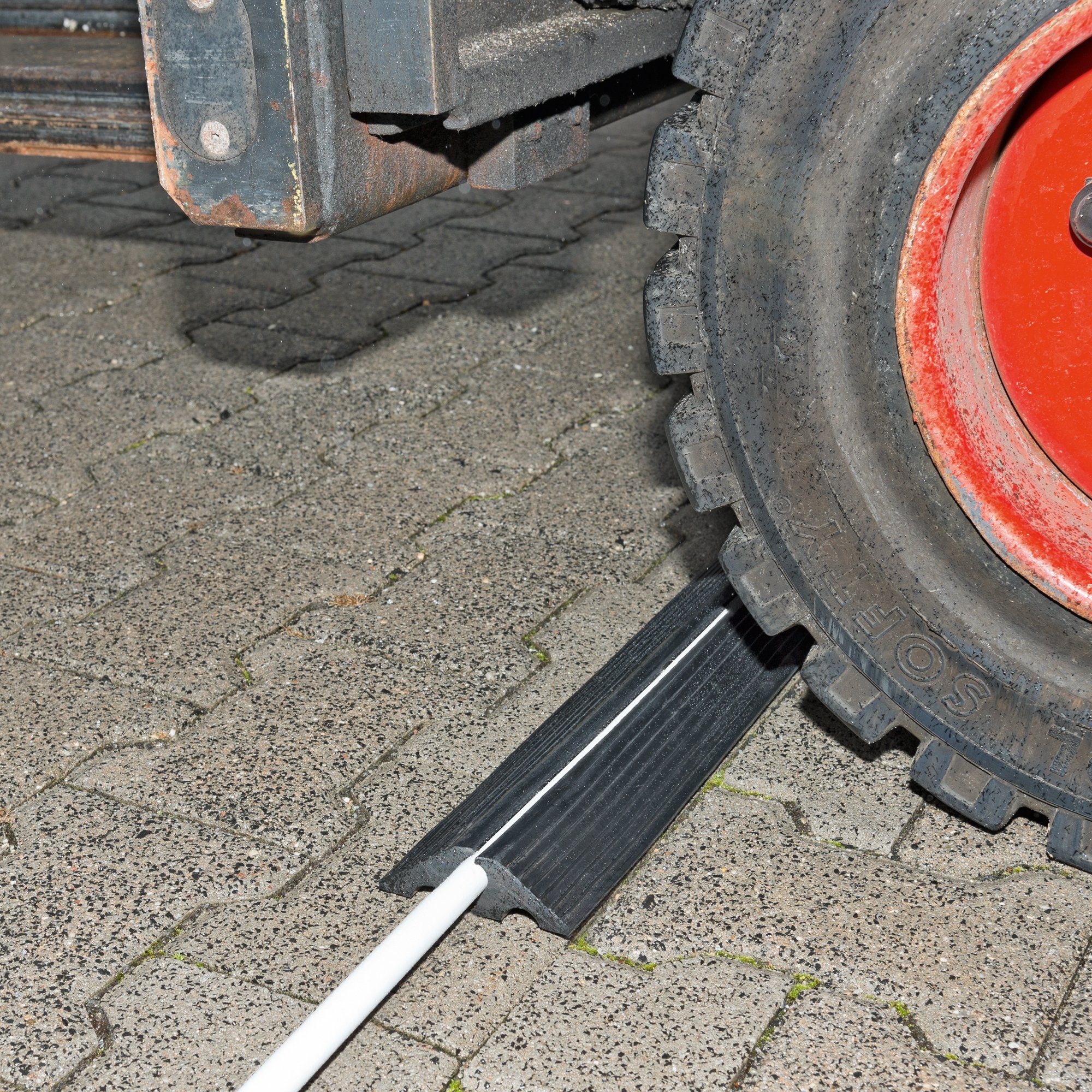
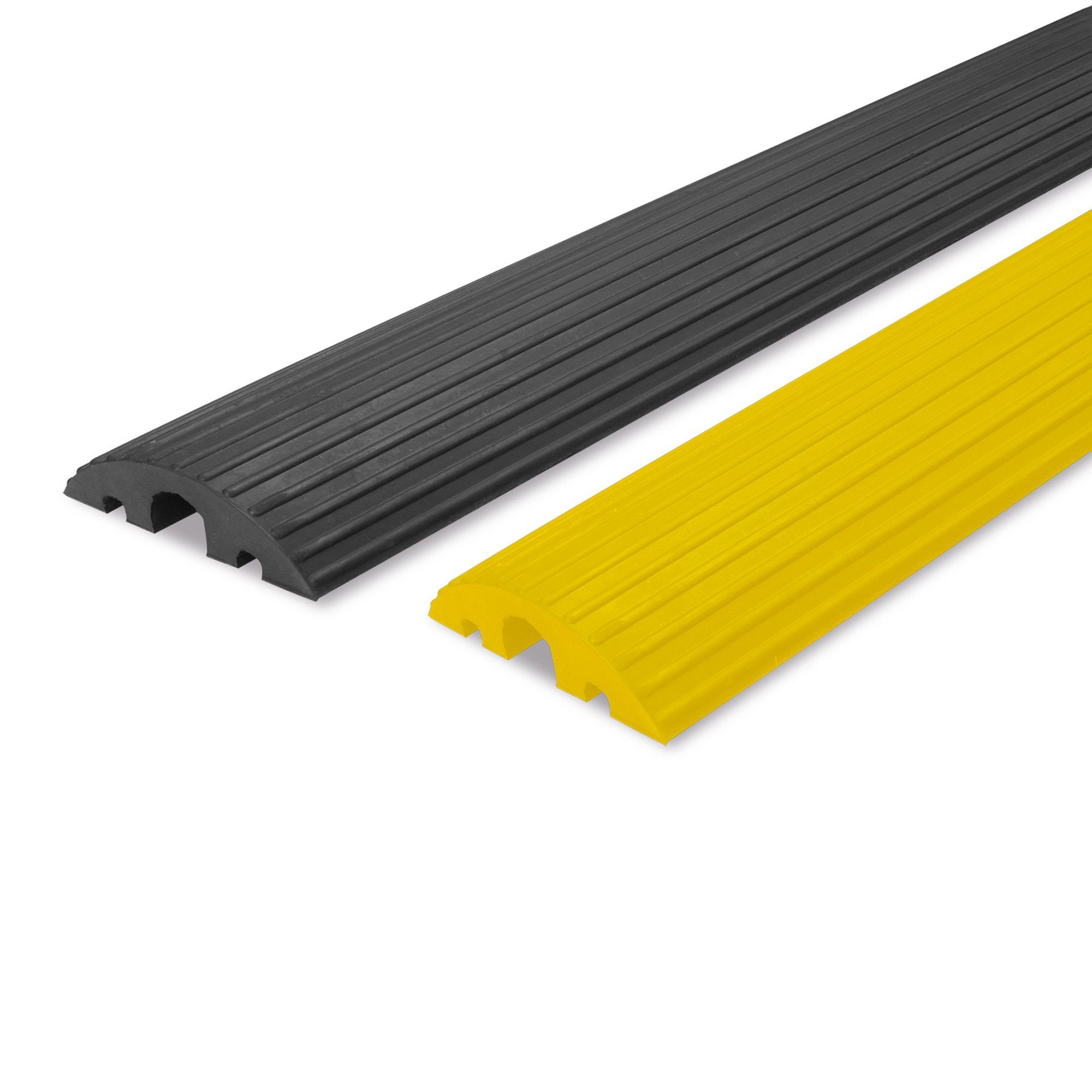
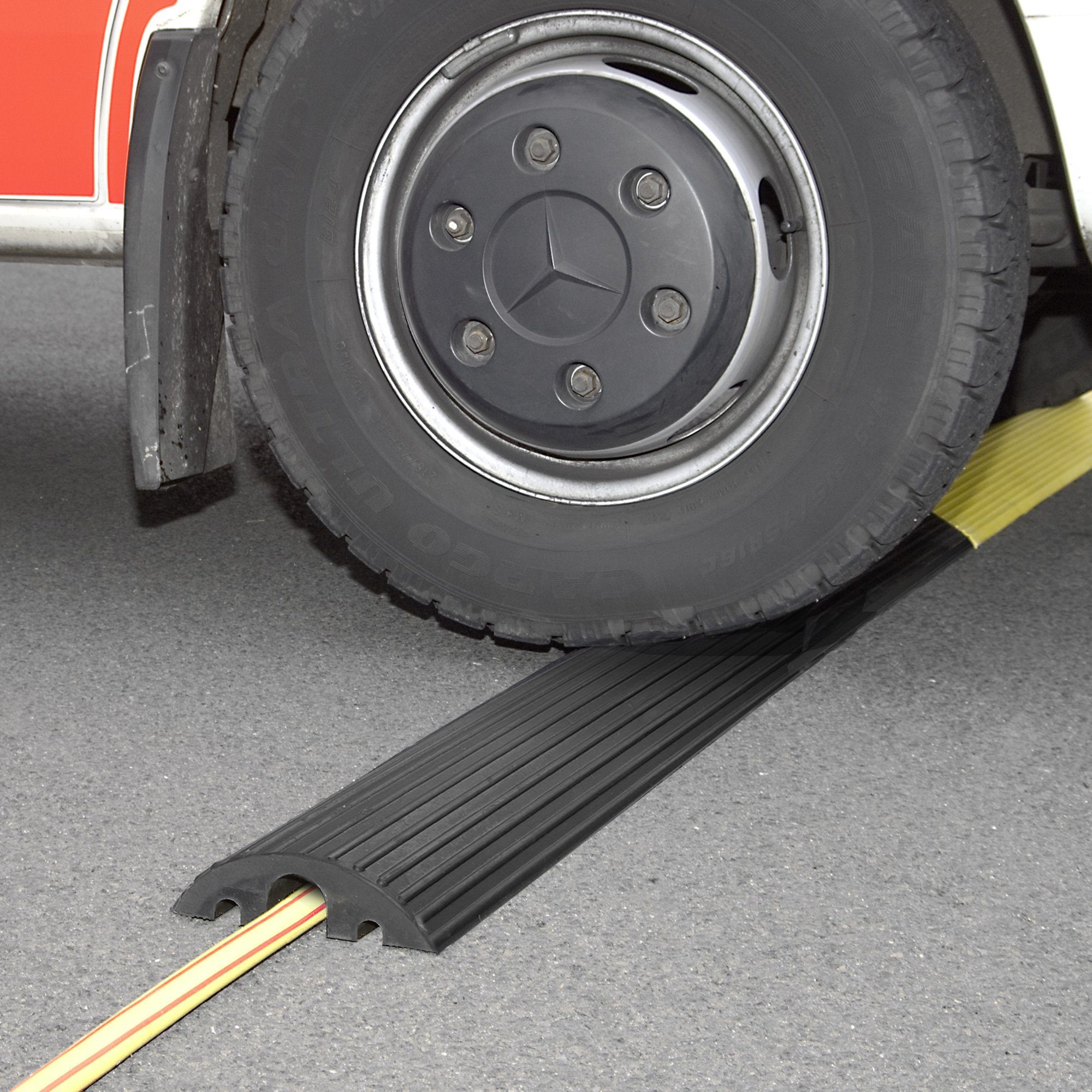
Cable protectors shield cables and hoses from damage where vehicles and people pass, while also preventing trip hazards. At Nordguard you will find cable protectors for everything from light foot traffic to heavy vehicles, in versions rated for 8, 12 and 40 tons and in both rubber and steel for indoor and outdoor use.
Categories
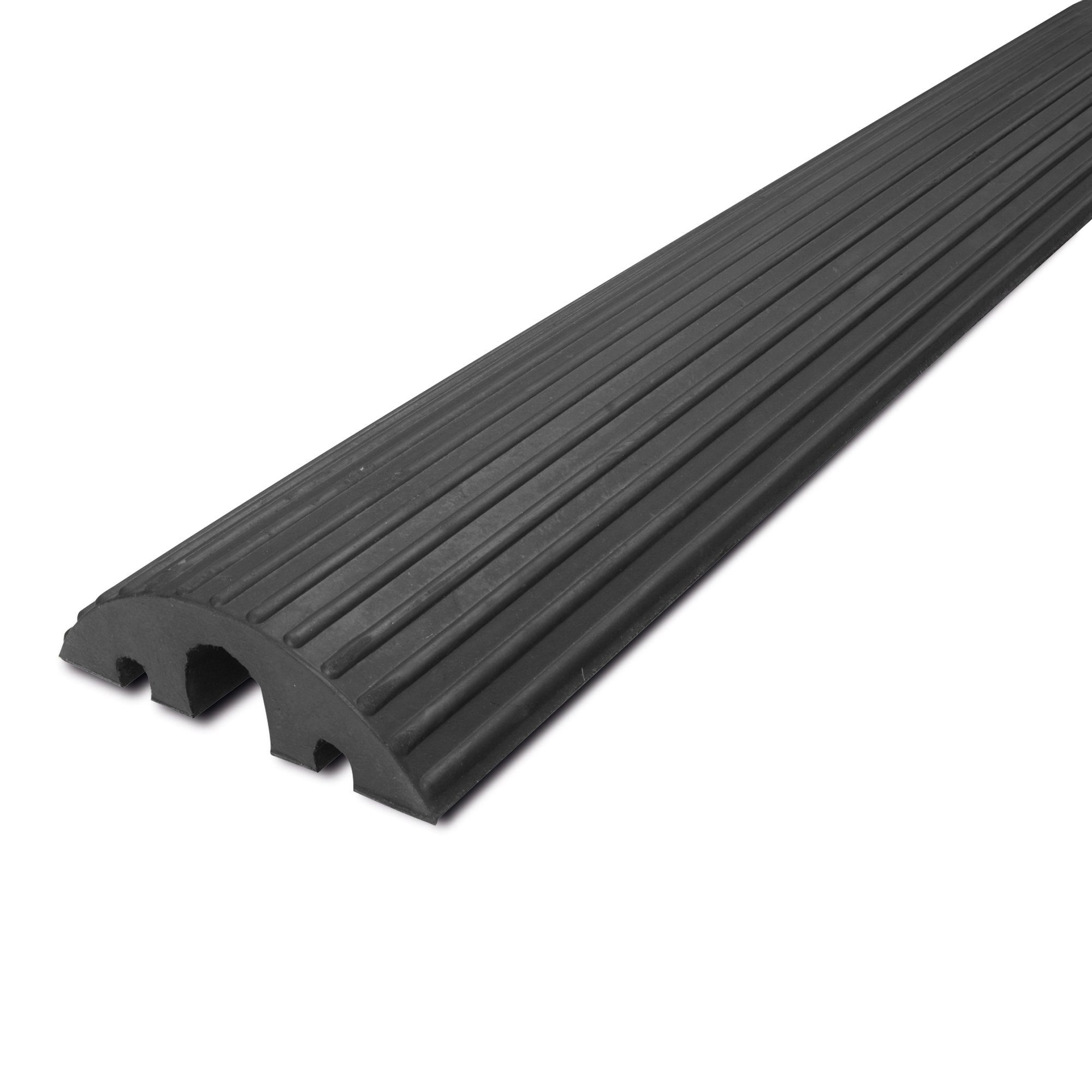 Black
Black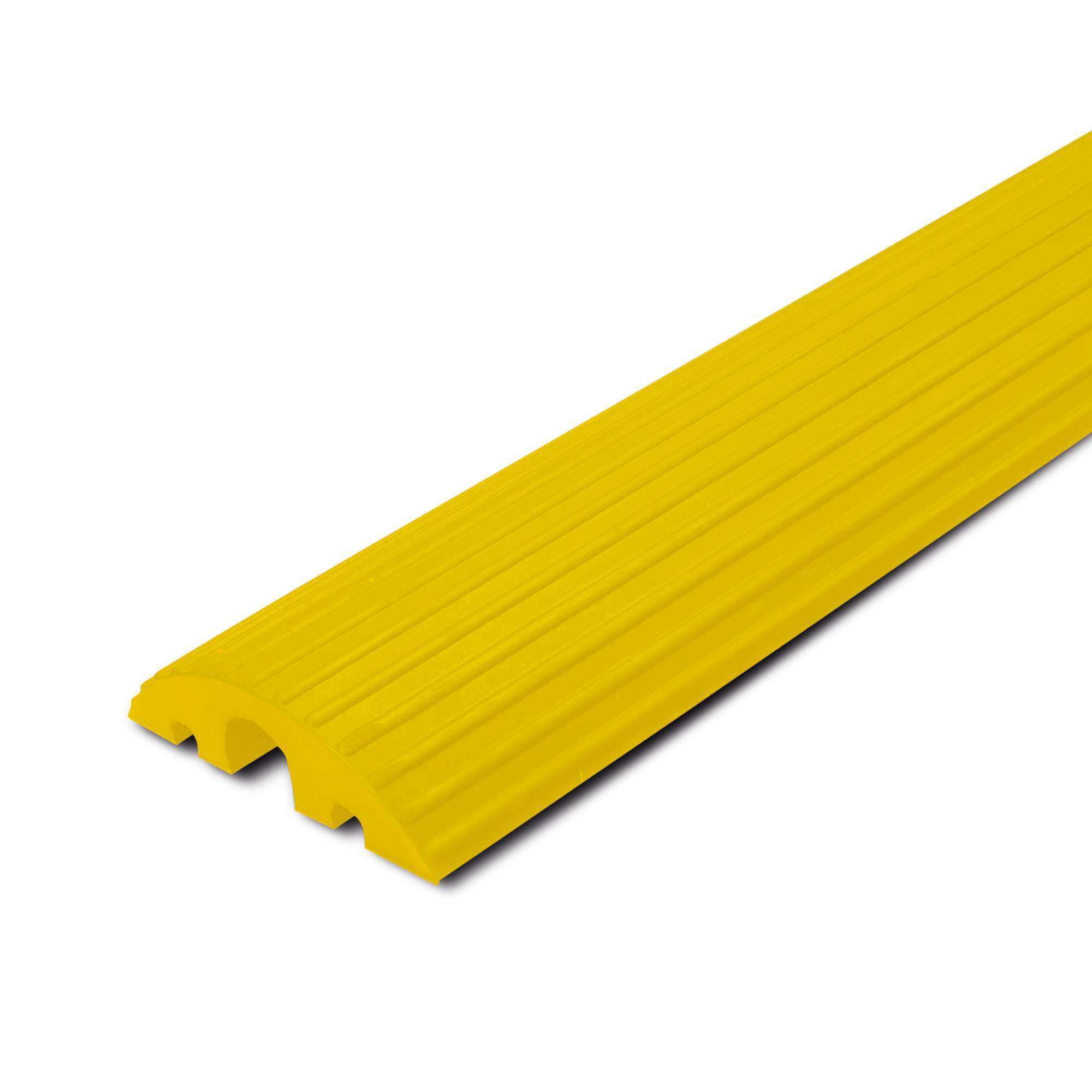 Yellow
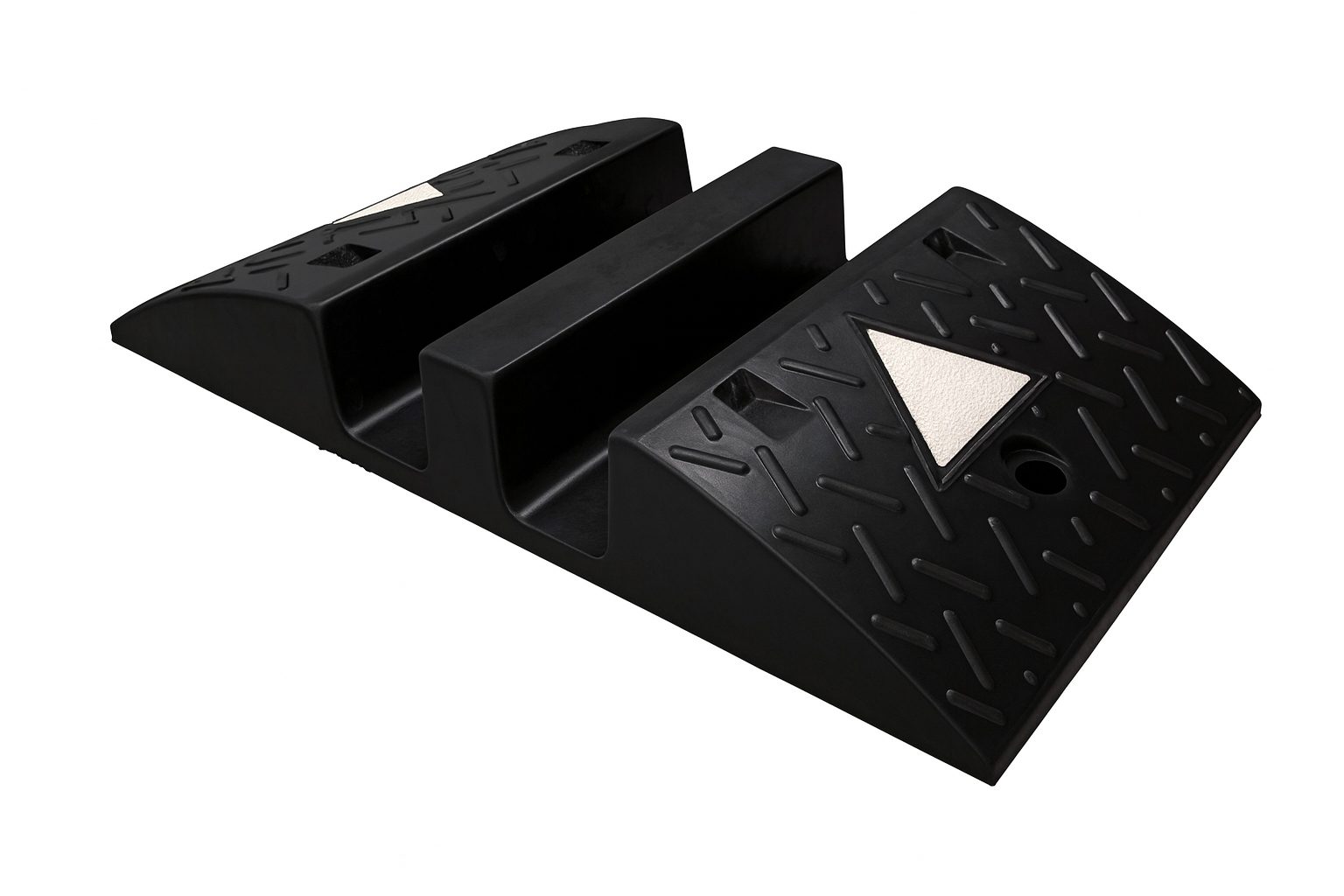

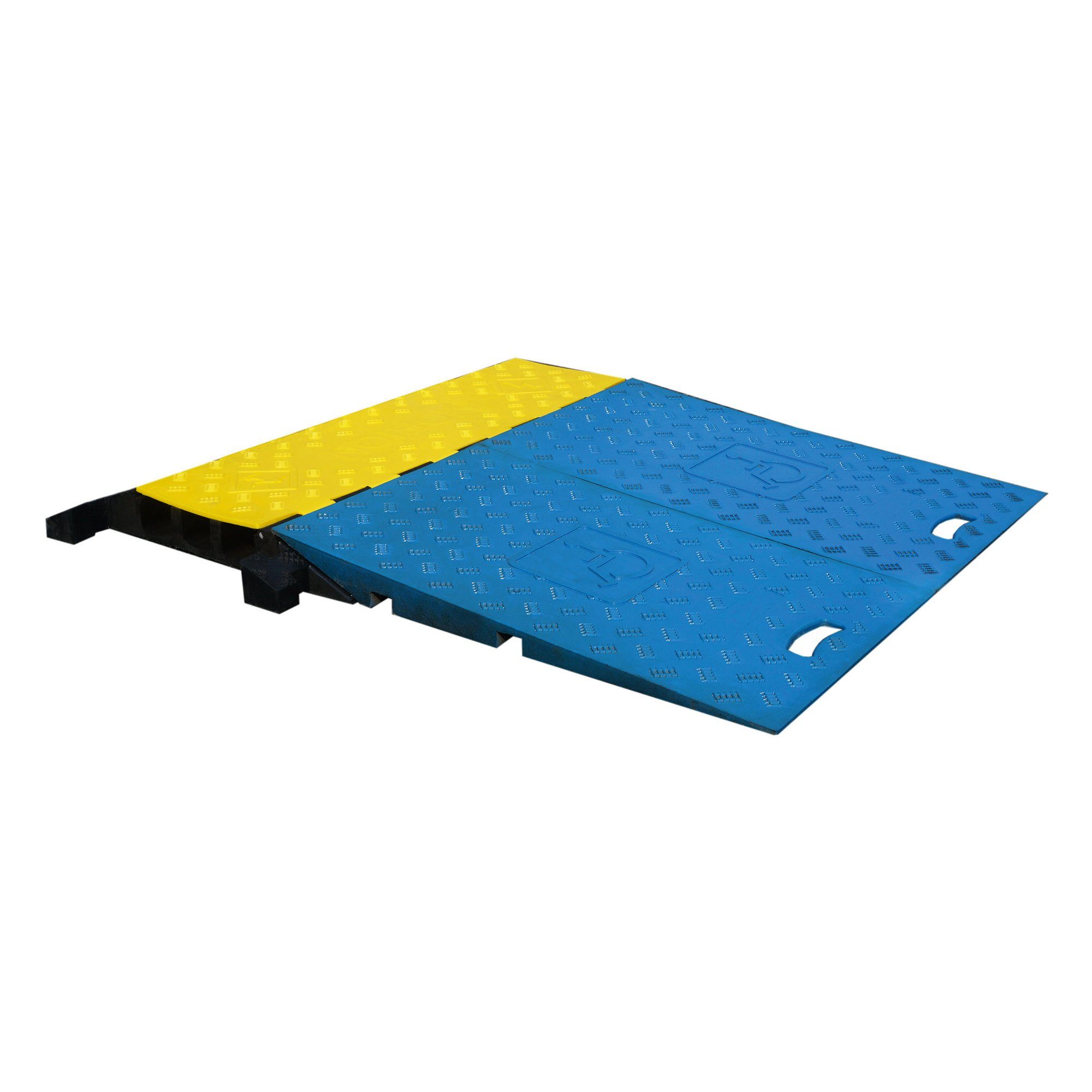
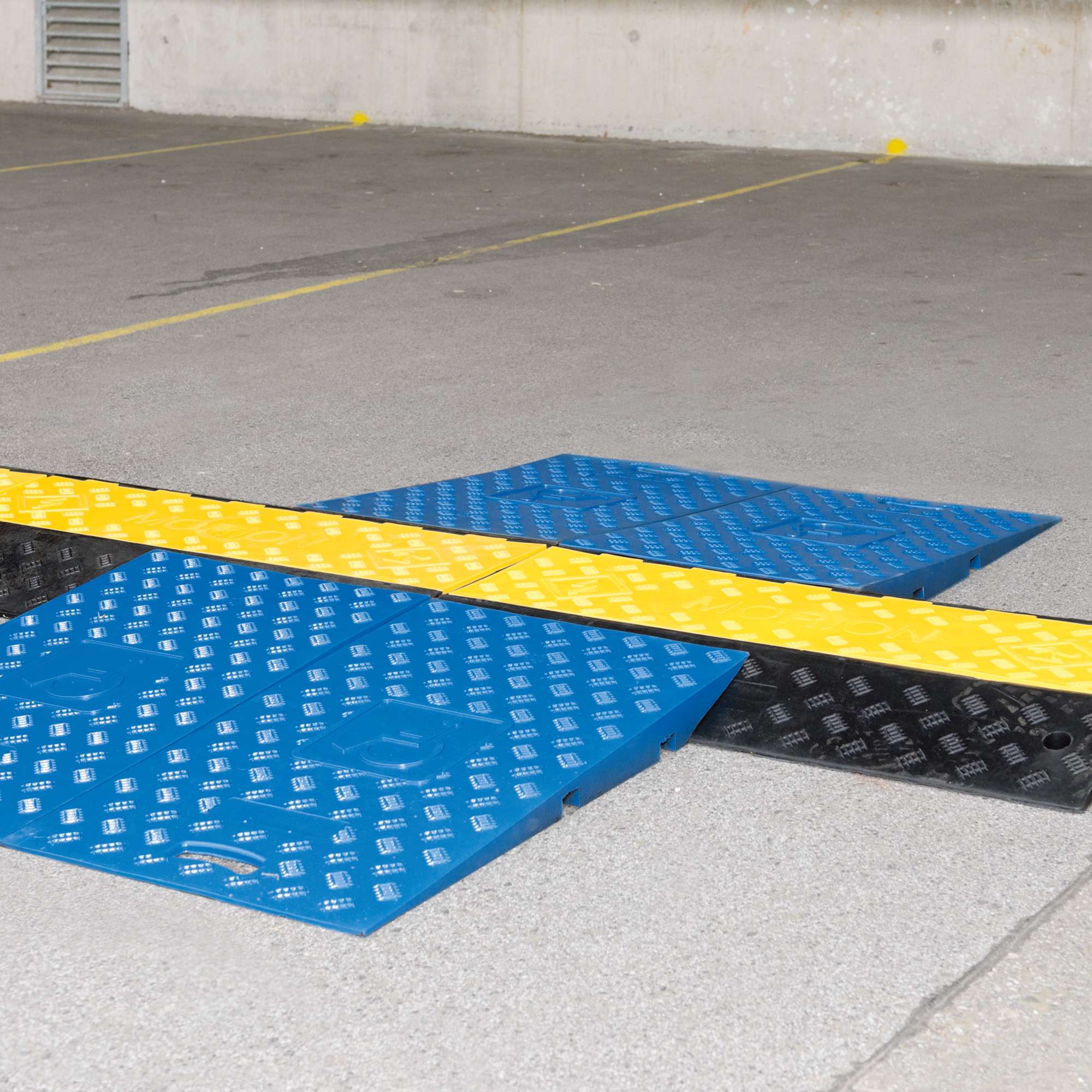
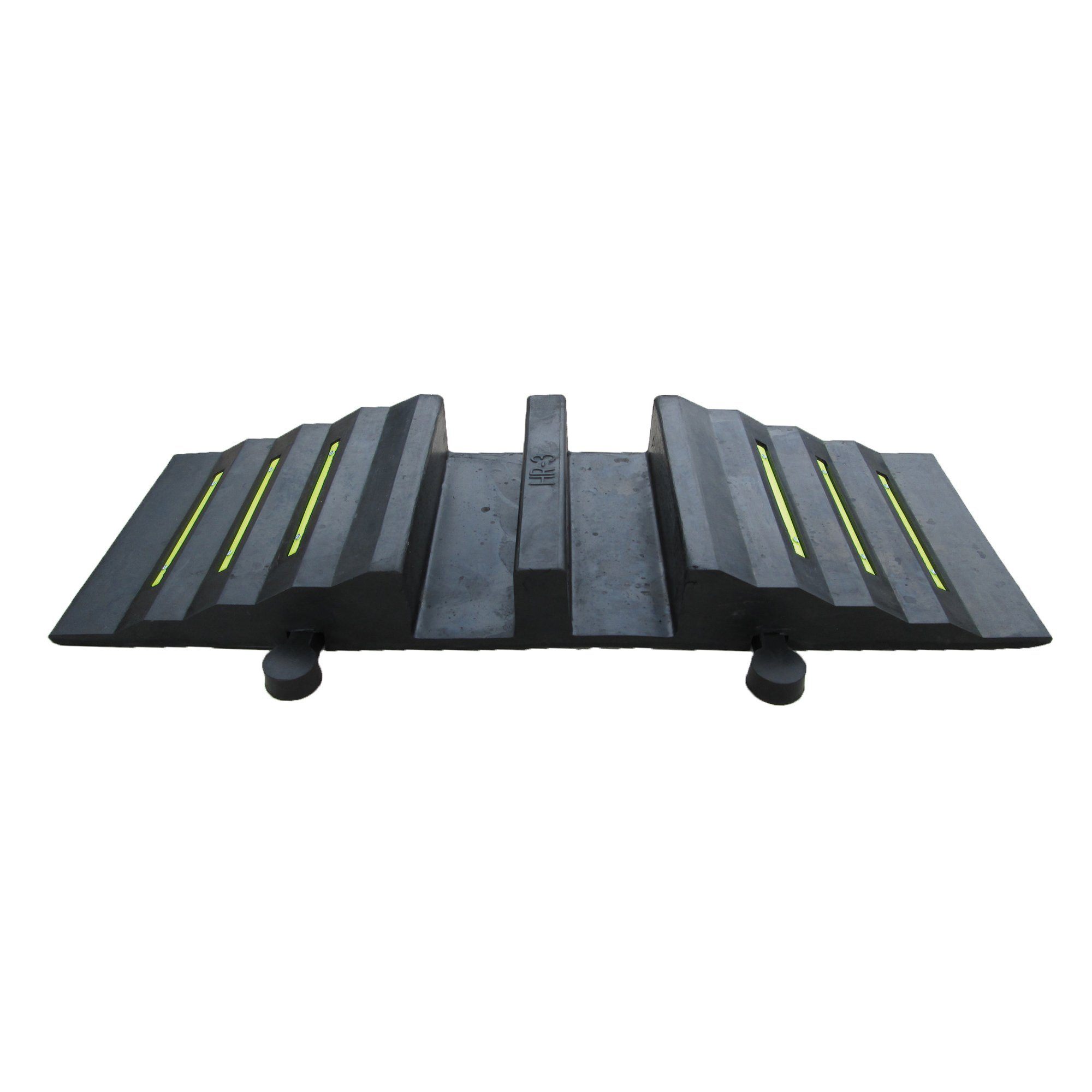
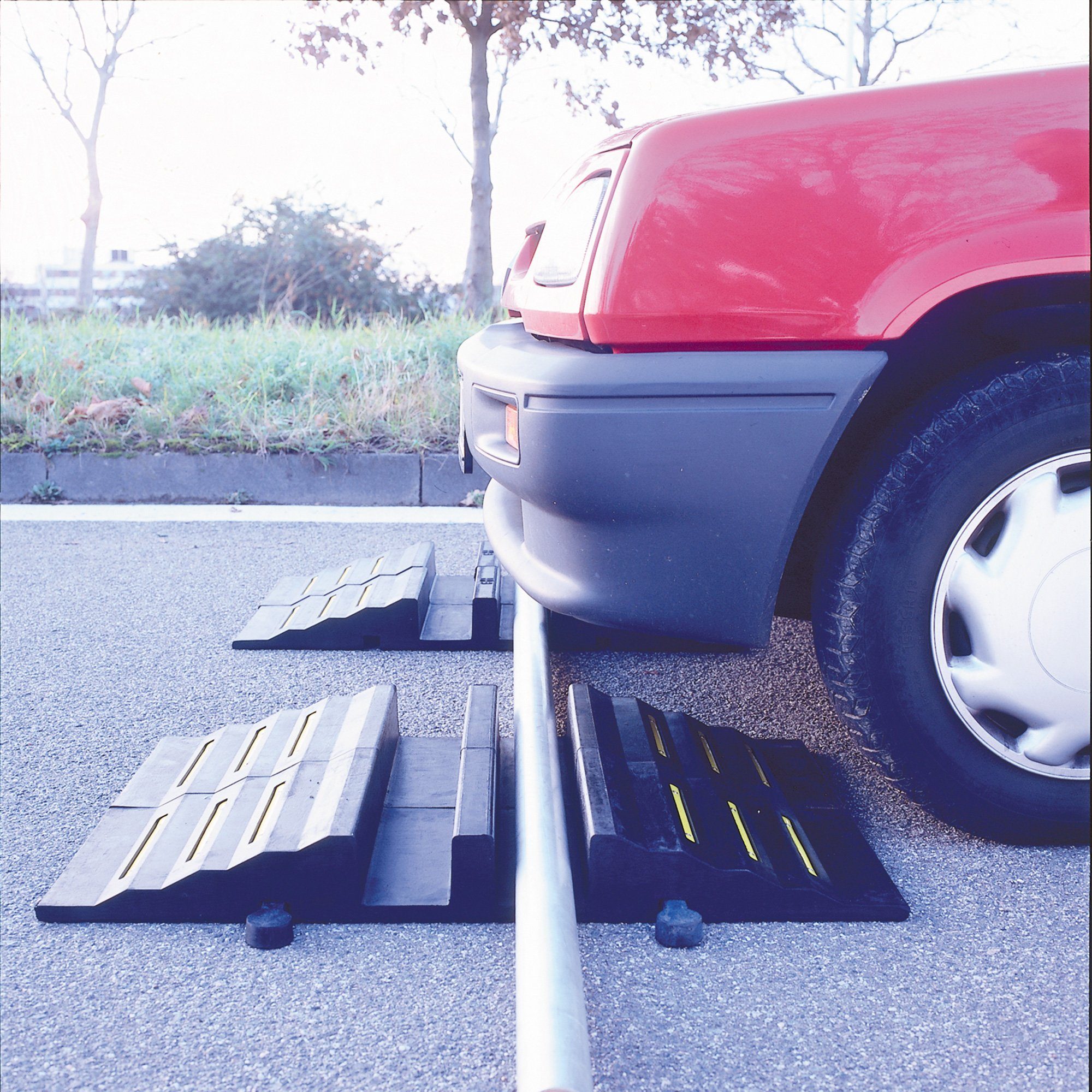
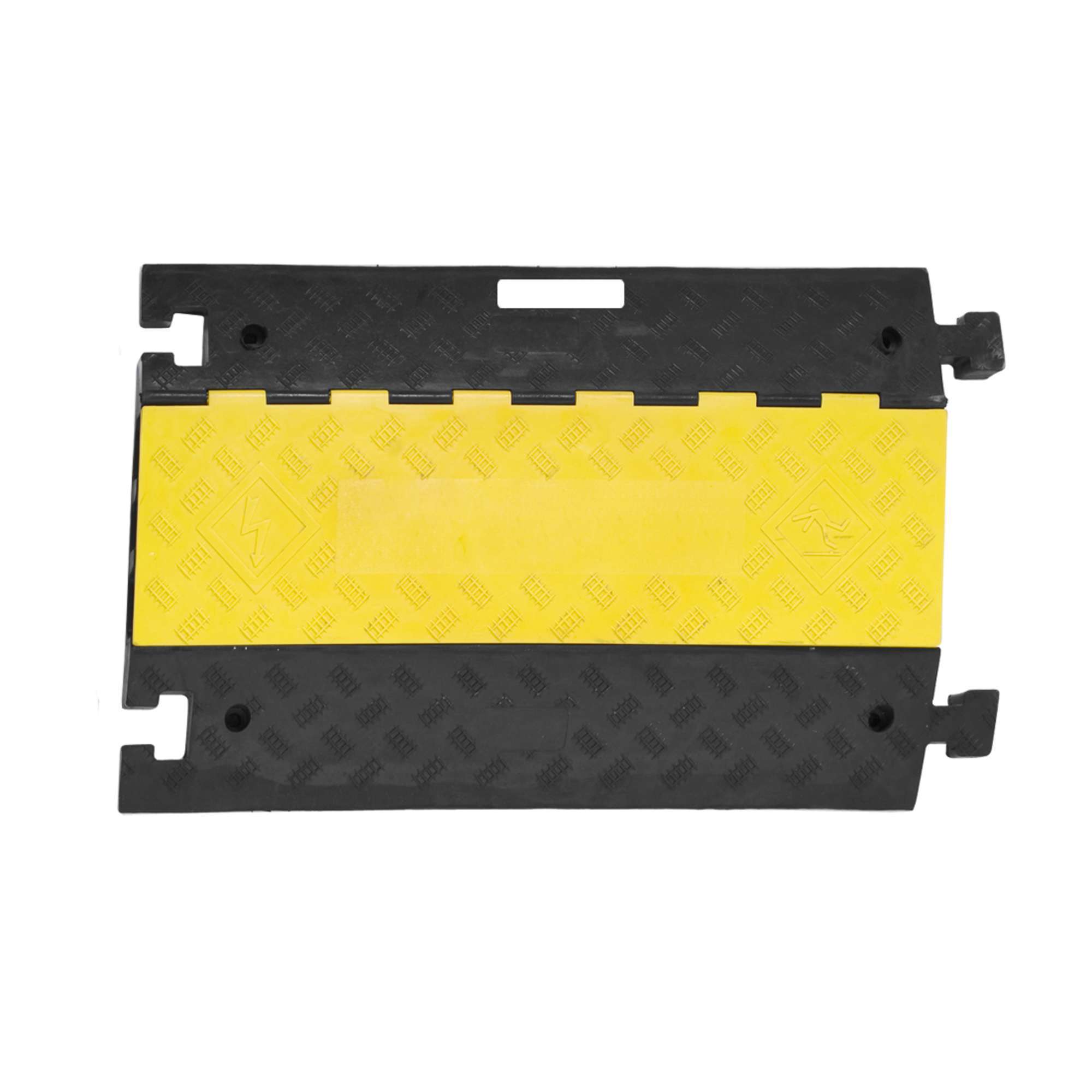
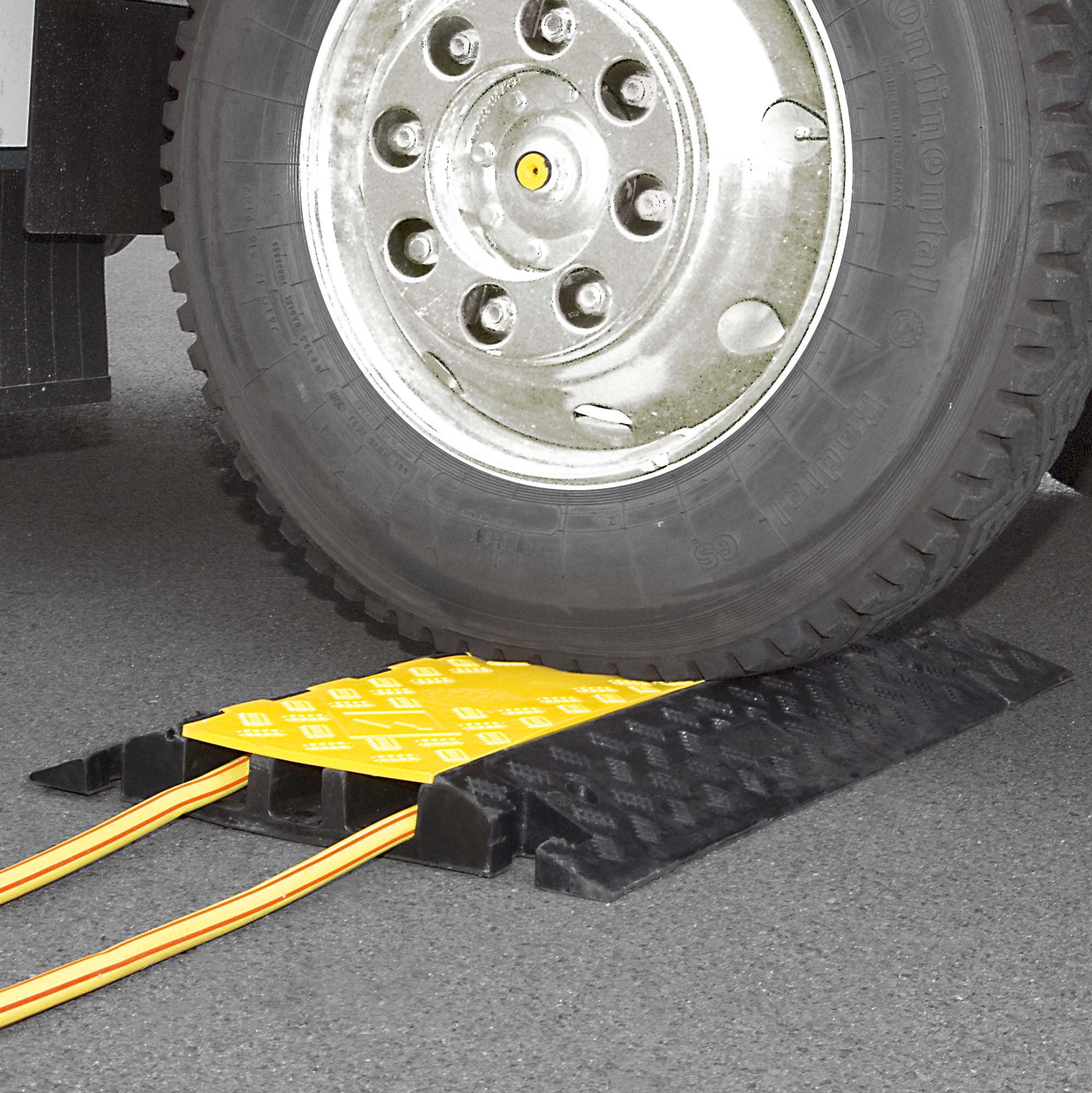
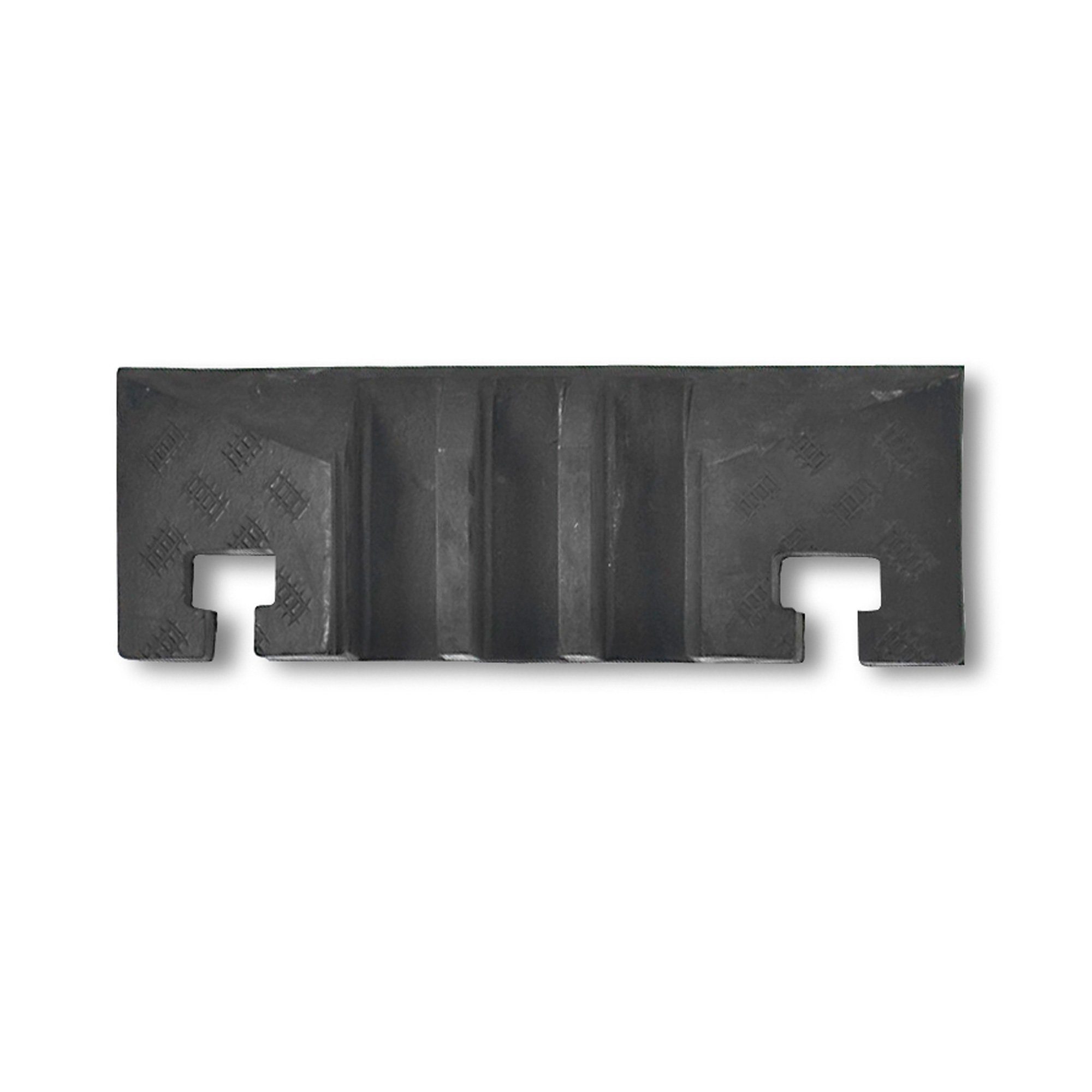
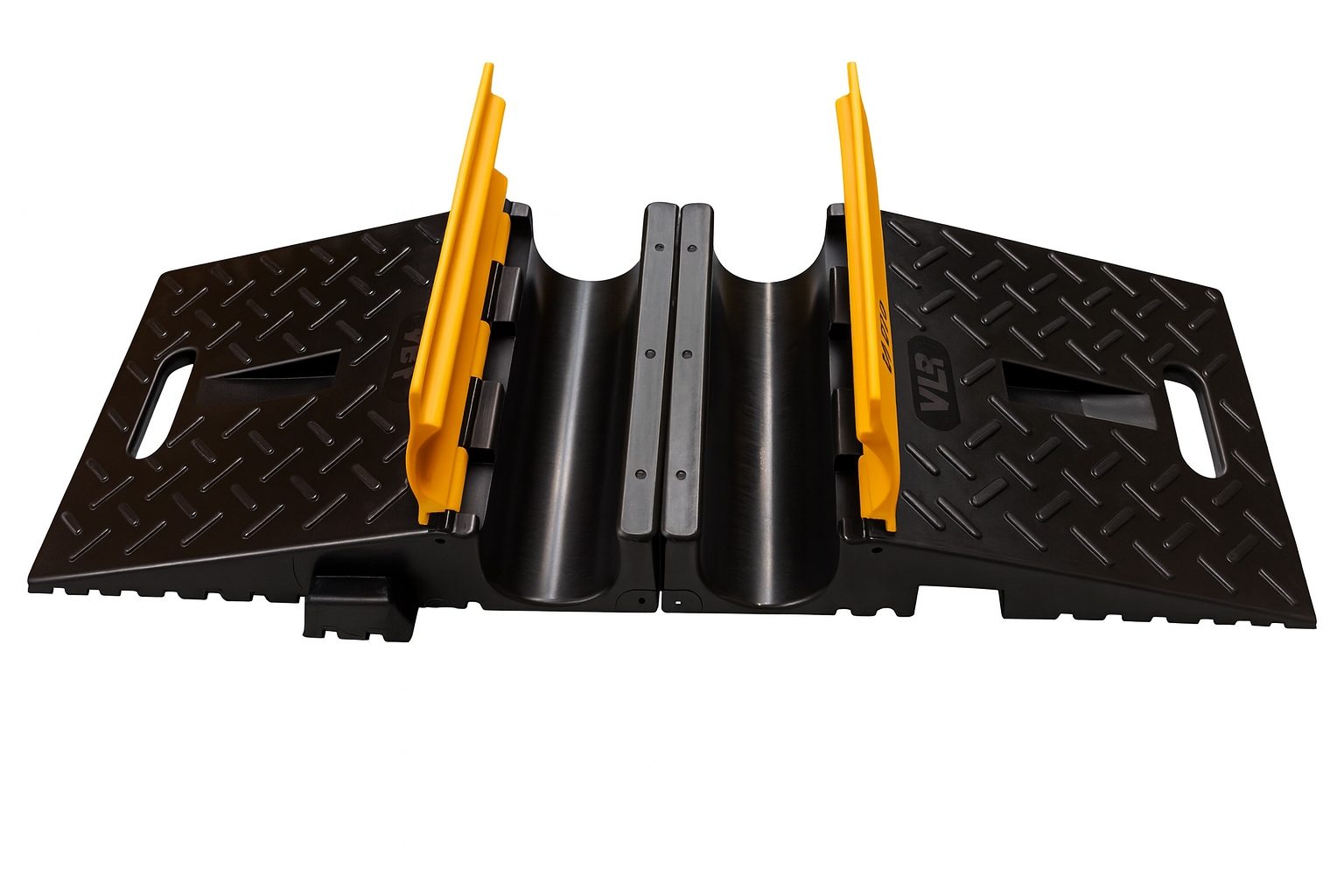
Heavy-Duty Cable and Hose Ramp 40 tons – Two Channels: Ø75, Ø90 or Ø120 mm
 Black/Yellow
 Black
Black
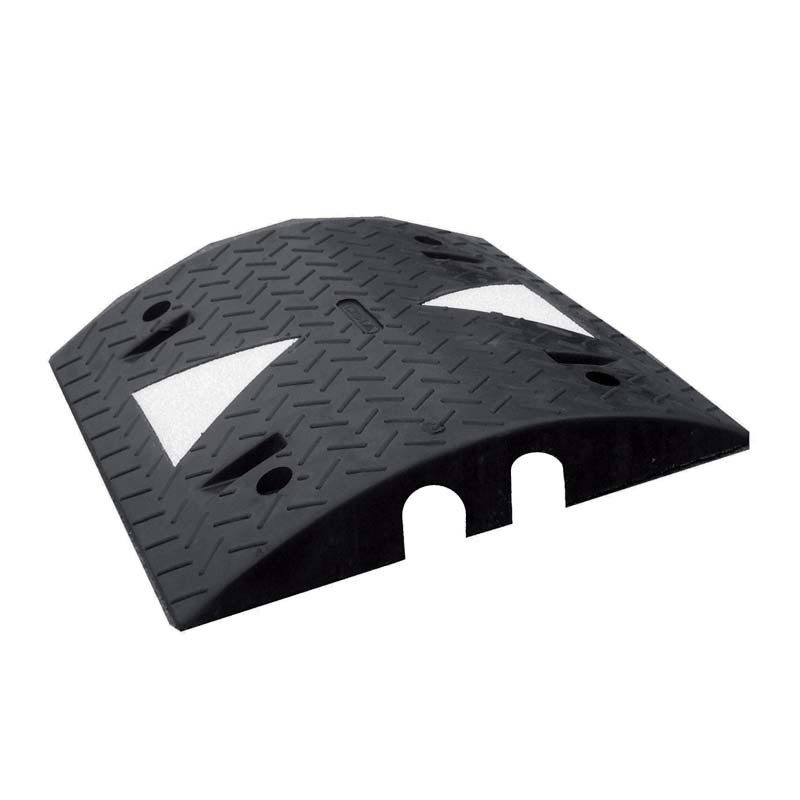
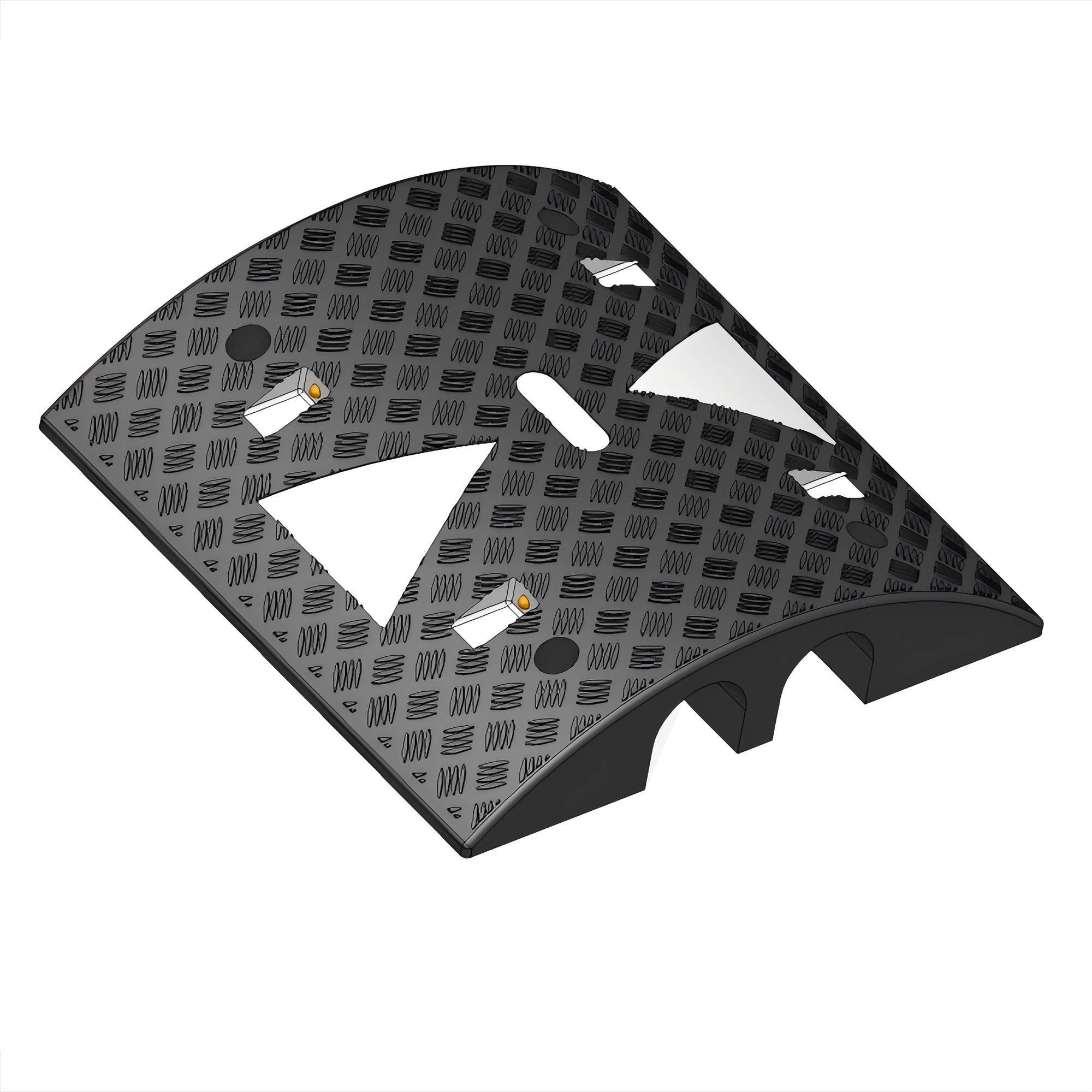
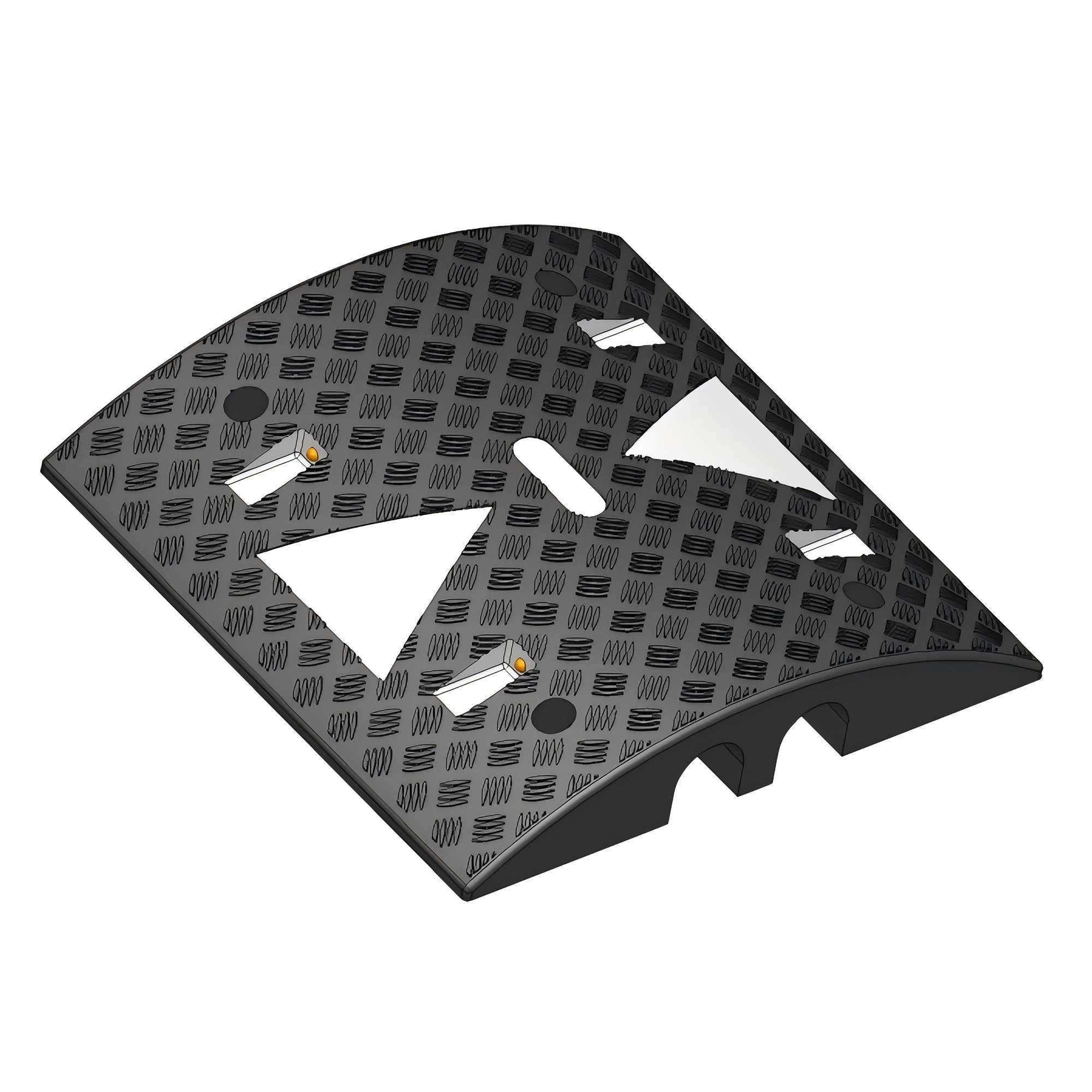
Cable Protector L – Drive-Over Height 75 mm
 Black
Black
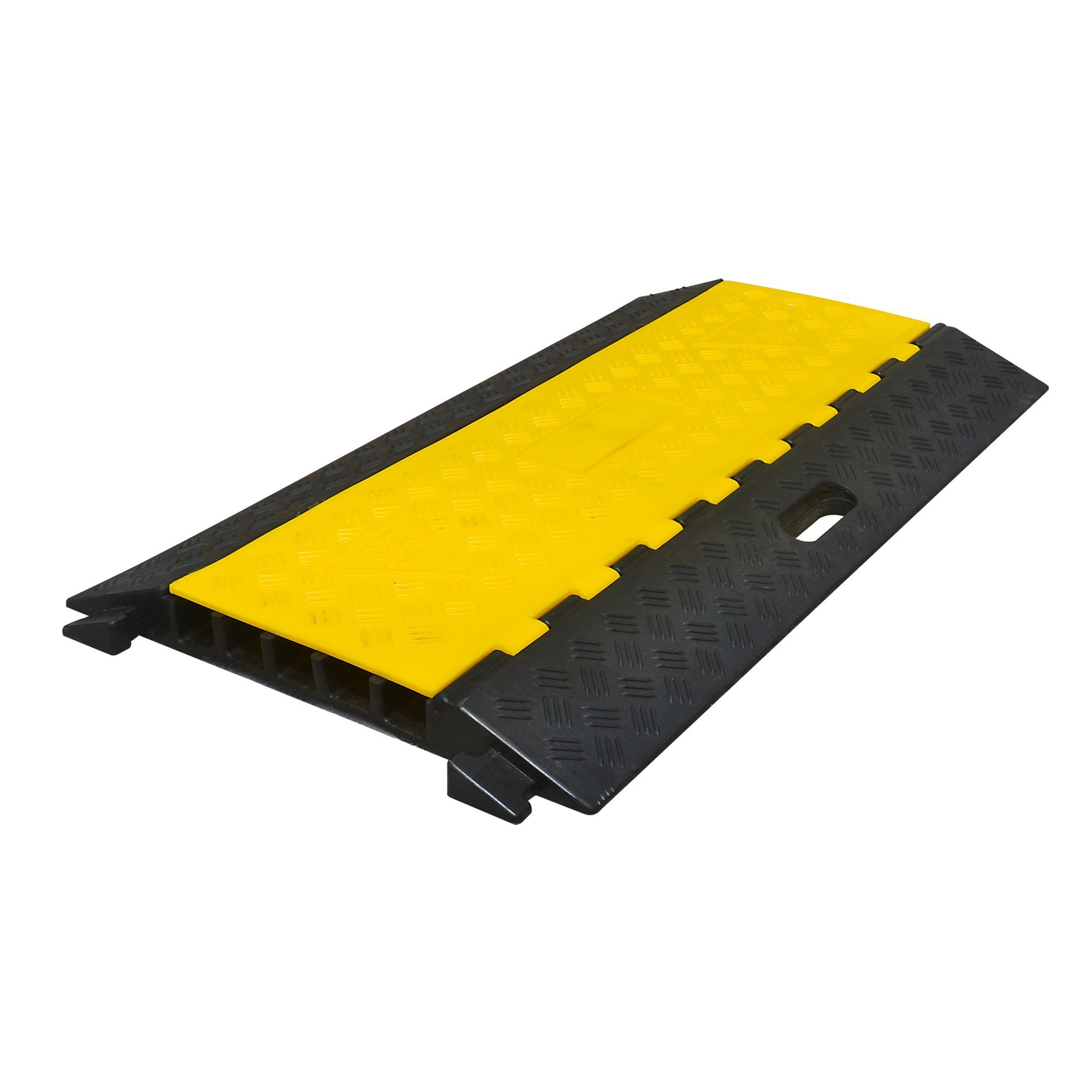
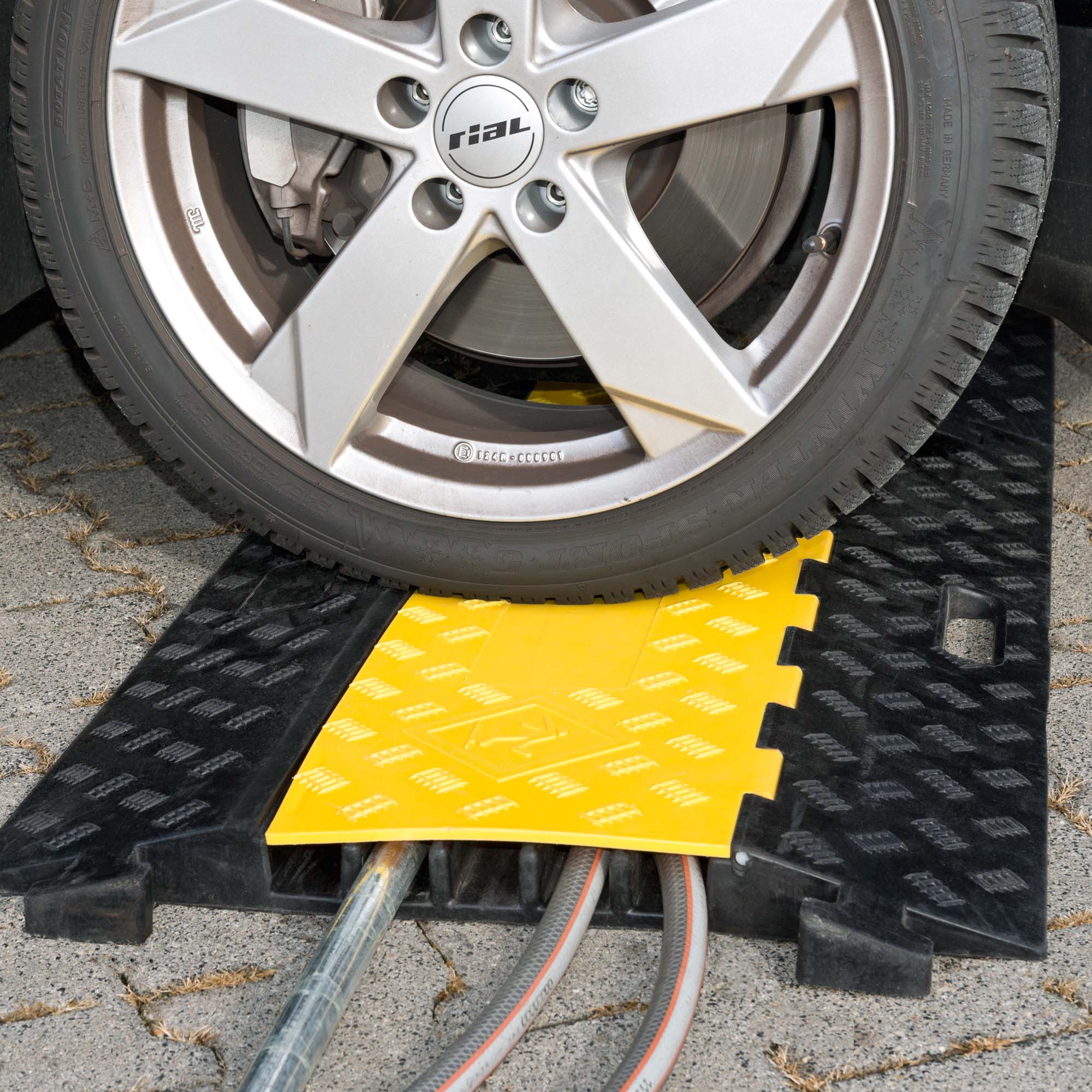 Black/Yellow
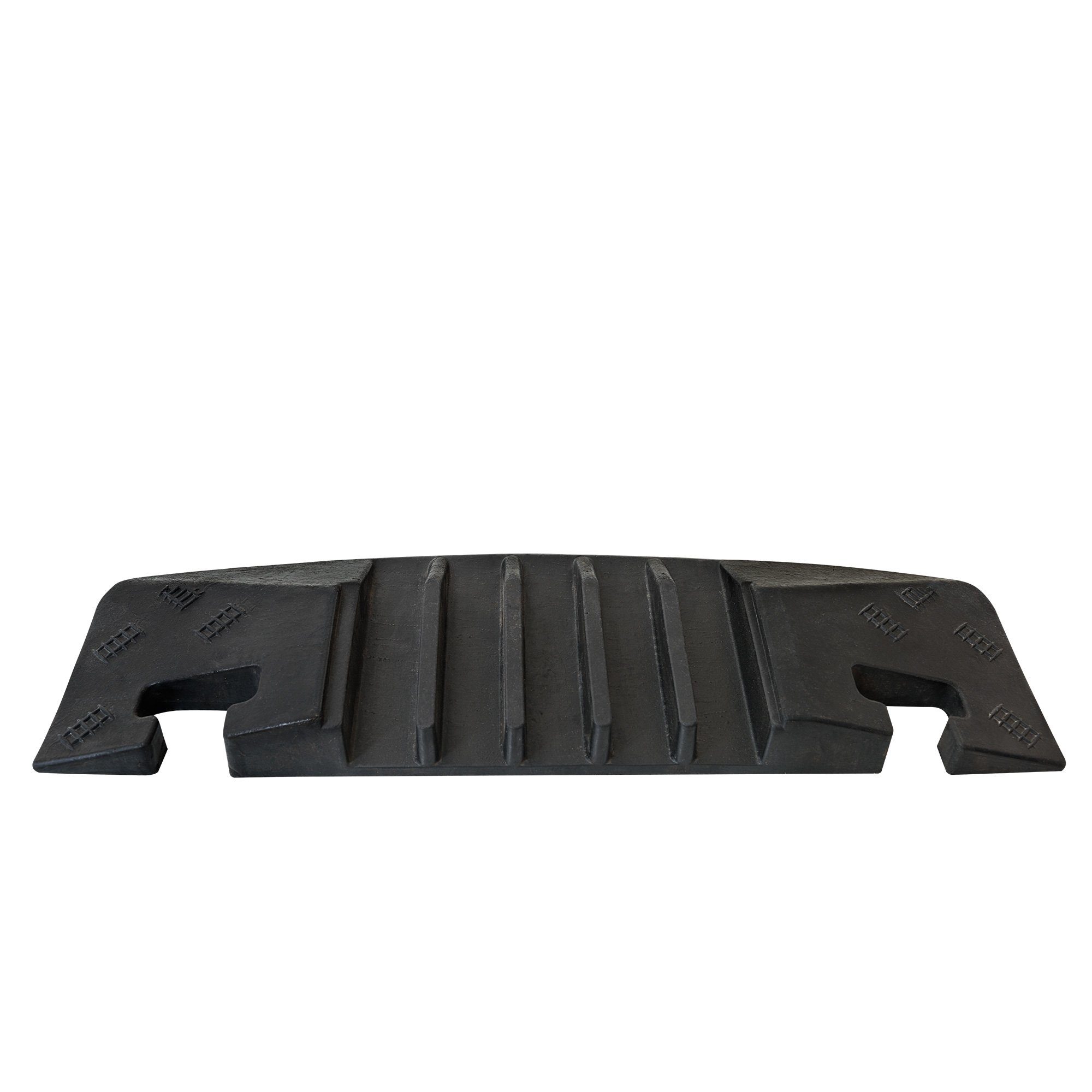 Black
Black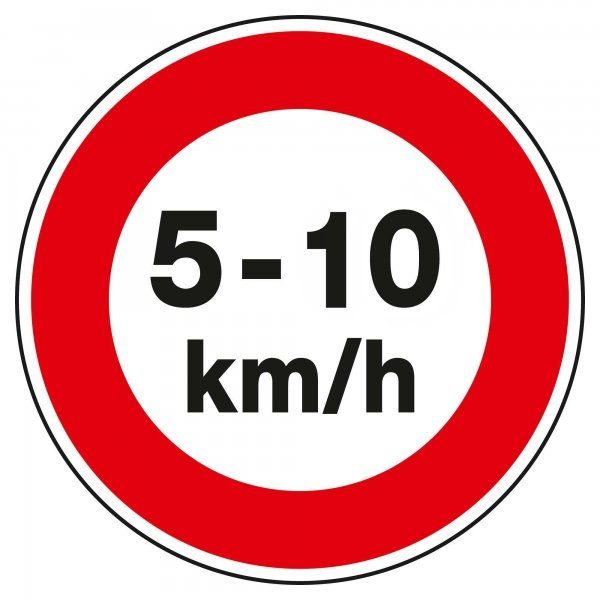
Cable Protector M – Drive-Over Height 50 mm
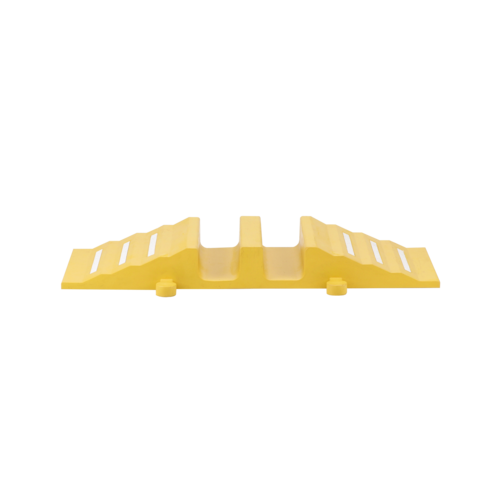
 Yellow
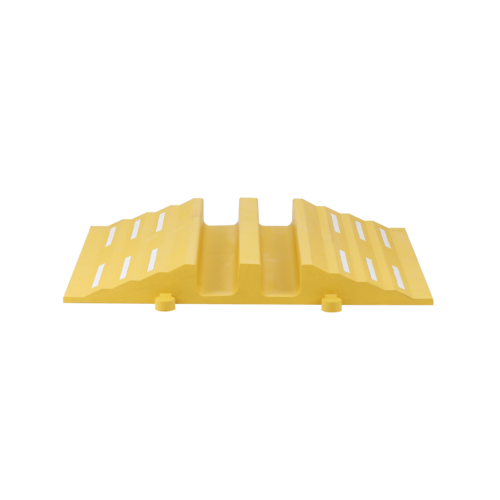
Cable Protector – 2 x 90mm Cables/Hoses – Yellow
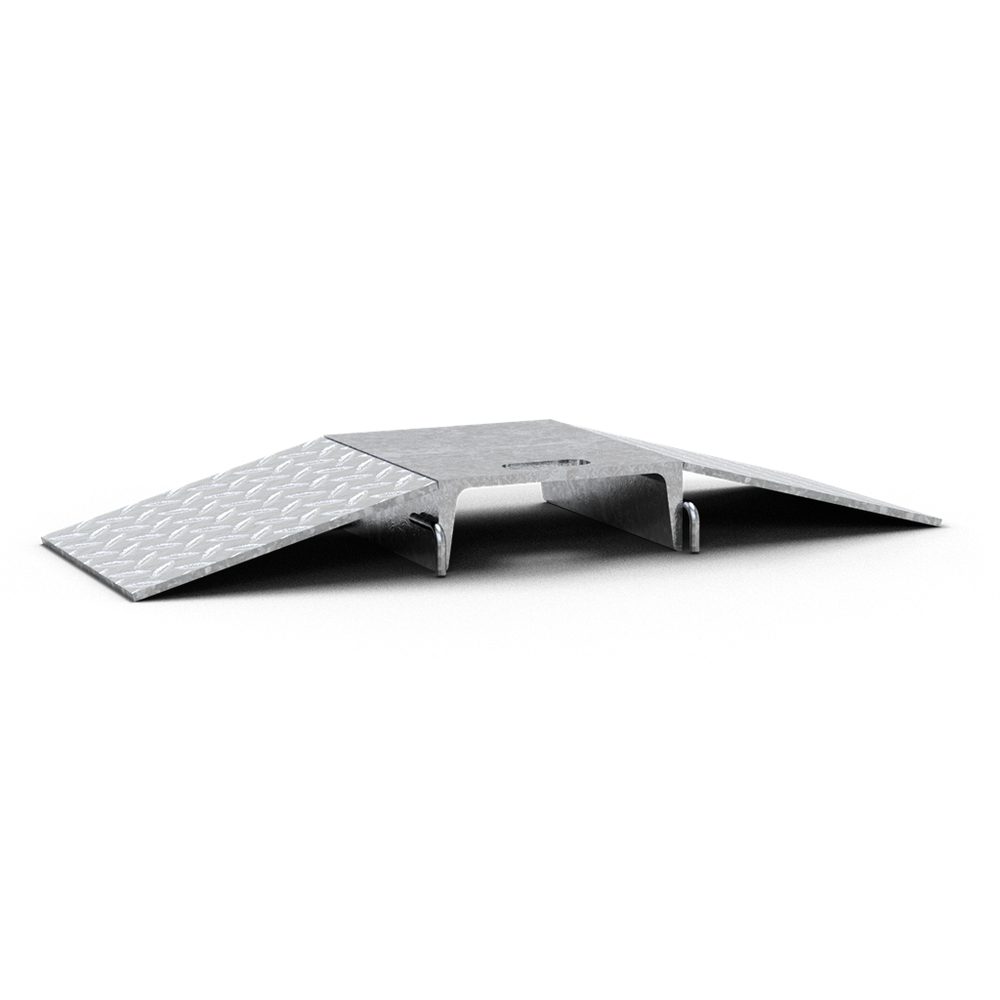
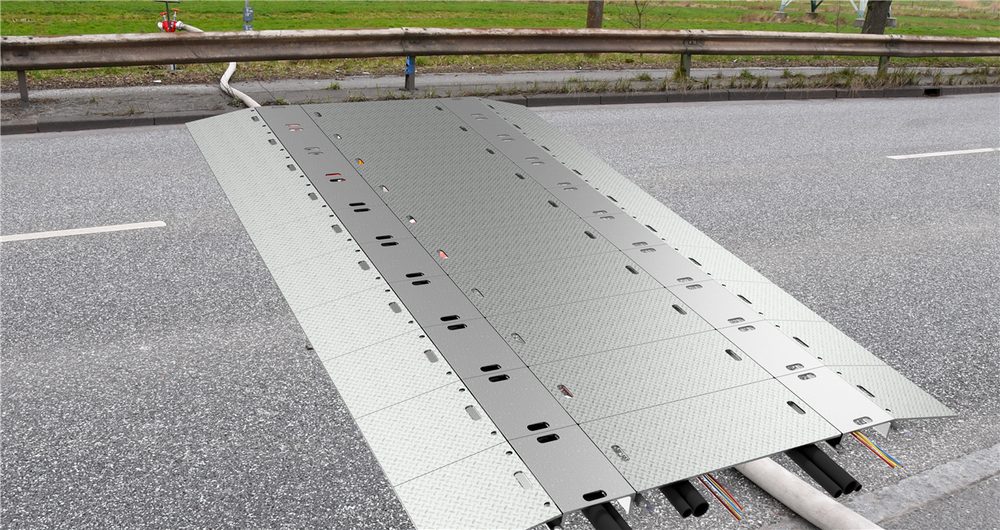
Galvanized Steel Cable Protector – 40 Tons Capacity
Choose a Cable Protector by Load Rating
The most important choice is how heavy the traffic is that the protector needs to withstand. If only pedestrians and light carts will pass, a lower capacity is sufficient, while a driveway for trucks and heavy machinery requires a heavy-duty protector. We've divided our range into three load classes so you can quickly find the right one.
Cable Protectors for 8, 12 and 40 Tons
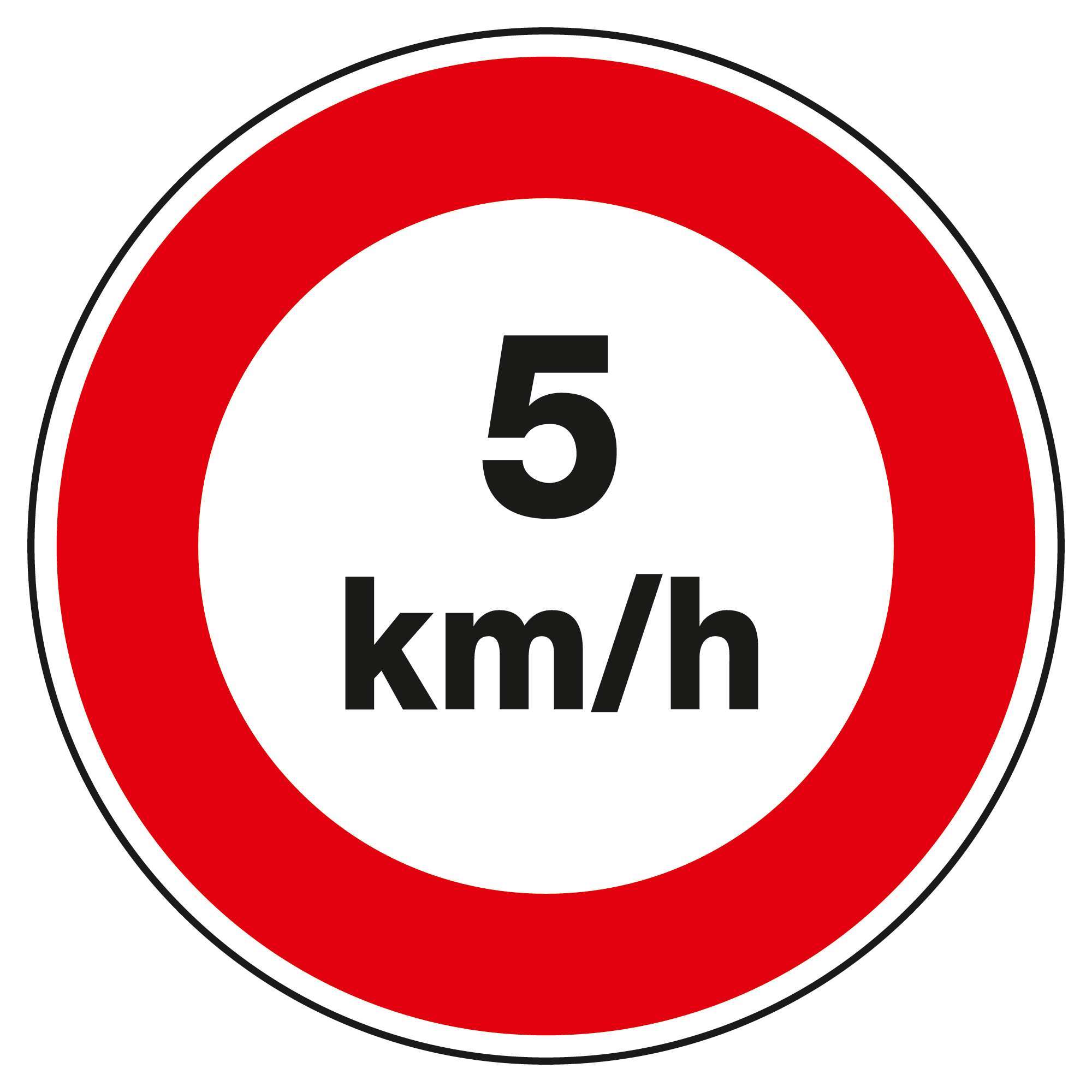
For lighter traffic and indoor use, cable protectors up to 8 tons work well. For mixed traffic with forklifts and smaller vehicles, cable protectors up to 12 tons are a good fit. For heavy vehicles and construction traffic, choose cable protectors up to 40 tons. Note that a recommended driving speed, often 5 to 10 km/h, is also specified for many models.
Protection for Cables and Hoses
In addition to electrical cables, hoses and pipes often need protection too, for example at pumps, temporary installations and when running cables across the ground. Several of our protectors have multiple channels in different diameters, so you can protect both cables and larger hoses in the same unit. That makes them practical on construction sites and at events where a lot needs to be run across an area.
Cable Protectors for Outdoor Use
Outdoors, cable protectors are exposed to weather, moisture and heavier loads. Protectors in hard rubber and galvanized steel are made to stay outside and withstand both traffic and the seasons. Rubber has the advantage of lying stable and absorbing impact, while steel provides the highest load capacity for really heavy traffic. Many models have lids that make it easy to insert and remove cables without tools.
Where Are Cable Protectors Used?
On construction sites, they protect cables and hoses that cross driveways. At events and temporary setups, they keep power cables safe where crowds move about. In industry and logistics, they prevent the downtime that occurs when a cable gets run over and damaged. If cables need to cross a trench or a change in level instead, take a look at ramps and curb ramps.
Frequently Asked Questions About Cable Protectors
Start with the heaviest traffic that will pass over it. For pedestrians and light carts, a protector up to 8 tons is sufficient; for forklifts and smaller vehicles, 12 tons; and for heavy vehicles and construction traffic, a protector up to 40 tons. Also check how thick the cables or hoses are that need to fit in the channels.
Rubber lies stable, absorbs impact and is easy to move, which suits most environments. Steel, especially galvanized, withstands the heaviest traffic and offers the longest service life outdoors. The choice depends on the load and how permanent the solution needs to be.
Yes. Cable protectors in hard rubber and galvanized steel are made for outdoor use and withstand weather, moisture and cold. For permanent outdoor installations, these materials are preferable to lighter indoor versions.
Yes. Many protectors have multiple channels in different diameters, so you can run both thin cables and larger hoses through the same unit. This is practical at construction sites and events where a lot needs to cross the same area.
For many models, a low speed is recommended, often 5 to 10 km/h, to protect both the cable protector and the vehicle. The recommended speed is specified for each product and should be followed for the best service life.
Yes. Most cable protectors are modular and can be connected to the desired length, and many have lids that open without tools. That makes them quick to lay out, load with cables and move as needed.