
8 Crucial Points for Your Complete Safety Inspection Checklist
A safety inspection is more than just a legally required routine – it is the backbone of proactive safety work. But how do you make sure it captures real risks and leads to concrete improvements, instead of becoming just an administrative formality? All too often, generic templates are used that miss the critical details of the physical environment, leaving hazards undetected until it is too late. A truly effective safety inspection checklist must be both systematic and detailed, focusing on specific risk points that are often overlooked.
This guide is designed to transform your safety work from reactive to proactive. We offer a complete, action-oriented checklist divided into eight crucial inspection areas for the outdoor and indoor environment. Here you will find exactly what to inspect, why each point is critical and how you can implement effective solutions to build a safer and more sustainable workplace. We cover everything from the anchoring of impact protection and the friction of anti-slip surfaces to the visibility of road markings and the correct use of barricade equipment.
Whether you are responsible for safety at a warehouse, an industrial facility, a parking lot, a housing cooperative or a public space, this checklist gives you the tools you need. You will learn to systematically identify and address risks before an accident happens. Let’s move from theory to practice and create a safety inspection that actually works. Need expert help choosing the right safety products for your specific needs? Contact us for personalized advice.
1. Impact Protection and Collision Protection – Function and Condition
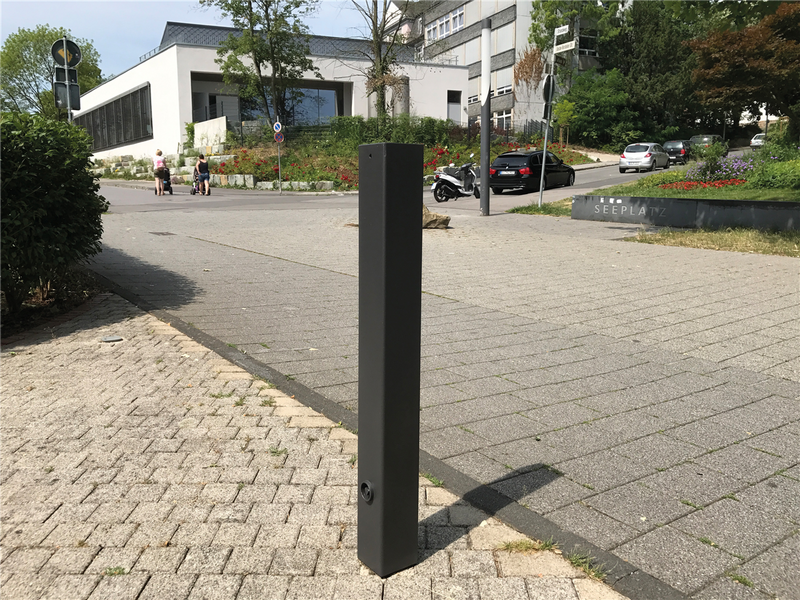
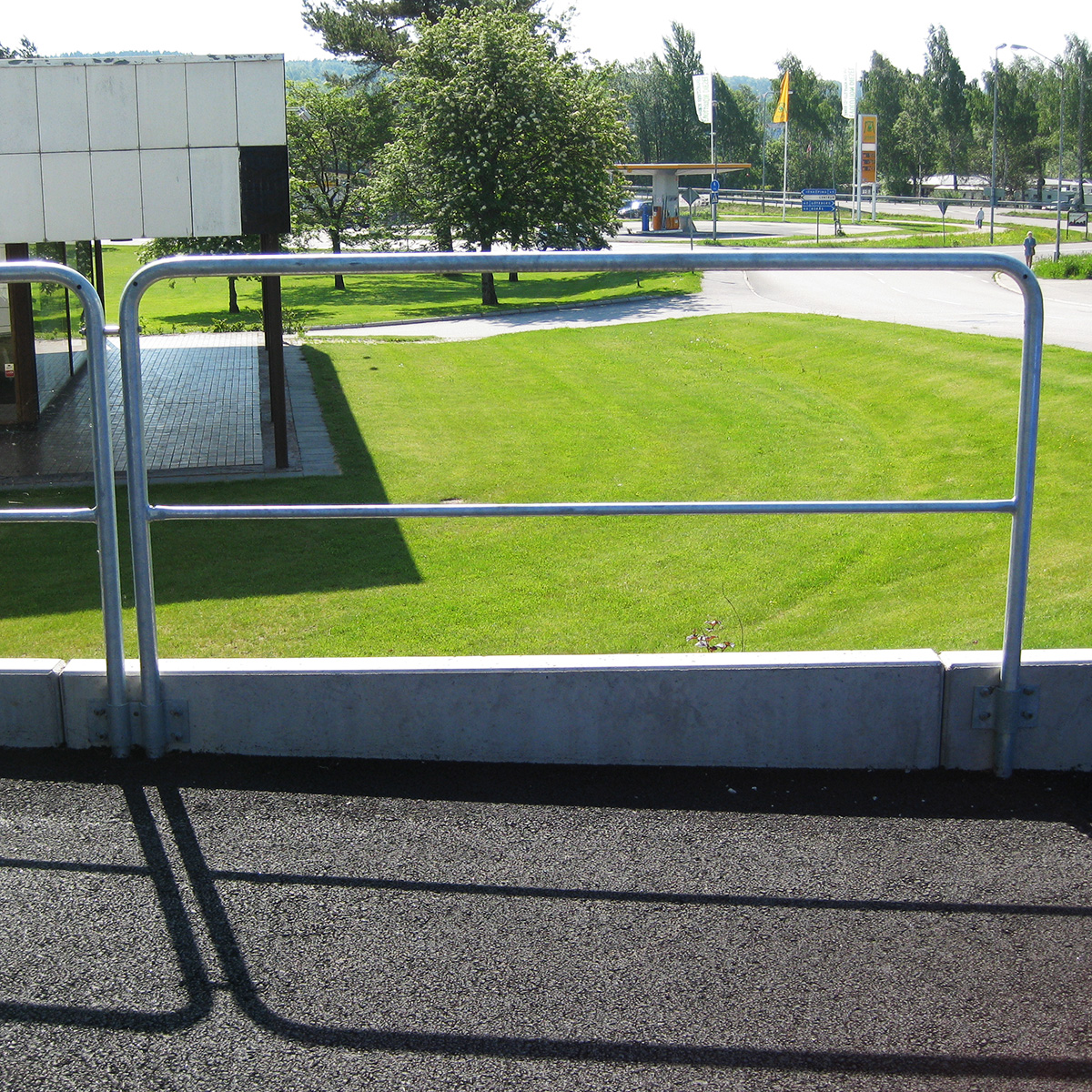
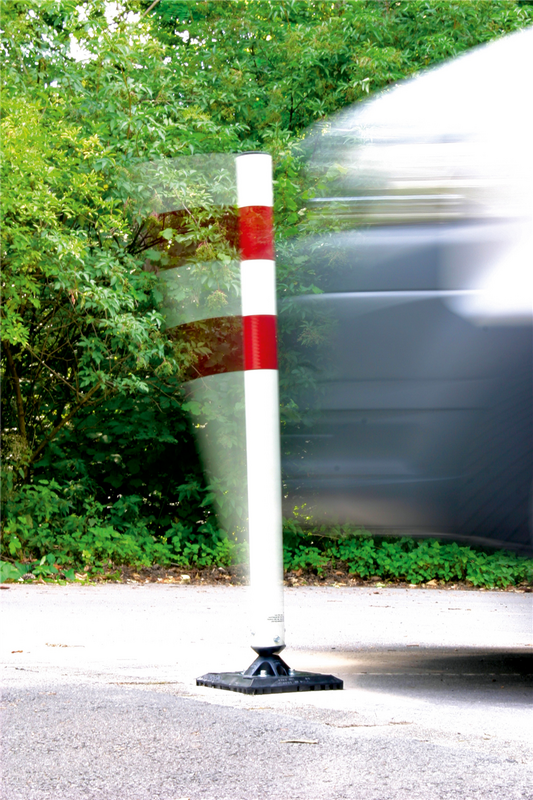
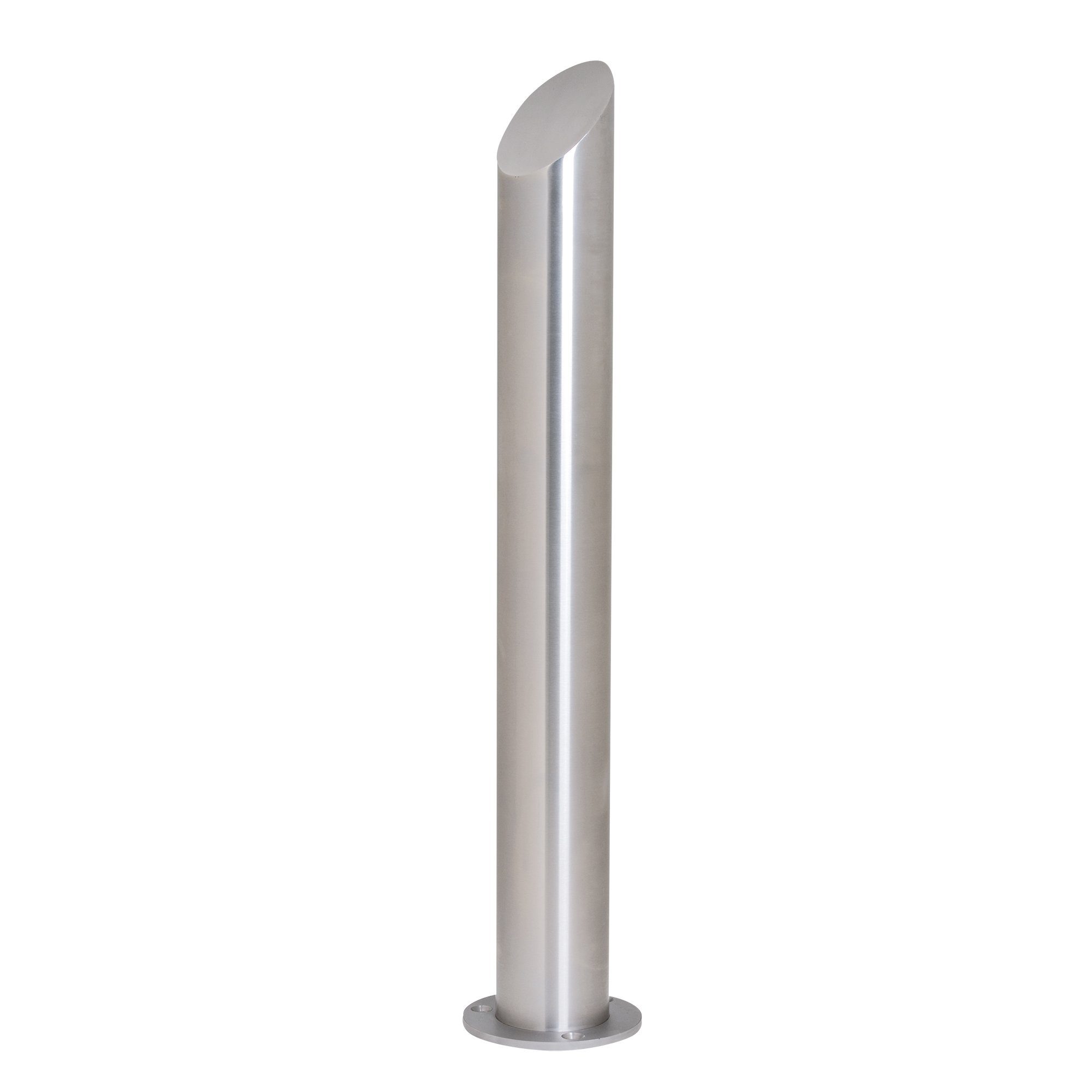
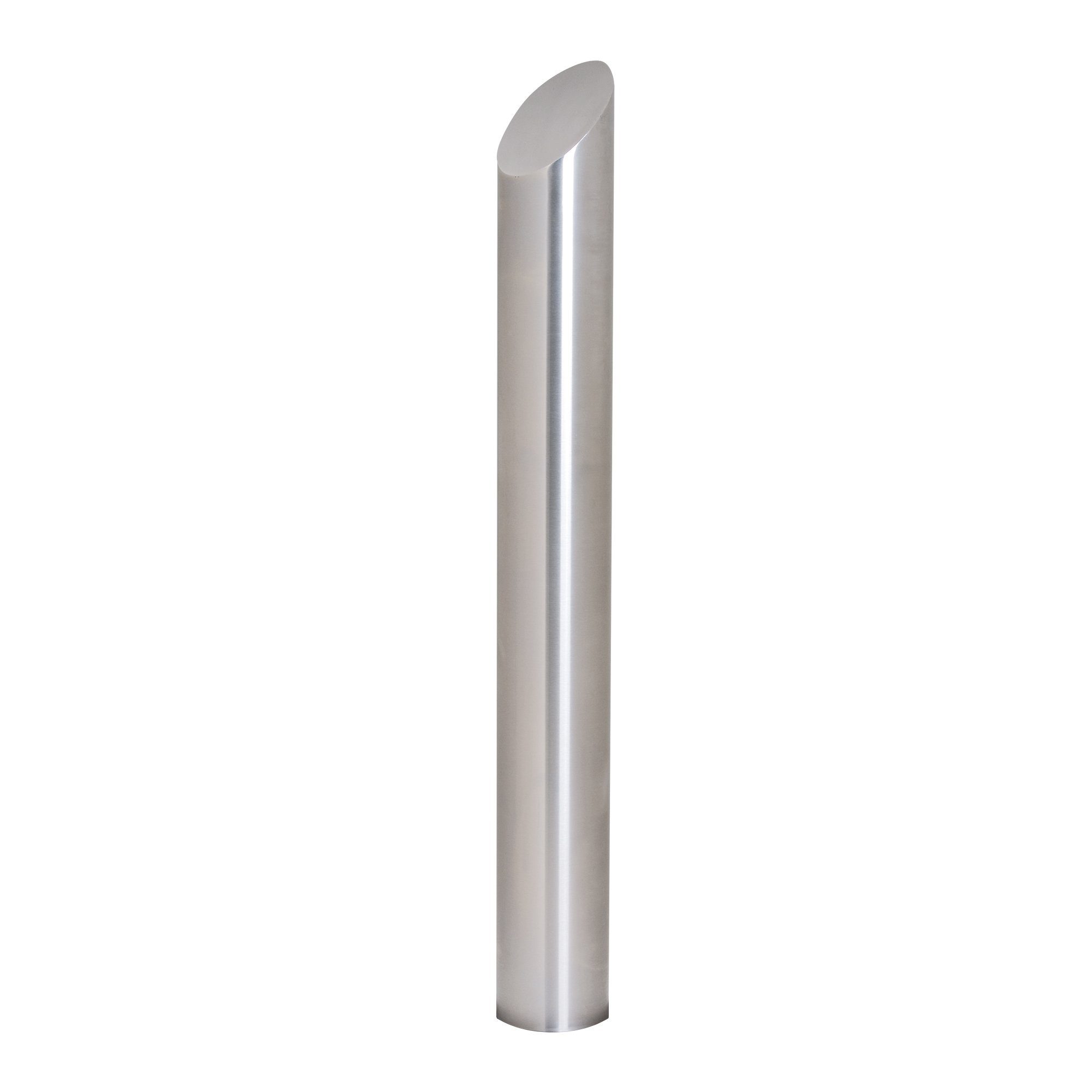
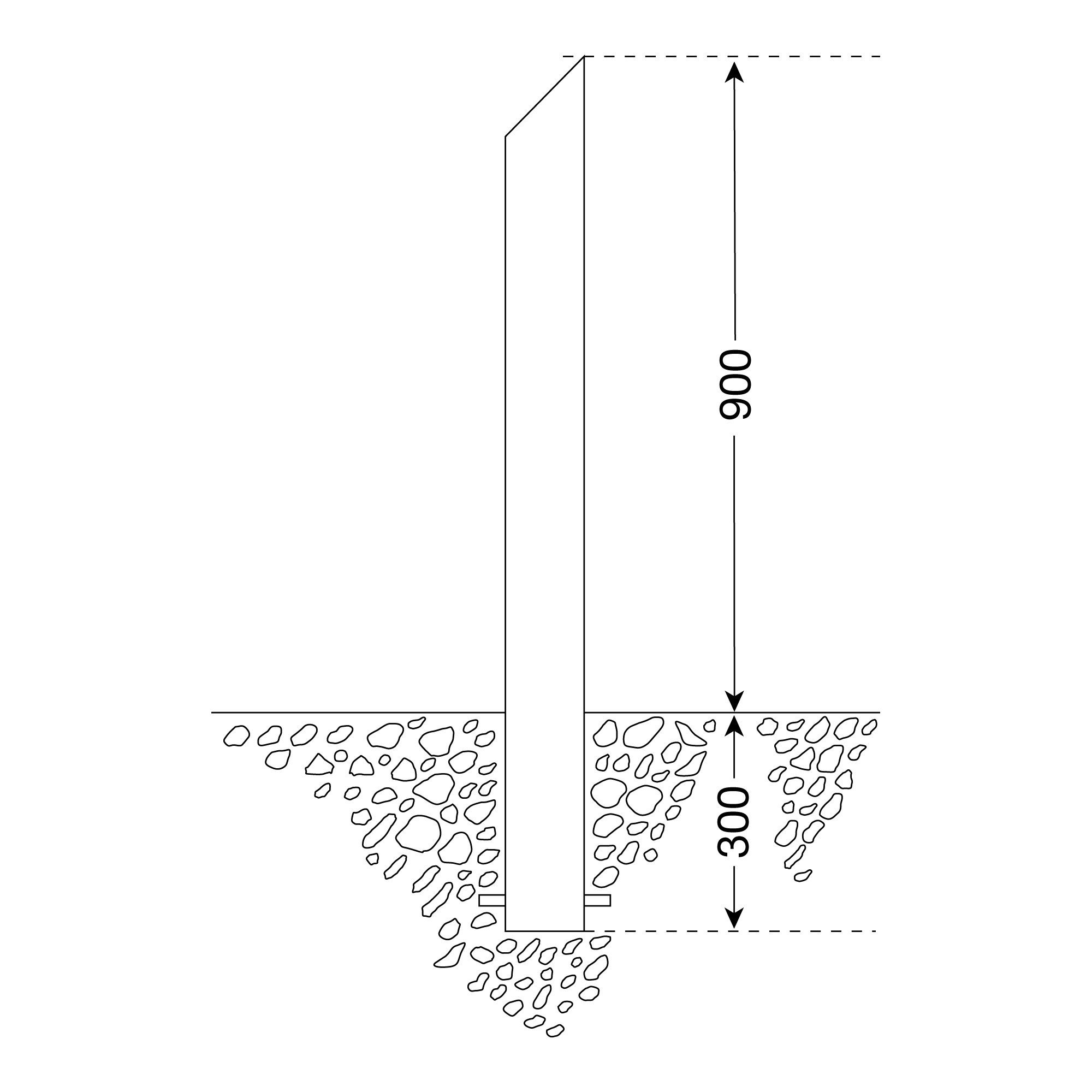
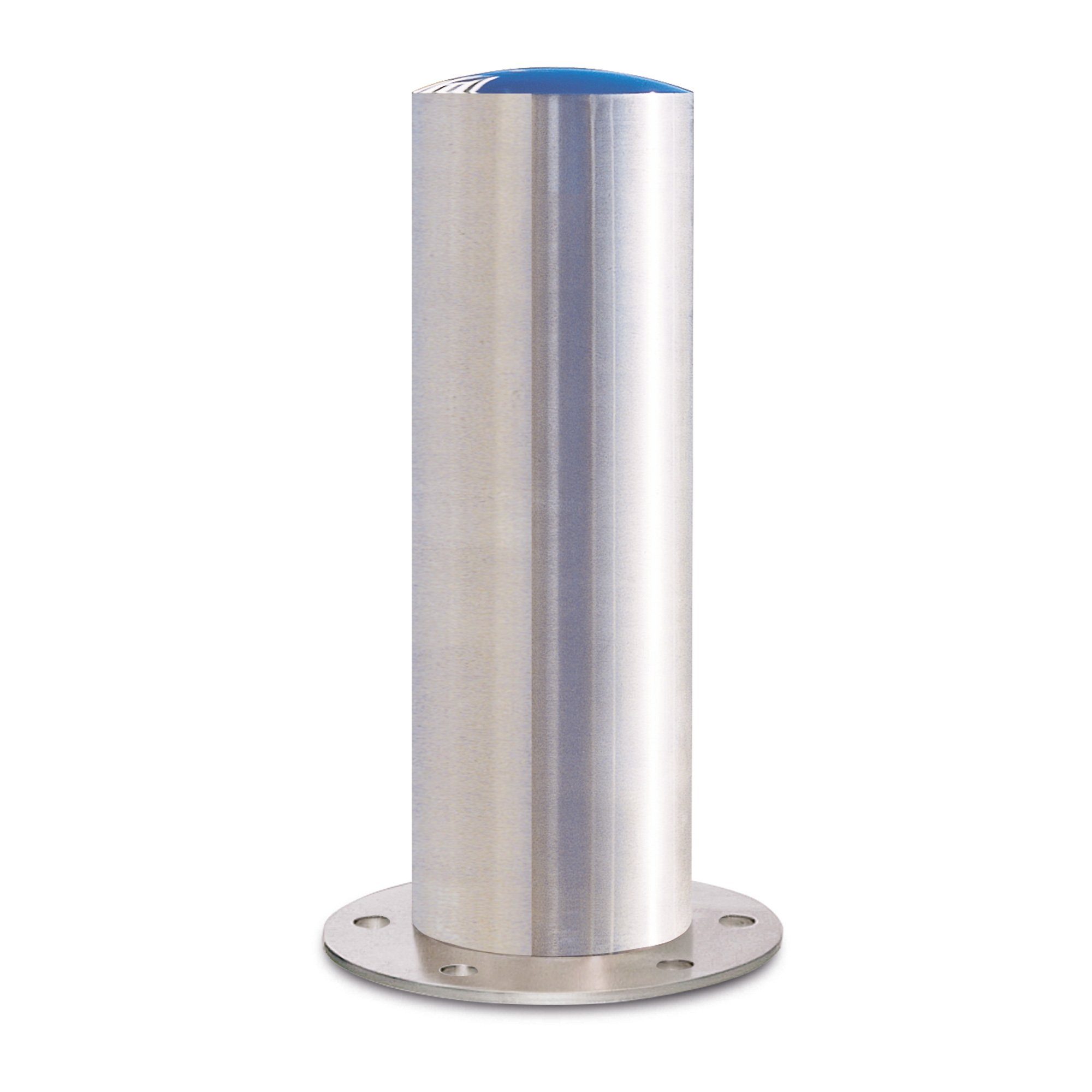
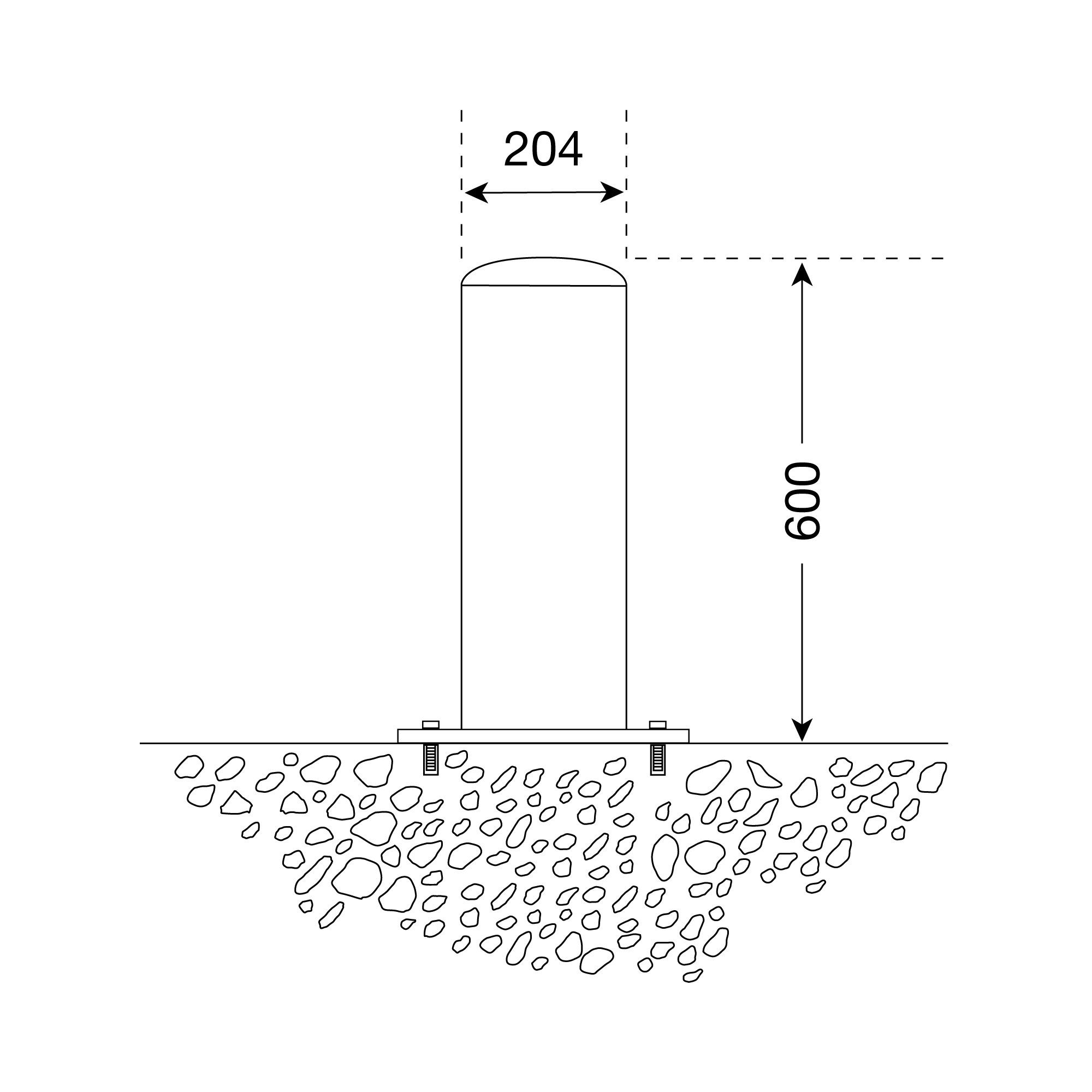
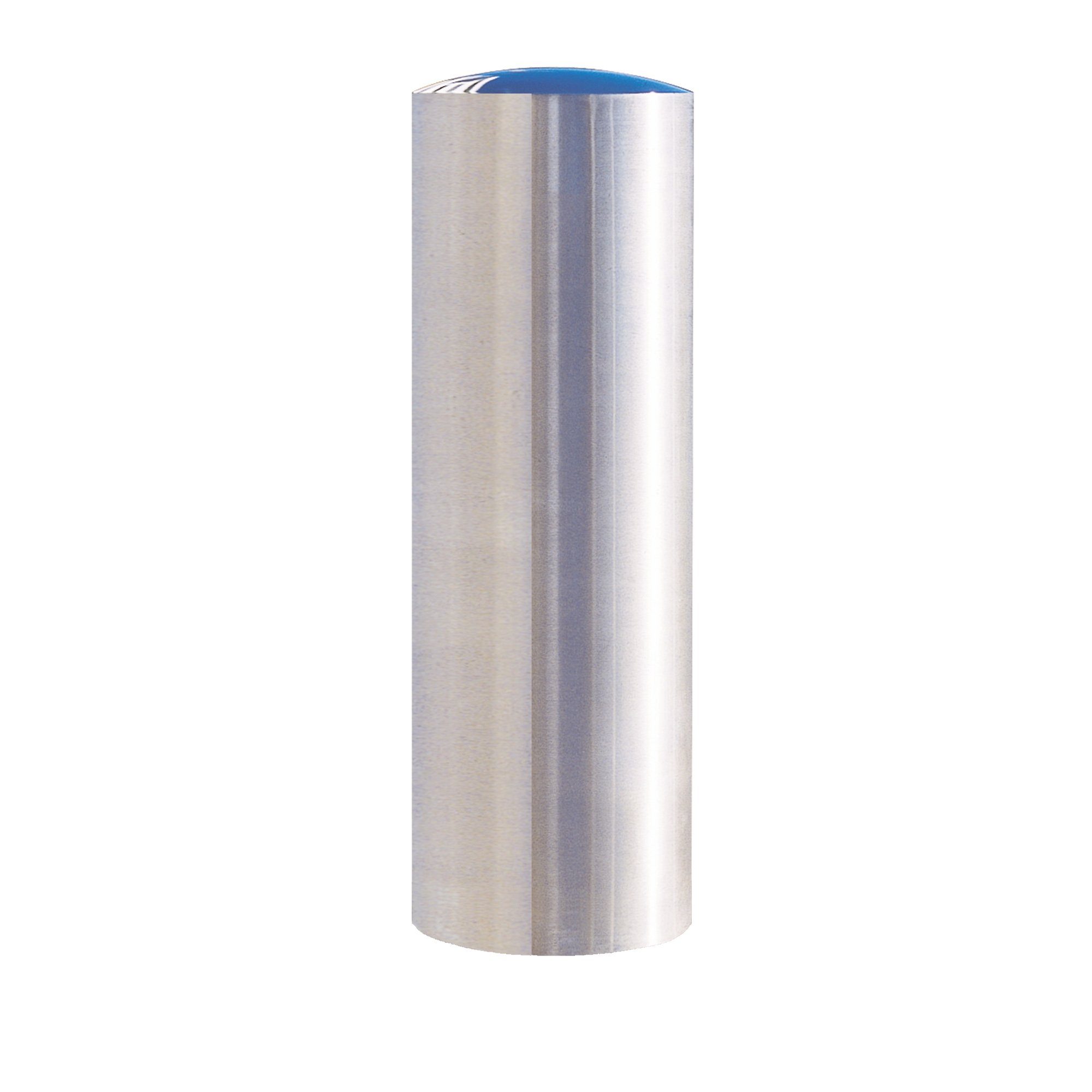
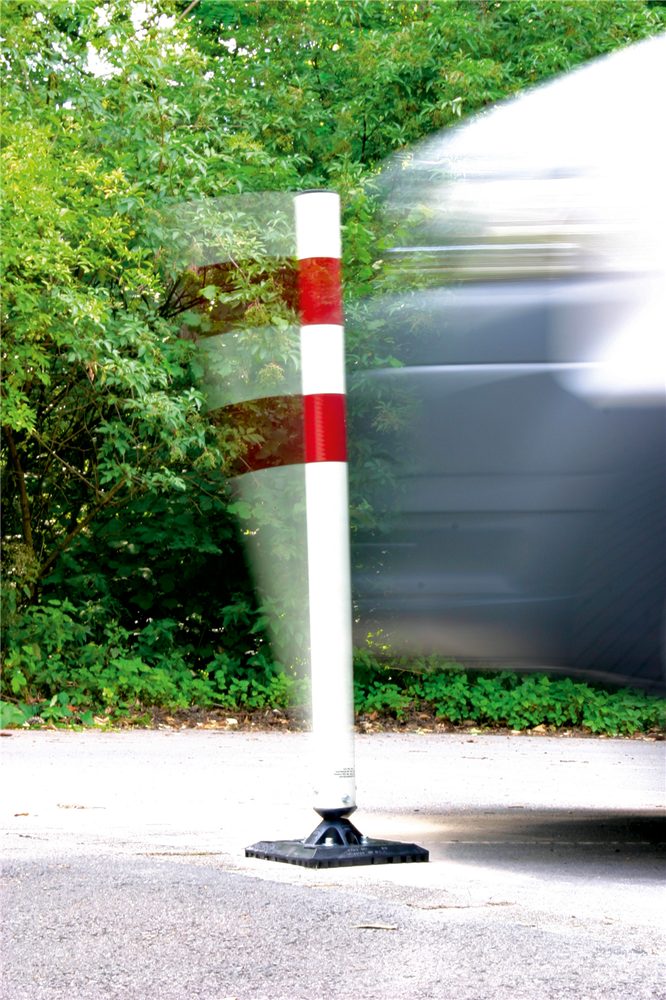
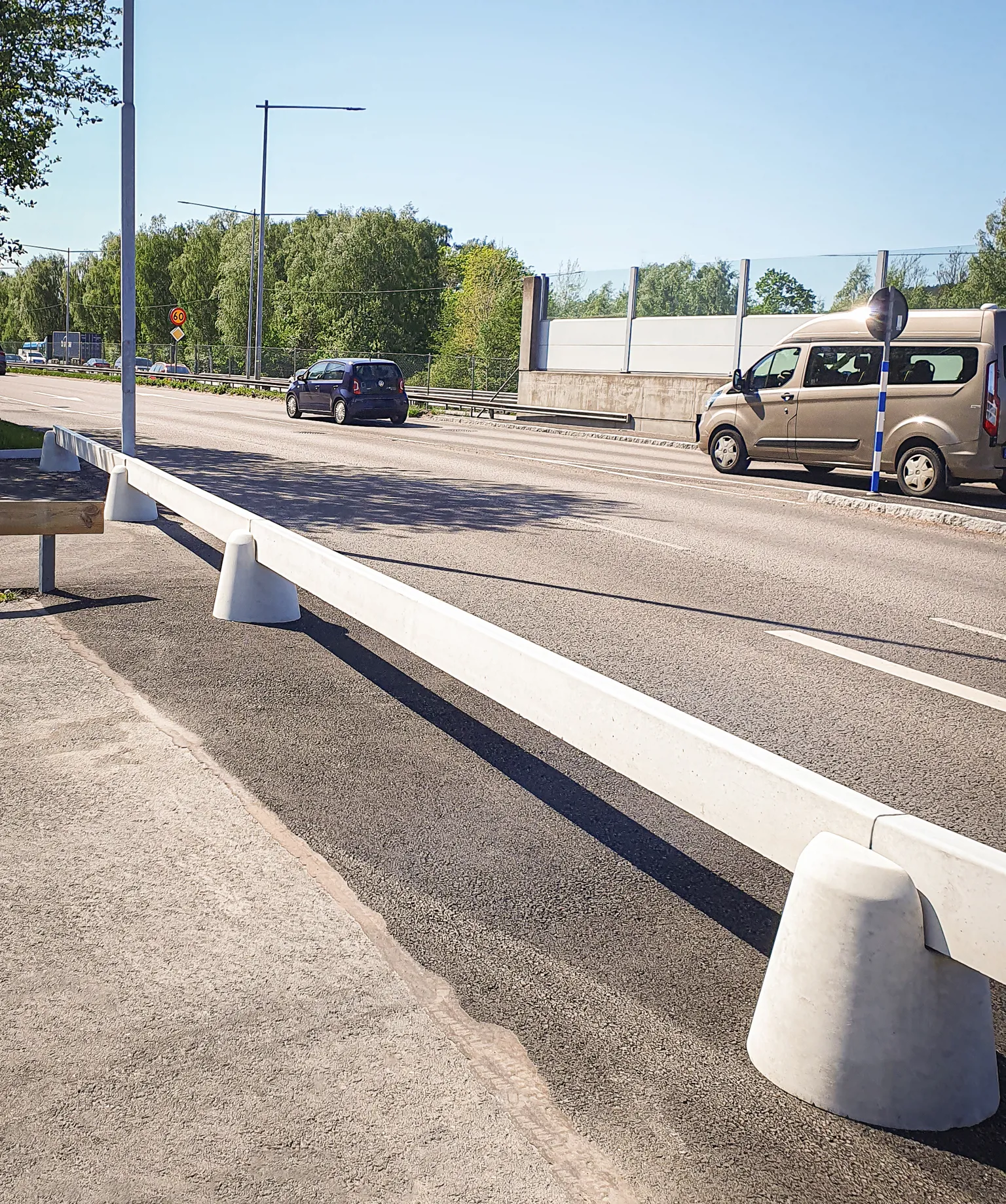
Impact protection, such as bollards, barriers and safety railings, is the first line of defense against vehicle collisions. A thorough review of their function and condition is one of the most critical points in a safety inspection checklist. These products are designed to absorb and deflect the force of a collision, protecting people, buildings and valuable equipment alike. Without regular inspection, damaged or incorrectly installed protection can create a false sense of security and fail when it is needed most.
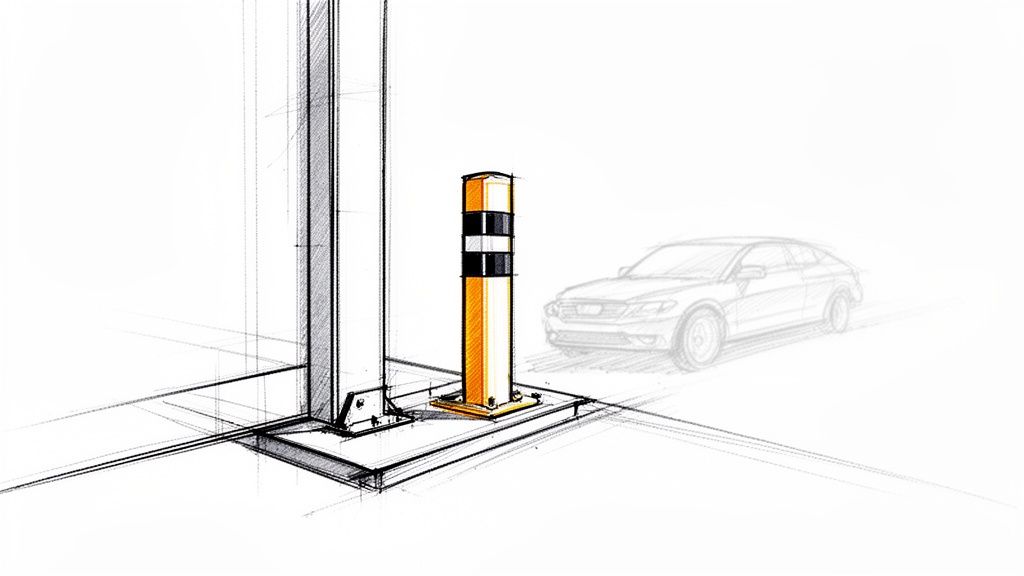
This checkpoint is fundamental because it directly addresses the risk of serious accidents in high-traffic environments. Whether it is a warehouse terminal with heavy forklift traffic, a public parking lot near an entrance or a municipal bike path next to a road, the purpose is the same: to create a physical and visual barrier that prevents unwanted incidents. A damaged bollard or a loose railing can escalate a minor maneuvering error into a costly and dangerous accident.
What should you check?
During the safety inspection, the review of impact protection should be systematic. The following points should be examined carefully:
- Structural integrity: Check each unit for cracks, deep dents, rust or other signs of weakening. Visible damage can indicate a hidden structural defect that reduces the protection’s ability to withstand a future collision.
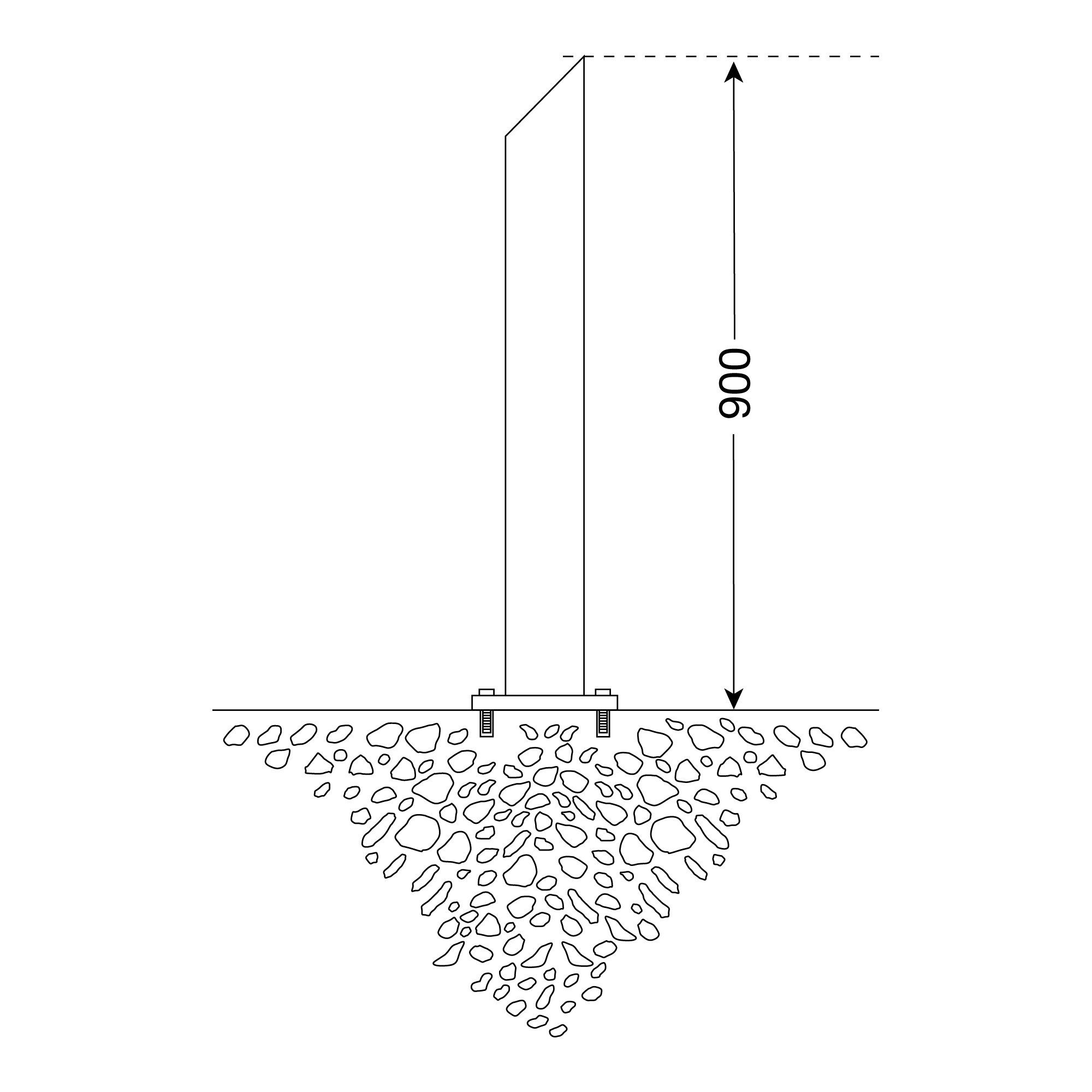
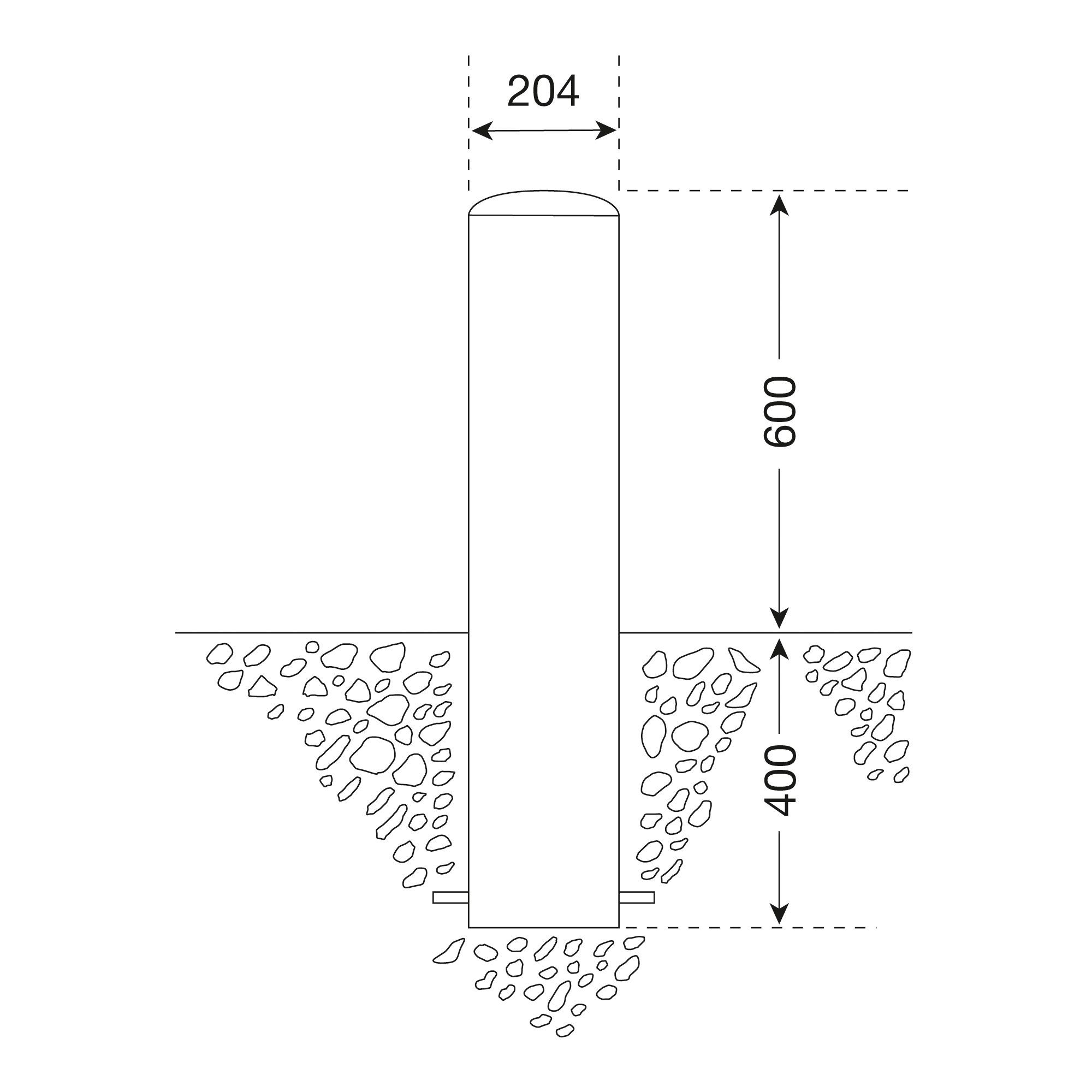
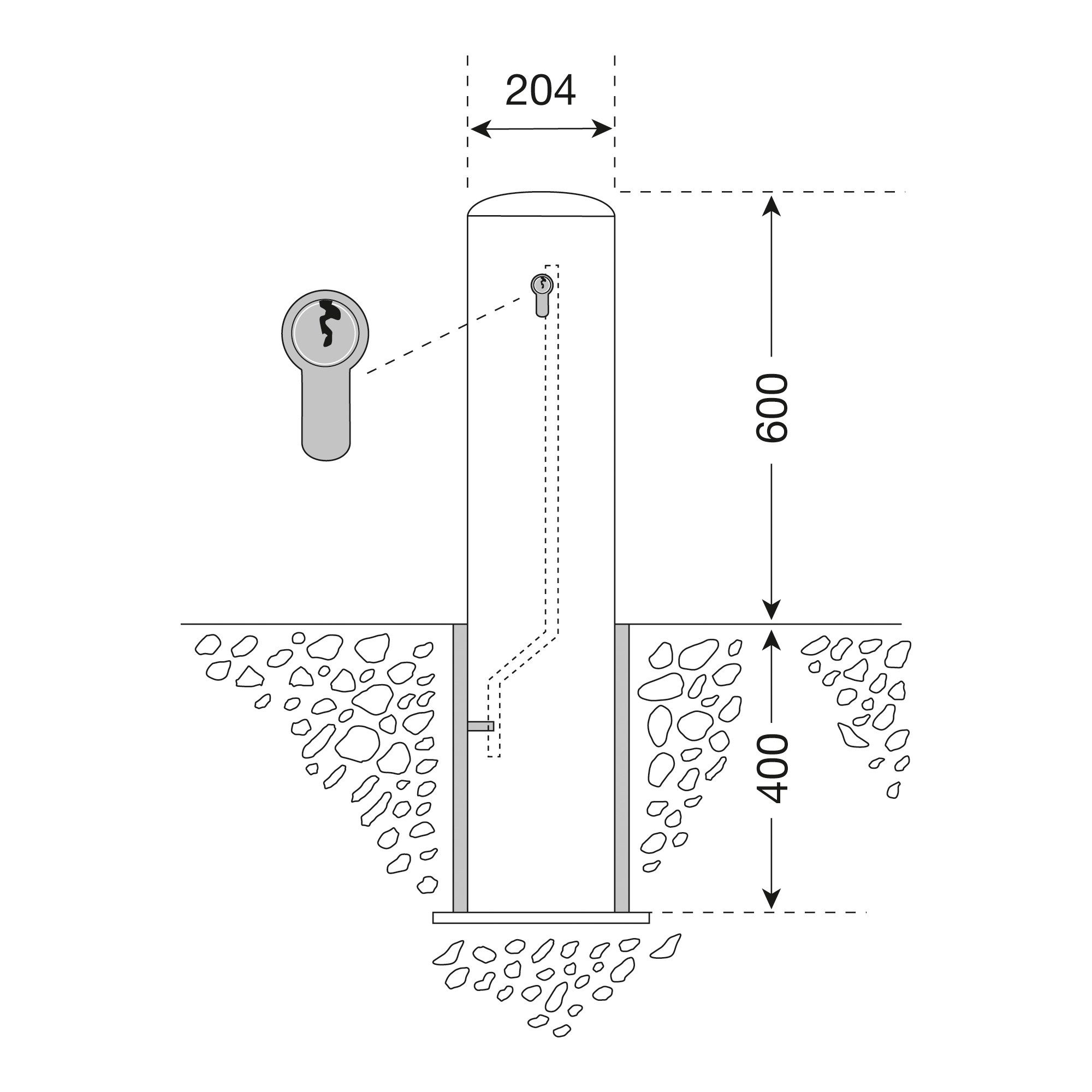
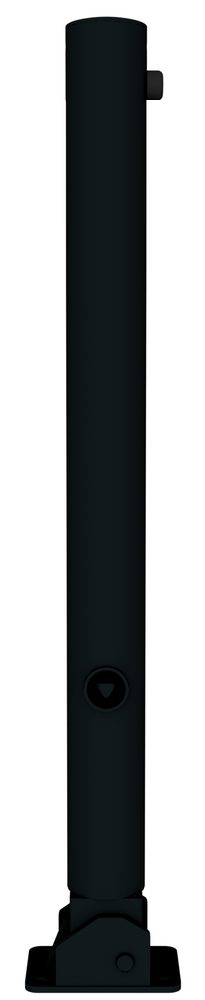
- Anchoring: Verify that the protection is securely fastened to the ground or wall. Gently push and pull on bollards and railings to make sure the mounting has not come loose. Loose anchoring renders the protection essentially useless.
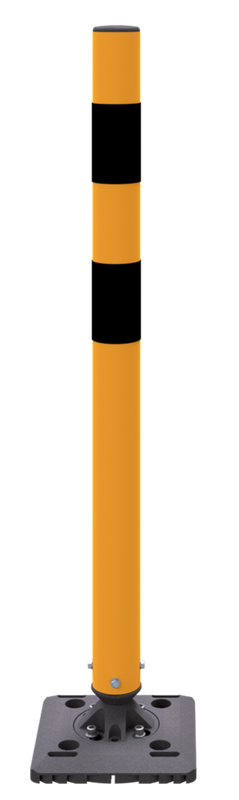
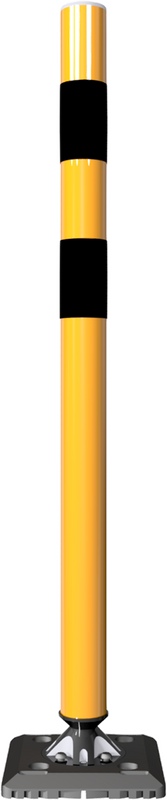
- Visibility and marking: Make sure the protection is clearly visible. Reflective tape and warning colors (often yellow and black) should be intact and clean. Poor visibility increases the risk of the protection itself being hit unnecessarily.
- Placement: Is the protection still correctly positioned to protect the intended object? Sometimes the layout of the operation changes, meaning existing protection no longer serves its purpose. According to the Swedish Work Environment Authority (AV), a proper risk assessment and placement are essential.
Understanding the risks and choosing the right type of protection is crucial. Read more about how impact protection is a crucial investment in safety to make sure your workplace is properly protected.
For help choosing the right products, such as robust bollards or heavy-duty safety barriers, or for advice on placement, contact us at Nordguard for a tailored solution.


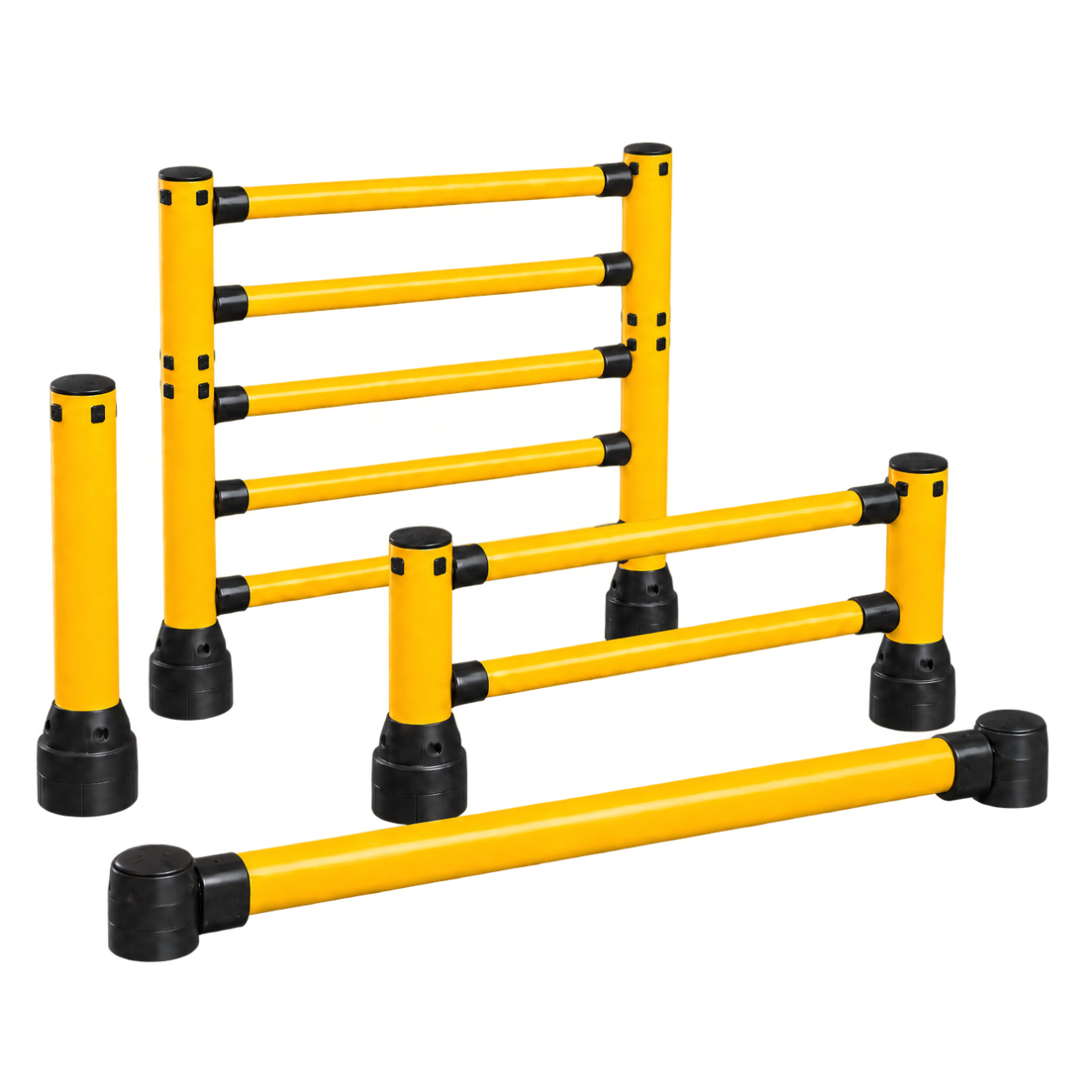
 Black/Yellow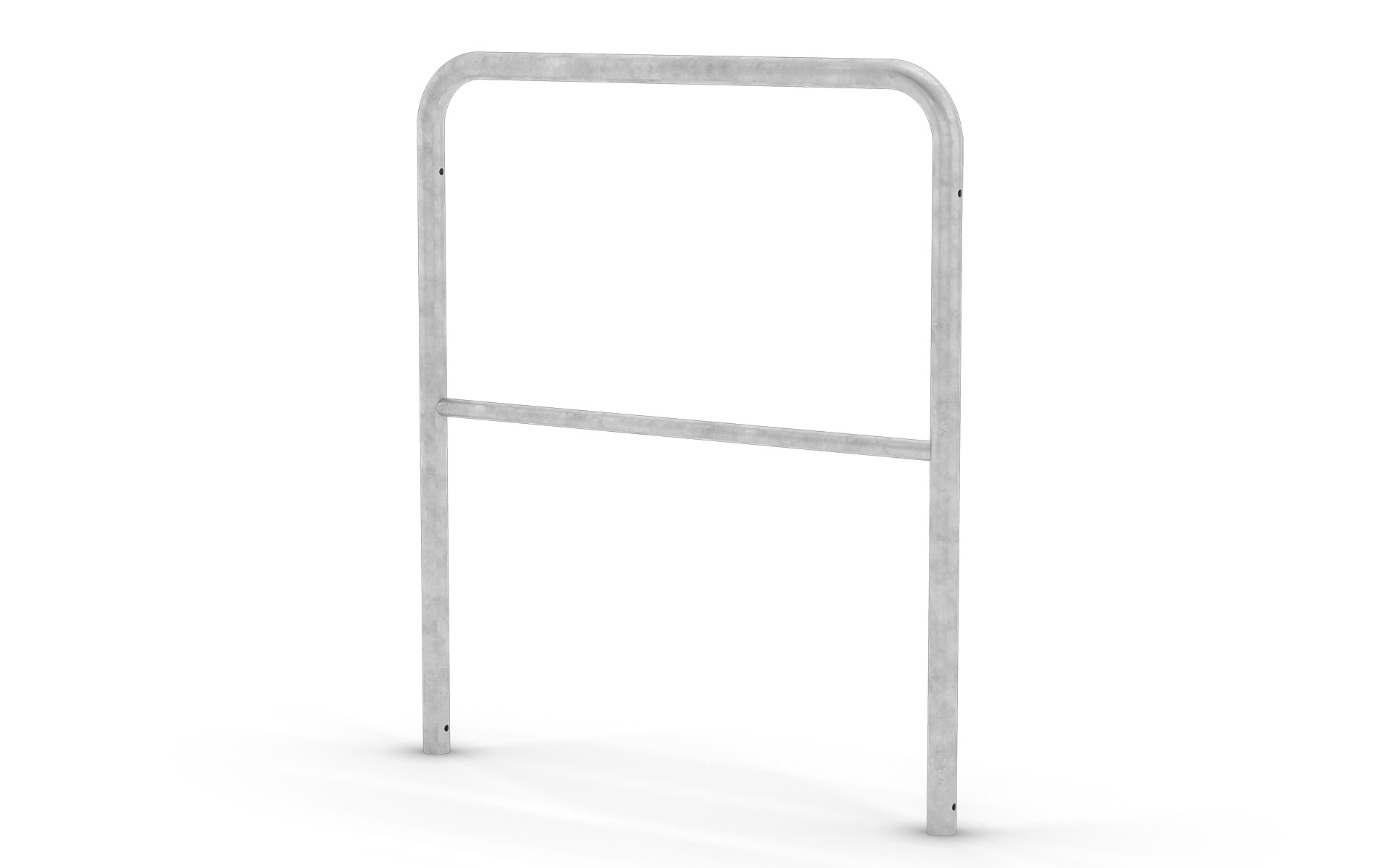
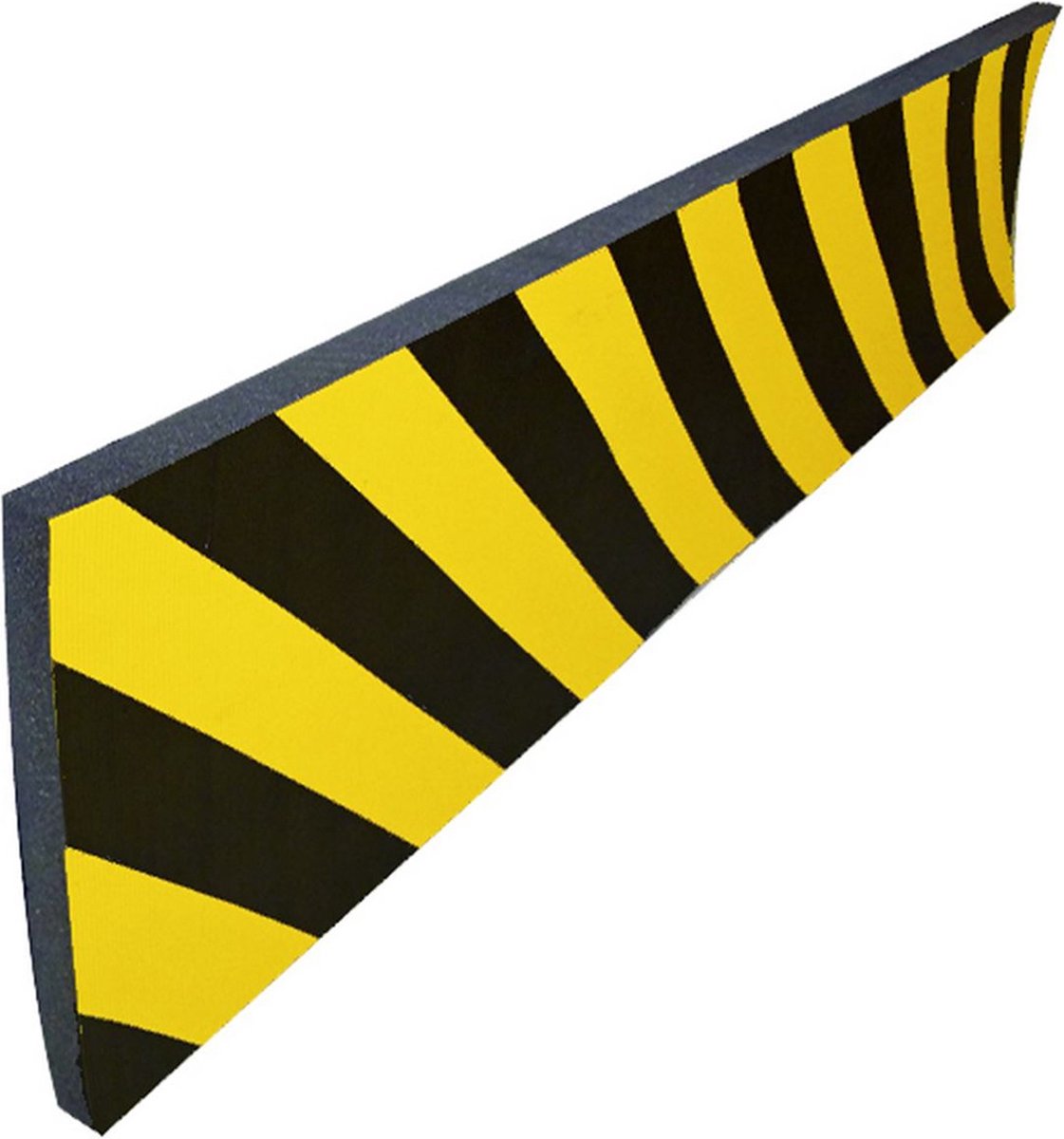
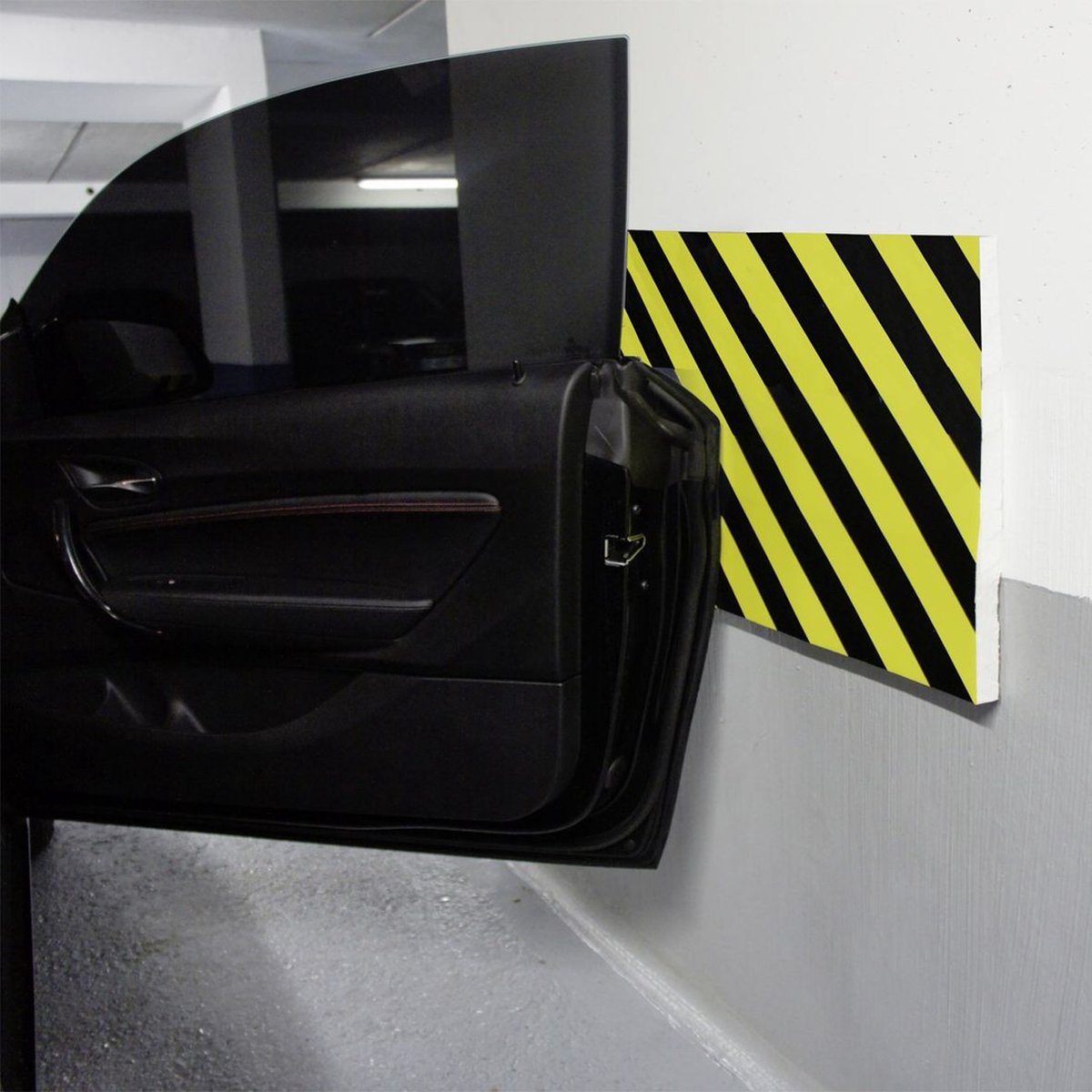

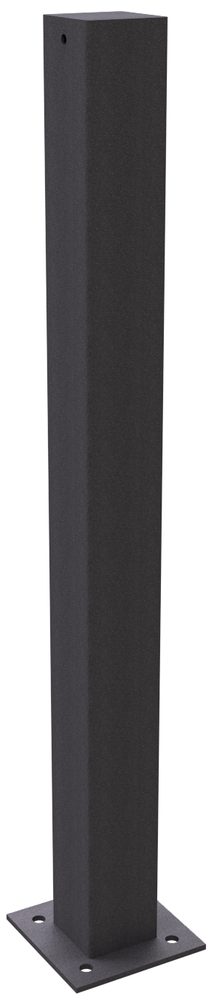


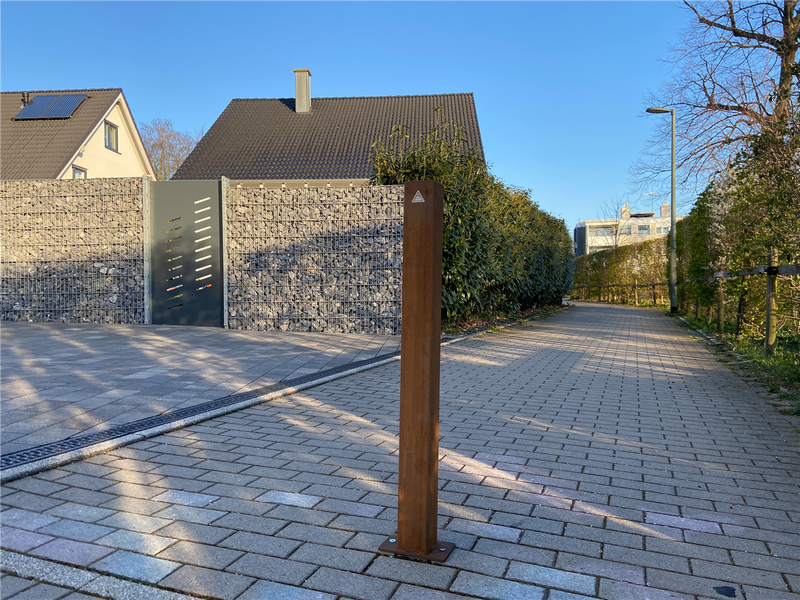

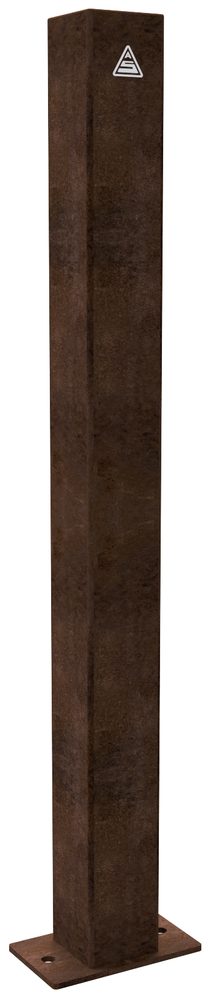
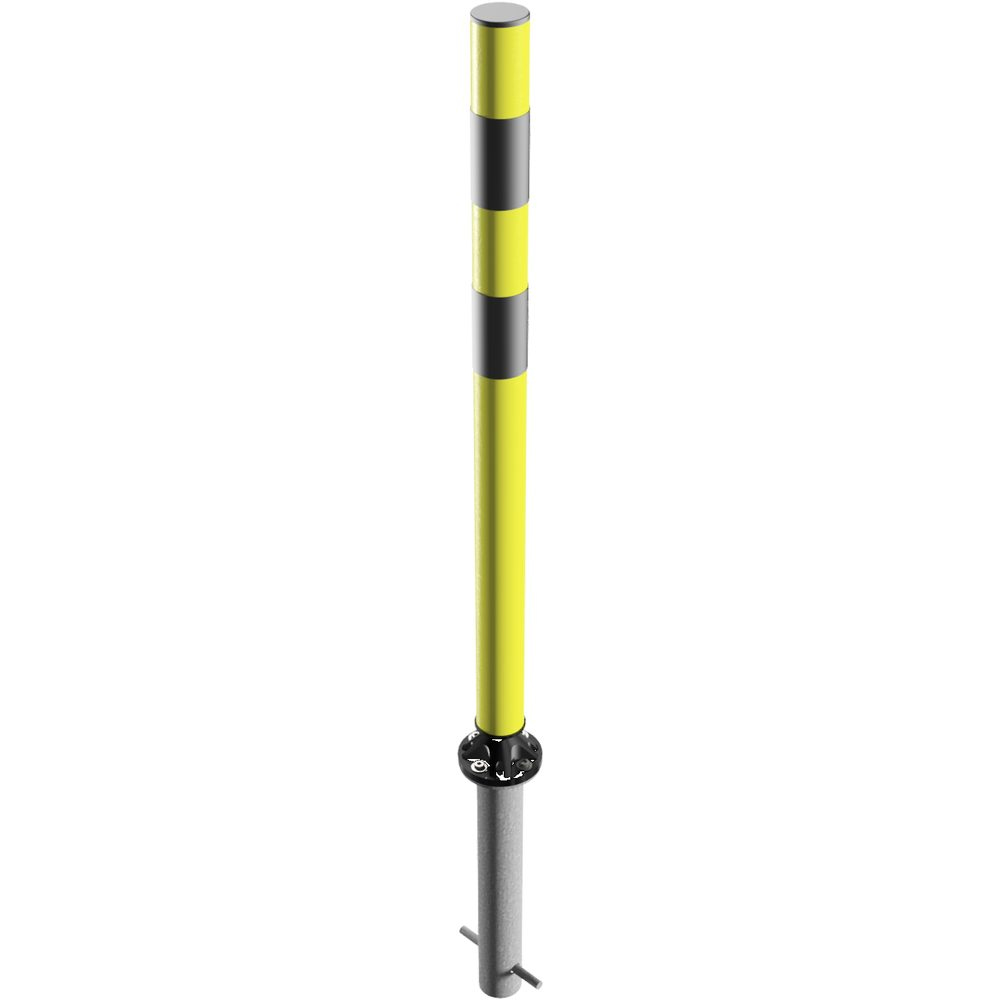
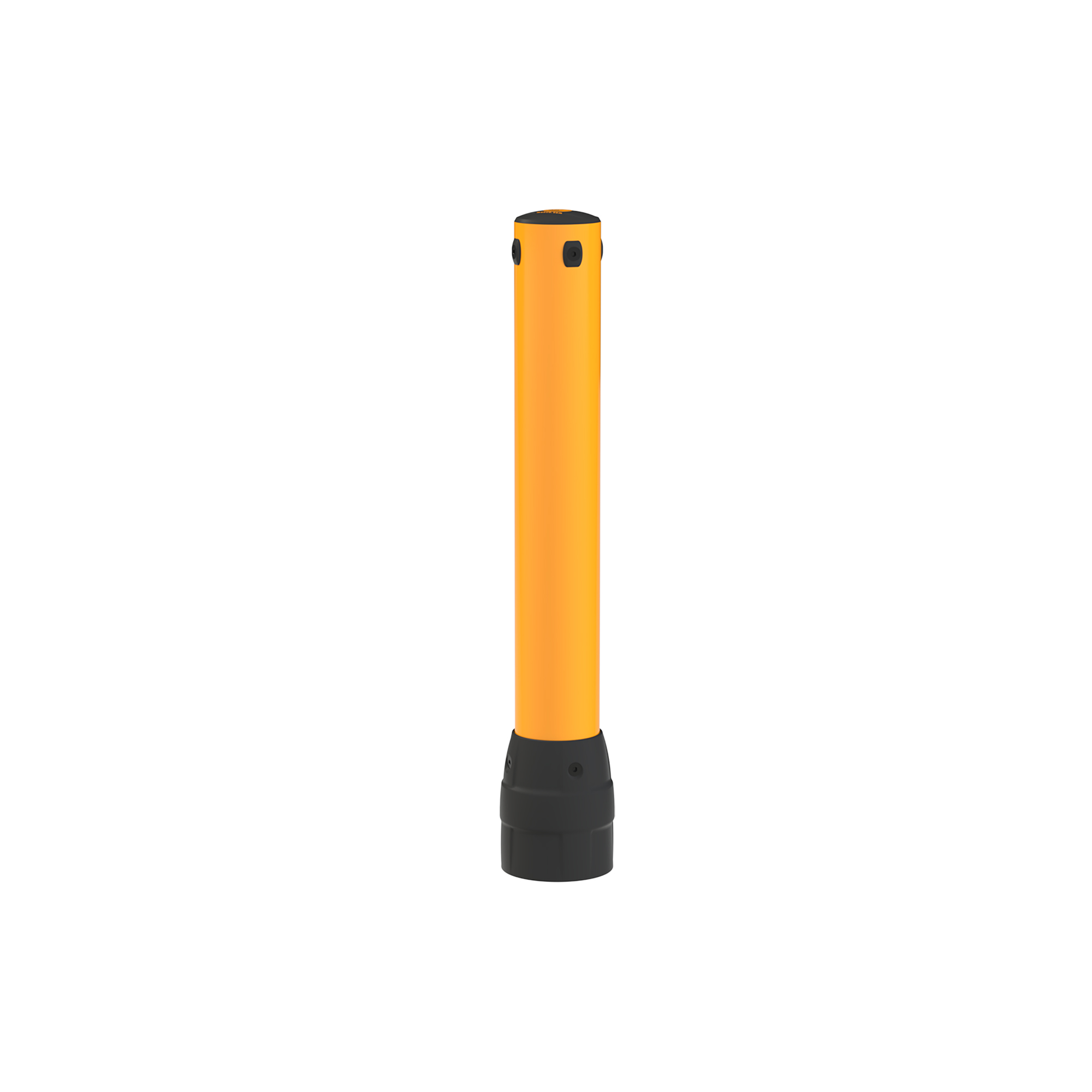
 Black/Yellow

2. Markings and Paint – Visibility and Wear
Floor and ground markings are a fundamental part of a visual safety system. They guide traffic, separate pedestrians from vehicles and warn of hazards. A systematic review of their visibility and wear is therefore a crucial point in a safety inspection checklist. These visual aids are designed to be instantly recognizable and guide behavior, but their effectiveness drops drastically when they become worn, dirty or unclear. Neglecting the maintenance of markings can create a false sense of security and significantly increase the risk of incidents.
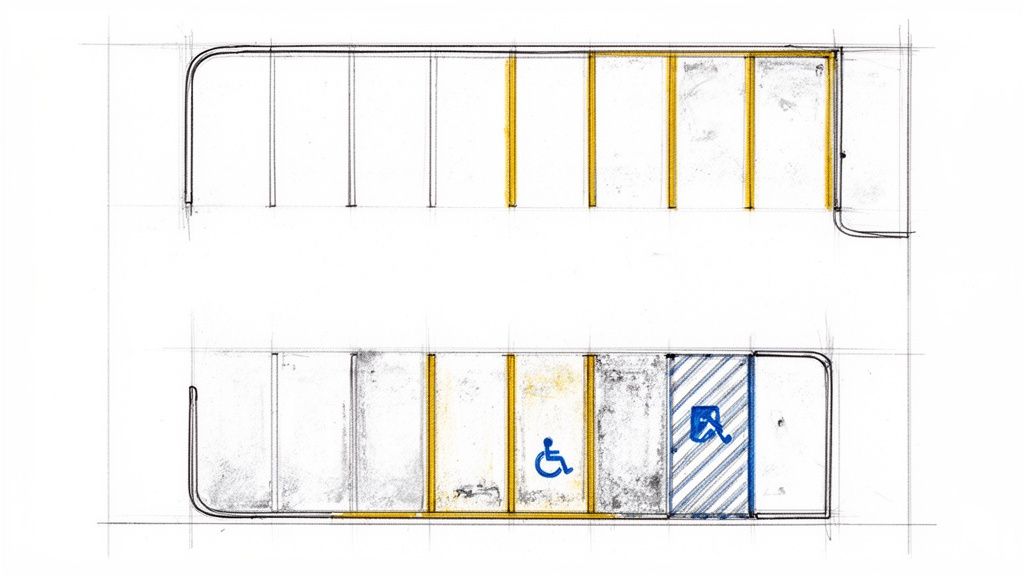
This checkpoint is critical because it directly affects flow and safety in everything from warehouses to public parking lots. In a logistics center with heavy forklift traffic, clear walkways and loading zones are essential to avoid collisions. In a municipal parking lot, correct lines and symbols, such as accessible parking spaces, ensure both order and accessibility. Worn or incorrect markings create confusion, reduce efficiency and can lead to both property damage and personal injury.
What should you check?
During the safety inspection, the review of markings and paint should be carried out methodically. Focus on the following points for a thorough evaluation:
- Wear and visibility: Inspect all lines, symbols and text markings. Has the paint flaked, been worn away by traffic or become so dirty that it is hard to see? Specifically note high-wear areas where renewal may be needed more often.
- Color durability and retroreflectivity: Check that the colors are still clear and meet the intended standard, such as the colors specified by the Swedish Road Administration (Trafikverket). In poorly lit areas, check that any reflective materials are still working effectively.
- Relevance and accuracy: Do the markings match the current layout and applicable regulations? Operational changes can make old markings irrelevant or even misleading. Make sure all markings for hazardous zones, emergency exit routes and parking areas are up to date.
- Overall impression and logic: Is there a clear and consistent logic to the markings? A mix of old and new, unclear lines can create more confusion than clarity. According to the Swedish Work Environment Authority, the workplace layout should be clear and easy to understand.
Investing in durable and correct marking solutions is a direct investment in safety and efficiency. Products such as thermoplastic symbols or hard-wearing line paint ensure the message lasts over time.
Contact Nordguard’s experts for advice on everything from material selection to the application of line paint and thermoplastic to ensure a durable and clear work environment.
3. Anti-Slip and Slip Resistance – Surfaces and Friction Properties
Slip and fall accidents are among the most common causes of personal injury in workplaces and public environments. A systematic check of anti-slip products and the friction properties of surfaces is therefore an indispensable part of a safety inspection checklist. Effective anti-slip solutions, from anti-slip coatings to specially designed mats and surfaces, are crucial for preventing accidents, especially in environments exposed to moisture, oil spills or changing weather conditions. Neglecting this point can lead to anything from minor sprains to serious, life-changing injuries.
This checkpoint is critical because it directly addresses a constant and often underestimated risk. In a warehouse with spills from vehicles, a grocery store with wet floors or a municipal outdoor staircase in winter, the purpose is the same: to ensure secure footing for everyone moving through the area. Worn anti-slip or an unsuitable floor material creates a false sense of security and can cause incidents that not only hit individuals hard but can also lead to costly sick leave and legal claims.
What should you check?
During the safety inspection, the review of anti-slip must be thorough and adapted to the specific risks of the environment. The following points should be examined:
- Surface wear and condition: Inspect anti-slip tape, coatings and mats for signs of wear, cracks or loose sections. A worn surface loses its grip and must be replaced.
- Contamination and cleanliness: Check that surfaces are free of oil, water, dust and other dirt that can reduce friction. A thorough and regular cleaning routine is essential for the anti-slip to work as intended.
- Correct type and placement: Is the right type of anti-slip installed for the specific environment? Outdoor environments in a Nordic climate place completely different demands than an indoor environment. Make sure protection is placed in identified risk zones such as entrances, stairs, ramps and loading docks. According to the Swedish Work Environment Authority, it is the employer’s responsibility to ensure slip-resistant walkways.
- Drainage: In wet environments, check that drainage systems and perforated surfaces are working effectively to channel liquid away from the walking surface. Standing water cancels out the effect of most anti-slip products.
Choosing the right solution for each unique surface is the key to a safe environment. Read more about how effective anti-slip for outdoor stairs can make a crucial difference, especially in harsh weather conditions.
For advice on the best anti-slip solutions for your operation, from GRP panels to self-adhesive tapes, contact us at Nordguard for a tailored analysis and recommendation.
4. Barricade Equipment and Barriers – Use and Placement
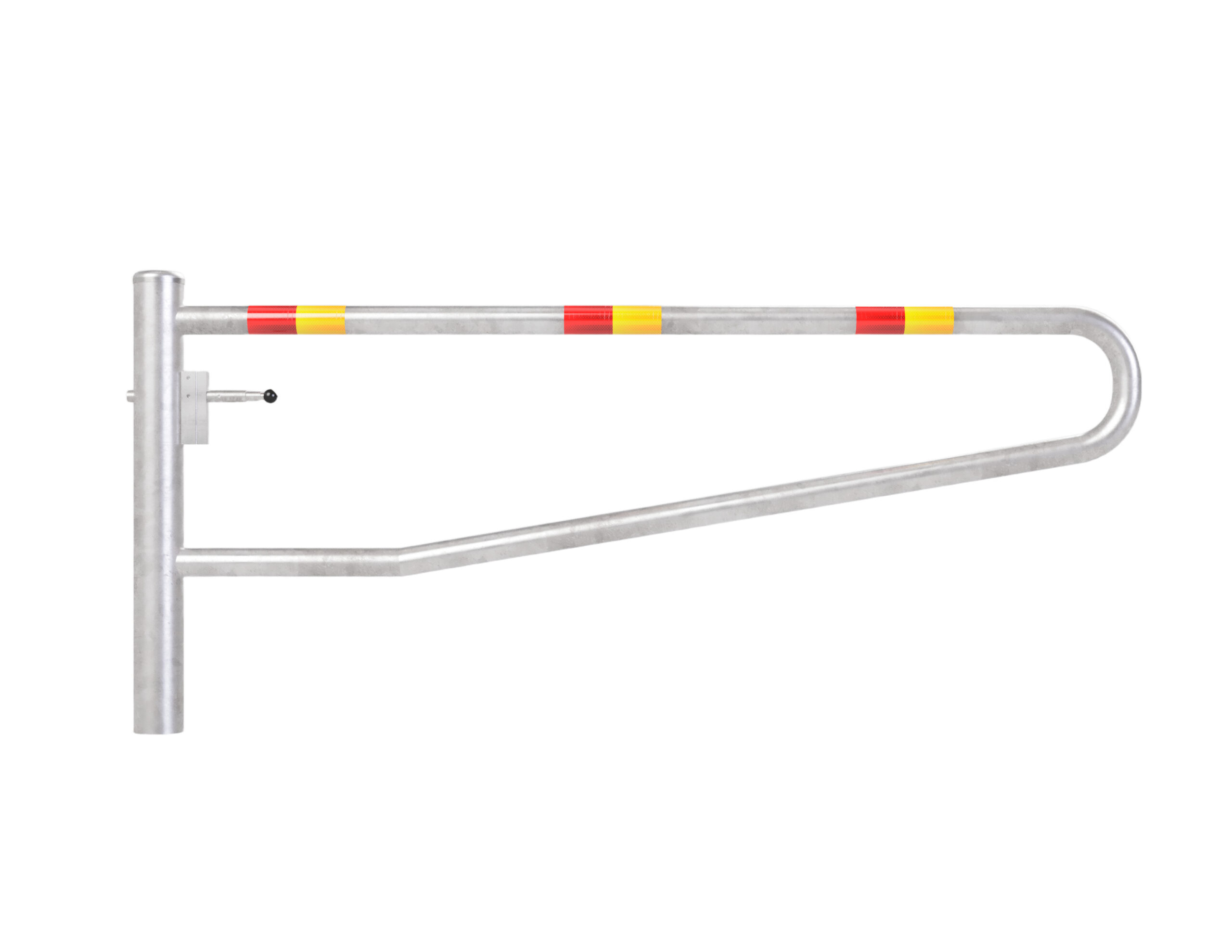
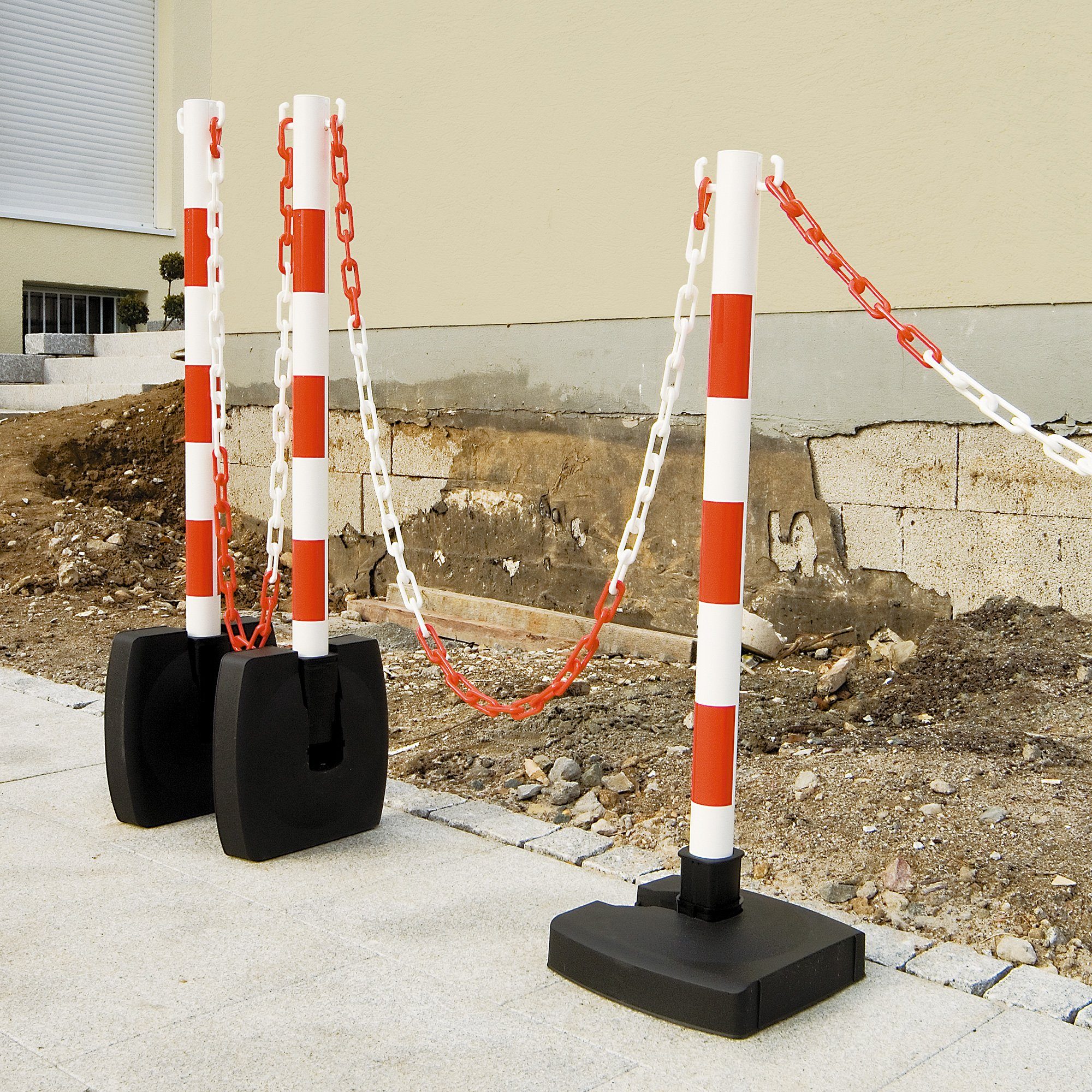
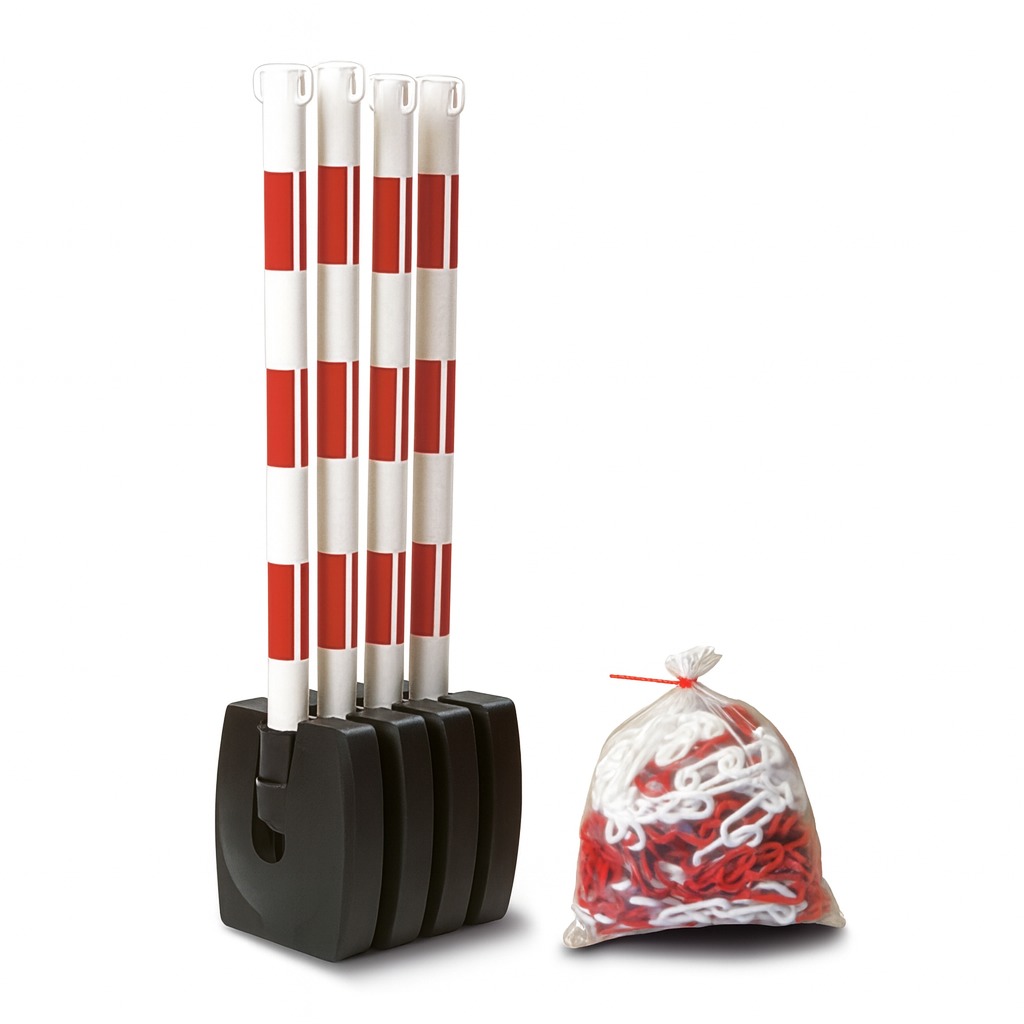
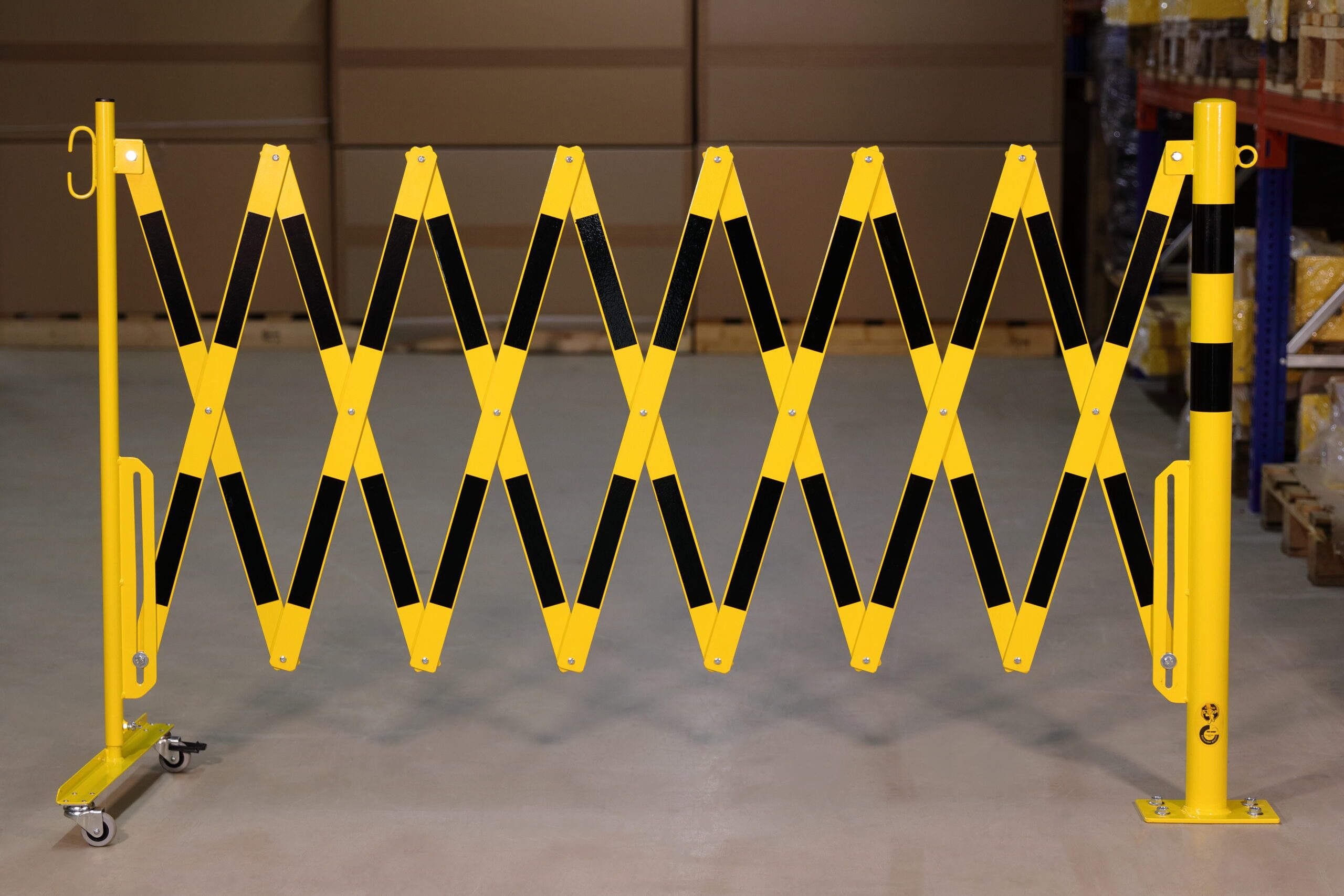
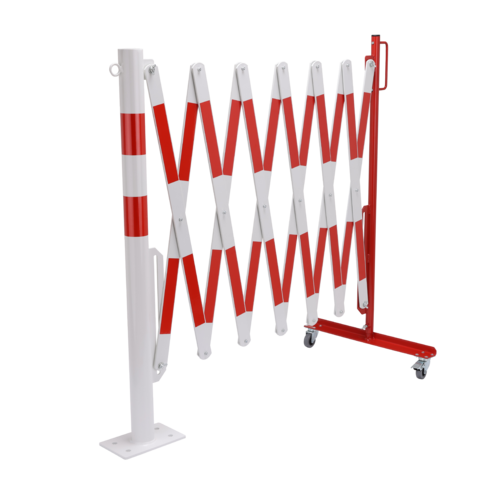
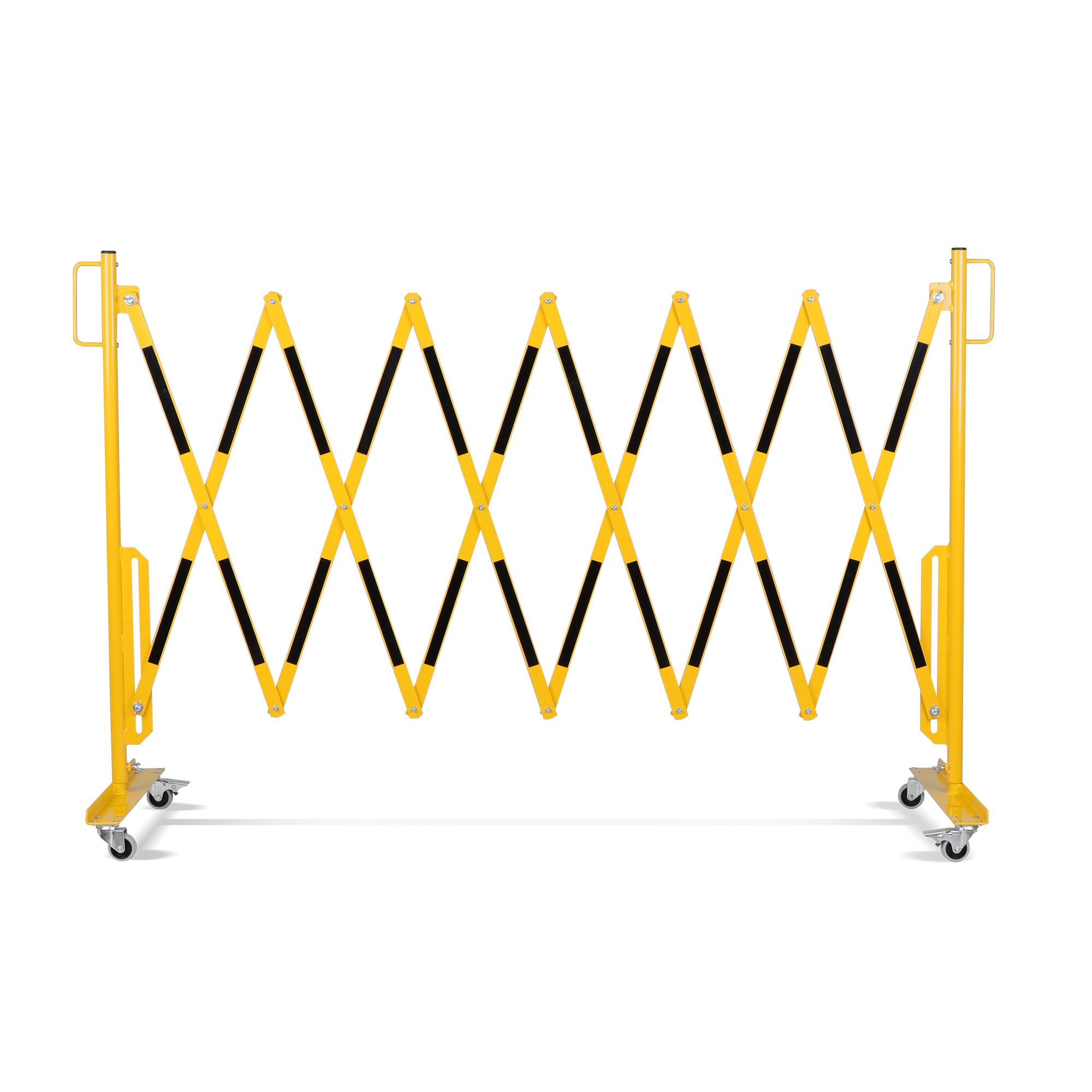
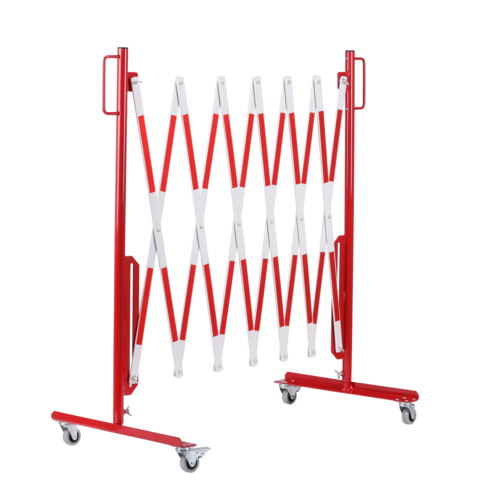
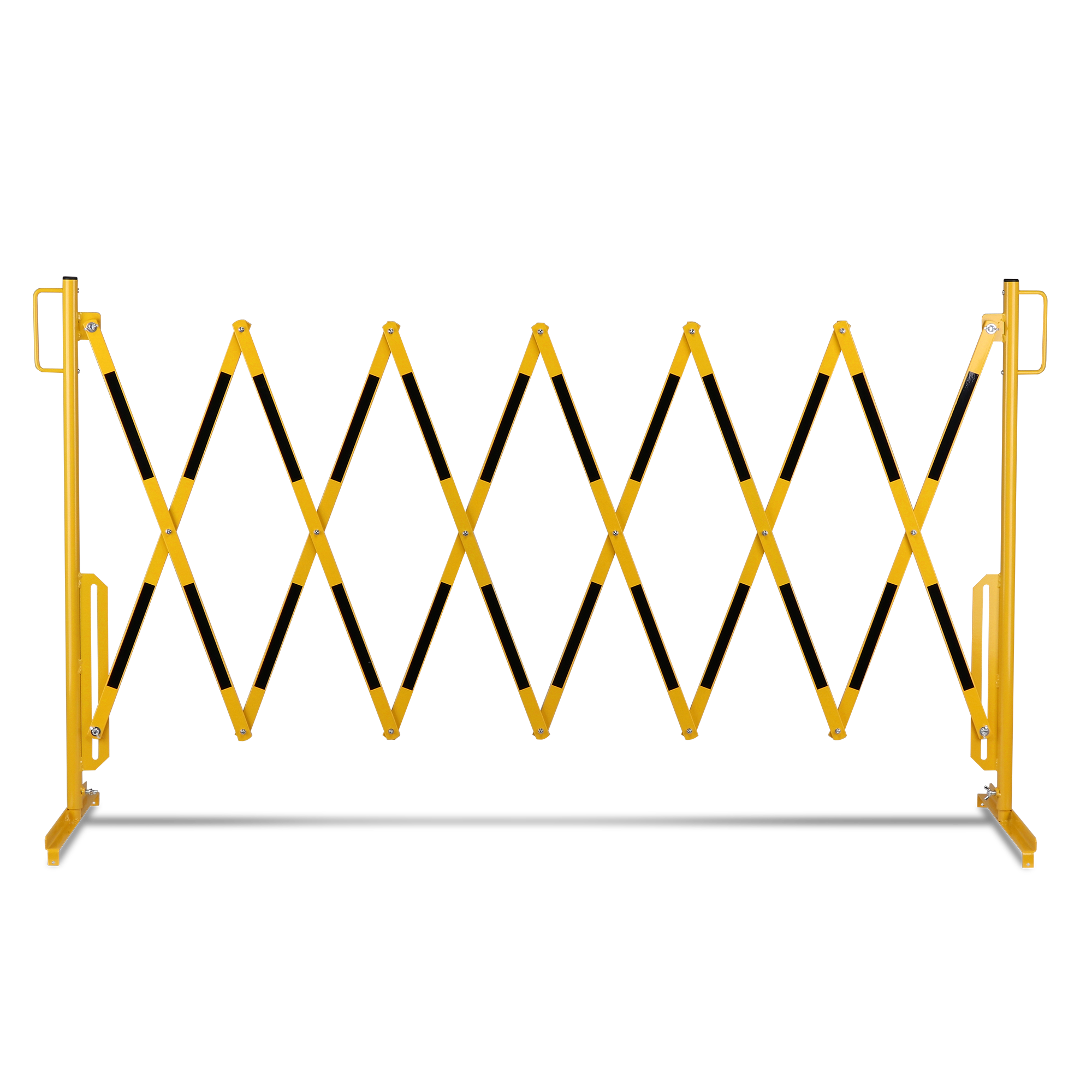
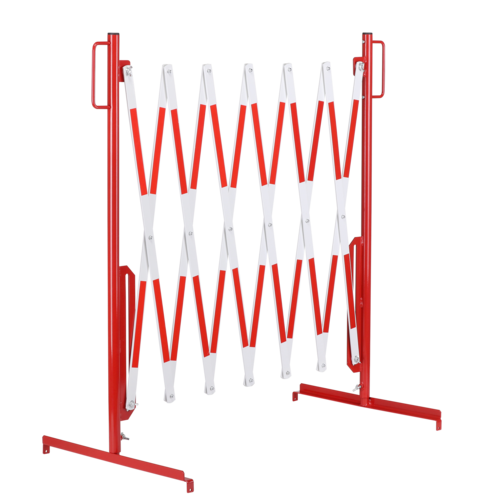
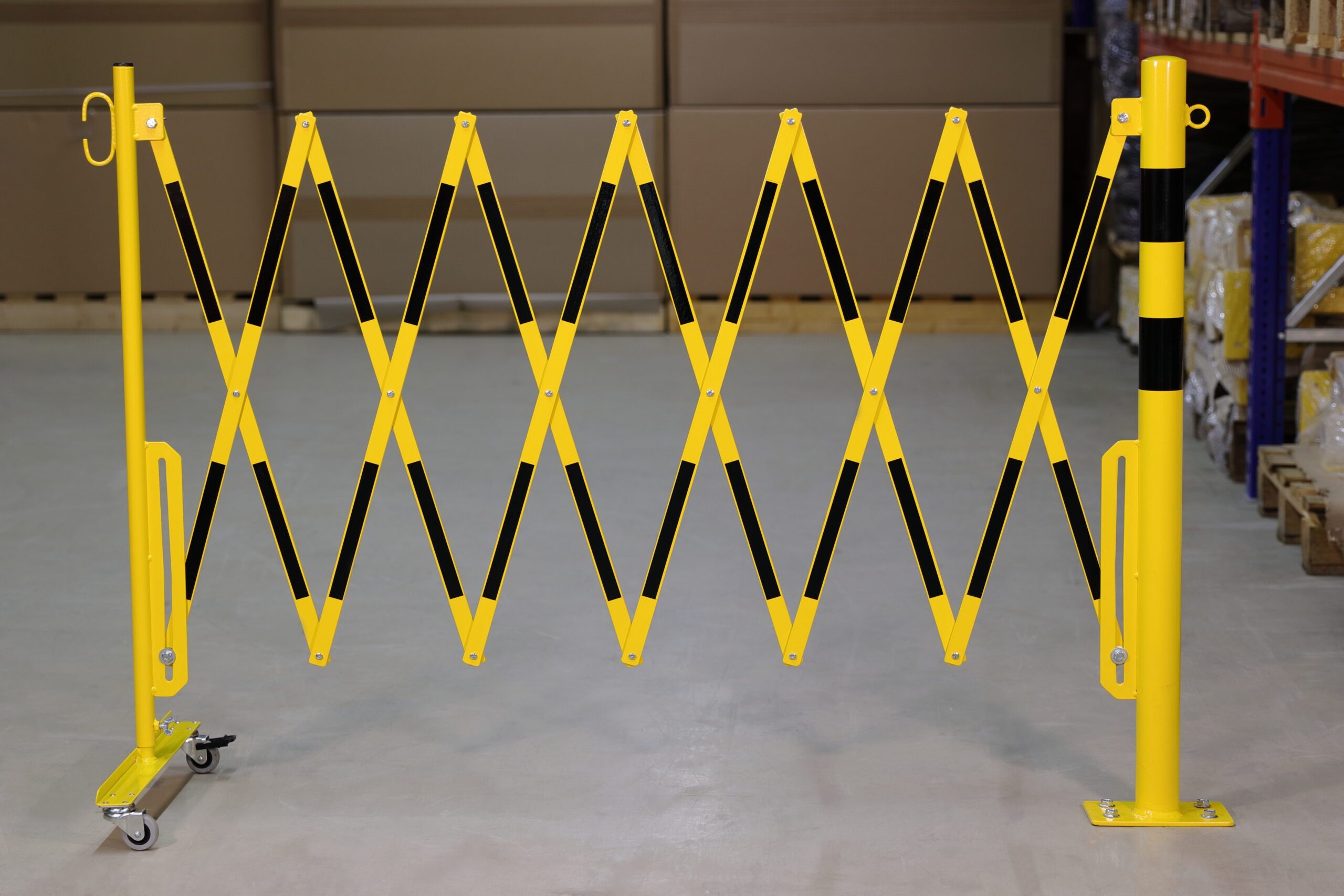
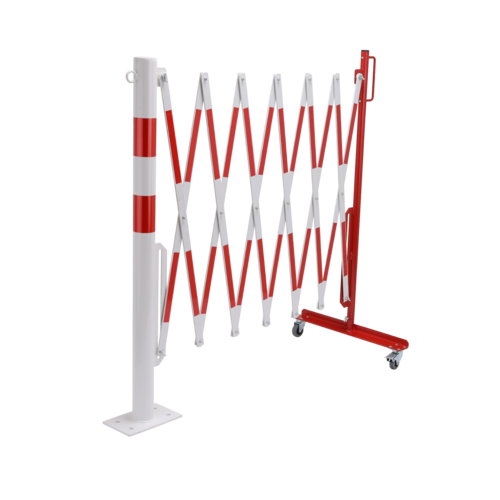
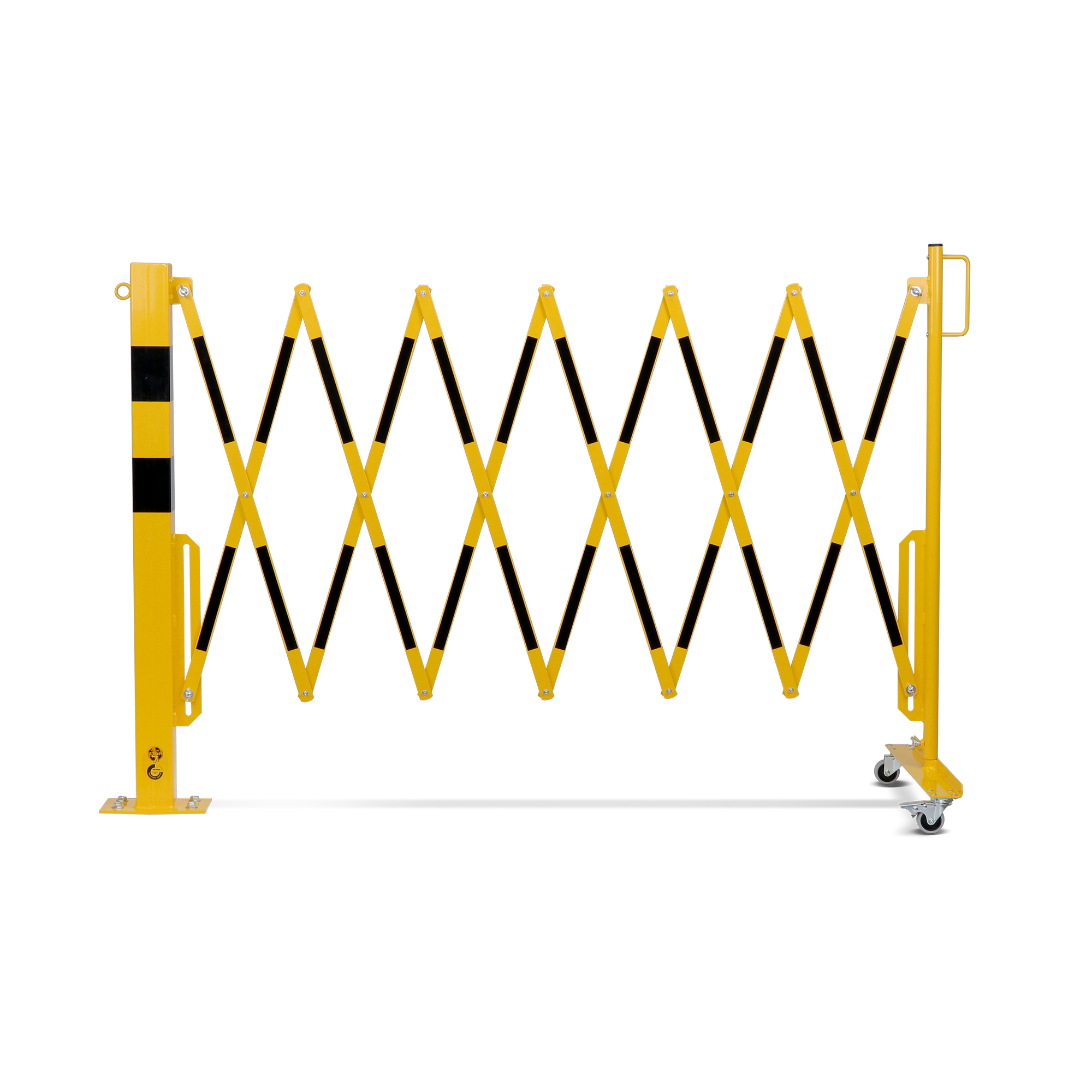
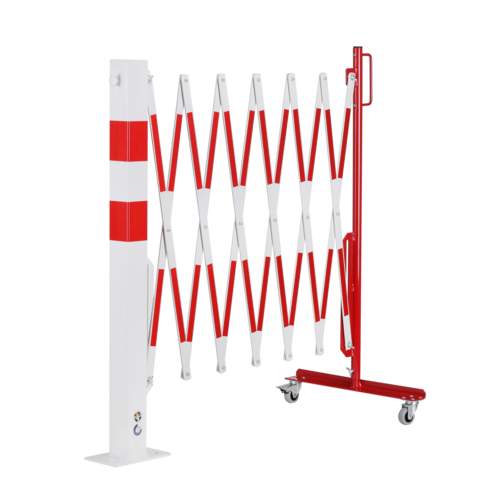
Effective barriers with barricade posts, chains and barrier tape are crucial for directing flows, warning of risks and preventing unauthorized access. This point on the safety inspection checklist focuses on ensuring that these temporary or permanent barriers are correctly placed, clearly visible and in good condition. When used correctly, they serve as a proactive safety measure that protects both staff and the public from potential hazards, from fall risks during repair work to separating pedestrian traffic from heavy vehicles in a warehouse.
This checkpoint is critical because incorrectly used or worn barriers create a false sense of security and, in the worst case, can lead to serious accidents. Torn barrier tape fluttering in the wind at an open excavation, or a toppled barricade post that no longer cordons off a hazardous zone, does not serve its purpose. Regular inspection ensures that these visual and physical obstacles are reliable and clearly communicate the intended warning, which is a basic requirement under the Swedish Work Environment Authority’s regulations.
What should you check?
During the safety inspection, the review of barricade equipment should be thorough and adapted to the specific environment. The following points provide a good foundation:
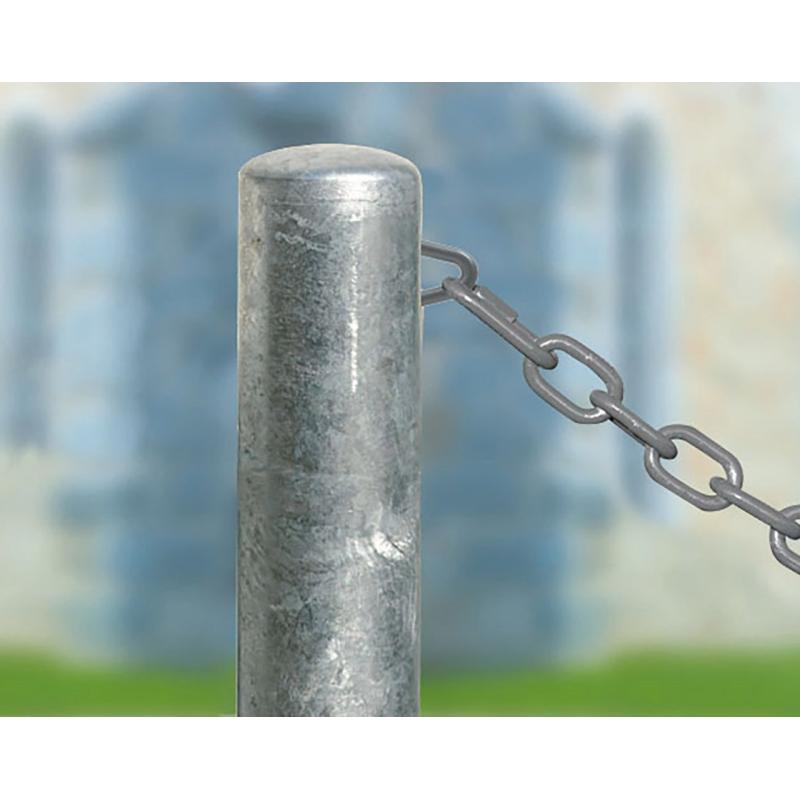
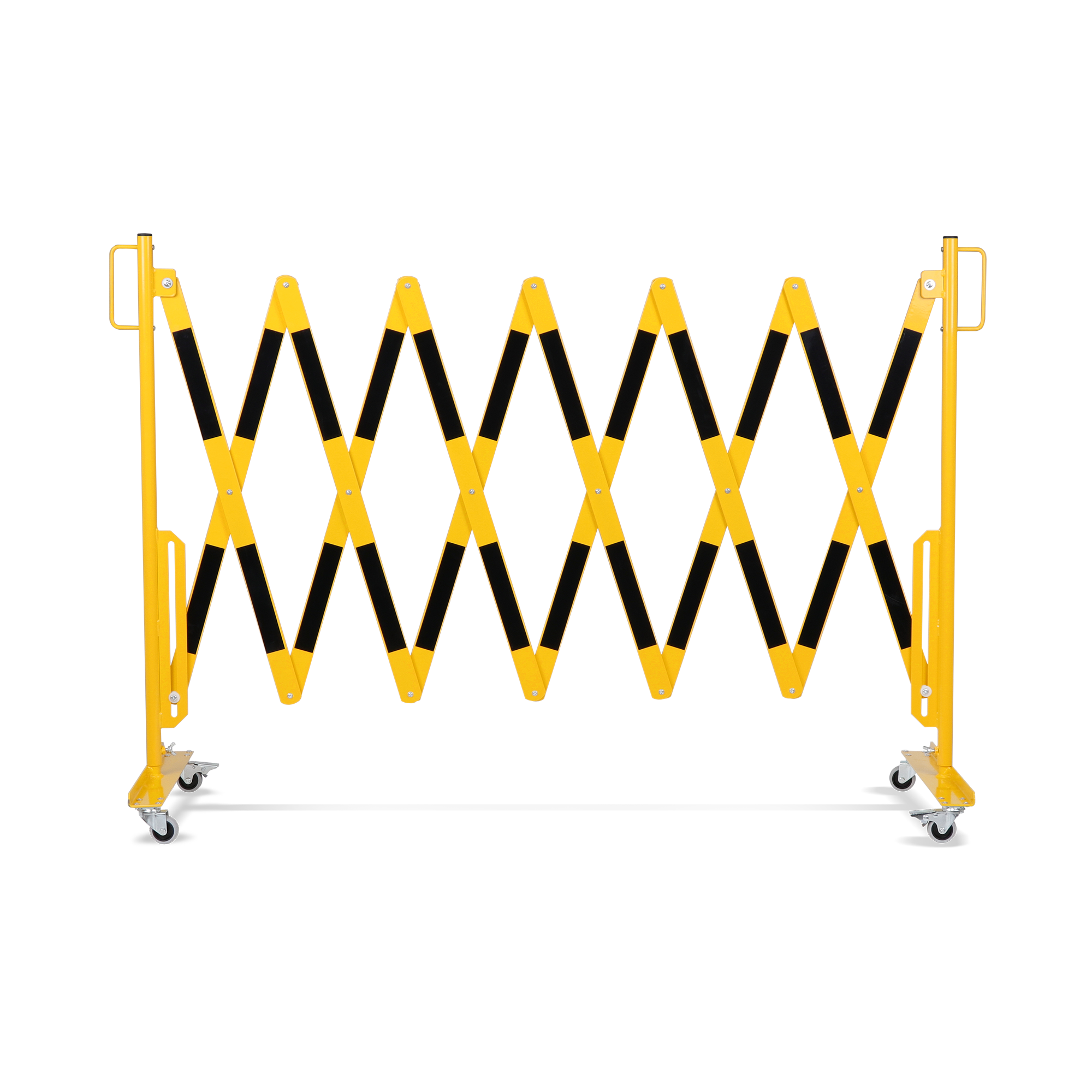
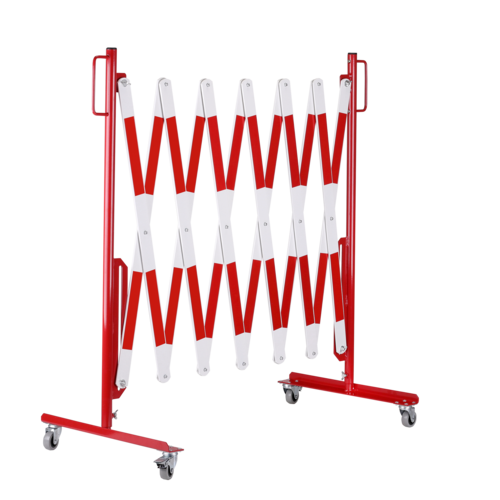
- Condition of the material: Inspect posts, chains, tape and signs for wear, cracks or faded colors. Damaged CE-marked barricade equipment may have lost its function and must be replaced immediately.
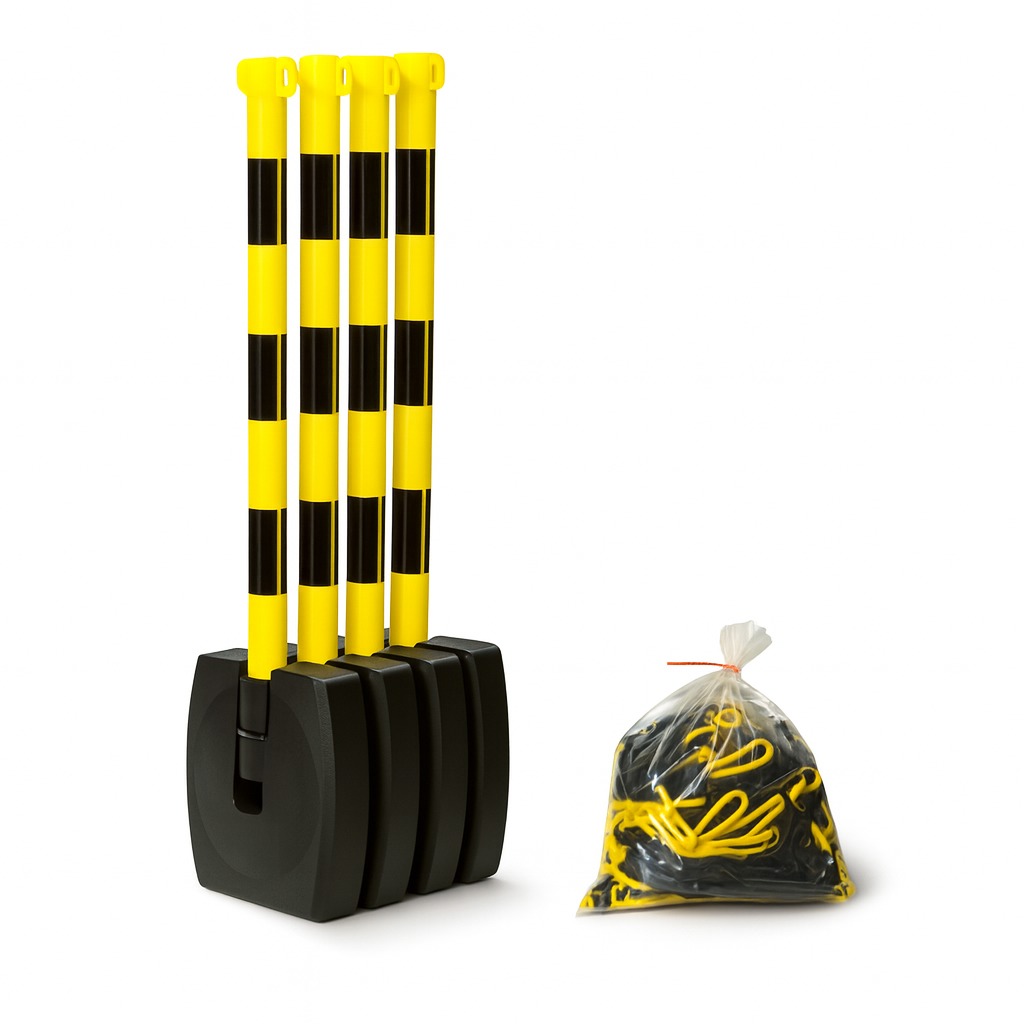
- Stability and anchoring: Check that barricade posts stand firmly and cannot easily tip over. If they are intended to be movable, make sure their bases are heavy enough to withstand wind and minor loads.
- Visibility and clarity: Is the barrier clearly visible from all relevant angles, even in poor lighting conditions? Reflective materials and bright warning colors are essential. Make sure any warning text and symbols on signs are legible and relevant to the current hazard.
- Correct placement and coverage: Assess whether the barrier covers the entire risk area and is placed at a safe distance from the hazard. A barrier too close to a pit or an unstable area can expose anyone approaching to unnecessary risk. Check that the barrier does not block important emergency exit routes or fire equipment.
Choosing the right type of material for the right purpose is essential. Barrier tape may be enough to mark a freshly painted area, while robust barricade posts with chains are required to direct vehicle traffic.
For advice on which solutions, from flexible queue posts to durable plastic chains, best suit your operation, contact us at Nordguard for a tailored and safe solution.
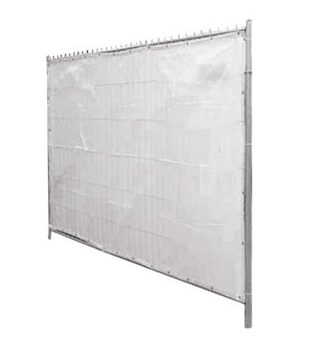
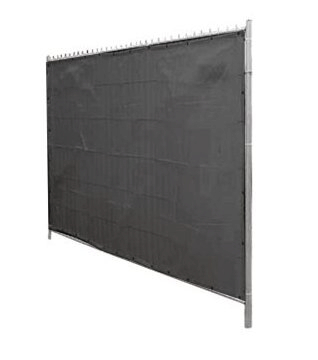 Black
Black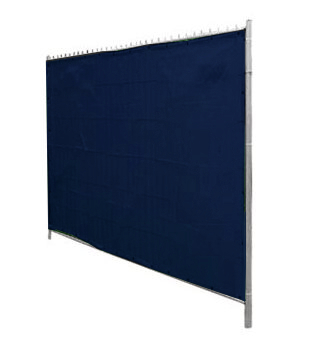 Blue
Blue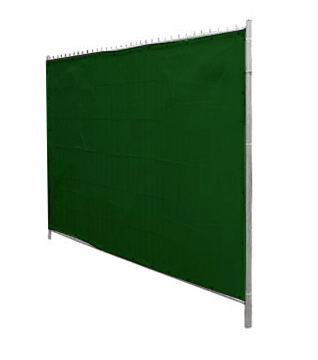 Green
Green White
White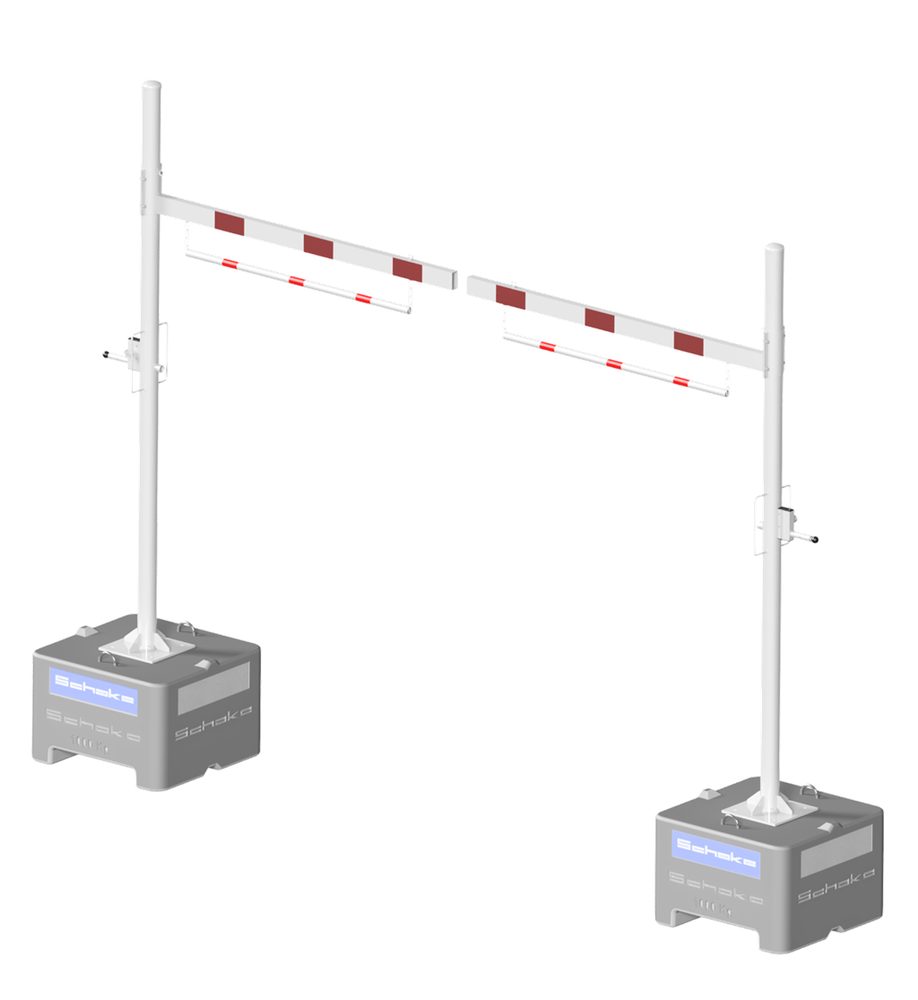


 Gray
Gray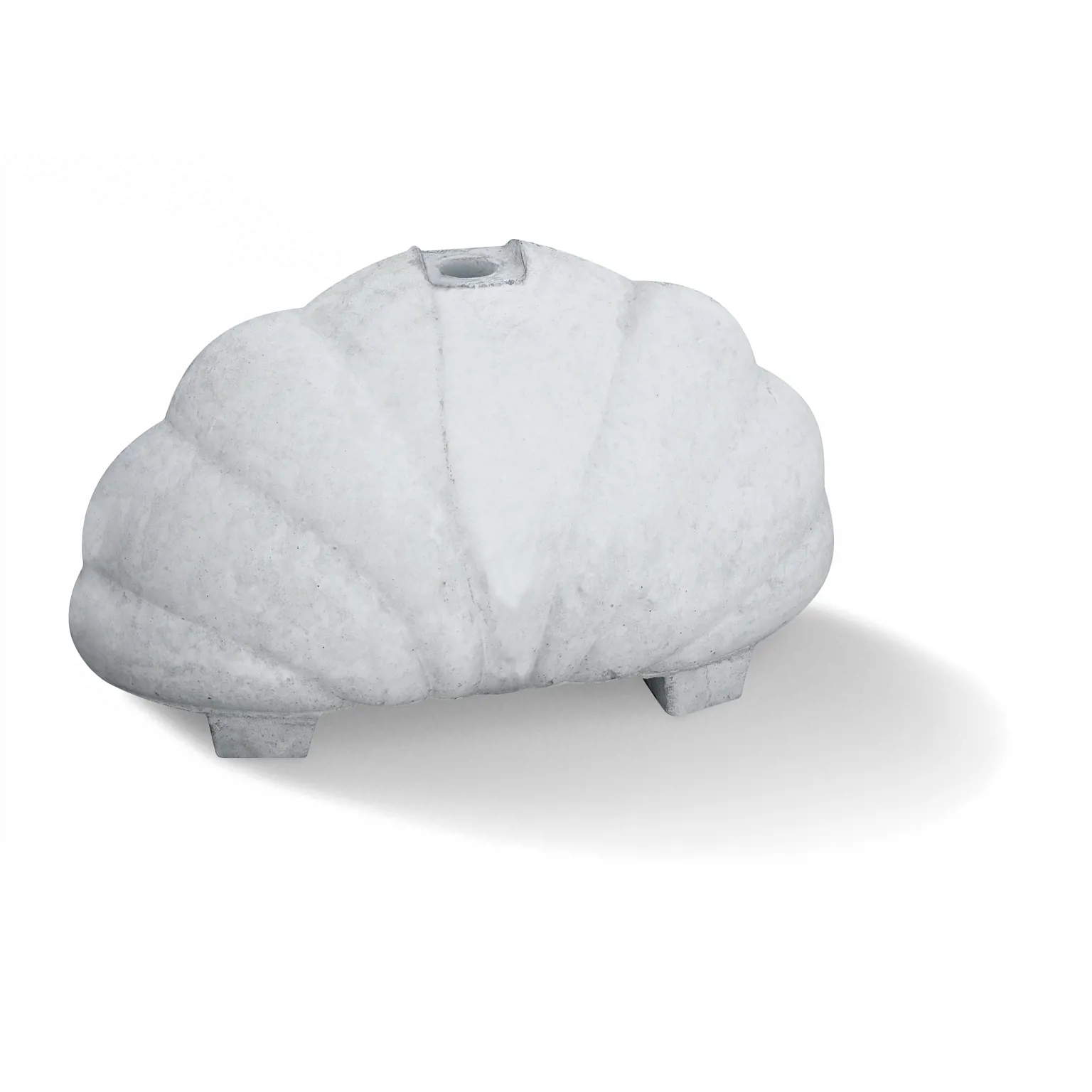
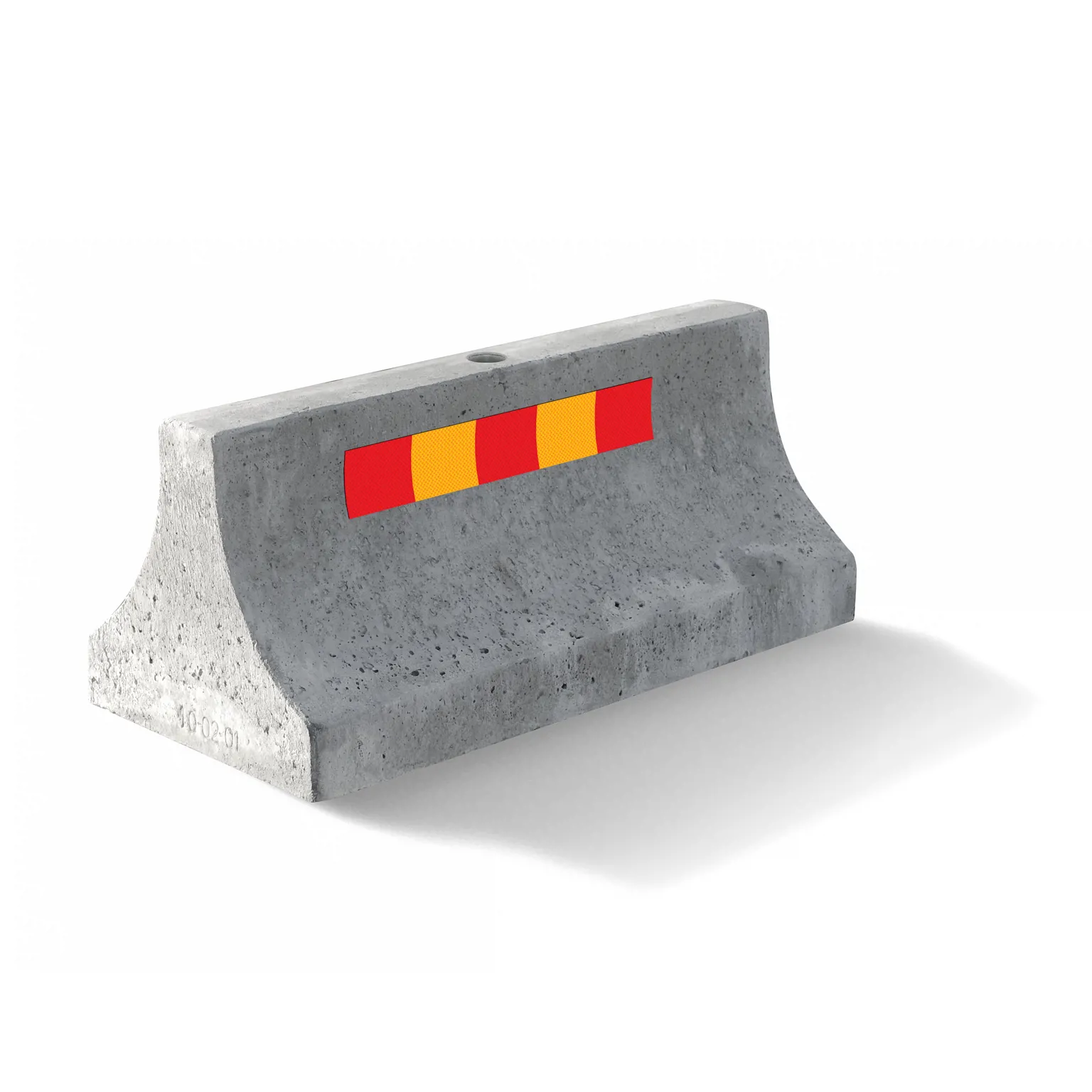
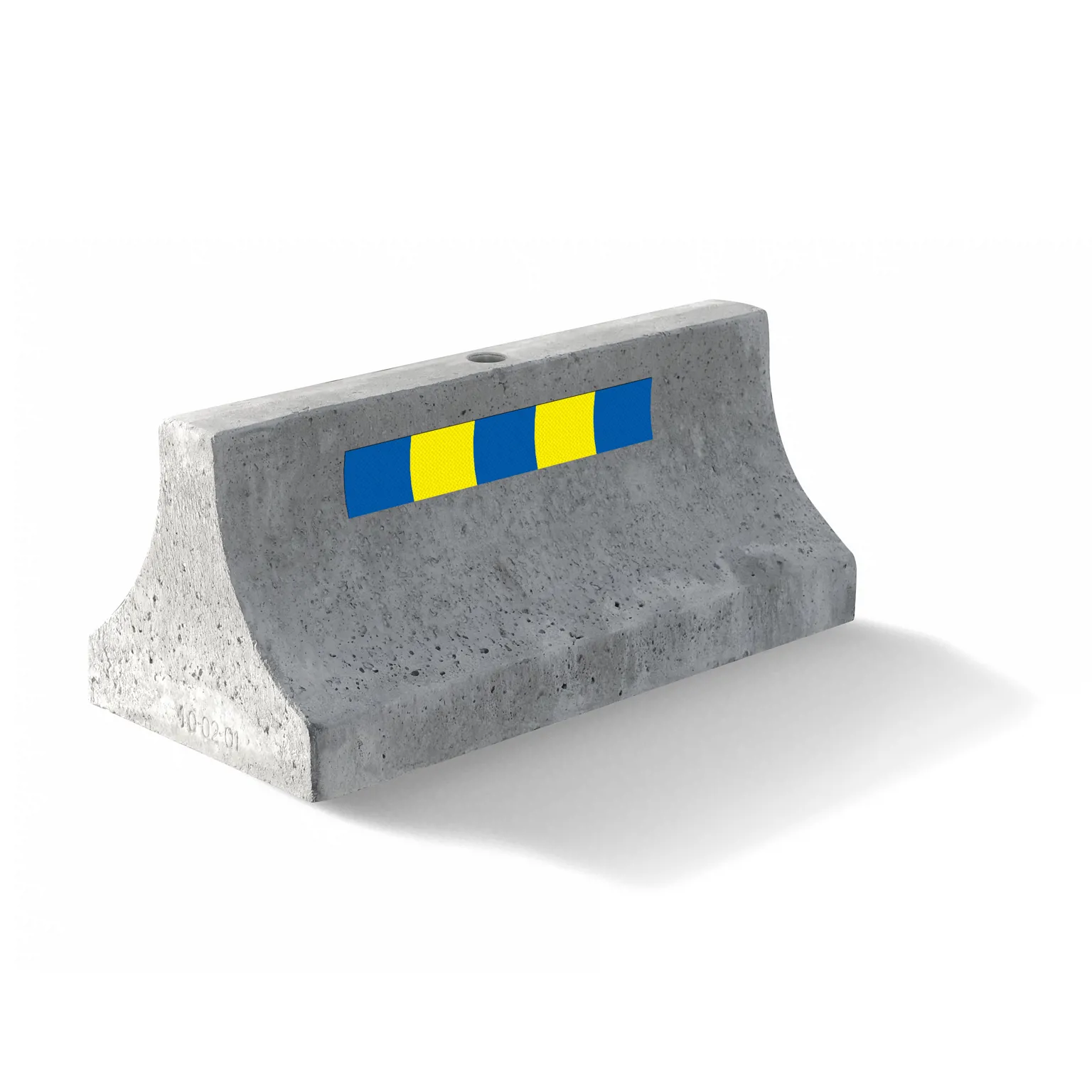
 Blue/Yellow
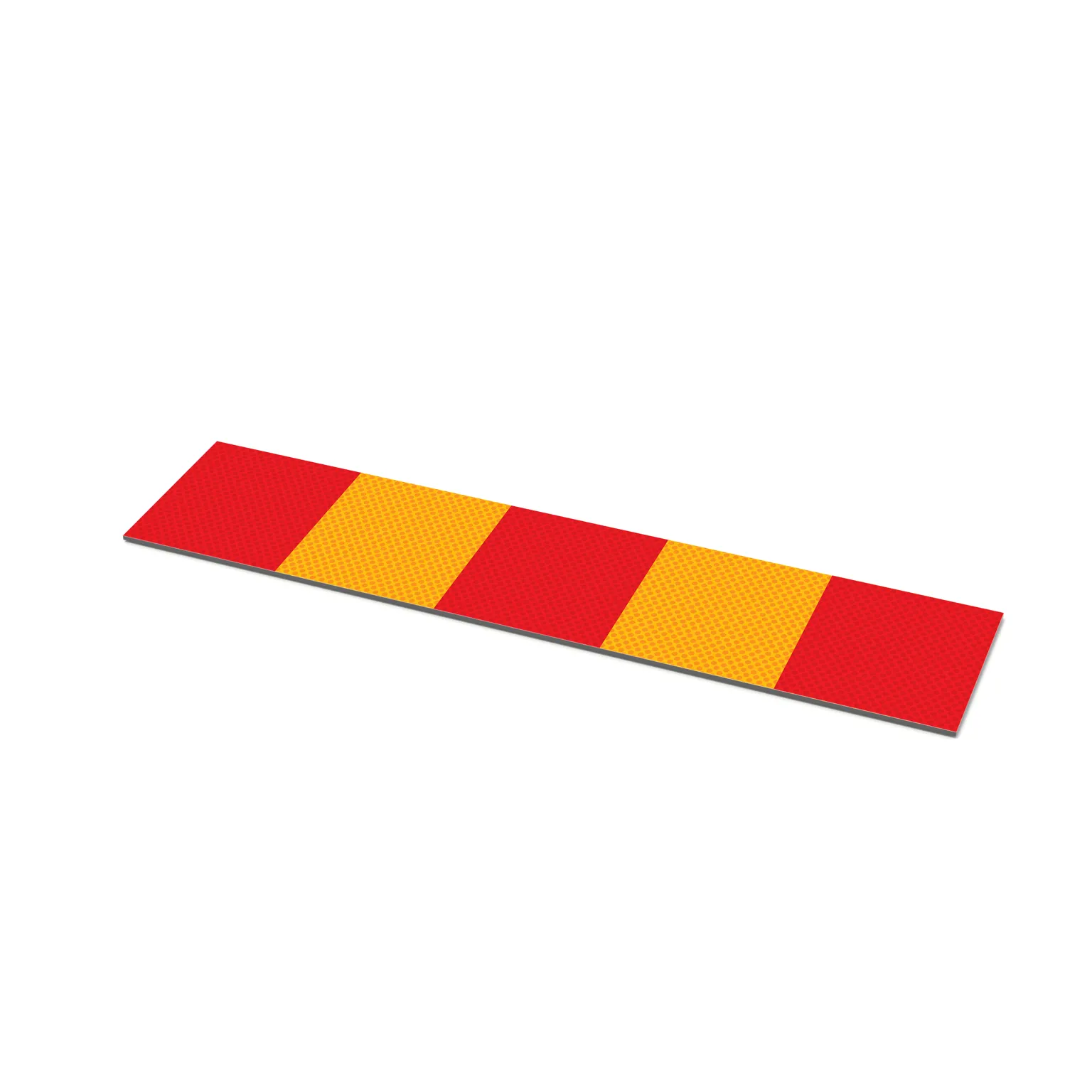 Red/Yellow
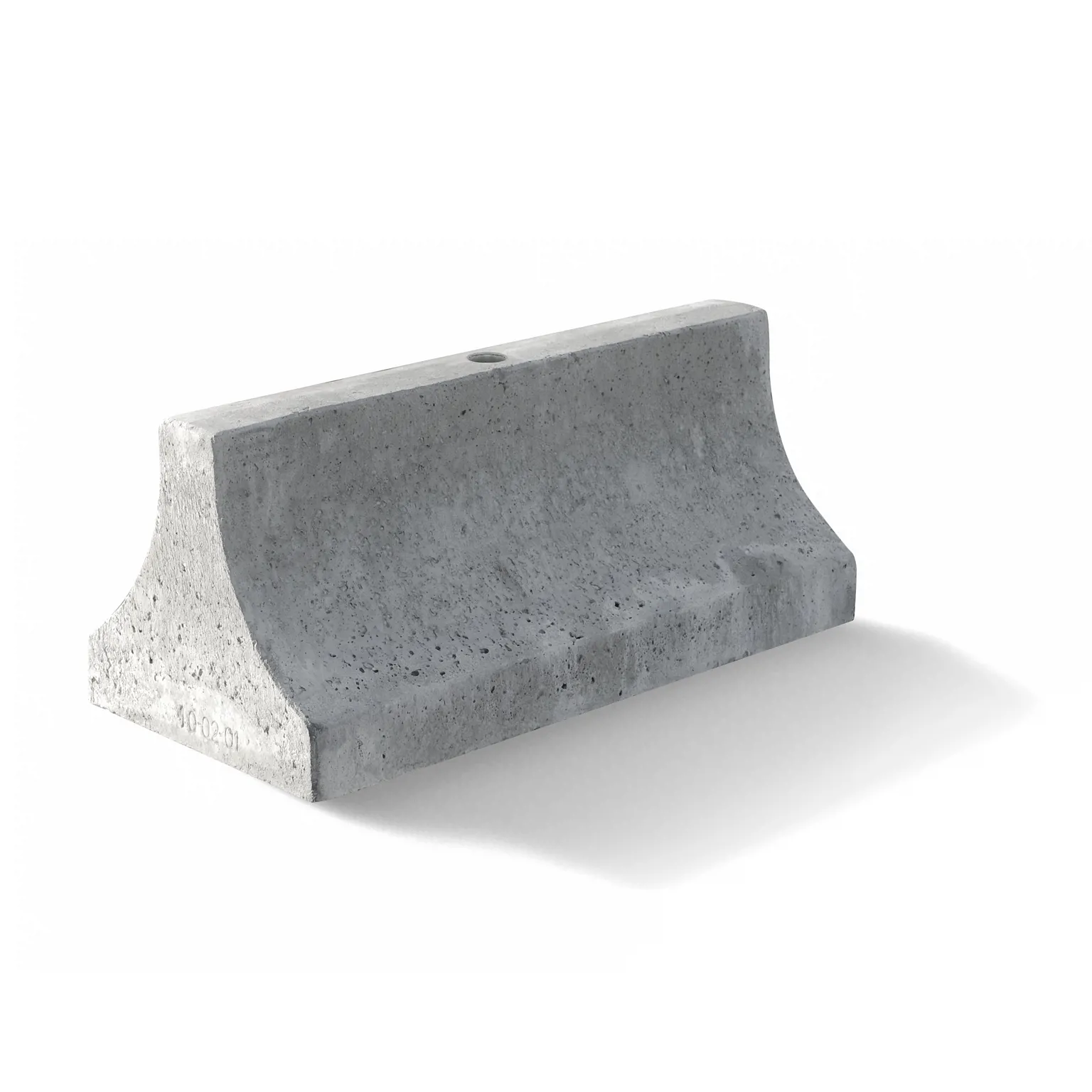 Gray
Gray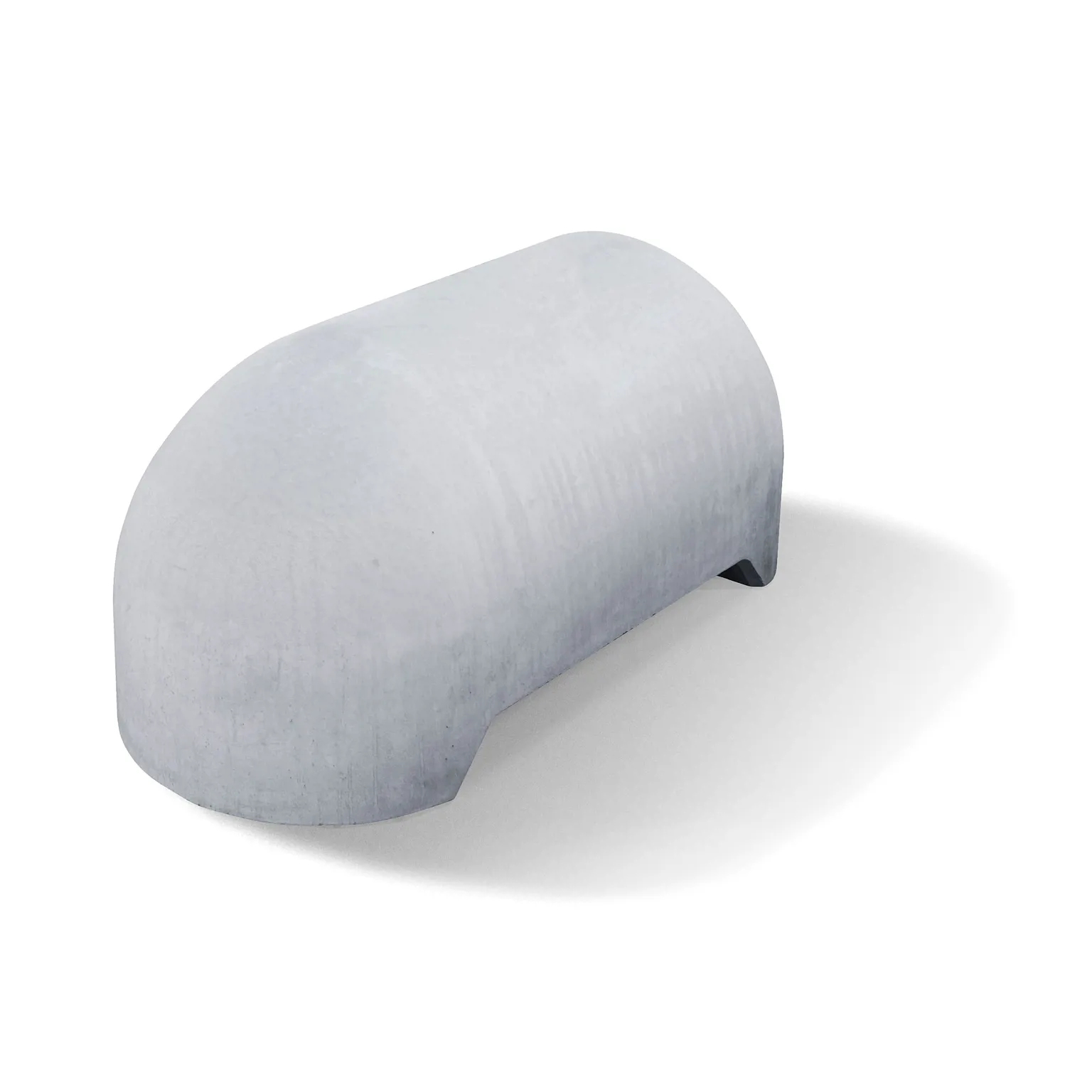
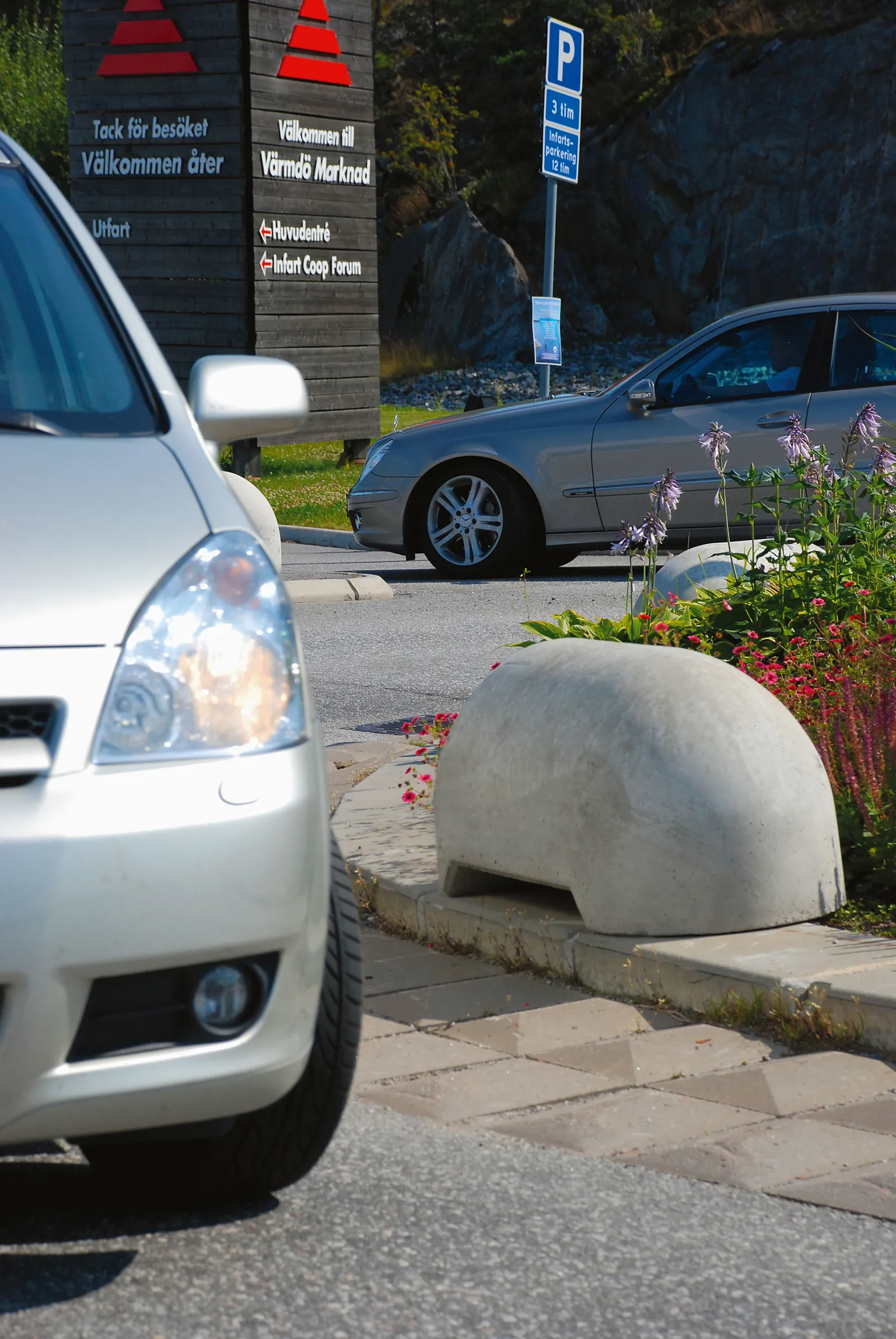
 Gray
Gray
 Gray
Gray
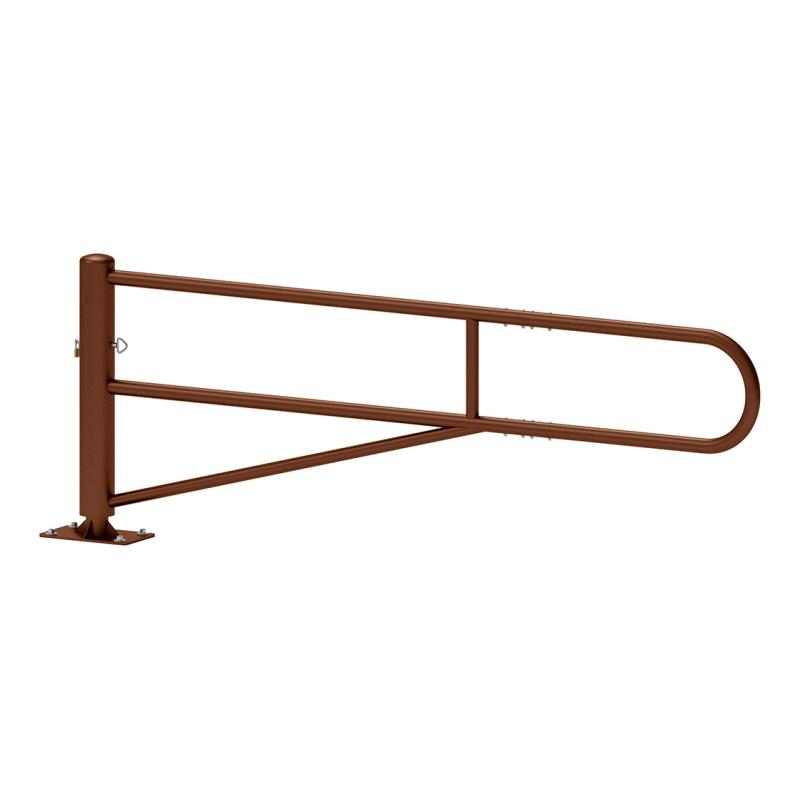 Corten steel
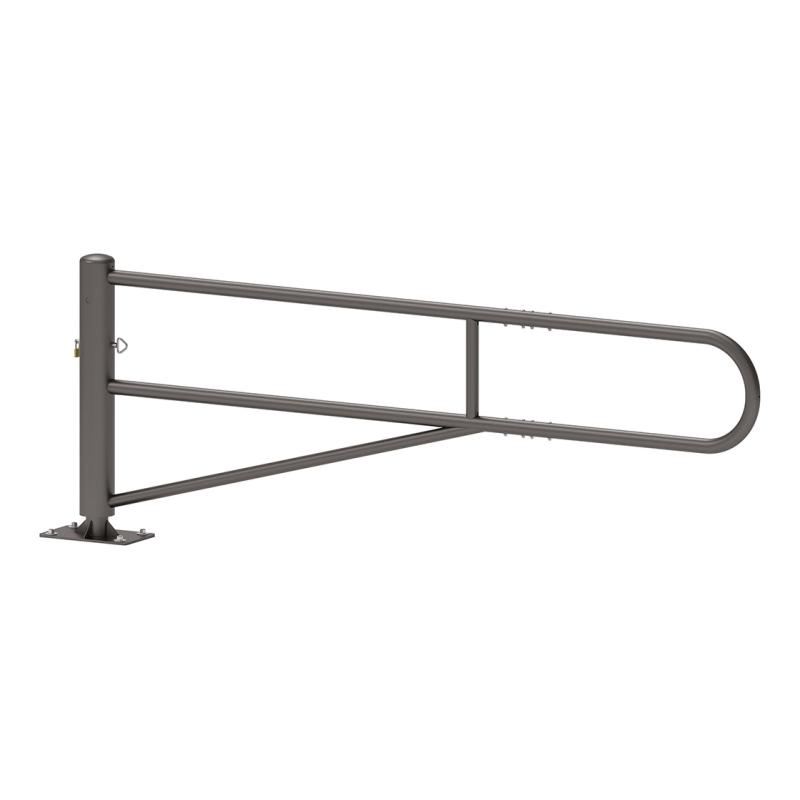 Gray
Gray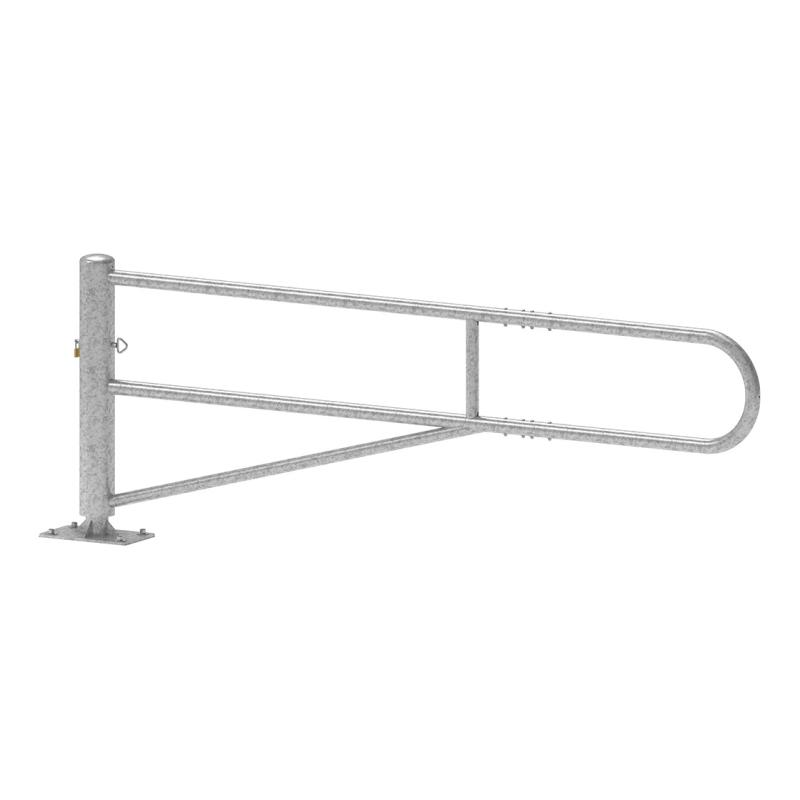 Silver gray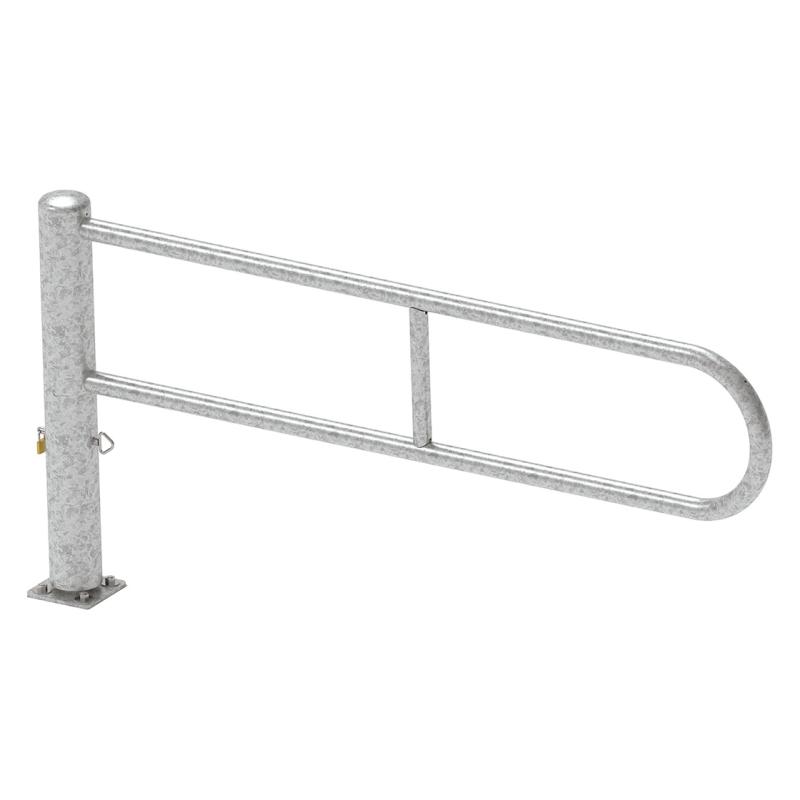
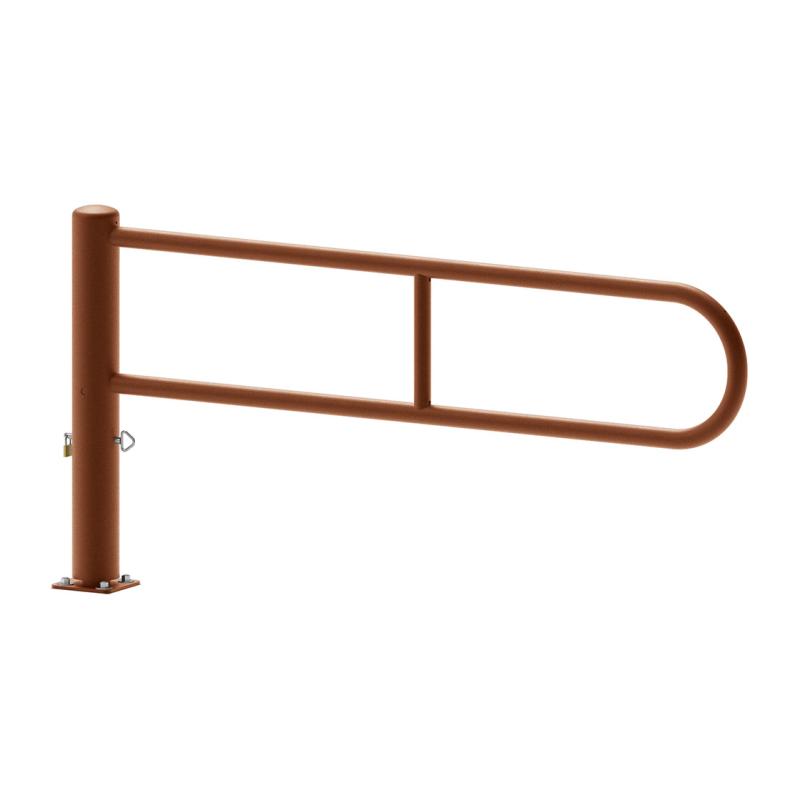 Corten steel
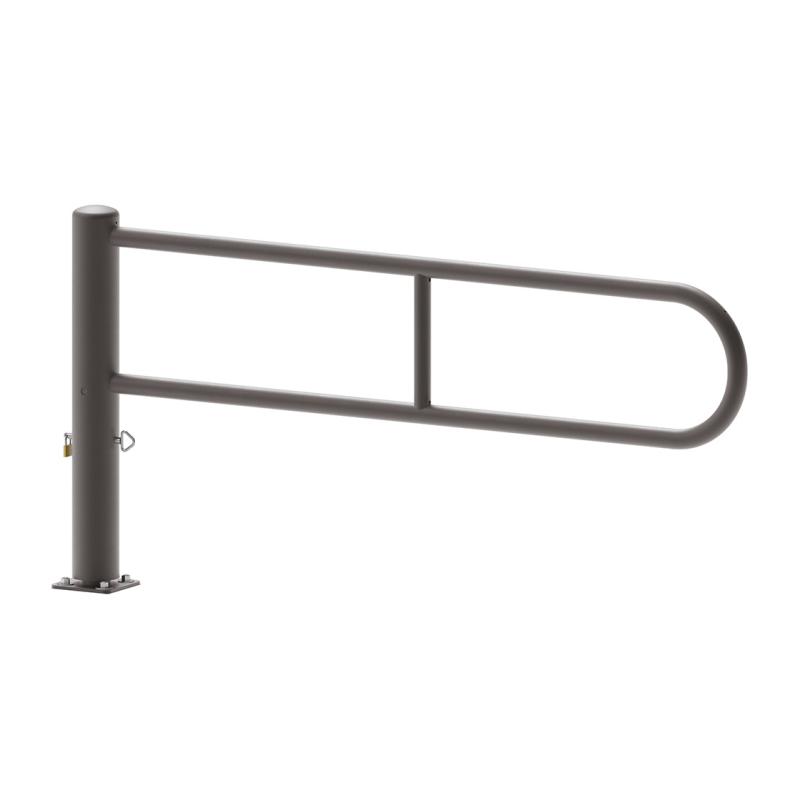 Gray
Gray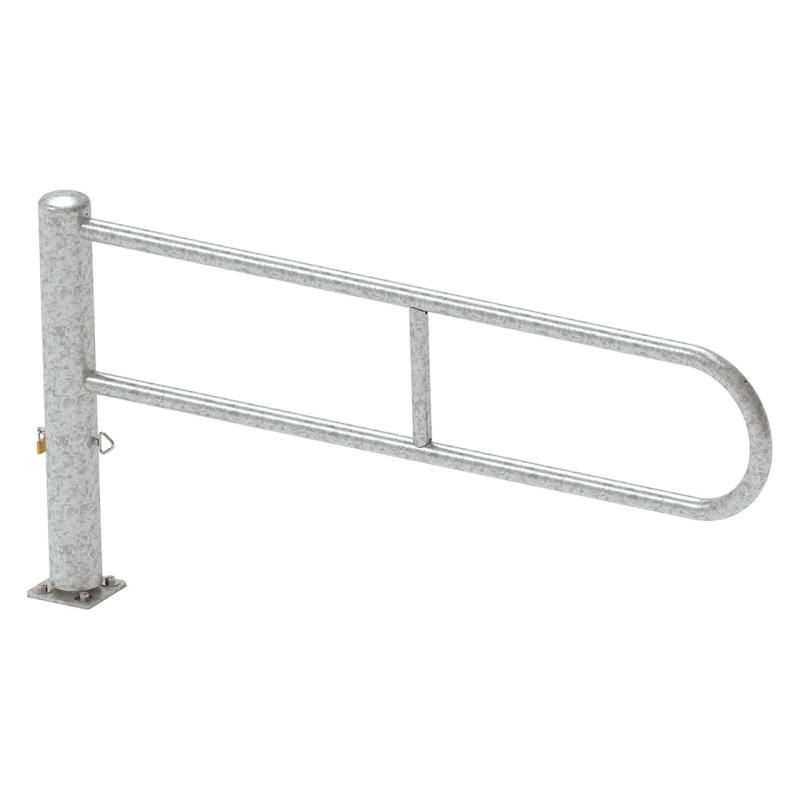 Silver gray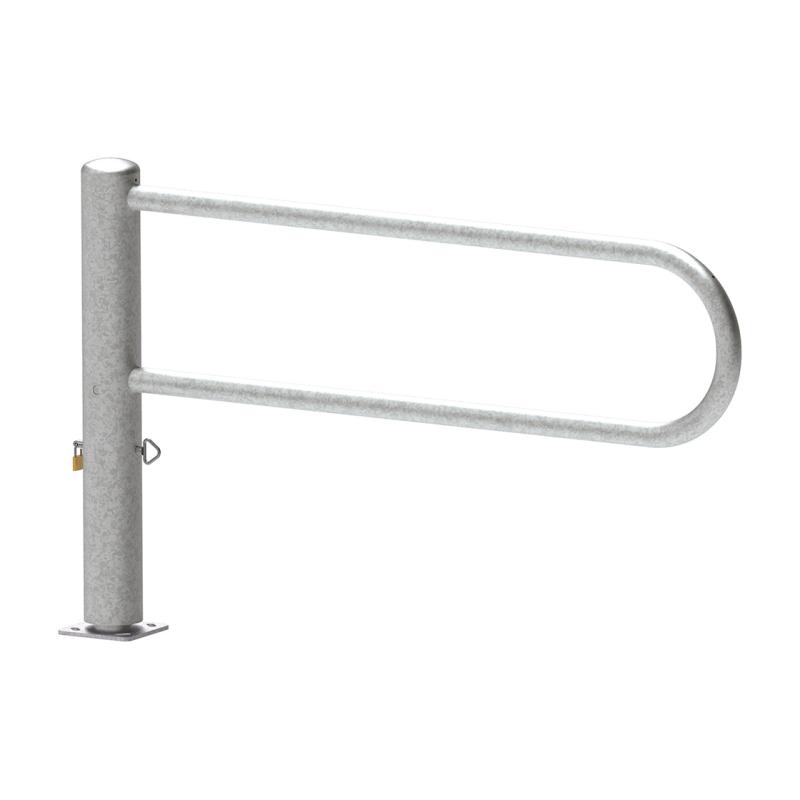
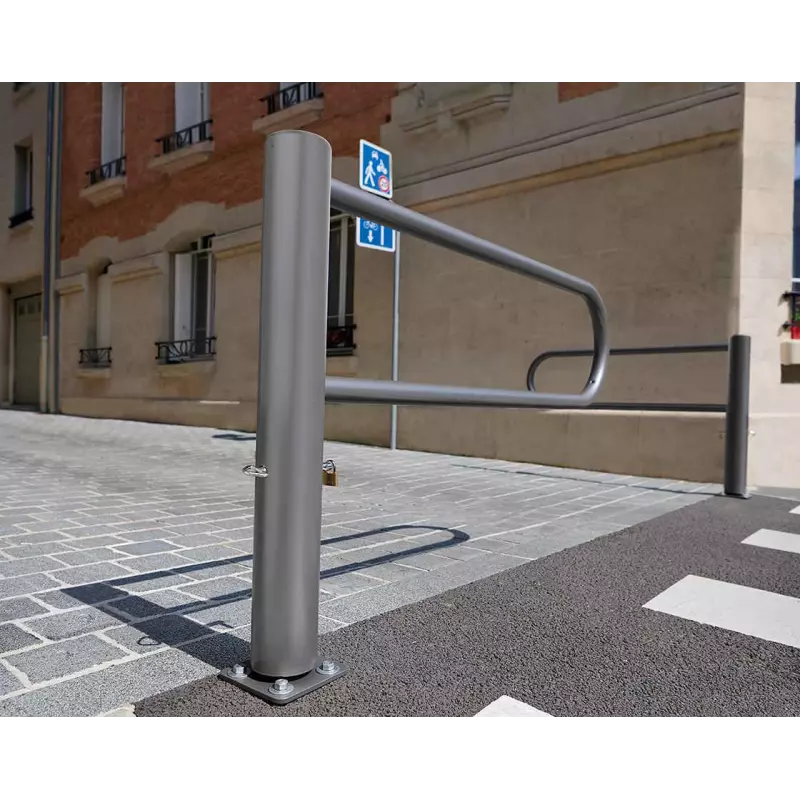
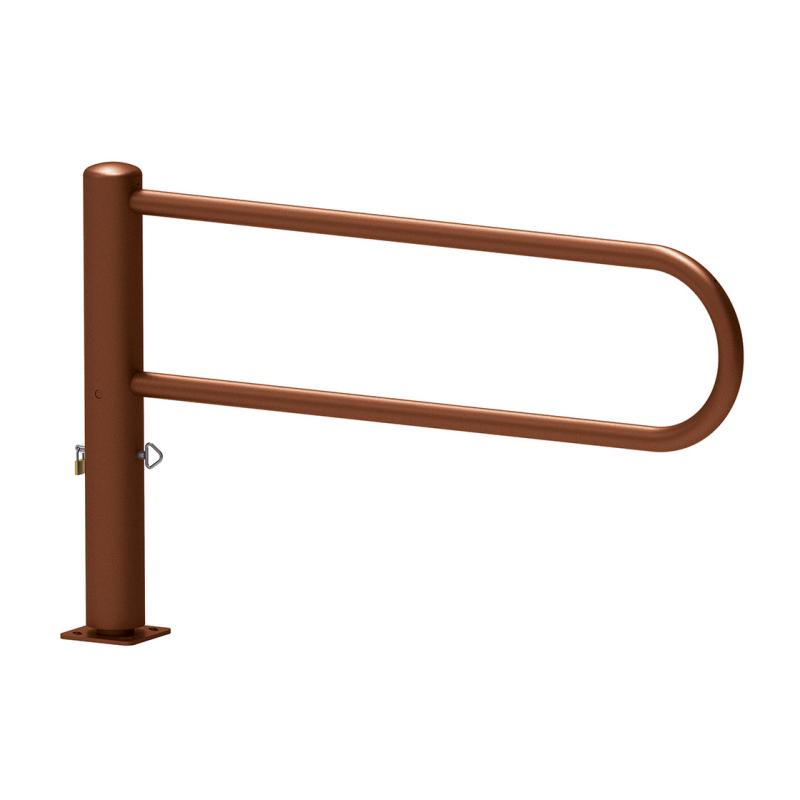 Corten steel
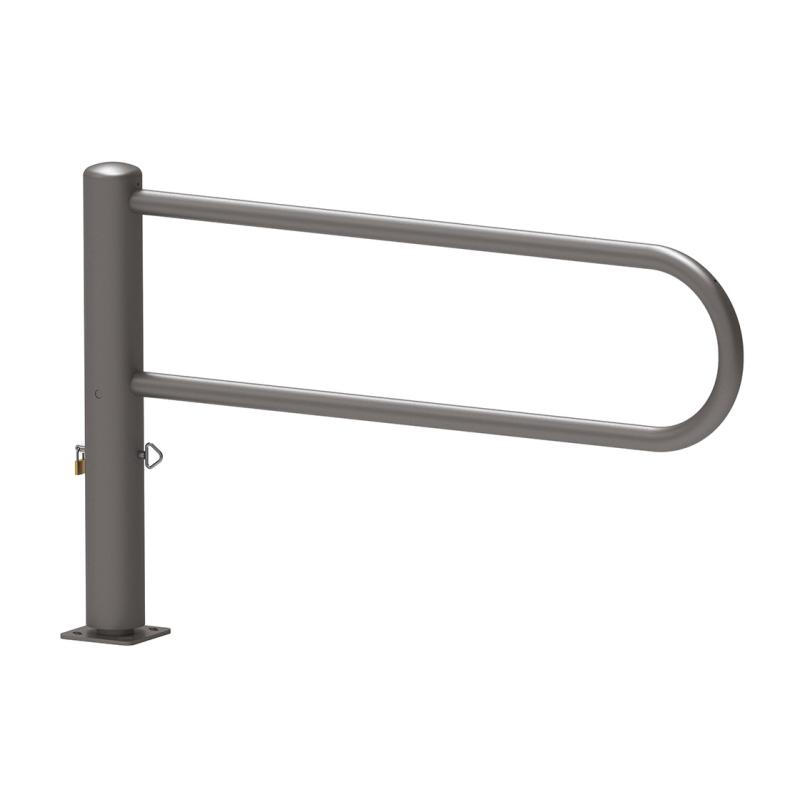 Gray
Gray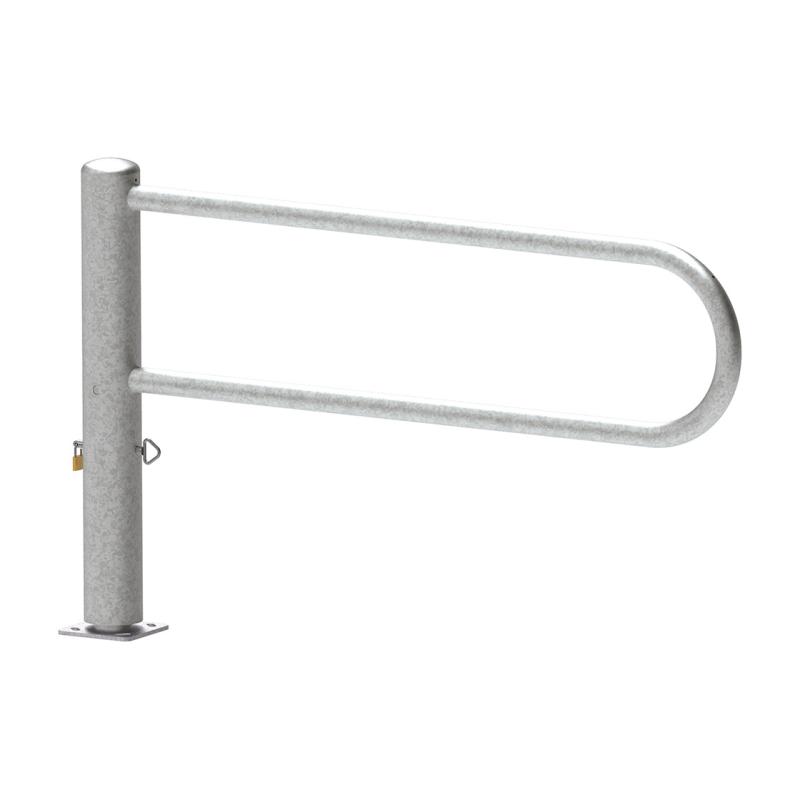 Silver gray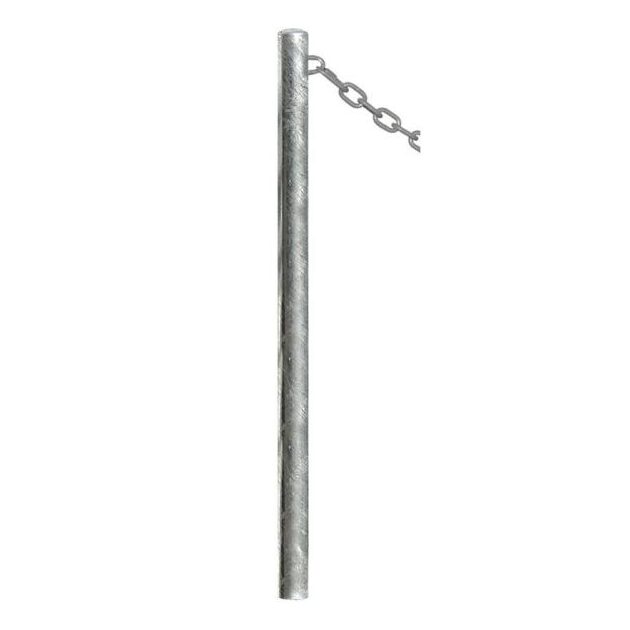
 Black/Yellow
 Red/White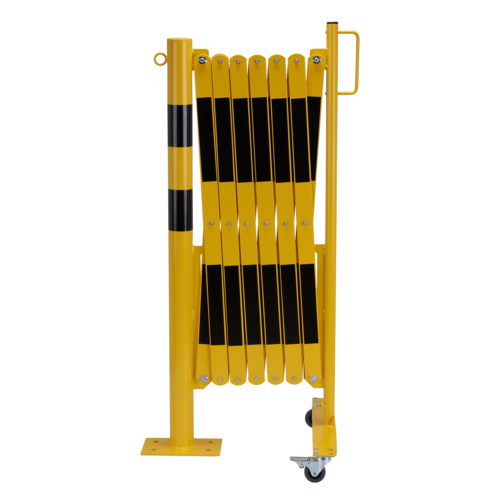
 Red
Red Yellow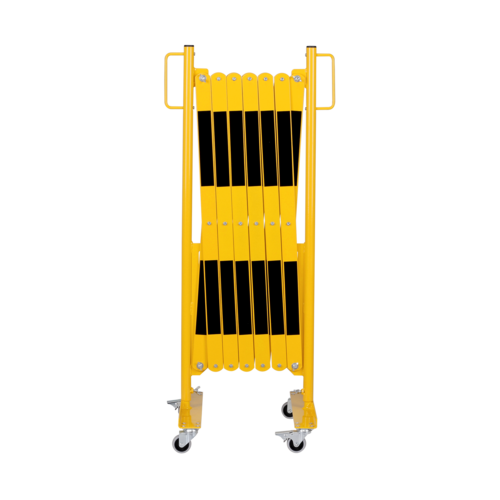
 RedYellow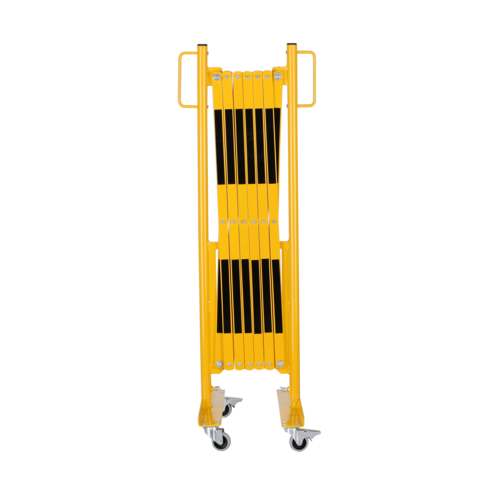
 RedYellow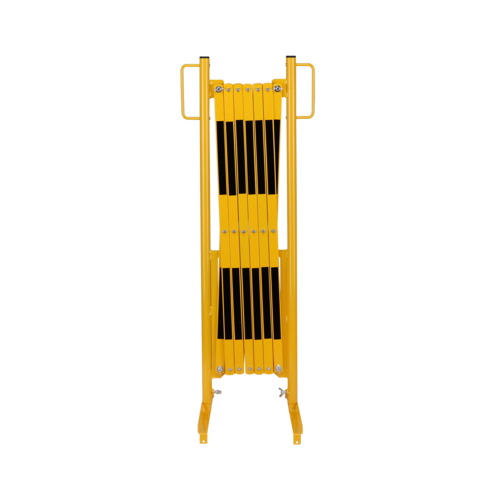
 RedYellow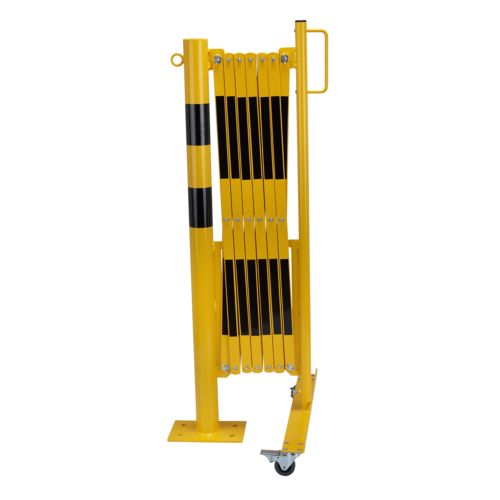
 RedYellow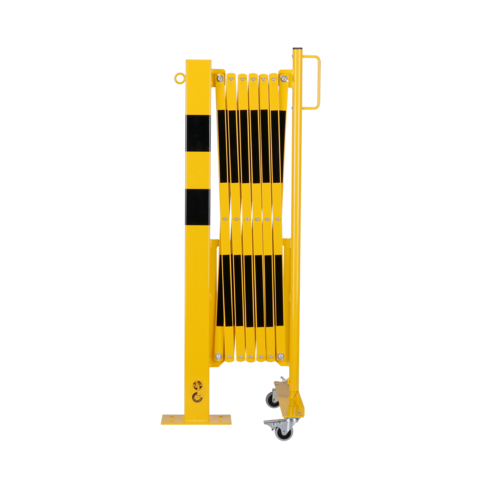
 RedYellow
5. Mirrors – Field of View and Functionality
Safety mirrors are an often underestimated but vital tool for eliminating blind spots and preventing accidents in complex environments. By giving drivers and pedestrians better visibility at obstructed corners, intersections and exits, they contribute directly to a safer workplace. A thorough inspection of the mirrors’ functionality is a necessary part of every safety inspection checklist, since a damaged, dirty or misaligned mirror can create a false sense of security and thereby increase the risk of collisions.
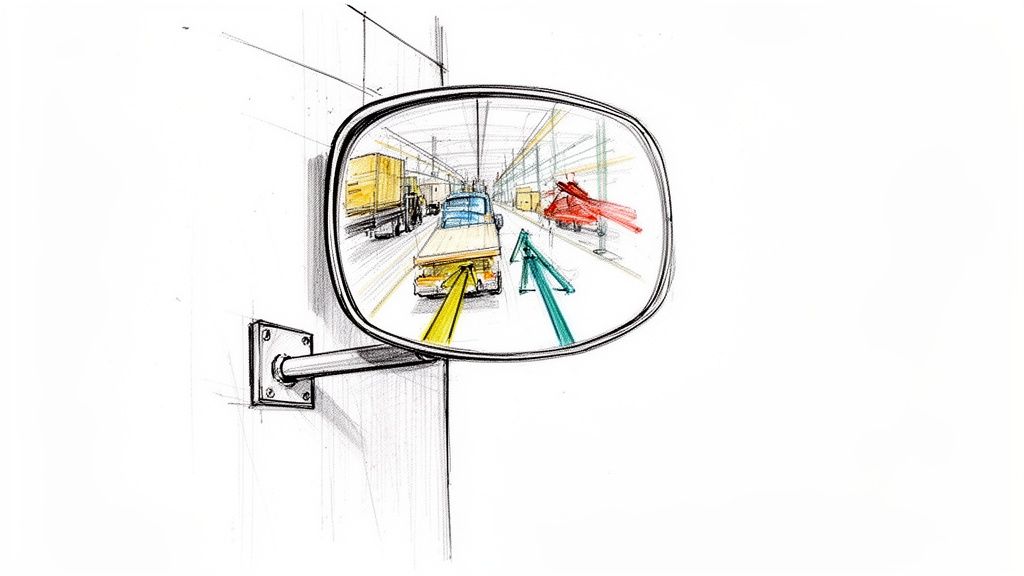
This checkpoint is critical because it addresses one of the most common causes of incidents: limited visibility. In dynamic environments such as warehouses with forklift traffic, parking garages with tight passages or industrial areas where heavy vehicles maneuver, a clear view is crucial. A well-placed and well-maintained mirror can be the difference between a safe passage and a serious accident. Ignoring the maintenance of these mirrors means ignoring a known and manageable risk.
What should you check?
The inspection of safety mirrors should be regular and systematic. Focus on the following points to ensure they serve their purpose:
- Cleanliness and visibility: Is the mirror surface free of dirt, dust, condensation or frost? A dirty mirror gives a distorted or blurry image, making it useless. Frequent cleaning is necessary, especially outdoors and in bad weather.
- Damage: Examine the mirror for cracks, scratches or dents. A cracked mirror can give a dangerously misleading image and should be replaced immediately. Also check the frame and bracket for signs of damage or corrosion.
- Mounting and stability: Make sure the mirror and its bracket are securely fixed. A loose mirror can shift its angle on its own due to wind or vibrations, eliminating its protective effect. Check that all screws and bolts are properly tightened.
- Correct angle: Does the mirror’s angle still match the intended field of view? Check from the driver’s perspective that it provides optimal visibility of the hazardous area. A misaligned mirror is as ineffective as no mirror at all.
Choosing the right type of mirror for each unique location is as important as maintenance. To understand the different options, you can read more about how a traffic mirror can increase safety in your operation.
If you need help assessing risks or choosing the right traffic mirror or surveillance mirror for your environment, don’t hesitate to contact us at Nordguard for professional advice.
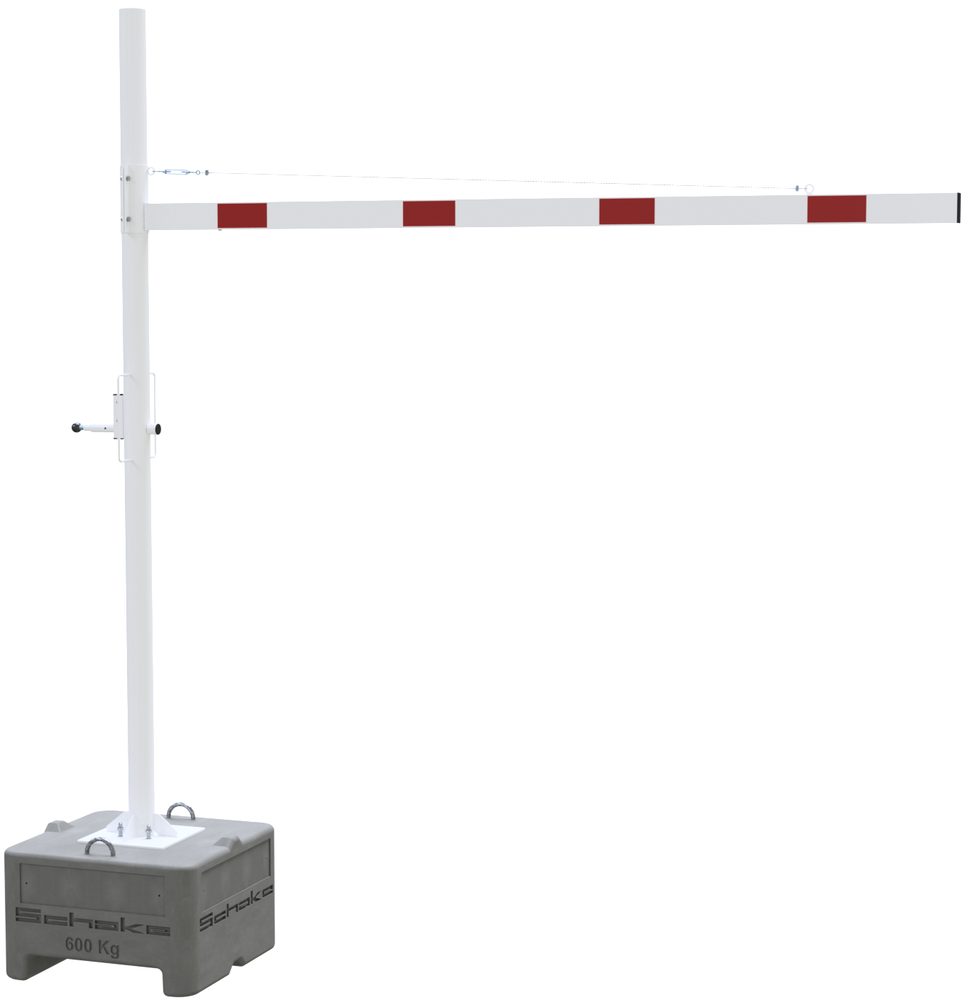
6. Barrier Gates and Height Restrictors – Installation Check and Function Test
Barrier gates and height restrictors are crucial for regulating and restricting vehicle traffic, protecting infrastructure and preventing unauthorized access. Including a thorough check of these systems in a safety inspection checklist is essential to maintaining a safe and controlled environment. Their function ranges from preventing oversized vehicles from damaging bridges and roofs in parking garages to directing traffic flow at entrances and exits of industrial areas. A faulty or out-of-service barrier gate can lead to serious accidents or security breaches.
This checkpoint is critical because it directly affects the safety of both property and people. In environments such as logistics centers, parking garages or municipal facilities, it is vital that these barriers operate without interruption. A barrier gate that does not open can cause dangerous queues, while a damaged height restrictor can fail to stop a vehicle and cause costly damage to both the vehicle and the building. Regular inspection ensures that these systems are reliable and ready to do their job.
What should you check?
A systematic review of barrier gates and height restrictors should be carried out to ensure full functionality. The following points are central during the safety inspection:
- Function test: Operate each barrier gate and barrier manually and automatically (if applicable) to verify that it opens and closes correctly. Check the response time and make sure the movement is smooth and free of unusual noises. Sensors and remote controls should be tested for correct operation.
- Mechanical integrity: Inspect all moving parts, brackets, locks and fastenings for signs of wear, corrosion or damage. Make sure any counterweights are correctly adjusted and that all screws and bolts are properly tightened.
- Electrical components: For automatic systems, check the wiring for damage and make sure junction boxes are sealed and free of moisture. Verify the operation of warning lights, audible signals and safety sensors designed to prevent the barrier gate from closing on a vehicle or person.
- Visibility and signage: Make sure the barrier gate or height restrictor is clearly visible with bright colors and reflective material. All associated warning signs, for example regarding maximum vehicle height, should be clear, clean and correctly placed.
According to the Swedish Work Environment Authority’s guidelines, it is the employer’s responsibility to ensure that traffic and access control devices work as intended to minimize the risk of accidents.
Nordguard offers a wide range of robust and reliable solutions. Explore our barrier gates and height restrictors to find a model that meets your specific safety requirements.
Need help choosing the right system, from manual road barrier gates to automatic gates, or planning maintenance? Contact our experts for professional advice.
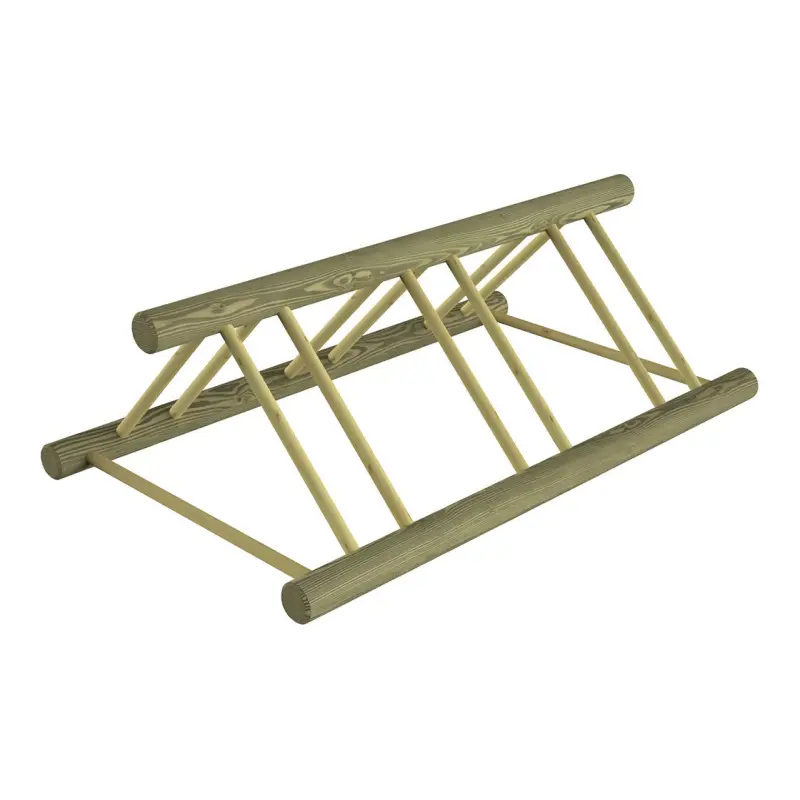
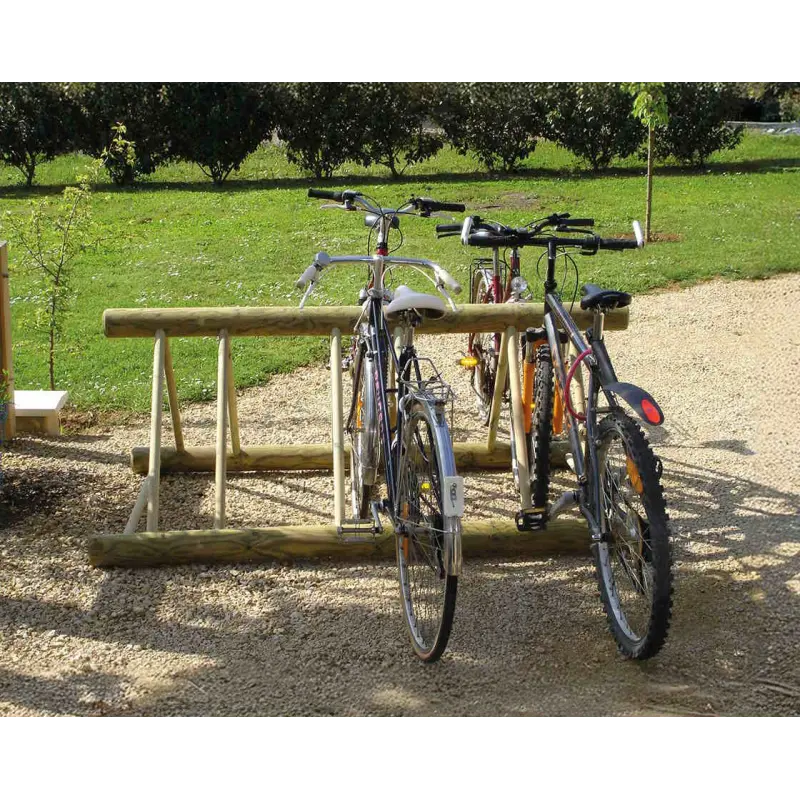
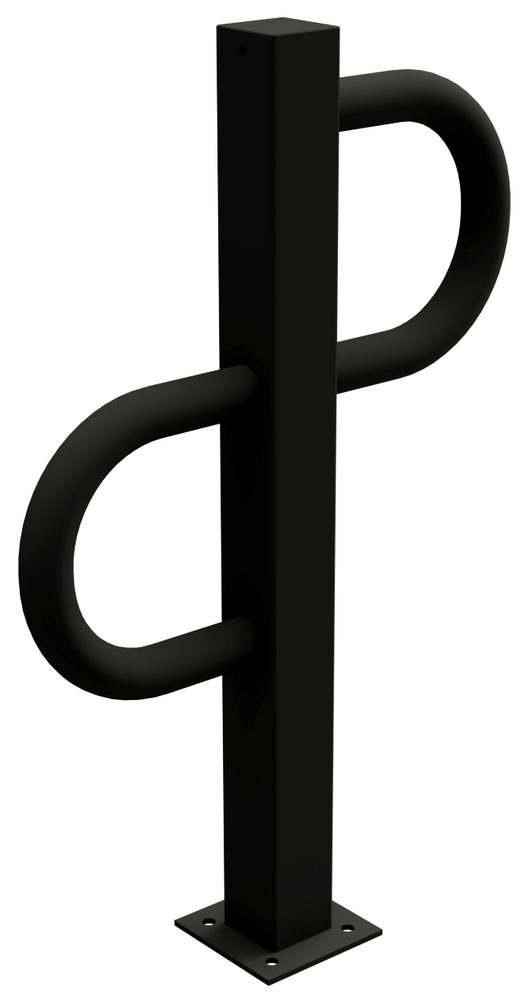
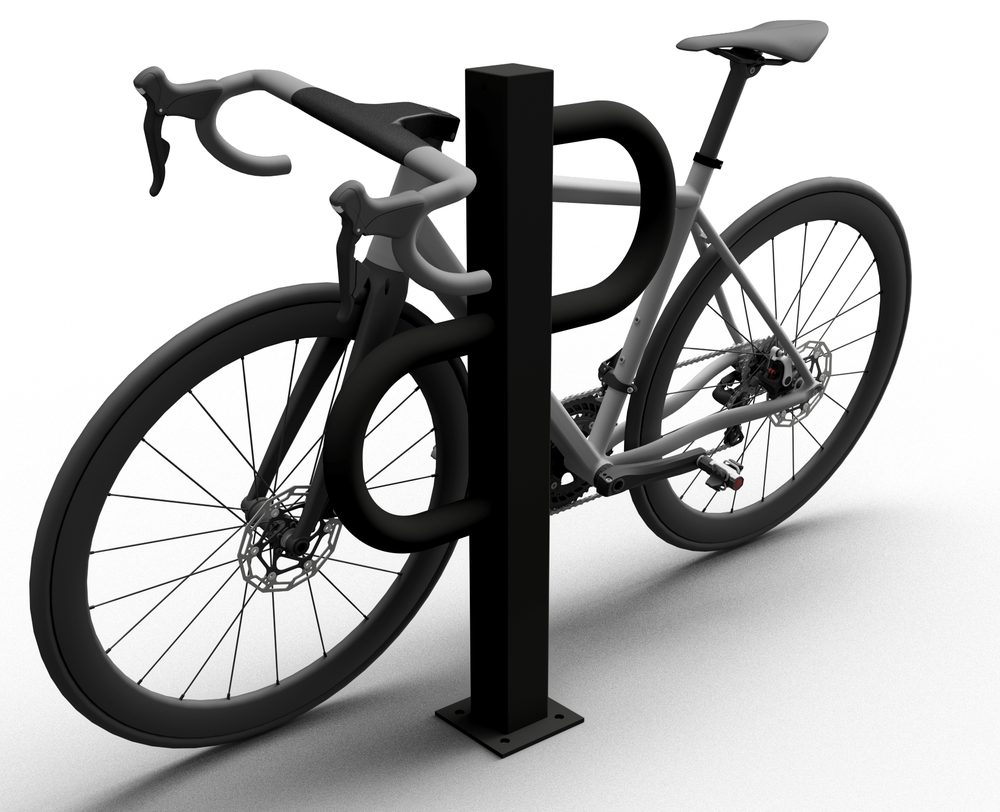
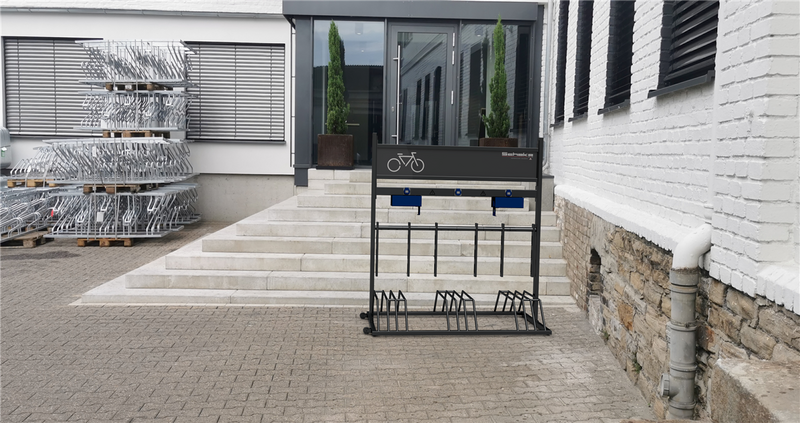
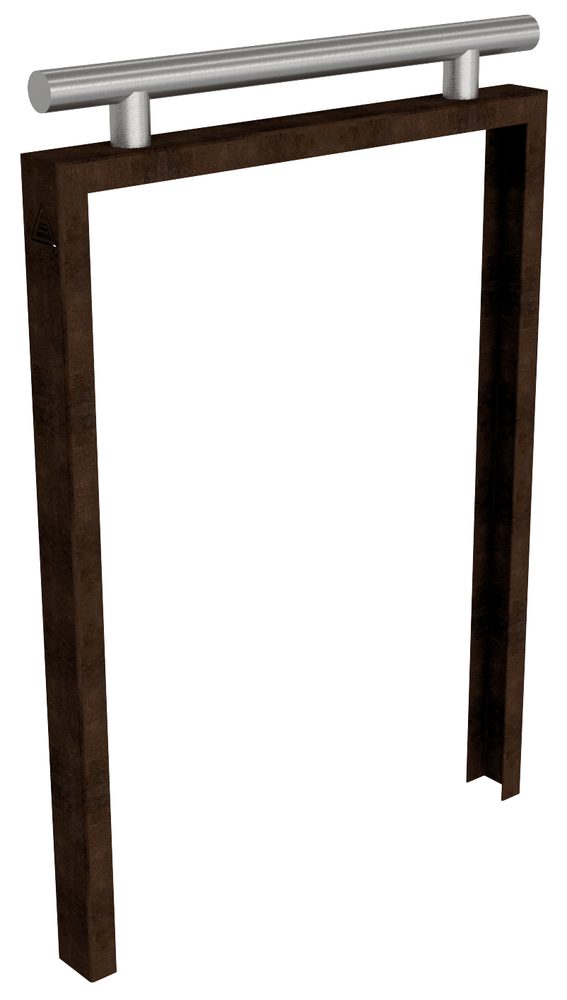
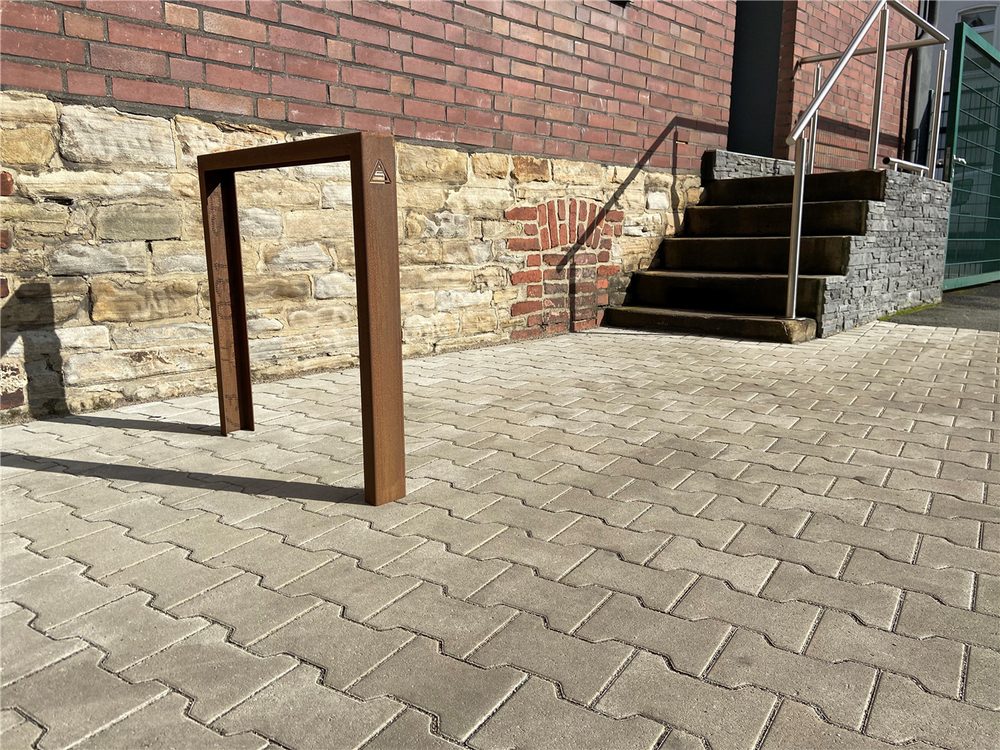
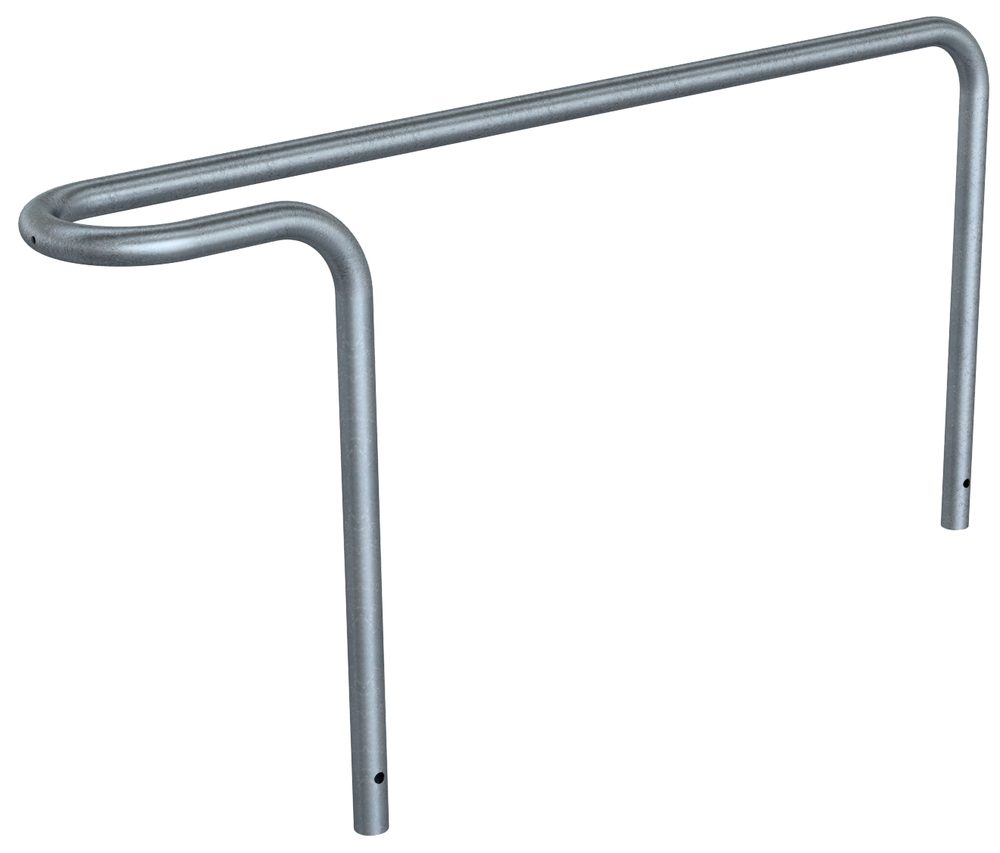
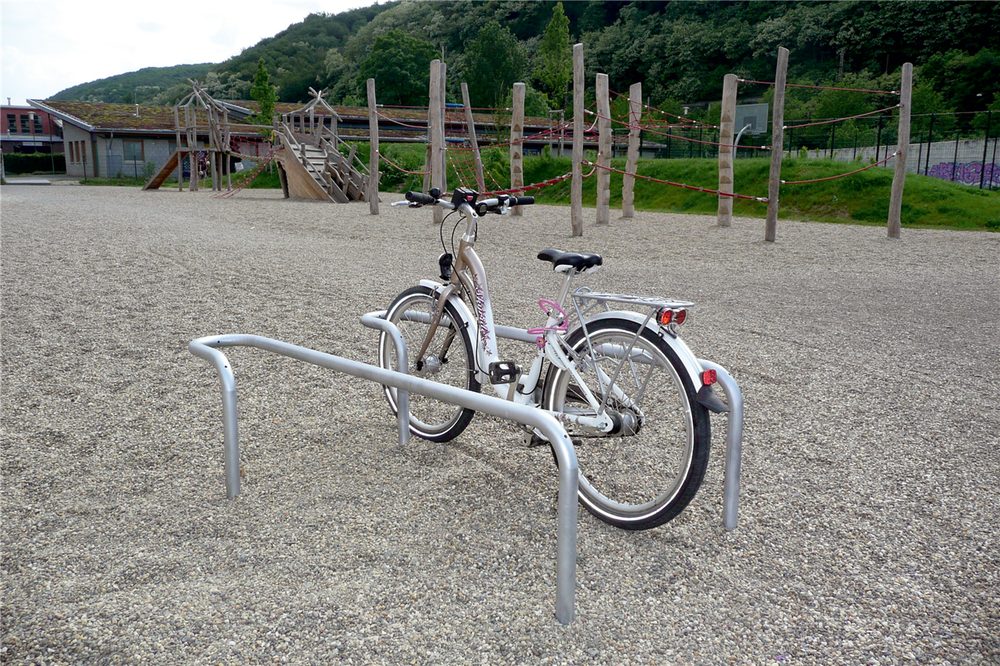
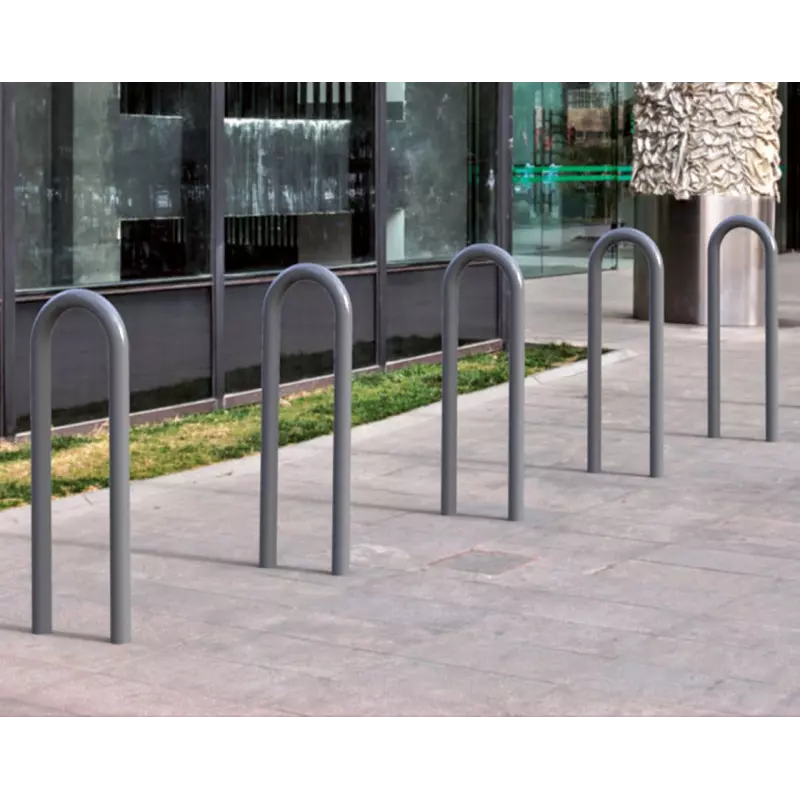
7. Bike Racks and Parking Solutions – Structure and Accessibility
Encouraging sustainable modes of transport such as cycling is a priority for many municipalities, companies and housing cooperatives. An important part of this is offering safe and functional parking solutions. Bike racks are not just a convenience but a critical part of the infrastructure that protects property and encourages active travel. A thorough inspection of their structure and accessibility must therefore be part of a comprehensive safety inspection checklist.
This checkpoint is fundamental to ensuring a safe and inviting environment. A broken, rusty or poorly placed bike rack can not only damage bikes but also poses a tripping hazard and can discourage use. Regular maintenance ensures that the investment serves its purpose and contributes to a positive image of the property or public space, whether it is a logistics center for delivery bikes or a school encouraging students to cycle.
What should you check?
During the safety inspection, the review of bike racks and other parking solutions should be methodical and detailed. The following points should be examined:
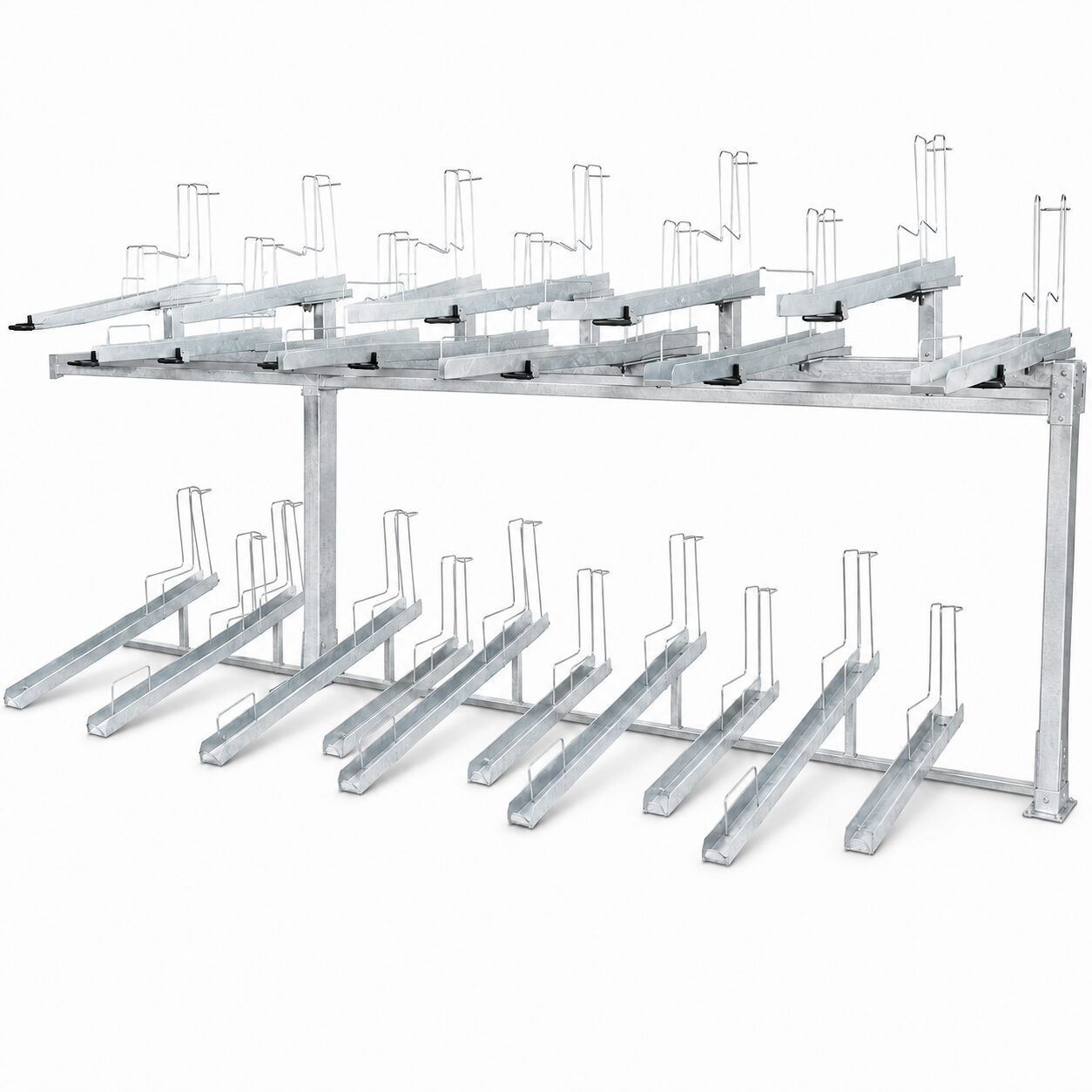
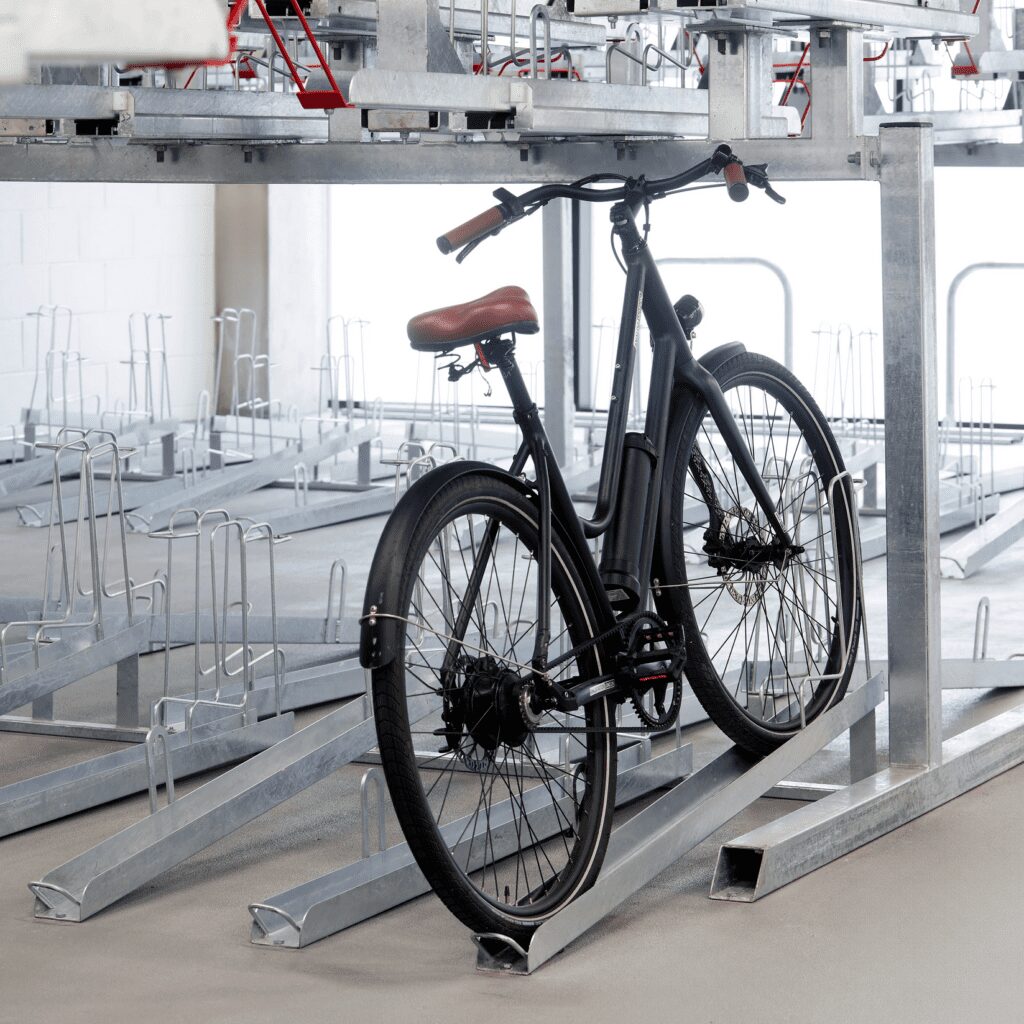
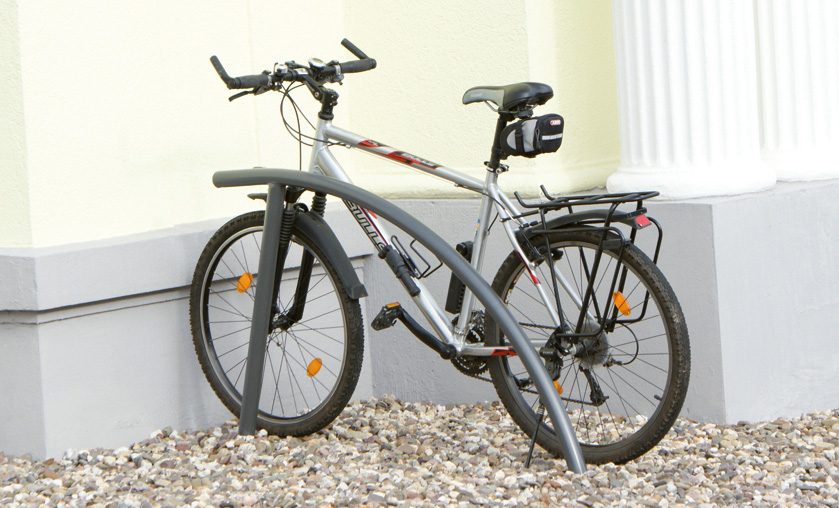
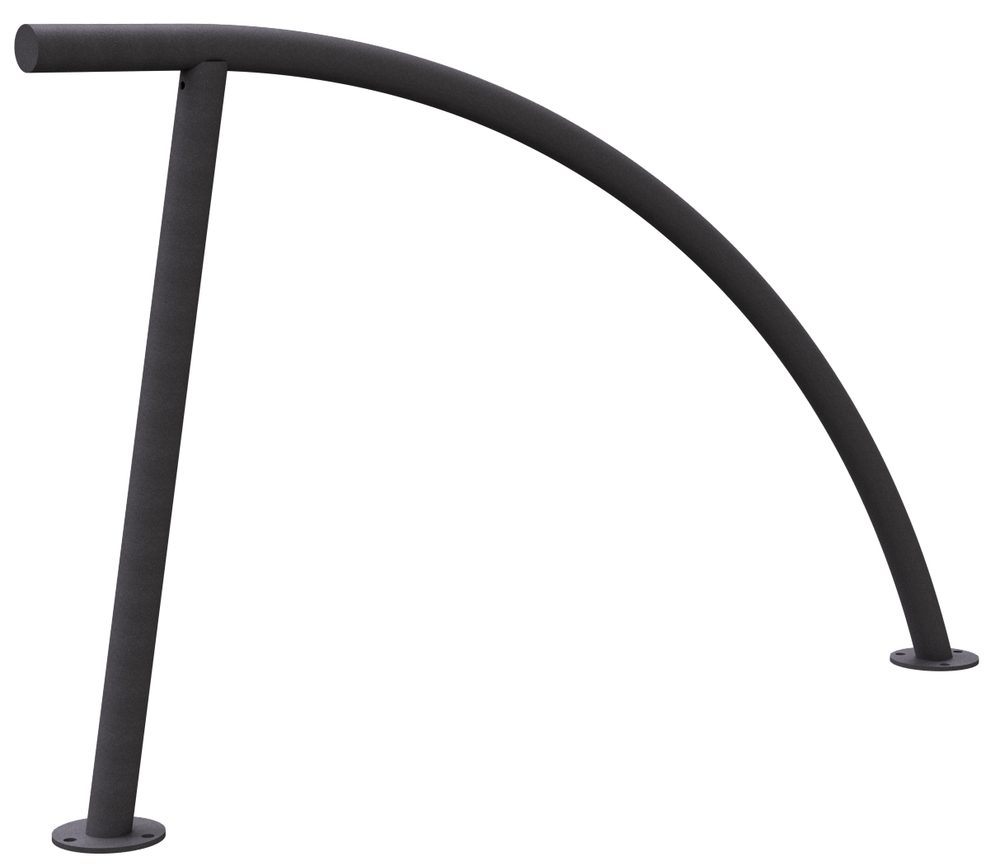
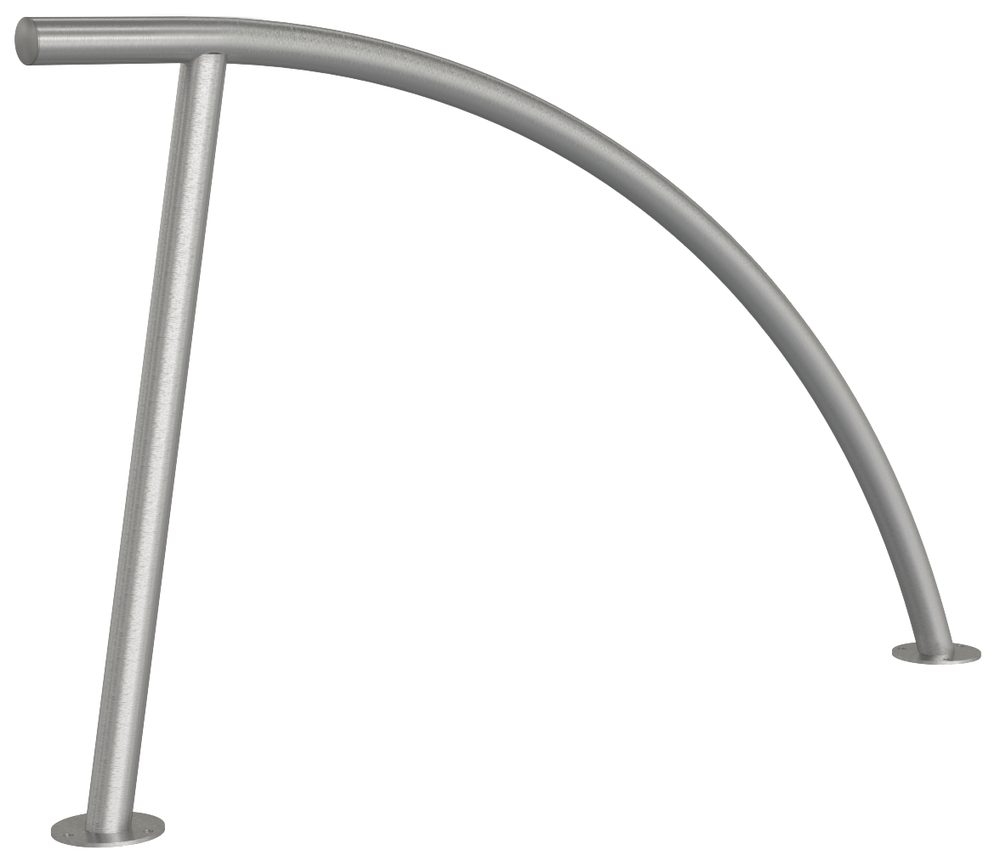
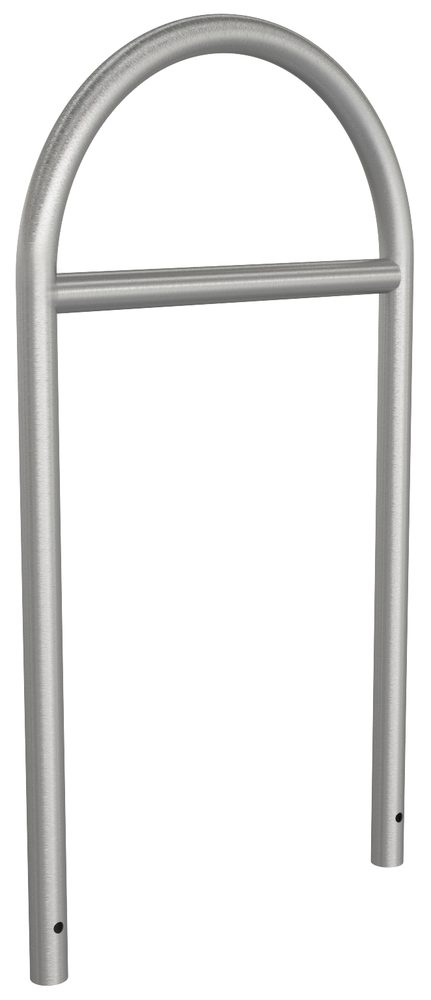
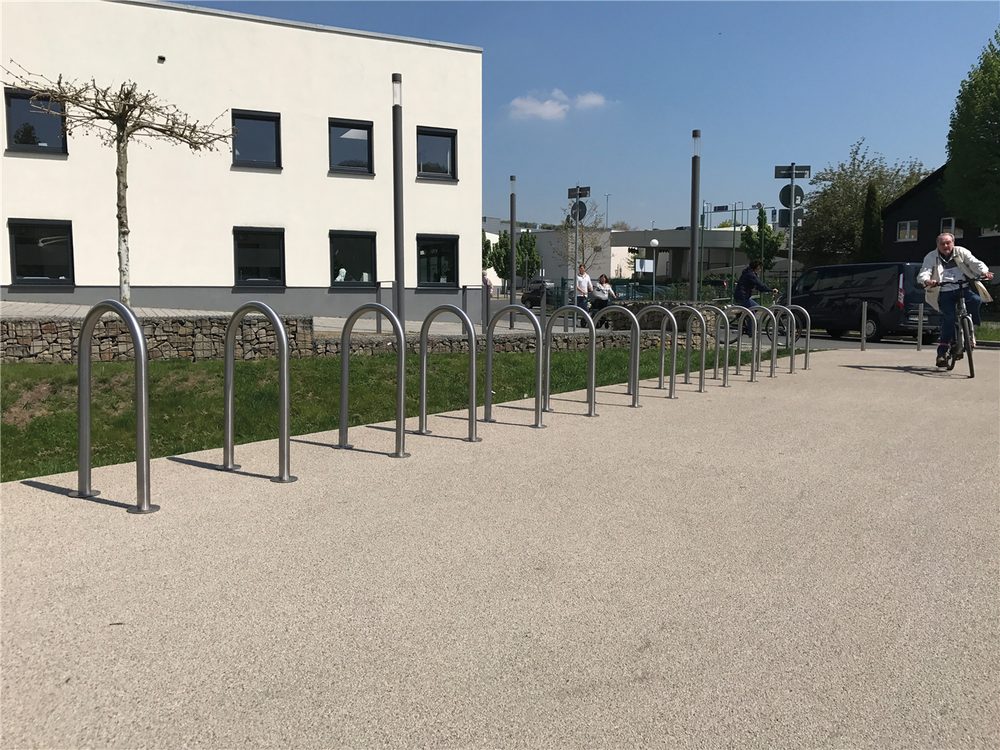
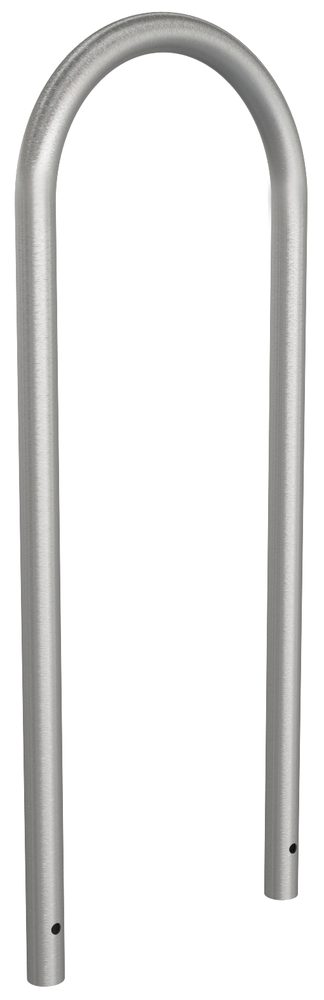
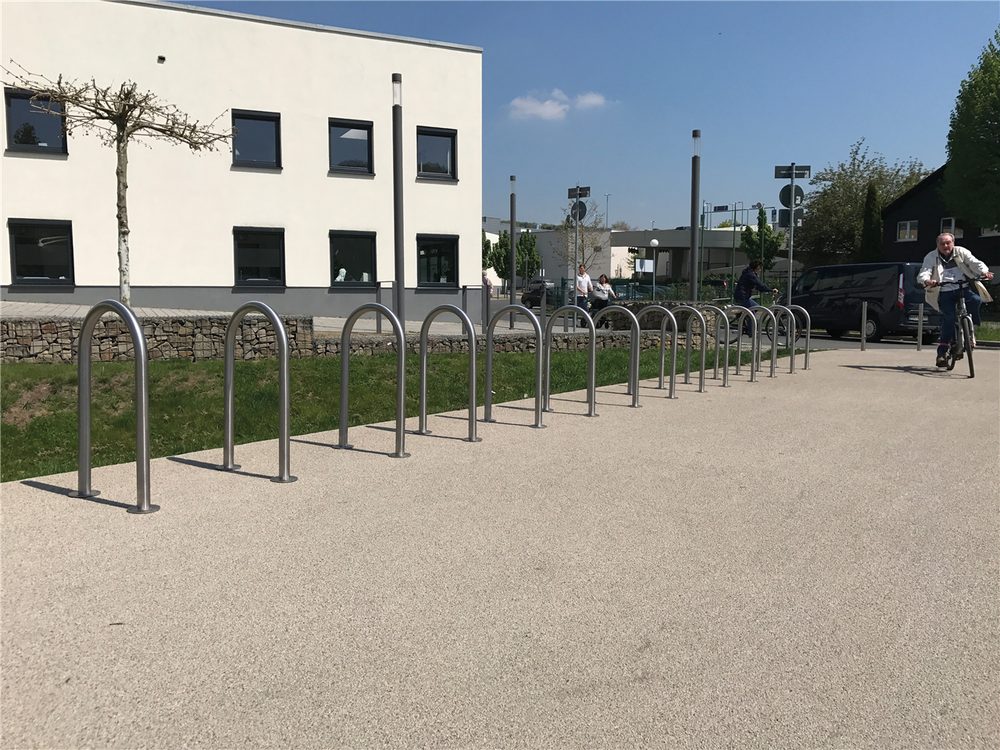
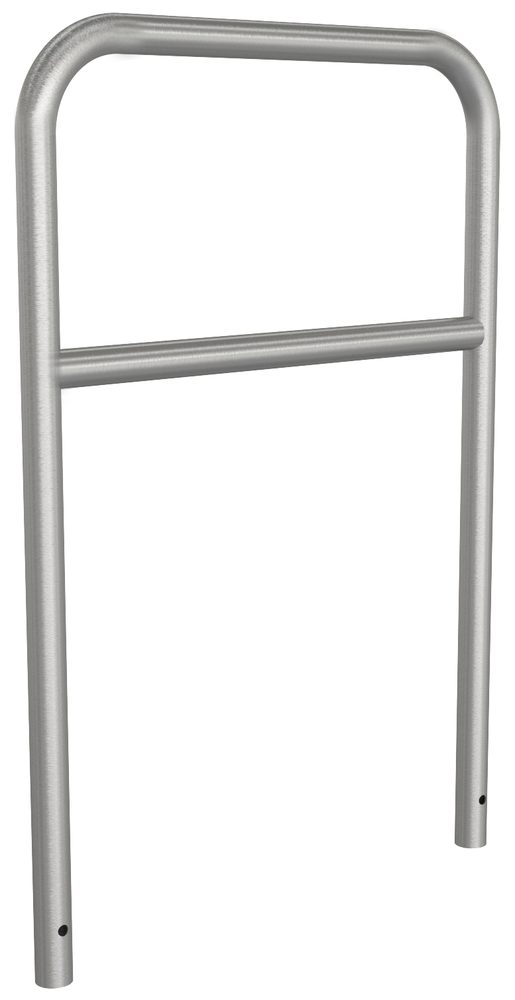
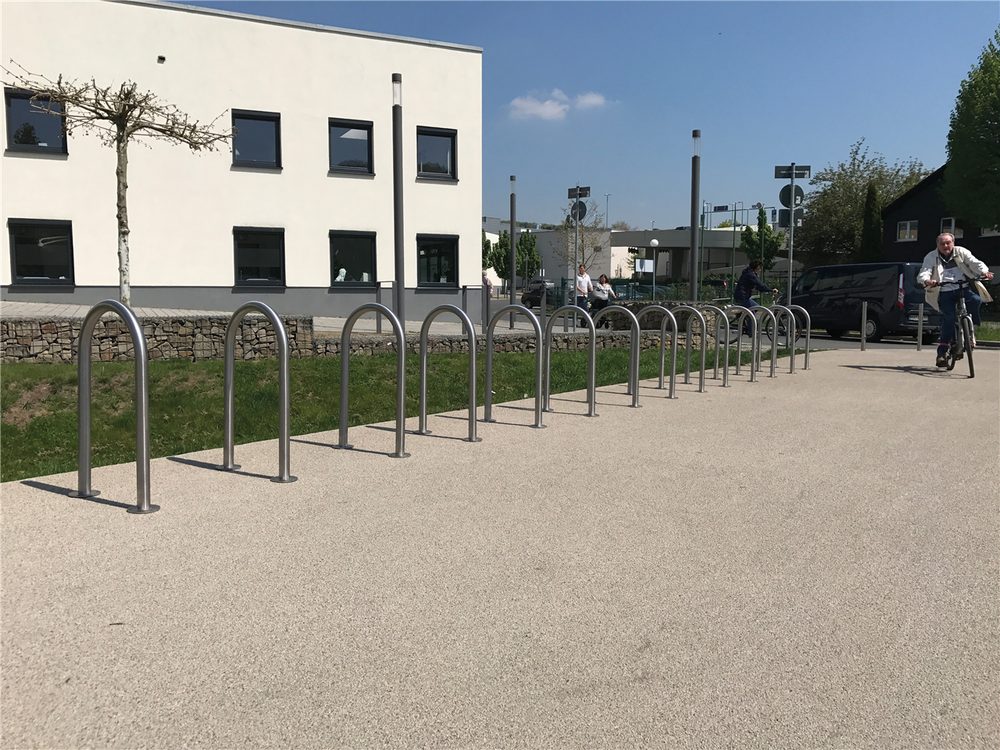
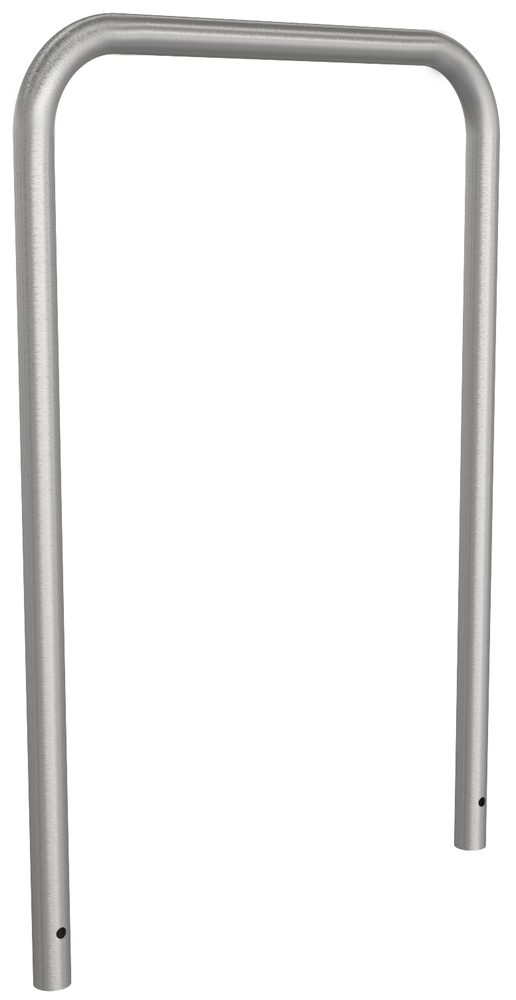
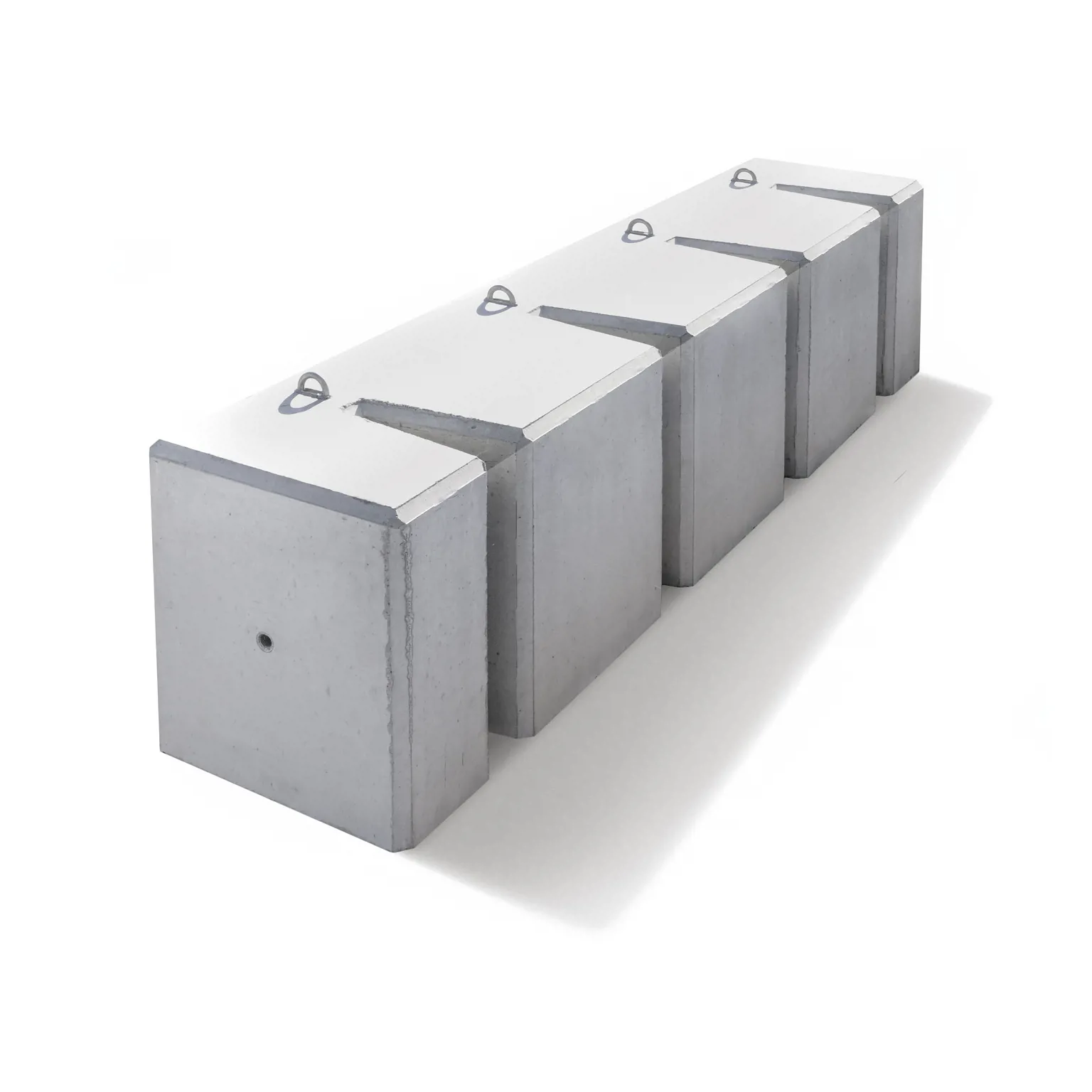
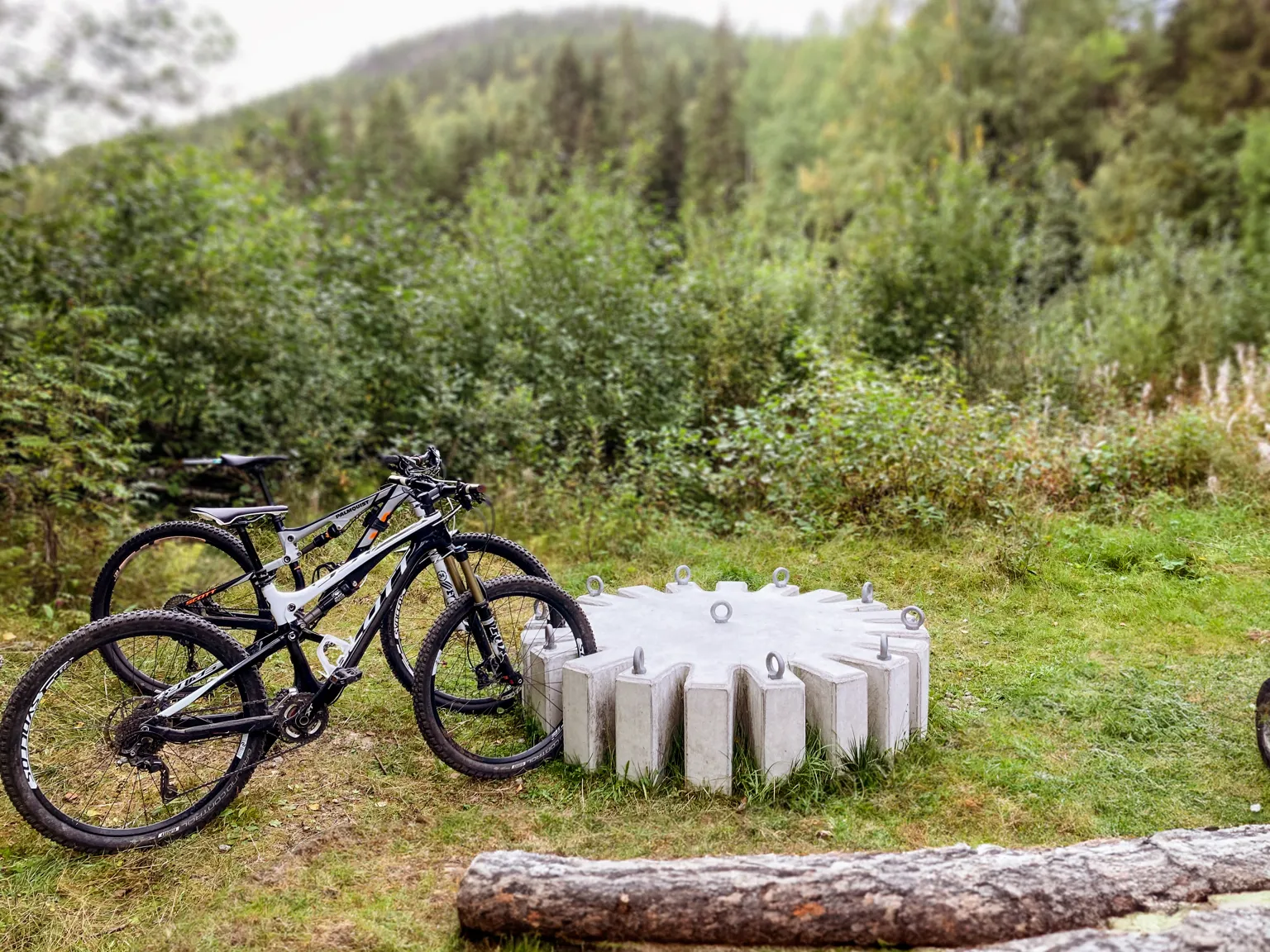
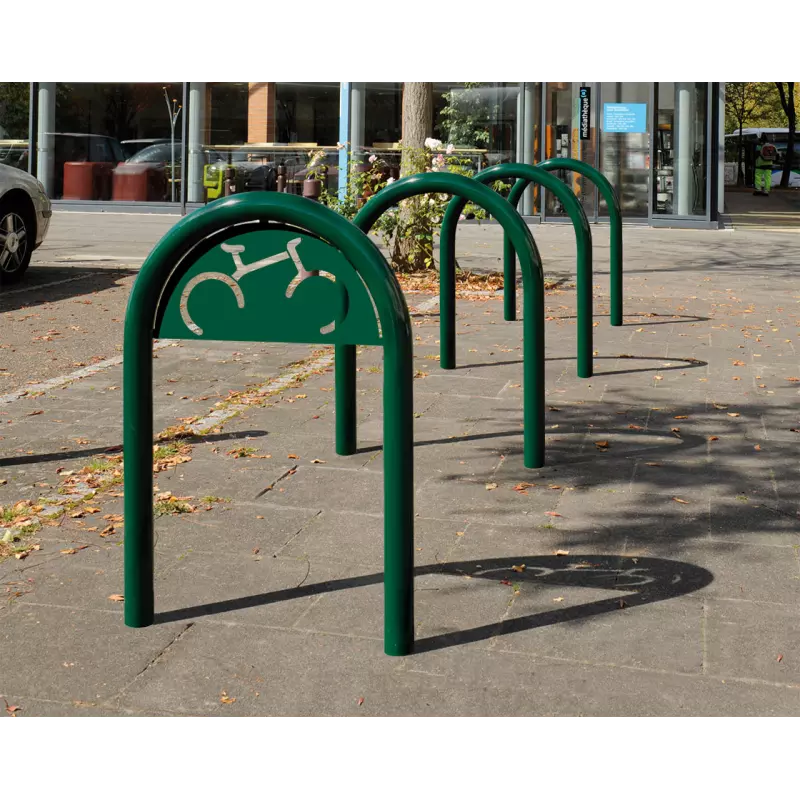
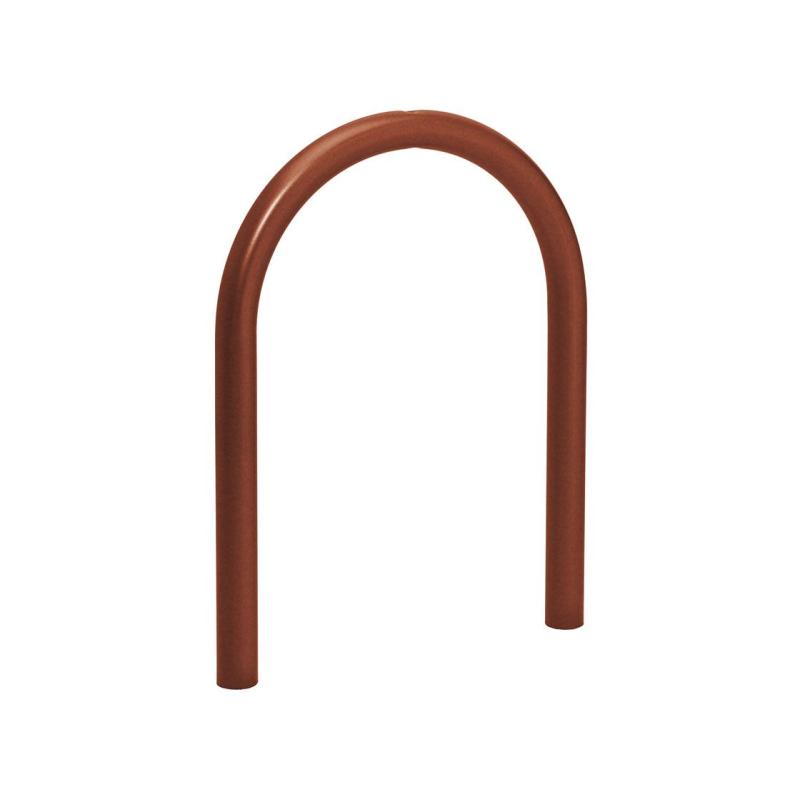
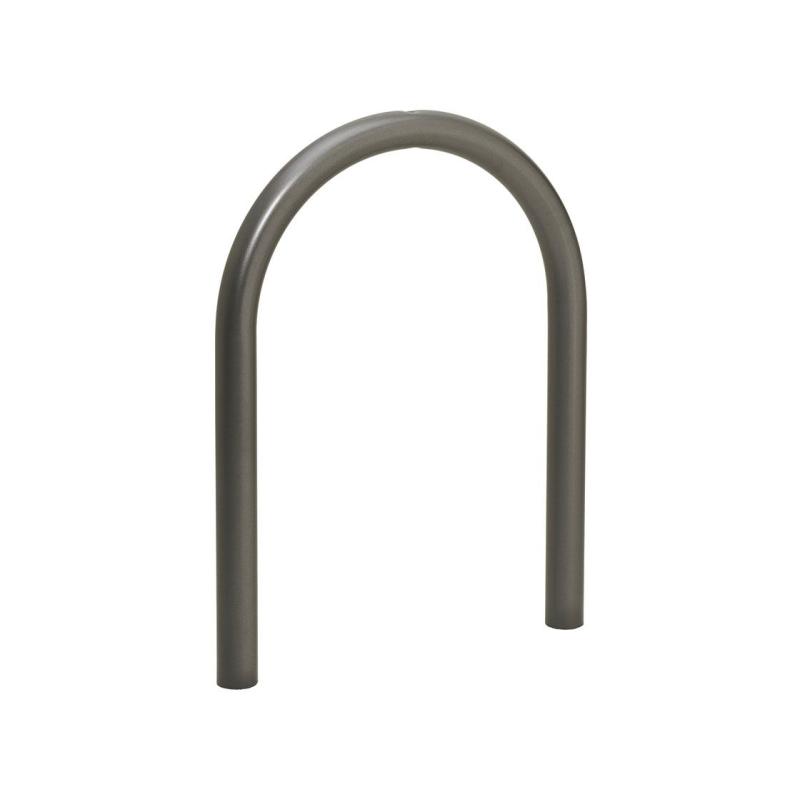
- Structural integrity and anchoring: Check each bike rack for signs of corrosion, cracks or bent parts. Gently tug on the rack to make sure it is firmly anchored to the ground. A loose mounting can make it easy for thieves to remove the entire rack, bikes and all.
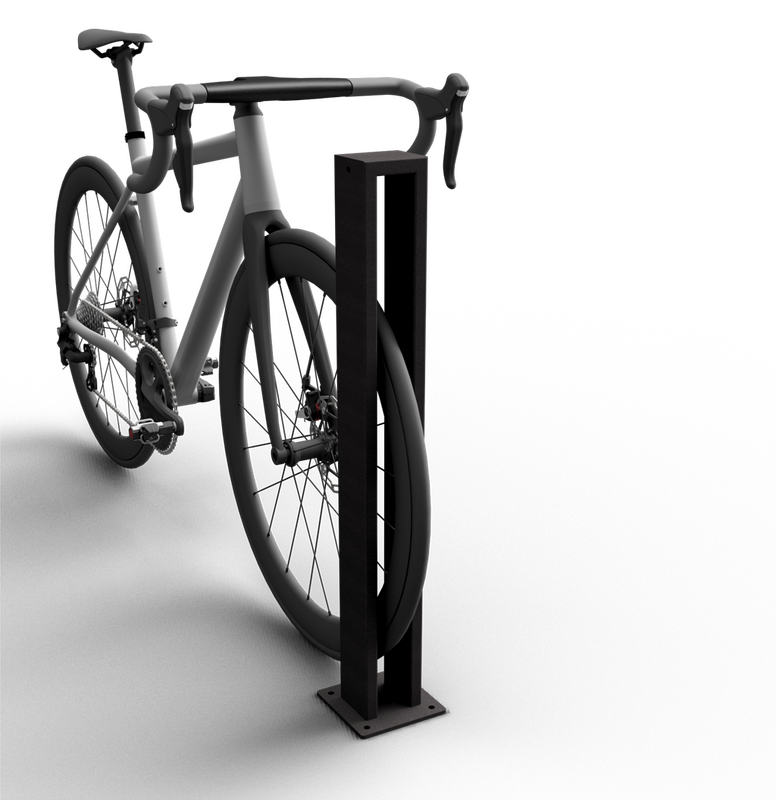
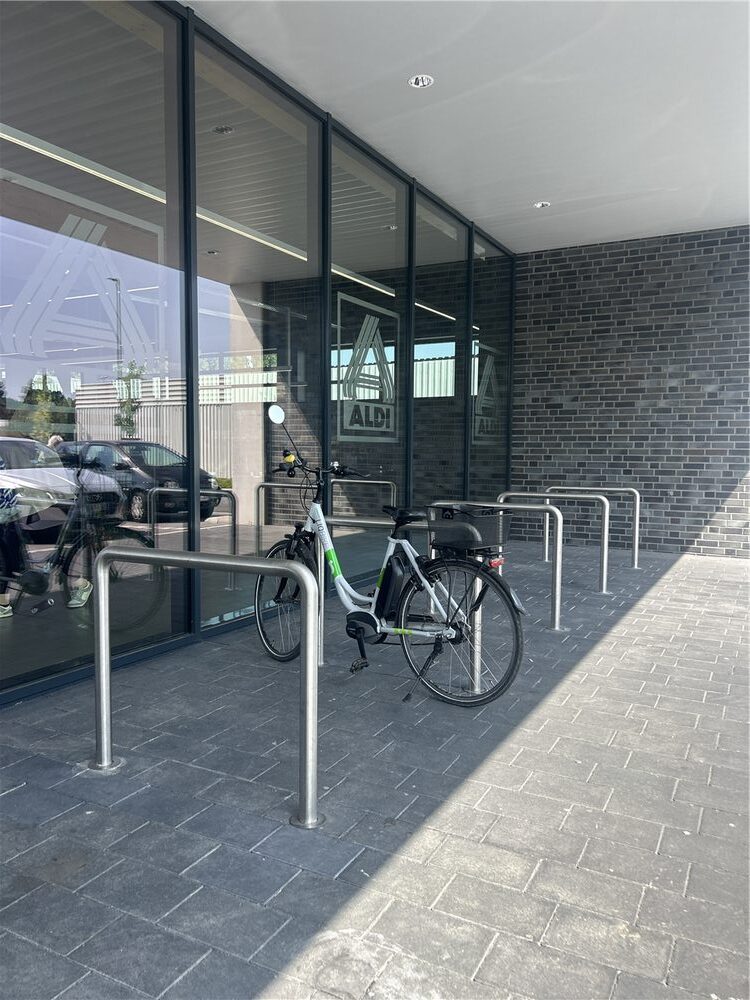
- Functionality and security: Verify that the design allows both the frame and wheel to be locked securely. Inspect for sharp edges or protruding parts that could injure people or damage bikes. Make sure any locking mechanisms work correctly.
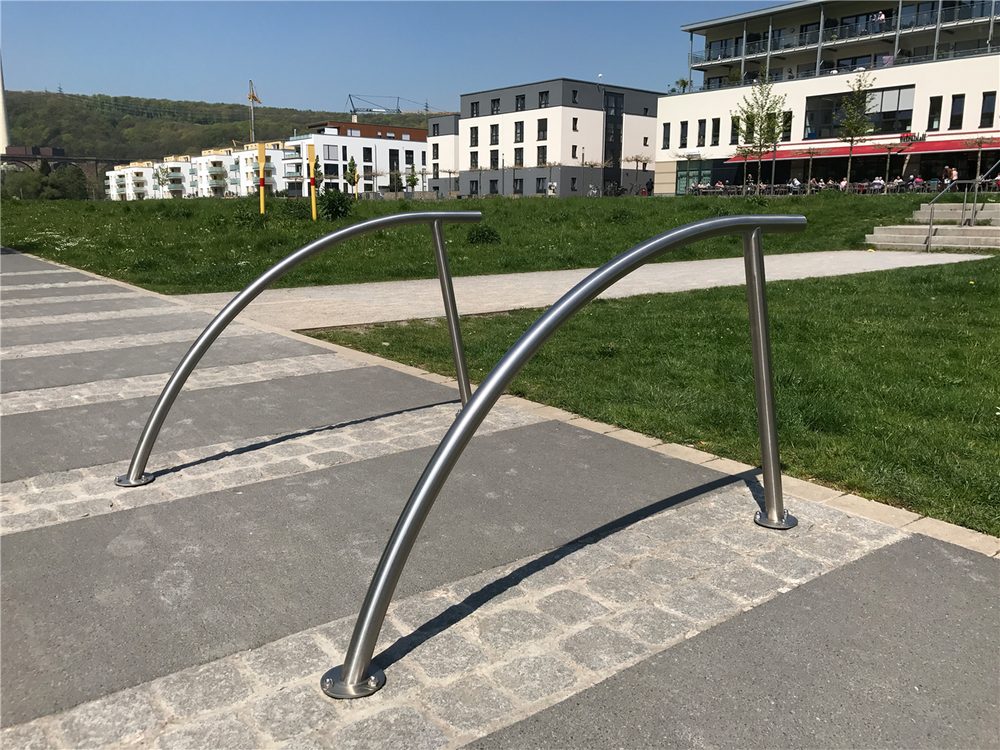
- Placement and accessibility: Is the bike rack placed in a logical and easily accessible location? There should be enough space around it for easy maneuvering and parking. Also check that lighting in the area is sufficient to create a safe environment, especially during the dark hours.
- Maintenance and cleanliness: Note any rust or flaking paint that needs to be addressed to extend service life. The area around the bike rack should be free of litter, leaves and anything else that could hinder use or create a sense of insecurity.
Modern, CE-marked bike racks are designed to withstand wind and weather, but still require regular supervision to ensure long-term function and safety.
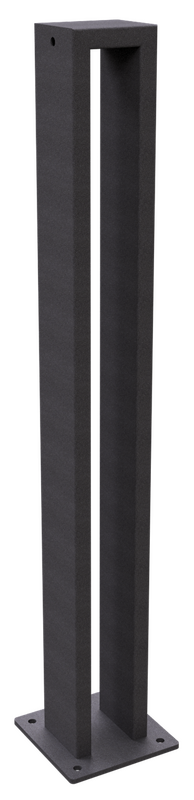
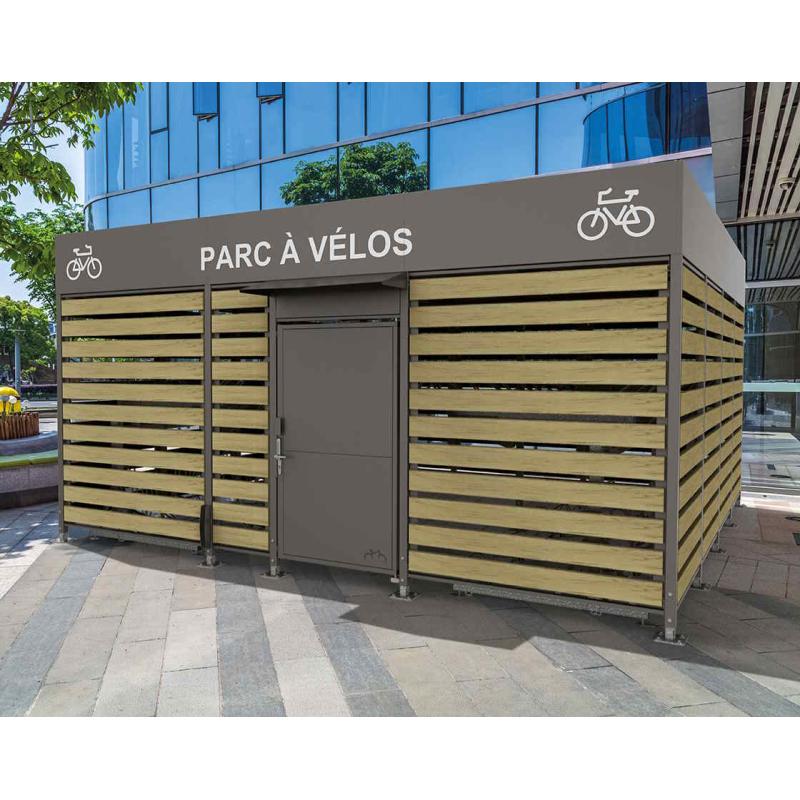
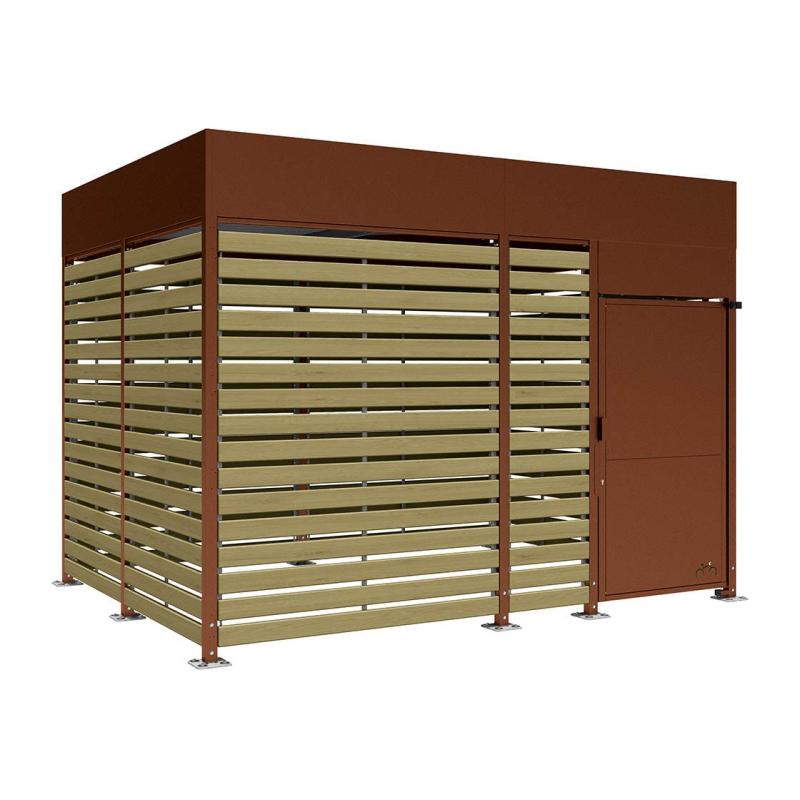
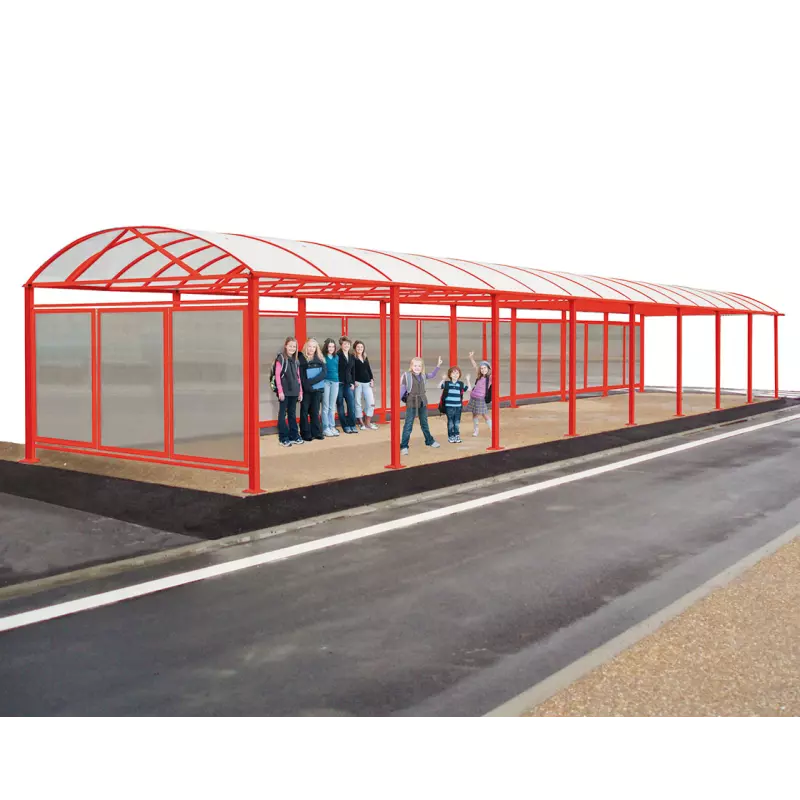
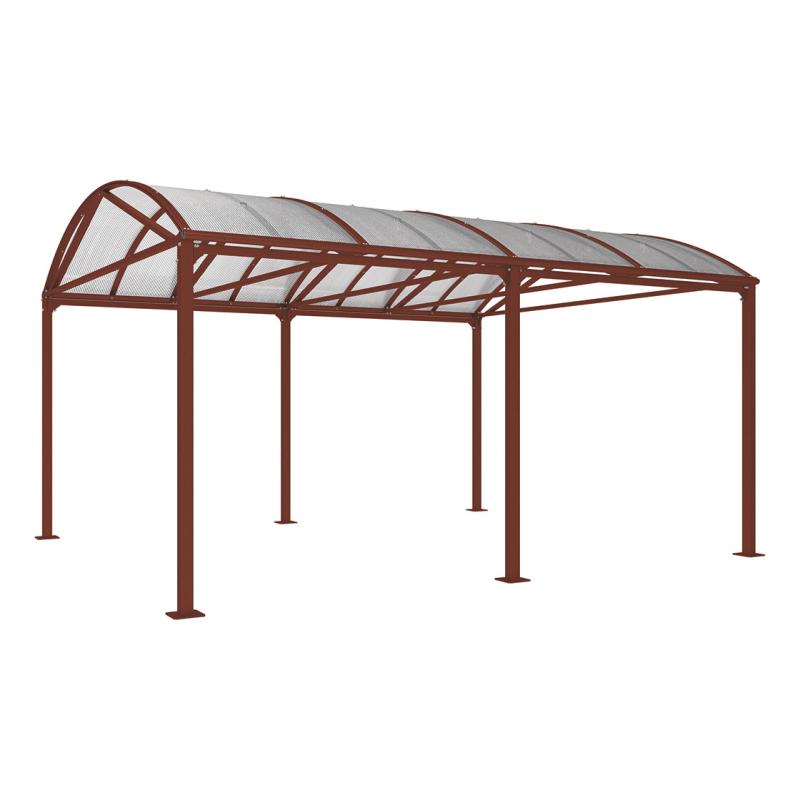
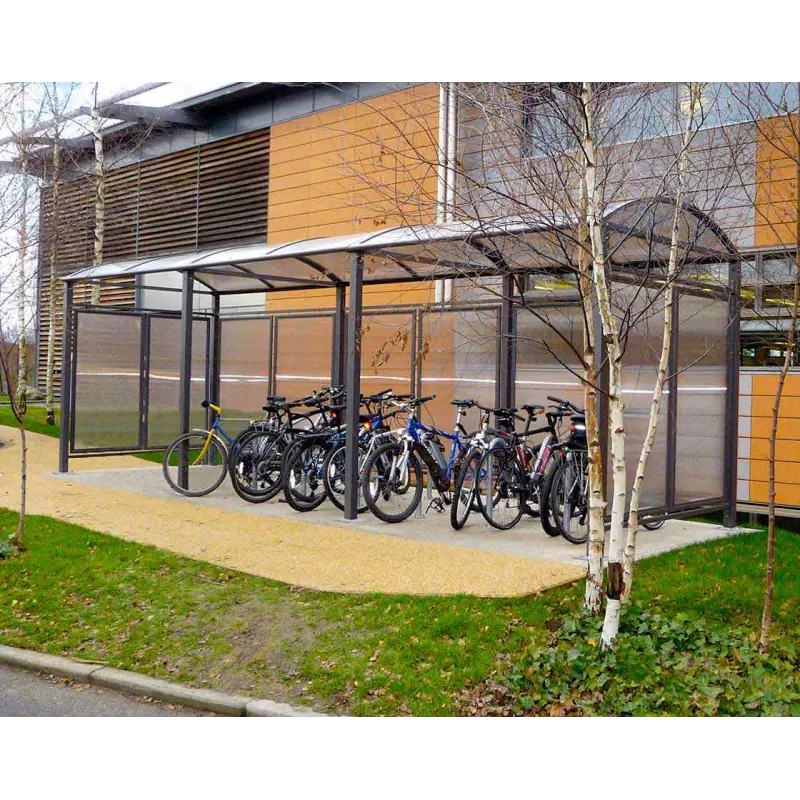
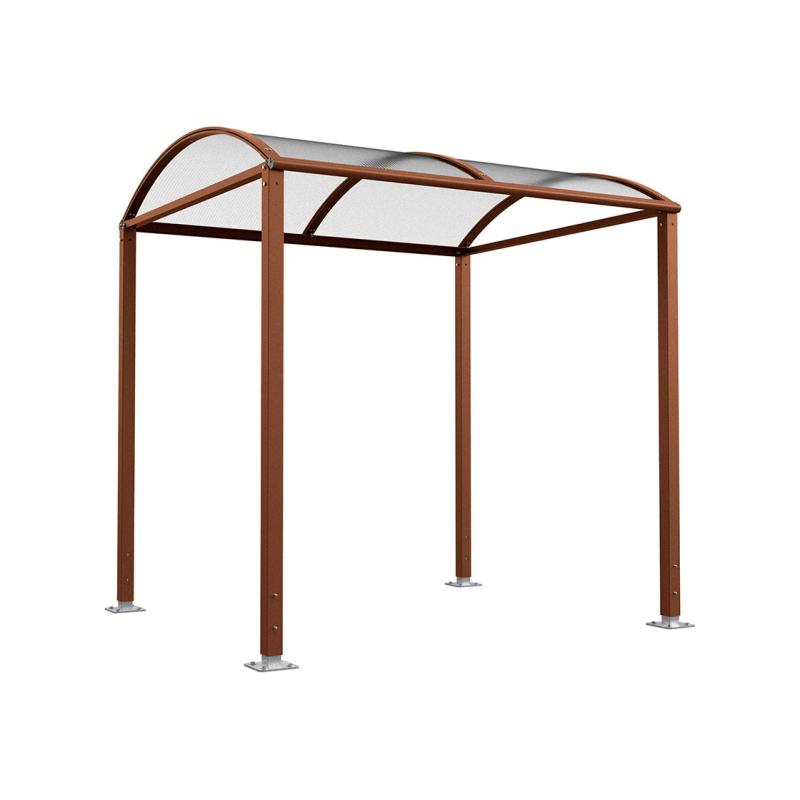
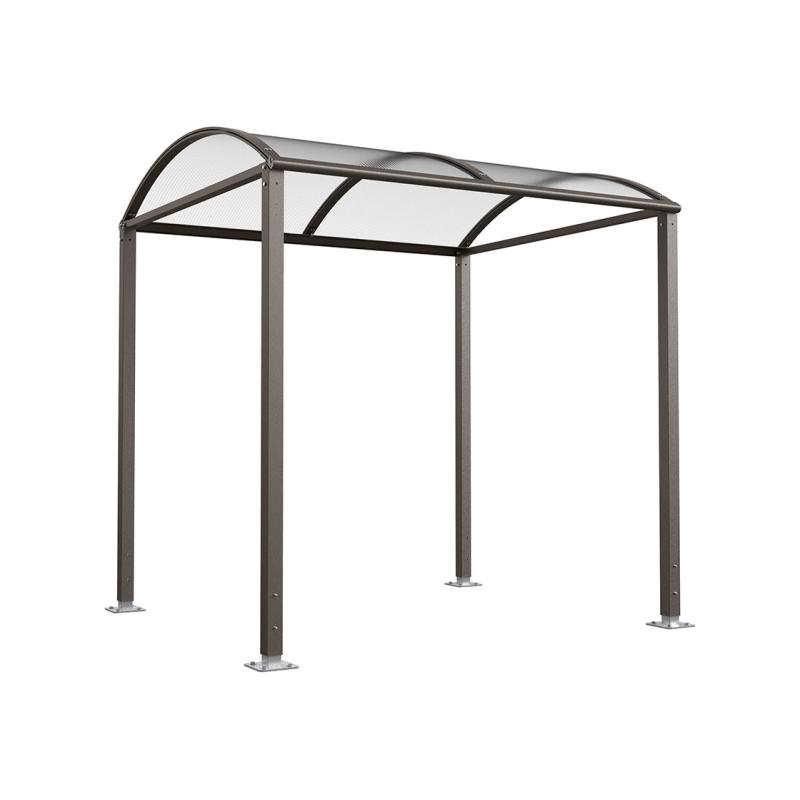
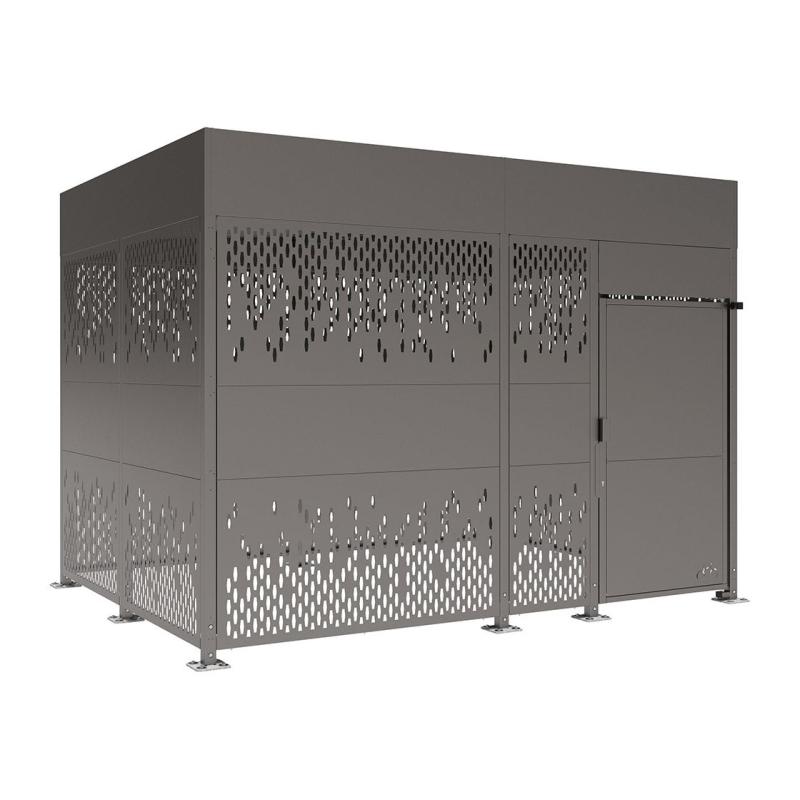
For advice on choosing durable bike racks, from simple bike bollards to complete bike shelters, or for creating a maintenance plan, contact us at Nordguard for a customized solution.
 Black
Black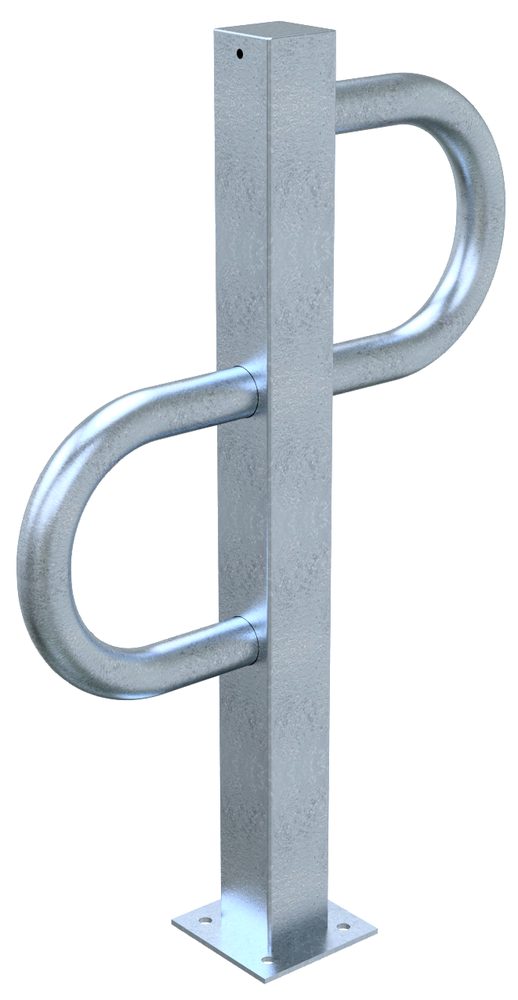 Silver gray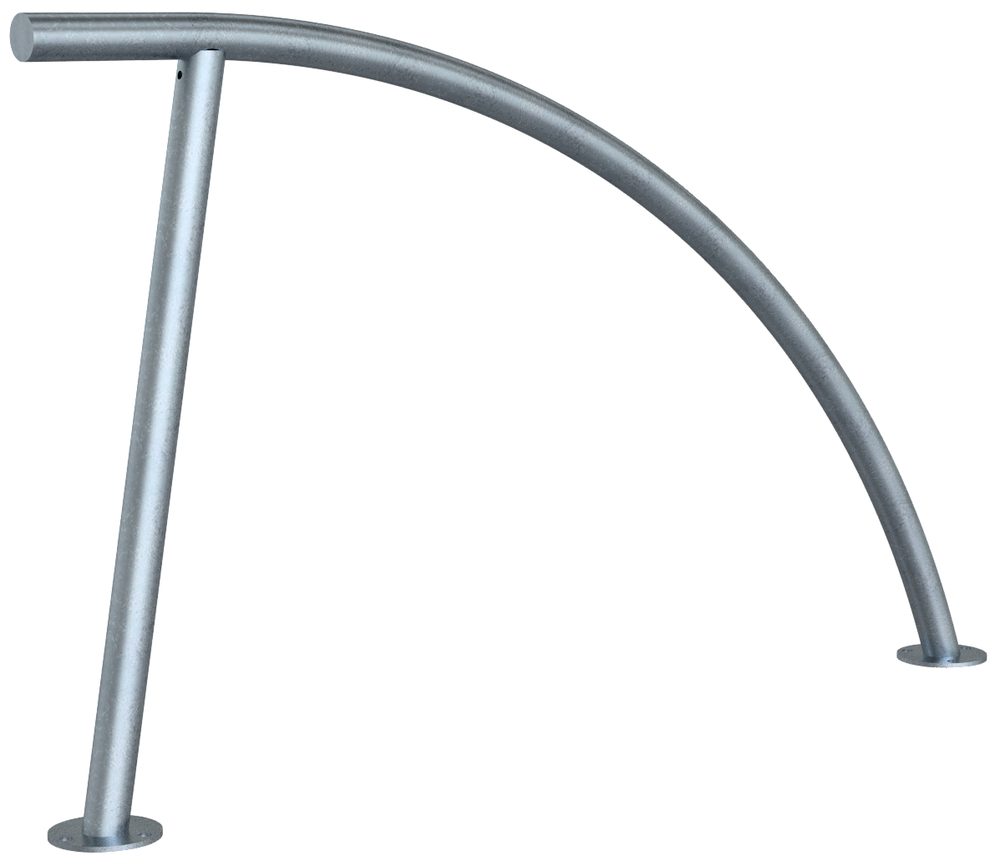
 Anthracite
 Silver gray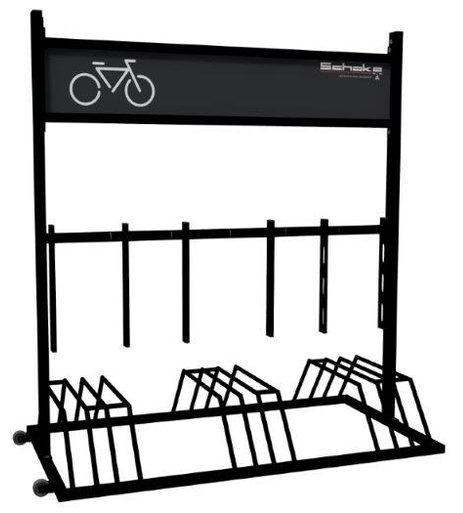
 Gray
Gray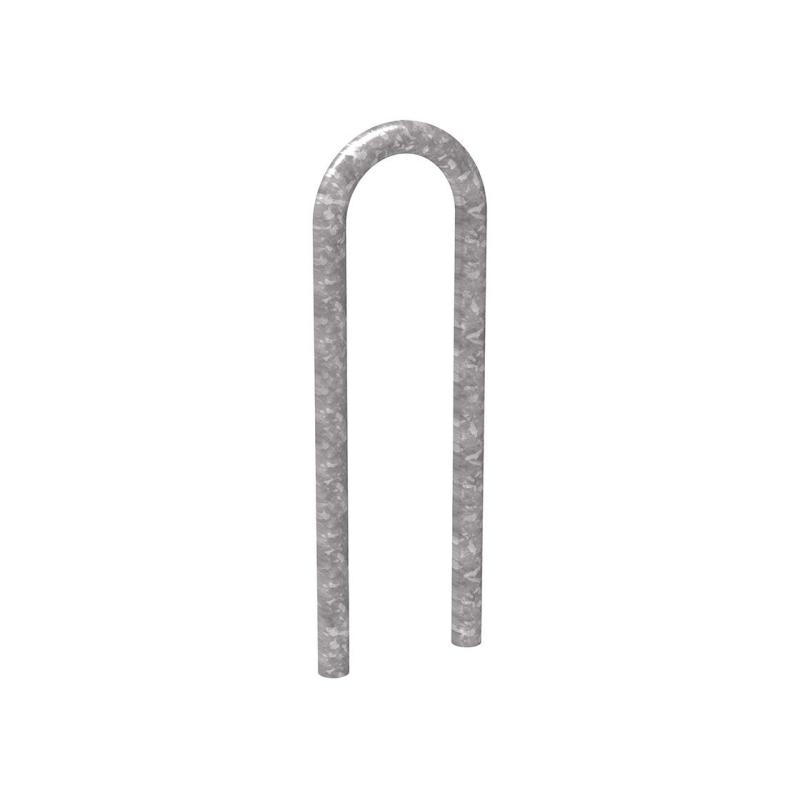
 Corten steel
 Gray
Gray Silver gray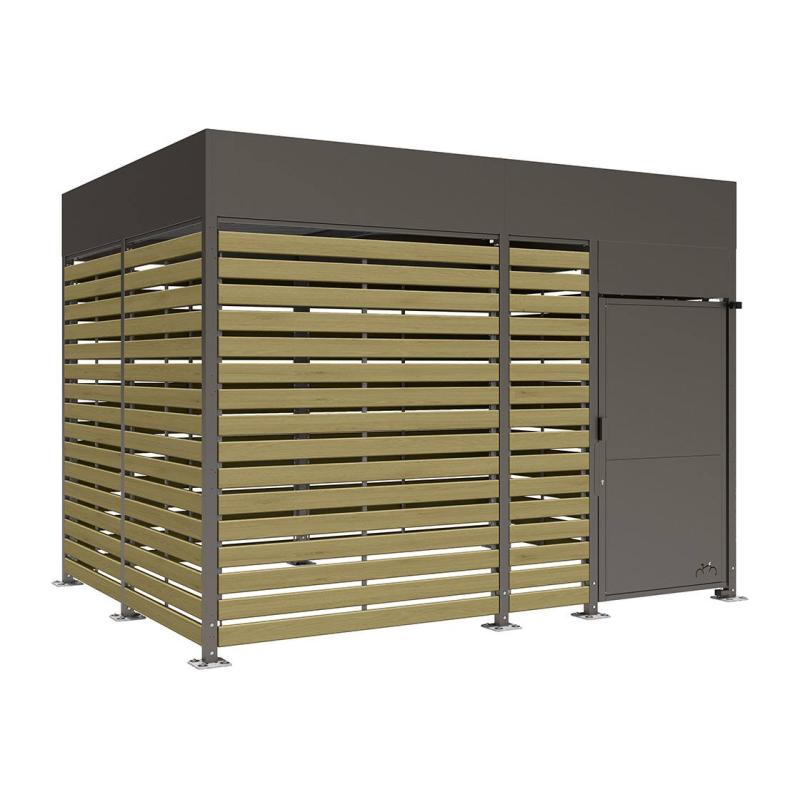
 Corten steel
 Gray
Gray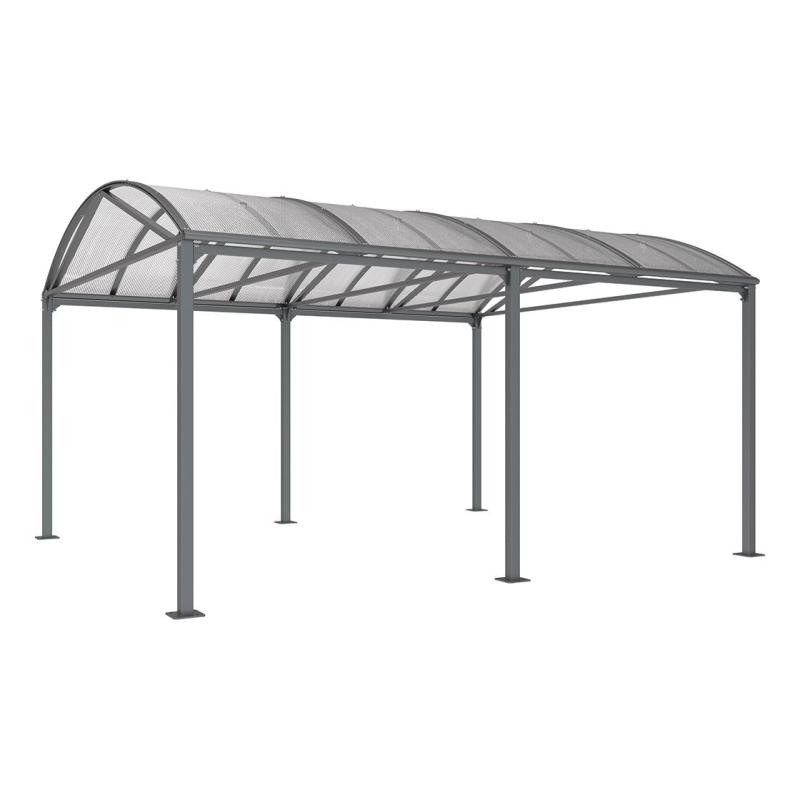
 Corten steel
 Gray
Gray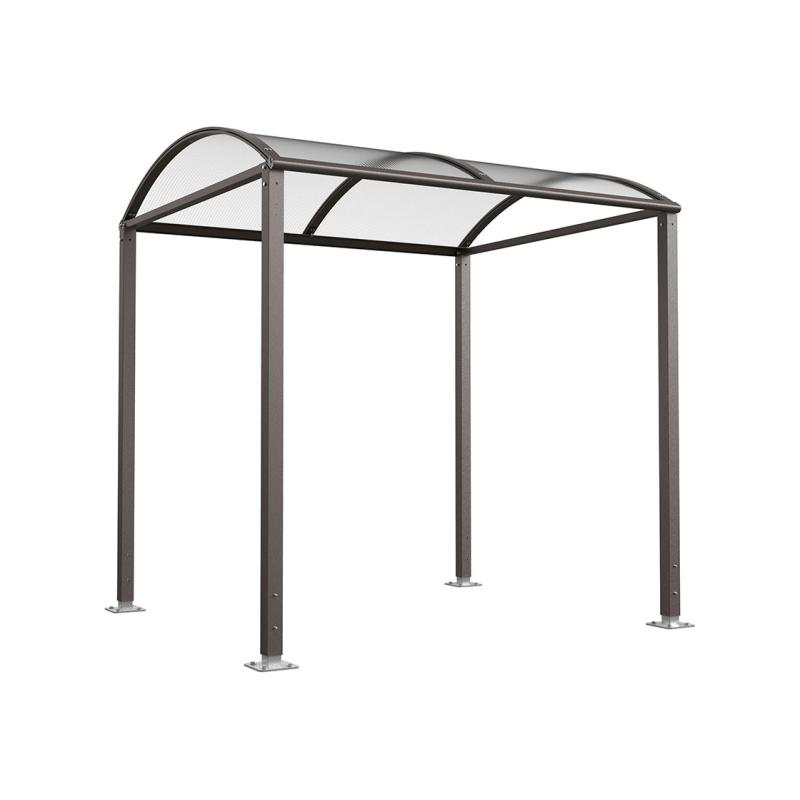
 Corten steel
 Gray
Gray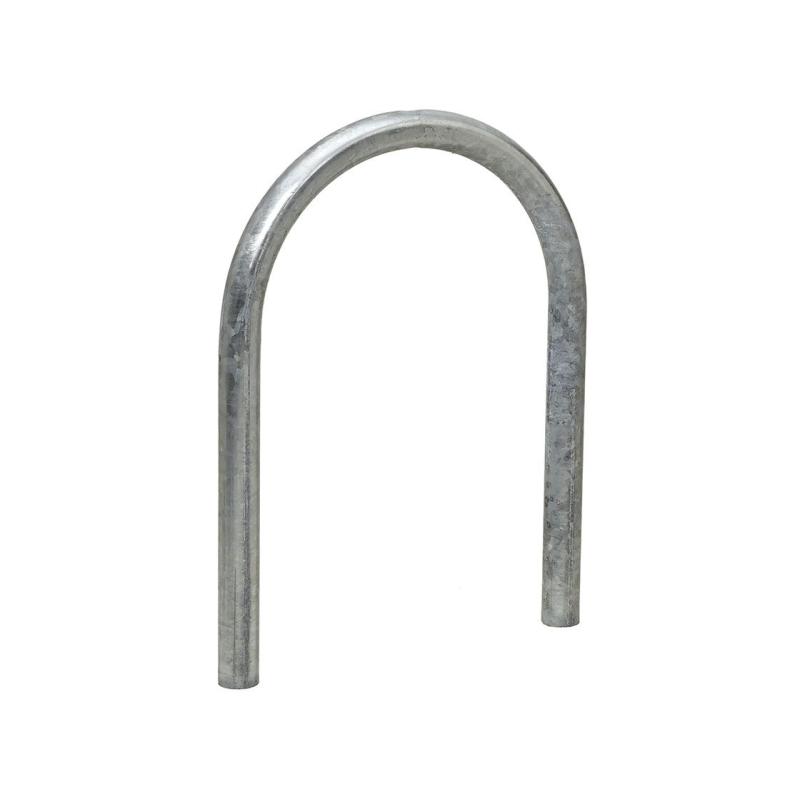
 Corten steel
 Gray
Gray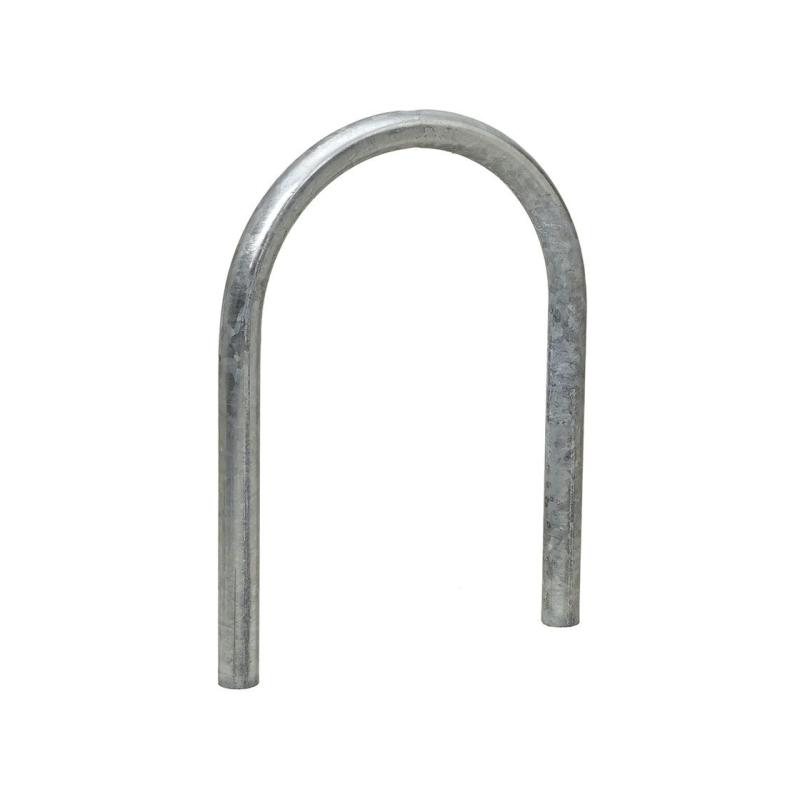 Silver gray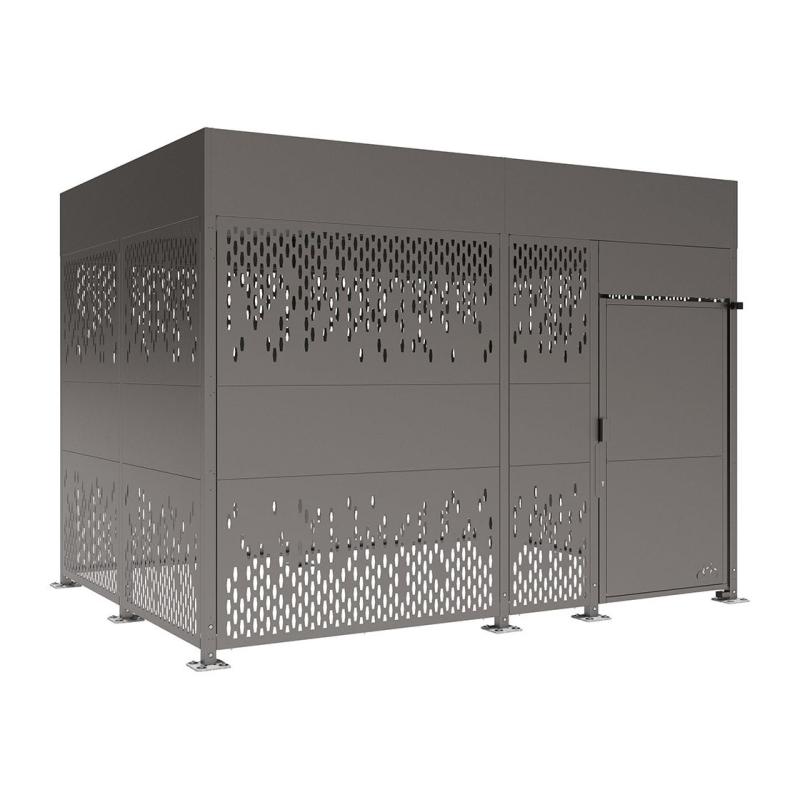
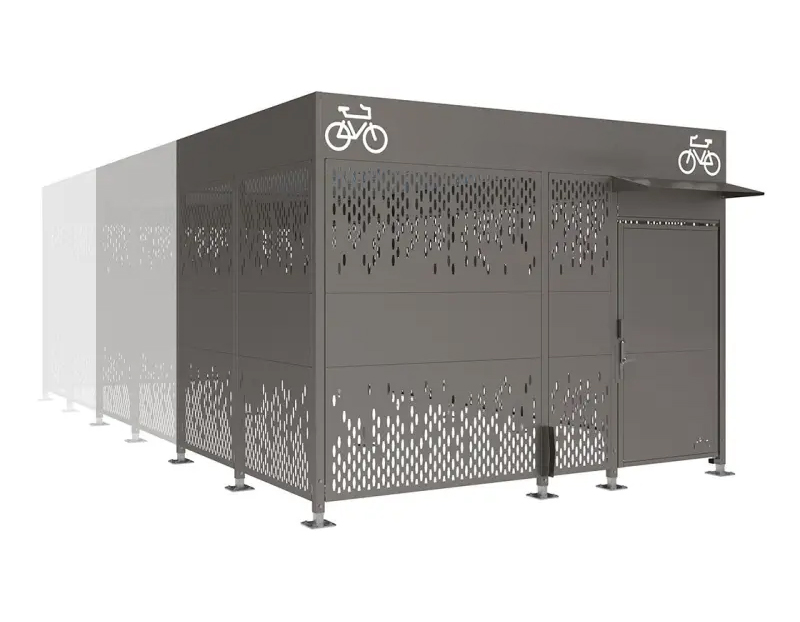
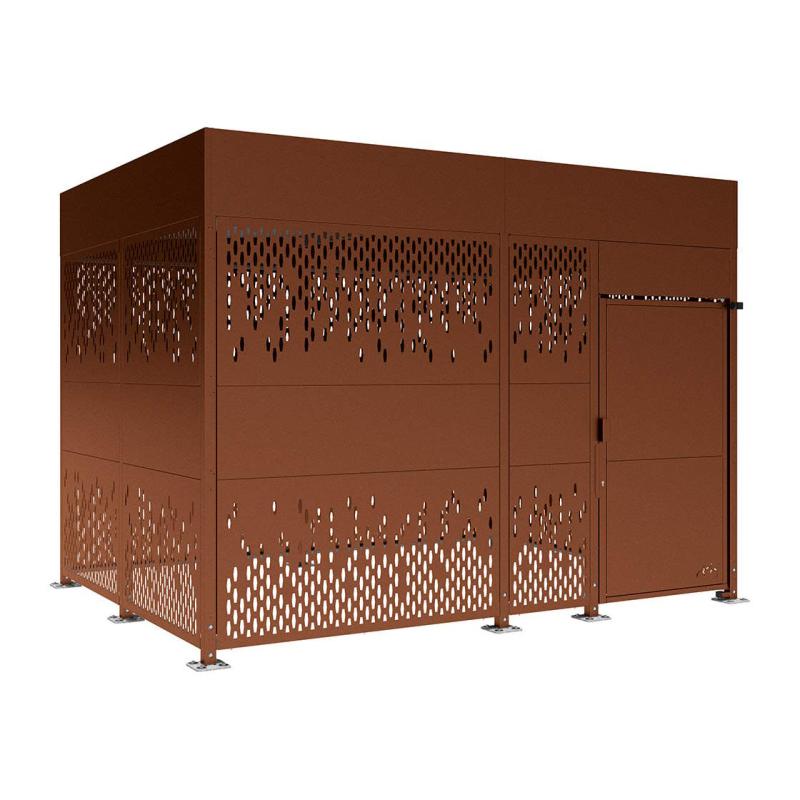 Corten steel
 Gray
Gray8. Lighting and Visibility Measures – Functionality and Range
Inadequate lighting is one of the most common causes of accidents, especially during the dark hours of the day. Proper lighting and effective visibility measures, such as reflectors and warning lights, are crucial for preventing incidents in everything from warehouses to public parking lots. This point on the safety inspection checklist ensures that all risk areas are sufficiently lit and that critical objects are visible, reducing the risk of collisions, falls and unauthorized access.
This checkpoint is fundamental because it directly affects the ability to detect hazards in time. Whether it is a forklift driver navigating a warehouse, a pedestrian crossing a walkway in the evening or a motorist looking for a parking space, good visibility is essential. Broken lamps, dirty fixtures or worn reflectors create hazardous zones where the risk of accidents increases dramatically. According to the Swedish Work Environment Authority, there are minimum requirements for workplace lighting precisely to prevent these risks.
What should you check?
The inspection of lighting and visibility must be thorough and cover all relevant areas. Focus on the following points during the safety inspection:
- Functionality and brightness: Walk through the entire area and check that all light sources are working. Identify broken lamps, flickering lights or fixtures with noticeably reduced brightness. Document the exact location for quick maintenance.
- Cleanliness and Range: Make sure lenses, fixtures and reflectors are free of dirt, dust and debris that can block the light and reduce its range. Cleaning can often restore a lamp’s original efficiency.
- Reflectors and markings: Inspect reflective tape on impact protection, posts and vehicles. Check that floor markings and road markings are clear and not worn away. Worn reflectors lose their function and must be replaced.
- Correct coverage: Evaluate whether the lighting is evenly distributed and eliminates dangerous shadows, especially in walkways, loading zones and at corners. Sometimes the layout of the operation may have changed, creating new dark spots that need to be addressed.
A well-thought-out lighting plan is an investment in safety. Supplement fixed lighting with mobile solutions such as warning lights and traffic lights in temporary risk areas or during maintenance work.
For advice on optimal lighting or the choice of reflective materials, such as warning lights for vehicles or road marking products, contact us at Nordguard to find a solution tailored to your needs.
8-Point Safety Inspection Comparison
| Measure | 🔄 Implementation Complexity | ⚡ Resource Requirements / Efficiency | 📊 Expected Results | 📌 Ideal Applications | ⭐ Benefits • 💡 Tips |
|---|---|---|---|---|---|
| Impact Protection and Collision Protection | Medium–high; requires secure anchoring and correct placement | High material and installation needs; requires maintenance when damaged | Strong protection against vehicle damage and personal injury | Parking lots, warehouses, public entrances | Protects property; inspect annually, document damage, use CE products |
| Markings and Paint | Low–medium; easy application but surface preparation required | Low material costs but recurring renewal | Improved guidance and fewer accidents | Parking areas, warehouse floors, industrial areas | Cost-effective; inspect ≥4 times/year, use highly reflective materials |
| Anti-Slip and Slip Resistance | Medium; requires correct application and friction testing | Moderate costs; regular cleaning and replacement | Reduces slip accidents and sick leave | Ramps, stairs, wet warehouse areas | Important for vulnerable groups; inspect monthly, replace when friction is low |
| Barricade Equipment and Barriers | Low; easy setup but correct placement is crucial | Low costs; needs frequent checks at active sites | Controlled traffic and restricted access | Construction sites, temporary barriers, events | Flexible and simple; use reflective material, check fastenings weekly |
| Mirrors | Low; easy installation but requires adjustment | Low cost; requires regular cleaning | Reduces blind spots and collisions | Warehouse corners, exits, parking lots | Cost-effective; clean often, check angle, consider heated mirrors |
| Barrier Gates and Height Restrictors | High; mechanical/electrical components and safety tests | High installation and maintenance costs; operation and service required | Effective access control and protection against unauthorized traffic | Entrances, parking garages, controlled areas | Provides strict access control; test monthly, check sensors/batteries |
| Bike Racks and Parking Solutions | Low; easy installation and few components | Low–moderate cost; requires space and maintenance | More bike parking, better order and less theft | Municipalities, schools, shopping centers, workplaces | Promotes sustainable transport; inspect monthly, rust protection and lighting |
| Lighting and Visibility Measures | Medium; electrical installation and lighting plan required | Moderate–high energy and maintenance costs; LED recommended | Improved visibility and fewer darkness-related accidents | Parking lots, walkways, warehouses with night shifts | Powerful safety effect; inspect 2×/month, use LED and sensors |
Next Steps: From Checklist to a Safer Reality
Working your way through this comprehensive safety inspection checklist is a powerful first step, but that is exactly what it is – a first step. The list is the tool, but the real value comes from the actions that follow. A completed safety inspection is not the end goal; it is the starting point for continuous, proactive safety work that turns observations into a measurably safer reality for everyone who spends time in your environments.
It is easy to get stuck in the documentation itself. Reports are filled in, deviations are noted and checklists are filed away. But every point on the list, from worn markings and inadequate lighting to damaged impact protection, represents a concrete and potentially costly risk. These deficiencies are not just administrative items to tick off; they are silent warnings of future incidents, property damage or, in the worst case, personal injury. The value of a thorough safety inspection is only realized when identified risks are eliminated with effective and durable solutions.
From Observation to Lasting Action
Moving from observation to action requires a strategic approach. It is not just about "fixing" the problem, but about understanding the root cause and implementing a solution that stands the test of time, weather and wear.
- Prioritize smartly: Use the prioritization matrix we discussed. Urgent risks, such as broken impact protection at a loading dock or missing anti-slip at an entrance in winter, must be addressed immediately. Schedule measures for less urgent, but still important, deficiencies in a maintenance budget.
- Choose the right material for the right place: A solution that works perfectly indoors can quickly fail in an exposed outdoor environment. Impact protection in a parking garage is subjected to different stresses than in heavy industry. The choice of products is crucial for a long-term solution.
- Think systematically: A single measure can sometimes create new, unintended risks. Installing a new barrier gate may require better lighting or clearer markings to prevent collisions. Look at the big picture and how different safety components work together.
By viewing your safety inspection checklist as a dynamic basis for safety investments, rather than a static report, you create a culture where safety is an ongoing process. Every resolved point is a direct investment in your organization’s reputation, your employees’ well-being and the protection of your assets.
Key insight: A successful safety inspection does not end with a completed checklist. It culminates in choosing the right safety equipment that addresses the identified risks effectively and durably. The quality of the products you install is just as important as the thoroughness of your inspection.
Acting on the results of your safety inspection is what truly makes a difference. This is where you build a robust and resilient safety environment that actively prevents accidents instead of just reacting to them.
Turning a completed safety inspection checklist into concrete safety improvements requires the right knowledge and the right products. At Nordguard, we specialize in offering the certified and durable solutions needed to address the most common deviations. Contact us today for expert guidance and let us help you choose the right safety equipment based on your unique needs assessment.
Ready to take the next step?
We help you develop solutions tailored to your needs. At Nordguard, we strive to make the ordering process as smooth as possible. By offering support and guidance throughout the entire purchasing experience, we make sure you feel confident and satisfied with your choice of protection products.+46 10 153 90 50
[email protected]