
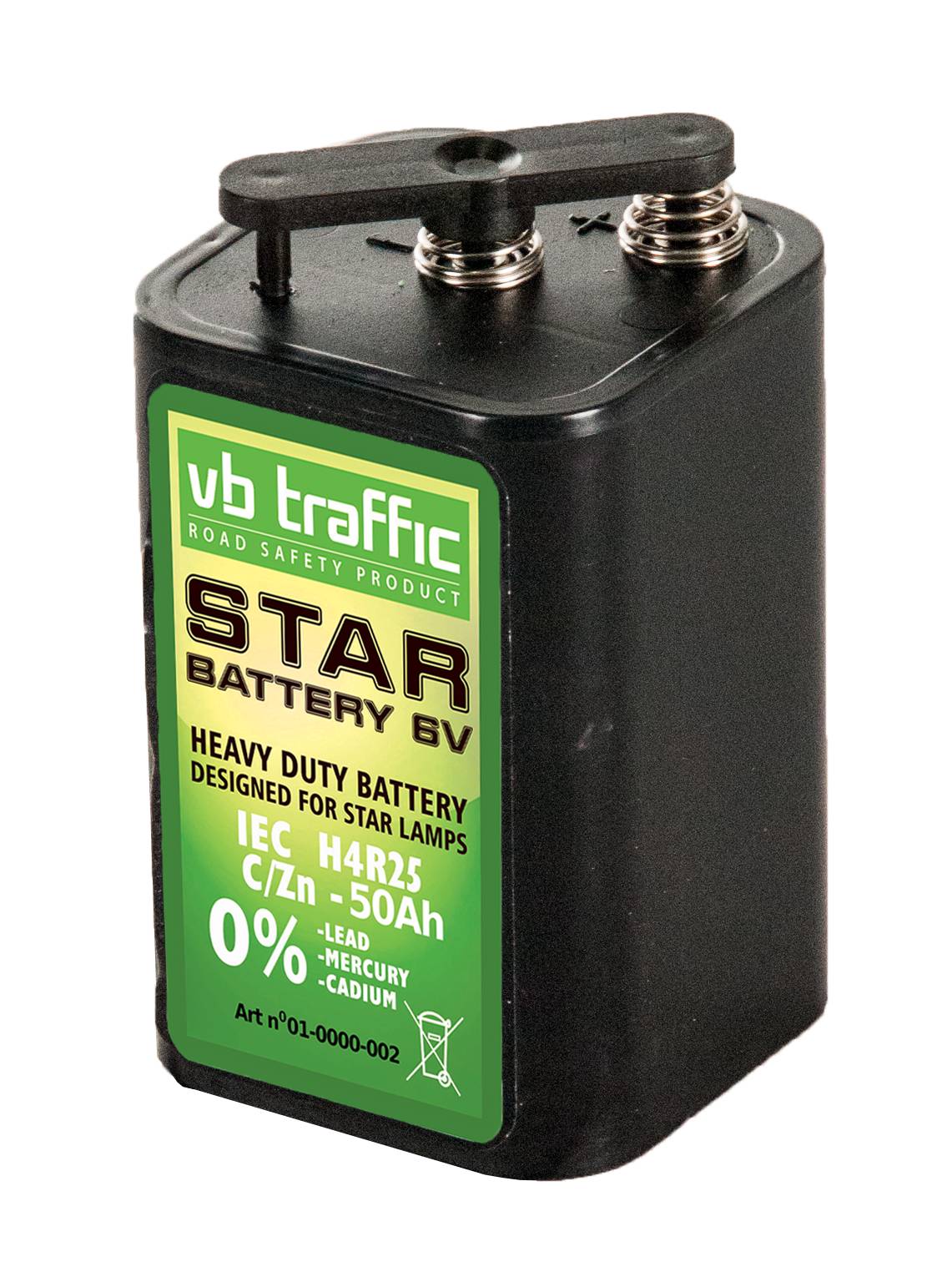
 Battery 6 V 28 Ah
 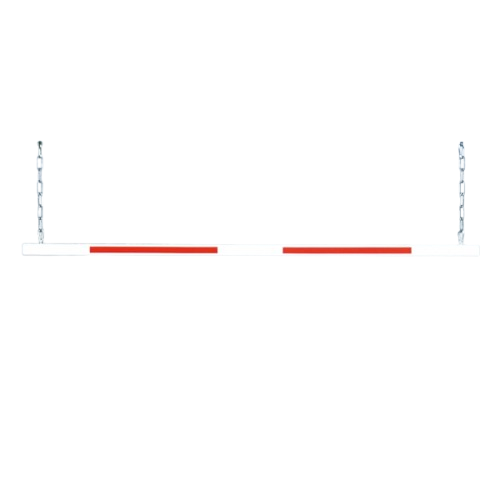 Height Restrictor - Nudge Bar for COMPACT Height Restrictor - Width: 2000mm
 How to Choose the Right Impact Protection for Columns in Your Facility
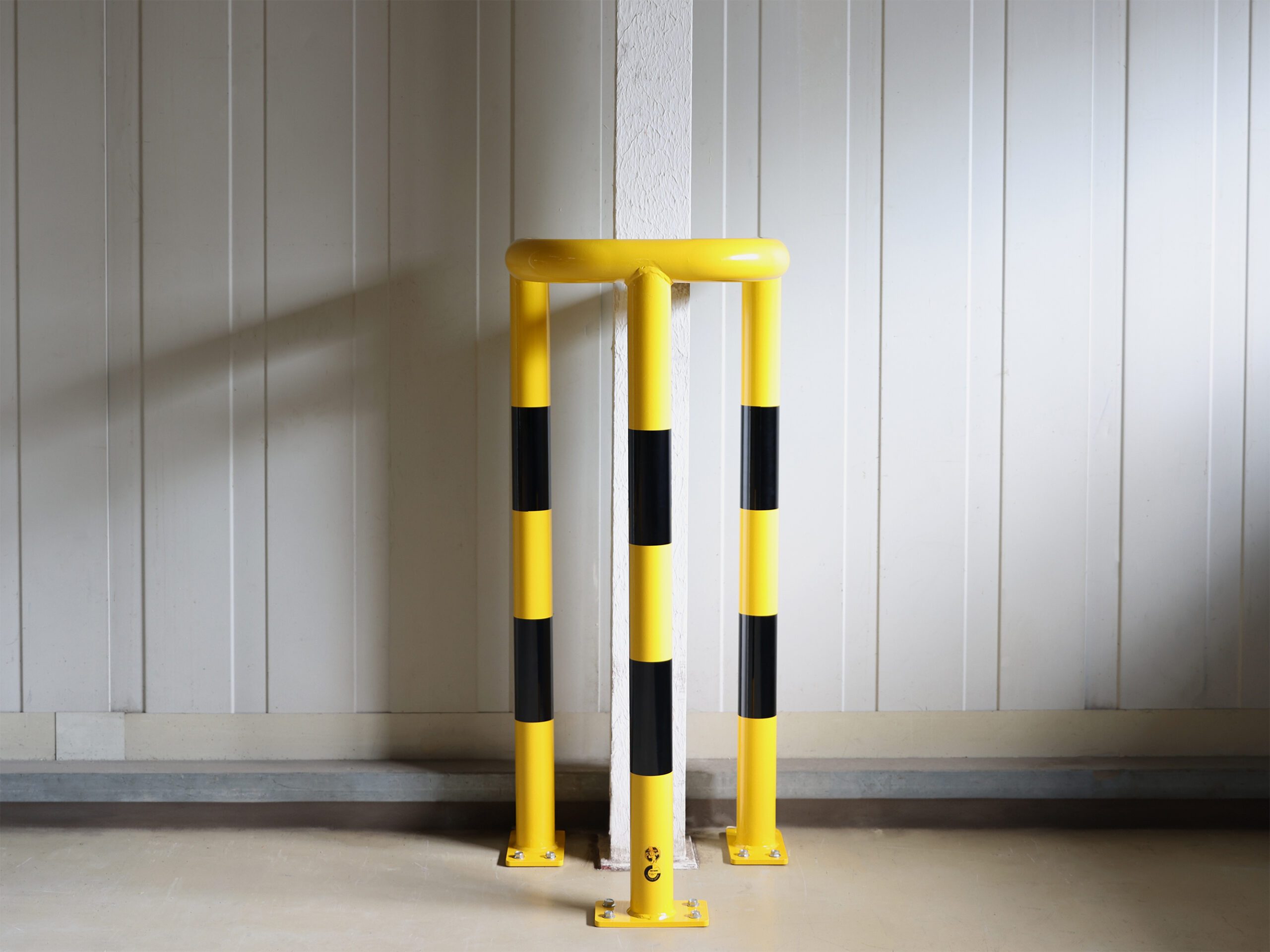
Impact protection for columns is essentially an airbag for your facility. It’s a safety device built to take the hit – absorbing and dissipating the force of a collision – to protect what really matters: load-bearing columns, personnel, and expensive vehicles.
For any facility with forklifts and other internal traffic, such as warehouses, parking garages, or production facilities, this is an absolutely critical investment. Choosing the right product from our range of steel and plastic impact protection is the key to a safe workplace.
From Vulnerable Column to Safe Workplace
Load-bearing columns rarely get a second thought – they’re just there. But in an environment where forklifts and trucks are on the move, they are actually one of the weakest points of the building. A single unfortunate collision can trigger a domino effect of costly and dangerous problems. Understanding that risk is the first step toward a safer and more efficient operation.
An impact protection for a column is therefore not just a cost. Think of it as insurance for your facility and your operations – a small investment that protects against potentially catastrophic expenses.
What Does a Collision Really Cost?
A damaged column is so much more than a dent in the concrete. Both the direct and indirect costs quickly skyrocket and can paralyze the entire operation.
- Structural repairs: Repairing or replacing a load-bearing column is a massive project. It’s complex, extremely expensive, and often requires large parts of the facility to be shut down completely.
- Production downtime: Every hour that logistics or production stands still is money lost. It also risks damaging customer relationships and delivery commitments.
- Vehicle damage: Repairing a forklift is rarely cheap, especially if it’s specialized equipment. In the worst case, the vehicle has to be replaced entirely.
- Personal injury: The absolute worst thing that can happen is that someone gets hurt. Beyond the human suffering, it leads to sick leave, investigations, and in the worst case, legal consequences.
A strategically placed column protector is proactive risk management at its best. It turns a critical vulnerability into a controlled and safe part of the work environment. Quite simply, you make sure your operation keeps running without costly interruptions.
At Nordguard, this is exactly what we help you with. We analyze your unique environment to identify the risks and develop the most cost-effective solution to protect your columns, your personnel, and your investment. By understanding your traffic flows and vehicle types, we can recommend the right protection, such as our robust steel impact protection, which provides maximum safety.
Explore our range of robust steel and plastic impact protection below.
Not sure what risks exist in your facility? Contact us today for a free needs assessment. Our experts will help you map vulnerabilities and develop a tailored safety plan.
Choosing Materials for Impact Protection – A Comparison
Choosing a material for a column protector can feel like navigating a jungle. Should you go with steel, plastic, or maybe even concrete? The answer is that every material has its strengths and weaknesses, and the key is understanding the risks in your specific environment so you can choose the right product.
It’s a bit like choosing tires for your car. Studded tires are fantastic on an icy country road but completely wrong on summer asphalt. In the same way, a heavy-duty steel protector is perfect in a warehouse with heavy forklift traffic, while a flexible plastic protector often does a better job in a parking garage where minor bumps from passenger cars are the most common risk.
Steel for Maximum Strength and Durability
Steel is the classic, almost obvious choice in tough industrial environments. The reason is simple: extreme strength. A correctly installed steel impact protection is built to withstand really heavy hits from forklifts and trucks.
When a steel protector is struck, it deforms. That may sound negative, but that’s exactly the point – the protector absorbs a large share of the collision energy and acts as a last line of defense, protecting both the column and the vehicle from catastrophic damage.
It’s no coincidence that warehouses and logistics centers almost exclusively use steel. In these environments, forklift accidents are one of the most common causes of serious injuries. According to the Swedish Work Environment Authority, nearly 800 people every year in Sweden are injured so badly in forklift accidents that they have to go on sick leave – a figure that hides enormous costs and great suffering.
Plastic for Flexibility and Visibility
Modern polymer plastics have truly transformed the market. Their greatest advantage is the combination of flexibility and energy absorption. When a plastic protector takes a hit, it simply springs back to its original shape after minor collisions.
This makes plastic a smart choice in environments with lower speeds and lighter vehicles – think parking garages, retail stores, or hospital corridors. Damage to both the vehicle and the protector itself is minimized, which in turn leads to significantly lower maintenance costs.
Another big advantage is that plastic protectors are usually made in bright high-visibility colors such as yellow or orange. This built-in visibility acts as a preventive measure; it helps drivers spot the obstacle in time and avoid the collision altogether. Want to dive deeper into how the material affects safety? Read our guide on choosing between plastic, steel, or a combination.
Concrete for Robust, Permanent Barriers
Concrete is mainly used to create permanent and extremely robust barriers, usually outdoors to separate large areas or protect entire facades. Concrete barrier blocks and fixed bollards are typical examples.
The advantage of concrete is its enormous mass and immovability. The downside is that it’s a completely rigid material that absorbs no energy. A vehicle that crashes into a concrete barrier is stopped abruptly, which can cause massive damage to both vehicle and driver. Installation is also both complicated and permanent.
Comparison of Impact Protection Materials
To give you a clear overview, we’ve put together a table comparing the most common materials for column protectors. Here you can quickly see which material best suits different needs and environments.
| Material | Strength | Impact Absorption | Maintenance | Best Suited For |
|---|---|---|---|---|
| Steel | Very high | Deforms to absorb energy. | Requires repainting if rust appears. Must be replaced after a heavy collision. | Warehouses, industry, logistics centers with heavy forklift traffic. |
| Plastic | Medium to high | Very flexible, returns to its original shape. | Low. Scratch-resistant and does not rust. Rarely needs replacing. | Parking garages, stores, hospitals with lighter vehicle traffic. |
| Concrete | Extremely high | Very low. Stops vehicles abruptly. | Low, but difficult to repair if damaged. | Outdoor environments, permanent boundaries, facade protection. |
Choosing the right material is absolutely critical to getting protection that actually works in practice. A misjudgment can at best lead to unnecessary costs, but at worst it means the protection fails exactly when it’s needed most. Don’t hesitate to contact us for expert help choosing the right product for your specific needs.
How to Choose the Right Protection for Your Unique Needs
Choosing impact protection is about more than just measuring a column. To find a solution that actually works in practice, you need to understand your own environment – how vehicles move, what risks exist, and what applies at your specific facility. It’s a process that takes some thought, but with the right approach the choice becomes much easier.
Think of it like choosing protective gear for an athlete. A hockey goalie needs completely different equipment than a soccer player, because the risks are entirely different. In the same way, a warehouse with heavy forklifts requires a completely different type of column protector than a parking garage where the risk mainly comes from passenger cars at low speed.
Analyze Your Traffic and Environment
The first and most important step is to get a clear picture of the traffic situation. Ask yourself and your colleagues a few simple questions to pinpoint your needs.
- What types of vehicles operate here? Are they heavy forklifts, light pallet jacks, trucks, or passenger cars? The vehicle’s weight determines the force a protector must be able to handle.
- What speeds are we talking about? An impact at 10 km/h generates exponentially more energy than one at 3 km/h. Try to estimate both normal and maximum speeds near the columns.
- What do the traffic flows look like? Are there narrow aisles, sharp turns, or long straightaways? Areas where drivers have to maneuver a lot significantly increase the risk of mistakes and collisions.
- Is the environment indoor or outdoor? Outdoor environments place higher demands on the material, which must withstand everything from UV radiation and rain to rust.
This initial analysis gives you a basic list of requirements and helps you immediately rule out options that aren’t relevant.
Assess the Column and the Substrate
Once you have a handle on the traffic, it’s time to look at the column itself and the conditions for mounting. The shape and material of the column play a big role in which protector fits best, both functionally and in terms of installation.
- Column shape and dimensions: Is it round, square, or rectangular? Carefully measure all sides or the diameter. A protector that’s too small does no good, while one that’s too large can become an obstacle in itself.
- Column material: Is it a concrete column or a steel structure? Some protectors are designed specifically to fit different types of columns.
- Installation substrate: This is perhaps the most critical – yet most often overlooked – factor. Is it a thick, reinforced concrete slab or just thin asphalt? The quality of the substrate determines which anchoring method is possible and how well the protector will actually withstand an impact.
As the image shows, steel is often the obvious choice for heavy traffic, while plastic can offer smart flexibility for lighter vehicles.
Create a Checklist for Your Needs
Summarize the information from your analysis in a simple checklist. It becomes an invaluable tool when you compare different products or discuss your needs with an expert. For even more detailed advice, feel free to read our complete guide to choosing the right impact protection for warehouses and logistics.
Carefully analyzing your environment before choosing an impact protection for a column is not just a recommendation – it’s essential for the investment to deliver real safety. An incorrect assessment can lead to a false sense of security where the protection doesn’t measure up when an accident actually happens.
Going through these steps gives you a solid foundation to stand on. But remember, every facility is unique, and sometimes there may be hidden risks that are hard to spot on your own.
Unsure how to interpret your analysis or which protection is optimal for your situation? Contact our experts at Nordguard. We’ll help you go from analysis to a complete, safe, and durable solution that protects both your personnel and your facility.
Why Correct Installation Is Everything for Safety
Even the most robust and expensive impact protection is practically worthless if it’s installed incorrectly. It’s an uncomfortable truth, but the anchoring is just as important as the protector itself. A protector that gets torn loose in a collision has not only failed at its job – it can itself turn into a dangerous projectile.
Think of it like a seat belt. A state-of-the-art belt that isn’t properly anchored to the car’s chassis gives a false sense of security. At the moment it’s needed most, it will give way, with devastating consequences. In exactly the same way, an impact protection for a column depends entirely on its anchoring to handle the enormous forces generated in a collision.
The Right Anchoring for Your Substrate
The substrate is the foundation of the entire installation. A porous or cracked concrete floor will never provide the required strength, no matter how heavy-duty the bolts you use. That’s why a thorough inspection of the floor is always the first, critical step.
Essentially, there are two main methods for anchoring protectors to concrete, each with its own specific application:
- Mechanical expansion bolts: This common method works by a sleeve expanding in the drill hole as the bolt is tightened. It creates a strong, friction-based anchor that is quick and effective in solid, good-quality concrete.
- Chemical anchors (adhesive anchoring): Here, a two-component compound is injected into the drill hole before the bolt is inserted. The compound cures and creates an extremely strong, stress-free bond between the bolt and the concrete. This is the superior method near edges, in cracked concrete, or when maximum load capacity is a must.
Choosing between these is not a matter of preference, but a technical assessment based on the quality of the substrate and the protector’s specifications.
Using the wrong type of anchoring is like building a house on sand. No matter how strong the structure is, the foundation will give way under pressure, and the entire investment risks collapsing.
Common Mistakes That Compromise Safety
A professional installation is all about precision. It’s important to avoid the classic pitfalls that can completely sabotage a protector’s function. Small mistakes during mounting can have major consequences.
- Incorrect distance to concrete edges: Drilling too close to an edge or corner is one of the most common mistakes. An expansion bolt creates high stresses in the concrete, which can easily cause the edge to crack and the entire anchor to come loose.
- Incorrect tightening torque: Bolts must be tightened with exactly the right force, as specified by the manufacturer. Too loose, and the protector can wobble and lose stability. Too tight, and you can damage both the bolt and the concrete.
- Insufficient drilling depth: A hole that’s too shallow means the bolt doesn’t get enough grip to handle the loads it’s designed for. This dramatically reduces strength.
These details may seem small, but together they determine whether your impact protection for columns becomes a reliable safety solution or a dangerous bad investment. Our range of impact protection is designed for safe and durable installation.
Correct installation is a science that requires knowledge, experience, and the right tools. By hiring professional installers, you ensure the protector is mounted according to best practice and the manufacturer’s instructions.
Unsure about the conditions in your facility, or want to ensure an installation that guarantees maximum safety? Contact us at Nordguard for expert advice and professional installation assistance. We make sure your protection works as it should when it really counts.
Understanding Laws and Standards for Impact Protection
Navigating the maze of workplace safety regulations can feel complicated. Many wonder when an impact protection for a column goes from being a good idea to actually being a legal requirement. The answer is clearer than you might think and can be found in the regulations of the Swedish Work Environment Authority: as an employer, you have an obligation to prevent collision risks.
This responsibility becomes especially tangible in dynamic environments such as warehouses and industrial sites, where forklifts and pedestrian personnel share the same areas. The regulations are not a loose recommendation, but a requirement to protect employees from foreseeable hazards.
When Is Impact Protection a Legal Requirement?
The law rarely specifies exactly what type of protection is needed, but it is crystal clear about risk zones where measures are mandatory. If you recognize any of the points below from your own operation, it’s high time to review your safety.
- Protection of load-bearing structures: Columns, walls, and corners that are critical to the building’s stability must be protected where vehicles operate. A collision here can have devastating consequences.
- Intersections between forklift and pedestrian traffic: Where forklift aisles meet staff walkways, an obvious risk arises. Fixed barriers or protection are required to physically separate the flows and protect pedestrians.
- Protection of workstations and equipment: Expensive machinery or areas where personnel work close to forklift traffic must be shielded. It’s about preventing accidents before they even happen.
Ignoring these requirements is not only a safety risk. It can also lead to substantial fines and citations during an inspection by the Swedish Work Environment Authority. Proactively installing the right protection is an investment in both safety and regulatory compliance.
Investments in fixed protection have a proven, dramatic effect on safety. Looking at traffic as a whole, the number of fatalities on Swedish roads fell by a full 36 percent between 2010 and 2019. This development is largely attributed to increased investments in physical barriers specifically, as part of Vision Zero. The same logic applies within the walls of a workplace.
Why CE Marking Matters for Your Safety
When you choose impact protection, the CE marking is your single most important quality guarantee. It’s not just a sticker, but proof that the product has been tested and approved according to the strict safety and performance requirements that apply throughout the EU.
By choosing a CE-marked impact protection for columns, you know that the product can actually withstand the forces it’s designed for. It gives you confidence that the protection will do its job on the day an accident happens. Want an in-depth understanding of the specific requirements? Read our guide on regulations and standards for impact protection.
At Nordguard, we sell only CE-marked products so we can guarantee the highest possible level of safety. We can help you interpret the regulations and identify exactly which protection is required for your workplace to be both safe and compliant. Contact us to discuss how we can help you meet the requirements.
Protect Your Investment with Proper Maintenance
Installing an impact protection for columns is a smart move to protect your facility. But the job isn’t done just because the protection is in place. For it to work as intended – not just today but years from now – regular inspections are required.
Think of impact protection like a helmet. After a hard hit, it may look intact on the surface, but inside there may be microcracks. The next time there’s a serious impact – there’s no protection left. The same principle applies to a column protector. Even a small dent can be a sign that its structural integrity has been compromised.
Neglecting maintenance creates a false sense of security. A damaged protector is not only ineffective – in the worst case, it can be a hazard in itself.
Practical Inspection Checklist
Regular inspections don’t have to be complicated, but they have to be done. Create a simple routine to quickly find problems before they grow into safety risks. Do a walk-through and check the protectors at regular intervals, ideally every month or immediately after a known incident.
Keep an eye on these points:
- Visible damage: Look for dents, cracks, or deep scratches. A large dent in a steel protector is a clear sign that it has taken a hit and should be replaced. Cracks in a plastic protector show that the material has weakened.
- Anchoring: Check that all bolts are tight. Vibrations from a collision can cause the anchoring to loosen over time. Try to wiggle the protector – it should be completely rigid.
- Corrosion and wear: Check for rust on steel protectors, especially at welds and where the paint has worn off. Rust isn’t just unsightly – it eats away at the material’s strength.
- Substrate: Inspect the concrete around the anchor points. Do you see cracks or signs that the concrete has given way? A damaged foundation means even the best protector can be torn loose in an impact.
A damaged impact protection is no longer protection. Proactively replacing a weakened component is a small cost compared to the consequences of a protector failing in a serious collision. It’s about securing your original investment in safety.
Simplify Maintenance with a Service Agreement
In a busy operation, it’s easy for maintenance to be forgotten. To make sure your protectors are always in top condition and meet the requirements, a service agreement can be a really good solution. With an agreement from Nordguard, our experts take over responsibility for regular inspections, documentation, and recommended actions.
We make sure your impact protection always works as it should, protecting both personnel and facility. That gives you one less thing to worry about and more time to focus on your core business.
Have questions about maintaining your protection or want to learn more about how a service agreement can help you? Contact us at Nordguard today for expert help. We make sure your safety investment lasts over time.
Frequently Asked Questions About Impact Protection for Columns
When you’re investing in the safety of a facility, a lot of questions almost always come up. An impact protection for columns is a crucial part of a safe work environment, and it’s important to have a clear picture before you decide. To make things easier, we’ve gathered some of the most common questions we encounter.
Here you’ll find quick, straightforward answers that help you feel confident in your choice and understand how different protectors actually work in practice.
Which Protection Works Best in a Parking Garage?
In a parking garage, where traffic is mostly passenger cars at low speed, flexibility is key. Here, we almost always recommend impact protection made of polymer plastic or rubber. Their big advantage is that they can absorb the hit, spring back, and return to their original shape.
This means less damage to both the car and the column, saving money on everything from dented bodywork to cracked concrete. To get maximum effect, choose a model in a bright warning color such as safety yellow. It greatly increases visibility in garages that are often poorly lit and can help prevent the accident in the first place.
Choosing a flexible material in a parking garage isn’t just about protecting the column, but also about being forgiving to vehicles. It creates a safer and less costly environment for everyone who uses the facility.
Can I Install Impact Protection Myself?
Sure, some simpler, modular protectors look easy to install, but we strongly advise against doing it yourself. The entire function of an impact protection depends on correct and durable anchoring to the floor. It’s the anchoring that determines whether the protection can withstand the enormous forces of a collision.
Our installers have the knowledge and tools required. They can assess the substrate, choose the right anchoring – expansion bolt or chemical anchor – and make sure everything is mounted exactly according to the manufacturer’s instructions. Hiring a professional is simply a guarantee that the protection will do its job on the day it really counts. Contact us and we’ll help you with a professional installation.
How High Should the Impact Protection Be?
There’s no standard height that fits everyone – the height must be adapted to the risks in your specific environment. It all depends on which vehicles operate in the area and where the most likely point of impact is.
- For forklifts: The protector must be positioned so that it contacts the forklift’s frame – its strongest point. A barrier that is misplaced and hits the forks or the load can do more harm than good.
- For passenger cars: Here, the bumper height is what matters. The protector should be centered to effectively absorb the force of a car collision.
To be sure you get it right, a risk assessment is required. It’s a service we at Nordguard offer so you get a solution that is optimized and safe for your specific facility. Contact us for expertise and a tailored solution.
Have more questions, or need help finding the right protection for your columns? Don’t hesitate to contact us at Nordguard. We help you with everything from needs assessment to completed installation. Click here to get free advice.
Ready to take the next step?
We help you develop solutions tailored to your needs. At Nordguard, we strive to make the ordering process as smooth as possible. By offering support and guidance throughout the entire purchasing experience, we make sure you feel confident and satisfied with your choice of protection products.+46 10 153 90 50
[email protected]