
Bumper Rails: The Ultimate Guide to Protecting Your Property
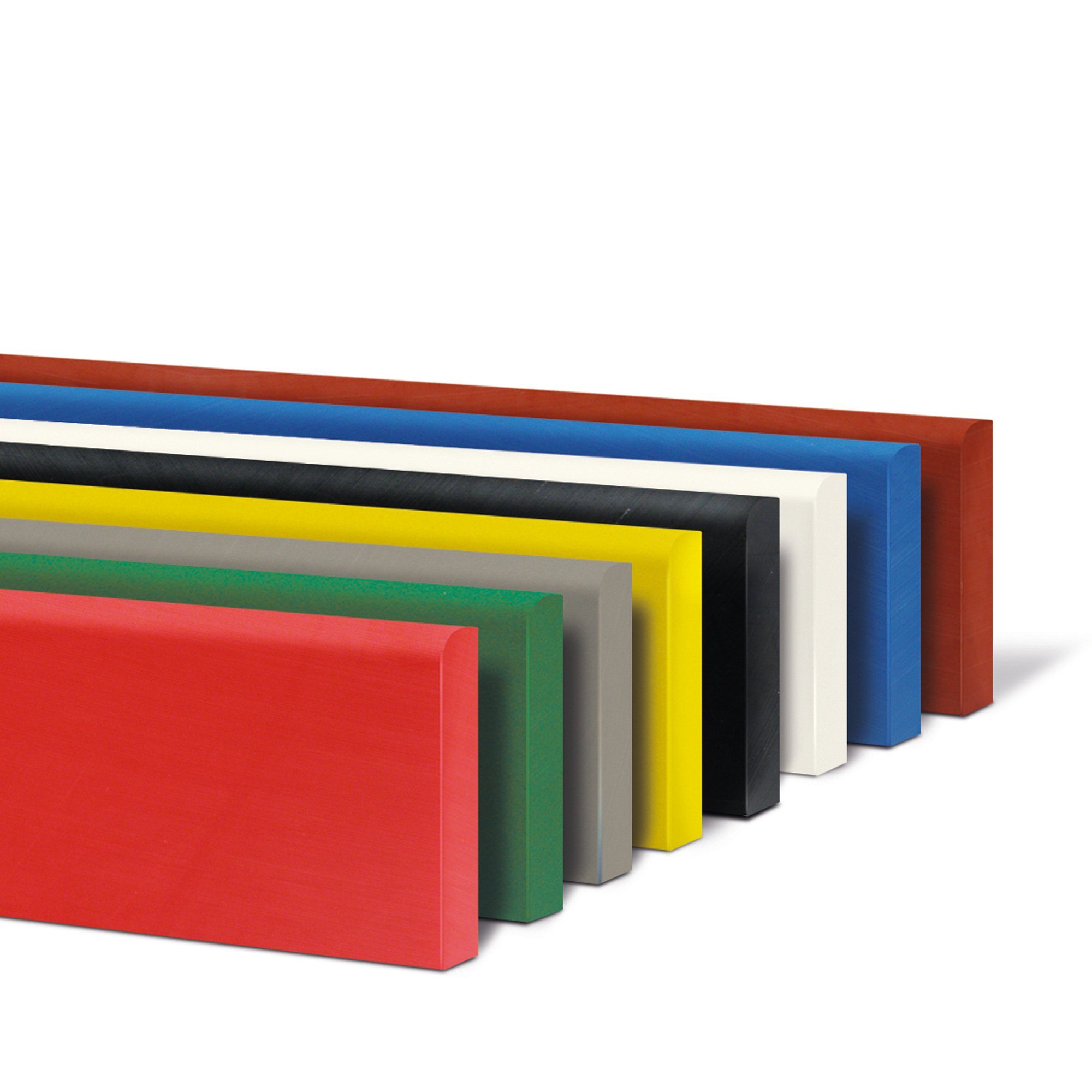
A bumper rail is your property’s very best line of defense against costly and unnecessary impact damage. Think of it as a purpose-built bumper for your walls, columns and loading docks, designed to absorb and distribute the force of inevitable impacts. It’s not just about avoiding unsightly scratches, but about protecting the load-bearing structure itself from serious damage that can lead to costly downtime and safety hazards.
Understanding how a bumper rail works
In environments with heavy vehicle traffic – such as warehouses, parking garages and logistics terminals – damage from forklifts, pallet jacks and cars is a constant and costly headache. Do you recognize the problem of crushed wall corners or damaged columns? A strategically placed bumper rail acts as the first protective zone and is a crucial solution for keeping the building both safe and intact.
Picture a parking garage. Day in and day out, cars maneuver in tight spaces. Without protection, columns and wall corners quickly become a sorry sight, covered in scratches, scraped paint and chipped concrete. But with a simple rubber or polymer bumper rail mounted at the right height, the knocks are absorbed, protecting both the vehicle and the building.
More than just surface protection
A bumper rail is about so much more than appearance. Its primary job is to protect what’s behind it. A hard hit from a heavy forklift can cause cracks in a load-bearing concrete column, which can lead to extreme repair costs and, in the worst case, immediate safety hazards.
By installing the right protection, you gain several concrete benefits:
- Lower maintenance costs: You avoid recurring, time-consuming repairs to walls, columns and equipment.
- Improved safety: You protect staff and visitors from accidents caused by damaged structures or vehicles.
- Longer property lifespan: By protecting the building’s vital parts, you secure its value and durability over the long term.
- Better operational efficiency: Less damage means less downtime for repairs, which is absolutely critical in logistics and industrial environments.
Bumper rails combined with other protection
To achieve truly comprehensive protection, bumper rails are often combined with other types of impact protection. At a loading dock where trucks back in, heavy-duty steel rails on the wall can be supplemented with robust steel bollards and safety railings to protect dock doors and staff. This strategy creates multi-layered protection that effectively handles different kinds of risks and makes for a safer workplace.
Investing in the right bumper rail isn’t a cost – it’s insurance against future expenses and operational disruptions. A thorough analysis of traffic flows and risks is the foundation of an effective, long-term protection solution.
Not sure which type of bumper rail or combination of protection will solve the problems in your particular operation? Our experts are happy to help you analyze your needs and develop a tailored solution. Contact us today for a free consultation and see how we can help you prevent costly damage.
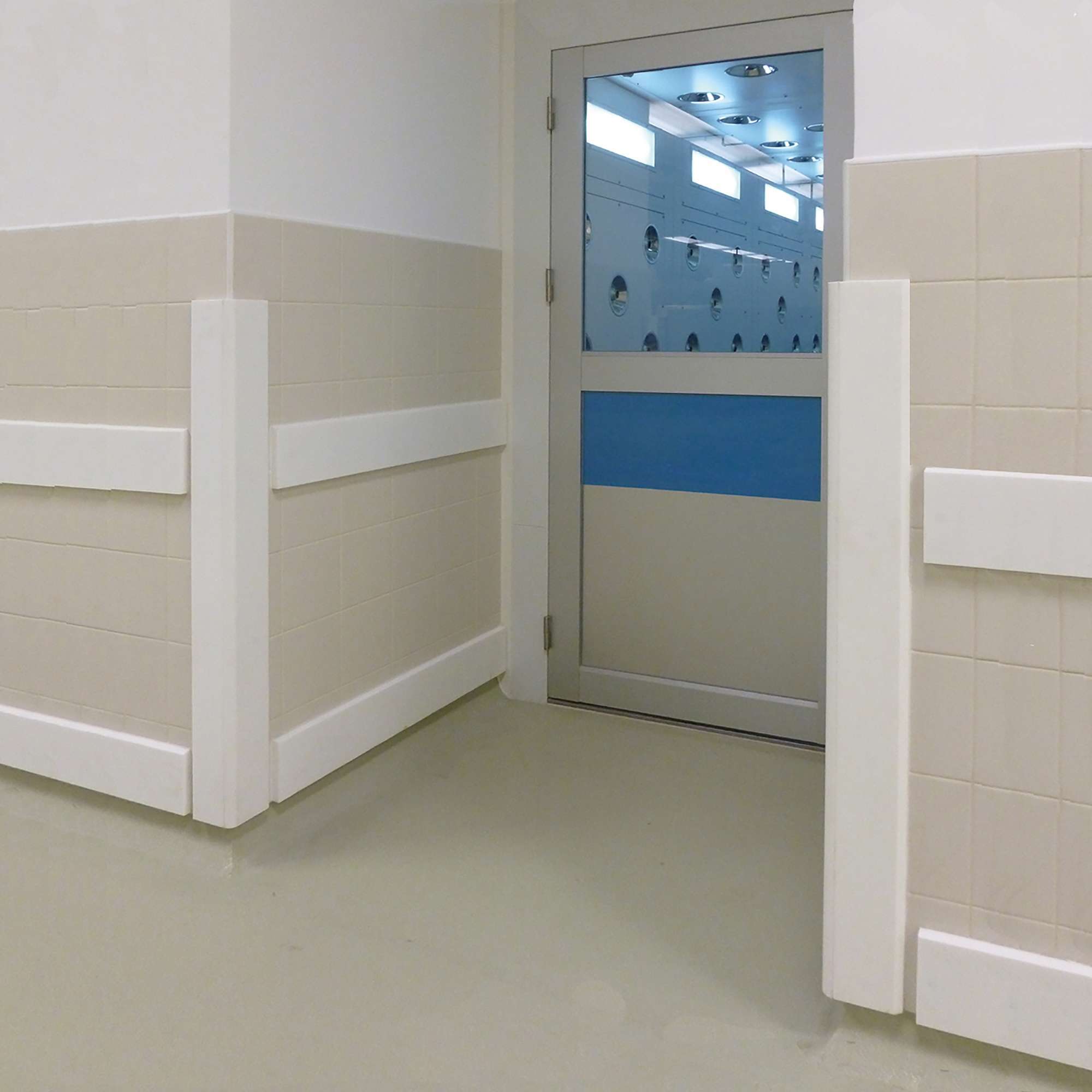
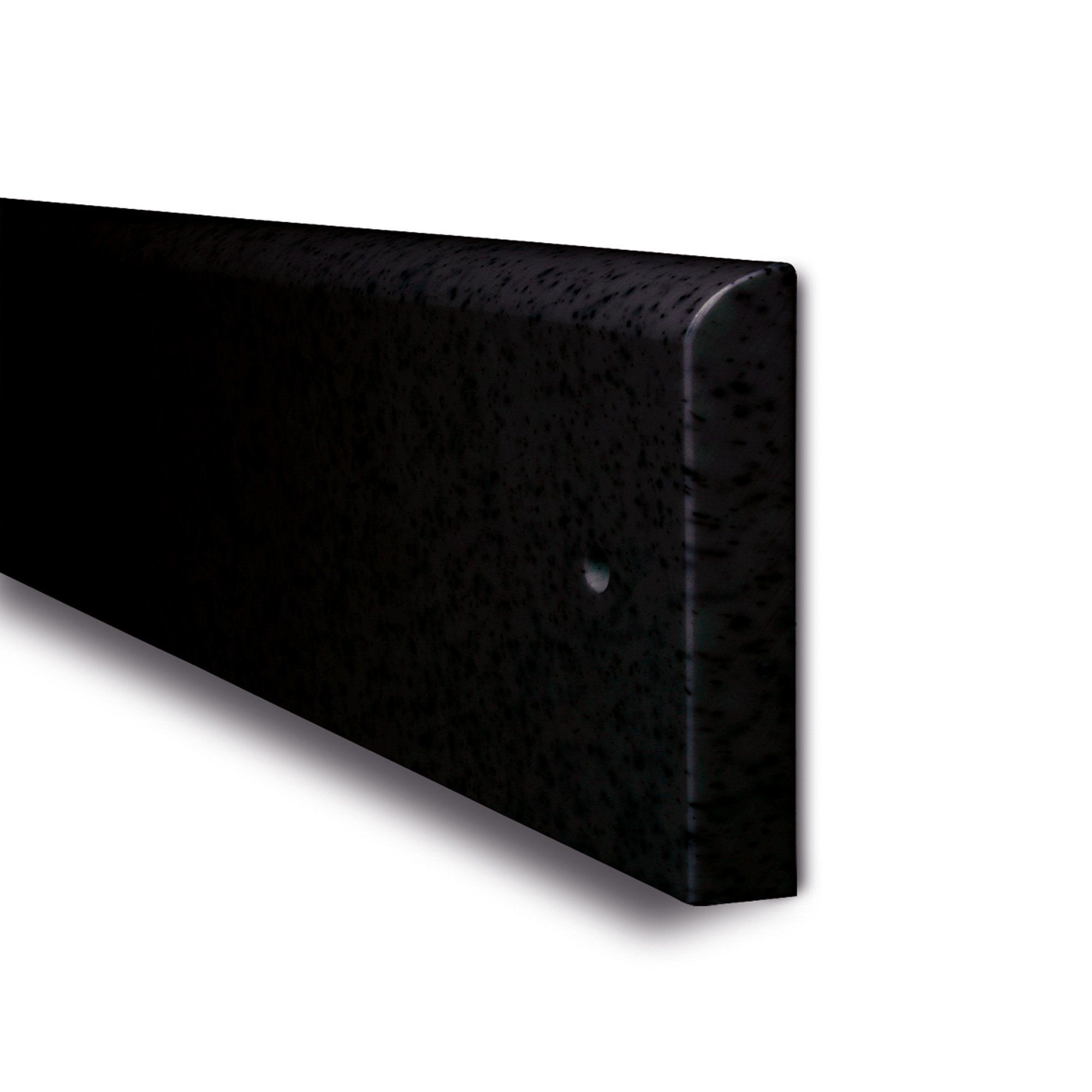 Black
Black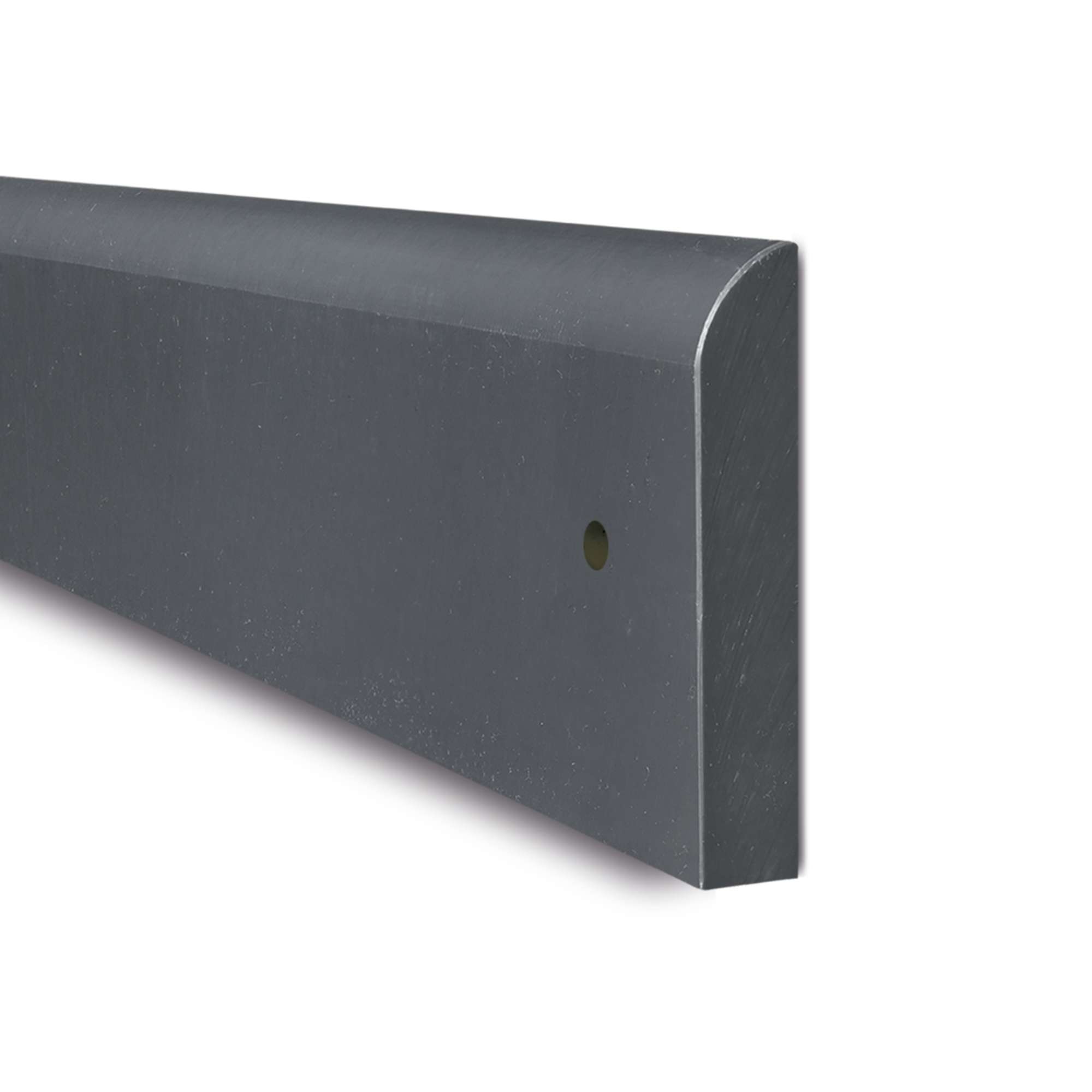 Anthracite
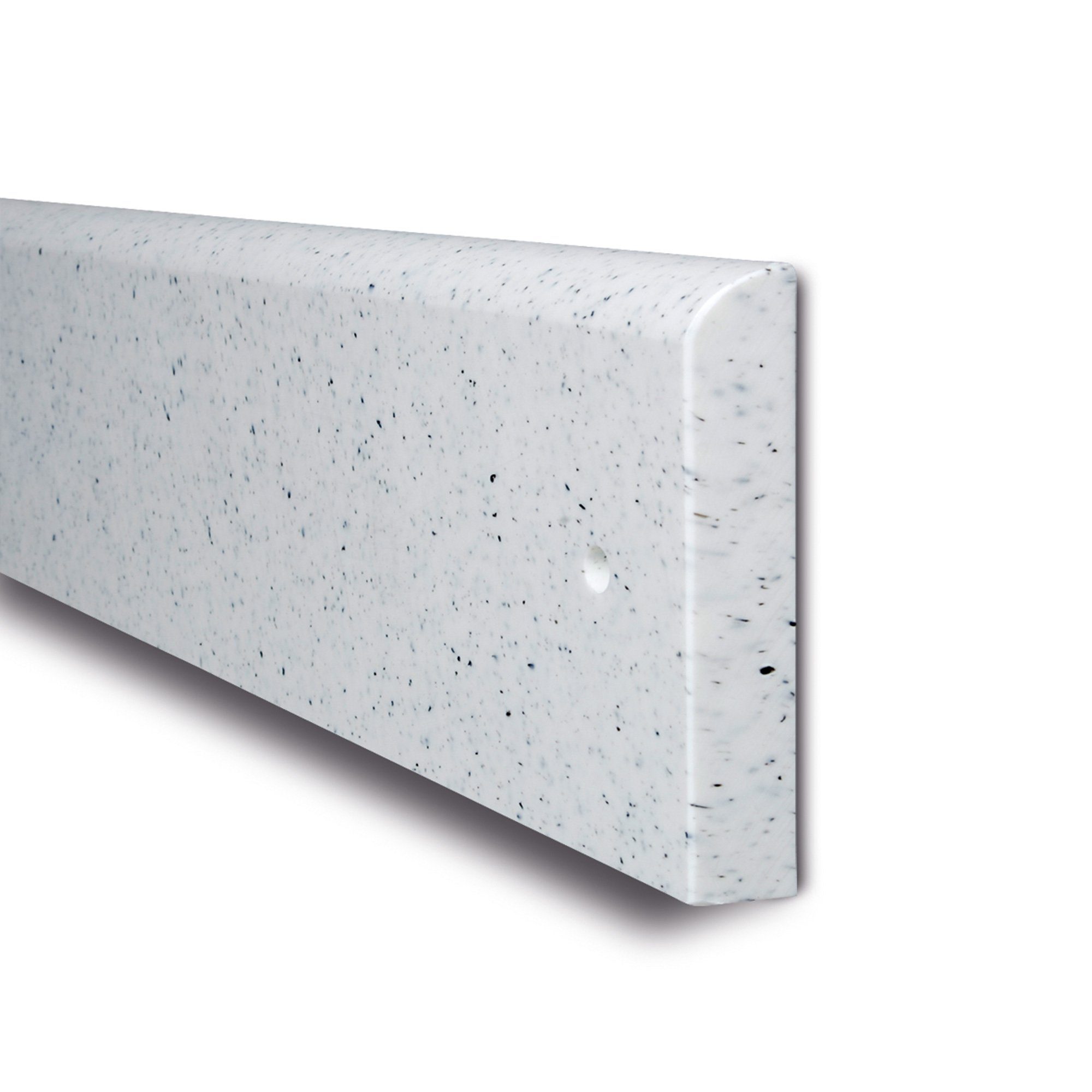 Gray
Gray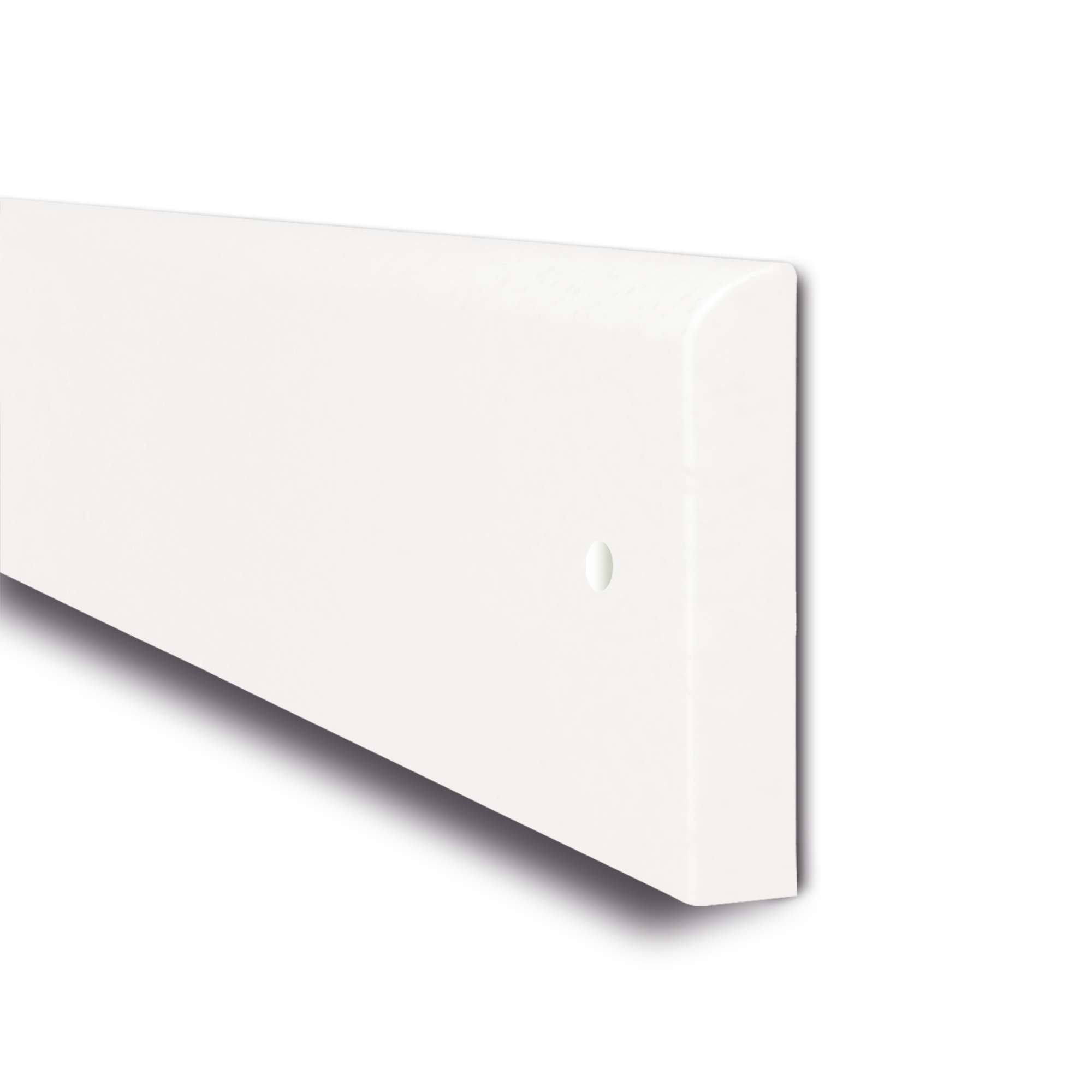 White
White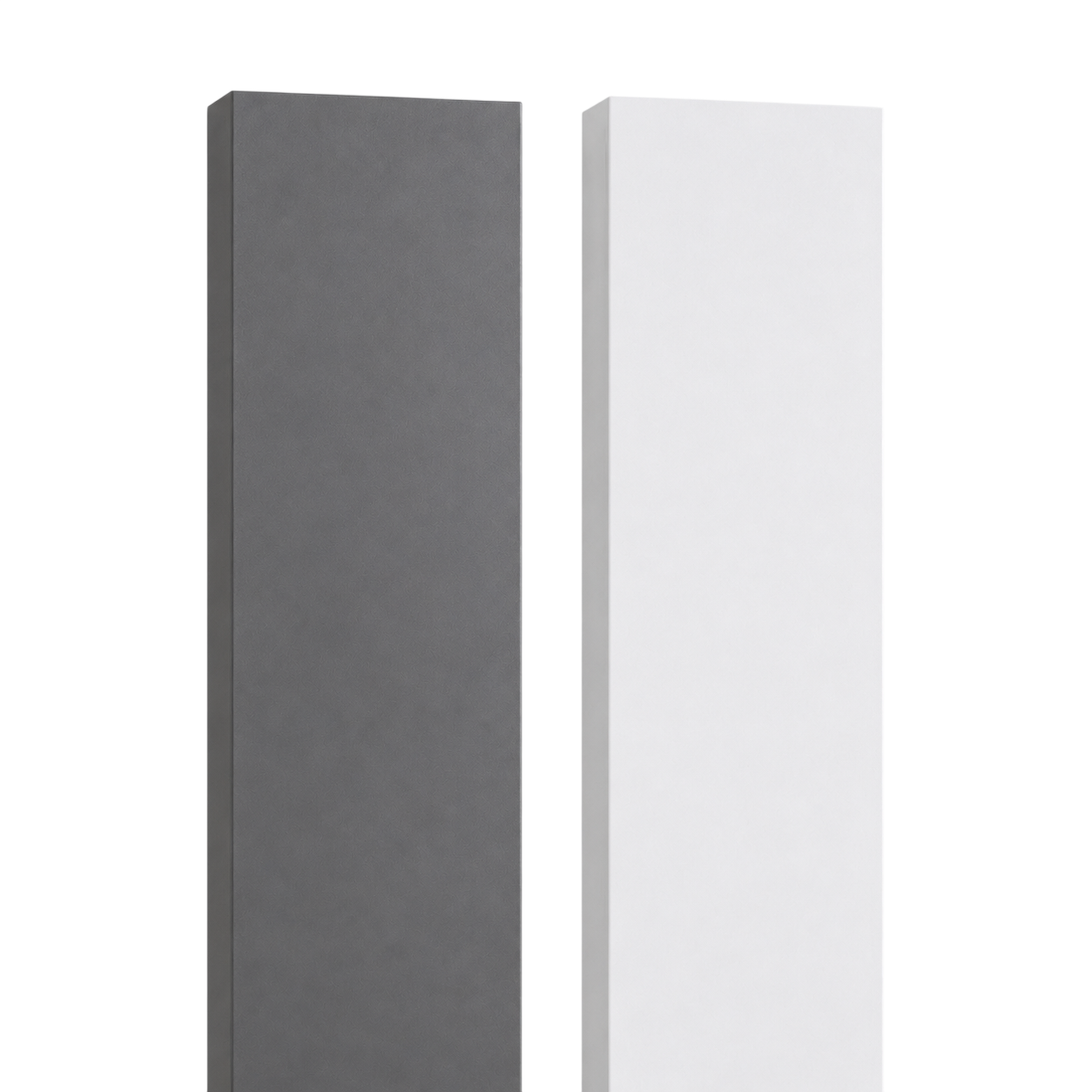
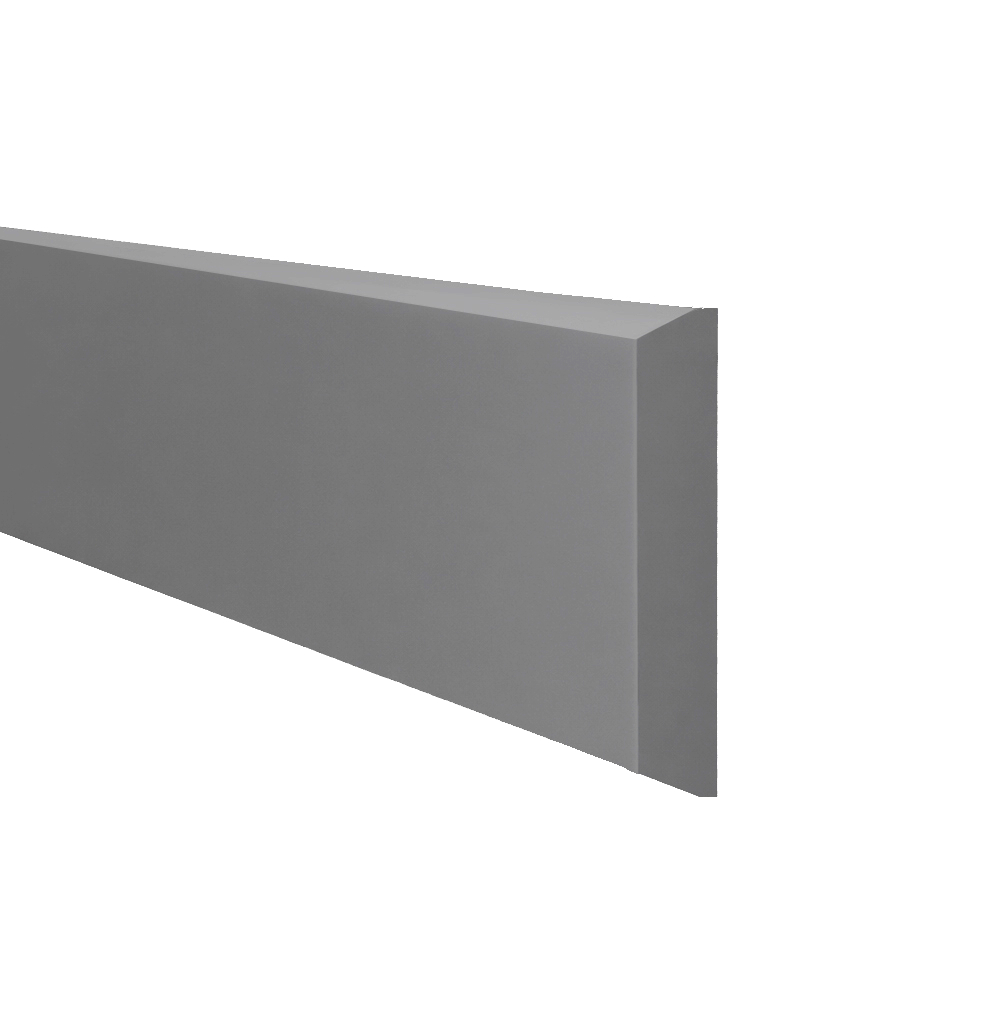 Gray
Gray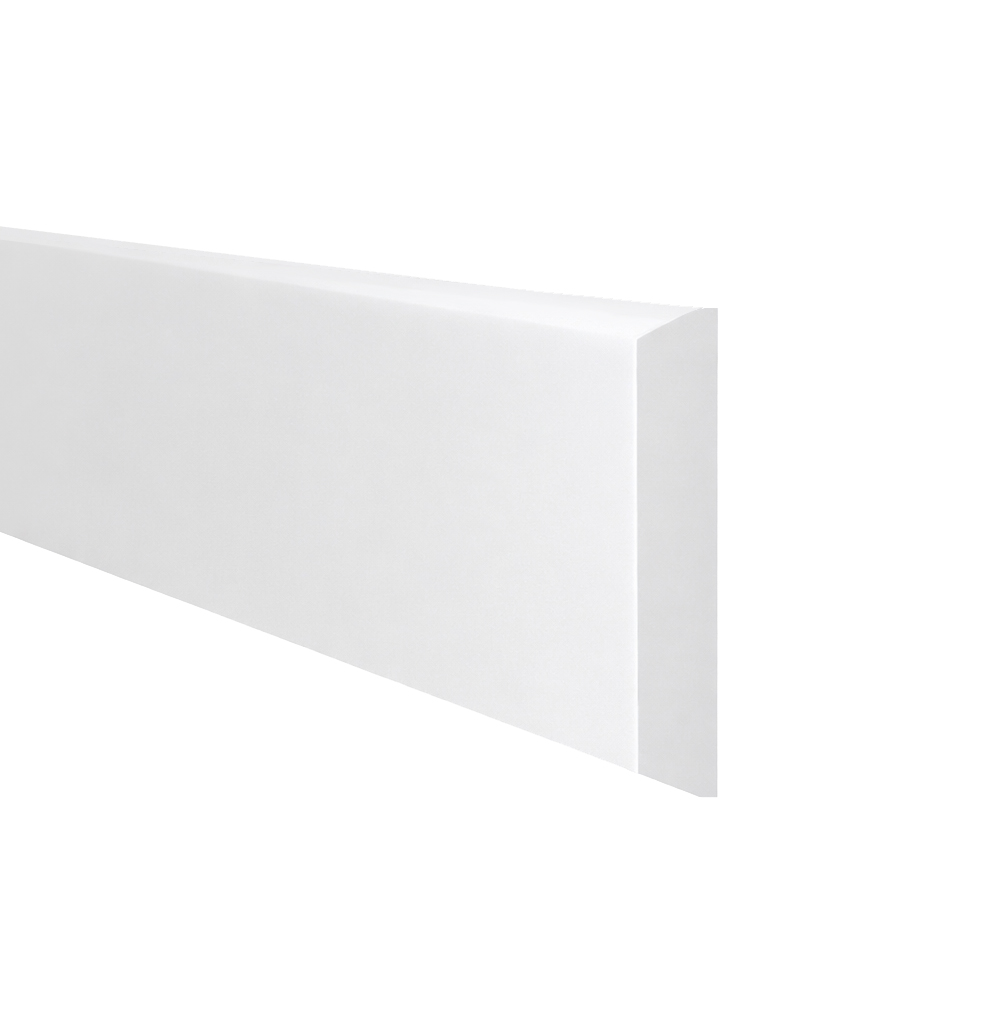 White
WhiteChoosing the right material and design for maximum protection
Choosing the right bumper rail is absolutely essential for protection that actually works in practice. The material and design determine not only how the rail looks, but also how it performs, how long it lasts and how it interacts with vehicles. Making a well-considered choice from the start is an investment that pays off over time, through less damage and lower maintenance costs.
It all comes down to understanding the specific environment. Are you dealing with door dings in a parking garage, or is your challenge stopping heavy forklifts in an industrial facility? The solutions look completely different.
Steel for the toughest environments
In heavy industry, at loading docks and in logistics terminals, steel is the obvious choice. Its unbeatable ruggedness and ability to withstand powerful, repeated collisions make it the best option for protecting critical infrastructure. A steel rail doesn’t give way easily and can stop a forklift or truck from causing serious structural damage. Our heavy-duty steel impact protection is designed for exactly these demanding situations.
Steel is ideal where:
- The risk of impacts from heavy vehicles is high.
- Protecting load-bearing structures, machinery or staff is the top priority.
- Long service life and minimal maintenance are required.
One drawback can be that steel is unforgiving to the vehicle that hits it, but in these environments, protecting the property and the people always takes precedence.
Rubber and polymers for more flexibility
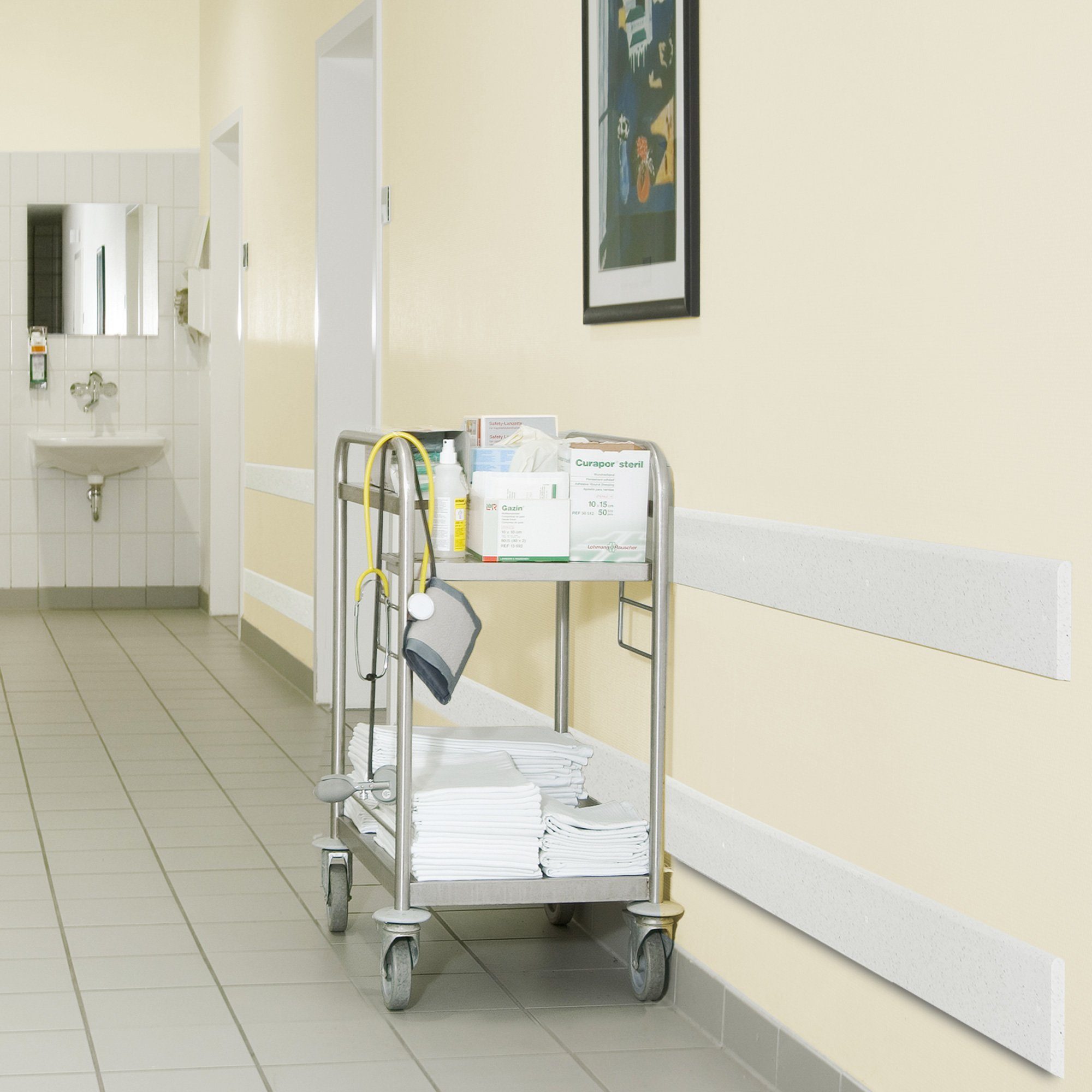
In environments such as parking garages, hospital corridors or retail stockrooms, the reality is different. Here, impacts are usually less intense, and the goal is as much to avoid scratches and dents on vehicles as it is to protect the wall. Rubber and polymers offer excellent flexibility and shock absorption.
These materials are much gentler on contact and can return to their original shape after a light impact. They’re perfect for protecting against door dings, shopping carts and slow-speed maneuvering mistakes, preserving the surfaces of both the property and the vehicles. For a more in-depth comparison, read our article on impact protection in plastic, steel or a combination.
Composite materials for challenging conditions
Composite materials are a modern solution that combines the best of several worlds. They pair the strength of steel with the low weight and corrosion resistance of polymers. That makes them an excellent choice for outdoor environments where wind, weather and salt place high demands, such as at loading docks, in ports or at marine facilities.
It’s interesting to see how material development is mirrored in the marine sector as well. Statistics from Swedish boat clubs between 2010 and 2015 show that approximately 30% of boating accidents in Swedish waters are linked to maintenance shortcomings, in which bumper rails play a role. Demands for durable, eco-friendly materials in modern pleasure boats are constantly increasing, and a survey from 2018 showed that 65% of boat owners in the SE region replace their rub rail every five years to avoid damage.
The choice of material and profile is not a one-size-fits-all solution. It’s about matching the protection’s features to the specific risks in your environment. A round profile can deflect an impact better, while a heavy-duty square profile provides a more direct and robust stop.
Not sure which combination is right for you? Analyzing traffic flows, vehicle types and risk areas is our area of expertise. Contact us and we’ll help you design a tailored solution with the right bumper rail to ensure effective, durable protection.
From parking garages to heavy industry: Where do you need a bumper rail?
A bumper rail may seem like a simple product, but its real value shows in how it’s adapted to completely different environments. The protection in a parking garage looks entirely different from the heavy-duty steel profile required in an industrial facility. To understand which solution is right, you first need to understand the challenges of each specific environment.
Taking a closer look at the most common applications makes it clear how a well-chosen bumper rail does more than just stop an impact. It contributes to safer, more efficient day-to-day operations. It’s all about finding the right balance between protection needs, traffic intensity and the types of vehicles moving through the area.
Parking garages and public garages
A parking garage hosts a constant ballet of passenger cars. The risks here are rarely dramatic; they’re more about low-speed maneuvers, careless door openings and misjudged distances when parallel parking. The goal is twofold: protect the building’s columns and walls from scratches and concrete damage, without causing unnecessary damage to the cars.
Here, a discreet rubber or polymer bumper rail is the obvious choice. They are:
- Forgiving: The material springs back and absorbs impacts without scratching the paint.
- Cost-effective: They’re inexpensive insurance against costly repairs to plaster and paint on columns and walls.
- Discreet: They blend neatly into the surroundings and give a clean, well-maintained impression.
By mounting the rails at the right height, usually level with car bumpers or doors, you create virtually maintenance-free protection that helps preserve the property’s value.
Warehouses and logistics centers
When we step into a warehouse or logistics center, the rules of the game change completely. Here, forklifts, pallet jacks and other heavy vehicles set the agenda, often at a fast pace. A collision here isn’t just a matter of a scratch in the paint. Damage to a warehouse rack can, in the worst case, lead to a collapse, which is a direct danger to life. A machine or door that gets hit can cause downtime that costs enormous sums.
In these high-risk environments, a robust steel bumper rail isn’t an option – it’s a necessity. It acts as a bodyguard for staff, equipment and infrastructure.
A heavy-duty steel rail is built to take a beating, day in and day out, and to keep forklifts away from vulnerable points. It protects exposed corners, walls along forklift aisles and the bases of pallet racks. Knowing exactly where protection does the most good is crucial. You can learn more in our guide on when impact protection is necessary.
Heavy industry and loading docks
In heavy industry and at loading docks, requirements are at their absolute peak. Heavy loads and large vehicles such as trucks are handled here, which means the forces in a collision are enormous. A bumper rail in this environment must be extremely durable and engineered to withstand the very toughest impacts.
This is where the most robust steel profiles are used, often with substantial thickness and height. Their job is to protect the building’s facade, dock doors and ramp edges from the impacts that inevitably occur when trucks back up to load and unload.
In these environments, a bumper rail rarely stands alone. It’s part of a systematic, complete protection setup that often includes:
- Bollards: To protect door corners and guide traffic correctly.
- Safety railings: To physically separate pedestrians from heavy vehicles.
- Wheel guides: To make trucks back in straight and centered on the dock door.
Together, these products, which you’ll find in our range of protective barriers and safety railings, create a safe zone that minimizes the risk of both personal injury and property damage.
Whether you need to protect a wall in a garage or an entire loading dock, the principle is the same: the right protection in the right place. By understanding your unique environment, we can help you identify the risks and find a solution that not only protects your property, but also makes your operation safer and smoother. Contact us and we’ll analyze your specific needs.
How to choose the right dimensions and mounting
Choosing the right bumper rail is about so much more than just picking a material. For the protection to actually work when an accident happens, everything has to be right: dimensions, height and, above all, the mounting.
A heavy-duty steel rail is completely useless if it’s attached with screws intended for drywall. Four key factors always drive the choice: the load it must withstand, the surrounding environment, the substrate it’s attached to and the mounting method itself. Cut corners on any of these, and the entire protection system risks failing exactly when it’s needed most.
Assess the actual load
The first step is to be honest about what the rail actually needs to protect against. Is the biggest risk a runaway shopping cart in a parking garage? Or is it a fully loaded 20-ton truck backing up a little too fast toward a loading dock?
The answer to that question directly determines the dimensions and thickness you need. A lighter profile works perfectly in a garage, but an industrial environment with heavy forklift traffic requires a completely different, more robust design to handle the enormous energy of a collision.
Adapt your choice to the environment and substrate
The next step is to look at the surroundings. A bumper rail mounted outdoors at a facility near the coast will be attacked by salt, moisture and large temperature swings. Here, the material’s corrosion resistance becomes absolutely critical to its service life.
Indoors, the requirements are different, but even there, chemicals from production or harsh cleaning agents can break down the material over time.
The substrate is just as important. Attaching to solid concrete is a completely different proposition from mounting on brick, aerated concrete or a steel structure. Each material requires its own type of anchoring – such as expansion bolts, chemical anchors or through-bolts – to ensure maximum strength.
A chain is never stronger than its weakest link. For a bumper rail, the mounting is by far the most critical link. An improperly installed rail can be torn loose in a collision and, in the worst case, cause even greater damage than if it hadn’t been there at all.
The right height and placement for optimal function
Sizing isn’t just about thickness, but also about exact placement. An interesting example of how important placement is comes from a completely different application. Nyköping Municipality’s development agreements specify that noise-reducing strips along roads must be placed at an exact height between 0.95 and 1.25 meters to effectively lower the decibel level by 10 dB. Read more about how precision affects function in the municipality’s technical guidelines. The same principle applies to impact protection – the wrong height means missed protection.
This infographic shows a simplified decision tree to guide you in choosing a bumper rail based on your primary environment.
The visualization clearly shows how the environment is the first and most important factor, setting the framework for the risks and vehicles you need to protect against.
To make the choice a little easier, we’ve put together a table of recommendations for some common scenarios.
Comparison of bumper rails for different environments
The table below provides a quick overview of recommended materials, profiles and mounting methods depending on where the protection will be used and what type of load it’s expected to withstand.
| Environment | Typical load | Recommended material | Suitable profile | Mounting |
|---|---|---|---|---|
| Parking garage | Passenger cars, door dings | Rubber, polymer (EPDM) | Rounded or D-profile | Concrete screws, wall plugs |
| Warehouse/Logistics | Forklifts, pallet jacks | Steel, heavy-duty polymer | Square, rectangular | Expansion bolts, chemical anchors |
| Retail/Public | Shopping carts, cleaning machines | Stainless steel, plastic | Thin, discreet profile | Concealed mounting, adhesive |
| Industrial/Loading dock | Trucks, heavy vehicles | Hot-dip galvanized steel | Heavy-duty U- or I-profile | Through-bolts, chemical anchors |
Navigating all these choices can feel complicated. If you’re unsure which dimensions, material or mounting method best suits your conditions, don’t hesitate to get in touch. Our experts will help you analyze your needs and make sure you get a bumper rail that provides reliable, long-term protection.
Why CE marking is your guarantee of safety
When it comes to safety products like a bumper rail, there’s absolutely no room for compromise. In a jungle of different options, CE marking serves as your foremost seal of quality – a guarantee that the product you choose actually delivers on its promises when it matters most.
CE marking is so much more than just a logo on a product. It’s a legally binding declaration showing that the manufacturer has followed the EU’s strict regulations and that the product meets all applicable safety, health and environmental protection requirements. For load-bearing steel structures, which heavier impact protection is classified as, the EN 1090 standard is absolutely central.
What does EN 1090 mean in practice?
The EN 1090 standard places rigorous requirements on the entire chain, from design and material selection to welding, finish and final inspection. A product certified to this standard has undergone rigorous testing to ensure it performs as intended and can handle the load it’s built for. Simply put, you can trust that your bumper rail will handle the forces it’s designed for.
Taking a chance on a non-certified product is a major risk. It can lead to:
- Poor performance: The protection may not withstand a collision as expected at all, which can lead to serious damage to vehicles, buildings and staff.
- Legal liability: If an accident occurs and it turns out you used non-approved protection, you may be held liable, and your insurance company may refuse to pay out.
- Unknown service life: Without a certified manufacturing process, you have no idea of the material grade or durability. This can lead to costly and unexpected replacements.
Investing in CE-marked impact protection isn’t an extra cost – it’s a fundamental part of responsible safety management. It’s your assurance that the product is tested, approved and built to truly protect.
Peace of mind with certified products
At Nordguard, we take safety extremely seriously. All of our load-bearing protective products, from heavy-duty bumper rails to robust steel bollards, are of course CE-marked in accordance with EN 1090. We believe in full transparency – as a customer, you have the right to know exactly what you’re buying: a product built to last that meets all legal requirements.
Regulations can sometimes feel complex, and it isn’t always easy to know which requirements apply to your particular facility. To give you a clearer picture, we’ve gathered more information on our page about regulations and standards for impact protection.
Unsure which rules apply to you or what level of protection you need? Don’t hesitate to contact us. We offer free advice so you get a solution that isn’t only effective, but also complies with all laws and regulations.
Mounting and maintenance for long-term results
A top-quality bumper rail is only as good as its installation. You can choose the best material and dimensions in the world, but if the mounting isn’t done correctly, it won’t matter. Correct installation is what determines whether the protection actually holds up in a collision.
In the worst case, a sloppy installation can cause the entire rail to be torn off the wall. Not only is the protection lost, but the rail itself can create new hazards. Protection you can rely on year after year requires both precision from the start and regular inspection over time.
Steps for a successful installation
A successful installation begins long before the first bolt is tightened. Thorough planning is key to avoiding problems and making sure your bumper rail ends up exactly where it should be, mounted as it should be.
Preparation is everything. Always start by inspecting and cleaning the surface. Unevenness, dirt or loose material can significantly weaken the mounting.
Here are some key points to keep in mind:
- The right tools and anchoring: Make sure you use the right type of fastener – expansion bolt, chemical anchor or something else – suited to the substrate, whether it’s concrete, brick or steel.
- Correct height: Measure carefully and mark the mounting height based on the vehicles that pose the greatest risk. A rail mounted too high or too low does no good.
- Follow torque specifications: Tighten bolts and screws to the torque specified by the manufacturer. A bolt that’s too loose provides poor holding strength, while one that’s overtightened can damage both the bracket and the wall.
A professionally performed installation is an investment in peace of mind. It not only ensures that the protection works as it should, but also maximizes the service life of both the bumper rail and whatever it’s there to protect.
Regular maintenance extends service life
The job isn’t done just because the last bolt is in place. For your bumper rail to keep performing year after year, regular and systematic maintenance is needed. By finding and fixing small problems early, you avoid costly repairs and can be confident that the level of protection remains intact.
We recommend creating a simple checklist for your inspections. It makes it easier to be consistent and to document any deviations.
Maintenance checklist:
- Check the mounting: Go over all bolts and make sure they’re securely tightened. Vibrations from traffic can loosen them over time.
- Inspect for damage: Look for dents, cracks or deep scratches. A damaged bumper rail has reduced strength and may need to be replaced.
- Check for corrosion: Examine the surface, especially at welds and mounting points, for signs of rust that can weaken the material.
- Cleaning: Keep the rail free of dirt and chemicals that can accelerate deterioration.
Systematic maintenance is just as important for fixed protection as for moving parts, such as gates and barrier gates. All safety products require inspection to perform optimally.
Want a completely hassle-free solution? Nordguard offers professional installation and tailored service agreements. That way, you can focus on your core business and trust that your protection is always in top condition. Contact us and let’s discuss how we can make sure your investment provides maximum protection throughout its entire service life.
Frequently asked questions about bumper rails
Have questions about bumper rails? You’re not alone. Here we’ve gathered answers to the most common questions we hear, to help you quickly get up to speed.
At what height should a bumper rail be mounted?
The short answer: it depends entirely on what it needs to protect against. There’s no universal standard height; it all comes down to where the most likely impact will occur.
In a garage, for example, car bumpers or doors pose the greatest risk. So you place the rail right there to avoid unsightly scratches and dents. In a warehouse with forklift traffic, it’s a completely different story. There, a bumper rail is usually mounted much lower, level with the forklift’s chassis or forks.
Simply identify the most common point of contact for vehicles in your particular environment. Sometimes it may even make sense to mount several rails at different heights for comprehensive protection.
Can I install a bumper rail myself?
Absolutely, if it’s a simpler rubber or plastic rail. If you’re fairly handy and follow the mounting instructions carefully, it’s usually no problem.
But when it comes to heavy steel rails – and especially those that are part of a certified safety system – we always recommend bringing in professionals. Incorrect mounting can have disastrous consequences. In the worst case, the entire protection system comes loose in a collision and causes even greater damage than it was meant to prevent. Nordguard naturally offers professional installation, so you can rest assured that the protection will work as it should when it’s needed.
What’s the difference between a bumper rail and impact protection?
This is a common question, and the terms often overlap. But there’s a crucial difference in function that’s important to understand.
A bumper rail is typically a horizontal profile mounted directly on a wall. Its main purpose is to protect the surface against everyday wear – scratches, scuff marks and glancing blows – and to deflect a vehicle approaching at an angle. It isn’t built to bring a vehicle to a dead stop.
Impact protection is a much broader term. It includes bumper rails, but also products such as bollards and safety railings. These are engineered to absorb powerful energy and completely stop a vehicle from passing. The choice basically comes down to the level of risk: do you need to protect a wall from scuff marks, or do you need to stop a forklift from driving into switchgear or a work zone?
The choice between protecting and stopping is absolutely central. A bumper rail handles everyday wear perfectly, while robust impact protection is a must where the consequences of a direct hit are serious.
Still unsure which solution is right for you? No problem. Our experts are happy to help you analyze the risks in your environment and find the right products for the job.
Need expert help choosing, installing or maintaining your bumper rails? Nordguard offers a complete range of CE-marked protection and professional advice. Contact us today for a tailored solution that protects your property.
Ready to take the next step?
We help you develop solutions tailored to your needs. At Nordguard, we strive to make the ordering process as smooth as possible. By offering support and guidance throughout the entire purchasing experience, we make sure you feel confident and satisfied with your choice of protection products.+46 10 153 90 50
[email protected]