
Bumper Rails: A Complete Guide to Impact Protection
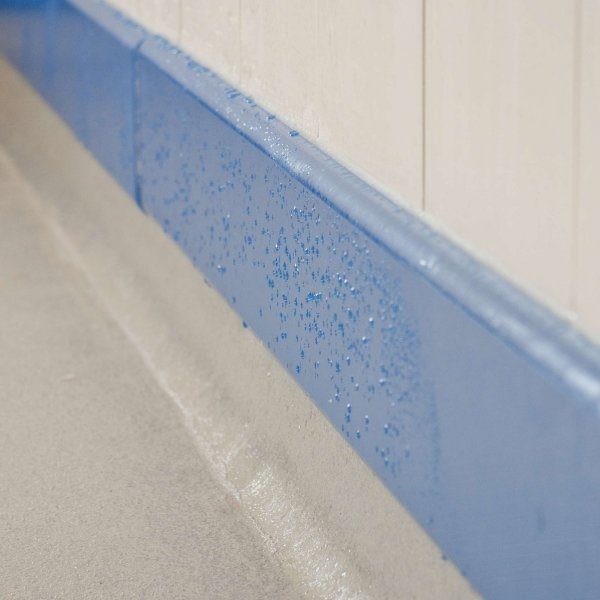
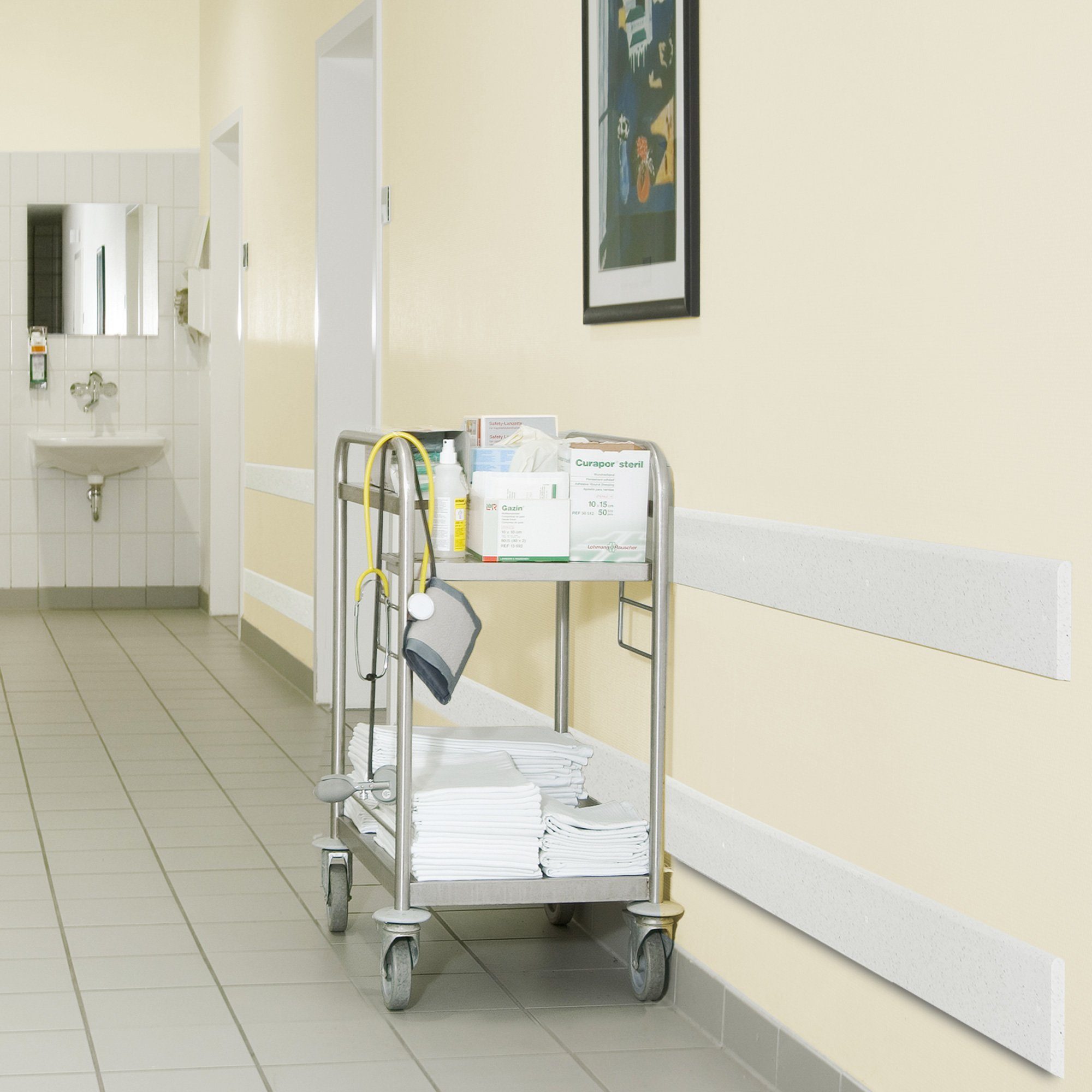
Simply put, a bumper rail is a bumper for your property. It is designed to absorb and deflect the force of a collision, serving as indispensable impact protection wherever vehicles operate. Essentially, it protects both buildings and vehicles from costly and unnecessary damage.
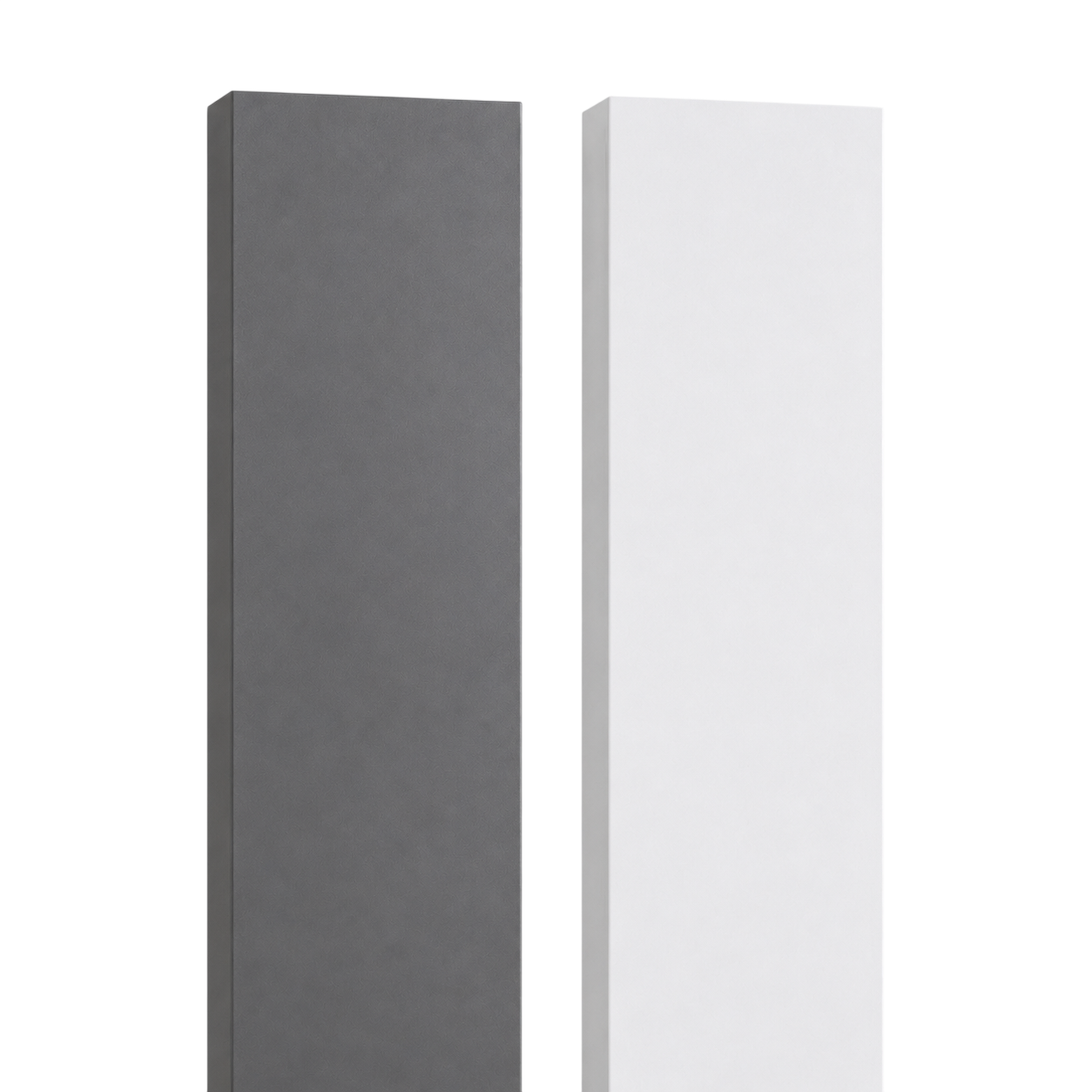
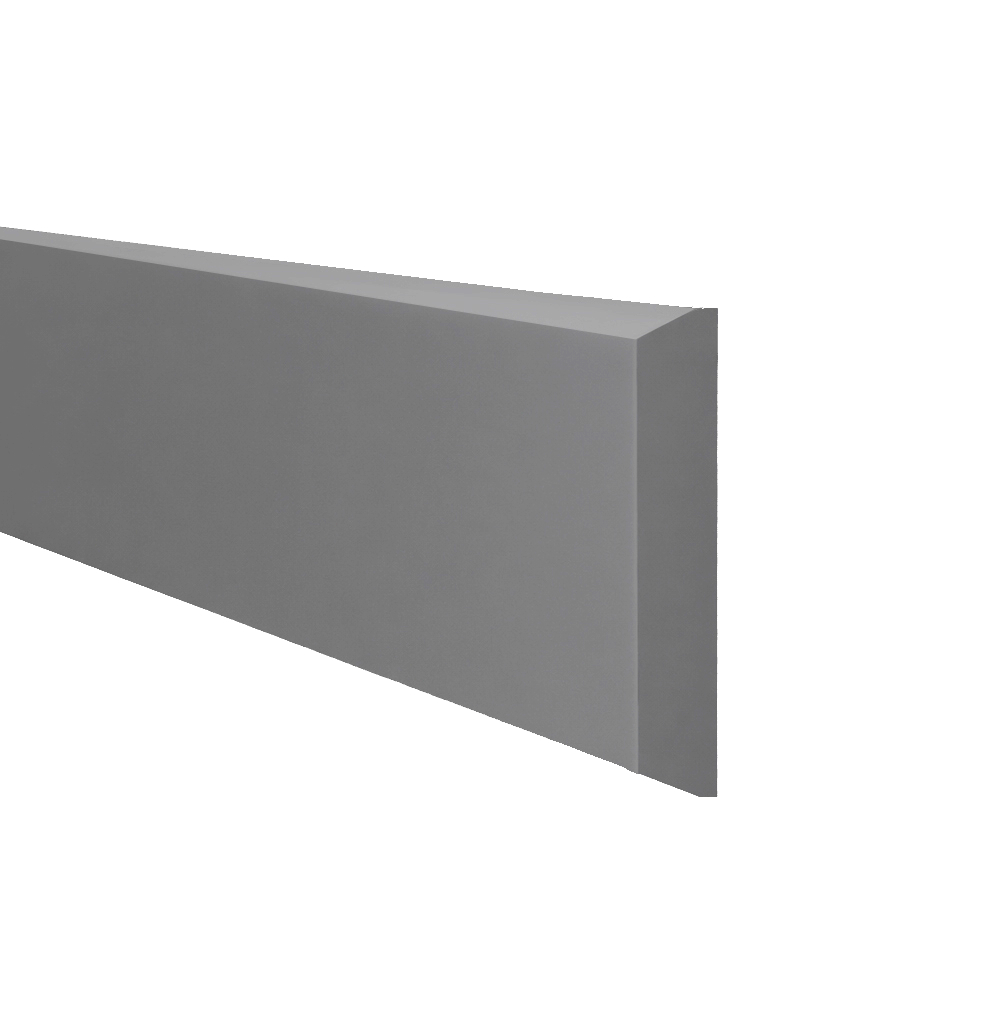 Gray
Gray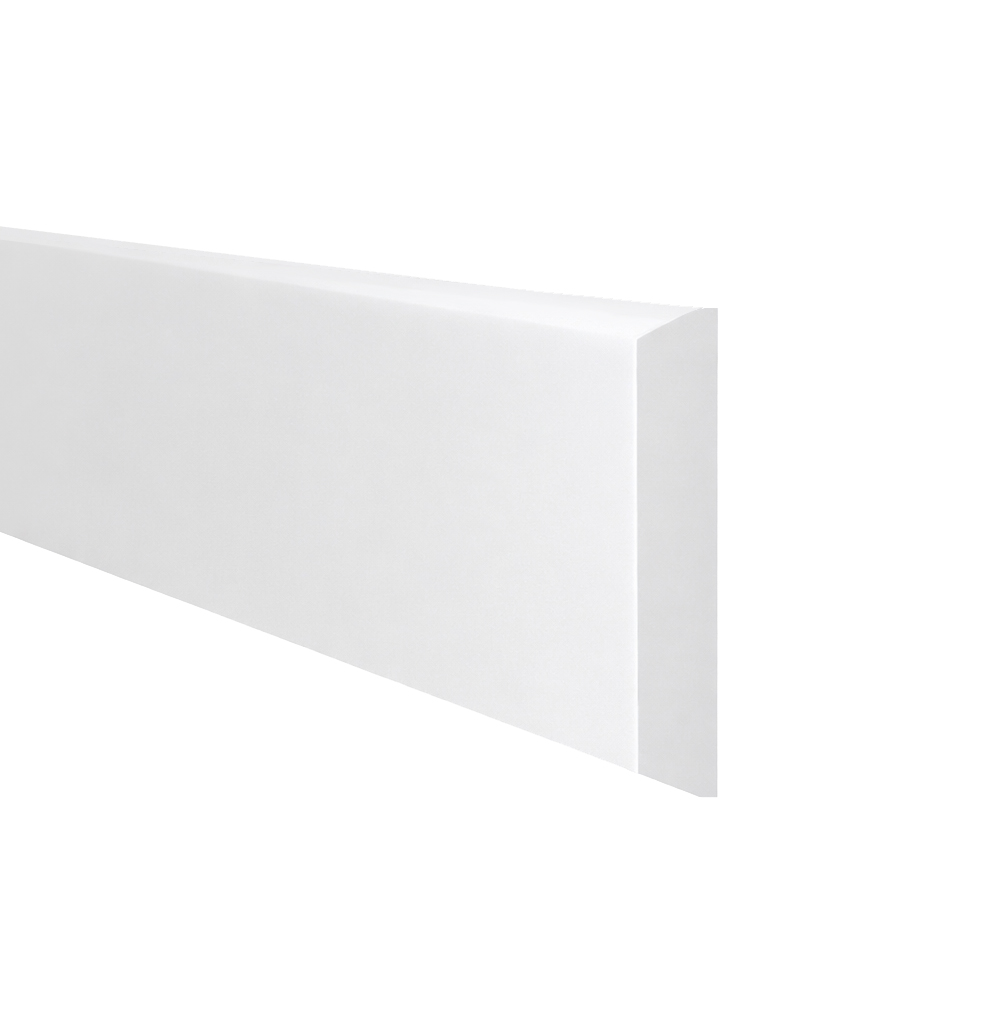 White
White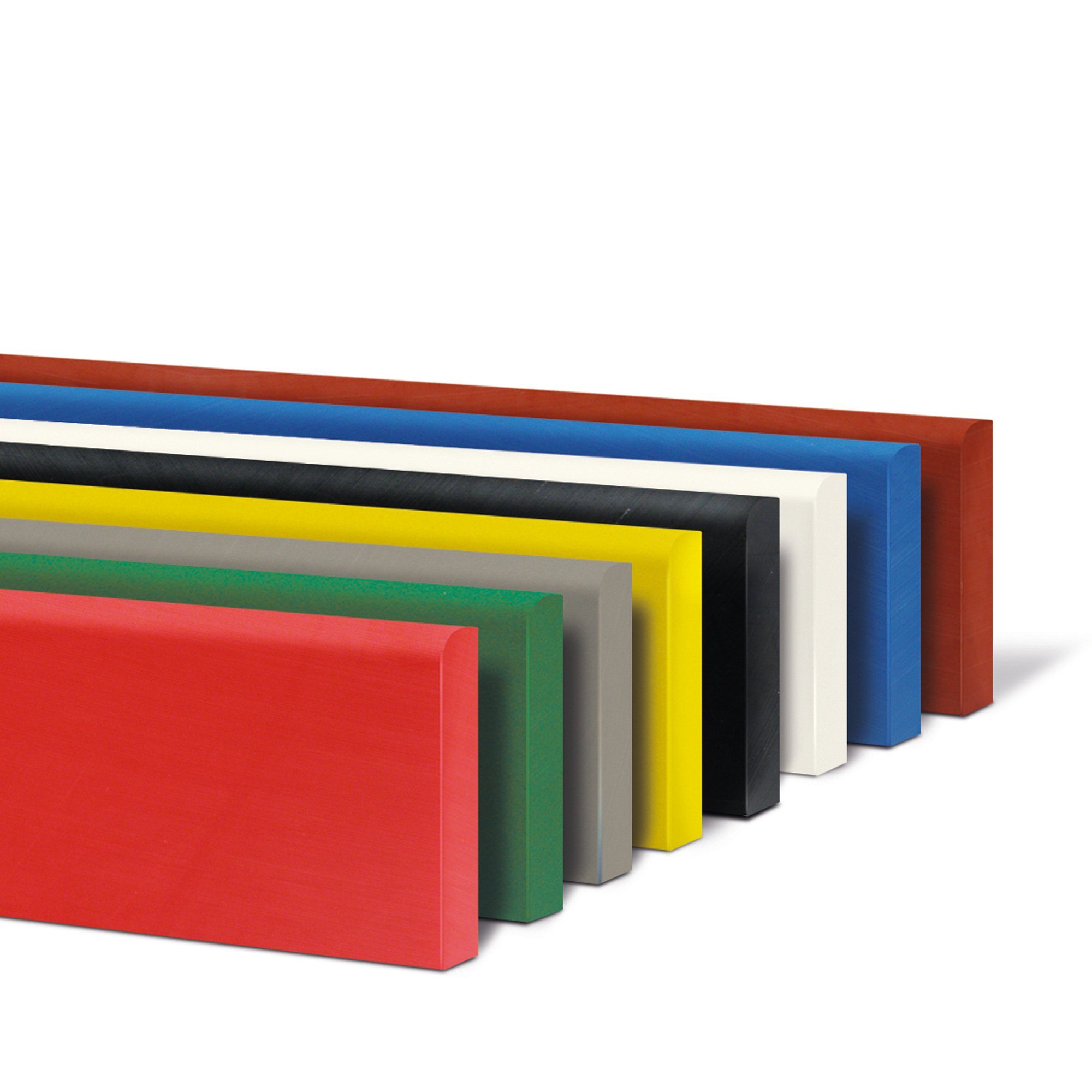
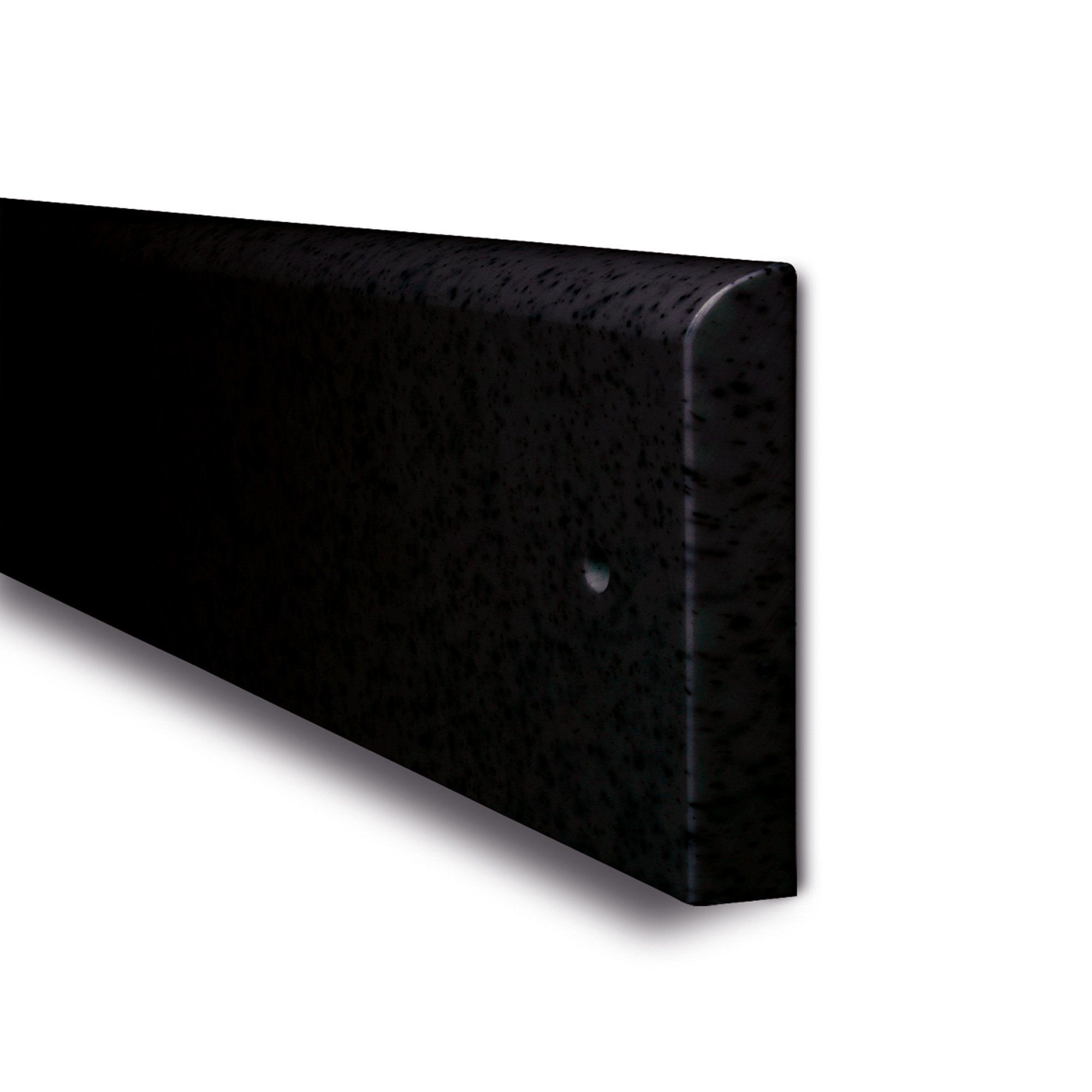 Black
Black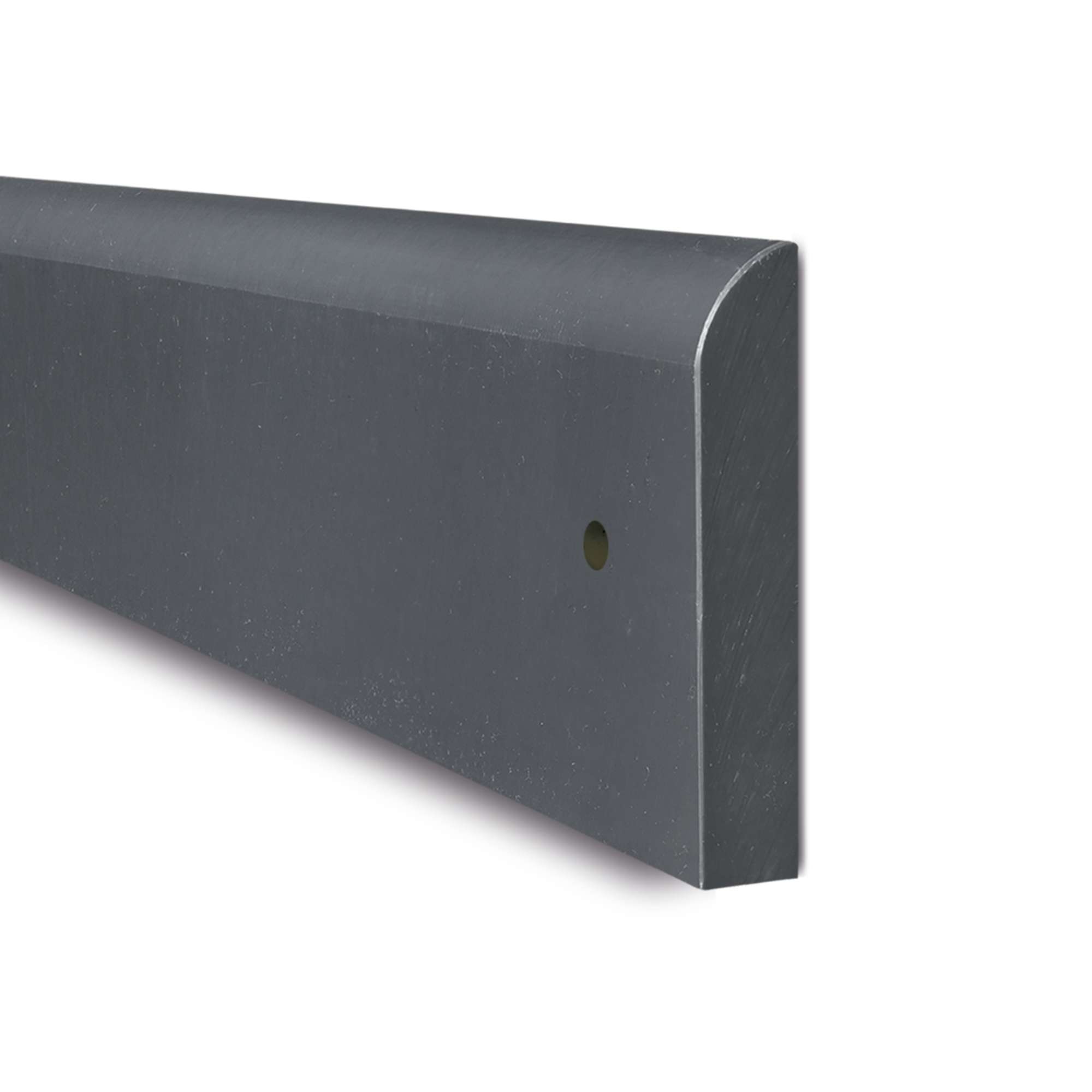 Anthracite
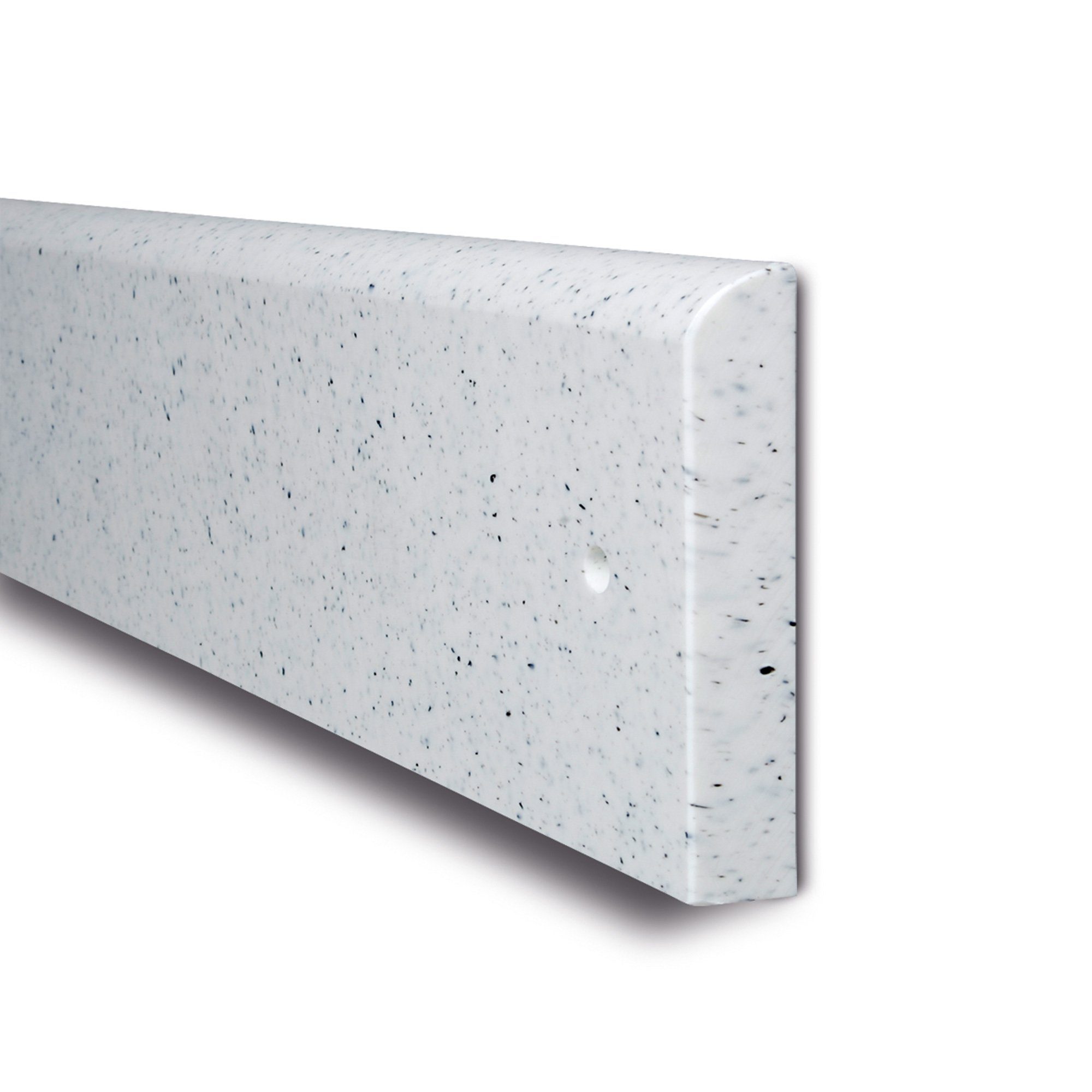 Gray
Gray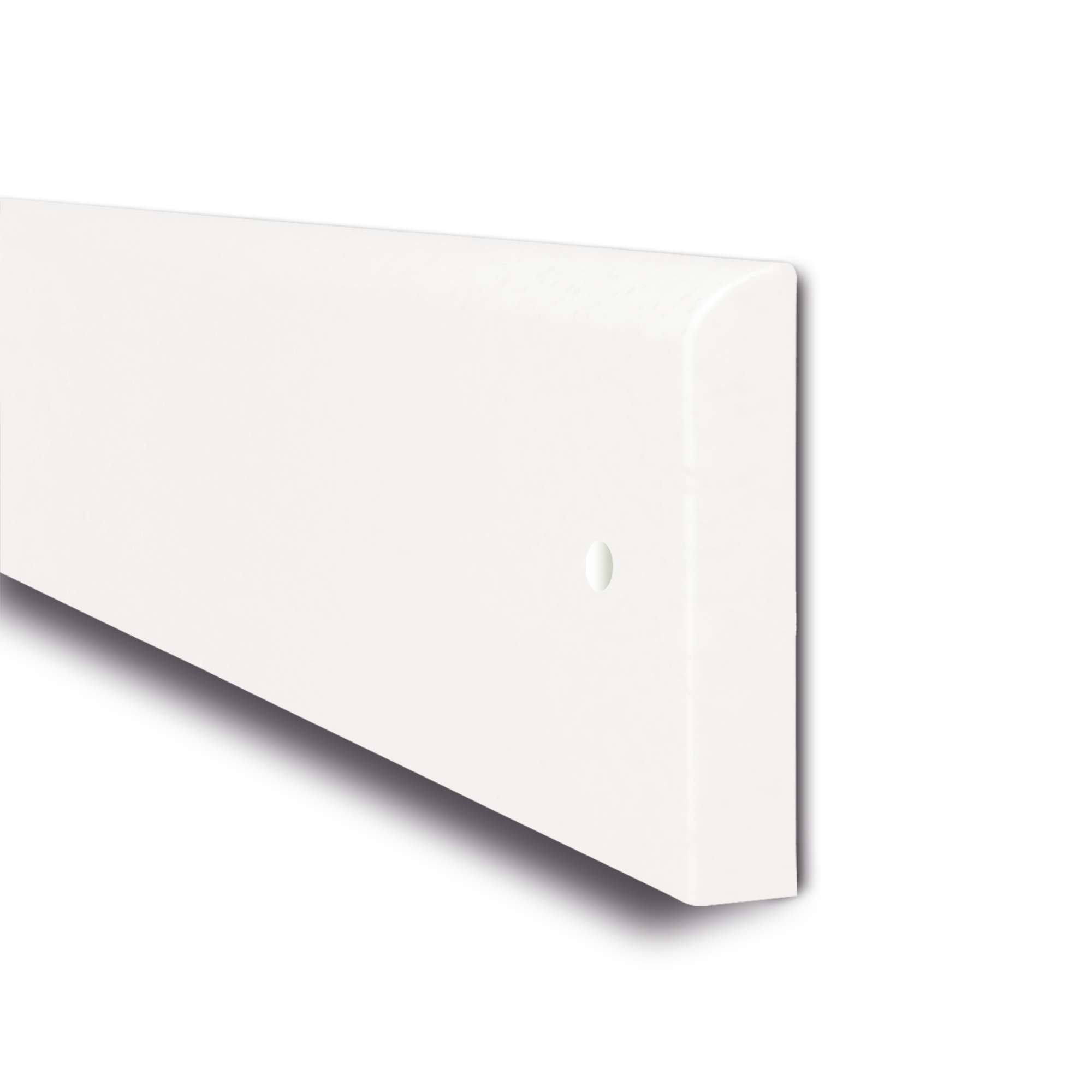 White
WhiteWhy a bumper rail is a no-brainer investment
Picture a loading dock early in the morning, a cramped parking garage or a warehouse floor where forklifts are constantly on the move. In environments like these, the risk of a collision is always present. A small misjudgment by a driver can quickly have major consequences, both for your budget and for safety.
This is exactly where the bumper rail plays its leading role.
It acts as a first line of defense, protecting valuable assets such as walls, load-bearing columns, pallet racking and sensitive machinery. Without that protection, a single impact can damage the building structure itself, leading to repairs that are both costly and time-consuming.
The cost of doing nothing
Ignoring the need for solid impact protection means turning a blind eye to a range of hidden risks. The direct cost of repairing a damaged wall or a broken door is just the tip of the iceberg. Consider the knock-on effects that are easily overlooked:
- Downtime: A damaged loading dock door or a collapsed pallet rack can bring your entire operation to a halt for hours, sometimes even days.
- Safety hazards: In the worst case, a column that has been struck can compromise the stability of the entire building, and damaged goods pose a direct danger to staff.
- Higher insurance premiums: Frequent damage can lead your insurance company to raise your premium over time.
In other words, a well-placed bumper rail is not a cost – it is an investment in safety and operational reliability. For a deeper understanding of when these protective solutions are most critical, read more about the need for impact protection and when it is necessary in our guide.
A simple comparison
Think of a bumper rail as the phone case for your property. You would hardly use an expensive smartphone without a protective case, right? After all, repairing a cracked screen costs far more than the case does.
In exactly the same way, a bumper rail, or other products such as steel bollards and impact protection, protects your most valuable asset – your property – from predictable and entirely avoidable damage.
At Nordguard, we offer a wide range of CE-marked impact protection that provides verified, reliable protection against these everyday risks. Whether you need to secure a warehouse, a parking lot or a public space, we have the solutions to safeguard your business.
Choosing the right material and dimensions for maximum protection
Choosing the right bumper rail is absolutely crucial for it to do its job. A solution that works perfectly in a parking garage can be hopelessly inadequate in a heavy industrial environment. It all comes down to matching materials and dimensions to the specific risks in your operation.
The choice of material is the first and perhaps most important piece of the puzzle. The most common options are steel, rubber and various polymers, each with unique properties suited to very different types of impacts and environments.
The most common materials and their strengths
- Steel: When raw strength is required, steel is the obvious choice. A steel bumper rail is built to withstand heavy collisions from heavy vehicles such as forklifts and trucks. This makes it ideal for warehouses, loading docks and industrial facilities where impacts are hard. Our steel impact protection products are examples of solutions that can handle the toughest environments.
- Rubber: For environments with a lot of passenger car traffic, such as parking garages or residential garages, rubber is a smarter material. It is flexible and much more forgiving, minimizing the risk of unsightly scratches and dents on vehicles during light contact.
- Polymer/Plastic: Modern polymer solutions offer a smart compromise between strength and flexibility. They are robust enough to protect against forklifts while having built-in flexibility that absorbs impacts effectively. This makes them a versatile option for mixed traffic environments.
For a deeper analysis of how the different materials compare, read our guide on choosing materials for impact protection – plastic, steel or a combination.
Comparison of bumper rail materials
This table gives you a quick overview to help you choose the right material based on strength, impact absorption and typical use.
| Material | Key feature | Impact absorption | Best suited for |
|---|---|---|---|
| Steel | Extreme strength | Low (redirects force) | Heavy industry, warehouses, loading docks |
| Rubber | Flexible and gentle | High (absorbs lighter impacts) | Parking garages, garages, retail stores |
| Polymer/Plastic | Balance, strength & flexibility | Very high (absorbs & returns to shape) | Mixed environments, food industry |
As you can see, no single material is best at everything – the choice depends entirely on the type of impacts the protection needs to handle.
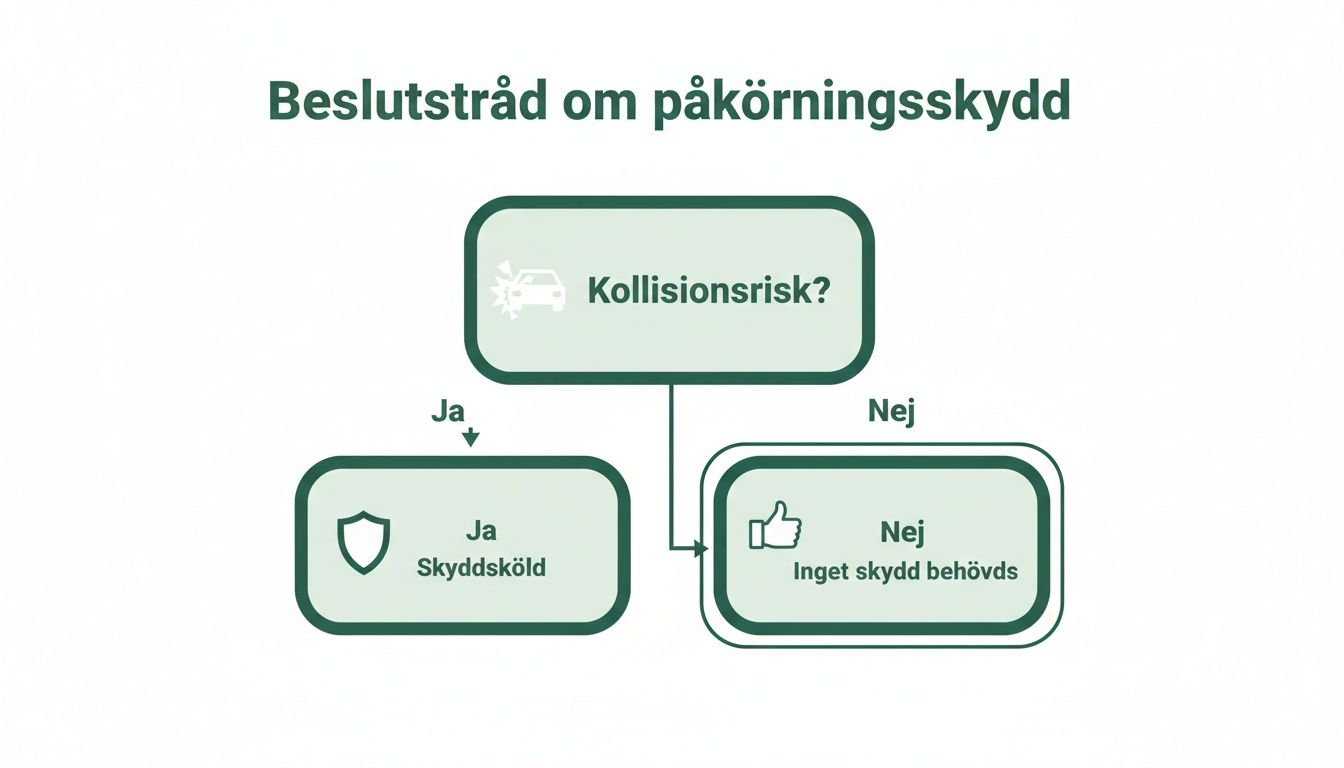
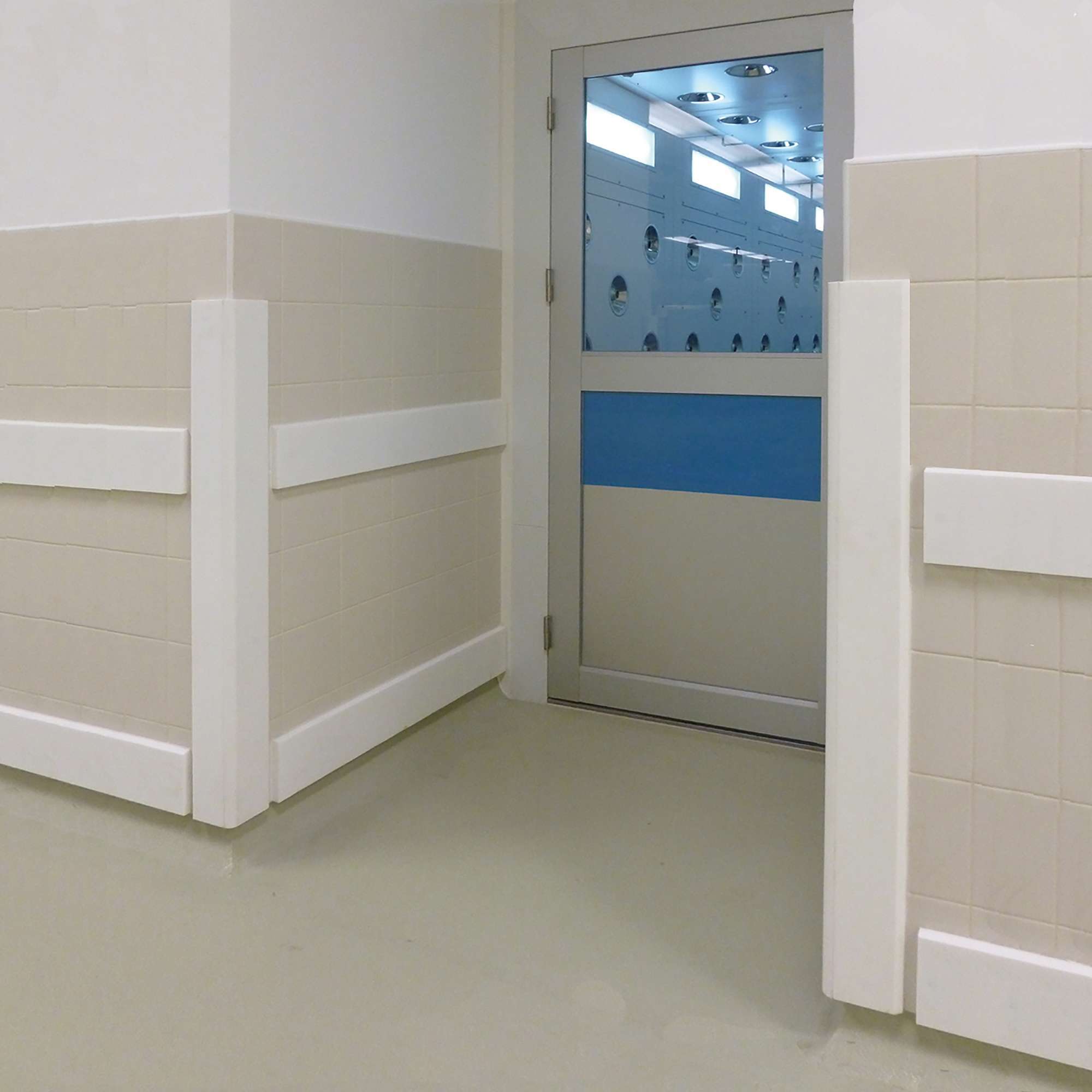
This image illustrates a simple but important point: if a collision risk has been identified, protection is not just an option but a necessity to secure the environment.
How dimensions directly affect protection
Once the material is settled, it is time for the next step: determining the right dimensions. Height, depth and length are crucial. A common misconception is that “a rail is a rail,” but the truth is that the wrong dimensions can make the protection completely ineffective.
Think of it this way: a low bumper rail will never stop a high-lift forklift. The forks or even the chassis can pass right over the protection and cause damage anyway. The height must always be matched to the highest point of the vehicles that pose the actual risk.
This is nothing new. Between 1955 and 1970, more than 12,500 collisions with fixed objects were recorded in public spaces in Sweden alone, which led to the introduction of standardized protection. There is a long history of learning the hard way.
Still feel unsure about what best suits your needs? No problem. Our experts at Nordguard are happy to help you analyze your environment and develop a tailored solution that guarantees maximum protection. Contact us today and we will make sure you get the right protection in the right place.
Where are bumper rails used most?
A bumper rail is not limited to one specific environment – its real strength lies in its versatility. From the fast pace of a warehouse floor to the quiet order of a parking garage, the protection adapts to the need. Every installation solves a unique and often costly problem.
Let’s take a closer look at some common situations where a well-placed bumper rail, or other impact protection, makes a big difference for both safety and your budget.
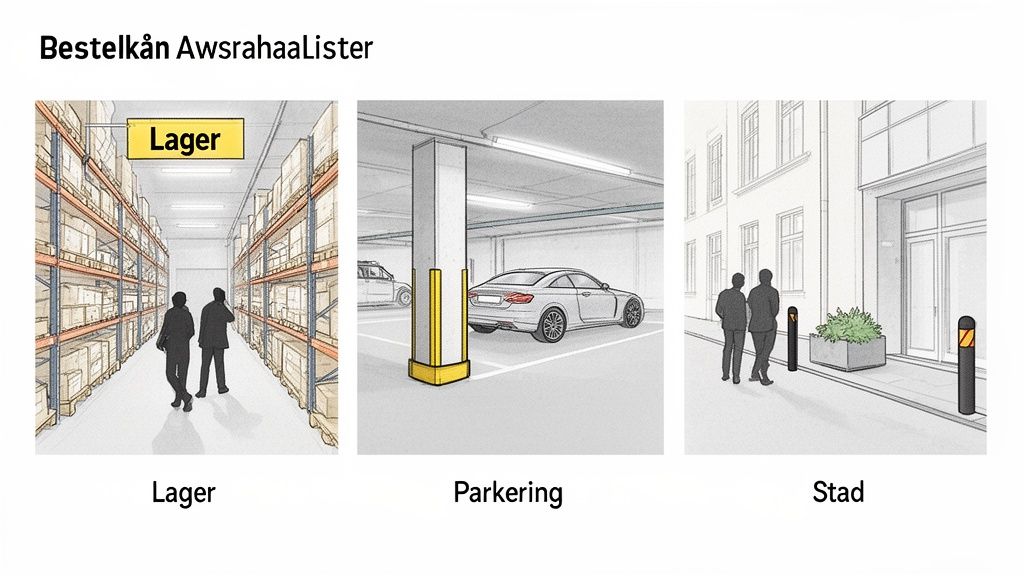
The warehouse – an arena for heavy collisions
In a modern warehouse, forklifts and pallet jacks are constantly on the move. Every corner, door and pallet rack is a potential point of collision. Here, the question is not if an accident will happen, but when.
A warehouse door that has been struck can mean hours of downtime and lost revenue. A damaged pallet rack is a direct safety hazard that can lead to valuable goods being destroyed. Here, heavy-duty steel bumper rails, often combined with rack protection, act as a robust barrier that protects critical infrastructure from daily wear and tear.
A bumper rail in a warehouse is like a hard hat for a construction worker. You hope you never need it, but when an accident happens, it is the difference between a minor bump and a disaster.
By strategically placing protection around columns, doors and sensitive equipment, you not only secure your assets but also create a safer work environment.
The parking garage – where every inch counts
In parking garages, the challenge is completely different. Here, passenger cars move through tight spaces where concrete columns and walls are a constant threat to the paintwork. A small misjudgment can cause unsightly scratches and dents, frustrating car owners and resulting in expensive repairs for property owners.
Here, a softer rubber or polymer bumper rail is a perfect solution. It effectively protects columns and walls from damage while being gentle on vehicles during light contact. It is a small investment that provides great peace of mind for residents and visitors.
Urban environments and public spaces
For municipalities and property managers, the challenge is protecting public areas from unwanted traffic. A bumper rail or other products such as fixed bollards can be used, for example, to:
- Protect facades: Prevent cars and trucks from driving too close and damaging buildings.
- Safeguard plantings: Create a physical barrier that protects green spaces and street furniture.
- Direct traffic flows: Guide vehicles correctly and prevent them from parking where they are not allowed.
These protective solutions are also important for access control. According to data from the Swedish Police Authority, 7,200 vehicles were stopped at municipal entrances in Sweden in 2023 using barrier equipment, 54% of which were delivery vans exceeding the height limit. Studies show that modern, customized solutions are significantly more effective. Read more about the research findings here.
Whether the problem is a forklift in the warehouse, a car in the garage or illegal parking in the city, there is impact protection that does the job.
How to ensure correct installation
A bumper rail is only as strong as its installation. It doesn’t matter if you buy the toughest protection on the market – if it is installed carelessly, the entire structure can be worthless in a serious impact. Getting the installation right is therefore not just the final step; it is the most important one.
It all starts with the substrate. There is a world of difference between mounting in rock-hard reinforced concrete and in soft, porous asphalt. A concrete floor provides a reliable base where expansion bolts usually do the job admirably. But asphalt, which can soften in the sun and give way under pressure, requires a completely different approach.
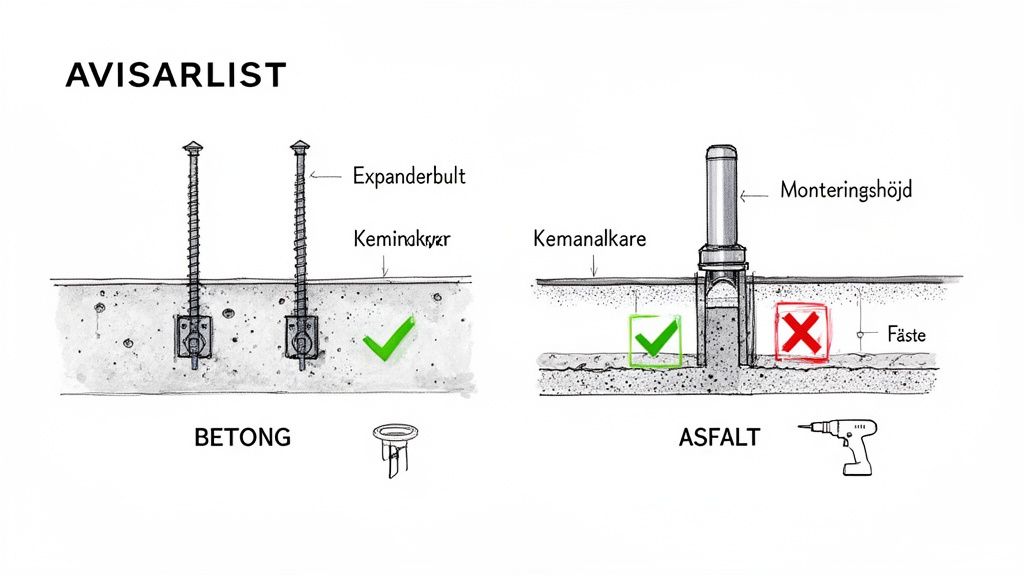
The right anchoring for your substrate
The choice of anchoring is absolutely crucial for your bumper rail to withstand the force it is built for. Choose wrong here and you risk the entire protection being torn loose in a collision, wasting your whole investment.
- Expansion bolt: This method is perfect for hard, stable substrates such as concrete. The bolt expands inside the drilled hole, creating a rock-solid mechanical anchorage that withstands both tensile and shear forces.
- Chemical anchor: For more porous or uncertain materials such as asphalt and older concrete, chemical anchors are often the only safe way forward. A chemical compound is injected into the hole and cures around the bolt, creating an extremely strong, vibration-resistant anchorage that distributes the force over a larger area.
To be sure everything stays securely in place, using high-grade anchoring is essential. You can read more about our recommended anchor bolts for impact protection here, which are designed to give you an installation you can rely on.
A common mistake is taking a chance with fasteners that are too short or too weak to save a little money. It is a dangerous shortcut that can ultimately cost many times more in repair costs and increased safety risks.
Avoid common installation mistakes
Besides choosing the right anchoring, there are other pitfalls to watch out for. A correctly installed bumper rail requires precision and an understanding of the environment it is meant to protect.
One of the most common mistakes we see is mounting the rail at the wrong height. If it is too low, a truck’s bumper or a forklift’s forks can pass right over it, making the protection completely pointless. The height must always be matched to the vehicles that actually operate in the area.
Does the project feel complex, or are you unsure how best to secure your facility? Nordguard’s experts are here to help. We offer advice and support throughout the entire process – from planning and choosing the right product to a finished, secure installation. Contact us and we will make sure your protection truly holds up when it matters most.
Maintenance that extends service life
Impact protection is an investment for the future, not a one-time expense. For your bumper rail to do its job and protect your facility year after year, it needs a little care. It is about being proactive – spotting and fixing a small problem is always easier and cheaper than dealing with a serious safety hazard.
By checking on your protection at regular intervals, you make sure it actually works the day an impact occurs. It is a small effort that not only extends service life but also ensures that the money you originally invested is not lost.
A simple checklist for regular inspection
Inspecting your protection doesn’t have to be complicated or time-consuming. Create a simple routine and you will quickly learn to spot what’s happening and take action right away. Do a walk-through and look specifically for these things:
- Check the anchoring: Feel whether any bolts are loose. Vibrations from forklifts and heavy traffic, or just normal temperature fluctuations, can cause fasteners to loosen over time. A loose bolt dramatically weakens the entire structure.
- Inspect for corrosion: On steel bumper rails, rust is an obvious warning sign. A little surface rust is mostly cosmetic, but if it starts to penetrate deeper, it can eat away at the material’s strength.
- Look for cracks and damage: On rubber or polymer protection, watch out for cracks, deep gouges and deformation. A damaged section can no longer absorb impacts the same way.
Ignoring a loose bolt or a small crack is a bit like gambling with safety. In a serious impact, the weakest point gives way first, and then the entire protection can become ineffective.
When is it time to repair or replace?
If you find damage, the next step is to assess its severity. Minor issues, such as a little surface rust or a bolt that needs tightening, can usually be fixed quickly and easily. Sand off the rust, apply some fresh paint and tighten the bolts according to the instructions.
But if part of your bumper rail has been badly dented after a collision, or if the rubber has deep, through cracks, patching it up is rarely worth it. Replacing the damaged part is the only safe way to restore the protection’s full function.
Here at Nordguard, we see ourselves as your partner throughout the product’s entire service life. We are here with spare parts, expertise and sound advice to help you keep your protection in top condition. Don’t hesitate to reach out if you need help ordering the right components to keep your facility safe.
CE marking and legal requirements – more than just a symbol
Safety is about much more than just a physical barrier like a bumper rail. It is about complying with the law and taking responsibility. When it comes to impact protection, CE marking is not just a logo but your guarantee that the product actually delivers on its promises – both technically and legally.
What does CE marking mean in practice?
Think of CE marking as an independent seal of quality. It confirms that the product has undergone rigorous testing and meets the applicable harmonized European standards. For a bumper rail or bollard protection, this means someone has verified its performance, materials and strength.
For you as a property owner, warehouse manager or employer, this is your assurance. You know that the protection you install is built to withstand the forces it is exposed to and that it meets the requirements of, among other things, occupational health and safety legislation.
The hidden risk of unmarked products
Sure, it can be tempting to choose impact protection without CE marking to save a little money. But it is a gamble, both legally and in terms of safety. If an accident happens and it turns out the protection was not up to standard, the question of liability can become both complicated and very costly.
Opting out of a CE-marked product is like taking out insurance with unknown terms. You hope it will cover the damage, but you have no idea whether it actually will when it really counts.
By consistently choosing CE-marked impact protection from Nordguard, you show that safety comes first. It is a responsible decision that protects people, vehicles and property, while ensuring that your facility complies with applicable laws and regulations. Think of it as an investment in safety that pays off in the long run.
Finding it difficult to navigate the standards and find the right protection? Get in touch with us at Nordguard, and our experts will help you make a safe and correct choice for your specific needs.
Frequently asked questions about bumper rails
Here we have gathered answers to the most common questions we come across regarding bumper rails. Think of it as a quick guide with straight answers, perfect if you want concrete advice right away.
What height should the bumper rail be?
Height is absolutely crucial for the rail to do its job. It all depends on which vehicles will operate in the area. For a parking garage used mostly by passenger cars, a lower rail placed level with the cars’ bumpers is usually sufficient.
But in a warehouse or at a loading dock, where heavy forklifts and trucks maneuver, it is a completely different story. A significantly taller and sturdier model is required there. The rail must hit the vehicle’s frame to effectively absorb the impact. A rail that is too low here is basically ineffective and a wasted investment.
Can I install a bumper rail myself?
That depends entirely on the type of protection. Simpler rubber rails that just need to be screwed to a wall can certainly be installed yourself, as long as you have the right tools and follow the instructions.
But when it comes to heavy-duty steel impact protection, the answer is a clear no. In that case, we always recommend bringing in experts. The reason is simple: anchoring to the substrate is everything. If it is not done correctly, the entire protection risks being torn loose in a heavy collision. Then you have not only lost the money spent on the protection but also created a serious safety hazard.
How much does a bumper rail cost?
The price can vary widely. It is determined by a number of factors such as material (steel is more expensive than rubber), length, height and thickness. A simple rubber rail is naturally cheaper to buy than custom-made protection in heavy-duty steel.
But try not to see it as a cost, but rather as smart insurance. The initial expense of good protection is often a fraction of what it costs to repair a damaged wall, a door or an expensive vehicle. It quickly pays for itself.
Still unsure which solution is best for your specific needs? Or would you like a quote tailored to your project? Get in touch with us at Nordguard. Our experts will help you find the right protection to create a safer and more sustainable environment.
Learn more and contact us at https://nordguard.eu.
Ready to take the next step?
We help you develop solutions tailored to your needs. At Nordguard, we strive to make the ordering process as smooth as possible. By offering support and guidance throughout the entire purchasing experience, we make sure you feel confident and satisfied with your choice of protection products.+46 10 153 90 50
[email protected]