
Red/White or Yellow/Black Barrier Tape?
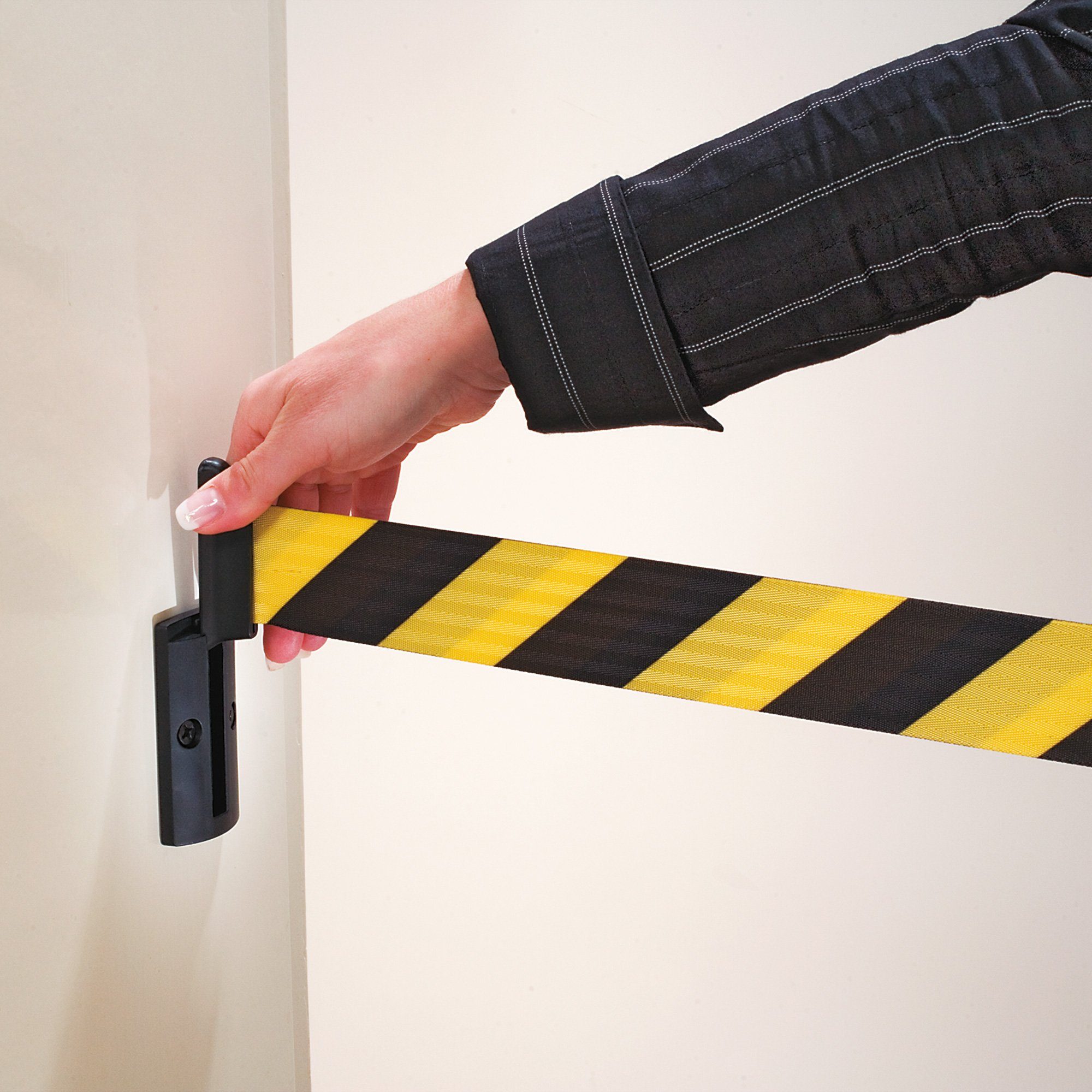
Barrier tape is a quick, clear and cost-effective way to mark hazard zones, direct foot traffic and prevent unauthorized access. In this guide, we compare red/white and yellow/black barrier tape and cover materials, applications and practical selection criteria. Our goal is to help you choose the right tape for construction sites, warehouses, events, retail stores and public spaces.
Introduction to Barrier Tape
What Is Barrier Tape?
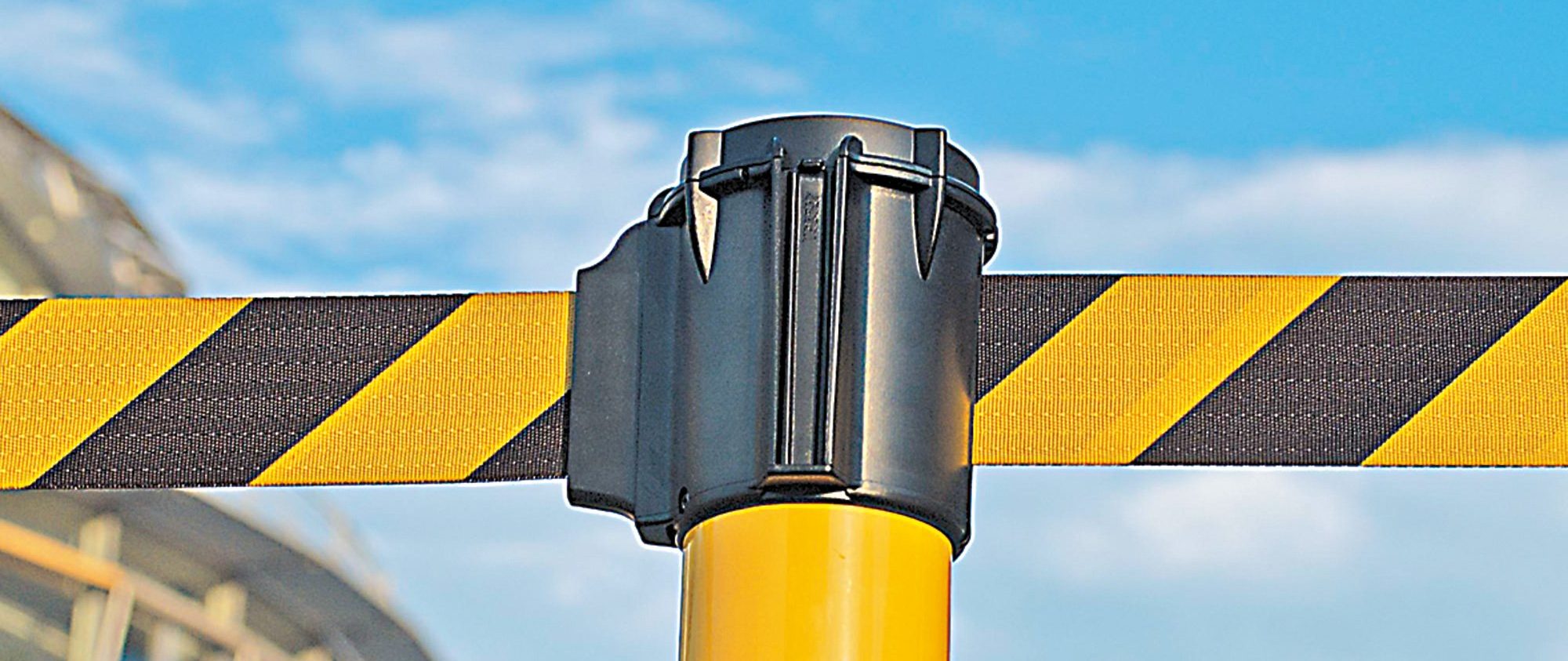
Barrier tape is a non-adhesive plastic strip on a roll that is stretched between posts, cones or hooks. It is used wherever you need to set up a clear boundary or warning quickly. Common settings include service work, small construction jobs, warehouse zones, event areas and incident sites. The tape offers high visibility thanks to strong color contrast and is often used together with cones, posts, chains, signs and lighting.
Keep in mind that barrier tape is a visual marker and does not replace physical protection where there is a risk of falls, traffic or heavy machinery. Think of the tape as one part of a complete safety solution.
History and Development of Barrier Tape
Before plastics became widespread, ropes, chains and makeshift fences were used. With polyethylene and polypropylene, tapes became lightweight, durable and inexpensive to produce. Standardized warning colors and improved printing technology have given us today’s crisp diagonal stripes and text. The trend is moving toward UV-stabilized, recyclable and in some cases bio-based materials, as well as cassette systems that reduce waste and save time.
Colors and What They Mean
Red/White Barrier Tape
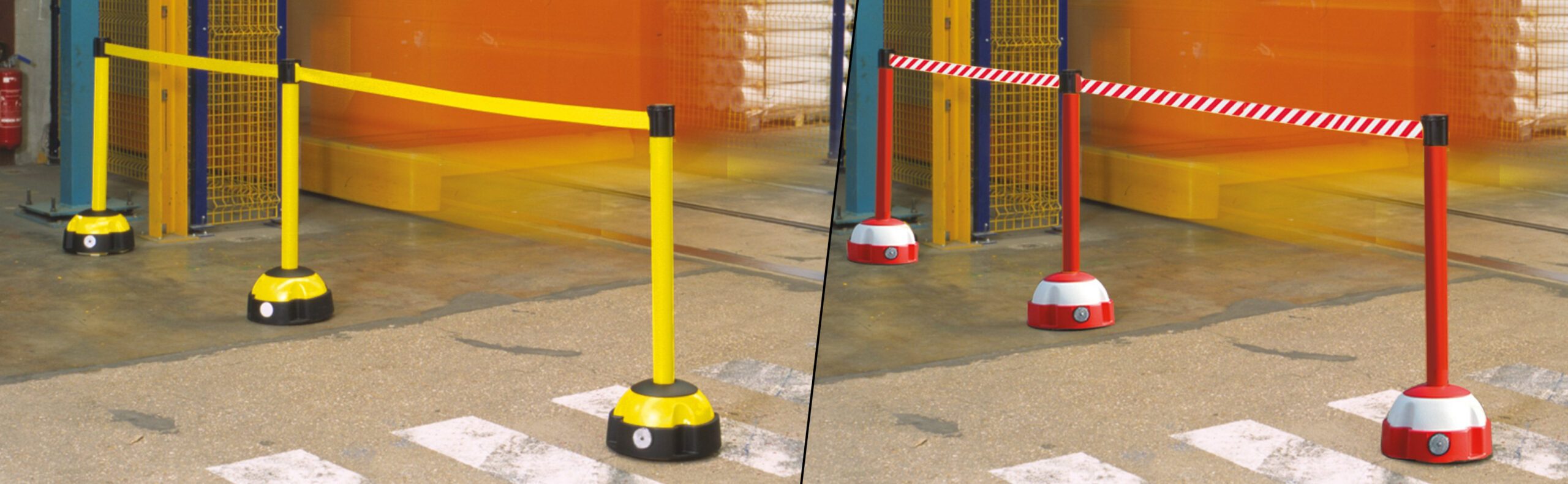
Red/white signals stop, prohibited and no entry. Use it when you need to keep the public out or stop traffic flow completely. Examples include accident scenes, collapse hazards, electrical work and dangerous excavations. Combine it with signs reading No Entry, and add physical barriers when the risk is high.
Yellow/Black Barrier Tape
Yellow/black signals warning and caution. It is suitable when you want to call attention to a hazard while still allowing controlled passage. Typical examples include temporary walkways around service work, marked buffer zones in warehouses and areas where falling objects may occur. Yellow/black helps people slow down, keep their distance and follow the designated route.
Choosing Barrier Tape for Different Situations
- Risk Level – If you need to stop passage completely, choose red/white. If you want to warn and direct traffic flow, choose yellow/black.
- Indoor or Outdoor – Outdoor use requires UV-stabilized tape with good tear strength. In windy conditions, posts and cones need ballast.
- Duration – For short-term jobs, standard rolls are sufficient. For recurring barriers, retractable cassette tape with posts can offer faster handling and less tangling.
- Visibility – Choose wider tape, such as 70 to 80 mm, for long viewing distances. Reflective elements can improve visibility in the dark.
- Message – If you need text, choose a print such as Work in Progress, No Entry or your own logo. Clear text reduces misunderstandings.
- Environment and Sustainability – Look for recyclable mono-material film, recycled content or bio-based alternatives.
- Handling – Dispensers and cassettes make deployment and rewinding quick and easy, especially with frequent use.
- Accessories – Plan the spacing between cones or posts. Indoors, 1.5 to 2.5 meters often works well. Outdoors, you may need closer spacing.
Always carry out a brief risk assessment. If there are vehicles, changes in level or hot equipment, supplement the tape with physical barriers and clear signage.
Barrier Tape Manufacturing and Materials
The most common materials are polyethylene PE and polypropylene PP. Both offer low weight, good toughness and excellent printability. The film is extruded to the desired width and thickness and then printed with diagonal stripes or text, often using flexographic printing. UV stabilizers extend service life outdoors.
PE tape is a good all-round choice for both indoor and outdoor use. PP tape is slightly stiffer and often delivers very sharp prints. PVC is heavier and is more commonly found in self-adhesive floor marking tape than in classic barrier tape rolls. For a lower carbon footprint, you can choose recyclable mono-material film or versions with recycled or bio-based content.
Choose the thickness based on the application. Thinner film means longer rolls and less material use. Slightly thicker film increases tear strength and holds its shape better in wind. For frequent use, cassette systems with replaceable tape are cost-effective because the tape is protected between uses.
Common Barrier Tape Applications
- Construction and Maintenance – Cordon off work zones, excavations, facade work and loading areas.
- Warehousing and Industry – Mark forklift routes, buffer zones, temporary stops and service areas.
- Events and Retail – Queue and crowd control, backstage areas, closed sections and night rounds.
- Property and Facility Management – Wet floor warnings, closed passageways during repairs and roof work.
- Emergency and Service – Rapid cordoning off at incidents or leaks until permanent measures are in place.
Some of Our Barrier Tapes
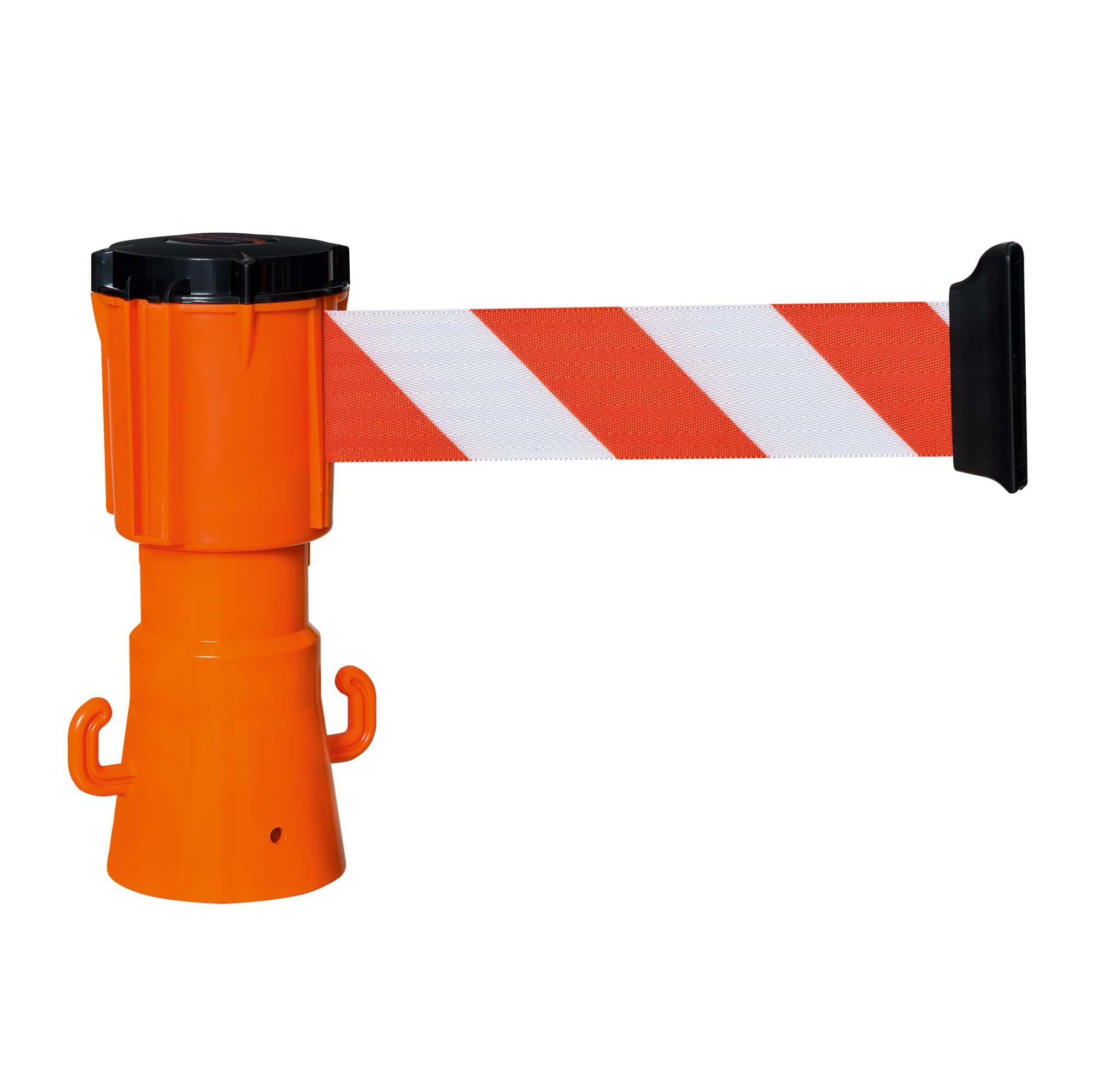
Explore our full range of barrier tape
Safety and Regulatory Compliance
Barrier tape is a visual warning, not a protection against intrusion. Where there is a risk of falls, vehicle traffic or other significant hazards, physical barriers and clear signs are required. Follow internal procedures and local requirements for workplace and traffic safety.
Avoid tape with protected official wording, such as Police Line, unless you are an authorized party. Use neutral, accurate messages that describe the situation, such as Work in Progress or No Entry. In public areas, special rules may apply to closures, signage and reflector requirements.
Barrier Tape FAQ
If you need to stop all passage, choose red/white. If you want to warn and redirect traffic flow without a full closure, choose yellow/black.
Standard rolls are typically 50 to 500 meters. Plan for a spacing of 1.5 to 2.5 meters between posts or cones indoors, and closer spacing outdoors. Add extra margin for corners and knots.
Yes, a company name or messages such as Work in Progress or No Entry are fine. Avoid official designations and protected wording unless you are authorized.
Choose UV-stabilized tape with good tear strength and pair it with ballasted posts. For longer periods or high-risk situations, permanent barriers may be a better choice.
Yes, there are versions with reflective elements that improve visibility in the dark. This is especially useful near traffic and for evening work.
Final Thoughts on Barrier Tape
Choosing the right barrier tape is about matching the risk level, environment and purpose. Red/white stops and keeps people out. Yellow/black warns and guides. Always combine the tape with the right accessories and add physical barriers where the risk requires it. If you need help choosing width, material and accessories, contact us and we’ll help you find the right barrier tape for your workplace.
Ready to take the next step?
We help you develop solutions tailored to your needs. At Nordguard, we strive to make the ordering process as smooth as possible. By offering support and guidance throughout the entire purchasing experience, we make sure you feel confident and satisfied with your choice of protection products.+46 10 153 90 50
[email protected]