
A Practical Guide to Safety Products for Secure Environments
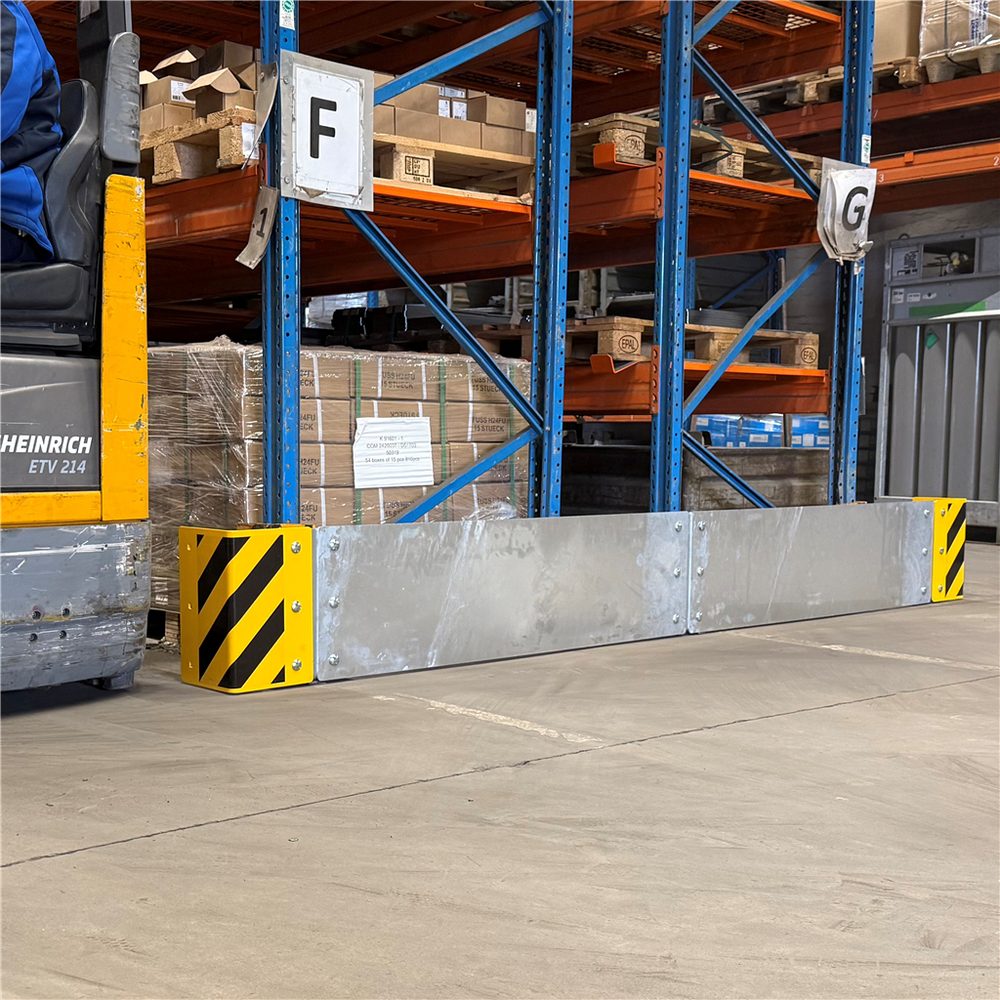
Safety products are the physical installations around us that protect people, buildings and infrastructure from damage and accidents. Think of them as a first line of defense that prevents a collision, redirects it or absorbs its force, while also keeping out unauthorized access.
What are safety products and how do they make environments safer?
In a world where we are increasingly safety-conscious, physical protection has become an essential part of creating safe, functional environments. These products are not just passive objects but active tools that guide how we move, prevent accidents and protect valuable assets.
They form the first, and often the most effective, line of defense. Sturdy impact protection can be the difference between a minor incident and a serious accident for a warehouse worker, while a discreet bollard effectively stops cars from driving into a crowded square.
From reactive to proactive protection
In the past, physical security was often treated as an afterthought – a solution you turned to after an accident had already happened. Today, more and more municipalities, property owners and businesses are thinking proactively. Investing in the right safety products from the start is both smarter and more cost-effective. It builds a fundamentally safer society and minimizes risks before they turn into costly problems.
This shift is also reflected in wider social trends. According to Säkerhetsföretagen’s annual report, the share of Swedes who experience crime and vandalism in their neighborhood has risen by a full 22 percent since 2010. Figures like these are driving strong demand for products such as impact protection and bollards to protect everything from public spaces to residential areas.
More than just protection
Modern safety products do more than just stop an impact. They create order, improve flow and can even become an integral part of the architecture. A smartly placed solution can:
- Prevent accidents: By physically separating pedestrians from vehicle traffic, for example with a fence or railing.
- Protect critical infrastructure: Such as machinery, load-bearing columns or electrical cabinets in industrial settings, using robust impact protection.
- Stop unauthorized traffic: Keep cars out of pedestrian streets, parks or private areas with bollards or barrier gates.
- Create a sense of security: Clearly marked protection zones signal that safety is taken seriously.
From parking garages and warehouses to schoolyards and residential areas – the right product in the right place solves real problems. But where do you start? The right solution requires a thorough analysis of your specific needs and risks.
Investing in the right safety product is not an expense; it is an investment in safety, efficiency and long-term sustainability. It is about proactively protecting what matters most.
Making the right choice can feel overwhelming. Need help with a needs assessment for your project? Contact us at Nordguard for free expert advice and guidance toward a safer environment.
How to choose the right safety product for your environment
Choosing the right safety product can feel like navigating a jungle. Do you need heavy-duty steel impact protection to protect your warehouse staff, or is a flexible plastic bollard enough to mark a parking space? The key is to understand the environment and match the product’s features to the actual risks.
It’s not just about putting a physical barrier in place. It’s about knowing exactly what you want to achieve. Do you want to stop a truck, redirect the flow of pallet jacks, protect a facade from careless drivers or simply mark a walkway? The answer to that question will guide your entire choice.
Start with a risk assessment of the environment
Before you even browse a product catalog, you need to do your homework: analyze the environment that needs protection. Ask yourself these questions to arrive at a crystal-clear requirements specification:
- What type of traffic moves here? Are we talking heavy trucks, fast passenger cars, slow forklifts or just pedestrians? Vehicle speed and weight are by far the most important factors.
- What is the purpose of the protection? Should it absorb energy in a collision, only mark a boundary or physically block all access? Impact protection is designed to absorb force, while some crowd control products are mainly intended for visual guidance.
- What are the specific risks? Is there a risk of a vehicle hitting a load-bearing column, damaging an expensive machine or ending up on a walkway? Identify the most critical points that must be protected.
- What is the ground surface like? Is it asphalt, concrete or paving stones? This directly affects which mounting method is possible and how stable the installation will be.
Once you have answered these questions, you will have a much clearer picture of what type of product will actually solve your problem.
Key factors to weigh in your decision
With a clear picture of your needs, it’s time to compare products. Look at a few key features to make sure you get a solution that is both functional and durable.
- Choice of material: Steel, cast iron, plastic or concrete? Hot-dip galvanized steel impact protection offers extremely robust, maintenance-free protection against rust. Flexible plastic bollards, on the other hand, can spring back after a minor impact, reducing damage to both the vehicle and the product.
- Crash rating and certification: For high-risk environments, such as protection against vehicle attacks or along high-speed roads, crash-tested and certified products such as security bollards are a must. For internal use in a warehouse, CE marking may be the most important seal of quality.
- Visibility: A safety product that can’t be seen rarely does its job. Choose products in bright safety colors such as yellow and black, or with reflective tape, to maximize visibility and prevent accidents.
- Mounting method: Should the product be cast into the ground for maximum strength, or is it enough to bolt it to the existing surface? The choice affects both the installation cost and how much force the protection can withstand.
Choosing a product with the right features from the start is an investment that pays for itself through reduced maintenance, fewer accidents and a longer service life. Replacing the wrong product costs far more than getting it right from the start.
Comparison of common safety products
To make the choice easier, we have put together an overview table showing some common product categories and where they work best.
| Product type | Primary application | Problem solved | Common materials |
|---|---|---|---|
| Impact Protection | Warehouses, industry, loading docks | Protects staff, machinery, pallet racking | Steel, heavy-duty plastic |
| Bollards | Squares, parking lots, streets | Directs traffic, prevents unauthorized access | Steel, cast iron, stainless steel, plastic |
| Crowd Control Equipment | Construction sites, events | Temporary barriers, redirects flows | Plastic, steel (fences/gates) |
| Wheel Stops | Parking lots, garages | Positions vehicles, protects facades | Recycled rubber, concrete |
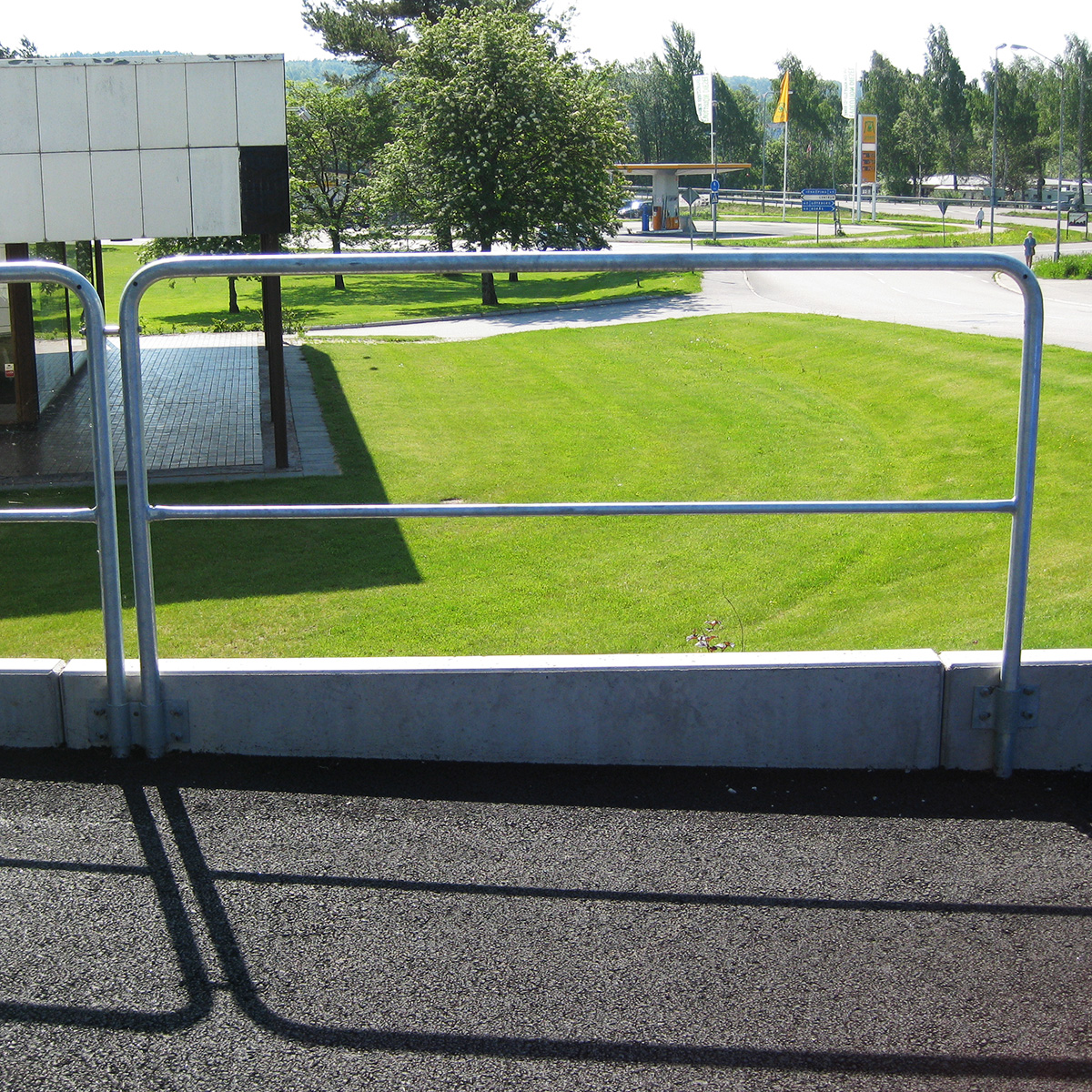
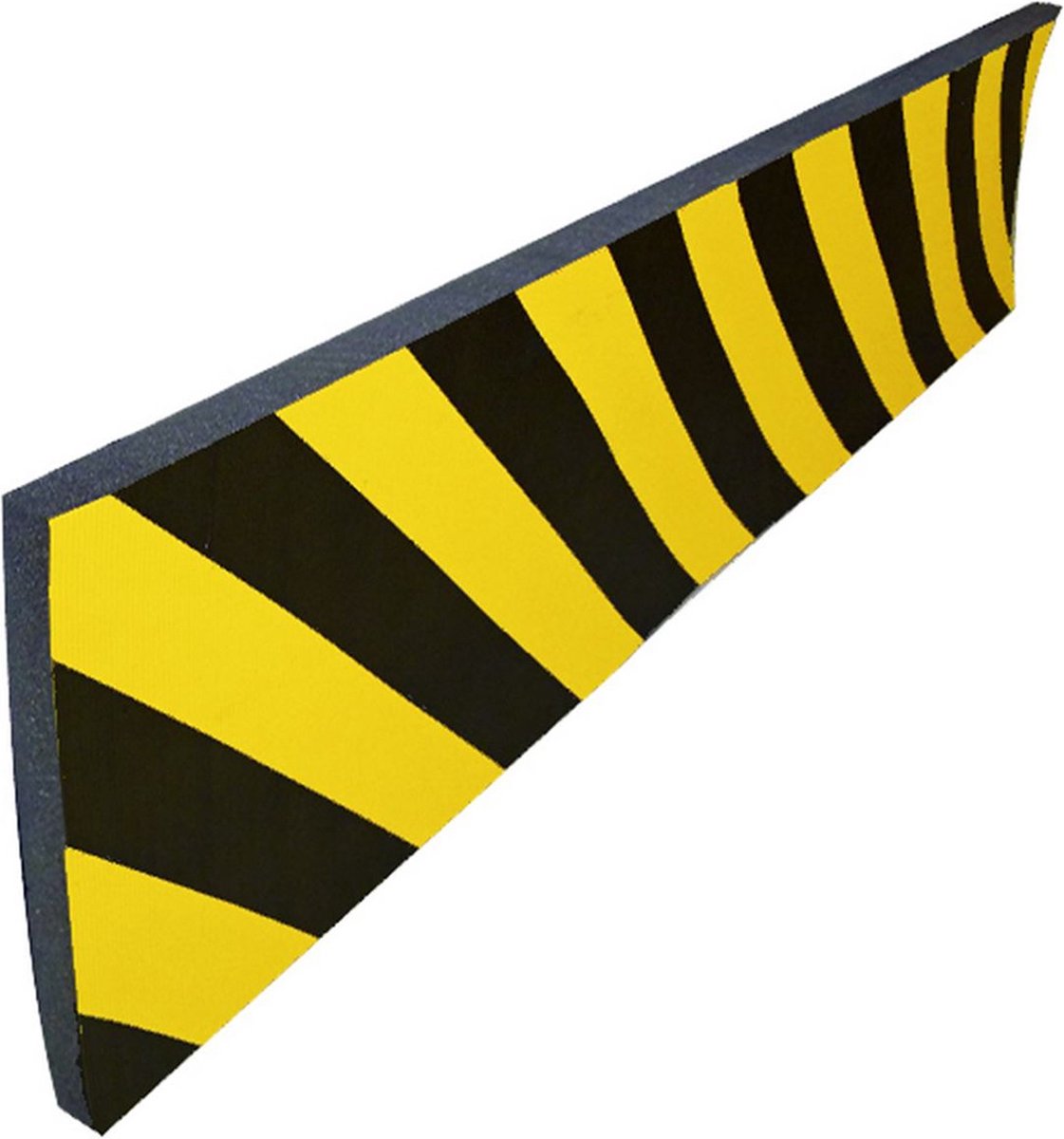
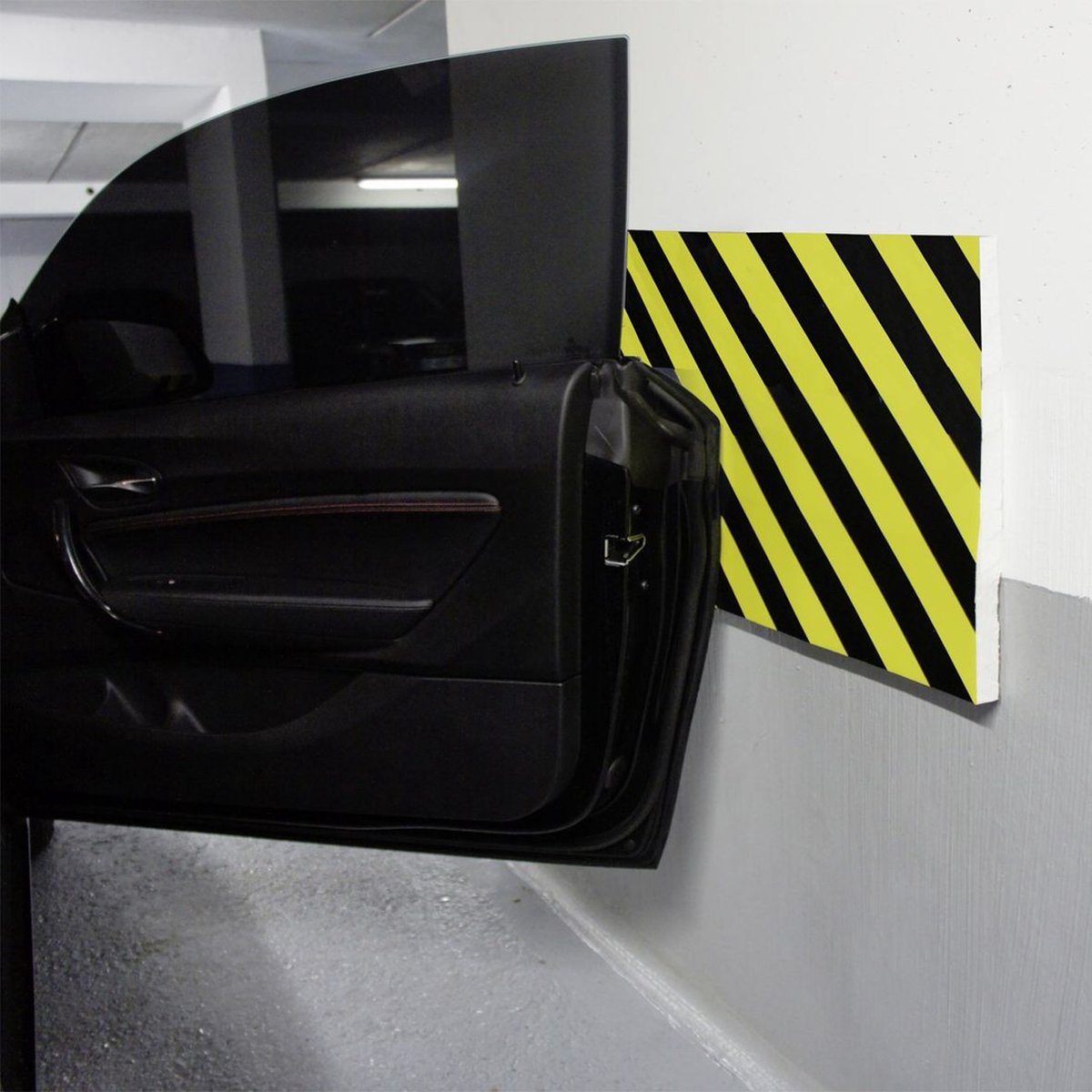
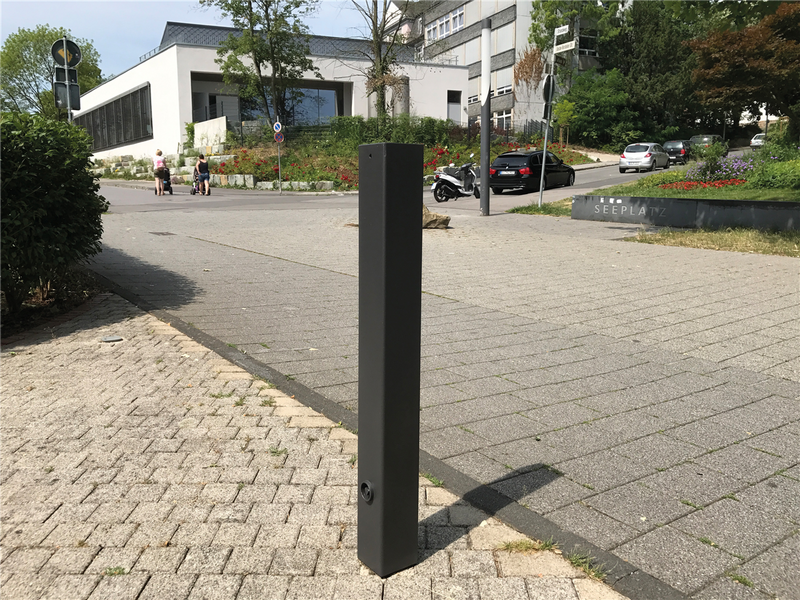
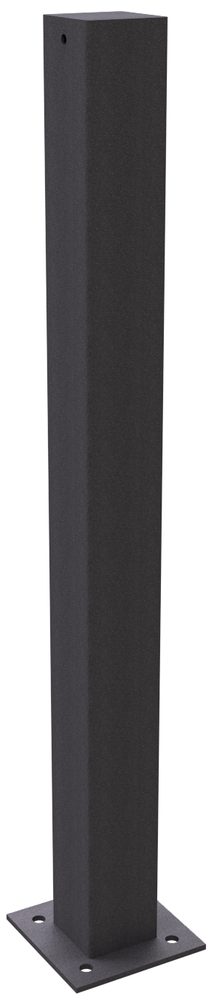
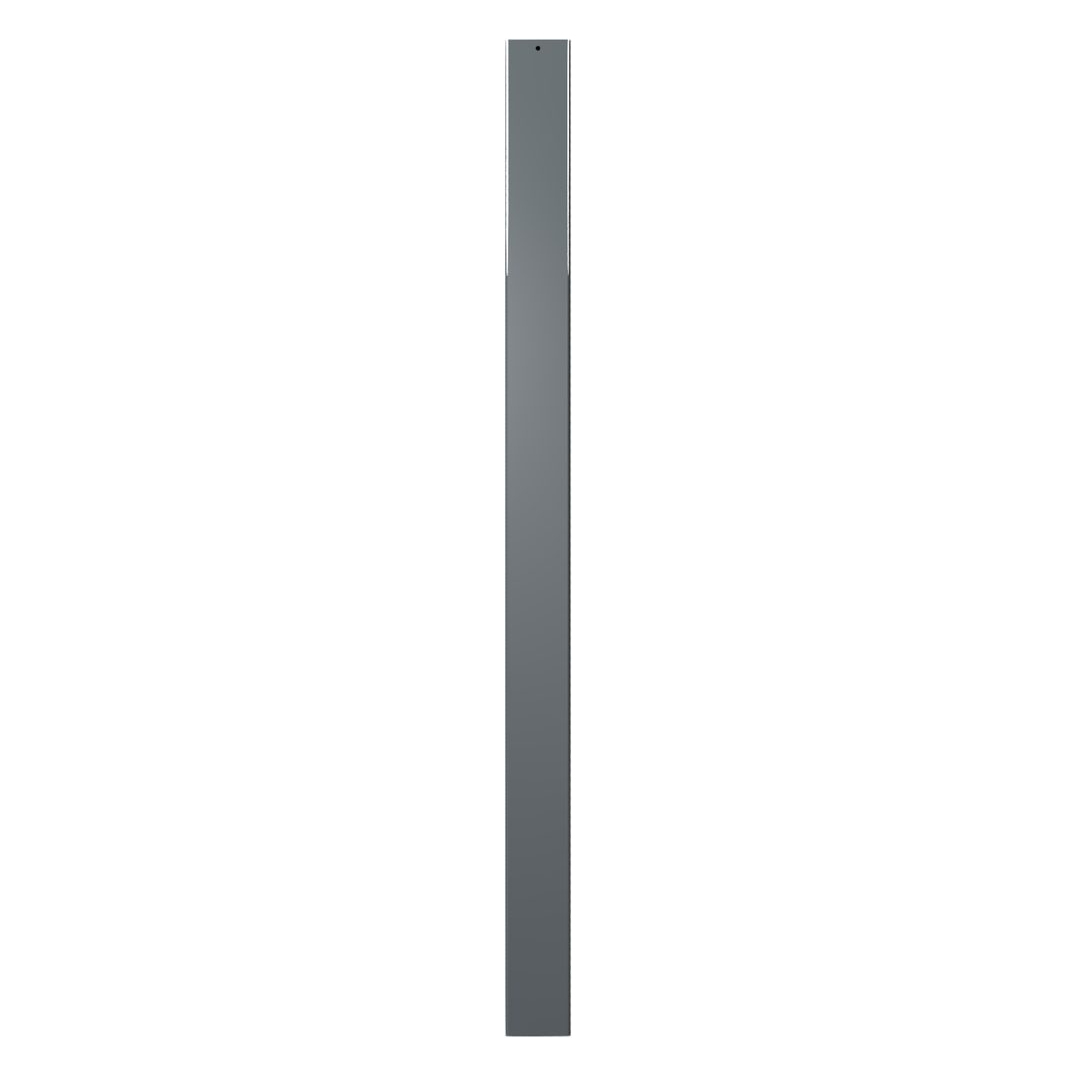
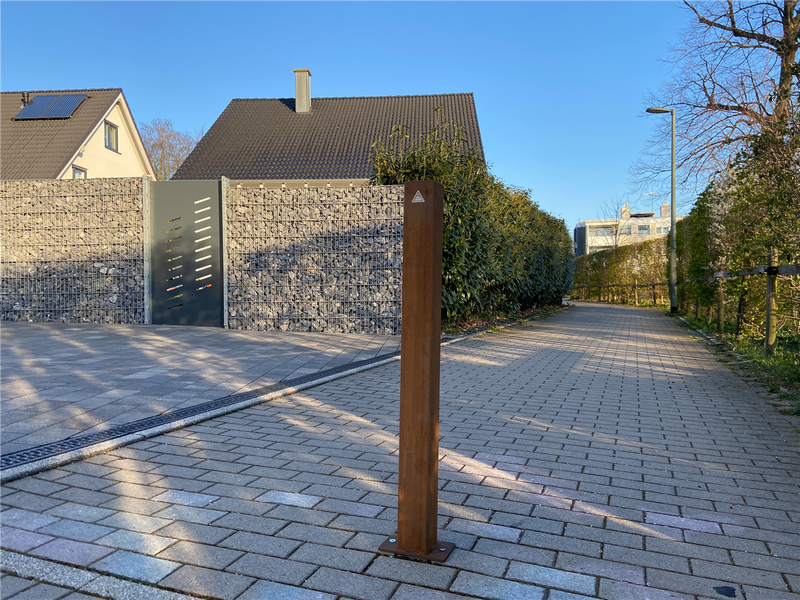
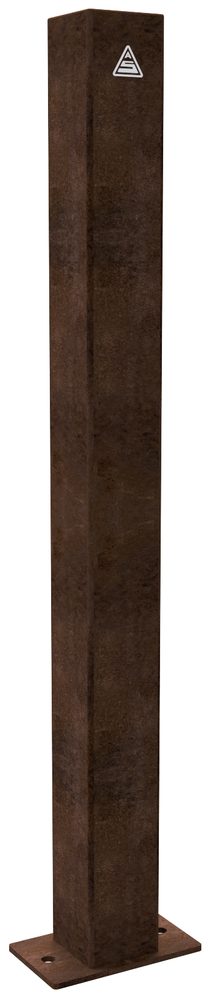
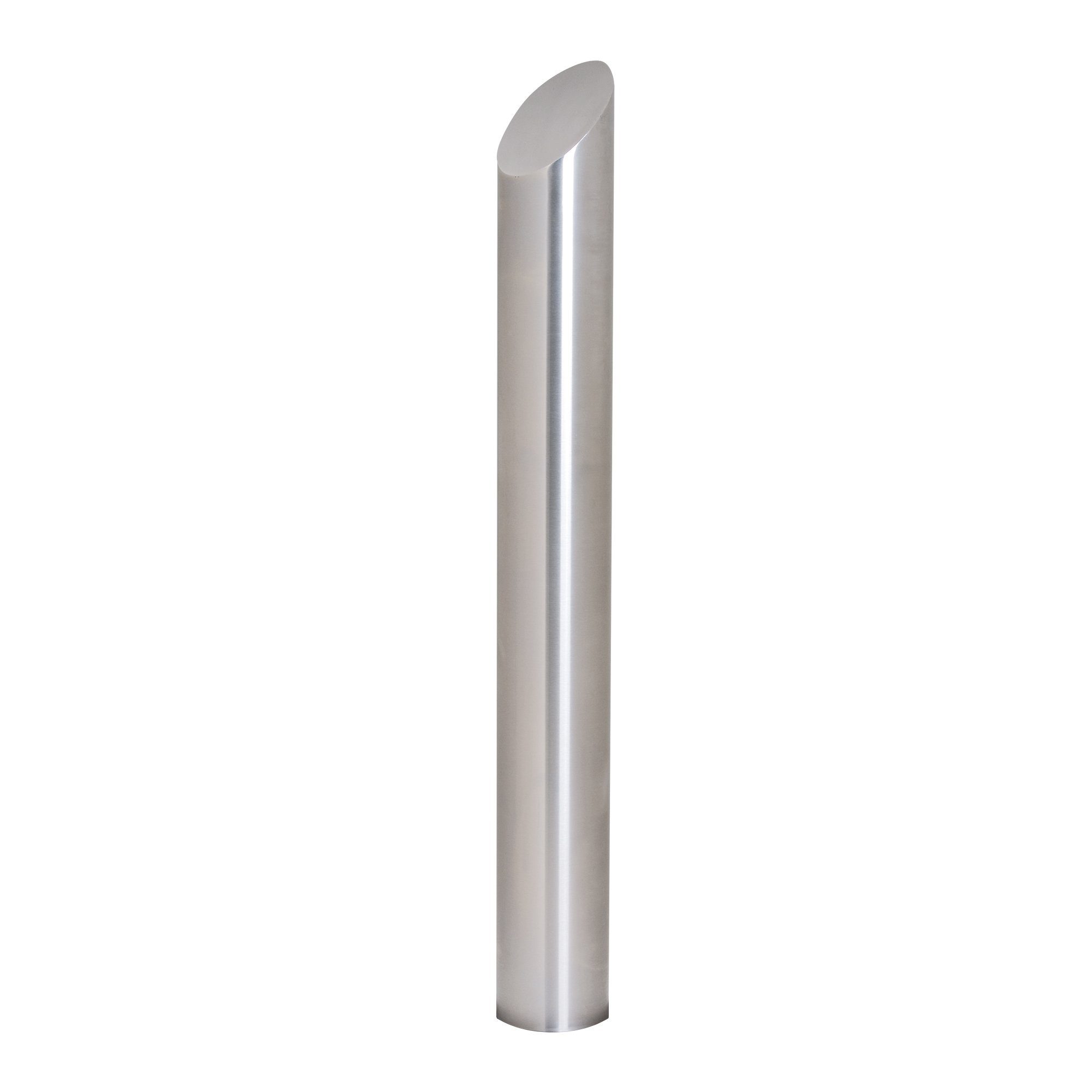
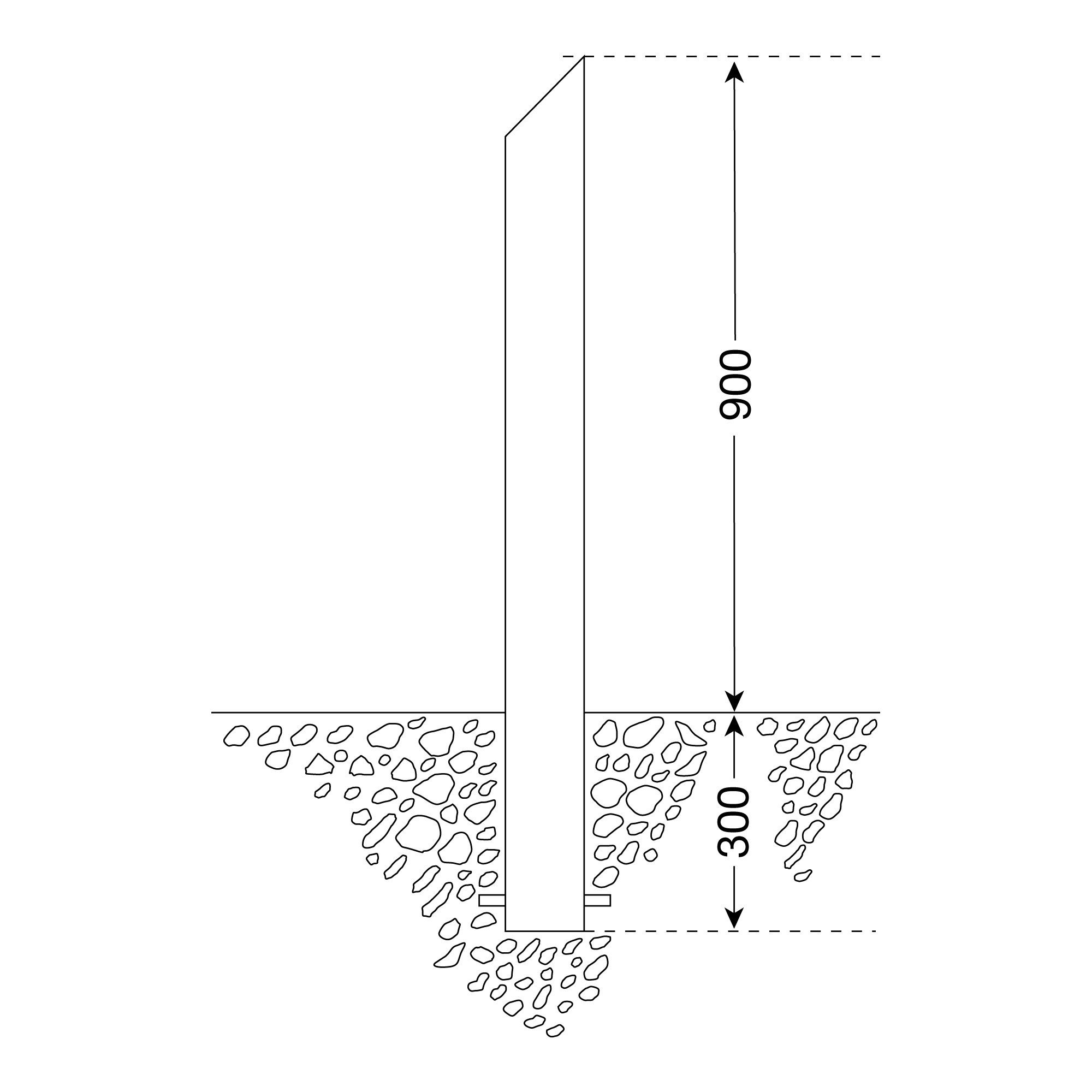
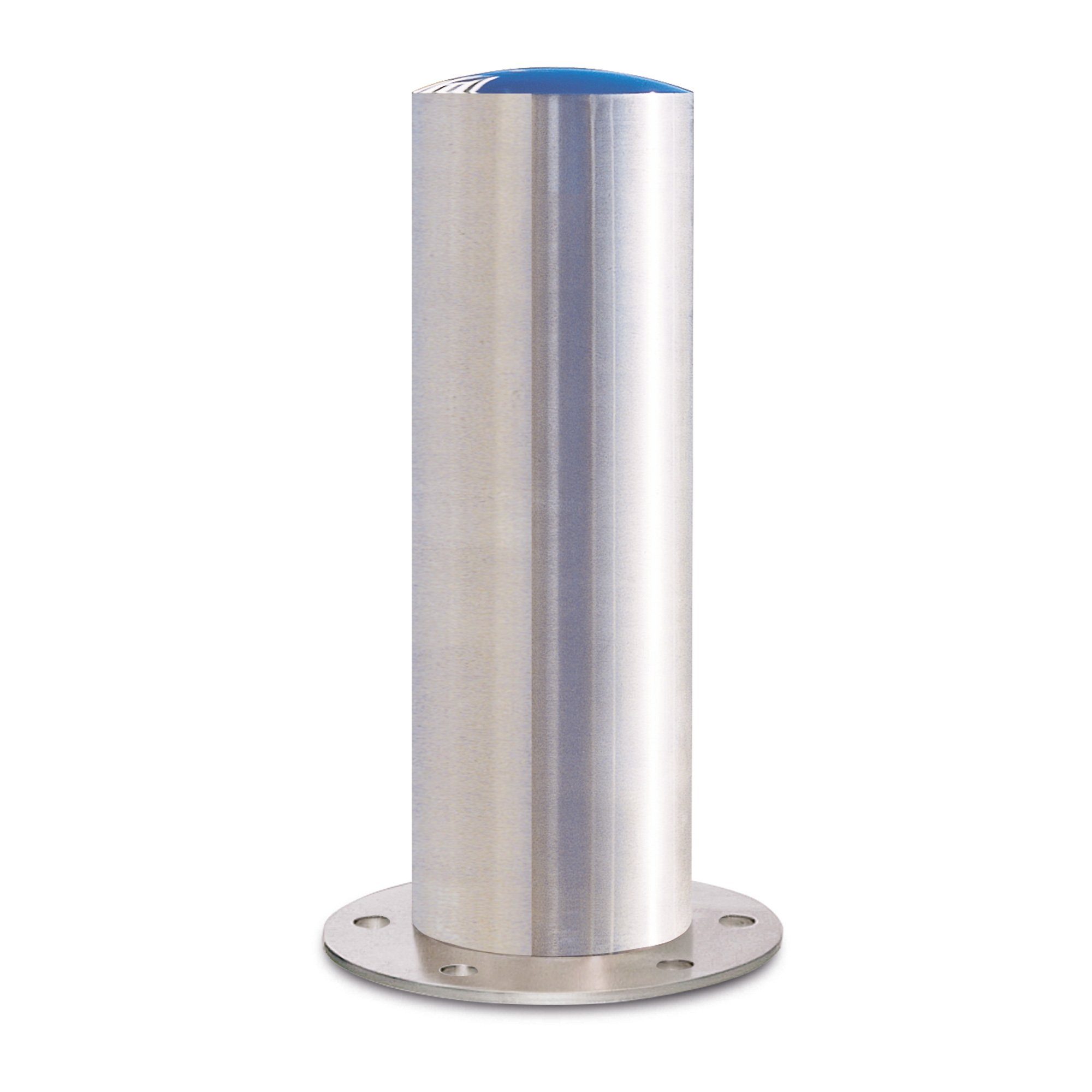
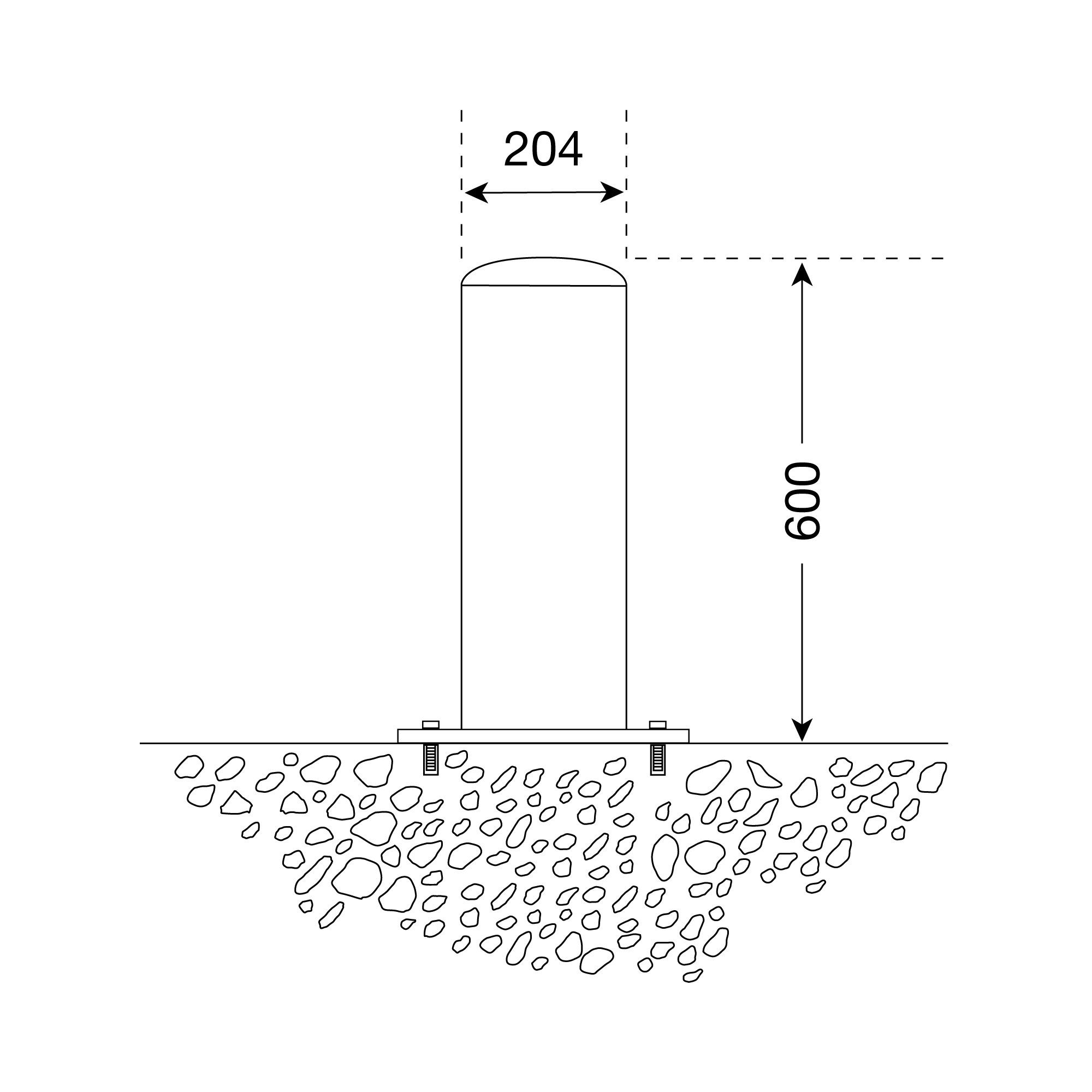
Understanding the different types is essential. Below are examples of robust impact protection and bollards for different environments.


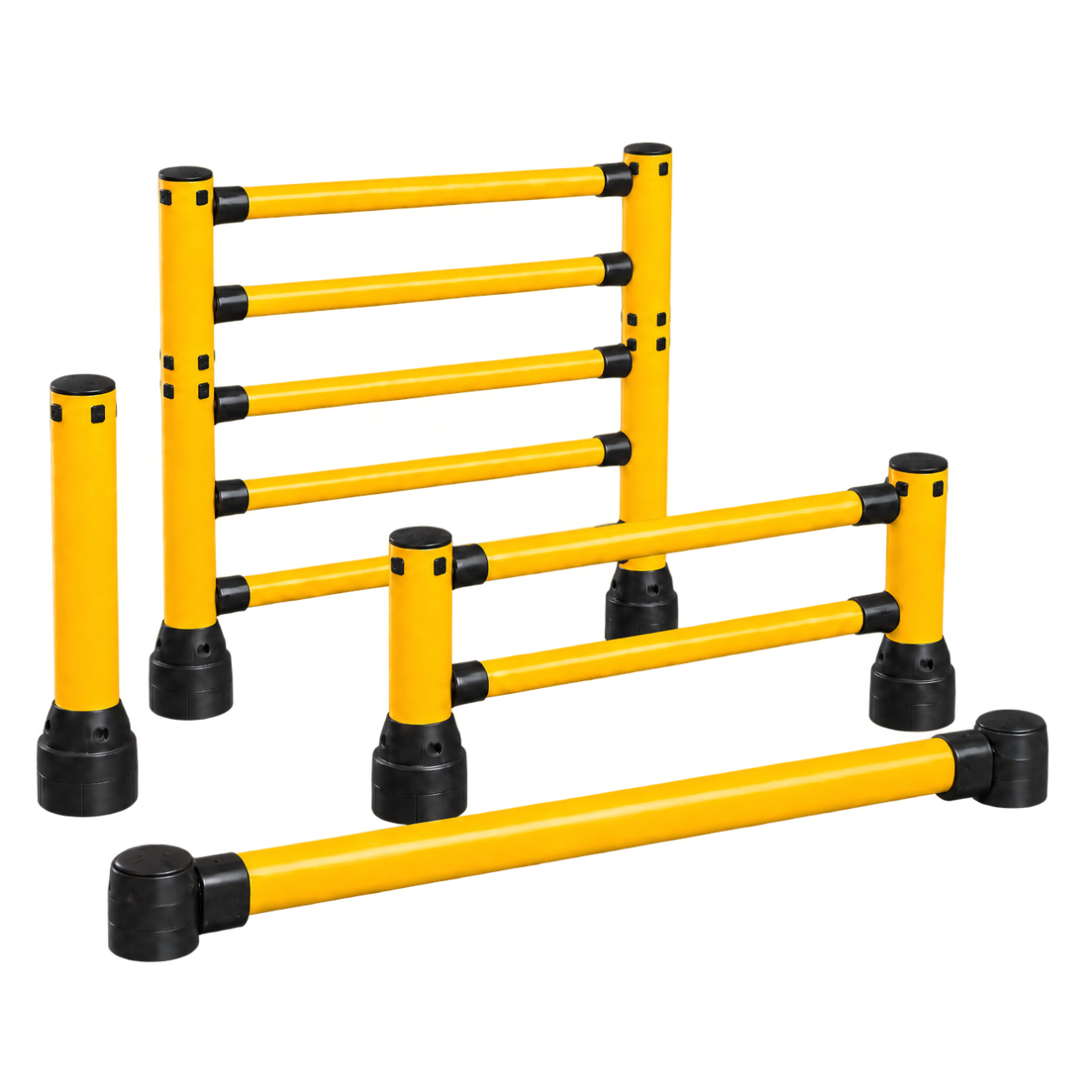
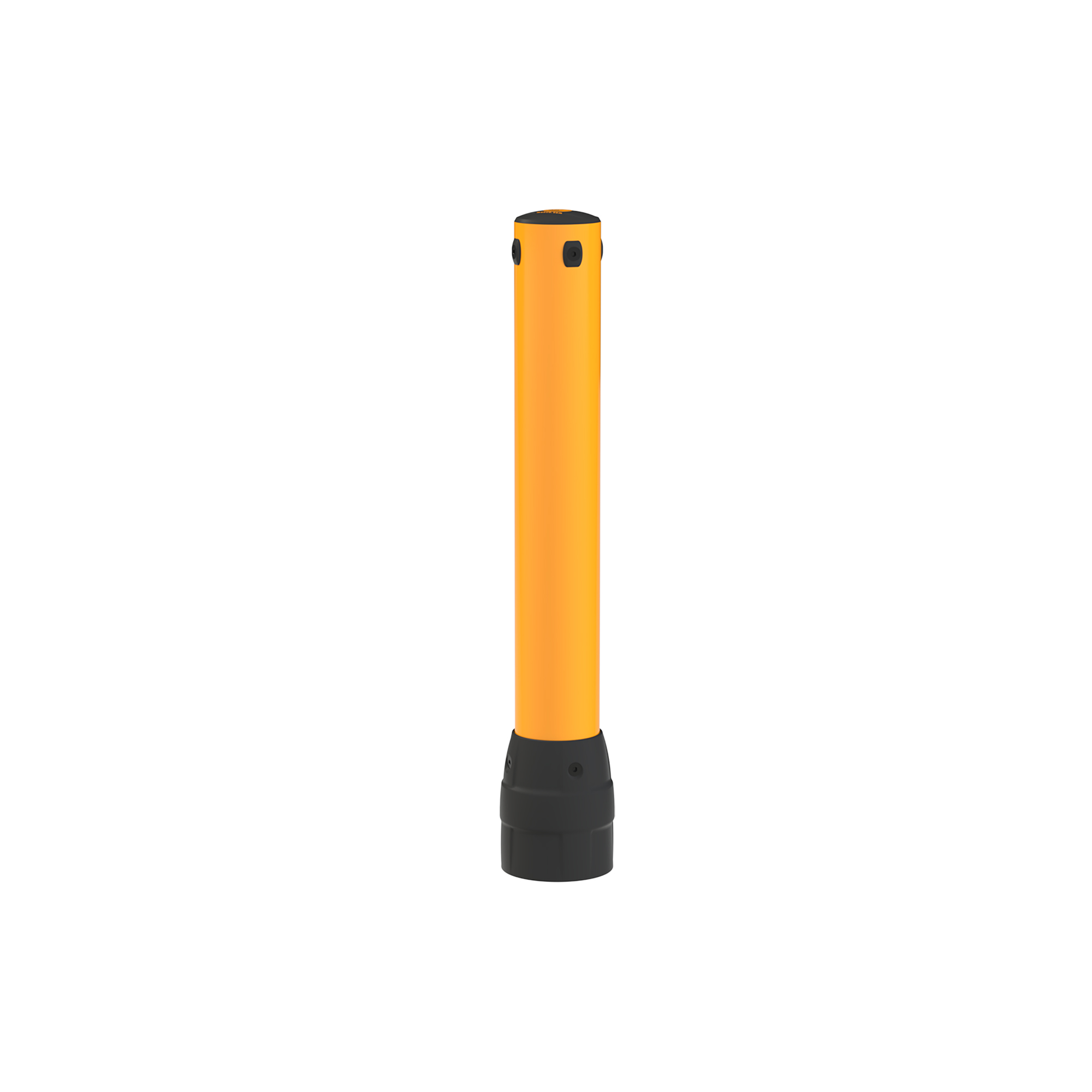 Black/Yellow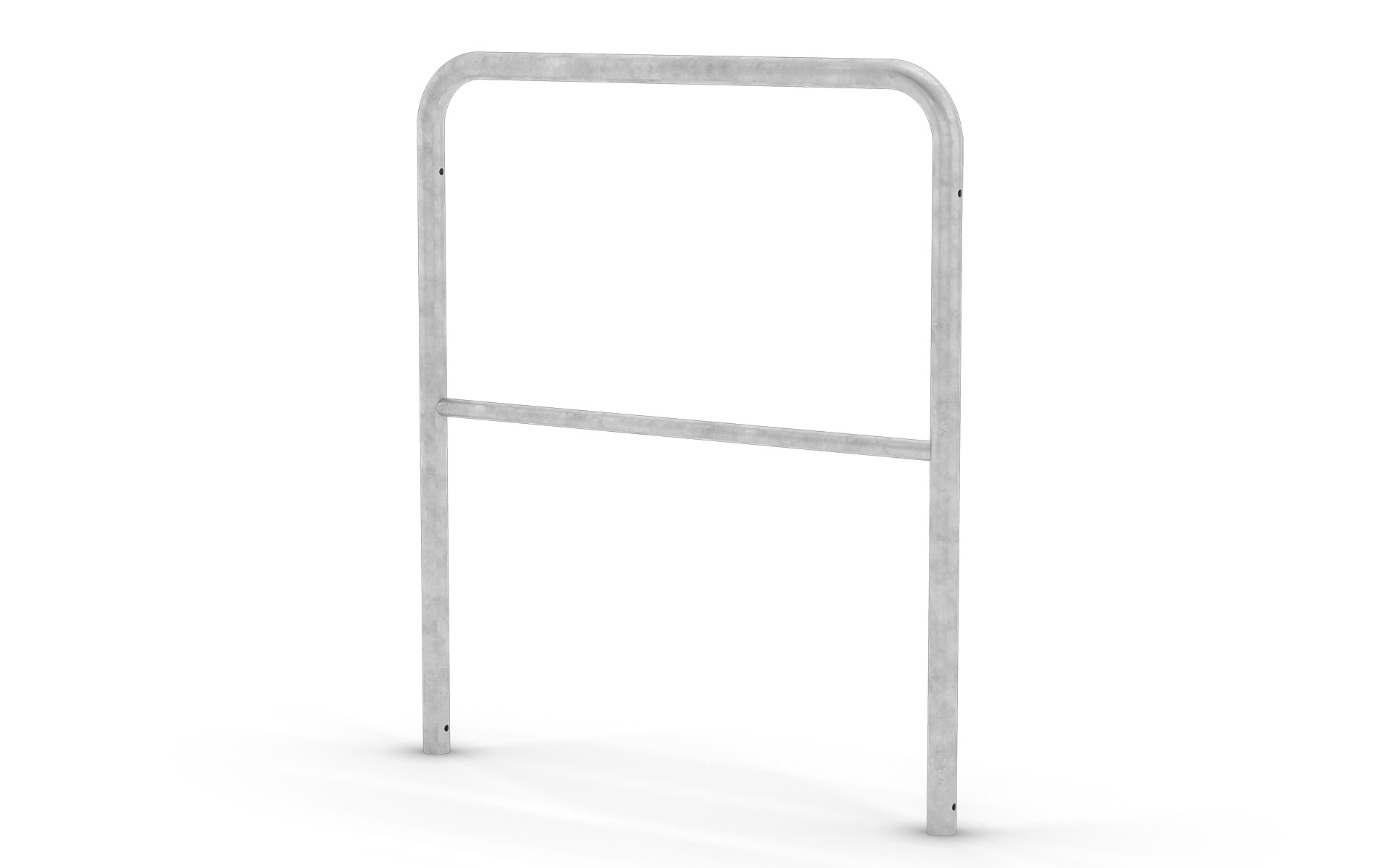



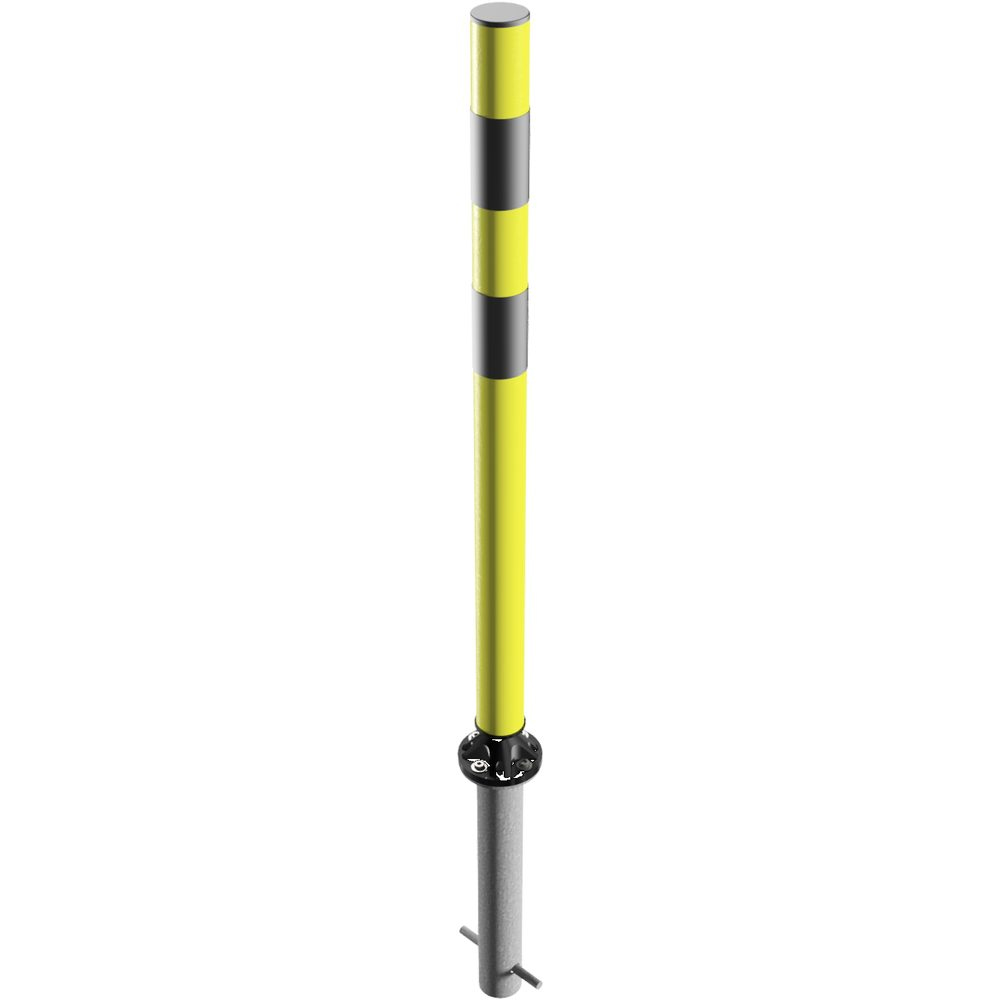
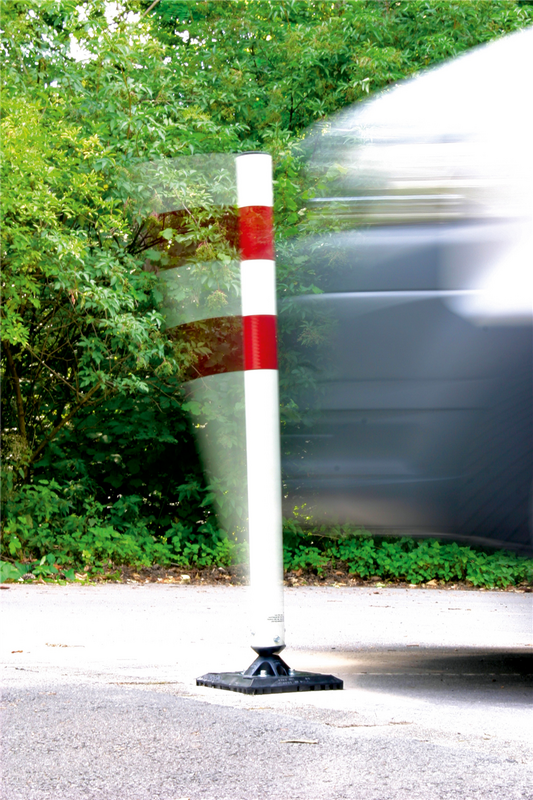
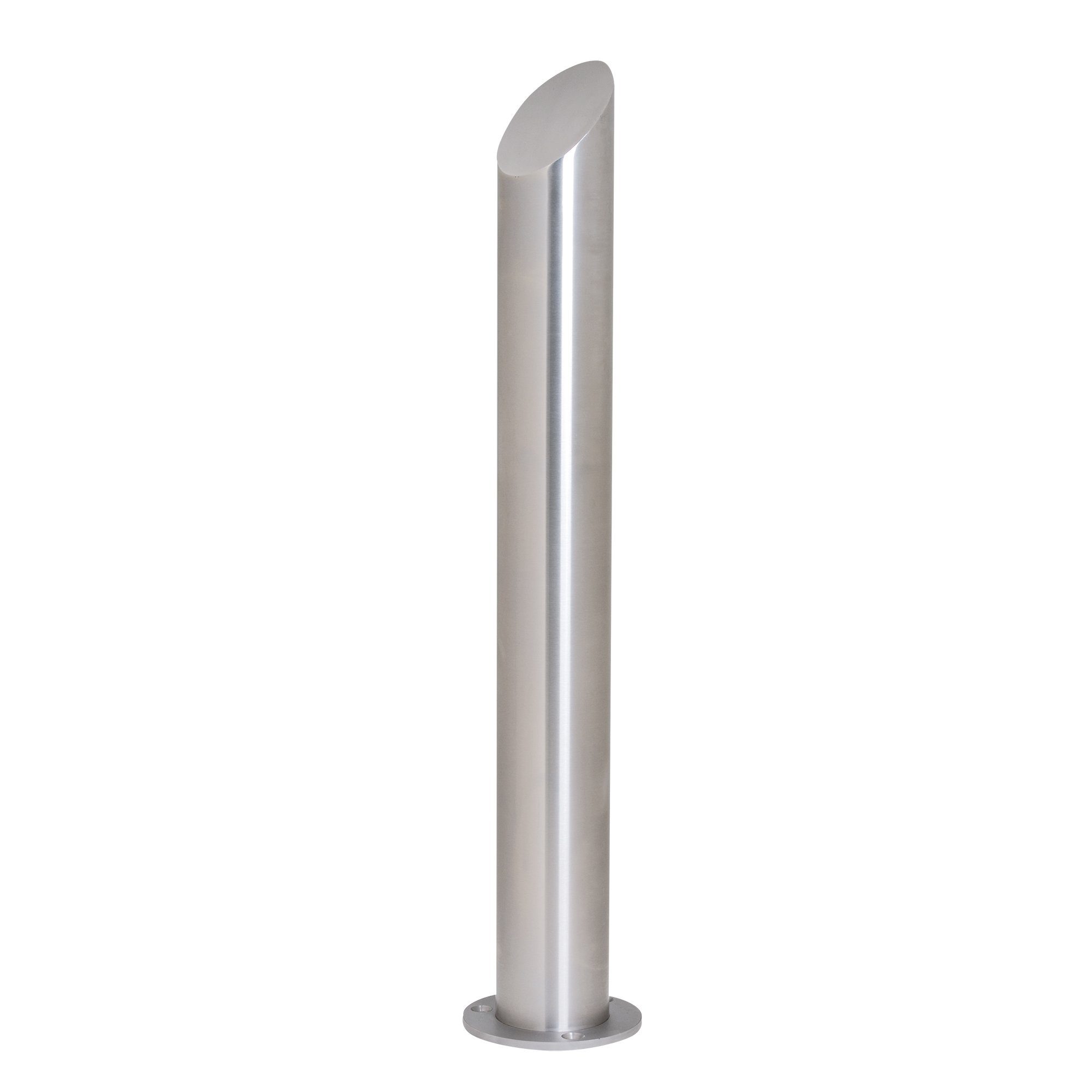
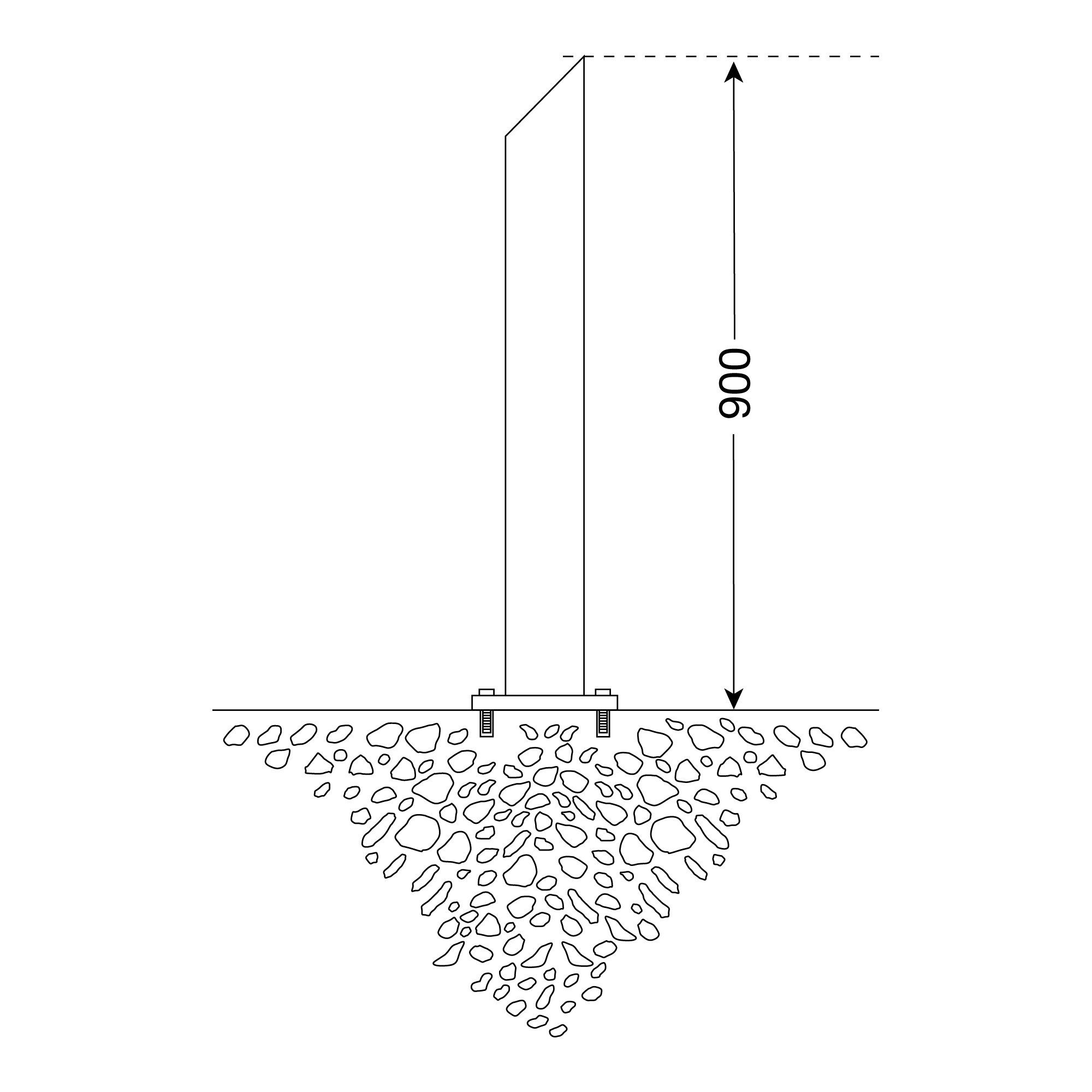
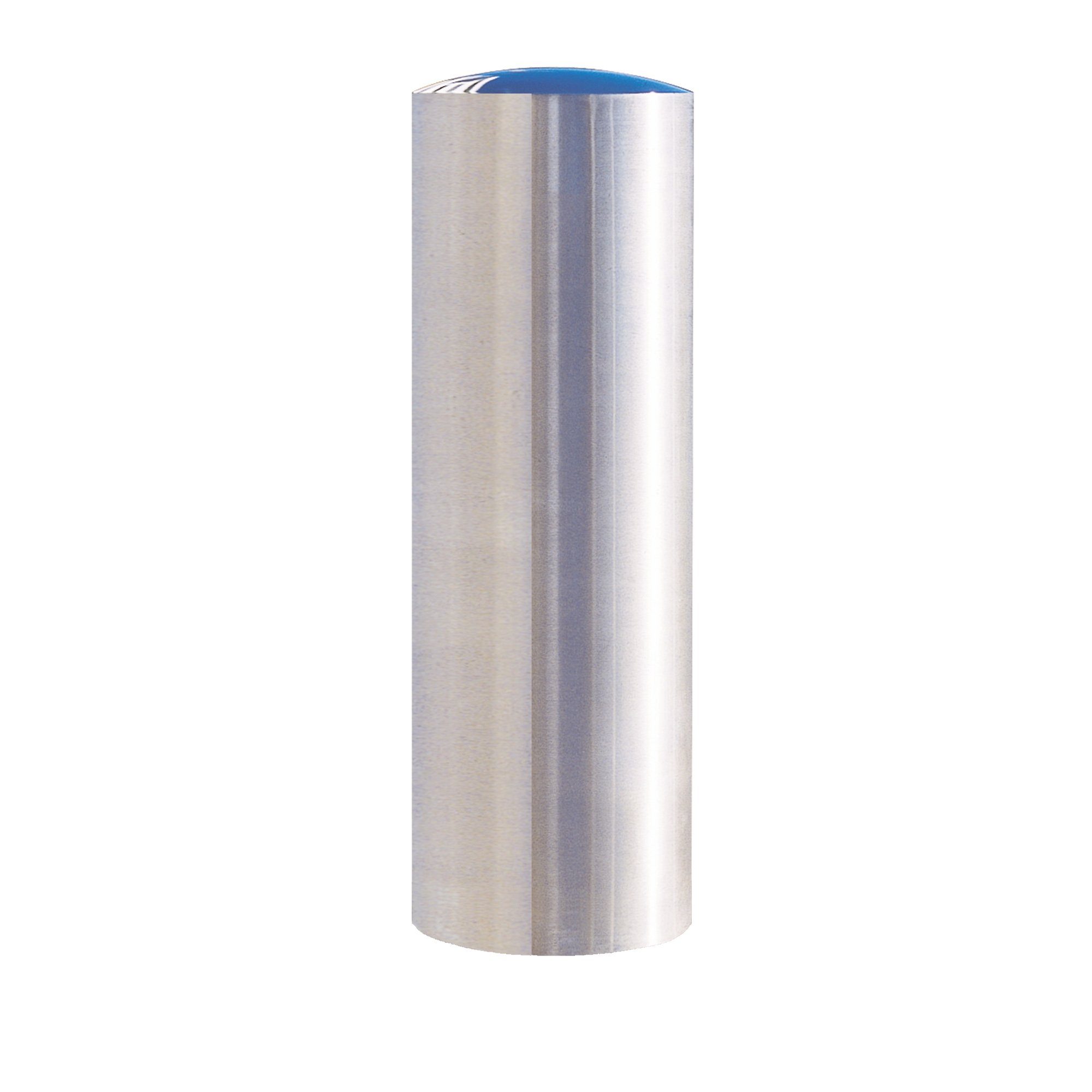
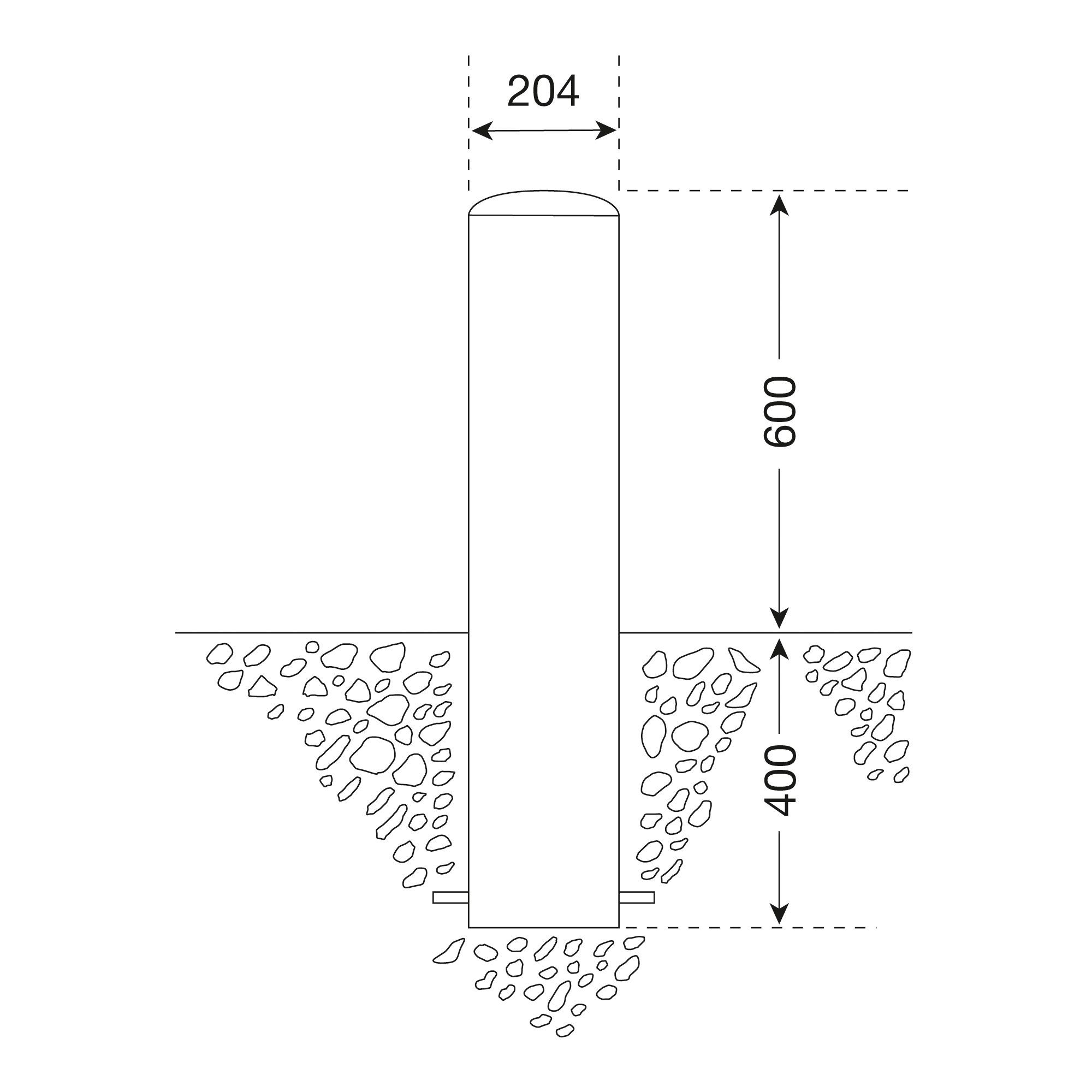
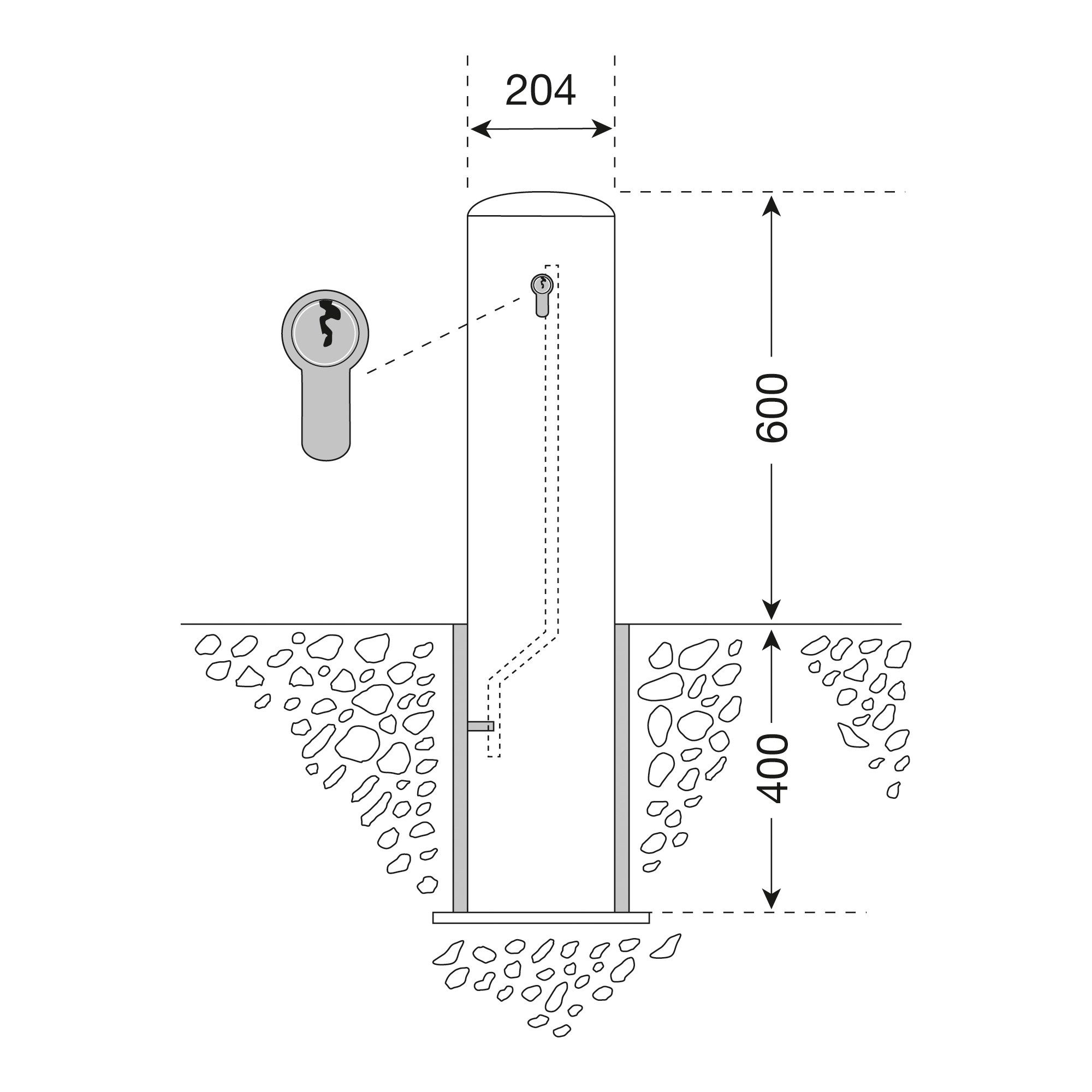
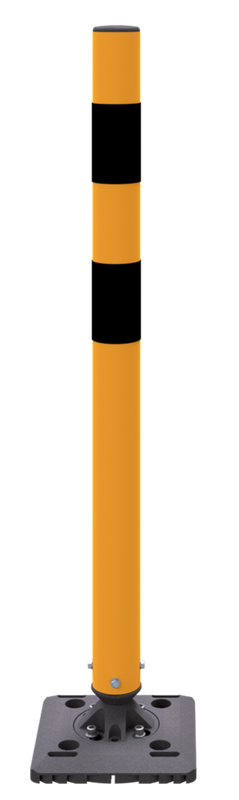
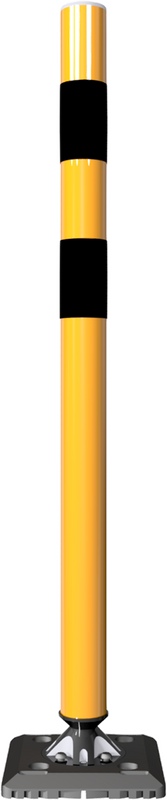 Black/Yellow

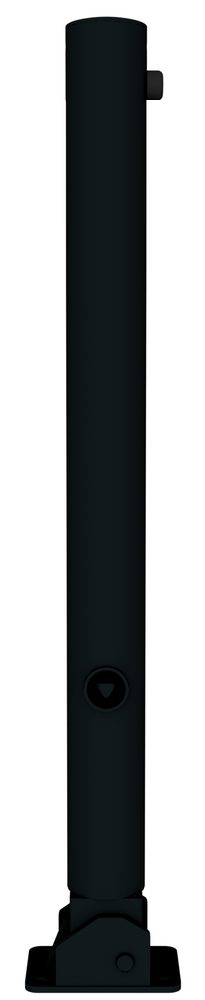
If you want to learn more about the solutions available for your specific needs, read our guide to different crowd control products.
Navigating all the options can be complex. Unsure what will best protect your environment? Contact us at Nordguard for expert guidance and a tailored recommendation that ensures the right protection in the right place.
Understanding regulations and CE marking for safety products
Navigating the regulations for safety products can feel complex. But knowing the rules is essential, not only to avoid fines but above all to create real safety. A product that looks right but lacks the correct marking can create a false sense of security that, in the worst case, leads to serious accidents.
If you are a buyer for a municipality, a construction company or a property management firm, this is especially important. You need to be able to set the right requirements in procurements and be confident that you are meeting your responsibilities.
CE marking – more than just a sticker
One of the most important markings to look for is the CE mark. It is the manufacturer’s assurance that the product meets the EU’s essential requirements for health, environment and safety.
For many safety products that are permanently installed, such as impact protection or guardrails, CE marking is a legal requirement under the Construction Products Regulation (CPR). In other words, it is not a recommendation but a must for the product to be legally sold and installed.
A CE-marked product is your guarantee that it has been tested according to a common European standard (hEN). Its performance has been tested, verified and documented – not just loosely claimed by the manufacturer.
A CE-marked product always comes with a Declaration of Performance (DoP). This document is your proof of what the product can actually handle, for example exactly how much impact energy an impact protection product can withstand. That kind of assurance is invaluable if an accident does occur.
The difference between standards and laws
It’s easy to confuse standards with legal requirements, but they serve different purposes:
- Laws and regulations (e.g., CPR): Mandatory rules that everyone must follow. They set the minimum level of safety a product must provide.
- Harmonized standards (e.g., EN 1317 for guardrails): Technical instructions describing how to meet the legal requirements. A manufacturer that follows such a standard can confidently CE mark its product.
Choosing a product that complies with a relevant standard is the smartest way to make sure you are doing things right. International standards such as ISO 7010 also play an important role, as they ensure that safety signs and symbols are understood by everyone. Read more in our guide about how to make sure you meet all legal requirements and responsibilities for impact protection.
Not sure which requirements apply to your project? Our experts will help you set the right requirements and choose CE-marked products that guarantee both compliance and maximum safety. Contact us today.
From needs assessment to finished installation
Buying and installing safety products is more than a simple purchase. It is a process where every step, from the first idea to the last tightened bolt, is crucial. A successful installation starts long before the products arrive, with a solid needs assessment and a well-thought-out project plan.
A poorly placed barrier gate or impact protection with substandard anchoring can, in the worst case, create new risks instead of solving the old ones – and almost certainly lead to costly repairs. Consider this a practical handbook for you as a project manager, contractor or property manager.
Step 1: Start with an honest needs assessment
Everything starts with the question: what problem are we trying to solve? A careless assessment at this stage almost always leads to the wrong product or a solution that doesn’t measure up.
Start by asking a few basic questions:
- What is the exact problem? Does a warehouse wall need wall protection against forklifts? Should unauthorized car traffic be kept out of a courtyard with bollards? Or do you just need to bring order to your bike parking with new bike racks?
- What are the real risks? Map out scenarios. What happens if a forklift hits this particular column? Are we talking property damage, or is there a risk of personal injury?
- What does the traffic look like on site? Which vehicles move through the area, how fast do they drive and how often do they pass? The needs at a loading dock with heavy forklifts differ markedly from those at the entrance to a residential area.
Step 2: Measure carefully and survey the site
Once you know what needs protecting, it’s time to work out how. Accurate measurements are crucial. Impact protection that is too short leaves critical parts unprotected, and a height restrictor that is too low can cause exactly the damage it was meant to prevent.
Don’t forget to inspect the ground surface:
- Concrete or asphalt? These materials require different anchoring. A concrete bolt will not hold securely in porous asphalt.
- How thick and stable is the surface? A thin layer of concrete or cracked asphalt does not provide enough anchorage for a product that needs to withstand an impact. Sometimes the only right solution is to pour a new foundation.
Taking chances with the anchoring is like putting a high-security lock on a flimsy cardboard door. The strength of the entire structure is determined by its weakest link – and that link is almost always the anchoring.
Step 3: Installation and quality check
The installation itself must follow the manufacturer’s instructions to the letter. It is the only way to ensure that warranties and the product’s CE-marked performance remain valid. Using the right tools and tightening bolts to the correct torque is crucial for safety.
Once everything is in place, it’s time for a final check:
- Is the product rock-solid with no wobbling?
- Is every screw and bolt properly tightened?
- Is there any visible damage from the installation?
- Does the product solve the problem you identified in the needs assessment?
The process from the first test to a CE-marked, approved product is tough and thorough – precisely to guarantee that the product delivers on its promises.
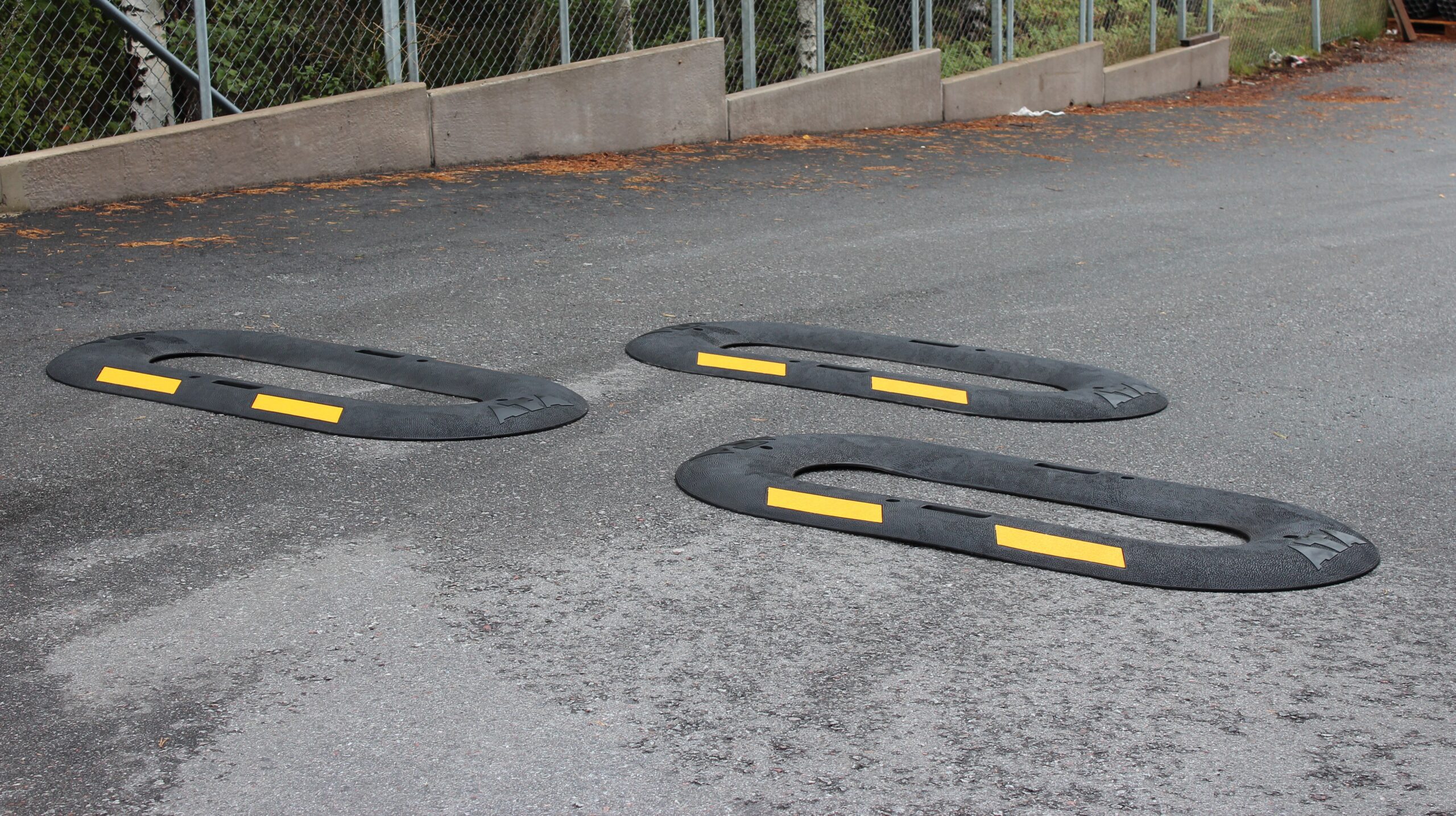
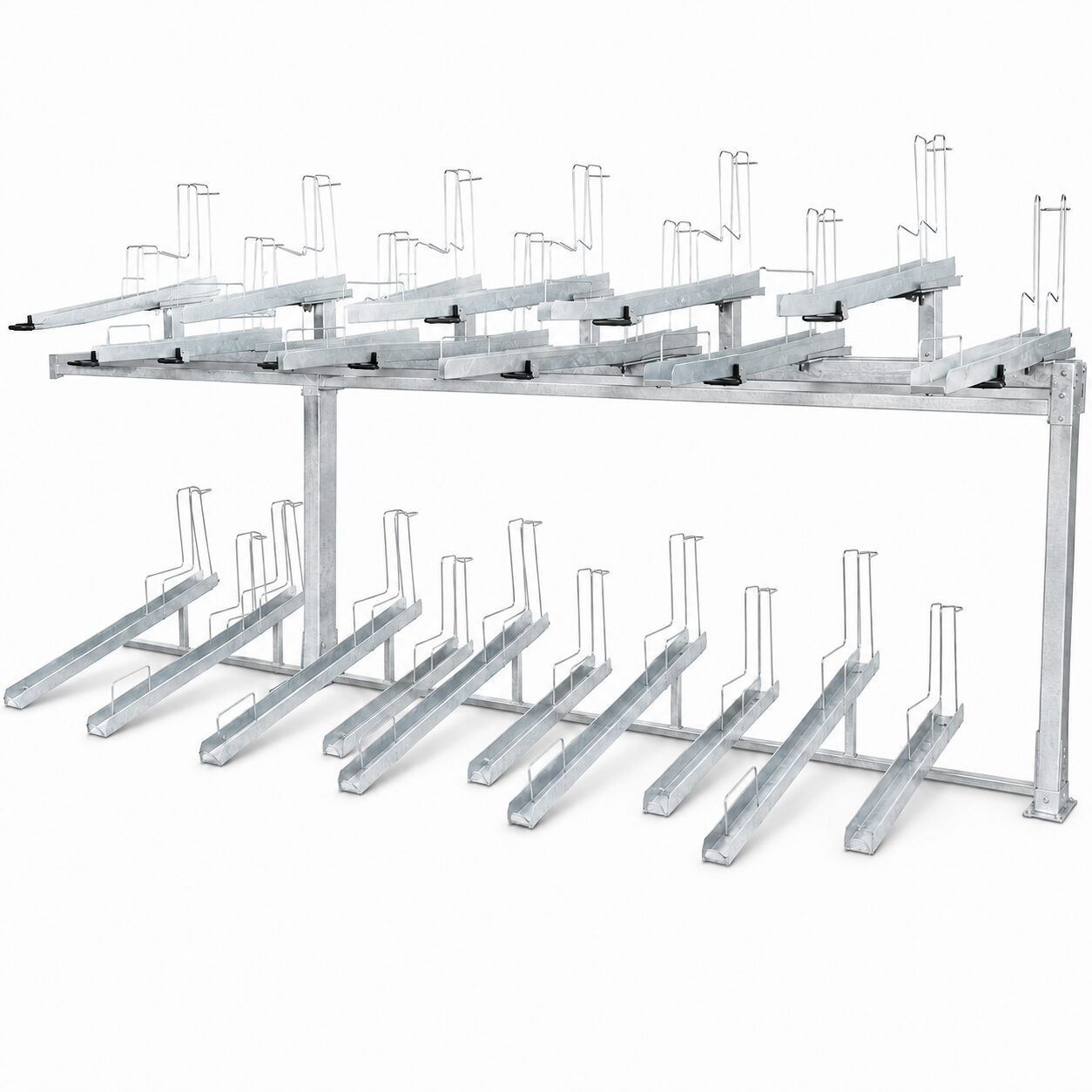
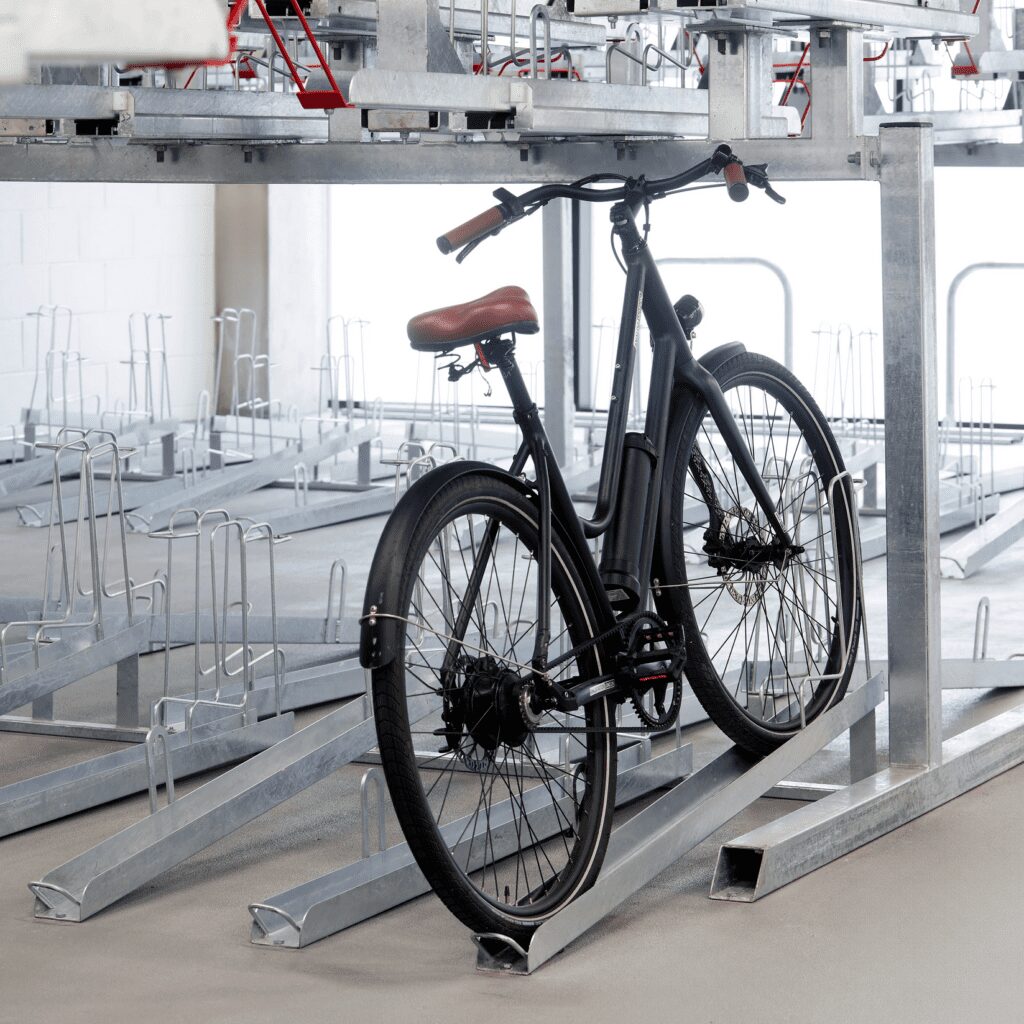
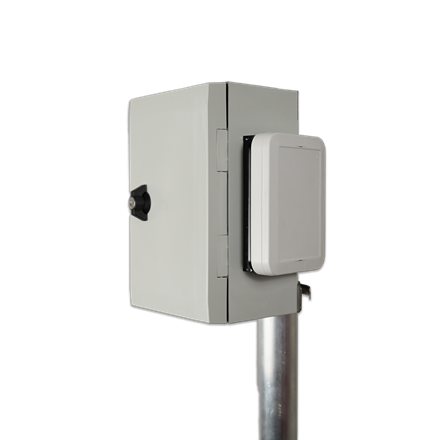
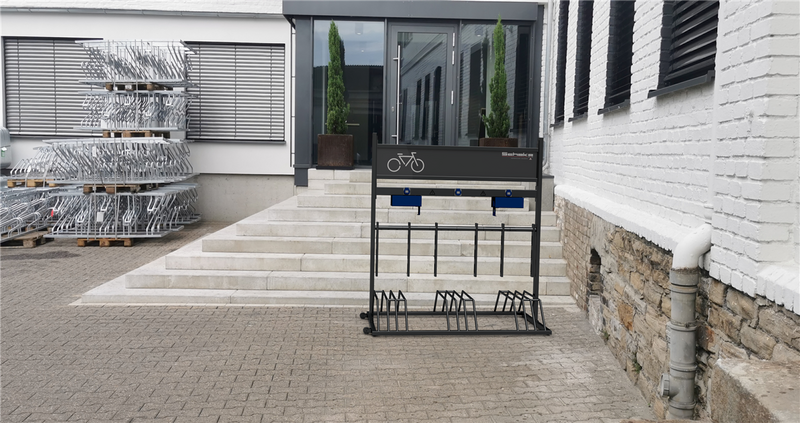
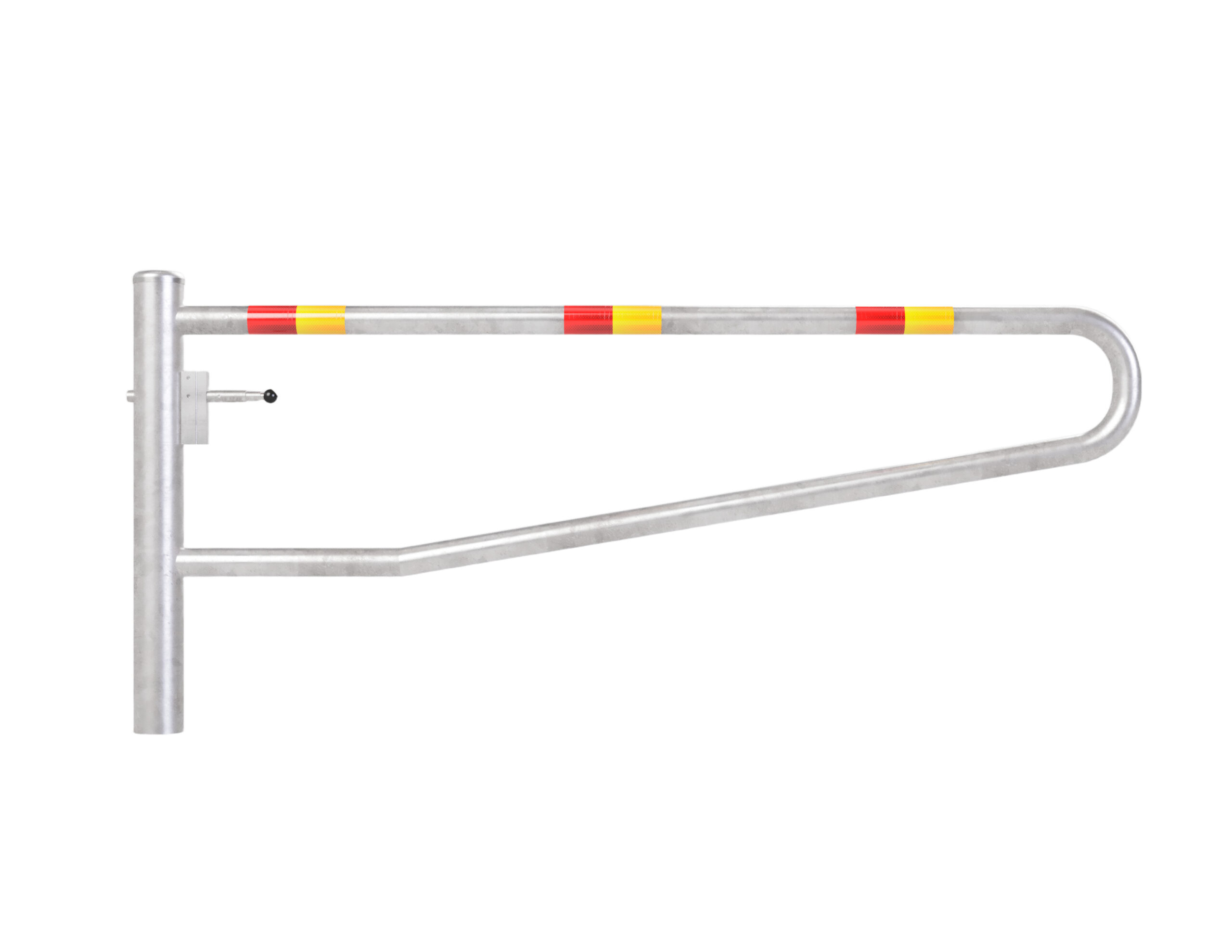
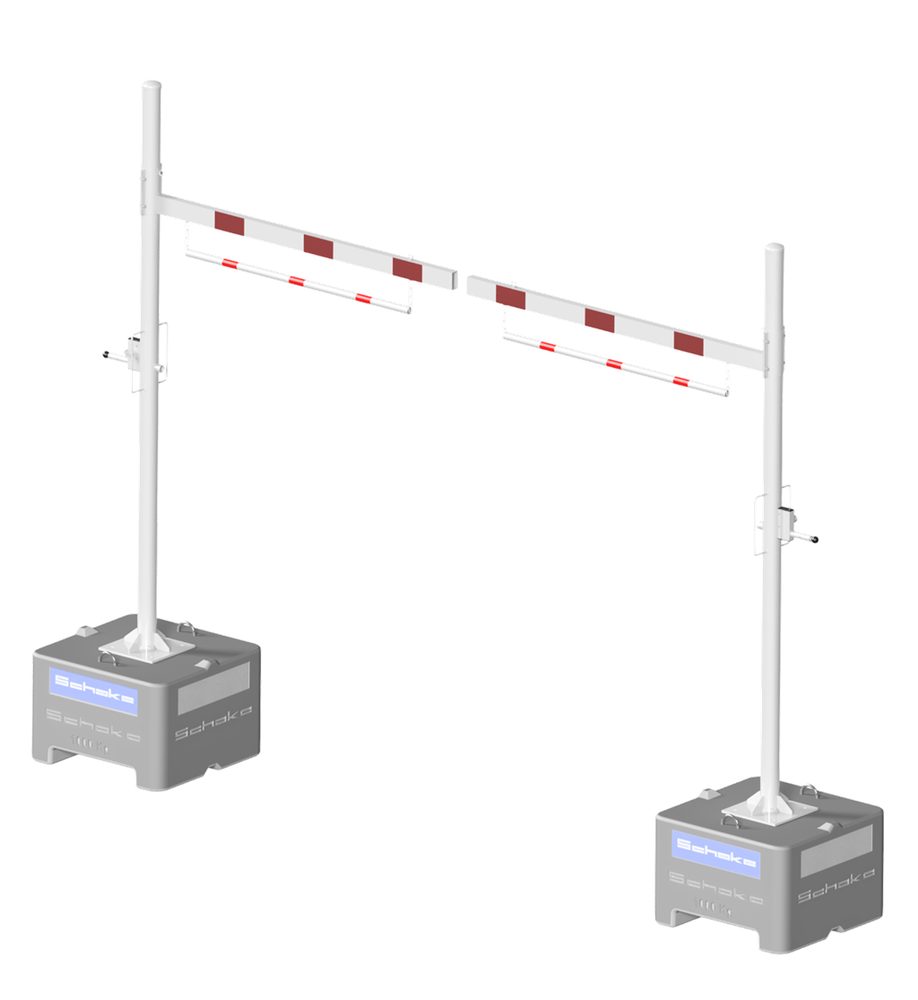
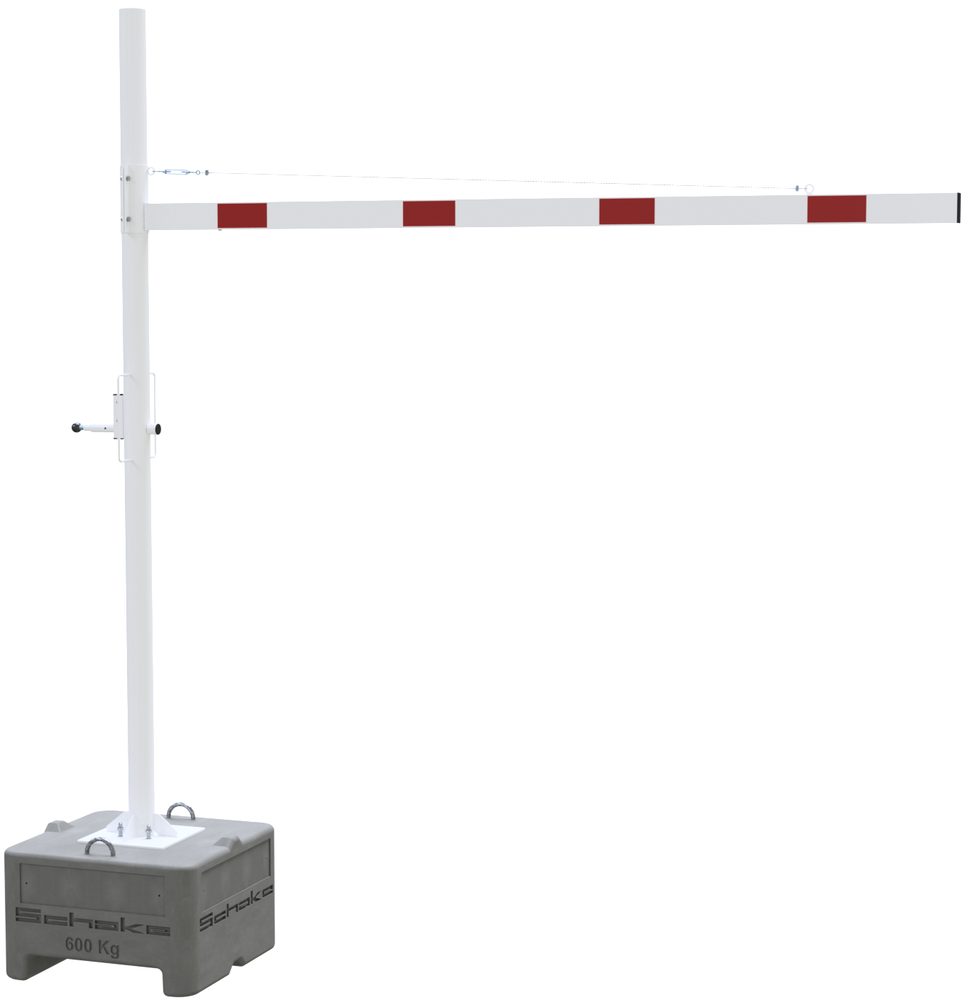
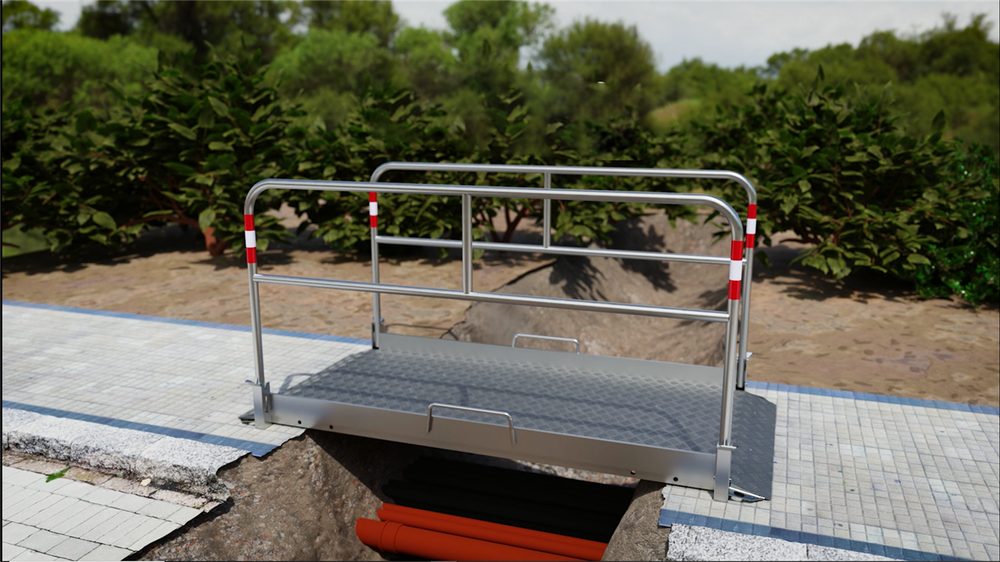
This process shows why it is so important to choose products that have been reviewed by an independent party. Below is a selection of products, such as barrier gates and various traffic products, where careful planning is essential.
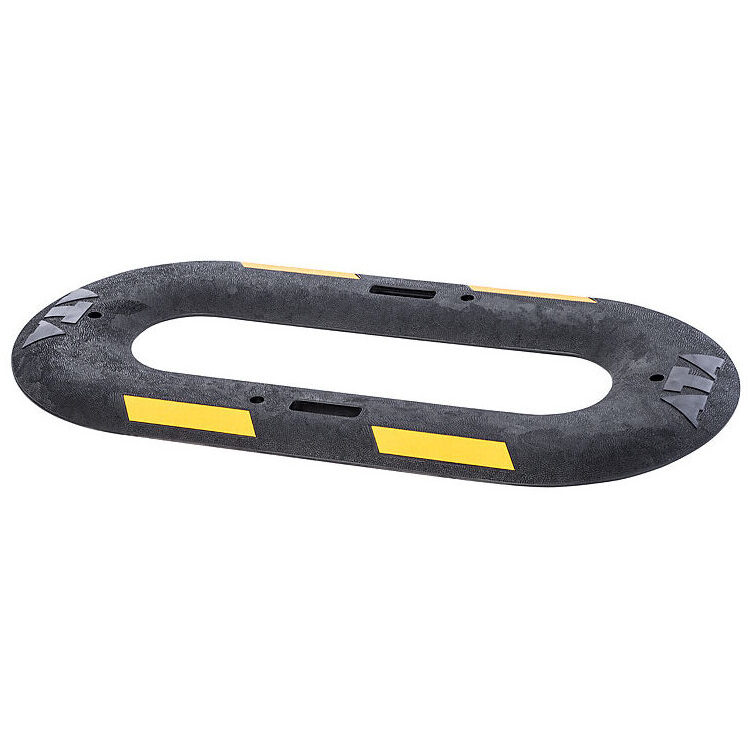
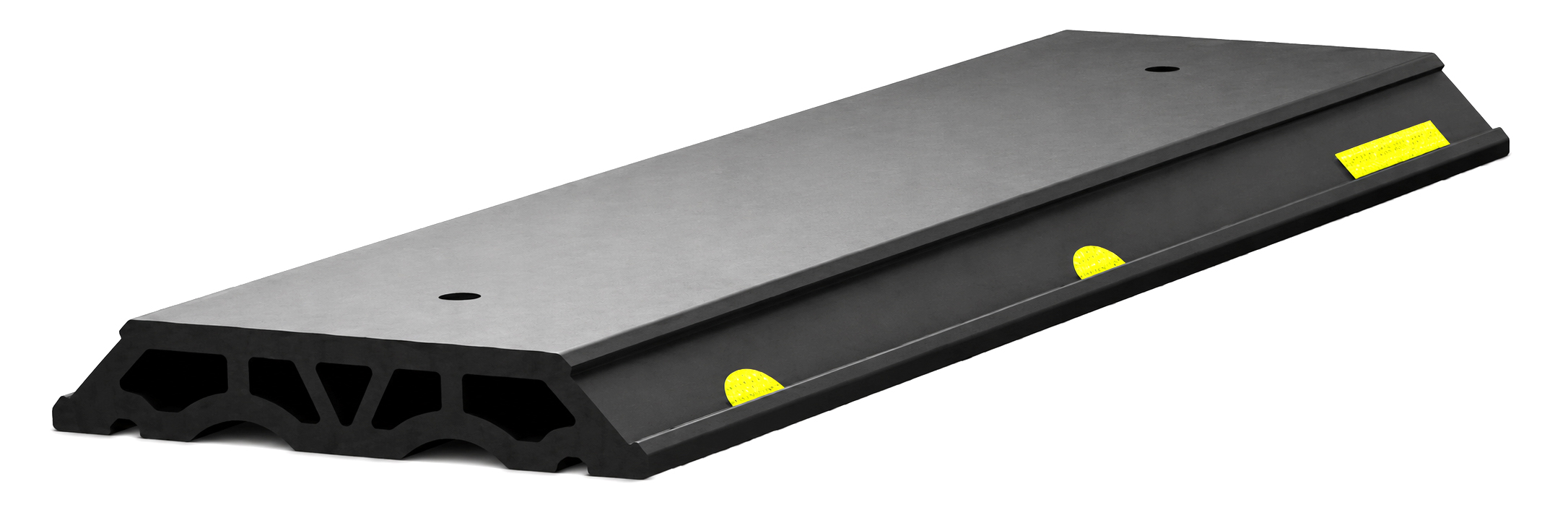
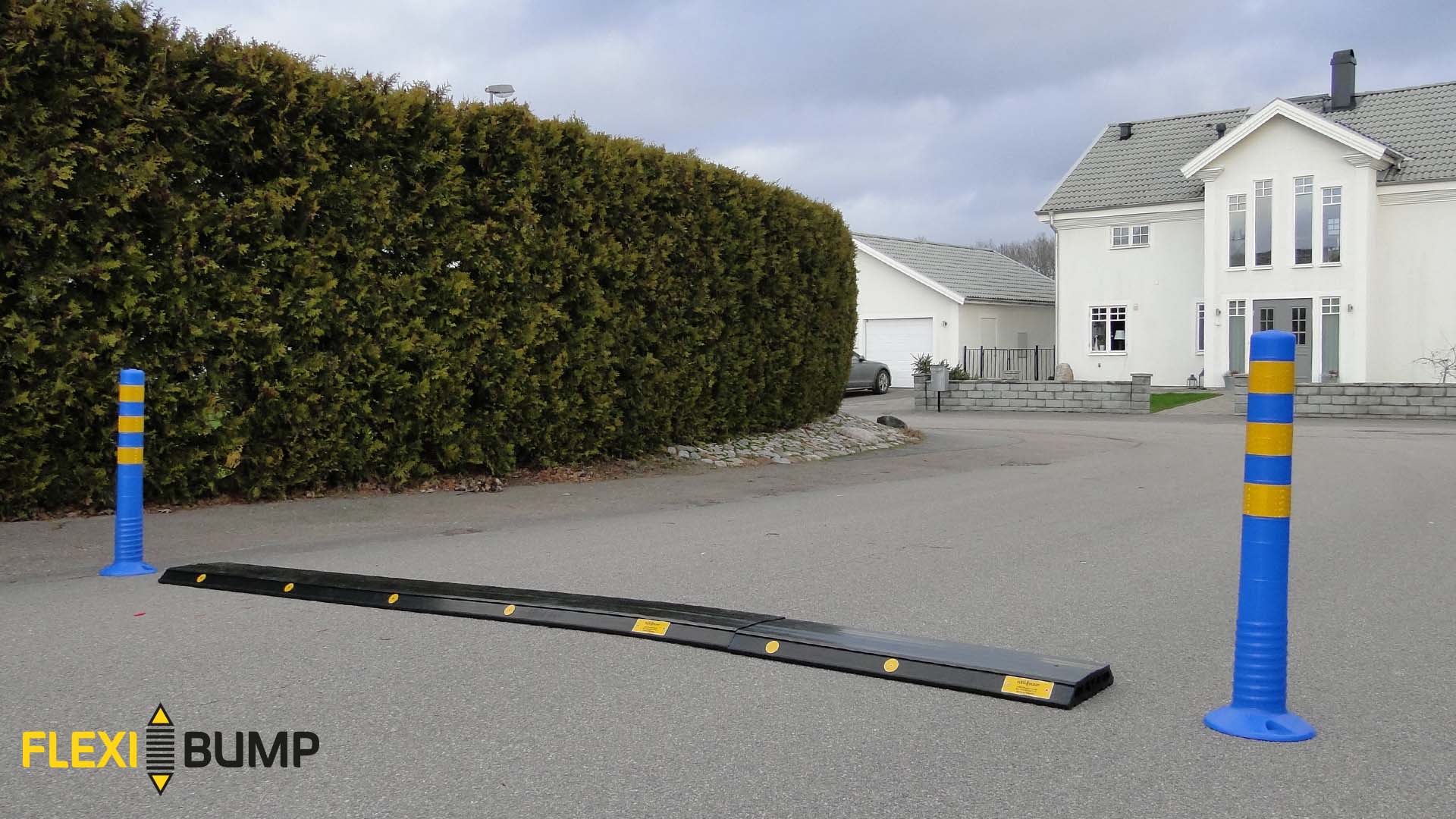
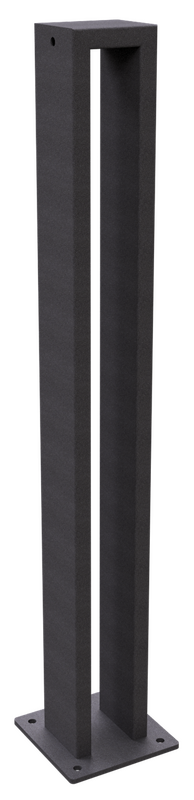
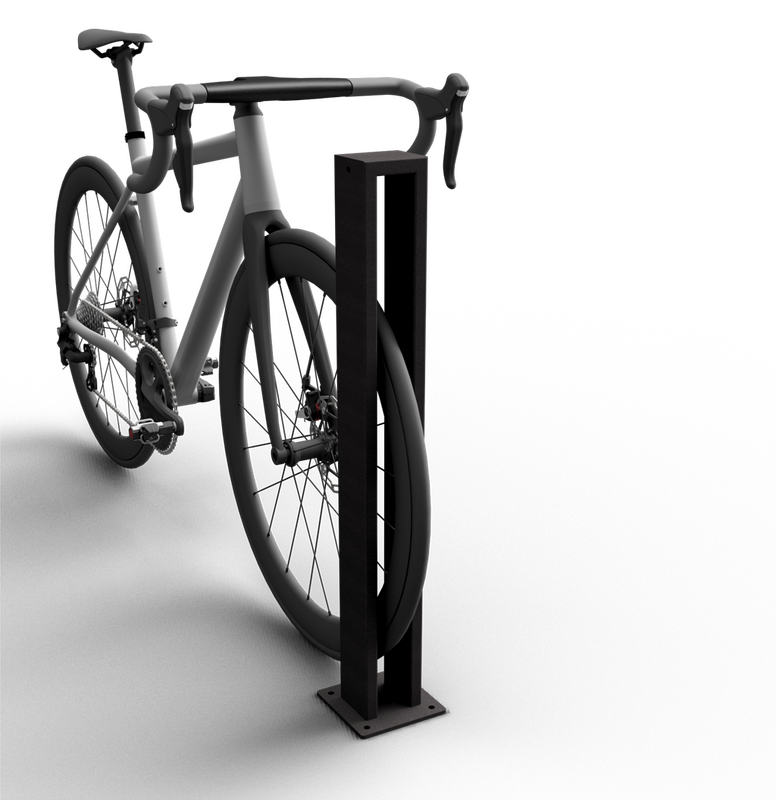
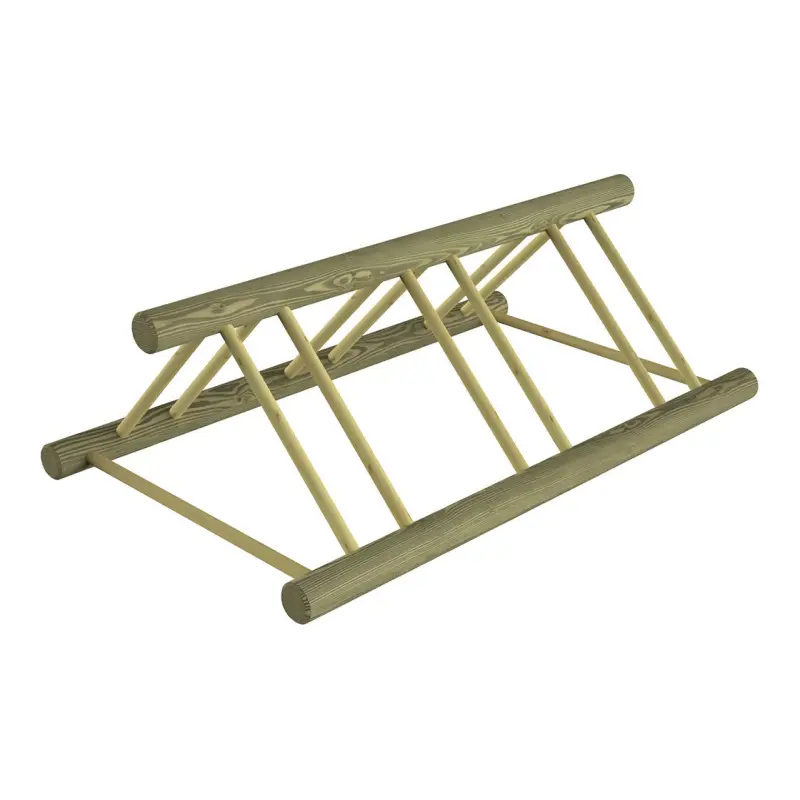
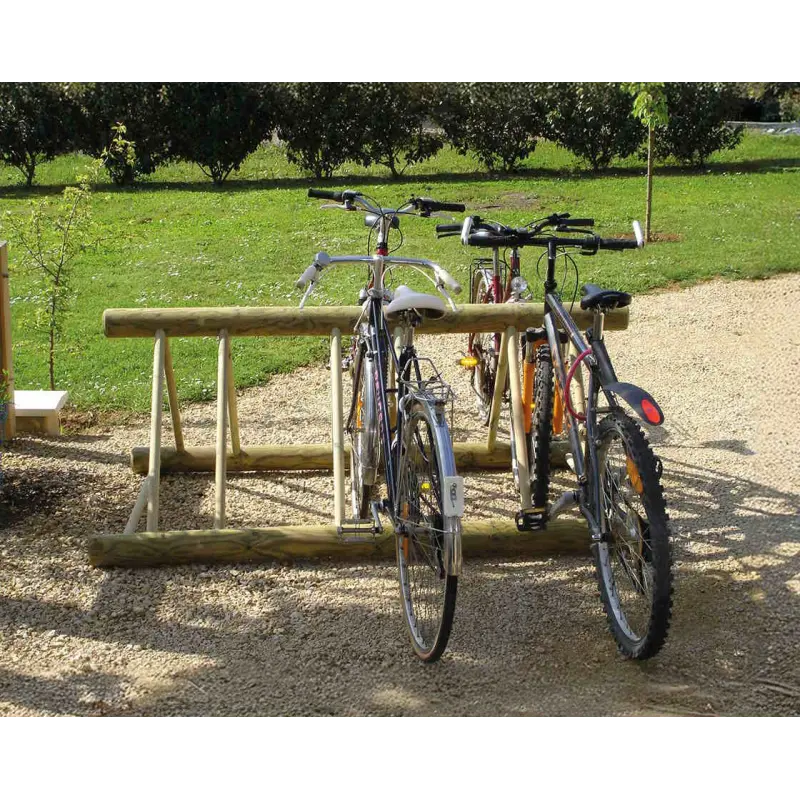
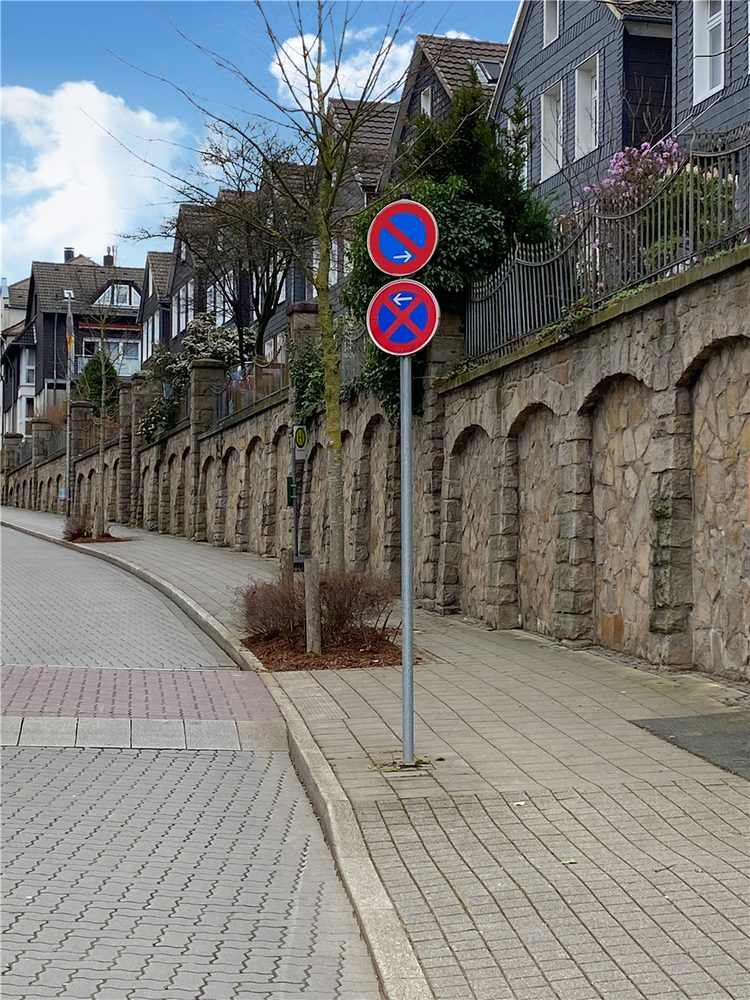
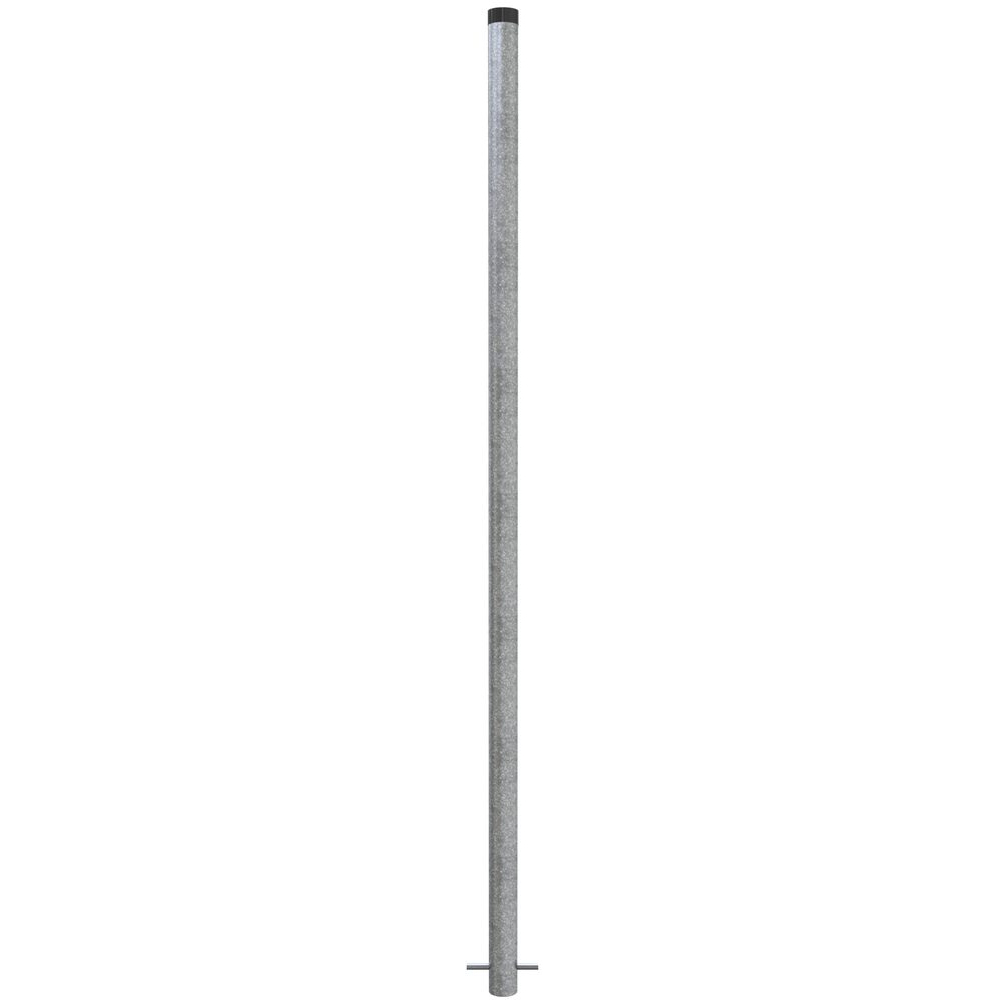
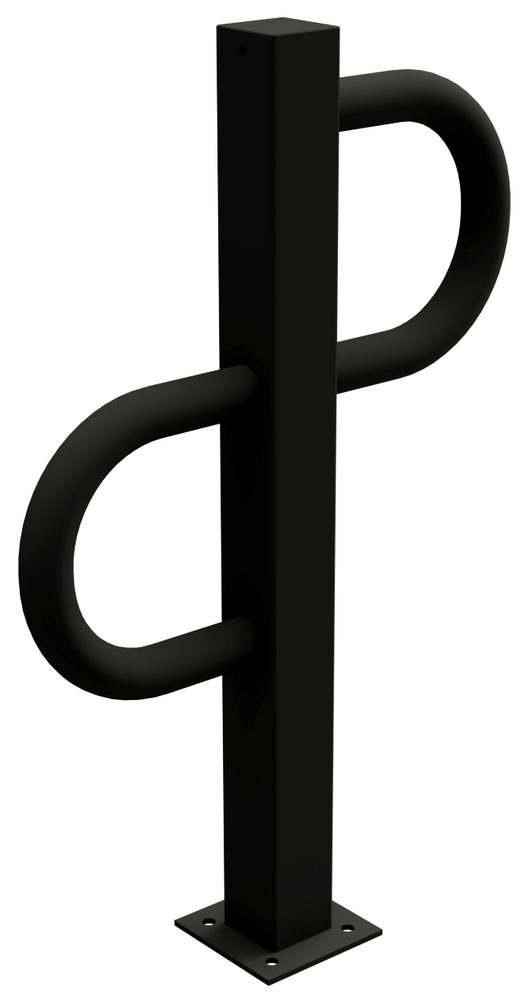
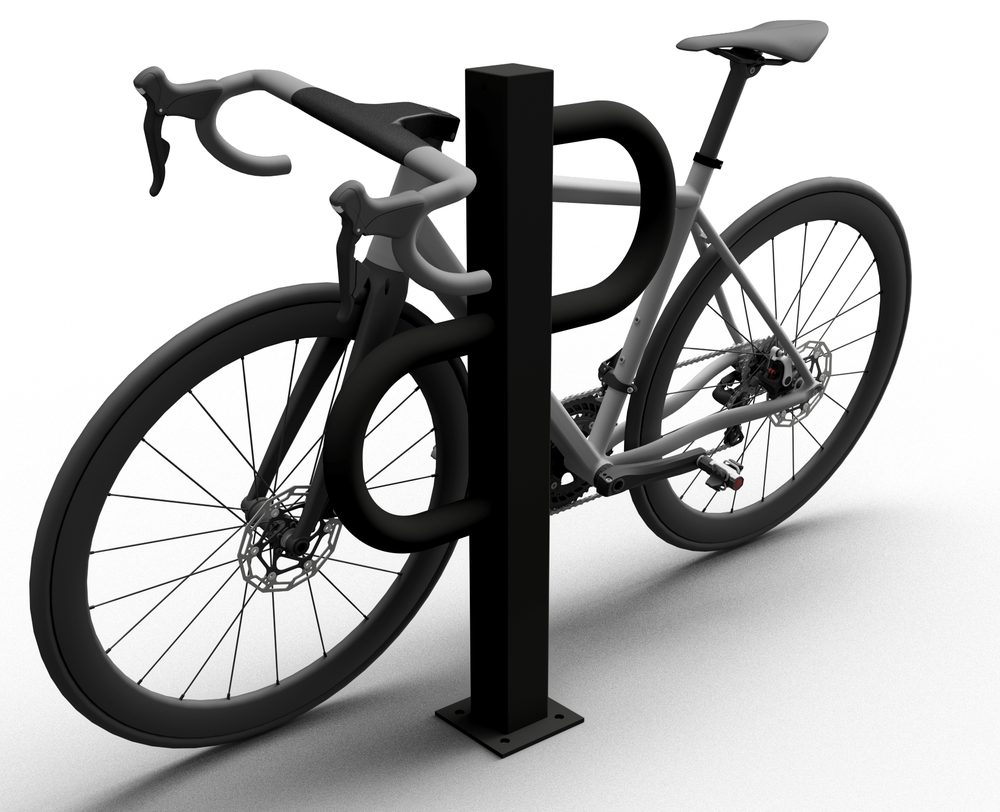
 Black
Black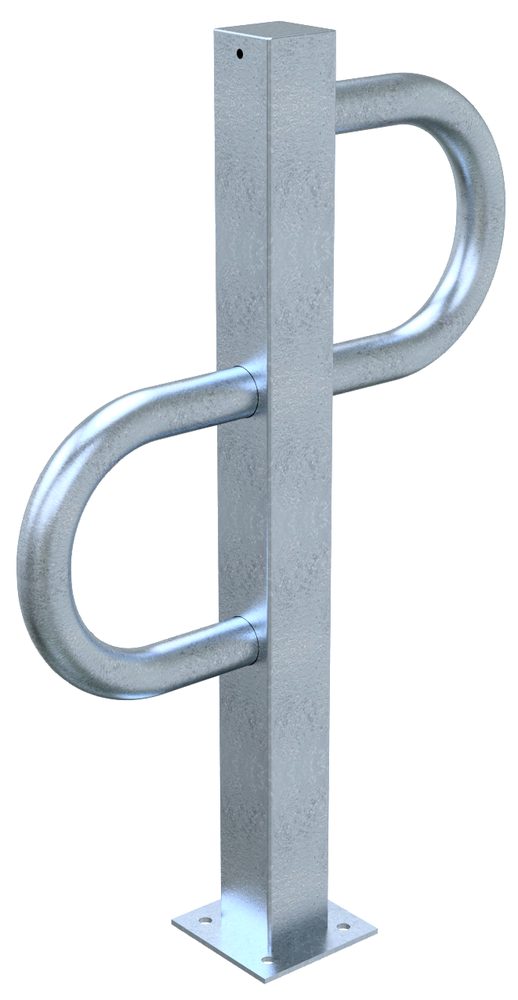 Silver gray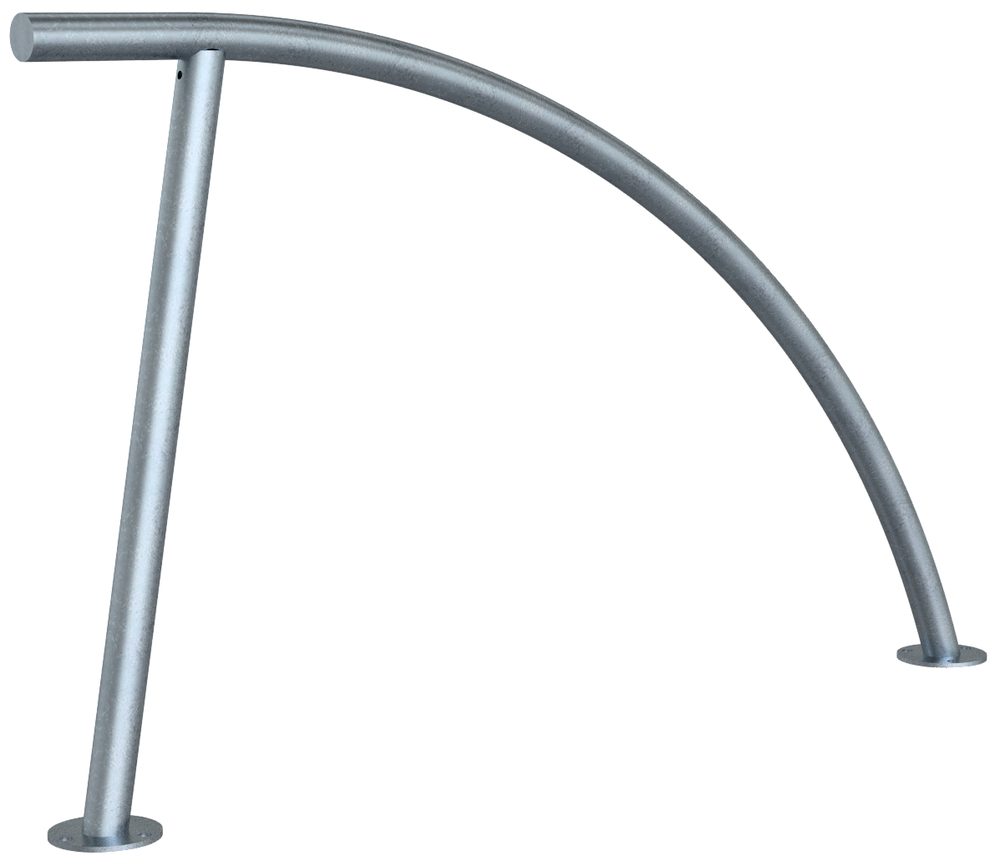
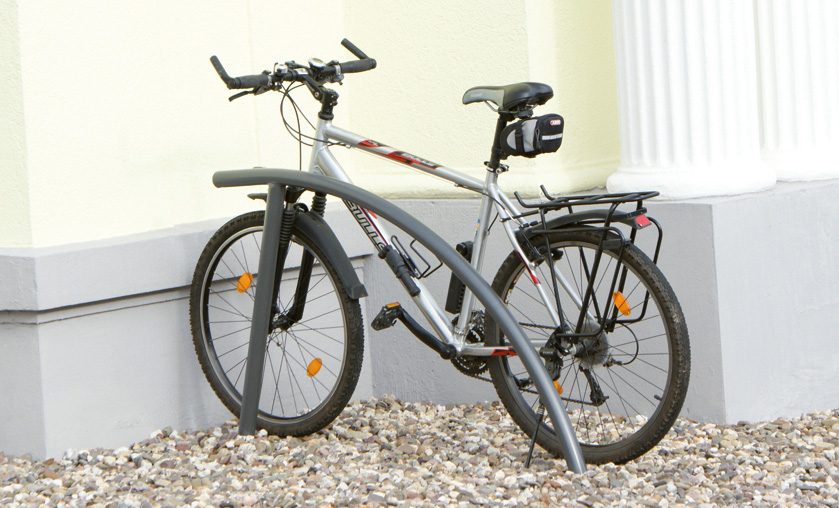
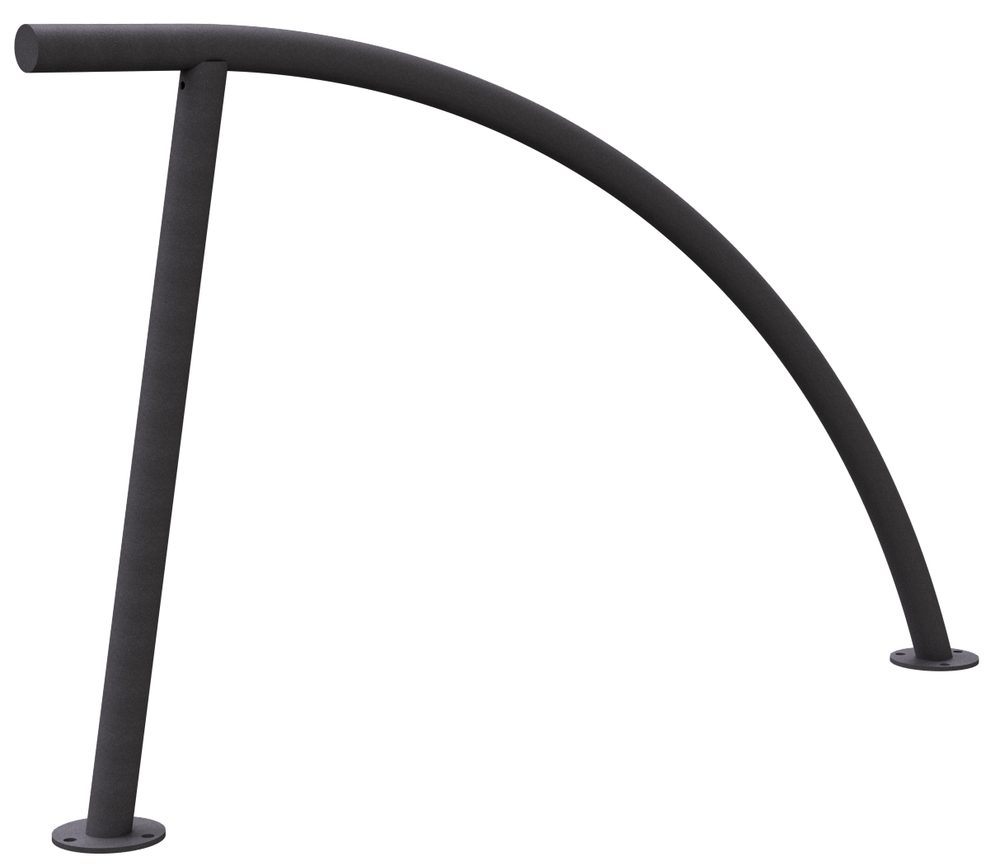 Anthracite
 Silver gray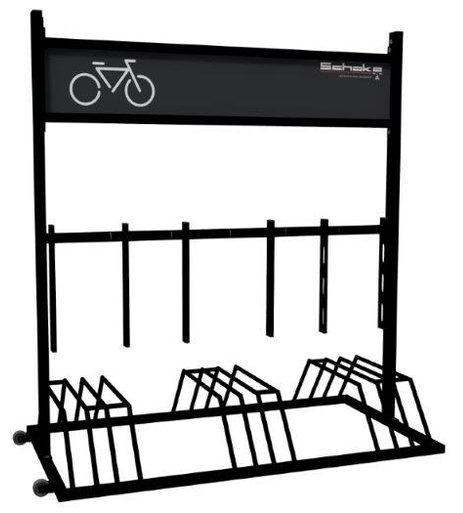
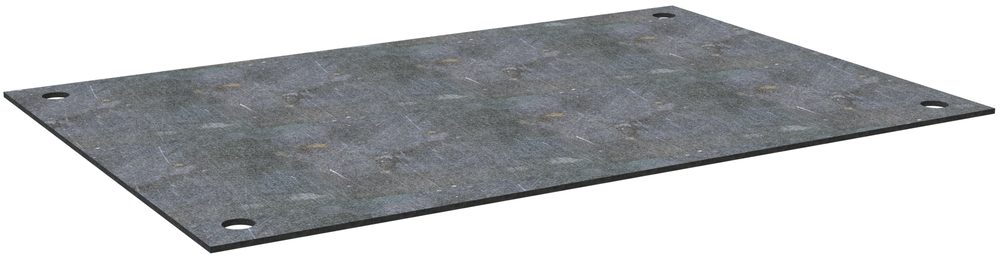
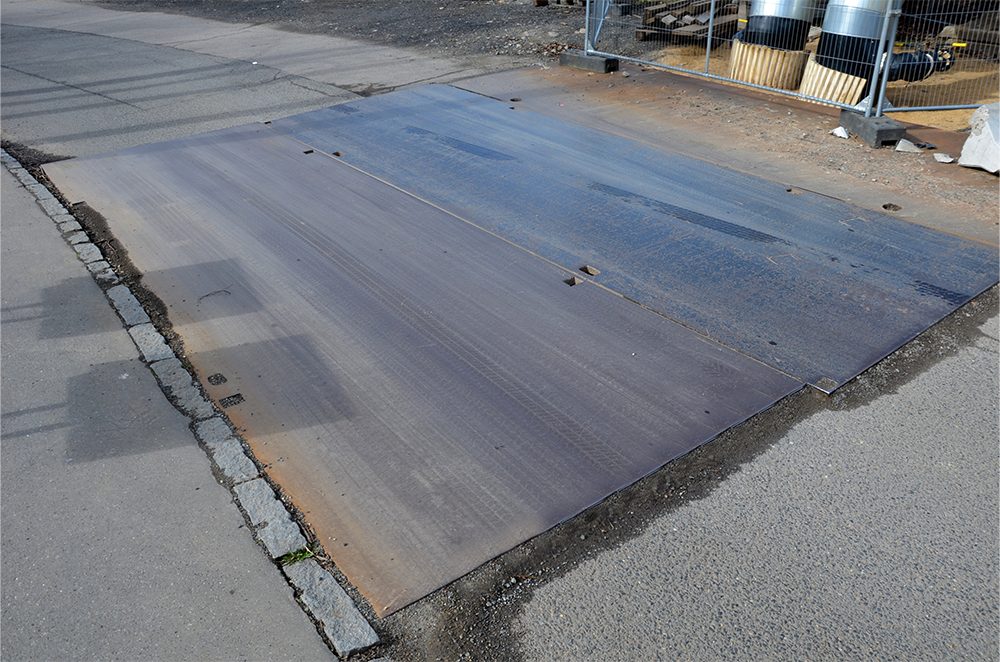
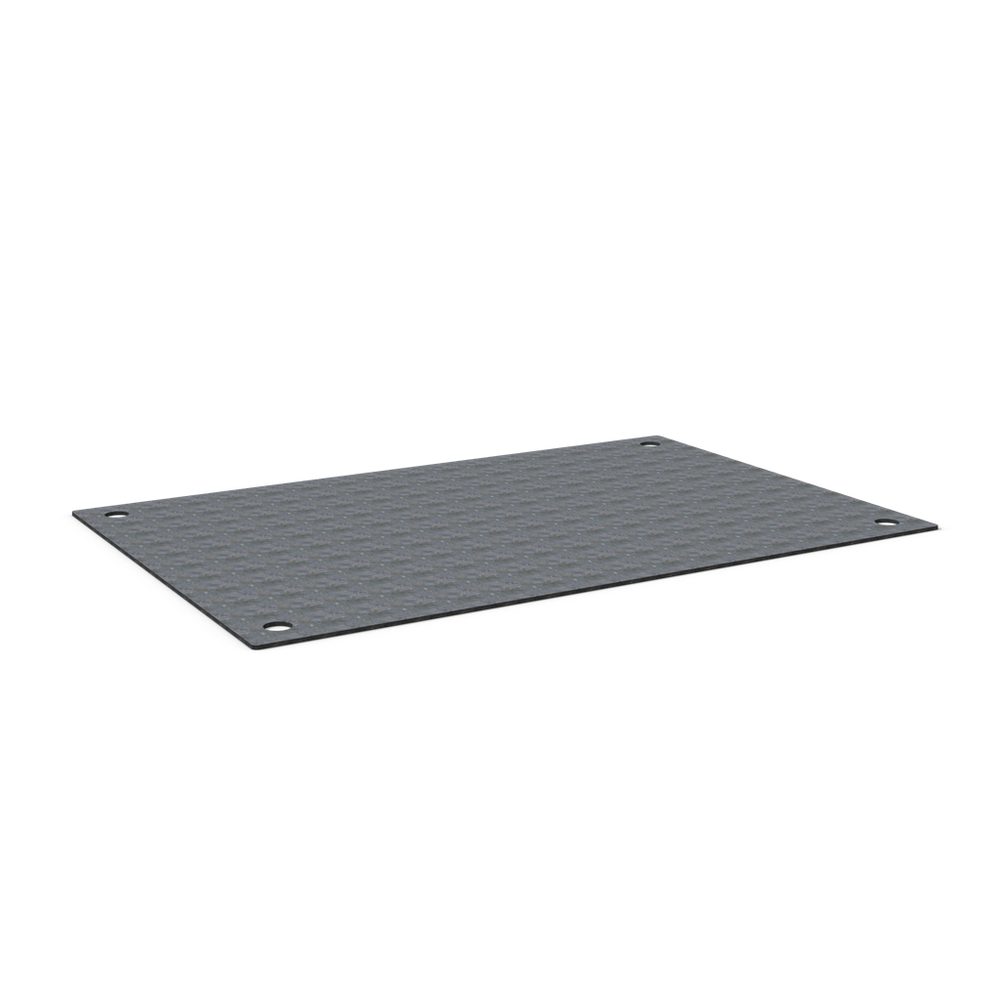
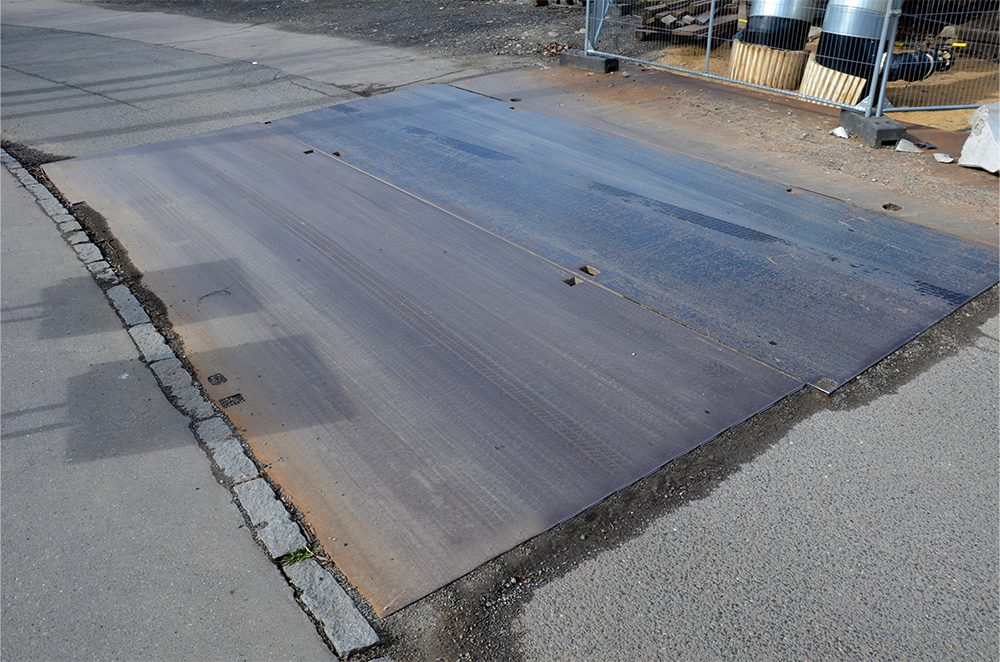
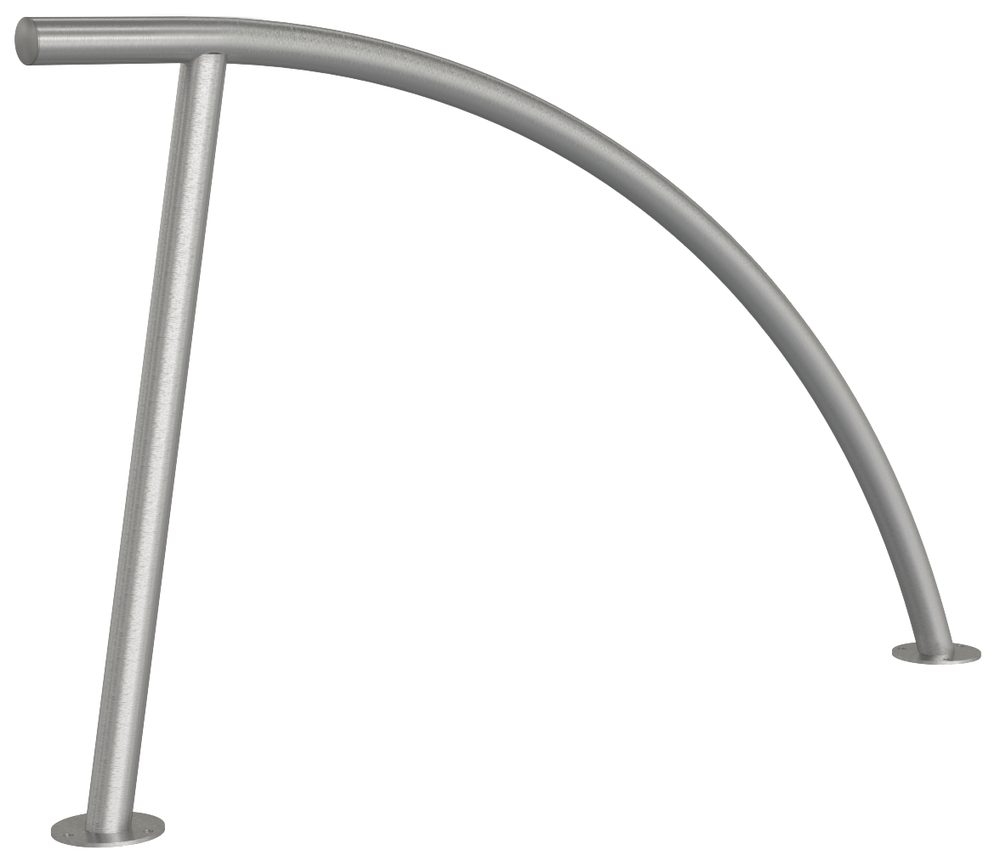
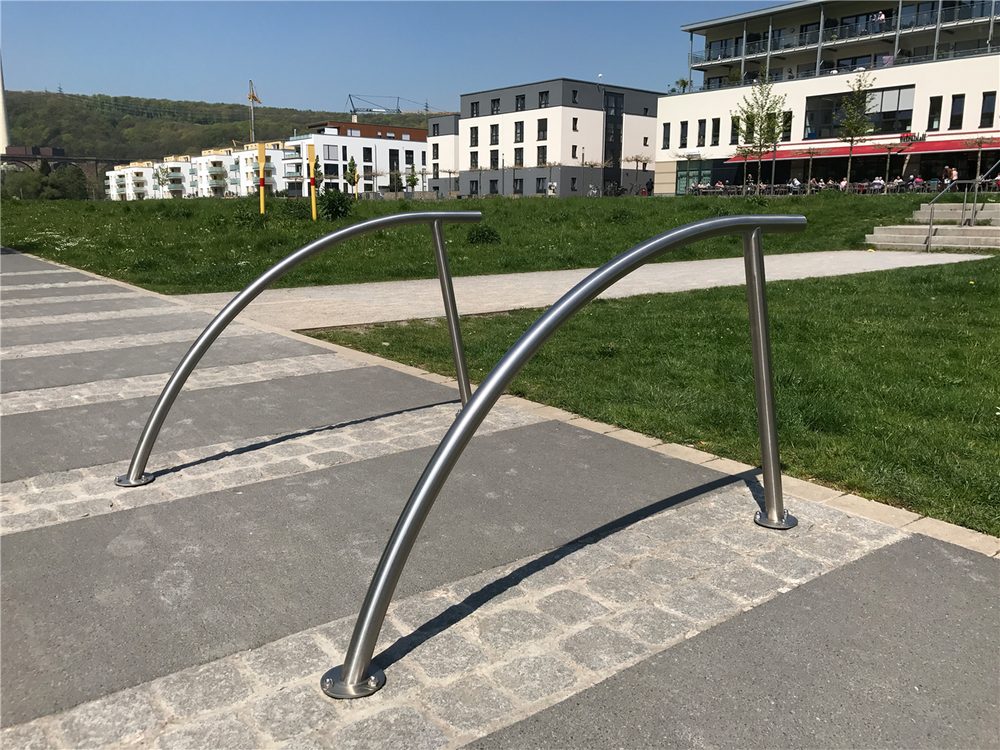
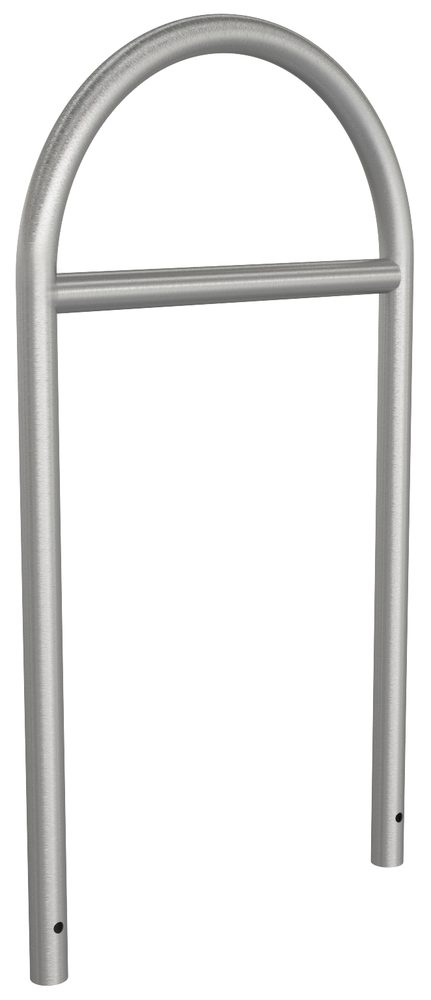
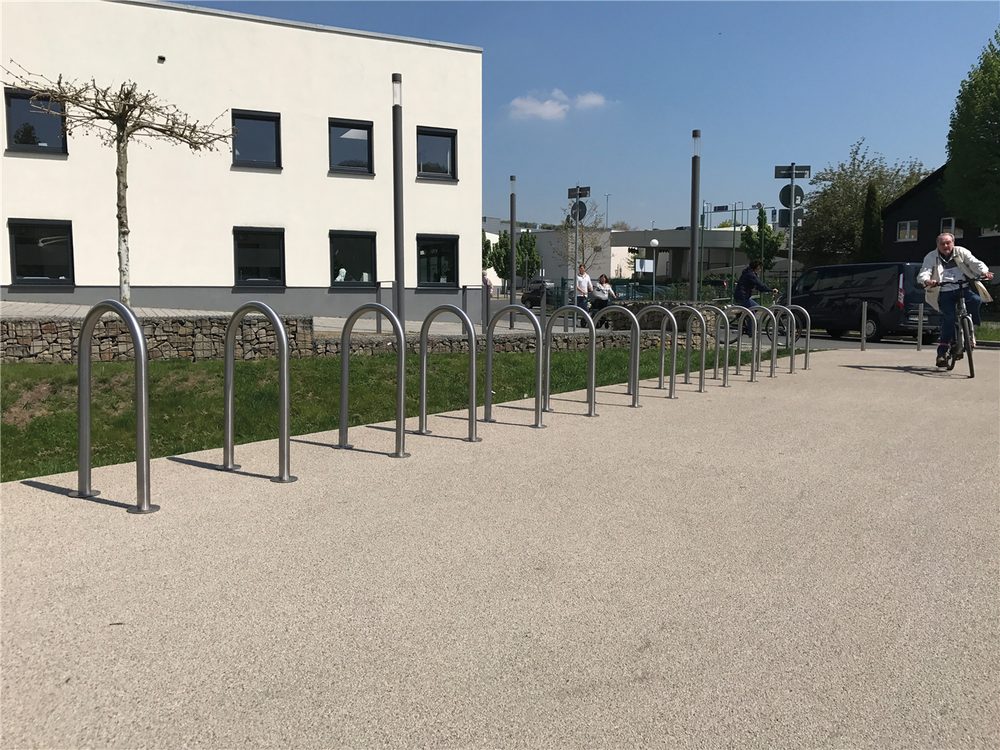
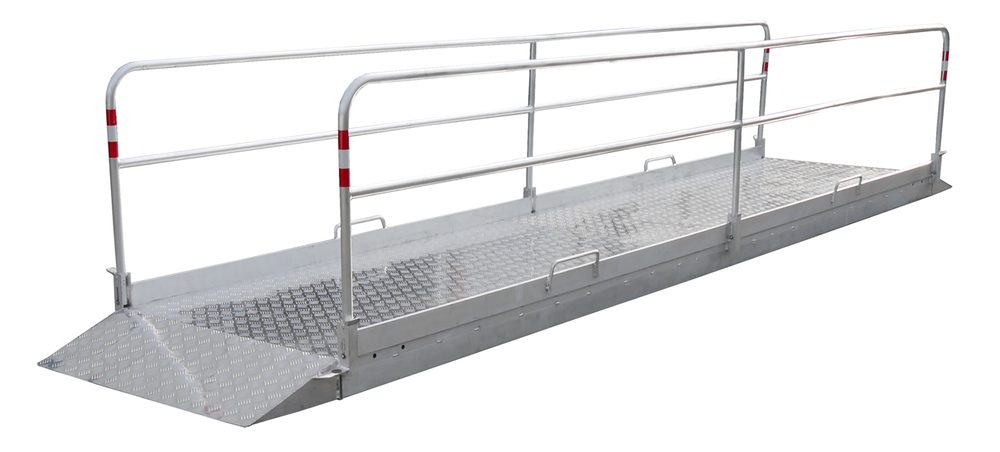
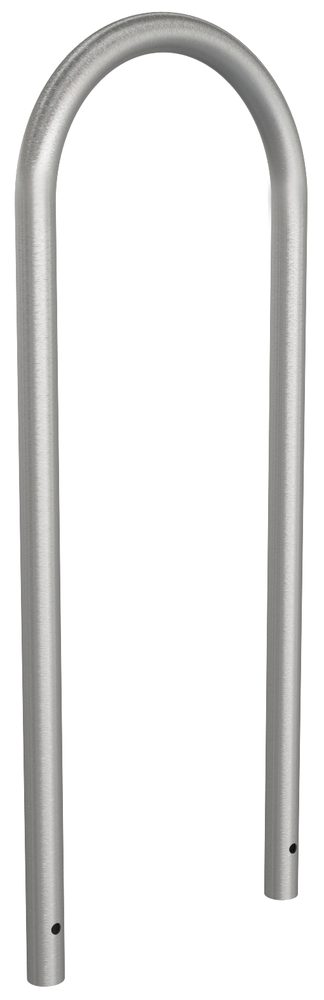
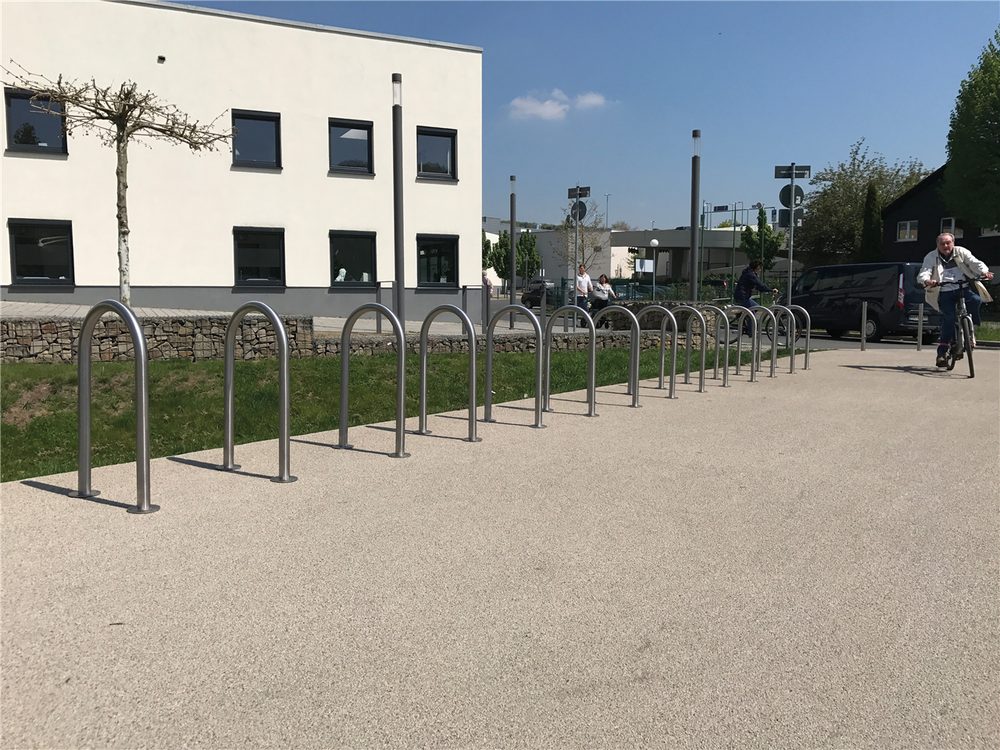
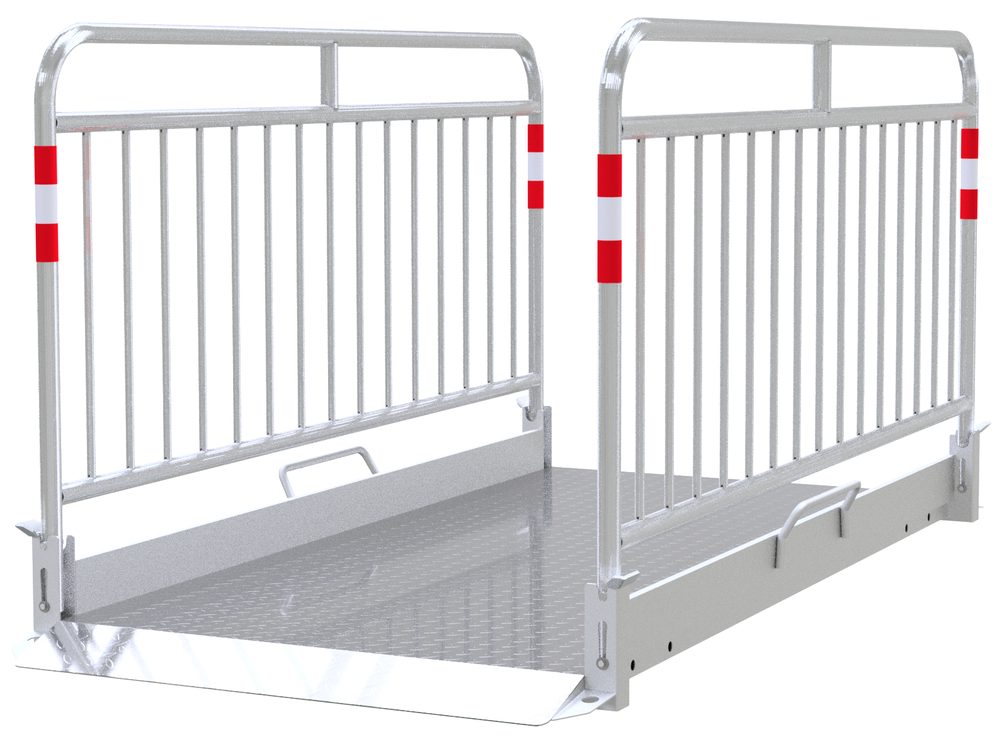
The whole journey, from assessment to finished installation, can feel overwhelming. We at Nordguard are here to simplify every step.
Need help planning your next safety project? Contact us for expert guidance and ensure a professional result from start to finish.
Think long term with life cycle cost and sustainability
It’s easy to fixate on the purchase price when choosing safety products. But the price tag only tells a small part of the story. Choosing the cheapest option here and now can turn into a costly lesson, with unexpected expenses and protection that doesn’t measure up.
To make a smart investment, we need to look at the product’s total cost of ownership (TCO). A high-quality product, such as steel impact protection, may cost more up front but almost always proves to be the most economical solution in the long run, since it requires less maintenance and doesn’t need to be replaced prematurely.
Material and design determine service life
The key to a low life cycle cost lies in the right material and smart design. Products made of robust materials such as hot-dip galvanized steel offer protection against rust and weather that is virtually maintenance-free. This treatment creates a self-healing layer that withstands rough conditions for decades, unlike simpler painted surfaces.
Choosing the right material from the start is an investment that pays for itself. A product that resists corrosion and wear without constant maintenance frees up resources and ensures that the protection works as intended – year after year.
The durability of the design is just as important. A well-thought-out design ensures that the product can handle the stresses it was built for. If you want to dig deeper into the subject, we recommend our article on choosing the right material for impact protection.
Sustainability is more than just a buzzword
Today, sustainability is a natural part of every responsible decision. Choosing long-lasting safety products, such as cast iron bollards, is in itself a sustainable choice – it reduces resource consumption and waste.
At Nordguard, sustainability is at the core of our business. By optimizing our logistics and shipping directly from the manufacturer to you, we cut out unnecessary transportation. This lowers not only costs but also carbon emissions. We also offer full CO2 offsetting for our deliveries.
A strategic investment in the right safety products delivers a double benefit:
- Economic benefits: Lower total cost of ownership thanks to less maintenance and a longer service life.
- Environmental benefits: Reduced resource use and a smaller carbon footprint.
Ready to look beyond the initial price tag and invest in a safety solution that truly lasts? Contact us at Nordguard for a life cycle analysis and a quote tailored to your goals.
Frequently asked questions about safety products
Choosing the right safety products can raise many questions. Here we have gathered answers to some of the most common questions we hear, to help you feel confident in your decisions.
What type of impact protection do I need for my warehouse?
The answer depends on your specific environment. Which vehicles move around the premises – heavy forklifts or fast pallet jacks? How intense is the traffic, and what exactly needs to be protected?
In areas with heavy forklifts, sturdy steel impact protection is almost always the right way to go. It is built to withstand an impact. Make sure to choose protection in a bright safety color so it is clearly visible – the best protection prevents the accident altogether.
Do you need to protect specific points, such as exposed corners or the ends of pallet racks? Then there are dedicated solutions such as rack protection and corner guards. A simple risk assessment of your internal traffic flows is the best first step.
Choosing impact protection is about creating a work environment where both people and materials are safe from accidents that can be both dangerous and costly.
How do you maintain a bollard so it lasts as long as possible?
Maintenance depends entirely on the material. Bollards made of hot-dip galvanized steel are virtually maintenance-free, but it’s a good idea to check them for damage from time to time.
If you have powder-coated bollards, the surface may need touching up if it gets scratched, to prevent rust. But the most important thing, regardless of model, is to regularly check that the anchoring in the ground is stable. A bollard that wobbles has lost its function and becomes a safety hazard.
Do all traffic control devices in a private parking lot need to be CE marked?
In short: yes. If the product falls under a harmonized European standard within the scope of the Construction Products Regulation (CPR), it must be CE marked, regardless of whether it is installed on public or private land. The CE mark guarantees that the product has been tested and meets essential safety requirements.
This applies to many common safety products used to permanently direct traffic, such as certain types of guardrails and impact protection. By choosing a CE-marked product from a reputable supplier, you ensure that you comply with the law and install a solution that is tested and approved.
Do you have more questions or need a sounding board to choose the right products? We at Nordguard have the expertise needed to guide you. Contact us today for free, professional advice.
Ready to take the next step?
We help you develop solutions tailored to your needs. At Nordguard, we strive to make the ordering process as smooth as possible. By offering support and guidance throughout the entire purchasing experience, we make sure you feel confident and satisfied with your choice of protection products.+46 10 153 90 50
[email protected]