
A Complete Guide to Traffic Cones and Road Safety
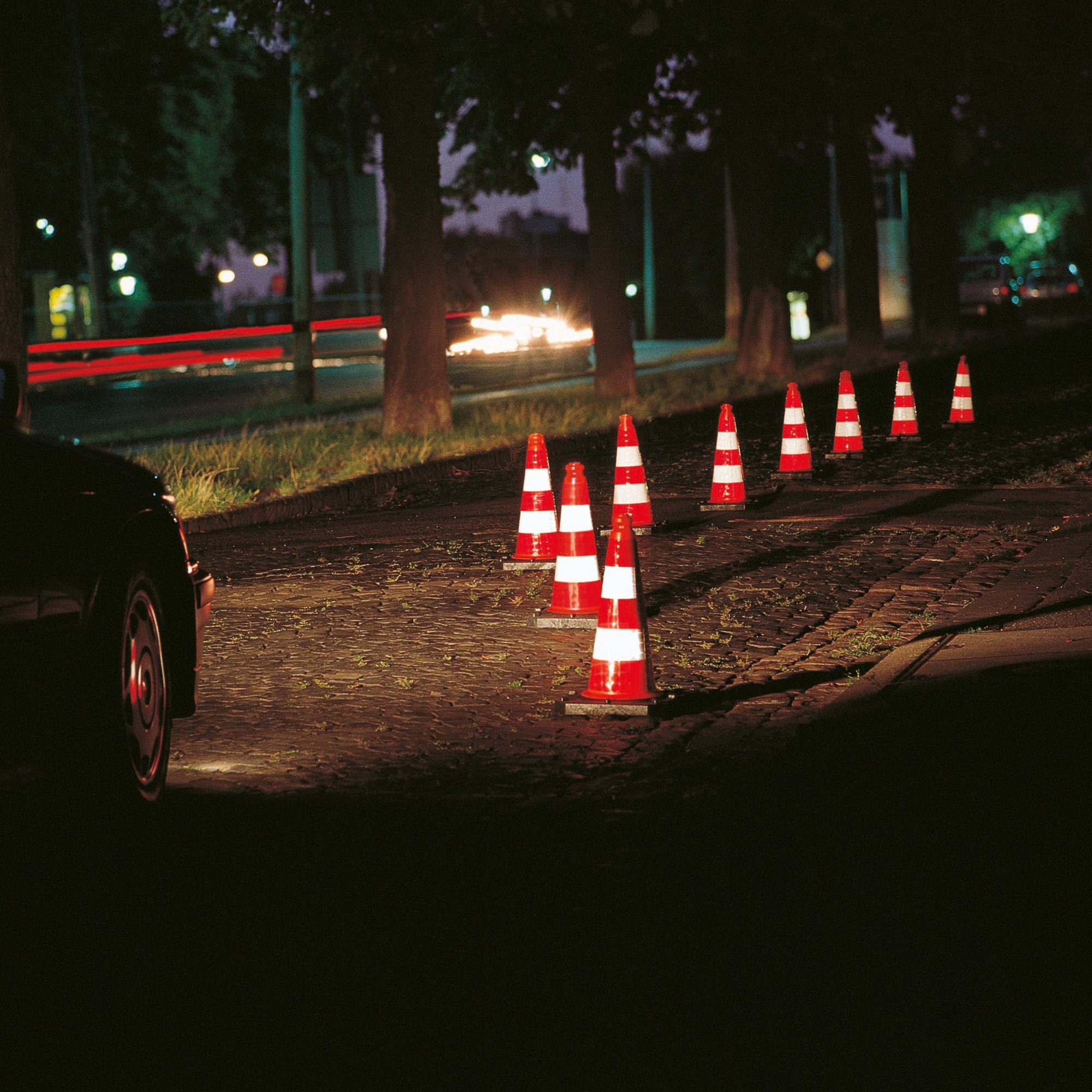
A traffic cone is much more than just an orange piece of plastic on the road. Think of it as a silent but effective communicator that creates order where chaos could easily break out. From complex roadworks to simple traffic control in a parking lot, traffic cones are absolutely essential for warning, guiding and protecting.
Why traffic cones are indispensable for modern safety
In almost every environment where people and vehicles meet, the traffic cone serves a fundamental function. It is the first clear signal that something is different – a visual warning that instantly grabs attention and calls for caution.
Think of the cone as a flexible and universally understood guide. Its simple yet ingenious design makes it incredibly versatile and a go-to tool for solving a wide range of everyday safety challenges.
A silent guardian in many environments
The applications extend far beyond classic roadworks. Traffic cones are a critical component for keeping safety at its best in many situations:
- At roadworks and accident sites: Here the cones create a vital buffer zone around crews and equipment, while safely guiding traffic past the obstruction.
- In parking lots and parking garages: They are perfect for reserving spaces, marking temporary hazards such as a puddle, or guiding drivers during peak periods.
- At public events: Cones direct visitor flows, cordon off sensitive areas and create safe walkways for both visitors and staff.
- In industrial areas and warehouses: Here they warn of forklift traffic, mark hazardous zones or outline temporary storage areas.
This versatility has made the traffic cone an essential part of all safety work. The need for flexible, temporary barriers has only grown as society has developed. In Sweden, the cone has played a central role ever since car ownership exploded in the 1950s. Back then, the number of passenger cars rose from around 250,000 to over 1 million in less than a decade, creating an enormous need for simple, portable traffic control devices. Read more about the development of motoring at SCB.se.
Understanding the basic function of the traffic cone is the first step toward choosing the right product for the right purpose. A correctly chosen and placed cone is a direct investment in safety that protects lives and minimizes risks.
By choosing the right type of cone, you not only ensure that your project complies with the law, but also that safety is maximized for everyone involved. This guide gives you the knowledge you need to make smart decisions and find the traffic cones that fit your specific needs.
Making the right choice is crucial. Not sure what height, weight or reflectivity class your project requires? Our experts help you navigate the rules and standards. Contact us today for personal advice and make sure you get a safe and compliant solution.
How to choose the right material and type of traffic cone
Choosing the right traffic cone is more than just putting out something orange. It is a decision that directly affects the safety and stability of your project. The material and design must suit the environment where the cone will stand – otherwise it serves no purpose.
A simple cone for a temporary barrier in a parking lot faces completely different conditions than one that has to withstand the wind blast from trucks on a 70 km/h road. The key is understanding the difference between the materials and why the cone’s base is so incredibly important.
PVC vs. rubber – flexibility meets stability
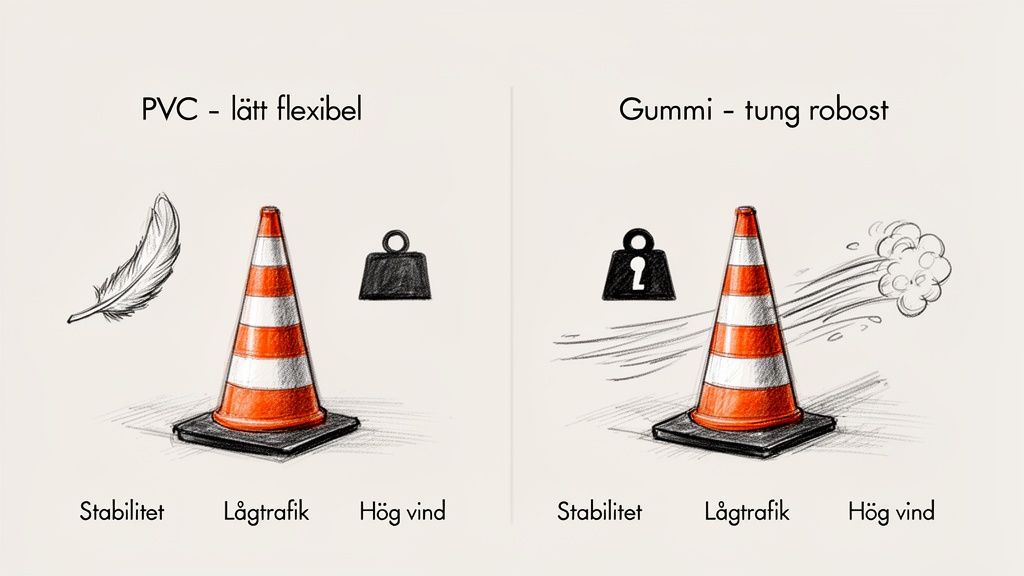
The two most common materials are PVC (polyvinyl chloride) and rubber, often recycled. The choice between them is crucial for both performance and service life.
-
PVC cones: These are usually lighter and more flexible. Their big advantage is that they can spring back to their original shape even after being run over. That makes them a smart choice in lower-speed environments, such as parking lots and events, where the risk of impact exists but the consequences are smaller.
-
Rubber cones: These are significantly heavier and more robust. The weight provides superior stability, which is a must on higher-speed roads or in very windy locations. A heavy rubber cone simply stays where you put it.
For many everyday situations, a traffic cone with a class 1 reflector is an excellent all-around solution that combines visibility with good durability.
The importance of a stable base
The base is the cone’s anchor. A wobbly cone can easily tip over and become a direct hazard to both road users and crews. The base can either be an integrated part of the cone or a separate, heavier component.
For most outdoor jobs, a heavy, solid base is preferable. Think of the base as the cone’s center of gravity – the lower and heavier it is, the less chance the wind or the air blast from a truck will knock it over. For truly exposed locations, there are even cones that allow you to add extra weights for maximum stability.
Choosing a cone with a sufficiently heavy base is one of the simplest and most important safety measures you can take, especially at roadworks. A toppled cone is no longer a warning – it is an obstacle.
To make the choice a little easier, we have put together a comparison table that gives you a quick overview.
Comparison of different types of traffic cones
The table gives a quick overview of the most common cone types and their features to help you choose the right product for your specific needs.
| Cone type | Material | Primary application | Stability/Weight | Advantages |
|---|---|---|---|---|
| Standard cone | PVC | Parking lots, events, schoolyards | Low/Medium | Lightweight, flexible, easy to handle |
| Trailing-edge cone | PVC with rubber base | Low-traffic roads, temporary works | Medium/High | Good stability, solid all-around performance |
| Heavy rubber cone | Recycled rubber | High-traffic roads, highways, windy locations | Very High | Maximum stability, extremely durable |
| Collapsible cone | Nylon/Plastic | Emergencies, storage in vehicles | Low | Very compact, quick to set up |
Once you understand these differences, it becomes much easier to make a good choice as a buyer. It is all about balancing safety, function and budget – whether you work at a construction company, a municipality or a logistics facility.
Still finding it hard to choose? Our experts can help you analyze your needs and find the right cones for your project. Get in touch and we will put together a proposal that fits your situation.
Understanding rules and standards for traffic cones
Putting out a traffic cone is more than a practical measure – it is a legal responsibility. For a cone to actually protect crews and road users, it must meet a number of demanding technical requirements. Taking chances with uncertified products is not only a safety risk; it can also lead to serious legal consequences if an accident occurs.
That is why it is absolutely essential to understand the rules and standards that govern how a traffic cone must look and perform. It is about being able to trust that the equipment does its job, whether it is midday in bright sunshine or a rainy night.
CE marking and the EN 13422 standard
The single most important marking to look for is the CE mark. You can think of CE marking as a passport for products within the EU. It shows that the traffic cone meets the essential health and safety requirements set by law. If this marking is missing, the cone is simply not approved for use on public roads.
The basis for CE marking is the European standard SS-EN 13422:2019. The standard is detailed and specifies everything from the cone’s physical properties to how it performs in different situations. Some of the most important requirements are:
- Visual performance: The cone’s color (usually fluorescent red-orange) and reflective material must have a certain luminance to be clearly visible in both daylight and darkness.
- Physical performance: It must stand firmly and not tip over from the wind blast of passing vehicles. It must also withstand both high and low temperatures without cracking.
- Shape and design: Standardized dimensions for height and base width ensure that the cone is easy to recognize and works as intended.
Choosing a CE-marked cone compliant with EN 13422 is your guarantee that the product has been tested by an independent party and meets the legal requirements. If you want to dig deeper into the subject, read more in our guide to safety, certification and standards.
Critical reflectivity classes for visibility
One of the most critical safety details is the cone’s retroreflectivity, especially when working in darkness, at dawn or in fog. Reflective material is divided into different classes depending on how effectively it reflects light back.
Choosing the right reflectivity class is not a matter of taste; it is a requirement determined by where and when the work is carried out. A higher reflectivity class can be the difference between being seen in time and a serious accident.
Reflectors are classified according to the EN 13422 standard and are usually divided into two main types: R1 and R2, with R2 providing significantly higher reflection. These are in turn divided into the subcategories A and B, which specify the width of the reflective bands.
| Reflectivity class | Description | Typical application |
|---|---|---|
| R1A/R1B | Standard reflector with good visibility. R1B has wider bands than R1A. | Daylight, well-lit areas, lower-speed roads (<70 km/h). |
| R2A/R2B | High-intensity, microprismatic reflector. R2B has wider bands. | Night work, poorly lit roads, highways and high-speed roads (>70 km/h). |
The choice between these is far from arbitrary. To achieve high safety levels, the Swedish Transport Administration (Trafikverket) and municipalities are setting increasingly strict requirements for marking roadworks, including approved traffic cones, reflective posts, barriers and clear zoning. For professional buyers, from civil contractors to logistics facilities, this means that choosing certified, correctly sized cones is not just a matter of order and flow – but a measurable safety factor directly linked to Sweden’s national Vision Zero.
Specific requirements from the Swedish Transport Administration
When you work on public roads in Sweden, following the European standard is not always enough. The Swedish Transport Administration often has its own, more detailed regulations and guidelines that must be followed. These can specify exactly which type of traffic cone, which height and which reflectivity class is required for a given road type and speed limit.
As the buyer, it is always your responsibility to ensure that all equipment meets both the general legal requirements and the specific requirements of the project at hand. By understanding the link between regulations and real-world safety, you can feel confident that your purchases protect both your crew and road users.
Navigating the regulations can feel complicated. If you are unsure which requirements apply to your project, don’t hesitate to get in touch. Our experts help you choose the right certified traffic cones so you can feel completely confident that you meet all legal requirements.
How to place traffic cones for maximum safety
Owning approved, certified traffic cones is a good start, but it is only half the job. A poorly placed cone can, in the worst case, create more confusion than safety. It is all about understanding traffic dynamics and using the cones to build a logical, clear barrier that road users notice from a distance – and respect.
It is not enough to put out a few cones where an obstruction begins. To create a safe work site and guide traffic effectively, you need to set up a zone layout that warns, diverts and protects.
Build a safe work zone
A professionally set-up work zone is more than just a row of cones. It consists of several parts that together create a safe passage for traffic and a protected environment for those working. Think of it as building layers of safety.
- Advance warning area: This is the first zone road users encounter. Well before the barrier itself begins, warning signs are placed to inform drivers of upcoming roadworks and reduced speed.
- Buffer zone: This is where the physical barrier of cones begins. They are placed in a diagonal line to smoothly and gradually guide traffic away from the work area. The length of the zone is adapted entirely to the road’s speed limit.
- Safety zone: This is an empty safety space between the buffer zone and the actual work site. The zone acts as a final protective barrier and must be completely free of both personnel and equipment.
- Work area: Only here may personnel, vehicles and materials be present. The area is completely shielded from traffic thanks to the preceding zones.
Following this structure is essential to meeting safety requirements and minimizing risks for everyone involved. To make the barrier even clearer, read more about how you can use barrier tape as an effective complement.
Cone spacing based on speed
How closely should the cones actually be spaced? This is one of the most common and important questions. The answer is determined almost entirely by the road’s speed limit. The higher the speed, the greater the spacing required between cones to give drivers enough time to react and understand the new route.
A good rule of thumb is that the placement should feel natural and predictable to a driver. A taper that is too abrupt or spacing that is too wide can lead to sudden braking and dangerous situations.
The table below gives you concrete guidelines for recommended spacing. Following them is a direct investment in safety.
Recommended spacing between traffic cones
This table shows recommended spacing (center to center) for placing traffic cones based on the road’s speed limit to ensure optimal visibility and safety.
| Speed limit (km/h) | Recommended longitudinal spacing (meters) | Recommended lateral spacing (meters) | Minimum cone height (mm) |
|---|---|---|---|
| 30-50 | 6 – 12 | 1.0 | 500 |
| 60-70 | 12 – 18 | 1.2 | 750 |
| 80-90 | 18 – 24 | 1.5 | 750 |
| 100+ | 24 – 36 | 1.5 | 1000 |
Remember that these are general recommendations. Local regulations or special site conditions, such as a sharp curve or a hill crest, may require closer spacing.
The process of ensuring that a cone is approved for use involves several steps, from meeting a technical standard to bearing the correct CE marking and having the right reflectivity class for the purpose.
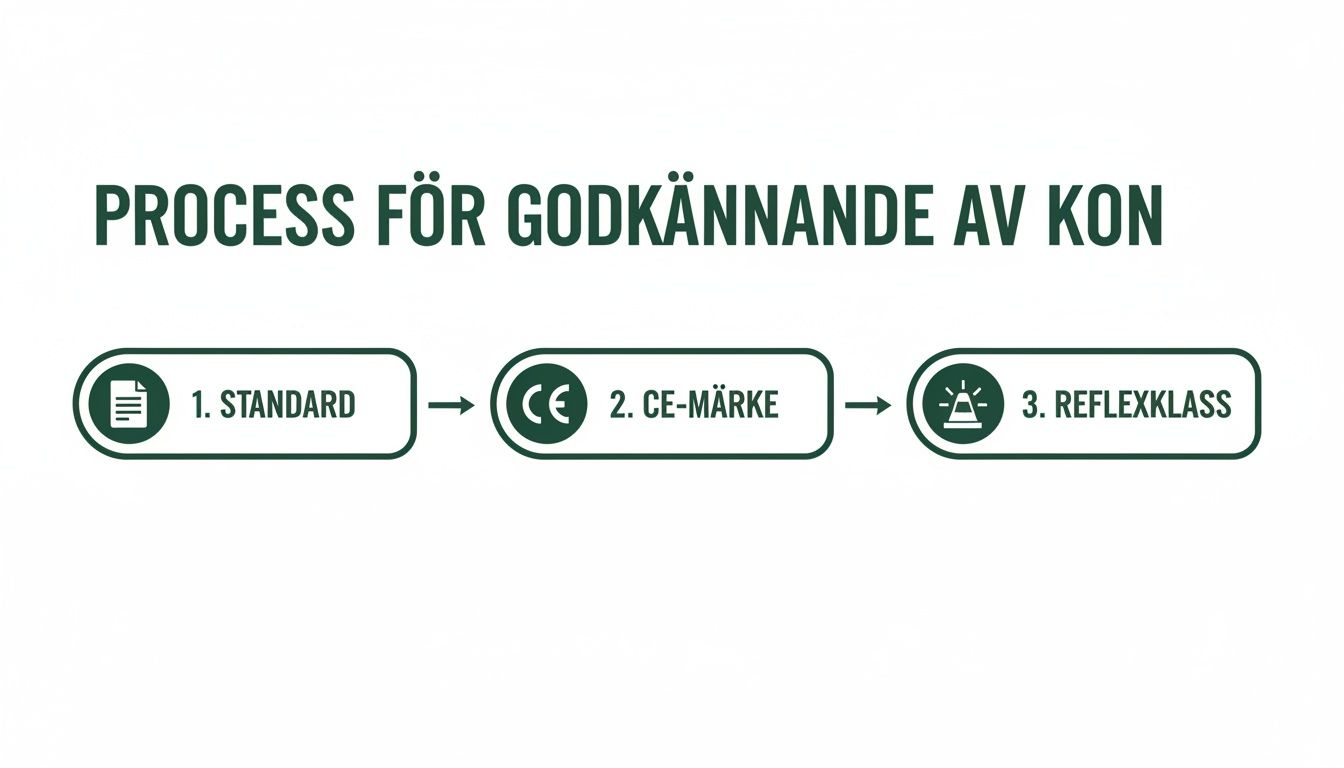
This visual process underlines that a safe barrier starts with a correctly certified product, which must then be placed according to applicable rules.
Planning a traffic management plan, especially for larger projects on high-traffic roads, can be complex. It requires knowledge of both regulations and practical traffic safety.
Not sure how to design a safe and effective barrier for your project? Our team of experts is ready to help. We can analyze your needs, develop a tailored plan and make sure you have the right products for the job. Contact us for professional advice and a safer work environment.
How to maximize the service life of your traffic cones
A traffic cone is an investment in safety. As with any valuable tool, it pays to take care of them. With a few simple routines for maintenance, storage and inspection, you can significantly extend the life of your traffic cones. This not only lowers costs over time but also ensures your equipment is always ready when you need it most.
Keeping track of your cones is more than just a financial matter – it is a fundamental part of safety work. A worn, dirty or damaged cone simply doesn’t do its job as well and, in the worst case, can compromise safety.
Regular maintenance for maximum visibility
A cone standing out in traffic has to endure a lot: road dust, exhaust fumes, salt and oil. All of this settles as a gray film over both the fluorescent surface and the reflectors, quickly reducing visibility.
- Cleaning: Usually, rinsing them regularly with water goes a long way. For more stubborn dirt, a mild soap solution and a soft brush work perfectly. But be careful – avoid harsh chemicals or holding a pressure washer too close. That can damage both the reflector and the plastic.
- Inspection: Make it a habit to take a quick look at each cone whenever you handle it. Look for cracks, deep tears or other damage. A cone with a cracked base can easily break completely and become unstable, while damage to the body itself weakens the entire structure.
A damaged cone should be removed immediately. Replacing a single cone is a small cost compared to the risk posed by a defective safety product.
By treating your cones with a little care, you make sure they always perform at their best. A clean, intact cone is more visible, lasts longer and gives a more professional impression of your business.
Smart storage extends service life
How you store your cones when they are not in use plays a surprisingly large role in their durability. Improper storage can lead to permanent damage that makes them completely unusable.
The biggest culprit is prolonged exposure to UV light. The sun fades the bright orange color and makes the plastic brittle over time. So always store the cones indoors or under a roof if possible. If they have to stay outdoors for an extended period, try to find a shaded spot.
Another common pitfall is poor stacking. Stack the cones straight and carefully so they don’t get stuck in each other or become deformed by the pressure from the cones above. Also make sure they stand on a level surface so the base doesn’t warp.
A logo on the cone? Smarter than you think.
Did you know you can get your traffic cones with your company logo or name? It is not only a stylish way to showcase your brand on the job site – it is also a highly effective theft deterrent. A clearly marked cone is simply less tempting to take.
Investing a little time in maintenance and customization is a smart move. You get equipment that lasts longer, works better and represents your company professionally.
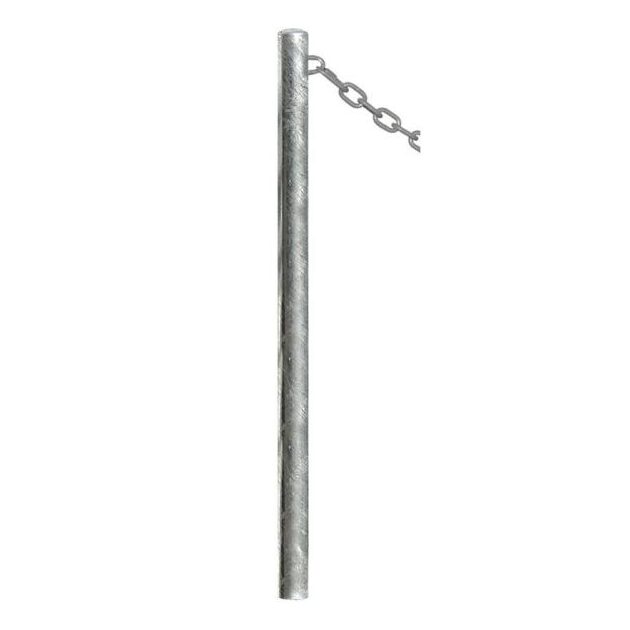
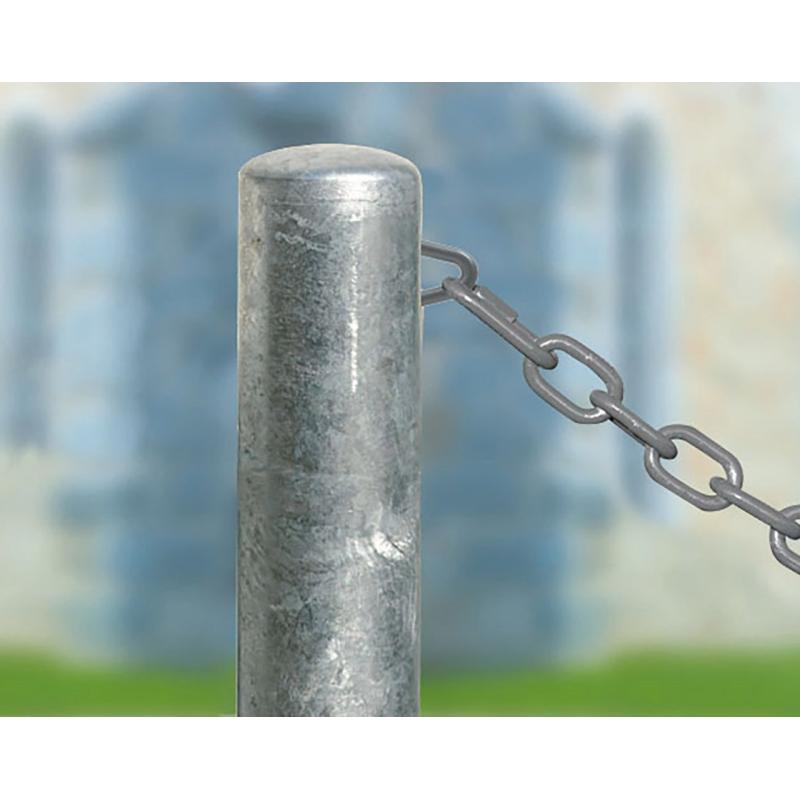
Need to supplement with another type of barrier? Highly visible barrier tape or a couple of sturdy barrier posts are often the perfect complement to your cones for creating a complete and safe barrier.
Have questions about maintaining or customizing traffic cones? Our team can give you practical tips and show you the options available for marking your equipment. Contact us today for expert help and make sure you get the most out of your investment.
Checklist before you order traffic cones
Buying the right traffic cone can feel like a jungle of rules and different models. But don’t worry, it doesn’t have to be that complicated. By asking a few smart questions from the start, everything becomes much easier. Think of this checklist as your guide to quickly pinpointing what you actually need and making a confident choice right away.
Before you place your order, take a couple of minutes to go through the points below. The answers become your requirements specification and ensure you get exactly the traffic cones your project demands – no more, no less.
Environment and speed
The most important question of all is: where will the cones be placed? The requirements are completely different for a quiet parking lot compared with a 70 km/h road where trucks rush by.
- Where will the cones be placed? Is it on a public road, inside an industrial area, in a parking lot or perhaps for a temporary event? The answer directly determines how heavy and stable the cones need to be.
- What is the maximum speed limit at the site? The higher the speed, the taller the cone and the heavier the base required. Simply put, the cone must be able to withstand the wind blast from passing vehicles. For roads with speeds above 50 km/h, a 750 mm cone is often an absolute minimum.
Visibility and regulations
Safety depends on the cones being visible, regardless of weather and time of day. This is especially critical if the work will take place after dark.
- Will you be working in darkness, at dawn or at dusk? If you answer yes, a higher reflectivity class such as R2 is a must to be seen from a distance. For normal daylight work, class R1 is usually more than sufficient.
- Are there special requirements from the client? The Swedish Transport Administration, the municipality or the customer often has its own, stricter rules. Always double-check the project’s specific traffic management plan (TA plan) so you don’t miss anything.
Getting the right certified equipment from the start is always cheaper in the long run. The last thing you want is to have to replace non-compliant products in the middle of a project. A specialist makes sure you get gear that meets all requirements right away.
Do you need anything else?
A traffic cone is rarely the whole solution. Take a moment to consider whether you need additional equipment to create a truly clear and safe barrier. Perhaps a sign holder to mount warning signs directly on the cones? Or a flashing warning light on top to really grab attention?
It can feel like a lot to keep track of. This is exactly where a specialist comes in. When you turn to us, you get not only access to quality products approved under all regulations, but also the invaluable advice that makes your solution both safe and compliant.
Ready to order but still feeling a little unsure about the details? Get in touch with us. Our experts help you go through your checklist, ask the right questions and find the best solution for your specific needs.
Frequently asked questions about traffic cones
Here we have gathered answers to some of the most common and practical questions we receive about traffic cones. The goal is to give you quick, clear answers that actually help you in your day-to-day road safety work.
What height should I choose for my cones?
A good rule of thumb is to let the speed at the site determine the cone height. The higher the speed, the taller the cone to ensure visibility from a distance.
- 500 mm: You will most often see these in parking lots, parking garages or on roads with a maximum speed of 50 km/h.
- 750 mm: This is the standard size for most roadworks on public roads with speeds between 50 and 90 km/h. It offers a good balance between visibility and stability.
- 1000 mm: For highways and other high-speed roads, this is the one to use. It is required to ensure maximum visibility when traffic is moving fast.
Does the same cone work for both day and night work?
That depends entirely on the cone’s reflectivity class. For a cone to be approved for work in darkness, fog or at dawn, it must be equipped with a high-intensity reflector, usually class R2. A cone with a basic standard reflector (class R1) is only intended for daylight and well-lit locations.
Taking chances with the wrong reflectivity class at night is not only a serious safety risk – it can also be a direct violation of the Swedish Transport Administration’s regulations. Always double-check what applies to your specific project.
How long does a traffic cone actually last?
Service life varies greatly and depends on everything from the choice of material to how the cone is used and stored. A robust, high-quality rubber cone that is handled with care can last for many years. A simpler PVC cone that stands out in the sun and gets run over now and then will need to be replaced much sooner.
The best way to maximize service life is simple: keep them clean and inspect them regularly. That way you will notice right away when a cone starts to wear out and lose its function.
Have more questions, or need help choosing the right cones for a specific project? Our team at Nordguard has the expertise needed to guide you to a safe, effective and compliant solution. Contact us today for personal advice.
Ready to take the next step?
We help you develop solutions tailored to your needs. At Nordguard, we strive to make the ordering process as smooth as possible. By offering support and guidance throughout the entire purchasing experience, we make sure you feel confident and satisfied with your choice of protection products.+46 10 153 90 50
[email protected]