
A Complete Guide to Cable Protectors for Safe Workplaces
What is a cable protector and when do you need one?
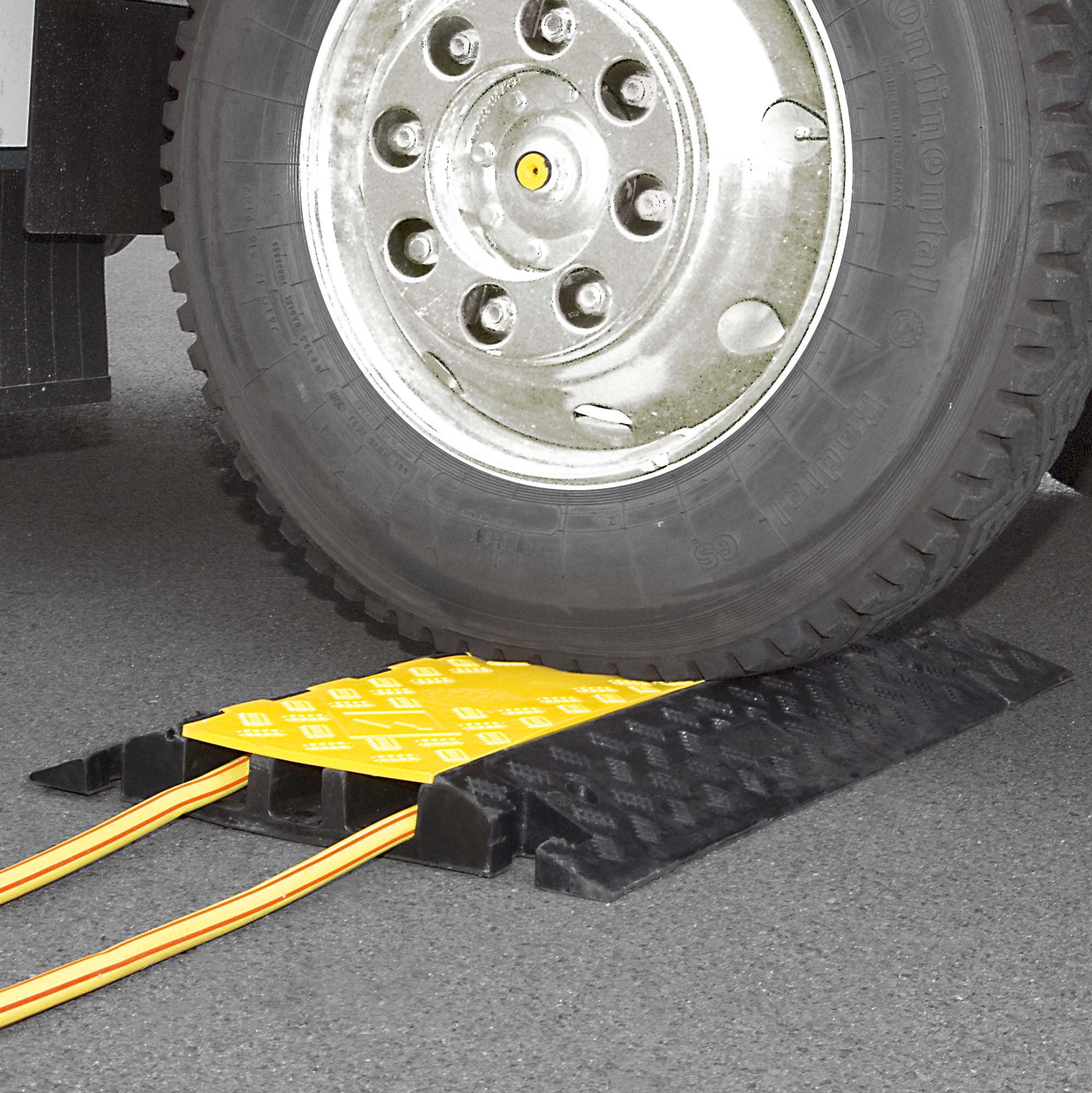
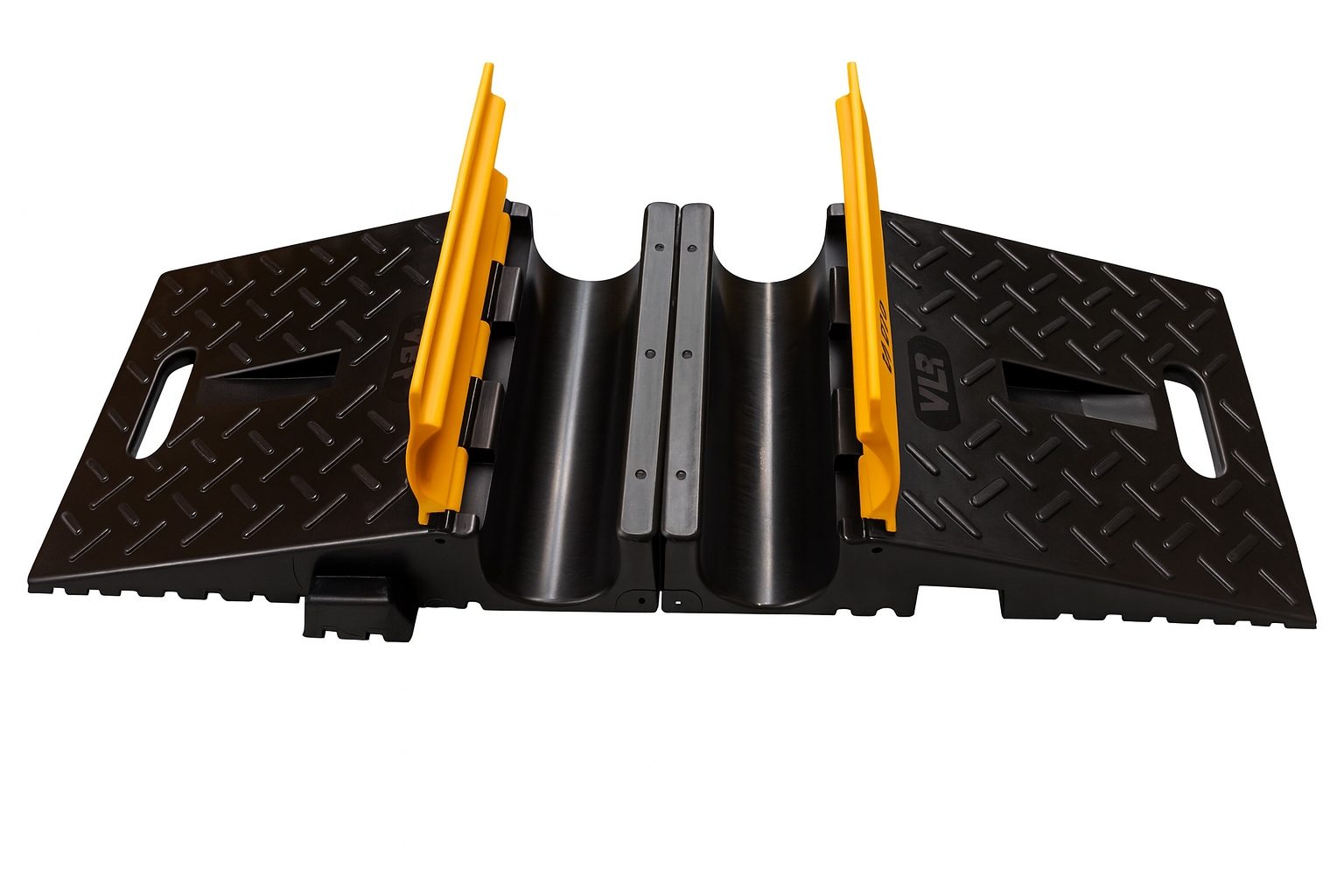
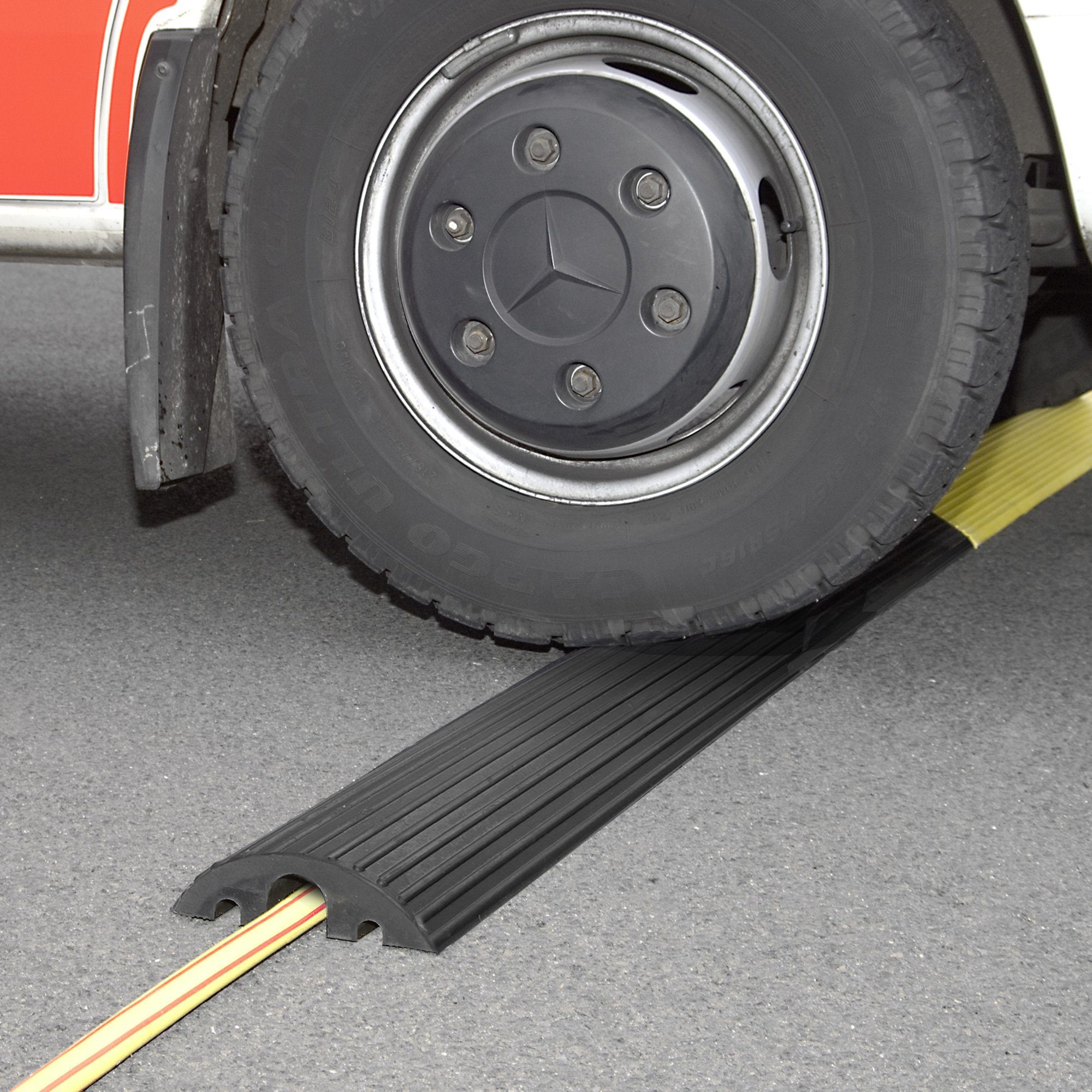
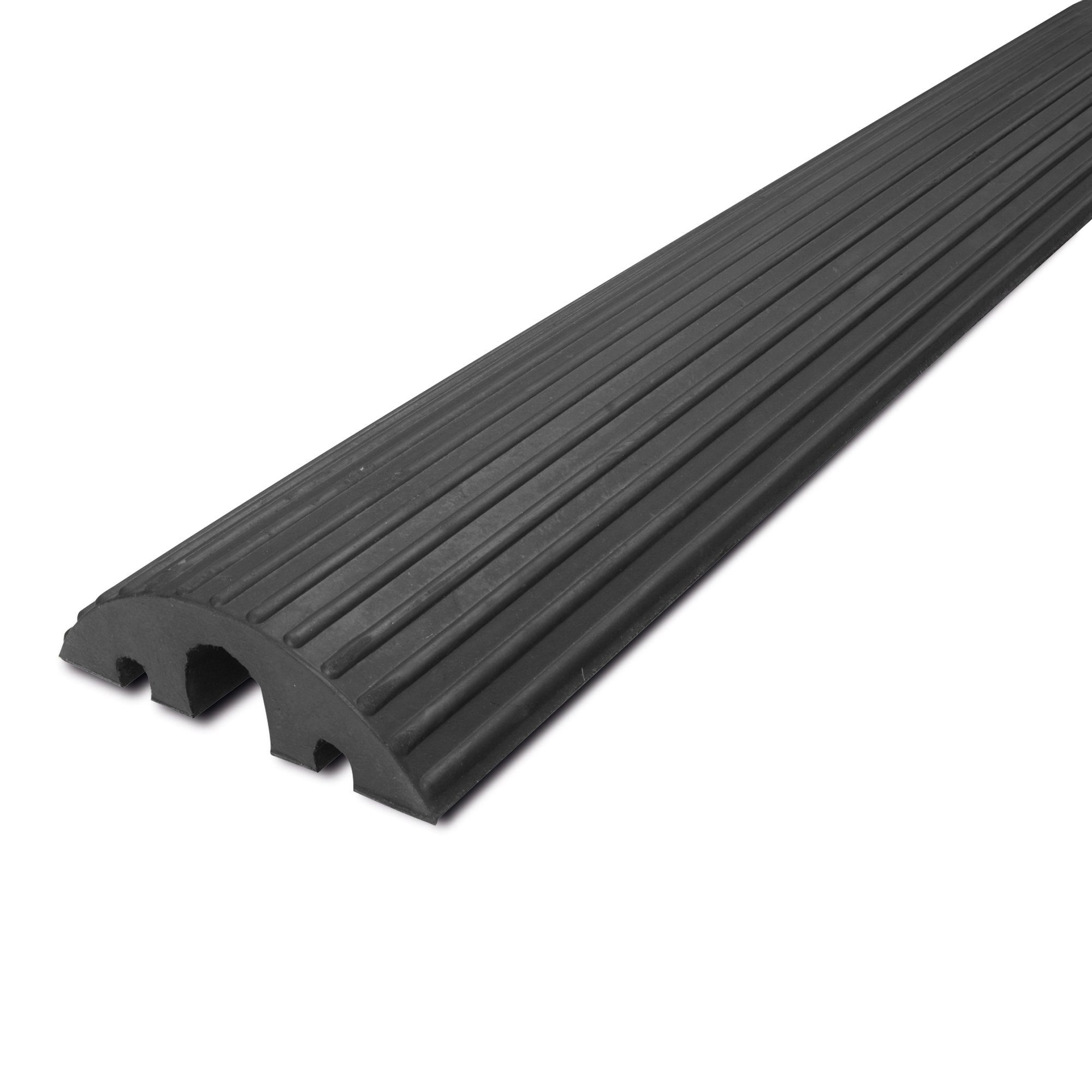
A cable protector is a simple but ingenious solution to a common and dangerous problem. Think of it as a temporary, portable bridge for cables and hoses that need to cross an area where people walk or vehicles drive. Its primary job is to protect sensitive equipment from being crushed, but just as important, it prevents trip hazards. Ignoring this is asking for trouble – from costly downtime when a critical cable is damaged to serious personal injuries.
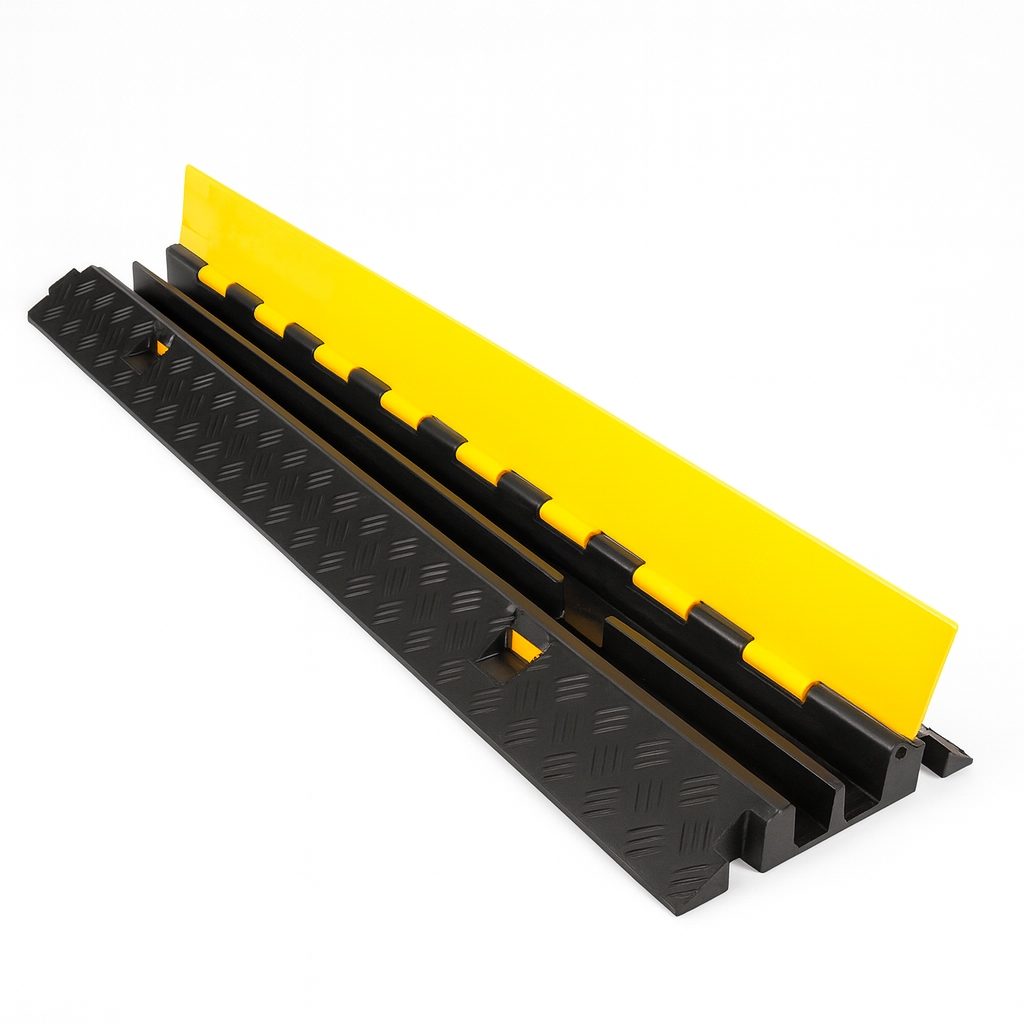
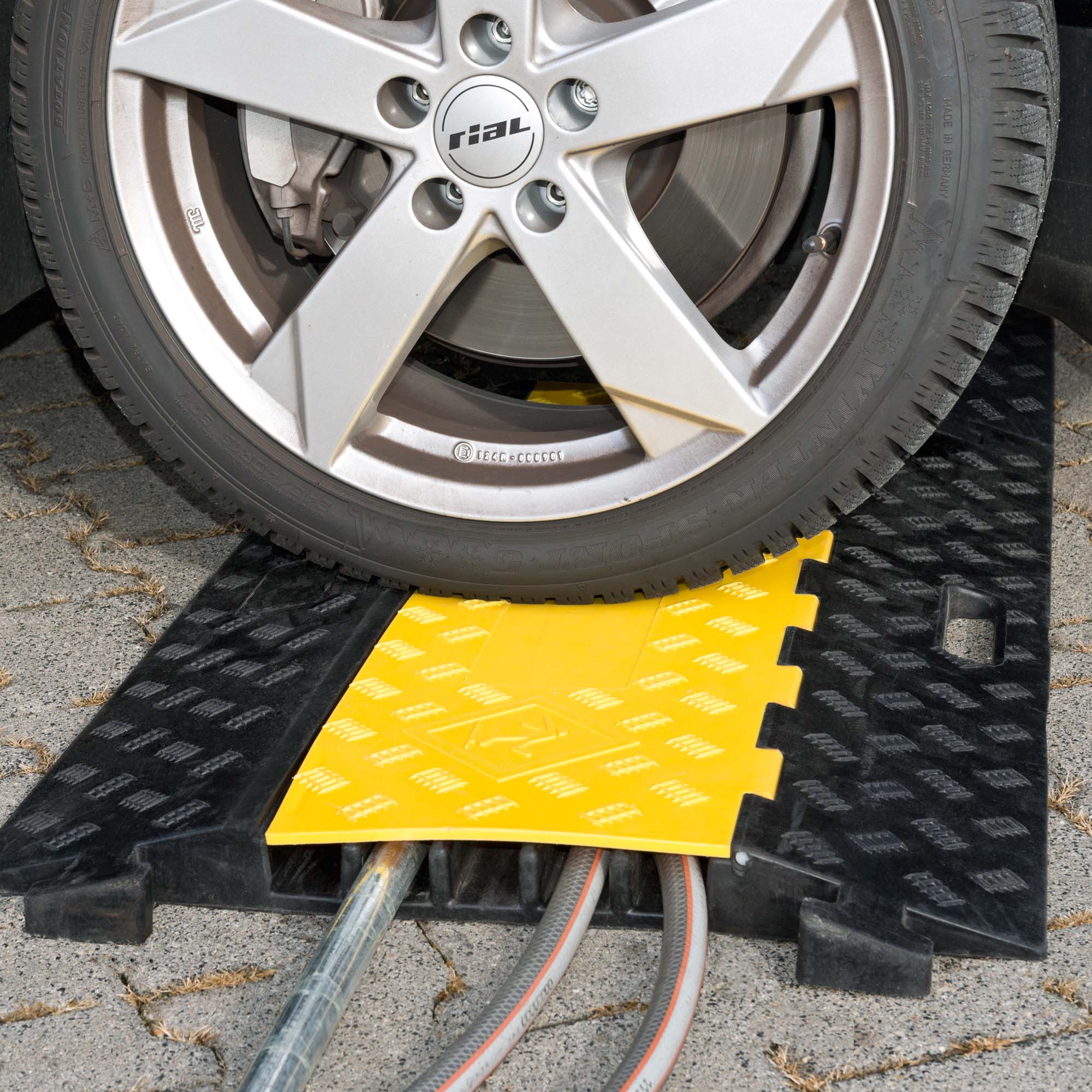
So a cable protector is much more than just a piece of rubber. It is a crucial safety component that brings order to temporarily routed cables in high-traffic environments. By enclosing the cables in protected channels and creating a gently sloping ramp, everything from pedestrians to heavy trucks can pass safely without coming into contact with the cabling.
Indispensable in dynamic environments
Picture a construction site in full swing. Heavy machine cables, water hoses and network cables run in every direction. Without protection, they quickly become a serious hazard. A loader can easily crush a power cable and cause an outage that brings the entire project to a halt. Even worse, a damaged cable can lead to a short circuit or electric shock. This is a problem we see every day, and the solution is both simple and cost-effective.
Or think of a large event, such as a festival or a Christmas market. Miles of audio, lighting and power cables have to be run between stages, food stalls and generators. Here, a cable protector is absolutely essential so that thousands of visitors can move around freely and safely without tripping in the dark.
A properly placed cable protector is a smart, proactive investment in both safety and efficiency. It prevents accidents before they happen and guards against downtime that can cost many times more than the protection itself.
From problem to solution
So when do you need a cable protector? The rule is simple: any time you need to run a temporary cable or hose across an area with any kind of traffic.
This can include anything from:
- Construction and civil engineering sites: Protects heavy-duty cables and hoses from construction machinery.
- Events and trade shows: Ensures the audience doesn’t trip and protects expensive AV equipment.
- Warehouses and industrial facilities: Prevents forklifts and pallet jacks from running over and damaging cables.
- Public spaces: Used for roadwork or other temporary installations in urban environments.
Choosing the right model is all about understanding the load and the environment it will be used in. A simple cable protector for two 75mm cables can be perfect for a smaller event, while a major road construction project requires a much heavier-duty solution. Understanding that difference is the key to avoiding both unnecessary costs and dangerous situations.
Not sure which cable protection is right for your project? It’s a common problem, but we’re here to help. Our experts at Nordguard are happy to help you find the most durable and cost-effective solution for your needs. Contact us today for personalized advice and a safer workplace tomorrow.
From fire hose to fiber optic cable – a Swedish innovation story
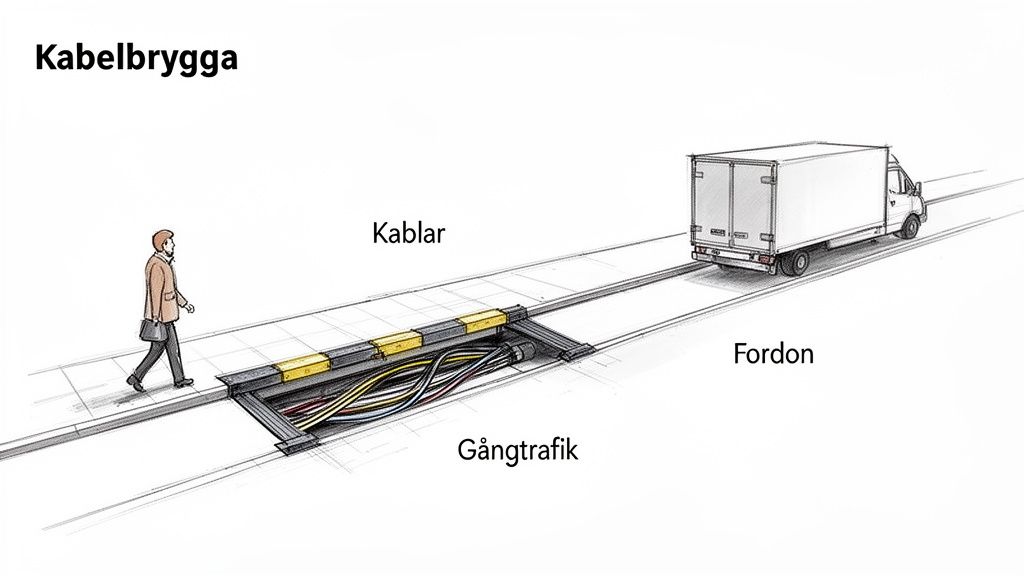
The story of the modern cable protector is a Swedish success story, rooted in practical problems and pure ingenuity. It didn’t begin on a drawing board, but in the middle of an emergency fire call in 1960s Värnamo.
There, fire chief Gösta Nilsson watched expensive and vital fire hoses get destroyed time after time. When vehicles drove over the hoses during an ongoing operation, it wasn’t just a material cost – it was a direct safety risk that could cut off the water supply with catastrophic consequences.
A solution born of pure frustration
Gösta Nilsson decided to take matters into his own hands. The result was the legendary “Värnamo Slangbrygga,” a heavy rubber construction that effectively protected the hoses from the weight of vehicles. This marked the start of an entirely new product category that would grow far beyond the fire service’s original needs.
This early innovation is closely tied to Swedish traffic safety. As early as 1963, Gösta Nilsson founded Proni AB, and his hose bridge quickly became a standard product. If you want to dive deeper into the history, you can read more at farthinder.net. What started as protection for fire hoses proved to be just as ingenious for every other type of cable.
From heavy rubber blocks to smart modules
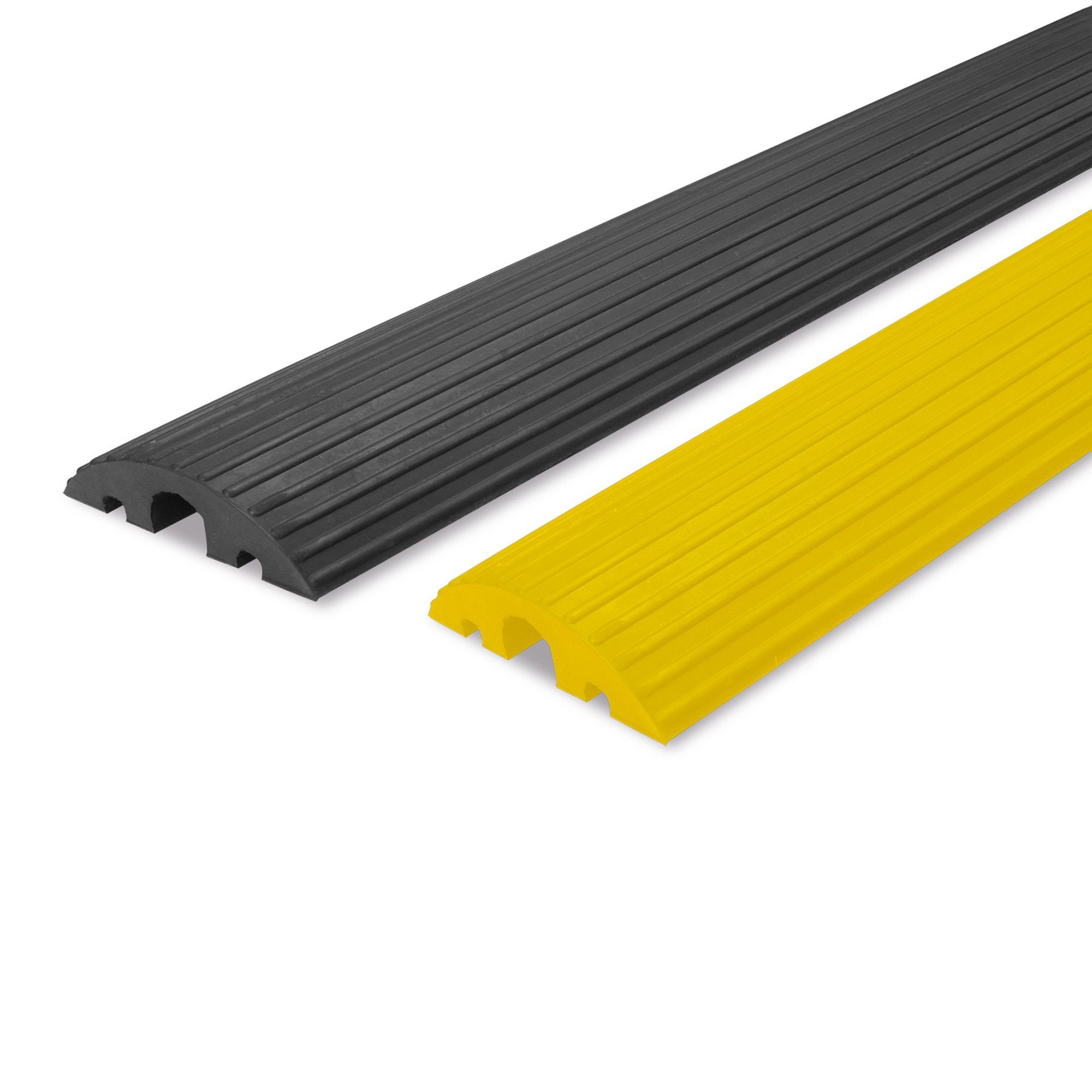
The journey from Gösta’s hose bridge to today’s advanced cable protector mirrors society’s technological development. The first models were often molded from a single piece of rubber – sturdy but unwieldy.
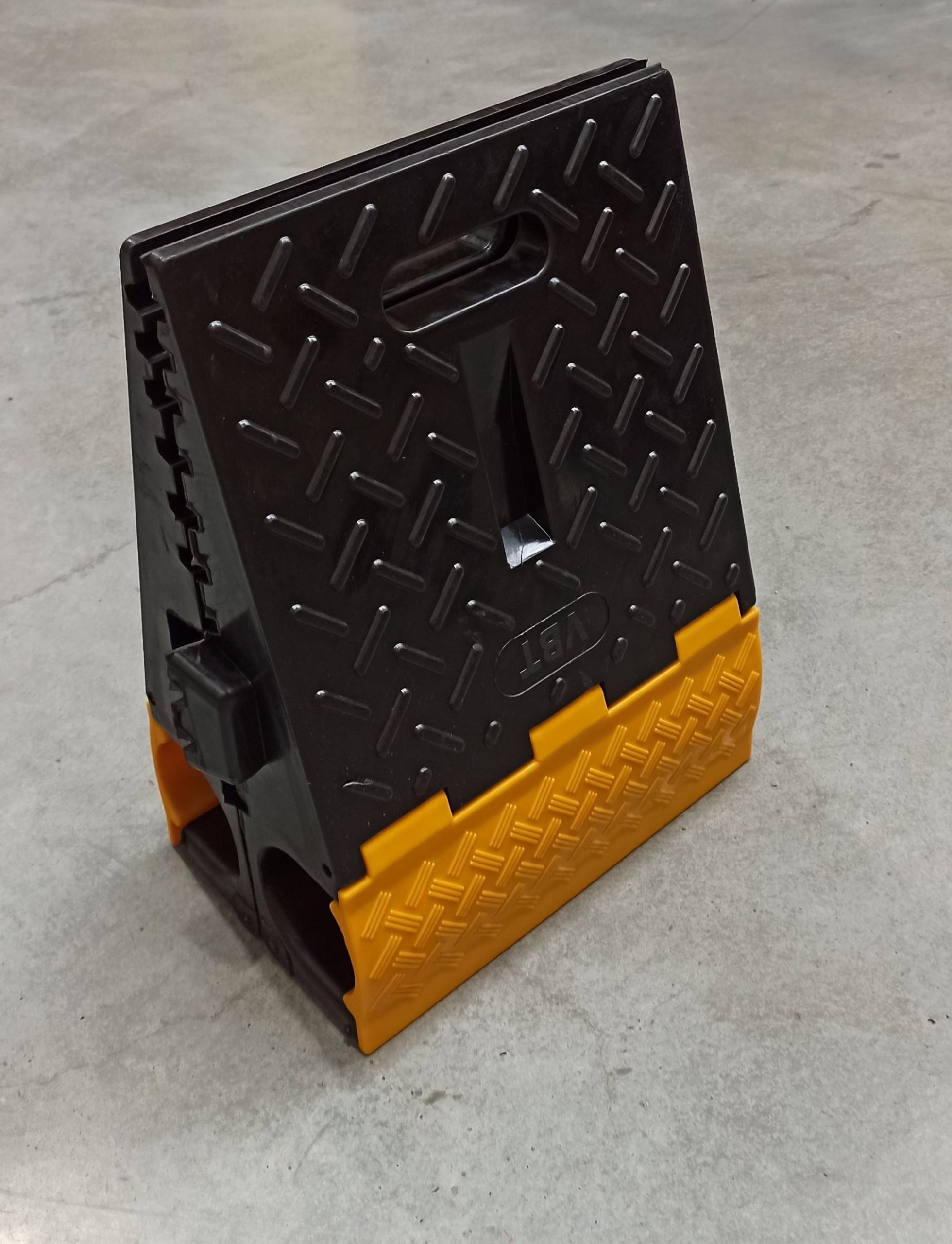
Today, cable protectors are often made from a combination of rubber and high-performance plastics such as polyurethane. This offers tangible benefits:
- Easier to handle: Simpler to transport, lay out and pack up.
- Modular systems: Sections connect so you can build exactly the length you need.
- Increased visibility: Warning colors such as yellow and black are standard so no one misses them.
- Extreme durability: Modern materials resist wear, chemicals and UV radiation.
Today, a cable protector shields everything from heavy power cables on construction sites to sensitive fiber optic cables at major festivals. It has become an indispensable part of the infrastructure for all temporary events and workplaces.
This evolution, from a simple solution to a local problem to today’s CE-marked cable protection, shows how a practical idea can take flight. Products like those you’ll find in our range of cable protection and cable protectors are the direct result of decades of refinement, always with Swedish requirements for safety and ease of use in focus.
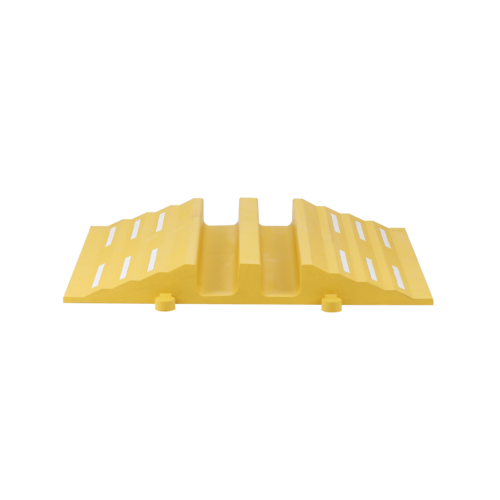
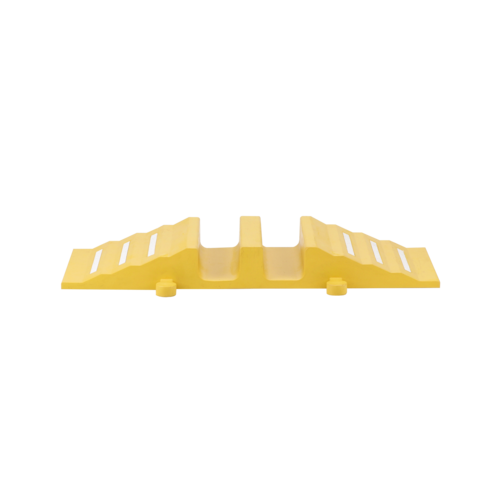
 Yellow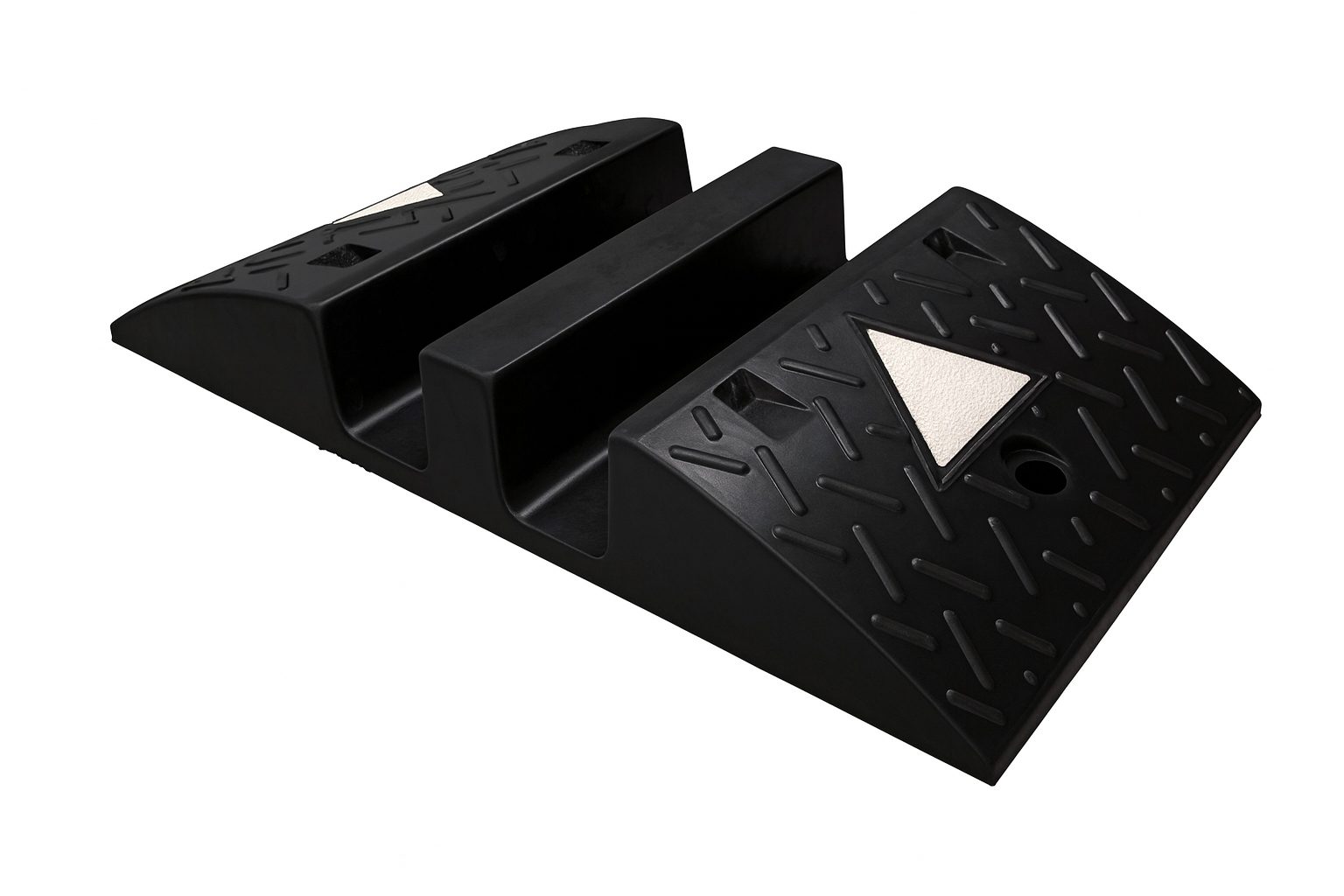
 Black
Black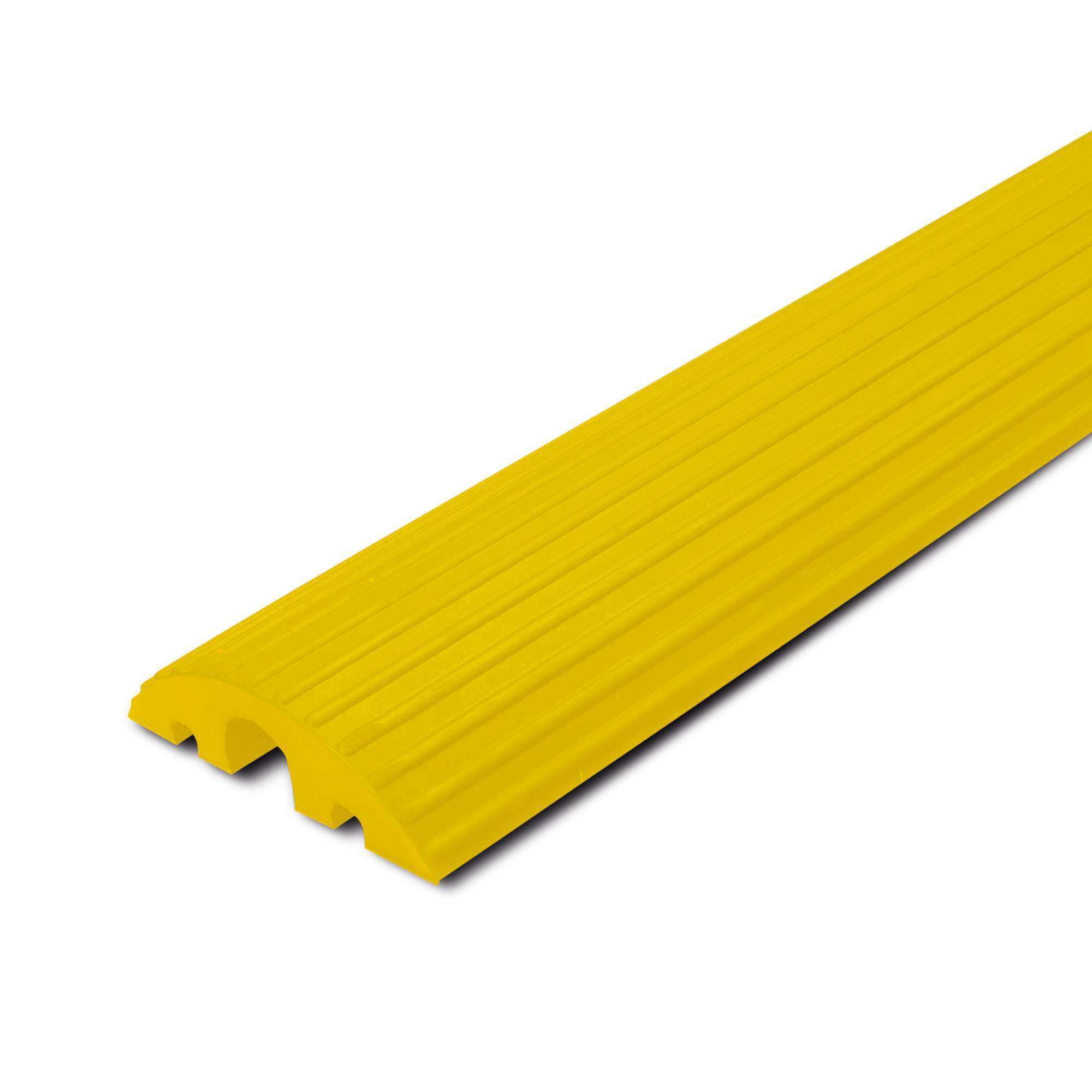 Yellow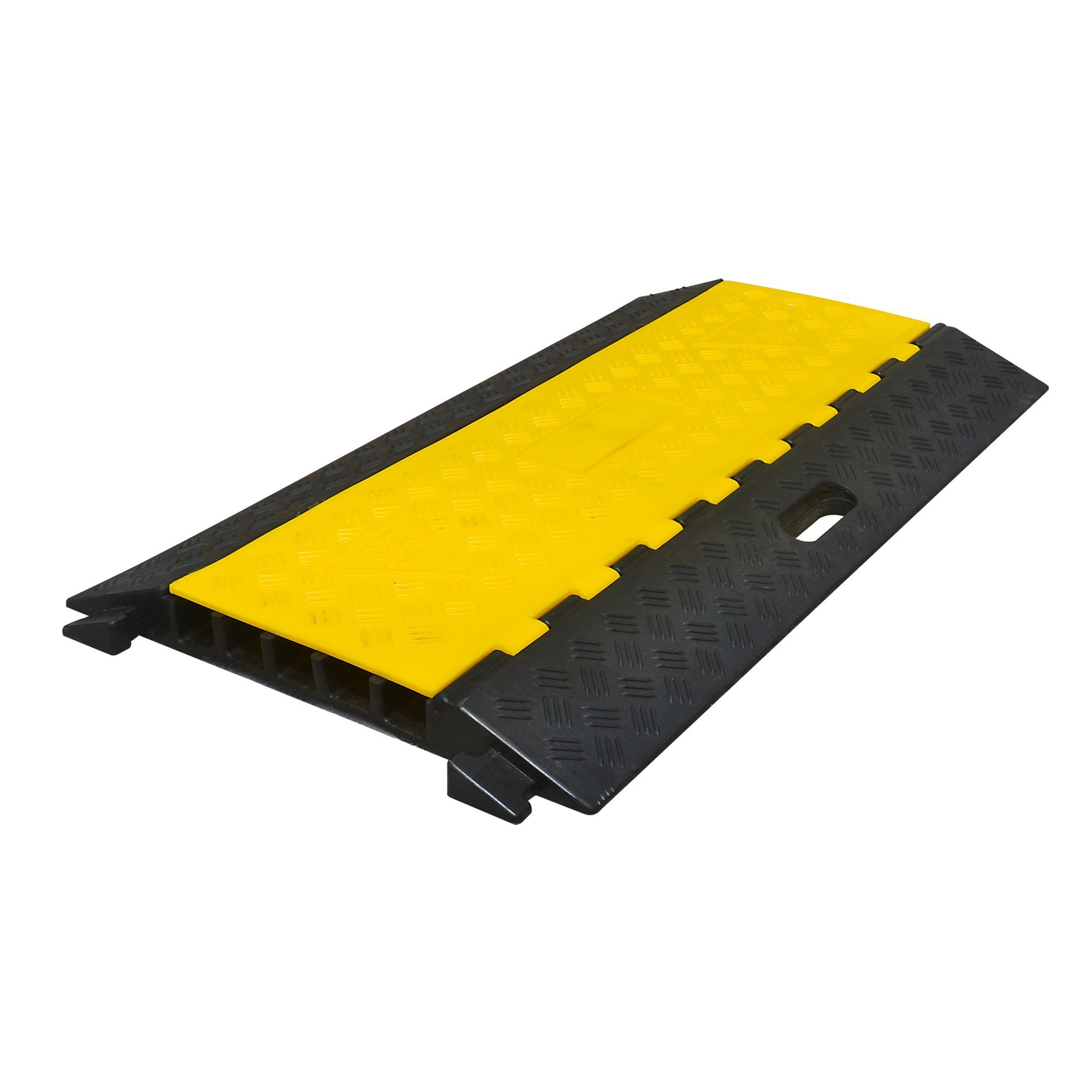
 Black/Yellow
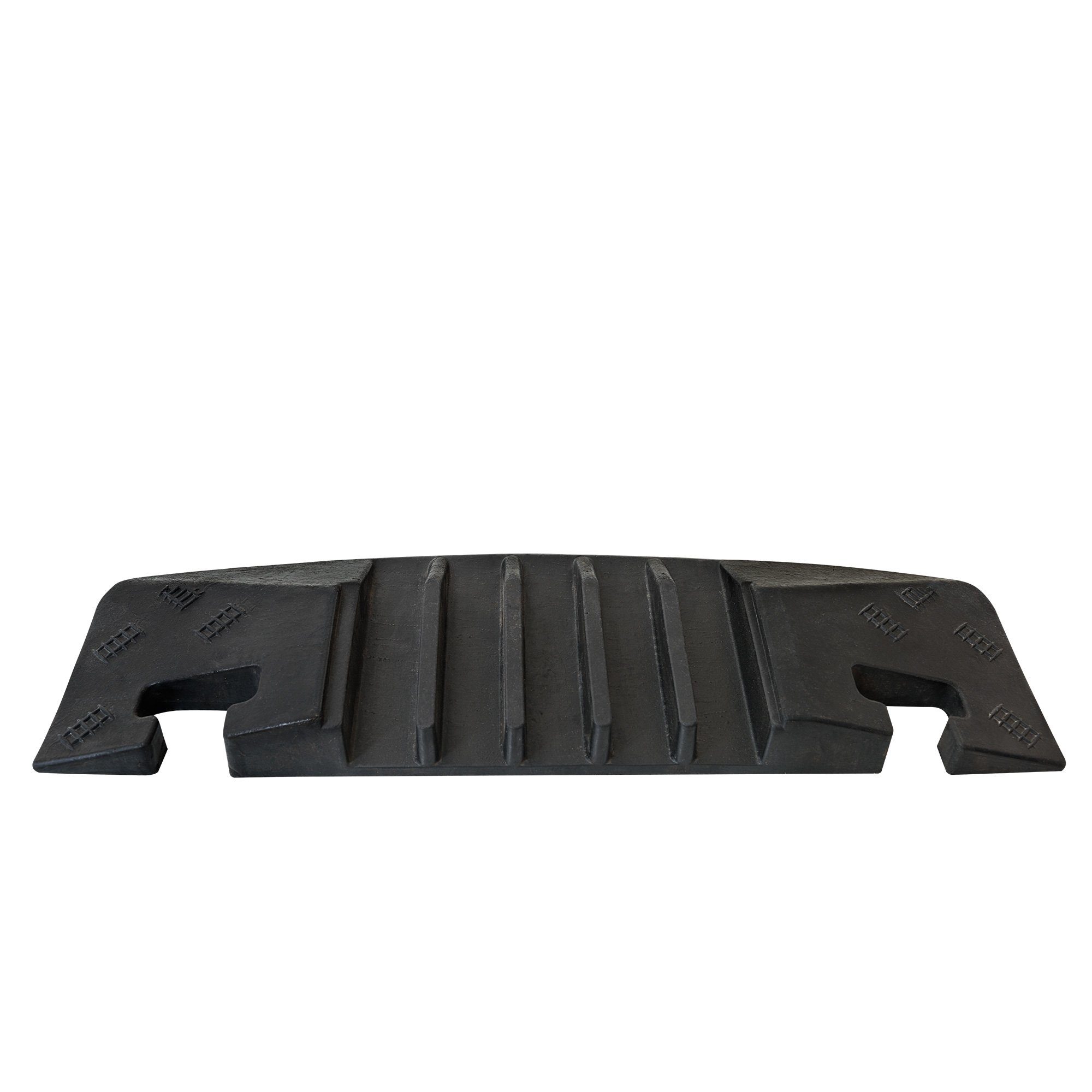 Black
Black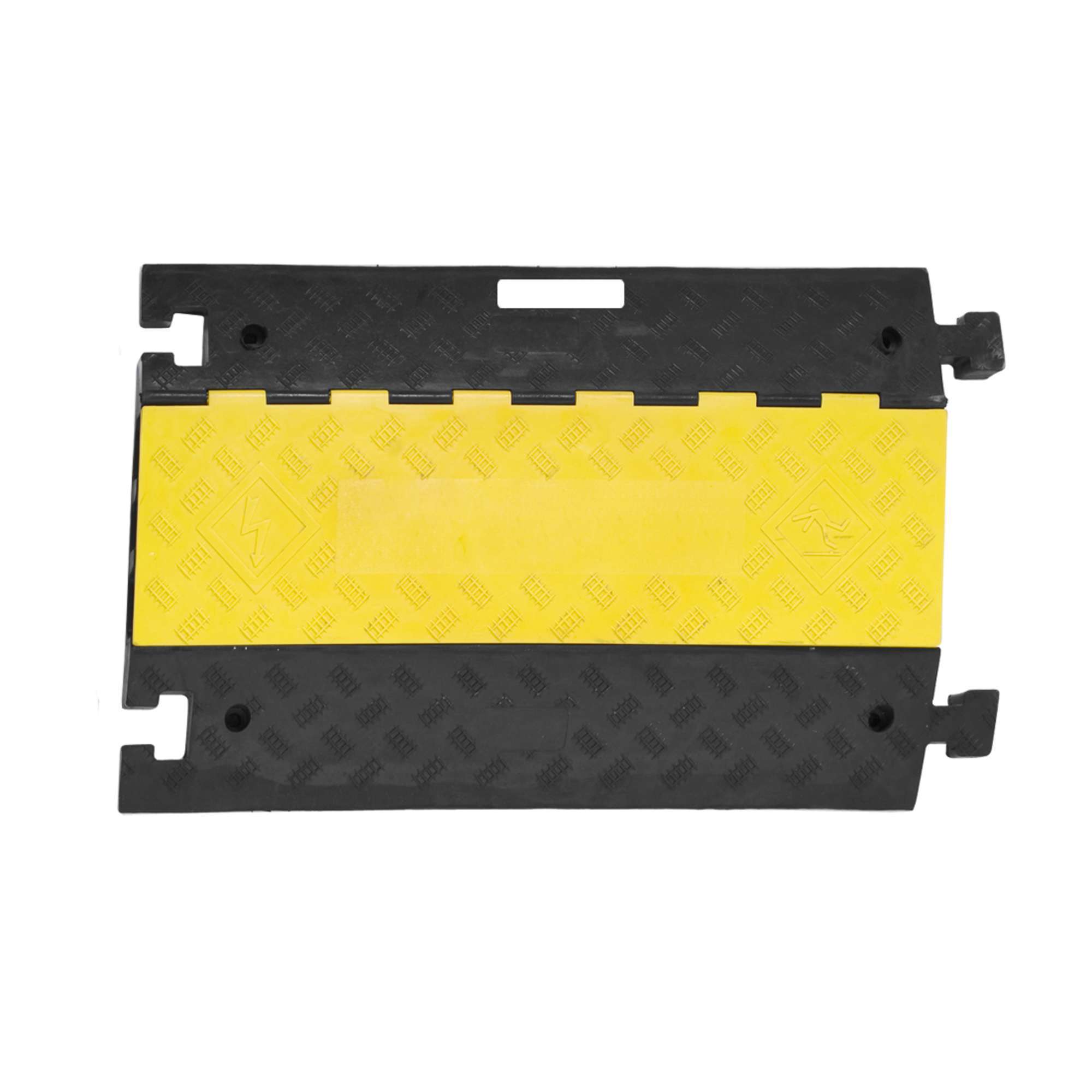 Black/Yellow
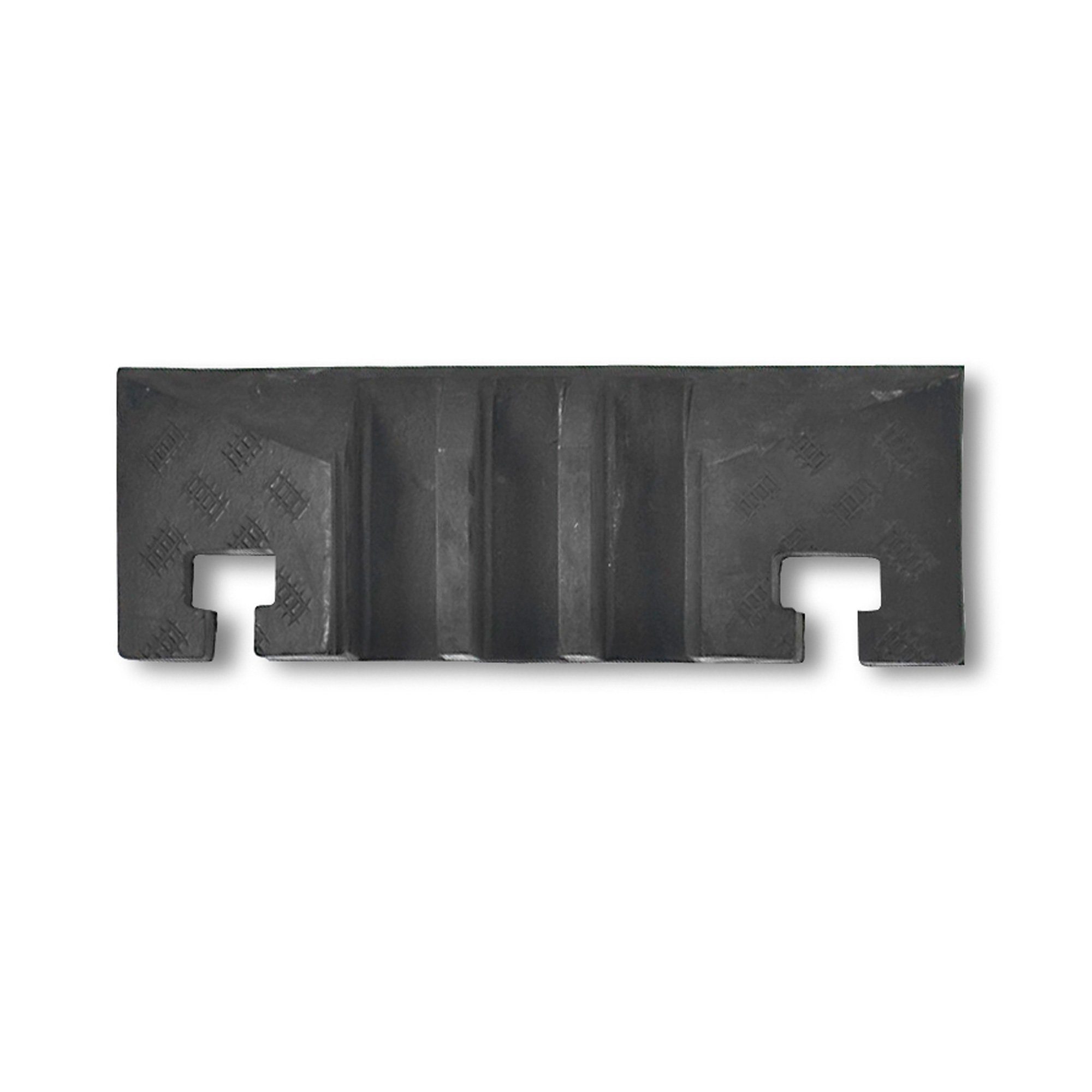 Black
BlackHow to choose the right cable protector for your project
Choosing the right cable protector is about more than just finding one that looks sturdy. It is a decision that directly affects workplace safety and the service life of your cables. In the worst case, a wrong decision can lead to anything from expensive downtime to outright accidents. To avoid this, follow these three crucial steps: assess the load, analyze the environment and take stock of the cables.
Assess the load first
The very first question is: what is the heaviest thing that will drive over the cable protector? The answer determines which load class you need, which is the single most important factor. A cable protector designed for foot traffic will collapse under the weight of a fully loaded truck. That’s a dangerous and needlessly expensive mistake.
- Light traffic: For areas with only pedestrians, cyclists or the occasional passenger car, a simpler model is usually sufficient.
- Medium traffic: Areas with forklifts, vans and regular car traffic require a much more robust design.
- Heavy traffic: Construction sites, industrial areas or roads where trucks and heavy construction machinery pass require the heaviest-duty models.
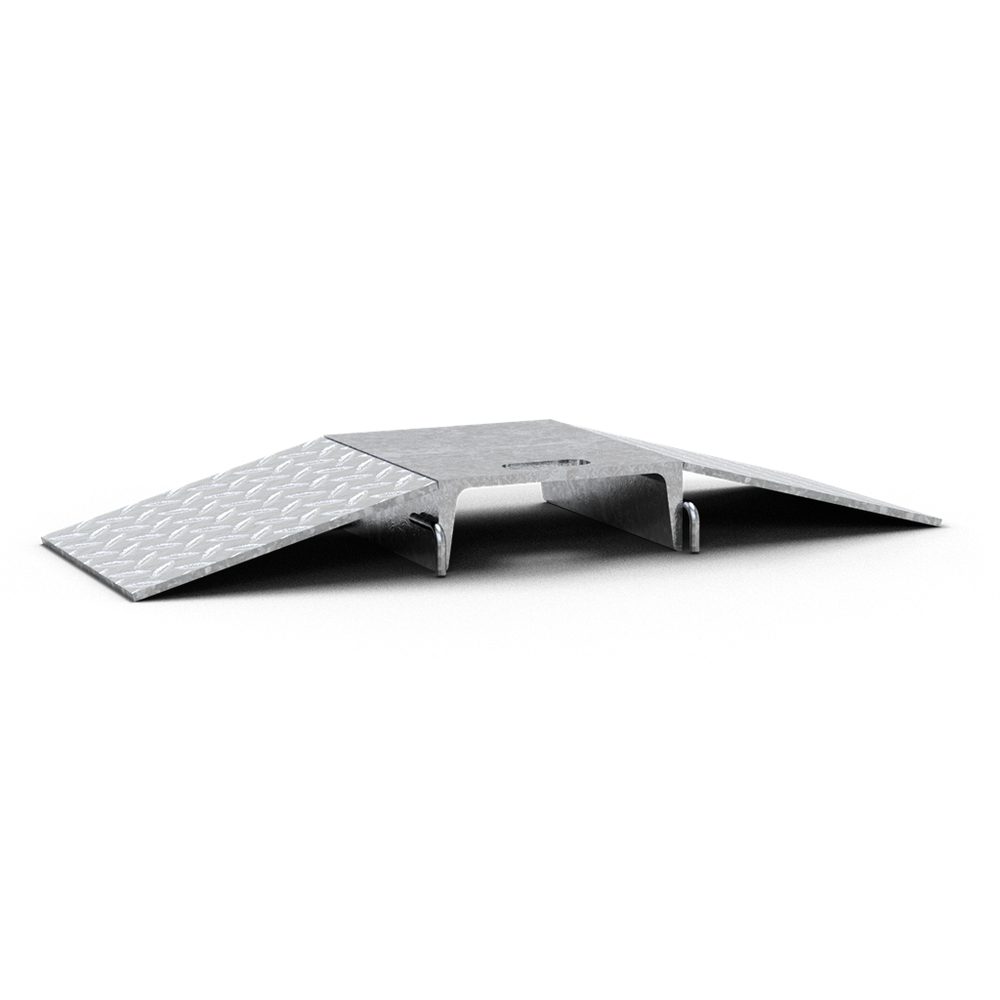
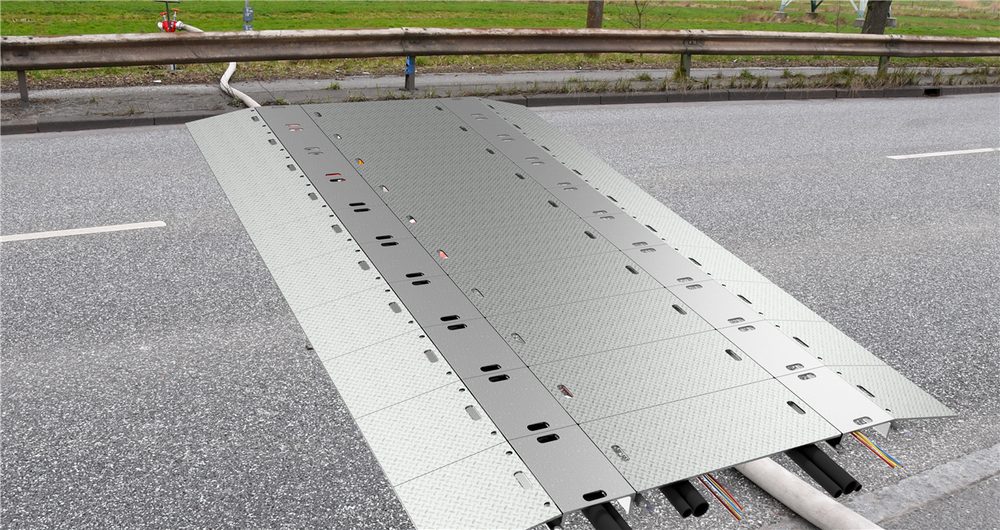
For the very toughest jobs, there are specially designed solutions. Our heavy-duty cable and hose ramp rated for 40 tons is an excellent example of a product developed for extreme conditions where durability cannot be compromised.
Analyze the environment carefully
The next step is to consider where the cable protector will be used. The environment places very different demands on the material. The two most common materials are rubber and polyurethane, each with its own strengths.
Rubber is a classic, affordable and hard-wearing material. Its flexibility and high dead weight keep it firmly in place, and it works great in most standard environments.
Polyurethane (PUR) is a higher-performance material. It is lighter than rubber but often stronger, and offers superior resistance to chemicals, oils and extreme temperatures. For really tough industrial environments, polyurethane is often the obvious choice.
Choosing a material is about matching its features to the risks in the surroundings. A rubber cable protector is perfect for an outdoor event, while a polyurethane model is indispensable in a workshop where oil spills are part of everyday life.
Ask yourself these questions:
- Indoor or outdoor? Outdoor use requires UV resistance and durability against wind and weather.
- Are chemicals or oils present? Choose polyurethane for maximum resistance.
- Is the surface uneven? A flexible material like rubber adapts better.
Count cables and measure diameters
Finally, a practical detail that’s easy to overlook: the cables themselves. How many are there and how thick are they? A cable protector is only useful if the cables actually fit in the channels without being pinched.
- Count the cables: Choose a model with enough channels.
- Measure the thickest cable: The inner diameter of the channels must be larger than the diameter of your largest cable.
- Think ahead: Do you need a system that can be expanded? Modular cable protectors offer unbeatable flexibility.
Comparison of cable protector materials
The table below gives a quick overview of which material may be best suited for your project.
| Material | Main advantage | Best suited for | Load resistance |
|---|---|---|---|
| Rubber | Cost-effective, flexible | General use, events | Good to excellent |
| Polyurethane | Chemical-resistant, lightweight | Industry, workshops | Excellent to extreme |
By systematically going through the load, environment and cable requirements, you can make a well-informed choice. Still finding it hard to choose? Don’t hesitate to contact us – our experts are ready to guide you to the right solution.
How cable protectors improve safety and operating economy
A cable protector is more than just a piece of rubber on the ground; it’s a smart investment in both safety and trouble-free operations. It protects cables, but the real benefits are much greater. By using these robust solutions, you can prevent accidents, avoid costly downtime and create a safer environment for everyone.
Eliminating loose cables from floors and ground surfaces is the fastest way to reduce the risk of trip accidents – one of the most common causes of workplace injuries. For a municipality or contractor, it’s not just about protecting staff, but also about complying with the basic requirements of the Swedish Work Environment Act.
The direct financial gain
The money you save is often the strongest argument. Imagine the cost of repairing a severed fiber optic cable that handles all data traffic, or a power cable that runs the entire construction site. The repair is one thing, but the production stoppage can cost tens of thousands of kronor for every hour lost.
A single run-over cable can paralyze an entire project. Suddenly, the investment in a properly sized cable protector seems vanishingly small. It acts as inexpensive insurance against a potentially catastrophic event. Read more about how the right equipment creates a safer environment.
Protecting a cable means protecting the flow of your entire operation. A cable protector is not a cost – it’s a guarantee of continuity.
Dual function as a speed bump
An often overlooked benefit is that a highly visible cable protector also works as an effective speed bump. Its height and bold warning colors force forklift and car drivers to slow down and pay closer attention. This creates a safer environment across the entire area, not just where the cables are, and helps calm the pace in busy environments. It’s a safety feature that comes as a bonus.
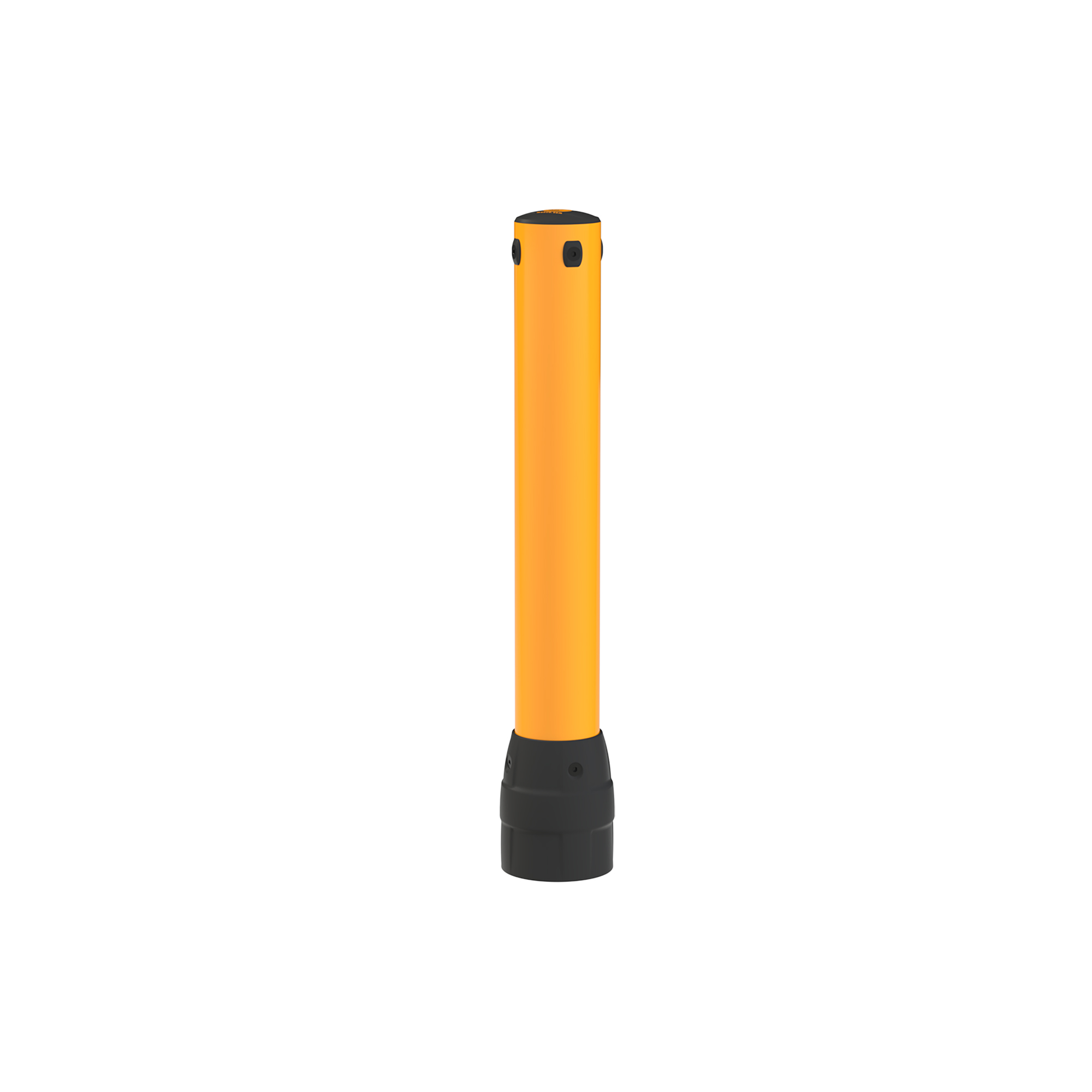
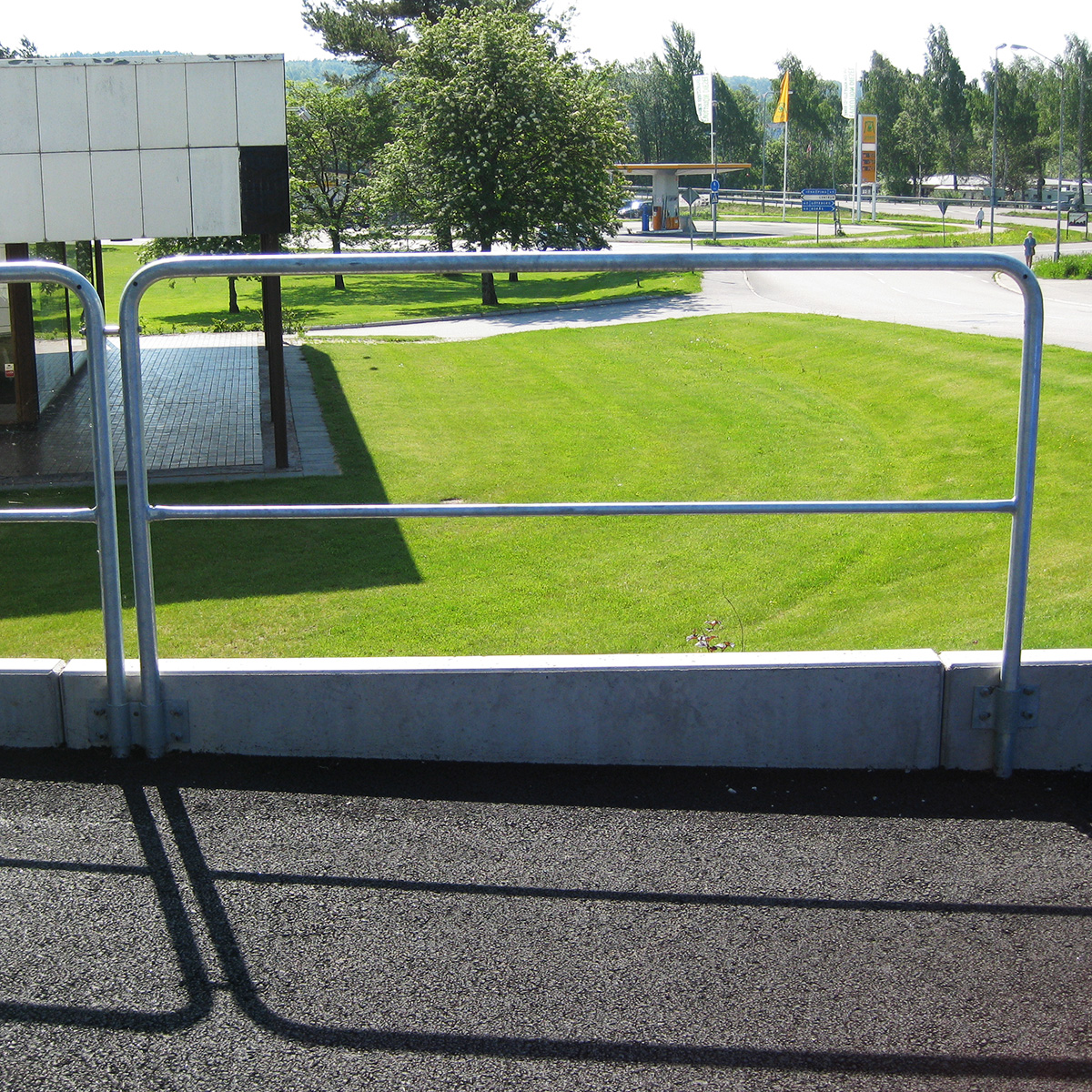
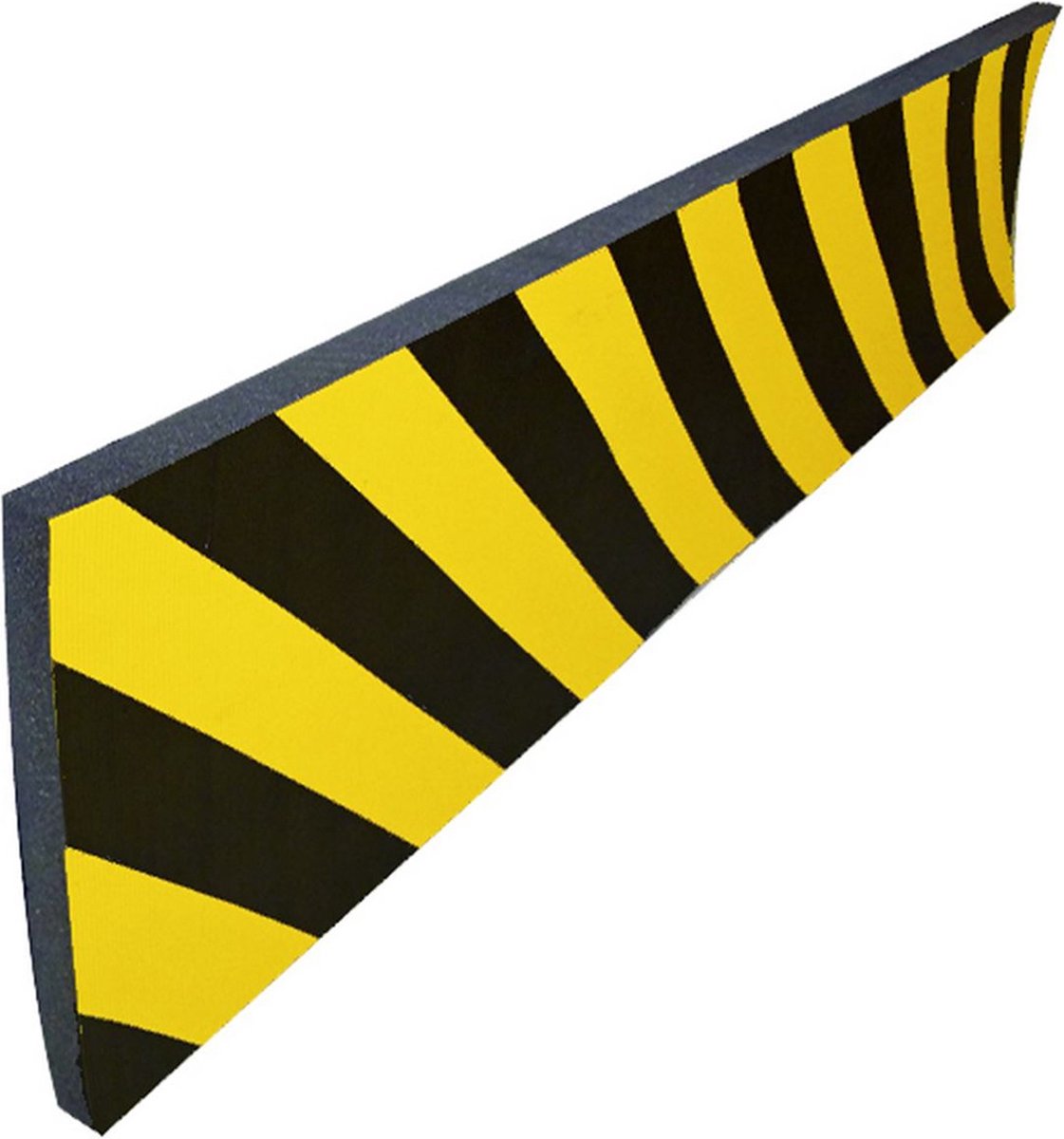
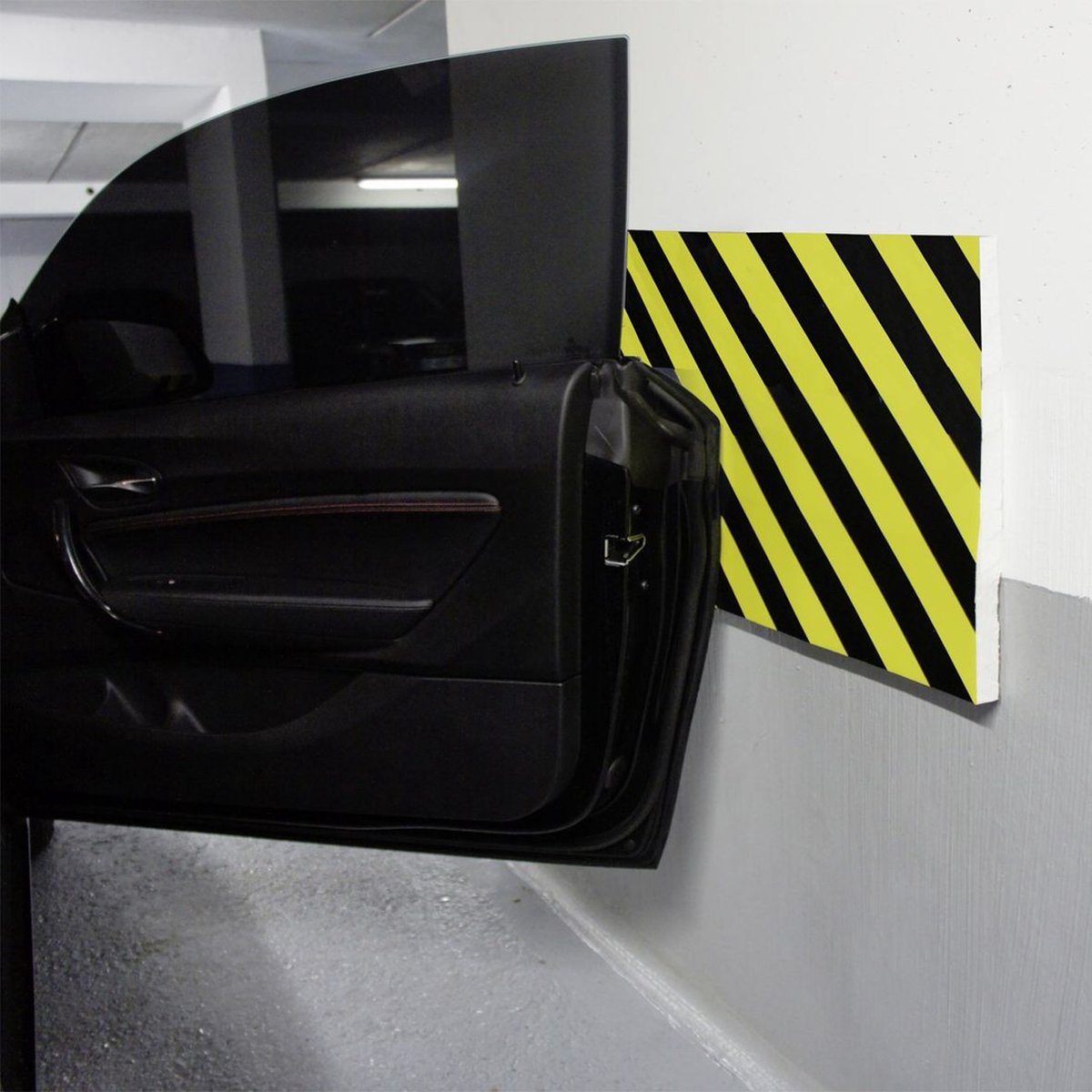
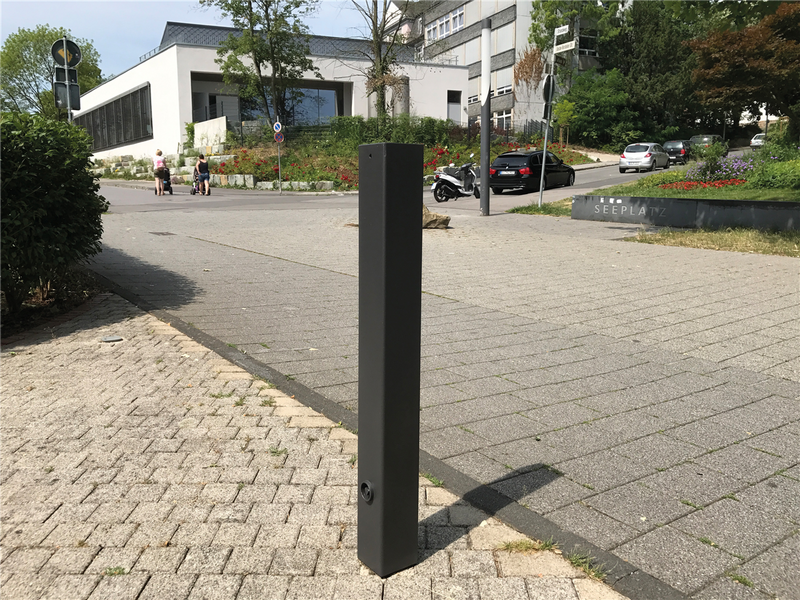
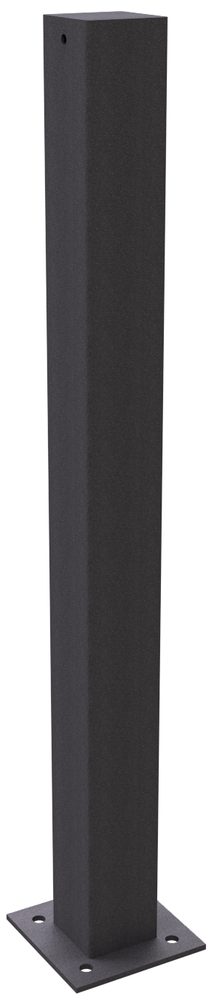
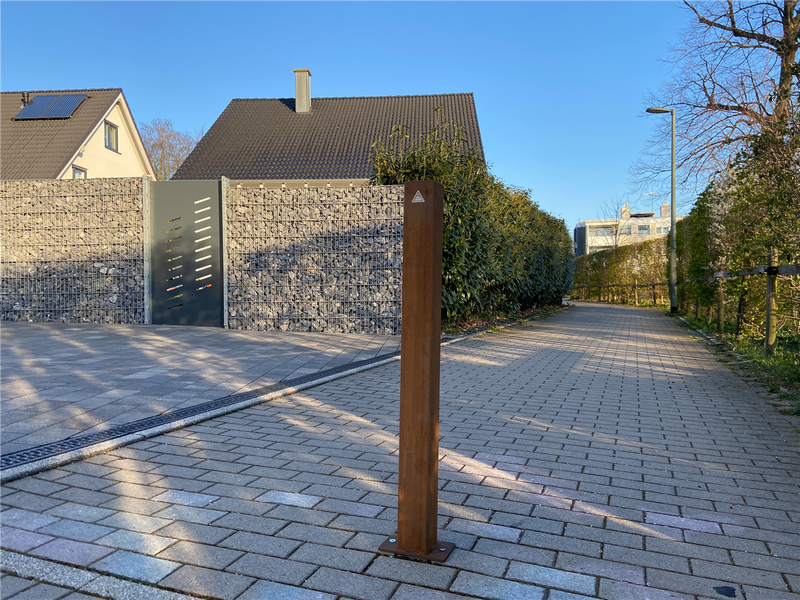
In our range, we often see how different products work together to create a safe whole. For example, a cable protector can be complemented with impact protection or bollards to define and secure a work area even better.


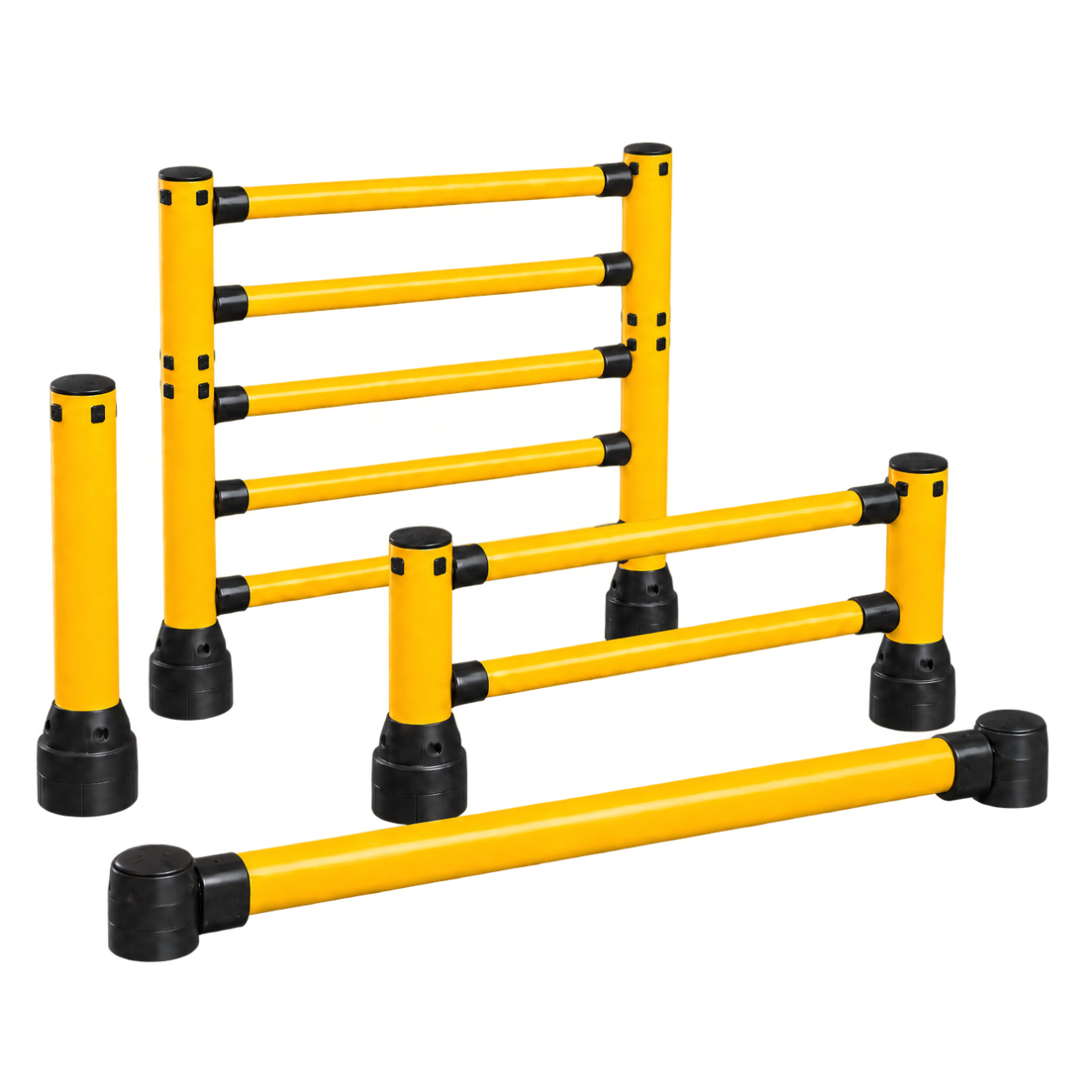
 Black/Yellow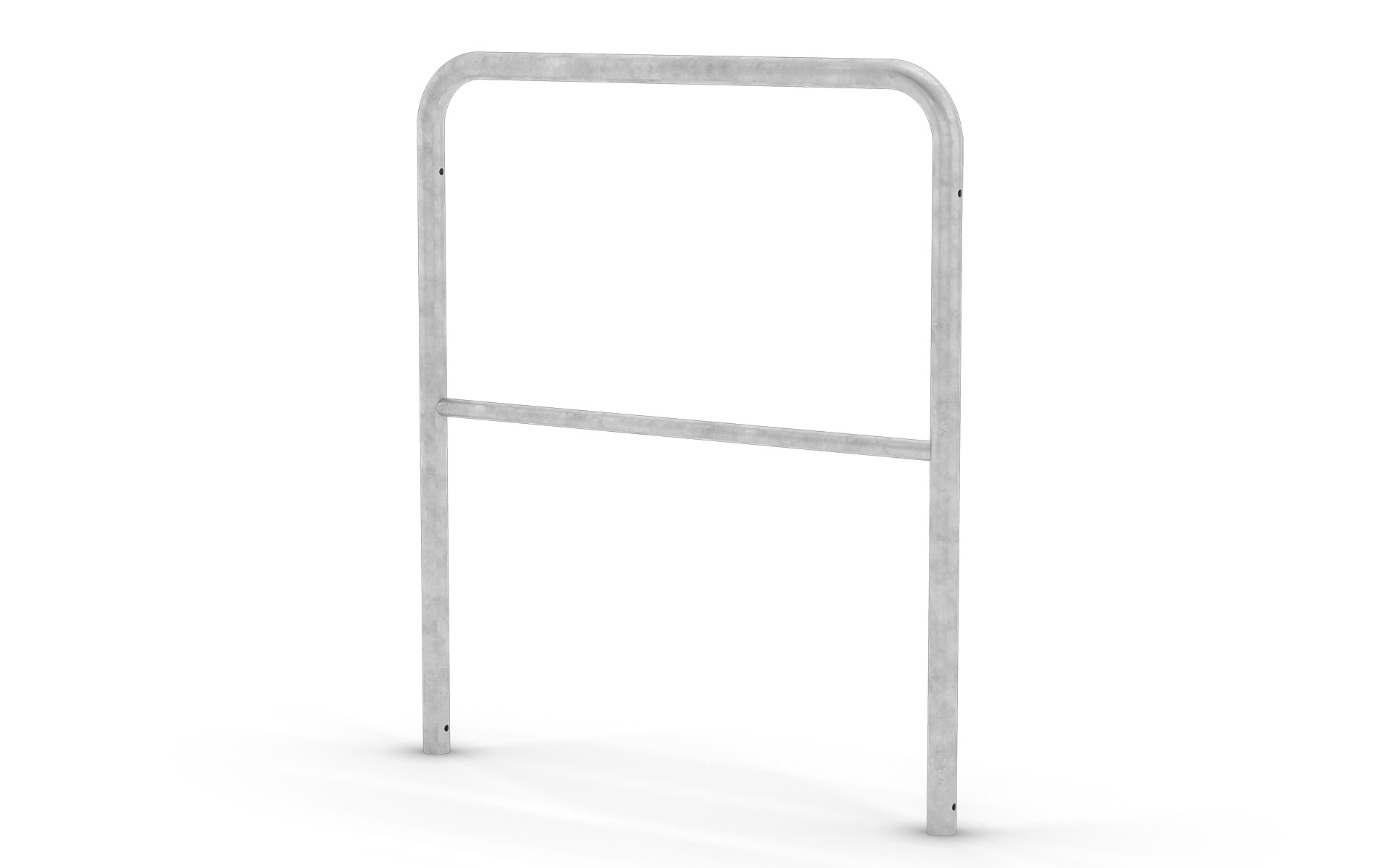



A responsible solution for public spaces
For municipalities, property managers and event organizers, responsibility for public safety is paramount. An unprotected cable across a sidewalk is not just a trip hazard; it signals a lack of professionalism that can lead to liability claims.
A correctly installed cable protector shows that you take responsibility and have considered everyone’s safety – from parents with strollers and wheelchair users to everyday pedestrians.
Need help securing your next project? Contact us at Nordguard, and we’ll help you analyze the risks and find the most effective and economical solution for your specific needs.
Proper installation and maintenance for maximum service life
A cable protector is built to last, but its service life and safety function depend entirely on correct installation and care. Cutting corners here can cause it to shift, wear out prematurely or fail to protect the cables as intended. Follow a few simple principles to ensure your investment performs at its best, year after year.
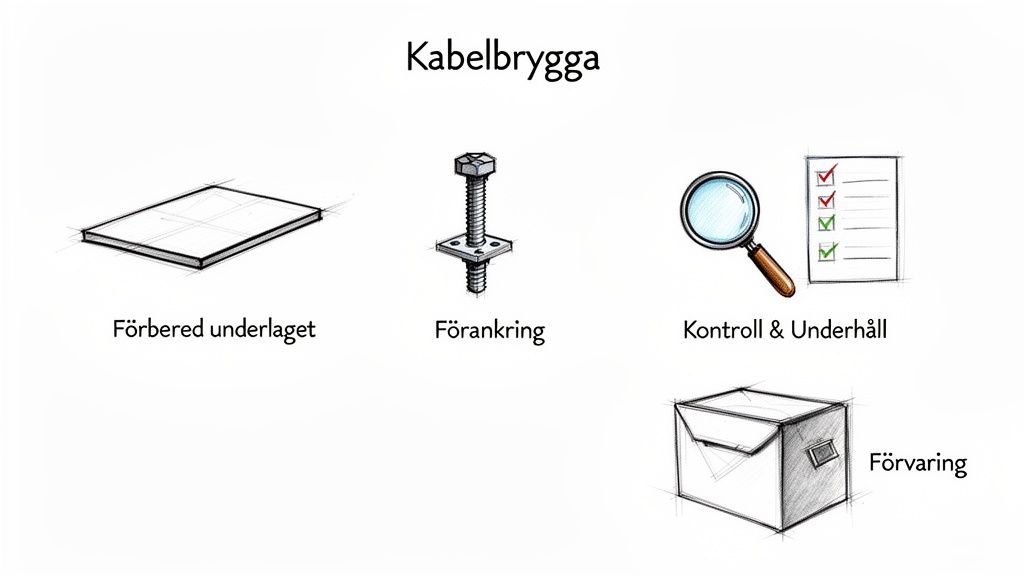
It all starts with the surface. Whether you lay the cable protector on asphalt, concrete or gravel, the surface must be as even and clean as possible. Sweep away stones and debris that could make the protector sit unevenly. A stable base is essential to keep it from rocking or sliding, which can create new trip hazards.
Anchoring – when dead weight isn’t enough
A common question is whether you need to bolt down the cable protector. The answer: it depends on the traffic. For shorter jobs with lighter traffic, such as at a trade show, the product’s own weight is usually enough to keep it stable.
But as soon as heavier vehicles enter the picture, anchoring is an absolute must. Without bolts, you risk it shifting slightly with every pass, which can eventually expose the cables or turn the protector itself into a hazard. The same applies if the surface slopes or if it will stay in place for a long time.
Anchoring a cable protector in heavy-traffic environments is not a recommendation – it’s a basic safety measure. A cable protector that slides has stopped doing its job.
Regular maintenance extends service life
Like all safety equipment, a cable protector needs regular checks. With a simple routine, you can make sure the protection stays up to standard.
Here’s a quick checklist:
- Cleaning: Keep the surface free of mud, dirt and snow to maintain anti-slip performance and visibility. Water and a brush are usually enough.
- Inspection: Regularly check for wear such as cracks or deep tears.
- Anchoring check: If the protector is bolted down, check that the bolts are secure.
When the cable protector is not in use, store it in a dry place out of direct sunlight, stacked flat so it doesn’t lose its shape. By combining proper installation with simple maintenance, you maximize the service life of your cable protector.
A well-managed workplace is also about clear markings. Our products for barricading and marking complement your cable protector and help you create an even safer zone.
 Black
Black Blue
Blue Green
Green White
White


 Gray
Gray
 Blue/Yellow
 Red/Yellow
 Gray
Gray
 Gray
GrayWhat laws and regulations apply to cable protectors?
Laying out a cable protector is not just a practical solution – it is often a requirement for complying with Swedish law and creating a safe environment. When you’re responsible for a workplace or a public area, it’s crucial to know the rules to avoid accidents and legal consequences.
In Sweden, it is primarily the Swedish Work Environment Authority’s regulations (AFS) and the National Board of Housing, Building and Planning’s building regulations that apply. Both sets of rules are clear: workplaces and public spaces must be safe and accessible to everyone.
CE marking – your guarantee of safety
The first thing to look for on a cable protector is the CE marking. This is the manufacturer’s legal declaration that the product meets the EU’s essential health, environmental and safety requirements. A CE-marked product has been tested for everything from load-bearing capacity to material durability.
Buying a cable protector without CE marking is like driving a car without brakes. You take an unnecessary risk and have no guarantee that the product works as it should, which can be an expensive lesson in the event of an accident.
At Nordguard, we only sell products that meet current Swedish and European standards. It’s a given for us, so you can feel confident in your choice.
The Swedish Work Environment Authority sets clear requirements
The Swedish Work Environment Authority’s regulations (AFS) on workplace design require floors and traffic routes to be kept free of anything that could cause trip and fall accidents. Loose cables are a textbook example of such a hazard. With a cable protector, you solve the problem and create safe walkways.
Use has increased as safety awareness has improved. A 2023 report from Svensk Byggtjänst showed that cable protectors were used in 85% of all major municipal projects in southern Sweden, reducing the number of cable damages by 31%. You can read more about how the industry works with safety at Byggfakta Docu.
Rules for public spaces and roadwork
Will the cable protector be placed in a public area, such as a street or a square? Then the Swedish Traffic Ordinance also applies. The product must not become a new traffic hazard. It must be clearly visible and must not block the way for people with disabilities unless you provide an alternative route and clear signage.
Knowing the rules is just as important as choosing the right material. The same principles apply to all protective equipment. Feel free to read more in our guide on regulations and standards for impact protection.
Not sure what applies to your project? Get in touch with us at Nordguard. We’ll help you find a solution that not only works in practice but is also fully compliant with all legal requirements.
Frequently asked questions about cable protectors
Here we’ve gathered answers to the most common questions we come across. These are the practical questions that often come up just before ordering or once the cable protector is in place.
How heavy a load can a cable protector handle?
This is by far the most common – and most important – question. The answer depends entirely on the model’s load class. Capacity can vary enormously. We have everything from lighter versions for foot traffic to tough models that handle a truck weighing over 40 tons. My advice is to always double-check the specifications and choose a model rated for the heaviest vehicle that could possibly pass over it.
Can cable protectors be used outdoors in winter?
Absolutely. Most of our high-quality cable protectors are built to withstand a harsh Nordic climate. The rubber or polyurethane materials resist both cold and road salt. The important thing is to keep the surface free of snow and ice to maintain the anti-slip performance and make sure the high-visibility markings can be seen.
Does the cable protector always have to be anchored to the ground?
Not always, but it’s often a good idea. For temporary jobs on a level surface with light traffic, the cable protector’s own weight is usually sufficient. But for long-term use, on sloping ground or with heavy traffic, we strongly recommend anchoring it. Bolting it down ensures it stays where it should, eliminating the risk of it becoming a hazard itself.
Have more questions, or want to discuss which solution is best for your project? Don’t hesitate to get in touch. We at Nordguard will help you find the right fit. Visit us at https://nordguard.eu.
Ready to take the next step?
We help you develop solutions tailored to your needs. At Nordguard, we strive to make the ordering process as smooth as possible. By offering support and guidance throughout the entire purchasing experience, we make sure you feel confident and satisfied with your choice of protection products.+46 10 153 90 50
[email protected]