
A Practical Guide to Traffic Cones and Safe Barriers
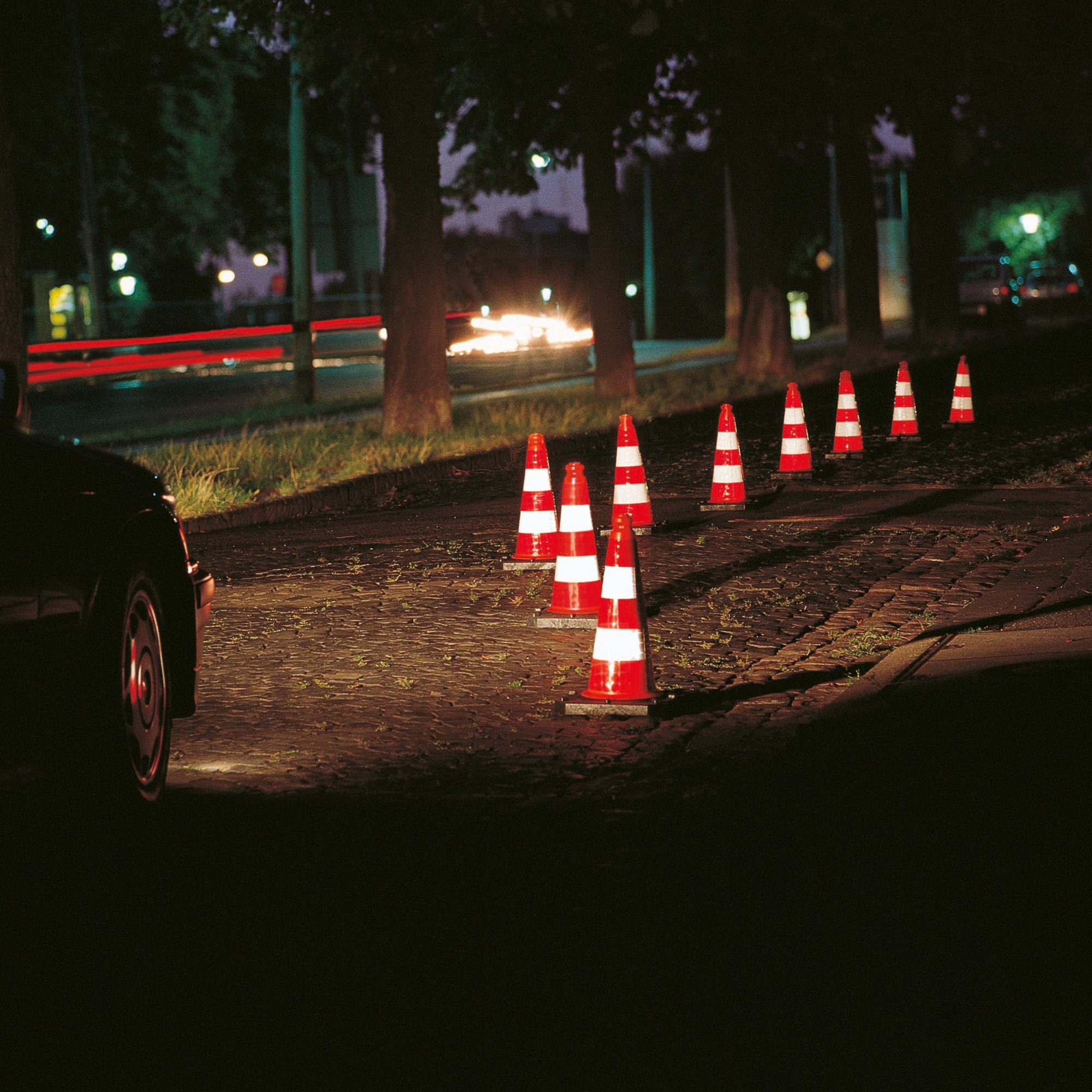
A traffic cone is much more than just an orange obstacle on the roadside. It is one of our most fundamental safety tools, designed to temporarily redirect traffic, warn of unexpected hazards and protect people. The cone serves as an immediate, clear visual signal to road users when the normal flow of traffic has to be interrupted, whether for roadwork, an event or a sudden accident.
More than just a plastic cone on the road
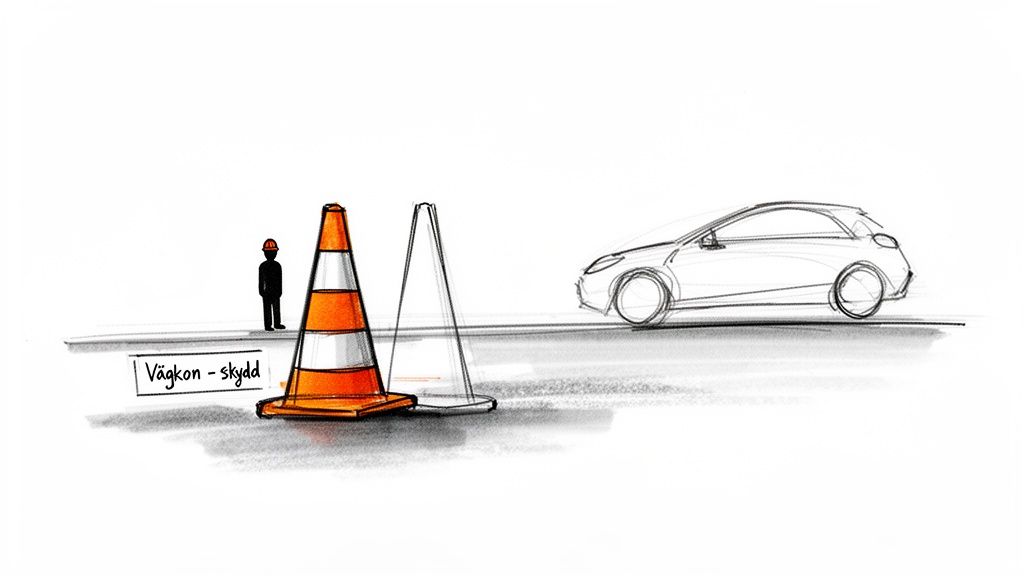
For most of us, a traffic cone is synonymous with a stop or a detour. But its real function is proactive, not just reactive. Placed correctly, the cone is a communication tool that actively prevents accidents, protects on-site personnel and creates order in potentially chaotic situations. The problem is that many people see it as a simple disposable product, but a poorly chosen or misplaced cone can have devastating consequences.
Without these simple but effective aids, the risk of incidents would rise dramatically. Picture roadwork on a busy street; it is the cones, often combined with barrier posts or impact protection, that create the vital physical and psychological barrier guiding drivers safely past the work zone.
The critical role in modern traffic safety
The consequences of using the wrong type of cone, or placing it incorrectly, can be enormous. A common problem is a cone that is too light being blown away by the draft from a passing truck and ending up in the lane, creating an immediate, life-threatening situation. Understanding the cone’s function as a life-saving component is the first step toward realizing how important it is to choose the right product for the right purpose.
A traffic cone is not decoration but an active part of a safety system. Choosing a product that does not meet the requirements is like installing a smoke alarm without batteries – it gives a false sense of security that can have catastrophic consequences.
This challenge is becoming increasingly evident as traffic on our roads grows. In Sweden, total traffic volume has increased by over 50 percent since 1990, and in 2022 around 110 billion vehicle kilometers were recorded. This trend places enormous demands on safety and infrastructure, especially for municipalities and construction companies responsible for safety in our shared spaces. You can read more about Swedish traffic trends at Trafa.se.
A partner for guaranteed safety
Whether you represent a municipality, a construction company or a housing cooperative, choosing the right traffic cone and barrier equipment is absolutely critical. It is about navigating regulations, understanding technical requirements and making sure every product is CE marked and approved for its intended use. A common mistake is buying a cheap, non-approved cone that not only leads to fines but, in the worst case, puts lives at risk.
Nordguard is more than just a supplier; we are your expert partner who solves these problems. We make sure you get CE-marked, tested products that deliver the safety your project demands. Do you have an upcoming project and feel unsure which regulations apply? Contact us, and our experts will help you make a safe, correct choice from the start.
Understand the rules that govern your choice
Choosing a traffic cone is not about finding the cheapest option. It is a decision governed by strict regulations and technical standards, all to guarantee safety. Every cone placed in a public space must meet specific requirements to be legal and do its job.
Taking chances with the wrong equipment can be costly and dangerous. A non-approved cone can be blown over by the draft from a truck, be nearly invisible in the dark or simply fail to give drivers the warning time they need. This not only increases the risk of accidents but can also have legal consequences for whoever is responsible. In other words, knowing the basics is a pure investment in safety.
What does the CE marking EN 13422 mean?
When you see a traffic cone marked SS-EN 13422, it is more than just a logo. It is a seal of quality, a guarantee that the cone has been tested and meets the common European standard for portable road equipment. The marking is your assurance that it can handle the demands out on the road.
The standard sets requirements on several key points:
- Visual performance: How well the cone can be seen, both in daylight and in headlights.
- Physical performance: How stable it is in wind, how it withstands impact in cold temperatures and how much it weighs.
- Durability: How the material withstands weather, wind and UV radiation from the sun over time.
A CE-marked traffic cone is therefore a product you can rely on. For you as a project manager or buyer, it means the equipment not only complies with the law but is actually built to work when it really matters.
The different weight and reflectivity classes
Within the standard there are different classes that help you choose the right cone for the right location. The two most important to keep track of are weight class and reflectivity class. The weight determines how firmly the cone stays in place as vehicles rush past, while the reflectivity class determines how visible it is in the dark.
Putting out a cone that is too light on a high-traffic road is like using a paperweight in a storm. It won’t stay where it’s needed, creating an immediate and unpredictable hazard.
To make the choice easier, we have boiled down the essentials into a quick guide.
Quick guide to SS-EN 13422 requirements
This table helps you quickly choose the right product according to the European standard.
| Feature | Description | Common classes & meaning |
|---|---|---|
| Weight Class | Indicates the cone’s stability against wind. | W1-W9: Higher number = heavier and more stable. |
| Reflectivity Class | Defines visibility in the dark. | R1B: Standard reflectivity for lit areas. |
| R2B: High reflectivity, required for high-speed roads. |
Getting to grips with all the technical requirements can feel overwhelming. For a deeper understanding of how different regulations affect safety at your workplace, read more about safety, certification and standards in our knowledge base.
At Nordguard, we sell only CE-marked, approved products. That makes the choice easy and safe for you. Unsure which class your project requires? Contact us, and our experts will make sure you meet all requirements and find the most cost-effective and safe solution.
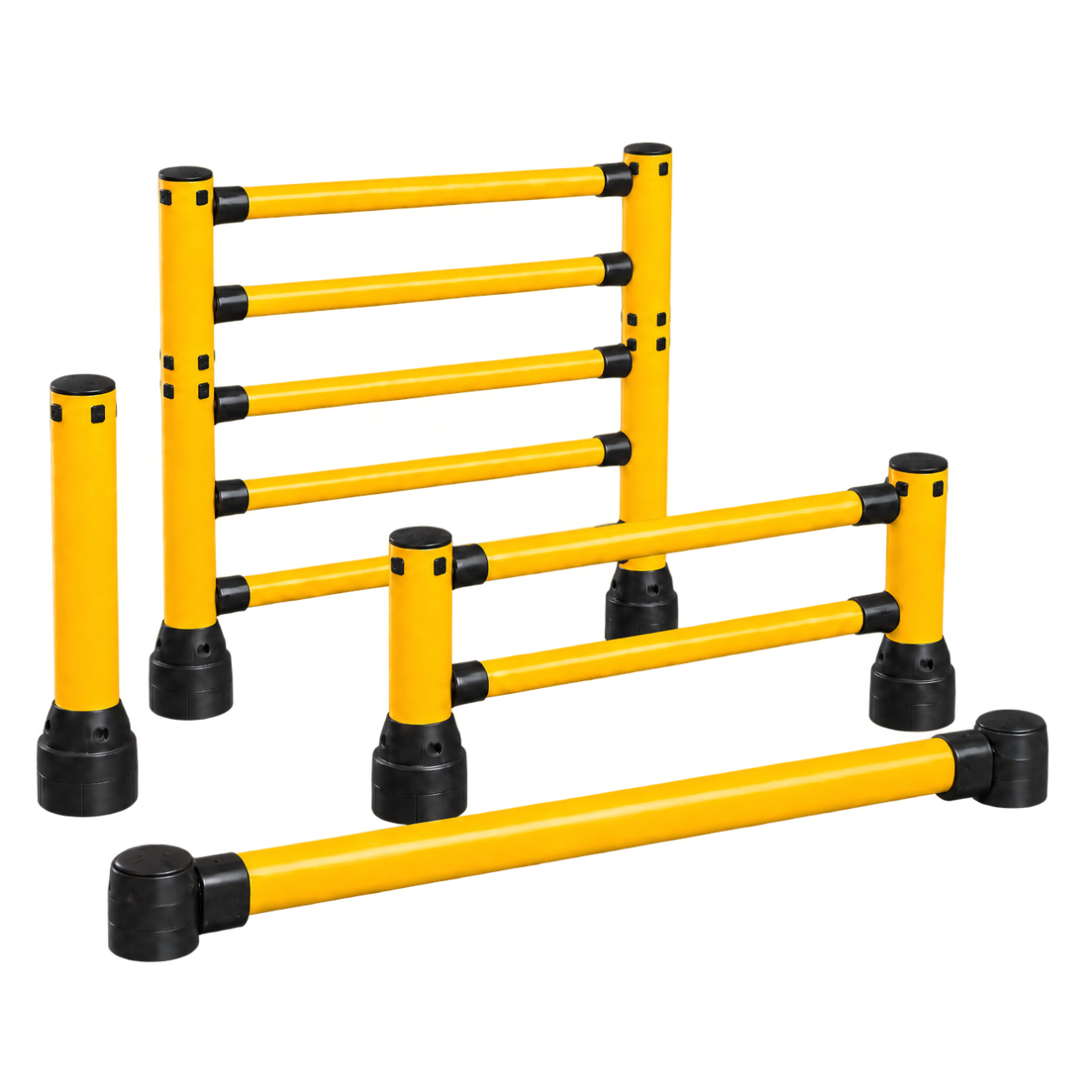
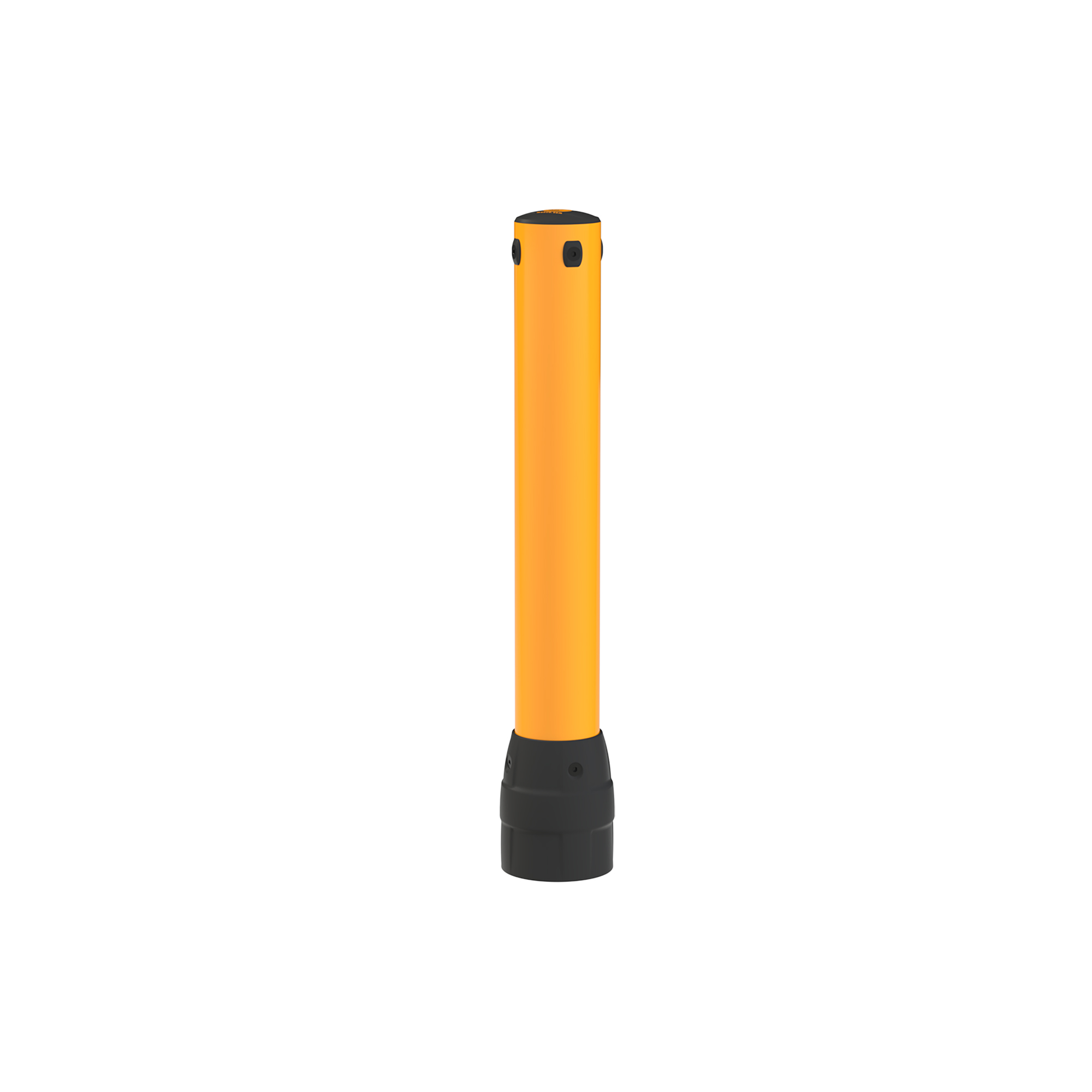
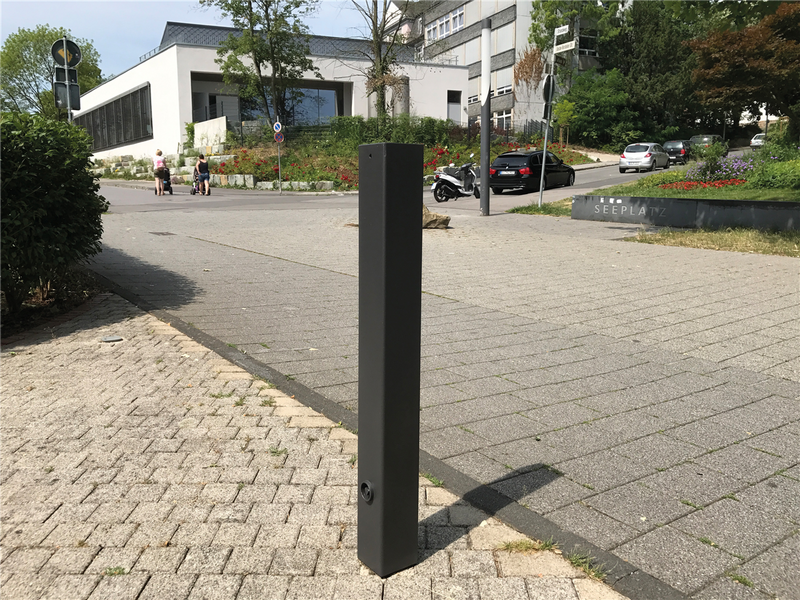
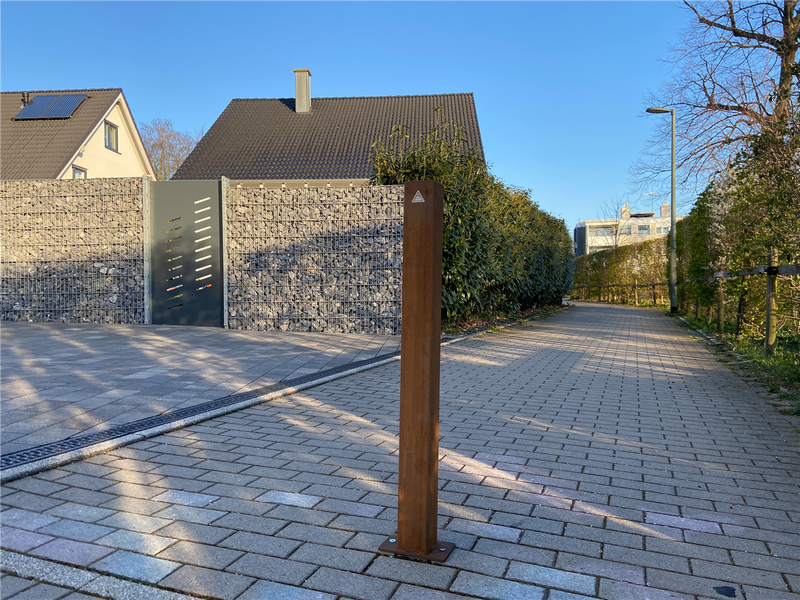
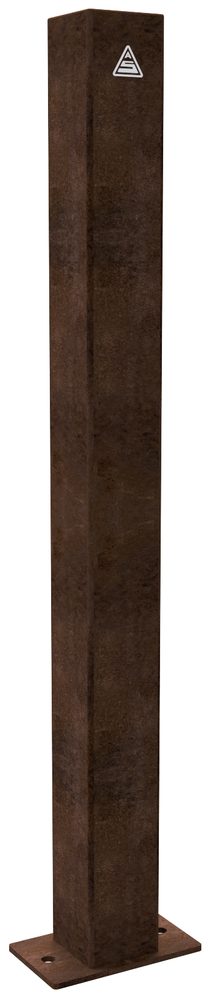
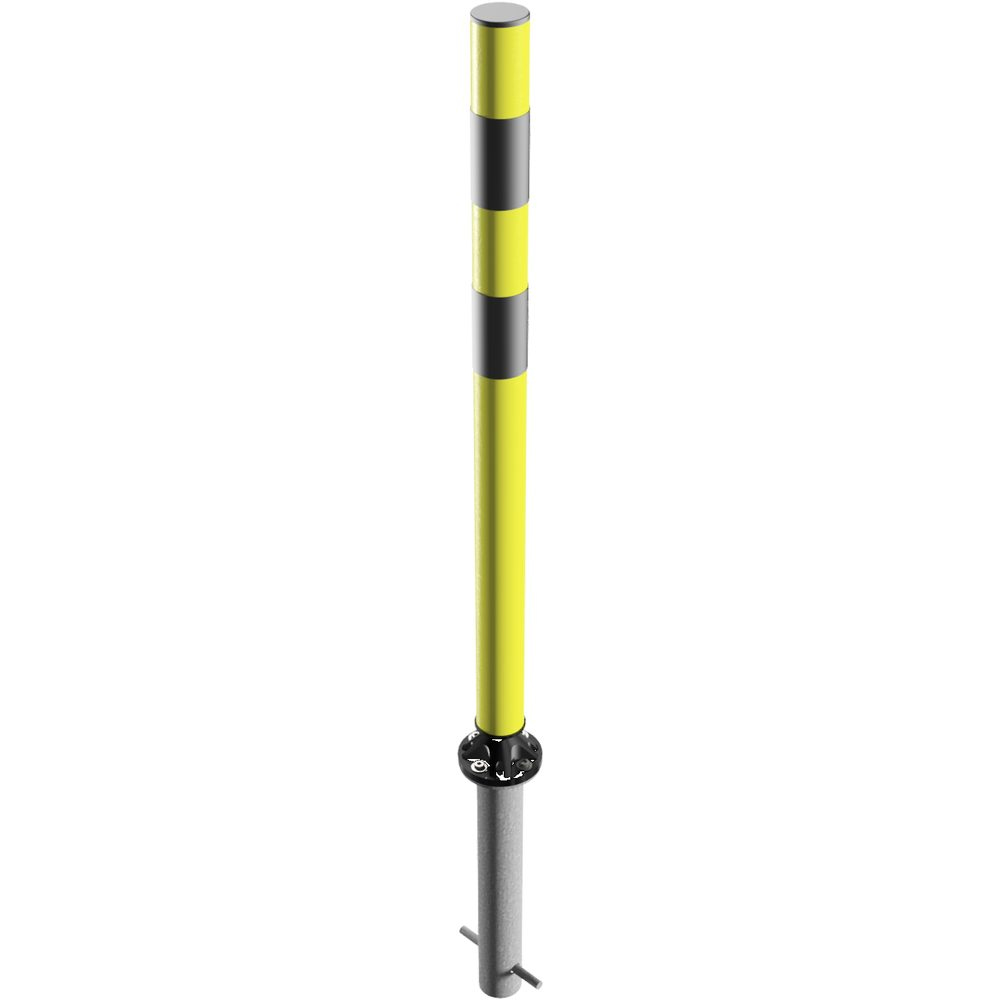
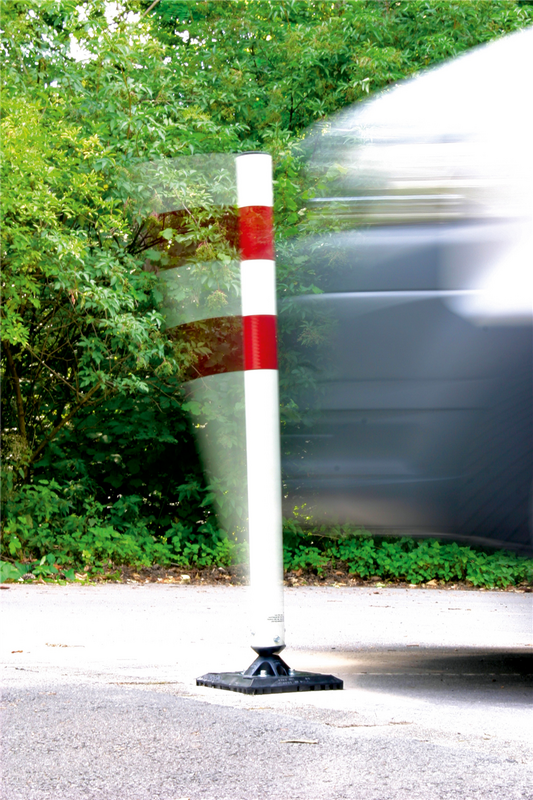
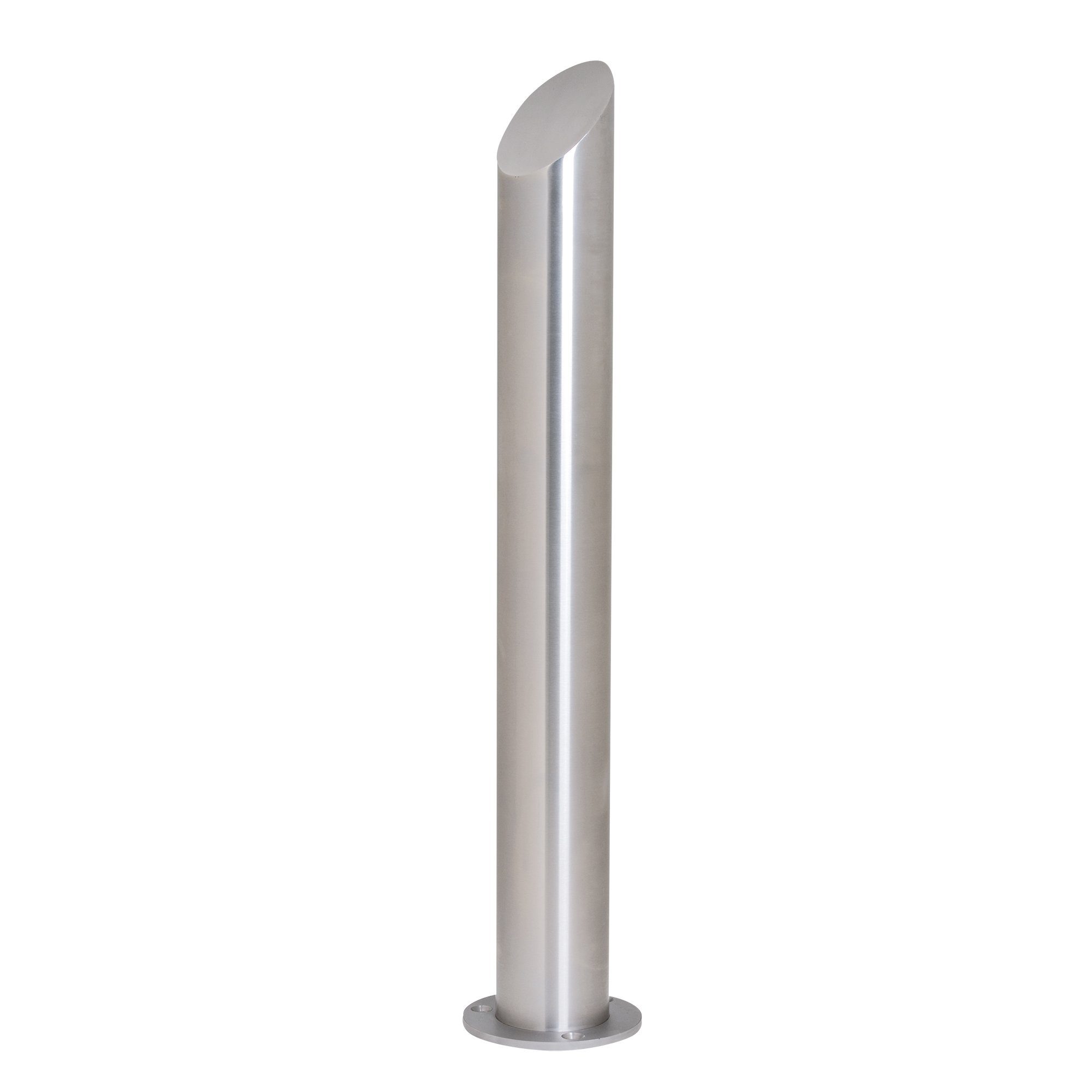
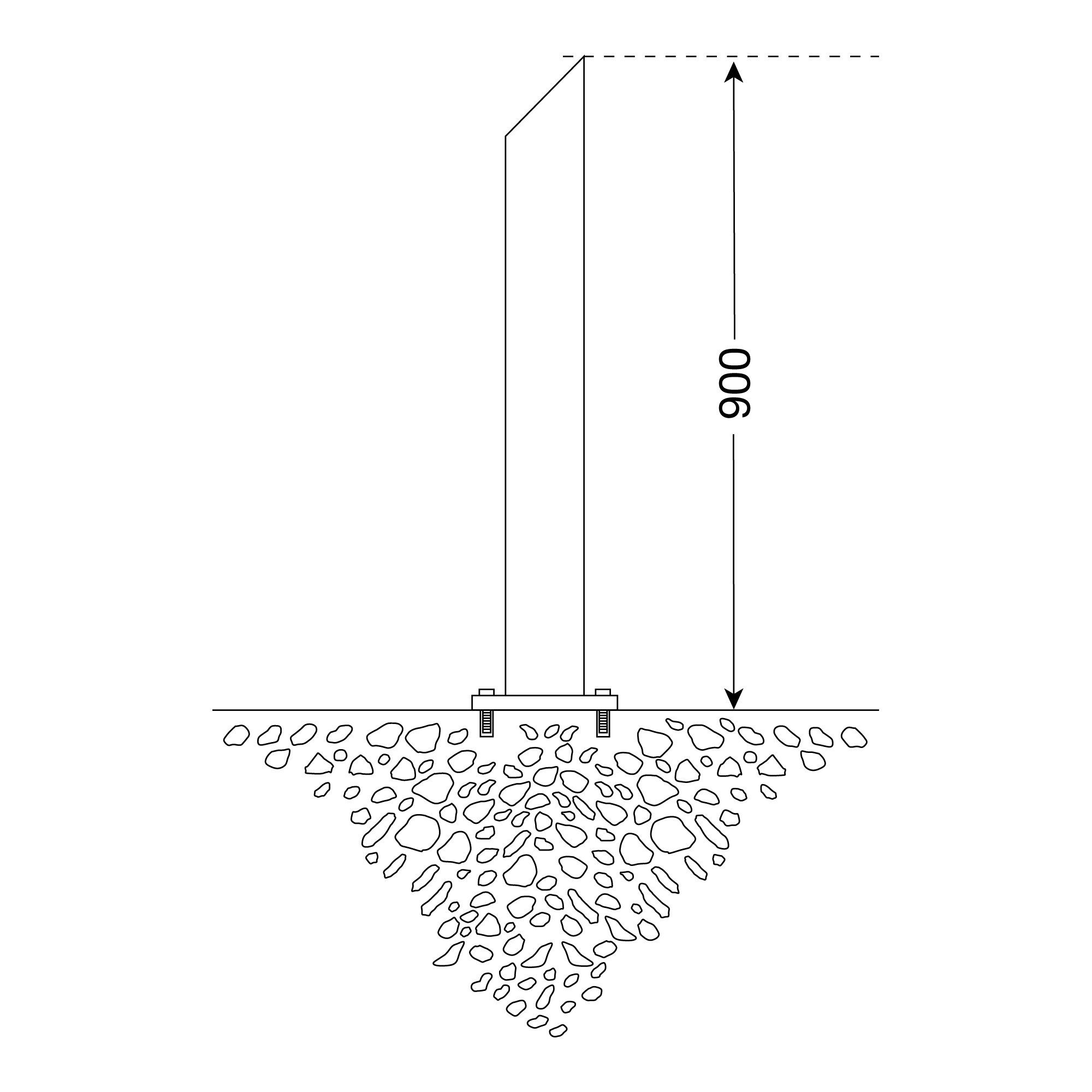
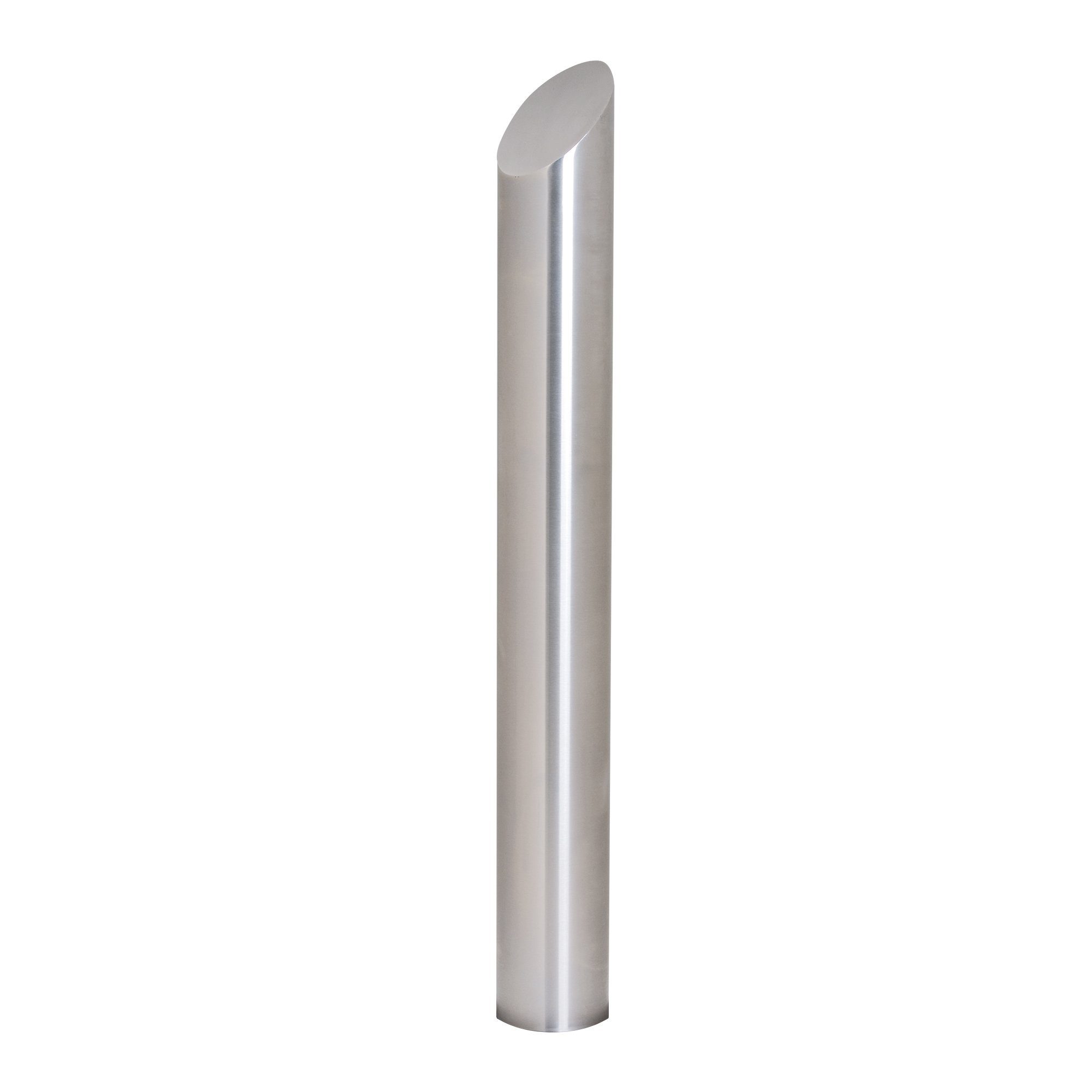
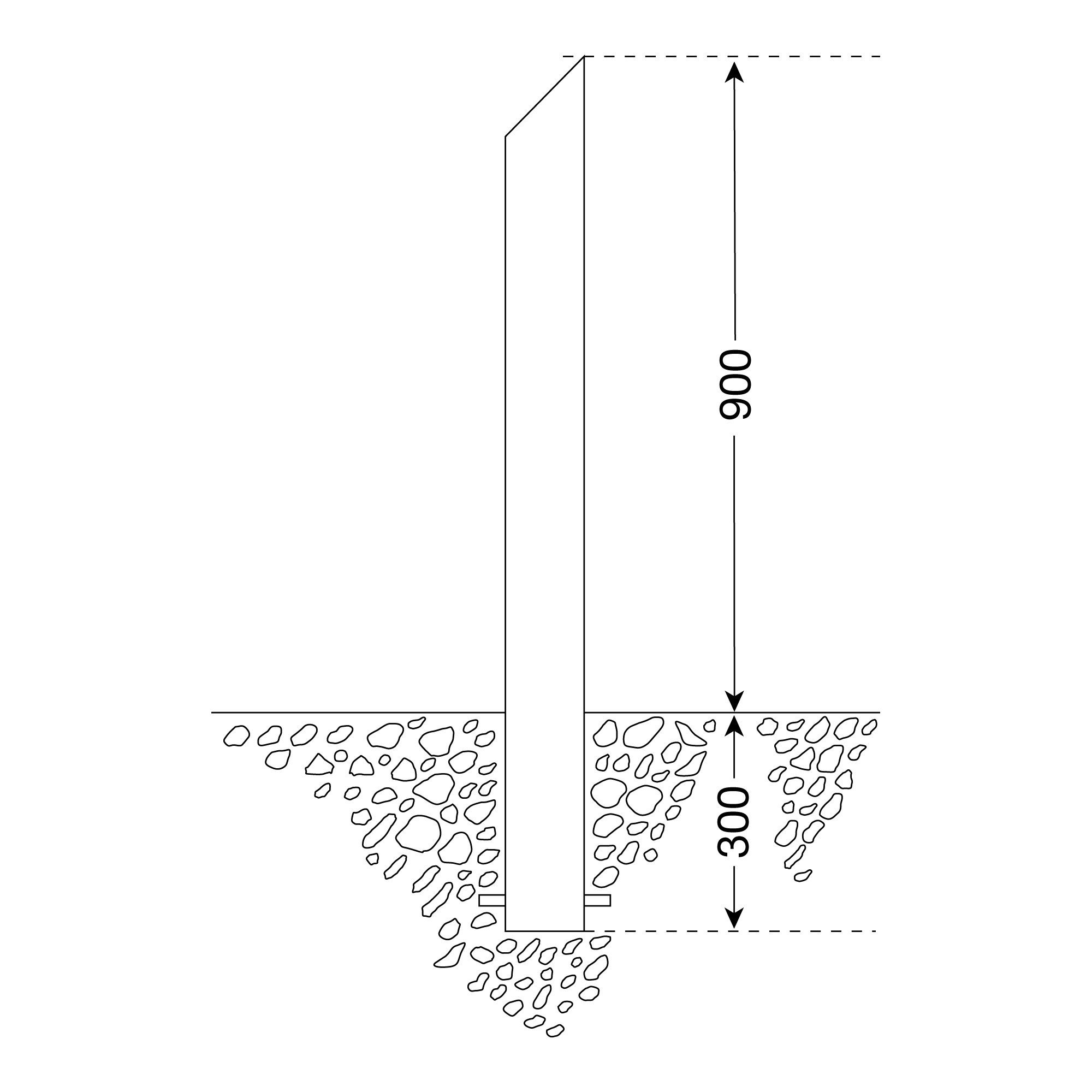
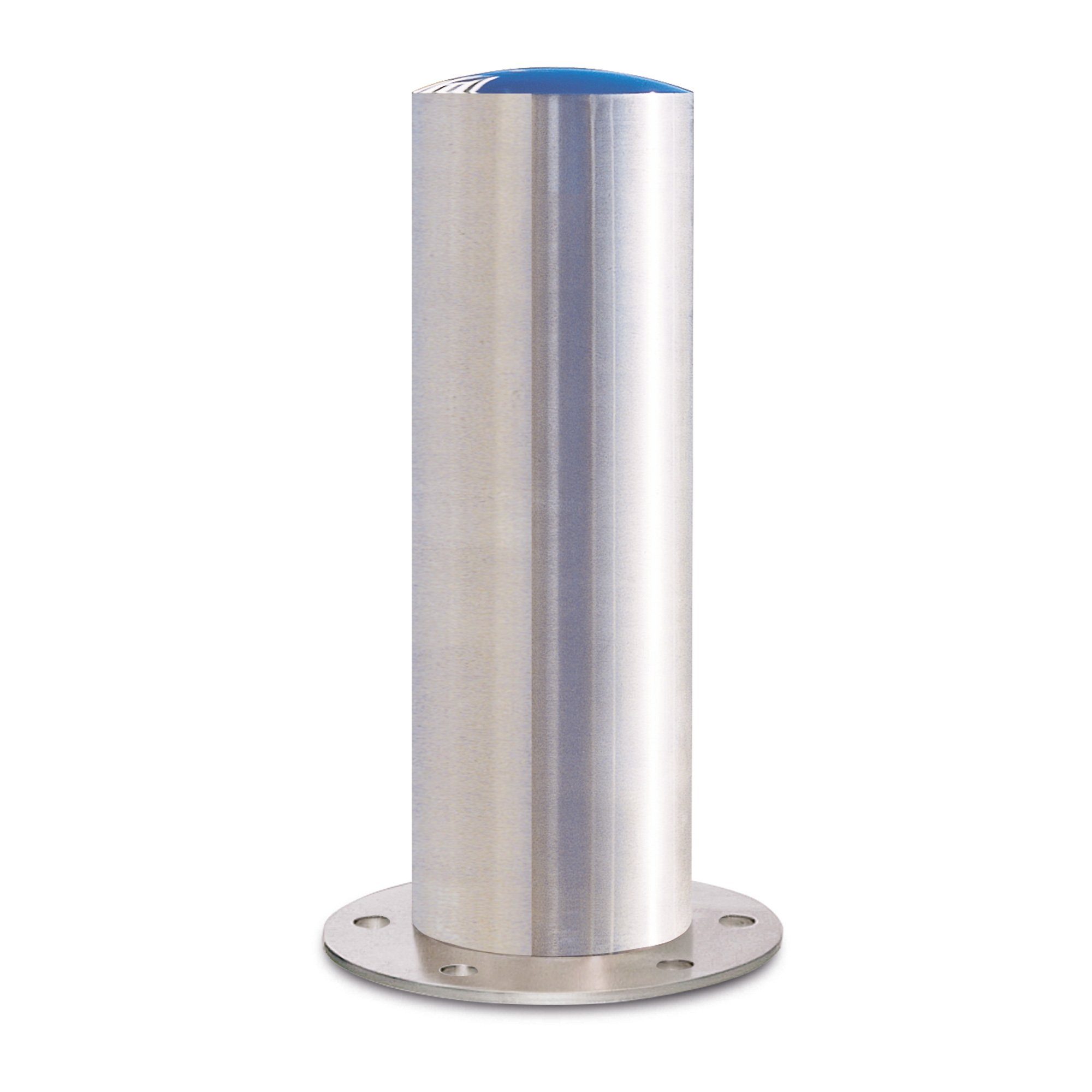
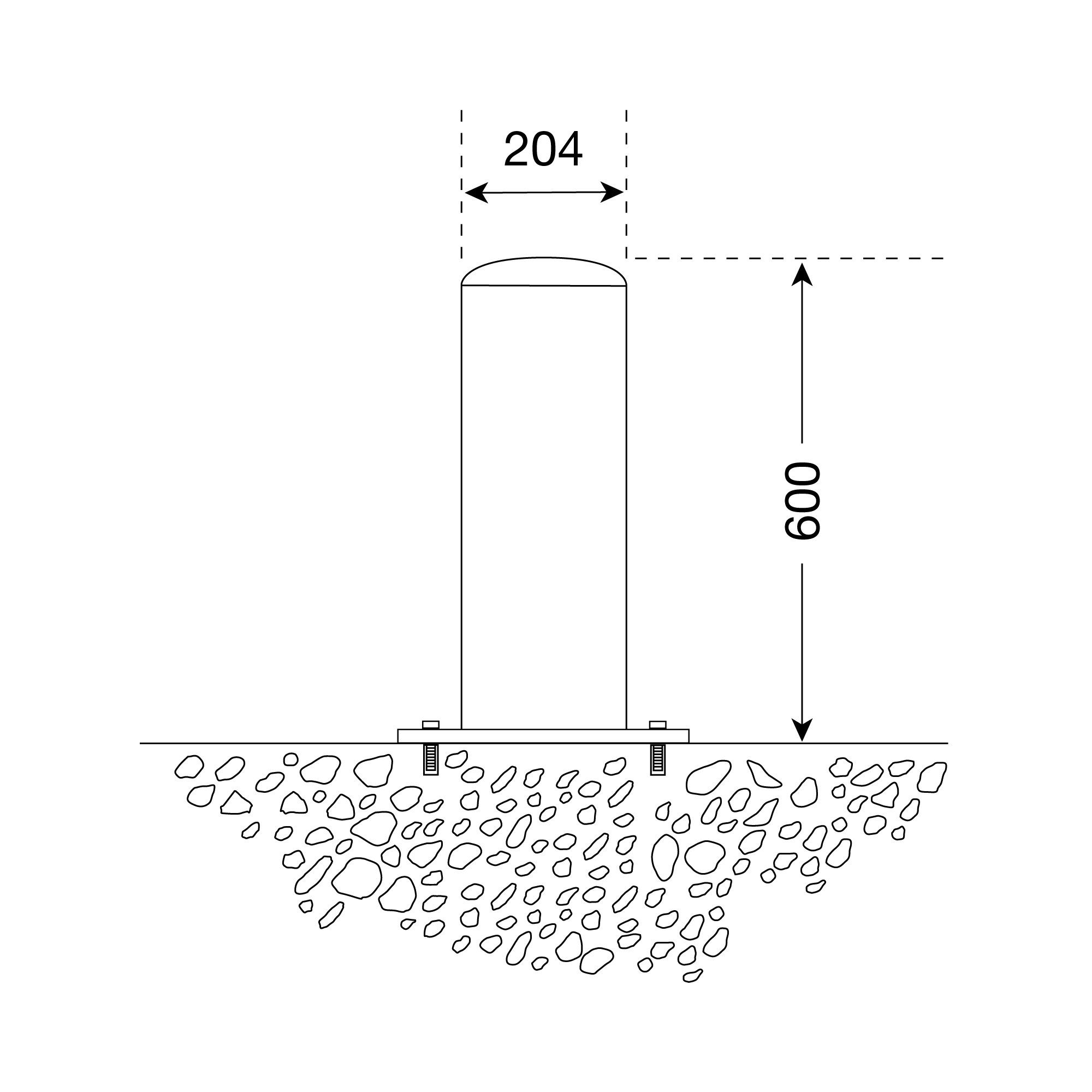
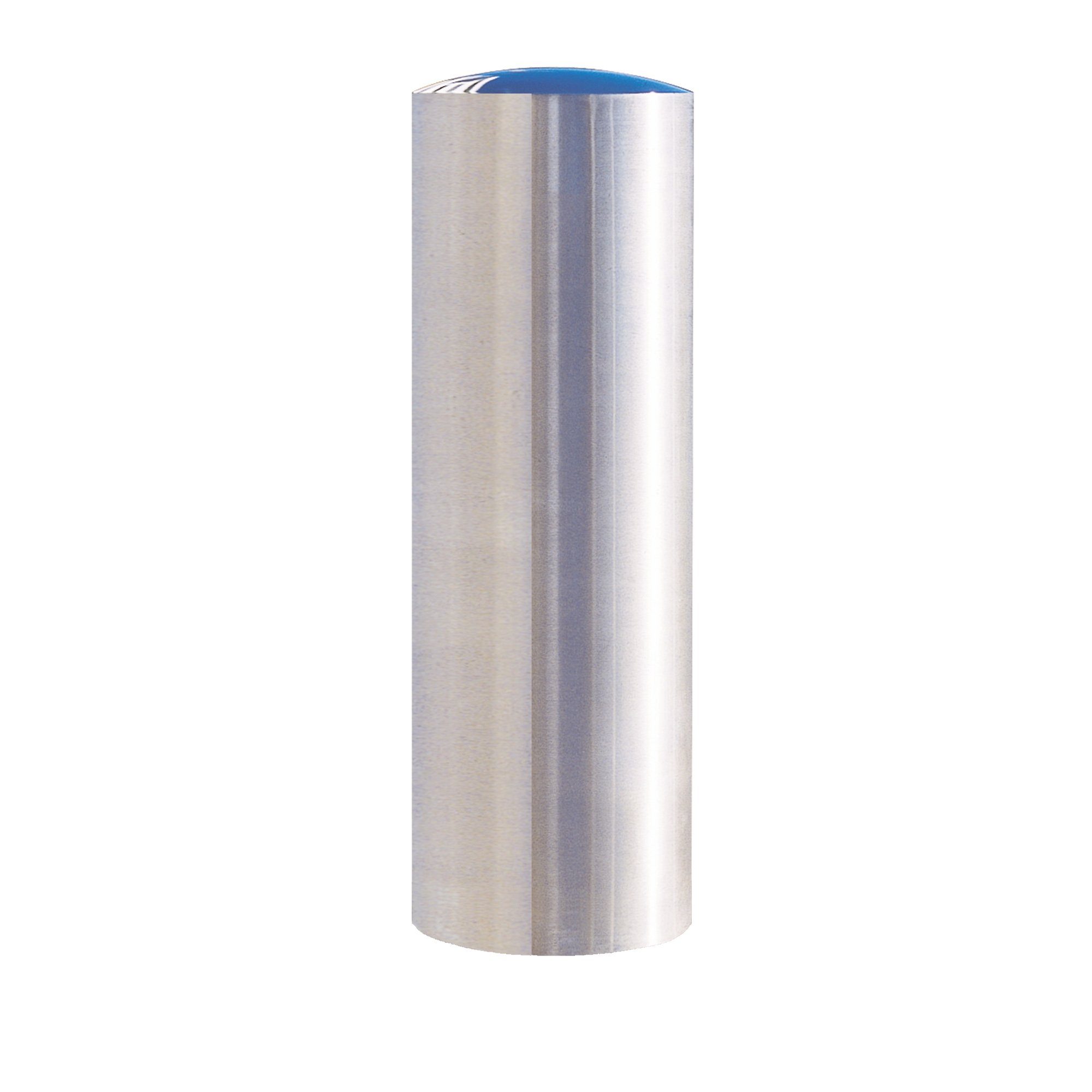
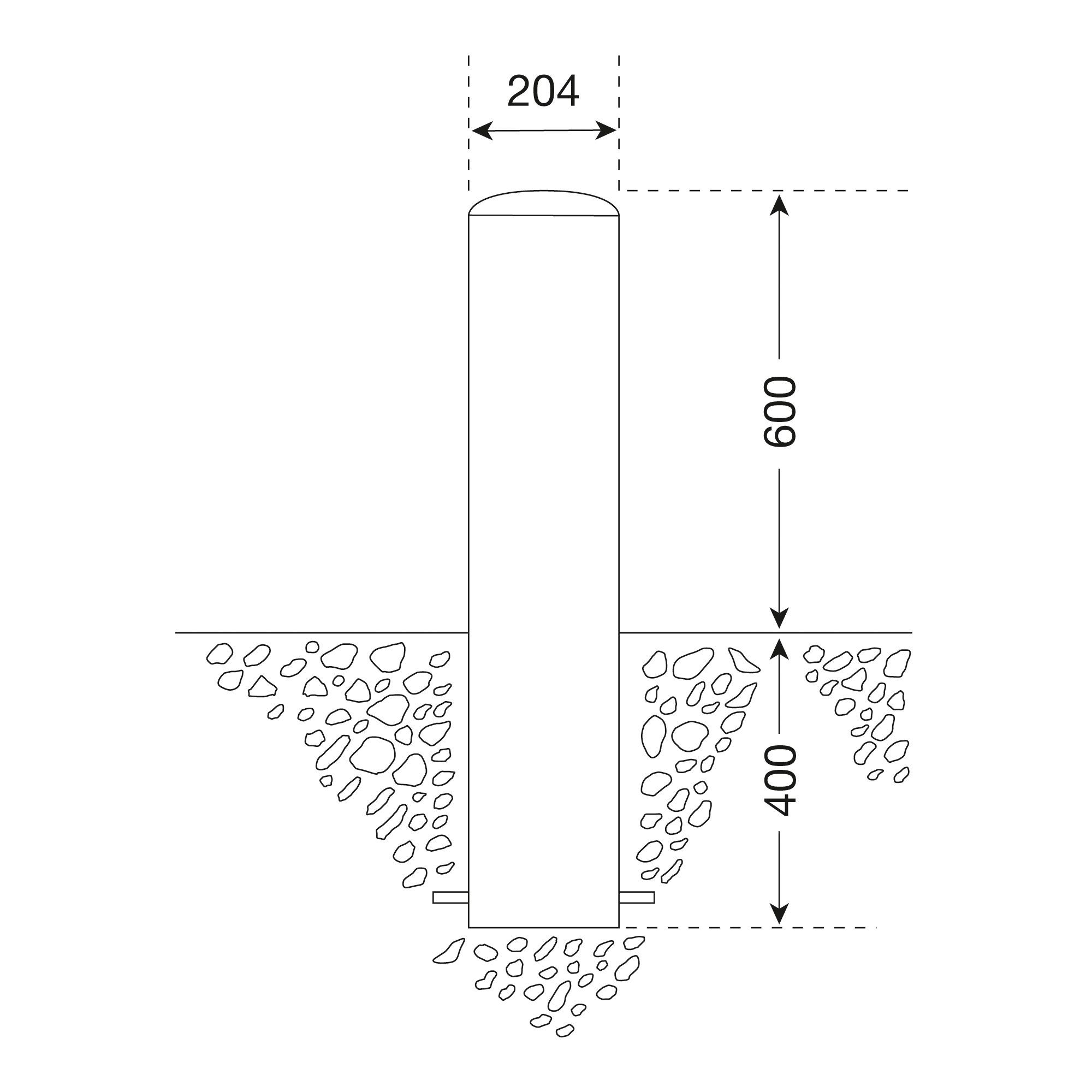
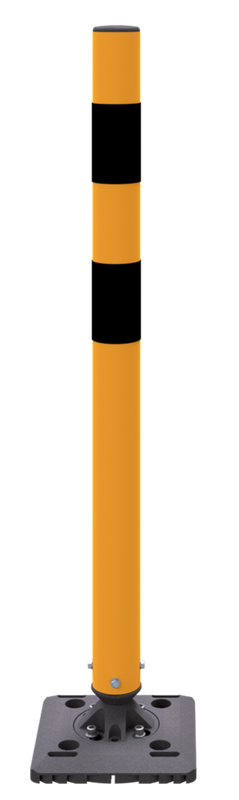
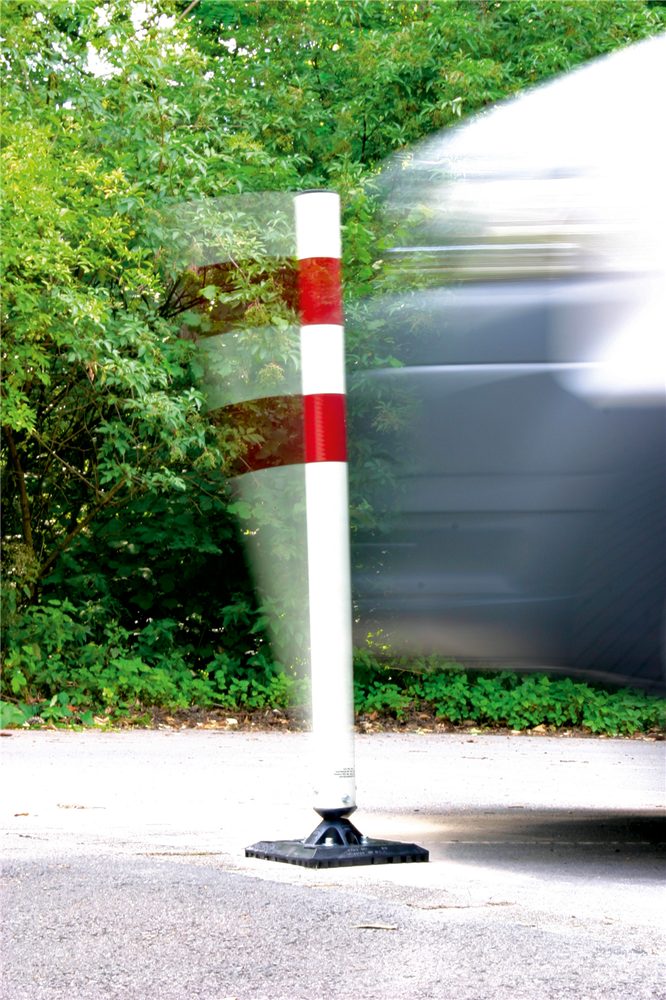
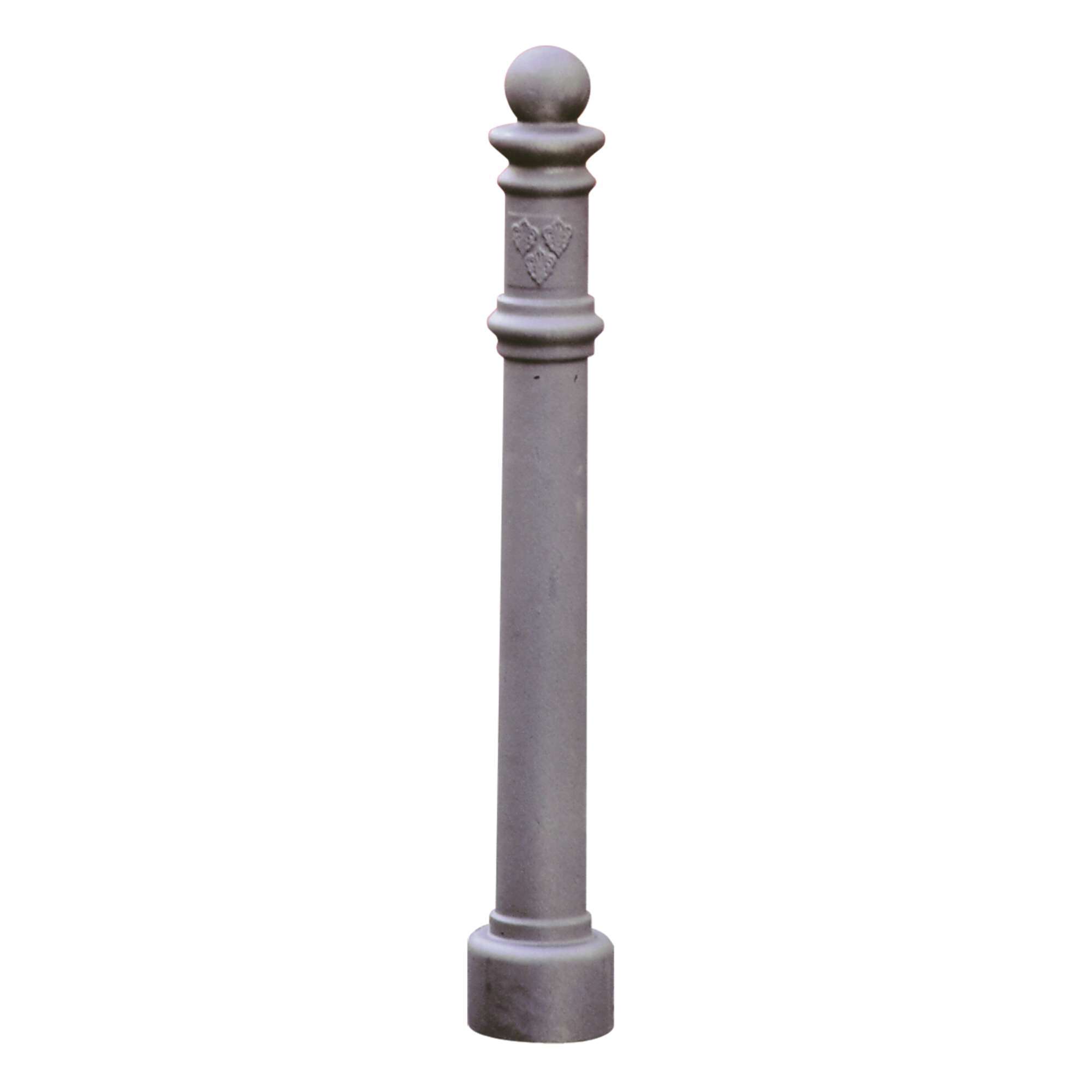
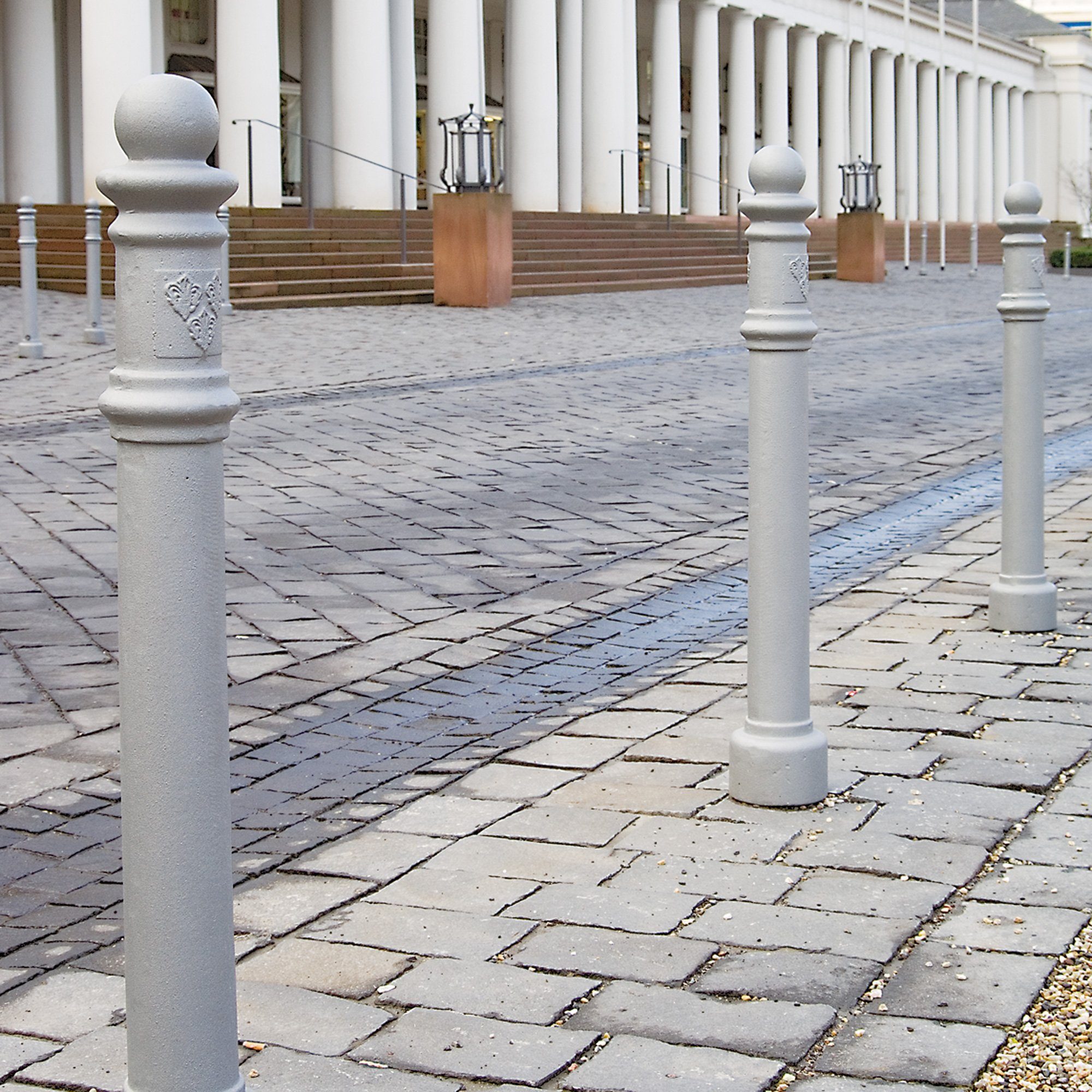
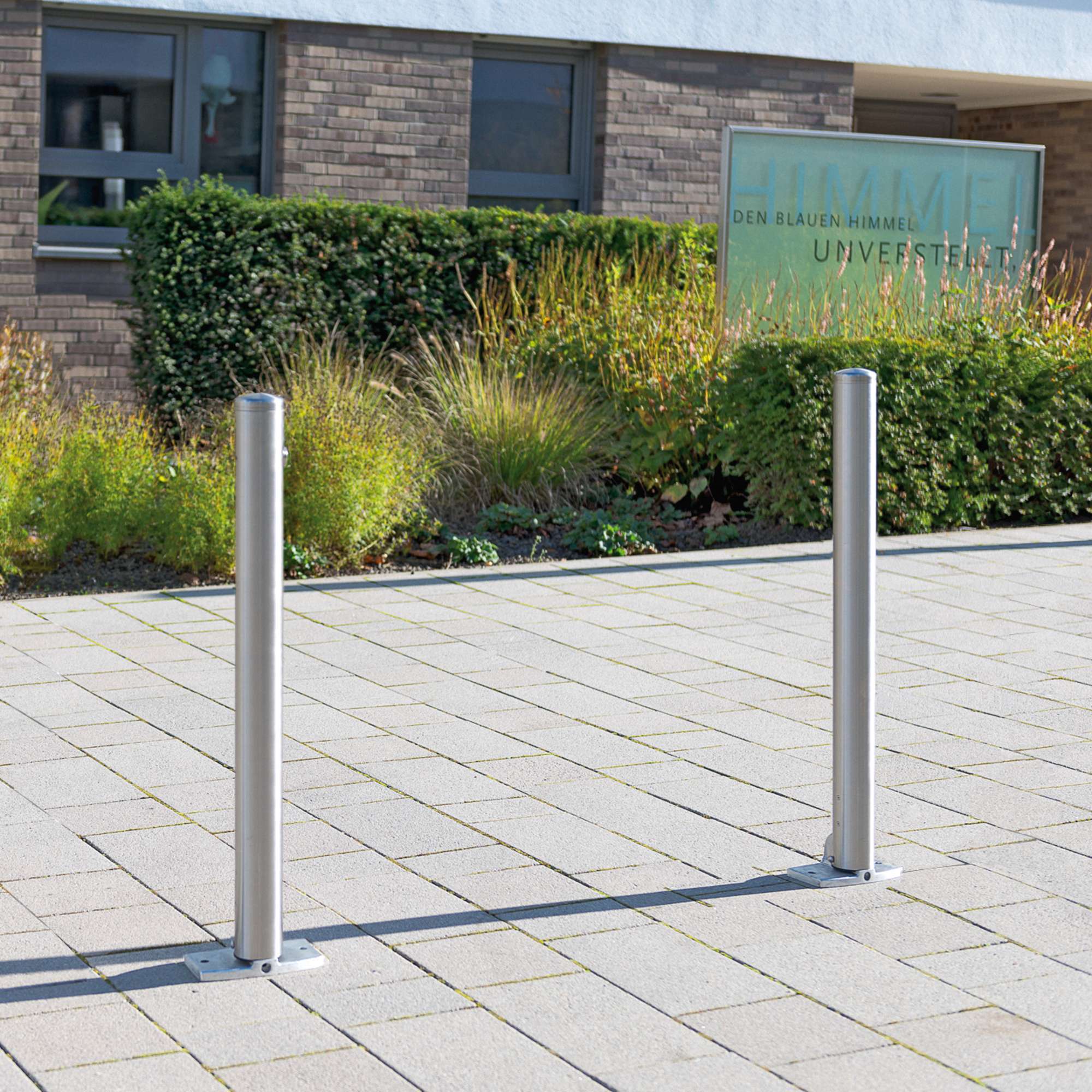
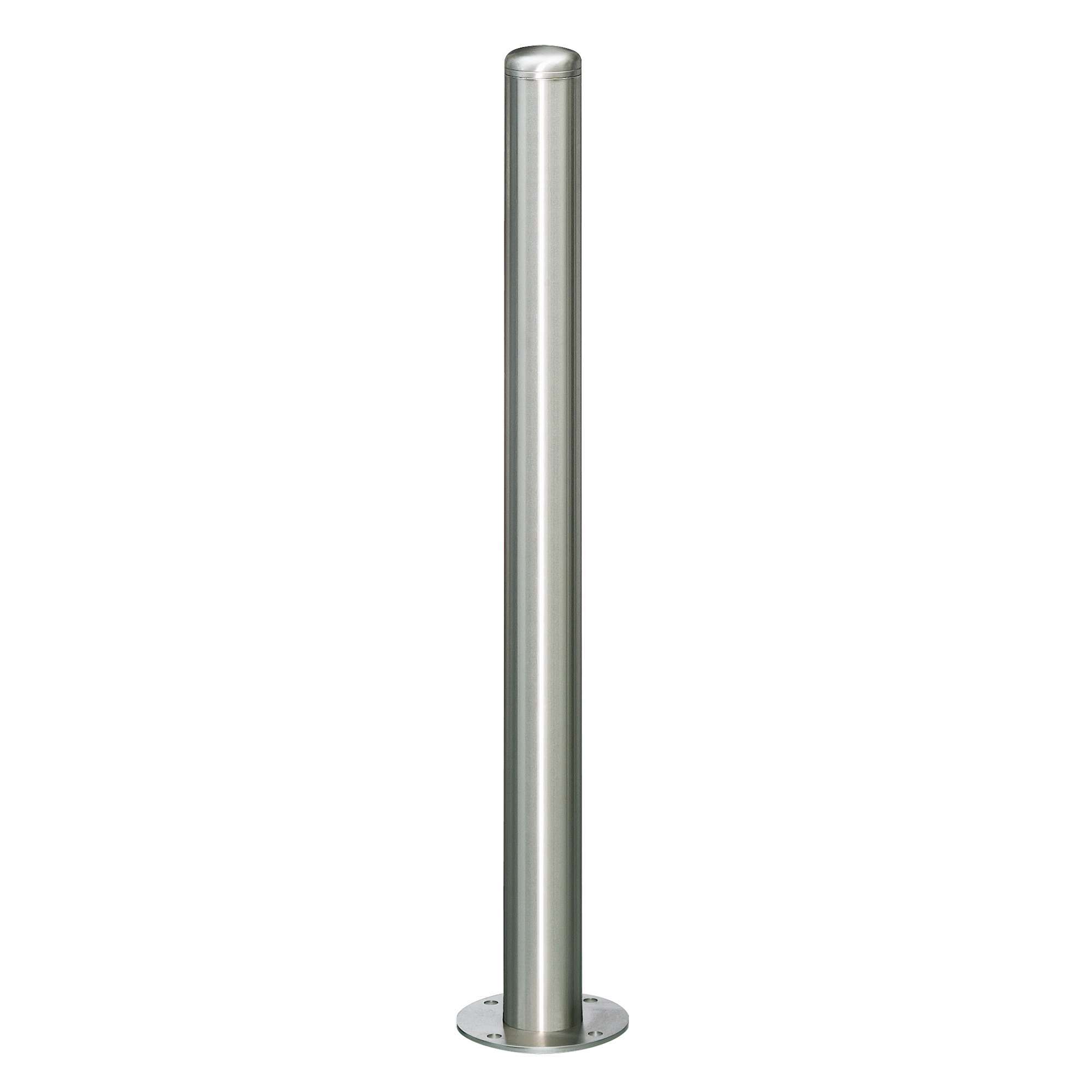
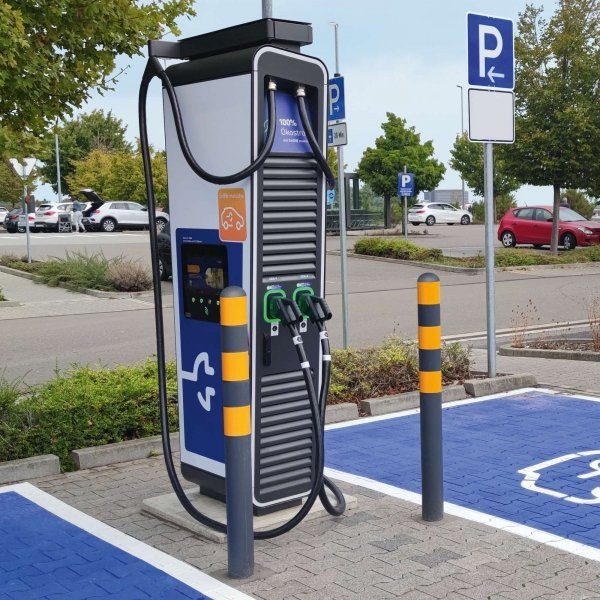
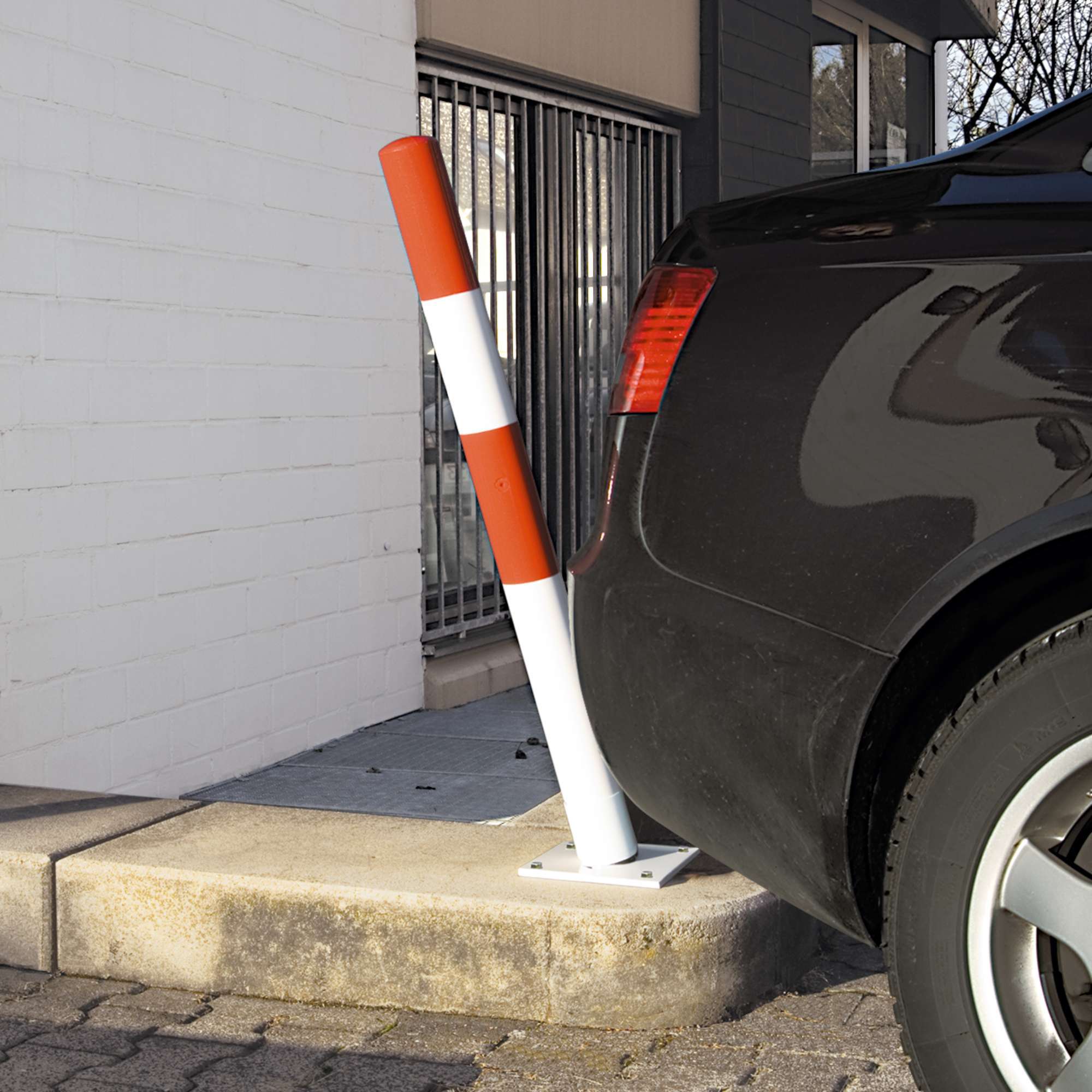
For larger projects where both safety and a consistent visual appearance matter, fixed bollards can be an excellent complement.


 Black/Yellow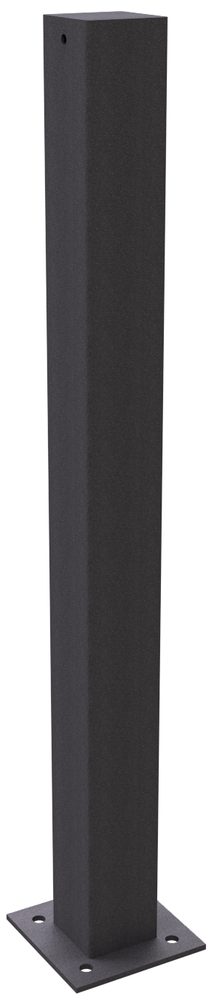

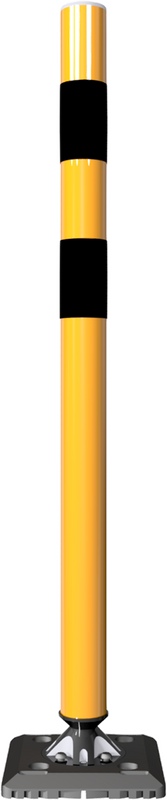 Black/Yellow
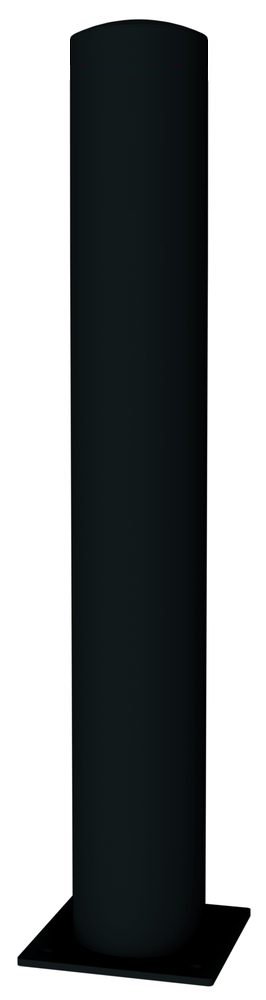
 Anthracite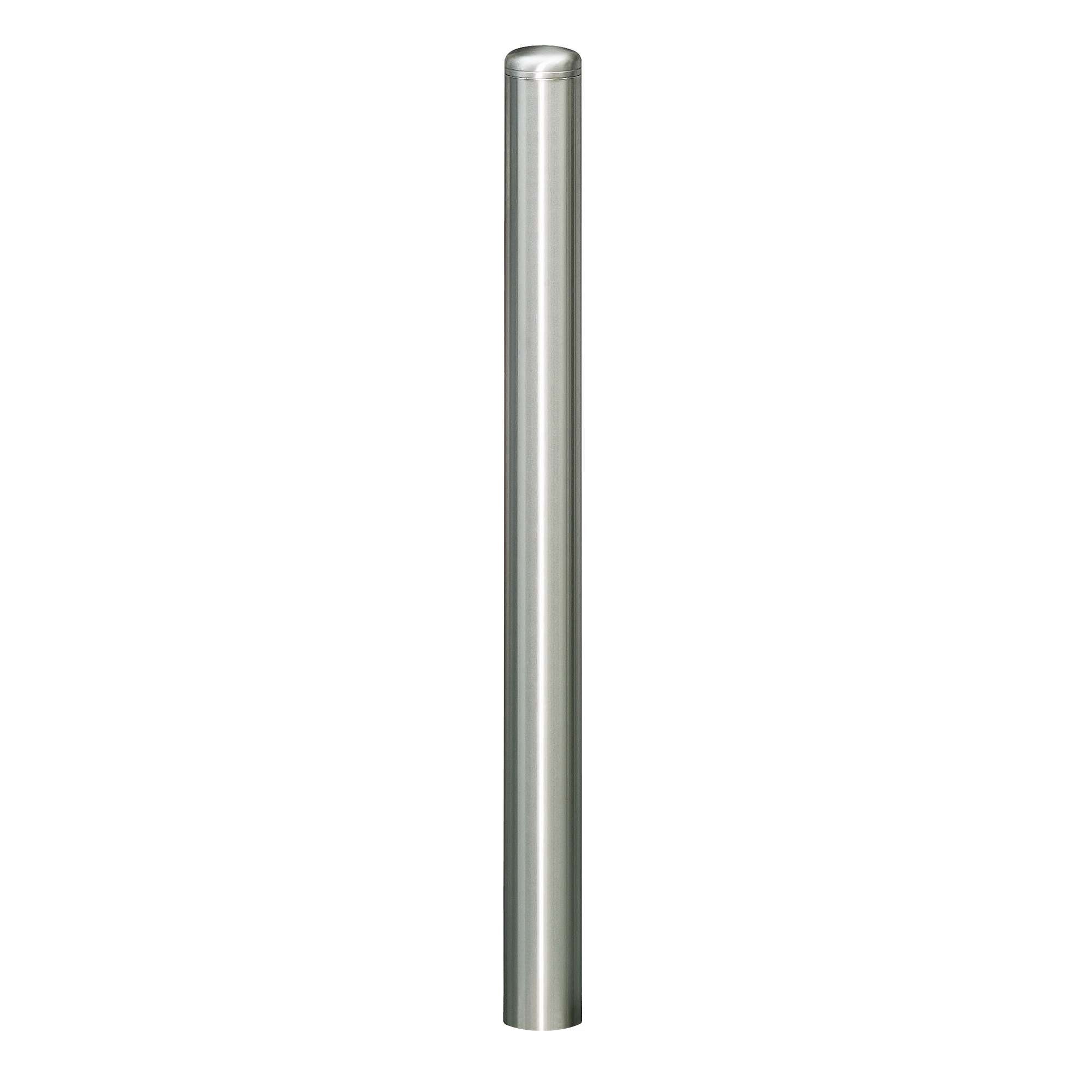
 Stainless steel
 Stainless steel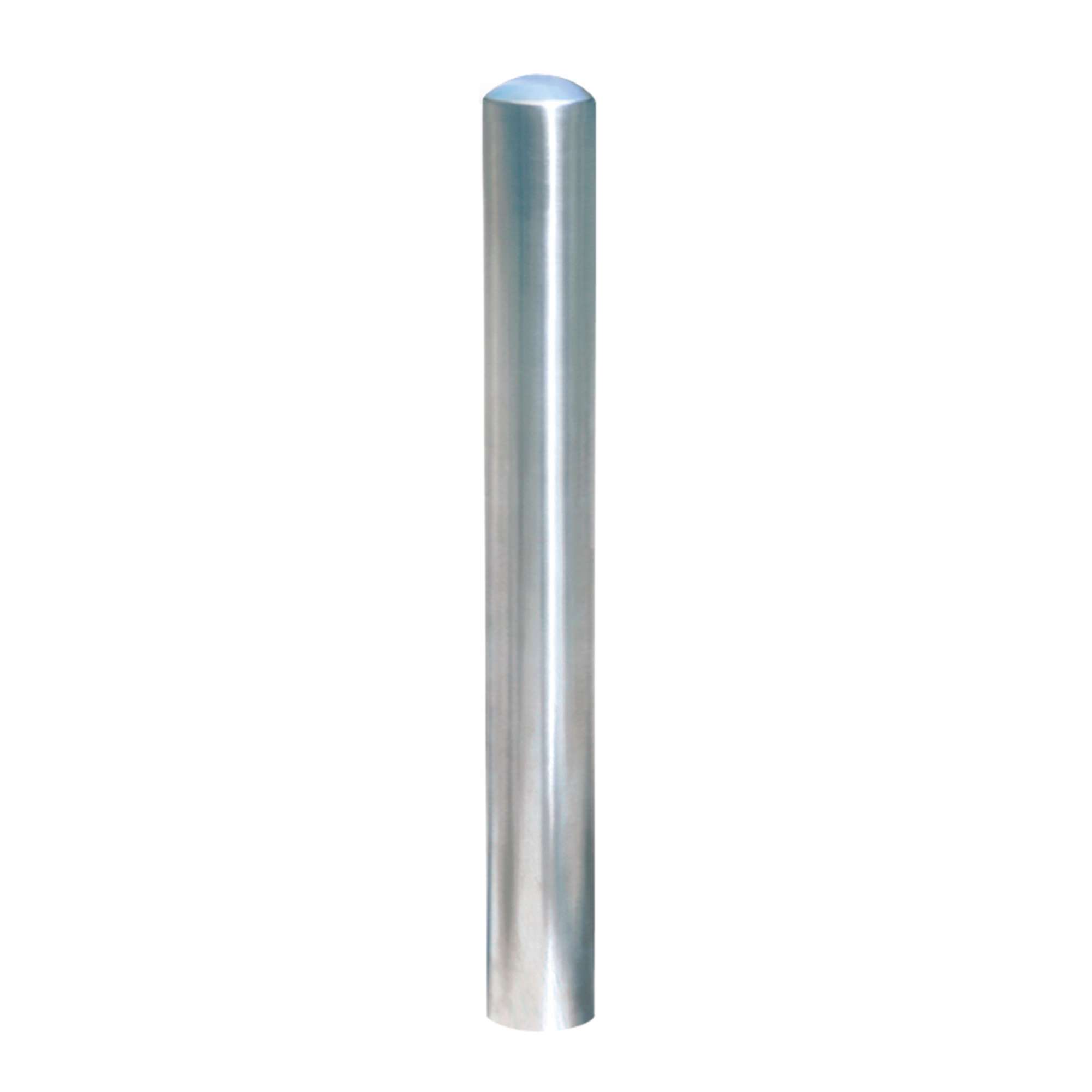
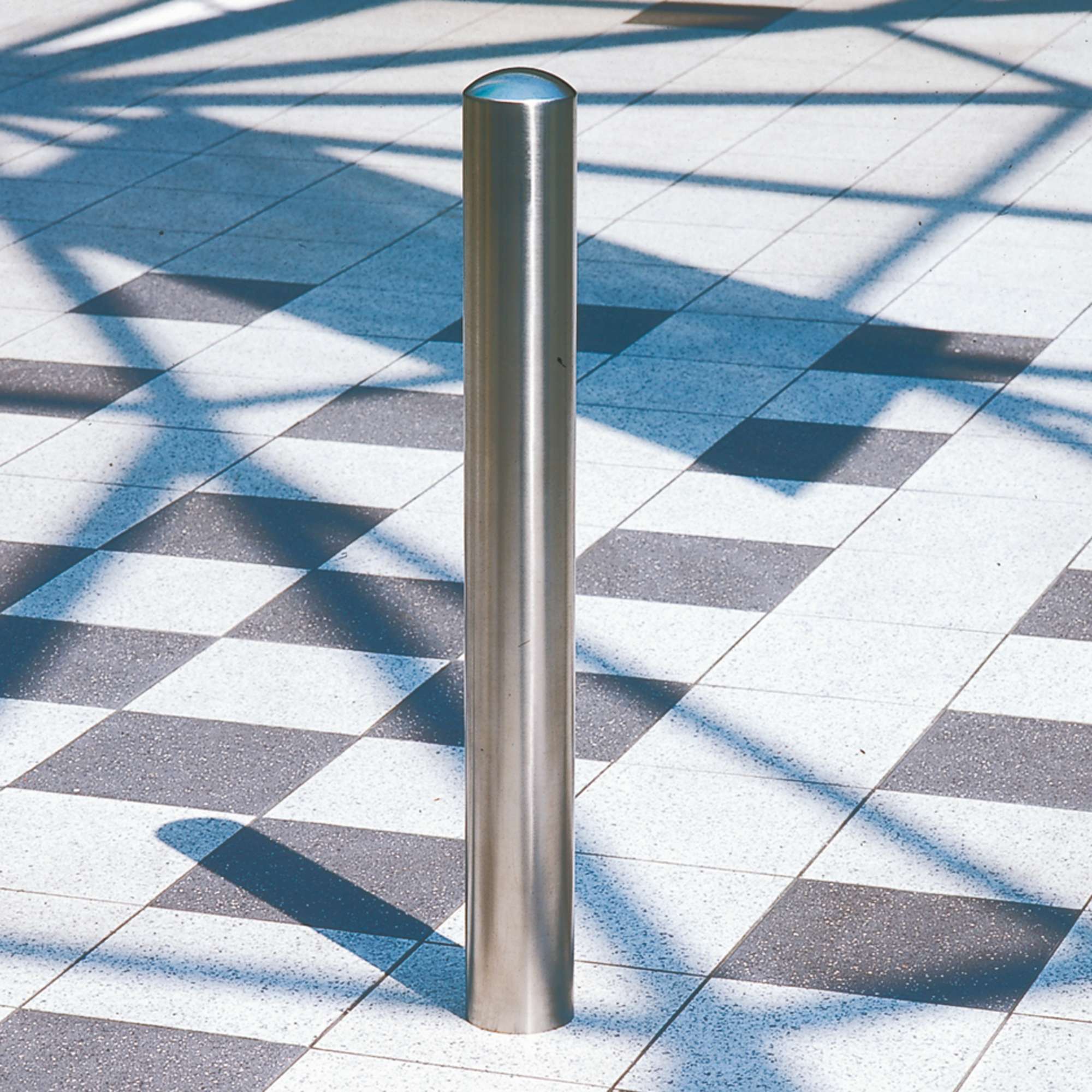 Stainless steel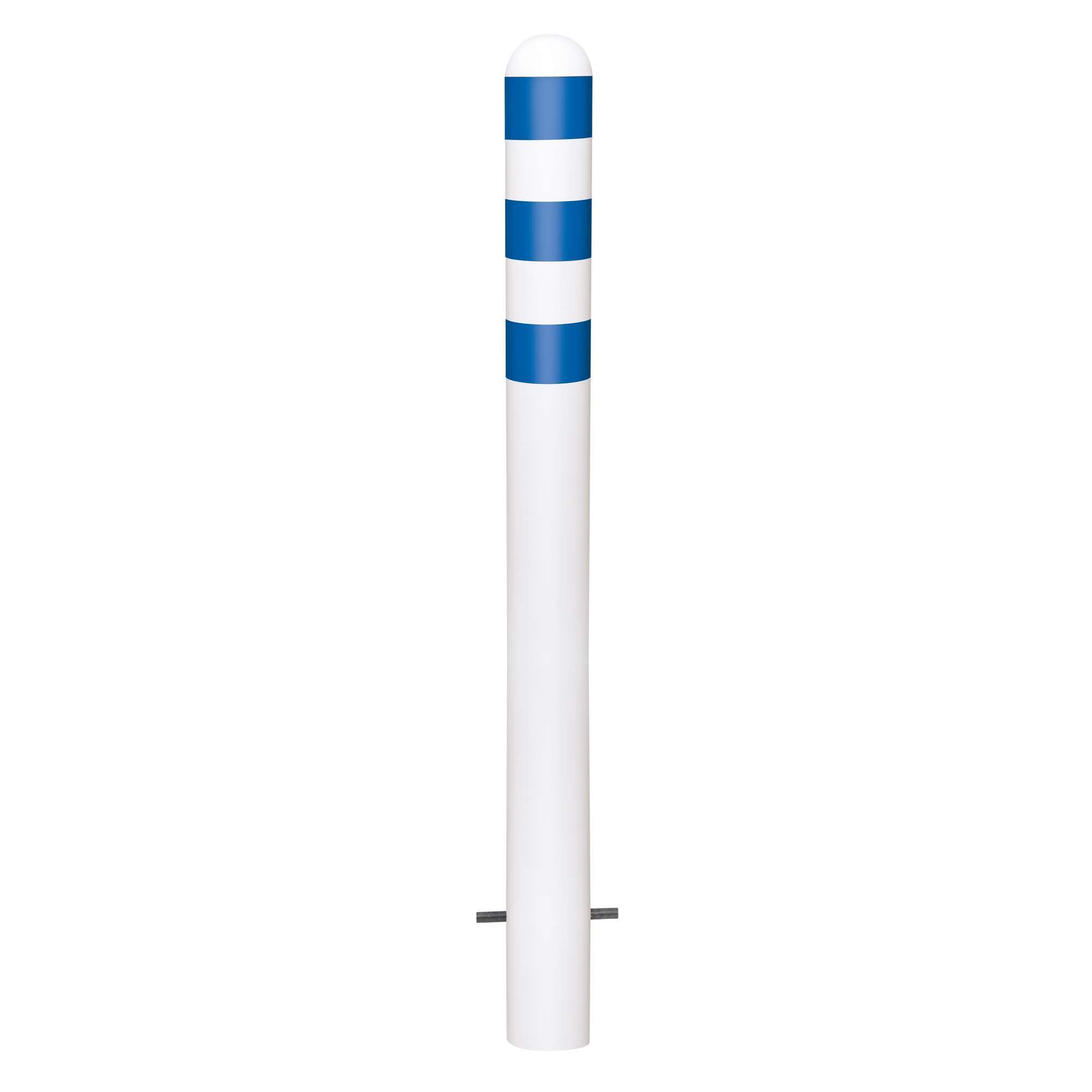
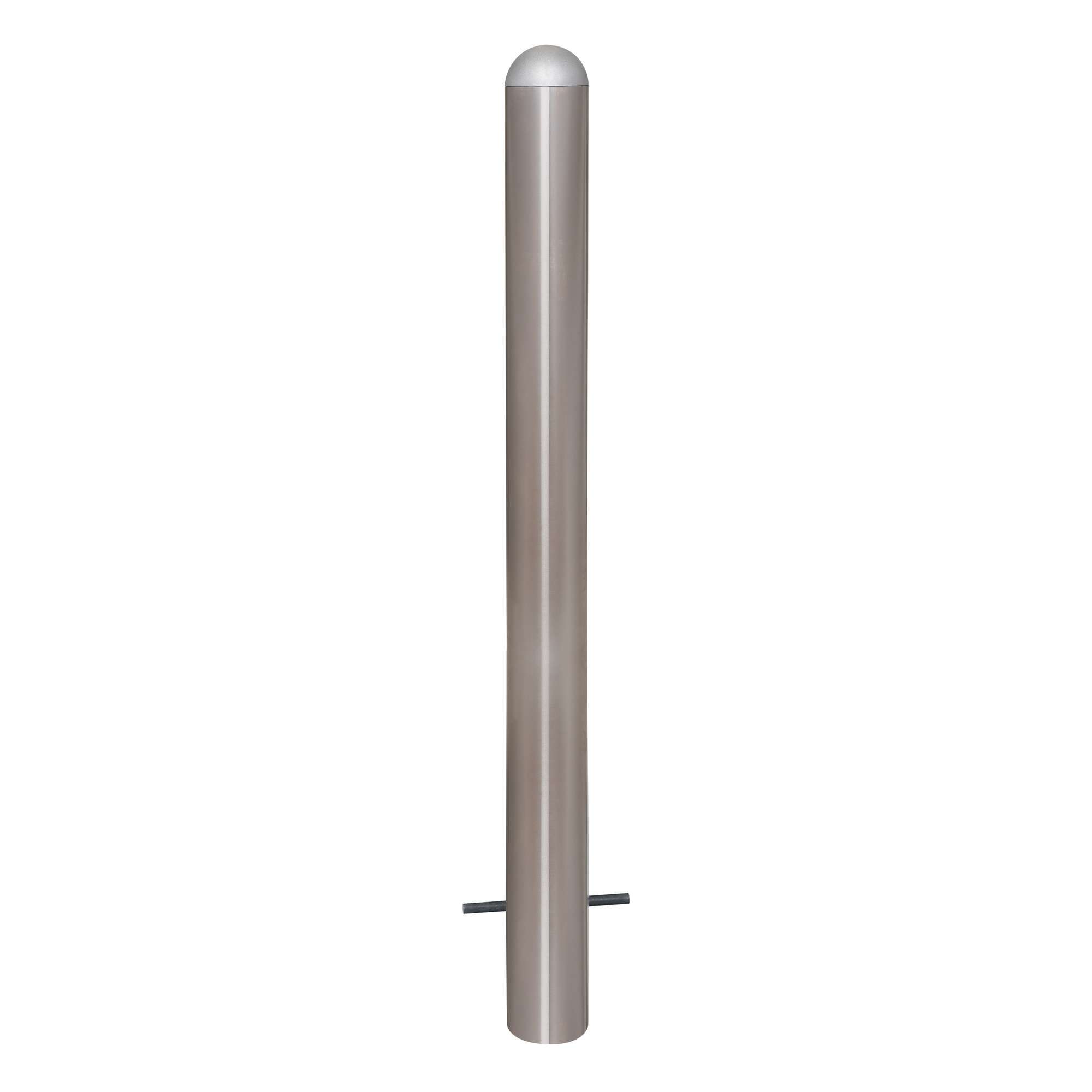 Stainless steel
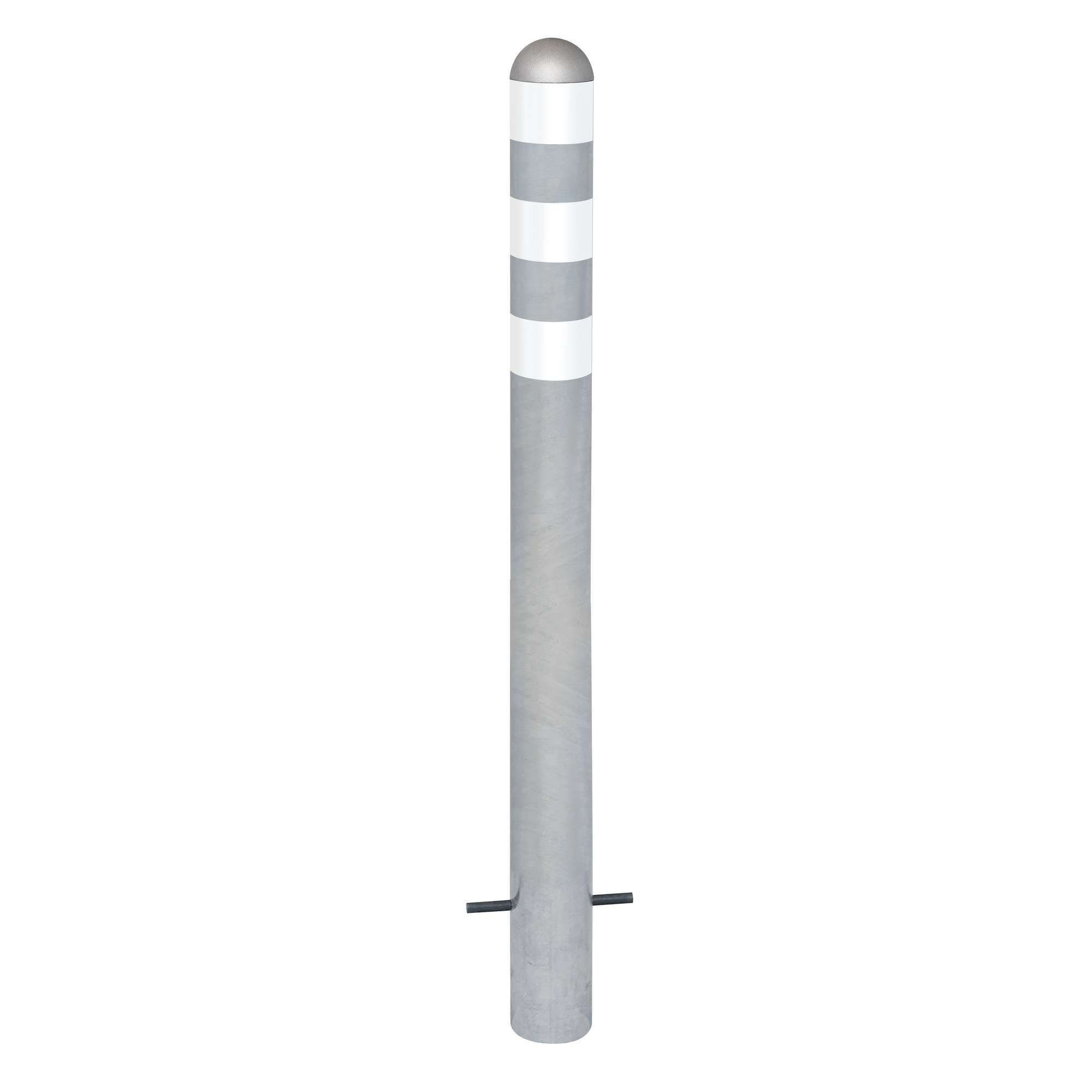 Silver grayWhite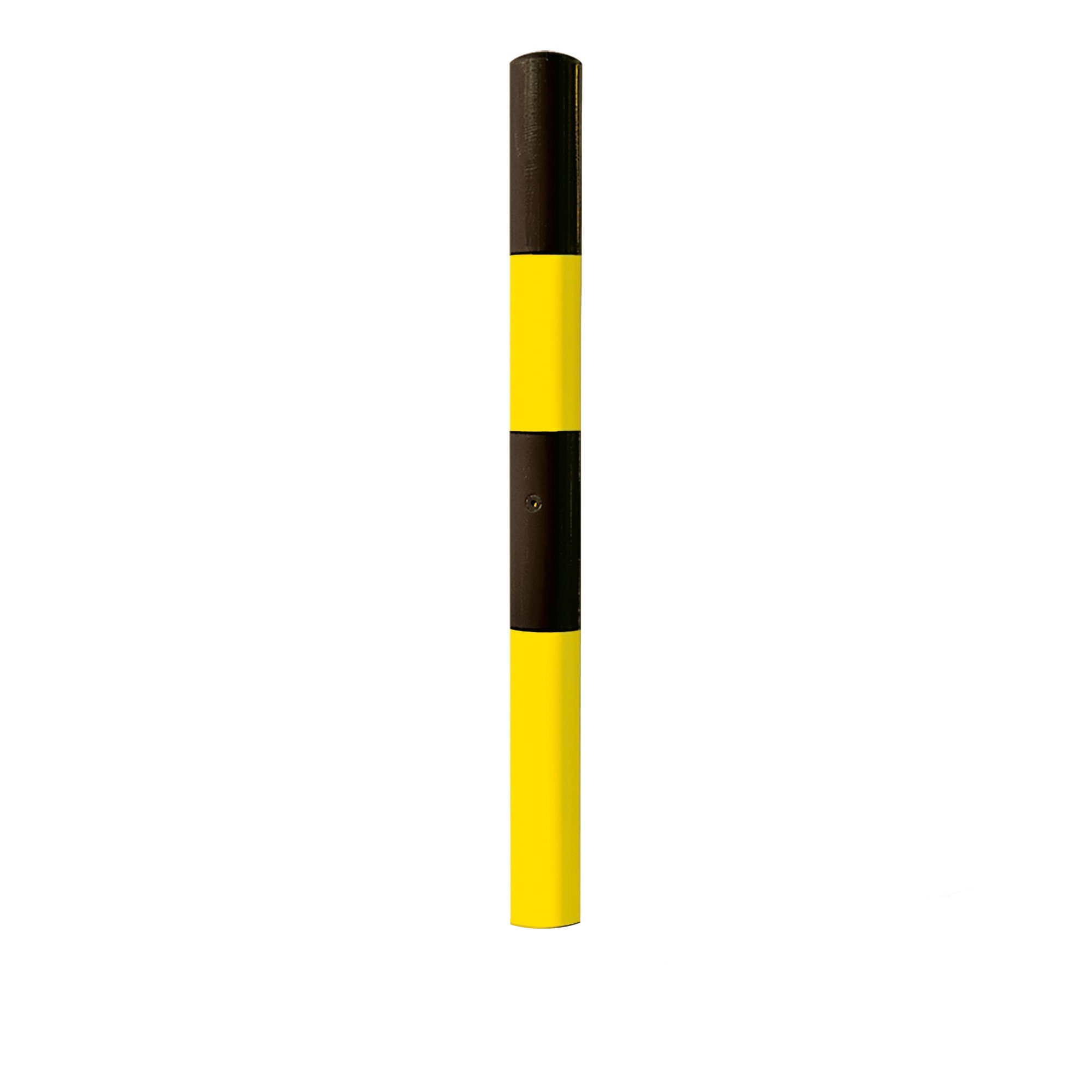
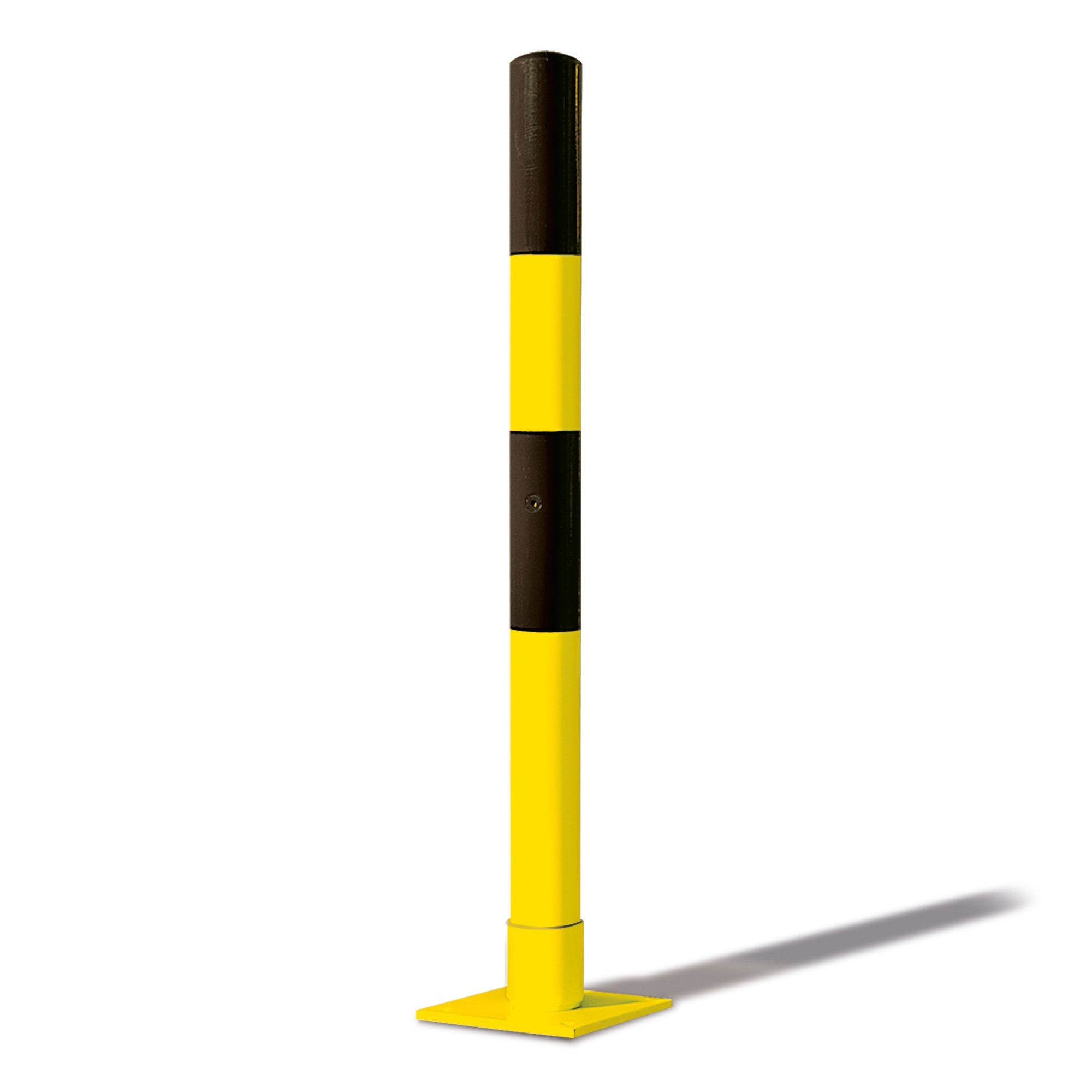 Black/Yellow
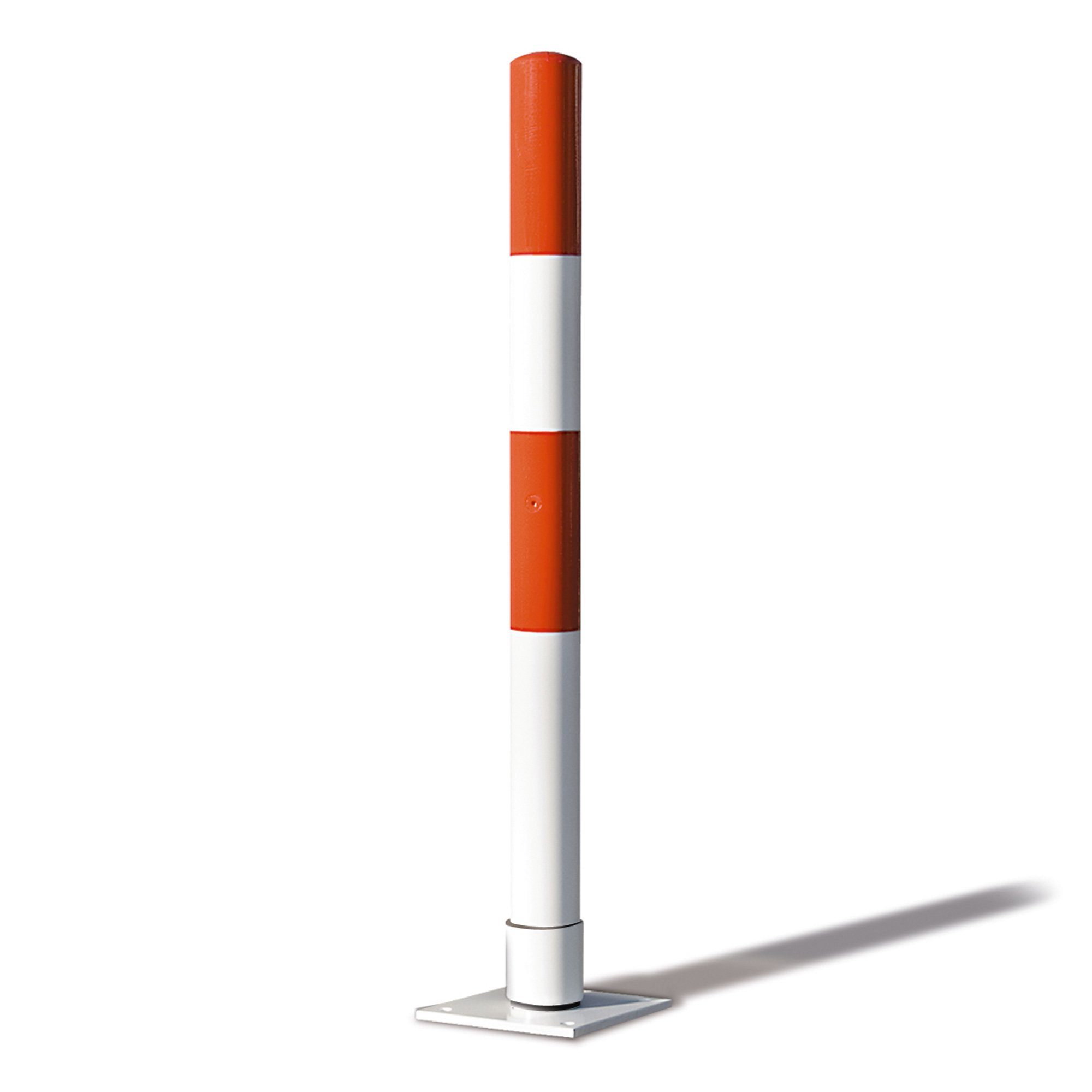 Red/White
How to choose the right traffic cone for the job
Choosing a traffic cone is a bit like choosing tires for your car. Summer tires on ice are a disaster, and a small, light cone is downright deadly on a highway. Every environment has unique requirements, and matching the cone’s features to the actual conditions – such as speed and light – is crucial.
Many people fixate on price and buy a cone that is too basic. The problem is that it may not be tall or heavy enough for the site, creating a false sense of security. Understanding the differences in material, height and reflectors is the key to a safe and effective barrier.
The material determines the cone’s durability
When choosing a cone, material is one of the first things to consider. The two most common options are PVC and PE, and they have completely different properties.
- Flexible PVC: Think soft and tough. If a car happens to hit a PVC cone, it usually springs back. That makes it ideal for locations with a high risk of impact, such as tight roadwork zones, since it reduces damage to both the vehicle and the cone.
- Robust PE: Polyethylene, on the other hand, is a harder material. A PE cone is extremely resistant to weather and wind, giving it a long service life. It is perfect for long-term barriers where it is not expected to be hit frequently.
So the choice is a balancing act. Do you need a cone that forgives impacts, or one that holds up in all weather over a long period? The answer to that question points you toward the right material.
Height and weight for stability and visibility
The cone’s height is directly linked to traffic speed. A taller cone is visible from farther away, giving drivers more time to react. A simple rule of thumb: the higher the speed, the taller the cone.
Using a 500 mm cone on a 90 km/h road is like whispering in a hurricane – the message doesn’t get through. The driver simply won’t see it in time to act safely.
Here is a basic guide to choosing the right height:
- 500 mm: Perfect for low-speed areas such as parking lots and events (up to 30 km/h).
- 750 mm: The standard choice for roadwork on rural roads and in urban environments with speeds between 50-70 km/h.
- 900-1000 mm: An absolute requirement on highways and other high-speed roads (over 90 km/h) to guarantee maximum visibility.
Weight is just as important. A heavy, solid rubber base ensures your traffic cone stays firmly in place and isn’t blown over by the draft from a passing truck – a common and dangerous problem with cheaper alternatives.
The reflectivity class – life insurance in the dark
When the sun goes down or the weather turns bad, the reflectors do all the work. A cone without adequate reflectors becomes practically invisible. For roadwork, high-reflectivity material in class R2B is often a requirement. This material reflects a much larger share of the light from car headlights, making the cone “light up” from a long distance.
Sweden’s population and traffic have grown enormously since the 1930s. Today, with over 10.5 million inhabitants, extreme demands are placed on our infrastructure and traffic safety. The heavy traffic, especially during our dark winter months, really shows why standardized, high-performance safety products are so essential. Read more about Sweden’s population growth and its impact on society at SCB.
Choosing the right traffic cone can seem like a science of its own, but it doesn’t have to be. Explore our full range of approved cones and don’t hesitate to get in touch if you are unsure. Our experts will help you find the perfect solution that matches your exact needs.
Placing traffic cones for maximum safety
Owning a certified traffic cone is one thing, but using it correctly is something else entirely. A misplaced cone only creates a false sense of security and can, in the worst case, lead to new hazards. Correct placement is about understanding traffic dynamics and building a visual guide so clear that drivers react instinctively – and correctly.
An effective barrier is not just a row of cones but a systematically built safety zone. By following proven methods for spacing, angles and advance warning, you make sure your work site or event is protected in the best possible way.
Step by step: How to build a safe zone
Setting up a barrier is a multi-step process. The goal is to gradually and predictably guide traffic from its normal path to a new, temporary route around the obstruction. This minimizes the risk of sudden braking and dangerous maneuvers.
The process can be divided into three main zones:
- Advance warning zone: This is where the first signs, and sometimes the very first cone, are placed to warn road users in good time.
- Transition zone (taper): The diagonal line of cones that physically guides traffic away from the work area. The angle and length are critical.
- Work and buffer zone: Once traffic has been redirected, you create a protected zone for the work itself, always with an extra buffer zone between traffic and personnel.
Setting up these zones correctly is fundamental to safety. Think of it as telling the driver a story: “Warning ahead,” “Now we turn,” and “Here’s why.”
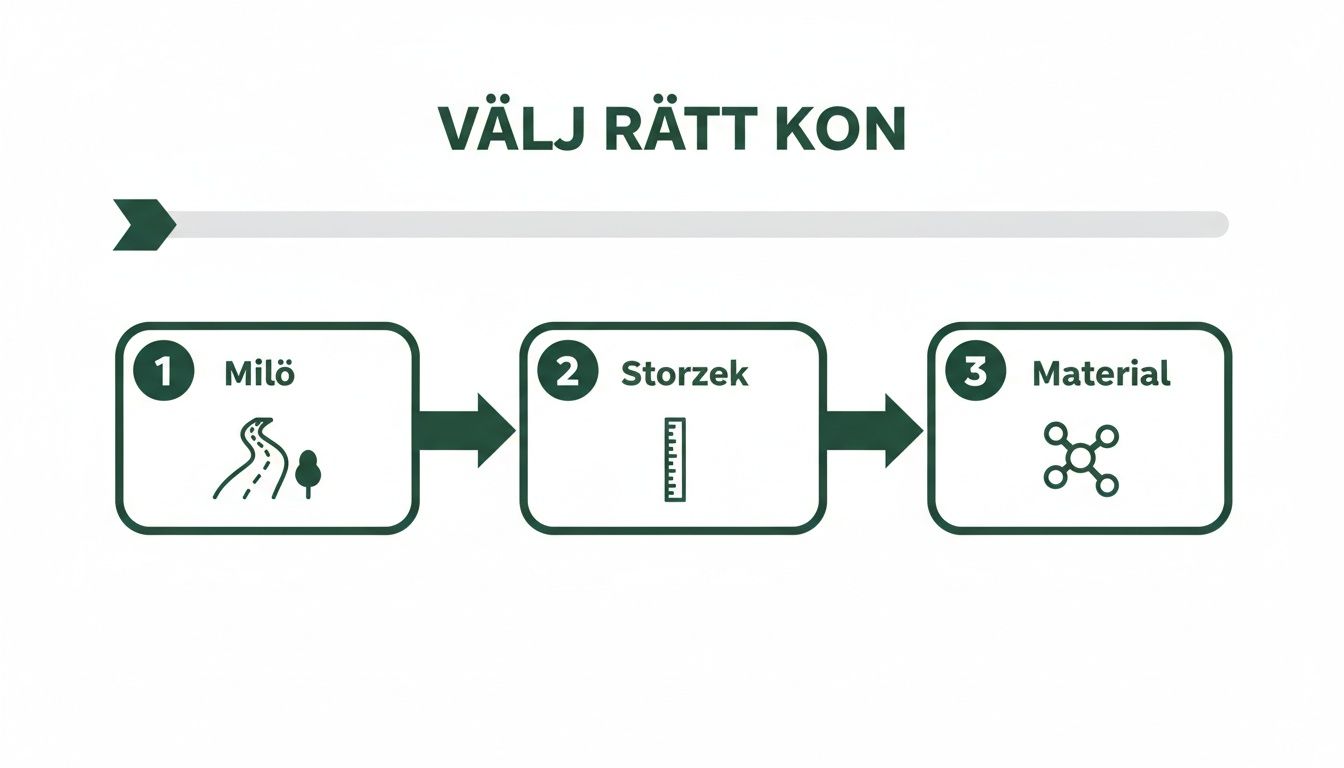
The image above illustrates the basic steps for choosing the right equipment, which is a prerequisite for placing it correctly.
Spacing and placement – a question of speed
The single most common mistake? Placing the cones too far apart. A driver who sees large gaps may be tempted to drive between them or simply fail to perceive the barrier as a continuous line. The distance between each traffic cone must therefore be adapted to the road’s speed limit.
A gap in a row of cones is an invitation to chaos. For a driver at high speed, an unclear line signals uncertainty, which can lead to unpredictable and dangerous decisions.
To give you a concrete starting point, we have compiled some recommended guidelines. But remember, these are minimum requirements – in poor visibility, such as on curves or near hilltops, you should always reduce the spacing further.
Recommended spacing between traffic cones
This table provides practical guidelines for spacing and height based on the speed limit, to ensure optimal visibility and safety.
| Speed (km/h) | Spacing (m) | Min. cone height (mm) |
|---|---|---|
| 0–30 | 6–8 | 500 |
| 50 | 10–12 | 750 |
| 70 | 15–20 | 750 |
| 90 | 30–40 | 900 |
| 110+ | 40–50 | 1000 |
Note how both the spacing and the required cone height increase dramatically with speed. That’s no coincidence – it’s about giving the driver enough time to react.
Complete solutions for total safety
A traffic cone rarely does the whole job on its own. A robust barrier often requires a combination of products. Signs provide advance warning, barriers create physical protection and marking tape can define areas. Complement your setup with our barrier tape for extra clarity.
By combining these elements, you create a multi-layered safety system. At Nordguard, we always look at the big picture and help you put together a complete package. Need expert help planning a complex barrier setup? Contact us, and we’ll make sure you get a solution that is both safe and compliant.
Maintenance that extends service life
A traffic cone’s service life depends entirely on how it is handled. Treating the cone as a pure consumable is a common but costly mistake. With a little simple maintenance, you not only protect your investment but also make sure the cone actually does its job – to be seen and to warn.
A dirty, cracked or sun-faded traffic cone isn’t just ugly; it’s a direct safety risk. Visibility drops drastically, putting both personnel and road users in danger. Regular maintenance is simply a central part of responsible safety work.
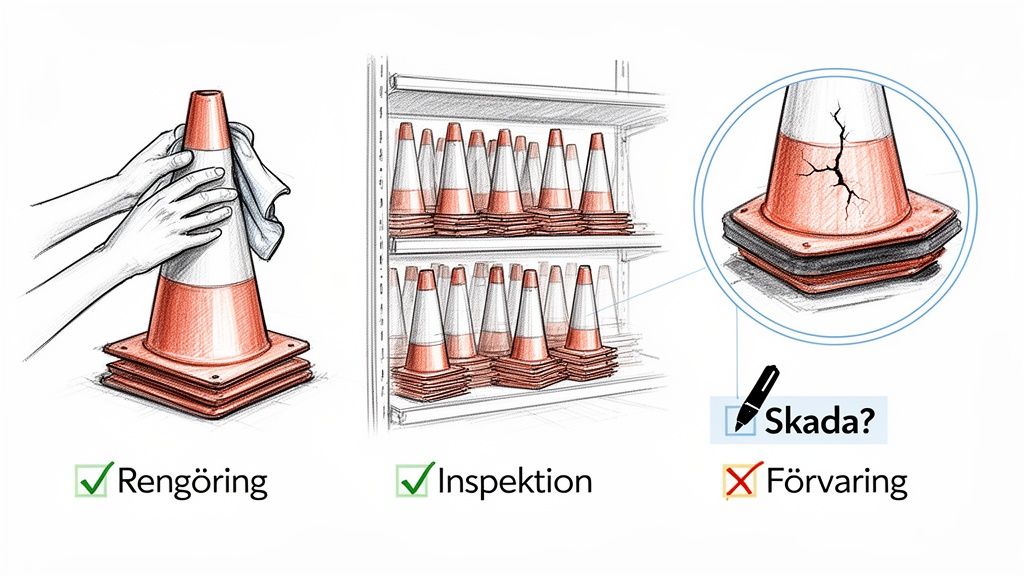
Cleaning and smart storage
Dirt, exhaust fumes and road salt quickly form a gray film over both the cone and the reflectors. This significantly reduces visibility, especially in the dark and in bad weather. But it is easily fixed.
Keep your cones in top condition with a few simple tips:
- Wash gently: Use mild soapy water and a soft brush. Skip harsh chemicals and don’t aim a pressure washer directly at the reflectors – it can damage the surface.
- Store smart: When the cones are not in use, keep them indoors or under a roof. This protects them from UV light, which fades the color and makes the plastic brittle. Stack them straight so they don’t lose their shape.
Proper storage is an inexpensive way to avoid cracks and deformation. It’s a small effort with a big impact on both service life and performance.
Regular inspection – a quick checklist
Inspecting your cones regularly is as obvious as checking the tires on your car. A quick look before they are put out can reveal damage that makes the cone immediately unfit for use.
Continuing to use a damaged traffic cone means knowingly compromising safety. A cracked base can cause the cone to tip over in the wind, and a damaged reflector makes it invisible when it’s needed most.
Use this checklist to quickly assess each traffic cone:
- Check the base: Are there cracks or large dents? Is it still heavy and stable?
- Examine the cone body: Look for deep tears or holes. Is the color clear and strong?
- Inspect the reflectors: Are the reflective bands securely attached? Are they scratched, dirty or starting to peel?
If you find serious damage, it’s time to replace the cone. Investing in quality from the start, such as products designed for our Nordic climate, results in better overall economy and fewer replacements over time.
Emissions from domestic transport have increased, largely due to heavy freight traffic. Nordguard’s focus on direct deliveries from manufacturers reduces the number of transport stages and thereby the carbon footprint. Read more about the development of the transport sector in Sweden via the Riksdag.
Do you have worn cones that need replacing, or would you like to discuss a complete solution for your project? Contact us at Nordguard and we’ll help you find durable, safe products that measure up.
Explore our range of robust, durable barrier equipment built to last.
Choose a partner – not just a product
Securing a work site is more than a one-time purchase. Many people think the job is done once a traffic cone has been ordered, but that’s really just the starting point. Choosing the right supplier is just as important as choosing the right product, because it is the partnership that ultimately guarantees safety over time.
A successful safety project requires more than just CE-marked gear. It requires knowledge of regulations, an understanding of logistical challenges and access to someone who can guide you. Without a reliable partner, you risk being left alone with questions about legal requirements, delivery times and which equipment actually works in your specific conditions.
More than just an online store
At Nordguard, we are not just a retailer. We see ourselves as a complete safety partner. We solve common problems such as uncertainty about regulations, difficulty finding the right products and logistics that go wrong. Our job is to make your work easier and safer.
We offer a complete solution covering the entire chain:
- Expert advice: We get to know your unique needs to find a solution that is both compliant and makes financial sense.
- Tailored packages: Whether you need a couple of cones or a complete system for a major road construction project, we put together a package that fits.
- Fast, trackable deliveries: Our logistics are built so that you have the right equipment on site exactly when you need it.
By choosing us, you get a partner who stays one step ahead and simplifies the entire process. No more guesswork – you can focus your energy on what you do best.
Securing a work site is about eliminating risks. The first step is to remove the risk of buying the wrong thing – by choosing a partner who makes sure every part of your solution meets all requirements.
Do you have an upcoming project, big or small? Unsure which products are the best fit? Let us help.
Our experts are ready for a free consultation where we review your project and draw up a plan for a safer environment. Contact us today and discover the difference a strong partnership can make for both your safety and your efficiency.
Explore our wide range of road and traffic products here:
Frequently asked questions about traffic cones
To make choosing the right traffic cone a little easier, we have gathered and answered some of the most common questions. The goal is to give you quick, practical answers so you feel confident in your choice and can create a safe environment.
Understanding the basics is essential both for complying with the law and for maintaining a high safety standard. If you have more questions, our experts are always ready to provide personal advice.
What size traffic cone should I use?
The size of your traffic cone is directly related to the speed of the surrounding traffic. The principle is simple: the faster the traffic, the taller and more visible the cone must be. It’s about giving drivers enough time to react.
A good rule of thumb to start from:
- 500 mm: Perfect for low-speed areas up to 30 km/h (parking lots, courtyards, events).
- 750 mm: The standard size for most roads with speed limits between 50 and 70 km/h (urban environments and rural roads).
- 900-1000 mm: An absolute requirement on high-speed roads such as highways (over 90 km/h) for maximum visibility.
When are reflectors a must on traffic cones?
In practice, reflectors are required almost every time a traffic cone is used in traffic. They are absolutely critical for visibility in the dark, at dawn and dusk, and in bad weather such as rain, fog or snow.
A traffic cone without an approved reflector is practically invisible to a driver in the dark. Putting one out in traffic is not only illegal; it means knowingly creating a serious safety risk.
According to the Swedish Transport Agency’s regulations, all cones used for roadwork must be CE marked and have approved reflectors. For high-traffic roads, the high-reflectivity class R2B is strongly recommended. It reflects significantly more light and is therefore visible from much farther away.
How closely should traffic cones be spaced?
Like the size, the spacing between cones is determined by the speed limit. The goal is to create a clear, continuous line that guides traffic. If the cones are too far apart, drivers become uncertain and may be tempted to drive between them.
You can use the following spacing as a general guideline:
- 50 km/h: About 12 meters between each cone.
- 70 km/h: Approximately 20 meters between each cone.
- 90 km/h: Increase the spacing to 30-40 meters.
To calculate how many cones you need, simply measure the distance to be closed off and divide by the recommended spacing. Keep in mind that these are minimum recommendations – on curves or in poor visibility, you should always reduce the spacing.
Do you have a specific project and need help choosing the right products? Nordguard offers expertise and a complete range of safety solutions for creating safe environments. Contact us for a free consultation at https://nordguard.eu.
Ready to take the next step?
We help you develop solutions tailored to your needs. At Nordguard, we strive to make the ordering process as smooth as possible. By offering support and guidance throughout the entire purchasing experience, we make sure you feel confident and satisfied with your choice of protection products.+46 10 153 90 50
[email protected]