
A Practical Guide to Impact Protection for Industry and Public Spaces
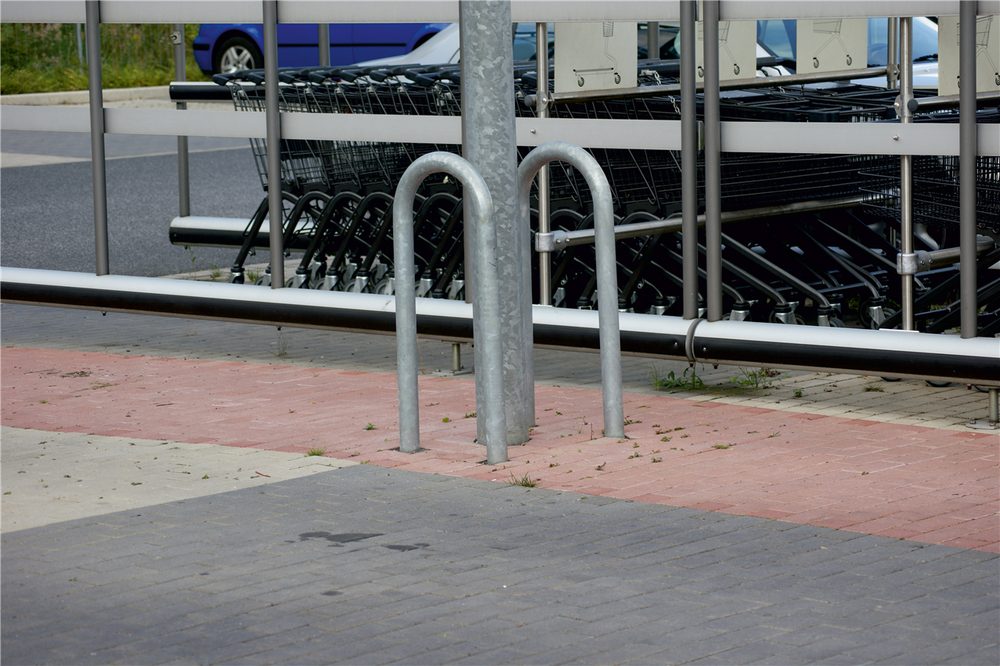
Impact protection is exactly what it sounds like: a physical barrier that protects people, buildings and equipment from being struck by vehicles. It is an absolutely critical safety measure everywhere from warehouses to public squares, and it works by either absorbing or deflecting the force of a collision.
Why impact protection is a necessary investment, not a cost
Picture a common scenario. A stressed forklift operator loses focus for a split second in a bustling warehouse. Or a driver accidentally floors the gas pedal instead of the brake in a tight parking lot. Without protection, the result can be anything from a smashed storefront and damaged equipment to, in the worst case, serious injuries.
It is in moments like these that the value of impact protection becomes crystal clear. It is so much more than just a piece of steel or concrete – it is a proactive investment in safety and peace of mind. Think of it as a one-time insurance policy that protects your business and your employees every day, around the clock.
The hidden costs of going without protection
Skipping impact protection may feel like a saving here and now, but the potential fallout from an accident is often many times more expensive. And we don’t just mean the direct cost of repairing a wall or a machine.
The real costs are the ones that don’t show up directly on the invoice:
- Production downtime: What does every hour a key machine sits idle cost you? A simple beam protector can be the difference between a minor dent and a complete shutdown.
- Delayed deliveries: A blocked loading dock can create a domino effect that disrupts your entire flow.
- Higher insurance premiums: Repeated incidents can lead your insurer to raise your premiums.
- Personal injury: By far the most serious and costly consequence, both in human and financial terms.
A robust safety barrier that stops a forklift fork from reaching an expensive machine, or a discreet bollard that keeps a car from rolling onto an outdoor patio, is not an expense. It is a smart and profitable strategy that protects both people and assets.
A proven method for improving safety
Impact protection has proven to be an incredibly effective way to reduce accidents, not least in public spaces. Posts, railings and barriers have become an increasingly common sight in Swedish urban planning to protect pedestrians and cyclists. As part of the work toward Vision Zero – the goal that no one should be killed or seriously injured in traffic – investment in this type of fixed protection increased substantially during the 2010s.
The results speak for themselves. The number of road traffic fatalities in Sweden fell from 343 to 221 between 2010 and 2019. That decline is partly attributed to exactly these kinds of infrastructure measures. You can read more about this trend in Insurance Sweden’s report on traffic safety statistics.
Well-placed impact protection is the unsung hero of your operations. It works around the clock to prevent disasters, keep workflows running smoothly and create a safer environment for everyone.
Not sure where the risks are in your operations, or how best to protect against them? Our experts can help you with a risk assessment and recommend the most effective solutions. Contact us and let’s talk about how we can secure your environment.
How to choose the right type of impact protection
Choosing the right impact protection is a bit like packing a toolbox – you need the right tool for the right job. A bollard that is perfect for protecting a storefront downtown is rarely much use in a high-traffic warehouse aisle. The key is to truly understand your own environment, identify where the risks are and then find a solution built for exactly those challenges.
Start with the simplest question of all: what exactly do you want to protect, and from what? Is it pedestrians who need to be kept away from vehicle traffic? Expensive machinery at risk of being backed into by a forklift? Or is it the corner of a building in the parking lot that keeps taking hits? The answer to that question points you straight to the right category of protection.
From discreet bollards to heavy-duty barriers
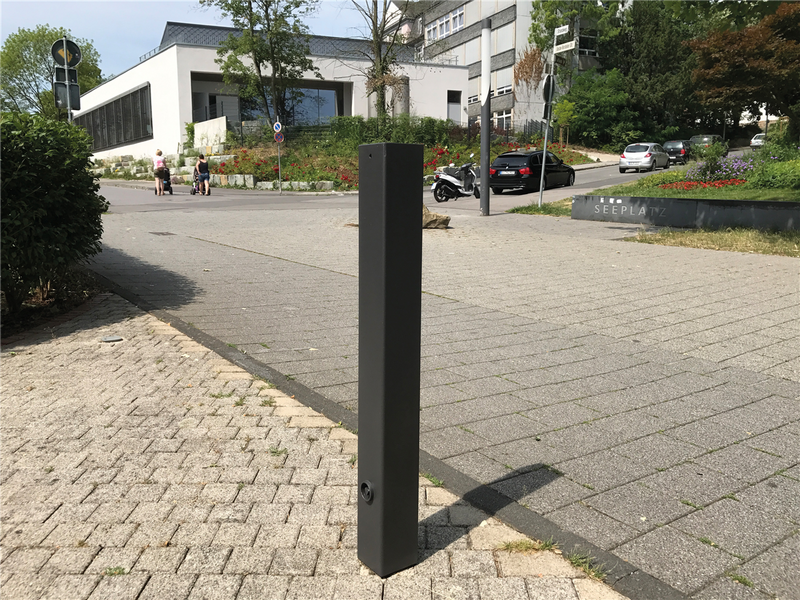
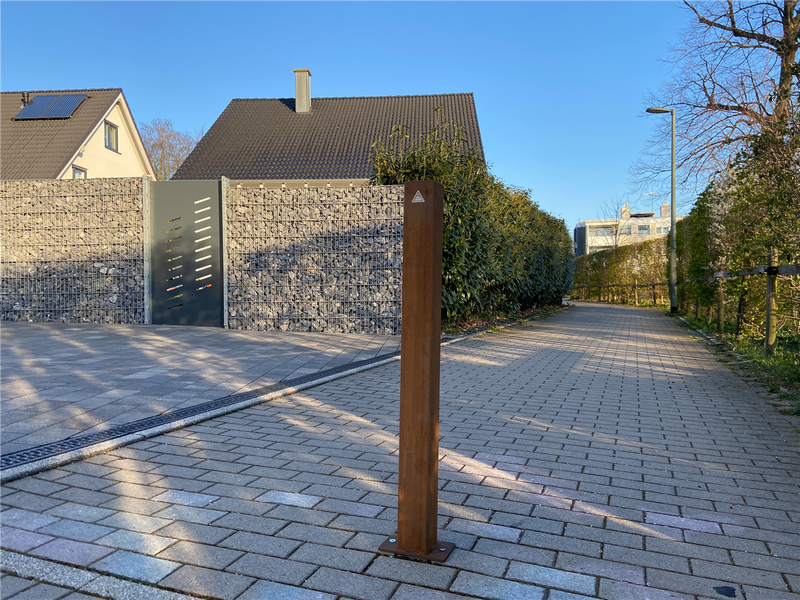
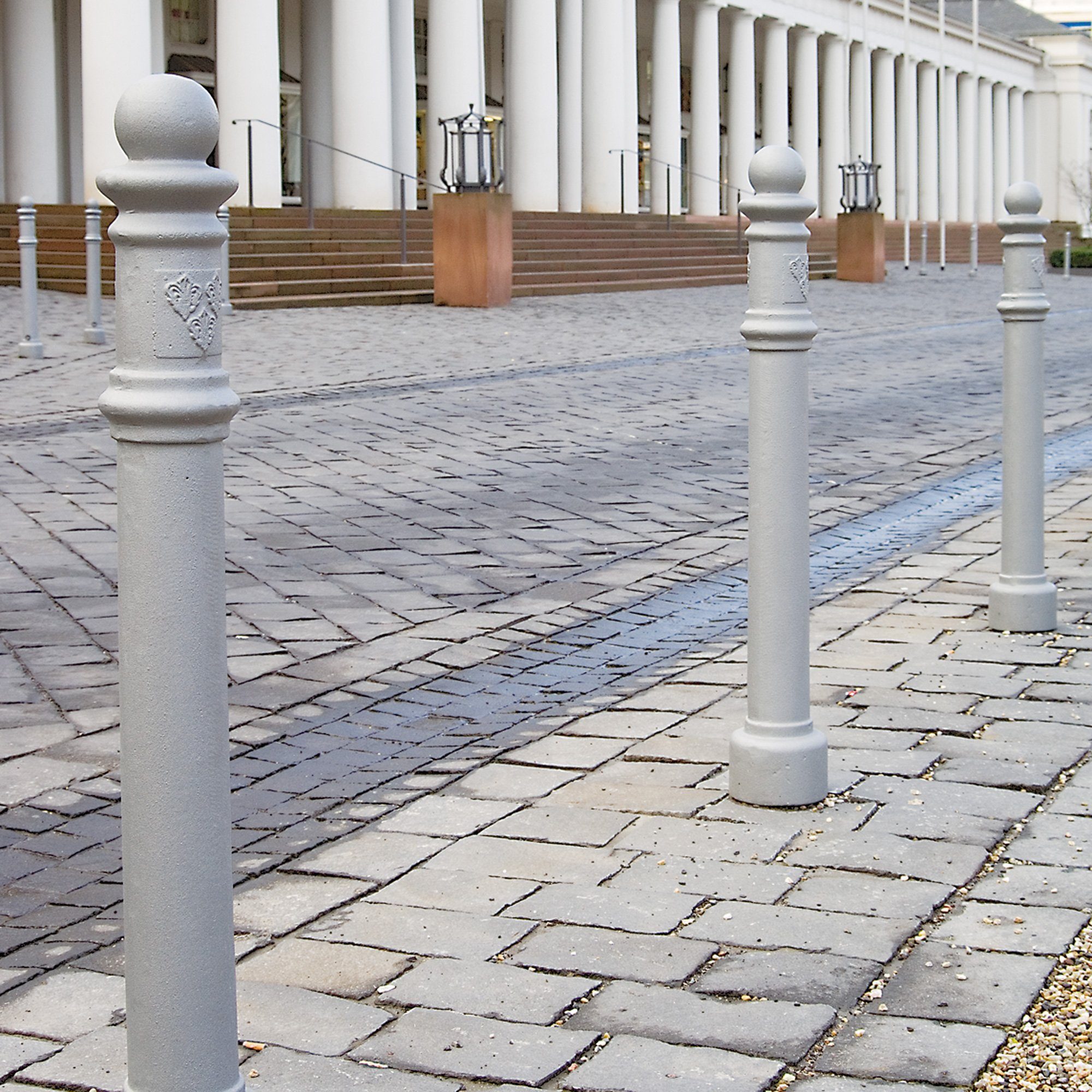
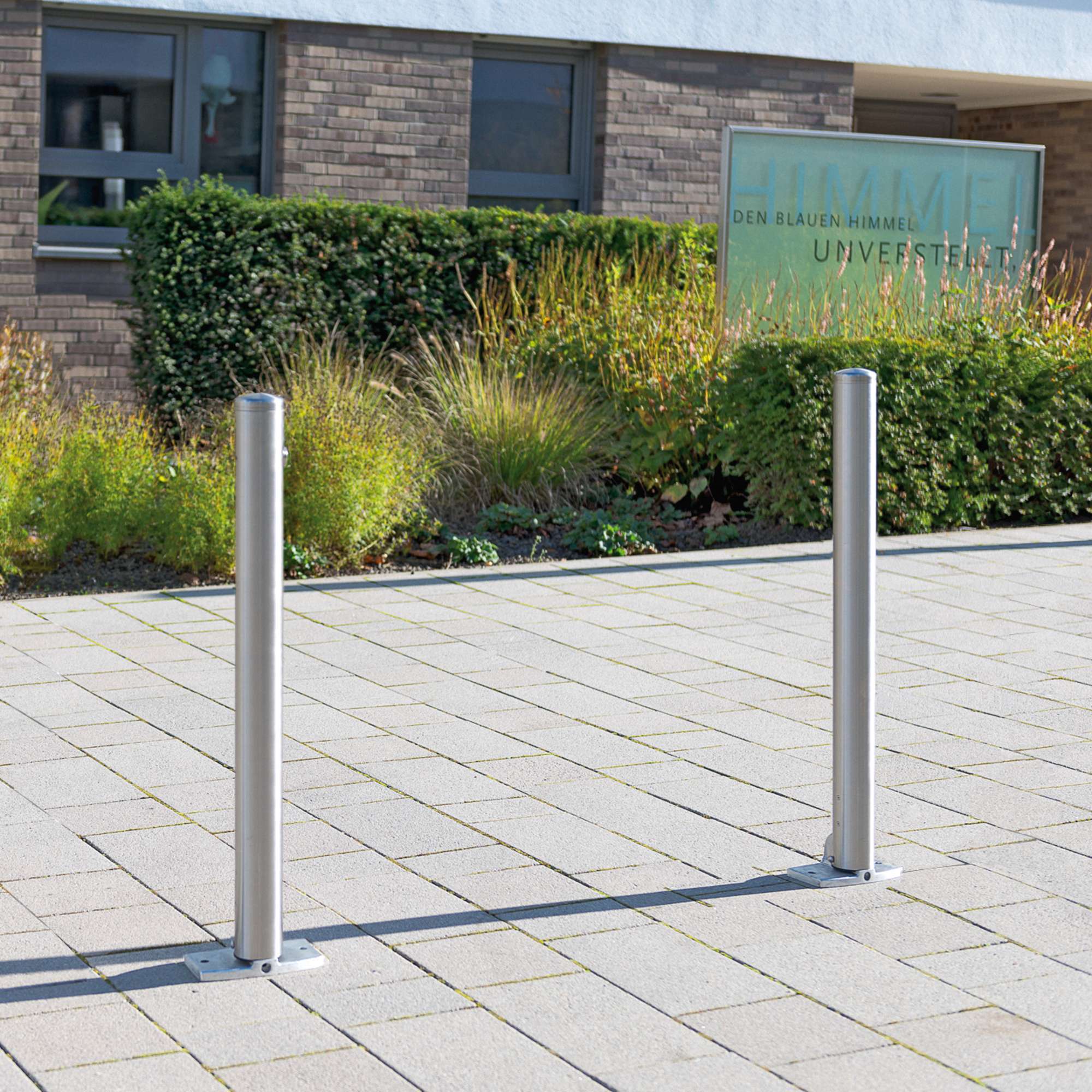
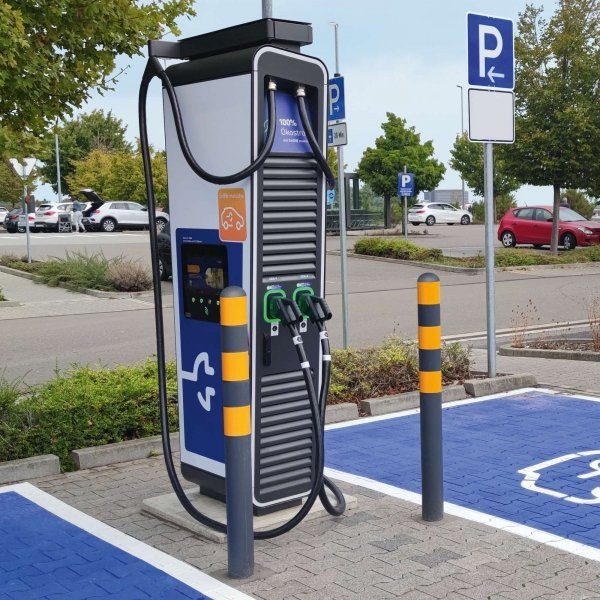
In public spaces, where both people and property need protection, bollards are often the obvious choice. They excel at defining areas and stopping unwanted vehicle traffic without creating a closed-in feeling. They blend nicely into the urban landscape while acting as a robust physical barrier. See our range of bollards for urban environments.
In industry and logistics, the playing field looks completely different. Heavy vehicles such as forklifts and trucks are on the move here, which places extremely high demands on the strength of the protection. Safety railings and safety barriers are designed to withstand serious impacts and protect personnel, machinery and pallet racking. Their primary job is to capture and distribute the energy from a collision so that damage is kept to a minimum.
This simple illustration helps you visualize the very first step in the decision-making process.
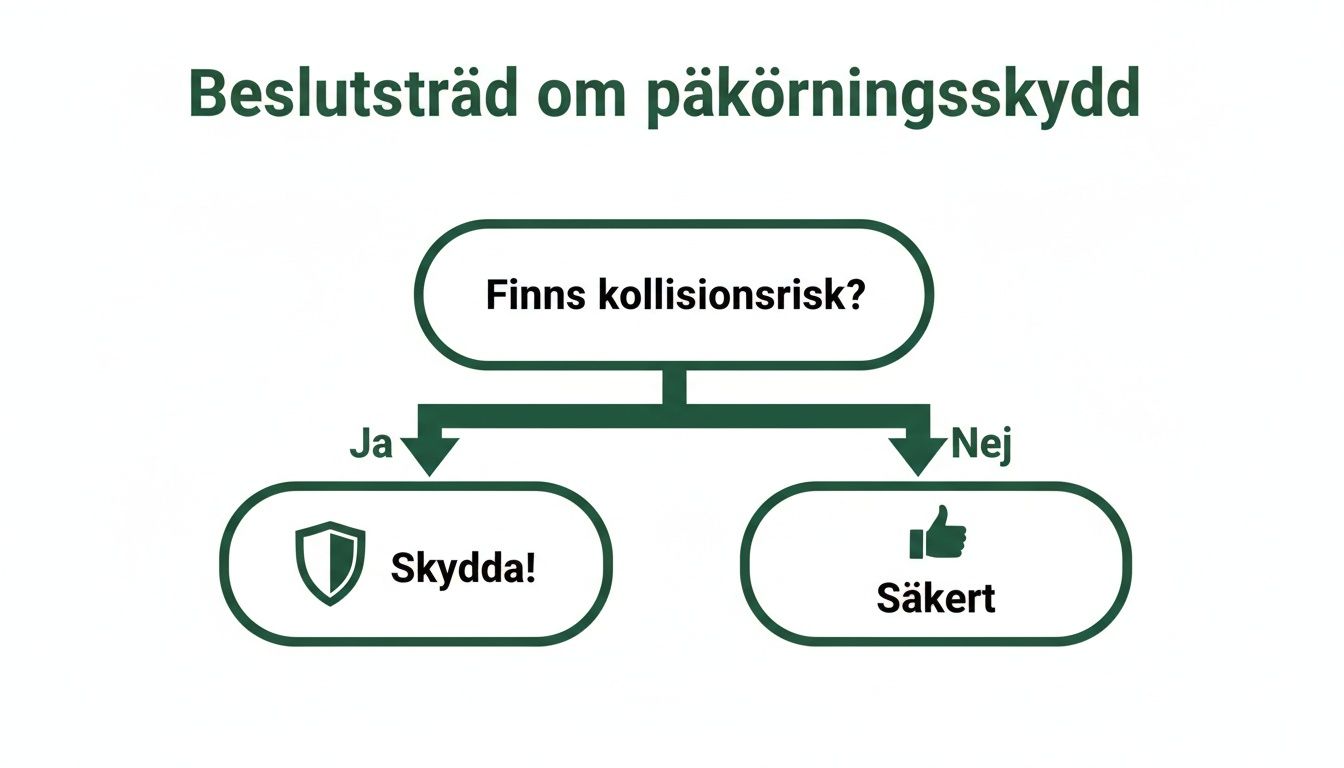
The image illustrates a simple but fundamental truth: if there is a risk of collision, it is time to act and install protection.
Comparison of different types of impact protection
To make the choice a little easier, we have put together an overview table comparing the most common types of impact protection. Use it as a starting point to quickly see which solution may best suit your specific needs.
Comparison of different types of impact protection
| Type of protection | Primary function | Best suited for | Common material |
|---|---|---|---|
| Bollards | Define areas and protect pedestrians/facades | Urban environments, squares, parking lots | Steel, cast iron, concrete |
| Safety railings | Separate traffic from walkways/work zones | Warehouses, industry, loading docks | Steel, polymer |
| Post & beam protectors | Protect columns and racking from forklifts | Warehouses, logistics centers | Steel, plastic/polymer |
| Hoop guards | Protect corners, machinery and ramps | Parking garages, industry | Steel, stainless steel |
| Wall & corner guards | Prevent damage to walls and corners | Hospitals, garages, warehouses | Rubber, polymer |
The table provides a good basic understanding, but keep in mind that every situation has its own unique conditions.
The effect of the right impact protection, especially in urban environments, is well documented. Data from sources including the Swedish National Council for Crime Prevention (Brå) shows that installing bollards in pedestrian zones has reduced vehicle impacts on facades by as much as 60–80 percent in several Swedish municipalities. In Stockholm, there was a dramatic drop in pedestrian accidents after fixed bollards were installed on downtown streets.
Choosing the right protection is a balancing act. It’s about finding a product that is strong enough to stop the worst-case scenario, while also being suited to day-to-day operations and the environment.
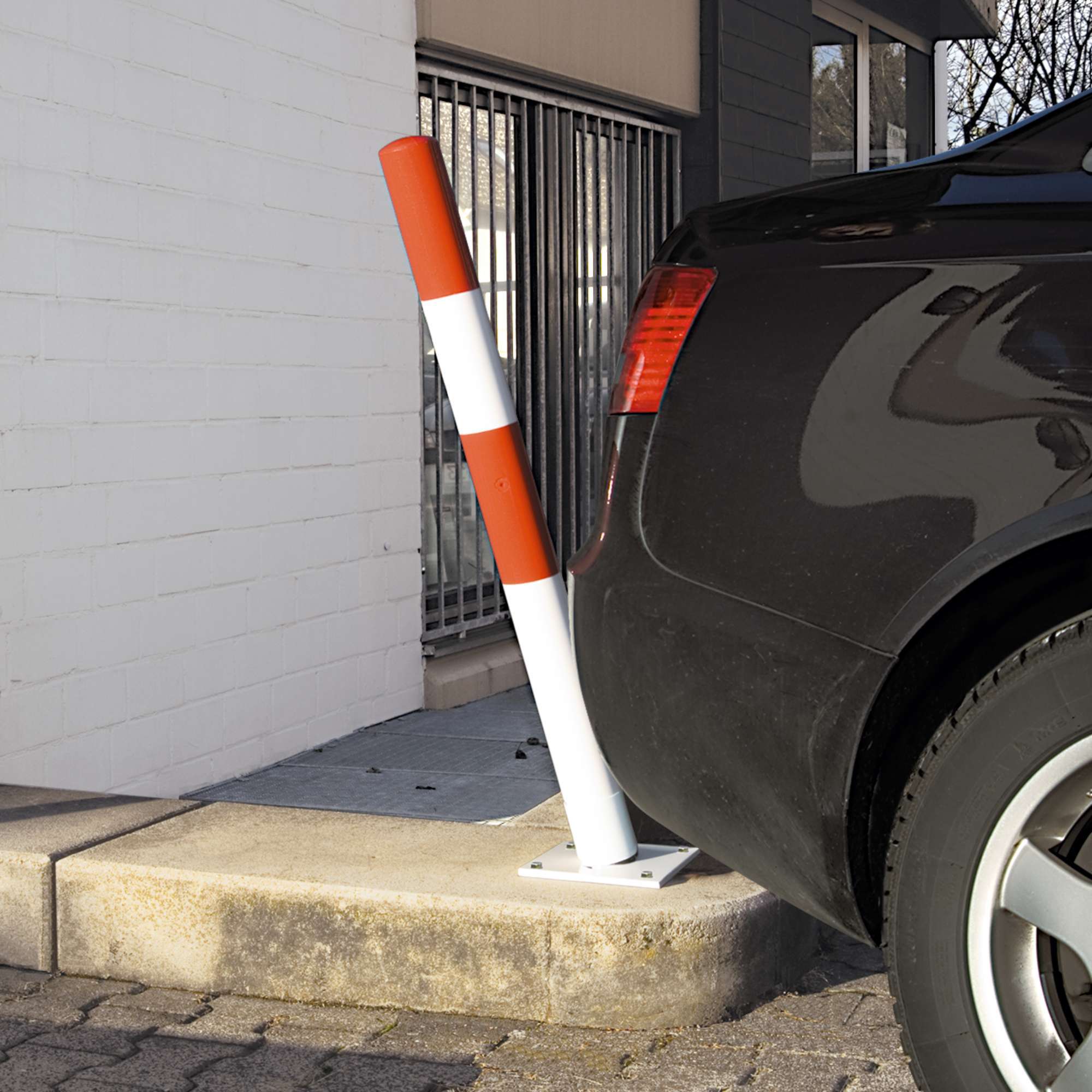
Material also plays an absolutely crucial role. Steel provides maximum strength and is perfect for stopping heavy vehicles. Flexible polymer protection, on the other hand, can absorb impacts and then return to its original shape, reducing damage to both the vehicle and the protection in lighter collisions. For a more in-depth look, we recommend our guide on choosing materials for impact protection: plastic, steel or a combination.
Still not sure? Every environment is unique, and sometimes a custom solution is required. Don’t hesitate to get in touch – our specialists can help you analyze your needs and recommend the impact protection that gives you the best safety and value for your money.
Regulations, standards and the hard economics behind impact protection
Installing impact protection is about much more than just following common sense. Safety in Swedish workplaces and public spaces is governed by clear-cut laws and regulations, with the Swedish Work Environment Authority’s provisions as a key cornerstone. These guidelines aren’t there to make life complicated – they exist to ensure that the protection actually does its job when an impact occurs.
Playing by the rules isn’t just a must to avoid penalty fees. It is your assurance that you are building an environment that is genuinely safe. Impact protection that is correctly sized and properly installed can withstand the forces it is designed for and protects personnel, visitors and property exactly as intended. Taking chances here can have devastating consequences.
The investment that pays for itself – many times over
Far too many people see impact protection as a dull line item in the budget. It’s time to rethink that. Instead, see it as one of the most profitable investments you can make. The initial cost is often a drop in the bucket compared to what a single accident can cost.
Picture a common scenario: a forklift drives straight into a pallet rack. What is the bill, both direct and indirect?
- Repairs: The cost of repairing or replacing both the racking and the forklift.
- Lost goods: The value of the products that were destroyed or damaged.
- Production downtime: Lost time while the area is cordoned off, cleaned up and restored.
- Paperwork: Hours spent on investigations, insurance claims and accident reports.
And that’s just the financial hit. Worst of all, of course, is the risk of personal injury, which involves human suffering that cannot be measured in money – and potentially enormous costs for the company.
Investing in the right impact protection is not an expense item. It is a strategic investment in your business’s survival, efficiency and future profitability.
A calculation that adds up
The economic logic is crystal clear, not least when it comes to traffic safety. Analyses show that when median barriers are installed on accident-prone roads, the return is many times greater than the investment over a 20- to 30-year period. Why? Because the value of saving lives and reducing injuries far exceeds the cost of steel and installation.
Exactly the same principle applies in the warehouse or at the terminal. A beam protector costing a few hundred kronor can prevent a rack collapse costing hundreds of thousands of kronor. A hoop guard protects a loading door and prevents downtime that can cost tens of thousands of kronor per hour.
Get a handle on the regulations – without the headache
Trying to navigate the maze of laws and standards on your own can feel overwhelming. Which requirements apply to your specific environment? How do you know the protection is strong enough for the vehicles operating in the area? To give you a better overview, we have gathered the most important information in our guide to regulations and standards for impact protection.
Taking shortcuts is never an option when it comes to safety. Poorly chosen or carelessly installed protection creates a false sense of security and can, in the worst case, make an accident even worse. If you’re unsure, don’t hesitate to ask. Our experts will help you analyze the risks and put together a proposal that not only protects your personnel and property, but also secures your business’s profitability in the long run.


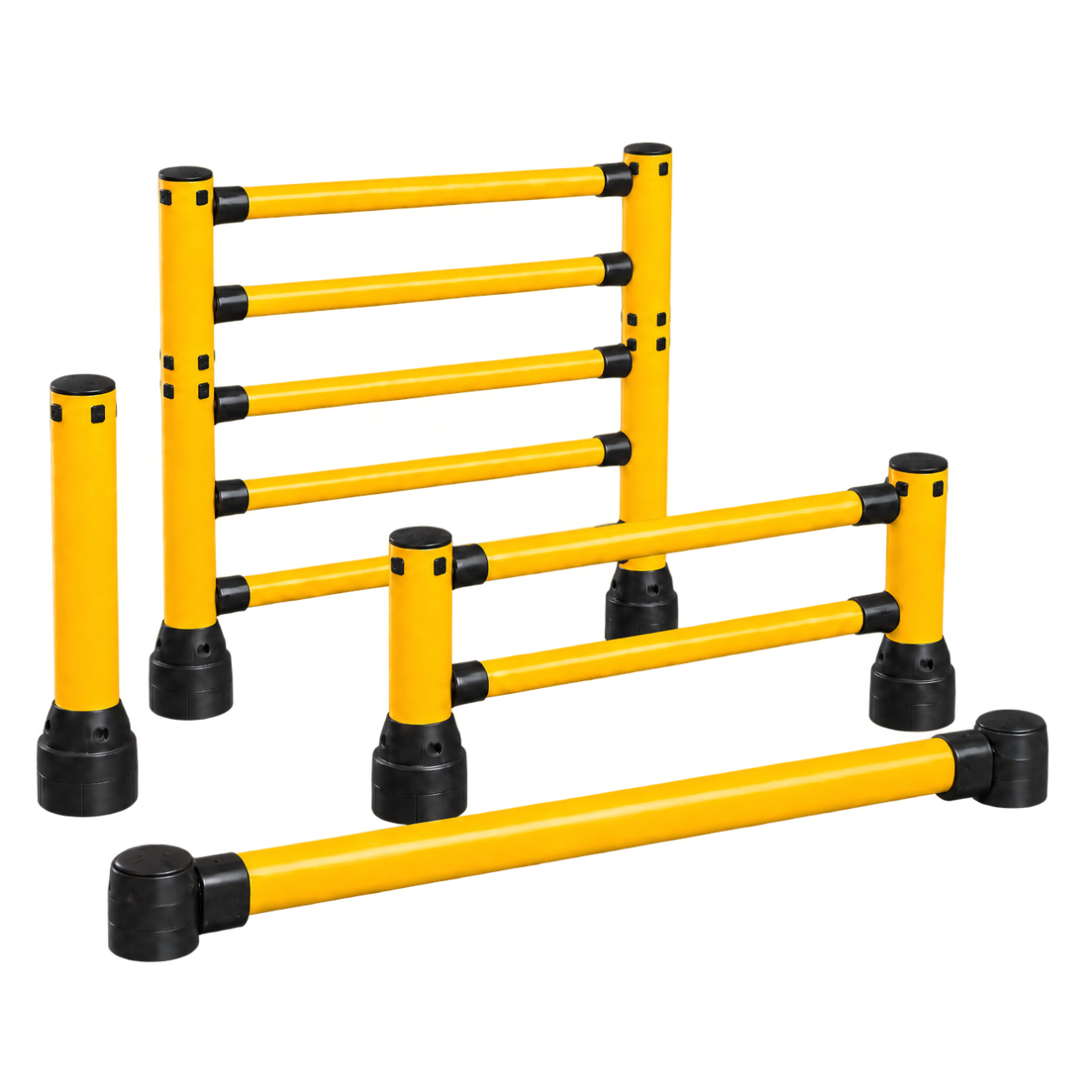
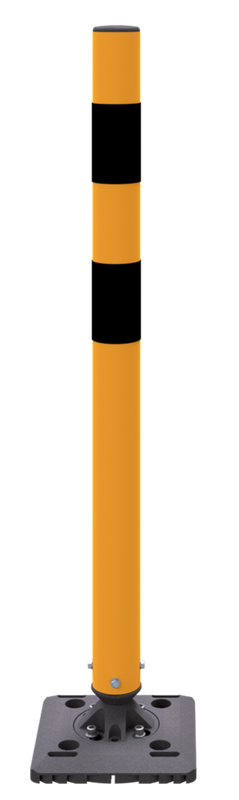
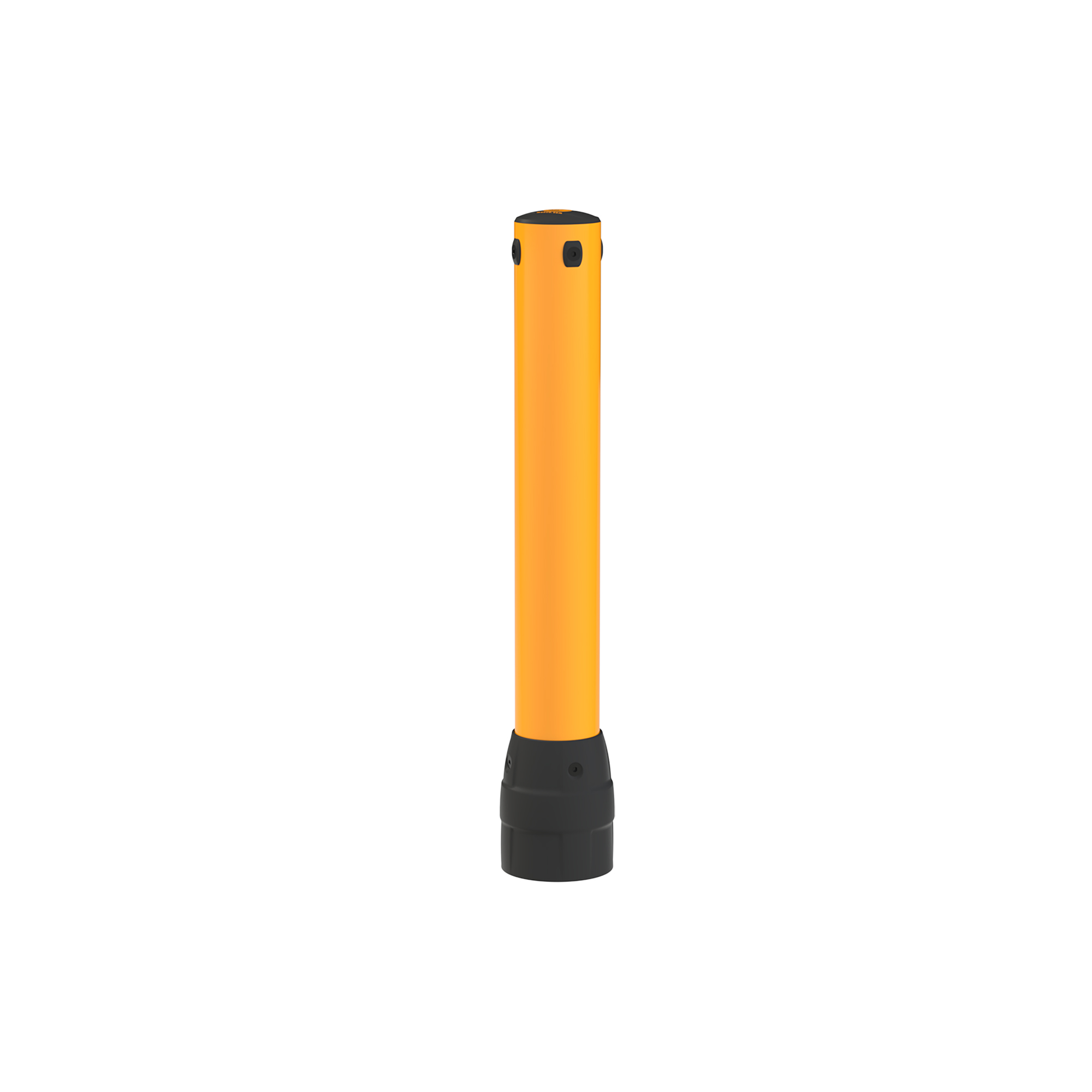 Black/Yellow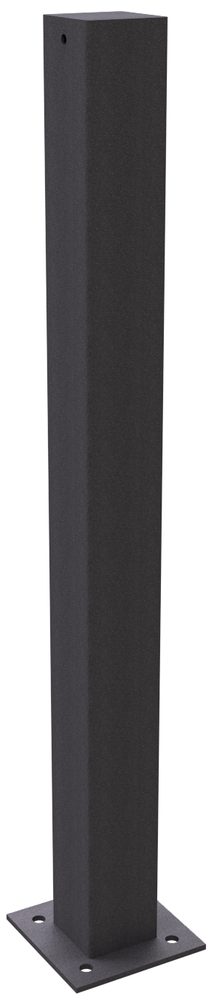

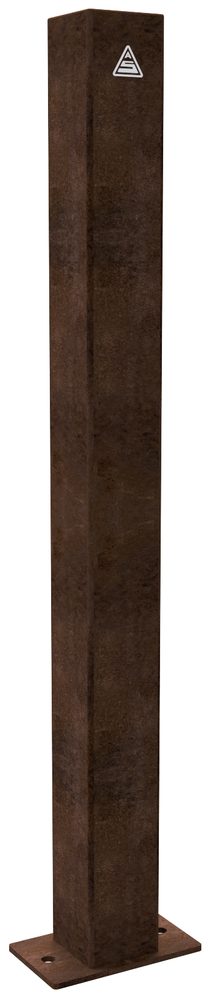
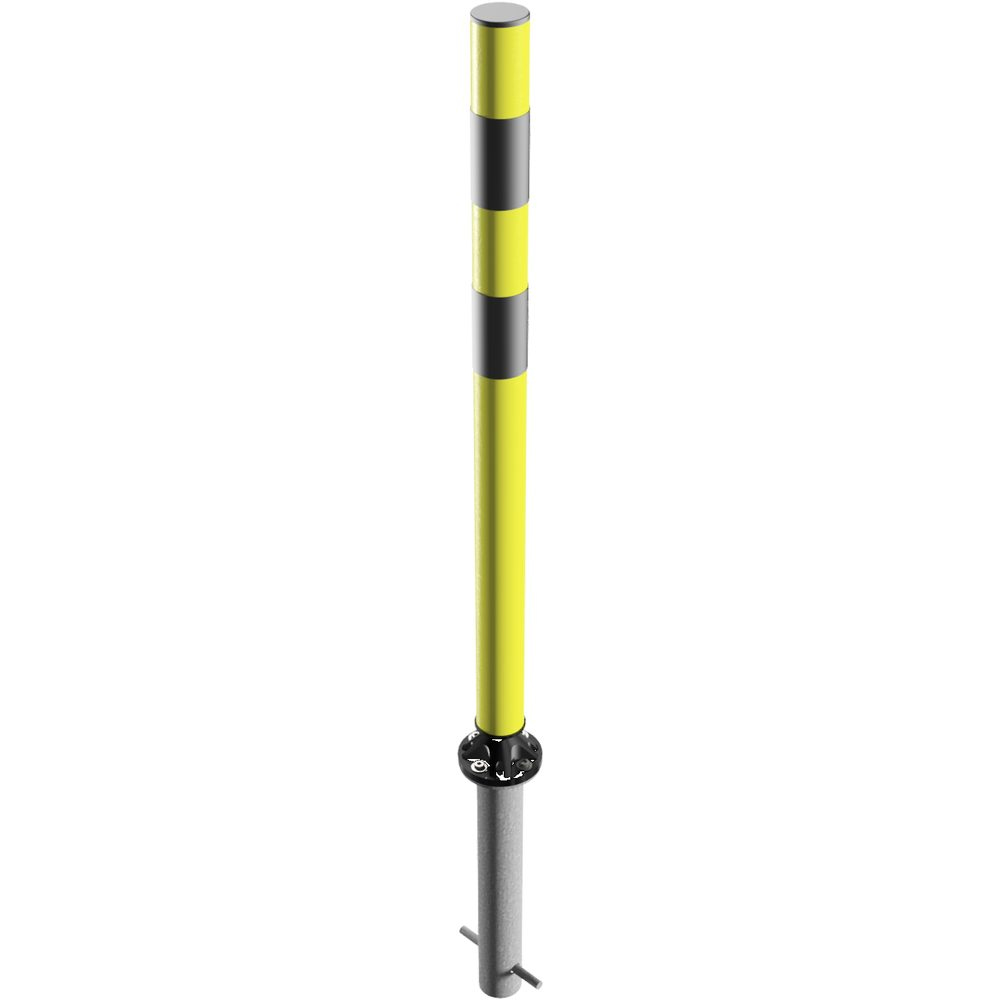
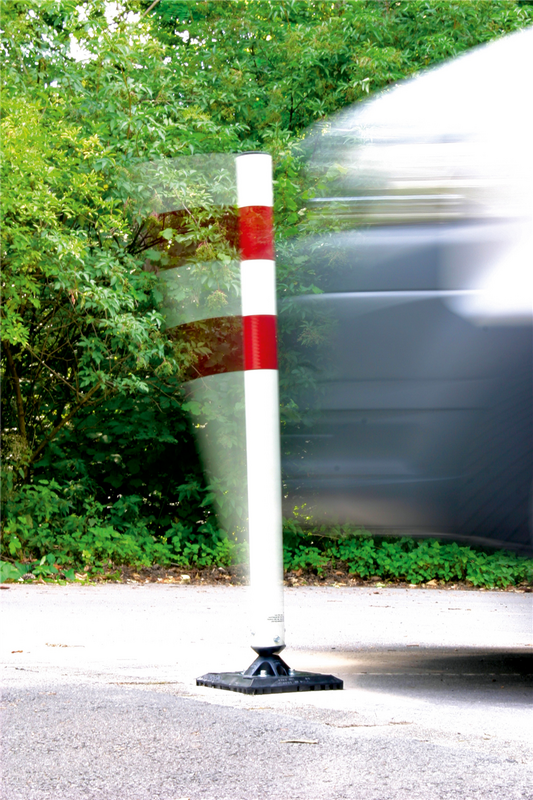
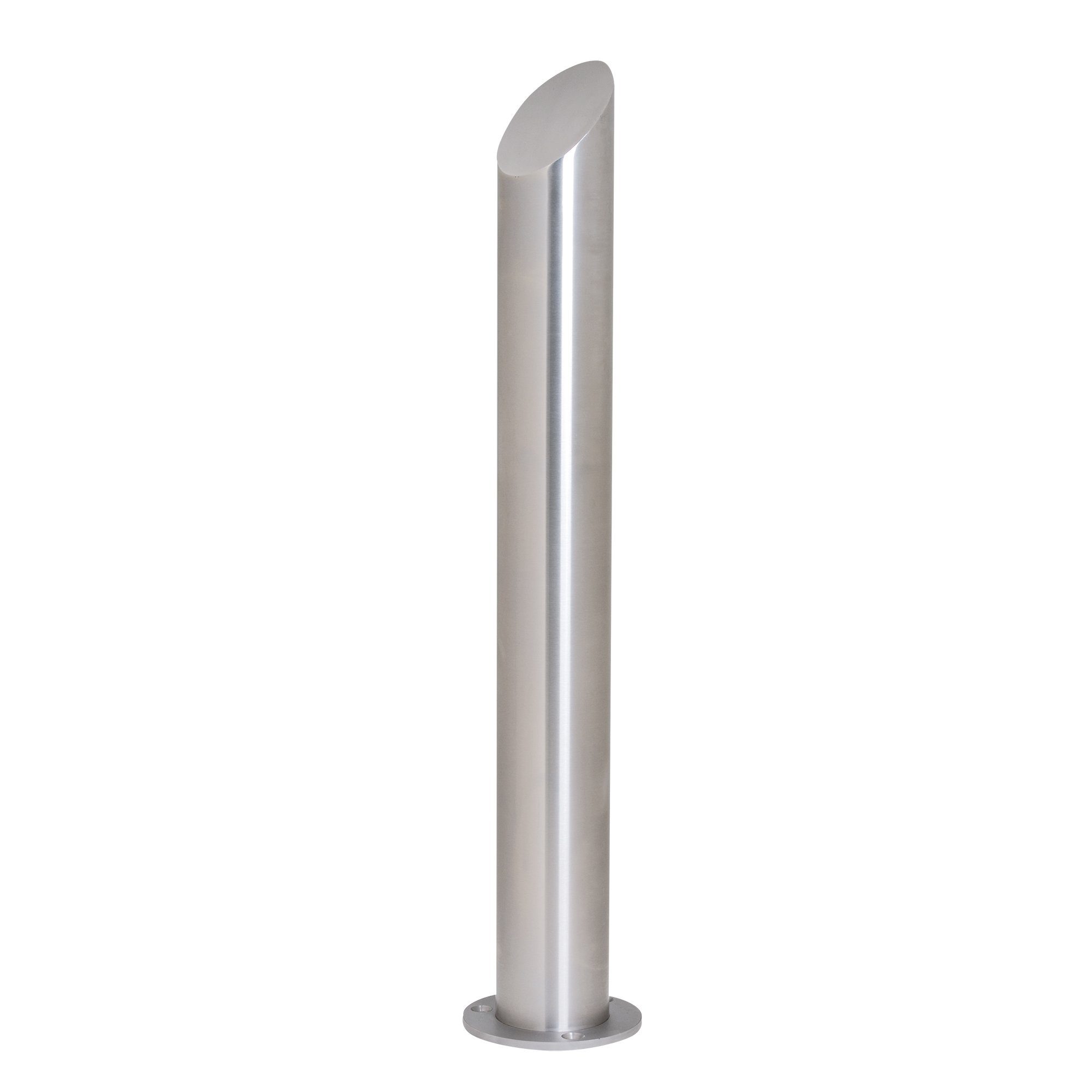
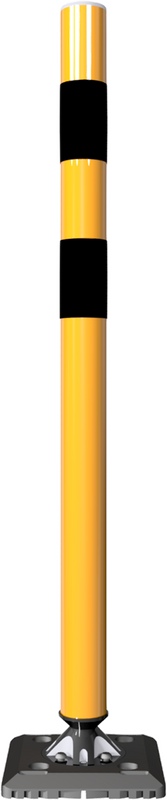 Black/Yellow
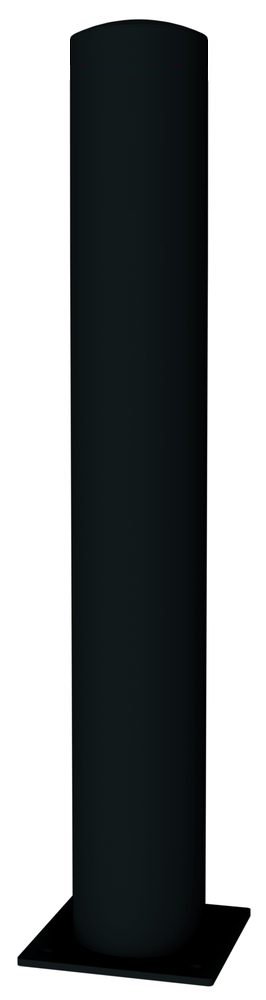
 Anthracite
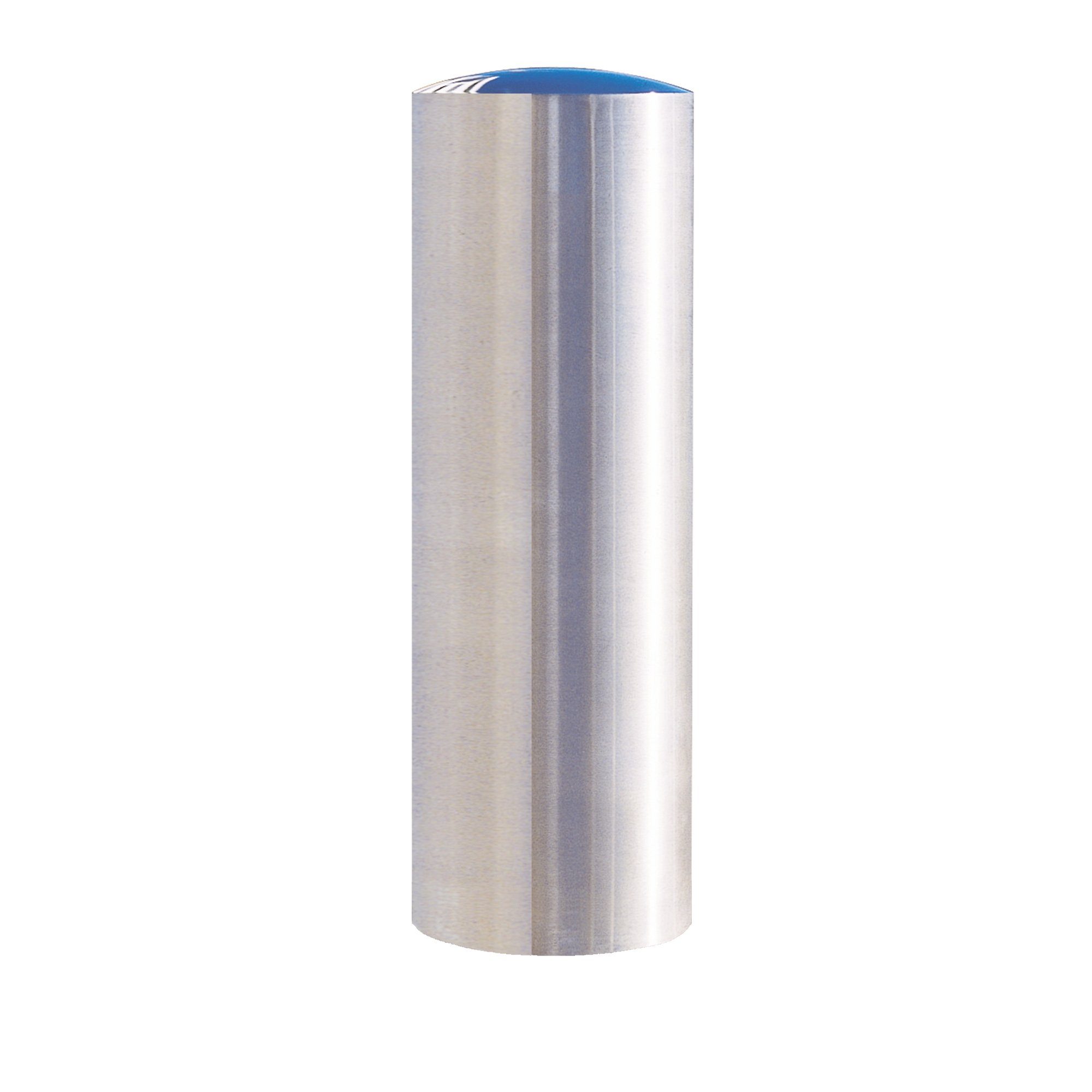
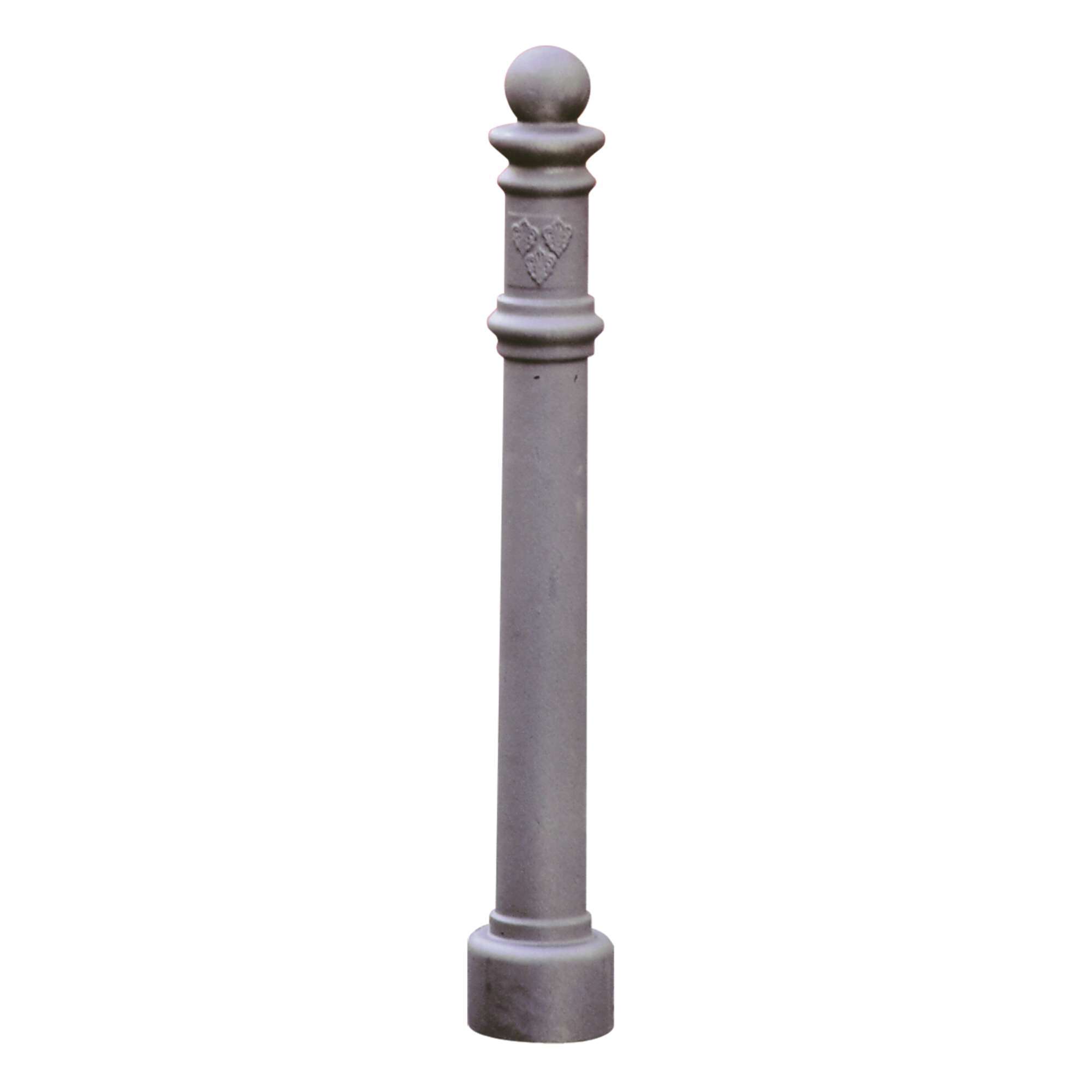
 Stainless steel
 Stainless steel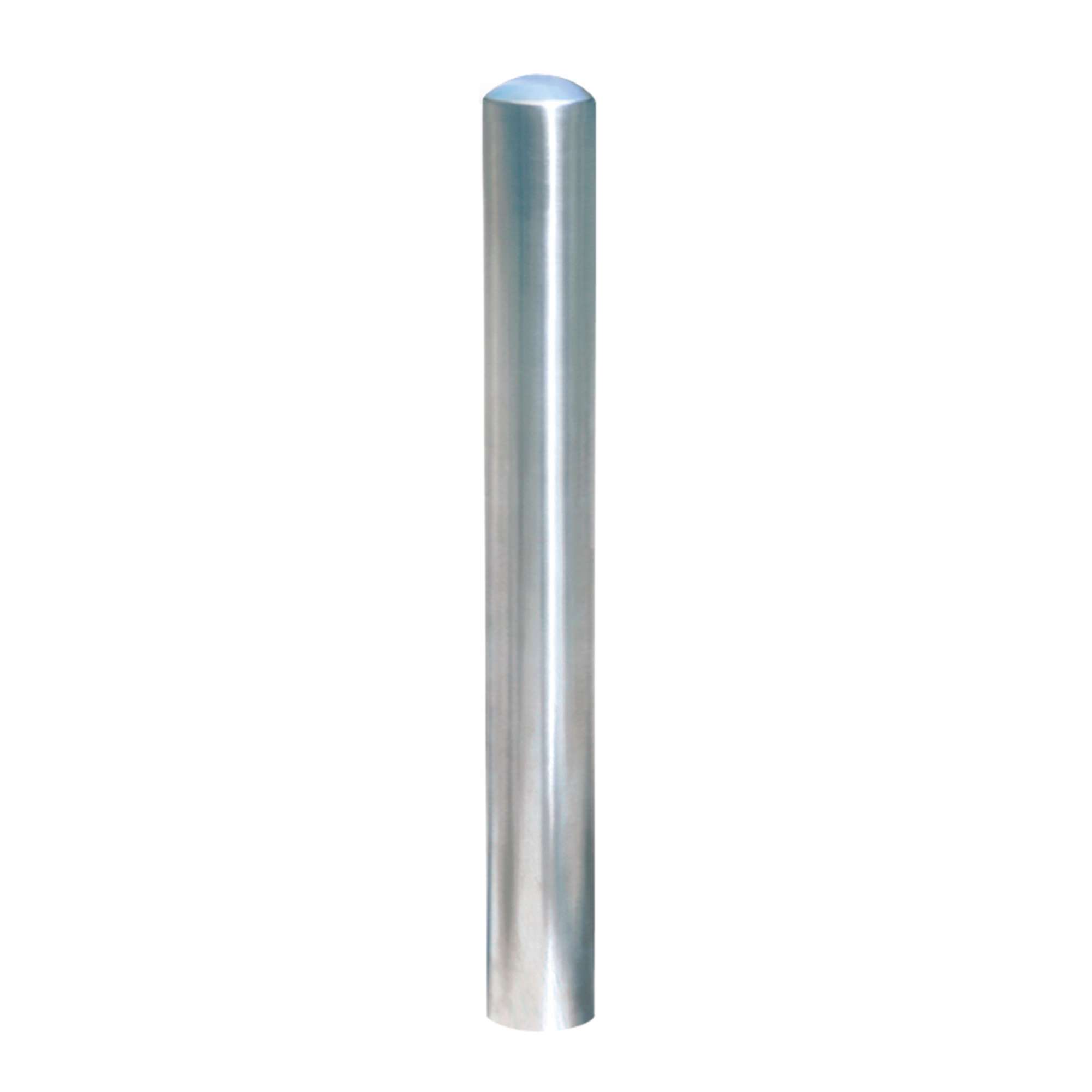
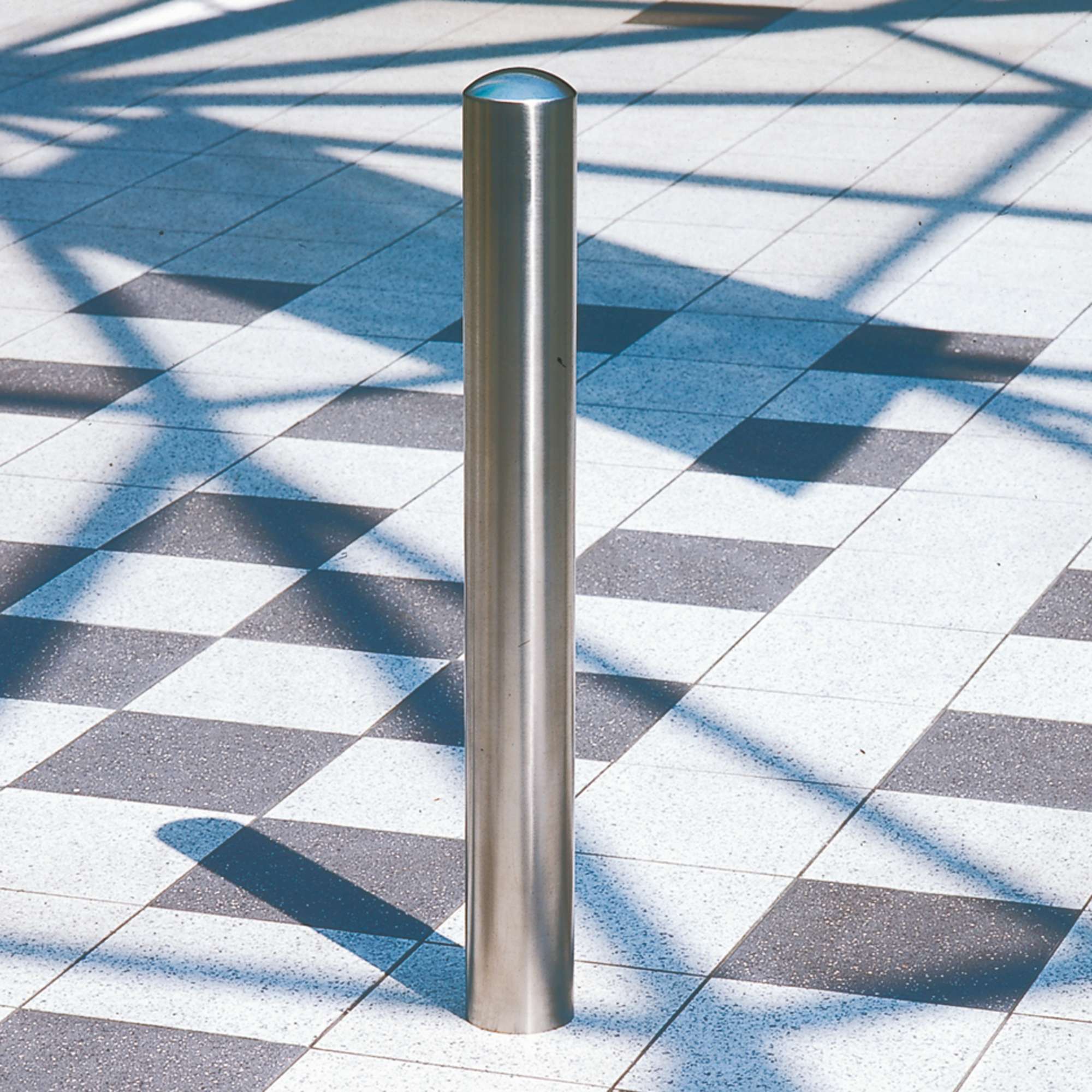 Stainless steel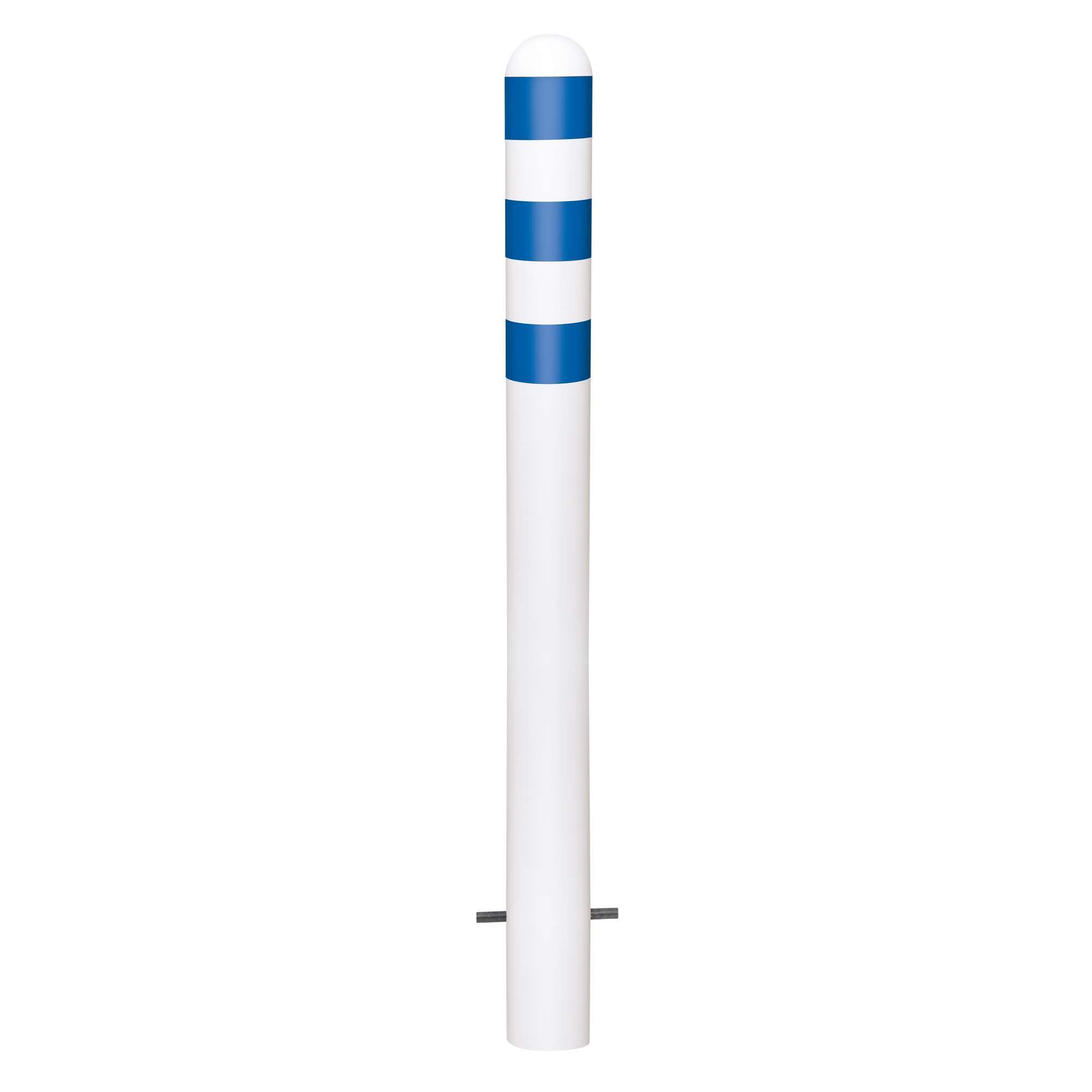
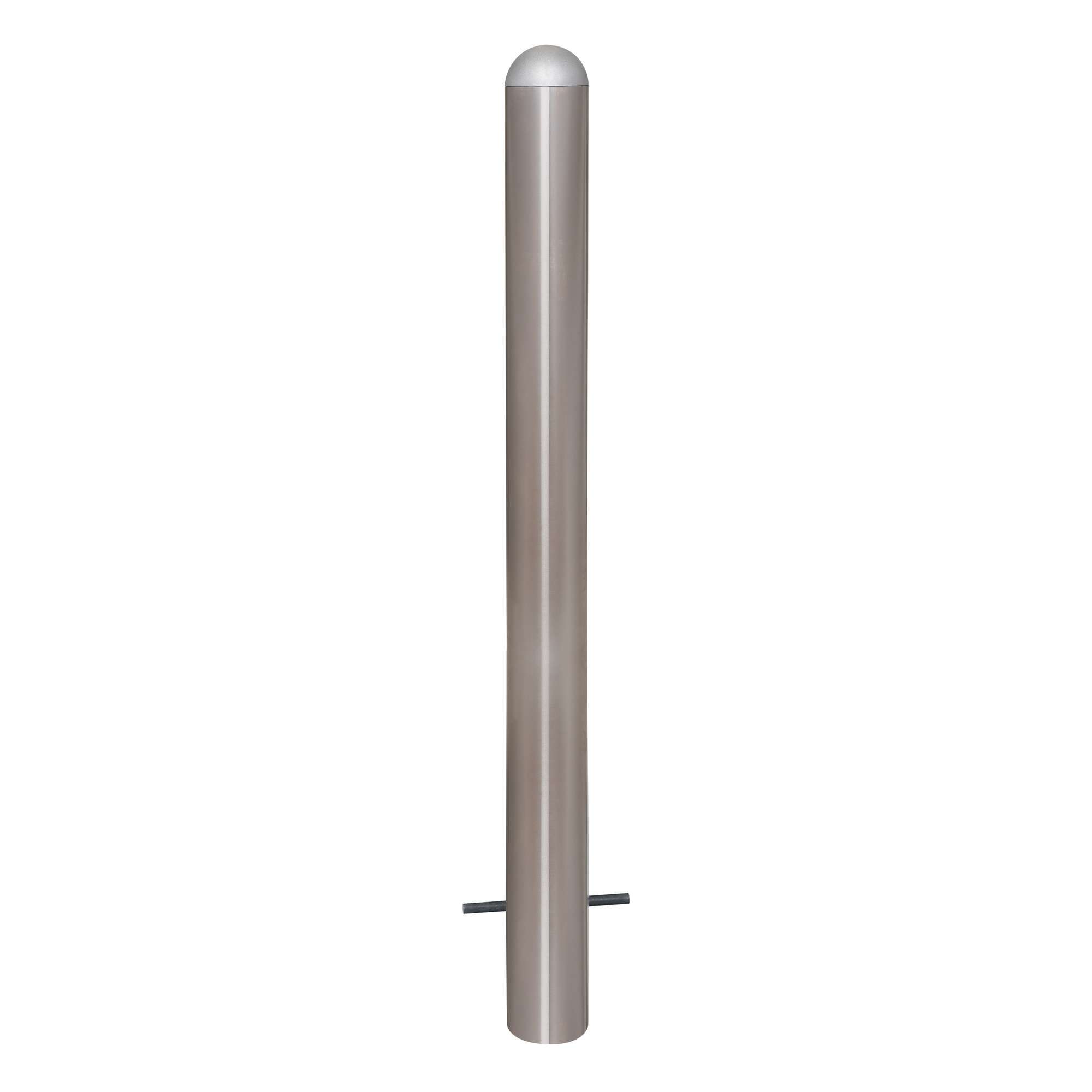 Stainless steel
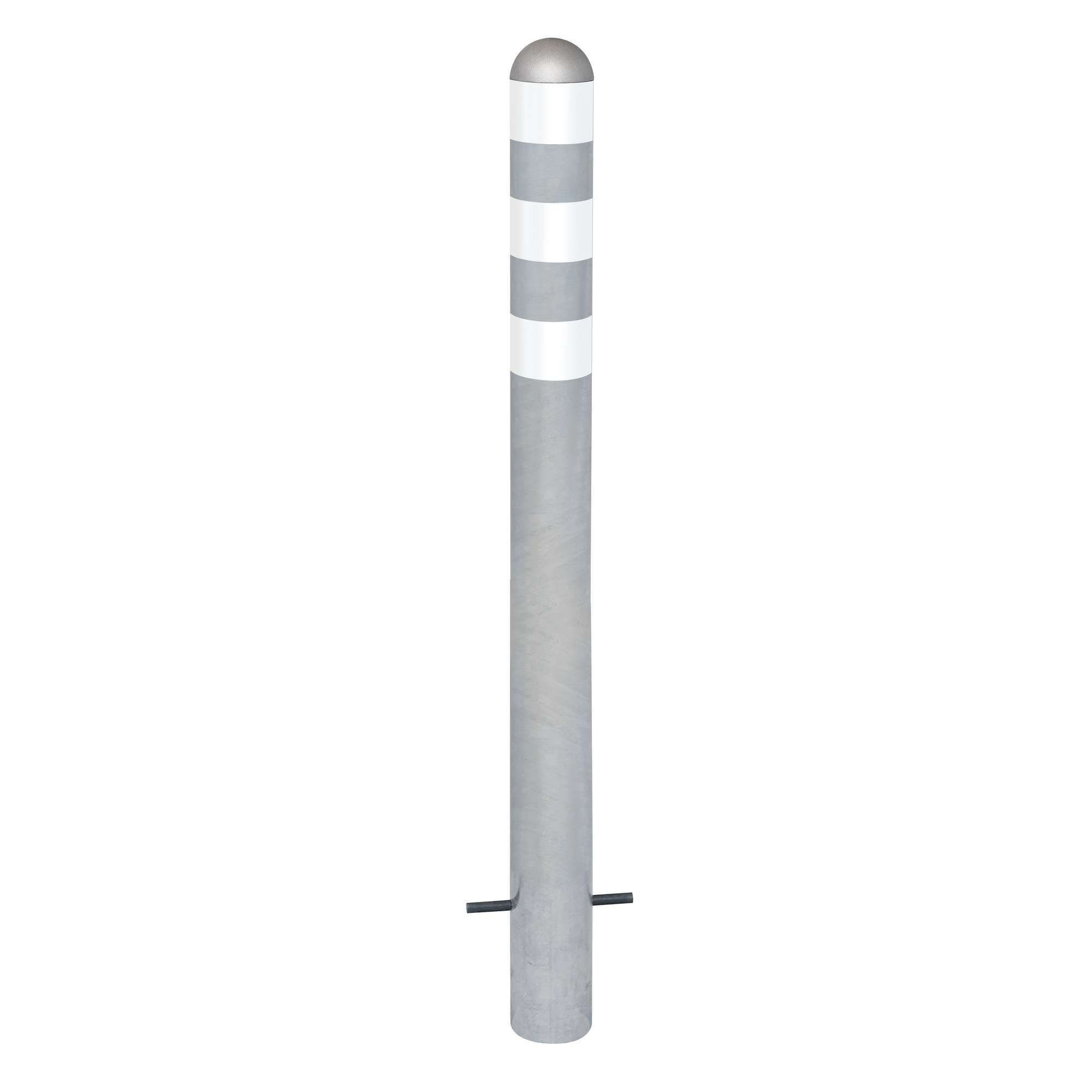 Silver grayWhite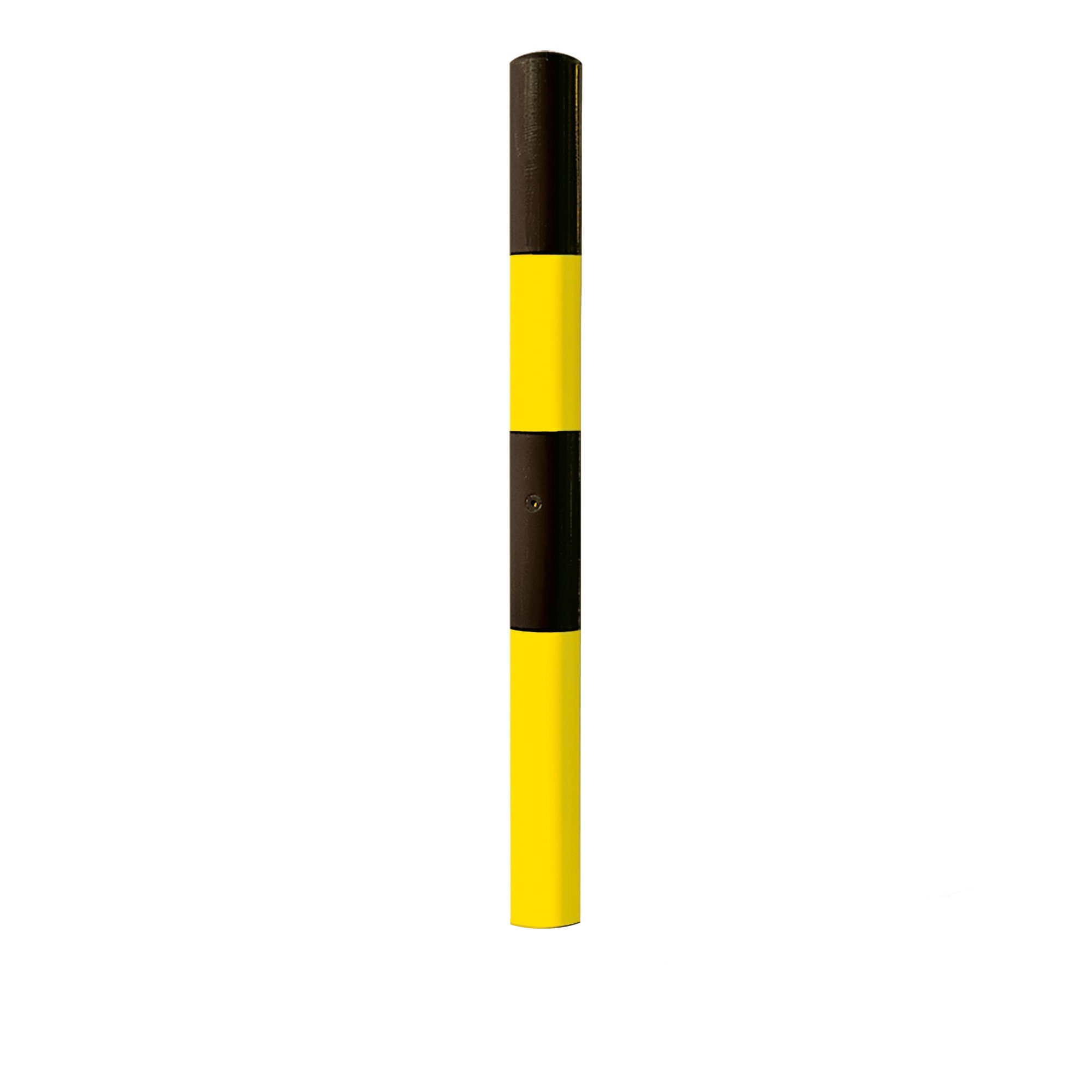
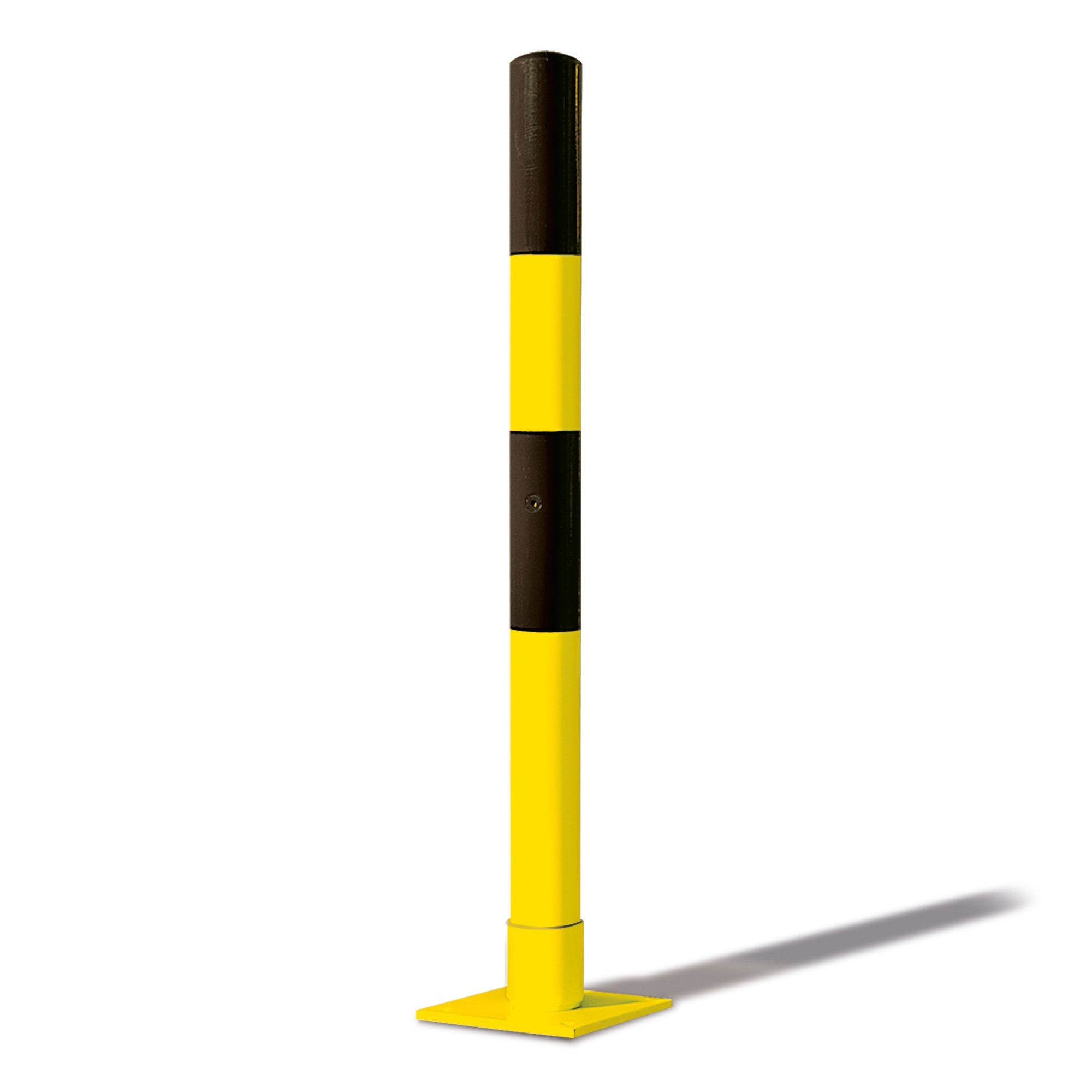 Black/Yellow
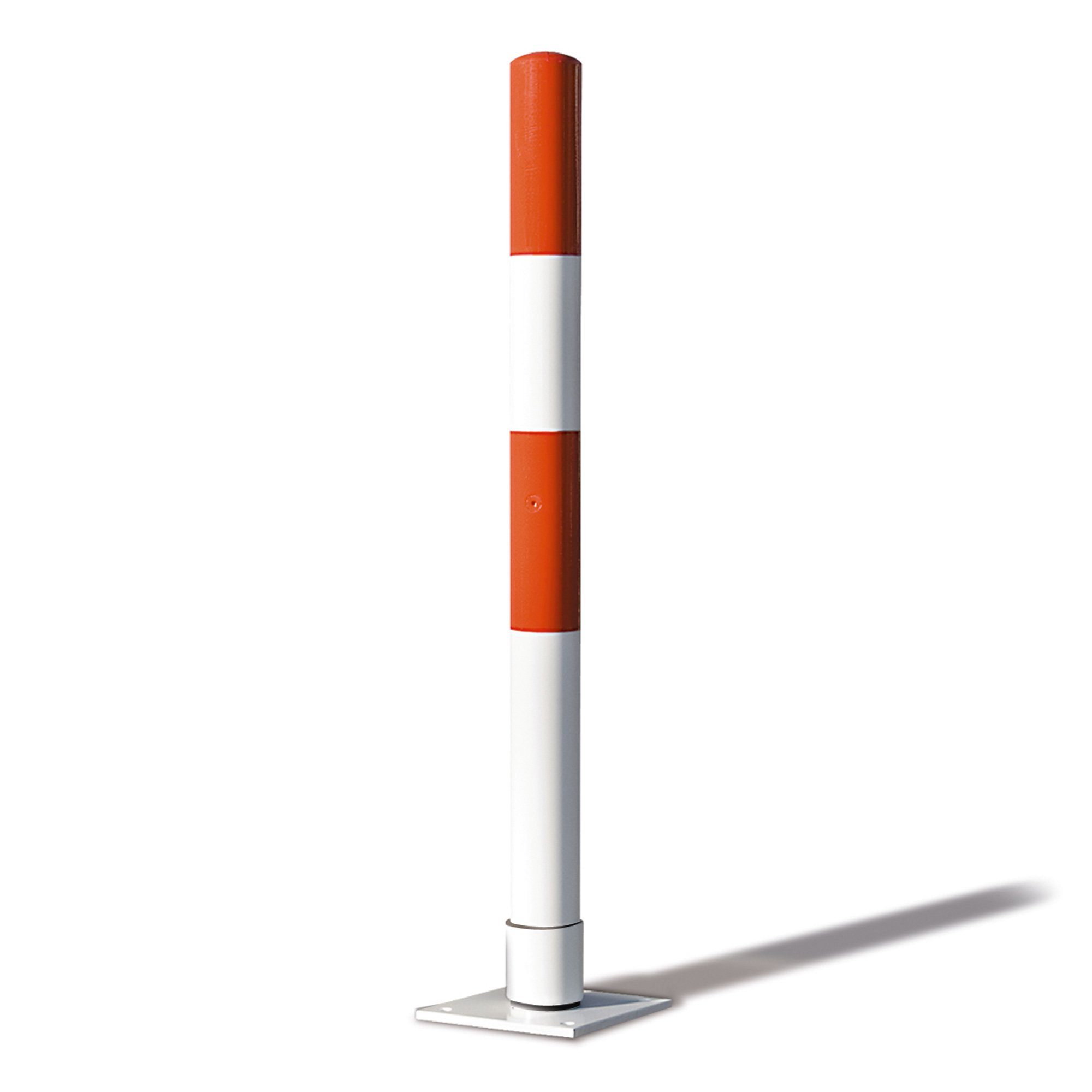 Red/White
Practical tips for installation and maintenance
Impact protection is never stronger than its weakest link – and that link is almost always the installation. Even the most robust hardened-steel protection is useless if it isn’t properly anchored to the substrate. That’s why it is absolutely essential that the installation is done correctly, using the right method for the right environment.
Proper installation isn’t just about following a manual. It’s about understanding how the forces from a collision will affect the protection and, above all, its anchoring. Incorrect mounting can, at best, cause the protection to give way prematurely. At worst, it can create a false sense of security that leads to even more serious accidents when an impact does occur.
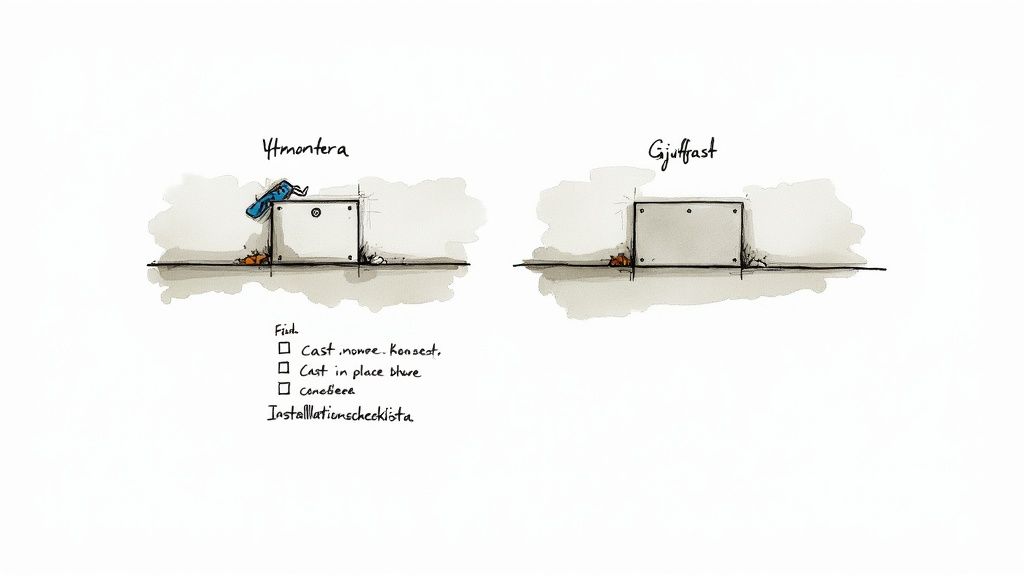
Surface mounting or cast-in – which should you choose?
The two most common methods for installing impact protection are surface mounting and cast-in installation. The choice between them depends entirely on the substrate, the type of protection and the level of protection you are aiming for.
-
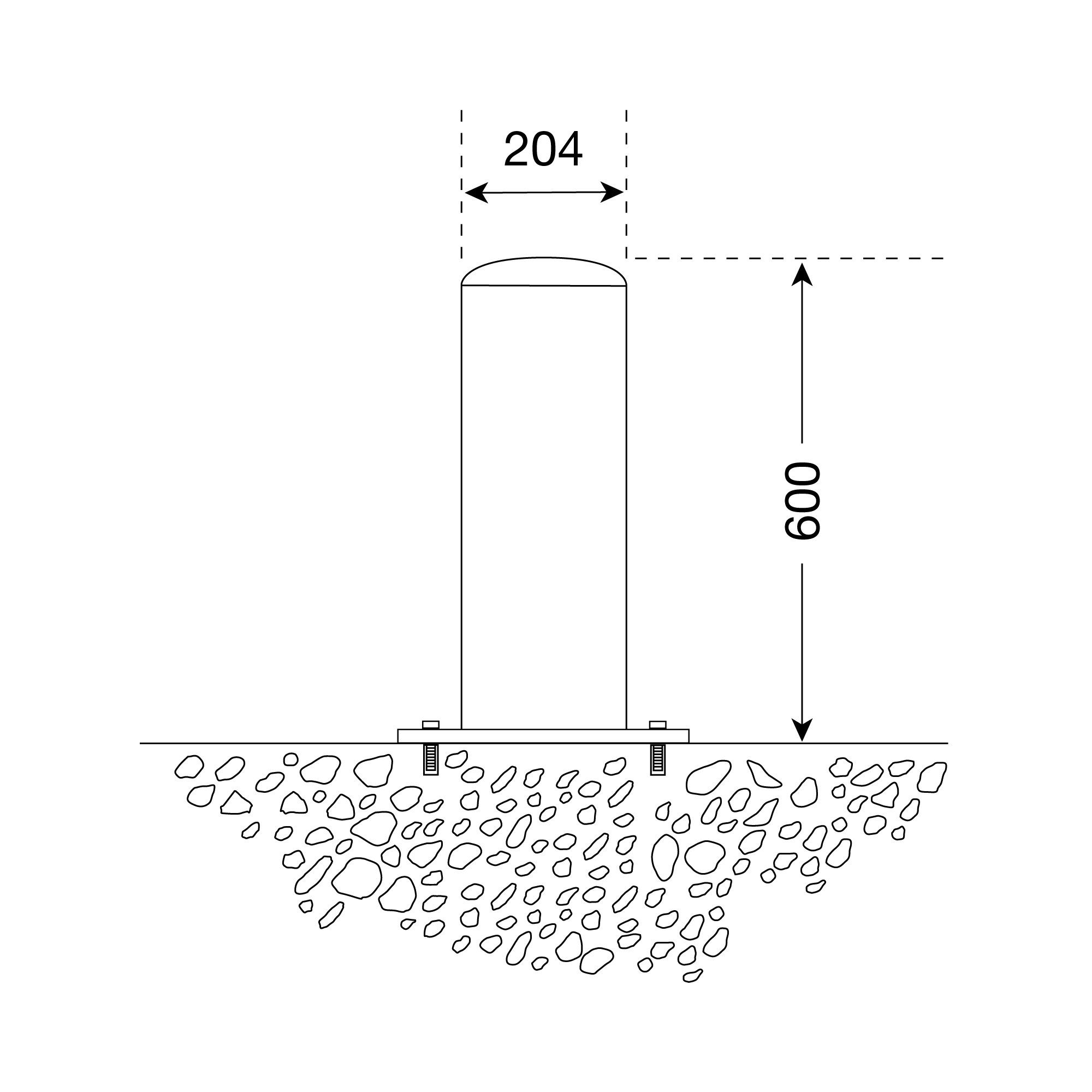
Surface mounting: This method involves bolting the protection directly to the existing substrate using heavy-duty expansion bolts or chemical anchors. It is a fast and cost-effective solution that is perfect for stable concrete floors, such as indoors in warehouses and industrial facilities. Surface mounting is ideal for safety railings, post protectors and hoop guards where the load is more predictable.
-
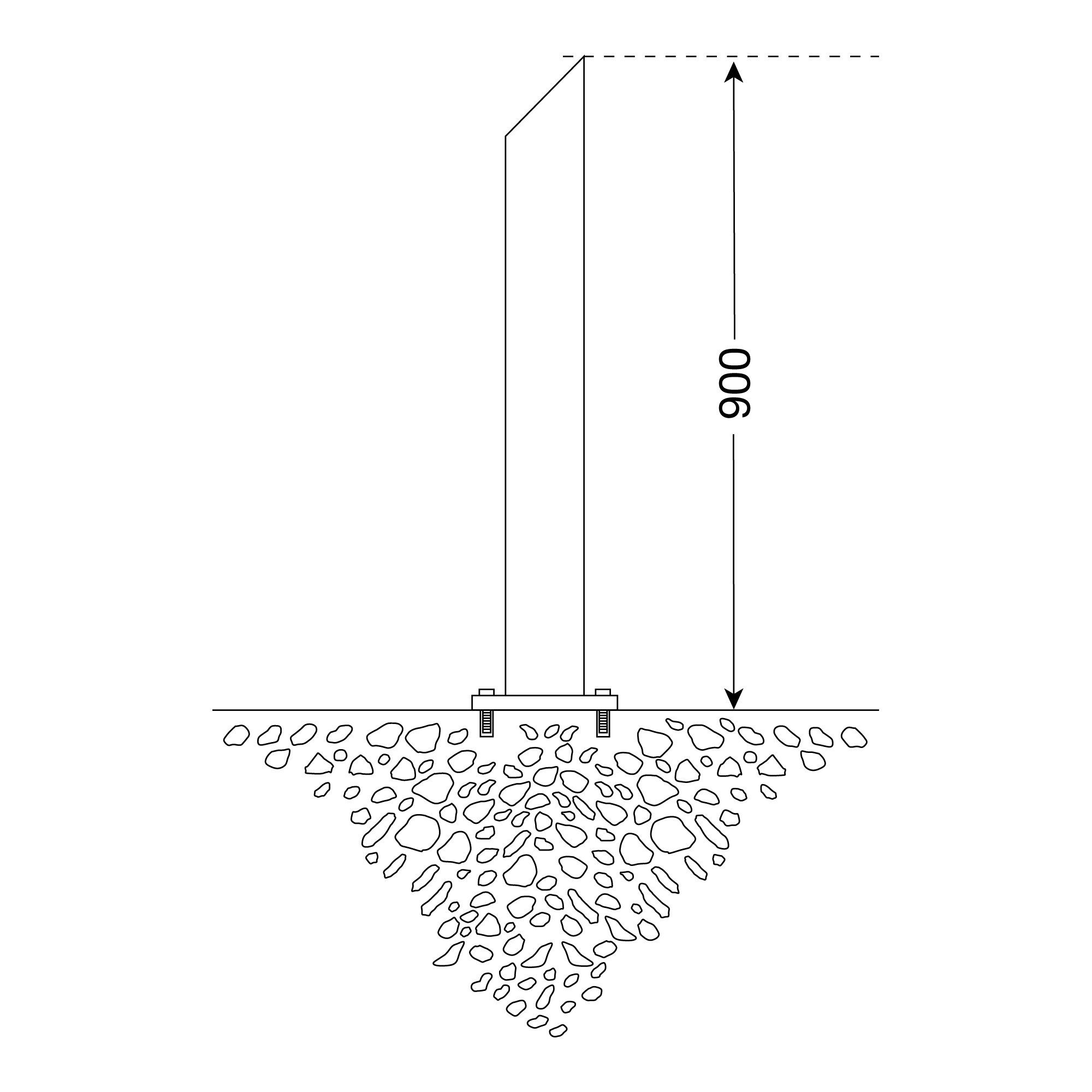
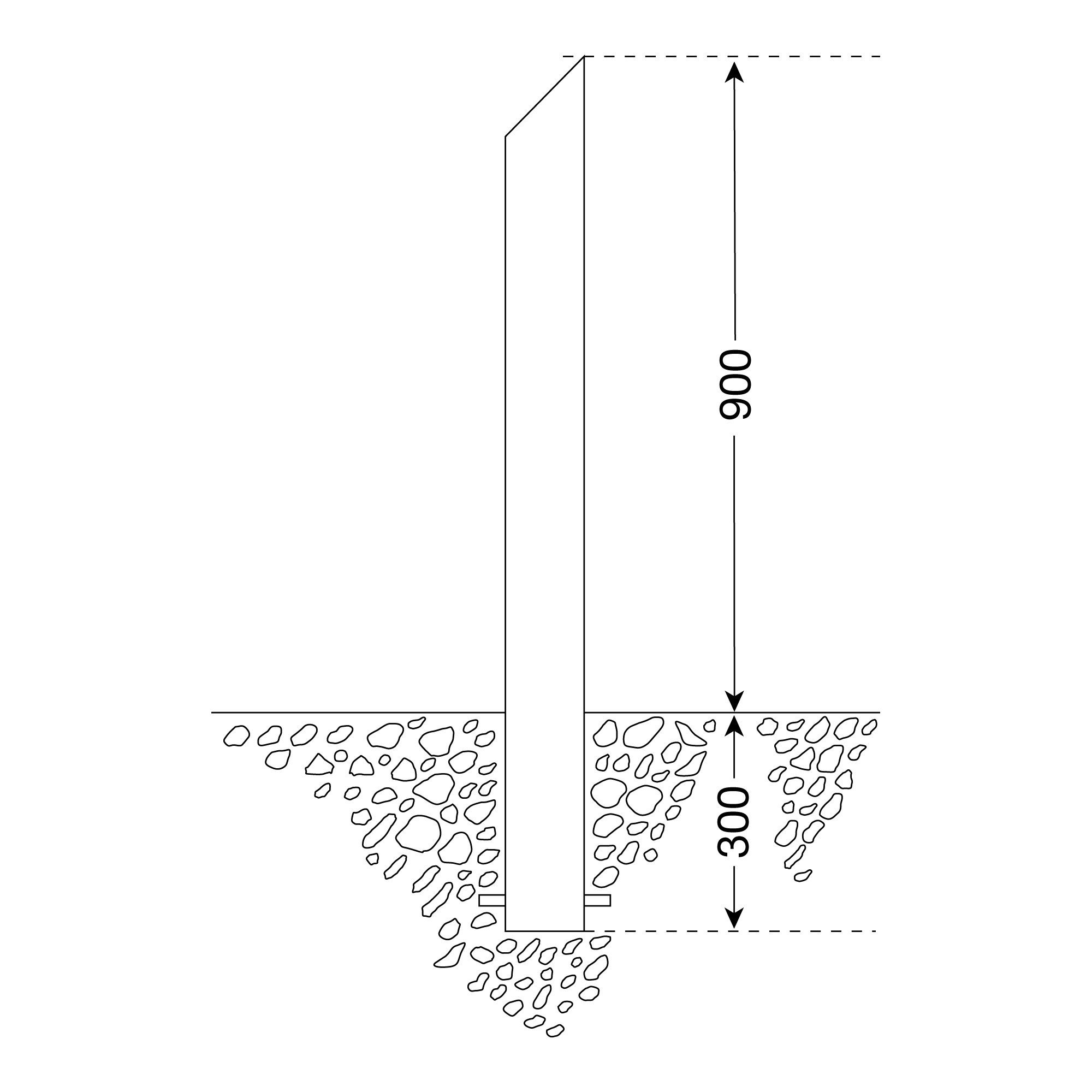
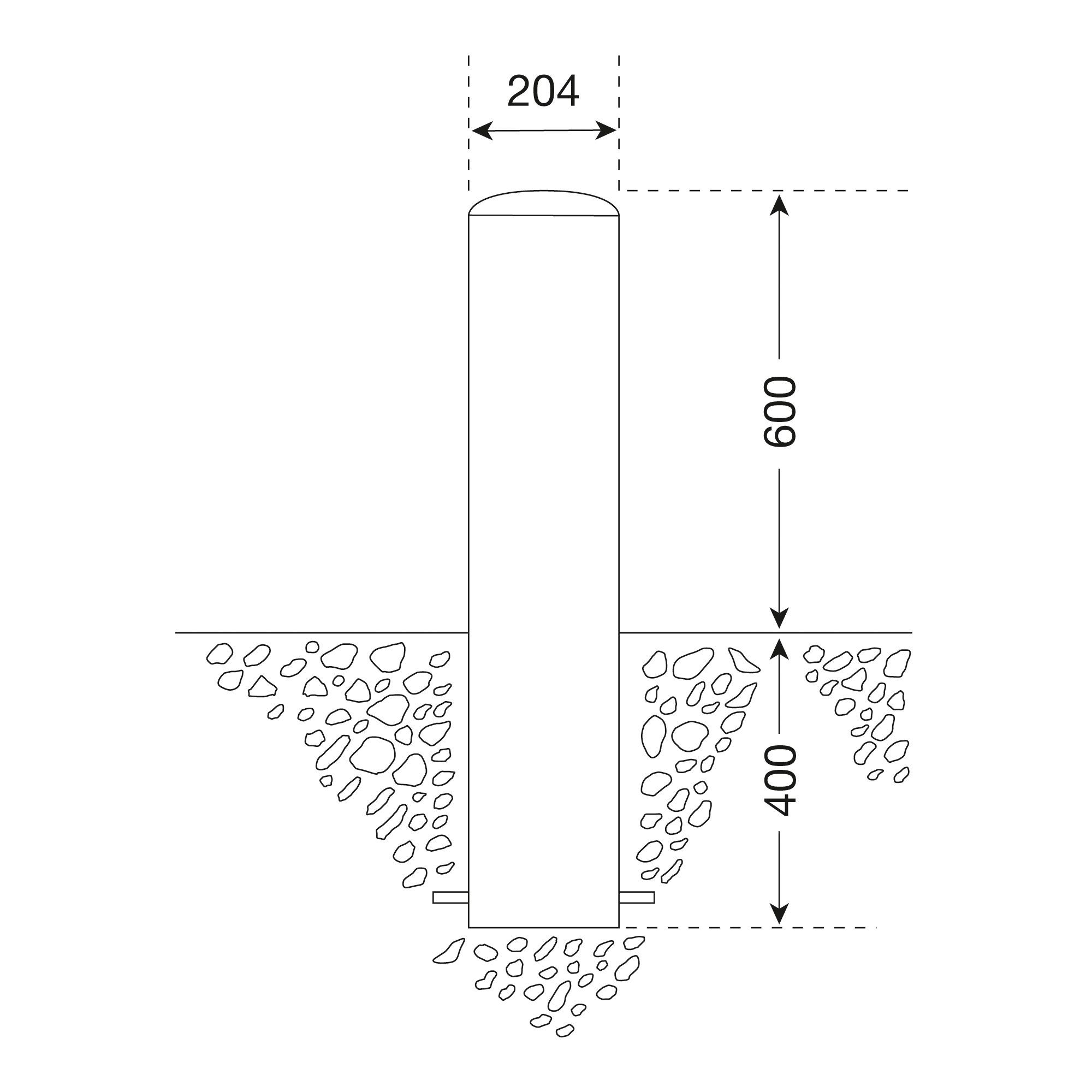
Cast-in: For maximum strength and durability, cast-in installation is the superior option. A hole is dug or drilled in the ground, and the protection – usually a fixed bollard or a heavy-duty barrier – is placed in it and set in concrete. This method is necessary outdoors on substrates such as asphalt, pavers or gravel, where surface mounting simply doesn’t provide enough grip. Casting in distributes the impact force over a much larger area, making the protection extremely resistant.
Think of it this way: Surface mounting is like screwing a bookshelf onto a solid concrete wall – strong and reliable. Cast-in installation is like pouring the foundation for a house – built to withstand extreme forces over a long time.
Checklist for a successful installation
Whichever method you choose, attention to detail is essential. A sloppy installation can undermine the entire purpose of your impact protection. Here is a simple checklist to follow to make sure everything is done right from the start:
- Assess the substrate: Is it concrete, asphalt or pavers? Check thickness and grade. A porous or cracked concrete floor won’t provide sufficient anchorage.
- Choose the right anchoring: Always use the type of bolt or anchor recommended by the manufacturer. To maximize durability, consider purpose-built anchoring such as our anchor for impact protection.
- Measure and mark carefully: Double-check all measurements before drilling. Make sure the protection is placed exactly where it will do the most good.
- Clean the drill holes: Dust and debris in the drill holes can significantly weaken the anchoring. Use compressed air or a brush to get the holes completely clean.
- Tighten to the correct torque: Follow the instructions for how tightly the bolts should be tightened. Too loose and the protection may wobble; too tight and you can damage both the bolt and the substrate.
- Final check: Once installation is complete, give the protection a firm shake to make absolutely sure it is rock solid.
Maintenance extends service life
Impact protection is a long-term investment, and with proper maintenance you can maximize its service life and performance. Regular inspections are essential for catching problems early, before they become a safety hazard.
Set up a simple routine for checking your protection, for example every quarter. Look for:
- Damage and deformation: Has the protection been hit? Even a minor dent can weaken the structure.
- Rust and corrosion: Especially important for steel protection outdoors. Address any rust immediately.
- Loose anchoring: Check that all bolts and nuts are tight. Vibrations from traffic can cause them to loosen over time.
- Cracks in the substrate: Inspect the concrete or asphalt around the anchoring. Cracks may indicate that the protection has been overloaded.
If you discover damage, it’s important to act quickly. Damaged impact protection no longer functions fully and must either be repaired or replaced. Ignoring a problem can turn into a costly lesson the day an accident happens.
Unsure about installation, or need help with a professional assessment of your existing protection? Contact us for free advice and our experts will help you make sure your environment is as safe as it can be.
Inspiration from real-world environments
What does effective impact protection look like in practice? Theory and product sheets are one thing, but seeing how protection actually performs in its natural setting gives you a completely different understanding. Let’s take a look at three common environments where the right protection makes all the difference – for safety, finances and day-to-day operations.
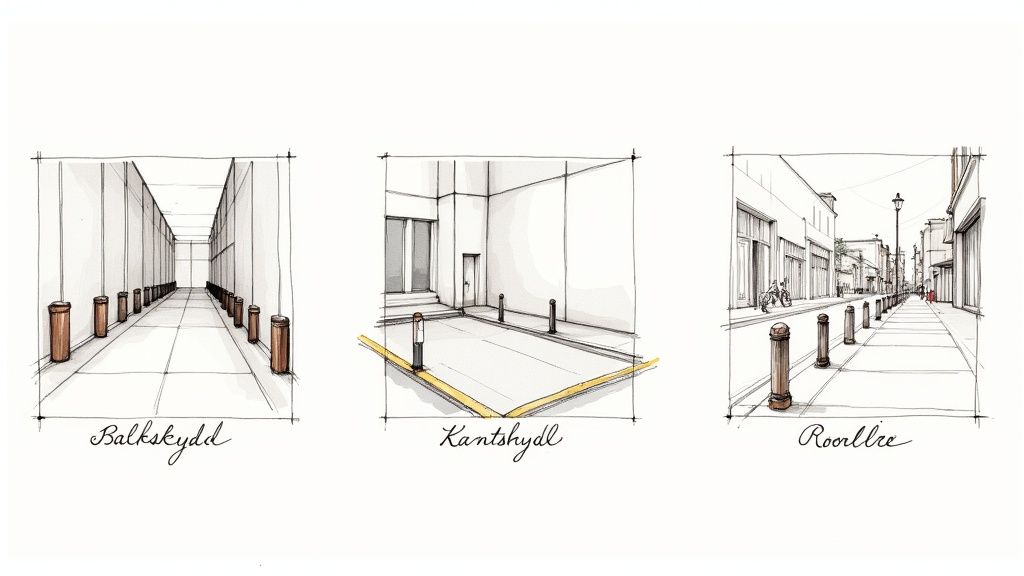
By taking a closer look at these concrete examples, you can get inspiration and ideas for how to secure your own operations. We pinpoint the specific risks in each scenario and show how well-chosen products become effective solutions to real problems.
Scenario 1: The warehouse – where every second counts
The situation: Picture a bustling logistics center. Forklifts move quickly and constantly through narrow aisles, loading and unloading goods from tall racks. The pressure is palpable, and the margins are slim.
The risk: The risk of a collision here is imminent. A small misjudgment can send a forklift fork straight into a load-bearing upright. The consequence? Catastrophic. An entire rack can collapse, not only destroying huge amounts of goods but also creating an immediately life-threatening situation for staff.
The solution: Robust beam protectors and post protectors are the obvious solution. They are mounted directly on the rack uprights and act as a first line of defense. Their job is to absorb and distribute the force of an impact, protecting the critical load-bearing structure. They are often painted in bold warning colors, such as yellow and black, to increase visibility and help forklift operators navigate more safely.
It is a simple but extremely effective measure that prevents costly downtime and, most importantly, protects human lives.
Scenario 2: The parking garage – a concrete maze
The situation: A cramped parking garage beneath a shopping mall or office complex. Drivers, often stressed and unfamiliar with the surroundings, maneuver between concrete columns and tight turns in search of an open space.
The risk: The most vulnerable points are without doubt columns and outside corners. A misjudged turn easily leads to ugly scrapes on both the car and the building. This damage may seem minor in each case, but over time the cost of repairing cracked concrete and repainting adds up.
The solution: Here, a combination of different types of impact protection creates a complete defense. Corner guards in rubber or steel are mounted directly on exposed corners to absorb lighter impacts and prevent damage. For columns and other critical points, hoop guards are an excellent choice. These sturdy steel hoops are anchored in the floor around the object, creating a clear physical barrier that stops the vehicle before it reaches the column.
Protecting the infrastructure itself reduces maintenance costs and keeps the property looking neat and well maintained.
Scenario 3: The city center – where people and traffic meet
The situation: A lively pedestrian street downtown lined with shops, cafés and restaurants. Pedestrians, cyclists and delivery vehicles share limited space, creating a complex and unpredictable traffic environment.
The risk: The greatest danger is a vehicle – accidentally or intentionally – driving into an area intended for pedestrians. An incident like that can have devastating consequences. At the same time, you don’t want to create an environment that feels closed off or inaccessible.
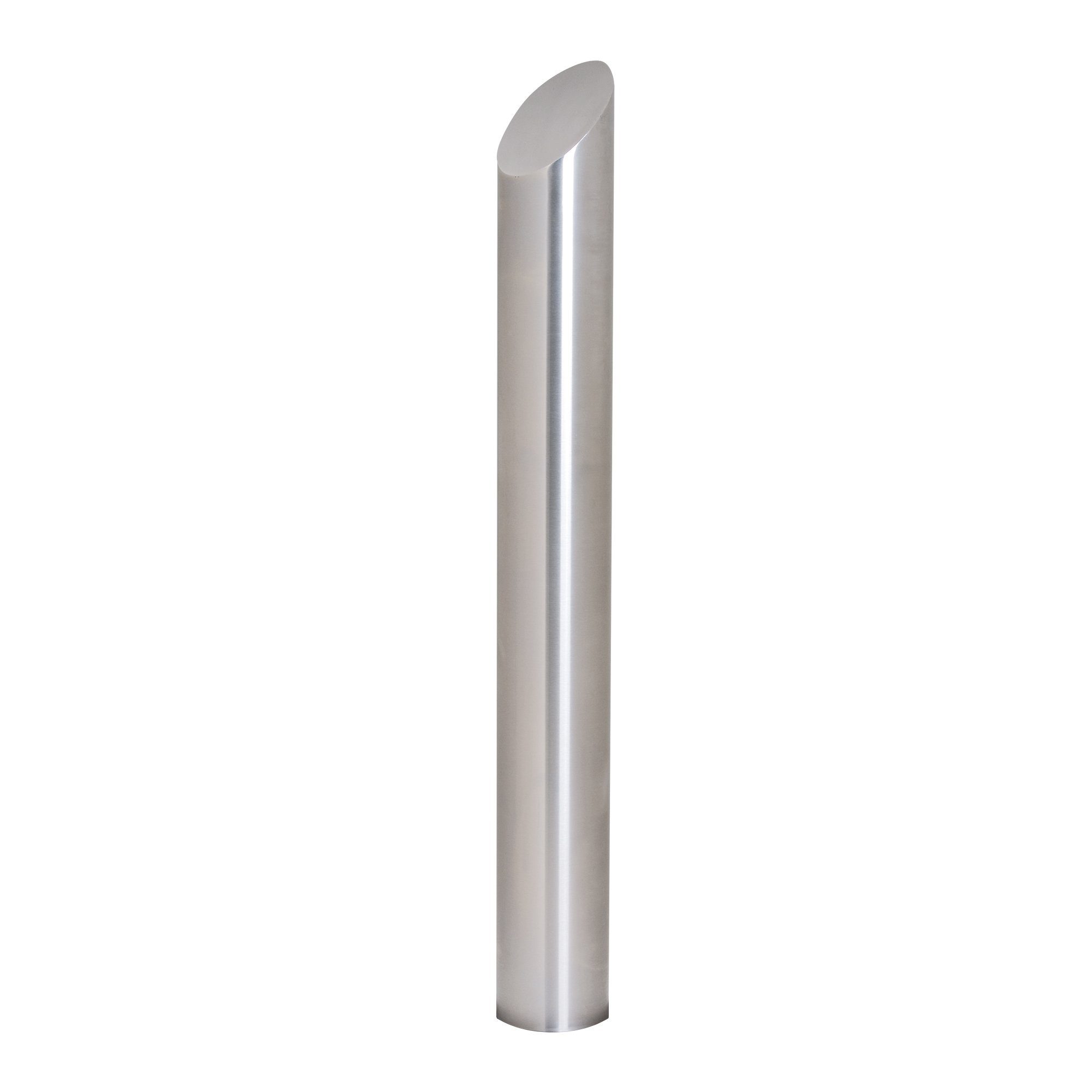
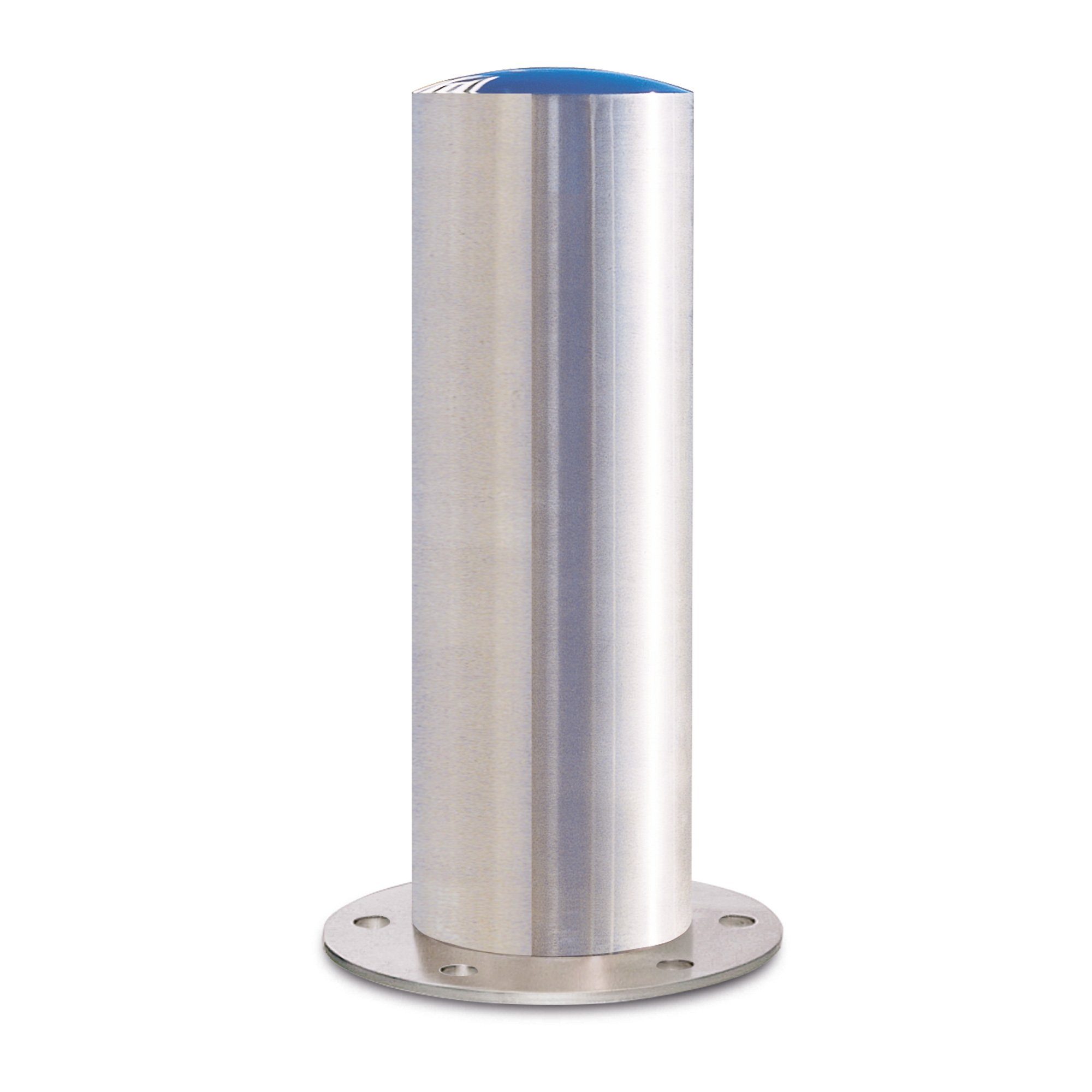
The solution: Elegant yet strong bollards are the ideal solution. They can be strategically placed to effectively block vehicle traffic from sidewalks and squares, while blending aesthetically into the urban landscape. Bollards come in a wide range of materials and designs, from classic cast iron to modern stainless steel, so they can be adapted to the character of the location.
The right impact protection in urban environments is about striking the perfect balance between safety, accessibility and aesthetics. It creates safe zones where people can move freely without compromising the city’s open and welcoming feel.
Have you identified a risk in your own environment similar to one of these examples? Or are you facing a completely unique challenge? Our experts can help you find the best solution. Contact us for free advice and let’s create a safer place together.
Time to turn thought into action
We have traveled through the entire landscape of impact protection – from why it is an absolutely essential investment to how to actually choose the right solution and make sure it is installed properly. You now have the knowledge you need to see risks with fresh eyes and understand which tools are available to protect people, machinery and buildings.
But knowledge, as we all know, is only the beginning. Real safety only happens when that insight is put into practice.
Make safety something you do, not just something you know
The most important step is the one you take right now. Waiting for an accident to force a change is a strategy no one can afford. Stay one step ahead. Take a walk around your premises or facility today – but look around in a new way.
Analyze traffic flows and movement patterns.
- Where do the forklifts and heavy vehicles drive?
- Where do staff move on foot?
- Which machines, racks, columns or doors are most exposed to an impact?
Ask yourself the straightforward question: where could things go wrong? Every spot you identify is a chance to prevent an incident before it even happens.
Investing in impact protection is not a cost for a problem that has already occurred. It is a strategic decision to make sure it never happens. It’s about building a workplace where both people and operations can feel safe.
If you see areas that need reinforcement, or if you’re unsure about the best solution for a specific zone, don’t wait. Postponing the decision is, in practice, accepting the risk. Perhaps a couple of heavy-duty bollards are missing at an entrance, or a system of safety railings is needed to create a safe walkway through the warehouse.
Black/Yellow
Black/Yellow
Anthracite
Stainless steel
Stainless steel
Stainless steel
Stainless steelSilver grayWhite
Black/YellowRed/WhiteWant an expert opinion, help with a professional risk assessment or just to bounce ideas around about a specific challenge? We’re here for you. Contact us at Nordguard for free advice. Our job is to help you create a safer, more secure and more productive environment for everyone.
Frequently asked questions about impact protection
Here we have gathered some of the most common questions about impact protection. The idea is to give you quick answers to practical questions on everything from material selection to installation, so you can feel confident in your decisions.
Which material is best for impact protection?
There’s no simple answer here – the best material is always the one that best suits the purpose and the environment. You simply have to weigh raw strength against flexibility, and sometimes aesthetics as well.
In demanding industrial environments, heavy-duty steel impact protection is almost always the obvious choice. Its uncompromising strength is unbeatable when it comes to stopping heavy forklifts and preventing costly damage to machinery or racking. But for lighter impacts, such as in a parking garage, flexible protection in polymer or plastic may actually be the smarter option. It springs back after an impact and minimizes damage to both the vehicle and the protection.
In public spaces where maximum protection against heavy traffic is needed, concrete is the way to go. But in places where appearance matters a lot, such as a park or a historic city center, wood or cast-iron bollards can be a much more attractive alternative.
How tall does my safety barrier need to be?
Height is absolutely critical for the protection to do its job. It is determined by the type of vehicle that poses the greatest risk. A good rule of thumb is that the protection should meet the vehicle at, or just above, its likely point of impact.
In a typical parking lot with passenger cars, lower barriers or wheel stops are usually sufficient. But inside a warehouse, where the risk comes from loaded forklifts, significantly taller protection is required. It must be able to stop both the forklift itself and the forks, which are often the part that does the most damage to racking and goods.
Choosing the right height means thinking through the worst-case scenario. Protection that is too low is essentially useless against a taller vehicle, while protection that is unnecessarily tall can be impractical and expensive.
Can I install impact protection myself?
Absolutely – for simpler, surface-mounted protection that isn’t critical to personal safety, a handy person can definitely handle the installation. This might include small corner guards in a garage or lighter barriers.
But as soon as we’re talking about protection that needs to withstand heavy impacts and protect people or expensive equipment, we strongly recommend hiring professionals. Incorrect installation is by far the most common reason impact protection fails when it’s actually needed.
An expert knows exactly how anchoring should be done in different types of substrates to guarantee maximum strength. Trying to save money on installation can turn into an incredibly costly lesson the day an accident happens.
Have more questions, or need help finding the right impact protection for your operations? Nordguard offers expert advice and a wide range of quality-assured products. Get in touch and we’ll help you create a safer environment. Explore our solutions at https://nordguard.eu.
Ready to take the next step?
We help you develop solutions tailored to your needs. At Nordguard, we strive to make the ordering process as smooth as possible. By offering support and guidance throughout the entire purchasing experience, we make sure you feel confident and satisfied with your choice of protection products.+46 10 153 90 50
[email protected]