
A Complete Guide to Choosing the Right Industrial Mirror for Your Business
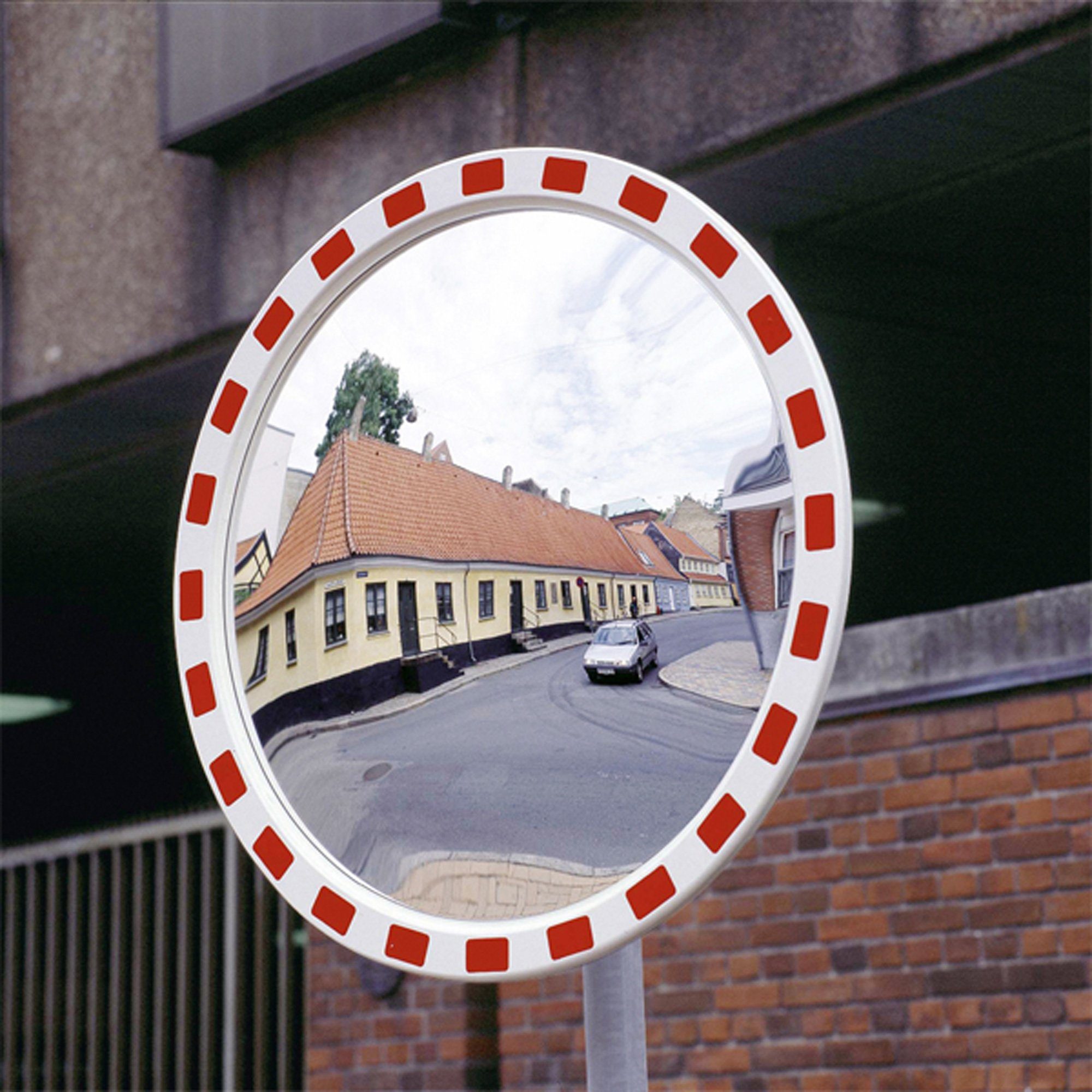
An industrial mirror is more than just a mirror. It is a vital safety component that actively prevents accidents by providing visibility where there was none before. In busy environments such as warehouses, production halls and loading docks, where forklifts and workers are constantly on the move, blind spots become a direct hazard. Have you ever felt that chill when a forklift suddenly appears out of nowhere? A strategically placed mirror provides the extra second of visibility needed to avoid a collision.
Why an Industrial Mirror Is Critical to Safety
Think of the industrial mirror as an extra set of eyes. It is an active part of systematic safety management and solves one of the most common and dangerous problems in many workplaces: limited visibility.
Picture a classic T-intersection in a warehouse. A forklift driver approaches the intersection, completely unaware of a coworker about to turn the corner with a pallet jack. Without a mirror, it is pure chance whether they collide or not – a ticking time bomb. But with a convex industrial mirror in place, both see each other in plenty of time. They can slow down, steer clear or stop. The danger is averted. This is a typical scenario where a simple product solves a potentially life-threatening problem.
From Reactive to Proactive Safety
Relying on luck or on employees always being on high alert is an unsustainable strategy. It means reacting to accidents. An industrial mirror makes safety proactive. Instead of dealing with the consequences of an incident, you make sure it never happens in the first place.
This simple yet incredibly effective tool helps build a safety culture where protection is built into the environment itself, not just a reminder on a sign. This proactive approach not only protects people from injury but also reduces the risk of costly damage to forklifts, goods and infrastructure such as racking and doors.
A well-placed industrial mirror is one of the most cost-effective investments you can make to immediately reduce the risk of collisions. It turns invisible hazards into visible, manageable situations.
Common Risks an Industrial Mirror Solves
To make it even clearer, we have put together an overview of typical safety problems and how an industrial mirror offers a direct and effective solution.
| Safety Risk | Industrial Mirror Solution | Recommended Location |
|---|---|---|
| Blind corners & intersections | Provides a view of oncoming traffic and pedestrians. | Warehouse aisle intersections, production areas |
| Blind spots at doors | Shows vehicles and people on the other side. | Building entrances and exits, loading docks |
| Narrow passages | Warns forklift drivers of pedestrians and other traffic. | Aisles with mixed forklift and pedestrian traffic |
| Poor visibility along lines | Gives operators a complete view of the process. | Production monitoring points, machine areas |
An industrial mirror works best as part of a larger safety system. To protect both the mirror and its surroundings, it makes sense to combine it with other protection. Read more in our guide on why impact protection is a critical safety investment.
Do you recognize any of the risks in the table from your own workplace? Then it is time to act. Need help analyzing your environment and finding the right solutions? Contact us and our experts will help you create a safer and more efficient facility.
How to Choose the Right Industrial Mirror for Your Needs
Choosing the right industrial mirror is about more than just putting up something shiny. It is an active safety decision that must be based on your unique environment. For the mirror to be truly useful, you need to consider everything from shape and material to size and placement. Otherwise, it risks creating a false sense of security.
The first and perhaps most important choice is between a convex and a flat mirror. A convex mirror is like a wide-angle lens on a camera. Its curved surface provides an incredibly wide field of view, perfect for getting an overview of a blind intersection or a large warehouse floor. The downside is that it slightly distorts distance – objects appear farther away than they actually are.
A flat mirror, on the other hand, is just like your bathroom mirror. It gives an exact, undistorted 1:1 image. That makes it ideal for situations that require precision, for example when a forklift driver backs up to a loading dock or a machine operator needs to monitor a specific detail in production.
Shape and Material Suited to Your Environment
Once you have settled on the right shape, it is time to look at the material. This is a critical choice that determines the mirror’s service life, image quality and where it is suitable in the first place.
- Polycarbonate: Think of this as the virtually unbreakable option. If the mirror is in a high-risk zone where it could be hit by a forklift, load or pallet jack, polycarbonate is the only sensible choice. It is a robust safety investment.
- Acrylic: Delivers a remarkably clear, sharp image at a lower cost than polycarbonate. Acrylic is an excellent choice for lower-risk indoor environments, such as stores, offices or smaller warehouses where traffic is more predictable.
- Stainless steel: Unbeatable when hygiene and durability are paramount. The obvious choice for the food industry, where everything must withstand harsh cleaning, or for exposed outdoor environments where weather and chemicals would quickly destroy other materials.
Choosing a material is really a small risk analysis in itself. A cheap acrylic mirror in an area with heavy forklift traffic can quickly become an expensive affair when it cracks. A durable polycarbonate mirror costs more up front but quickly pays for itself in safety and longevity.
Which Material Is Best for Your Industrial Mirror?
To make the choice a little easier, we have put together a quick comparison. This table gives you a good overview so you can match the material to your work environment and the safety requirements that apply to you.
| Material | Impact Resistance | Weather Resistance | Best Suited For |
|---|---|---|---|
| Polycarbonate | Very high | Good | High-risk areas with forklift traffic, warehouses, industry |
| Acrylic | Medium | Limited | Indoor use, stores, offices, low-risk areas |
| Stainless steel | High | Excellent | Food industry, harsh outdoor environments, chemical environments |
Identifying a risk and then choosing the right measure is at the core of all safety work. The process can actually be boiled down to a fairly simple flow, from spotting the hazard to installing a solution that makes the workplace safer.
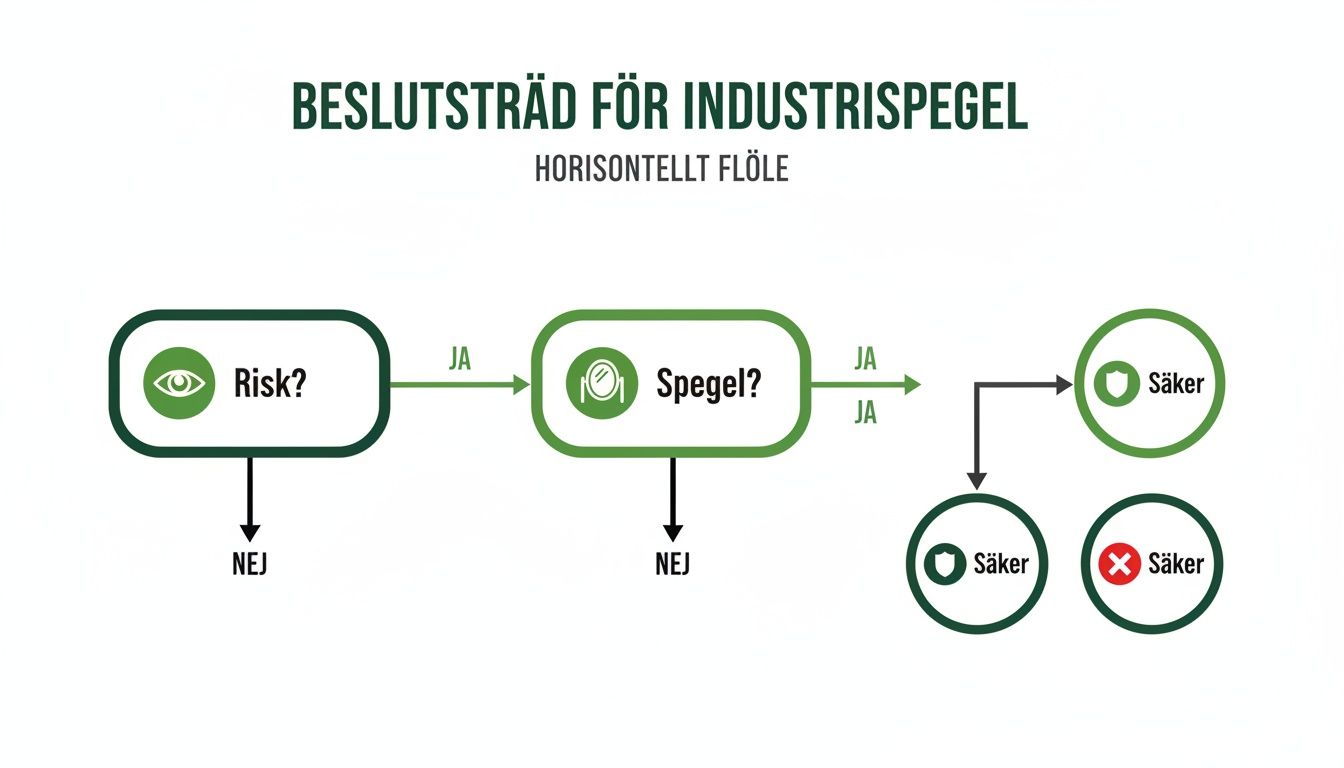
As the image shows, the step from an identified risk to an installed mirror is fairly short, but the impact on safety is all the greater.
By carefully analyzing your environment – viewing distance, type of traffic and existing risks – you can make a well-informed choice that truly protects both people and materials. Our range is sure to include a solution that fits; see our full selection of industrial mirrors here.
Still finding it hard to know exactly which model or size is best for your specific conditions? No problem. Get in touch with us and our experts will help you assess your needs and find the most effective solution for a safer workplace.
When Safety Has to Keep Up with the Pace
Swedish industry is on the move. As production rates rise, machines run faster and forklifts multiply, the demands on the work environment inevitably increase. In an increasingly complex logistics chain, it is easy to overlook the simple solutions – but that is often where the biggest gains lie.
An investment in something as basic as an industrial mirror should not be seen as a dull expense. Instead, see it as a prerequisite for growing in a sustainable and profitable way. It is a small effort that can have an enormous impact on safety.
Why Wait for an Accident?
Every accident that can be avoided not only saves money and resources but also builds a safer, more motivated workforce. Working proactively with safety is at the very heart of modern industry. It is about taking real responsibility, far beyond simply meeting legal requirements.
This culture of looking out for your employees is essential. A safe employee is an efficient employee. When no one has to hesitate or worry about stepping out from behind a blind corner, work flows better.
Swedish industry has shown a strong recovery, not least during 2025. In August 2025, industrial production rose by a full 10.6 percent compared with the same period the previous year, a substantial step up from July’s already strong 3.9 percent. Figures like these clearly show why it is so important for safety to keep pace as activity increases. Read more about industrial trends on Trading Economics.
Putting off safety investments until after an accident has happened is like installing a smoke alarm after the house has burned down. Being proactive means identifying risks before they become reality – and an industrial mirror is a perfect example of exactly that.
The Link Between Safety and Smooth Workflow
When the pace is high, every small stoppage in production is costly. A seemingly minor incident, even without injuries, can quickly trigger a chain reaction:
- Production stoppages: Time is spent investigating what happened and securing the area.
- Material damage: Goods or equipment are damaged and must be replaced.
- Administrative hassle: Reports have to be written and insurance claims handled.
A simple industrial mirror can make a big difference here. It reduces the risk of collisions between forklifts, people and other equipment, creating a calmer and more predictable flow. When forklift drivers and pedestrians can see each other in good time, there are fewer sudden stops and close calls. Everything simply runs more smoothly.
To create a truly robust solution, it makes sense to combine mirrors with other protective products. Bollards are an excellent complement for protecting sensitive machinery, walkways or racking from impacts where visibility is especially poor.
Ultimately, an investment in safety is an investment in the future of your entire business. It protects your most important asset – your people – while reducing costly downtime and making work more efficient.
Not sure where the risks are in your facility, or which type of protection would be most effective? Don’t hesitate to contact us. Our experts will gladly help you assess your needs and find practical solutions that make your workplace both safer and more productive.
Mounting and Placement for Maximum Visibility
A perfect industrial mirror in the wrong place does no good. It really doesn’t matter if you have chosen the most impact-resistant material or the optimal size – if the mounting is wrong, the mirror will at best be ineffective and at worst a source of false security.
Correct installation is the final, decisive piece of the puzzle. It is what turns a risk zone into a safe passage.
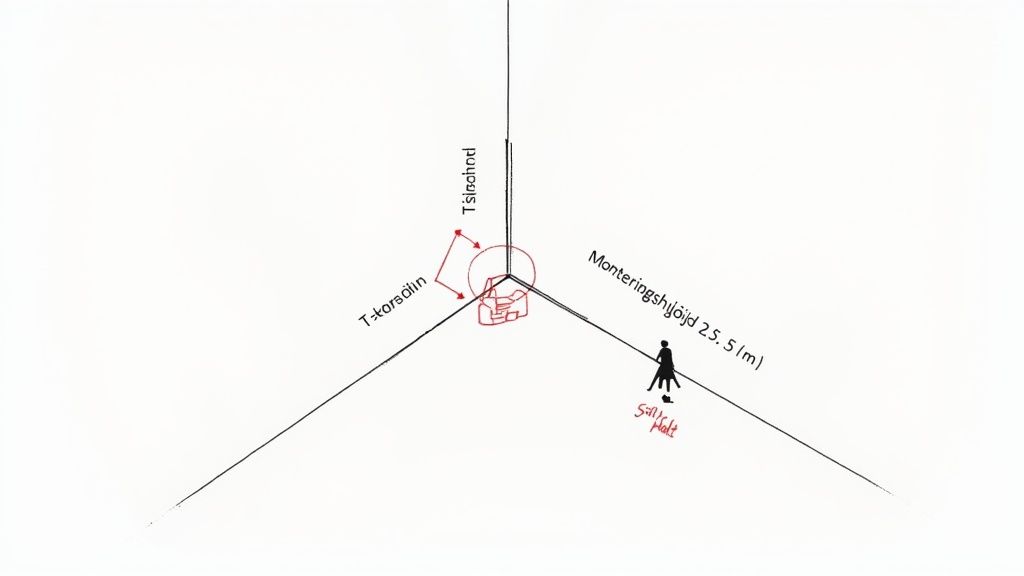
The process doesn’t start with the drill, but with a thorough analysis of the workplace. Walk around the facility and identify the most critical points. Where exactly are the blind corners, the dangerous T-intersections and the doorways where forklifts and pedestrians can meet unexpectedly? These are your "hot spots," and that is where a mirror will do the most good.
Finding the Perfect Height and Angle
Once you have found the right location, the next step is to determine the mounting height. This is absolutely critical for optimal visibility for everyone involved. The mirror must be positioned so that a forklift driver, who sits higher up, can clearly see a pedestrian, and vice versa. A good rule of thumb is to mount the mirror at a height of between 2.5 and 3.5 meters above the floor.
An incorrect height can create new blind spots. If the mirror is mounted too low, the load on the forklift may block the view. If it is too high, it can be hard for pedestrians to notice.
The angle is just as important. Adjust the mirror carefully so that it covers the entire risk area without creating distortion. A common mistake is angling it too sharply, which can produce a "fisheye" effect that makes it difficult to judge distance and speed. Also watch out for glare from ceiling lights or windows – a small adjustment of the angle can eliminate the problem entirely.
Checklist for a Safe Installation
To make sure nothing is overlooked, use this simple checklist for every installation. It helps you systematically go through the most important steps for a successful mounting.
- Identify the risk area: Is this the most critical point?
- Choose the right mirror: Do you have the right size and shape for the viewing distance?
- Determine the height: Is the mirror mounted between 2.5 and 3.5 meters high?
- Check the angle: Does the mirror cover the entire risk area without blind spots?
- Test visibility: Can a forklift driver and a pedestrian see each other clearly?
- Secure the bracket: Are all screws and brackets properly tightened? For ceiling installations, a dedicated mounting kit for suspended installation may be needed to ensure a stable and secure attachment.
A correctly mounted industrial mirror becomes an active part of your safety program. It creates predictability and security in environments where visibility is otherwise limited.
Placement and mounting are not just technical details – they are crucial for the mirror to fulfill its function and, ultimately, save lives. If you are unsure how best to assess your facility or would like help with a complete installation plan, contact us. Our experts will help you identify the risks and make sure your mirrors are mounted for maximum effect and safety.
Laws and Regulations – More Than Just Legal Text
As an employer, you have a clear responsibility: to make sure your employees go home safe and sound every day. It is not just a moral obligation; it is also required by law.
Even though the law rarely states that "you must install an industrial mirror," mirrors are a direct and practical way to meet the requirements of the Swedish Work Environment Authority’s regulations (AFS) on workplace design. The regulations are clear: you must systematically identify, assess and address risks. Internal traffic and intersections with obstructed visibility are among the most common risk areas of all.
Installing an industrial mirror is a concrete, documentable measure. It shows that you are not only aware of the risks but are actually doing something about them. A risk assessment that results in mirrors being installed is proof that you take your responsibility seriously.
From Rulebook to Shop Floor
The Swedish Work Environment Act (AML) and its AFS regulations form the foundation of all safety work. Think of them as a framework that defines the minimum level for a safe workplace. Ignoring them can lead to penalty fees, but worse than that – it exposes employees to unnecessary hazards.
Meeting legal requirements is not about checking boxes on a form. It is about building a culture where safety is a natural part of everyday work. Such a culture protects both your employees and your business from costly accidents.
An industrial mirror is a perfect example of how to turn the letter of the law into a physical, working safety solution. It is an easy way to demonstrate how you work systematically to prevent collisions and incidents.
Swedish industry is an engine of the economy, accounting for nearly 20 percent of the business sector’s total value added. With as many as 60 percent of employees within the Confederation of Swedish Enterprise working in industry, the responsibility on employers is enormous. Read more about the importance of industry to the Swedish economy.
Creating a Safer Workplace – Together
Following the rules is a must, but it is also an opportunity to improve your operations. Involve your employees in the risk assessment – the people who work on the floor every day know exactly where the most dangerous corners and passages are. Their knowledge is invaluable.
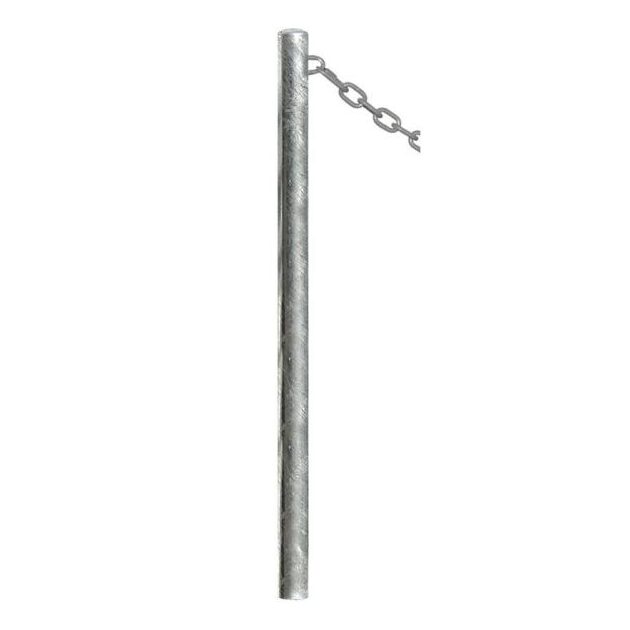
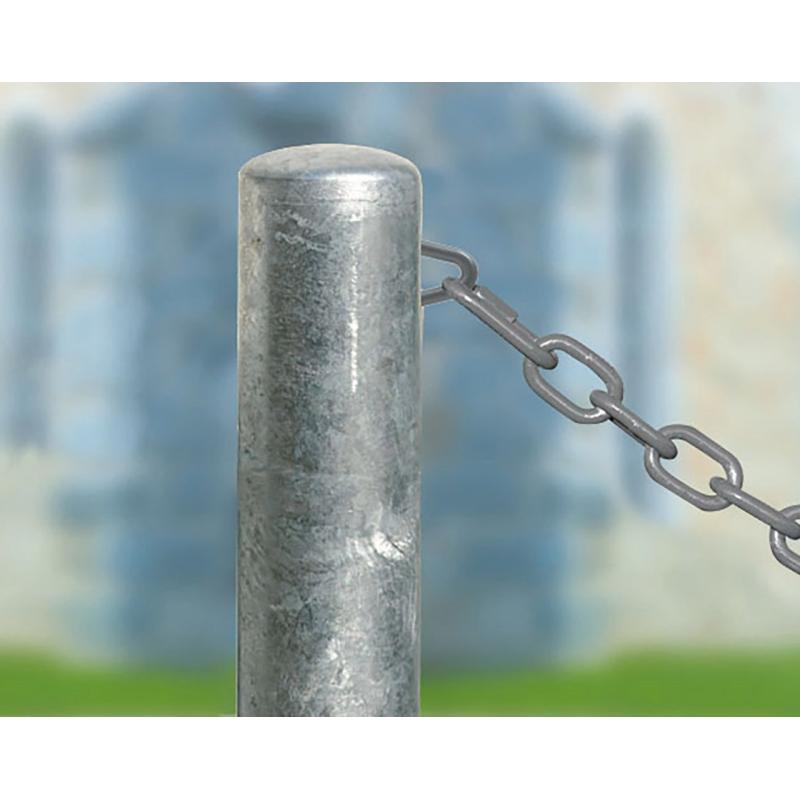
Combine their insights with effective solutions such as industrial mirrors. Sometimes, however, improving visibility is not enough, and traffic flows must also be physically separated. That is where barrier posts are an excellent complement for creating clear and safe walkways.
A safe work environment pays off on the bottom line. It reduces the risk of accidents, lowers sick leave and boosts productivity. It is an investment that pays for itself, both in human and financial terms.
Need help navigating the regulations or conducting a risk assessment? Contact us and our experts will help you identify the risks and recommend the best solutions, from individual mirrors to complete safety systems.
How to Maintain Your Industrial Mirrors
An industrial mirror is a long-term investment in safety. But for it to do its job year after year, it needs a little care. Nothing complicated – just simple habits that ensure the mirror always gives a clear and accurate picture of what is happening around the corner.
A dirty, scratched or misaligned mirror quickly loses its function. In the worst case, it creates a false sense of security. Dust, splashes and grime from production build up as a film on the surface and blur the reflection. A forklift driver who has to guess what is hidden in the mirror image has already lost the crucial seconds needed to avoid an accident.
Create a Simple Maintenance Routine
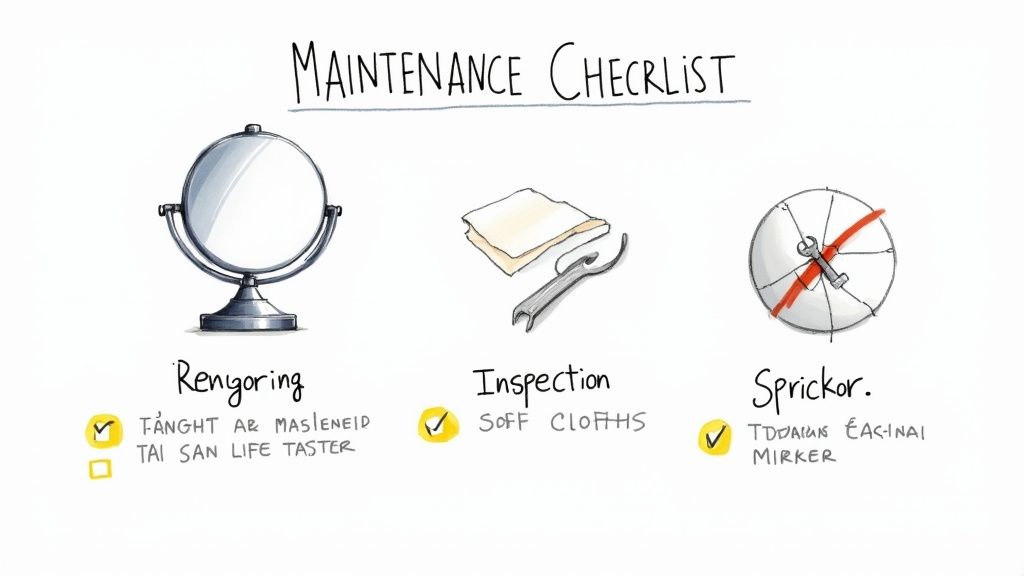
To get the maximum service life and performance from your mirrors, create a simple checklist for regular inspection. How often? That depends entirely on the environment. In a dusty production facility, a weekly wipe-down may be needed, while in a cleaner warehouse once a month may be enough.
- Cleaning: Use a soft, lint-free cloth and a mild cleaning agent, such as ordinary soapy water. Never use abrasive products or harsh chemicals. They can permanently scratch the surface, especially on acrylic mirrors.
- Inspection: Check the surface for cracks or deep scratches. A damaged mirror can distort the image and must be replaced.
- Checking brackets: Make sure all screws and brackets are properly tightened. Vibrations from heavy vehicles can loosen brackets over time.
- Angle adjustment: Make sure the mirror is still correctly angled. An accidental bump from a forklift or a pallet may have shifted its position and created new blind spots.
Protect Your Investment for the Future
A well-maintained industrial mirror is a reliable part of your safety program. To protect both the mirror and its surroundings, it makes sense to add robust protective solutions. A mirror mounted on an exposed corner can easily be protected against impacts.
Think of maintenance as insurance for your safety investment. A few minutes of regular attention ensures the mirror can keep protecting your people and your business for many years to come.
By installing impact protection around the mirror’s mounting or at other strategic points, you reduce the risk of accidental damage. This protects not only the mirror but also walls, racking and other important equipment.


By combining simple maintenance with smart protective measures, you get a durable, long-term safety solution. Do you have questions about maintaining specific types of mirrors or want to discuss how best to protect your equipment? Contact us. Our experts will help you maximize the service life and effectiveness of your investments.
Frequently Asked Questions About Industrial Mirrors
When you are about to invest in safety, it is natural for questions to come up. Finding the right industrial mirror is no exception, so to make things a little easier, we have gathered the most common questions we hear. The goal is to give you straight, clear answers so you can make a decision that truly improves safety in your workplace.
How do I know what size industrial mirror I need?
The size of the mirror is directly linked to the distance you need to see. There is a simple rule of thumb that works well in most cases: the mirror’s diameter in centimeters should be roughly five times the viewing distance in meters.
For example, do you need to see around a corner at a distance of 10 meters? Then you need a mirror at least 50 cm in diameter. This simple math ensures that a person or forklift in the mirror image appears large enough for you to react in time. In more complex environments, such as T-intersections or areas with a lot of movement, it can be wise to run the idea by an expert.
Is a convex mirror always the best choice?
Nine times out of ten, the answer is yes. That curved, convex shape is unbeatable at providing a wide field of view and eliminating dangerous blind spots. For getting an overview of an intersection or along a narrow aisle, it is simply superior.
But there are exceptions. If you need to judge distances precisely, a flat mirror is the smarter choice. Picture a loading dock where a driver has to back in with millimeter precision. A flat mirror then provides a 1:1 image without distortion, making the maneuver much easier and safer.
What is the difference between an industrial mirror and a traffic mirror?
The main difference lies in the environment they are built for. An industrial mirror is made for heavy-duty indoor use. The focus here is on withstanding impacts from forklifts and other equipment, which is why they are often made of impact-resistant materials such as polycarbonate.
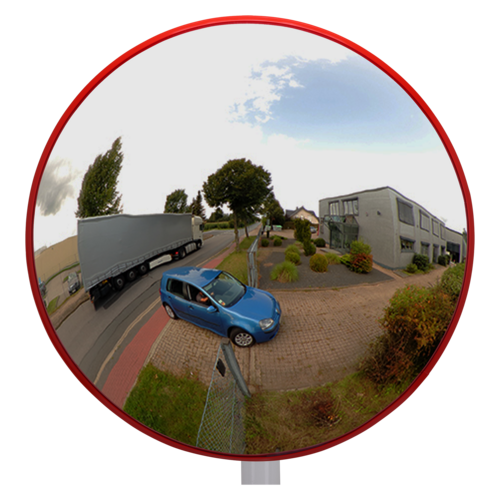
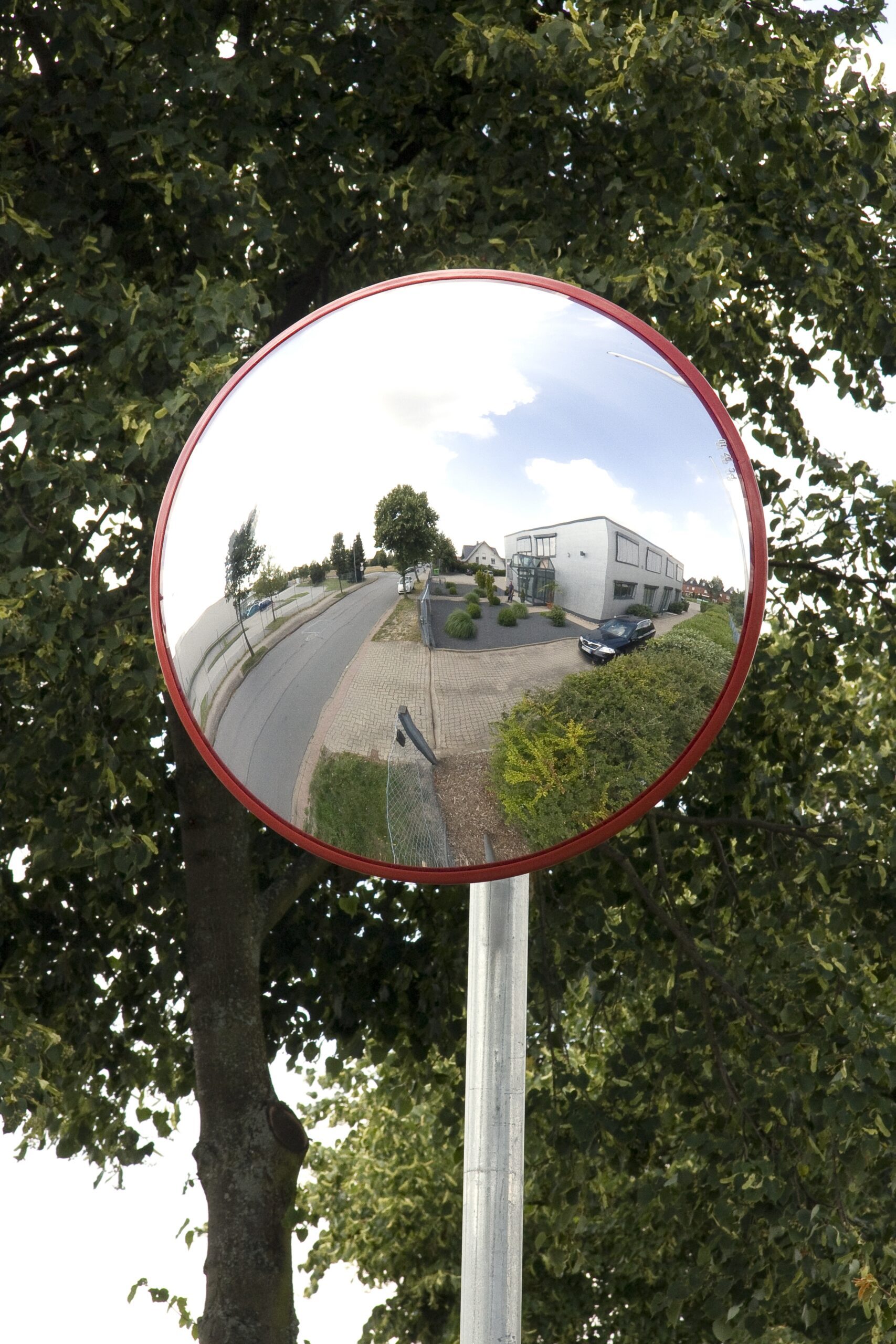
A traffic mirror, on the other hand, is designed to survive outdoors in all weather. It must withstand rain, snow, UV light and large temperature swings. That is why traffic mirrors often have extra features such as anti-fog and anti-frost protection to ensure clear visibility whatever the weather. Check out our selection of traffic mirrors here:
Do I need special lighting for the mirror to work?
No, you don’t need a spotlight aimed at the mirror itself. However, the mirror’s function depends entirely on the light already present in the space – after all, it can only reflect what there is to see.
A well-lit workplace is essential for the mirror image to be clear and useful. Simply make sure the area the mirror is meant to monitor has good general lighting, so that both people and vehicles are clearly visible in the reflection.
Do you have more questions, or would you like help finding the perfect solution for your specific needs? At Nordguard, we have the experience it takes to guide you in the right direction. We help you assess the risks and choose products that create a safer and more efficient work environment. Explore our solutions or contact us directly at https://nordguard.eu.
Ready to take the next step?
We help you develop solutions tailored to your needs. At Nordguard, we strive to make the ordering process as smooth as possible. By offering support and guidance throughout the entire purchasing experience, we make sure you feel confident and satisfied with your choice of protection products.+46 10 153 90 50
[email protected]