
Speed Bump Warning: A Complete Guide to a Safe Traffic Environment
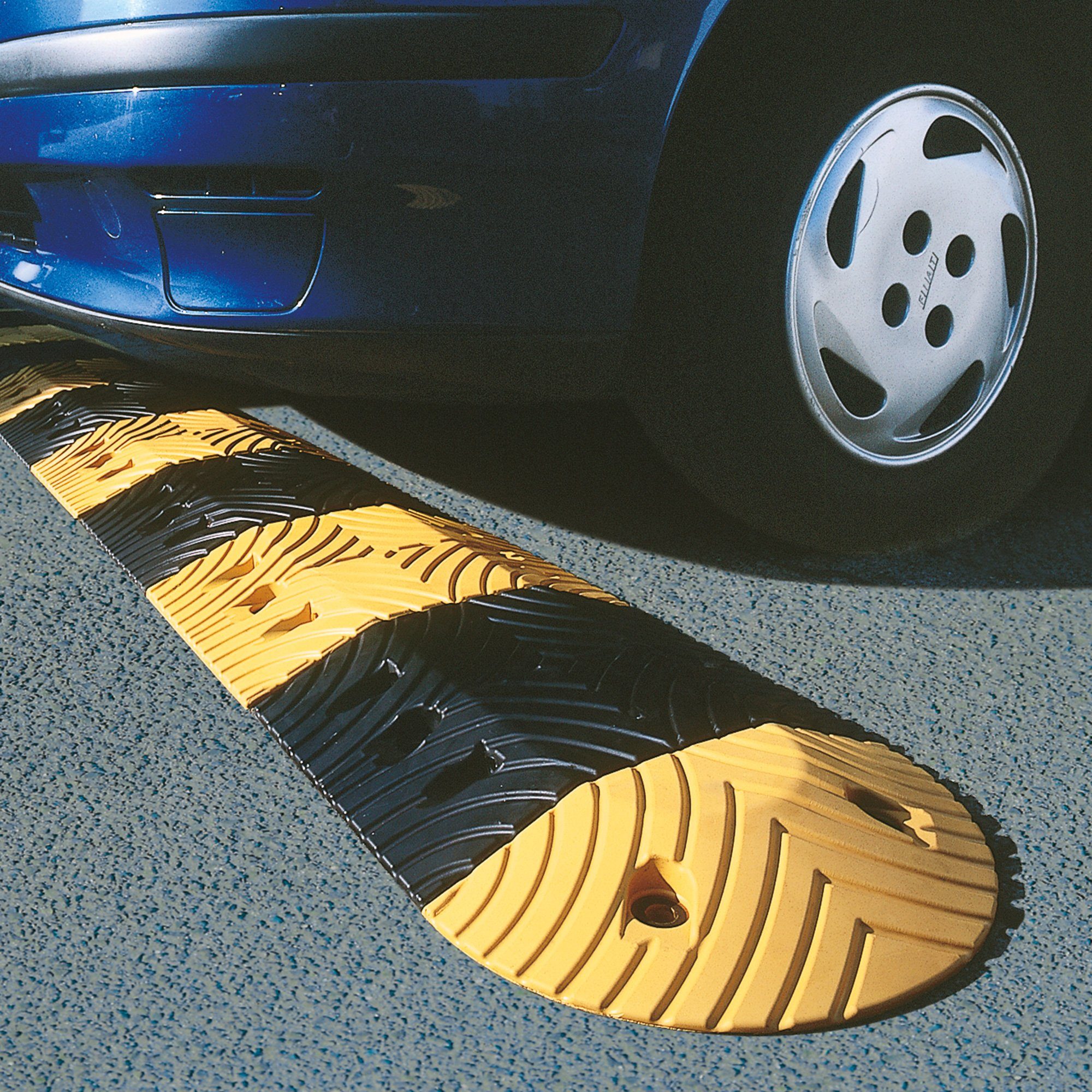
A proper speed bump warning is so much more than just a sign. It is an absolutely critical part of traffic safety that protects both drivers and vulnerable road users such as pedestrians and cyclists.
Without clear advance warning, a speed bump quickly turns from a safety measure into a genuine hazard. The risk of sudden, dangerous braking and damage to vehicles rises dramatically. A well-planned solution that combines the right type of speed bump with correct signage is a direct investment in safety.
Why a correct speed bump warning is vital
Creating a safe traffic environment basically comes down to one thing: predictability. When drivers see a speed bump warning in good time, they get the chance to adjust their speed calmly and in a controlled way. This not only reduces the risk of accidents but also contributes to smoother traffic flow and less frustration.
In areas where children play, people cross the street or cyclists share the road, this predictability is invaluable.
Incorrect or missing signage, on the other hand, can have very serious consequences. A motorist caught off guard by a bump may slam on the brakes, creating an immediate risk of a rear-end collision for the traffic behind. A sudden jolt can also damage the car’s shock absorbers, tires or undercarriage – which can lead to costly repairs.
For motorcyclists and cyclists, the risk is even greater. An unexpected obstacle can cause them to lose control completely.
The critical role of road sign A9
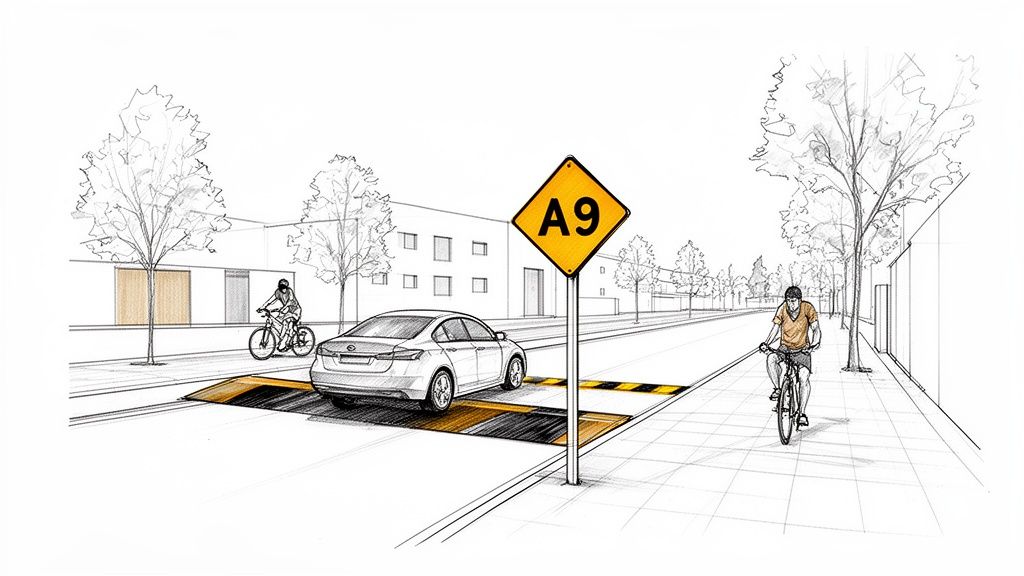
Road sign A9, "Speed Bump Warning", is the official tool for communicating this, and its role cannot be overstated. The road authority – whether a municipality, a housing cooperative or a company – has a legal obligation to ensure that all speed bumps are correctly marked.
This is especially important given that speeding is a huge problem. Studies show that between 33 and 80 percent of all drivers speed, and a large share of them exceed the limit by at least 10 km/h. The problem is greatest in built-up areas where people and vehicles share the same space.
A well-placed warning sign is a simple yet incredibly powerful measure. It creates a safer environment by:
- Giving drivers time to react: Having enough distance between the sign and the obstacle itself is essential.
- Reducing the risk of damage and injury: Both to vehicles and, most importantly, to people. By preparing the driver, you reduce the risk of abrupt maneuvers that can cause damage, just like the kind that can be prevented with impact protection in other environments.
- Creating a legitimate and respected traffic environment: When the rules are clear and fair, acceptance of speed-reducing measures also increases.
By combining effective speed bumps with correct signage, you take an active and responsible step toward protecting lives. Not sure which products are the best fit? Contact us and we will help you choose the right solution and make sure everything is installed according to the regulations.
Understanding the Swedish rules for speed bumps and signage
Installing a speed bump is really only half the job. For it to be both safe and legally compliant, you need to follow the Swedish signage rules. These rules are mainly governed by the regulations of the Swedish Transport Agency and the industry standard VGU (Design of Roads and Streets).
The regulations exist for a reason: to protect all road users and make it crystal clear who is responsible. Ignoring them can not only create dangerous situations but also make you, as the road authority, legally liable if an accident occurs. For everyone working with traffic safety – from municipal planners to groundwork contractors – knowing the rules is therefore absolutely essential.
Road sign A9 – design and placement requirements
The main rule is simple: every speed bump must be preceded by the warning sign A9, Speed Bump Warning. But it is the details of how the sign is used that really make the difference.
According to VGU, the sign must be placed at a distance that gives drivers plenty of time to notice it, slow down and pass the obstacle safely. Exactly how much distance is required depends entirely on the speed limit on the road.
Placing the warning sign too close to the obstacle is a classic mistake. It can be just as dangerous as having no sign at all, since the driver is forced to brake hard, which in turn increases the risk of rear-end collisions.
In addition to placement, there are clear requirements for the sign itself. It must be the right size and have a reflectivity class that makes it equally visible around the clock, regardless of the weather. This usually means reflectivity class RA2 or RA3, which provides strong reflection even in darkness and rain. For a better overview of different warning products, take a closer look at our range of warning signs and barrier equipment.
When are supplementary plates needed?
Sometimes an A9 sign alone is not enough. To give drivers all the information they need, you may have to add supplementary plates.
- Supplementary plate T2, Distance: If the speed bump is not clearly visible right after the sign, you must use a plate indicating the distance, for example "100 m".
- Supplementary plate T3, Length of road section: If there are several speed bumps in a row along a stretch, a plate showing the length of the section can be used to prepare the driver.
Following these guidelines is not just about ticking a box in the law – it is the foundation for creating a safe and predictable traffic environment. Unsure what applies to your particular project? Get in touch and we will help you find a solution that is both effective and fully by the book.
How to design and place speed bumps for the best effect
Simply dropping a speed bump in place and hoping for the best rarely works. Design and placement are absolutely crucial for bringing speeds down without creating new problems. A poorly placed obstacle easily leads to jerky driving, unnecessary noise and frustrated drivers. The goal is instead to create a calm, steady flow where keeping the right speed feels natural.
One proven method, sometimes called the "Gothenburg model", is based on rhythm. By placing speed bumps at even intervals, usually between 80 and 100 meters, you encourage drivers to maintain a low, steady speed. It simply isn’t worth accelerating hard between the bumps only to brake sharply again right away.
This strategy creates a predictable and less stressful driving experience, which is especially important in residential areas, near schools or in other places where vulnerable road users are present.
The right obstacle for the right environment
There is no one-size-fits-all solution. Which type of speed bump you should choose depends entirely on the traffic environment, the vehicles using the road and what you want to achieve.
- Circular speed bumps: These are effective at reducing speed significantly. They are best suited to streets with low traffic where heavy vehicles rarely drive, such as parking lots or internal roads.
- Speed cushions: Cushions are perfect for streets with public transit. Their smart design allows buses and emergency vehicles, which have a wider wheel track, to pass with minimal impact. At the same time, ordinary passenger cars are forced to slow down.
- Chicanes and lateral shifts: Instead of a bump, these obstacles force vehicles to swerve sideways. This lowers speed naturally and is particularly effective on longer straight stretches where drivers otherwise tend to step on the gas.
Before choosing a type, however, there is one basic legal requirement that must be in place – the mandatory warning sign. This decision tree sums it up simply:
The image shows a critical rule: without road sign A9, "Speed Bump Warning", the installation is not only less effective – it is also illegal.
Analyzing traffic flow, vehicle types and the surrounding environment is therefore essential. Is it a school zone full of children, an entrance to an industrial area with heavy traffic or a quiet residential street? Every situation requires its own solution to ensure both safety and functionality.
Comparison of different types of speed bumps
An overview of the most common speed bump types and their ideal applications, advantages and disadvantages.
| Type of speed bump | Best suited for | Advantages | Things to consider |
|---|---|---|---|
| Circular speed bump | Parking lots, internal roads, residential streets with low traffic. | Clear and significant speed reduction. | Can be uncomfortable for passengers and unsuitable for buses/heavy vehicles. |
| Speed cushion | Streets with bus and emergency vehicle traffic. | Passenger cars slow down while wider vehicles can pass smoothly. | Requires careful placement so that passenger cars cannot drive around or between them. |
| Chicane/Lateral shift | Longer straight stretches in residential areas or at entrances. | Reduces speed without uncomfortable jolts, can be made aesthetically pleasing. | Takes up more space than a speed bump and can be more expensive to build. |
In summary, it’s all about matching the right tool to the right job. By understanding how different speed bumps work and where they fit best, you can create a traffic environment that is both safer and more pleasant for everyone.
Need help analyzing your traffic environment and finding the optimal solution? Don’t hesitate to contact us. Our experts will help you design a system that works in practice.
Choosing the right material to withstand the Nordic climate
A speed bump has to handle everything our Nordic climate throws at it – from blazing summer sun to ice, snowplows and aggressive road salt. The choice of material is therefore crucial, not only for function but also for the total lifecycle cost. A cheap material that cracks after two winters quickly becomes an expensive and unsafe affair.
Materials such as rubber and recycled plastic have become popular choices because they offer a good balance between durability and flexibility. They withstand temperature fluctuations without cracking and resist the corrosive effects of road salt far better than many alternatives. Asphalt bumps are certainly robust, but they require more maintenance and are more easily damaged by ground settlement.
If you are looking for a long-term solution, modern rubber speed bumps are often the most cost-effective choice over time.
CE marking and reflectors – your guarantee of safety
When choosing a product, it’s easy to get caught up in price and appearance, but one detail matters more than all the others: the CE marking. It’s not just a sticker, but your assurance that the product has been tested and approved according to strict European safety and performance requirements. A CE-marked product meets requirements covering everything from the strength of the material to its chemical composition.
Just as important for a correct speed bump warning is visibility. Without high-quality reflectors, the obstacle becomes practically invisible in darkness, rain or fog.
A speed bump without working reflectors turns from a traffic safety measure into an outright accident trap. It risks surprising drivers instead of warning them, which is the exact opposite of what you want to achieve.
Make sure the speed bump has integrated reflectors or clear road markings that meet retroreflection requirements. This ensures that the car’s headlights illuminate the obstacle from a long distance, giving the driver plenty of time to react.
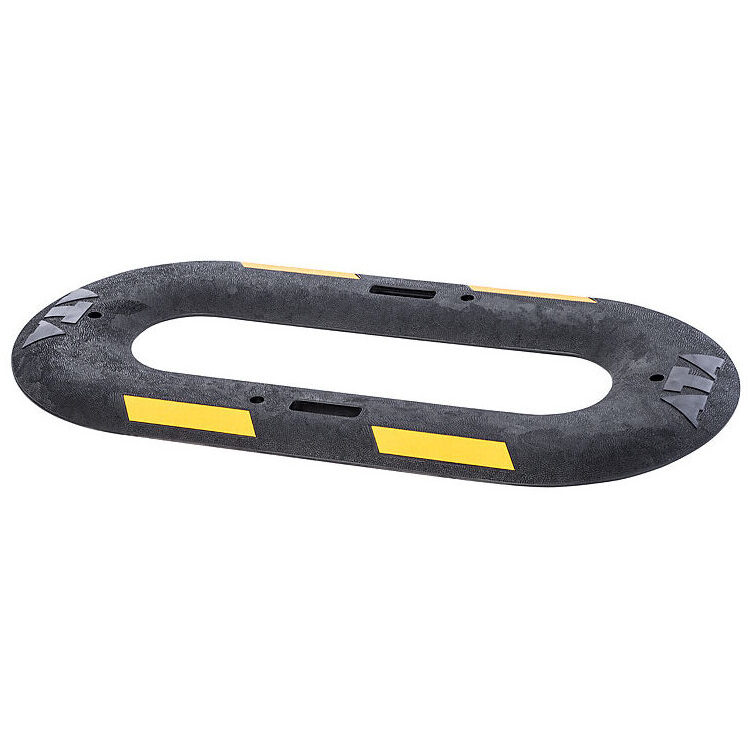
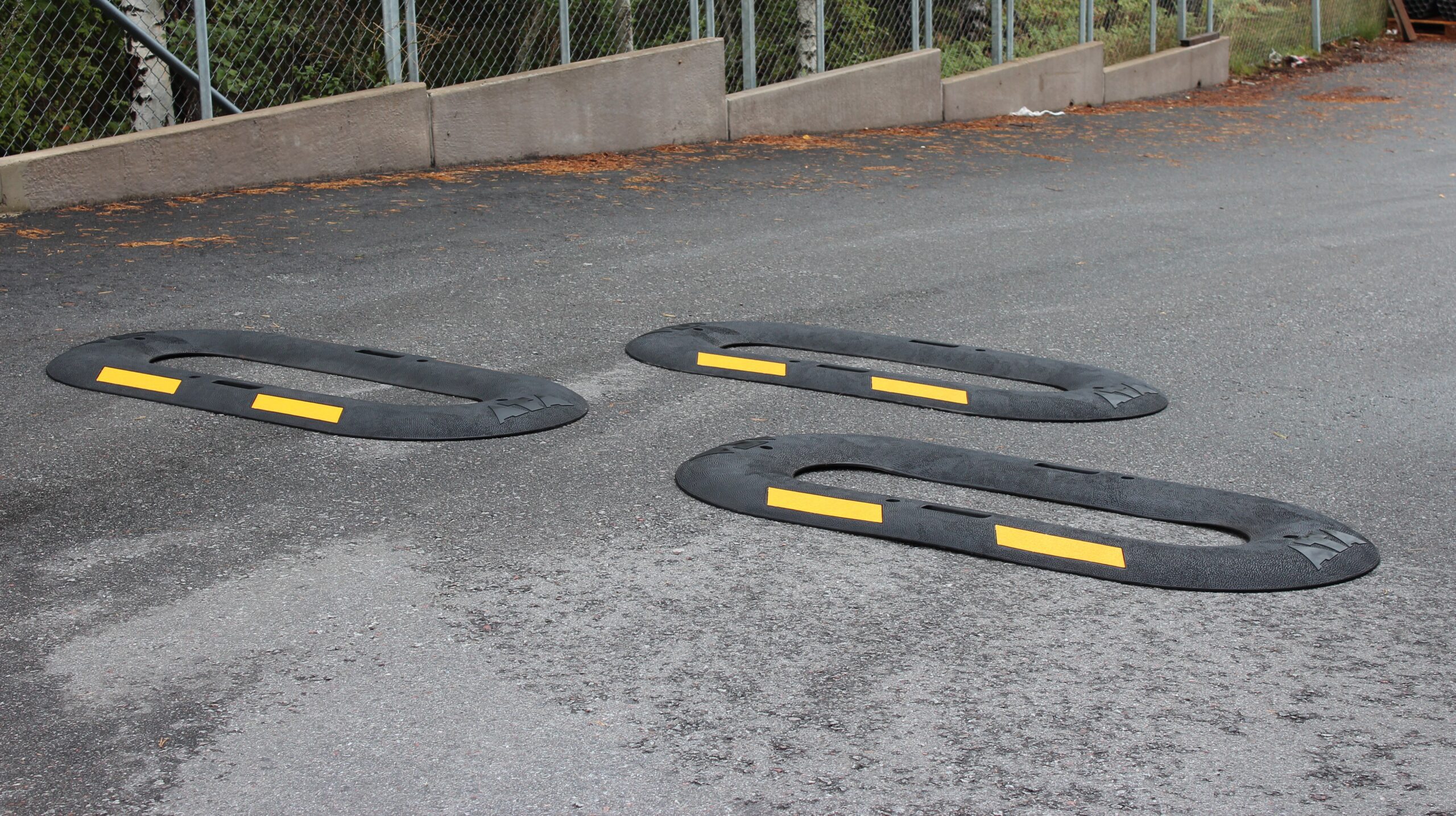
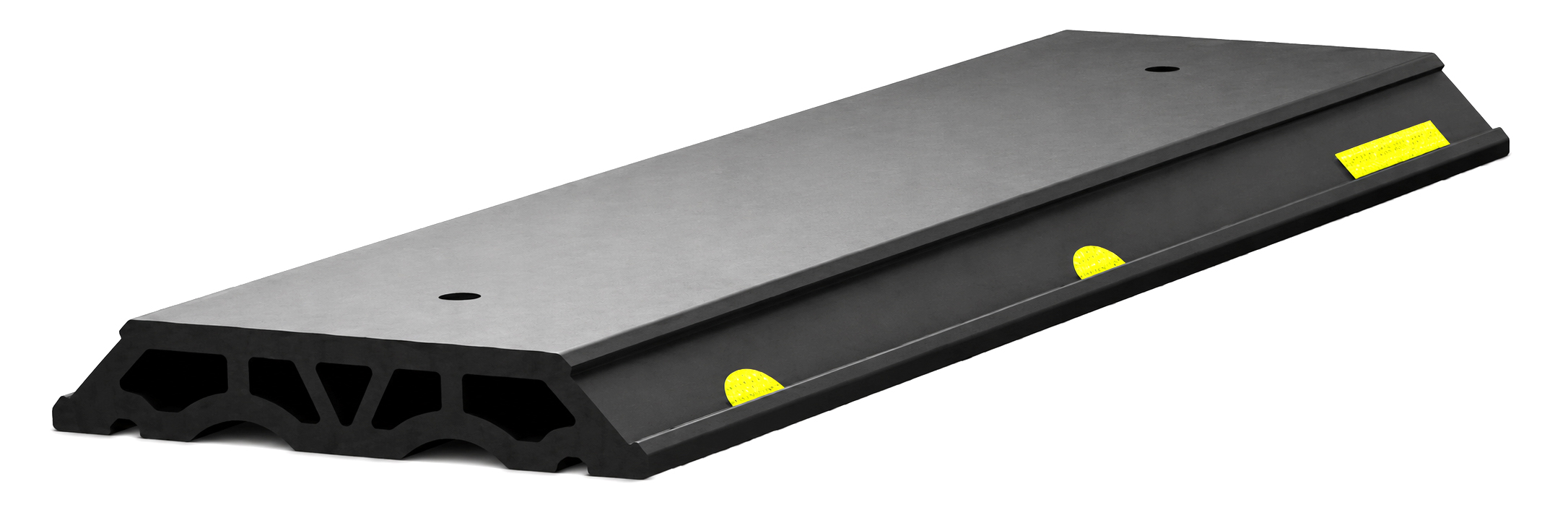
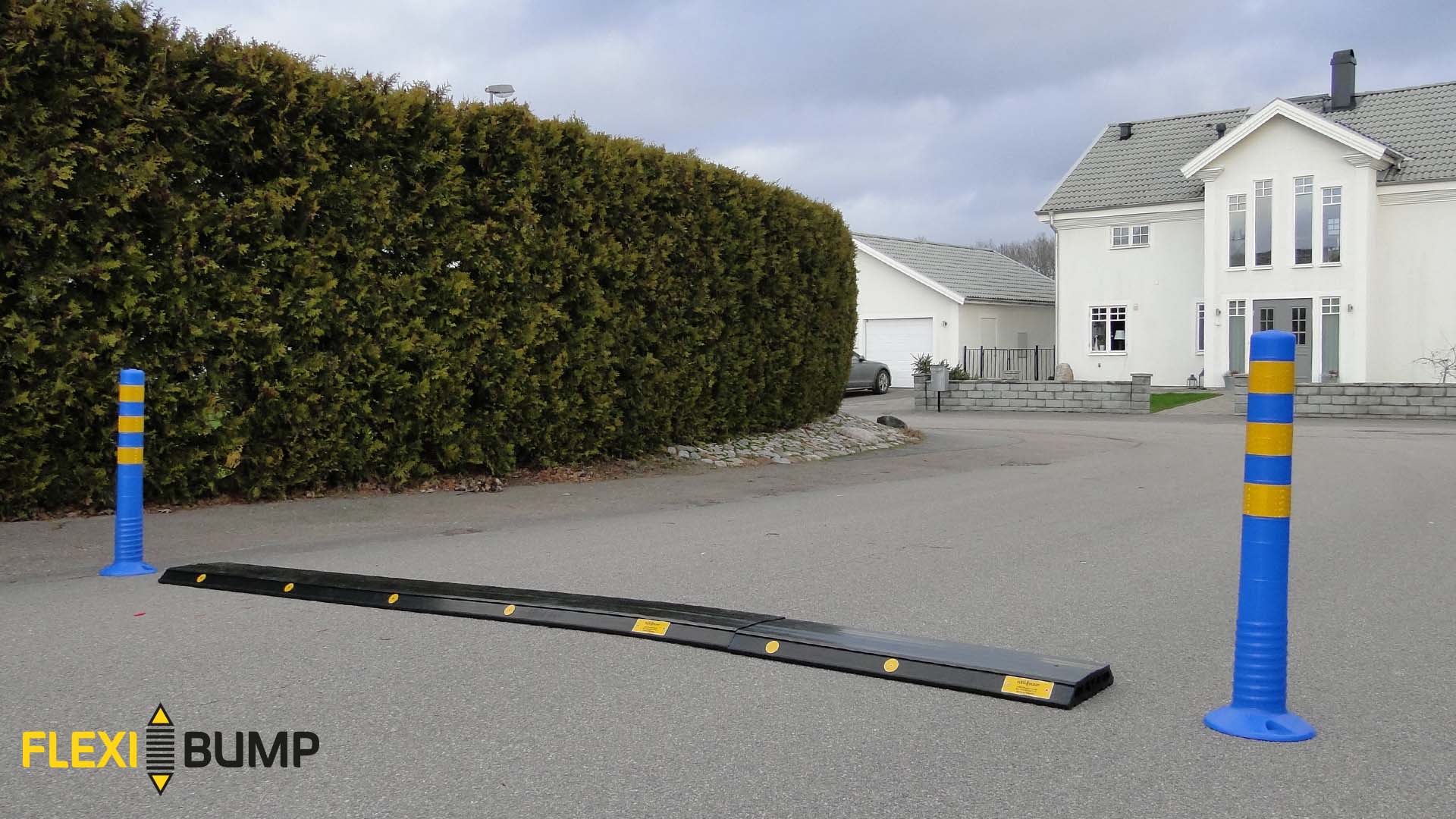
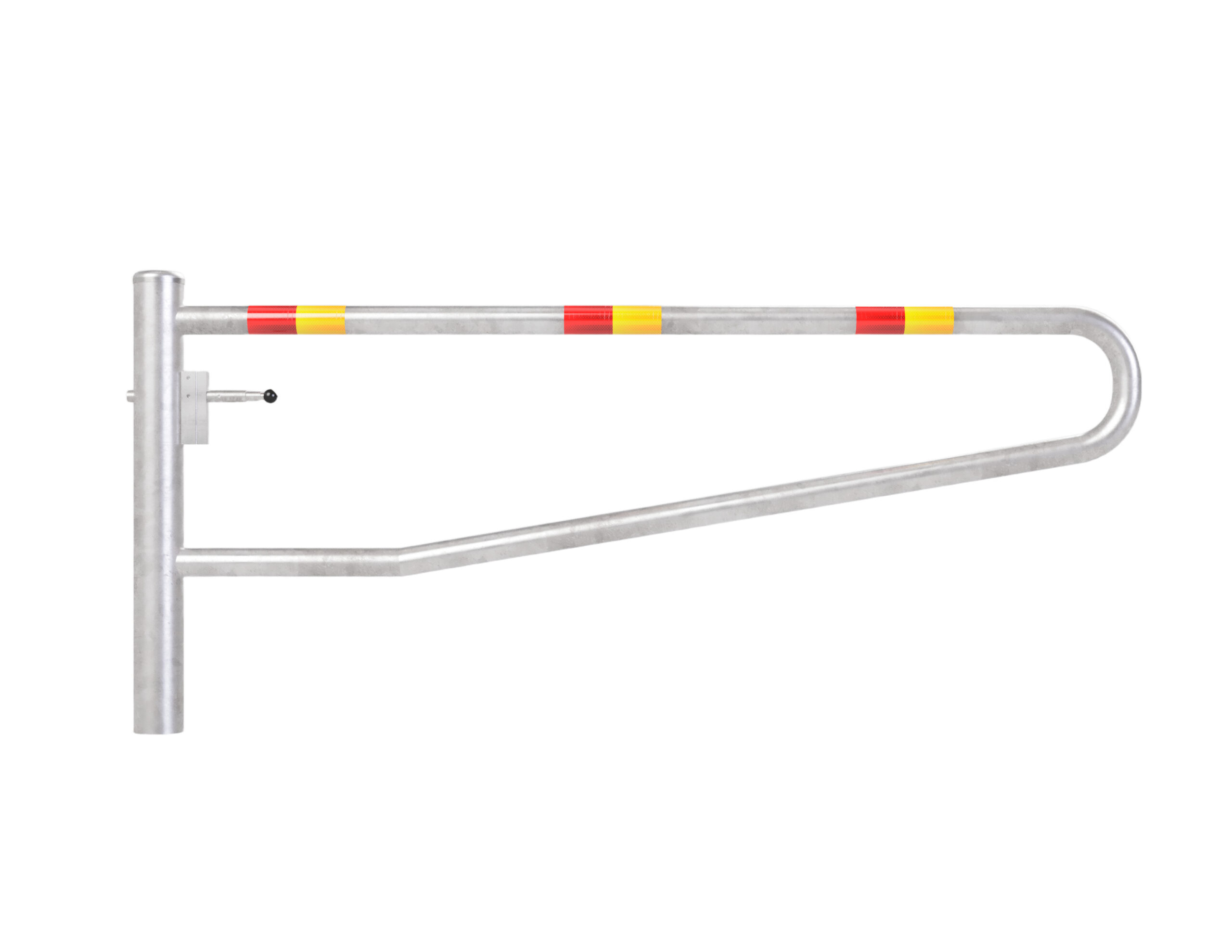
Investing in durable materials and products with the right markings is an investment in both safety and long-term performance. Below you’ll find a selection of our robust speed bumps, designed to withstand tough conditions.
 Black
Black Blue
Blue Green
Green White
White



 Gray
Gray
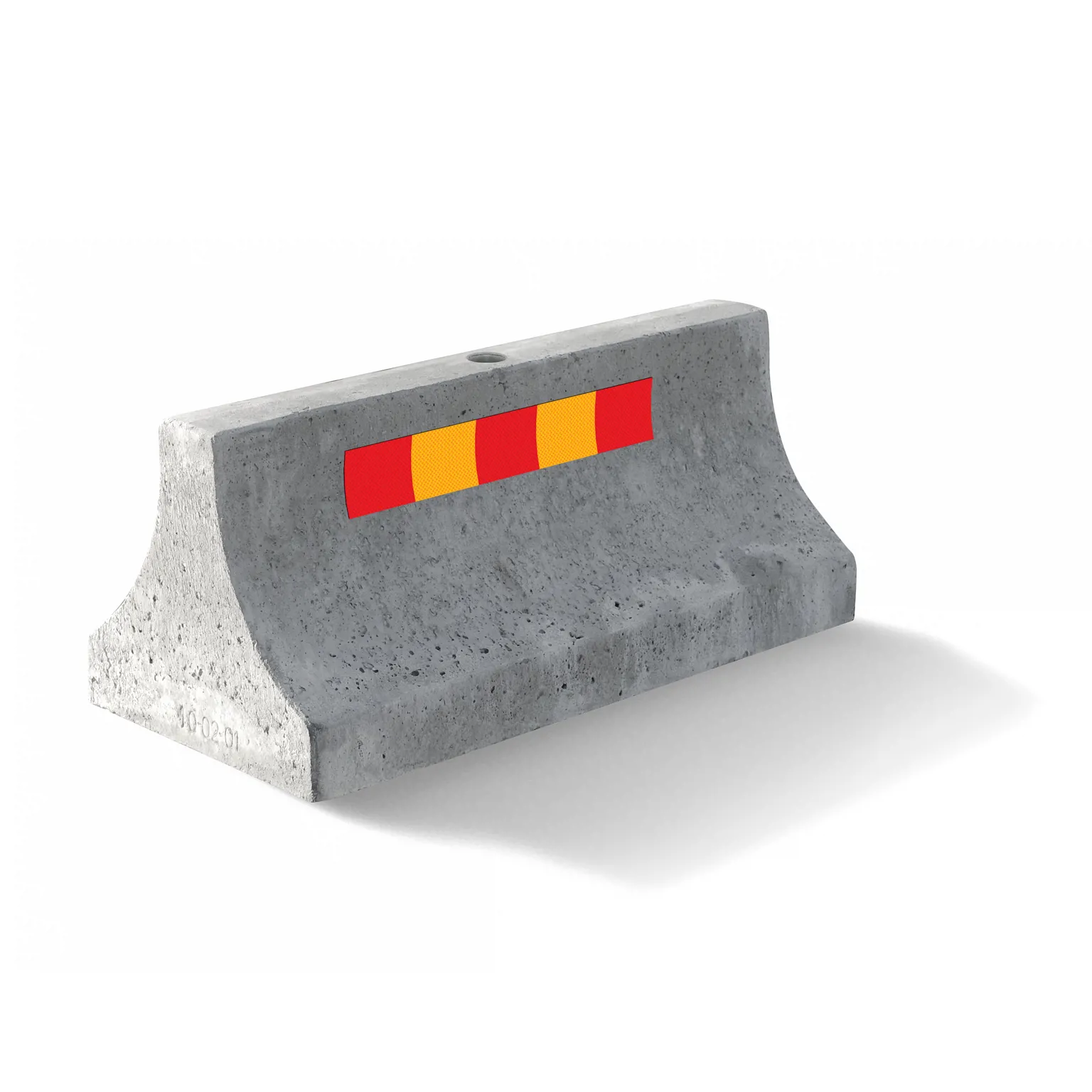
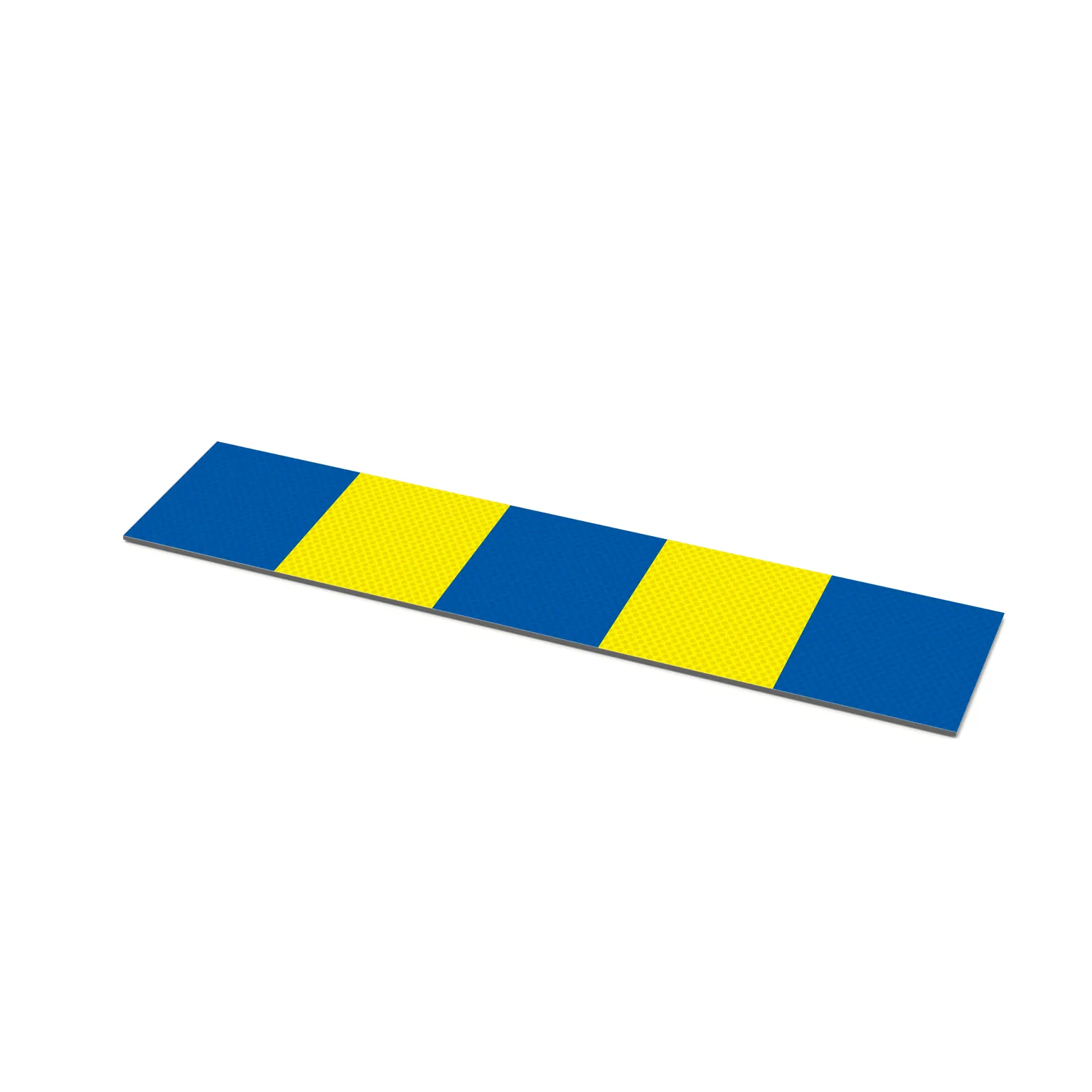 Blue/Yellow
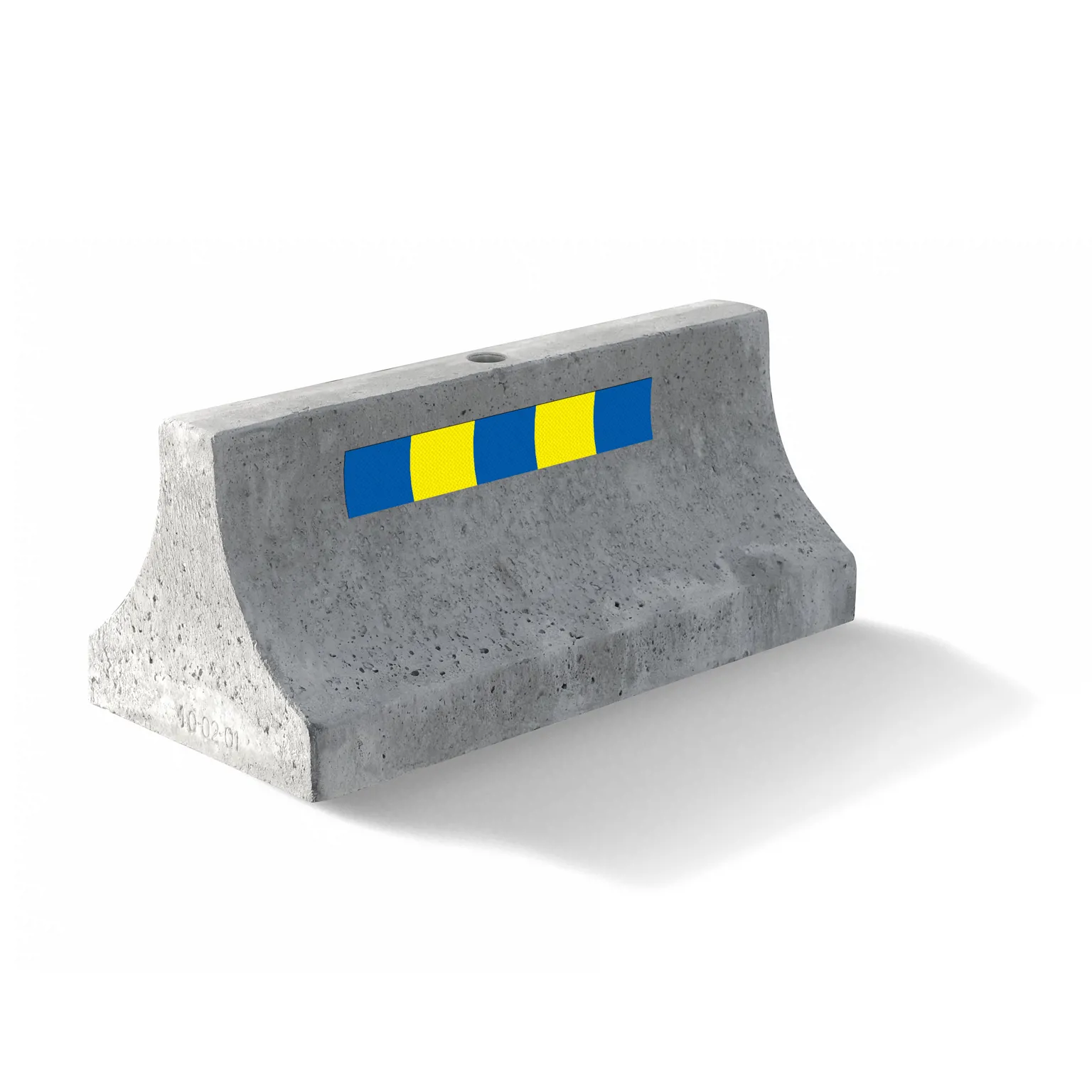
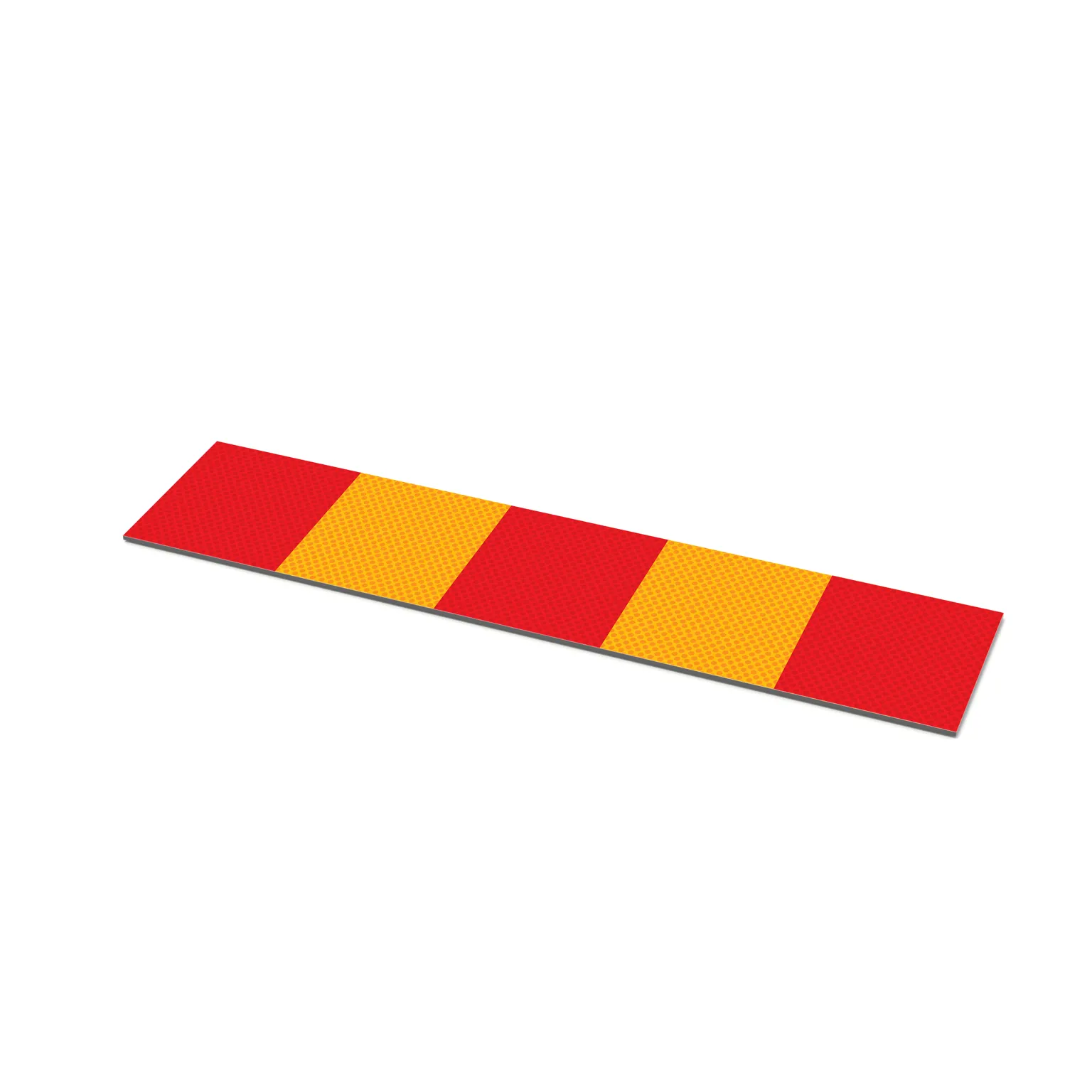 Red/Yellow
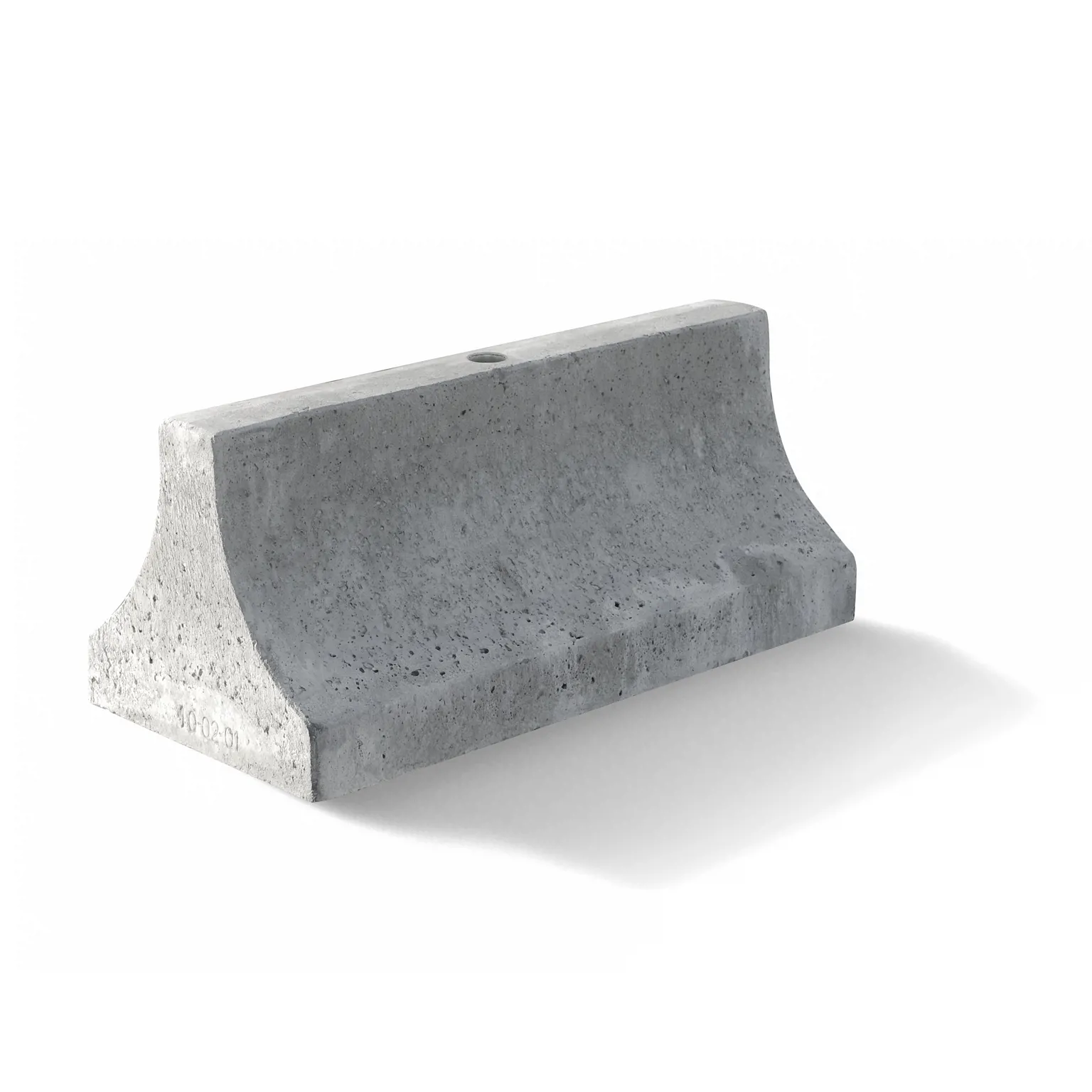 Gray
Gray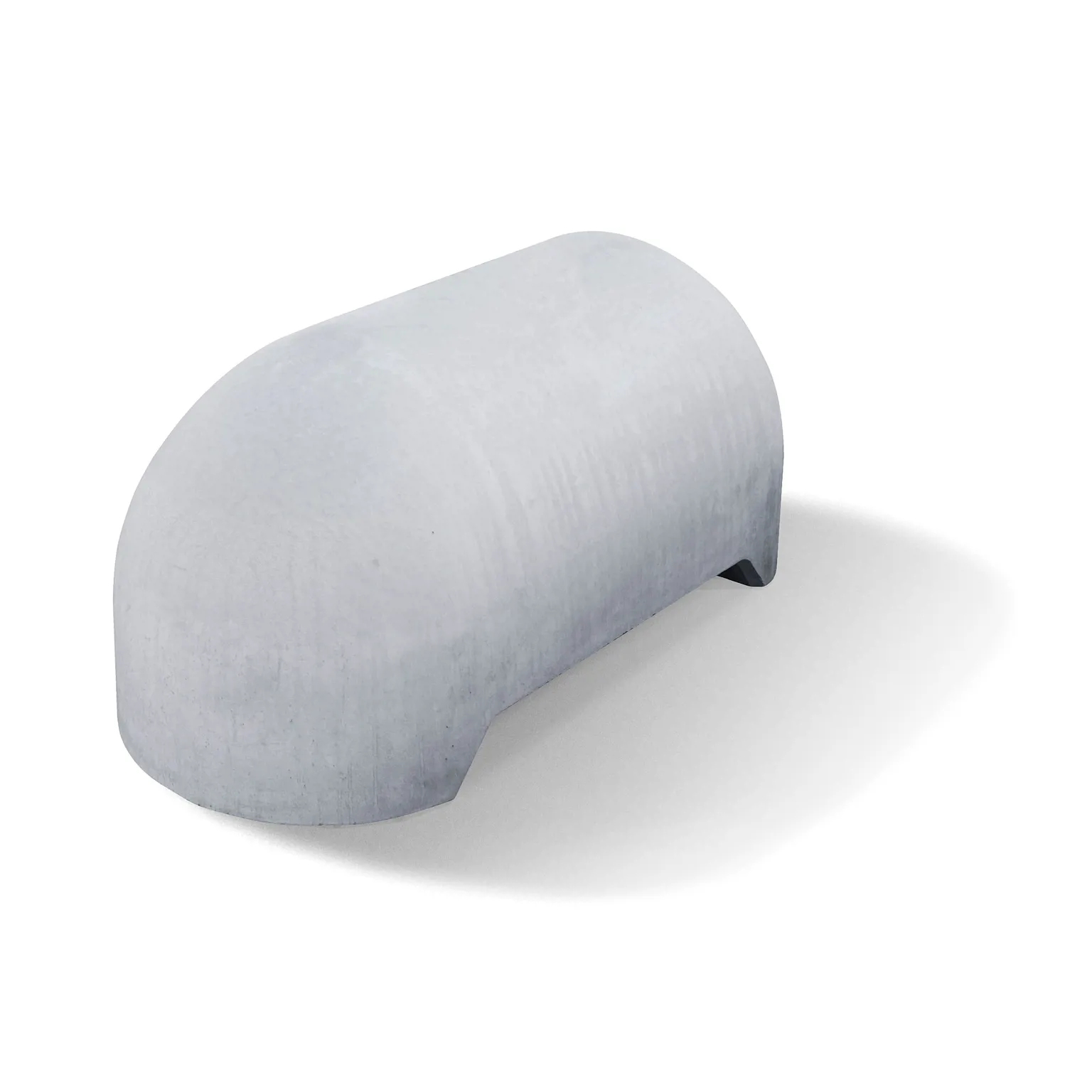
 Gray
Gray
 Gray
Gray
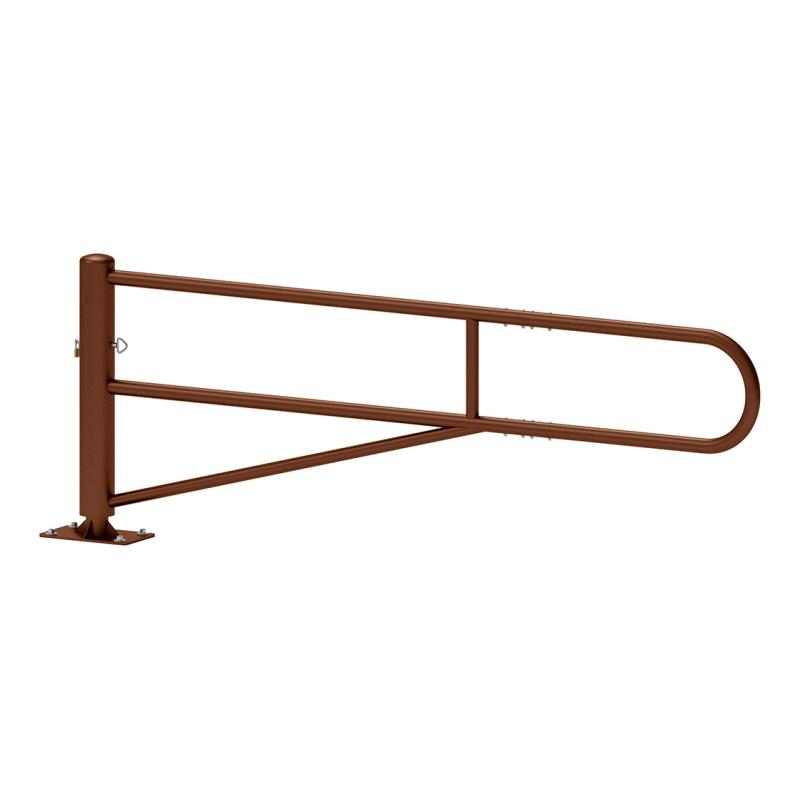 Corten steel
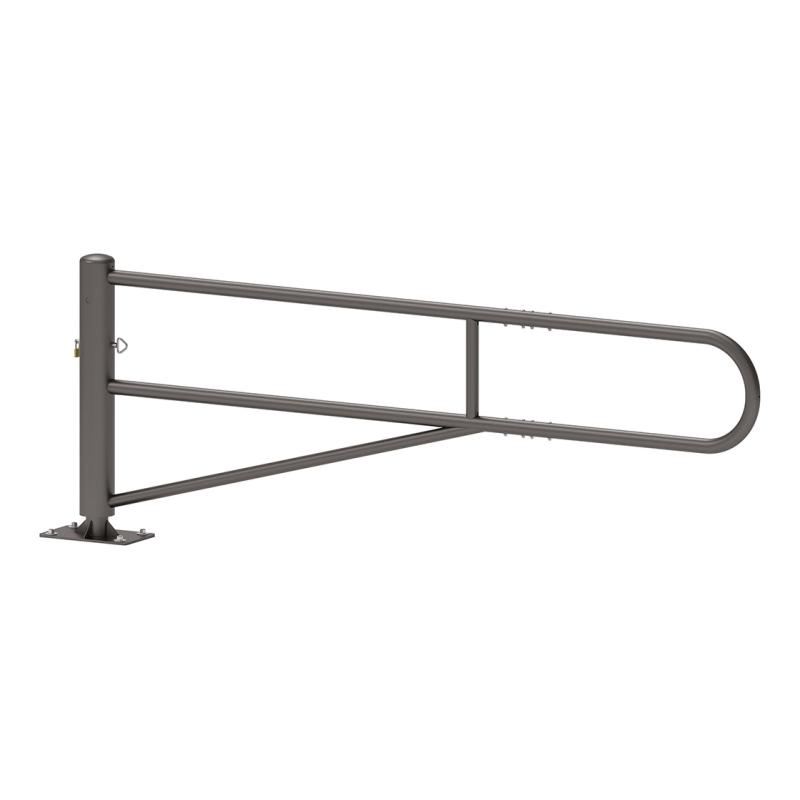 Gray
Gray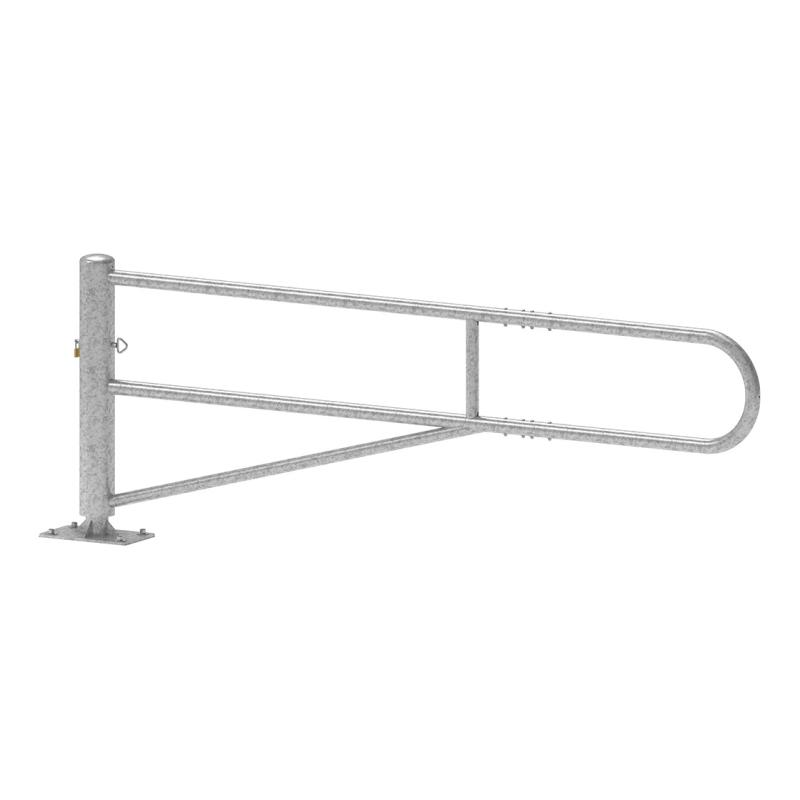 Silver gray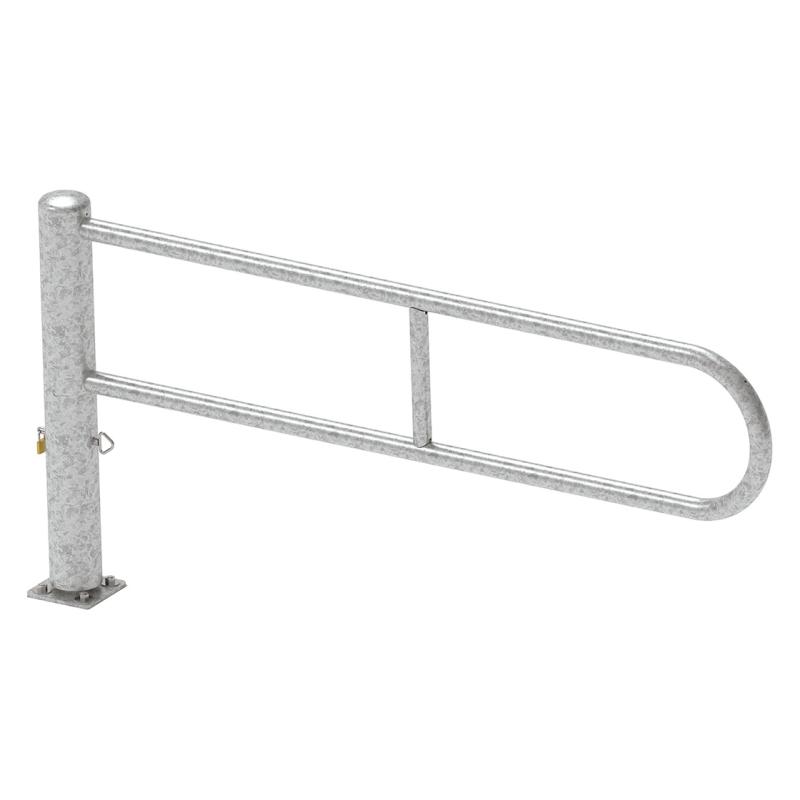
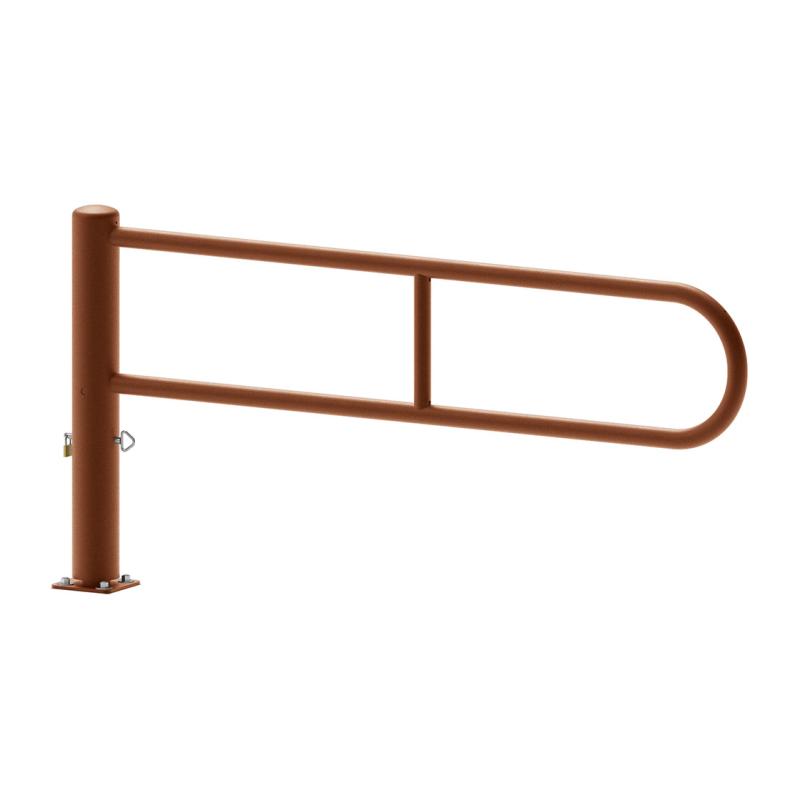 Corten steel
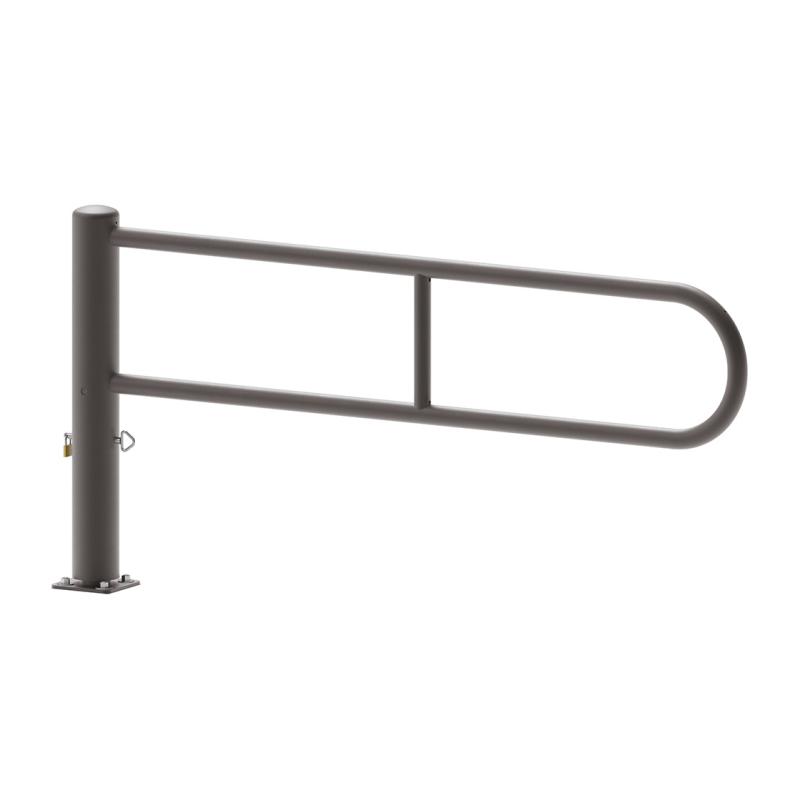 Gray
Gray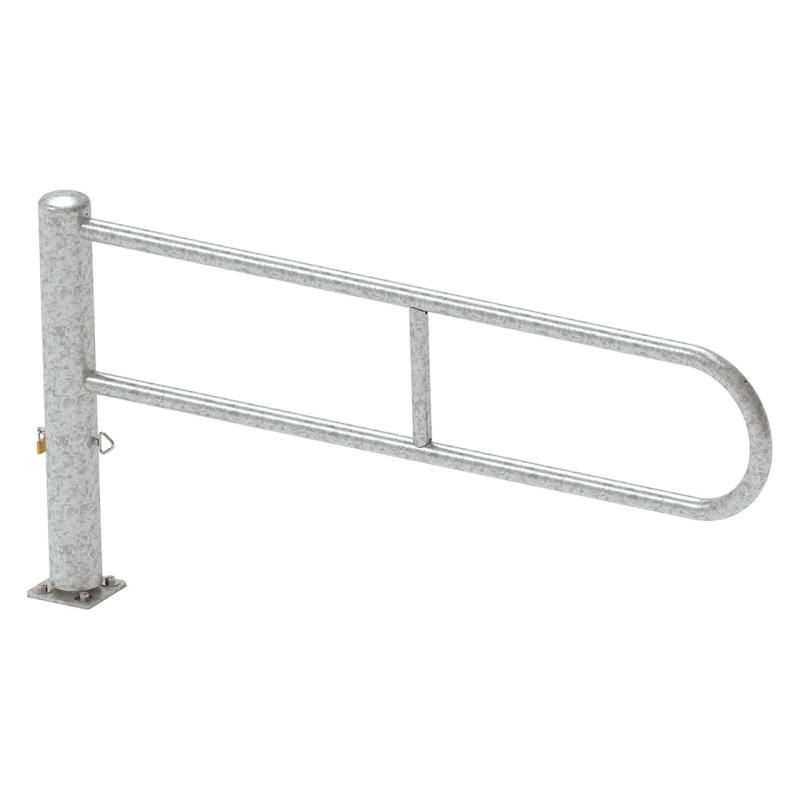 Silver gray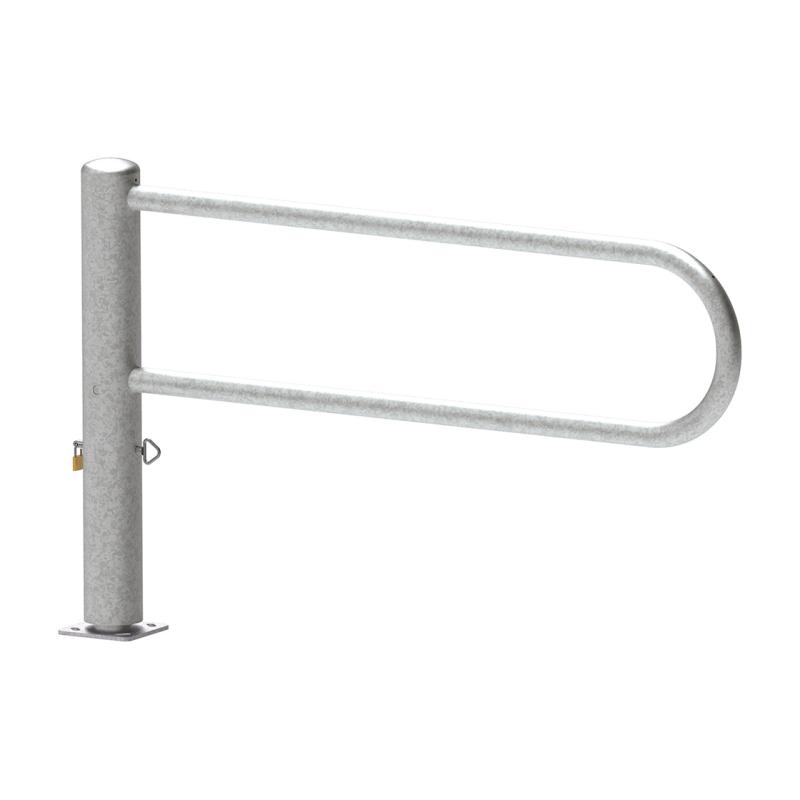
 Corten steel
 Gray
Gray Silver gray
 Black/Yellow
 Red/White
 Red
Red Yellow
 RedYellow
Not sure which material or type of reflector is best for your project? Get in touch and our experts will help you choose a solution that is both safe and built to last in our Nordic climate.
Checklist for installation and ongoing maintenance
A speed bump’s service life and performance are determined at installation. This is where you lay the foundation for a traffic safety solution that truly measures up. A sloppy installation can cause the obstacle to come loose, wear out prematurely or, in the worst case, create entirely new hazards. If you are responsible for installation and facility management, a clear process is essential.
But the job isn’t done when the last bolt is tightened. A speed bump is exposed every day to enormous stress from both heavy vehicles and our Nordic climate. Regular maintenance is therefore just as important as the installation itself to ensure performance over time.
Steps for a successful installation
Correct mounting ensures that the speed bump stays rock-solid and does its job. The process is fairly simple, but every step is critical to the end result:
- Prepare the surface: The surface must be clean, dry and level. Sweep away all gravel, leaves and other debris. Does the asphalt have cracks or holes? Repair them before mounting. Otherwise, you risk the obstacle being unstable from day one.
- Position correctly: Measure carefully and mark exactly where each section will be placed. Take a step back and double-check that the placement matches the original plan for how traffic should flow.
- Drill and fasten: Always follow the manufacturer’s drilling instructions. The choice of fasteners is crucial – always use the bolts and anchors intended for the surface (asphalt or concrete) and recommended for that specific product.
- Tighten and check: Tighten all bolts firmly, but don’t overdo it. Overtightening can damage the material. Finish by going over the entire installation and checking that all parts are secure and lie completely flat against the ground.
Ongoing maintenance for maximum service life
By being proactive with maintenance, you not only extend the product’s service life but also keep traffic safety at its best. Here is a simple checklist for your regular inspections:
- Check the fastening: Make sure all bolts are secure and that the obstacle doesn’t move in the slightest when vehicles pass over it.
- Inspect for wear: Look for cracks, deformation or other damage, especially after a tough winter season with plowing and salt.
- Clean the reflectors: Dirt and road salt can make reflectors almost invisible. Clean them regularly and replace damaged or worn reflective tape immediately.
A dirty or damaged reflector is almost as bad as no reflector at all. Keeping reflective surfaces clean is one of the simplest and most cost-effective measures for making sure the speed bump is clearly visible in the dark.
A well-maintained speed bump is a safe investment. We offer both spare parts and service agreements to give you complete peace of mind. Need advice on installation or maintenance? Contact us and our experts will help you make sure your installation performs optimally, year after year.
Frequently asked questions about speed bump warnings
Here we have gathered some of the most common questions that come up when our customers plan speed bump projects. Think of it as a quick guide with straight answers to help you move forward.
Knowing the rules for speed bump warnings is essential for a safe and correct installation.
Who is responsible for signposting speed bumps?
Responsibility always lies with whoever owns and maintains the road – in other words, the road authority. This can be anything from a municipality or a road association to a joint property association or a private property owner.
Regardless of who is in charge, the rules are the same. You must follow the Swedish Traffic Ordinance to ensure everything is done correctly. This protects not only road users but also you as the responsible party should an accident occur.
Which speed bump is suitable for bus traffic?
On streets where buses and other heavy vehicles operate, choosing the right type of obstacle is extremely important. Here, bus-friendly speed bumps such as speed cushions are the obvious choice.
Their smart design allows buses, with their wider wheel track, to pass smoothly, which is much more comfortable for passengers. At the same time, ordinary passenger cars, which are narrower, are forced to slow down. A bonus is that it reduces noise and vibration for people living nearby.
Choosing the right speed bump for public transit isn’t just about comfort. It’s about keeping an important public service running. The wrong choice can lead to delays, dissatisfied passengers and unnecessary wear on vehicles.
Is lighting required at a speed bump?
Yes, absolutely. Good visibility is a basic requirement under VGU (Design of Roads and Streets). Even if the speed bump itself is made of a highly reflective material, it can be nearly impossible to see in darkness, rain or fog.
That is why permanent lighting at the speed bump is a must in the vast majority of cases. Lighting ensures that the obstacle is noticed in good time, regardless of the time of day. This is particularly critical in places where vulnerable road users such as pedestrians and cyclists are present.
How much does it cost to install a speed bump?
The price of getting a speed bump in place can vary quite a bit. Several factors affect the total cost. The most important are:
- Type of obstacle: A speed cushion is priced differently from a traditional circular speed bump.
- Choice of material: Whether you choose rubber, recycled plastic or asphalt affects both the purchase price and how long the obstacle lasts.
- Condition of the surface: Does the ground need to be prepared, repaired or leveled before installation can begin?
- Installation work: How much work is required to mount everything correctly?
- Any permits: In some cases, there may be additional administrative costs for permits from the municipality.
To get a clear and honest quote tailored to your specific project, it’s always best to talk to an expert.
Unsure which solution is the best fit, or would you like a detailed quote? Get in touch with us at Nordguard today. Our experts will help you create a safer and more sustainable traffic environment. Read more at https://nordguard.eu.
Ready to take the next step?
We help you develop solutions tailored to your needs. At Nordguard, we strive to make the ordering process as smooth as possible. By offering support and guidance throughout the entire purchasing experience, we make sure you feel confident and satisfied with your choice of protection products.+46 10 153 90 50
[email protected]