
Pallet Rack Protectors and Rack Impact Protection
Pallet rack protectors shield your warehouse racking from forklift impacts and prevent costly damage, downtime and, in the worst case, collapse. Here you will find impact protection for pallet racks in both steel and plastic – fixed, flexible and drive-over models for warehouses, production facilities and workshops.
Categories
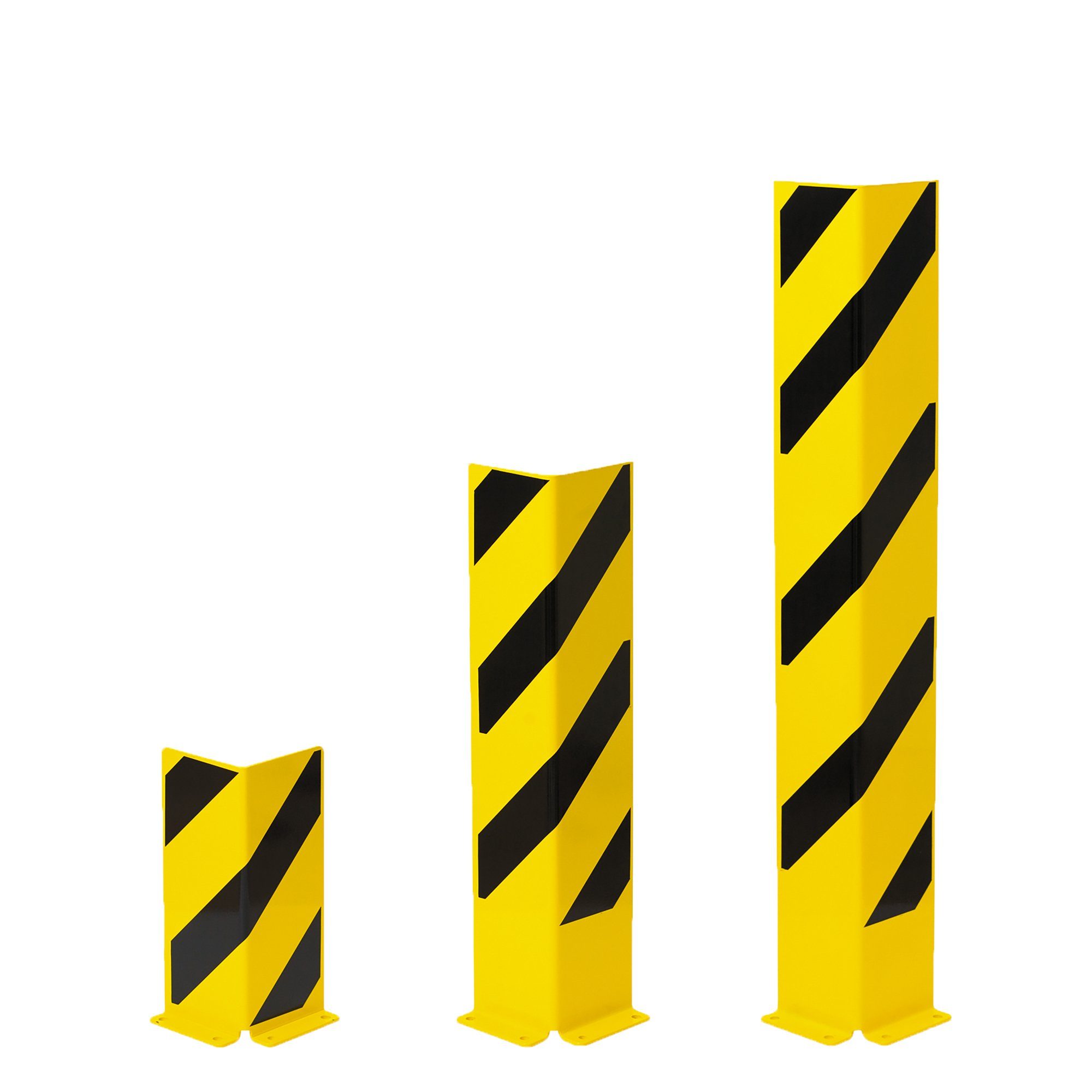
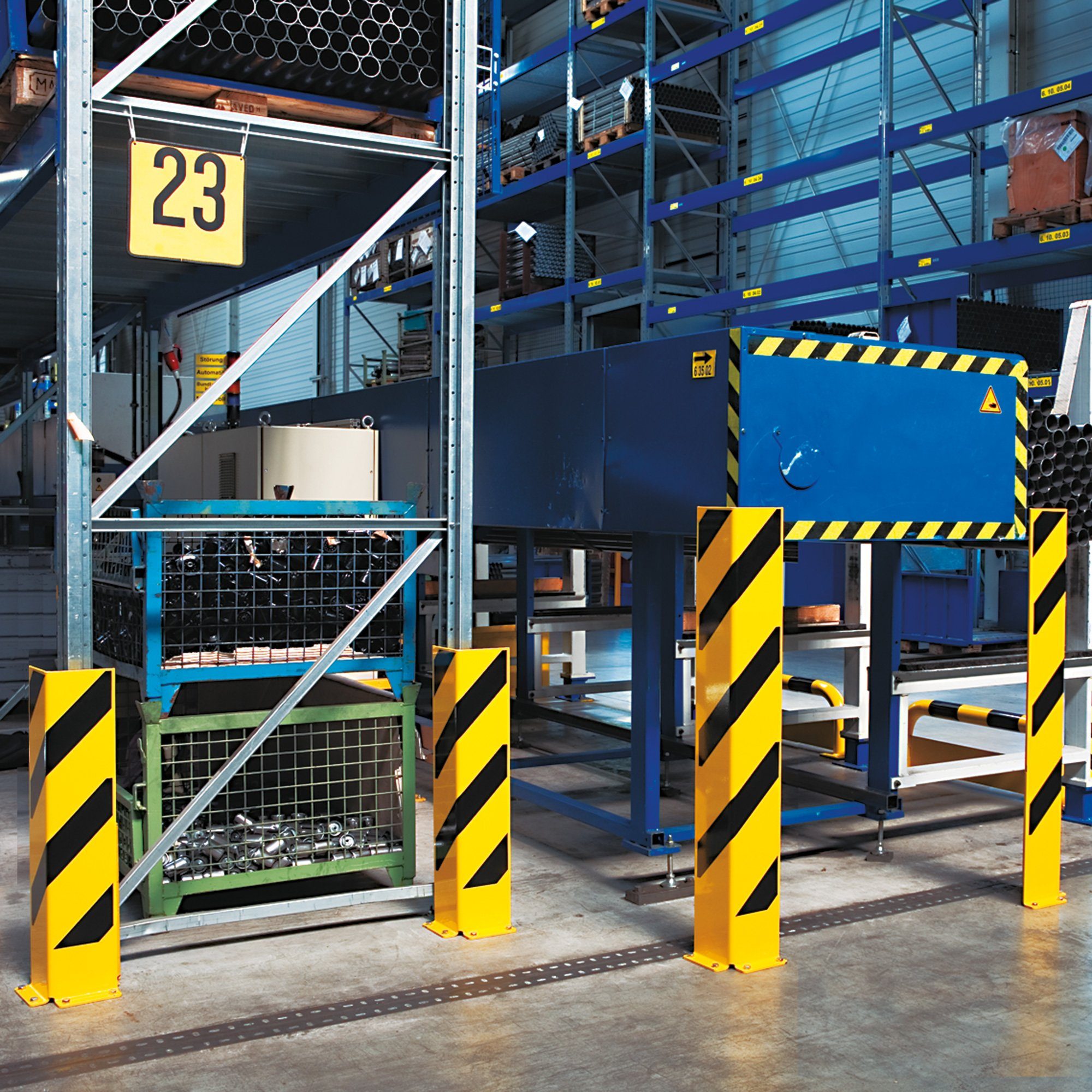
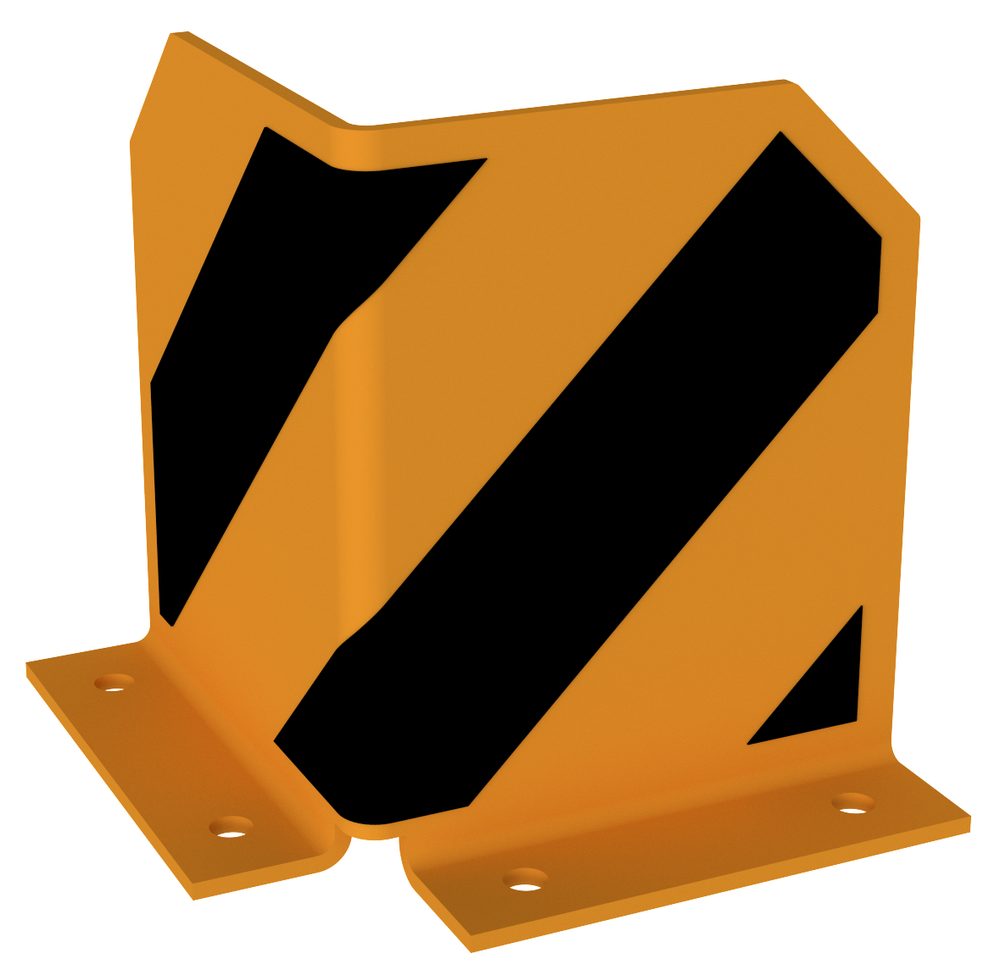 Black/Yellow
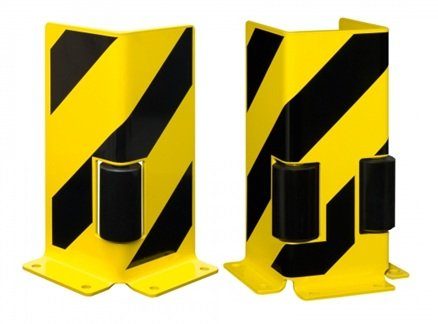
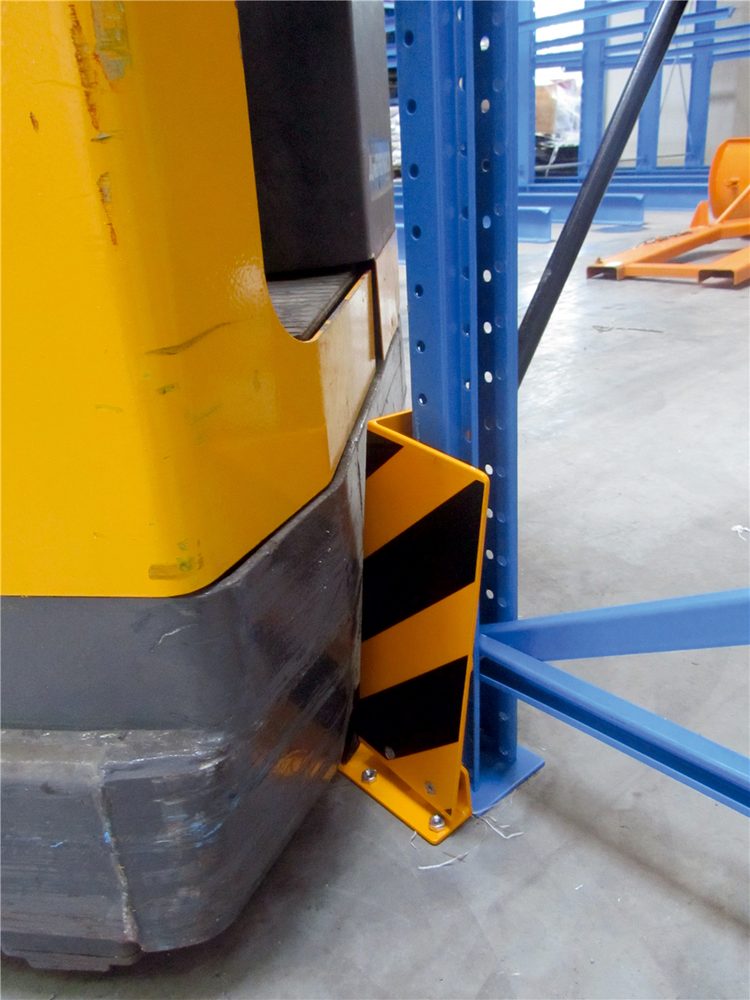
Impact Protection – Rack Protector – U/L-Shape
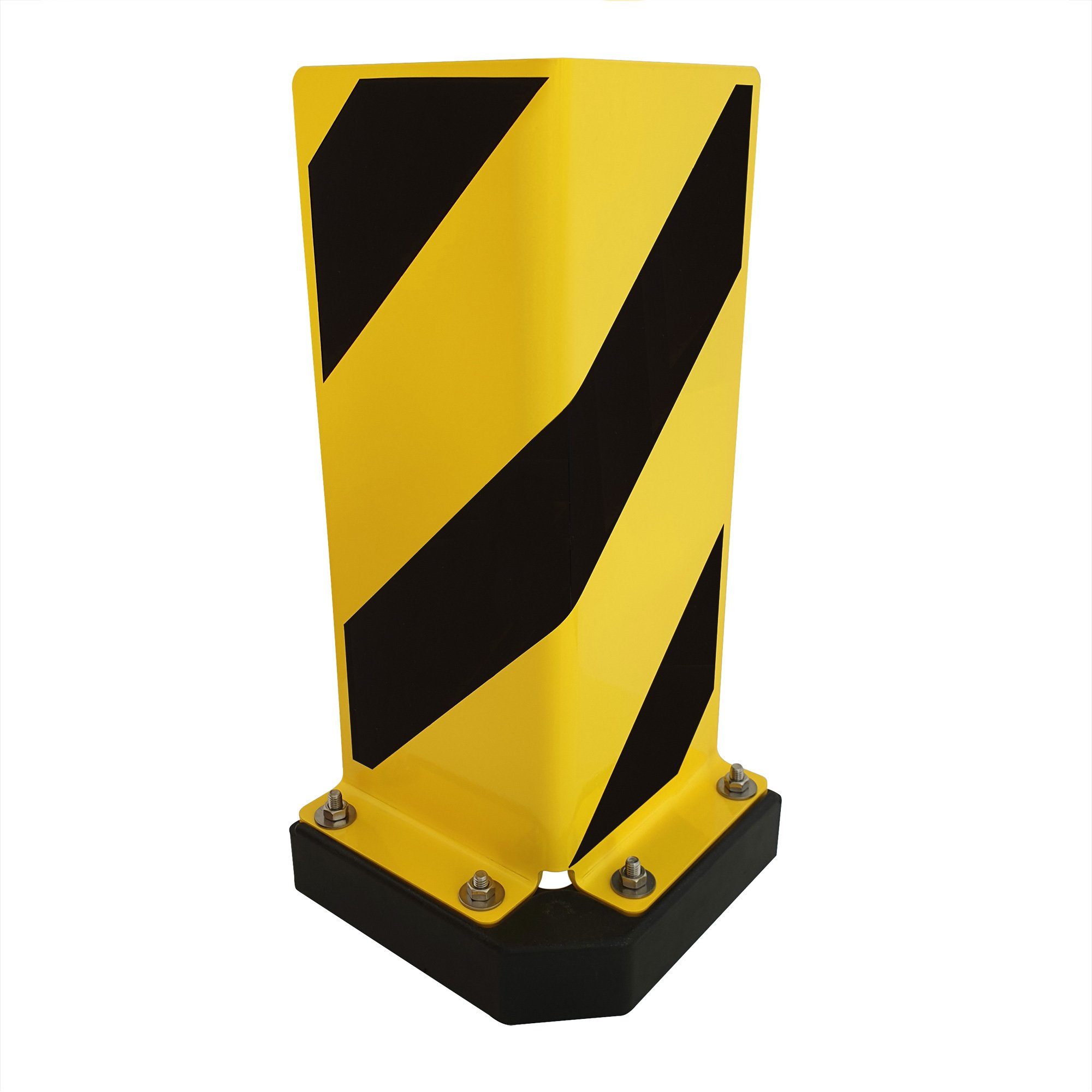
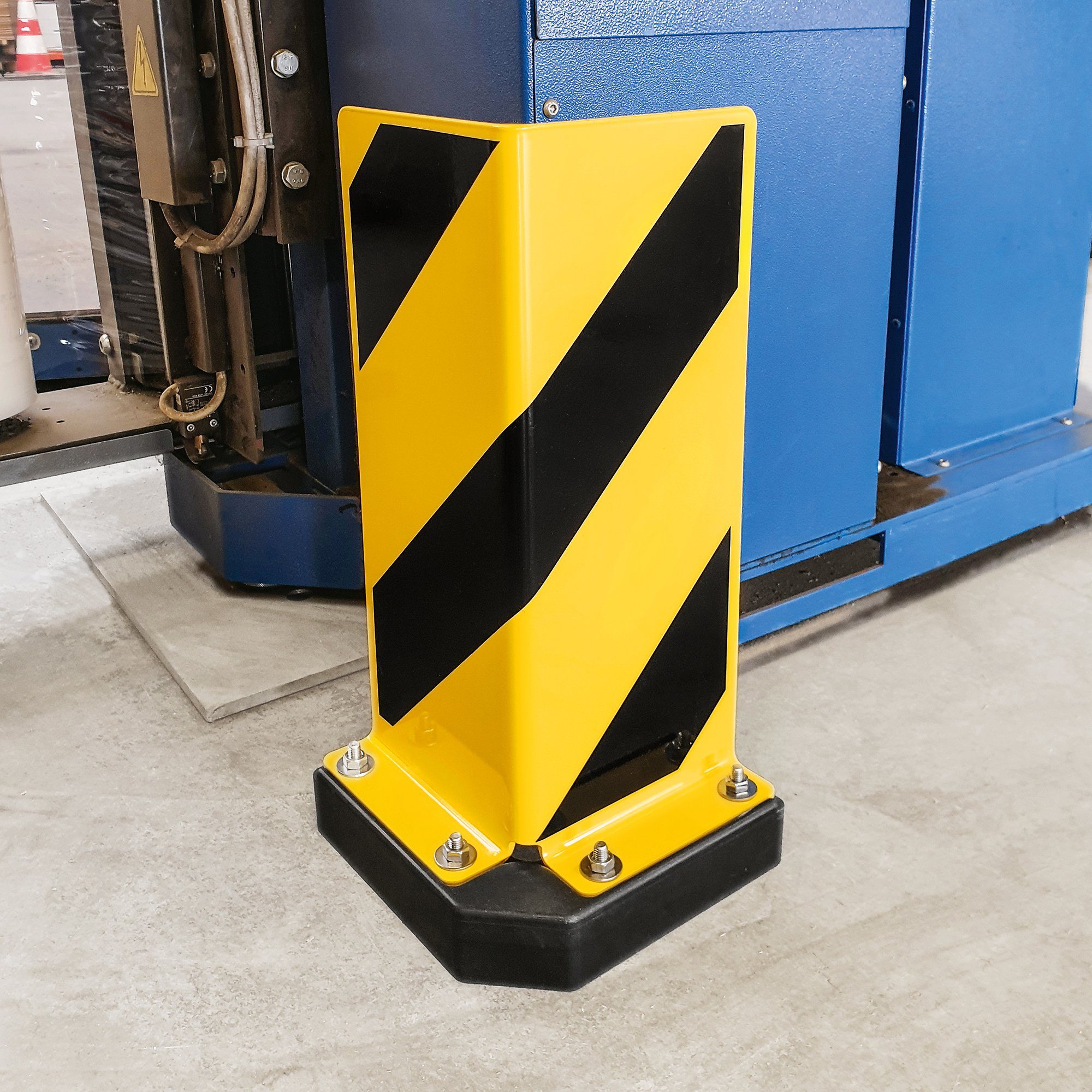
 Black/Yellow
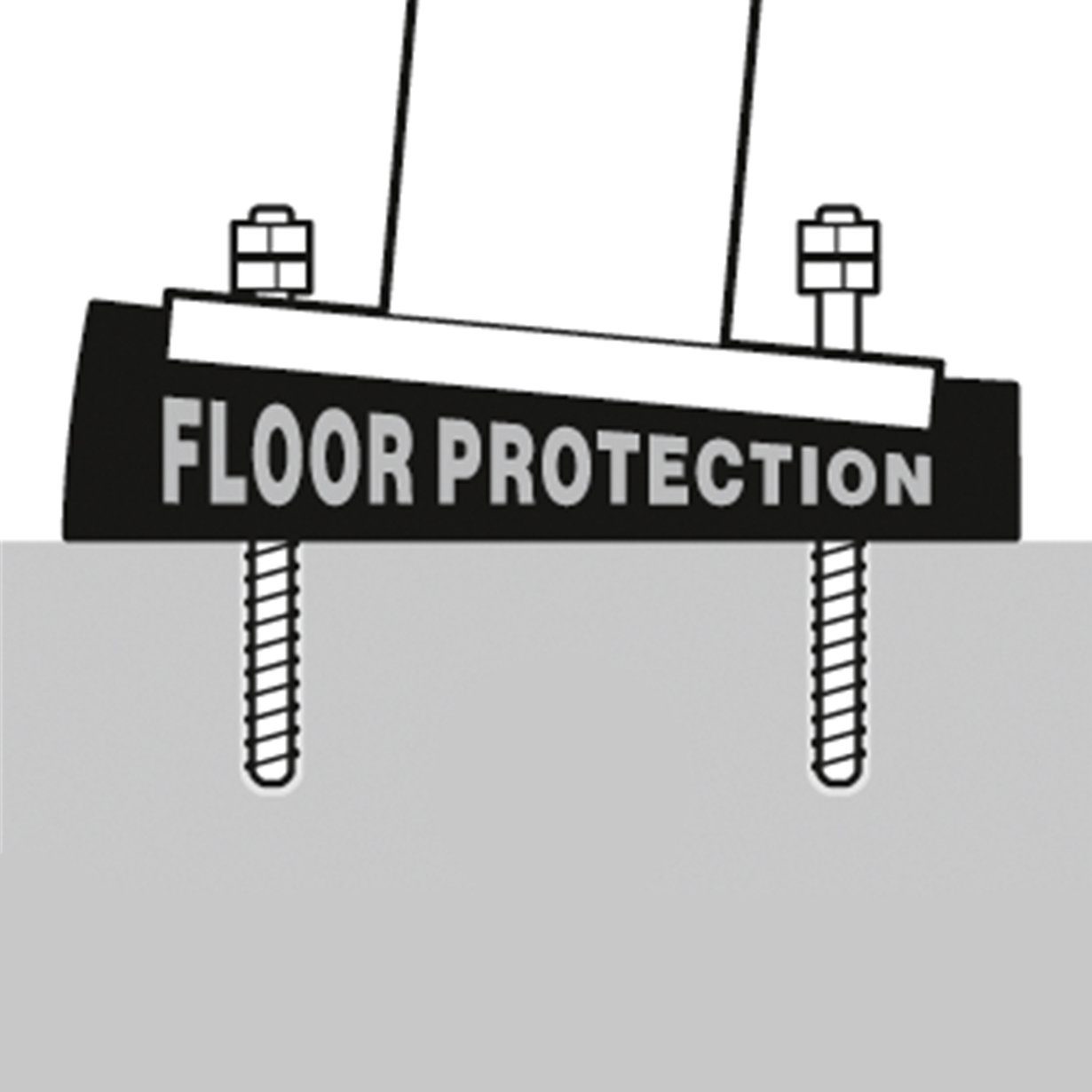
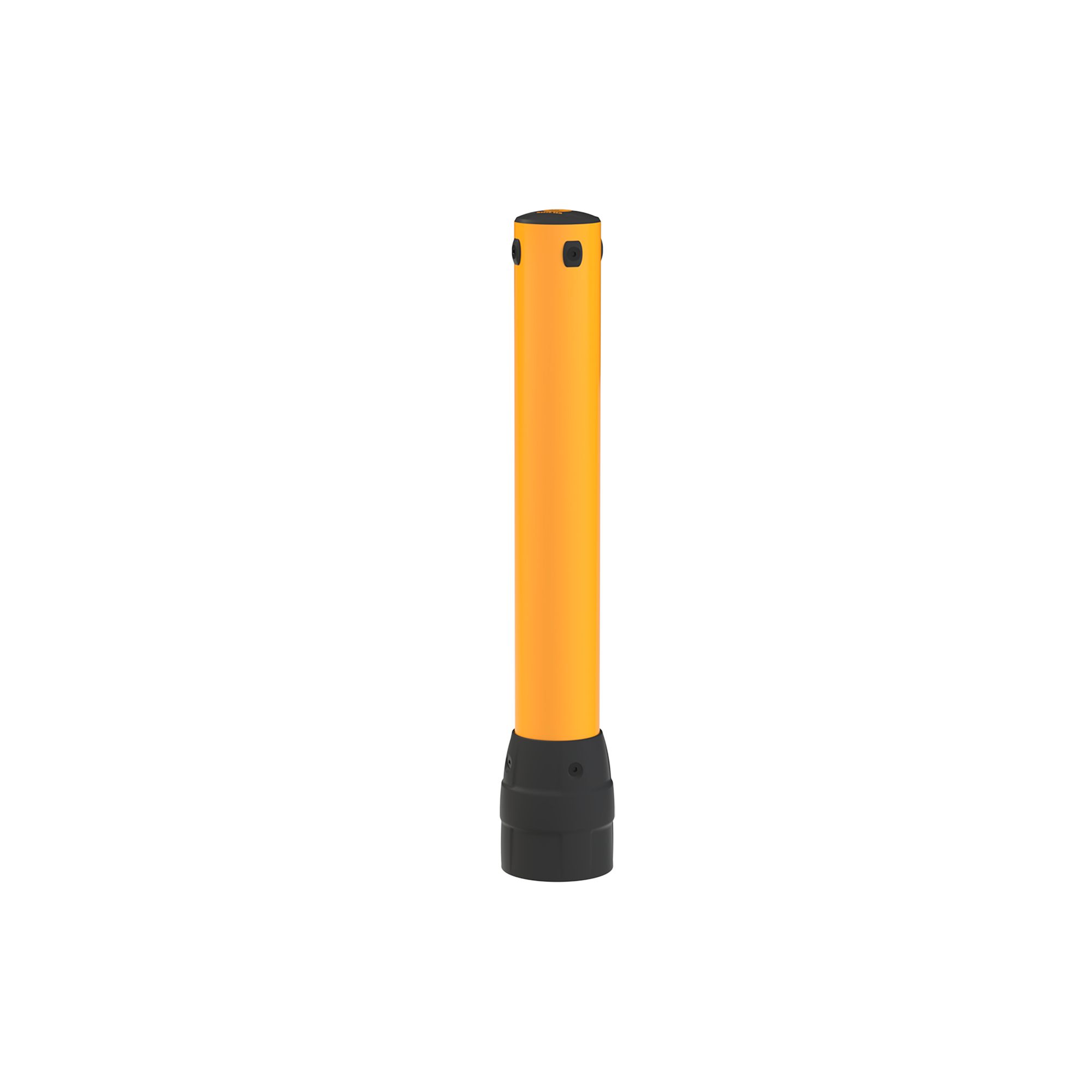
Drive-Over Rack Protector – FLEXIBLE
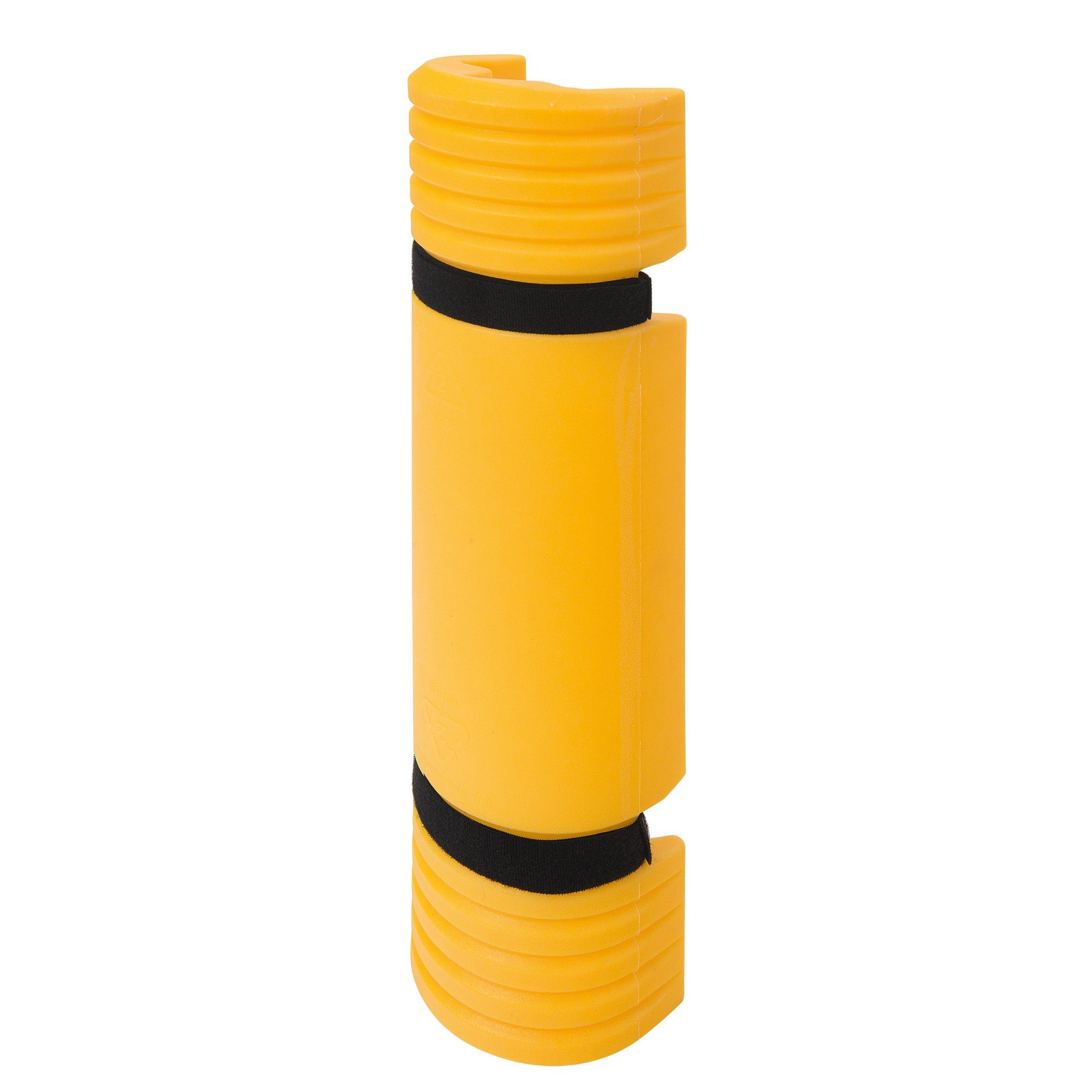
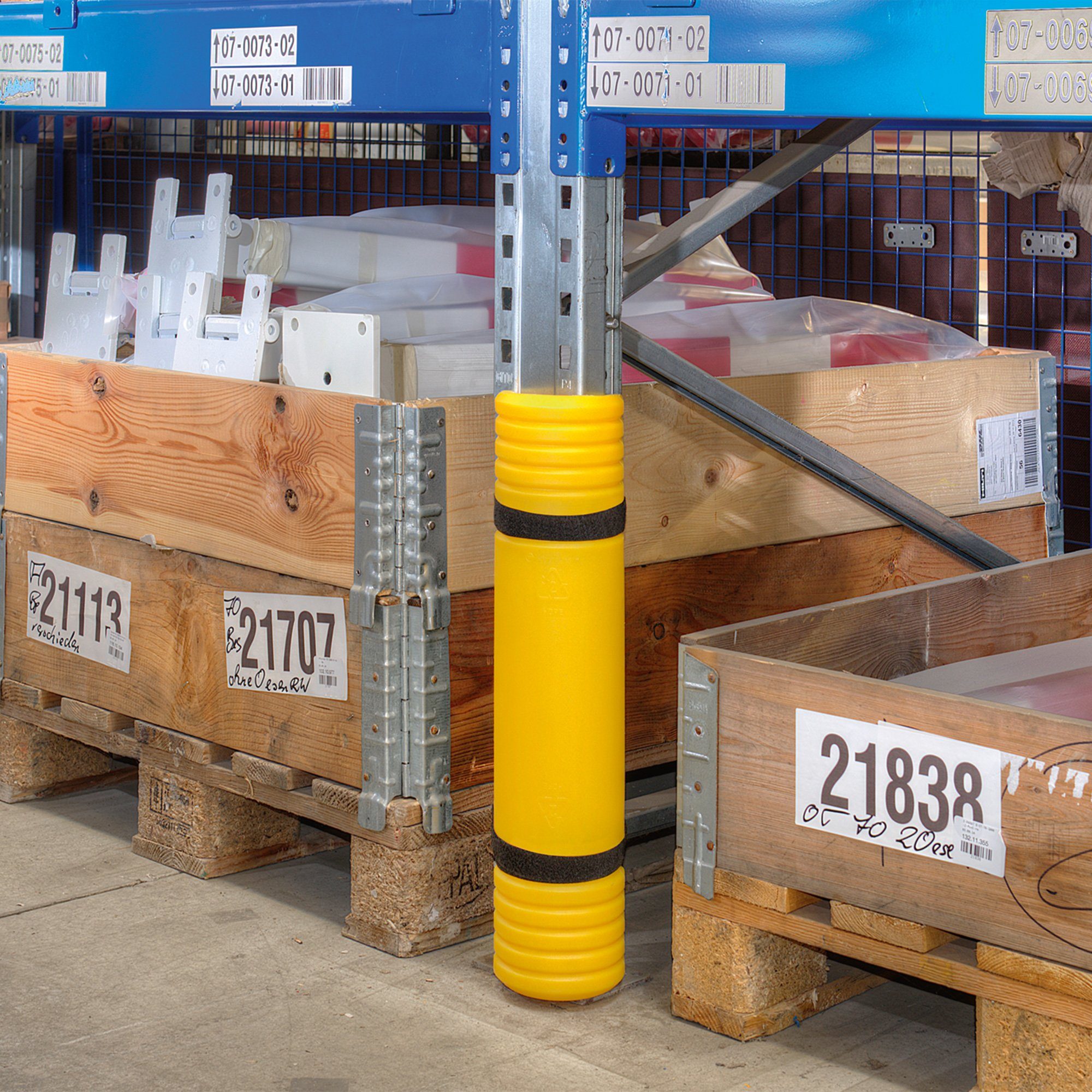
 Yellow
 Black/Yellow
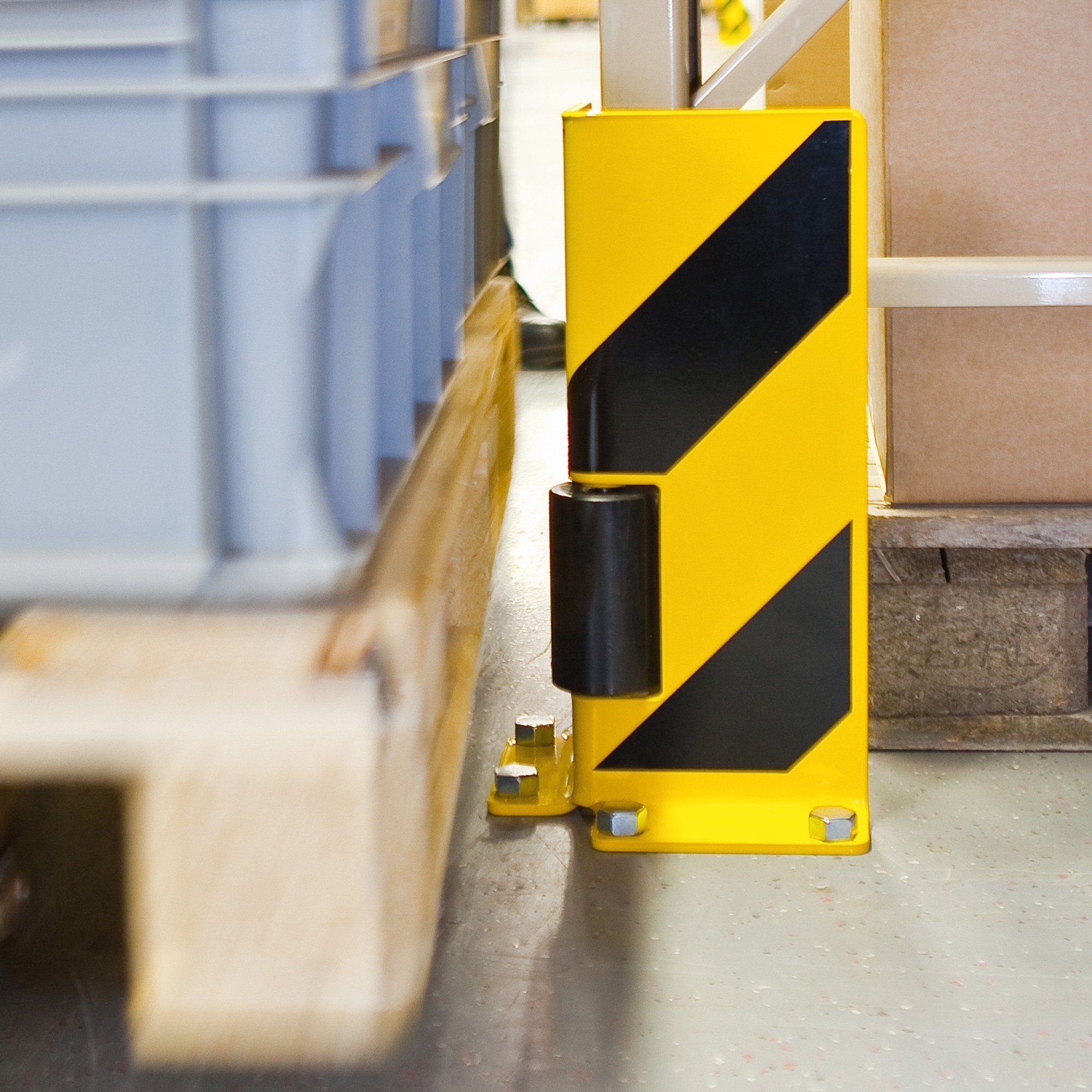
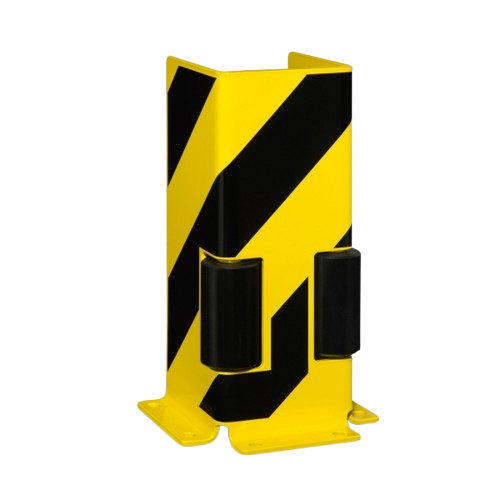
Rack Impact Protection with Guide Roller
 Black/Yellow
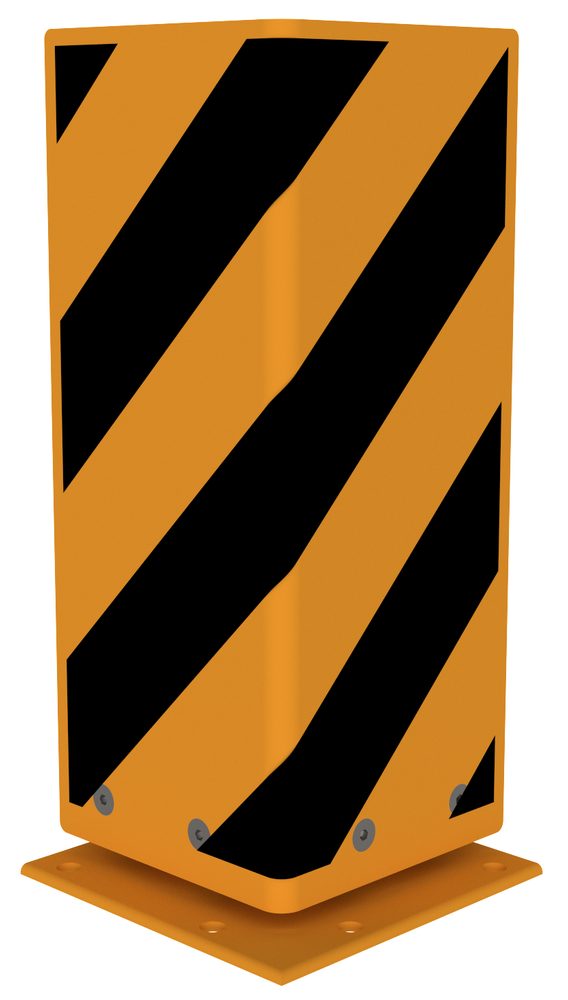
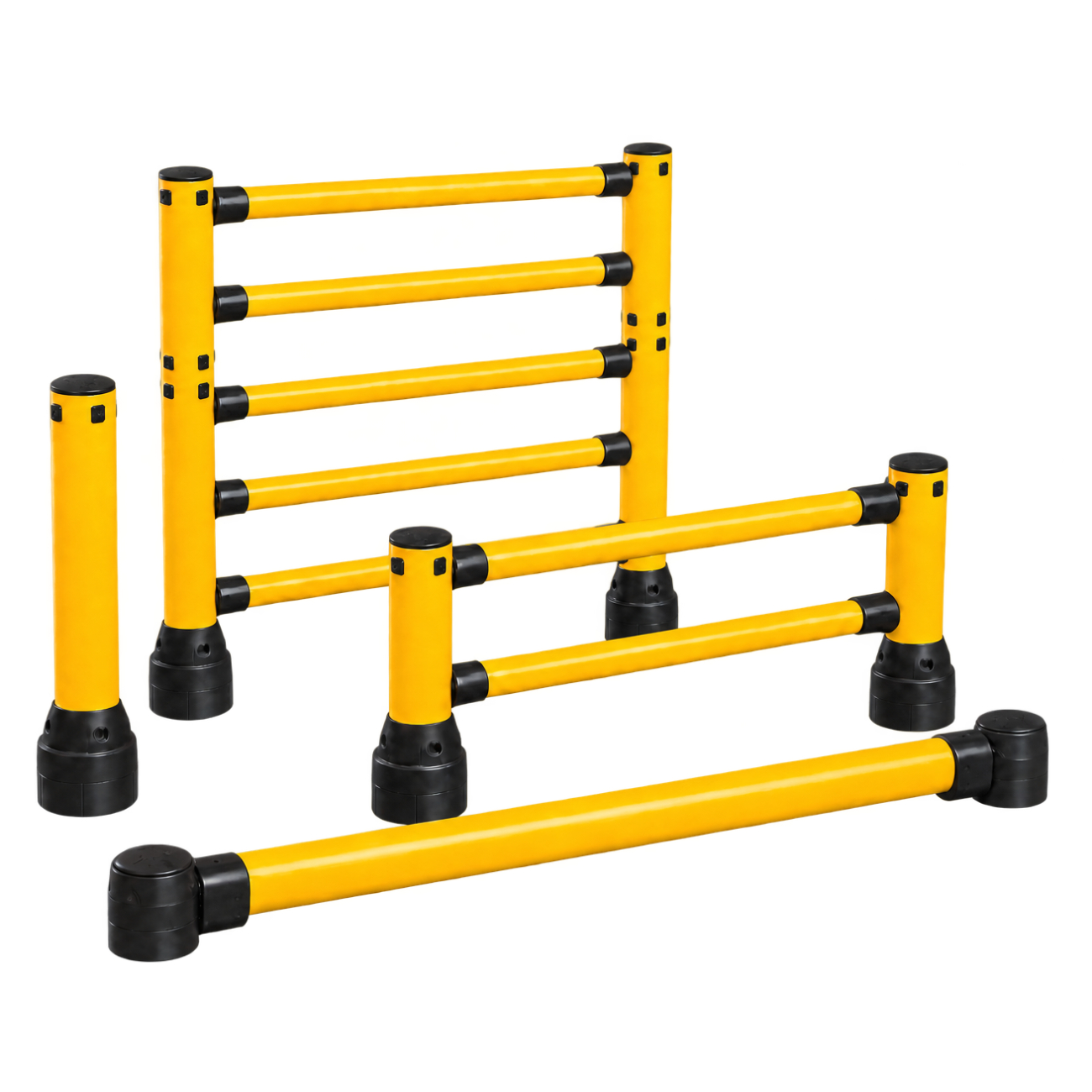
Impact Protection – FLEX+ Protection System
Pallet Rack Protectors That Shield Your Warehouse from Forklift Impact
A pallet rack protector – or pallet rack impact protection – shields the rack's uprights and posts from impact by forklifts and other vehicles. A single forklift collision can damage an upright enough to weaken the entire section, which in the worst case can lead to collapse. With the right protection in place, you reduce the risk of personal injury, costly downtime and damaged goods. At Nordguard, you'll find pallet rack protectors in both steel and plastic – from individual exposed corners to entire warehouse aisles.
Steel or Plastic Pallet Rack Protectors?
- Steel pallet rack protectors – strong and durable, built to take hard hits. Some models feature a guide roller that steers the forklift into position and relieves the upright.
- Plastic pallet rack protectors – flexible and drive-over. They absorb the energy and return to their original shape after a lighter impact, protecting both the floor and the rack.
We also carry flexible, tilting corner protectors and drive-over models with flexible floor mounting that protects the concrete floor during installation.
Requirements and Regulations for Pallet Rack Protectors
As an employer, you are responsible for a safe work environment, and protecting racking is an obvious part of that. The SS-EN 15512 standard covers the structural design of pallet racks, and according to industry practice, an upright protector should be at least about 400 mm high and able to absorb an impact energy of approximately 400 Nm. Prioritize the most exposed uprights – especially at rack ends, corners and aisle entrances and exits.
Where Are Pallet Rack Protectors Needed?
- Warehousing and logistics – at rack ends and corners where forklifts turn.
- Production and workshops – where materials are handled close to racking.
- Retail and wholesale – in high-bay storage and receiving areas.
Do you also need to protect columns, walls or entire aisles in the same facility? See our column protectors and guard rail systems. For an overview of the full range, see the impact protection category.
Need Help Protecting Your Entire Warehouse?
If you'd like to dig into the regulations first, read our guide on pallet rack impact protection – requirements and regulations. Equipping an entire facility? Request a quote and we'll help you calculate quantities and placement – we normally get back to you within one business day.
Frequently Asked Questions About Pallet Rack Protectors
A pallet rack protector is a guard mounted at the pallet rack's uprights and posts to absorb the impact of a forklift collision. It is sometimes also called an upright protector or column guard, and it prevents the rack from being damaged or, in the worst case, collapsing.
Pallet racks are designed according to the SS-EN 15512 standard, and as an employer you have a work environment responsibility to ensure that the warehouse is safe. According to industry practice, an upright protector should be at least about 400 mm high and able to absorb approximately 400 Nm. Always check what applies to your particular facility.
Steel is strong and withstands hard hits, often with a guide roller that steers the forklift into position. Plastic is flexible and drive-over – it springs back after a lighter impact and protects both the floor and the rack. The choice depends on how demanding the environment is and how often impacts occur.
Protect the most exposed uprights first: at rack ends, corners and at the start of each aisle where forklifts turn in and out. That's where most impacts happen.
No, the usual approach is to prioritize the most exposed uprights rather than every single post. Rack ends, corners and aisle ends give you the most protection for your money, but a review of the entire warehouse will help you find all the risk points.