
Impact Protection in Shock-Absorbing Polymer
Impact protection in shock-absorbing polymer protects personnel, machinery, buildings and storage systems from forklifts and other vehicles. The material is designed to flex and absorb the force of an impact, which can reduce damage to the protection itself, the vehicle and the floor anchoring. Explore flexible railings and barriers for warehousing, logistics and industry.
Categories
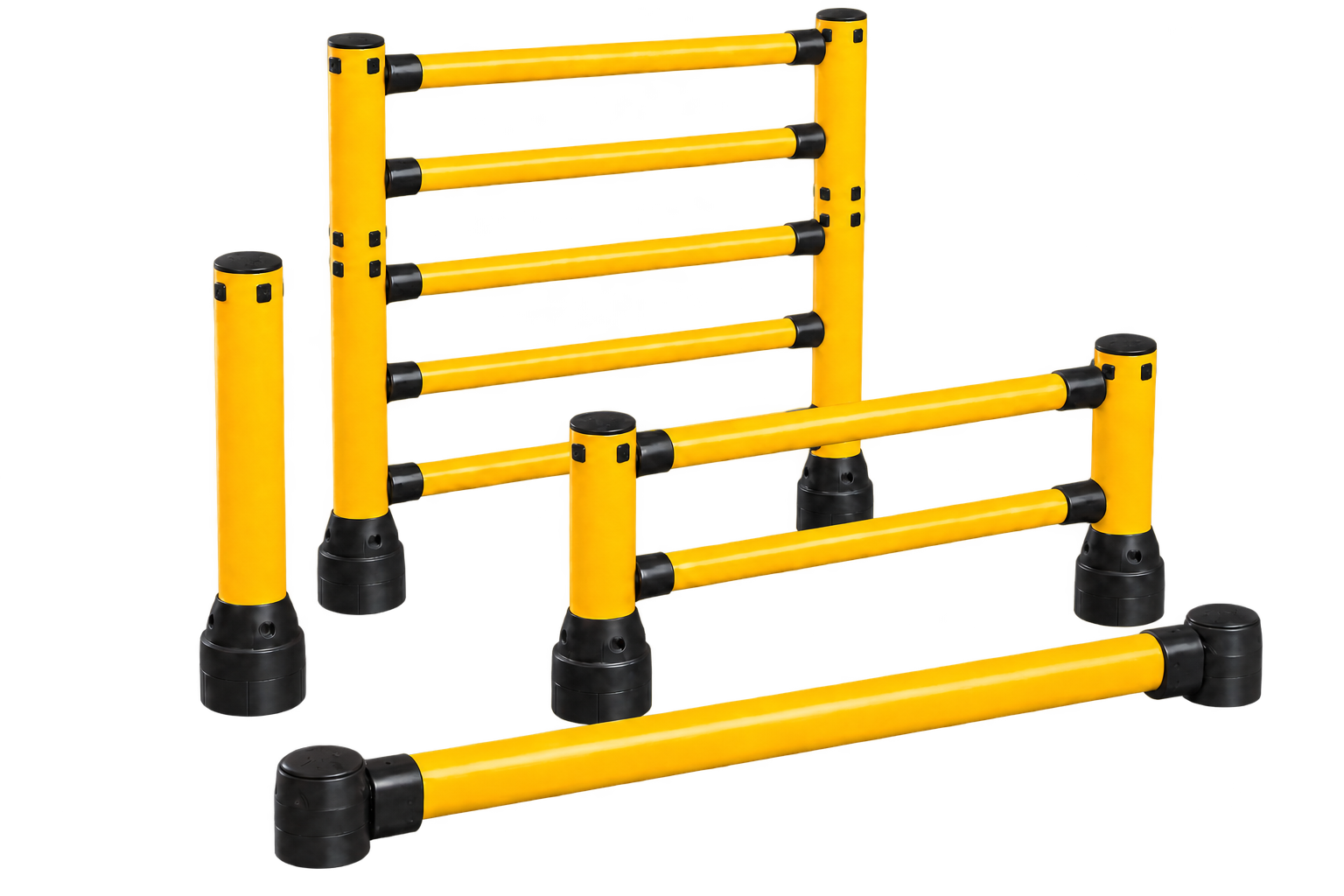 Impact Protection in Shock-Absorbing Polymer
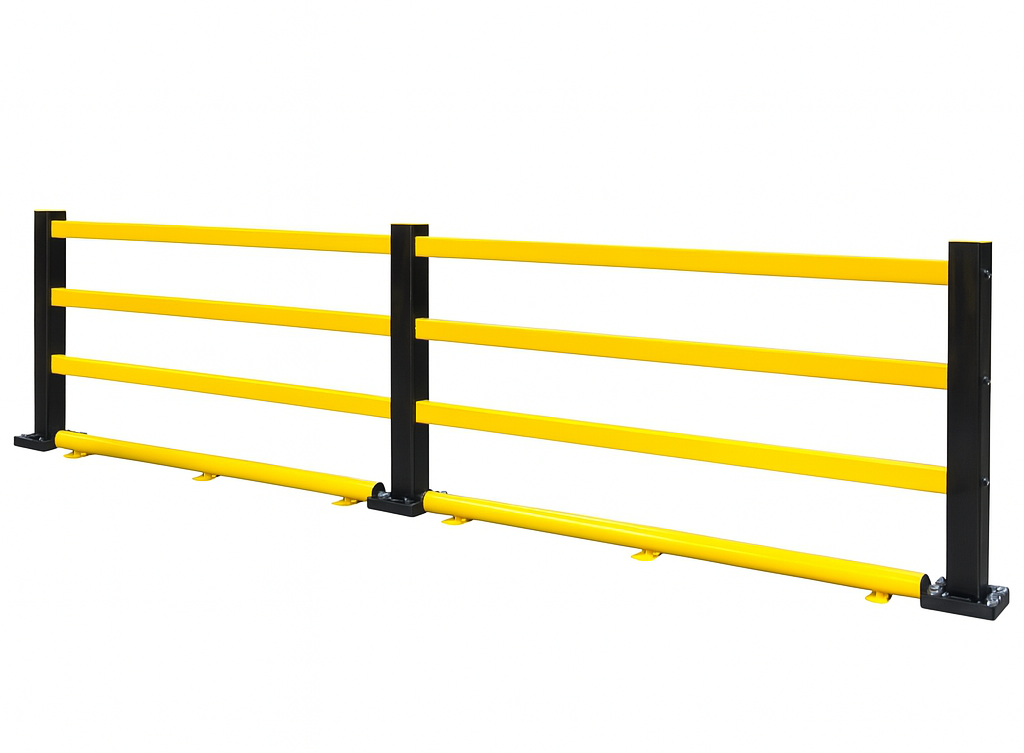 Standard-Height Safety Railing Systems
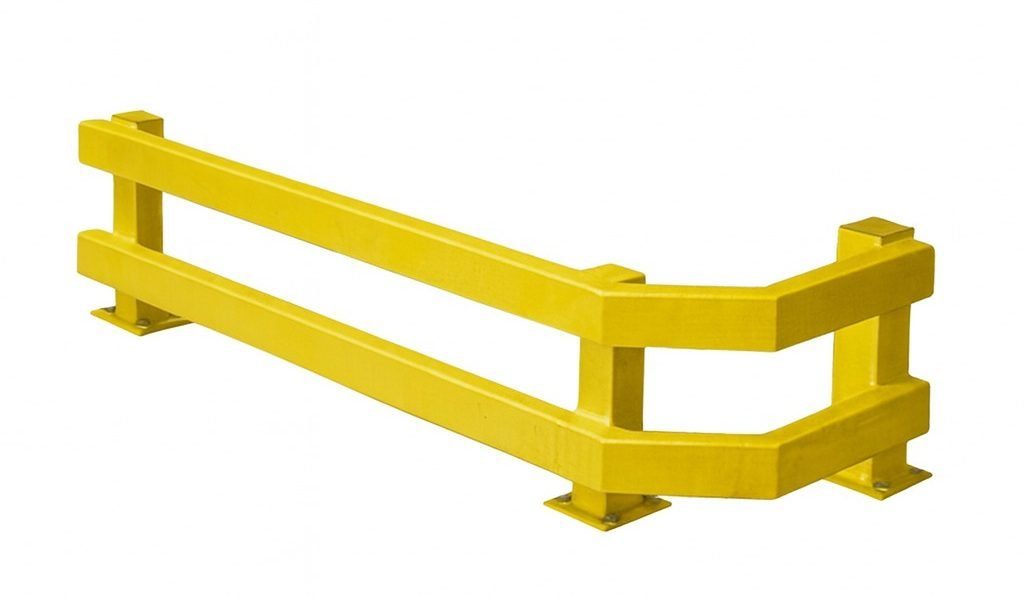 Low-Profile Safety Railing Systems
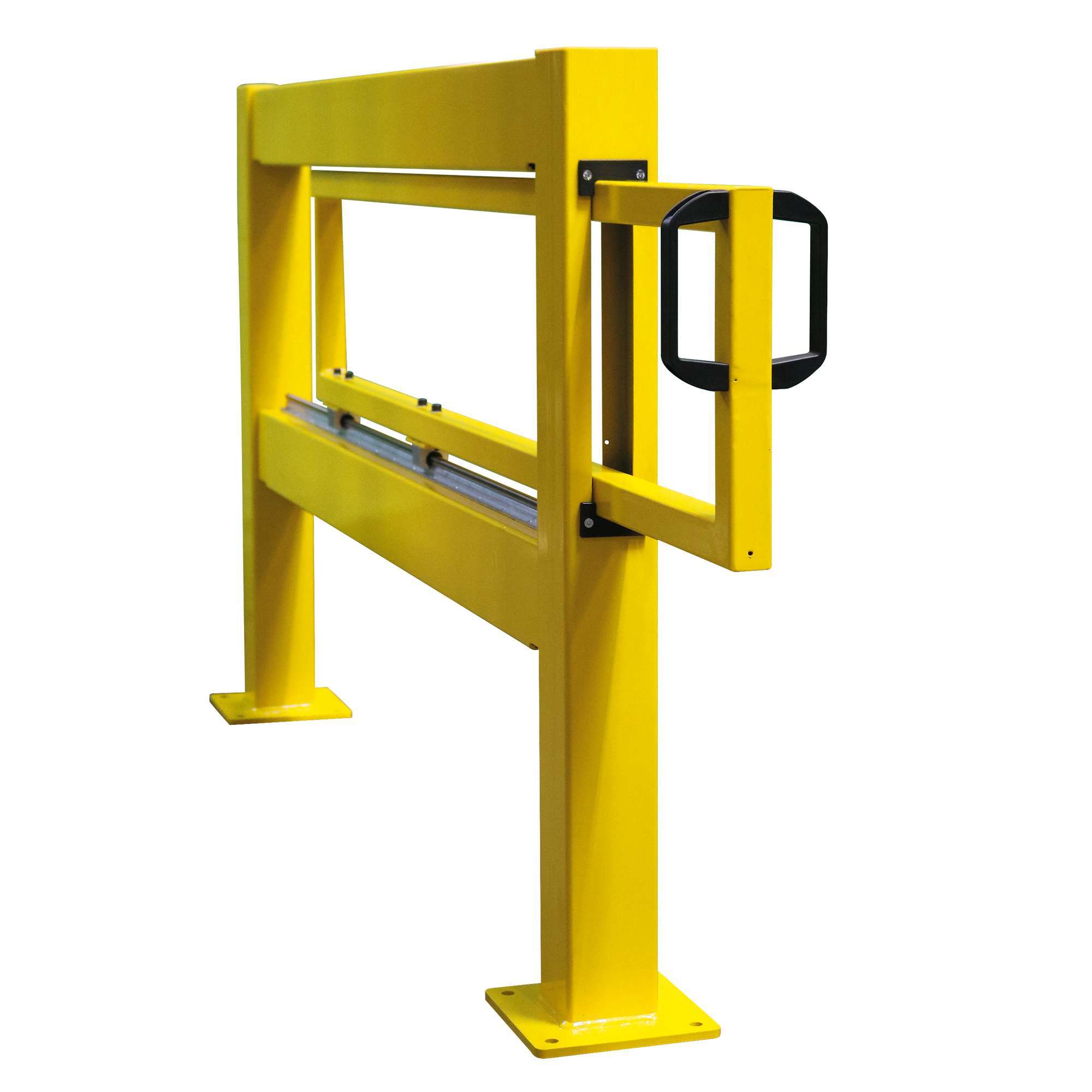 Sliding Gates for Safety Railing Systems
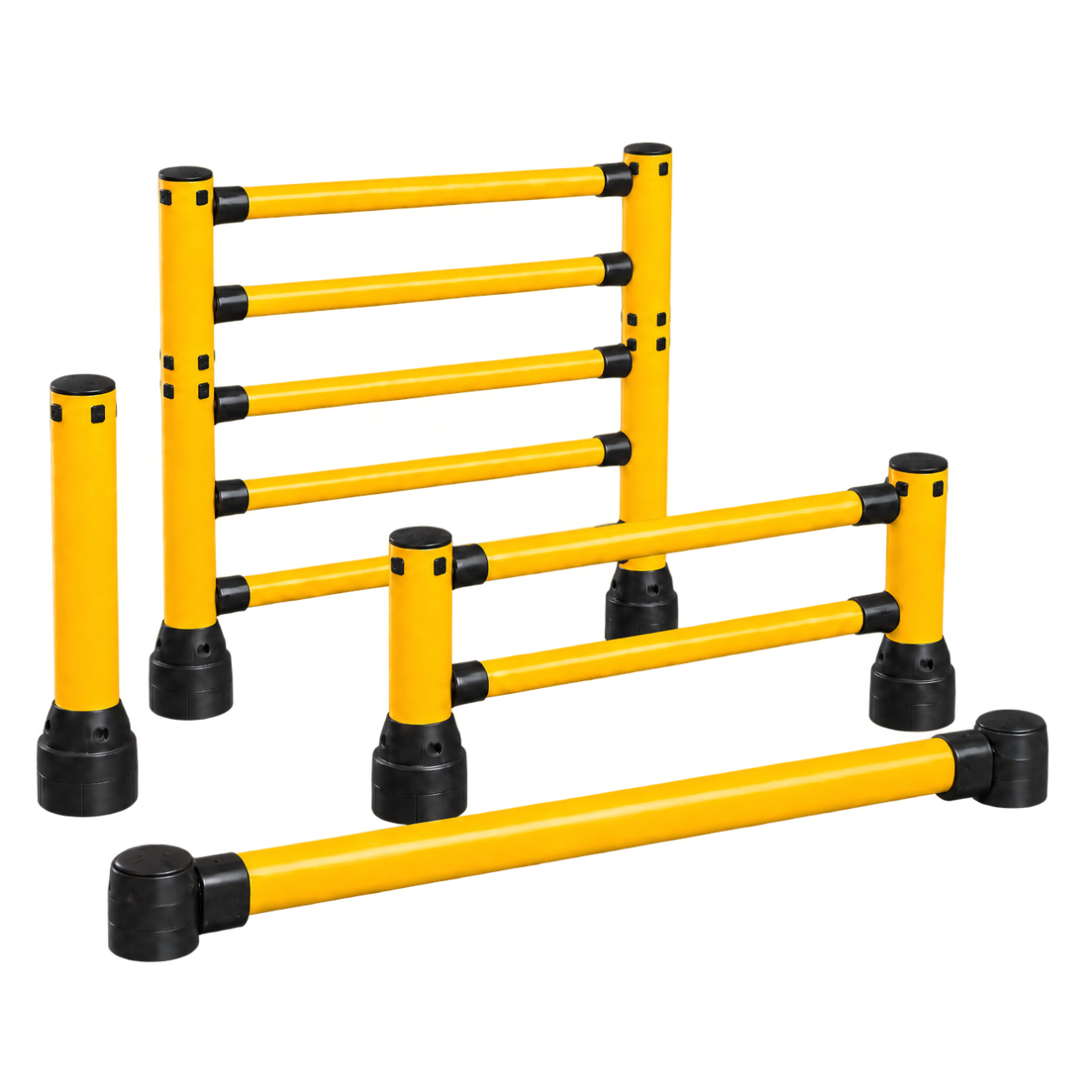
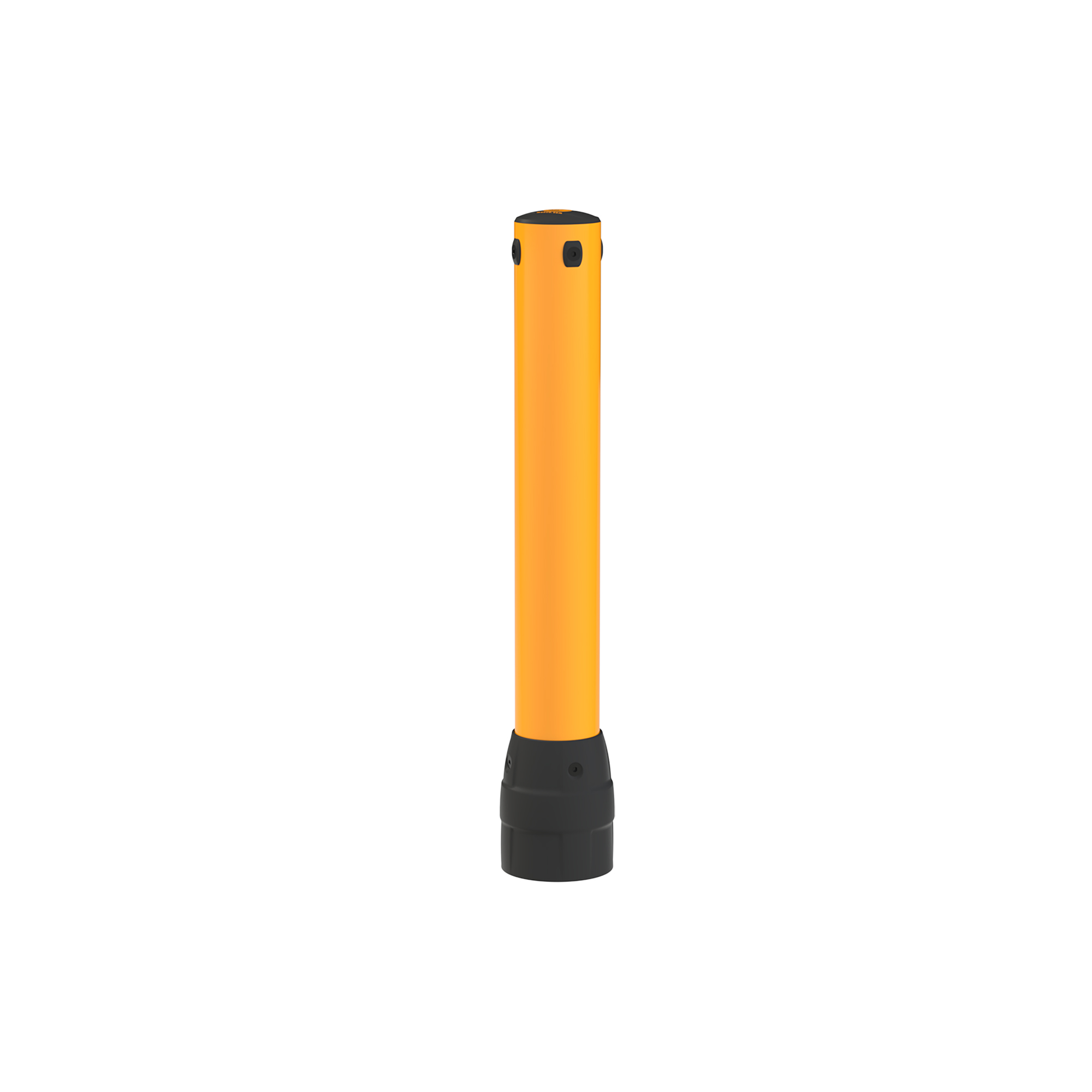 Black/Yellow
Impact Protection – FLEX+ Protection System
Impact Protection in Shock-Absorbing Polymer for Warehouses and Industry
Impact protection in shock-absorbing polymer is developed for environments where forklifts, warehouse vehicles and personnel move close to machinery, buildings and storage systems. Unlike completely rigid barriers, polymer-based protection can flex on impact and absorb part of the kinetic energy before it is transferred to the floor.
This can reduce the risk of damage to vehicles, barriers and floors, and limit the need for repairs after minor collisions. Many models are also designed to return to their original position after loading. Always refer to each product's technical information for values regarding energy absorption, anchoring and recommended applications.
Benefits of Shock-Absorbing Impact Protection
Polymer-based systems combine clear separation with a flexible design. The material does not rust and normally does not need repainting, which makes this protection especially attractive in warehouses, production facilities and logistics environments where maintenance and downtime need to be kept to a minimum.
- Absorbs and distributes the force of an impact
- Can reduce the load on vehicles and floor anchoring
- Does not rust and normally requires no repainting
- Clear separation between pedestrian traffic and vehicle routes
- Modular systems that can be adapted to the facility
- Suitable for protecting people, machinery, doors and building components
If you want to compare the features with traditional steel railings, read our guide on choosing plastic or steel for impact protection.
Create Safe Walkways and Work Zones
A common application is separating pedestrians from forklift traffic. With a continuous railing system, walkways, workstations, machinery and other protected zones can be clearly defined. Gates and openings can be placed where personnel need to pass through, making traffic flow more controlled.
Polymer barriers can also be used in front of doors, walls, conveyors and installations at risk of being hit by forklifts or material handling vehicles. For more designs and materials, see the full category of guard rail systems or our complete range of impact protection.
How to Choose the Right Polymer Barrier
Your choice should be based on a risk assessment of the specific location. Vehicle weight and speed matter a great deal, but the impact angle, traffic intensity and distance between the barrier and what needs protecting also affect which solution is required.
Check in particular:
- what type of forklift or vehicle is used
- the vehicle's maximum weight and normal speed
- the possible impact angle
- what needs protecting and what safety clearance is required
- the condition of the floor and whether proper anchoring is possible
- the product's documented energy absorption and maximum load
A tall barrier may be needed to protect pedestrians, while a low-profile guard may be sufficient in front of a machine or along a wall. For high loads, polymer can be combined with steel or other heavier-duty protection. Our buying guide for warehouses and logistics buildings helps you identify the risks and choose the right type of protection.
For Warehouses, Terminals and Production Environments
Shock-absorbing polymer systems are used primarily where recurring forklift traffic creates a risk of collision. This may be along walkways, at goods receiving areas, around machinery or between different work zones.
See also our examples of protection solutions for warehousing and distribution and freight terminals.
Mounting and Placement
The protection only works if the right product is selected and mounted on a floor that can handle the forces involved. The barrier must be placed at a sufficient distance from the person, machine or building component being protected, since a flexible system can deflect on impact.
Always follow the product's mounting instructions and anchoring requirements. For larger installations, Nordguard can help with product selection, sizing and quote documentation. Also read about legal requirements and responsibilities for impact protection.
Frequently Asked Questions About Polymer Impact Protection
It is flexible protection made from a polymer-based material designed to absorb and distribute the force of an impact. It is used, among other things, to define walkways and protect machinery, building components and work areas.
Steel barriers protect mainly through their rigidity and strength, while polymer protection can flex and absorb part of the kinetic energy. Polymer does not rust and normally does not need repainting. Which material is best depends on the vehicle, speed, environment and expected load. Read our comparison of plastic and steel.
Many polymer-based guards are designed to flex and then return to their original position after loading. However, performance and maximum load vary between models. Always check the product's technical specifications and inspect the protection after a heavy impact.
Start with the vehicle's weight, speed and possible impact angle, as well as what needs protecting. Then compare this with the product's documented energy absorption and recommended applications. If you're unsure, we're happy to help you determine which model is right.
Yes, polymer-based safety railings are often used to create clear walkways and separate personnel from forklifts and other material handling vehicles. The system must be sized for the specific traffic and placed with sufficient safety clearance behind the barrier.
By flexing and absorbing part of the force, a shock-absorbing system can reduce the peak load on the anchoring. However, the result depends on the product, impact force, anchoring and floor quality. The floor must always be checked before mounting.
Most systems are anchored to the concrete floor with dedicated fasteners. The exact mounting method and floor requirements vary between products. Always follow the mounting instructions and leave the safety clearance specified for the barrier's maximum deflection.
Yes. We can help you select and size protection based on vehicles, traffic environment and what needs protecting. Contact us for advice or request a quote for a larger installation.